16 Days
Check Our Risk-Free Booking Policy View Details

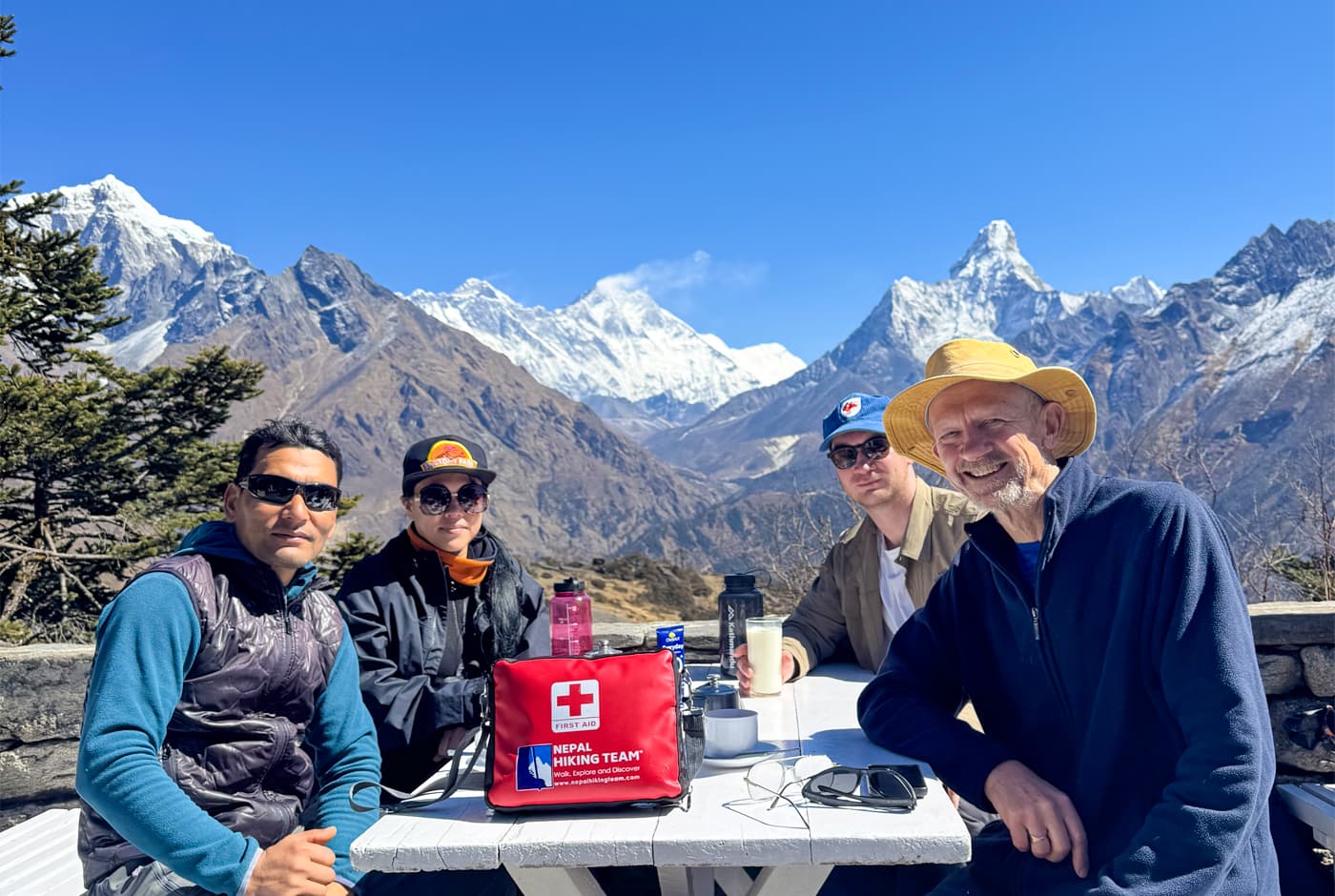
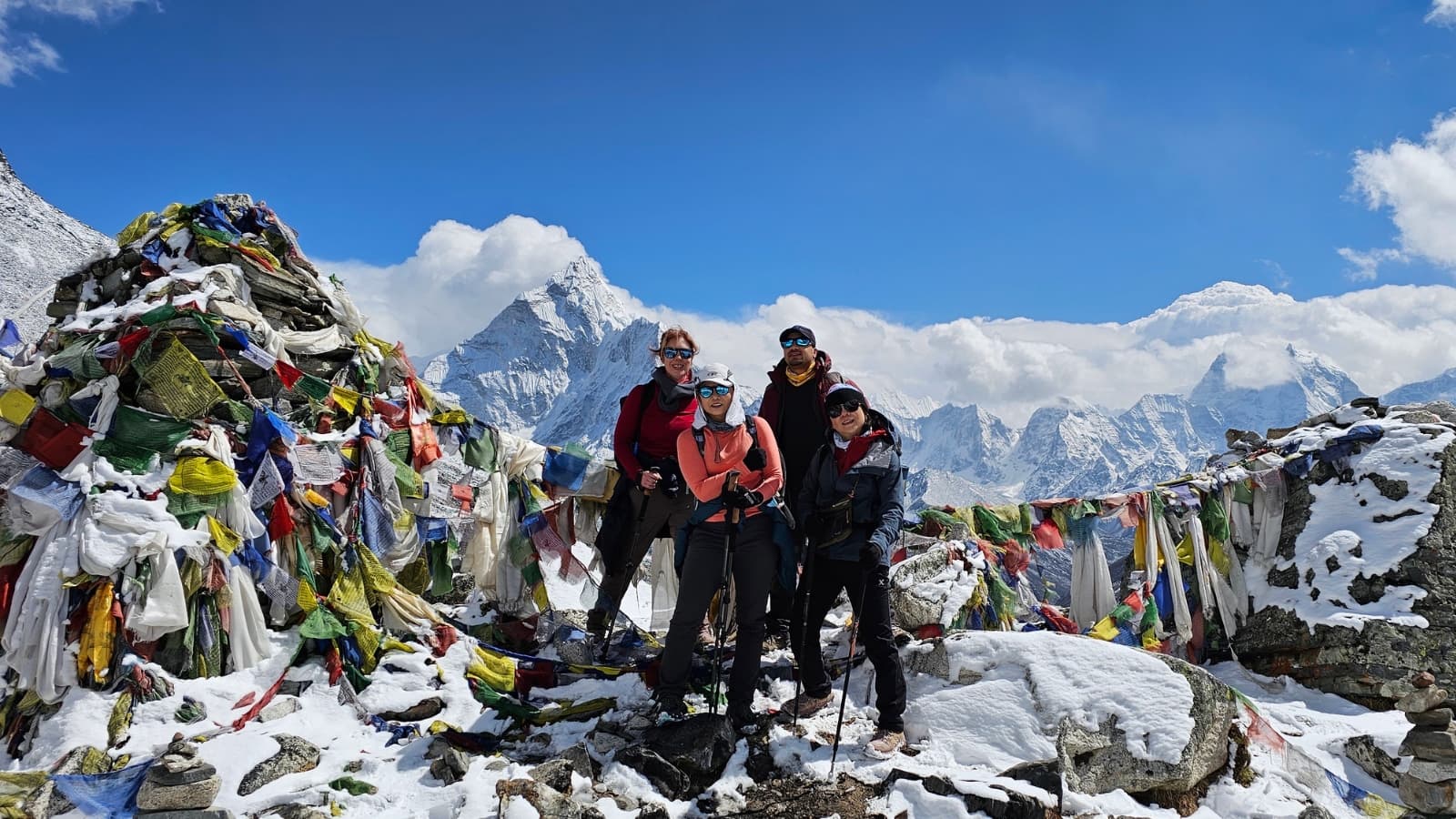
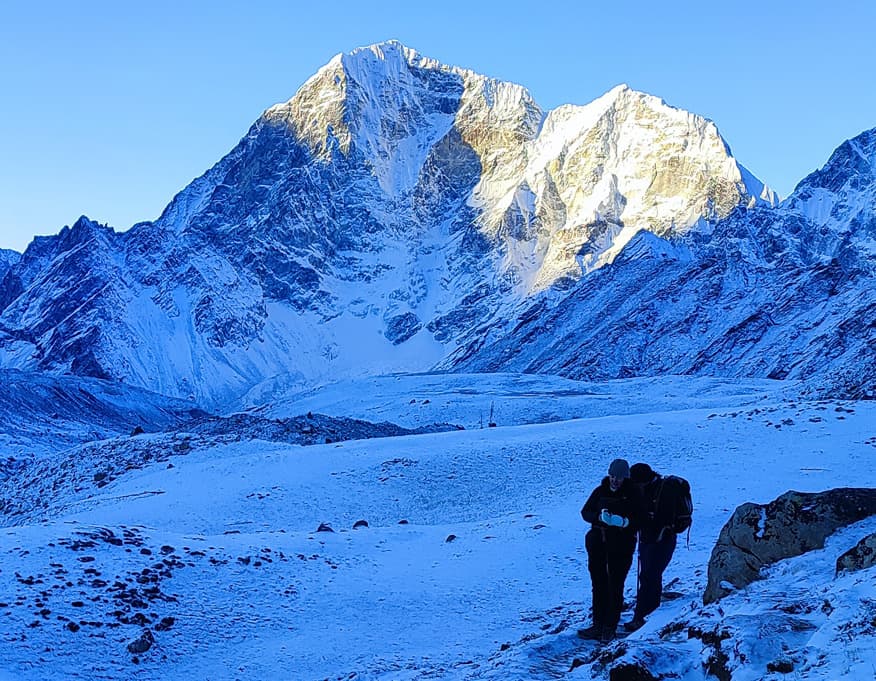
The number-one bucket-list trek on Earth begins with a scenic 30-minute flight to Lukla, the gateway to the Everest region. From Lukla, the trail follows the Dudh Koshi Valley, passing through well-known villages of the enduring Sherpa people of Everest Region, including Namche Bazaar, Tengboche, and Dingboche, while gradually ascending through the Khumbu region.
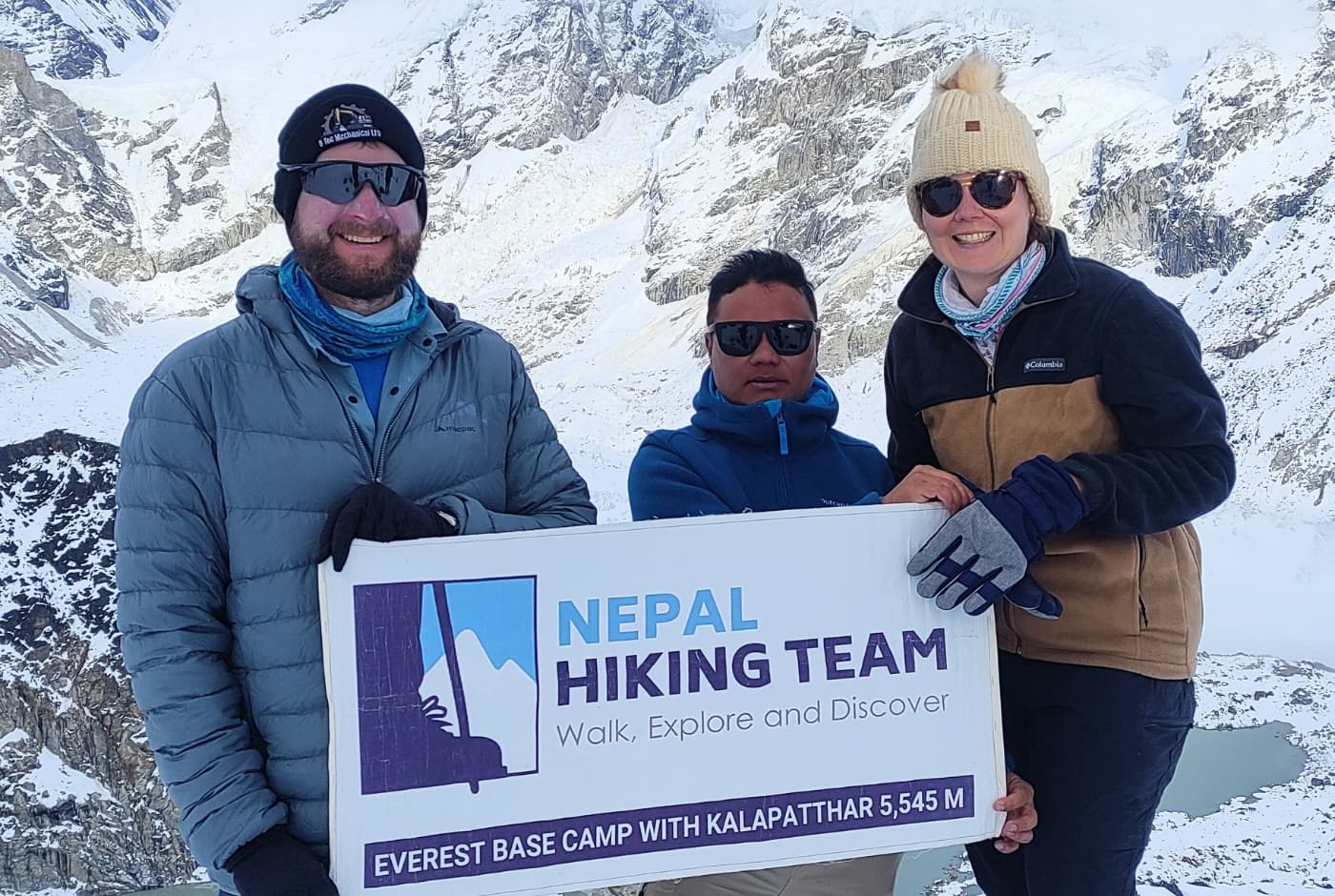
The Everest Base Camp trek, one of the top treks in Nepal, reaches Everest Base Camp at 5,364 meters, set beside the Khumbu Icefall. The next day, trekkers climb Kala Patthar at 5,545 meters, the highest point of the trek and the best viewpoint for Everest and the surrounding Himalayan peaks.
The highest sleeping point on the EBC trek is Gorak Shep at 5,164 meters.
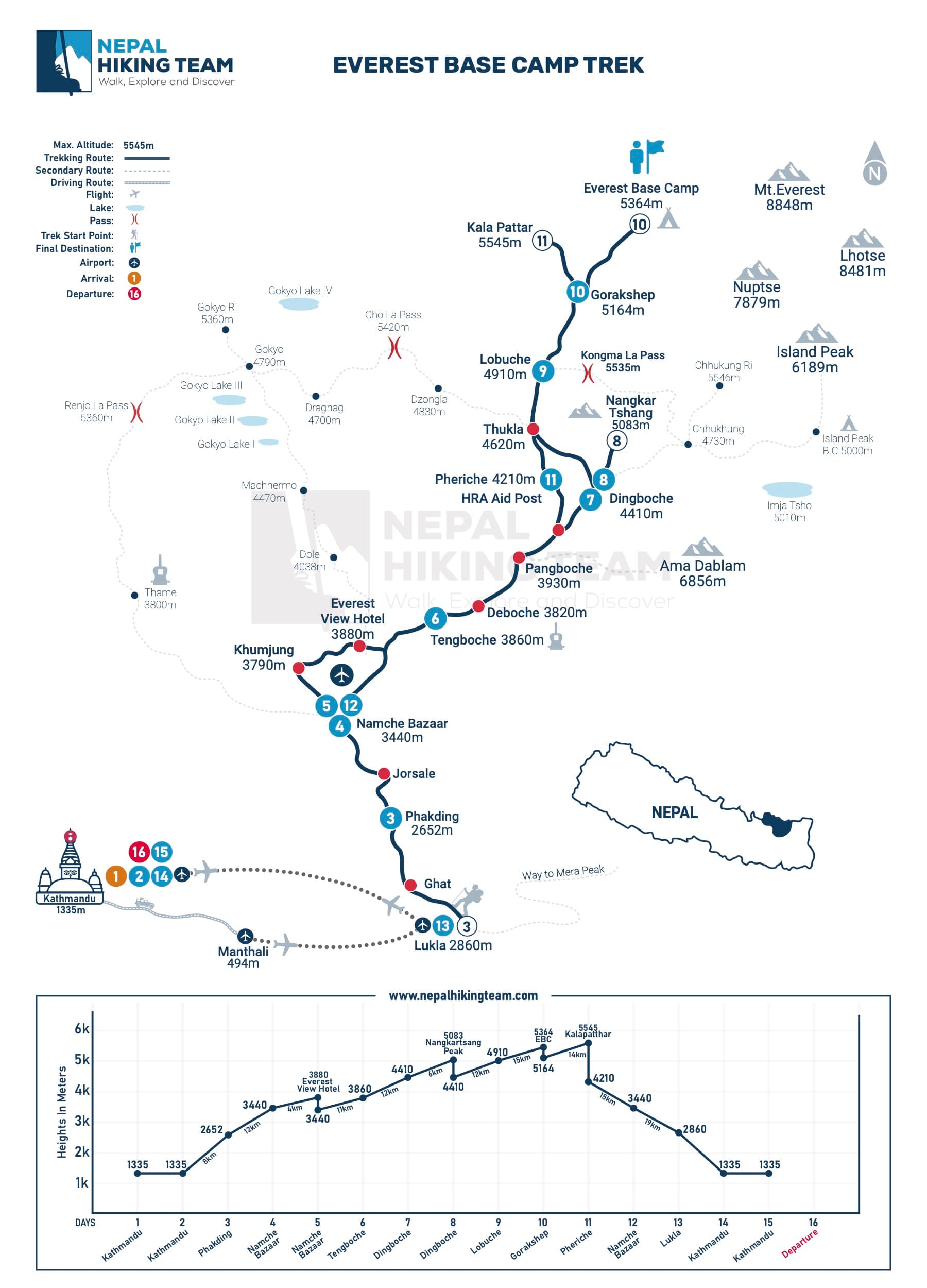
The 16-day Everest Base Camp trek includes 11 days of trekking, with two acclimatization days at Namche Bazaar and Dingboche. The itinerary allows one day for the Lukla to Kathmandu flight, one pre-trek rest day in Kathmandu, one buffer day for potential Lukla flight delays, and two days for international arrival and departure.
The Everest Base Camp trek covers 138 km (85.7 miles), including the hike to Kala Patthar and both acclimatization hikes.
The Everest Base Camp trek difficulty is considered moderate by most trekkers, with a non-technical route suitable for fit hikers with good endurance, even without prior high-altitude trekking experience.
The best time of the year for the Everest Base Camp trek is spring (March to May) and autumn (September to November), when weather conditions are stable, flight reliability to Lukla is higher, trails remain dry and safe, and daytime temperatures stay comfortable for trekking.
Why should you choose the EBC package? Well, the Everest Base Camp Trek brings together iconic viewpoints, towering snow-capped peaks, Sherpa culture, and protected alpine landscapes.
Encounter four eight-thousand-meter mountains on the Everest Base Camp trek, including Mount Everest (8,848.86 m), Lhotse (8,516 m), Makalu (8,485 m), and Cho Oyu (8,188 m).
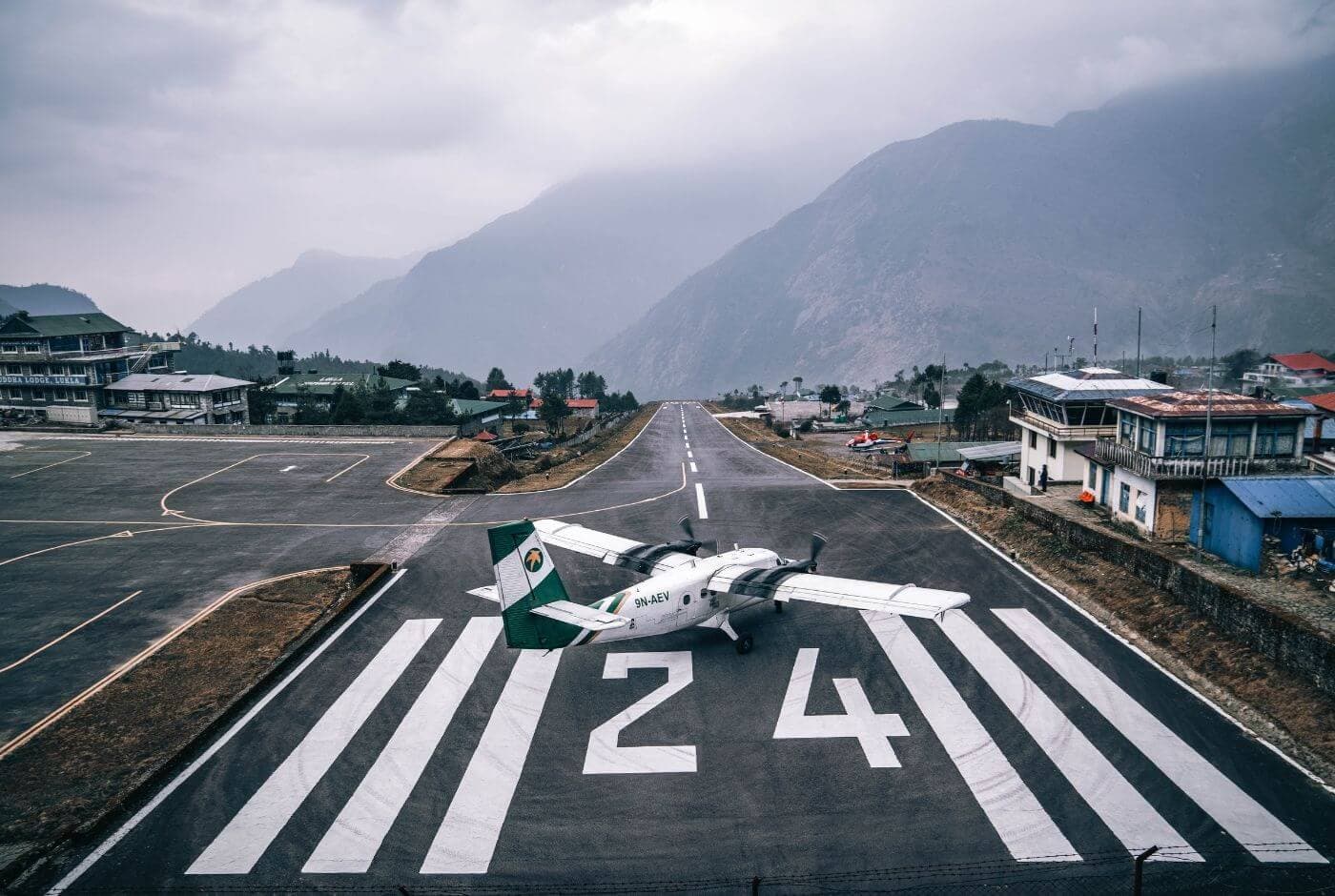
Fly to Tenzing–Hillary Airport (2,860 m), where a short mountain runway and rapidly changing weather make the approach uniquely challenging and memorable.
Trek through Sagarmatha National Park, a UNESCO World Heritage Site, along ancient alpine trails while spotting flora and fauna in the region of Everest, such as blue sheep, yaks, rare birds, and the Himalayan Monal.
The Everest Base Camp trail offers a rare balance of well-managed infrastructure and thoughtful commercialisation while preserving authentic mountain culture and raw trekking experiences.
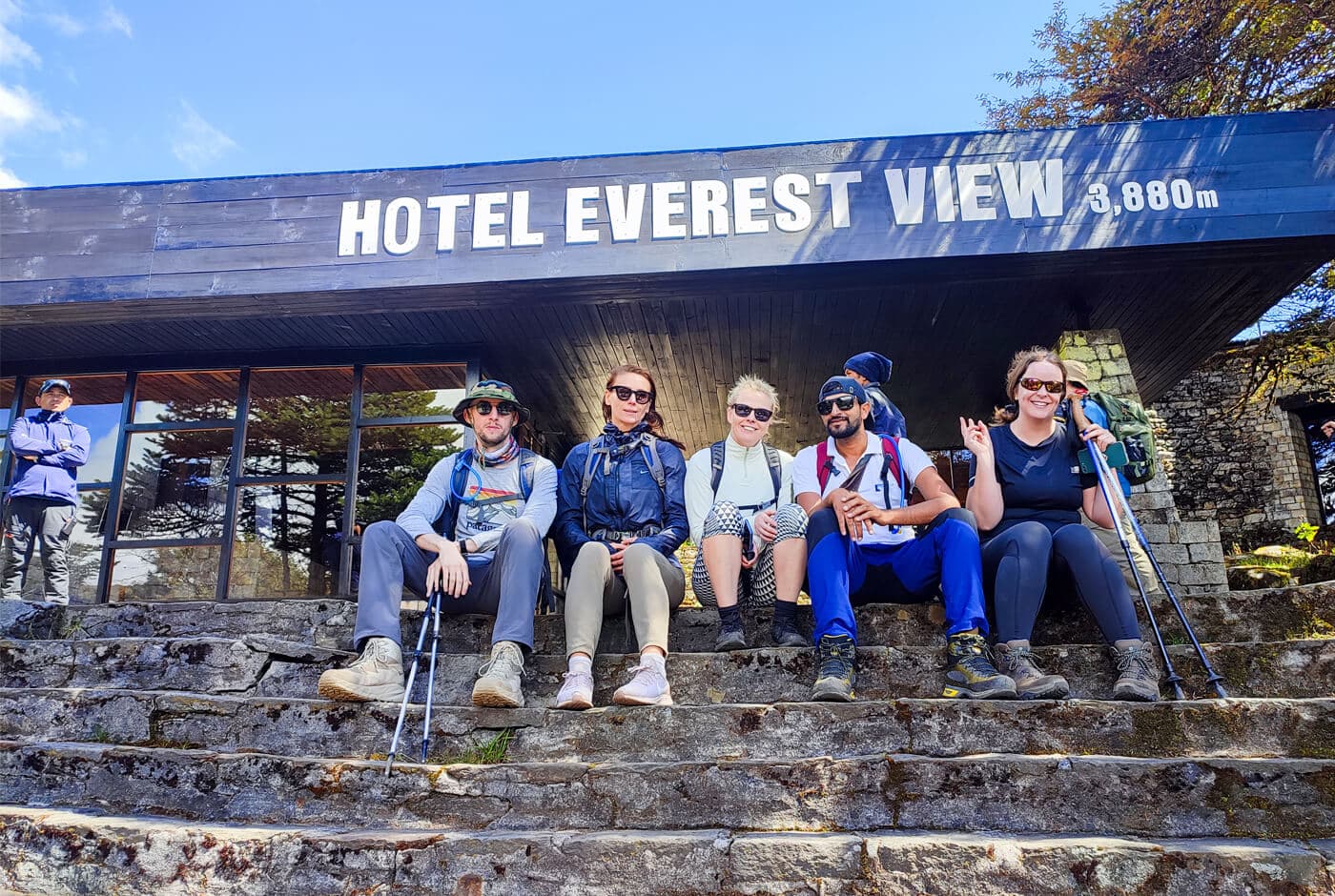
Acclimatization is crucial and non-negotiable on the Everest Base Camp trek. Proper acclimatization days are included to ensure safety and comfort, with planned hikes from Namche Bazaar to the Everest View Hotel and from Dingboche to Nangkartshang Hill.
From Phakding, the trail passes through pine, rhododendron, and fir forests, opening into expansive alpine terrain at Tengboche, where trekkers often catch their first clear view of Mount Everest.
Beyond Tengboche, the forest briefly returns before thinning with altitude, and from Dingboche to Lobuche, passing through Thukla Pass, the landscape becomes fully open alpine terrain above the treeline.
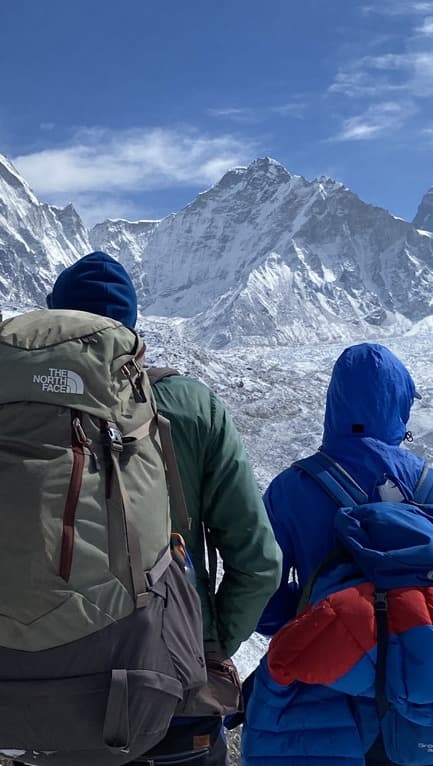
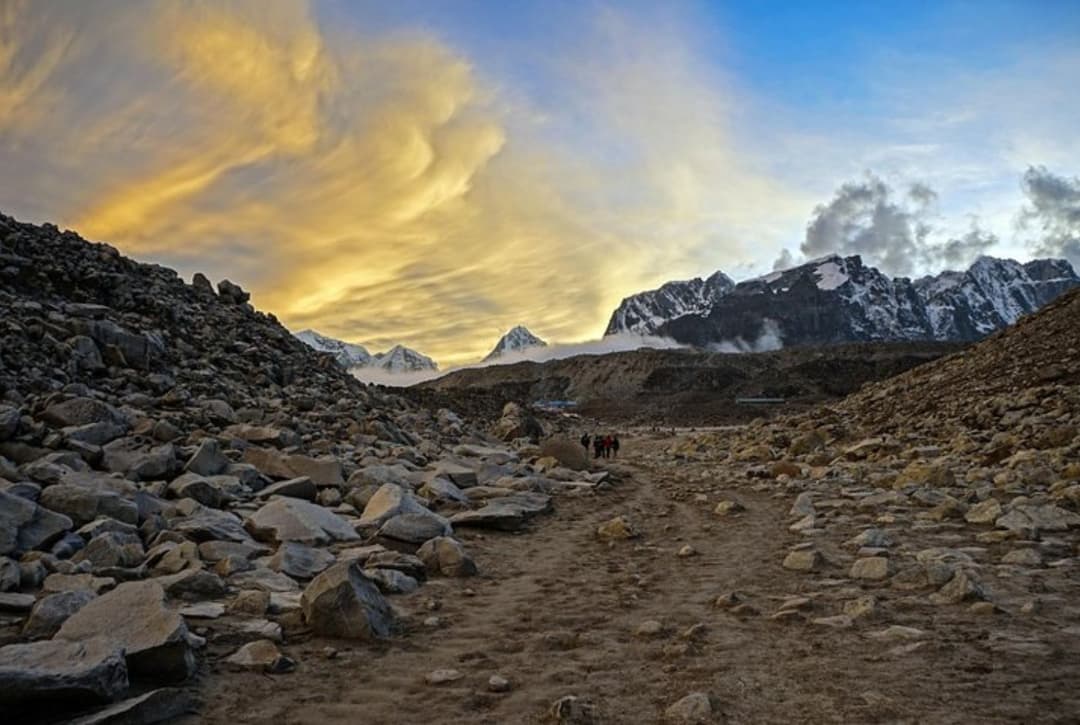
The final approach to Everest Base Camp from Lobuche follows rugged moraine paths alongside the Khumbu Glacier.
Several sections of the trail include well-built stone staircases, especially around Lukla and along the acclimatization hike to the Everest View Hotel.
The acclimatization hike to Nangkartshang Hill in Dingboche is physically demanding, and the route from Gorak Shep to EBC is rocky, with microspikes required in snowy conditions. The ascent to Kala Patthar is a sustained uphill climb that adds to the overall challenge.
Weather permitting, Everest may be visible even before Namche Bazaar and remains in view along parts of the trail until Pangboche, after which it disappears until reaching Gorak Shep.
On the return journey, the EBC trek descends via Pheriche rather than Dingboche, taking a shorter, quieter route.
While Nepal Hiking Team's 16-day Everest Base Camp Trek remains a classic itinerary, we also offer several alternative packages, each with unique features and experiences.
Classic EBC trek with helicopter return from Gorakshep to Lukla, followed by same-day flight to Kathmandu, including 5-star accommodation.
Tightened EBC trek following the classic route with two lesser rest days in Kathmandu
EBC trek with helicopter return from Gorak Shep to Lukla (overnight), next day flight to Kathmandu with standard accommodation.
At Nepal Hiking Team, we operate Everest treks with licensed local guides, dependable porters, and a dedicated 24/7 logistics coordination team based in Kathmandu. We support a more responsible, sustainable Everest Base Camp Trek by prioritising local crew members, locally run teahouses, and communities along the Everest trail.
Recognised as the #1 of 2,953 Outdoor Activities in Kathmandu, Nepal Hiking Team continues to earn the trust of trekkers worldwide, backed by 2,813 traveller reviews and consistent Tripadvisor recognition from 2012 to 2026.
But what makes Nepal Hiking Team special? Our Everest Base Camp treks are planned around safe altitude gain, steady pacing, and personal care on the trail. Your guide monitors comfort, energy, and acclimatization each day, while our Kathmandu team remains available for flight changes, weather updates, lodge coordination, and emergency support.
Whether you join a group departure or choose a private trek, our team keeps the experience organized, flexible, and reassuring from start to finish. If you are planning the Everest Base Camp Trek, Nepal Hiking Team will guide you clearly from your first inquiry to your final day in Kathmandu.
Your Everest Base Camp journey begins in Kathmandu, Nepal’s historic capital and the main gateway to the Himalayas. After landing at Tribhuvan International Airport, you will complete immigration formalities, collect your baggage, and make your way to the arrival exit.
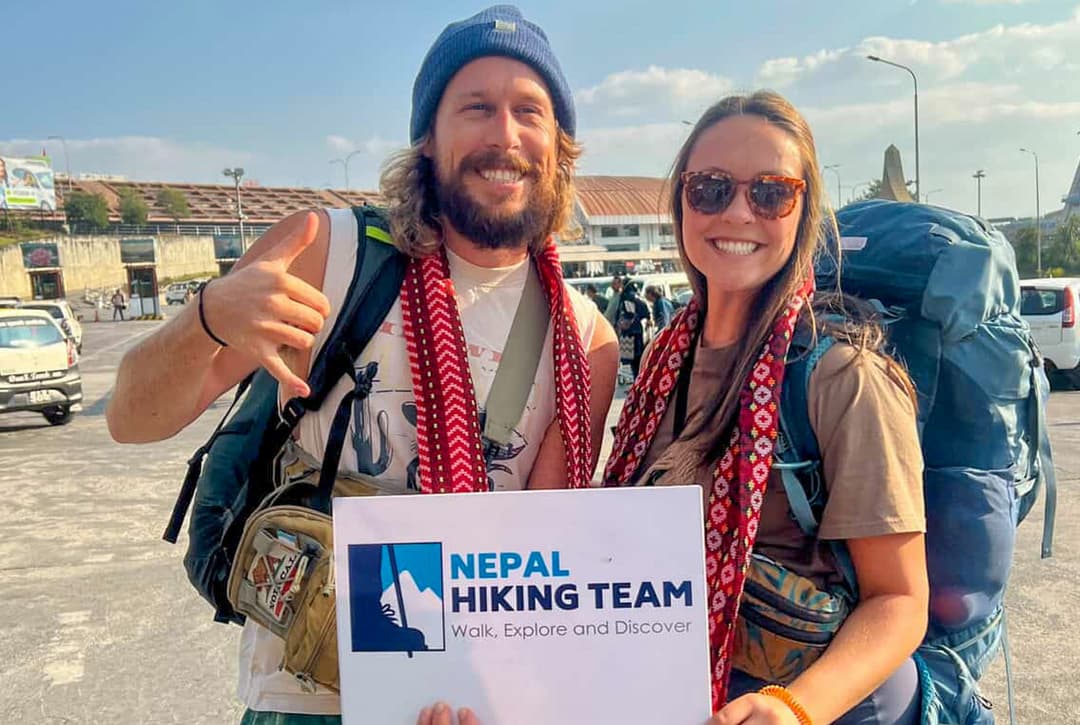
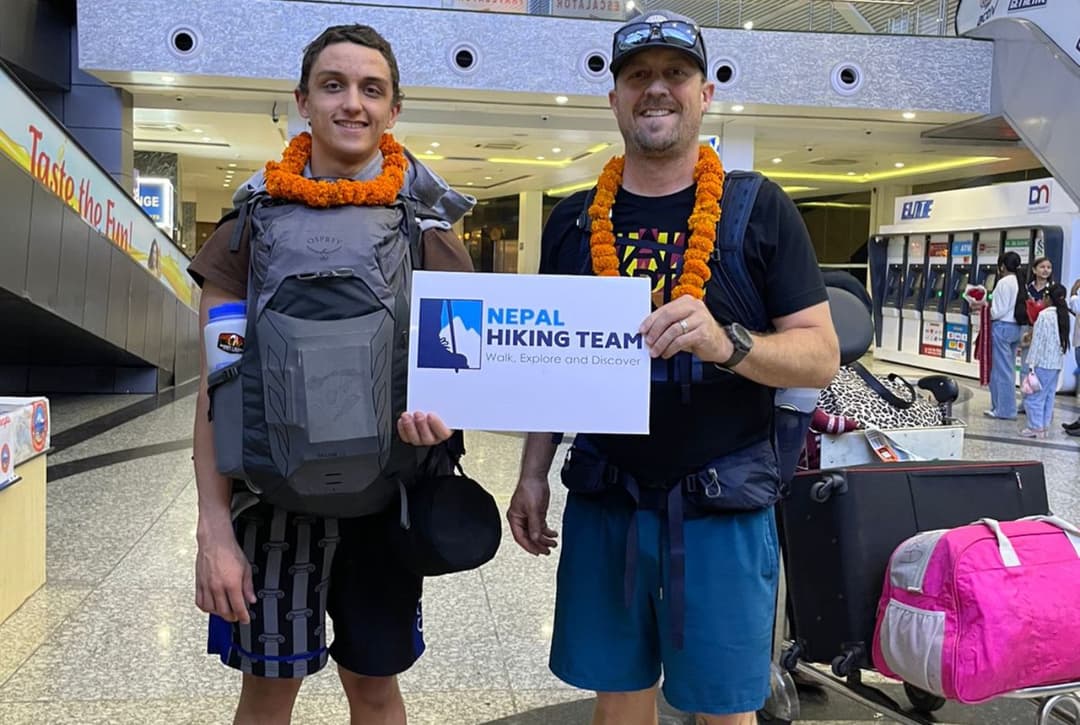
Outside the terminal, our airport representative will be waiting with a clearly marked Nepal Hiking Team placard. They will welcome you and arrange a private transfer to your hotel in Kathmandu, giving you time to settle in comfortably after your international flight.
Overnight stay at Hotel Woodapple and Spa or a similar standard hotel in Kathmandu, subject to availability.
Today is set aside for your Everest Base Camp Trek briefing and final preparation in Kathmandu. After breakfast, you will meet your guide and our office team at the hotel. We will review the full trekking route, daily walking plan, altitude schedule, lodge arrangements, and important safety points before the journey begins.
During the briefing, your guide can also help check your trekking equipment and suggest any last-minute items you may need. Nepal Hiking Team will provide a 70L duffel bag, a warm down jacket rated to -15°C, and a sleeping bag rated to -20°C for use during the trek. You will also receive a complimentary Nepal Hiking Team t-shirt, baseball cap, and Everest Base Camp Trek map.
Our team will collect any pending documents, including your travel insurance details and passport photo, if they have not already been submitted. The remaining trip balance will also be settled during the briefing. Please note that card payments carry a 3.5 percent processing fee.
We will also update you on the latest Lukla flight schedule, departure timing, baggage preparation, and hotel check-out plan.
Overnight stay at Hotel Woodapple and Spa or a similar standard hotel in Kathmandu, subject to availability.
Your trek begins with an early morning flight to Lukla at 2,860 meters / 9,383 feet. Lukla flights usually operate between 6:00 am and 11:00 am, depending on weather and airport traffic.
During the main trekking seasons, flights often depart from Ramechhap Airport instead of Kathmandu. In that case, we leave Kathmandu around 1:00 am for the 5-hour drive to Manthali Airport. This transfer is included in the 16-day Everest Base Camp Trek package, so there is no extra charge for the Ramechhap arrangement.
You may also choose an optional helicopter flight from Kathmandu to Lukla to avoid the long drive. The expected additional cost is around USD 450 per person (5-seat sharing basis) after deducting the regular Lukla flight cost, subject to season and availability.
After landing in Lukla, you will meet the porter team and begin the walk to Phakding. The trail follows the Dudh Koshi River through Sherpa settlements, prayer flags, pine forests, and suspension bridges, with possible views of Kusum Kanguru on a clear day.
After reaching Phakding, you can rest at the guesthouse or take a short optional walk to Rimishung Monastery, located about 30 minutes from the village.
Overnight stay at Hotel Pine Forest or a similar standard guesthouse in Phakding, subject to availability.
Today’s walk follows the Dudh Koshi River through forested trails and Sherpa villages such as Toktok, Benkar, and Monjo. Along the way, you may see clear views of Kusum Kanguru and Thamserku, with the trail gradually becoming more demanding as you move deeper into the Khumbu Valley.
At Monjo, we enter Sagarmatha National Park and complete the permit check before continuing to Jorsale for lunch. Jorsale is the last settlement before Namche, so it is important to carry enough water before starting the long uphill section.
The route crosses several suspension bridges today, including the active Hillary Suspension Bridge, which stands high above the river just before the climb to Namche. This section can be busy with trekkers, yaks, and mules, so your guide will manage the crossing safely.
After the final bridge, the main challenge begins with a steady 800-meter climb to Namche Bazaar. The ascent is long but manageable with a slow pace and short rests. By late afternoon, you will reach Namche Bazaar, the lively Sherpa town and main gateway to Everest.
Overnight stay at Hotel Namche or a similar standard guesthouse in Namche, subject to availability.
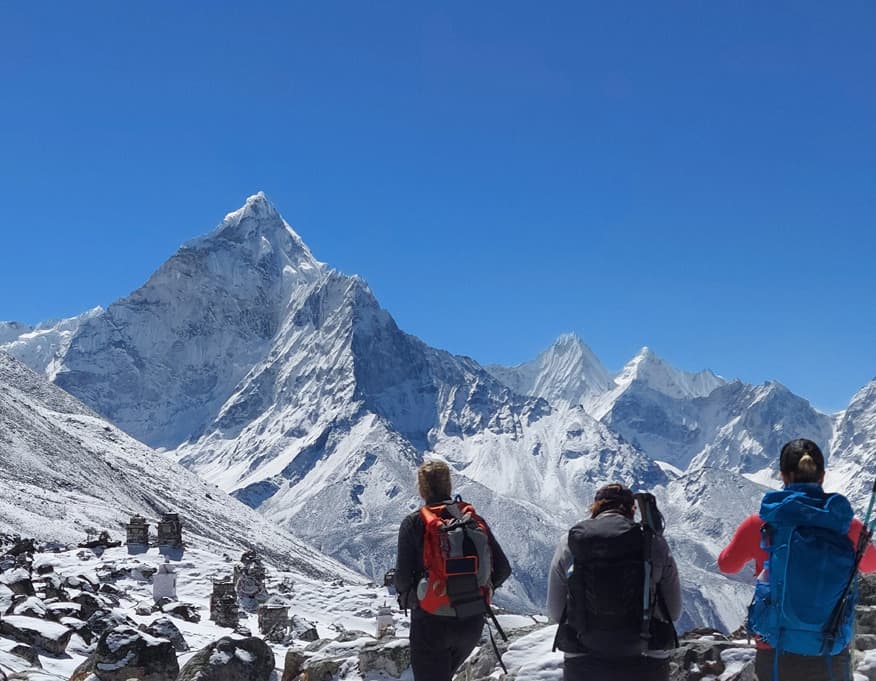
Today’s acclimatization day in Namche Bazaar begins with a late breakfast, followed by a gradual walk above the town toward the Sagarmatha National Park Museum. The route first climbs through a forested path before reaching the ridge, where a bronze statue of Tenzing Norgay Sherpa stands with his ice axe facing the mountain skyline. On clear mornings, this viewpoint offers excellent views of Everest, Lhotse, Ama Dablam, Thamserku, and the surrounding Khumbu peaks.
The museum provides useful insight into Sherpa history, early Everest expeditions, traditional tools, local culture, and vintage climbing gear.
A gentle 35-minute climb continues to Sagarmatha Next, a conservation centre that transforms collected mountain waste into artwork and recycled products. Trekkers can watch a short documentary and try a VR experience that explains the centre’s environmental mission.
You can also support the Carry Me Back initiative by carrying a 1 kg waste bag from the Pangboche checkpoint or Namche checkpoint on the return journey and dropping it at the Lukla checkpoint before flying back to Kathmandu.
The ridge then leads toward Sherpa Panorama Hotel, a peaceful place to rest with wide Himalayan views before the final stretch to Hotel Everest View. This Japanese-built lodge is known as one of the highest luxury hotels in the world and offers views of Everest, Lhotse, Ama Dablam, Kangtega, and Thamserku. Trekkers stop here for tea or coffee on the terrace while enjoying the mountain scenery.
If time, weather, and energy allow, you may continue toward Khumjung Village featuring Hillary School and Khumjung Monastery.
After the hike, we return to Namche Bazaar by the same route. Lunch and dinner will be served in Namche.
Overnight stay at Hotel Namche or a similar standard guesthouse in Namche, subject to availability.
Leaving Namche Bazaar, the trail soon opens to clear views of Everest, Nuptse, Lhotse, and Ama Dablam. After about 30 minutes, we pass Kyangjuma and continue along a scenic hillside trail before descending through rhododendron forest toward Phunki Tenga, a common lunch stop beside the Dudh Koshi River.
After lunch, we cross the bridge and begin the main climb toward Tengboche. This uphill section takes about two hours and is the most demanding part of the day. As the trail rises, the forest begins to thin, and the views of Ama Dablam, Thamserku, Kangtega, and the Khumbu Valley become wider and more dramatic.
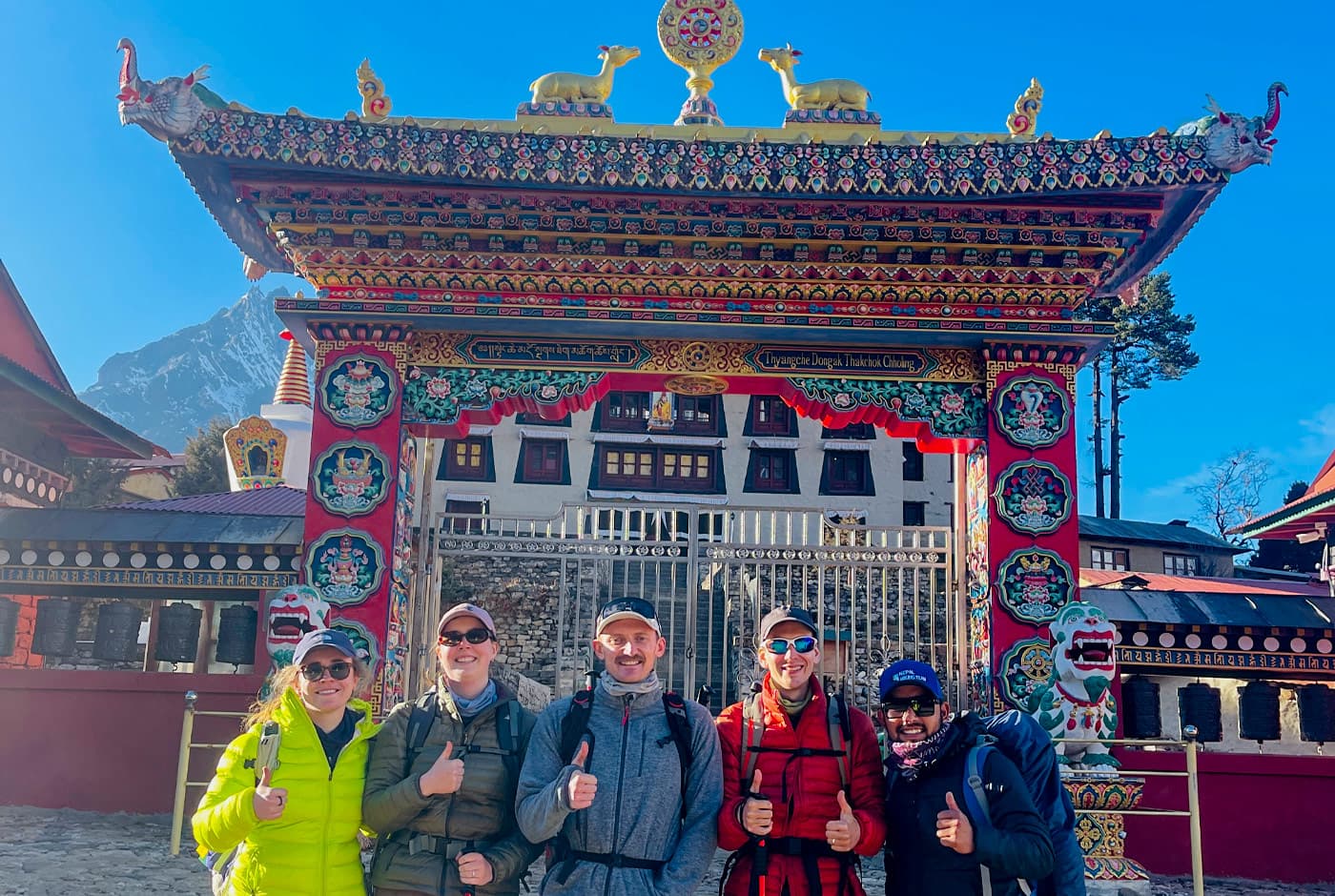
We aim to reach Tengboche Monastery, also known as Dawa Choling Gompa, by around 3:00 pm so you can attend the evening prayer ceremony. The monastery also holds an early morning chanting session, and your guide will confirm the exact timing after arrival.
If you trek in late October or early November, you may also witness Mani Rimdu, Tengboche’s most important Buddhist festival, when monks perform sacred masked dances and rituals inside the monastery.
Overnight stay at Tashi Delek Lodge and Restaurant or a similar standard guesthouse in Tengboche, subject to availability.
After breakfast in Tengboche, the trail descends through quiet rhododendron forest toward Debuche. This first section is gentle and shaded, giving the day a calm start before the route begins gaining altitude again.
After passing Debuche, we cross the suspension bridge over the Imja Khola and begin a steady climb toward Pangboche. The trail gradually opens into wider valley views, with Ama Dablam standing prominently above the route.
Pangboche Monastery sits about 20 minutes off the main trail and is worth visiting if time and energy allow. It is considered the oldest monastery in the Khumbu region and adds strong cultural value to this section of the Everest Base Camp route.
We stop for lunch at Somare, a small settlement beneath Ama Dablam and a practical resting point before the trail climbs higher. After Somare, the route becomes steeper and rockier as trees fade away, the air feels thinner, and the landscape begins to shift into open alpine terrain.
By the time we reach Dingboche, the valley opens into a wide, sunny settlement surrounded by stone-walled fields and high Himalayan scenery. This is an important overnight stop before the next acclimatization day.
During the mid-monsoon period, usually from late July to early August, some local families temporarily move from Dingboche to Pheriche due to a traditional belief around fire use and seasonal protection of homes, fields, and livestock. Nepal Hiking Team may adjust the route through Pheriche during this short period out of respect for local customs.
Overnight stay at Hotel Tashi Delek or a similar standard guesthouse in Dingboche, subject to availability.
Today is an important acclimatization day in Dingboche, with a hike toward Nangkartshang Hill. The purpose is to climb higher during the day, help your body adjust to thinner air, and return to Dingboche to sleep at a safer altitude before moving toward Everest Base Camp.
The trail begins near a small stupa above the village and climbs steadily along a steep ridge. The walk is demanding because of the altitude, dusty ground, loose soil, and cold wind, so we follow a slow and steady pace with regular breaks.
On clear days, the ridge offers wide views of the Imja Valley, Makalu, Cholatse, Island Peak, and the surrounding alpine landscape. Cho Oyu appears during the early part of the climb.
Reaching the highest point is not required. Gaining around 300 to 670 meters is usually enough for acclimatization, and your guide will decide how far to continue based on weather, trail conditions, and how the group is feeling.
The descent can be slippery on loose dirt and rocky sections. Trekking poles are helpful, and simple crampons may be needed in colder months if the upper peak trail is icy.
During the mid-monsoon period, if the route is adjusted through Pheriche, the same Nangkartshang ridge is reached with an extra 15 to 20 minutes.
Overnight stay at Hotel Tashi Delek or a similar standard guesthouse in Dingboche, subject to availability.
Leaving Dingboche, the trail moves into open high-altitude terrain with wide views, dry ground, loose rocks, and sparse vegetation. The walk begins gradually, following the valley toward Thukla.
On the way, you pass small stone shelters used by yak herders during seasonal movement across the high pastures.
We stop for lunch at Thukla before beginning the climb toward Thukla Pass, also known as Memorial Hill. This section is steep and slow, with thinning air and cold winds.
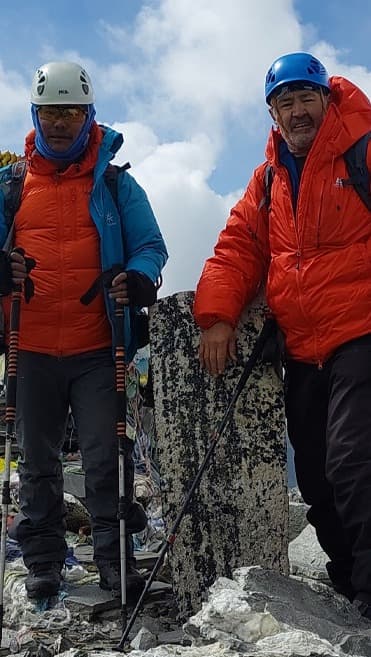
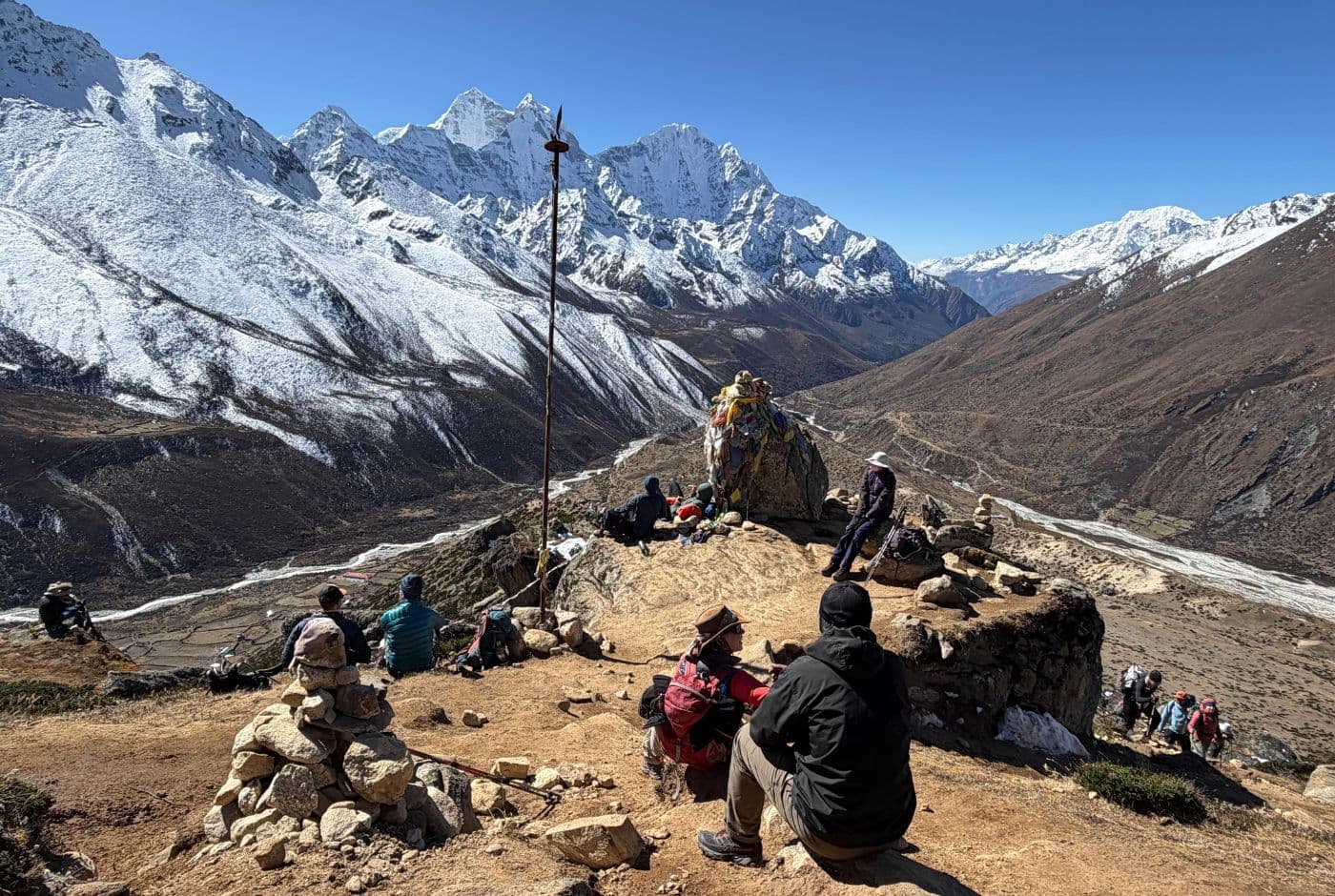
At the top of the pass, memorials honor climbers and Sherpa mountaineers who lost their lives in the Everest region. The place feels quiet and reflective, offering a meaningful pause before continuing toward Lobuche.
After the memorial area, the trail becomes gentler and follows the glacial valley toward Lobuche. By late afternoon, we reach this small high-altitude settlement, where rest and hydration are important before the long Everest Base Camp day ahead.
Overnight stay at Oxygen Altitude Home or a similar standard guesthouse in Lobuche, subject to availability.
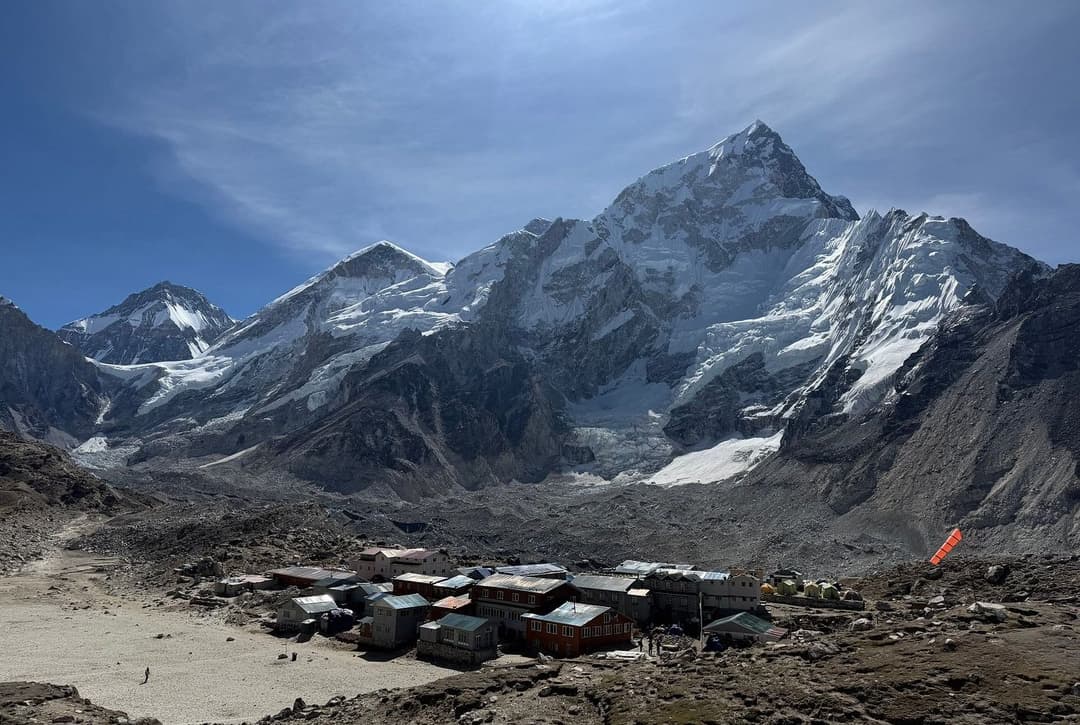
Today is one of the most important days of the Everest Base Camp Trek. We start early from Lobuche, usually after breakfast around 5:30 am, and walk toward Gorak Shep at 5,164 meters / 16,942 feet, the last settlement before Everest Base Camp.
The trail begins gently before becoming rougher as it climbs through rocky, high-altitude terrain. After about 20 minutes, you pass the signboard for the Pyramid Research Centre, an Italian scientific research station located at 4,980 meters. The walk from Lobuche to Gorak Shep is about 5 km and usually takes around 3 hours, depending on pace and trail conditions.
After reaching Gorak Shep, we take a short break for lunch or tea before continuing toward Everest Base Camp. The route to Base Camp follows rocky moraine and glacial terrain beside the Khumbu Glacier, so careful footing is important. In winter or snowy conditions, simple crampons may be required on icy sections.
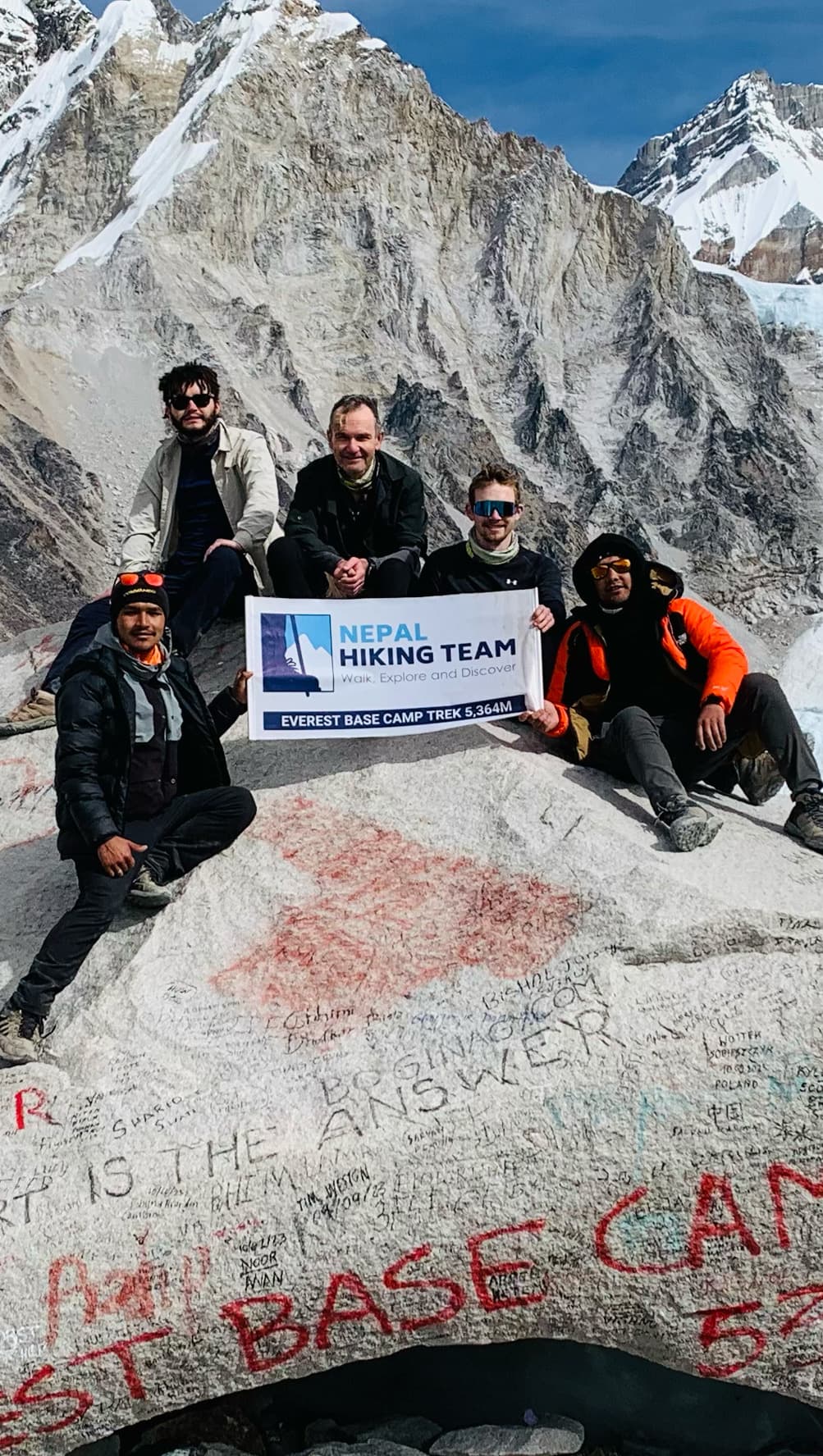
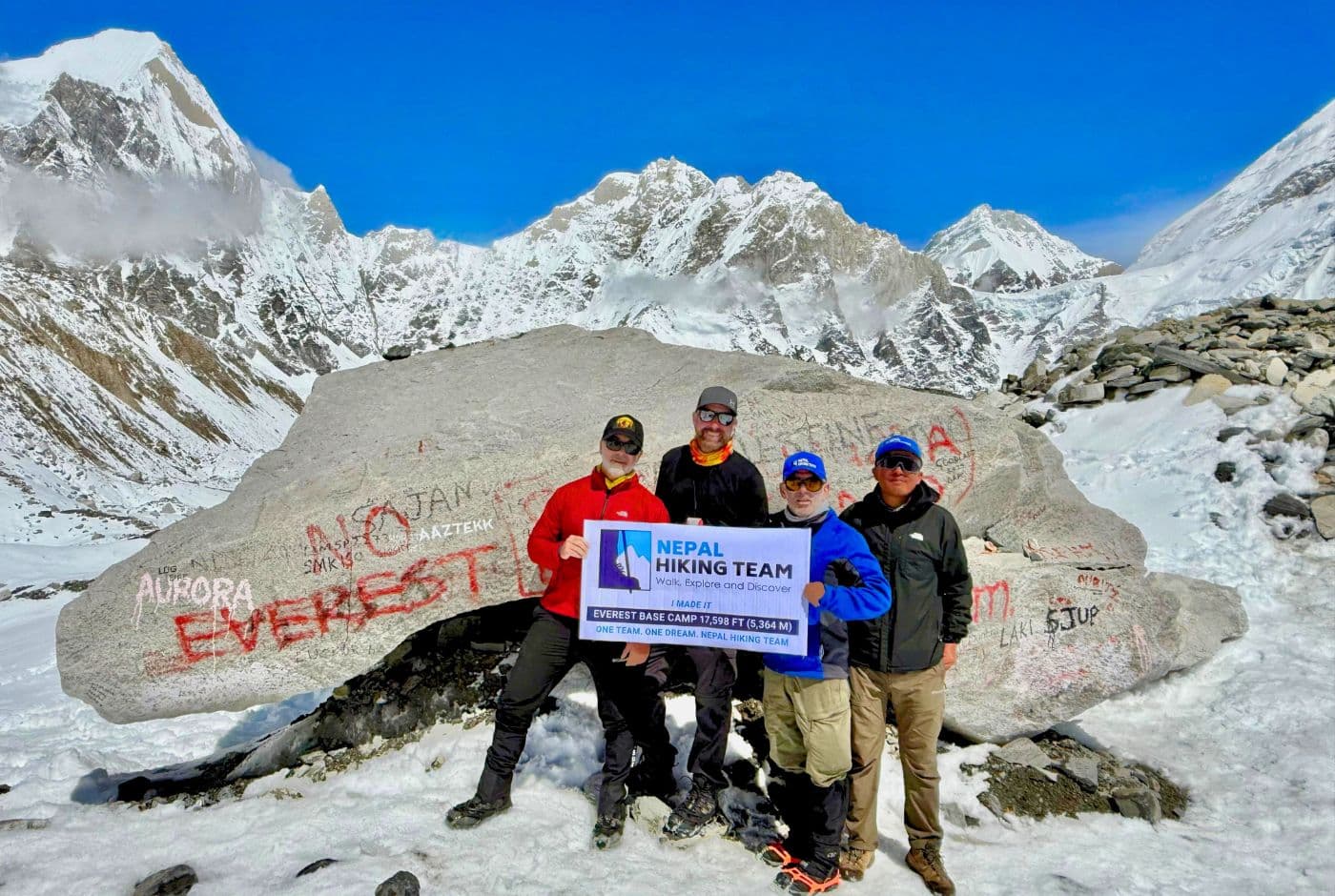
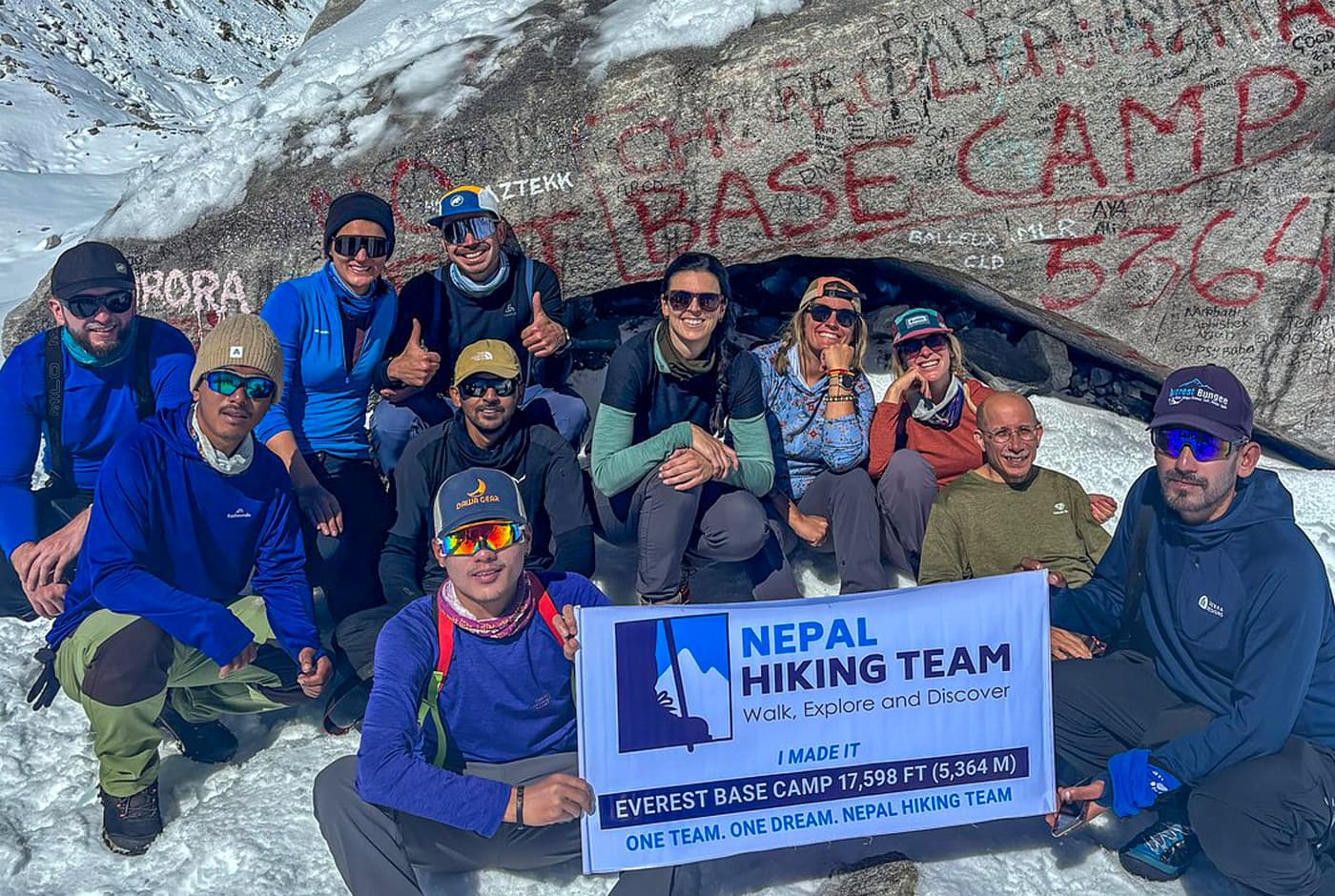
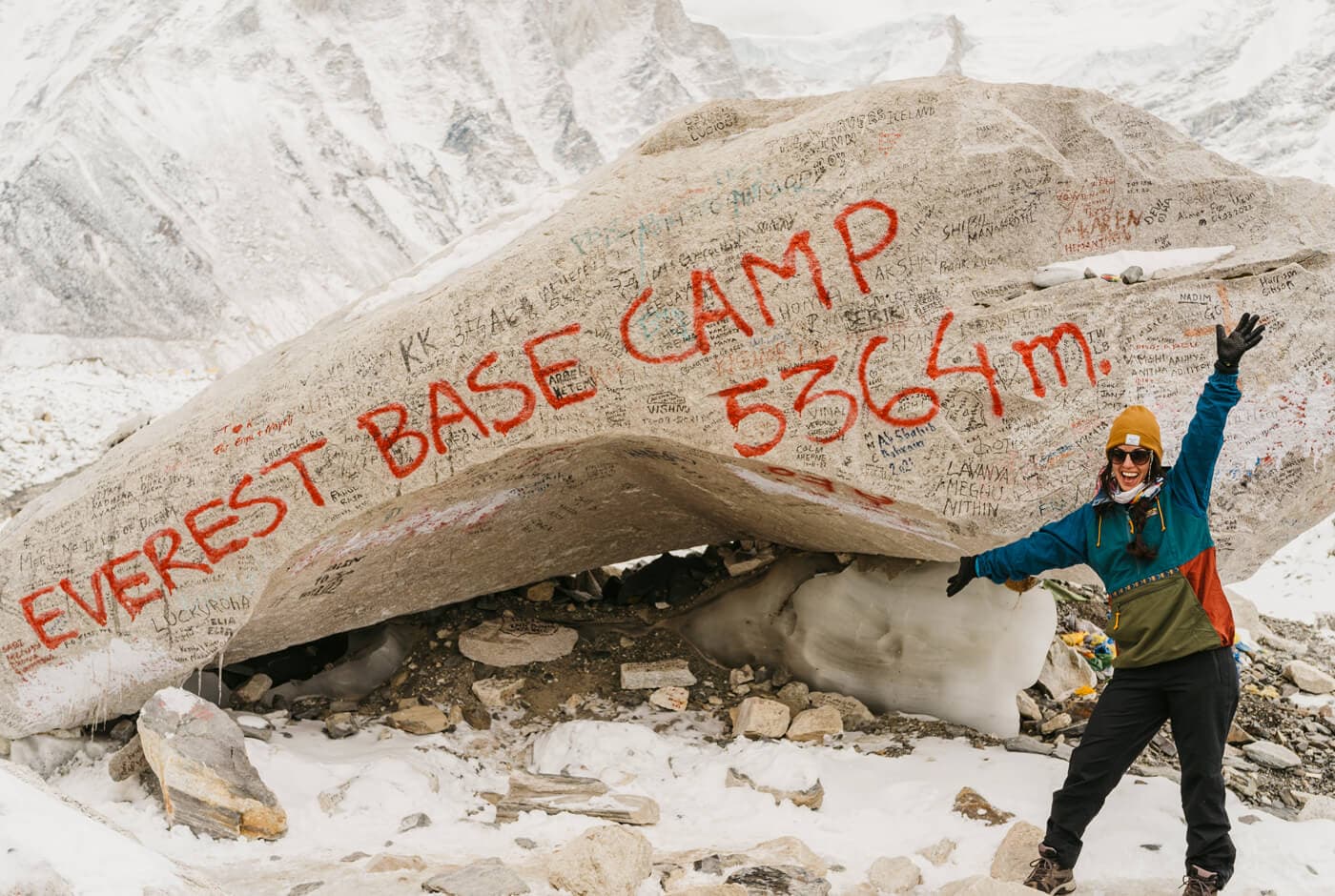
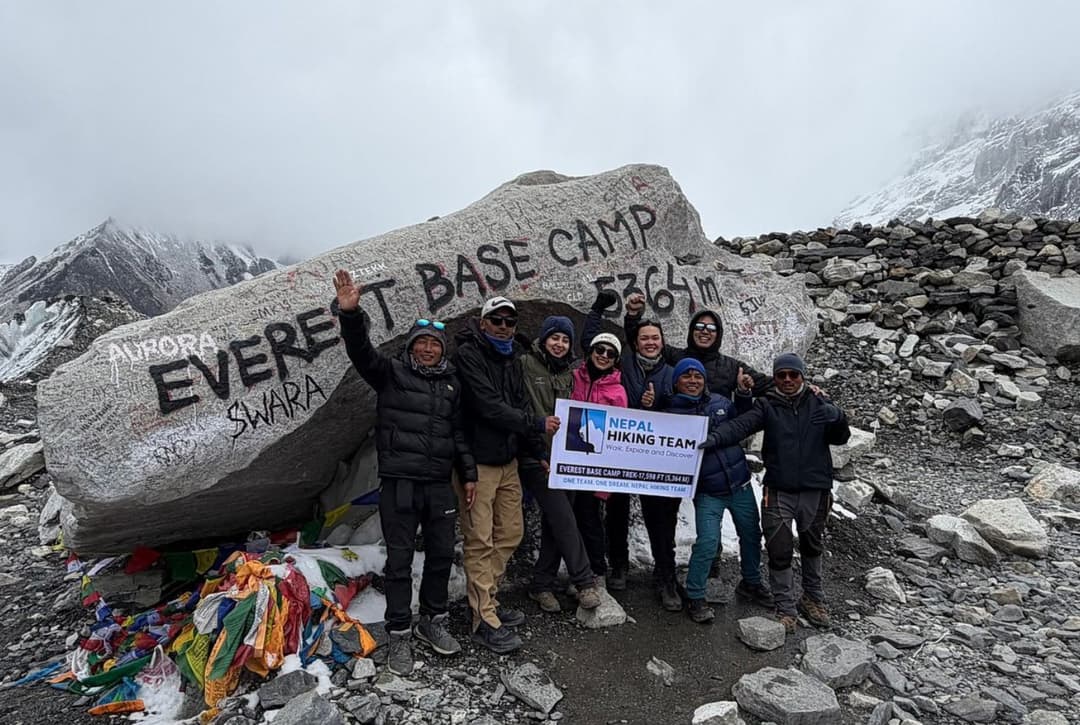
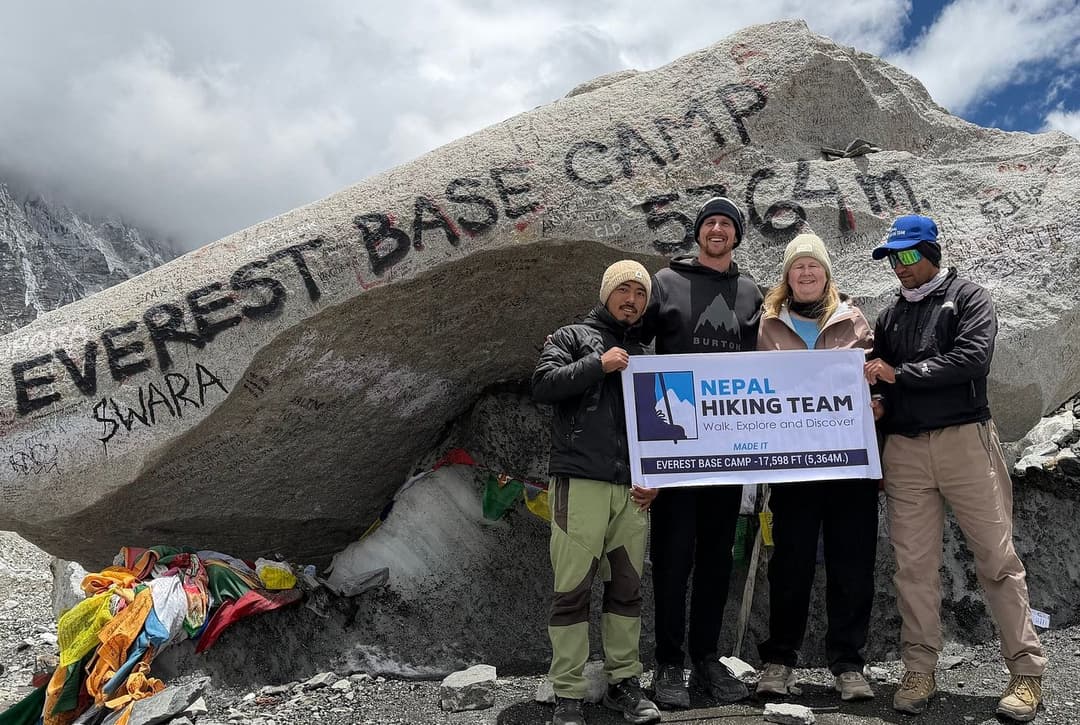
Most trekkers reach Everest Base Camp around midday. The site is marked by prayer flags and the well-known Everest Base Camp Rock, with close views of the Khumbu Icefall. Everest itself is partly hidden behind Nuptse and the Lho La, but standing at the base of the world’s highest mountain is a major milestone of the journey.
The temporary welcome board installed at Everest Base Camp in March 2024 was removed on May 28, 2024, so the Everest Base Camp Rock remains the main landmark for photos and arrival recognition.
After spending time at Base Camp for photos and reflection, we return to Gorak Shep for the night. This is the highest sleeping point of the trek, so rest, hydration, and warm clothing are especially important.
Overnight stay at Hotel Snow Land or a similar standard guesthouse in Gorak Shep, subject to availability.
A night in Gorak Shep is rarely comfortable, as the altitude affects sleep for many trekkers. Even experienced hikers may rest poorly at 5,164 meters / 16,942 feet, and your guide will monitor how you are feeling before the early morning climb.
We begin the hike to Kala Patthar well before sunrise, usually around 4:00 am, for the best close-up views of Everest. The hill appears gentle from Gorak Shep, but the climb becomes steeper after the first ridge, and the thin air makes the ascent demanding.
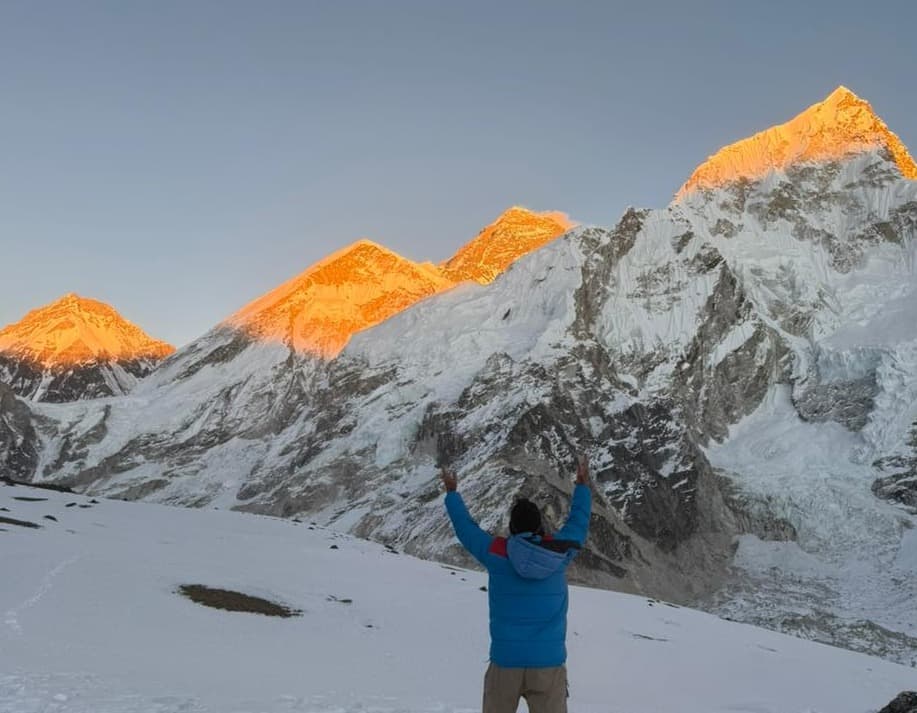
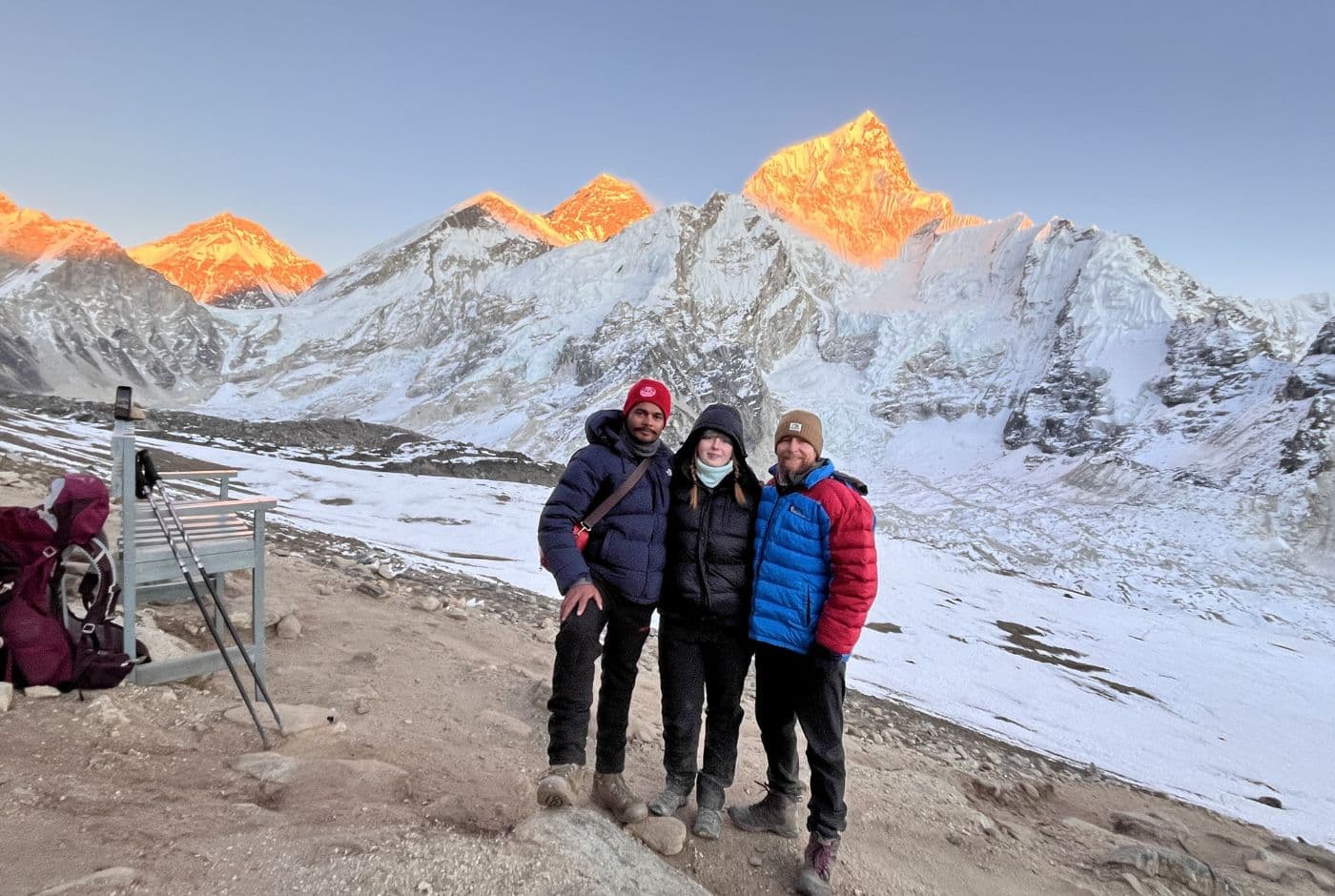
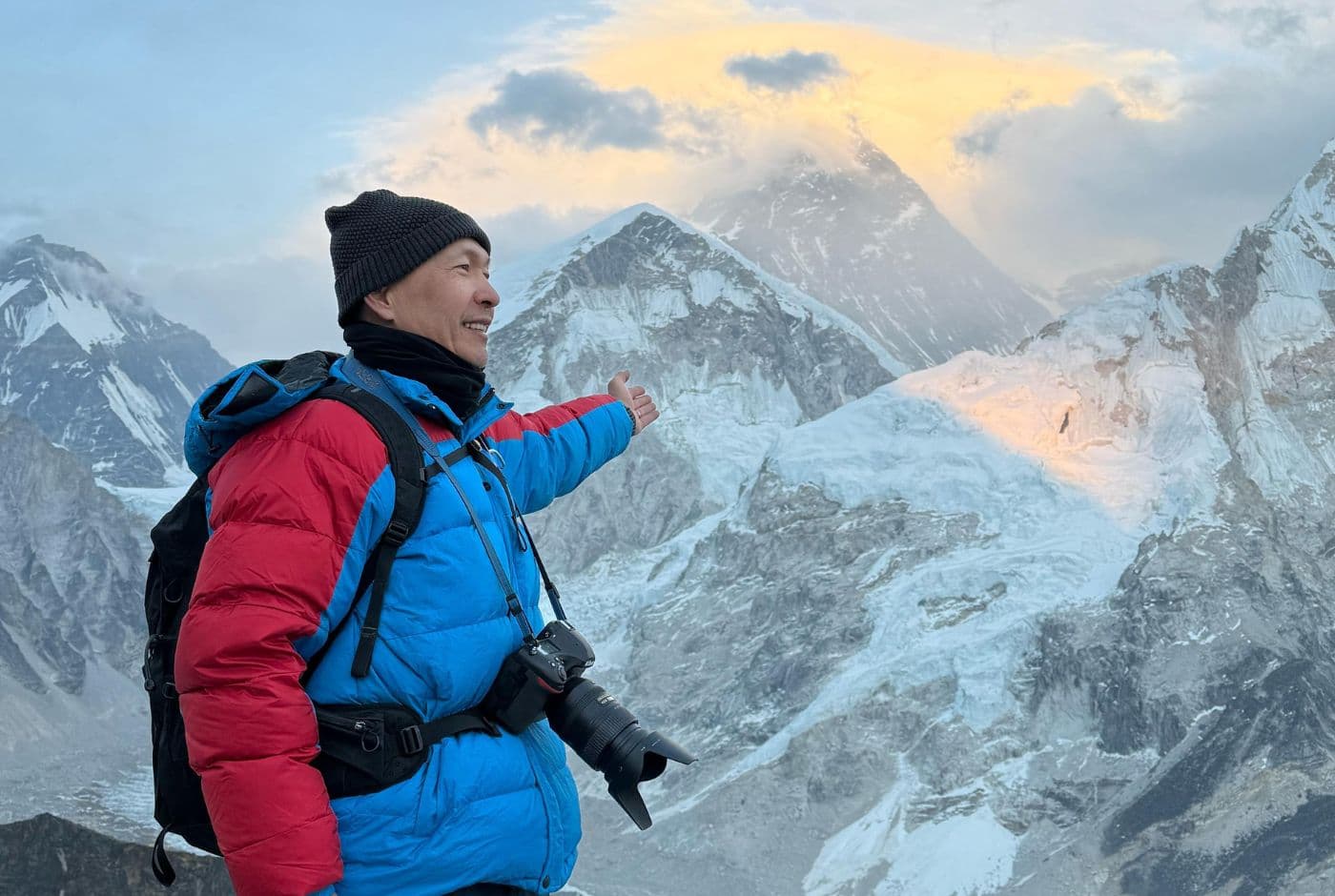
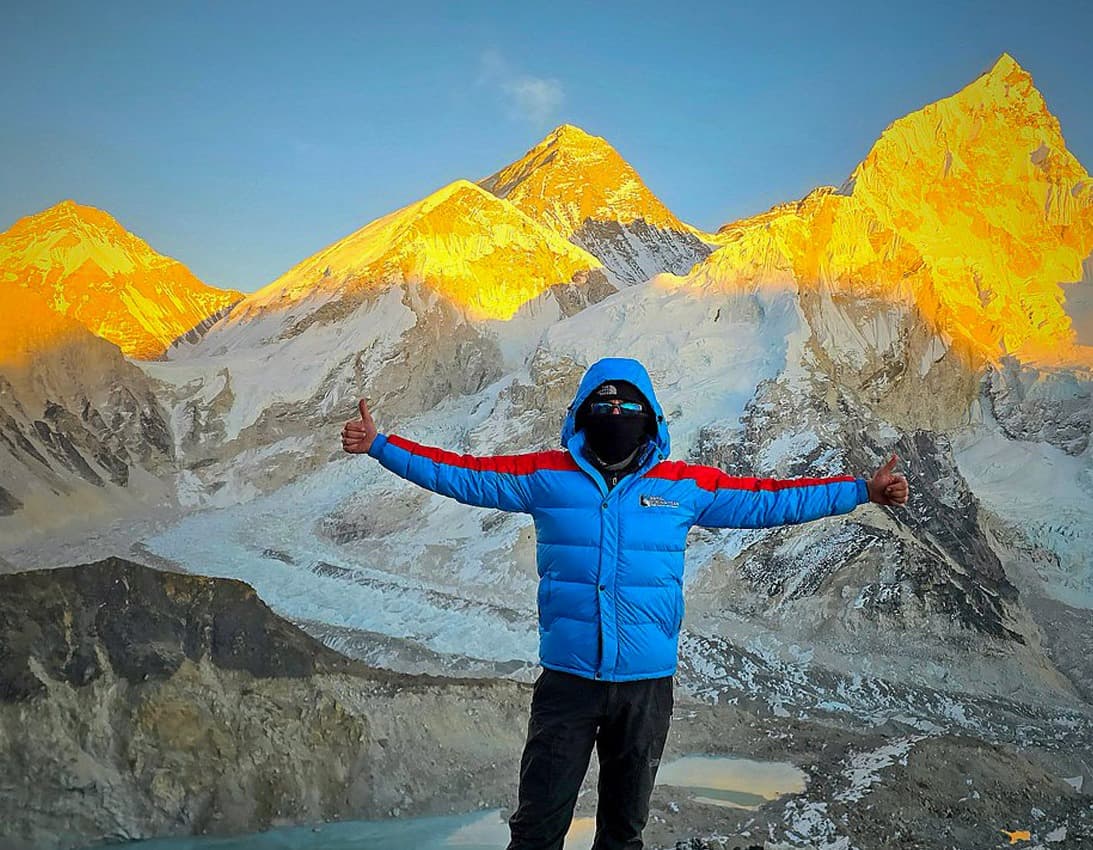
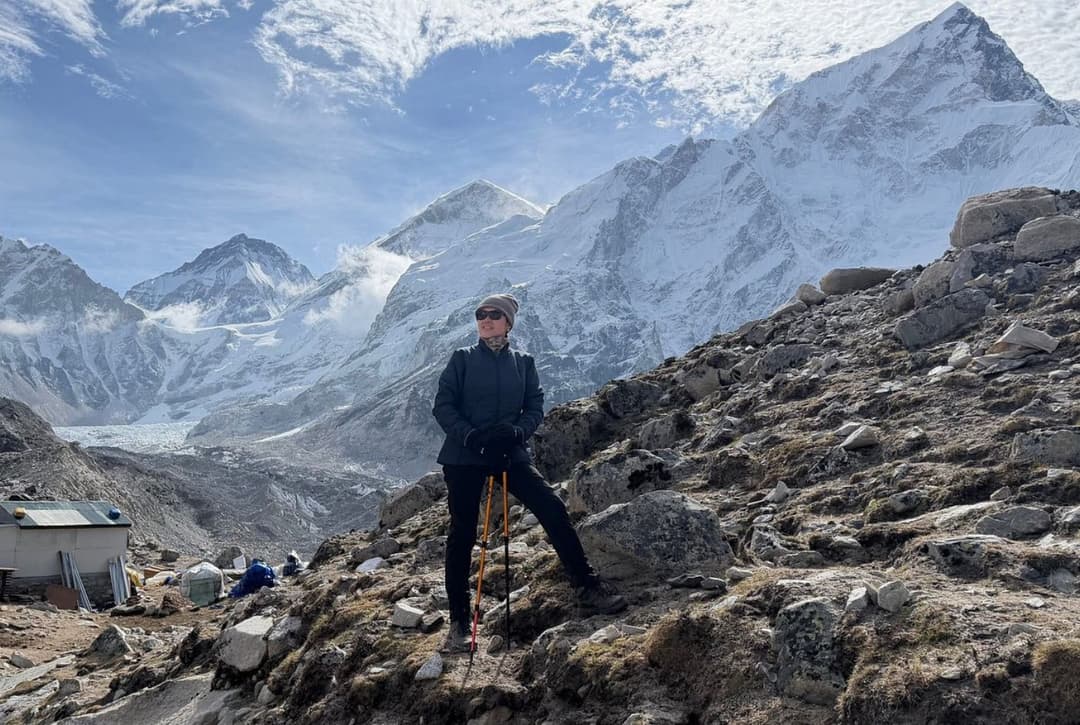
Kala Patthar, at 5,545 meters / 18,192 feet, offers the classic Everest panorama, with views of Everest, Lhotse, Nuptse, Pumori, and the surrounding peaks. You do not need to reach the true summit to enjoy outstanding views. After about 40 minutes to one hour of climbing, the panorama opens clearly, and the view remains very similar higher up. Your guide will help you decide how far to continue based on your energy, weather, and trail conditions.
The air is extremely cold before sunrise, so warm layers are essential. Trekking poles and crampons can also help on frosty or icy sections. After enjoying the morning view, we returned to Gorak Shep for breakfast.
From Gorak Shep, we descend toward Pheriche, passing Lobuche and the memorials at Thukla Pass.
Pheriche is home to a hospital operated by the Himalayan Rescue Association (HRA), with support from international volunteer doctors.
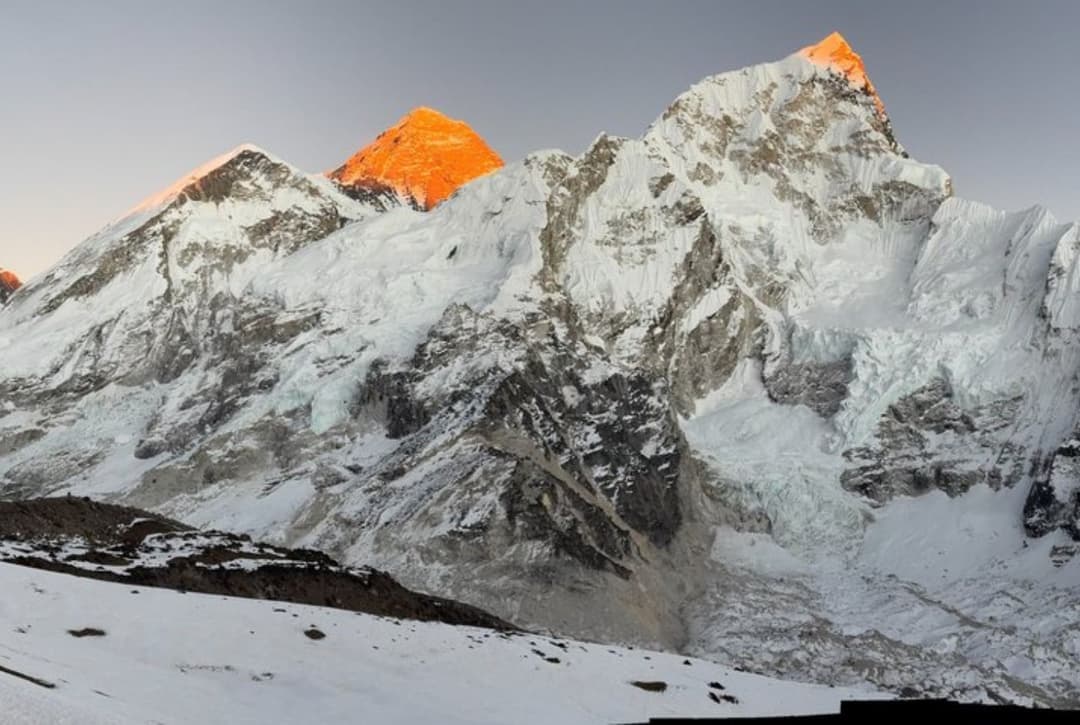
Some trekkers prefer a sunset hike to Kala Patthar because Everest and nearby peaks are more front-lit golden-red in the evening. At sunrise, the sun rises from behind the Everest range, so parts of the mountain appears shadowed.
Overnight stay at Everest Trekkers or a similar standard guesthouse in Pheriche, subject to availability.
We leave Pheriche and descend toward Pangboche, where the valley feels warmer and more settled after the high, exposed terrain above. From Pangboche, the trail continues toward Tengboche, passing familiar villages, forest sections, and returning views of the Khumbu landscape.
After Tengboche, we follow the main trail back toward Namche Bazaar.
By afternoon, we reach Namche Bazaar, where the comfort of a larger mountain town feels especially welcome after several nights at higher altitude. If your visit falls on Friday or Saturday, you may also see Namche Haat Bazaar, the local market where traders sell handmade crafts, clothing, trekking items, and daily goods.
Overnight stay at Hotel Namche or a similar standard guesthouse in Namche, subject to availability.
Today is the final trekking day of the Everest Base Camp route. We leave Namche Bazaar and follow the familiar trail down the Khumbu Valley, passing through Monjo, Phakding, pine forests, suspension bridges, and Sherpa villages.
The descent is long but steady, and the lower altitude makes walking feel easier. As you retrace the same trail toward Lukla, many familiar places return with a different feeling after reaching Everest Base Camp and Kala Patthar.
After arriving in Lukla, you can rest at the guesthouse and spend a quiet evening with your guide and porter team. This is also a good time to thank the crew who supported you throughout the trek.
Overnight stay at Hotel Ganesh Himal or a similar standard guesthouse in Lukla, subject to availability.
After breakfast in Lukla, we take the morning flight back to Kathmandu, or to Ramechhap during the busy trekking seasons. If the flight lands in Ramechhap, our team will arrange the onward drive to Kathmandu.
The flight gives one final aerial view of the mountains before returning to the city. On a clear day, the best mountain views are usually from the right side when flying back to Kathmandu and the left side when flying to Lukla.
After arriving in Kathmandu, we transfer you to the hotel. You can rest, shower, and settle back into the city after several days in the mountains.
Today, you will also receive your official Everest Base Camp Trek Certificate of Completion. Your guide will confirm the exact time for the short certificate program at the hotel.
Overnight stay at Hotel Woodapple and Spa or a similar standard hotel in Kathmandu, subject to availability.
We keep this reserve day in Kathmandu to protect your international flight schedule in case weather delays the Lukla flight. Mountain weather can change quickly, and this extra day gives you a safer buffer at the end of the trek.
If everything goes smoothly and you return to Kathmandu on time, the day becomes a relaxed break after the mountains. You can rest at the hotel, explore nearby streets, shop for small gifts, or visit cultural sites you may have missed earlier.
Optional activities, including a guided city tour or Chitwan Jungle Safari, can also be arranged at an additional cost.
Overnight stay at Hotel Woodapple and Spa or a similar standard hotel in Kathmandu, subject to availability.
After breakfast, your Everest Base Camp Trek comes to a close in Kathmandu. Our team will arrange your transfer to Tribhuvan International Airport according to your international flight schedule.
We make sure you reach the airport at least three hours before departure, giving you enough time for check-in, security, and final travel formalities.
As you leave Nepal, you carry home the memory of reaching Everest Base Camp, standing below the world’s highest mountain, and completing one of the great Himalayan trekking routes.
Your 16-day Everest Base Camp trek with Nepal Hiking Team means traveling with one of Nepal’s leading, highest-rated Everest Base Camp trekking companies. With thousands of genuine reviews, transparent pricing with no hidden costs, and trusted safety practices, every detail is handled with care. From expert guides to personalized service, we bring everything together in one all-in-one experience focused entirely on your journey of a lifetime.
Many operators offer a 14-day Everest Base Camp Trek, but in our experience, a 16-day itinerary is better paced and more practical for real trekking conditions in the Khumbu. A shorter Everest Base Camp itinerary often leaves very little room for weather-related disruptions to Lukla flights, which can put onward international departures under pressure. It may also reduce flexibility around the key acclimatization stages at Namche Bazaar and Dingboche, where proper adjustment to altitude should not be rushed on a high-altitude EBC Trek in Nepal.
Our 16-day Everest Base Camp Trek allows time for recovery after international travel, supports a safer pace on the Everest Base Camp route, and includes a strategic buffer day on Day 15 in case flights between Lukla and Kathmandu are delayed or cancelled. This makes the overall EBC Trek more reliable, more realistic, and better suited to the demands of the Mount Everest Camp Trek.
Travel insurance for the Everest Base Camp Trek is mandatory with Nepal Hiking Team. Because this is a high-altitude journey in the Himalayas, your policy must be valid for high-altitude trekking in Nepal and cover the main risks associated with the Mount Everest Base Camp Trek.
Do not wait until the last minute to purchase travel insurance. Many providers will not issue coverage after you arrive in Nepal, so it is important to arrange your plan in advance.
Insurance terms vary from one provider to another, so please read your policy carefully before your EBC Trek and make sure you understand the claims process, emergency contact procedure, and any exclusions related to altitude or helicopter evacuation.
For a more detailed breakdown of what your policy should include, please read our travel insurance guide for the Everest Base Camp Trek.
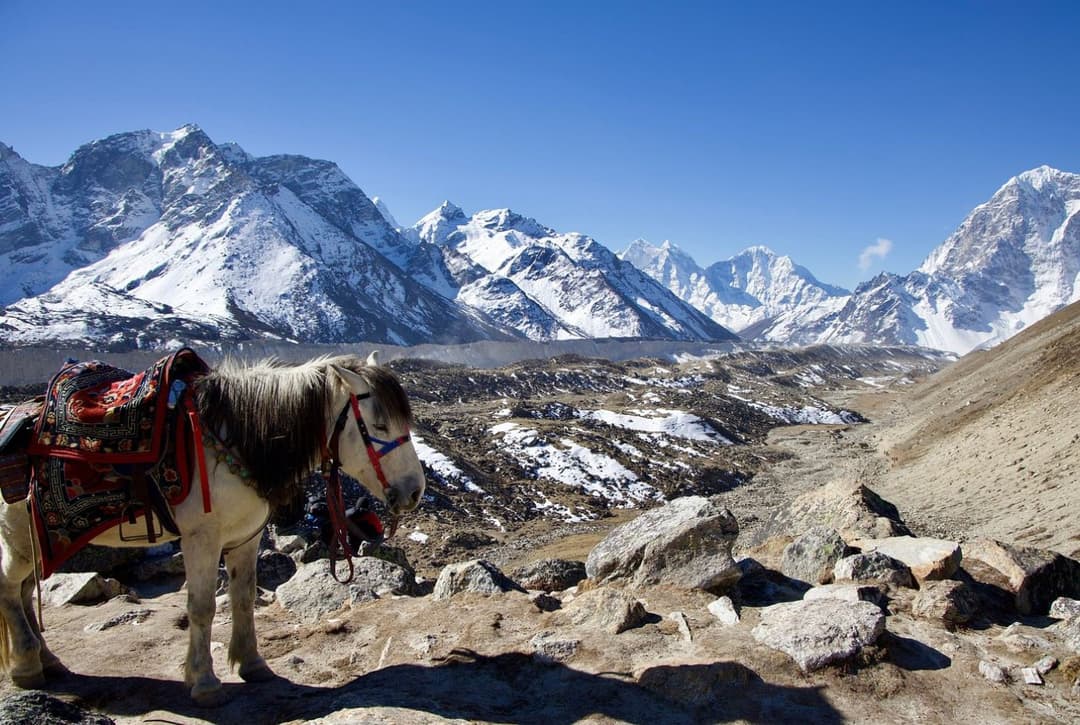
Emergency support on the Everest Base Camp Trek follows a clear process focused on getting the trekker to a lower and safer elevation as quickly as possible. In cases of altitude sickness (commonly acute mountain sickness, shortened as AMS), injury, or sudden illness, the first response may involve assisted descent on foot or horseback, depending on the location and condition.
Basic medical help is available in villages such as Namche, Pheriche, and Lukla, where clinics can provide first aid and essential treatment. If the situation requires advanced care, Nepal Hiking Team arranges an emergency helicopter evacuation to Kathmandu, where hospital treatment is available.
On the EBC Trek, some insurance providers require trekkers to pay evacuation or treatment costs upfront and submit the claim later, so carrying a credit card with a sufficient limit is advisable. Nepal Hiking Team coordinates with hospitals, helicopter companies, and insurers to prepare the reports and supporting documents needed for the claim process.
The Everest Base Camp Trek requires two permits: the Sagarmatha National Park Entry Permit and the Khumbu Pasang Lhamu Rural Municipality Permit.
Both are included in Nepal Hiking Team’s Everest Base Camp trekking package, and our team handles the full permit process for you. These permits are issued along the route, mainly at Lukla and Monjo, and your guide manages the paperwork and checkpoint formalities during the trek. This makes the EBC Trek simpler and more convenient, as you do not need to arrange the permits yourself before departure.
For the standard Lukla route, the old TIMS card is generally not required in practical permit checks, as the Khumbu Pasang Lhamu Rural Municipality Permit serves as the local permit used for entry into the Everest region.
After completing the trek, you may also keep the permits as a small memento of your Everest Base Camp journey. For a fuller explanation of permit types, costs, and how the system works on the trail, you can read our detailed permit guide for the Everest Base Camp Trek.
Acclimatization days are essential on the Everest Base Camp trek, and the stops in Namche Bazaar and Dingboche are carefully selected to support safe acclimatization.
Why do we acclimatise in Namche (3,440m)?
Namche marks the first significant altitude gain, rising sharply from Phakding, making it a natural acclimation stop. It offers ideal “climb high, sleep low” hikes to Everest View Hotel (3,880m) and Khumjung, helping the body adjust safely before higher ascents. Acclimatising here reduces the risk of AMS before the steep climb to Tengboche and allows time to explore Khumbu’s cultural and trading hub.
There are plenty of things to do in Namche, but not sure where to start? Discover the best activities and plan your time with our detailed guide to Namche Bazaar.
Why do we acclimatise in Dingboche (4,410m)
Dingboche sits just below the 5,000m zone, making it a critical mid-altitude stop. The acclimatization hike to Nangkartsang Hill (5,083m) provides controlled high-altitude exposure while sleeping at a lower elevation. Beyond Dingboche, elevations rise quickly with fewer safe acclimatization options, making this the last reliable base before the most demanding section of the trek.
Learn more about Acclimatization and Safety during the Everest Base Camp Trek.
As you gain altitude on the Everest Base Camp Trek, the amount of available oxygen gradually decreases, which is why a slow ascent and proper acclimatization are so important. Pulse oximeter readings can be useful on the trail, but they vary from person to person and should be read alongside symptoms rather than treated as a fixed pass-or-fail number. On a high-altitude EBC Trek, how you feel and how well you are adapting matter as much as the reading itself.
Nepal Hiking Team guides carry oximeters (in a first-aid kit) and check each trekker’s oxygen level at overnight stops, usually during the daily briefing. This routine monitoring helps our team track how trekkers are adjusting on the Everest Base Camp route and supports safer decisions about pacing, rest, or descent if needed.
Kala Patthar is the highest point most trekkers reach on the Everest Base Camp Trek, at around 5,545 meters, and it offers the clearest panoramic view of Mount Everest. This viewpoint is especially important because Everest Base Camp itself does not offer a clear, unobstructed view of Everest’s summit.
From Kala Patthar, trekkers can enjoy wide views of Everest, Nuptse, Lhotse, and the Khumbu Glacier, making it one of the most rewarding moments of the journey. Reaching Kala Patthar is also a major personal milestone, as it marks the highest altitude reached on the EBC Trek. For a deeper look at the viewpoint, route, and mountain panorama, read our detailed guide to Kala Patthar on the Everest Base Camp Trek.
This is one of the most common questions about the Everest Base Camp Trek. The short answer is not fully. Everest Base Camp is a broad glacial area rather than a single fixed viewpoint, and from most parts of Base Camp, Mount Everest is largely blocked by the massive south face of Nuptse.
What you see most clearly from Base Camp are the Khumbu Icefall, Nuptse, and Pumori, with only limited glimpses of Everest possible from certain positions near the marker, depending on conditions. For the classic open panorama of Everest, the better viewpoint on the Mount Everest Base Camp Trek is Kala Patthar, which offers a much clearer, wider view of the mountain. For more insights, read our guide to surprising facts about the Everest Base Camp Trek.
The Everest Base Camp Trek begins in Lukla at 2,860 meters (9,383 feet) and gradually climbs through the Khumbu Valley to Everest Base Camp at 5,364 meters (17,598 feet). This steady gain in altitude is one of the main reasons why pacing and acclimatization are so important on the Mount Everest Base Camp Trek.
The highest point most trekkers reach is Kala Patthar, at around 5,545 meters (18,192 feet), which is slightly higher than Base Camp and is best known for its panoramic views of Everest. For a fuller breakdown of altitude, distance, and major stops on the EBC Trek, read our Everest Base Camp Elevation and Distance Guide.
Read our genuine feedback from past travelers with Nepal Hiking Team sourced from TripAdvisor, Google, Facebook, and Trustpilot.
I had an amazing experience trekking to Everest Base Camp with Nepal Hiking Team. The trek was well organised, with a carefully planned itinerary that included enough time for acclimatisation as well as enjoyable side trips along the way.
Our lead guide, Arjun-ji, together with the assistant guides, provided outstanding support throughout the journey. They were always helpful, attentive, and willing to go beyond their responsibilities to make sure everyone was safe, comfortable, and enjoying the experience.
Another highlight of the trek was the wonderful group of fellow trekkers. We shared many memorable moments together, making the journey even more enjoyable from start to finish.
Beyond the trek itself, Nepal Hiking Team impressed us with their excellent service. From the owners and managers to the porters, everyone was friendly, professional, and genuinely supportive before, during, and even after the trip. Their communication was always prompt and clear, making the entire experience smooth and stress-free.
I would happily choose Nepal Hiking Team again for my next adventure in Nepal. Thank you for such a memorable experience!
Completing the Everest Base Camp trek with the Nepal Hiking Team was, without a doubt, one of the most incredible experiences of my life. From the moment we arrived until the day we returned, everything was organized with exceptional professionalism.
Every aspect of the trek was meticulously planned, and what impressed me the most was that there was always a Plan A, Plan B, and even Plan C for every situation. That level of preparation gave us tremendous confidence and peace of mind throughout the trek.
A special thank you to our guide, Ram, who was truly the heart of this journey. He took outstanding care of every member of our group from day one.
The Himalayas are beyond anything I could have imagined. Every day felt like walking through a postcard, and every step brought another breathtaking view that left me speechless.
Thank you, Nepal Hiking Team, and especially Ram, for making this the adventure of a lifetime. I cannot recommend you highly enough!
 +
+We had an absolutely incredible experience on our Everest Base Camp Trek with the Nepal Hiking Team. As novice hikers, the trek felt intimidating, but the team handled everything flawlessly from start to finish. The office staff were professional, responsive, and incredibly helpful.
We booked a private trek as a couple, and our team was top-notch. Our guide, Paban Panta, was outstanding; his leadership was excellent, and we wouldn't trek in Nepal again without him. Our porter, Ram Tamang, was also amazing, assisting us at every turn and even walking with us during our final push to Base Camp.
A perfect 5-star experience all around. We highly recommend Nepal Hiking Team, Paban, and Ram!
 +
+ +
+ +
+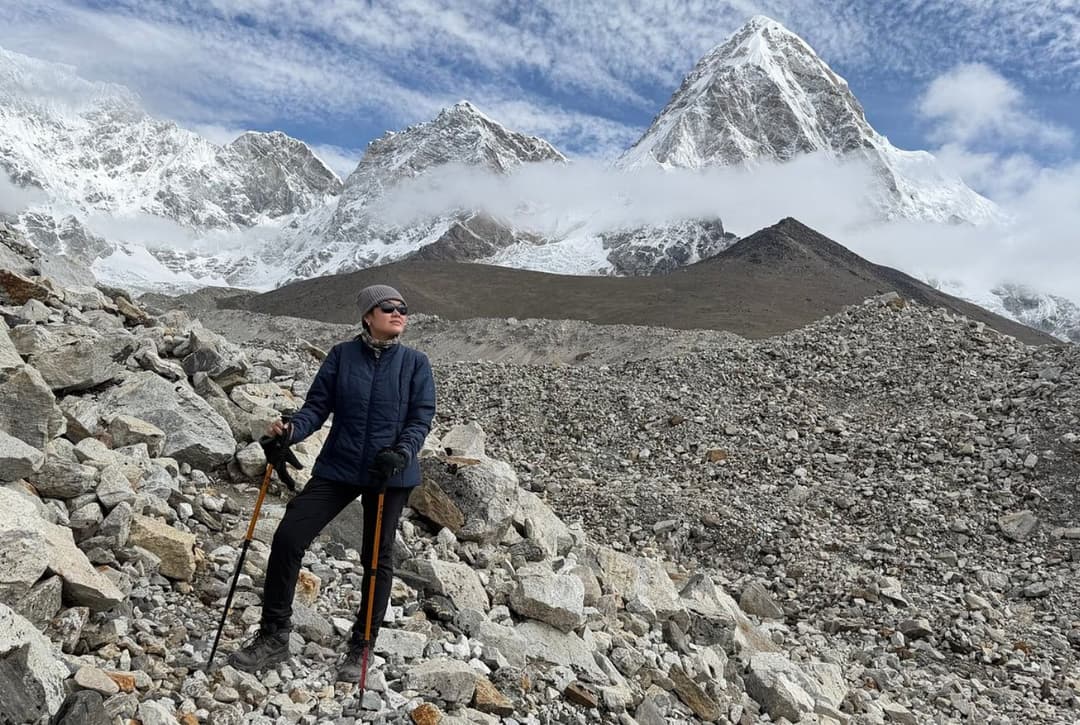 +
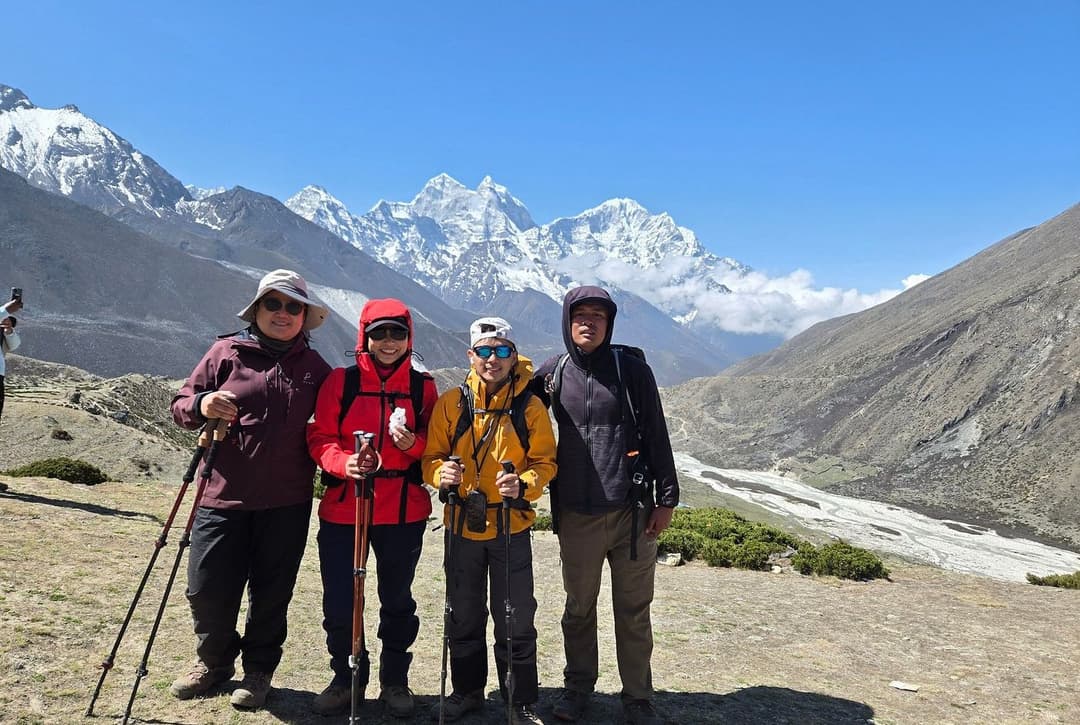
+The Nepal Hiking Team crew was exceptional. Our leader, Paban, and assistant guides, Siva and Dipesh, did an outstanding job looking after us.
Everything was well organized, from the smooth airport transfers to the wonderful tea houses and diverse meal options along the way. We received great information about the local sites and clear, comprehensive daily briefings to help us prepare for each day's trek.
To top it off, our trekking group was a fantastic, globally diverse bunch of individuals; we made new friends while doing something truly incredible.
I highly recommend the Nepal Hiking Team for the Everest Base Camp Trek!
 +
+ +
+ +
+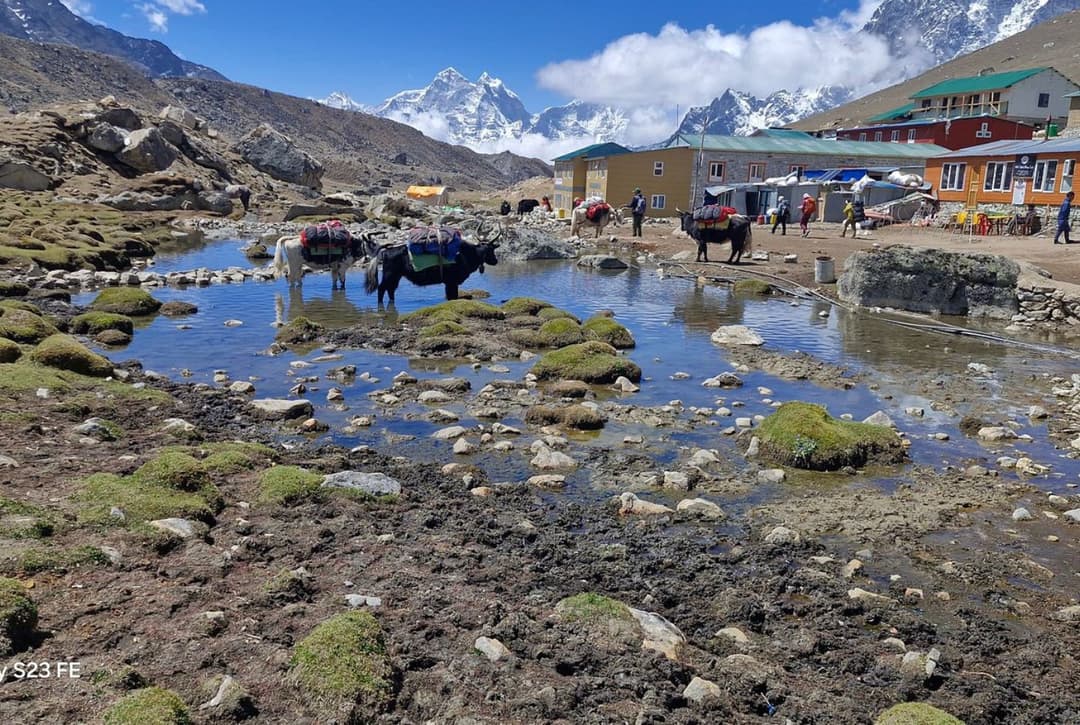 +
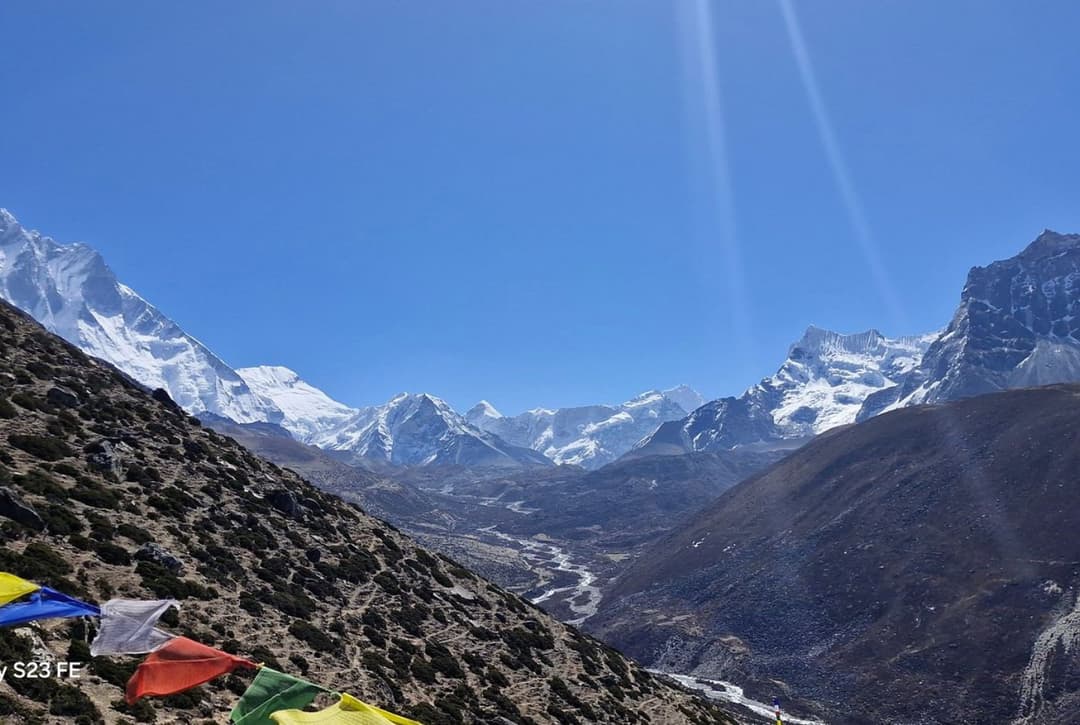
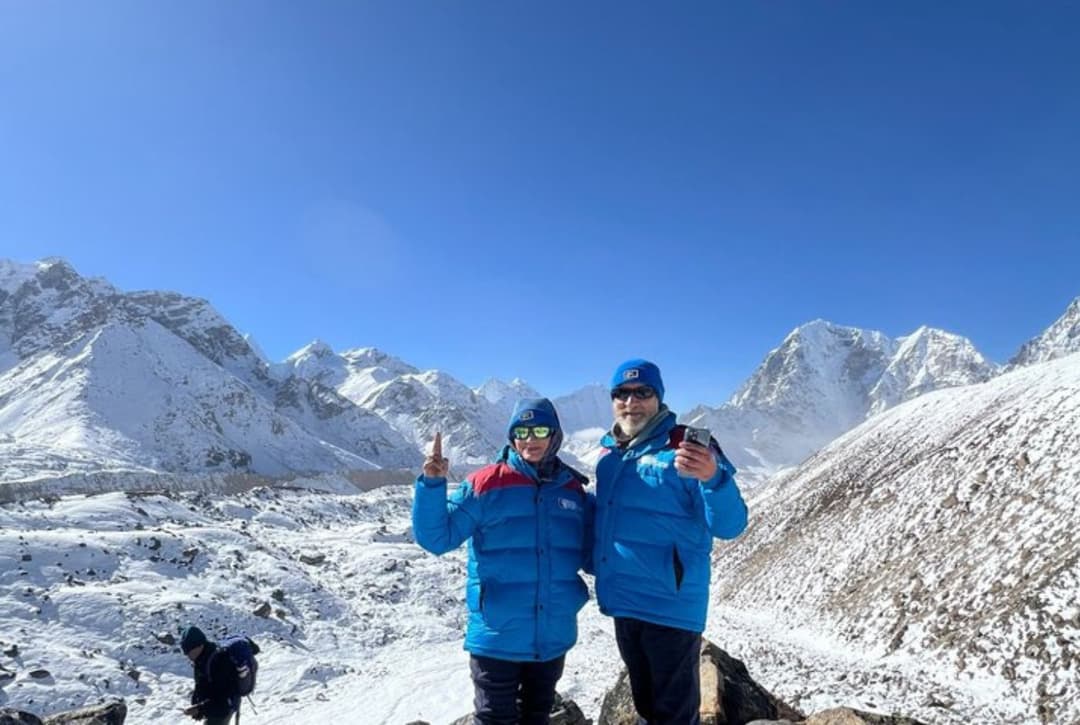
+An excellent, well-organized experience with the Nepal Hiking Team! Ganga provided fantastic guidance before we started, and our guides, Indra and Binod, took exceptional care of us during the walk. The accommodations in Kathmandu were also first-rate.
I highly recommend them for the Everest Base Camp Trek!
 +
+ +
+ +
+ +
+Choosing a local company for the Everest Base Camp Trek gives you the advantage of real on-the-ground knowledge that overseas resellers cannot match. A team based in Nepal understands current trail conditions, teahouse standards, Lukla flight realities, acclimatization pacing, and emergency coordination in the Khumbu.
On the Mount Everest Base Camp Trek, local judgment can make a meaningful difference when weather changes, altitude affects trekkers differently, or route logistics need quick decisions. It also means your trip directly supports Nepali guides, porters, staff, and mountain communities. For a fuller explanation of what to look for before booking, read our guide on how to choose the best company for the Everest Base Camp Trek.
A licensed guide provides daily health monitoring using a pulse oximeter, early recognition of altitude sickness symptoms, and the authority to call a descent or evacuation before a situation becomes serious. Independent trekkers have no one to objectively evaluate their condition, a significant risk above 4,000 meters, when judgment itself is often impaired by altitude.
Guides manage permits, teahouse bookings, flight coordination, and emergency helicopter logistics. The trail is not technically difficult, but the altitude makes experienced judgment essential, not optional.
The Everest Base Camp Trek at Nepal Hiking Team is run in small groups, typically 6 to 8 trekkers, with a maximum of 10 participants. This allows for better pacing, closer guide support, and a more comfortable trekking experience at high altitude.
Yes, all departures are guaranteed. If no group forms on your selected date, the trek will still run as a private trip at no additional cost, according to Nepal Hiking Team Policy.
If additional trekkers join, you will trek as a group within the standard group size. If not, your trip remains private and exclusive, with the same level of service and support throughout.
Yes, a beginner can complete the Everest Base Camp Trek with proper preparation, as it does not require technical climbing skills.
The main challenge is high altitude rather than terrain difficulty, and the itinerary is designed with gradual ascent and acclimatization days. With a steady pace and guidance from experienced guides, first-time trekkers regularly complete the trek successfully.
There is a growing trend of people completing Kilimanjaro before attempting Everest, but this progression is not necessary.
Preparing for the Everest Base Camp Trek usually means building fitness before departure, focusing on regular walking, light cardio, and endurance rather than short bursts of strength. It is also important to bring layered clothing, comfortable boots, and reliable cold-weather gear, while paying close attention to hydration and acclimatization. For a more detailed training plan, read our guide on how to train for the Everest Base Camp Trek.
The Everest Base Camp Trek is considered moderate, primarily due to altitude and long walking days. Trekkers usually walk 4 to 7 hours daily on uneven trails, including stone steps, glacier paths, and gradual ascents. EBC trekking cannot be categorised as a High Passes trek or an off-the-beaten-path trek in Nepal.
The biggest challenge is reduced oxygen levels above 3,500 meters, not the technical difficulty of the trail. Learn more about what makes the Everest Base Camp Trek challenging for some trekkers and how to manage them in our detailed blog, 20 Everest Base Camp Trekking Problems (With Pro Tips to Beat Them).
You should have a good level of basic fitness, including the ability to walk several hours a day over varied terrain. Preparation should include regular walking, light cardio, and endurance training at least a few weeks before the trek.
Consistency matters more than intensity, as the trek requires sustained effort rather than short bursts of strength.
Yes, the Everest Base Camp Trek is suitable for older trekkers and families if they are in good health and follow a well-paced itinerary. We have guided trekkers ranging from young teenagers to those in their 60s and beyond. Proper acclimatization, pacing, and listening to your body are key factors for a safe and successful trek. Age is less important than fitness, preparation, and a steady approach on the trail.
We have guided trekkers of all ages, including inspiring journeys like Ivan Krasiukov's EBC trek story, showing that with the right support, even very young trekkers can complete high-altitude adventures safely.
The best time for the Mount Everest Base Camp Trek is spring (March to May) and autumn (September to November), when skies are usually clearer, trail conditions are steadier, and Lukla flights tend to run more reliably.
The shoulder season can still suit trekkers who want quieter trails, but conditions are less predictable. Late February to early March is colder and can bring more snow on the upper route, while late November to early December often offers sharp mountain views and fewer crowds, along with much colder mornings and nights.
The clearest mountain views are typically seen in April, May, October, and November, when the skies are more stable and less affected by clouds or haze. During these months, early mornings usually provide the best visibility of Everest and the surrounding peaks. Post-monsoon months like October and November are especially known for crisp, sharp views across the Khumbu region.
For a detailed month-by-month breakdown of temperatures, weather patterns, and seasonal trekking conditions on the Everest Base Camp Trek, read our Everest Base Camp weather and temperature guide for all seasons.
Yes, the Everest Base Camp Trek is possible in both winter and monsoon, but conditions are more challenging. Winter (December to February) brings colder temperatures and icy trails, while the EBC trekking during monsoon (June to August) often brings cloud cover, rain, and limited visibility. These seasons also increase the chance of Lukla flight delays and require more flexibility in travel plans.
Weather plays a major role in Lukla flight operations, as flights depend on clear visibility and stable wind conditions. Even during peak seasons, delays and cancellations can occur, especially in the early morning hours. Cloud buildup, wind, and low visibility are the main causes of disruption. It is always recommended to include buffer days in your itinerary to account for potential delays without affecting your overall travel plans.
Along the Everest Base Camp Trek, trekkers can see four major peaks above 8,000 meters at different points on the route: Mount Everest, Lhotse, Makalu, and Cho Oyu. Views vary by location, but some of the best viewpoints on the EBC Trek include Kala Patthar, Everest View Hotel, and the higher trail sections above Tengboche and Dingboche. For a fuller breakdown of the major Himalayan peaks visible on the route, read our detailed guide to the highest peaks in the Everest region.
The total cost of the 16-day Everest Base Camp Trek starts from around USD 1,525 per person under Nepal Hiking Team’s standard group package, with the final price depending on group size. The package covers the main trek logistics, but your overall budget should also include personal spending during the trek. Your final trip cost is usually a combination of the package price and your own mountain expenses, such as hot showers, charging, Wi-Fi, snacks, and drinks.
Want to understand where your money is spent in the package? Follow our guidebook for a clear cost breakdown of trekking to base camp.
For the Everest Base Camp Trek, it is best to carry enough Nepali rupees for your personal expenses, as ATMs in the Khumbu are limited and not always reliable. Along the Everest Base Camp Trail, many trekkers carry around NPR 25,000 for extras such as hot showers, Wi-Fi, charging, drinks, and snacks, though spending varies from person to person. Some places may accept cards, but for an EBC Trek, it is far safer to withdraw your cash in Kathmandu before the trek begins.
The most common extra expenses on the Everest Base Camp Trek are hot showers, phone or camera charging, Wi-Fi access, bottled or boiled drinking water, bakery items, soft drinks, and occasional comfort purchases. Many trekkers spend more than expected on small daily items, especially in cold weather when hot drinks and charging become more important. These are not major single costs, but they add up steadily over the route. The higher you go, the more expensive even basic items become, so carrying a realistic personal budget makes the trek much easier.
You can book the Everest Base Camp Trek by completing the online booking form with your travel details. Your reservation is confirmed once you make a 20% deposit; the remaining balance can be settled upon your arrival in Kathmandu. Your booking is secured as soon as the deposit is received, even if flight details are provided later.
A 20% deposit is required to confirm your Everest Base Camp Trek booking. The remaining balance is typically paid upon arrival in Kathmandu, either in cash or by card. Card payments are accepted, but a 3.5% bank surcharge applies. Many trekkers prefer to pay the balance in cash to avoid additional transaction fees.
Yes, you can postpone your trek if your travel plans change. While the deposit is non-refundable, it remains available as a lifetime credit for a future trip with Nepal Hiking Team. This flexibility allows you to reschedule your trek without losing your initial payment.
Explore Nepal Hiking Team’s risk-free policy to plan your trip with confidence and complete peace of mind.
The deposit is non-refundable once your booking is confirmed, as it is used to secure logistics such as flights, permits, and accommodation. However, the amount is not lost and can be used as credit for a future trip. Refunds are generally not possible due to advance payments made for trekking services.
The Everest Base Camp Trek is run in small groups, typically 6 to 8 trekkers, with a maximum of 10 participants. This allows for better pacing, closer guide support, and a more comfortable trekking experience at high altitude. Smaller groups also make it easier to manage acclimatization and daily coordination on the trail.
Yes, all departures are guaranteed. If no group forms on your selected date, the trek will still run as a private trip at no additional cost. This applies whether you are traveling alone or with others. If additional trekkers join, you will trek as a group within the standard size. If not, your trip remains private and exclusive with full guide and porter support.
Yes, solo travelers are welcome to join group departures on the Everest Base Camp Trek. If other trekkers join on the same date, you will be part of a small group. If not, your trek will proceed privately without extra cost. This gives solo travelers both flexibility and guaranteed departure without needing to find a group in advance.
A group trek allows you to join other trekkers on the same departure date, sharing the experience and logistics. A private trek is arranged exclusively for you or your group, allowing more flexibility in pace and schedule. Once a trek is confirmed as private, it remains exclusive and is not opened to other trekkers. Both options include the same level of service, guides, and support.
Yes, both are available during the Everest Base Camp Trek, but access becomes more limited as you gain altitude. In lower villages on the Everest Base Camp Trail, charging is generally easier and often available in rooms or common areas at a lower cost. In Dingboche, some lodges can provide in-room electricity for a fixed rate of around NPR 1,500 for 24 hours or NPR 2,000 for 48 hours. At higher stops such as Lobuche and Gorakshep, rooms usually do not have individual outlets, so charging is normally available only in the reception or dining area and typically costs around NPR 300 per device.
Hot showers are included up to Namche Bazaar in Nepal Hiking Team’s standard 16-day itinerary. Above Namche, hot showers are usually available for an extra charge of around NPR 1,000, and trekkers should carry their own towel. On the EBC Trek, many trekkers avoid hot showers at higher altitudes because temperatures are very cold, and getting chilled after a shower can affect comfort and recovery on the trail.
Accommodation during trekking to Mt. Everest Base Camp is in locally run teahouses and small lodges with twin-sharing rooms, simple bedding, and basic but practical facilities. In lower villages such as Lukla, Phakding, and Namche Bazaar, many lodges are more comfortable and may offer attached bathrooms, better dining spaces, and, in some cases, a more upgraded stay.
As you go higher on the Everest Base Camp Trail, accommodation becomes more functional, with shared toilets, unheated rooms, thinner walls, and limited space. On an EBC Trek, teahouses are designed more for warmth, rest, and recovery than hotel-style comfort, and the dining hall is usually the warmest and most social part of the lodge.
Private rooms are available in many lower villages, but availability becomes limited as you gain altitude. In places like Dingboche, Lobuche, and Gorak Shep, teahouses have fewer rooms and higher demand. A private room costs around USD 200 for the full trek, depending on availability. Above Dingboche, single rooms are not always guaranteed, especially during peak trekking seasons.
Food on the Everest Base Camp Trek is served in teahouses and is designed to support long walking days at high altitude. Meals are usually simple, warm, and filling, with a mix of Nepali, Tibetan, Indian, and basic Western dishes. The most reliable choice on the Everest Base Camp Trail is often dal bhat, which is freshly cooked and commonly offered with refills. Early breakfasts, trail lunches, and hot dinners are part of the normal rhythm of the trek, and all teahouses used on Nepal Hiking Team’s 16-day route are selected for cleanliness and consistent food quality.
Above Namche Bazaar, vegetarian meals are generally recommended because meat is carried higher up and is less reliable. Vegan meals and basic gluten-free options are often possible with advance notice. Hydration is equally important on the EBC Trek, and trekkers should aim for around 3 to 4 litres a day through water, soups, and hot drinks. Many trekkers use filters or purification tablets to reduce bottled water use and cost. For a fuller breakdown of meals, drinks, and water options on the trail, read our detailed food and water guide for the Everest Base Camp Trek.
Yes, but connectivity becomes more limited as you gain altitude on the Everest Base Camp Trek. Mobile signal is usually workable in lower villages such as Lukla and Namche Bazaar, becomes intermittent between Namche and Dingboche, and is often very weak or unavailable above Dingboche.
Learn more about the Wi-Fi and Internet Access during EBC trek in our detailed blog.
In higher stops like Lobuche and Gorak Shep, trekkers generally rely on lodge Wi-Fi rather than mobile data. Along the Everest Base Camp Trail, many teahouses offer paid internet access, but speeds are slow and the connection is usually strongest only within the lodge, especially around the dining hall area.
On the EBC Trek, Wi-Fi is usually provided through paid lodge-based systems rather than open trail coverage. In the Everest region, prepaid hotspot cards are sold in many lodges and shops, and Nepal Hiking Team currently lists Airlink packages at NPR 1,200 for 24 hours with 5 GB and NPR 1,500 for 48 hours with 12 GB.
In practice, availability, provider, and speed can vary by village and teahouse, so these rates are best treated as current guide prices rather than fixed rates at every stop. Wi-Fi is not included in Nepal Hiking Team’s standard 16-day Everest Base Camp Trek package.
You should pack layered clothing suitable for changing temperatures, including a down jacket, thermal layers, trekking pants, gloves, and a warm hat. Good trekking boots, a daypack, and essential personal items are also important. Weather conditions can vary significantly between lower and higher elevations, so layering is more effective than carrying heavy gear.
Still unsure what to pack for your Everest Base Camp trek? Read our complete guide to packing smart, staying light, and preparing confidently for every condition on the trail to Everest Base Camp.
Yes, trekking gear is widely available in Kathmandu, and you can either buy or rent most items before your EBC trekking. Apart from equipment such as down jackets, sleeping bags and Everest region maps provided by Nepal Hiking Team, trekking boots and poles are easy to find in Thamel.
You can ask your guide for shopping help. We know the markets best.
Porters carry your main luggage during the trek, with a limit of approximately 25 kg shared between two trekkers (about 12–13 kg per person). You will carry a personal daypack with essentials such as water, snacks, and extra clothing. Keeping your daypack light makes the daily walk more comfortable, especially at higher altitudes.
Flights to Lukla allow a total baggage limit of 15 kg per person, including both main luggage and hand carry. If your baggage exceeds this limit, additional charges may apply or items may be delayed on later flights. It is important to pack efficiently and stay within the weight limit to avoid disruption to your travel plans.
Direct flights from Kathmandu to Lukla usually operate during the low trekking season. During peak seasons (March to May and September to November), most flights operate from Ramechhap Airport, which requires an early morning drive of about 4 to 5 hours from Kathmandu. This change is made to manage heavy air traffic and improve flight efficiency during busy months.
Lukla flights depend entirely on weather conditions, especially visibility, wind, and cloud cover in the mountains. Even small changes in weather can delay or cancel flights. Early morning flights are more reliable as conditions tend to worsen later in the day. Flight delays are a normal part of trekking in the Everest region, and flexibility in your schedule is essential.
If your Lukla flight is delayed, it is usually rescheduled for the next available time or the following day. In some cases, a helicopter option may be arranged at an additional cost if weather permits. Your itinerary includes a buffer day to help manage such delays without affecting your international travel plans. Delays are common, so having flexibility is an important part of the trekking experience.
The cost of a shared helicopter flight from Gorak Shep to Lukla is approximately USD 500-600 per person. The final price depends on seat availability and the number of passengers sharing the flight that day.
A shared helicopter flight from Lukla to Kathmandu typically costs between USD 400 and 500 per person. The rate may vary slightly based on demand, weather conditions, and seat-sharing arrangements.
Yes, most travellers obtain a tourist visa on arrival at Tribhuvan International Airport in Kathmandu. The process is straightforward: fill out an arrival form, submit your passport, and pay the visa fee. The process usually takes 30 to 60 minutes, depending on the number of arriving passengers. Learn more in our visa guide blog: https://www.nepalhikingteam.com/nepal-visa-information
For the 16-day Everest Base Camp Trek, it is recommended to obtain a 30-day tourist visa. Although the itinerary includes arrival and departure days, the total duration becomes tight under a shorter visa. Since visa days are counted by calendar dates and Lukla flights are often delayed, a 30-day visa provides flexibility and avoids the risk of overstaying.
The online arrival form can be completed within 15 days before your arrival in Nepal. Filling it in advance helps reduce waiting time at the airport. If the form is completed more than 15 days ago, it may not be valid, and you may need to fill it out again on arrival.
Nepal visa duration is measured in calendar days, not hours or nights. The day you enter Nepal is counted as Day 1, regardless of your arrival time, and your departure day is also included. Even a late-night arrival counts as a full day, so it is important to choose a visa with enough days for your itinerary.
Yes, the Everest Base Camp Trek is generally safe when done with a proper itinerary and experienced guide. The route is well-established, and safety depends on gradual acclimatization, pacing, and monitoring your condition. The main risk is altitude, not the trail itself, so following the itinerary and guide instructions is essential.
Altitude sickness occurs when your body struggles to adapt to lower oxygen levels at higher elevations, typically above 3,000 meters. It is relatively common on the Everest Base Camp Trek, but most cases are mild and manageable. Proper acclimatization, hydration, and a steady pace significantly reduce the risk of serious symptoms.
If symptoms of altitude sickness appear, the guide will assess your condition and adjust the plan by resting, slowing the pace, or descending to a lower altitude. Guides carry basic medical equipment and regularly monitor oxygen levels. In more serious cases, evacuation are arranged quickly.
We coordinate with helicopter services, hospitals, and insurance providers, and provide all necessary documentation to support your insurance claims.
There is no single best provider for every Everest Base Camp Trek traveller. The right policy depends on your country of residence and, most importantly, whether it covers high-altitude trekking up to 6,000 meters, emergency helicopter evacuation, medical treatment, and trip disruption. Based on feedback from our past trekkers, commonly used options include Tugo, World Nomads, Blue Cross, Travelex, Allianz, Snowcard, Fast Cover, AXA, and Genki, depending on the region.
We do not provide or sell insurance, so we recommend comparing policies carefully and choosing one that matches your trek and location. For a fuller list by continent, please read our travel insurance guide for trekking in Nepal.
The most popular add-on to the Everest Base Camp trek with Nepal Hiking Team is the Chitwan Safari Tour.
At just USD 220, this three-day trip includes return travel to Kathmandu and full-board meals throughout. It adds a rewarding jungle experience with canoe rides, jeep safaris, and guided walks in search of rhinos, crocodiles, and rich birdlife.
Yes, the Everest Base Camp Trek can be customised based on your preferences, including pace, additional acclimatization days, or adjustments to the schedule.
Please note that customisation is available only for private treks, allowing you to plan your journey flexibly. Group departures follow a fixed itinerary.
Yes, you can extend your trek to include destinations like Gokyo Lakes, Cho La Pass, or the Everest Three Passes route. These extensions add a few extra days and offer more remote trails with additional mountain views. Such extensions must be planned in advance, as they require separate logistics and itinerary adjustments.
You might be surprised by how many variations of the Everest Base Camp trek exist. Explore our Everest region treks with best deals to discover different routes and options tailored to your preferences.
Yes, we can arrange a Kathmandu day tour before or after your Everest Base Camp trek. This guided experience takes you through some of the city’s most important UNESCO World Heritage sites, historic temples, and lively local neighbourhoods that reflect Nepal’s living culture.
You can explore the full details here: Kathmandu day tour
The cost of the Kathmandu Day tour is USD 120 per person.