9 Days
Check Our Risk-Free Booking Policy View Details

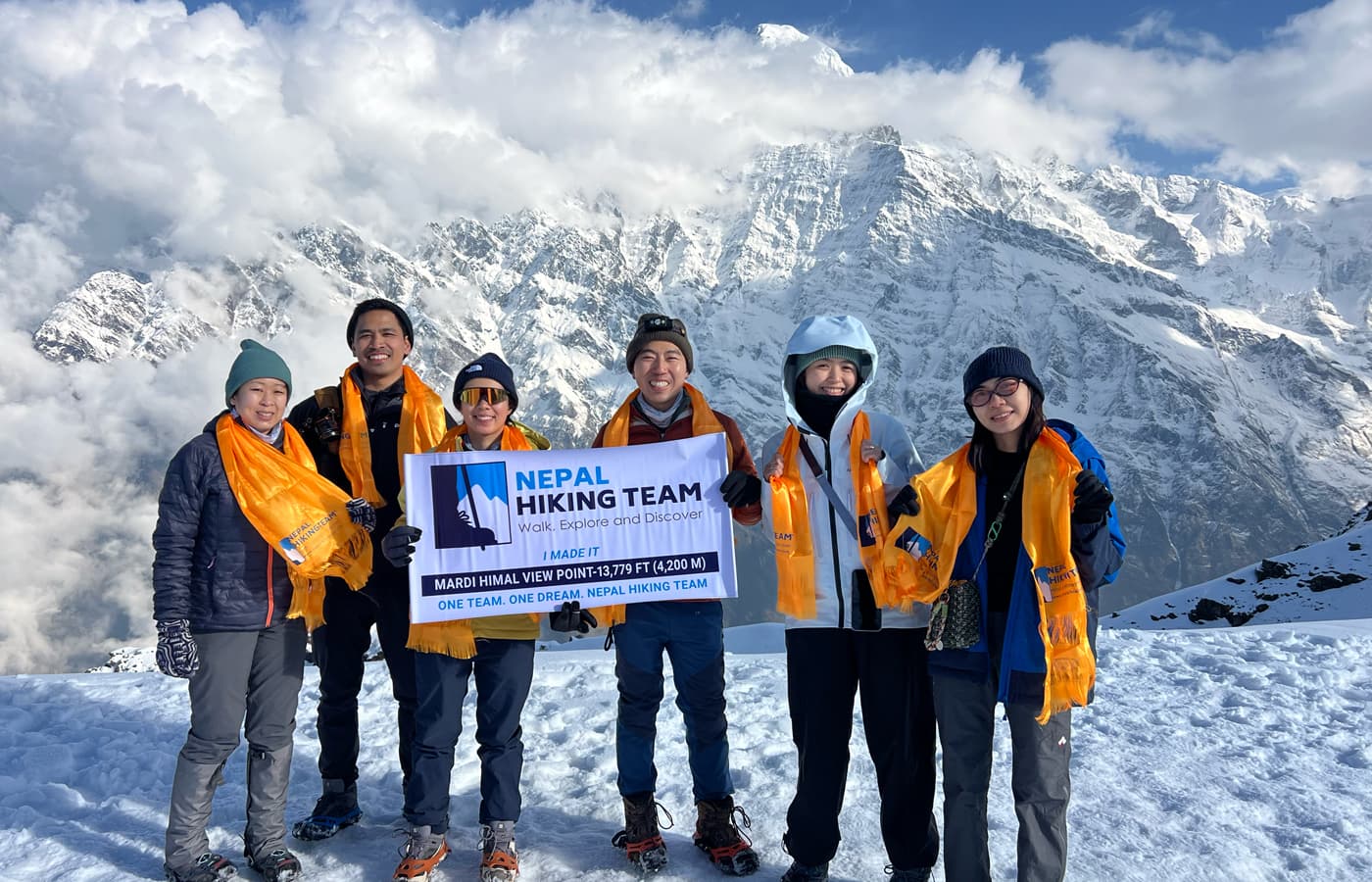
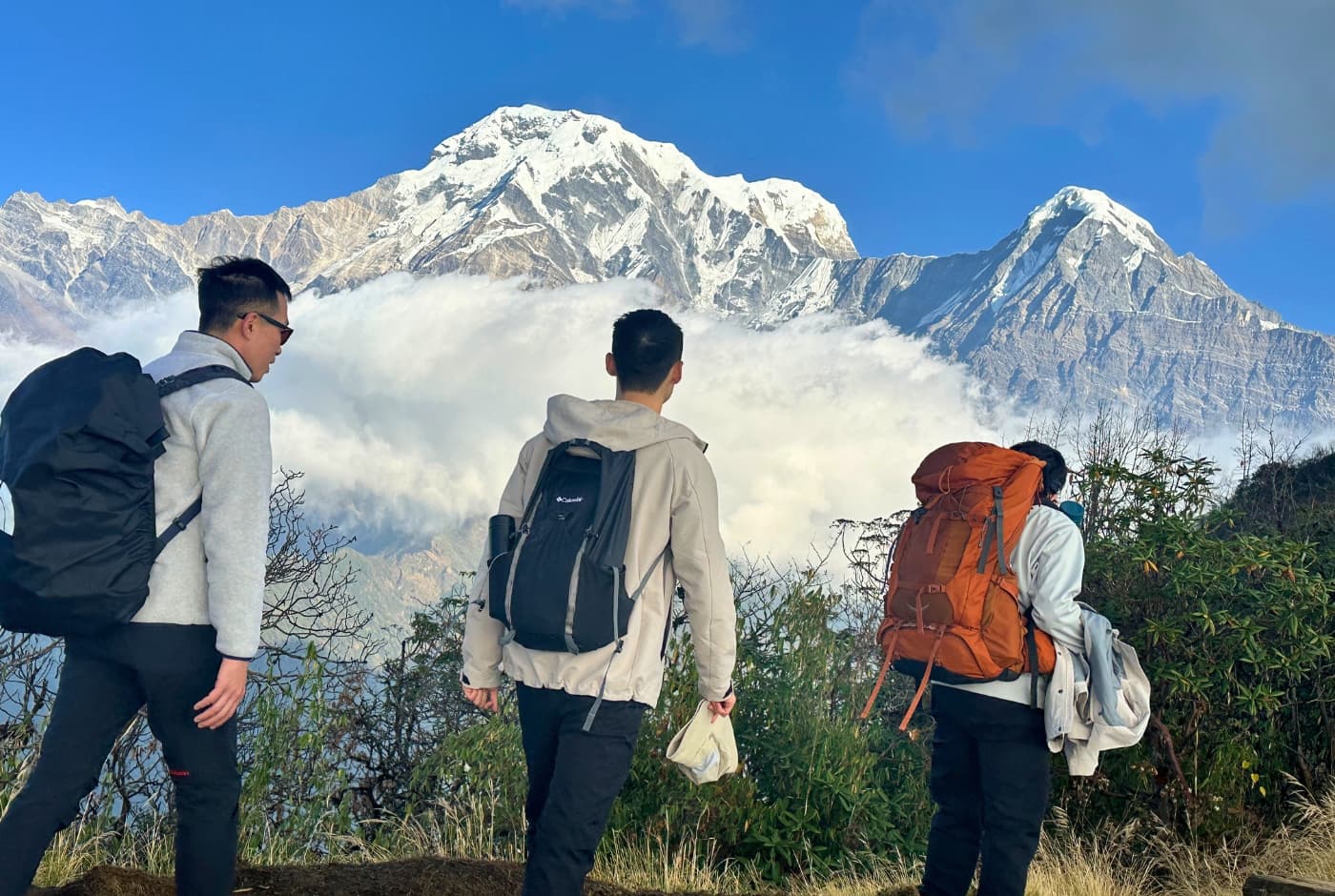
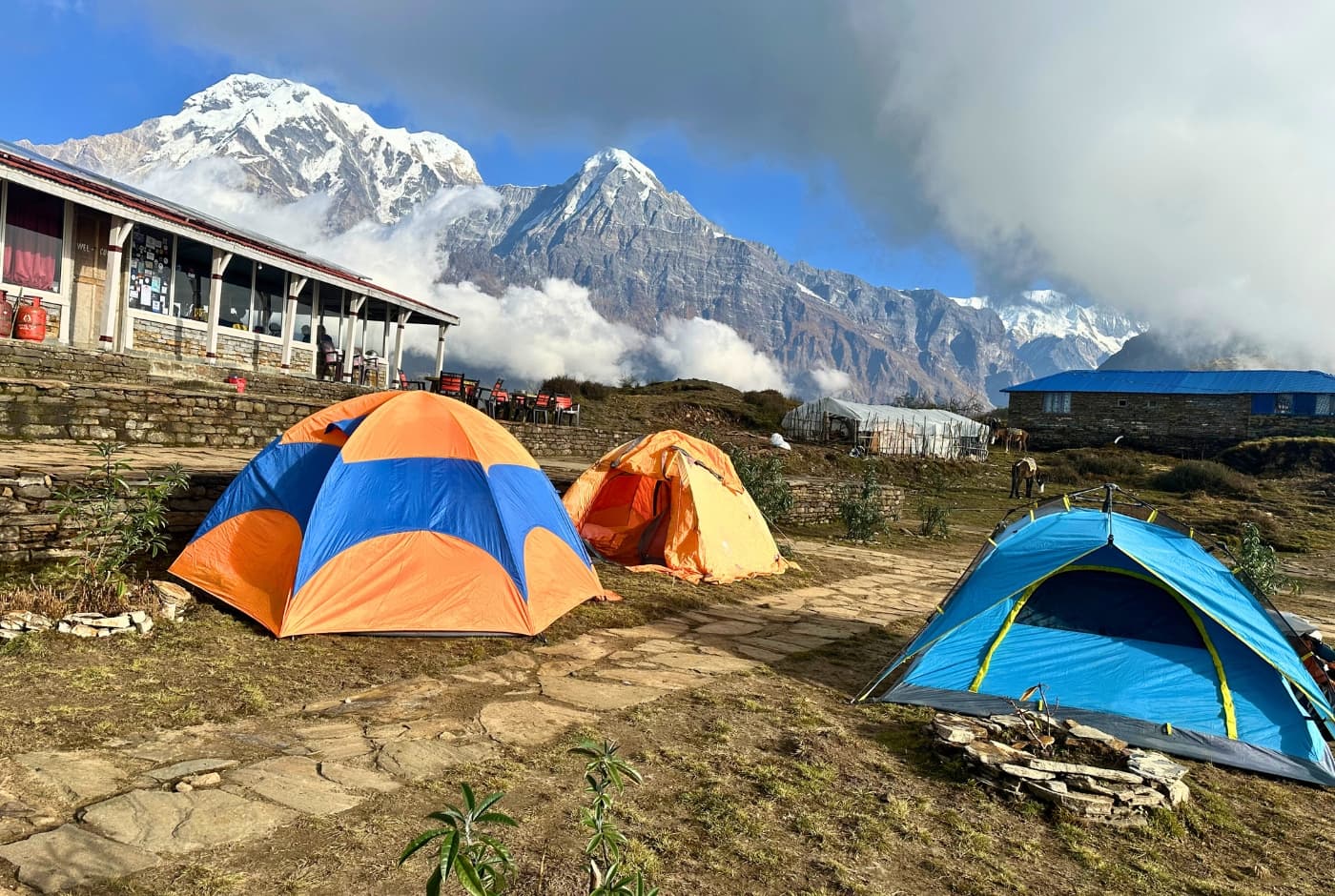
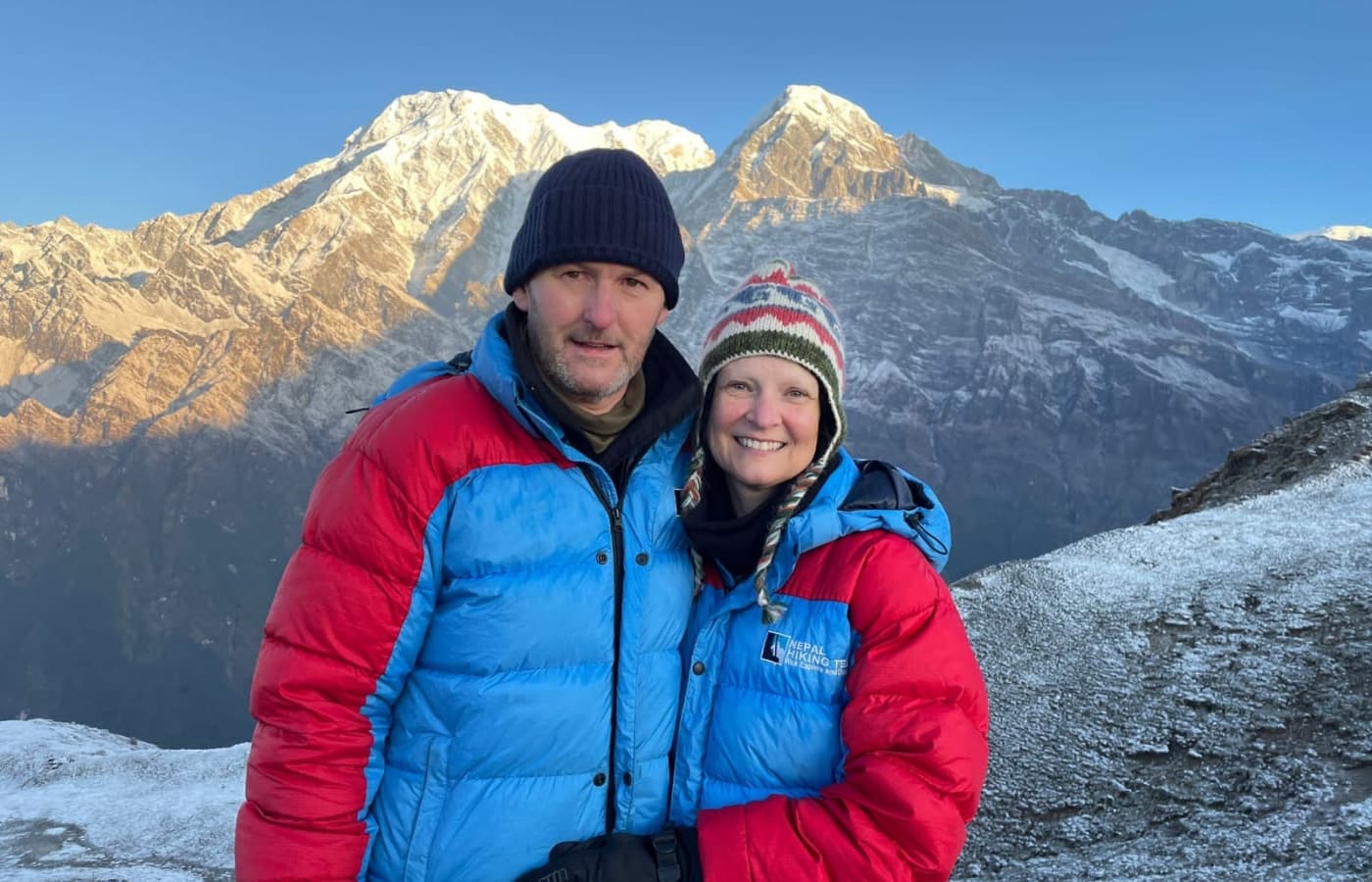
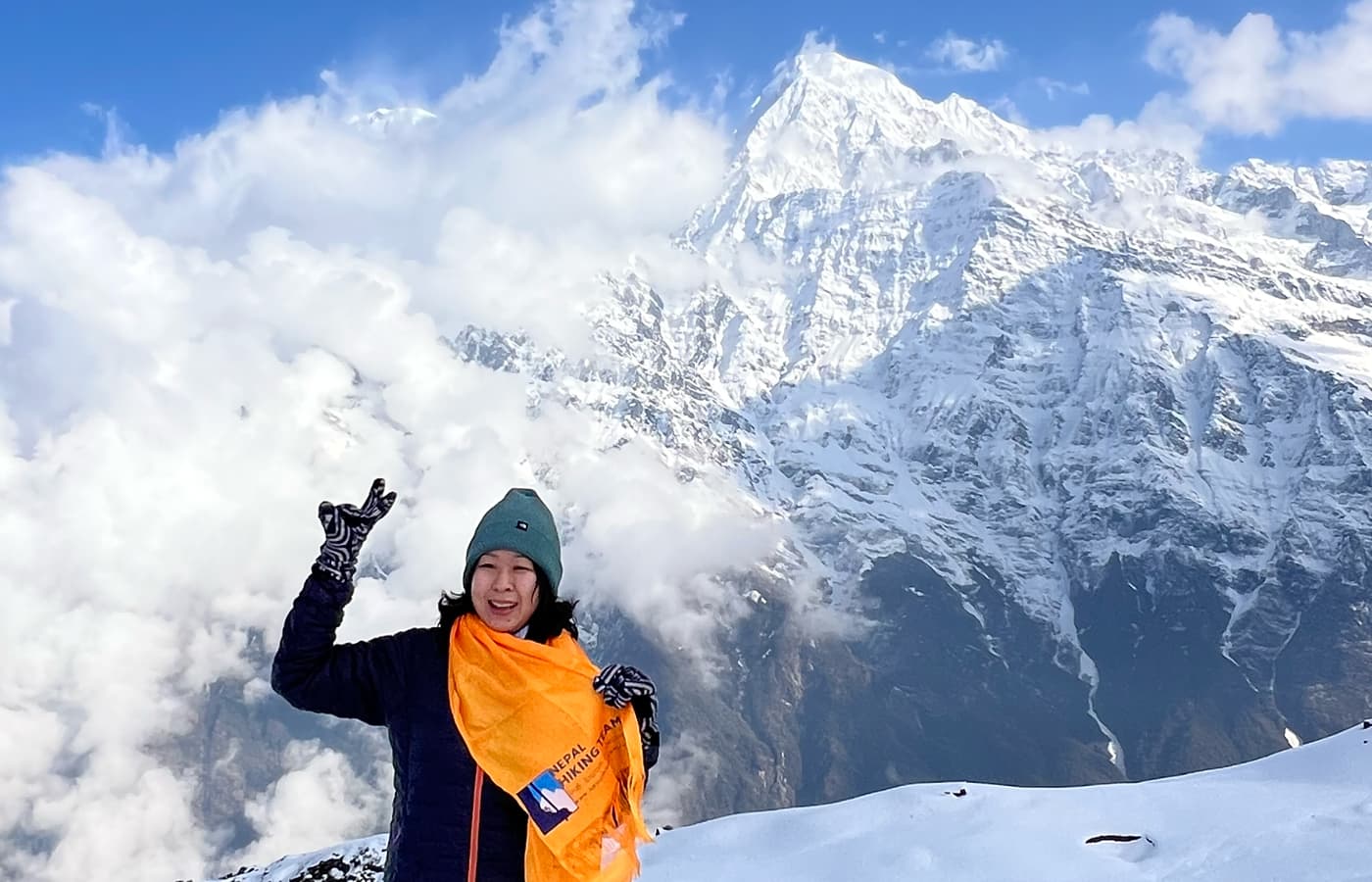
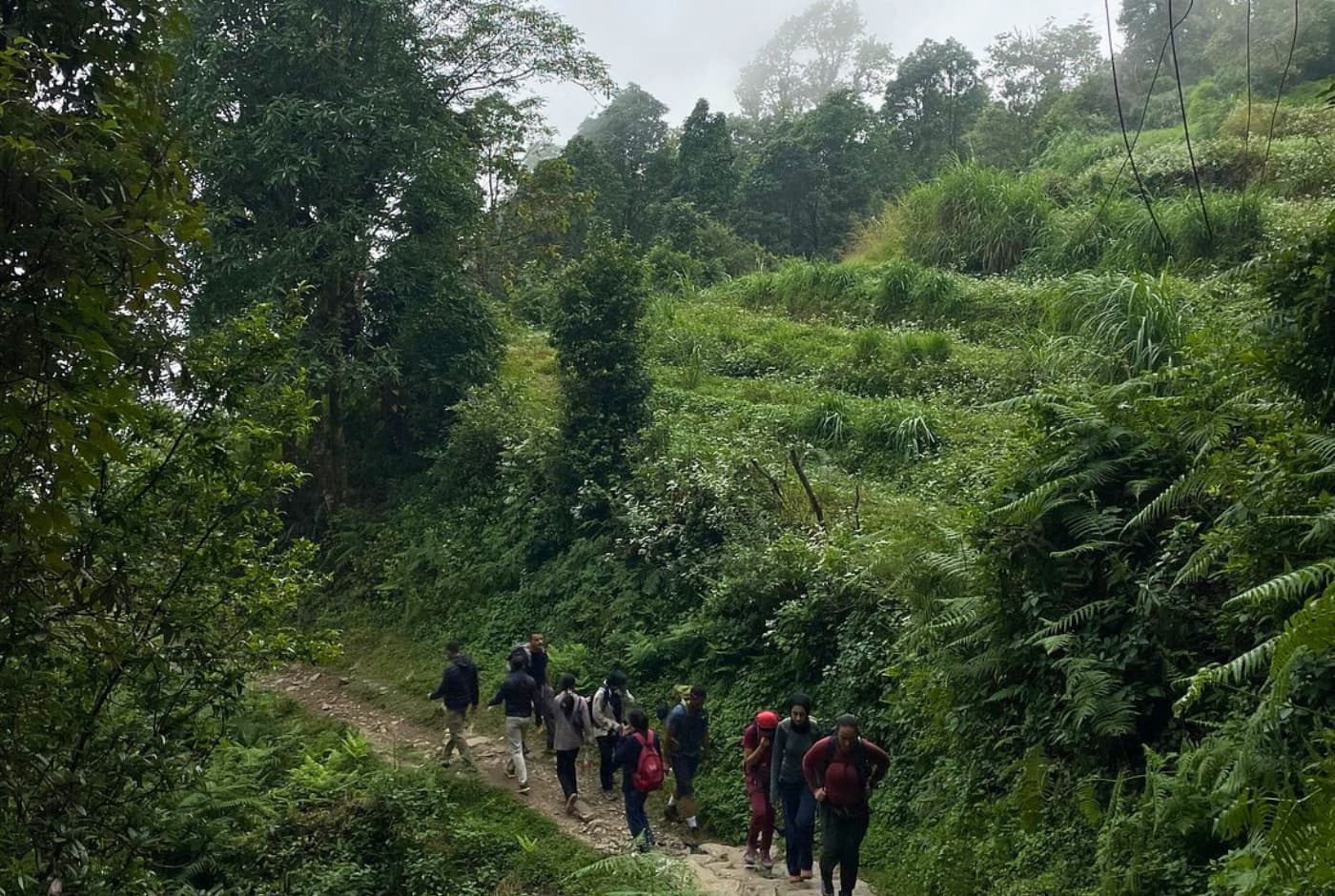
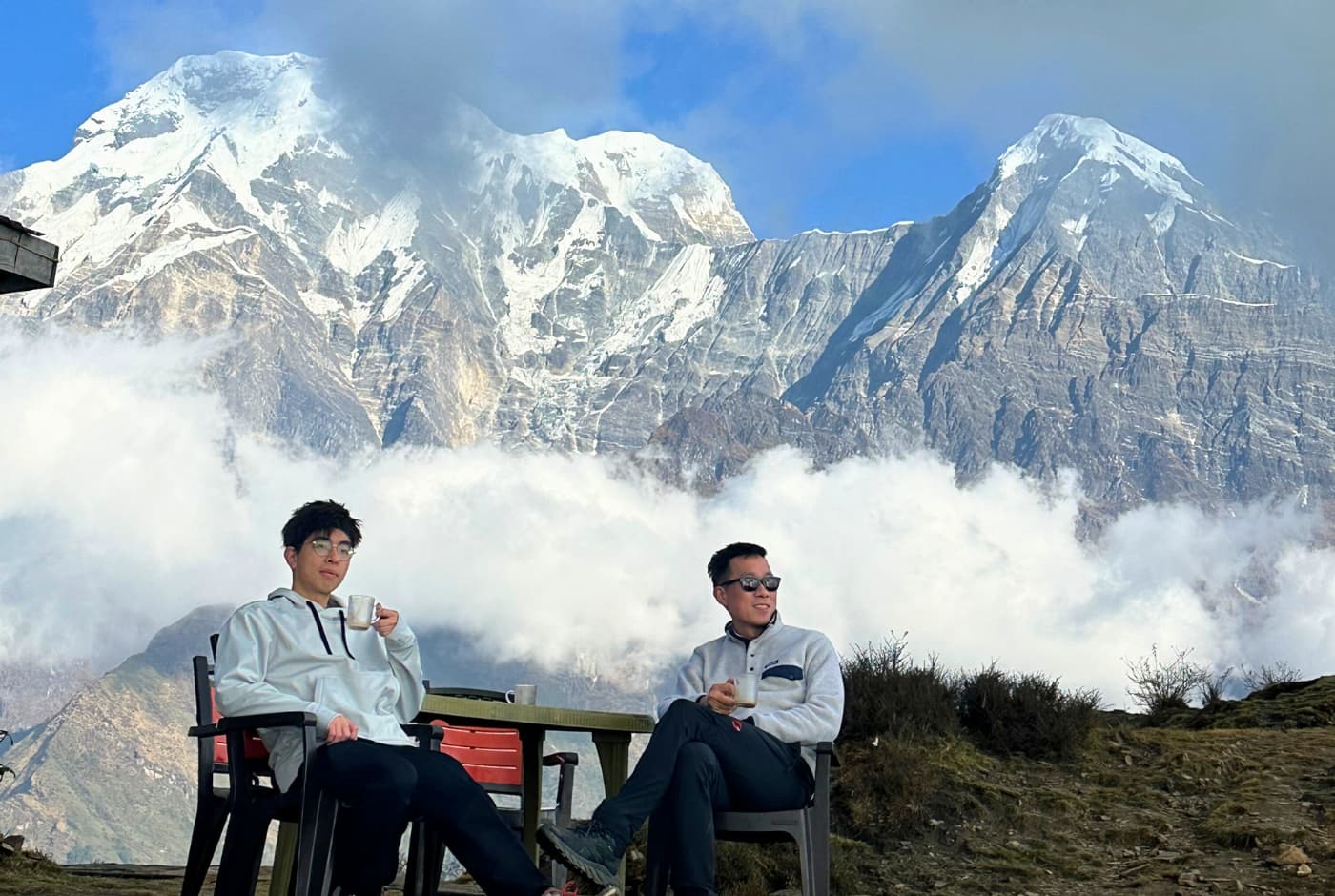
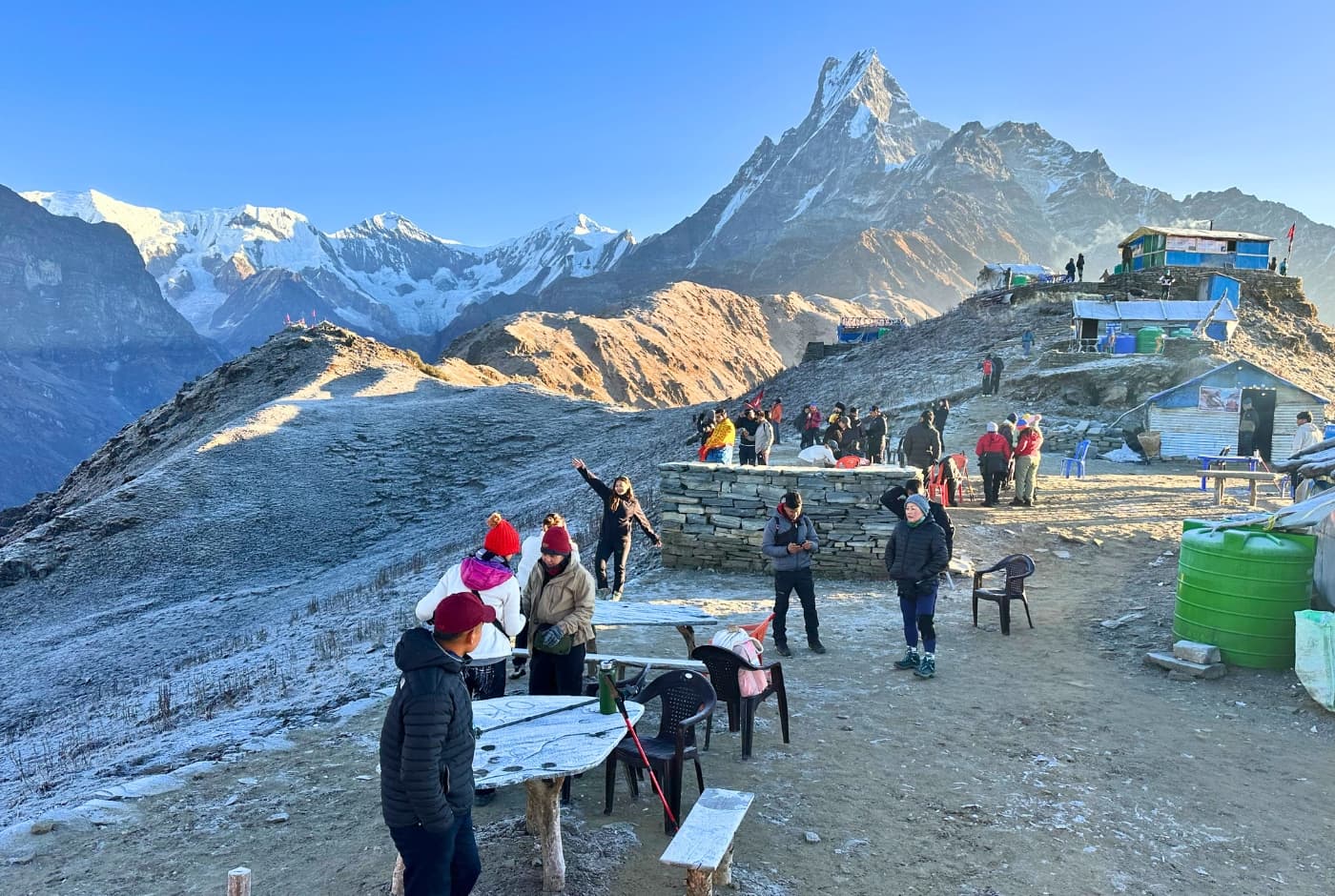
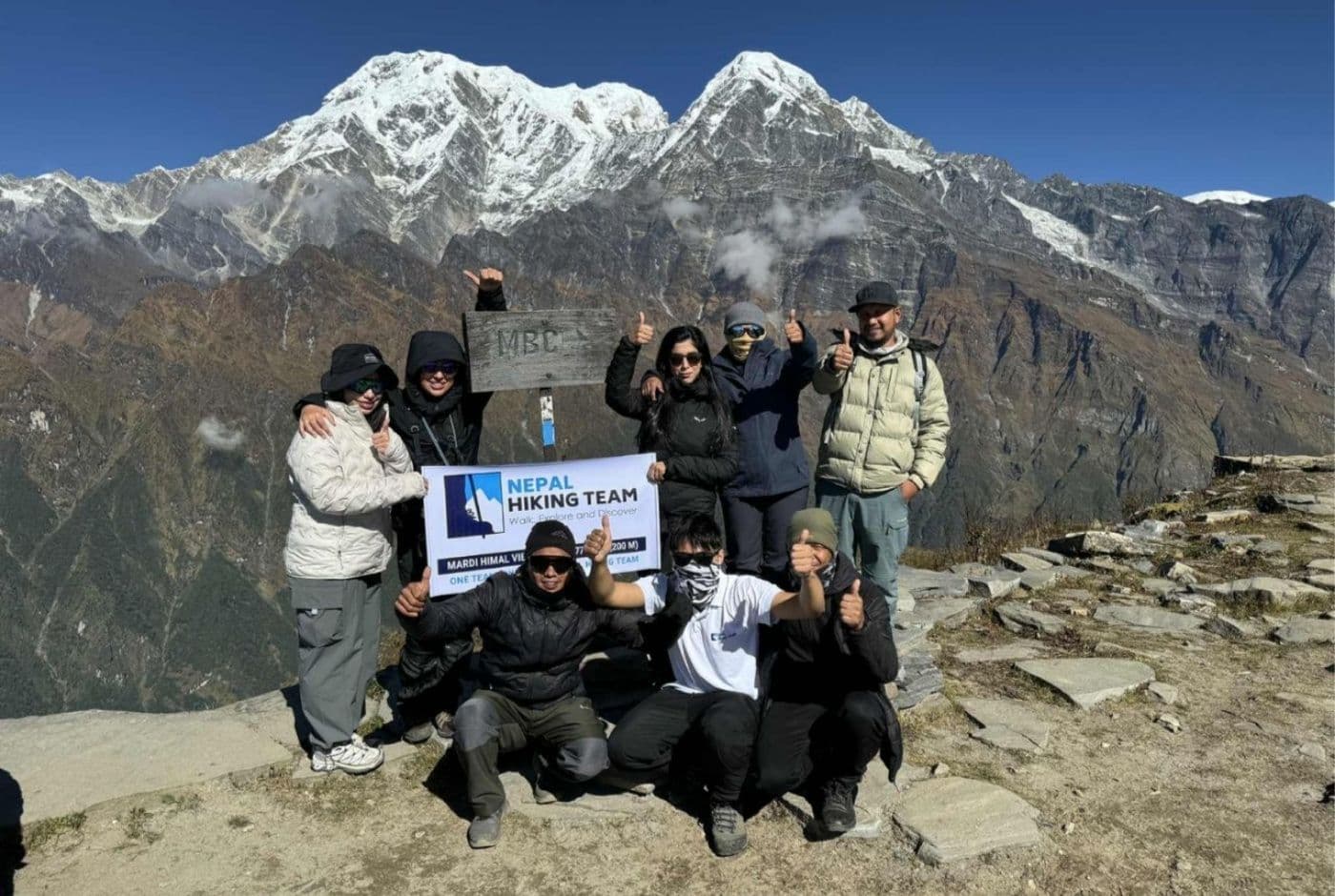
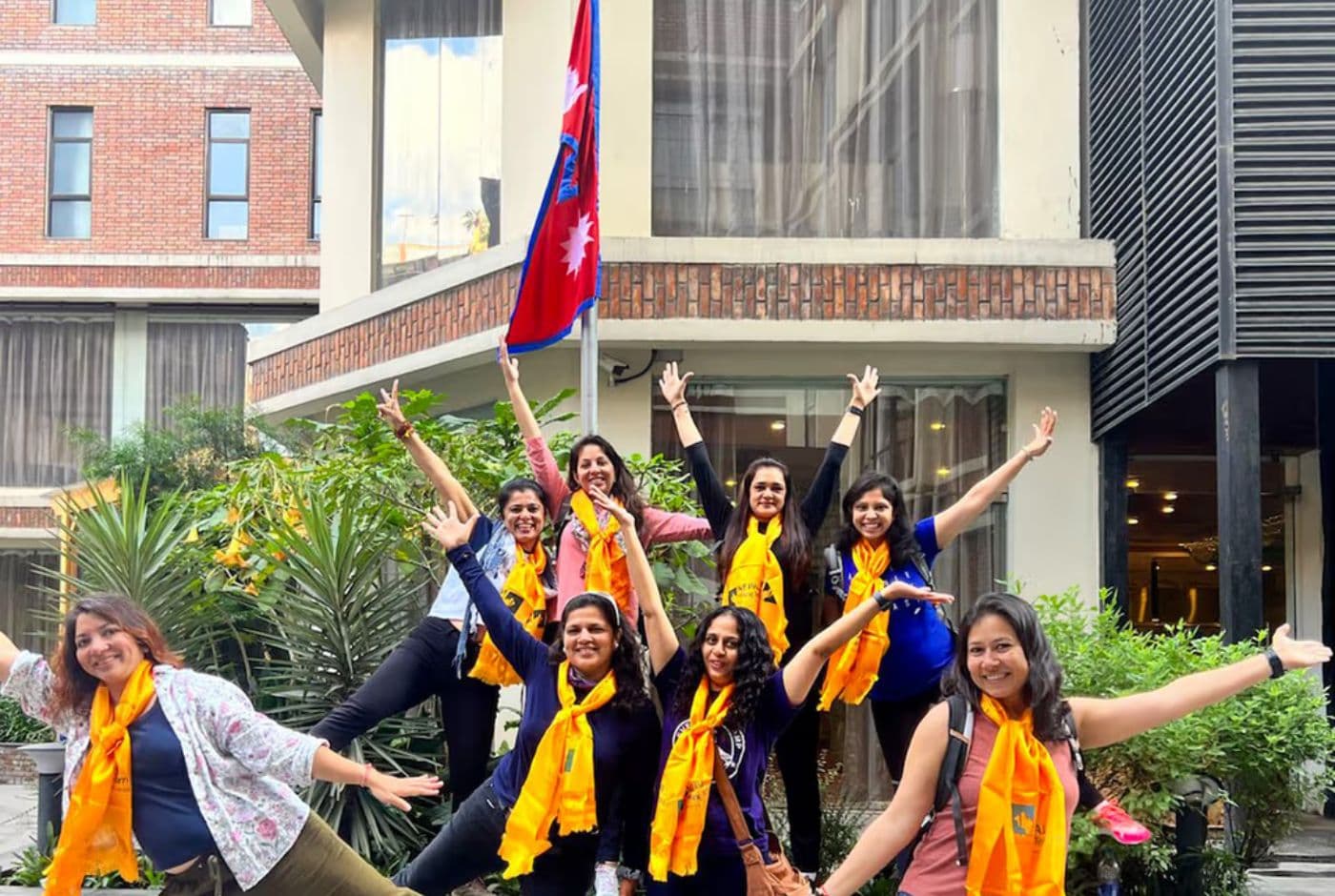
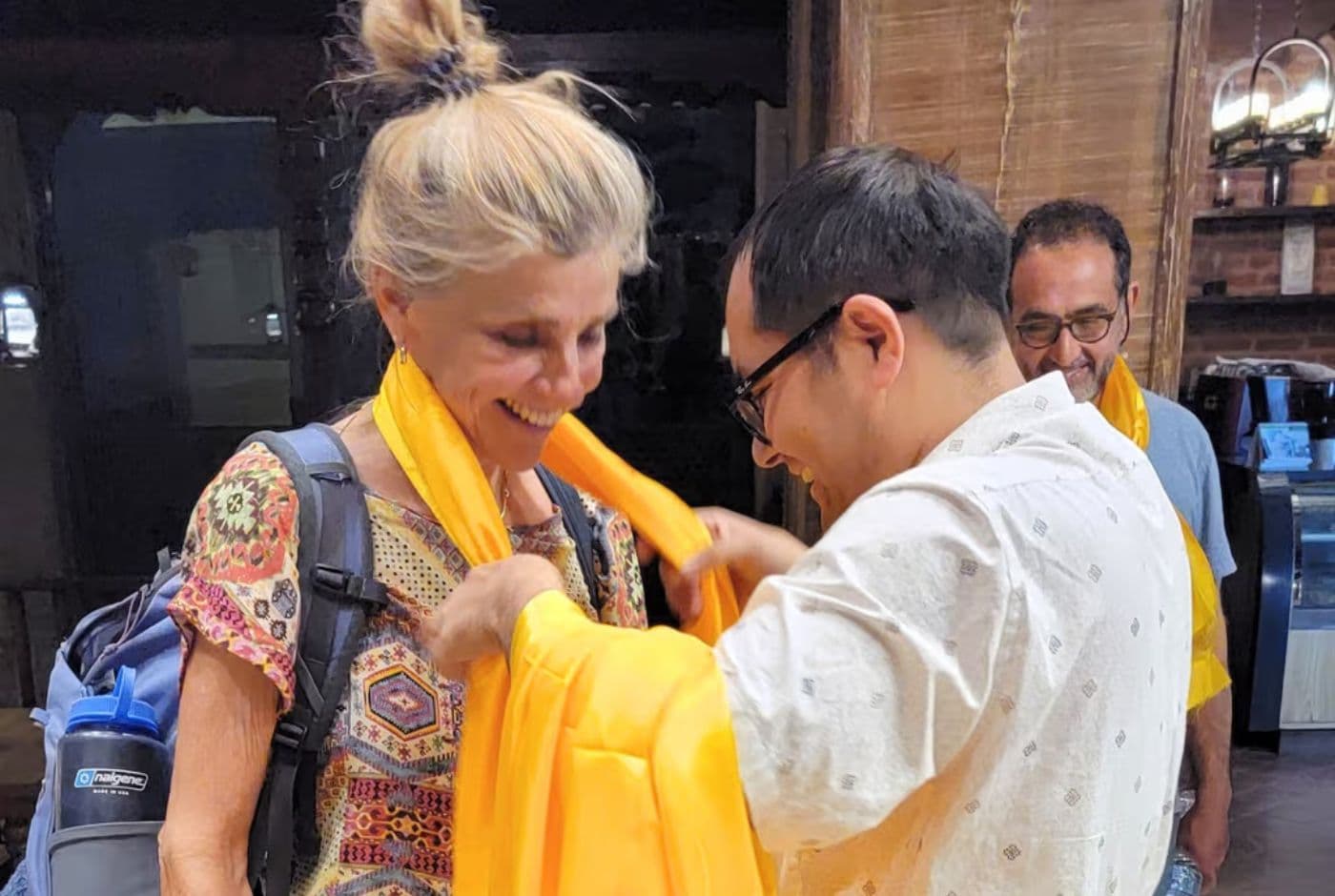
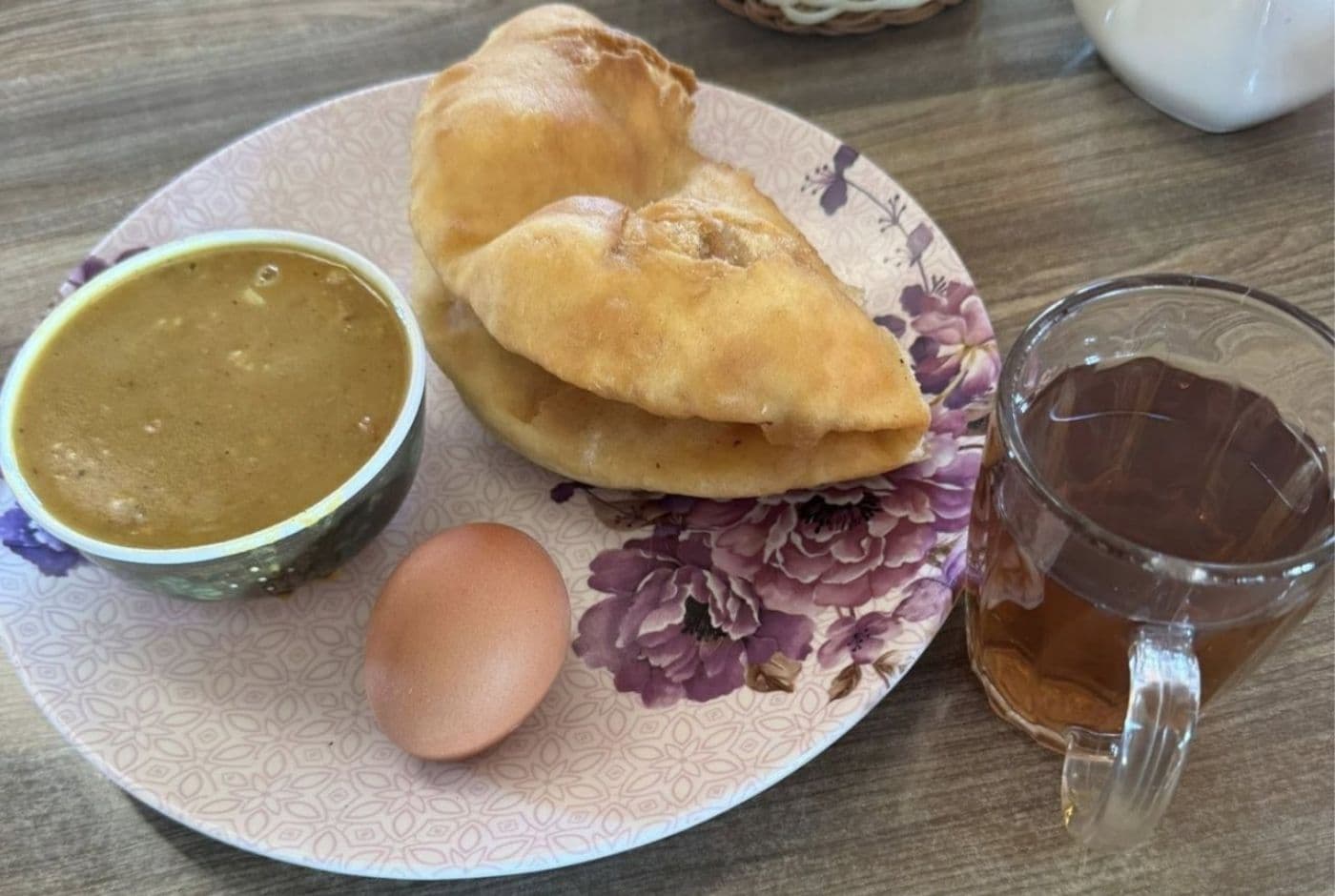
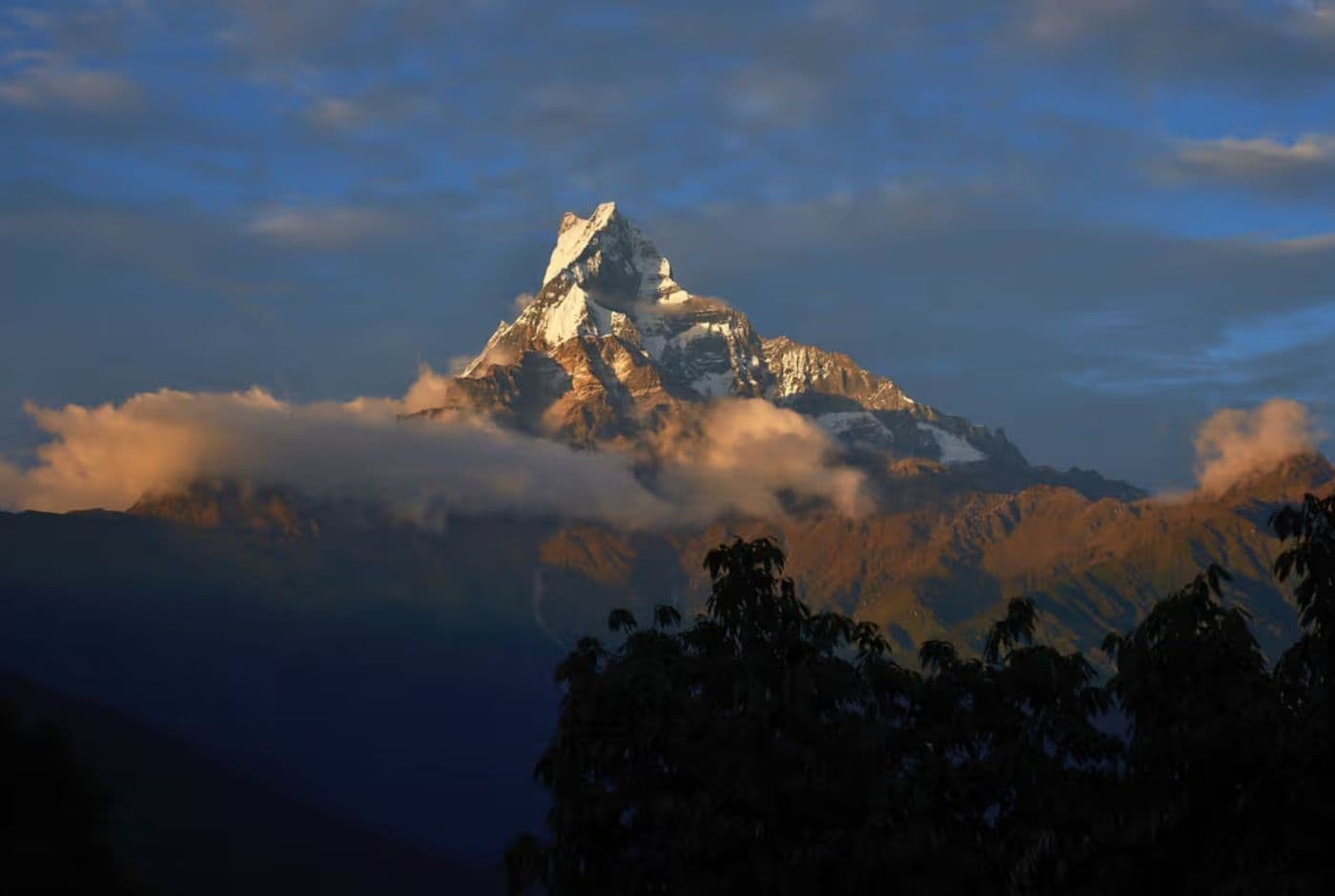
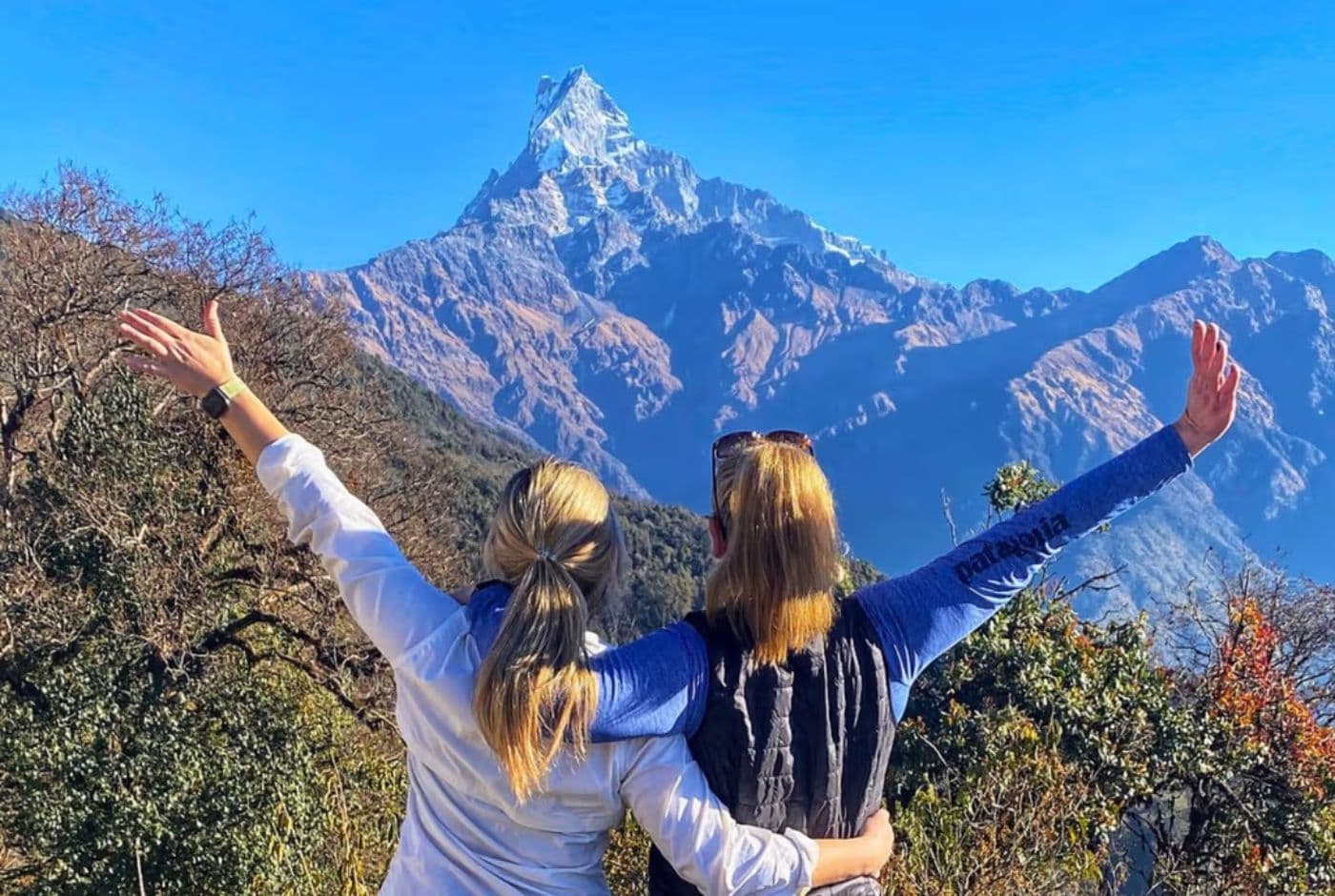
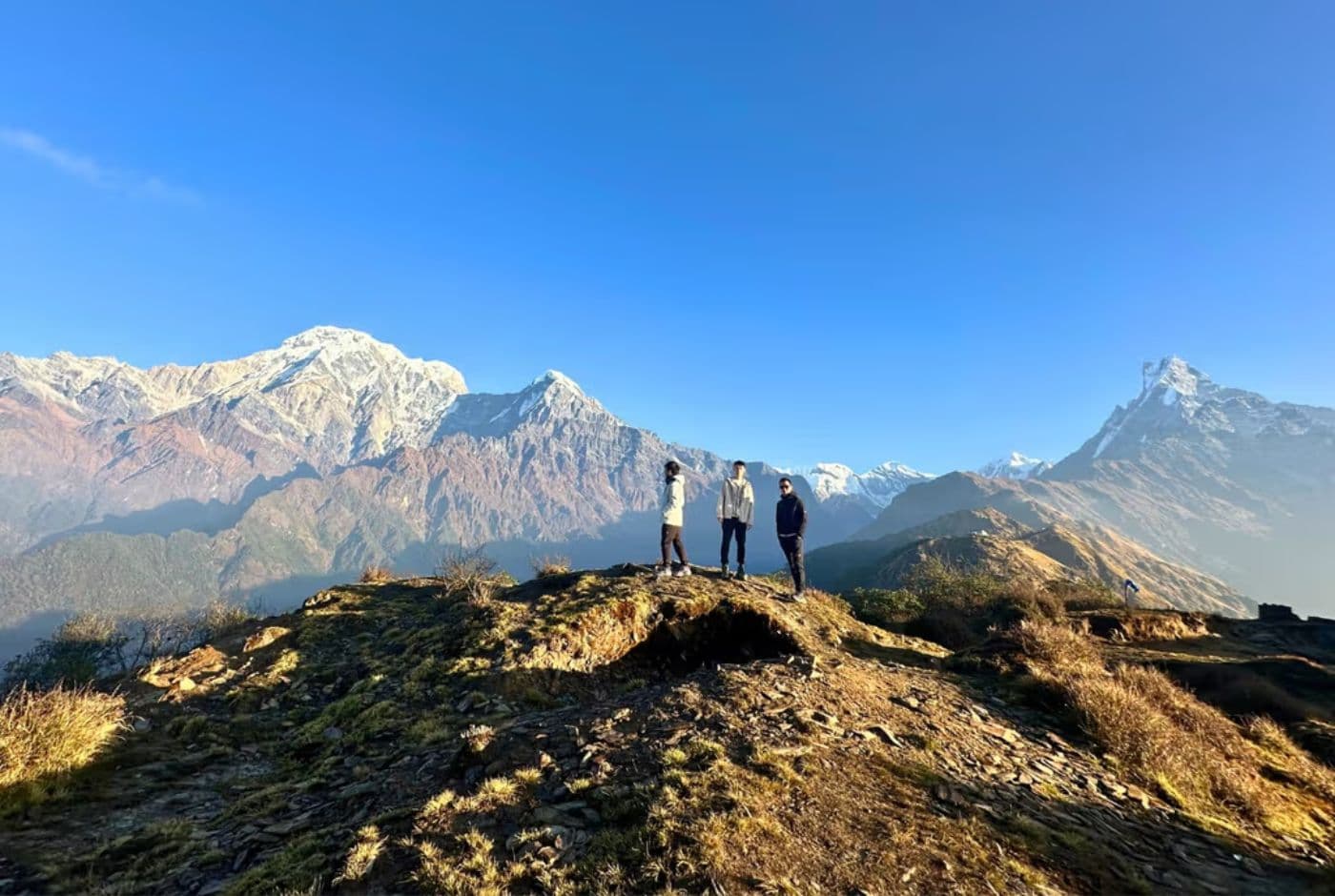
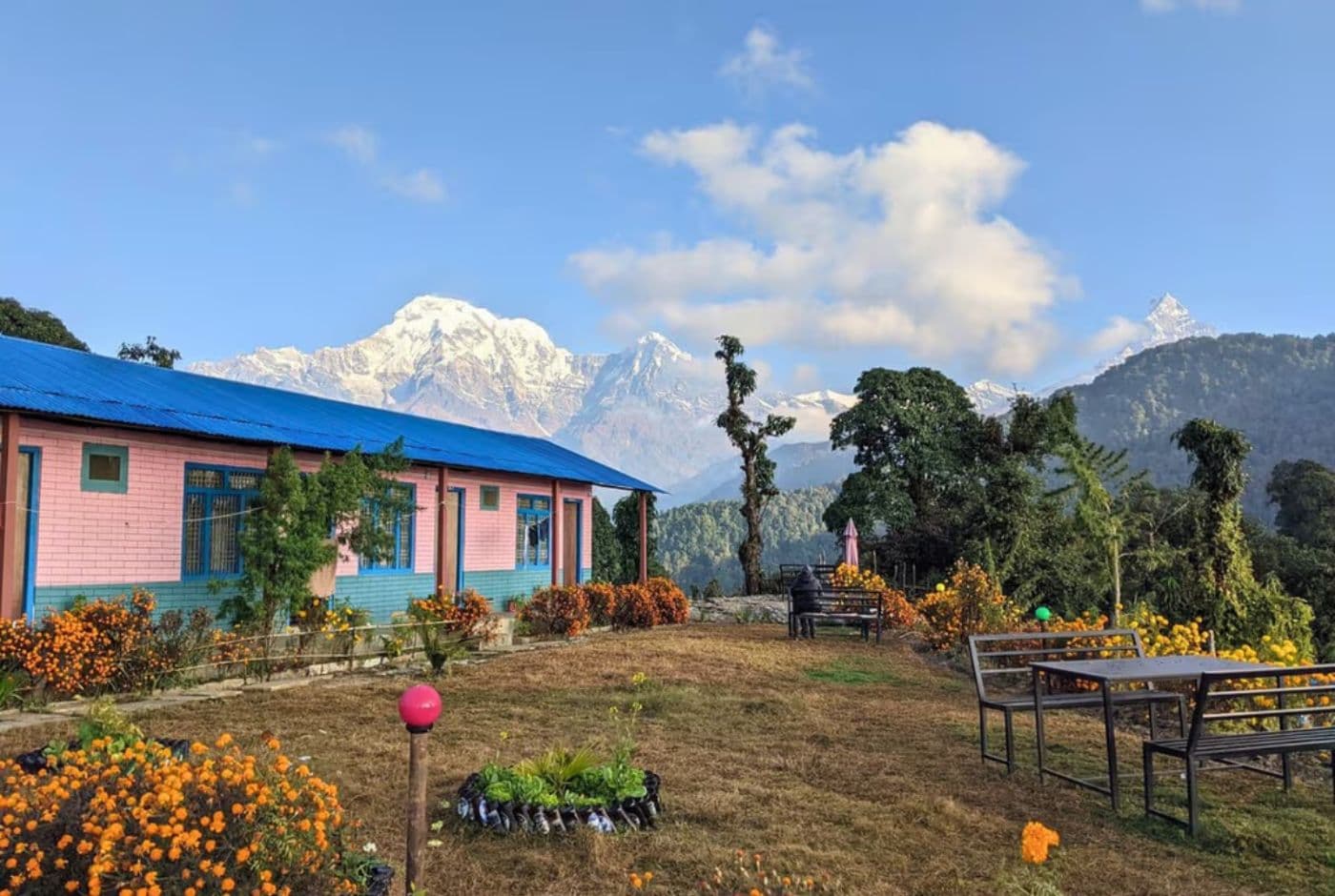
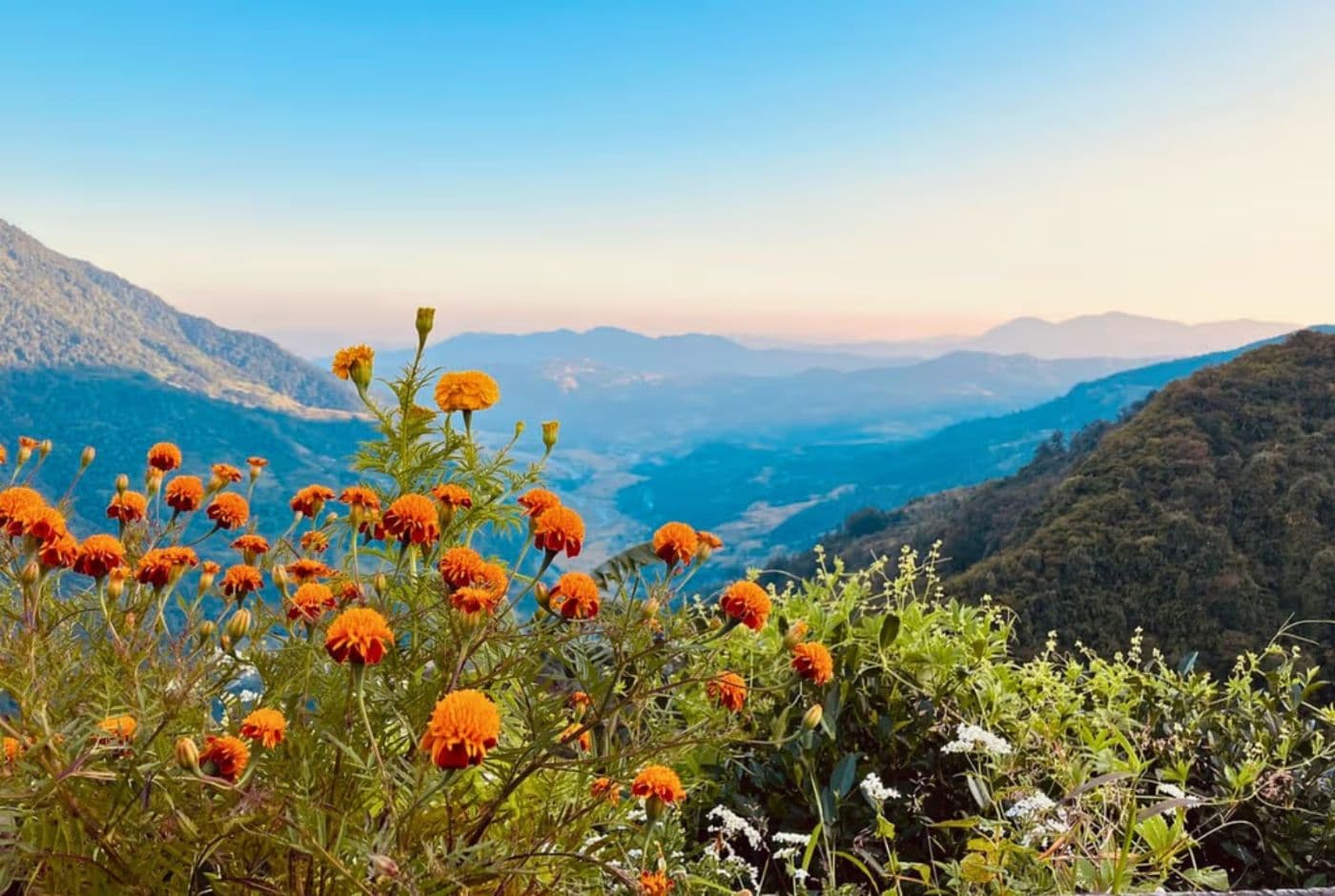
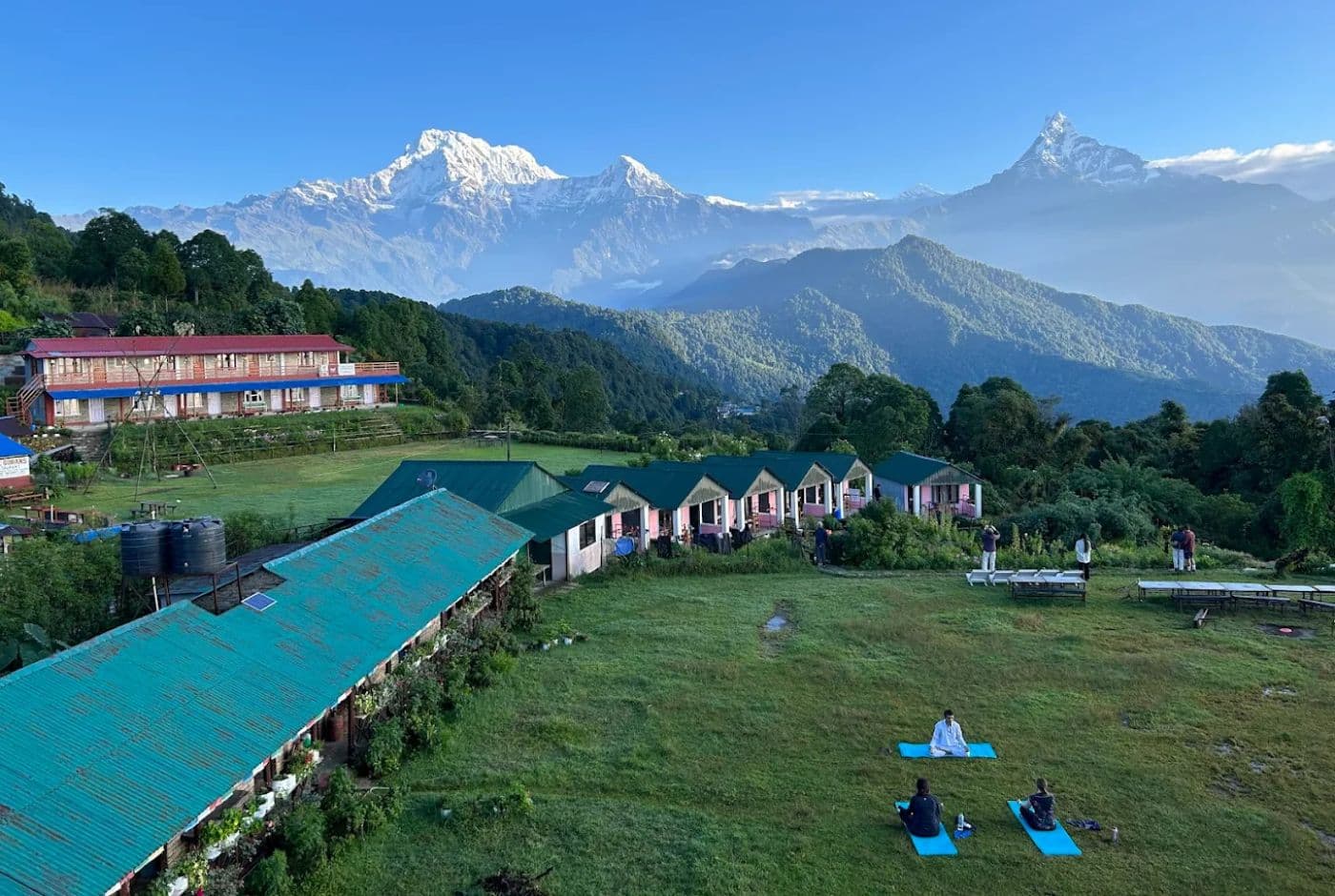
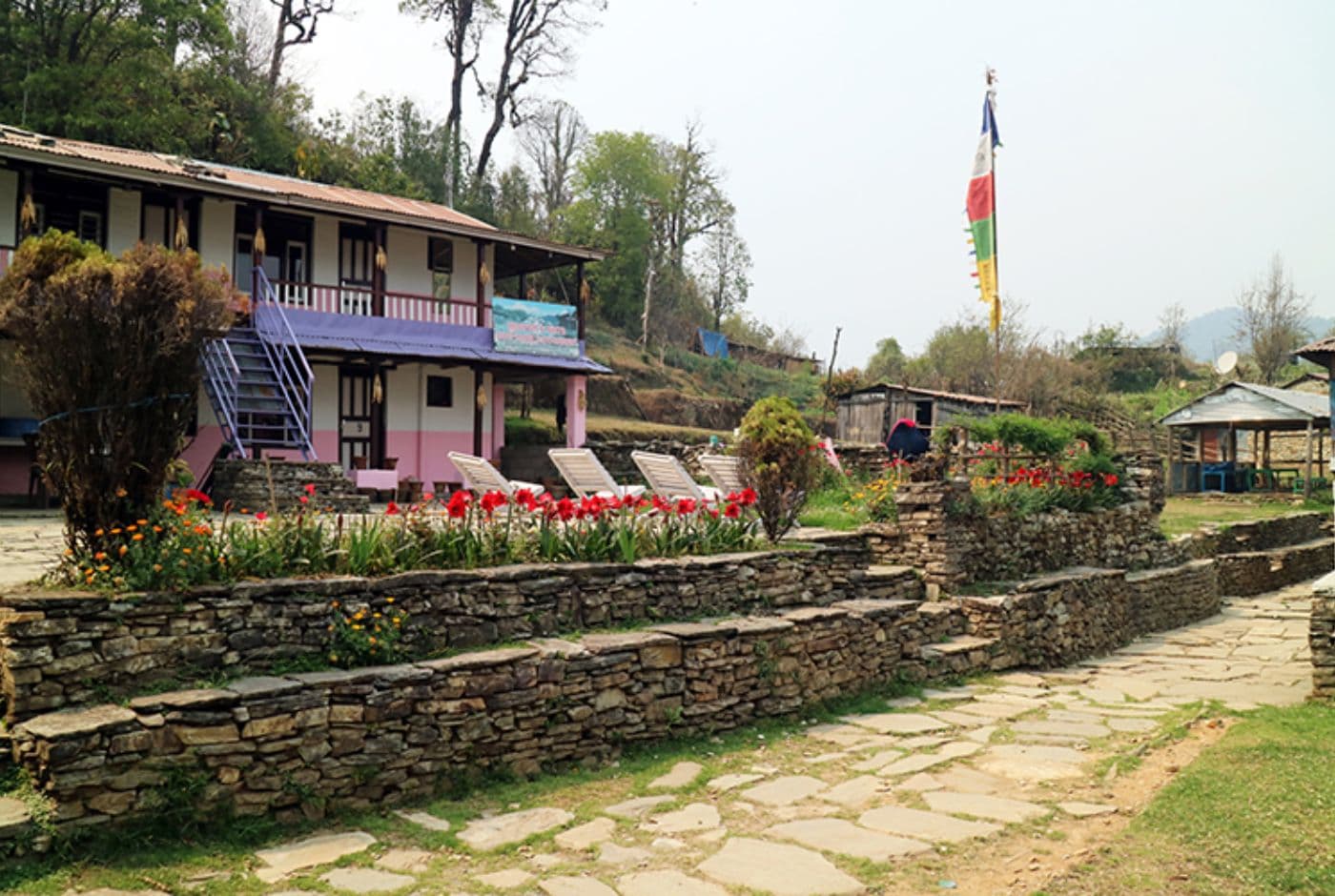

The Mardi Himal Trek is a nine-day journey through Nepal’s Annapurna region, known for its serene forests, well-maintained trails, and breathtaking close-up views of Machhapuchhre, Annapurna South, Himchuli, and Mardi Himal. The route reaches an altitude of around 4,200 meters and combines steady elevation gain with natural acclimatisation through gentle ascents and descents.
Graded as easy to moderate, it suits both beginners and experienced trekkers. The section between High Camp and the Upper Viewpoint is slightly demanding, with steep climbs and cold, windy early mornings testing endurance.
The only permit required for the Mardi Himal Trek is the ACAP (Annapurna Conservation Area Permit), checked at Pothana.
There is no single fixed best time for the Mardi Himal Trek, as each season offers a different experience. However, spring (March to May) and autumn (September to November) are considered the best seasons, with clear mountain views, stable weather, and comfortable trekking conditions.
During the monsoon season (June to September), trails can become muddy, and leeches are common, especially in forest sections. In winter (December to February), snow is likely at higher elevations, particularly around High Camp and the Upper Viewpoint, which may affect trail conditions.
Officially opened in 2012, this relatively new route provides a peaceful alternative to the busier Annapurna trails. It passes through traditional Gurung villages such as Lwang, Siding, and Pitham Deurali, where trekkers enjoy mountain hospitality, simple teahouse lodging, and locally prepared meals.
The trail is managed by the Mardi Trek Tourism Management and Merchant Committee, which regulates accommodation, food pricing, service standards, and water access to promote sustainable tourism along the route.
Throughout the trek, rooms are limited, and most tea houses charge per bed rather than per room. Bottled water is unavailable beyond Rest Camp (also known as Forest Camp or Kokar), but boiled or filtered water is available at every stop, typically sold per liter.
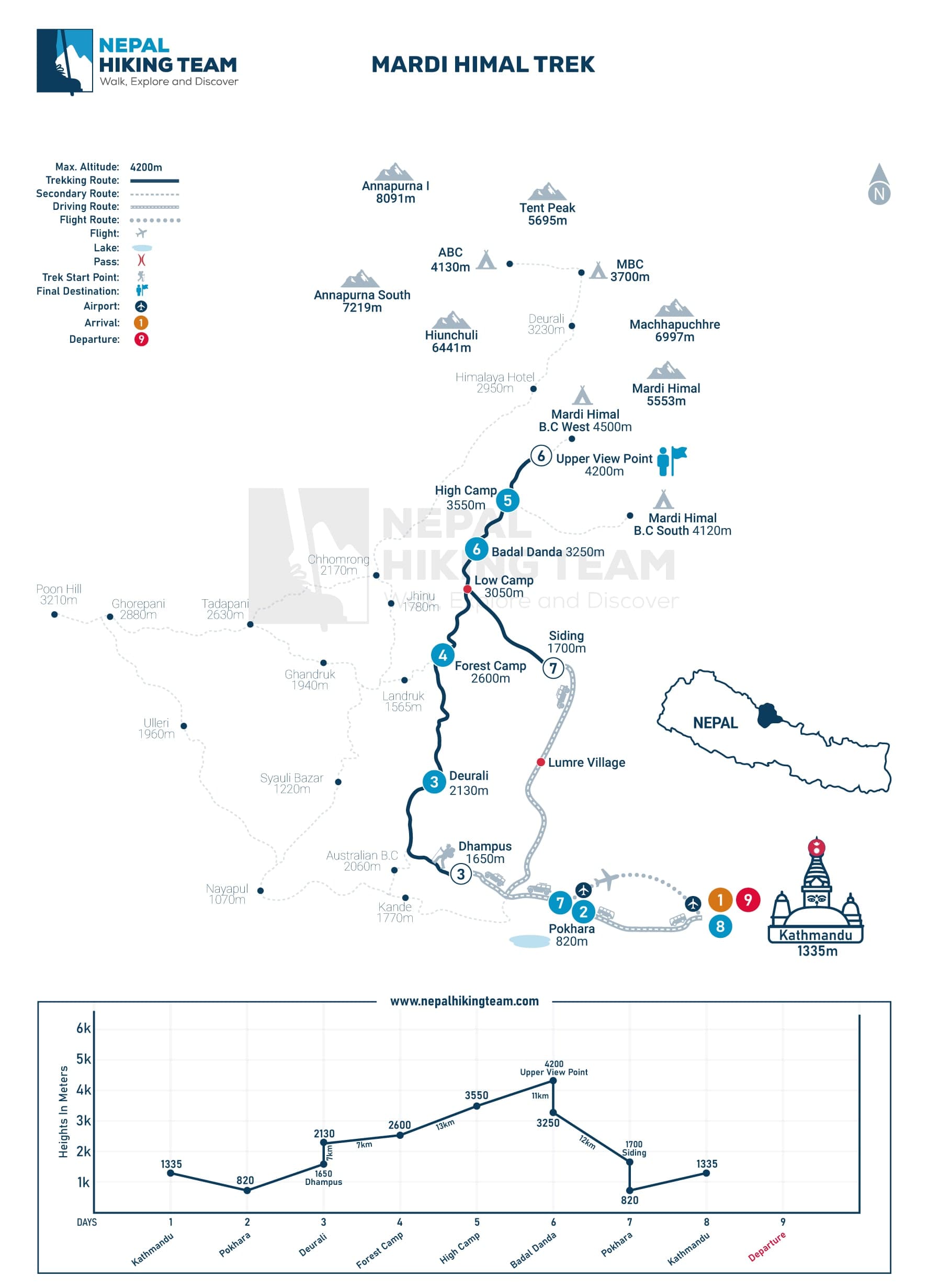
The Mardi Himal Trekking route is a five-day trek from Day 03 to Day 07, starting at Dhampus and ending at Siding Village, with the trip beginning and finishing in Kathmandu. The total trekking distance is approximately 48–50 km, making it a moderate and time-efficient route in the Annapurna region.
The elevation ranges from 827 m in Pokhara to 4,200 m at the Mardi Himal Upper Viewpoint, with a total elevation gain of around 3,373 m (11,067 ft). The trail moves from forested sections to open ridge lines with clear mountain views. Access is simple, with a drive from Kathmandu to Pokhara followed by a short transfer to Dhampus.
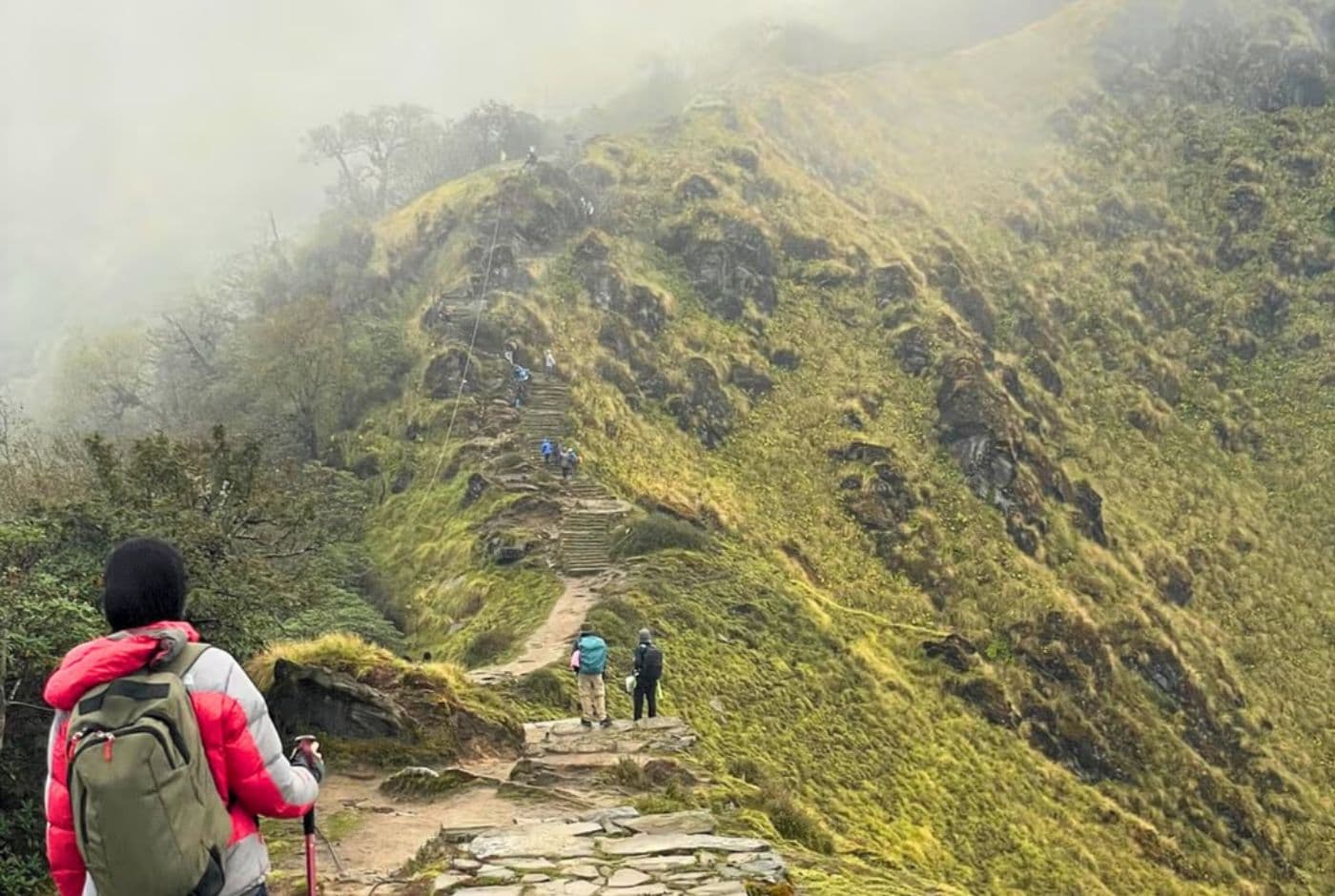
The walking trail winds through lush rhododendron and oak forests, blending gentle and challenging sections. Trekkers encounter stone steps, muddy stretches, and rugged paths, especially near High Camp. The final ascent to the Upper Viewpoint is a steep but rewarding climb with well-maintained steps and spectacular views.
The journey begins with a scenic drive from Pokhara to Dhampus, where the trail gently ascends through terraced fields and small villages. The section toward Deurali (2,100 m) follows a stone-paved path, offering early glimpses of Annapurna South and Hiunchuli. From there, the trail enters dense rhododendron and oak forests en route to Forest Camp (2,970 m). Though peaceful, this narrow earthen path can be slippery after rain.
Continuing toward Low Camp and Badal Danda (3,210 m), the forest opens up to panoramic ridge views dominated by Machhapuchhre. The section from Badal Danda to High Camp (3,580 m) follows a high, open ridge—moderately steep but not technical. Mornings are clear while afternoon clouds roll in, making early starts ideal.
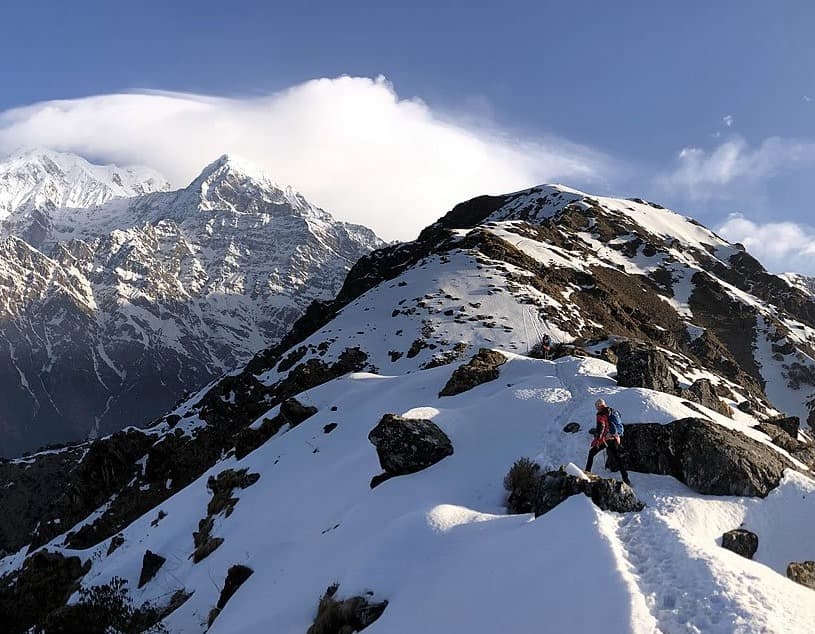
The final push from High Camp to the Mardi Himal Viewpoint (4,200 m) is a demanding alpine climb along a rocky ridge, often windy and cold with occasional snow in winter. The descent follows a gentler route through Siding Village (1,750 m), passing forests and terraced farmland.
If the 9-day Mardi Himal Trek does not fit your schedule, we also offer an 8-day Mardi Himal trek option following the same route. This version includes flights between Kathmandu and Pokhara, with one fewer night in Pokhara.
It is well-suited for travellers with limited time and offers a more efficient journey, reducing long road travel while keeping the full trekking experience intact.
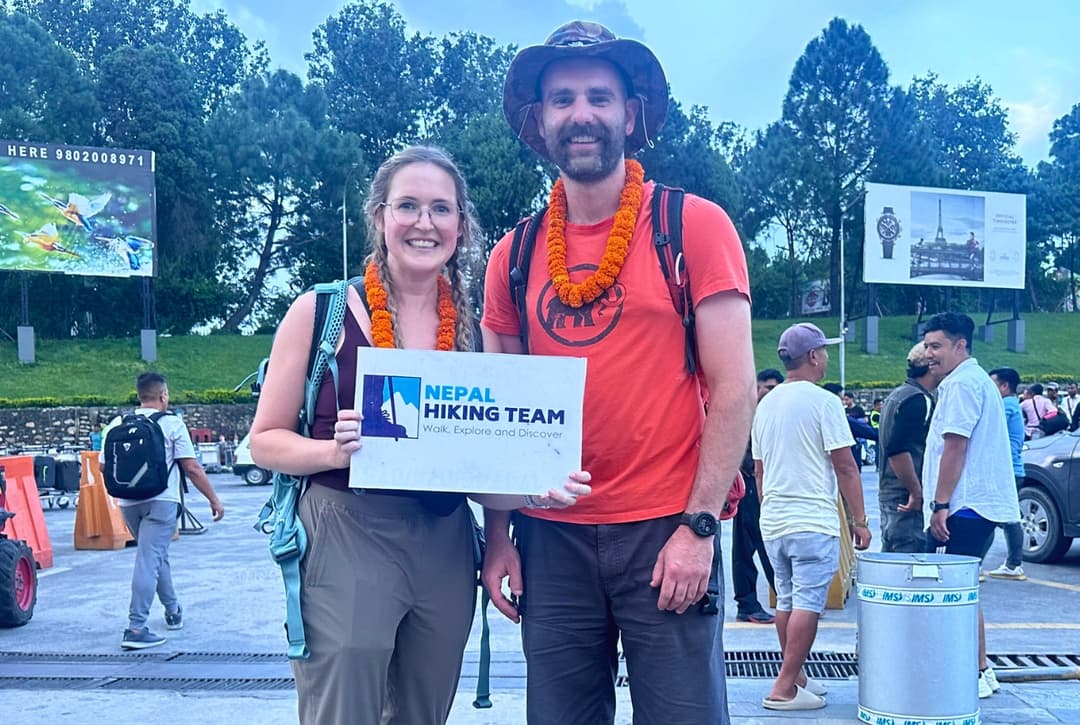
Upon arrival in Kathmandu, our representative will meet you at the airport holding a Nepal Hiking Team placard and transfer you to your hotel.
After check-in, you will have time to rest and settle in. Later, you will meet your guide for a clear trip briefing, where we review the itinerary, check your gear, and collect the necessary documents. The remaining balance will be collected after the meeting.
We will provide essential trekking equipment, including a duffel bag, down jacket, and sleeping bag. You will also receive a route map, t-shirt, and cap for the trek.

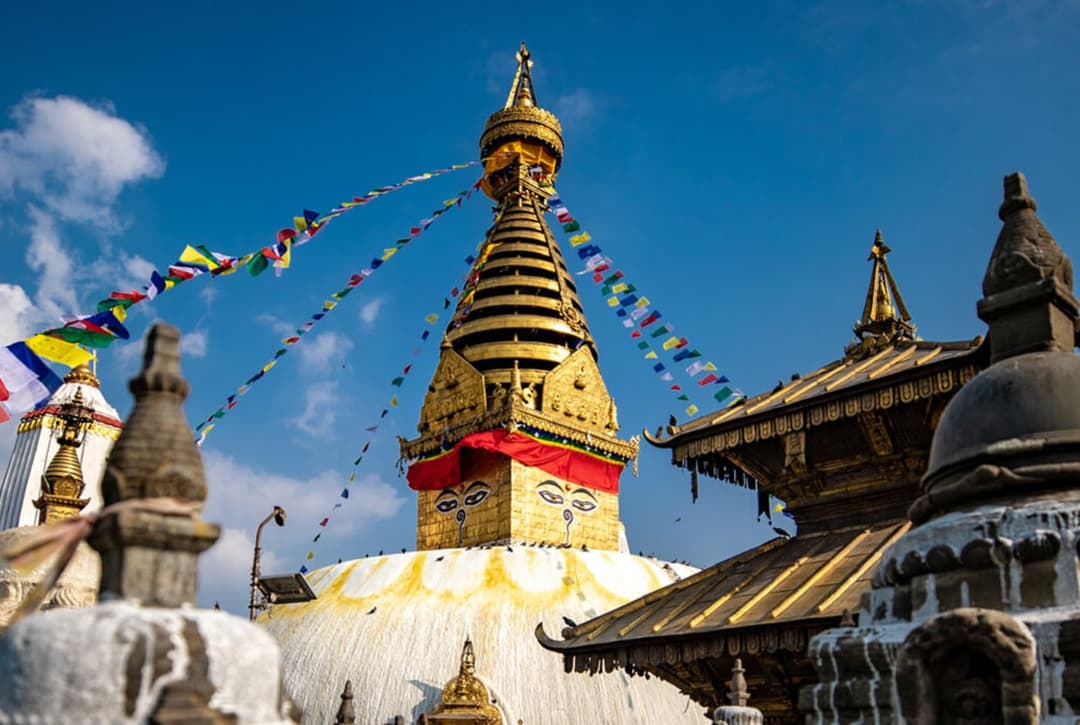
Your guide will meet you at your hotel early in the morning at 06:30 and accompany you to the tourist bus station for the drive to Pokhara. The journey takes around six to seven hours, depending on traffic, following the Trishuli River with views of hills, rivers, and rural villages along the way.
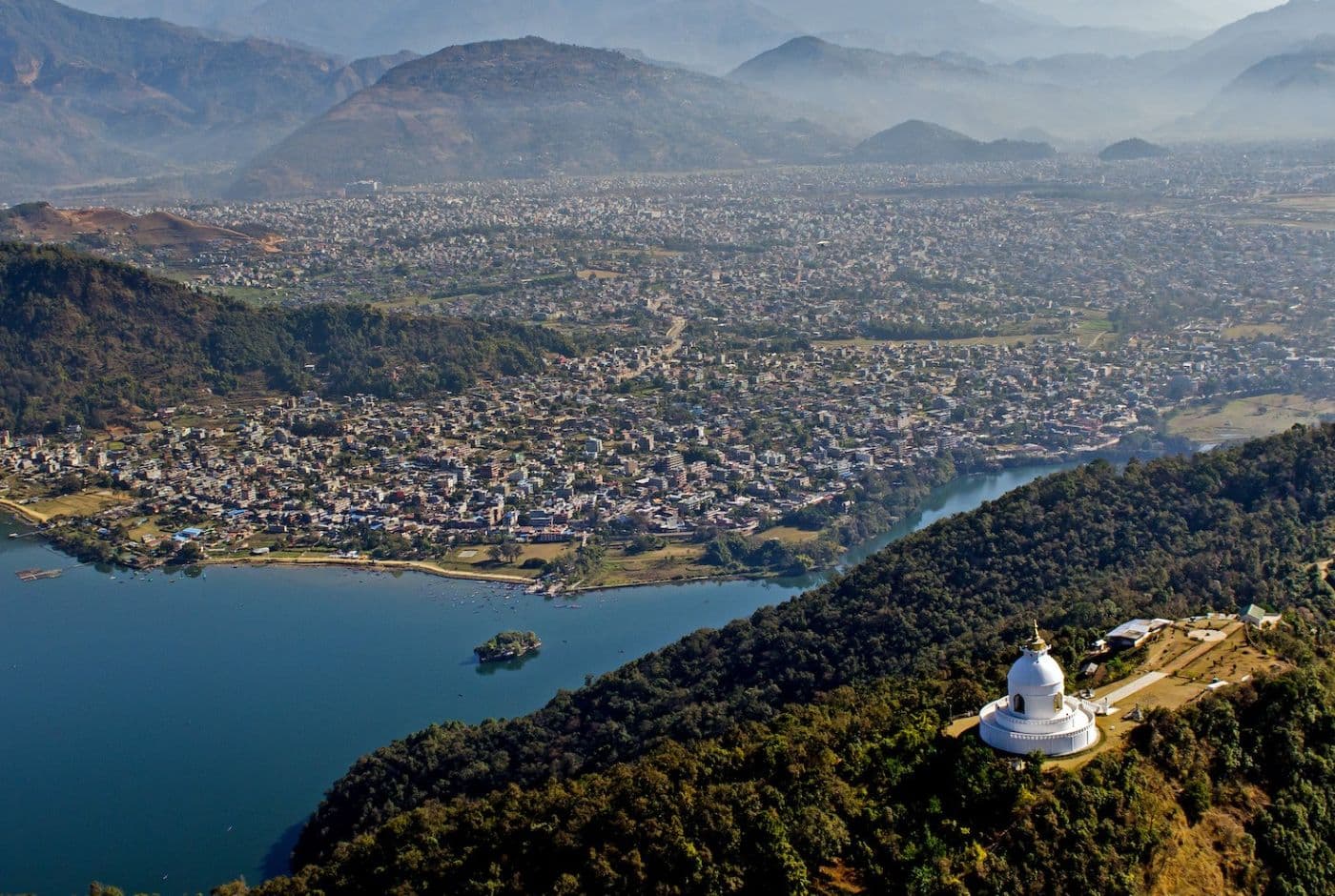
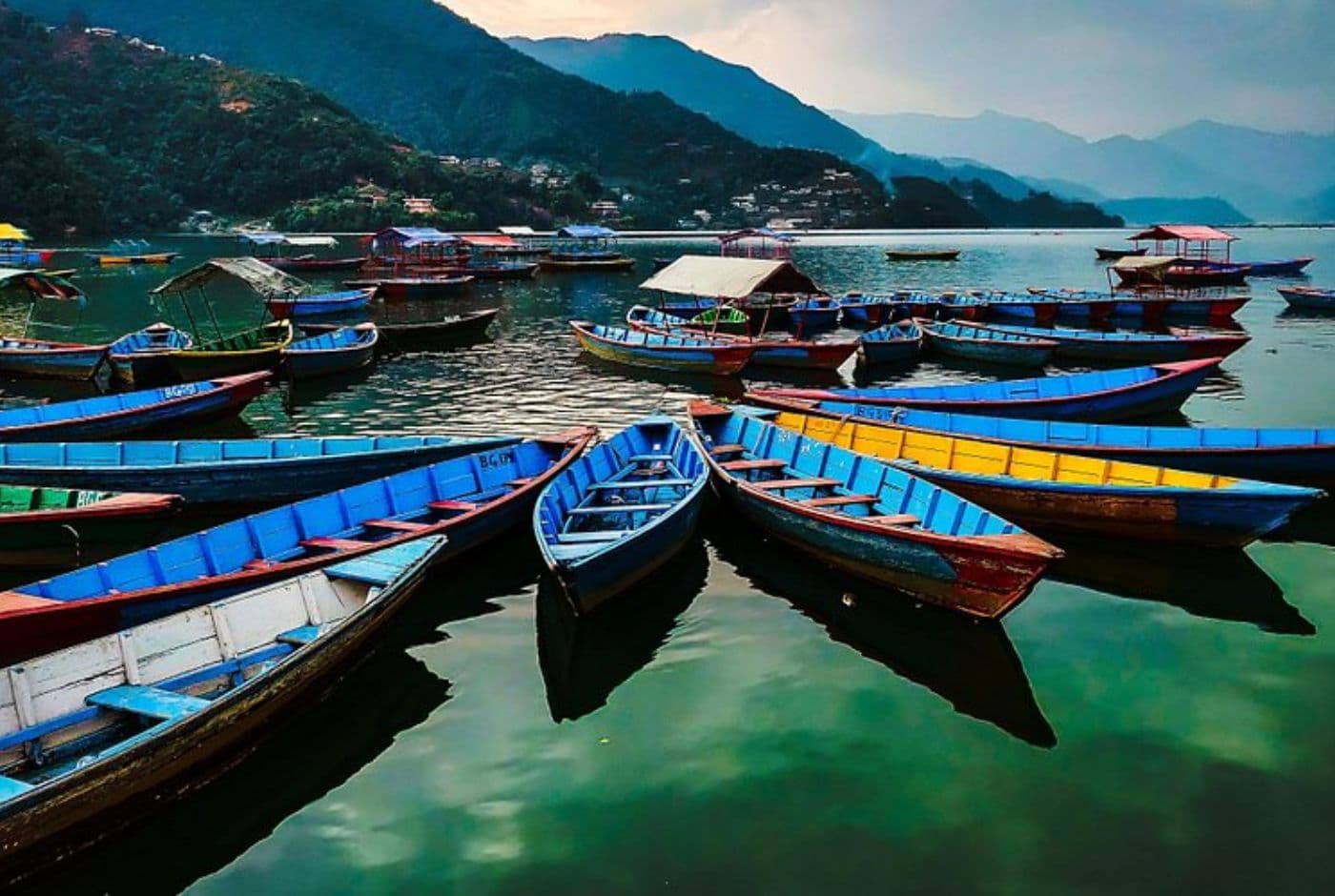
Upon arrival in Pokhara, you will transfer to your hotel. The rest of the day is free to relax or explore the lakeside area at your own pace.
Instead of driving, you may upgrade to a flight between Kathmandu and Pokhara for a quicker and smoother transfer. The flight takes around 25 minutes and is available at an additional cost of USD 115 per person.
After breakfast, a short 40-minute drive takes you from Pokhara to Dhampus Village at 1,650 m (5,413 ft), where the foothills begin to rise more distinctly toward the Annapurna range.
From Dhampus, the trail ascends steadily through a mix of forest and cultivated hillside, following a well-used path toward Pitam Deurali. You pass through Pothana, where permits are checked, before continuing along a ridge that gradually opens to wider views.
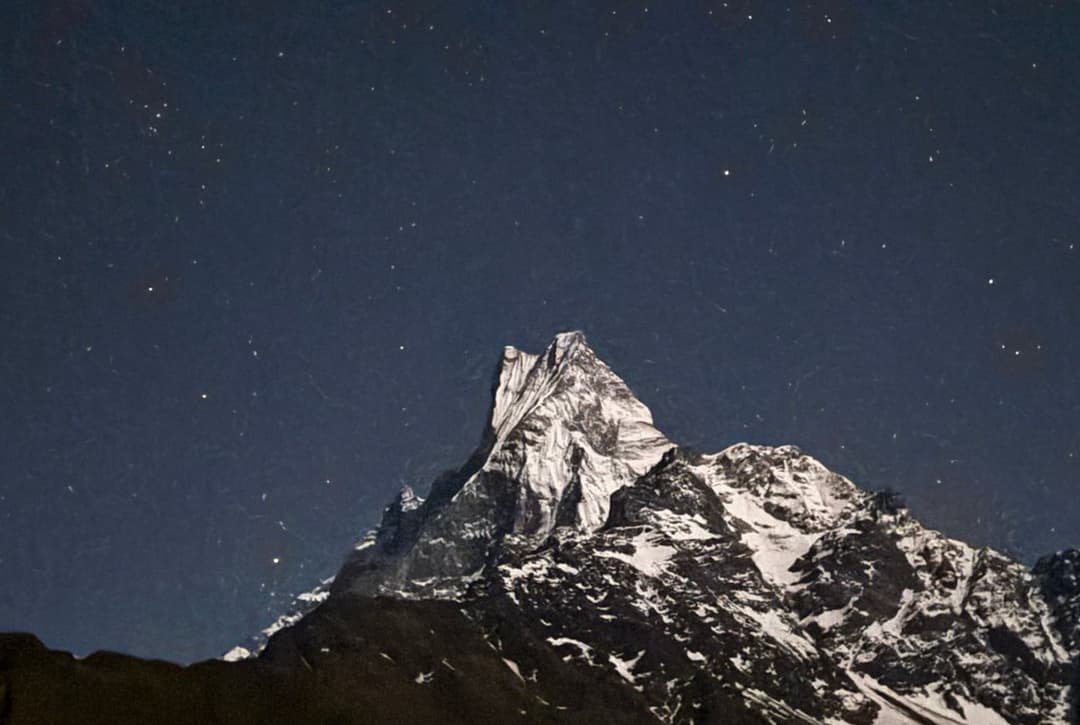
On clear days, Machhapuchhre (Fishtail) reveals itself ahead, its sharp peak standing apart from the surrounding ridgelines.
The day involves a total elevation gain of approximately 1,308 m (4,291 ft), with only minor undulating sections along the route.
By the time you reach Pitam Deurali, the air feels cooler and the setting more alpine, marking a steady and well-paced first day on the trail.
After breakfast, the trail leaves Deurali and slips into a quieter stretch of forest, where the path begins a steady, measured climb. Oak, maple, and rhododendron trees close in around the route, filtering the light and creating a cool, shaded atmosphere for much of the day.
The forest feels undisturbed, with only the sound of birds and the occasional movement of leaves marking your progress. The trail is well defined, rising gradually with a few short, steeper sections, though the overall pace remains comfortable.
As you gain elevation, the landscape becomes more secluded, and the sense of distance from the lower valleys becomes more apparent. By the time you reach Forest Camp at 2,600 m (8,530 ft), you will have gained approximately 470 m (1,542 ft) in elevation, with only minor undulating sections along the way.
Forest Camp itself sits in a small clearing within the trees, where a handful of simple lodges offer a quiet place to rest. The setting feels calm and contained, surrounded by forest, marking a gentle transition into the more remote sections of the Mardi Himal trail.
There are no settlements between Deurali and Forest Camp, so it is important to carry enough water and a few light snacks for the day. Plastic bottled water is not permitted along the Mardi Himal trekking route, in line with local conservation efforts, so bringing a reusable bottle is essential. Along the trail, lodges provide safe drinking water for purchase, either boiled or filtered.
After breakfast, the trail climbs steadily above Forest Camp through dense rhododendron and oak woodland, where the air remains cool and shaded as you gain height.
You reach Low Camp around midday, where the first wide views of Machhapuchhre (Fishtail) begin to emerge. From here, the route follows a narrowing ridge toward Badal Danda, a natural vantage point where Annapurna South and Hiunchuli come fully into view.
Beyond this point, the forest thins into alpine shrubland, and the landscape opens on both sides of the ridge. The final stretch to High Camp includes a few steeper sections as the terrain becomes more exposed.
By the time you arrive at High Camp at 3,550 m (11,647 ft), you will have gained around 950 m (3,117 ft) in elevation. Set on an open slope, it is one of the most striking viewpoints on the route, particularly as evening light settles across the peaks.
The day begins before dawn, as you leave High Camp around 4:00 am and follow a narrow ridge lit by headlamps. The climb toward the Upper Viewpoint is steady, with sections of loose rock and short, sharp ascents that demand careful footing.
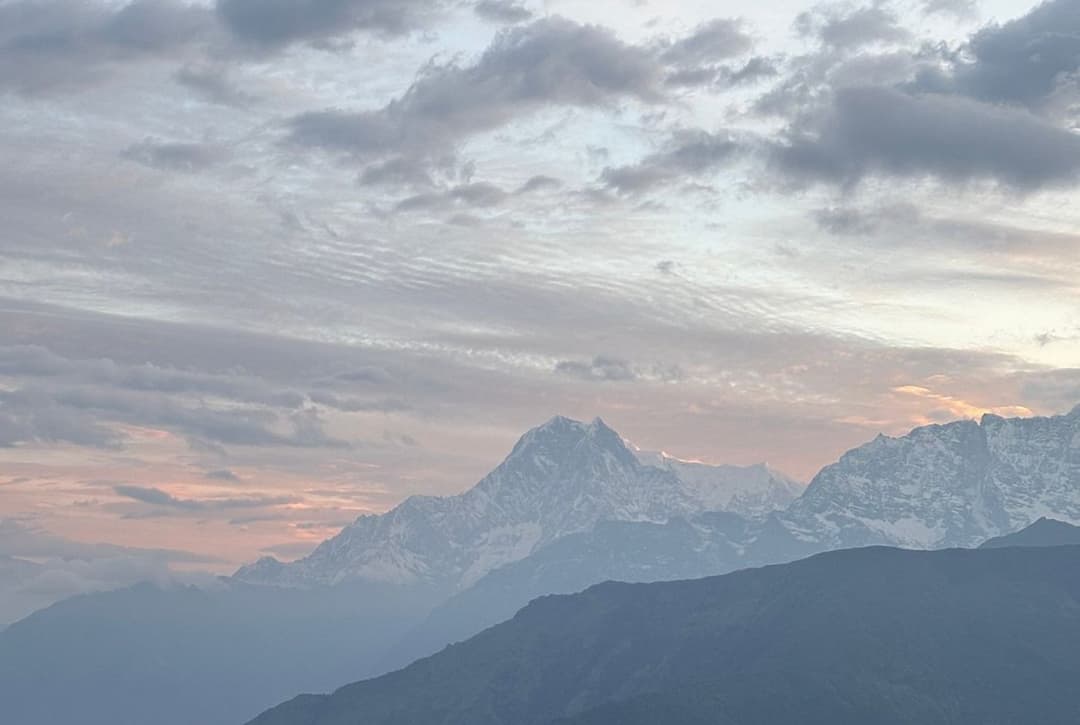
As first light approaches, the horizon begins to open. Annapurna South, Hiunchuli, and the sharply defined summit of Machhapuchhre rise into view, their snow-covered faces catching the early sun. From around 4,200 m (13,780 ft), the shifting colours of sunrise unfold across the range in quiet succession.
After spending time at the viewpoint, you return to High Camp for breakfast before beginning the descent. The trail then follows the same ridge downward, moving through open alpine terrain with clear views extending across the valleys.
The route gradually drops to Badal Danda at 3,210 m (10,531 ft), with a total ascent of around 650 m (2,133 ft) followed by a descent of approximately 990 m (3,248 ft). Often sitting above a layer of cloud, Badal Danda feels elevated and still, offering a calm end to one of the most memorable days on the trail.
The hike to Mardi Himal Base Camp is not included in the standard itinerary. Those who choose to continue beyond the viewpoint should expect around two hours of steep ascent, with a similar return.
This extension adds roughly four hours to the day. Given the added effort and time, your overnight plan may be adjusted. The guide will assess weather, trail conditions, and group readiness before confirming the option.
The day begins with a steady descent from Badal Danda, as the open ridge gradually gives way to forested trails. The path winds through rhododendron and oak woodland, where the air grows warmer and the landscape feels softer with each step.
As you continue downward, the terrain opens into terraced fields and scattered hillside homes. The trail can be uneven in places, especially after rain, and passes through small settlements where daily village life unfolds along the route.
After several hours of descent, you arrive at Siding Village at 1,750 m (5,741 ft), a quiet Gurung settlement set among green hills and farmland. The total descent for the day is approximately 1,460 m (4,790 ft), with minimal ascent along the way.
From Siding, a scenic drive of around 2 to 3 hours brings you back to Pokhara. The road follows winding rural valleys before opening toward the lakeside city, marking a gentle return from the mountains.
We retrace the ridge from High Camp to Low Camp, with familiar mountain views seen from a different angle. From Low Camp, the trail turns toward Siding instead of returning via Rest Camp, descending through forest, terraced hillsides, and rural settlements.
Travellers can stop at Siding Village or continue to Ghalel Village. Ghalel is a traditional Gurung settlement known for its culture and community life. Many trekkers choose Ghalel over Siding for a closer view of Gurung heritage, including local food, daily routines, and traditional practices.
The return to Kathmandu follows the Trishuli River, winding through terraced hills and small roadside towns. As the journey unfolds, the landscape gradually shifts from high mountain terrain to the warmer, lower valleys.
On arrival in Kathmandu, you transfer to your hotel for an overnight stay, with time to rest after the long drive.
For those who prefer a shorter and more comfortable return, a 25-minute flight between Pokhara and Kathmandu is available. The airfare is USD 115 per person, one way, as an additional cost.
Your remarkable Mardi Himal journey comes to a thoughtful close today. After breakfast, we will transfer you comfortably to Tribhuvan International Airport for your flight home. Our team ensures you arrive at least 3 hours before departure, giving you plenty of time to complete all check-in and security procedures without rushing.
As you prepare to leave Nepal, take a quiet moment to reflect on the experiences that shaped your trek—the misty forests above Dhampus, the golden sunrise illuminating Machhapuchhre, and the gentle rhythm of mountain life along the Mardi ridge. Every step carried you through breathtaking landscapes while guiding you toward a deeper connection with nature and yourself.
You leave with more than photographs or souvenirs. You carry the warmth of the people you met, the calm of high-altitude mornings, and the pride of standing beneath the mighty Himalayas. The Mardi Himal Trek becomes more than a journey; it becomes a memory woven into your heart, a story you will hold onto for years.
Until we meet again, Namaste—and safe travels.
Our founders, Ganga and Balaram, make sure every trek stays safe, personal, and full of great Himalayan moments. Every step on the Mardi Himal Trail gets guided with skill, care, and solid mountain knowledge.
The Annapurna Conservation Area Permit (ACAP) is the only permit required for the Mardi Himal Trek. It grants access to the Annapurna Conservation Area and supports both environmental protection and sustainable tourism throughout the region.
Your ACAP permit will be checked at Pothana, just before reaching Pitam Deurali, where all trekkers are required to register.
If you are trekking with a guided package, the permit is already included in your itinerary, so you do not need to handle any paperwork or formalities on your own.
The Annapurna Conservation Area Project (ACAP) plays a crucial role in preserving local biodiversity, supporting community-led conservation initiatives, and maintaining essential trail infrastructure. By obtaining this permit, every trekker directly contributes to protecting the region’s fragile mountain ecosystem and ensuring that future travellers can enjoy the same pristine landscapes.
Meals along the Mardi Himal Trek are prepared in accordance with the guidelines of the Annapurna Conservation Area (ACA). Every teahouse and lodge uses a standardised menu, ensuring trekkers receive safe, reliable, and consistent food options throughout the route.
You can expect a range of hearty, energy-rich dishes designed to keep you nourished for long trekking days. Dal Bhat, the traditional Nepali combination of rice, lentil soup, and seasonal vegetables, is the most popular and dependable choice. It offers substantial nutritional value and unlimited refills, which is why it remains a favourite among trekkers.
Other menu items include fried rice, noodles, soups, omelettes, pancakes, and pasta. Most teahouses also serve tea, coffee, hot lemon, and hot chocolate. The menu stays similar along the trail, although prices rise gradually with altitude because all supplies must be carried up by porters or mules. As a result, meals at higher elevations, such as High Camp, tend to cost slightly more.
All meals are cooked fresh upon order, using locally sourced ingredients whenever available. The food is simple, warm, and wholesome, offering both nourishment and an authentic taste of mountain hospitality.
Nepal Hiking Team provides three main meals each day during the Mardi Himal Trek. Breakfast, lunch, and dinner (with three hot drink options after each meal per person) are included throughout the trek, except for meals (Lunch and Dinner) in Kathmandu. If you choose to order additional dishes, snacks, or drinks beyond the standard menu, you can purchase them directly from the teahouse.
You can explore the actual food options available during the Mardi Himal Trek by checking the menu from a High Camp guesthouse. This will give you a realistic idea of food and drink prices at the highest overnight point of the trek. For a complete breakdown, please refer to our detailed blog titled “Food and Water During the Mardi Himal Trek”
Clean drinking water is essential during the Mardi Himal Trek. At the Rest Camp, bottled mineral water is readily available at most teahouses and small shops along the trail. After this point, mineral water is no longer sold to support the Annapurna Conservation Area’s plastic reduction initiative.
Instead, trekkers can purchase boiled, filtered water at their lodges or designated refill points. The water is treated to ensure it is safe to drink and sold by the litre. Carrying a reusable bottle is highly recommended, as it allows you to refill throughout the trek while helping reduce plastic waste.
This system protects the environment and promotes sustainable trekking practices within the conservation area. Staying hydrated is especially important as the altitude increases, so make sure to refill whenever you have the opportunity.
After passing the Pothana check post, loud music is strictly prohibited throughout the Mardi Himal region. This rule has been established by the Annapurna Conservation Area Project (ACAP) to protect the natural soundscape and maintain harmony within the forest environment.
The trail's quiet atmosphere is one of the most special parts of the journey. The gentle rustling of leaves, distant bird calls, and the steady rhythm of your own footsteps create a peaceful setting that allows trekkers to connect deeply with nature. Loud music can disturb wildlife and disrupt the calm, meditative experience that defines the Himalayan wilderness.
Trekkers are encouraged to honour this guideline by embracing the serenity of the trail and appreciating the stillness that surrounds them. It is often in these quiet moments that the true beauty of the mountains reveals itself.
Please prepare your bags carefully, keeping the following points in mind to ensure a smooth and comfortable trekking experience.
Weight limit:
Each trekker’s duffel bag should not exceed 12.5 kilograms. One porter is assigned to two trekkers and carries a combined load of up to 25 kilograms throughout the trek.
Daypack:
Carry a small, waterproof daypack with essentials such as water, snacks, cash, documents, a camera, and personal valuables. Your daypack stays with you at all times, while your main duffel bag is transported separately by the porter.
Porter movement:
Porters often walk ahead or at a different pace. You may only meet them again at your guesthouse or designated rest stop. For this reason, ensure all critical items remain in your daypack and not in your duffel bag.
Luggage storage:
Any non-trekking luggage can be stored securely at your hotel in Kathmandu. You can collect it after returning from the mountains.
Clothing and cultural respect:
Be mindful of local customs and avoid clothing that may be considered overly revealing or inappropriate. Lightweight, modest attire is appreciated in rural communities.
Recommended clothing:
Choose comfortable, breathable, quick-drying layers suitable for a range of temperatures. Windproof and moisture-wicking clothing will help keep you warm and dry as you move through different altitudes.
By packing thoughtfully, you ensure your Mardi Himal experience remains safe, comfortable, and culturally respectful from start to finish.
Accommodation along the Mardi Himal Trek is simple, comfortable, and created to give trekkers a genuine mountain experience. Most overnight stays are in family-run teahouses or small lodges that offer basic rooms with twin beds, warm blankets, and shared bathrooms. Electricity and Wi-Fi are available in some lower villages, although connectivity becomes limited as you gain altitude.
Due to recent regulations controlling the number of rooms and beds allowed in each guesthouse, availability can be limited, especially during the peak trekking seasons in spring and autumn. During these busy months, trekkers may need to share rooms or, in rare cases, sleep in the dining area. For this reason, pre-booking is strongly recommended.
The Mardi Himal Trek offers some of the most captivating mountain scenery in the Annapurna region. Throughout the journey, trekkers enjoy both close-up and expansive panoramic views of towering Himalayan peaks that seem to rise straight from the horizon.
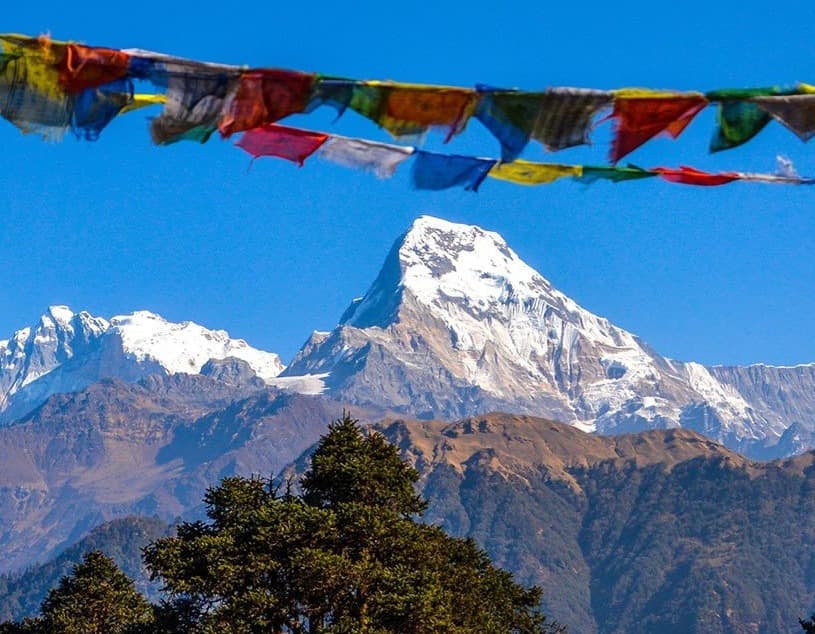
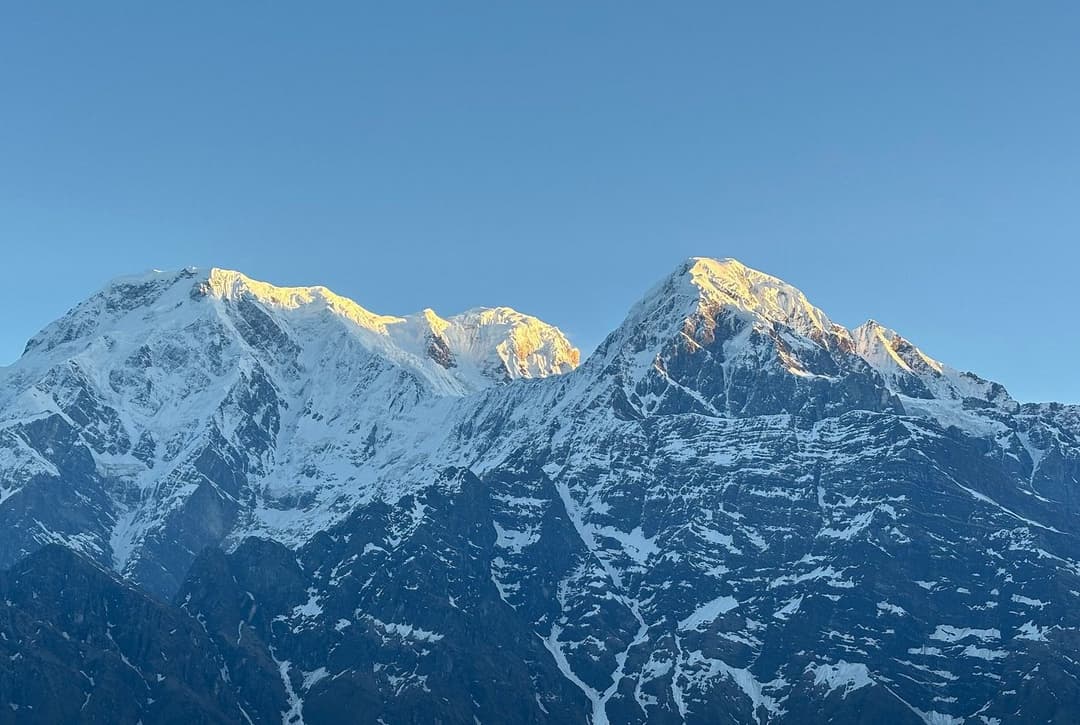
The most prominent mountains along the trail include Annapurna South (7,219 m), Hiunchuli (6,441 m), Machhapuchhre (6,993 m), and Mardi Himal (5,587 m) itself. Together, these peaks create a dramatic skyline that shifts beautifully throughout the day as the light moves across the ridges.
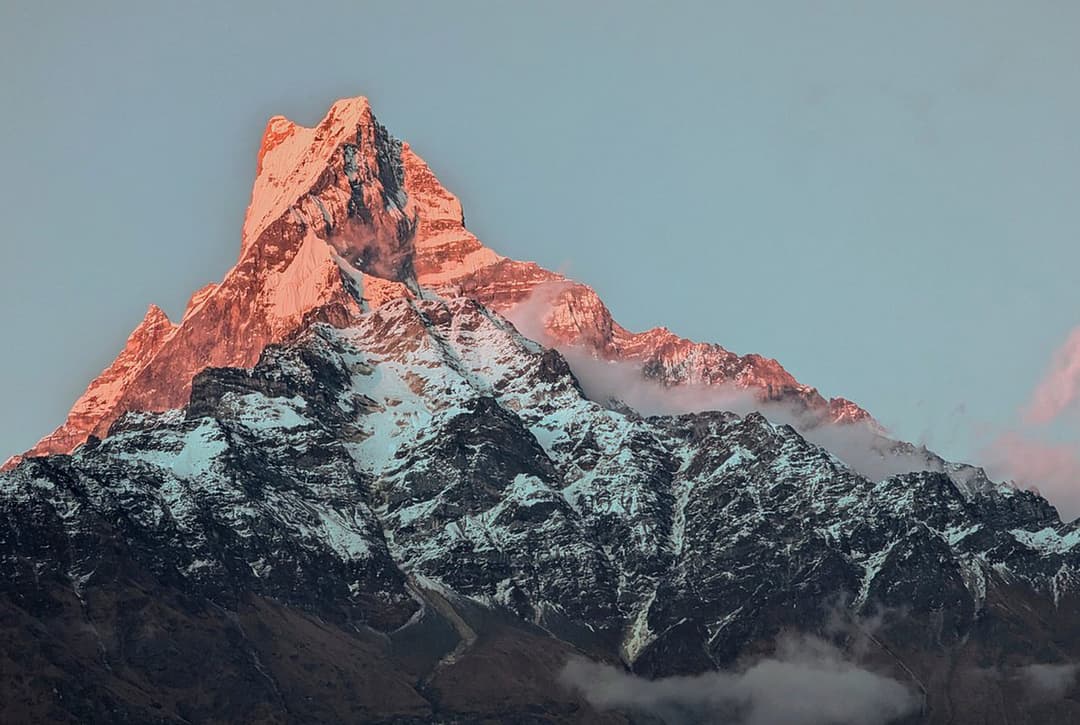
From viewpoints such as Deurali, Low Camp, and especially High Camp, the sharp, iconic summit of Machhapuchhre dominates the landscape. Early mornings and late afternoons provide ideal conditions, when the mountains glow in soft shades of gold and pink under the Himalayan sun.
At the Mardi Himal Viewpoint and the extended trail toward Mardi Himal Base Camp, trekkers are rewarded with the most striking panorama of all. The snowfields of Annapurna and the graceful slopes of Hiunchuli appear almost within reach, creating an unforgettable visual experience that captures the essence of the Himalayas.
At High Camp, where the altitude is higher and space is more restricted, rooms are often priced per bed rather than per room. Facilities are modest, but the warmth of the hosts, hearty meals, and stunning mountain views create an atmosphere that feels truly rewarding. Evenings usually end with trekkers gathered around the dining room stove, sharing stories from the trail and enjoying the quiet mountain ambience.
Mardi Himal, at an elevation of 5,587 meters (18,330 feet), is one of Nepal's lesser-known treasures in the Annapurna region. It lies within the Kaski District and forms part of the Annapurna Conservation Area (ACA), approximately 25 kilometres (15.5 miles) north of Pokhara.
The mountain rests quietly beneath the sacred Machhapuchhre (Fishtail), a peak easily recognised for its striking twin-summit shape. Machhapuchhre remains unclimbed out of deep cultural and religious respect, giving the surrounding landscape an added sense of reverence and mystery.
While Mardi Himal Peak rises high above the valley, the popular Mardi Himal Base Camp, situated at roughly 4,500 meters, is the leading destination for trekkers. From this point, the views are extraordinary, with the entire Annapurna range stretching across the horizon.
The trail to Mardi Himal offers a peaceful, less crowded alternative to Nepal’s busier trekking routes. Trekkers move through pristine forests, remote mountain settlements, and quiet ridgelines, experiencing a rare sense of solitude and untouched natural beauty that is increasingly hard to find in the Himalayas.
The Mardi Himal Trek is generally considered a moderate-level trek, making it suitable for trekkers with a reasonable level of fitness and some previous hiking experience. It does not require technical climbing skills, although certain sections can feel demanding, especially during long ascents and steep descents.
The trail gains altitude gradually over several days, giving your body enough time to adjust comfortably. The highest point of the standard route is the Mardi Himal Viewpoint, with the optional extension to Mardi Himal Base Camp at approximately 4,500 meters (14,763 feet). The climb from High Camp to the Viewpoint and onward to the Base Camp is steeper, more exposed, and requires steady balance, focus, and endurance.
For first-time trekkers, maintaining a slow, steady pace is essential. Staying hydrated, taking regular breaks, and eating balanced meals all help manage the physical demands of the trail. Anyone with basic trekking preparation or a regular exercise routine will find the Mardi Himal route both achievable and deeply rewarding.
Overall, the combination of manageable difficulty, scenic diversity, and cultural charm makes the Mardi Himal Trek an excellent option for trekkers seeking a shorter Himalayan adventure without facing extreme altitude challenges.
From the Mardi Himal Viewpoint, it takes about two additional hours to reach Mardi Himal Base Camp. The trail becomes noticeably steeper and more rugged, requiring careful footing and steady stamina. As you gain altitude, each step feels slower and more deliberate, yet the expanding views offer constant motivation to keep climbing.
The landscape shifts dramatically as you approach the base camp. The dense forests and rhododendron slopes give way to rocky, open terrain with small patches of alpine grass. The air grows thin and crisp, and the silence of the high mountains surrounds you, broken only by the wind sweeping across the ridgelines.
From the base camp, the panorama is truly magnificent. The striking face of Mardi Himal rises directly above you, while Annapurna South, Hiunchuli, and Machhapuchhre stand so close they feel almost within reach. The sense of scale, solitude, and natural power at this altitude is unforgettable.
Standing at the foot of the mountain is an emotional and gratifying moment. Many trekkers pause here to reflect on the journey so far—the challenges faced, the steady climb through shifting landscapes, and the peaceful vastness of the Himalayas stretching in every direction. Reaching Mardi Himal Base Camp brings a profound feeling of achievement, both humbling and inspiring.
The Mardi Himal Trek reaches a maximum altitude of around 4,500 meters at the base camp. For most trekkers, this elevation remains manageable when approached gradually, and the itinerary is designed with a steady pace that supports natural acclimatisation.
Once you ascend above 4,200 meters, the risk of altitude-related discomfort increases slightly, although severe altitude sickness is uncommon on this route. Some trekkers may notice mild symptoms such as headache, dizziness, or shortness of breath after crossing 4,000 meters. These reactions are normal as the body adapts to reduced oxygen levels.
Staying hydrated, walking at a slow, consistent pace, and resting well each evening all help prevent altitude-related issues and make the ascent more comfortable.
High Camp, situated at approximately 3,550 meters, serves as an ideal acclimatisation point before heading higher. Spending the night here allows your body to adjust naturally to the thinner air, making the next day’s push toward the Viewpoint or Base Camp much easier.
Listening to your body is essential. If symptoms worsen or fail to improve, descending to a lower altitude is the safest and most effective solution. With proper pacing and basic altitude awareness, most trekkers complete the Mardi Himal route without difficulty.
The Mardi Himal Trek follows a beautiful, varied trail through dense forests, open ridgelines, and high alpine terrain. During the first few days, most of the walking takes place under the shade of thick rhododendron and oak forests. The air feels cool and refreshing here, and the paths are a mix of stone steps, mud-packed tracks, and occasional wooden stairways near the villages.
As you climb beyond Forest Camp and Low Camp, the landscape begins to change. The tall trees gradually thin out, giving way to shrubs and rolling alpine meadows dotted with rhododendron bushes and small wildflowers. Higher up, between High Camp and the Viewpoint, the forest disappears completely, and the trail becomes more rugged, rocky, and exposed. From this point onward, the dramatic mountain scenery dominates every step.
Some of the stone steps along the route are covered with moss, which can make the trail slippery after rainfall. Extra caution is helpful on these sections, and using trekking poles can improve balance on uneven or steep stretches. Despite the natural challenges, the paths are clearly marked and maintained regularly by local communities.
The diversity of terrain—from soft forest floors to rocky ridges—makes each day of the Mardi Himal Trek feel fresh and engaging. Every shift in landscape brings a new perspective of the mountains and deepens the overall sense of connection with nature.
The Mardi Himal Trek covers approximately 40 to 50 kilometres, depending on your chosen route and whether you include side trips to the Mardi Himal Viewpoint or the optional Base Camp. Most itineraries run for five to seven trekking days, offering a gradual pace that balances comfort, acclimatisation, and scenic enjoyment.
On average, trekkers walk 5 to 7 hours per day, covering 6 to 10 kilometres. The shortest day typically involves a 3 to 4-hour descent toward lower villages such as Siding. In contrast, the longest day usually spans 7 to 8 hours, especially during the ascent from High Camp to the Viewpoint and back.
The route is well-paced and ideal for trekkers seeking a shorter Himalayan adventure with impressive mountain views. Each stage reveals a different landscape, from cool forest paths and quiet ridgelines to open meadows and high-altitude viewpoints.
Although daily distances are moderate, the altitude gain can make some sections feel physically demanding. Maintaining a steady walking rhythm, staying hydrated, and taking proper rest breaks are essential for keeping each day comfortable and enjoyable.
While the Mardi Himal Trek package covers essential expenses such as accommodation, meals, permits, and guide services, there are a few personal costs trekkers should keep in mind. These items are not part of the package price and will vary depending on your preferences and usage during the trek.
| Category | Estimated Cost (USD) | Details |
|---|---|---|
| Hot Showers | 2–5 per use | Available at select teahouses; cost increases with altitude |
| Wi-Fi and Device Charging | 2–5 per session | Limited availability above Low Camp |
| Bottled or Boiled Water | 1–3 per liter | Bottled water available up to Rest Camp; boiled water thereafter |
| Snacks and Beverages | 2–10 per item | Chocolate bars, tea, coffee, and soft drinks |
| Extra Meals or Desserts | 5–10 | Beyond the standard meal plan |
| Laundry Services | 5–10 | Offered in lower regions like Pokhara or Dhampus |
| Souvenirs or Handicrafts | Varies | Locally made items are sold in villages along the trail |
Most of these expenses arise from personal comfort needs, occasional treats, or services that support local teahouse operations. Because porters or mules carry all supplies, prices naturally increase with elevation.
Budgeting USD 100–150 for personal expenses throughout the trek is generally sufficient for most trekkers who want to stay comfortable while supporting local communities along the Mardi Himal route.
The best time to trek to Mardi Himal is during spring (March to May) and autumn (September to November). These seasons offer the most stable weather, clear mountain views, and comfortable daytime temperatures, making the trek both enjoyable and safe.
Spring (March to May):
Spring is one of the most beautiful times of the year in the Annapurna region. The forests burst into bloom with rhododendrons, magnolias, and a variety of wildflowers that paint the trail in shades of red, pink, and white. Days are pleasantly warm, and the mountain views are apparent during the mornings.
Autumn (September to November):
Autumn arrives after the monsoon, bringing crisp air, deep blue skies, and excellent visibility. The trails are dry, and panoramic views of Annapurna South, Hiunchuli, Machhapuchhre, and Mardi Himal are consistently spectacular. It is also the peak trekking season, creating a lively and welcoming atmosphere in the teahouses.
Winter (December to February):
Winter trekking is possible for those who appreciate quiet trails and solitude. Temperatures drop significantly, particularly at High Camp, and snowfall is probable. However, the skies are often clear, and the views remain stunning. Proper gear and warm clothing are essential.
Monsoon (June to August):
Monsoon season is the least favourable time to trek due to heavy rainfall, leeches, and slippery paths. Despite the challenges, the landscape becomes lush and green, and trekkers who prefer solitude may still enjoy the route with extra caution.
Overall, spring and autumn provide the ideal balance of comfort, scenery, and adventure, making them the most recommended seasons for the Mardi Himal Trek.
The Mardi Himal Trek passes through one of the most diverse ecological zones in the Annapurna region. As you ascend from the lower hills to the high alpine ridges, both vegetation and wildlife change dramatically, creating a landscape that feels new with every step.
In the lower sections, particularly between Dhampus and Forest Camp, the trail leads through lush forests of oak, maple, and rhododendron. During spring, these forests burst into bloom, covering the hillsides with vibrant shades of red, pink, and white. Ferns, orchids, mosses, and other moisture-loving plants thrive here, giving the area a peaceful and almost untouched atmosphere.
As the trail climbs toward Low Camp and High Camp, the tall trees gradually thin out. Alpine shrubs, dwarf rhododendrons, and small meadow grasses replace the dense forest. These open areas often attract grazing animals such as yaks and goats, adding to the route's high-altitude charm.
The region is also home to a wide variety of birdlife. Trekkers may spot the Danphe (Lophophorus), Nepal’s colourful national bird, along with pheasants, laughing thrushes, sunbirds, and other Himalayan species. Small mammals such as langurs, mountain hares, and occasionally Himalayan musk deer can also be encountered in quieter sections of the trail.
The steady transition from dense forest to open alpine terrain makes the Mardi Himal Trek a living showcase of Nepal’s ecological richness. Beyond the mountain views, the trek offers nature lovers a deep appreciation of the Himalayas’ diverse habitats and wildlife.
The Mardi Himal Trek passes through several traditional hill villages where trekkers can experience the warmth and rich cultural heritage of Nepal’s rural communities. The region is primarily home to the Gurung and Magar people—ethnic groups known for their deep ties to the Himalayas, vibrant traditions, and long history of service in the British and Indian Gurkha regiments.
In villages such as Dhampus, Deurali, and Siding, daily life unfolds at a gentle, unhurried pace. Stone houses with slate roofs line narrow footpaths, and colourful prayer flags flutter above terraced fields of rice, millet, and barley. As you walk through these settlements, you may see locals weaving baskets, tending livestock, or collecting firewood in the crisp morning light.
Hospitality is woven into the heart of their culture. Guests are welcomed with genuine warmth and often offered dal bhat, the staple Nepali meal, along with a cup of local tea. Evenings frequently bring trekkers and hosts together in the dining hall, sharing stories or listening to traditional Nepali songs around the stove.
The Gurung and Magar communities hold a deep spiritual connection to the surrounding mountains. Machhapuchhre (Fishtail), in particular, is considered sacred and remains unclimbed out of respect for its spiritual significance. This reverence for nature is reflected in their daily lives, shaping a harmonious balance between culture, environment, and tradition.
The Mardi Himal Trek offers more than breathtaking views—it provides a window into a way of life rooted in simplicity, resilience, and respect for the land. Each interaction along the trail adds warmth and meaning, enriching the journey through this beautiful Himalayan region.
The temperature during the Mardi Himal Trek varies significantly with season and altitude. The Upper Viewpoint, above 4,000 meters, experiences cool mornings and evenings year-round, while daytime temperatures can change quickly with sun exposure and wind conditions.
Below is a general guide to the average temperature range near the Mardi Himal Upper Viewpoint by month:
| Month | Daytime Temperature (°C) | Night Temperature (°C) | Conditions |
|---|---|---|---|
| January – February | 2 to 8 | -8 to -2 | Cold and clear; occasional snowfall |
| March – April | 5 to 12 | -5 to 2 | Mild days, blooming rhododendrons, cool nights |
| May – June | 8 to 15 | 0 to 5 | Warmer days, rising humidity before the monsoon |
| July – August | 10 to 16 | 2 to 6 | Monsoon rains; cloudy, wet, leeches at lower altitudes |
| September – October | 6 to 13 | -3 to 2 | Clear skies, stable weather, excellent visibility |
| November – December | 3 to 10 | -6 to -1 | Crisp air, dry trails, quiet trekking conditions |
At higher elevations such as High Camp and the Upper Viewpoint, temperatures can drop quickly once the sun sets. Warm layers, insulated jackets, gloves, and sleeping bags rated for sub-zero temperatures are essential for comfort and safety.
Despite the cool climate, clear skies, and low humidity during spring and autumn, these conditions make for excellent trekking. The crisp morning air and golden evening light over Machhapuchhre and Annapurna South make these seasons especially rewarding.
Preparing well for the Mardi Himal Trek 2026 ensures a rewarding and enjoyable experience in the heart of the Annapurna region. Although the trek is considered moderate, the trail includes steep climbs, uneven terrain, and several hours of walking each day. Good preparation helps you stay comfortable, confident, and ready to enjoy every moment of the journey.
Yes, beginners can trek to Mardi Himal in 2026/27, provided they maintain good physical fitness and come prepared for the challenge. The route features gradual elevation gain, comfortable daily walking hours, and plenty of rest points, making it one of the more approachable high-altitude treks in Nepal.
The trail does not involve technical climbing or the use of mountaineering equipment. However, some sections, especially the climb from High Camp to the Viewpoint or Base Camp, can feel steep and demanding. For first-time trekkers, this adds a sense of adventure and accomplishment without being overly complicated.
With basic preparation, such as regular walking, hiking on local hills, and light strength training, you can build the stamina needed for this trek. Staying hydrated, keeping a steady pace, and allowing time for acclimatisation at higher elevations will help you adjust comfortably.
Guided treks are highly recommended for beginners. A professional guide ensures safety, navigates, and shares valuable insights into the culture and nature of the Annapurna region. Local porters can also make the journey more enjoyable by carrying heavier loads, allowing you to focus on the experience itself.
Many first-time trekkers choose Mardi Himal for its relatively short duration, quieter trails, and spectacular close-up views of Machhapuchhre, Annapurna South, and Hiunchuli. It is a journey that combines accessibility with the full grandeur of the Himalayas, making it an ideal choice for those beginning their trekking adventures in Nepal.
Read our genuine feedback from past travelers with Nepal Hiking Team sourced from TripAdvisor, Google, Facebook, and Trustpilot.
I had the most amazing 9 days on this trek with my guide, Ramkrishna, and my porter, Muse. They made me feel so at ease from the moment I was picked up from my starting point all the way till the end. I quite literally didn’t have to think about any of the logistics.
I highly recommend booking your next trek with them. I also highly recommend the Mardi Himal Trek. Thank you, Nepal Hiking Team.
 +
+ +
+ +
+On a personalized Nepal tour that included the Mardi Himal Trek, Kathmandu, Pokhara, paragliding, and Chitwan, I had an amazing time with the Nepal Hiking Team. From start to finish, everything was really well-organized.
The group was patient, courteous, professional, and highly focused. Throughout the journey and the transfers, they constantly went above and beyond to make things more pleasant for me and fostered a great environment.
I strongly recommend the Nepal Hiking Team, particularly if you're searching for a well-planned vacation with competent, trustworthy, and truly kind individuals.
I just came back from Nepal after completing the Mardi Himal Trek with Nepal Hiking Team, and it was truly an unforgettable experience. NHT exceeded my expectations in every way. From the first email to the final goodbye at the airport, everything went smoothly and was perfectly organized.
Mr. Ganga was always kind, responsive, and very helpful throughout the entire process. A big thank you to my wonderful mountain guide, Bhishma, without whom I would never have completed the trek. He was extremely patient, vigilant, and gave me the confidence I needed during the more challenging sections of the trail. Bhishma is also very knowledgeable and always had answers to my questions along the way.
Our porter was also incredibly kind and always did his best to make things easier for me during the trek.
This was my first trekking experience in Nepal, but it certainly won’t be my last—and I will absolutely choose Nepal Hiking Team again. I highly recommend experiencing Nepal with them!
I had a very nice experience on the Mardi Himal Trek with Nepal Hiking Team, especially with my guide Ram, who was excellent throughout the journey. The views along the trail were absolutely stunning, from clear sunny days to beautiful snowy landscapes, making the trek even more memorable. I felt very lucky to experience such diverse scenery and truly enjoyed every moment of the trek. Highly recommended for anyone planning the Mardi Himal Trek in Nepal.
My family and I had an incredible experience trekking with Nepal Hiking Team, and we feel so lucky to have had Thakal as our guide. You can truly see how much care and pride the team puts into their work.
Thakal was amazingly knowledgeable, kind, funny, and full of heart. He was always looking out for everyone, making sure we were safe, comfortable, and enjoying each day. He shared so much knowledge about the mountains, local life, Nepali culture, plants, and animals. He also seems talented at everything, sharing songs on the drums, flute, and guitar, and even teaching us local dances!
Our porters, Ram, Sujan, and Nirjam, were just as wonderful always smiling, helpful, and full of positive energy, even after long days on the trail. We had so much fun with them. They are truly beautiful people, and we feel very lucky to have met them and shared this experience together.
Thakal also spoke highly of Ganga, one of the company’s owners, which was great to hear. It’s clear that the guides and porters are valued and supported by the company.
We couldn’t recommend them more amazing people, a great company, and an unforgettable adventure.
 +
+ +
+
Our Mardi Himal groups typically include eight trekkers, with a comfortable range of 2-10 participants maximum. At Nepal Hiking Team, we run scheduled departures on time, whether two people sign up or ten join the adventure. Solo trekkers can also book private expeditions for a completely personalized mountain experience.
Every booking receives full confirmation along with guaranteed departure dates for complete peace of mind.
Only extreme situations like political instability or major natural disasters would make us suggest alternative arrangements.
Absolutely! Solo adventurers join our group departures all the time and always find great company on the trails. If you happen to be the only person booked for your chosen date, we'll still run the full Mardi Himal trek with complete guide support.
You'll get the same professional service and safety standards, just at solo trekking rates.
Yes, we run custom private Mardi Himal trips for families, friend groups, and solo adventurers. Private treks give you complete control over departure dates and daily walking pace based on your group's needs.
Whether you're two people or ten, everyone walks together as one group throughout the whole trip.
Solo travelers can definitely book private treks, though this costs more.
Yes, most nationalities can get a visa on arrival. To make things easier, fill out the online form beforehand and bring cash or a card for payment. Your passport needs at least six months' validity from your arrival date, with one blank page for the visa stamp. You don’t need a passport photo for a visa on arrival. For full details, check our Nepal Visa Information page.
Yes, complete airport transfers are included with every Mardi Himal trekking package from start to finish with no additional charge. Our team member waits at arrivals holding a clear "Nepal Hiking Team" sign, making it easy to spot us among the crowd.
After your mountain adventure concludes, we handle departure by getting you to the airport three hours before flight time. Early arrivals or trip extensions pose no problem since we adjust pickup and drop-off schedules to match your actual travel plans.
Your Mardi Himal package includes four nights at comfortable 3-star hotels in Kathmandu and Pokhara, such as Woodapple Hotel & Spa. Hotel upgrades to 4-star or 5-star properties are absolutely available upon request. The additional cost varies depending on which luxury hotel you choose and your specific room preferences.
Hotel rates run USD 45 per night for single trekkers or USD 50 for twin and double rooms, with breakfast and all taxes already included. These straightforward prices eliminate surprise charges or hidden fees that often appear elsewhere.
The pre-trek briefing covers final preparations to make your mountain adventure run smoothly. You'll meet your guide, complete passport paperwork, and give us travel insurance copies for safety records. Any remaining trek balance gets paid during this meeting.
Our guide checks your gear thoroughly to spot any missing equipment before heading into the mountains. We provide key items like a warm down jacket, sleeping bag, trekking cap, Mardi Himal trek map, and duffel bag for porter transport. This meeting gives you time to ask questions or discuss special needs with our team.
To book our Mardi Himal trek, fill out your trip information with traveler details. You can provide flight and insurance details later. Then secure your payment with a 20% deposit. After this, your trip gets confirmed.
The remaining Mardi Himal trek balance can be settled conveniently upon arrival in Kathmandu using either cash or card payment.
The 20% deposit becomes non-refundable once your Mardi trek gets confirmed, regardless of cancellation reasons, including injury, illness, or unexpected circumstances. This policy covers our advance bookings for guides, permits, and mountain accommodations.
However, we convert your full deposit amount into a travel credit with no expiration date for any future adventures with Nepal Hiking Team. This credit applies to any trek or trip we offer, whether you return next season or several years later.
Yes, you can easily get flights for a round trip between Kathmandu and Pokhara. The flight takes only about 25-30 minutes, providing a quick and scenic journey. These flights cost $115 per person one-way, cutting travel time compared to road routes.
This trek runs easy to moderate, so most physically active people can handle it. The Mardi Himal trekking distance spans 47-50 kilometers from Dhampus to Siding over several days, with daily sections planned for comfortable walking.
You don't need previous trekking experience, though good fitness and staying active certainly help. Regular walking, jogging, or gym sessions give you enough preparation for the daily hiking.
This trek covers approximately 47-50 kilometers of mountain trails with an incredible variety of landscapes and elevation. The highest point reaches 4,200 meters at Upper View Point, where panoramic Annapurna and Mardi Himal views reward every step of the climb.
The walking route starts in Dhampus village and finishes at Siding village below. Important stops include quiet Deurali village, tree-covered Forest Camp, and well-placed High Camp. Trekkers also visit the amazing Upper View Point summit and beautiful Badal Danda lookout.
No official age limits exist for the Mardi trek, and we've taken adventurers from 4-year-olds to active 70-plus trekkers. Age matters less than overall health, fitness, and excitement for the mountains. Children under 16 must trek with parents or guardians for safety and supervision.
Begin your Mardi Himal training 4-6 weeks before departure to build proper fitness. Work on cardio like stair climbing, jogging, and regular walking to strengthen your heart and lungs.
Weekly practice hikes lasting 5-6 hours with a loaded backpack get you ready for the Mardi Himal trek. Break in new hiking boots during these sessions to prevent painful blisters on mountain trails.
Mental preparation matters as much as physical strength for finishing the trek. Picture yourself reaching Upper View Point successfully.
Yes, travel insurance is necessary for all Mardi Himal Hikes. Your policy needs coverage for high-altitude trekking up to 6,000m, emergency evacuation, and helicopter rescue.
We suggest getting insurance from trusted global companies like Genki Traveler, AXA Travel Insurance, Allianz Travel Insurance, and World Nomads.
To help you out, we've put together a list of recommended travel insurance providers based on what our past trekkers told us.
Licensed guides bring many years of high-altitude walking experience to every Mardi Himal trek. These guides carry complete first aid supplies and oxygen meters for regular health checks. They monitor your oxygen levels throughout the mountain journey to keep you safe.
When trekkers feel unwell, guides immediately adjust hiking pace, add rest stops, or initiate to return if needed. Our guide understands that flexible itineraries and cautious approaches prevent minor issues from becoming serious problems.
We choose teahouses known for great hygiene and reliable service. For serious medical emergencies, we arrange immediate helicopter evacuations with rescue services. All these safety measures come standard with every Mardi trek, giving you peace of mind.
The prime Mardi Himal trekking seasons occur during spring (March-May) and autumn (September-November) when mountain conditions reach their absolute best. These months deliver stable weather patterns, crystal-clear Himalayan views, and comfortable temperatures throughout the Annapurna region.
Yes, summer and winter trekking are absolutely possible with proper preparation. Summer brings monsoon challenges, including frequent flight cancellations, muddy trails, and reduced mountain visibility due to clouds and rain. Similarly, your winter trek includes icy trail conditions and potential snow blockages that can slow down the trek.
It is a suitable choice for trekkers who value solitude and peaceful mountain experiences. You'll encounter far fewer people on trails and in teahouses, creating intimate connections with local communities and pristine wilderness settings.
Our experienced team runs successful Mardi Himal treks year-round by adjusting itineraries, providing appropriate gear, and maintaining flexible schedules.
Nepal does not require any vaccines for entry or Mardi Himal trek participation. Rabies vaccination helps because stray dogs live in many mountain villages along the route.
These village dogs are generally harmless but can be unpredictable around unfamiliar faces carrying large backpacks. It provides you with complete peace of mind when walking through settlements like Deurali and Siding.
Consult your personal physician about vaccinations based on your medical history and travel patterns.
Preventing altitude sickness starts with maintaining a steady, comfortable pace that allows you to adjust gradually to elevation changes. Stay well-hydrated by drinking 4-5 liters of water daily.
Avoid alcohol completely during the trek since it interferes with proper acclimatization and dehydrates your system. Our Mardi Himal itinerary includes strategic rest time. Don’t hesitate to tell guides about headaches, nausea, or unusual fatigue.
Our guides monitor trekkers' oxygen levels regularly for altitude sickness warning signs throughout the journey. Their training helps them recognize symptoms quickly and respond with appropriate measures. Helicopter rescue services remain on standby for serious medical emergencies.
Each experienced porter carries shared equipment for two trekkers, with a maximum combined weight limit of 25 kilograms per porter.
You'll carry only a lightweight daypack containing daily essentials during actual hiking hours. Since porters often reach destinations ahead of trekking groups, pack your daypack carefully with water bottles, phone, camera, energy snacks, and medications.
Yes, your Kathmandu hotel provides secure luggage storage completely free of charge while you're trekking in the mountains. Store extra clothes, souvenirs, electronics, and non-essential items in their safe locker system before heading to the trailhead.
This convenient service lets you pack only trekking essentials. Upon returning from Mardi Himal, simply collect your stored belongings from the same hotel location.
Yes, we supply essential gear, including a sleeping bag, down jacket, and duffel bag for every Mardi Himal trekker. The sleeping bag and jacket carry Nepal Hiking Team branding and handle temperatures down to -15°C, ensuring comfort during cold mountain nights.
Additional complimentary items include a detailed Mardi Himal trek map, Nepal Hiking Team T-shirt, and trekking cap for sun protection.
Yes, we present every trekker with an official completion certificate recognizing their successful Mardi Himal adventure. This personalized document commemorates reaching the Upper View Point at 4,200 meters and completing one of Nepal's most rewarding mountain treks.
Mountain accommodations feature comfortable twin-sharing rooms with proper beds, quality mattresses, and fresh, clean sheets at every stop. Lower elevation villages like Deurali offer private bathrooms with reliable hot showers for post-hiking relaxation and comfort.
As elevation increases toward High Camp, facilities become more basic with shared toilet arrangements and simpler room setups.
Yes, local NTC and Ncell SIM cards are easily available in Kathmandu at reasonable prices. Expect to pay USD 10-15 for 7-10 GB of data or USD 15-20 for 20 GB, giving you reliable mobile connectivity throughout most of the trek route.
These local SIM cards work well for staying in touch with family, friends, and business contacts during your mountain adventure. Teahouse WiFi exists at lower elevations but proves unreliable and usually costs extra fees per hour of use. The connection speeds are often slow, making mobile data a much better option.
Most teahouses in Dhampus and Deurali charge NPR 200–500 per device charging session. Solar power at higher elevations proves unreliable, so bringing a dependable power bank keeps devices charged throughout the journey.
Yes, most teahouses throughout the Mardi Himal Nepal route provide you Western-style toilets for convenience and comfort. Facilities at Deurali and other lower elevation stops maintain modern toilet systems year-round with proper plumbing and sanitation.
Winter conditions at higher elevations can freeze water pipes, forcing trekkers to switch to squat toilet arrangements.
Mountain teahouses serve up an impressive range of food from spicy Nepali dal bhat to hearty pasta dishes and flavorful Chinese stir-fries. Cooks prepare fresh meals each day for you with local produce and time-tested recipes passed down through generations.
When the trail gets tough, sweet snacks and ice-cold drinks provide the perfect food. The kitchen variety means meals stay interesting, no bland repetition here. Each teahouse brings its own specialties, so you can select food from the menu on the Mardi Himal route.
Yes, you can get vegetarian, vegan, and gluten-free options at teahouses of the Mardi Himal route. Mountain lodges prepare specialized meals using their fresh local ingredients.
Please inform us if you have food allergies or specific dietary requirements during booking.
Important Note: Always remind our guides about any food allergies upon arrival at each lodge. They will personally verify with kitchen staff that your meals are prepared safely and contain only ingredients that benefit your specific body requirements.
Multiple safe drinking water sources are available along the Mardi Himal trek route to keep you properly hydrated. Your best approach involves treating natural spring water with purification tablets that your guide provides, or using a quality filtered water bottle system.
Teahouses offer boiled water at reasonable prices throughout the route, giving you another dependable, safe drinking option. Bottled water may seem convenient despite the premium prices, but you'll want to skip this option entirely. Your plastic waste creates lasting environmental damage in mountain ecosystems.
Yes, complete itinerary customization is available for private Mardi Himal Nepal expeditions to match your specific travel preferences. Private trek customization allows you to have flexible pacing for your children or travelers wanting deeper cultural experiences in mountain villages. However, group departures follow fixed schedules to coordinate multiple trekkers and maintain reasonable costs for everyone.
We run fantastic Kathmandu day tours before or after your treks. These trips take you to sacred temples and UNESCO World Heritage sites scattered across the valley. The guided walks reveal Nepal's deep cultural roots and captivating religious customs.
Tipping guides and porters is a way to show that you appreciate their dedicated service. The amount depends entirely on your budget, satisfaction level, and the quality of care they provided during the Mardi Himal trek trail.
These hardworking mountain professionals ensure your safety, comfort, and enjoyment while navigating terrain and unpredictable weather. A thoughtful tip recognizes their expertise, physical effort, and commitment to making your trek both safe and memorable.
Bring sufficient cash for your mountain expenses, including Wi-Fi access, hot showers, device charging, and trail snacks during your trek. ATMs don't exist at higher elevations, and even lower altitude machines can go offline due to power issues or network problems.
Withdraw all necessary cash from reliable Kathmandu or Pokhara ATMs before heading to the mountains to avoid being stuck without spending money.