
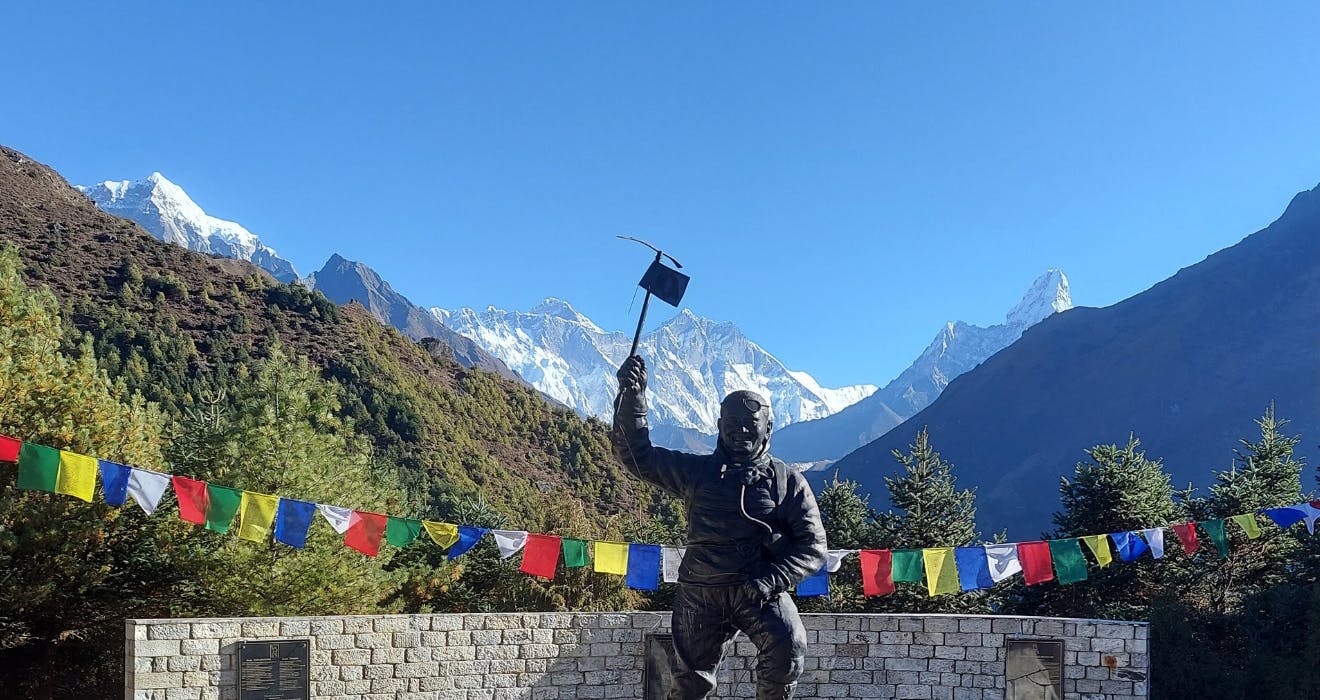
Namche Bazaar is the gateway to Everest and the heart of the Khumbu region.
Located at 3,440 meters inside Sagarmatha National Park, this mountain town sits in a dramatic natural amphitheatre above the Dudh Koshi valley. Every Everest Base Camp trek passes through Namche, making it the region's most important stop for acclimatization and preparation.
More than a transit point, Namche blends Sherpa culture with the Everest trekking economy. Cafés, bakeries, markets, and museums operate alongside monasteries and prayer-flag-lined trails, creating a rare mix of tradition and functionality at high altitude.
For many, Namche Bazaar is where the Everest journey truly begins, setting the pace for a rewarding trek ahead.
Where is Namche Bazaar?
Namche Bazaar is located in northeastern Nepal, within Sagarmatha National Park, along the main trekking route to Everest Base Camp. It sits above the Dudh Koshi River, around two days' walk north of Lukla, and marks the first major settlement in the high Khumbu.
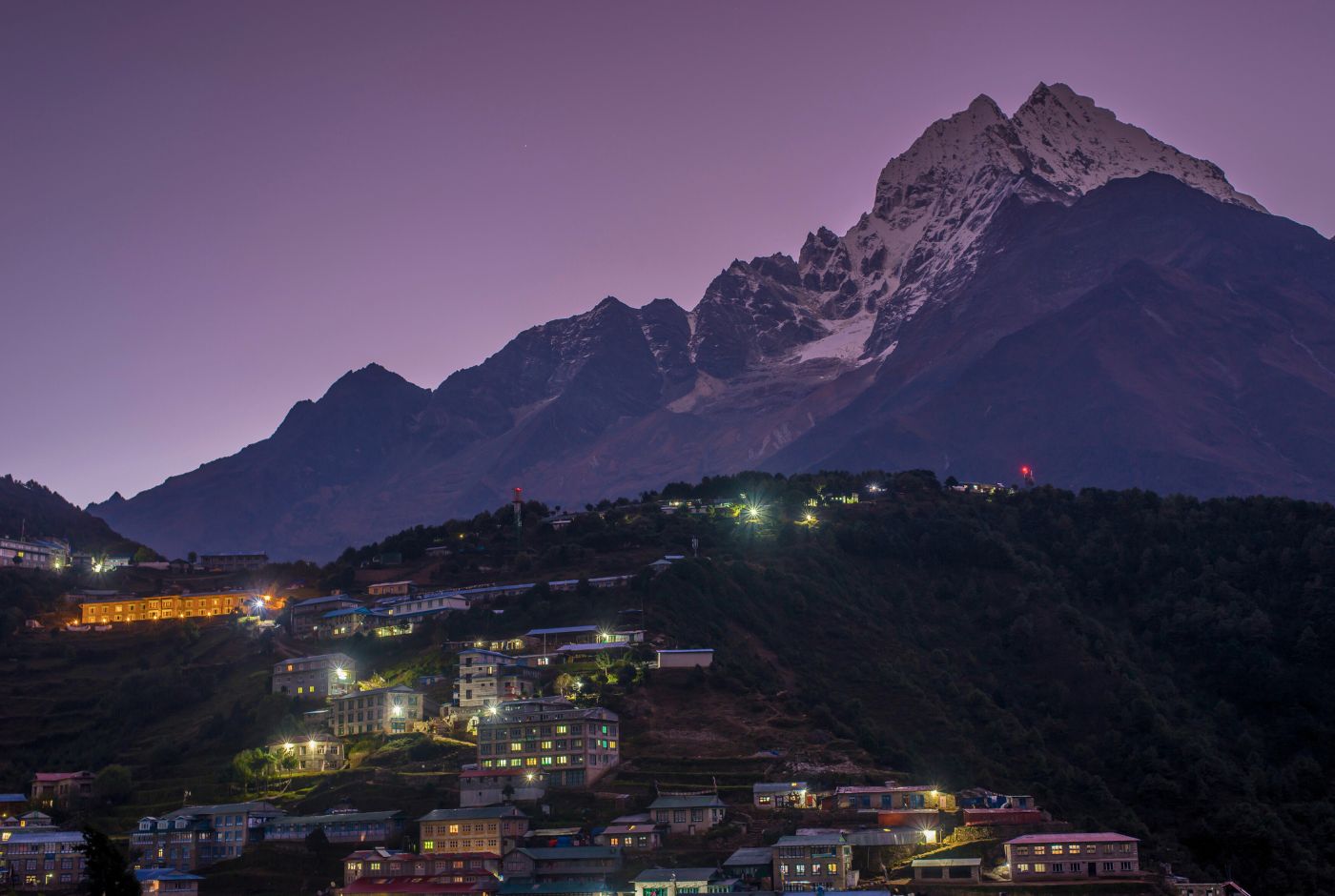
The town is built into a natural amphitheatre, with stone houses and lodges rising in curved tiers along the mountainside. This distinctive setting offers shelter from wind and clear views of surrounding peaks, including Kongde Ri, giving Namche its iconic appearance.
Historically, Namche stood on ancient trade routes linking Tibet with the lower Solu region. That same strategic location has made it the commercial and cultural hub of the Khumbu, supplying nearby villages and supporting trekkers.
The table below shows the elevations of key locations around Namche Bazaar for altitude awareness and acclimatization planning.
History of Namche Bazaar
Namche Bazaar's history reflects the rhythm of Himalayan trade, migration, and exploration over centuries. What began as a seasonal Sherpa settlement gradually evolved into the economic and cultural heart of the Khumbu. Each era reveals how trade routes, mountaineering, and tourism shaped Namche into today's essential gateway to Everest.
| Theme | Period | Key Developments |
| Sherpa Settlement and Trade Origins | Pre-19th Century | Seasonal settlement established by Sherpa communities migrating from eastern Tibet; Namche served as a meeting point on natural trade corridors linking high Himalayan valleys with the lower Solu region. |
| Tibetan Salt and Wool Trade Routes | 19th–Early 20th Century | Namche emerged as a major trading hub; salt, wool, butter, and livestock were exchanged for grain, textiles, and tools; weekly markets became central to local economic life. |
| Everest Expeditions Era | 1950s–1960s | Nepal's opening to foreign visitors and early Everest expeditions shifted Namche from a seasonal market to a permanent settlement supporting expedition logistics. |
| Growth of Trekking Tourism | 1970s–1990s | The expansion of lodges, bakeries, gear shops, and medical posts made Namche the administrative and economic centre of the Khumbu. |
| Modern Trekking Hub | 2000s–Present | Namche balances tourism with Sherpa culture, religious traditions, and historic trade practices and remains the cultural, commercial, and acclimatization hub of the Everest region. |
How to Reach Namche Bazaar
Option 1: Fly to Lukla + Trek
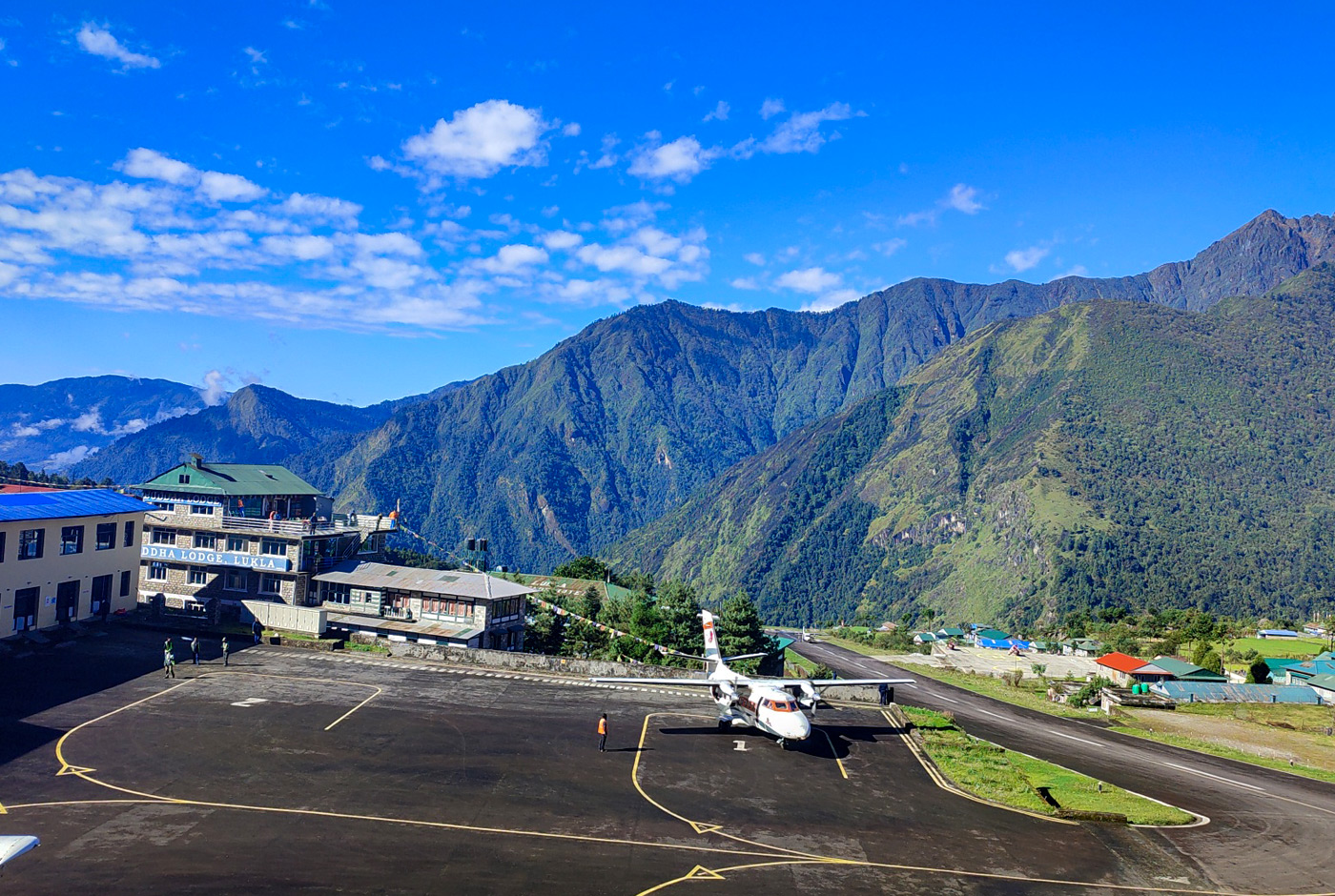
The most common way to reach Namche Bazaar is to fly from Kathmandu (or Ramechhap, seasonally) to Lukla, then take a classic two-day trek. From Lukla, the trail passes through Phakding and Monjo, crosses the Dudh Koshi River several times, and climbs steeply from the famous Hillary Suspension Bridge to Namche Bazaar.
Most trekkers reach Namche on Day 2, with gradual altitude gain on Day 1 and a more demanding ascent on Day 2. The route combines forested paths, stone steps, and suspension bridges, offering early views of snow-capped peaks and a first introduction to Khumbu trail conditions.
This option suits trekkers seeking a time-efficient and well-supported approach, with established lodges, clear trails, and reliable logistics.
Option 2: Trek from Jiri or Salleri
An alternative approach begins from Jiri or Salleri, adding several days of trekking before joining the main Everest trail. These routes pass through lower-altitude villages, terraced farmland, and less-visited valleys, offering deeper cultural immersion and a gradual altitude gain.
Trekkers choosing this approach experience quieter trails and a clearer transition from low hills to high mountains. However, the journey is more extended and more physically demanding, requiring additional time and endurance.
This option suits trekkers with flexible schedules, prior trekking experience, and a preference for cultural exploration over speed.
Option 3: Helicopter to Syangboche
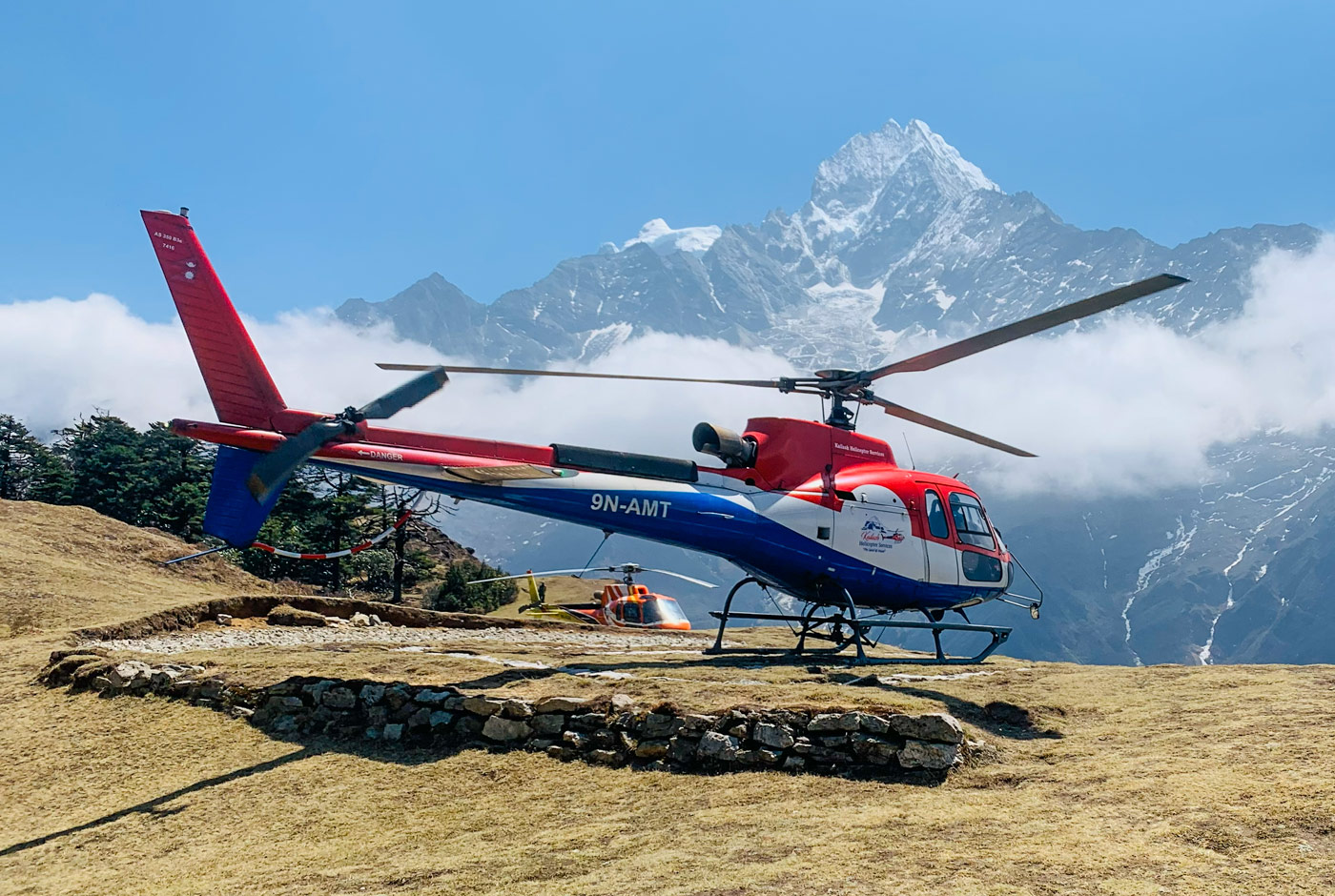
A faster, more comfortable alternative is to travel by helicopter from Kathmandu to Namche Bazaar or Syangboche, or from Lukla to Namche.
Helicopters typically land at Syangboche, a former airstrip above Namche that is no longer used for commercial flights. From Syangboche, passengers usually walk a short distance to Everest View Hotel for lunch and panoramic mountain views before continuing their return flight to Lukla or Kathmandu, depending on the itinerary.
Required Permits for Namche Bazaar
You do not need a permit to stay in Namche Bazaar itself. However, permits are required because you are trekking toward Everest Base Camp and entering protected areas.
For the Everest Base Camp trek, trekkers must obtain:
- Sagarmatha National Park Permit
- Khumbu Pasang Lhamu Rural Municipality Permit
If you approach the Everest region via Jiri or specific Salleri routes, you may also need the
- Gaurishankar Conservation Area Permit, depending on the exact trail used.
All permits needed for the Everest Base Camp route also apply when trekking to Namche Bazaar. For a detailed breakdown of permit requirements, see our guide, "Permits Required for the Everest Base Camp Trek."
Namche Bazaar Map
Namche Bazaar is built in a natural amphitheatre, with the main market area at the center and lodges, cafés, and homes rising in curved tiers above it. The town is compact and walkable, making navigation straightforward once you understand its layout.
Key landmarks include the central market square, where shops and bakeries cluster, and the upper ridge paths leading to the Sagarmatha National Park Museum and nearby viewpoints. Most lodges are spread along the lower and middle rings of the town, while quieter accommodations sit higher above the bazaar.
Several short walking loops connect the market, museums, cafés, and surrounding viewpoints. These routes are ideal for light exploration and acclimatization walks, allowing trekkers to move gently at altitude while getting oriented before heading further up the Khumbu.
Accommodation in Namche Bazaar
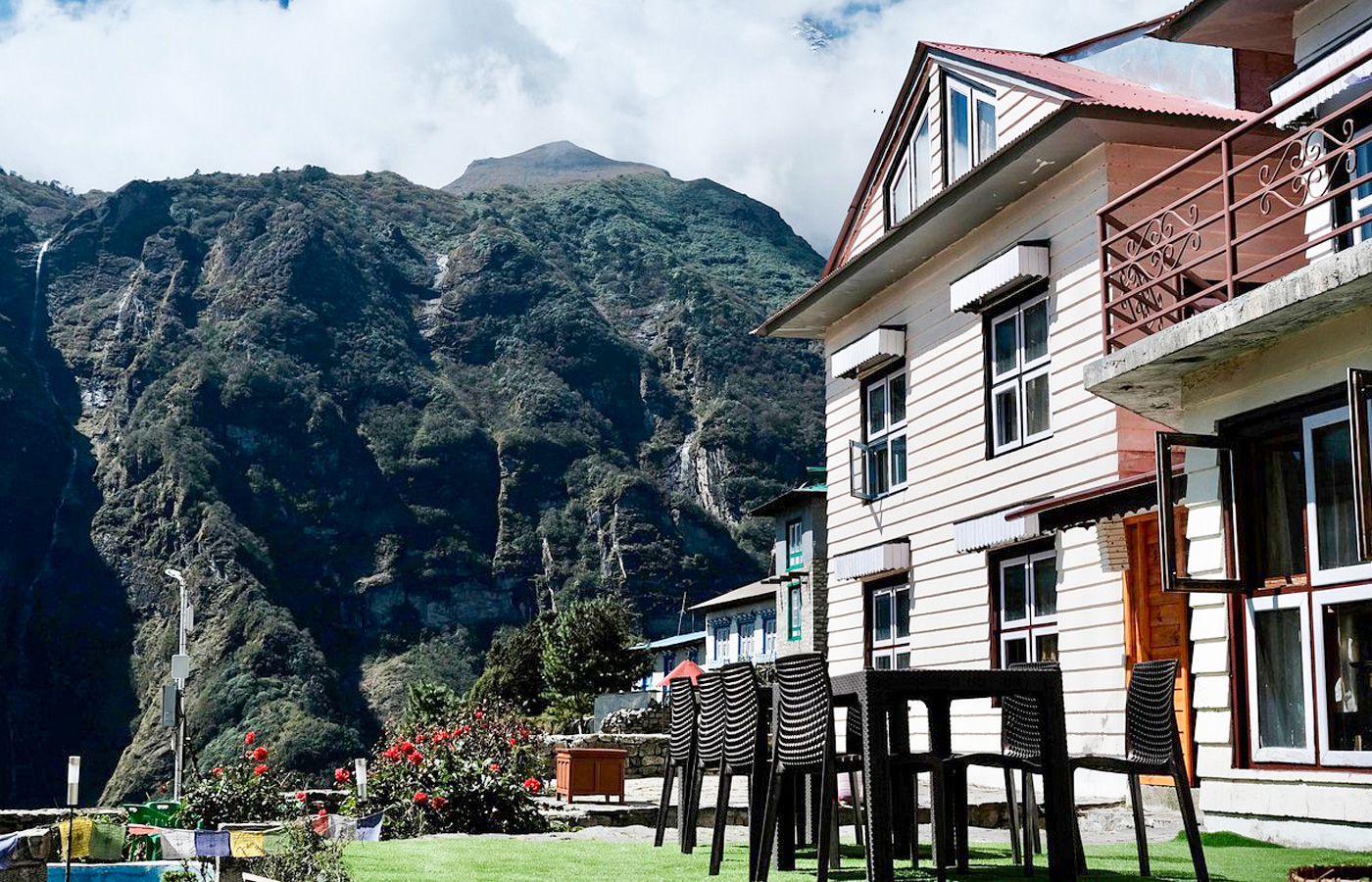
Namche Bazaar offers the broadest range of accommodation in the Everest region, with options ranging from budget teahouses to comfortable mid-range lodges and a small number of high-end hotels. This variety makes Namche an ideal place to rest, recover, and acclimatize before heading higher.
Budget teahouses provide simple rooms with shared facilities, while mid-range lodges offer private rooms, heated dining areas, attached bathrooms, and reliable meal service. Luxury hotels focus on comfort and views, though even the best properties remain limited by altitude and local infrastructure.
At 3,440 meters, amenities are practical rather than indulgent. Expect heated common areas, hot showers available at extra cost, charging facilities, and intermittent electricity. Bedrooms are typically unheated, even in higher-end lodges.
For the best mountain views and sunrise light, lodges located on the upper terraces above the primary market are ideal. Quieter stays are usually found slightly uphill from the center, while accommodations closer to the market offer convenience and easy access to shops, cafés, and services.
Food in Namche Bazaar
Namche Bazaar offers the widest variety of food in the Everest region, making it a welcome stop for trekkers adjusting to altitude. The town's cafés and bakeries are especially popular, serving fresh bread, pastries, soups, coffee, and light, easier-to-digest meals suited to higher elevations.
Traditional Sherpa and Nepali dishes remain widely available. Dal bhat, noodle soups, tsampa porridge, potatoes, and simple vegetable curries form the backbone of local meals, providing steady energy for trekking days. These foods are familiar to local kitchens and generally the safest choice at altitude.
Western food is also readily available in Namche. Menus often include pasta, pizza, pancakes, eggs, fried rice, and sandwiches. While comforting, portions are simpler than at lower elevations, and trekkers are advised to balance familiarity with foods that support digestion and acclimatization.
Food Menu of Namche Guesthouse
Below is a real menu from a guesthouse in Namche Bazaar, providing a realistic overview of food options and approximate prices.
Safe Eating Tips
At altitude, prioritize simple, warm foods such as soups, dal bhat, porridge, and potatoes, which support digestion and help the body acclimatize. Limit heavy meats, excess dairy, and alcohol, and always use boiled or treated water while maintaining basic hand hygiene to reduce the risk of illness.
Things to do in Namche
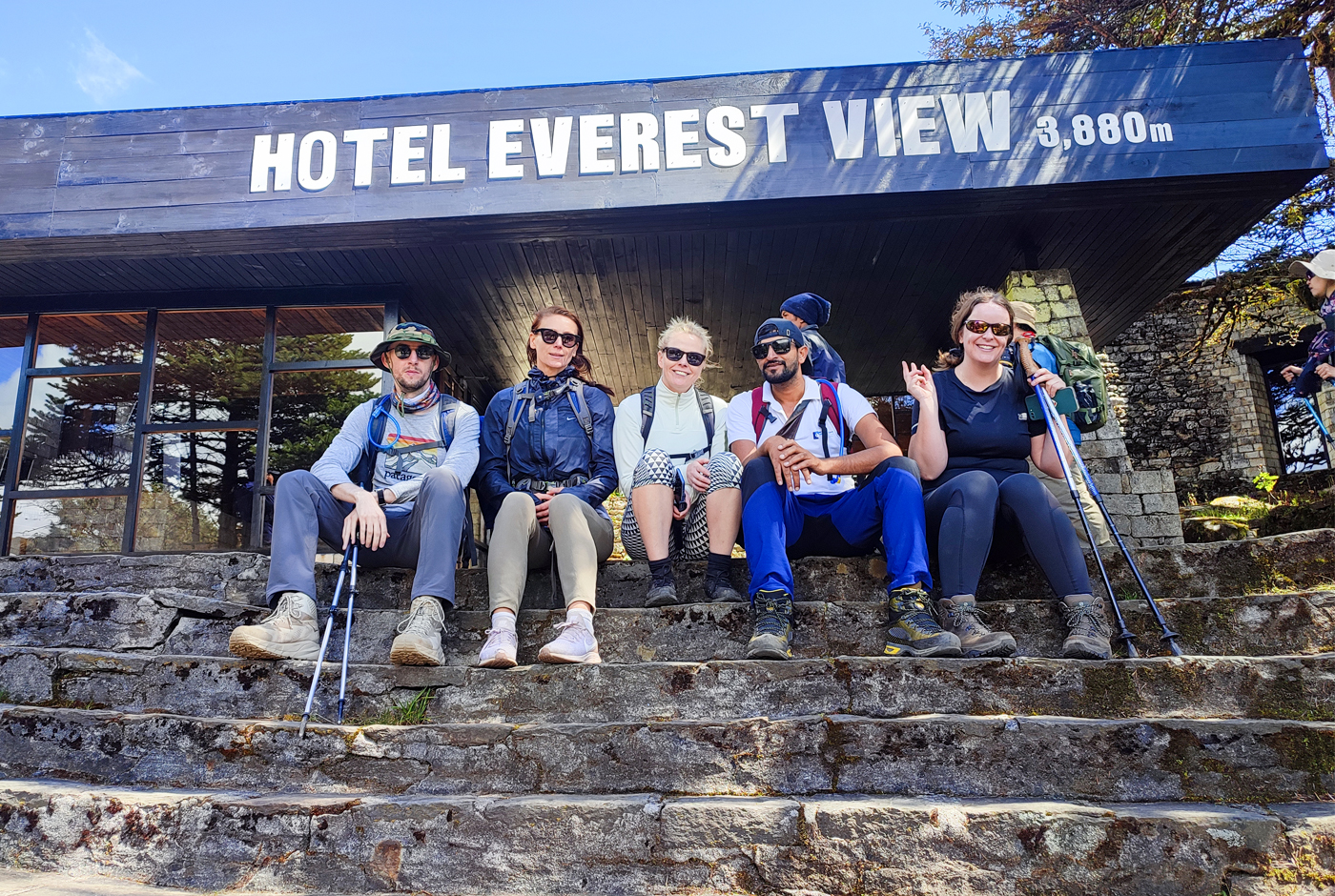
Acclimatization Hike to Everest View Hotel
This hike is essential for safe acclimatization, following the principle of hiking higher during the day and sleeping at a lower elevation. The trail climbs steadily from Namche toward Syangboche and typically takes 2–3 hours round-trip, offering trekkers clear views of Everest, Lhotse, Ama Dablam, and Thamserku on clear days.
Sagarmatha National Park Visitor Center & Museum
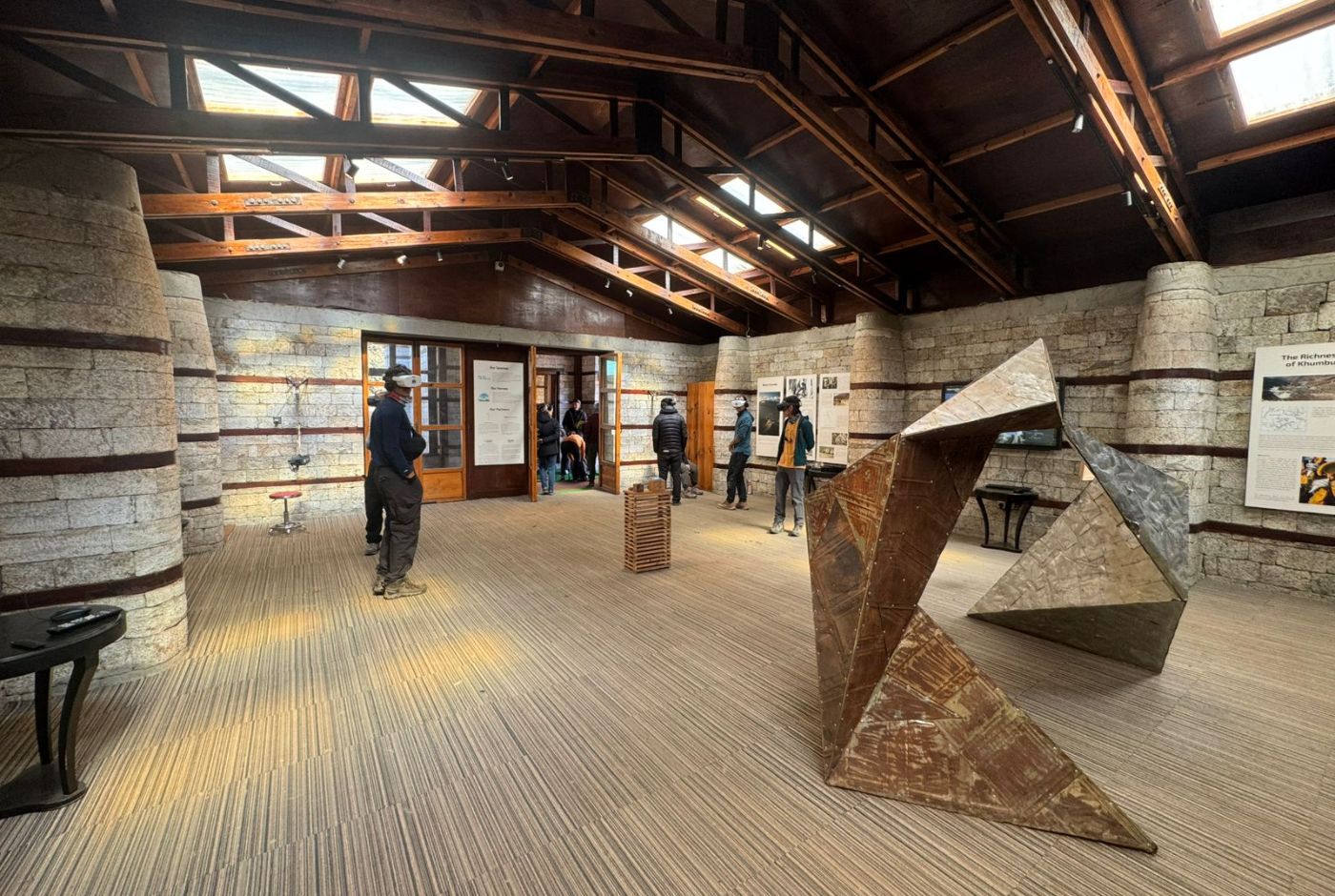
Located on the upper ridge above the town, this museum introduces Sherpa culture, Everest expedition history, and Himalayan wildlife. It also doubles as an easy acclimatization walk with panoramic views over Namche.
Sherpa Culture Museum & Photo Gallery
This small museum highlights traditional Sherpa life and mountaineering heritage through photographs and cultural artifacts, offering valuable context for the region's history.
Sagarmatha Next Initiative
Sagarmatha Next highlights waste upcycling and sustainability efforts in the Everest region, focusing on how plastic waste from trekking and expeditions is collected, processed, and reused. Visitors can purchase products made from recycled plastics, watch an informative documentary and presentation about the initiative's mission, and experience VR storytelling that showcases their work and the environmental challenges facing the Khumbu.
Saturday and Sunday Haat Bazaar
Held every Saturday and Sunday mornings through late afternoon, this local market brings together villagers from surrounding areas to trade vegetables, dried goods, clothing, and other daily essentials. It remains an important cultural and social tradition in Namche.
Nightlife and Café Culture
Namche has a surprisingly lively café scene for a high-altitude town. Spots such as the Irish Pub and The Hungry Yak are popular evening gathering places, offering warm meals, drinks, and a relaxed social atmosphere.
Namche Monastery Visit
The Namche Monastery (Namche Gompa) sits just above the town and offers a quieter, reflective experience. The walk to the monastery is short and gentle, making it ideal for light acclimatization. From the monastery area, trekkers enjoy peaceful surroundings and excellent viewpoints, especially at sunrise and sunset, combining cultural insight with scenic photography opportunities.
Day Trips from Namche Bazaar
Namche Bazaar is an excellent base for short day trips that combine acclimatization, culture, and quieter trails without committing to long trekking days.
Khumjung Village
Khumjung lies above Namche and is one of the largest Sherpa villages in the region. A half-day walk leads to Khumjung Monastery, home to the famous Yeti scalp, as well as the Hillary School, built by Sir Edmund Hillary. The route offers gentle elevation gain, village life, and expansive mountain views, making it ideal for acclimatization.
Thame Village
Thame is located in a quieter side valley west of Namche and is accessible via a relatively flat trail. Known for its historic monastery and strong mountaineering heritage, Thame feels less commercial and more traditional. This day trip suits trekkers seeking cultural depth and a break from the busier Everest route.
Both destinations allow trekkers to return to Namche the same day, supporting safe altitude adaptation while adding cultural richness to the Everest journey.
Essential Services in Namche Bazaar
Namche Bazaar offers the most complete range of services in the Everest region, making it a crucial stop for preparation, recovery, and acclimatization.
ATMs and Cash Access
Namche has a limited number of ATMs, but reliability can be inconsistent due to power and network issues. Withdrawal limits are usually low, and service charges are higher than in Kathmandu. Trekkers are strongly advised to carry sufficient cash as a backup before arriving.
Gear Shops and Pharmacies
Several gear shops sell and rent trekking essentials, including jackets, sleeping bags, trekking poles, and accessories. Pharmacies stock basic medicines, including altitude-related medications, but selection is limited; therefore, critical prescriptions should be brought from Kathmandu.
Wi-Fi, Mobile Networks, and Charging
Wi-Fi is available in most lodges and cafés, usually for an additional fee. Mobile coverage from Nepali networks works in Namche, though speeds are slow. Charging electronic devices is widely available, but it is often charged per hour or per device.
Medical Services and Altitude Care
Namche hosts basic medical facilities and clinics experienced in treating altitude-related issues. While suitable for initial assessment and minor treatment, serious conditions may require evacuation, making Namche an important monitoring point rather than a full medical centre.
Weather and Best Time to Visit Namche Bazaar
Namche Bazaar experiences cool to cold mountain weather year-round, with conditions changing sharply by season.
Spring (March–May) and autumn (September–November) are the best times to visit. These months offer stable weather, clear mountain views, and comfortable daytime temperatures for trekking. Spring brings blooming rhododendrons, while autumn provides the clearest visibility.
Summer (June–August) is the monsoon season, marked by rain, cloud cover, and occasional flight disruptions, though the landscape is greener and trails are quieter.
Winter (December–February) is cold, with snow and freezing nights, but fewer crowds. Trekking is possible with proper preparation, though temperatures drop significantly at night.
Namche Bazaar on Nepal Hiking Team's Everest Base Camp Trek
Namche Bazaar is the primary acclimatization base on Nepal Hiking Team's 16-day Everest Base Camp trek package. Reached on Day 4, it provides the ideal setting to rest, adjust to altitude, and prepare for higher elevations.
Day 5 is reserved for a guided acclimatization hike toward Everest View Hotel, following a safe hike-high, sleep-low approach.
After visiting Everest Base Camp, trekkers return to Namche on Day 12 for an overnight stay before trekking down to Lukla on Day 13.
With a strong focus on safety, gradual pacing, and experienced local guides, Nepal Hiking Team ensures a well-managed and rewarding trek.
Join Nepal Hiking Team's Everest Base Camp trek and experience Namche Bazaar at the right pace, with the proper support.
Concluding Notes
Namche Bazaar is far more than a stopover on the way to Everest. It is the cultural, commercial, and acclimatization heart of the Khumbu, where trekkers first experience the realities of altitude, Sherpa life, and mountain pace.
Taking time in Namche is essential for safe acclimatization. Rushing through this stage increases health risks, while slow exploration allows the body to adapt naturally and comfortably.
By walking gently, resting well, and engaging with the town, trekkers improve their acclimation to altitude and build a deeper connection to the region. Experiencing Namche thoughtfully not only supports a safer Everest journey but also makes the trek more meaningful and memorable.
Post a Comment