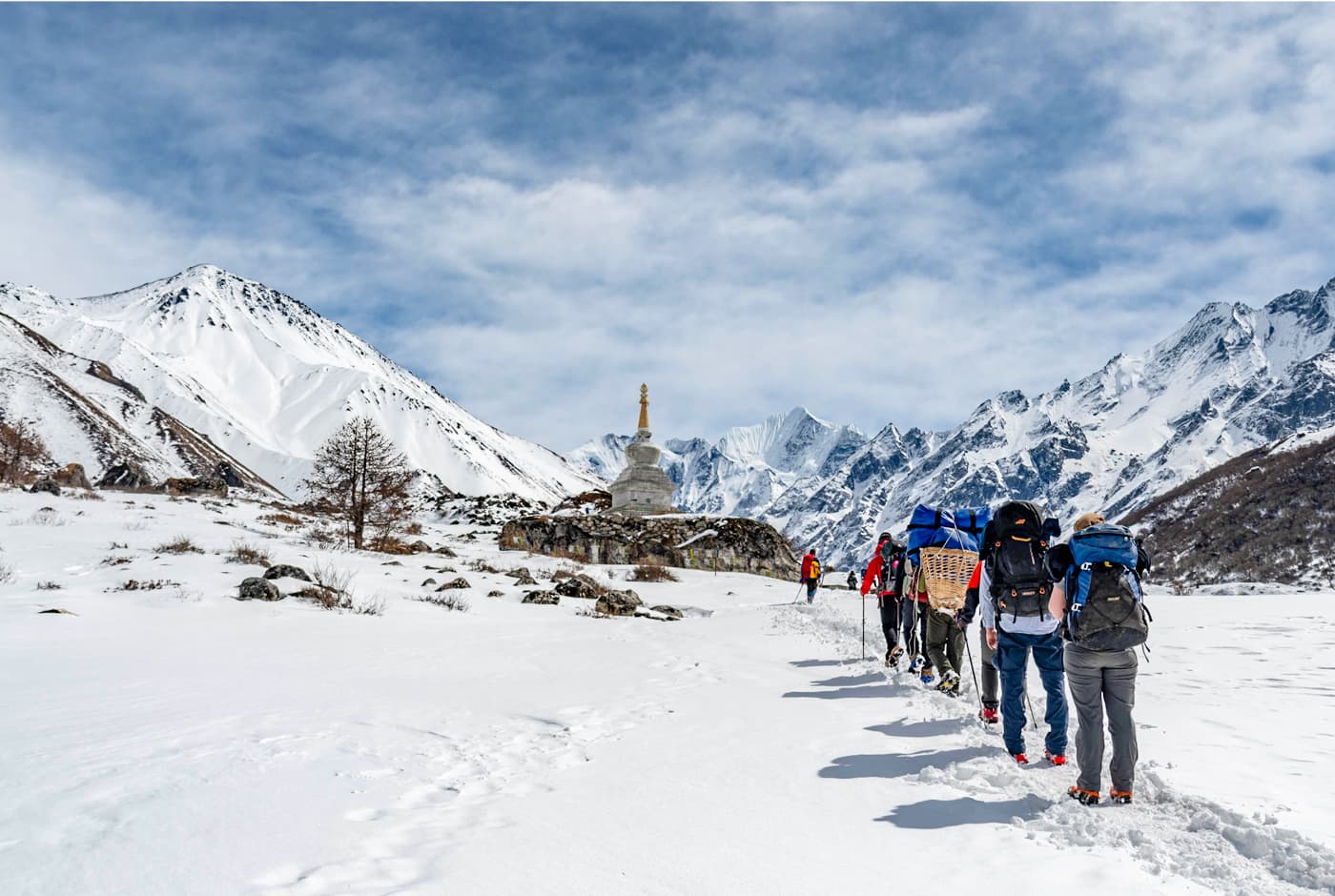
Tamang Heritage Trek with Langtang is an exclusive journey in the Langtang Himalayas. This journey traverses within Nepal's first Himalayan National Park, Langtang National Park (1976). With this trek, you experience the cultural and natural richness hidden in the region. This trek connects the spiritual life of the Tamang people while offering the beauty of the unspoiled Langtang.
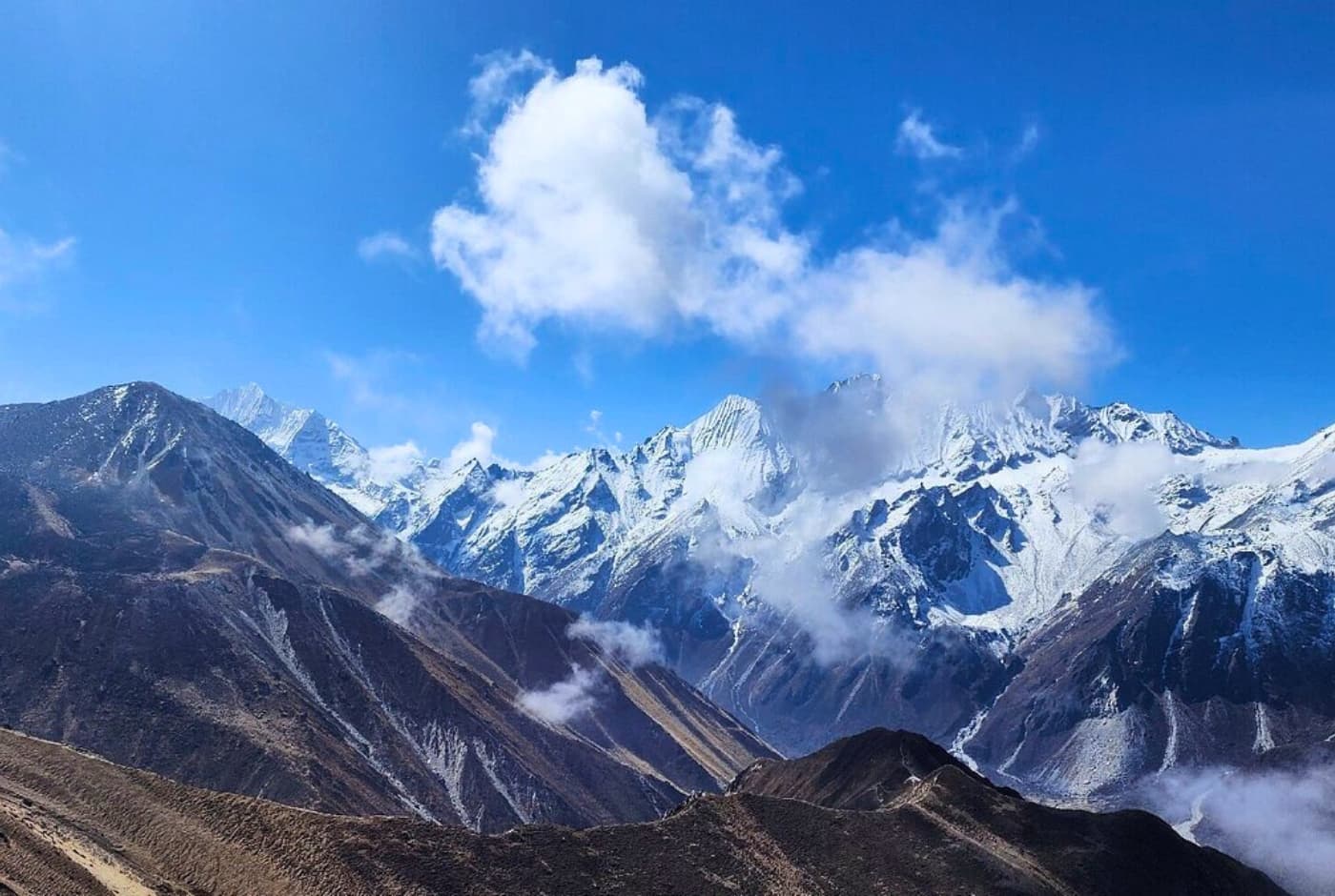
The journey includes stunning views of mountains like Ganesh Himal, Manaslu, Paldor, and Langtang ranges. Along the Tamang heritage route, immerse yourself in the rich Tamang culture of Langtang. Visit authentic villages and observe their way of living.
After the enriched cultural experience, get stunned by the natural portion of the region. Traverse along with the rich wildlife. Visit sacred Kyanjin Gompa at an altitude of 3,830m with a local Swiss cheese factory. Achieve an accomplishment by reaching Cherko Ri (5050m) or Kyanjin Ri (4400m) viewpoint.
Grab the opportunity to experience more than the natural and cultural aspects of the region. Areas like Tatopani and Langtang village, where the 2015 earthquake affected, observe the collective efforts. While traveling, explore the natural sceneries and endurance strength of the people.
With trekking like this, your travel means more than a visit. This adventure leads to stained hopes for Langtang's livelihood. We, The Nepal Hiking Team, aim for your incredible journey in Nepal. Please contact us with any inquiries regarding this Tamang Heritage Langtang Valley Trek in Nepal!
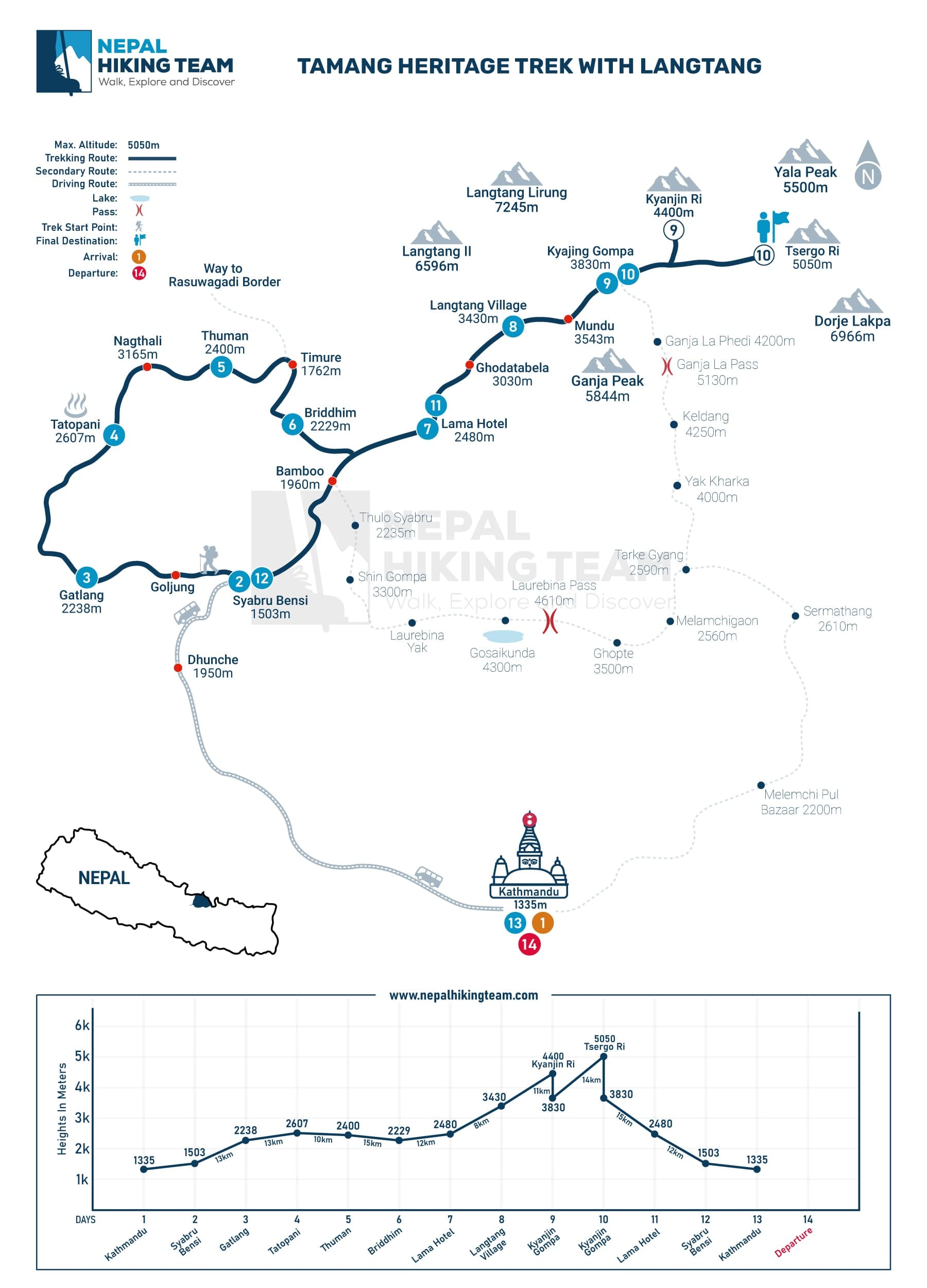
Before we begin with the rest of this overview, let us look at the routes we'll take for the Tamang Heritage Trek.
This adventure starts with your arrival at Tribhuvan International Airport. Our staff warmly welcomes you and assists you with the Hotel procedure. The designated guide provides short briefings about the following trekking days.
The next day, a scenic drive from Kathmandu to Syabrubensi takes you towards the Langtang region. Enjoy the picturesque views of Nepal’s countryside and Ganesh Himal's stunning view. After that, start your first hike towards the Gatlang village on the Tamang Heritage trek the same day.
The following days on the Heritage Trail, you pass through the authentic Tamang villages of Tatopani, Nagthali, Thuman, and Timure. These days, you marvel at the majestic peaks of Manaslu, Ganesh, Langtang, and Paldor. Your final village stop before connecting with the Langtang trail is Briddim, also known as Living Museum.
After that, your first stop on the Langtang trail is the lama hotel. You proceed your way along the Langtang Khola. You follow the trail toward Sindum and Yamphu. Then, Cross the Laja Khola and climb the moraine, making your way towards the viewpoint to see the delightful Kyanjin Gompa.
The next day in the village, you initiate the hike towards Kyanjin RI (4,400m) OR Cherko Ri (5,050m). Both of the points provide excellent mountain views of the Langtang ranges. This is our final village stop for the Tamang Heritage with Langtang trail. You retrace your way back to Syabrubensi, passing through the Langtang village, Thangsyap, Ghodatabela, and Lama Hotel.
You take the final drive toward Kathmandu, followed by the flight to depart the next day. This ends your adventure of this Langtang journey in Nepal.
The ideal time for this trek is in March-May or September-November. During these months, the temperatures are favorable for hiking. The adventure is pleasant, and the magnificent mountain's clear views accompany you.
Autumn: this time of the year is known as the peak season for trekking in Nepal. During this period, the Magnificent Mountains have their allure. As it is a festive month, you interact more with the locals. The weather is stable, with clear skies. The trails are suitable for trekking during this time.
Spring: This time of the year is also known as the blooming season. The trails are covered with lush forest and rhododendron trees. The temperature is warm, providing a comfortable trekking experience. The mountains are more snow-capped and visible during this time.
We do not recommend trekking during the monsoon and winter seasons. This is because of heavy rainfalls and snow falls during the period.
The Tamang Heritage Trek is an easy-moderate-level hike. The trek is doable for beginners and experienced trekkers. However, you must maintain a good fitness level for the trek.
Moreover, the highest elevation you reach during this trek is Cherko Ri (5050m) or Kyanjin Ri (4400m). It depends upon your willingness to hike to the point. At this level of height, there is less chance of altitude sickness. However, we suggest you stay physically fit and perform exercises before trekking.
We, the Nepal Hiking Team, offer exclusive trekking packages suitable for trekkers with extended or limited periods, trekkers with experience, and with no experience. Remember that each itinerary is customizable if it doesn’t meet your preferences.
Here are some of our best alternative trek recommendations for trekkers who want to trek in the Langtang region.
Tamang Heritage Trek: This trek is specially designed for trekkers seeking cultural trekking in the Langtang region. It is suitable for trekkers who have limited time. Tamang heritage trekking provides profound cultural experiences of an indigenous ethnic group of Nepal, the Tamang.
The trek is eight days long and covers visits to authentic Tamang villages while interacting with the local cultures. The trekking is all about the cultural richness hidden among the Langtang Himalayas of Nepal.
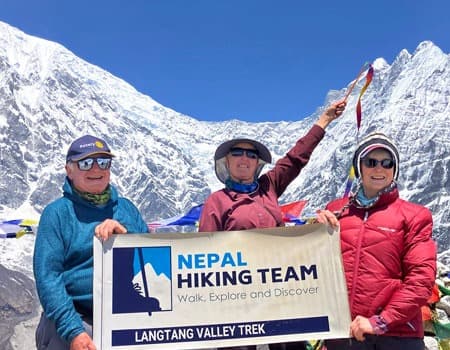
Langtang Valley Trek: For classic trek lovers, we provide a Langtang Valley Trek of 10 days that follows the classic route. This trek is beginner-friendly, and the path is off-beaten. You get to hike along the old Mani walls, Gompa, and interact with the strong Langtangpa. Highlights of the trek are breathtaking 360 degree panoramic views of the Langtang range.
Langtang with Gosainkunda Trek: This is a 16-day-long Langtang Trek combined with the holy Gosaikunda Lake. This journey takes you to the natural and spiritual core of the region. This trekking is perfect for trekkers with extended periods looking for a less challenging trek that covers side trips, Holy Gosainkunda Lake, 360 degree panoramic views, and a pass.
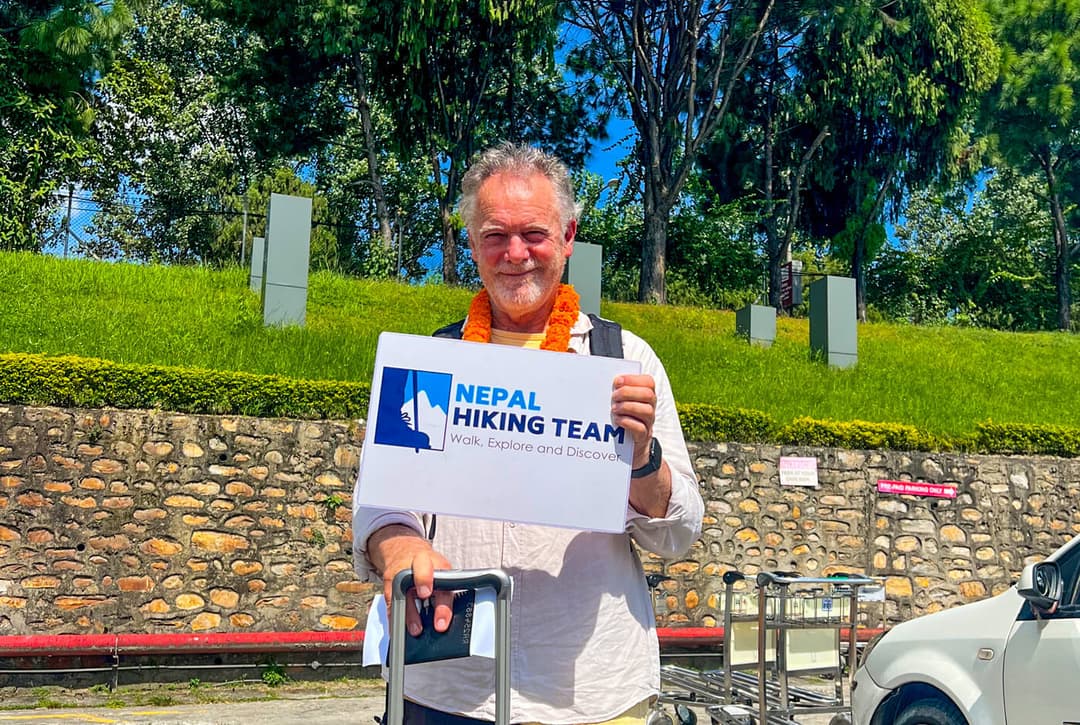
Upon your arrival at Tribhuvan International Airport in Nepal, one of our Nepal Hiking Team representatives will stand with a "Nepal Hiking Team" placard to welcome you. Next, we'll take you to your hotel for a welcome drink and check-in.
Later, you will have a brief session covering your trip, route details, and what to expect during the Tamang Heritage Trek with Langtang. We collect your documents, including travel insurance and any remaining payment. Our team also distributes duffel bags, warm down jackets, sleeping bags, Nepal Hiking Team t-shirts, a map, and a cap.
After that, you can rest and prepare for your incredible trekking experience in the Langtang.

After an early breakfast at 7:30 am, our guide will pick you up from your hotel and take you to the jeep or bus stop. We'll depart for Syabru Bensi around 7:30 am. As per your preference, you can start your journey to Syabru Bensi by private jeep (at an extra cost) or by public bus.
The drive passes alongside the Trishuli River, which offers scenic river valley views. The route passes through traditional hill villages, terraced farmland, and bustling market towns, including Trishuli. Around midday (12-1 pm), you'll stop at Kalikasthan for lunch, a perfect opportunity to stretch your legs and enjoy local cuisine while taking in the views of the surrounding hills.
After lunch, the journey continues through Dhunche and beyond. As the drive progresses, you will enjoy scenic views of forested hills and distant Himalayan peaks, offering a glimpse of the landscapes and cultures that define the Langtang region. The route includes both paved roads and rough mountain sections, offering an authentic travel experience through the remote Himalayan countryside.
By approximately 3 pm, you arrive at Syabru Bensi, a small riverside village on the banks of the Langtang River. Thereafter, you check into a guesthouse, rest, and prepare for the trek ahead.
Your trekking adventure begins after breakfast at 7:30 am. The trail starts with a steady incline for the first 2-3 hours, climbing through terraced fields and forested paths. This initial ascent takes you to a scenic ridge where you'll take a well-deserved tea break, soaking in your first mountain views of the journey.
From here, you continue for another 1-1.5 hours, descending slightly before reaching Chaurhattar village around 12:30 pm, where you'll stop for lunch. This charming settlement provides a glimpse into rural mountain life and a chance to refuel for the journey ahead.
After lunch, the trek continues with a gradual ascent through the beautiful landscape, passing through the Golijung Valley. The trail offers spectacular views of Ganesh Himal and Langtang Lirung from Rongja Bhanjyang viewpoint along the way. After approximately 1.5 hours of hiking from Chaurhattar, you'll reach your final destination for the day, Gatlang (2,238m).
Once settled, you can explore the village and visit the Tamang Monastery, Parvati Kunda Lake (a short hike of 1-2 hours), and the Yak Cheese Factory near Gatlang.
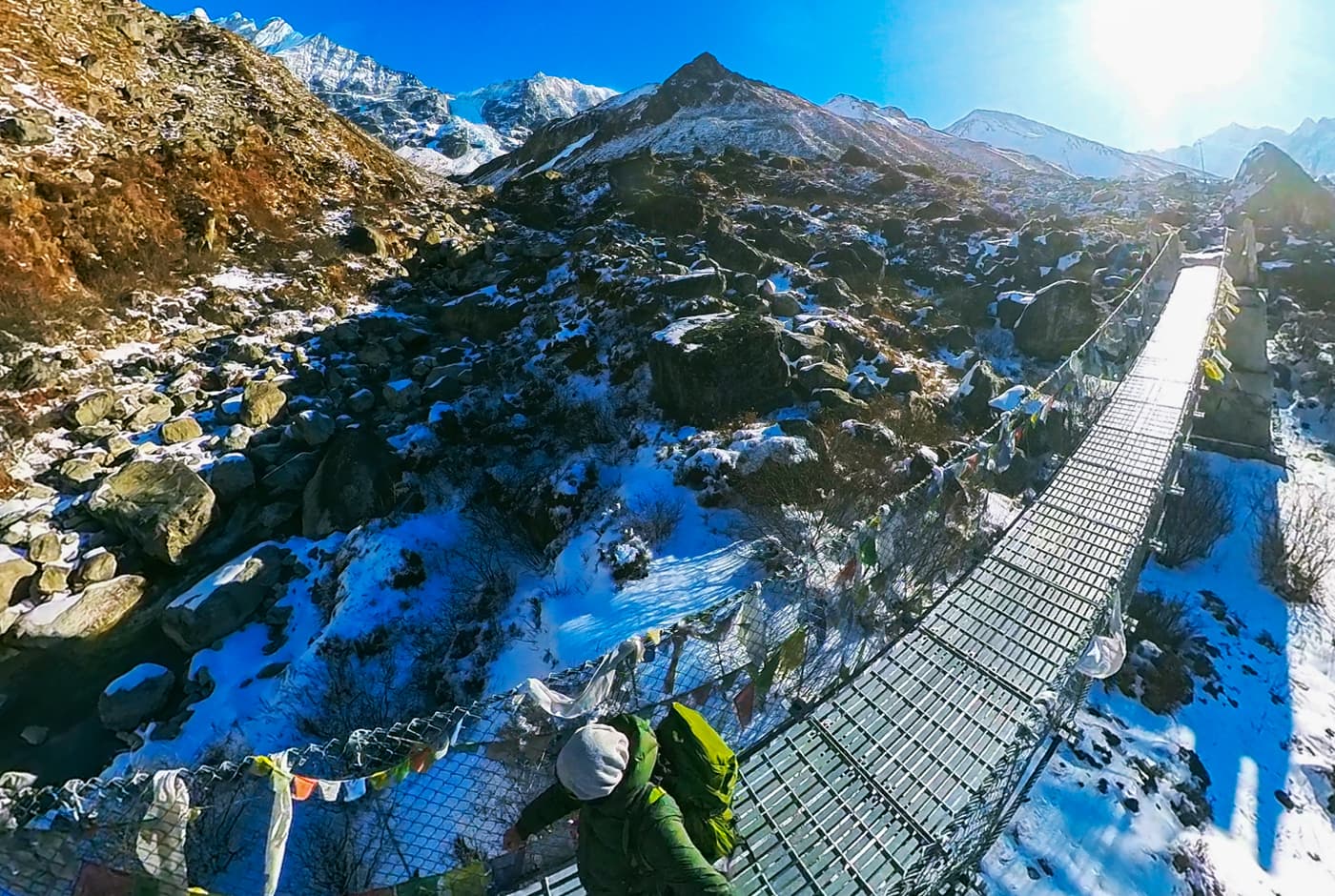
After breakfast at 7:30 am, the trail leads you through dense rhododendron, oak, and pine forests. Within 1-1.5 hours of walking, you'll reach Chilime village, where you can take a tea break and experience authentic Tamang life. The village offers opportunities to interact with locals, try traditional food, and learn about their customs. The trail here passes through thrilling suspension bridges that add excitement to your journey.
From Chilime, the trek continues for about 1.5 hours to reach Gonggang, a small village often used as a lunch stop. Along this section, you'll get glimpses of the Langtang massifs and Ganesh Himal rising majestically in the distance. After enjoying lunch and resting at Gonggang, you'll continue your journey.
The trail then passes through Patijhung village, which offers expansive views of the Himalayan Ranges. After another 1.5 hours of trekking, you'll arrive at Tatopani, renowned for its natural hot springs where you can relax your tired muscles and bathe in the therapeutic warm waters.
Today's trek begins at 7:30 am and takes you through varied terrain. The trail ascends through the small Tamang village of Brimdang as you climb towards higher elevations. After approximately 3.5 hours of steady hiking, you'll reach Nagthali Danda, the highest point of today's trek, where you'll stop for lunch with breathtaking panoramic views of snow-capped mountains, including Langtang Lirung, Ganesh Himal, Sanjen, and Kerung Himal ranges.
After enjoying your meal and the spectacular mountain vistas, the trail begins a steep descent. This challenging 2-hour downhill section requires careful footing as you make your way down to Thuman village.
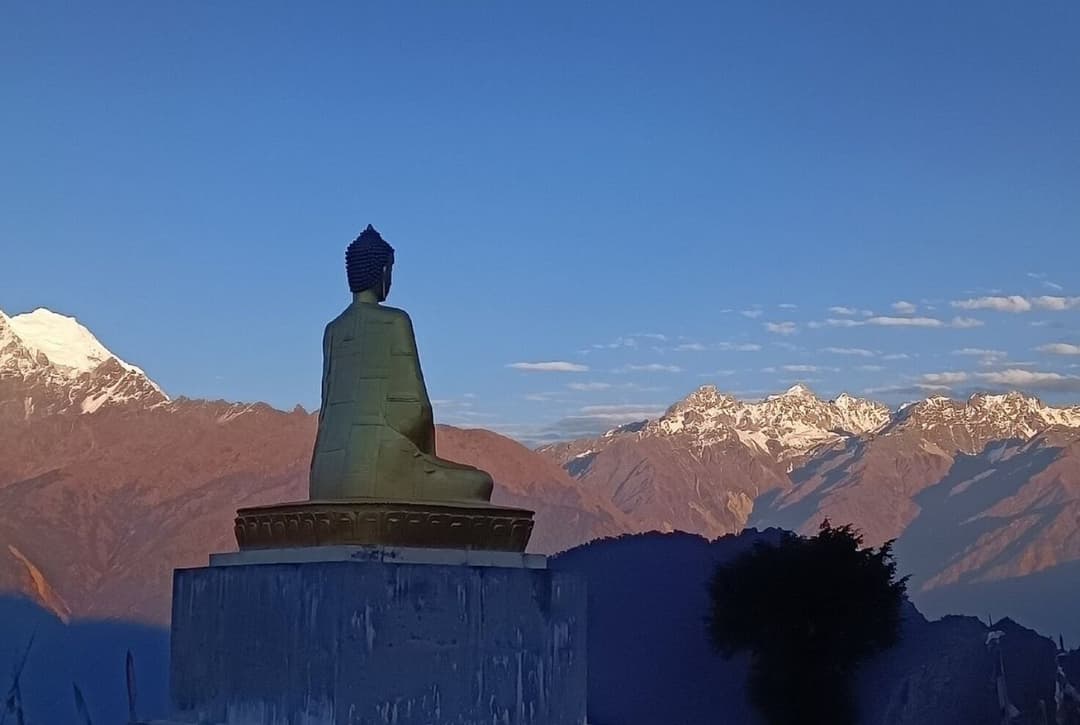
Upon arrival, you can observe traditional stone-and-wood houses, monasteries, and mani walls, and experience a highly Tibetan-influenced lifestyle and the warm hospitality of the local Tamang people, known for their singing and dancing.
At 7:30 am, after breakfast, the trail begins with a scenic 2-hour descent from Thuman. You'll walk through forests and terraced fields with beautiful views of the Bhote Koshi River flowing below in the valley. The descent brings you to the river level, where you'll cross impressive suspension bridges, adding a touch of adventure to your morning walk.
After crossing the river, the trail changes character with a steady 1-hour incline leading up to Lingling village, where you'll arrive for lunch. This is a perfect midpoint to rest and enjoy a meal while taking in the surrounding mountain scenery.
Well-rested and refueled, you'll continue your journey with another 2 hours of walking to reach Briddhim. This beautiful village is set on the lap of the Langtang Himal and is known for its traditional stone houses and strong Tibetan cultural influence. Once settled, you can explore Dukchu Gomba Monastery and interact with local families to learn about their way of life.
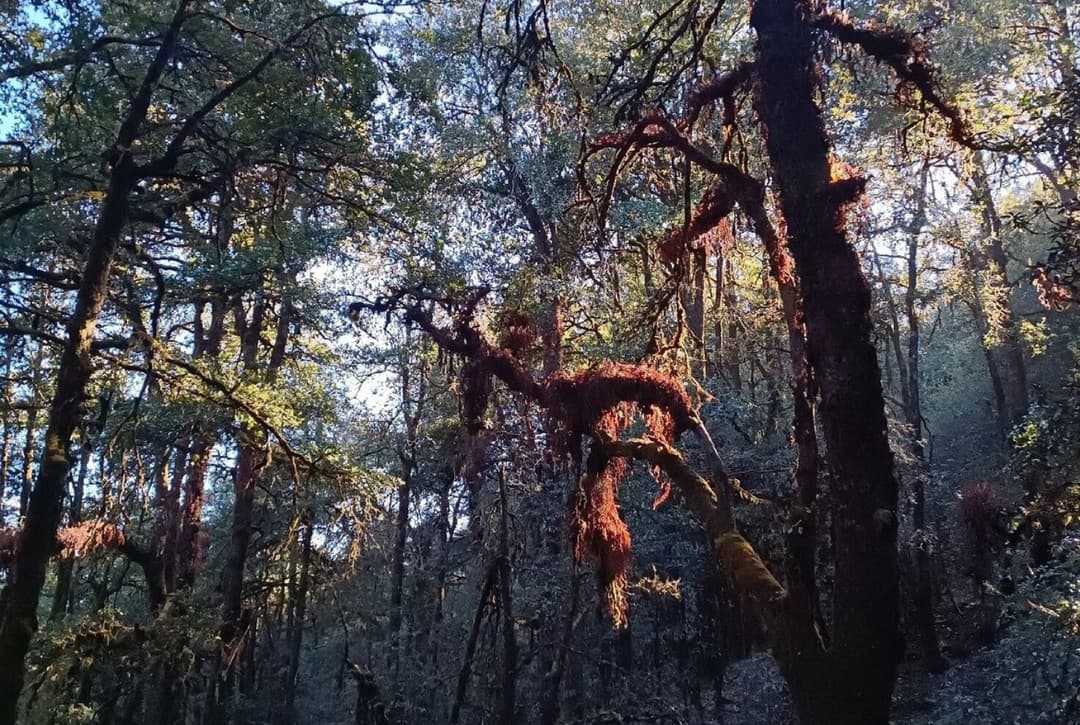
Your trek begins at 8:00 am, slightly later start allowing you to enjoy a leisurely breakfast. The path leads through lush forests of rhododendron, oak, and bamboo, home to wildlife including langur monkeys and the elusive red panda. Keep your eyes open and your camera ready!
After 1 hour and 30 minutes of walking through this enchanting forest, you'll reach Khandim village, where you'll take a tea break. This small settlement provides a peaceful spot to rest and enjoy the forest atmosphere.
Continuing your journey, the path features a steady climb for another 2.5 hours through dense woodland until you reach Sherpa Gaon, where you'll stop for lunch. This timing allows you to refuel at midday before the final stretch of today's trek.
From Sherpa Gaon, it's approximately 1.5 hours of walking to reach Rimche, another small settlement along the trail. From Rimche, you're almost at your destination – just 20-25 minutes more brings you to Lama Hotel, a peaceful cluster of lodges nestled in the forest by the riverbank, providing a classic overnight stop for trekkers.
Today's journey, starting at 7:30 am, takes you deeper into the Langtang Valley with an uphill trek to Langtang Village. The trek starts through dense forests of oak, rhododendron, maple, and hemlock. After about 3 hours of hiking, you'll reach Ghodatabela ("Horse Stable"), a Nepal Army post and a National Park checkpoint where you may need to show your permits.
After Ghodatabela, the dense forest gradually gives way to beautiful alpine meadows and yak pastures. As you ascend, the trails open up, offering panoramic views of Himalayan peaks, including the impressive Langtang Lirung (7,227m). The landscape transforms dramatically as you gain elevation.
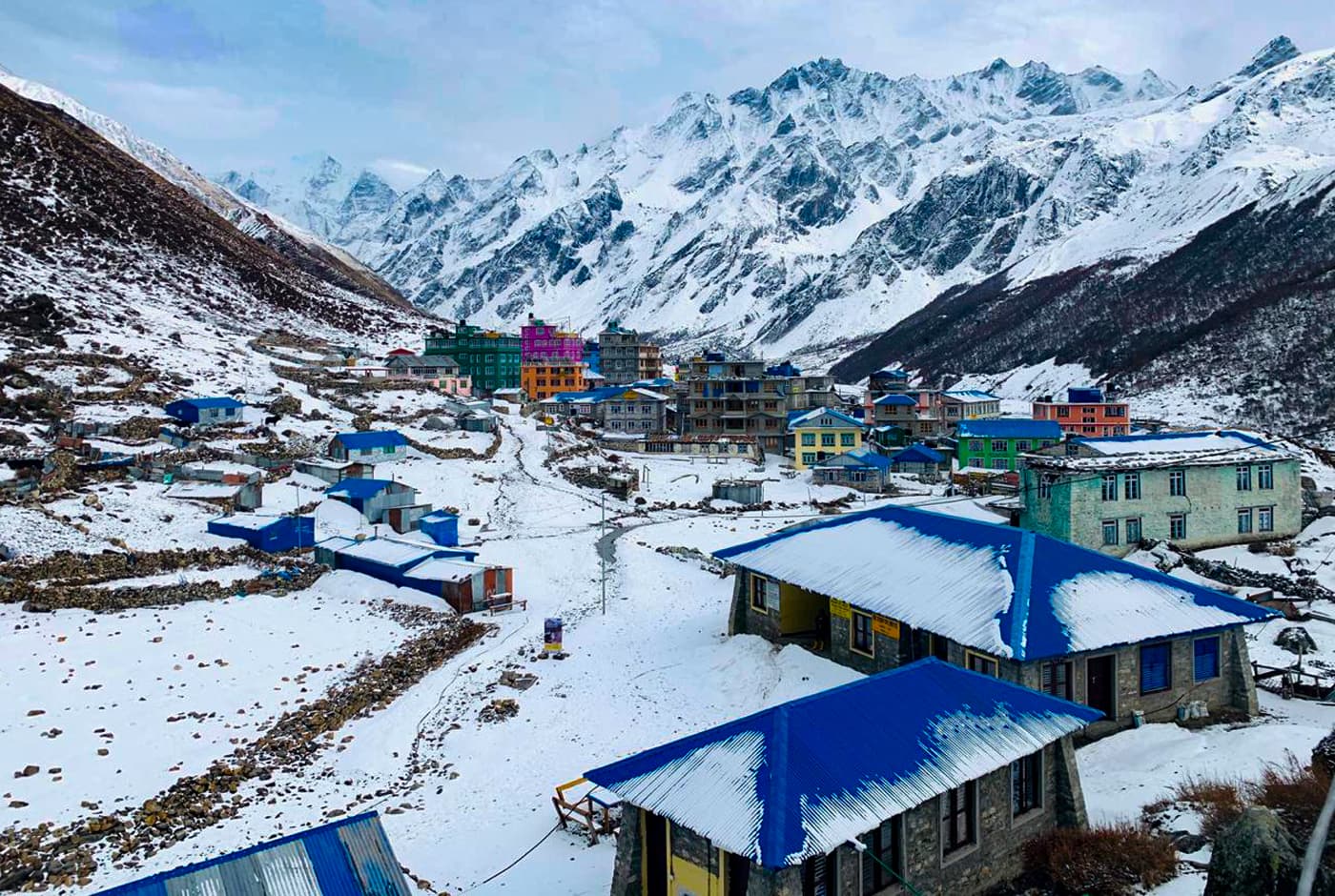
The trail continues through small Tamang settlements. You'll pass through Thangshyap village, and after about 1 hour, reach Gumba Danda. From here, it's another hour of walking before you arrive at Langtang Village, one of the oldest settlements in the region. This historic village provides insight into traditional mountain life and serves as your base for tonight.
The trek to Kyanjin Gompa features a gentle, steady ascent, making it one of the less strenuous days of the Langtang journey and a good opportunity for acclimatization. After breakfast at 7:30 am, you'll set off along the valley floor.
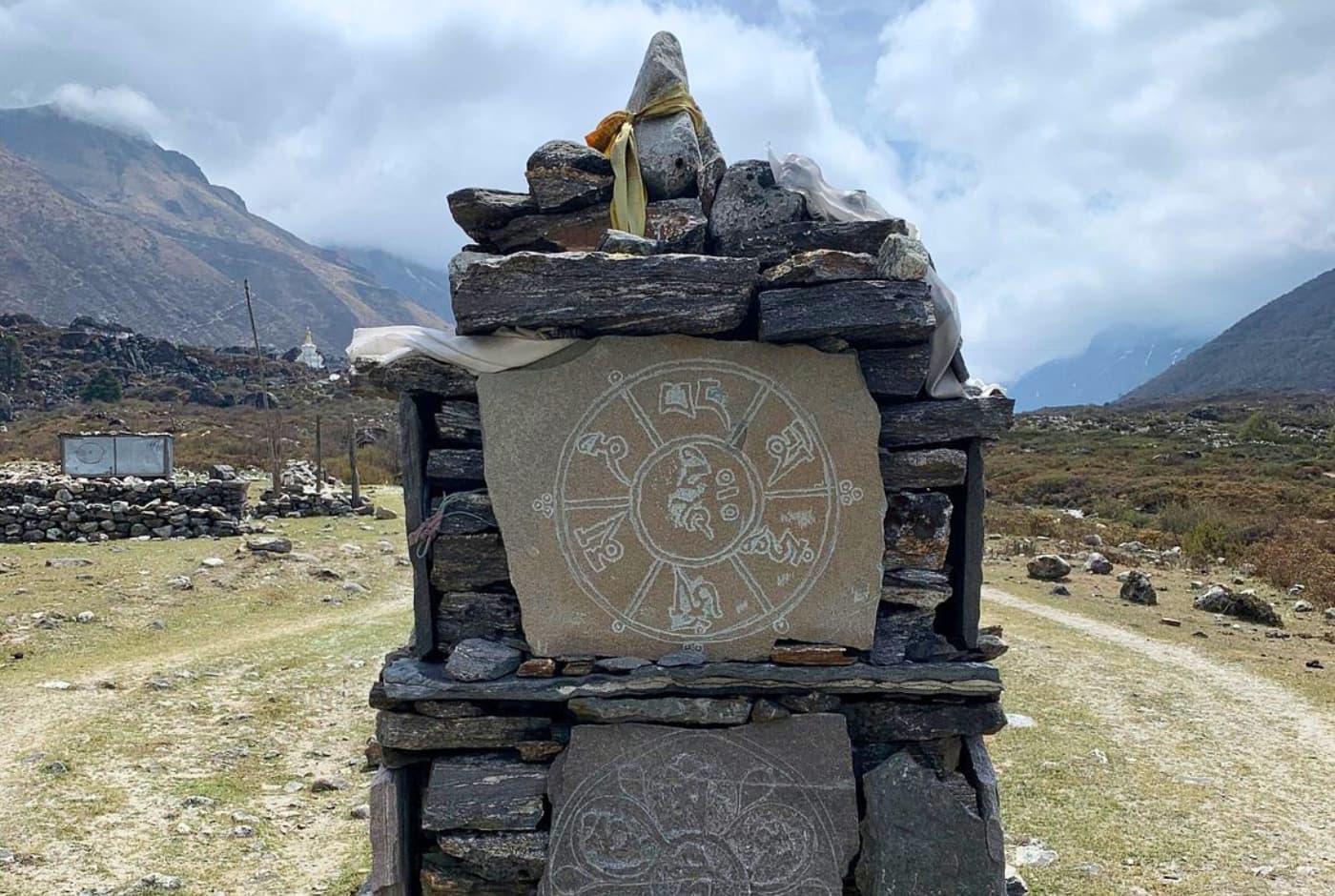
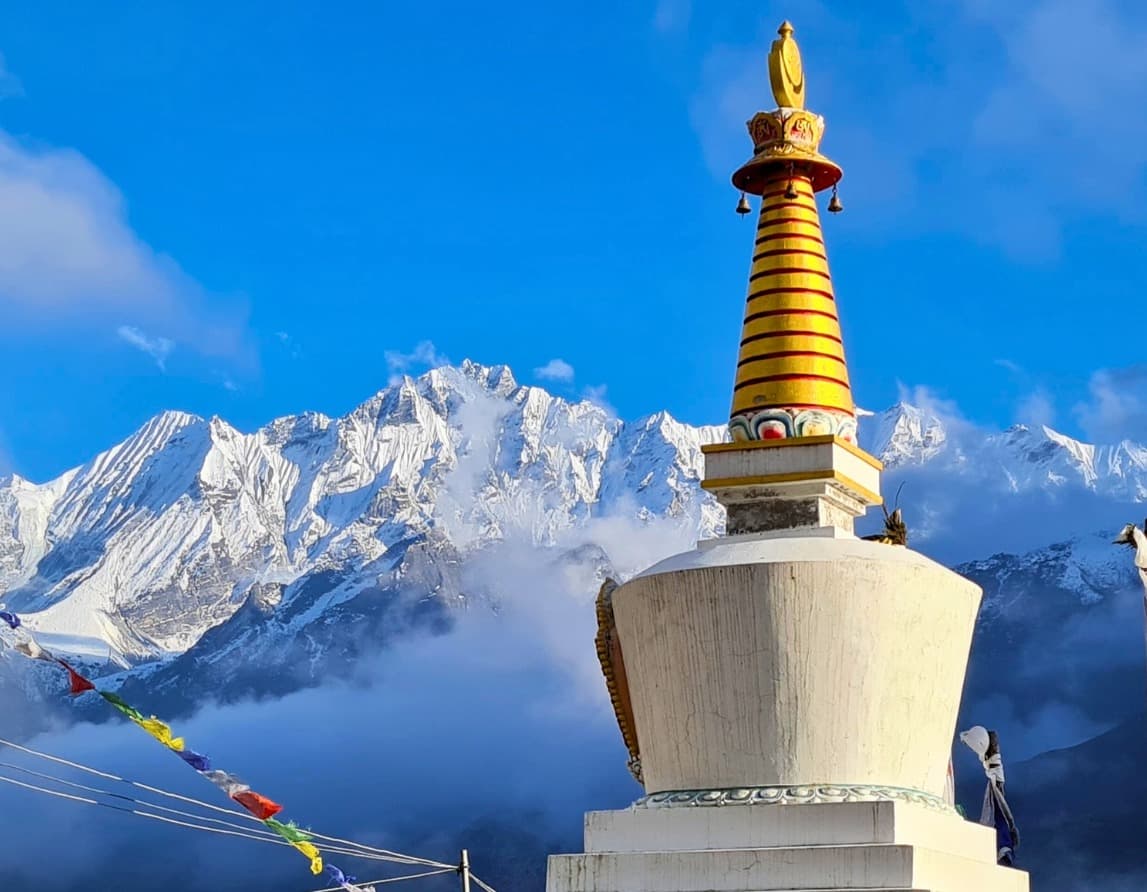
You will pass through significant mani walls and Buddhist chortens that line the trail. After a 1-2 hour trek, the valley opens to spectacular panoramic views of towering peaks, most notably Langtang Lirung (7,227m). You follow the trail toward Sindum, then toward Xampu. Then, you cross the Laja Khola and climb the moraine, going towards the viewpoint to see the delightful Kyanjin Gompa.
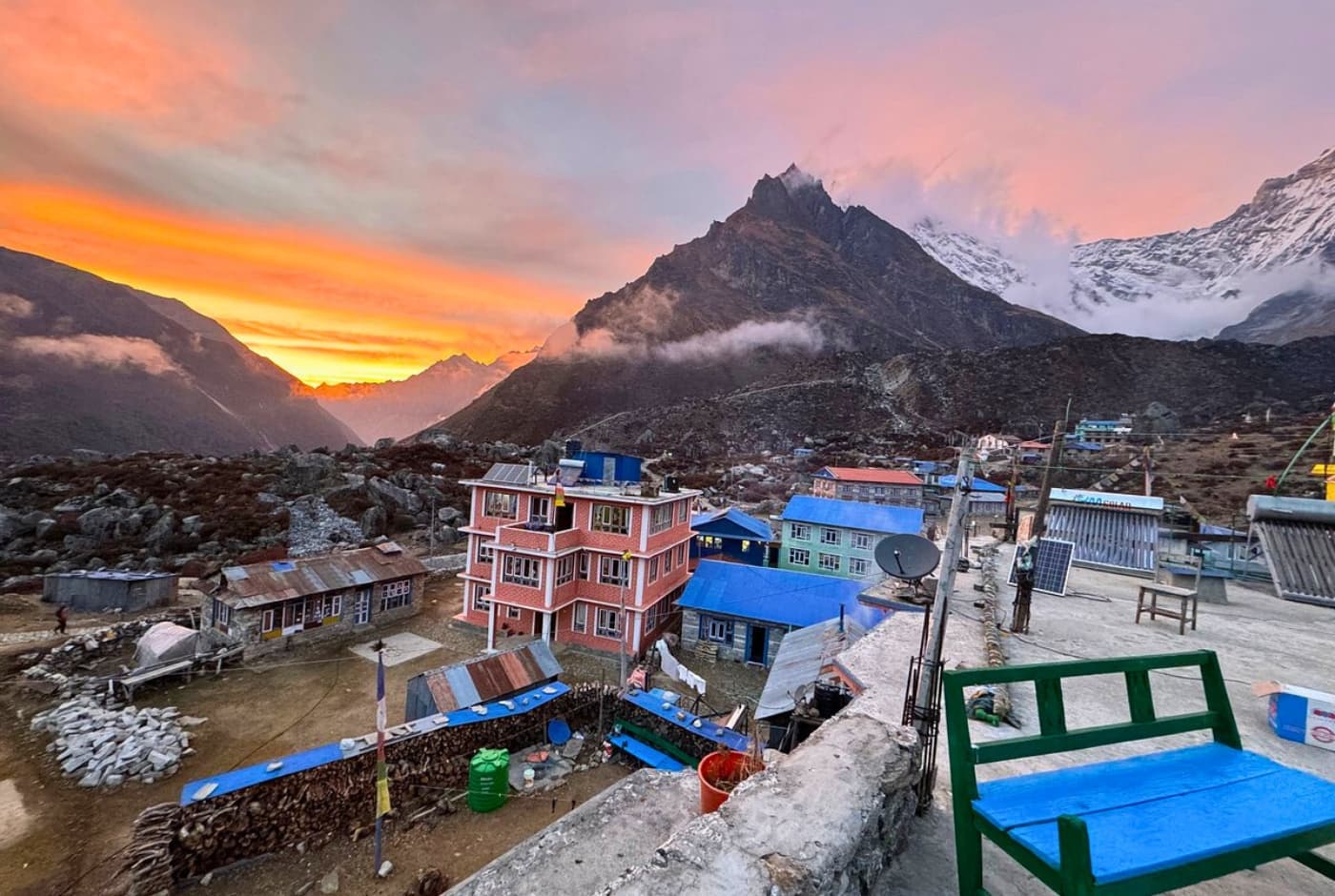
At Kyanjin Gompa, you can visit monasteries, the Yak cheese factory, take breathtaking photos, and observe numerous yaks freely roaming. You can experience the Tamang culture and traditional hospitality.
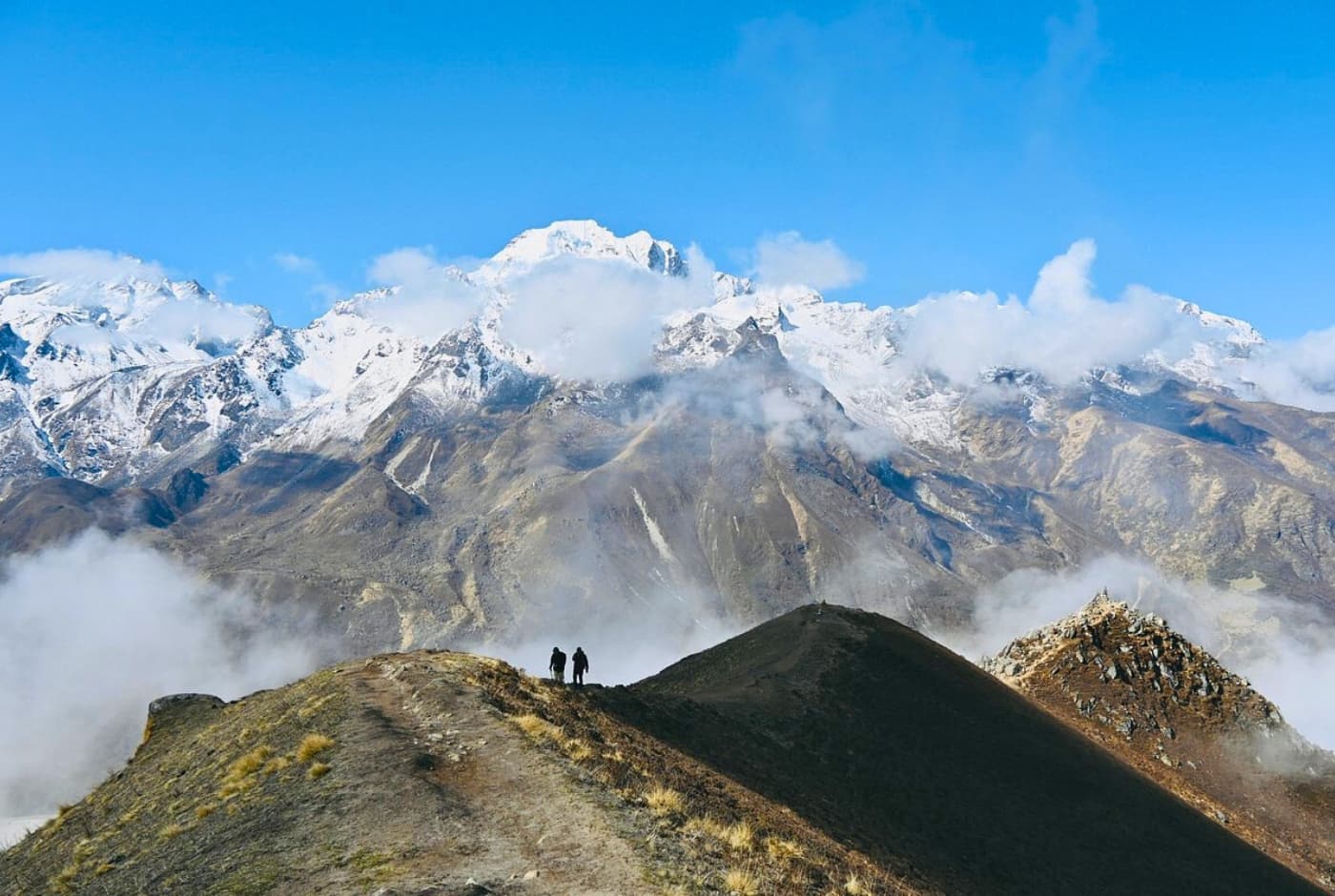
If you're feeling strong and well-acclimatized, you can undertake an optional hike toward Kyanjin Ri (4,773 m). It is a well-marked path, but its ascent is demanding as you gain around 900 meters from Kyanjin Gompa. Although it is quite challenging, the views will mesmerize you with incredible 360-degree panoramas of Langtang Lirung, Langshisha Ri, Dorje Lakpa, glaciers, and the entire Langtang Valley.
Then you will return to Kyanjin Gompa for acclimatization and rest to prepare for tomorrow's more strenuous hike to Chorkari Ri (Tsergo Ri).
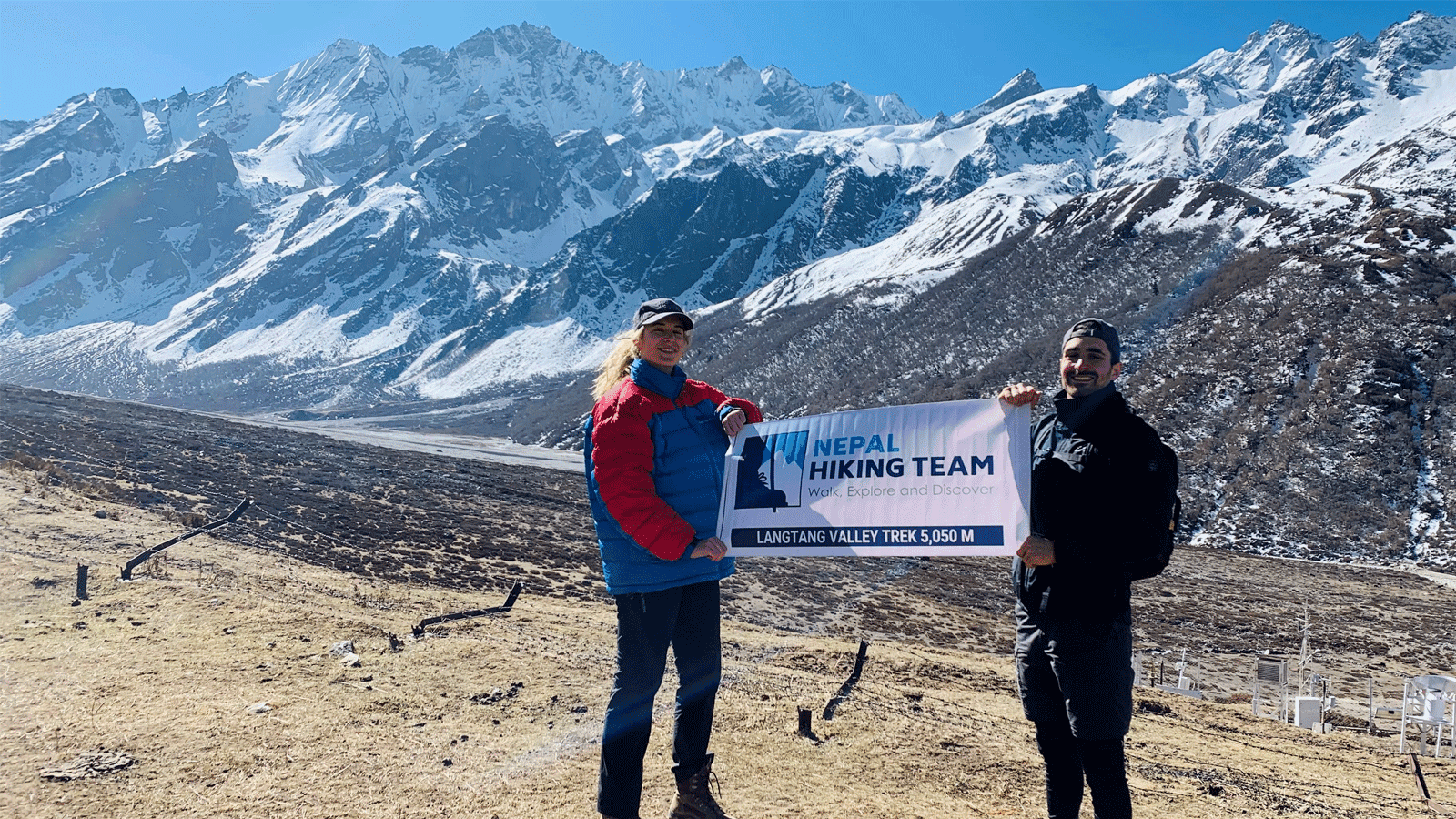
Today is a special day as you'll reach the highest point of this trek at 5,050 meters. Due to the demanding nature of this hike and to avoid strong afternoon winds, you'll have an early breakfast at 5:30 am and begin your ascent by 6:00 am.
Hiking to Chorkari Ri (also known as Tsergo Ri) is more strenuous than the optional hike to Kyanjin Ri. The incline is quite steep, and at this altitude, you'll need to maintain a slow, steady pace. The final kilometer below the summit may have soft snow, which can slow your progress, so factor this into your timing.
On your way up, you can encounter yaks grazing, colorful prayer flags fluttering in the wind, and ancient mani walls. The ascent typically takes around 3-4 hours to reach the viewpoint. The summit offers spectacular 360° panoramic views of Himalayan giants such as Langtang Lirung, Dorje Lakpa, and Shishapangma – a reward that makes every step worthwhile.
You can take photos of the breathtaking views, spend some time on the summit soaking in the achievement, and then carefully descend back to Kyanjin Gompa for rest and further acclimatization.
Today marks the beginning of your descent as you retrace your steps back down the valley. After breakfast at 7:30 am, you'll leave Kyanjin Gompa and head back through the landscapes you've come to know. You'll pass through the beautiful Mundu village, where you can experience traditional Tamang life and see ancient stupas, mani walls, and monasteries.
Mani walls, prayer wheels, and stupas will continue to decorate your trail as you descend. The route passes through Langtang Village and continues down to Ghodatabela. After walking past Ghoda Tabela, you'll reenter the beautiful forest, where the vegetation becomes lusher and the air noticeably warmer as you lose elevation.
You'll pass the trekking lodges at Sherpa Gaon and cross suspension bridges before finally reaching Lama Hotel, where the warmer air feels like a welcome embrace after days at high altitude.
This is the final day of your trek as you head towards Syabru Bensi, the starting and ending point of your Tamang Heritage Trek with Langtang. After breakfast at 7:30 am, you'll begin the last leg of your trekking journey.
The trail passes through dense rhododendron and oak forests, filled with bird songs and the sounds of the forest. You'll cross several suspension bridges and follow the Langtang River as it rushes through the valley. The descent continues past the small villages of Rimche, Bamboo, Pahiro, and Domen, each offering a final glimpse of mountain village life.
By late afternoon, you'll arrive back at Syabru Bensi, completing your circular trek. You can reflect on your journey over dinner and rest well in preparation for tomorrow's drive back to Kathmandu.
We'll leave Syabru Bensi after breakfast and drive back toward Kathmandu, bidding farewell to the beautiful Langtang region. On the way, you will see lush hills, waterfalls, deep gorges, and terraced fields. The vehicle rides past Langtang National Park and through the villages of Trishuli as you return to the capital.
The journey offers time to process your trekking experience and watch the landscape gradually transition from remote mountains to the bustling outskirts of Kathmandu. After arrival in Kathmandu, you can check into your hotel, rest for a while, and explore the city, perhaps picking up souvenirs or enjoying a celebratory dinner.
It's time to head home. Our guide will drop you off at Tribhuvan International Airport (TIA) 3 hours before your scheduled departure, ensuring you arrive on time for your flight.
This time, you will return with unforgettable memories from your Tamang Heritage Trek with Langtang, including beautiful views of towering peaks, warm Tamang hospitality, ancient monasteries, and an incredible journey through one of Nepal's most beautiful regions.

The Langtang Valley is deeply rooted in Tamang heritage, one of Nepal's oldest Himalayan cultures. The Tamang people trace their ancestry to Tibetan origins and have a lifestyle shaped by Buddhism, mountain trade, and pastoral traditions. Prayer flags, mani walls, and daily rituals reflect spiritual continuity across generations. The Tamang language remains widely spoken, preserving identity through oral traditions and ceremonial practices.
Villages such as Gatlang and Briddim showcase traditional stone architecture adapted for alpine conditions. Slate roofs, carved wooden windows, and compact courtyards protect households from harsh winters. Community-based living remains central, especially in Briddim, where homestays reflect authentic village life.
Spiritual life blends Tibetan Buddhism with ancient shamanic beliefs. Local healers, known as Bompo, still perform healing and protective rituals, while monasteries serve as cultural and religious anchors. Following the 2015 earthquake, Langtang demonstrated remarkable resilience. Reconstruction focused on safer building practices, local leadership, and sustainable tourism, allowing trekking to directly support recovery and long-term livelihoods.
The trek passes through Langtang National Park, a protected area known for dramatic ecological diversity. Subtropical forests gradually give way to alpine meadows, glacial valleys, and high Himalayan ridgelines. Wildlife includes red pandas, Himalayan black bears, langurs, and the vividly colored Himalayan monal.
Natural hot springs at Tatopani provide rare opportunities for relaxation along the route. These mineral-rich waters are traditionally believed to relieve muscle fatigue after long trekking days. At higher elevations in the valley, panoramic viewpoints shape the trekking experience. Kyanjin Ri offers a shorter ascent with close glacier views, while Tserko Ri rewards more experienced trekkers with expansive Himalayan panoramas.
Seasonal changes transform the landscape. Spring brings blooming rhododendrons and alpine flowers, while autumn delivers crisp air, golden hillsides, and excellent visibility.
The Langtang Valley Trek is considered easy to moderate, making it suitable for trekkers with basic fitness levels. Trails are well-established, daily distances are manageable, and there are no technical climbing sections. Compared to the Everest and Annapurna routes, the Langtang route involves fewer long ascents and gentler terrain.
The trek begins in Syabrubesi (1,503 meters) and gradually ascends through the valley. The highest point reaches approximately 5,050 meters near Tserko Ri, requiring proper acclimatization. Nepal Hiking Team itineraries are designed to allow safe acclimation to altitude without rushing.
Preparation should focus on cardiovascular endurance and leg strength. Activities such as hiking, stair climbing, cycling, and squats help build stamina. Consistent training improves comfort and reduces fatigue during the trek.
Trekkers require a TIMS card and a Langtang National Park entry permit. Nepal Hiking Team arranges all necessary permits before departure, ensuring a smooth start to the trek. Permit fees contribute to conservation and local infrastructure.
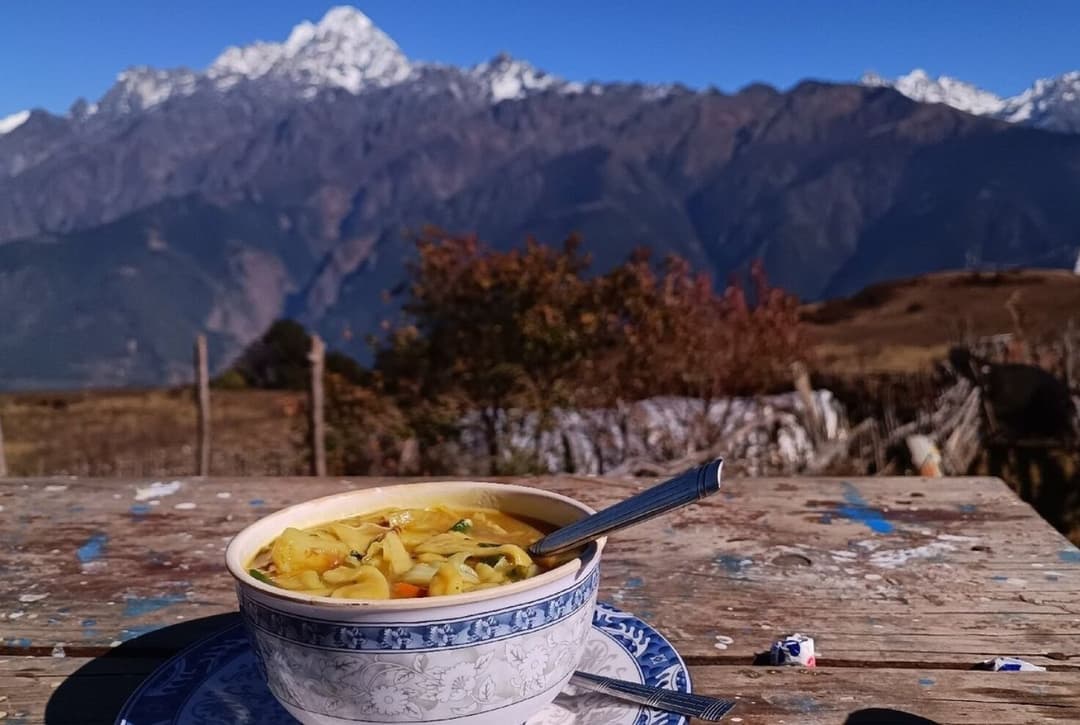
Accommodation is provided in traditional teahouses, with simple private rooms. Dining areas are heated, while bedrooms at higher elevations remain unheated. Charging electronic devices is available in most lodges, usually via solar power, for an additional fee.
Packing layered clothing is essential due to fluctuating mountain temperatures. Warm insulation, waterproof outer layers, sun protection, and sturdy trekking boots are required. Autumn provides clear skies and stable weather, while spring offers warmer days and vibrant natural color. Both seasons are ideal for trekking in Langtang.
Altitude awareness is critical throughout the trek. Symptoms such as headaches, nausea, and fatigue should never be ignored. Nepal Hiking Team follows the principles of gradual ascent and includes rest days to support safe acclimatization.
Safe drinking water is essential. Trekkers are encouraged to use purification tablets or filters instead of bottled water to reduce plastic waste in fragile mountain environments. Both methods are effective at altitude.
Comprehensive travel insurance is mandatory for all trekkers. Policies must cover emergency helicopter evacuation above 4,000 meters. Nepal Hiking Team verifies insurance requirements before confirming bookings, prioritizing safety at every stage.
Read our genuine feedback from past travelers with Nepal Hiking Team sourced from TripAdvisor, Google, Facebook, and Trustpilot.
Nepal Hiking Team designed a private Tamang Heritage and Langtang Valley Trek that was perfectly customized to my needs. This was my third time traveling with them, and once again, they exceeded my expectations.
Mr. Ganga responded very quickly to all my requests, and I trusted his advice on the best time to do the trek. Late November to early December turned out to be ideal, with clear skies, crisp light, and comfortable daytime temperatures.
My guide, Rajesh Gurung, whom I had known from last year, was excellent throughout the trek. He was supported by Porter Rubham (apologies if the spelling is incorrect), and together they took great care of me during the entire journey.
I highly recommend the Tamang Heritage and Langtang Valley Trek for its stunning views of Ganesh and Langtang Himal, charming villages, yak-filled mountain meadows, and landscapes decorated with Buddhist stupas and prayer flags.
+
+
+
We’ve been seriously impressed with the whole package from Nepal Hiking Team right from the first email. Ganga got back to us quickly with an itinerary and price that ticked all the boxes, and he was more than happy to tweak things—including giving us a bit of flexibility with our arrival in Kathmandu, which was ideal.
We were met at the airport and taken to the hotel we’d picked, where we met Ganga in person along with our guide, Hari (Gurung). Straight away, we were sorted with maps, a T-shirt, cap, duffel bag, and offered sleeping bags and down jackets if we needed them—really thoughtful touches.
And honestly, how lucky were we? Hari and our porter, Gakul, were absolute stars. Nothing was too much trouble for them, and they made sure the whole trek was as smooth and comfortable as it could be.
Things took a bit of a turn when I picked up a minor ankle injury at Kyanjin Gumpa. But even then, they handled it brilliantly. They arranged a horse to get me back to the road over two days, changed our overnight stops, and even got me to hospital in Dhunche without any fuss. Their support, good humour, and calm attitude made a stressful situation feel totally manageable—massive thanks to them both.
We’re already talking about coming back, and we’d 100% go with Nepal Hiking Team again—no hesitation. Who knows, maybe next time we’ll catch a glimpse of that elusive red panda ๐ค
We just completed the Langtang Valley Trek with Nepal Hiking Team, and everything was so well organized! The company arranged our accommodation, transport, and three meals a day, making the trek completely stress-free. Our guide, Gokul, was fantastic—super friendly, spoke good English, and knew a lot about the area, always happy to answer our questions. Our porter, Kamal, was also great—he spoke good English and was a lot of fun to be around!
The Langtang trek itself was amazing, and we were lucky with the weather. What made it even more special was Gokul and Kamal, who went above and beyond to take care of us. We’d definitely recommend Nepal Hiking Team to anyone planning a guided trek in Nepal!
We had a fantastic trek up the Langtang Valley organised by Nepal Hiking Team. Ganga worked with our tight time frames and came up with a great itinerary.
The trek itself is challenging, and the altitude is not to be taken lightly, but with the dedicated work of our guides Asha and Porter Bikash, we made it up to Kanjin Ri, and the views were spectacular.
January is a great time to visit Langtang. Clear blue skies and cooler weather make for comfortable trekking and quiet trails, though it does get cold higher up overnight. However, the jacket and sleeping bag provided are of high quality.
I highly recommend Nepal Hiking Team and visiting Langtang in January.
They know exactly what they’re doing and do it with high-level excellence. We were a ragtag team of seven, aged between 40 and 65 years, and they got us safely up to 16,500 feet and back without a problem.
Arun Ji (our guide) was truly special—he could do in advance what we needed, make adjustments along the way, and handle all the twists and turns that come with trekking in remote areas, where access is limited, and you have to adapt and overcome.
Ganga ji (the owner, ji at the end of the name, which is used in terms of respect) was incredibly supportive throughout the planning to end phase. He helped us navigate every shifting date and requirement, tossed in a few extras, and made the whole trip an amazing one.
I highly recommend this team if you’re looking for a personalized trekking experience. Make sure to ask for Arun Ji as your guide—you’ll thank me later!
Langtang is a culturally and naturally wealthy region. With a combination of these routes, you get to witness the rich cultural core of the area. This allows you to immerse yourself in the ironic Tamang culture strongly influenced by Tibetan traditions. Followed by authentic villages, warm hospitality, and stunning mountain views, this combination offers a truly memorable journey.
The altitude of the Tamang heritage has a gradual ascent to the highest altitude of 3,165m, then descends. The route connects with the Langtang trek, which takes over 4,000m. Merging both the treks makes the High altitude manageable. There is less chance of getting altitude sickness as the gradual ascend helps the body acclimate well.
To reach Langtang Tamang Heritage from Kathmandu, you can take a drive to Syabrubesi. Then, upon reaching the village, take a hike to the Gatlang village. The drive usually takes around 7-8 hours in a public vehicle.
Kyanjin Gompa lies at an altitude of 3,830m above sea level. This is the last stop of the Tamang Heritage trek with Langtang. The village is a gateway to many side trips like Kyanjin Ri, Tsergo Ri, Yala Peak Climbing, and many others.
This combined package of Langtang Valley with Tamang Heritage Trail takes 14 days to complete. This includes arrival and departure, driving, and the trekking days. It is an extended version of the Tamang Heritage Trail. Designed for trekkers with extended time and interest in profound trekking experience in the Nepal Langtang region.
Langtang region was highly affected by the 2015 earthquake. Tourism and the local economy of the area were mostly affected. This struck a significant realization about nature's power among the people. Dedication to recovering tourism with sustainability, better teahouses and routes with ensured safety, and better facilities were built.
The teahouses now offer simple but comfortable accommodations with organic farming for their livelihood. The quality of the foods is enhanced with diverse menus to cater. Local communities are more focused on sustainable practices.
There have been noticeable changes in the landscapes and wildlife in Langtang Valley. Changes in the temperature and rainfall patterns have affected the wild species of the area. The spotting of rare animals like red pandas, snow leopards, and Himalayan Tahr has decreased. These animals tend to move to higher elevations due to the warming temperature.
Tamang Heritage Trek with Langtang trekking is done within the Langtang National Park of Nepal, which is rich in flora and fauna. You get ample opportunities to see different wildlife during the adventure.
You might encounter Red Pandas, Snow Leopard, Himalayan Tarh, Musk deer, Langur monkeys, and Himalayan Black Bear. The area is also home to different bird species of over 200. You can spot Himalayan Monal (the National bird of Nepal).
The connectivity of these two trekking routes has positively impacted the region. As Tamang Heritage Trek is a newly exposed trekking destination, it is gaining attraction with Langtang. The local economy has improved.
The cultural trekking attributes of the Tamang Heritage Trek have helped promote and preserve authentic Tamang culture. It has maintained the sustainability of the region's Tamang heritage.
Choosing between these destinations depends on preference, time availability, and trekkers' physical fitness.
Langtang Gosainkunda Trek: This trek is longer than the Tamang Heritage Trek with Langtang. The trek is more focused on the spiritual and scenic beauty of the region. Langtang Gosainkunda trek involves a Laurebina La Pass, which requires good physical fitness. This trek is slightly challenging, with its high altitude and rugged terrain.
Note: This trekking is for trekkers who have extended time and are looking for an adventurous journey with spiritual involvement.
Tamang Heritage Trek with Langtang Trek: This trekking offers profound cultural immersion within Tamang culture and natural beauty. Tamang Heritage Trek primarily focuses on the indigenous Tamang community of the area. You get to explore and participate in the cultural programs, with visits to authentic villages of the region. Followed by the richness of culture, the journey is less challenging and suitable for everyone.
Note: This trek is for trekkers who are looking for a profound cultural immersion with natural beauty in a shorter time.
There is constant altitude change during this combined trek, so it is essential to ensure safety against high altitude. Some of the ways to prevent altitude sickness are:
Acclimatization: Follow our given itinerary. Each itinerary is designed with the required rest days for the trek.
Keep yourself hydrated.
Follow the diet rules provided by the designated guide.
Slow and steady ascend.
Co-operate with the guide instructions.