7 Days
Check Our Risk-Free Booking Policy View Details

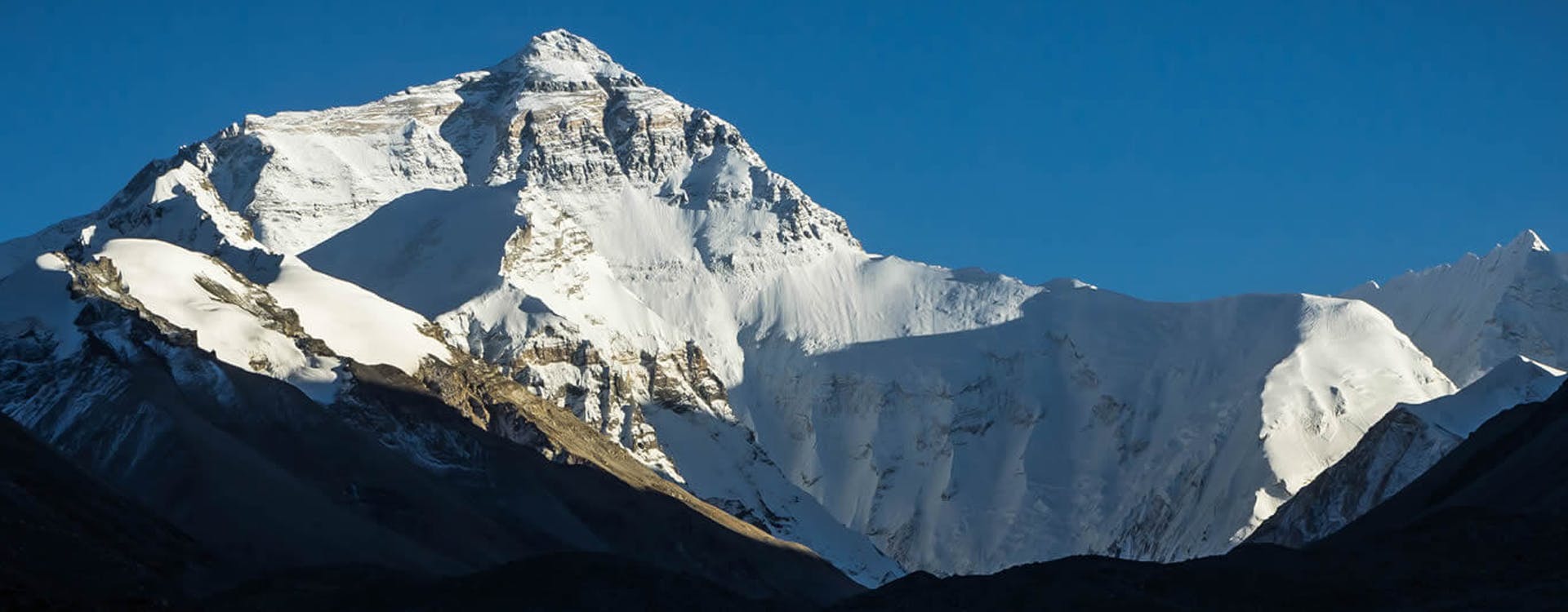
The Tibet Everest Base Camp Trek offers a full week to experience the best of Tibet, both its culture and its wild, high-altitude scenery. You'll start in Lhasa, a city packed with history, and make your way overland to the North Face of Mount Everest. After that, you'll head out toward Nepal. This isn't just about racing to Everest—it's about seeing the bigger picture. Along the way, you'll visit ancient monasteries, wander through sacred landscapes, and stop in traditional Tibetan towns. The route is easy on the altitude adjustment, so it works whether you're new to Tibet or you've been to the Himalayas before.
Most of the time, you'll travel in a vehicle, but there are a few short walks to get you closer to the action. No need for technical trekking skills here. You get a real taste of high-altitude adventure, but with enough comfort and cultural stops to keep things interesting.
If you want to see Tibet and Everest Base Camp at their best, go in spring or autumn. Between April and June, the skies open up, temperatures are comfortable, and Everest stands out in all its glory. Fall—think September and October—brings dry days, sharp, clear air, and those jaw-dropping long-distance views everyone talks about.
If you plan to visit Tibet, you'll need to have your paperwork in order in advance. Foreign visitors can't just wander in on their own—independent travel isn't allowed. First, you have to get a Chinese visa. Once you have that, you'll need to go through a registered tour operator to arrange a Tibet Travel Permit. Planning to see Everest Base Camp or head to the border? That takes extra permits, too. You'll need to have everything approved and processed before you even arrive in Lhasa.
This trip takes you along one of Tibet's most stunning—and altitude-friendly—routes. You start off in Lhasa, soaking up its rich culture and letting your body adjust to the elevation before heading higher.
Leaving Lhasa, you'll wind through Gyantse and trace the edge of Yamdrok Lake, its waters a brilliant turquoise against the mountains. The road climbs over high passes and cuts through glacial landscapes to Shigatse. Then, you push on into the Everest National Nature Reserve, where you get those wide-open views from Gyatsola and Gawula passes before rolling into Everest Base Camp on the Tibetan side.
After Everest, the journey descends into the Gyirong Valley. It's a breath of fresh air—literally—since the lower altitude gives you a chance to recover from those high mountain days. Finally, you cross overland at Gyirong Port and wind through the green foothills of Nepal, ending up in Kathmandu.
It's a real adventure: culture, jaw-dropping scenery, and a route that actually lets you enjoy the high altitude without knocking you flat.
| Package Name | Primary Focus | Duration | Approx. Price (USD) | Key Distinctive Feature |
| Kailash Mansarovar Tours | Spiritual / Trekking | 16 Days | $3,180 | The Sacred Circuit: Includes a 3-day high-altitude trek (Kora) around Mt. Kailash at 5,630m. |
| Journey Lhasa to Kathmandu | Overland Adventure | 7 Days | $2,100 | The High-Road Crossing: A scenic one-way road trip crossing the Tibetan plateau into the Nepal valleys. |
| Glimpse of Tibet Tours | Cultural / Efficient | 5 Days | $995 | The City Highlight: Fly-in/fly-out tour focused exclusively on the palaces and monasteries of Lhasa. |
| Nepal Tibet and Bhutan Tours | Multi-Country | 16 Days | $2,850 | The Triple Kingdom: Covers Nepal's heritage, Tibet's Potala Palace, and Bhutan's Tiger's Nest in one trip. |
Day 01 introduces you to the Tibetan Plateau and is intentionally designed for rest, orientation, and acclimatization to altitude, which are critical to a successful Tibet journey.
Upon arrival at Lhasa Gonggar Airport or Lhasa Railway Station via the Qinghai–Tibet Railway, you are greeted by your licensed Tibetan guide with a traditional Hada ceremonial scarf, symbolizing peace, respect, and safe travels.
You then transfer to your hotel in central Lhasa, driving through the expansive river valley formed by the Yarlung Tsangpo and Lhasa Rivers. This scenic introduction provides a clear visual understanding of Tibet’s high-altitude geography, with vast plains, distant snow-dusted mountains, and a thin, luminous sky characteristic of the plateau.
The remainder of the day is reserved exclusively for acclimatization. Proper rest on arrival significantly reduces the likelihood of altitude sickness later in the itinerary. Light movement around the hotel area is acceptable, but strenuous activity, sightseeing, and uphill walking should be avoided. Hydration is essential, and meals should be light and carbohydrate-based to support oxygen efficiency.
Accommodation is arranged in a Tibetan-owned hotel, supporting local communities while offering an authentic introduction to Tibetan hospitality. Your guide provides a brief orientation covering cultural etiquette, altitude awareness, and expectations for the coming days, ensuring you are well prepared and free from physical strain.
You spend the night in Lhasa, allowing your body to adjust naturally to the altitude before beginning full sightseeing the following day.
Today focuses on Tibetan monastic life and Buddhist learning, offering deep cultural insight while maintaining a safe pace for ongoing acclimatization to altitude. After breakfast, you begin your guided tour of Drepung Monastery, once the world's largest monastery and an important center of religious, political, and academic life in Tibet. Walking through its vast assembly halls and monk quarters provides a clear understanding of how monastic communities functioned at their peak.
You then continue to Sera Monastery, one of Lhasa's great Gelugpa monasteries. The visit coincides with the renowned monk debate sessions, where monks practice Buddhist philosophy through logical reasoning, gestures, and verbal exchange. This living tradition offers a rare opportunity to witness Tibetan Buddhism as it is actively practiced today.
The day is carefully structured to balance cultural immersion with physical moderation, ensuring your body continues to adapt to the altitude without unnecessary strain. Throughout the tour, your guide explains religious symbolism, daily monastic routines, and the historical role monasteries played in Tibetan society.
You return to your hotel in Lhasa in the late afternoon, with time to rest and reflect on the day's experiences.
Today, we explore the spiritual, historical, and architectural heart of Tibet, offering a comprehensive understanding of Lhasa’s central role in Tibetan identity. The day begins with a visit to the iconic Potala Palace, a UNESCO World Heritage Site that dominates Lhasa's skyline. Once the winter residence of the Dalai Lama, the palace houses sacred chapels, ancient scriptures, and royal tombs, providing deep insight into Tibet’s religious and political history.
You then continue to Jokhang Temple, widely regarded as Tibet's most sacred temple. Pilgrims from across the plateau gather here to perform prostrations and prayers, creating an atmosphere of profound devotion. The visit offers a firsthand view of Tibetan pilgrimage practices and living faith.
The experience is completed with a walk along Barkhor Street, the ancient circumambulation route surrounding Jokhang Temple. This vibrant area combines religious tradition with daily local life, where prayer wheels turn alongside market stalls and traditional shops. A stop at a local Tibetan tea house allows you to observe everyday social life while sampling regional tea culture.
You return to your hotel in Lhasa, concluding a day that blends sacred heritage, local interaction, and cultural continuity, while remaining mindful of altitude considerations.
Today begins your overland journey across the Tibetan Plateau, transitioning from the Lhasa Valley toward western Tibet through some of the region’s most celebrated landscapes. Leaving Lhasa, the drive climbs steadily to Gampala Pass, where expansive views open over the turquoise waters of Yamdrok Lake, one of Tibet’s most sacred and visually striking lakes. The contrast between deep blue water and arid mountain ridges offers a defining image of high-altitude Tibet.
Continuing west, the route passes rural villages, yak pastures, and glacial terrain, including a stop near the Korola Glacier, where ice flows descend to within a few meters of the roadside. The journey then reaches the historic town of Gyantse, a major cultural crossroads in central Tibet. Here, you visit Pelkor Chode Monastery and the remarkable Gyantse Kumbum, a multi-level stupa adorned with chapels, murals, and statues representing centuries of Tibetan Buddhist art.
After Gyantse, the drive continues across open plateau landscapes toward Shigatse, Tibet’s second-largest city and an important administrative and religious center. The gradual ascent and steady pace of travel support continued acclimatization, while the changing scenery reflects the vast geographic scale of the plateau.
You arrive in Shigatse in the late afternoon and transfer to your hotel, concluding a day defined by scenic mountain passes, sacred lakes, and historic monasteries as the journey nears the Himalayas.
Today is one of the most anticipated and dramatic days of the journey, taking you deep into the Himalayan heartland and toward the North Face of Mount Everest. Departing Shigatse, the drive follows a well-engineered high-altitude route across vast plateau landscapes, where grasslands, nomadic settlements, and distant snow peaks define the horizon.
The road ascends to Gyatsola Pass, where, weather permitting, you catch your first direct view of Mount Everest rising above surrounding peaks. Continuing onward, you enter the Everest National Nature Reserve, a protected region that preserves the fragile alpine ecosystem and offers some of the finest mountain scenery in Tibet.
A major highlight of the day is the stop at Gawula Pass, widely regarded as one of the best panoramic viewpoints in the Himalayas. From here, you can see five of the world’s fourteen 8,000-meter peaks, including Everest, Lhotse, Makalu, Cho Oyu, and Shishapangma, creating a rare and unforgettable mountain panorama.
The final approach leads to Everest Base Camp on the Tibetan side, accessible by vehicle and offering a close, unobstructed view of Everest’s massive north face. As the light changes toward evening, the mountain’s scale and presence become especially striking, making sunset at base camp a powerful and memorable experience.
You then proceed to your accommodation near Rongbuk, located beneath the towering north face of Everest. The altitude is high, and conditions are basic, but the setting is unmatched anywhere in the Himalayas. Careful pacing, hydration, and rest are essential at this elevation.
You spend the night near Everest Base Camp, surrounded by silence, vast skies, and the immense presence of the world’s highest mountain.
Today marks a significant transition in both landscape and altitude, as the journey moves away from the high Himalayan plateau and descends toward the greener valleys near the Nepal border. The day begins with a visit to Rongbuk Monastery, the highest monastery on Earth. Set beneath Everest’s north face, the monastery offers a powerful sense of scale and spirituality, blending remote monastic life with one of the world’s most dramatic mountain backdrops.
Leaving the Everest region, the drive continues across open highland terrain with expansive views of snow-covered peaks. The route passes near Mount Shishapangma, the only 8,000-meter mountain located entirely within Tibet. Along the way, you also pass Pelku Tso Lake, whose deep blue waters contrast sharply with the surrounding arid plains and distant glaciers.
As the road gradually descends, the environment begins to change noticeably. Dry plateau landscapes give way to forested slopes, flowing rivers, and fertile valleys as you approach Gyirong. This dramatic shift in scenery is accompanied by a welcome drop in altitude, allowing your body to recover after the extreme elevation of Everest Base Camp.
Gyirong Valley is known for its mild climate, lush vegetation, and traditional villages, offering a striking contrast to the stark Himalayan environment experienced earlier in the journey. Upon arrival, you transfer to a local guesthouse, where you spend the evening resting and enjoying the quieter surroundings.
You spend the night in Gyirong, taking advantage of the lower-altitude conditions while preparing for the border crossing into Nepal the following day.
The final day of the journey completes the overland crossing from Tibet into Nepal, offering a clear transition between two distinct Himalayan cultures. Departing Gyirong, you drive to the Gyirong Port, where border formalities are completed on both the Tibetan and Nepali sides. After exiting Tibet, you bid farewell to your Tibetan guide and meet your Nepali team, marking the official entry into Nepal.
Once across the border, the landscape changes quickly. High alpine valleys give way to terraced hillsides, river gorges, and rural settlements, reflecting Nepal’s lower altitude and subtropical environment. The drive toward Kathmandu follows winding mountain roads alongside rivers and forested slopes, providing continuous views of everyday village life in the Himalayan foothills.
As you approach the Kathmandu Valley, population density increases and the scenery becomes more urban, with traditional houses, temples, and roadside markets lining the route. The contrast with the Tibetan Plateau is immediate, highlighting differences in architecture, climate, and daily rhythm.
Upon arrival in Kathmandu, you are transferred to your hotel, concluding a journey that has crossed some of the most remote and spectacular regions of the Himalayas. The lower altitude allows for comfortable rest, while the city offers access to international flights, cultural sightseeing, and onward travel within Nepal.
You spend the night in Kathmandu, bringing your Tibet and Everest Base Camp journey to a close, enriched by dramatic landscapes, deep cultural encounters, and a full Himalayan overland crossing.
Your Tibet Everest Base Camp Overland Tour with Nepal Hiking Team means traveling with a well-established, highly rated Himalayan specialist that values safety, clarity, and personalized service. From permits and logistics to experienced guides and transparent pricing, every detail is handled carefully, allowing you to focus fully on experiencing Everest’s North Face, Tibetan culture, and one of the world’s most remarkable overland journeys.
Tibet operates under strict travel regulations for foreign visitors. Independent travel is not permitted, and all travelers must be part of a pre-arranged tour organized by a registered tour operator. A licensed Tibetan guide and private transportation are mandatory throughout the journey. The full itinerary must be approved in advance by the authorities, so route changes, side trips, or schedule adjustments during the tour are generally not permitted. These regulations are standard across Tibet and are designed to manage tourism responsibly in this remote region.
This journey requires several official permits issued by different authorities. These include the Tibet Travel Permit for entry into Tibet, the Alien’s Travel Permit for travel beyond Lhasa, the Border Permit for the Everest Base Camp and Gyirong regions, and the Everest National Nature Reserve Permit. All permits must be processed and approved before arrival in Tibet. Because of this multi-step approval process, advance planning is essential, and last-minute bookings are often not feasible, especially during peak travel seasons.
Most travelers entering Tibet from Nepal use a Chinese Group Visa, which is processed in Kathmandu before departure. This visa is issued as a single-group document rather than as an individual passport stamp. Once the group visa is issued, any existing individual Chinese visa becomes invalid for the duration of the tour. All travelers must enter and exit China together as part of the same group, and travel dates must exactly match the approved itinerary.
The most favorable times to travel to Tibet’s Everest Base Camp are from April to June and September to October. During these months, weather conditions are generally stable, skies are clear, and the visibility of Everest’s North Face is at its best. Spring offers comfortable daytime temperatures and blooming highland landscapes, while autumn brings crisp air and sharp mountain views. Winter tours are possible and far less crowded, though temperatures drop significantly, especially at night. Summer travel typically features warmer conditions but may include occasional rain and cloud cover.
While this journey is largely vehicle-based, altitude remains a serious consideration. The route gradually increases in elevation, allowing the body time to adjust naturally. Adequate acclimatization time is built into the itinerary, particularly in Lhasa, before continuing west toward higher regions. Mild symptoms such as shortness of breath, headaches, or fatigue are common at high altitude but usually manageable with proper hydration, rest, and a steady pace.
Accommodation in Lhasa and Shigatse consists of comfortable three-star hotels with clean rooms, private bathrooms, and reliable service. As the journey moves into more remote areas, accommodation standards become simpler. Guesthouses at Everest Base Camp and Gyirong provide basic facilities, limited heating, and shared bathrooms. These conditions reflect the region's isolation and extreme altitude and are typical for travel in these areas.
A mix of Tibetan, Chinese, and limited Western-style meals is available throughout the journey. In major towns such as Lhasa and Shigatse, restaurants offer a broader menu. At higher elevations, food options become more limited, with simpler dishes focused on warmth and energy. Travelers with dietary restrictions or special meal requirements should inform the tour operator in advance, as flexibility decreases in remote locations.
This is an extended overland journey across the Tibetan Plateau, covering long distances through high-altitude landscapes. Road conditions vary depending on location and weather, and some days involve several hours of driving. The pace of travel is balanced with regular stops for sightseeing, photography, and rest, allowing travelers to enjoy the scenery while adjusting comfortably to the altitude.
Weather conditions in Tibet vary significantly with altitude, location, and time of day. Daytime temperatures can feel relatively mild under clear skies, particularly in Lhasa and lower valleys, but temperatures drop sharply after sunset. Near Everest Base Camp, cold nights are common even during peak seasons. Sudden changes in weather, including strong winds and occasional snow, are possible at higher elevations. Dressing in warm, layered clothing is essential year-round to stay comfortable and protected.
Internet access is limited across much of Tibet and becomes increasingly unreliable as you move away from major towns. Wi-Fi is often available in hotels in Lhasa and Shigatse, though speeds can be slow and access may be restricted. In remote areas such as Everest Base Camp and Gyirong Valley, connectivity is minimal or unavailable, making this journey an opportunity to disconnect from daily routines.
Electricity is generally available in cities and larger towns, but access becomes less consistent in remote regions. Some guesthouses offer charging facilities for phones and cameras, often for a small additional fee. Power outages can occur, especially at high altitudes, so carrying a power bank or spare batteries is strongly recommended.
Comprehensive travel insurance is mandatory for this tour and must cover high-altitude travel, medical treatment, and emergency evacuation. Medical facilities are limited outside Lhasa, and access to advanced care becomes increasingly restricted in remote areas. Being properly insured ensures peace of mind and access to assistance in the event of illness, injury, or altitude-related issues.
Tibet is a deeply spiritual region where religion shapes daily life. Visitors are expected to dress modestly, particularly when entering monasteries and religious sites. Walking clockwise around temples, stupas, and prayer wheels is customary and shows respect for local traditions. Always ask permission before photographing people, monks, or religious interiors, and follow your guide’s advice to avoid unintentionally causing offense.
Outdoor photography is generally permitted throughout Tibet, especially in landscapes and public areas. However, photography inside monasteries and temples is often restricted or requires a special fee. Rules vary by location and should always be respected. The use of drones is strictly prohibited in Tibet without prior government authorization, and bringing or flying a drone may result in confiscation or legal action.
The journey concludes with an overland border crossing at Gyirong, where immigration formalities are completed on both the Tibetan and Nepalese sides. Processing times can vary depending on traffic, weather conditions, and local regulations. While the crossing is straightforward, delays are possible, so maintaining flexibility in onward travel plans on the final day is strongly recommended.
Read our genuine feedback from past travelers with Nepal Hiking Team sourced from TripAdvisor, Google, Facebook, and Trustpilot.
Only 5 stars are not enough to rate the wonderful experience we had with Nepal Hiking Team. From the very beginning, Mr. Ganga was incredibly helpful and gave great advice to create an unforgettable journey.
We traveled with them for a month through the Himalayas, including Bhutan, Tibet, and Nepal, along with the Everest Trek. Every detail was perfectly arranged; knowledgeable guides offering insight into these amazing countries, well-located hotels, delicious food (sometimes too much!), and most importantly, incredible personal support.
We are deeply grateful for the care the whole team showed when a serious medical condition arose. Their flexibility, kindness, and support went far beyond anything we could have expected.
Thanks to all the members of Nepal Hiking Team we had the chance to meet, and especially to Mr. Ganga and Mr. Santosh, to whom we probably gave more than one headache.
We travel often, and strongly recommend anyone heading to the Himalayas to go with Nepal Hiking Team. They are without a doubt the best choice you can make. Until we meet again, you will always have a place in our hearts.
I had the great opportunity to join the Nepal Hiking Team and experience the two-week base camp Everest trekking during the last week of September and the first of October 2024.
Everything was great from the very first second I set foot in Nepal to the last moment of farewell at the airport. It was such a fulfilling and exciting experience, and this great time was only possible thanks to my guide, Ram and his assistant, Bishnu. They made this journey possible and doable, keeping the spirit high even in the most challenging moments.
There was not a single second where I and the rest of my group companions did not feel safe with them. They were handling everything with the best professionalism and resourcefulness, especially when the most unexpected, snowy conditions occurred.
Thanks a million for this lifetime experience.
Robert
I just completed trekking in Nepal together with another solo traveler. The service of Nepal Hiking Team was exemplary from the start till the end. Nothing beats word-of-mouth good reviews.
Mr. Ganga has been very responsive to queries from Day 1 and was physically present even on the last day to officially close the loop for the package tour.
Our guide Bibek was very patient and sincere as he led us through the trek. He resolved issues with his heart and people skills and gave assurance whenever plans suddenly changed.
He ensured things were changed for the better. Our porter, Rajendran, was also good and always arrived ahead of time to ensure our rooms were confirmed.
- Guided by Bibek Dhamala
We had the best time in Nepal. The beautiful views and warm hospitality of the Nepali people are truly unparalleled.
Instrumental to our amazing experience were our guide, Netra, and porter, Vasu.
We were super well taken care of. Netra was quick to assess our physical abilities and was able to effectively set the pace for our hikes. He had very good knowledge of the route and terrain. Importantly, this was our first time attempting a hike at a high altitude, so he took extra care to check on us regularly.
On a personal note, proper gear, including a powerful down jacket for -20 degrees Celsius and a proper hiking backpack, is super essential.
Overall, I would highly recommend the Nepal Hiking Team and Netra/Vasu for your Nepal adventure!
We were a group of 17 people from California who had been preparing for a year for this trip. Nepal Hiking Team was referred to us by one of my friends. After talking to & interviewing several companies, NHT seemed very responsive, cost-effective & experienced. After the trip, they proved us nothing less.
Their guides are top-of-the-line, very kind, and helpful. They made sure we all were prepared for the next day, set our expectations rights, & guided us through managing altitude sickness.
We all made it to Nepal and came back happy and healthy.
We all thank NHT for making our dream come true, and looking forward to many more with them.
Booking with us is an easy hassle-free process.
To book your trip with NHT, all you have to do is follow three simple steps.
Step 1: Check out the itinerary on our website or as per email correspondence. We can also further customize the itinerary to suit your preference if you want to change it.
Step 2: If the itinerary suits your preference, contact us to ask about its availability or check our website’s departure dates.
Step 3: We require you to deposit 20% of the total cost and send a photocopy of your passport to confirm your booking. You can pay the rest of the balance after you arrive in Nepal/Kathmandu either by card or cash in US dollar.
In case of any confusion, you can contact us and we’ll reply back with a clear solution.
The cancellation and refund policies are clear and simple. If a situation arises in which you need to cancel your trip, all you have to do is send us a trip cancellation request. And then we will proceed with your cancellation process. We ensure that the process will be smooth and hassle free.
As for the refunds, we apologize to inform you that the 20% of the deposit that was made to confirm your booking will not be refunded. This amount will be considered a cancellation fee.
We do not encourage our clients to cancel the trip with us. Instead, you can postpone the trip to a later date without losing a penny.
Yes! We offer a free postponement service to all our clients. In case you need to postpone the trip due to travel restrictions or any kind of issue, you can do so by choosing a date that is convenient for you.
Note: Please be sure to inform us two weeks prior to your trip departure date. This will give us enough time to make all the arrangements and ensure you have a smooth trip.
Nepal Hiking Team has been organizing Himalayan journeys since 2009 and is known for managing complex, high-altitude trips that require strict coordination and advance planning. The Tibet Everest Base Camp Overland Tour requires permits, regulated routes, licensed guides, and cross-border logistics, all of which are managed by Nepal Hiking Team to ensure a smooth, well-structured experience from start to finish.
The company is led by professionals with decades of combined experience guiding in high-altitude regions of Nepal and Tibet. This experience is reflected in realistic itineraries, proper acclimatization planning, and an in-depth understanding of Tibetan travel regulations, road conditions, and seasonal challenges associated with overland journeys across the Tibetan Plateau.
Nepal Hiking Team focuses on transparent pricing, accurate trip descriptions, and reliable service rather than selling low-cost packages with hidden limitations. By working directly with licensed Tibetan partners instead of third-party resellers, the company maintains control over guide quality, transport standards, and overall trip safety.
Yes. All Tibet tours are operated in cooperation with officially registered Tibetan tour operators. Licensed English-speaking Tibetan guides and approved vehicles are required under Chinese regulations, and Nepal Hiking Team ensures full compliance.
Nepal Hiking Team manages the entire process, including Tibet Travel Permits, Alien’s Travel Permits, Border Permits, Everest National Nature Reserve permits, and the Chinese Group Visa. Travelers are guided step by step through document submission, timing, and entry requirements to avoid complications at the border.
Thousands of verified reviews across TripAdvisor, Google, and other platforms consistently highlight Nepal Hiking Team’s professionalism, clear communication, and dependable on-ground support. These reviews reflect the same standards applied to Tibet journeys, where planning accuracy and operational reliability are especially important.
Yes. Most travelers must arrive in Kathmandu before the Tibet Everest Base Camp Overland Tour begins. This is required because the Chinese Group Visa, which is required to enter Tibet from Nepal, is processed in Kathmandu. Arriving in advance ensures there is sufficient time to complete all visa formalities before departure.
Travelers should plan to stay in Kathmandu for approximately three to four working days to process their visas after submitting their passports. During this period, Nepal Hiking Team handles the application process, while travelers are free to explore the city or prepare for the journey.
The Chinese Group Visa is a special visa issued specifically for travelers entering Tibet from Nepal. It is issued as a single document covering all group members ````and replaces individual Chinese visas. This visa is mandatory for overland travel to Tibet and is required by Chinese authorities.
No. Once the Chinese Group Visa is issued, any existing individual Chinese visa becomes invalid for the duration of the tour. This is a standard regulation and applies to all travelers entering Tibet from Nepal under a group visa.
Yes. All travelers listed on the Chinese Group Visa must enter and exit Tibet together on the same dates. Independent entry or exit is not permitted, and travel dates must strictly match the approved itinerary.
Travelers must provide a valid passport with sufficient validity, passport-sized photographs, and completed personal details. Nepal Hiking Team provides clear guidance on document submission and handles all permit applications on the traveler’s behalf.
It is recommended to book the Tibet Everest Base Camp Overland Tour at least four to six weeks in advance. This allows sufficient time for processing the Tibet Travel Permit, additional regional permits, and the Chinese Group Visa. During peak travel seasons, booking earlier improves availability and reduces the risk of delays.
A deposit is required to secure your place on the tour and to begin the visa and permit application process. The exact amount is confirmed at the time of booking and depends on group size and travel dates.
The remaining balance is typically paid in Kathmandu before the tour departs, once all permits and visas have been approved and confirmed.
Nepal Hiking Team accepts bank transfers, credit card payments, and cash payments in Kathmandu. Detailed payment instructions are provided after booking confirmation.
If permits or visas are denied due to reasons beyond the traveler’s control, Nepal Hiking Team assists with refunds based on costs already incurred for processing. Each case is handled transparently and communicated clearly.
Date changes are possible in many cases, provided they are requested well in advance. Any changes are subject to permit validity, availability, and administrative fees imposed by authorities.
The journey is conducted using private tourist vehicles that are suitable for high-altitude travel and long-distance overland routes. Vehicles are selected for comfort, safety, and reliability and are operated by experienced Tibetan drivers familiar with plateau roads and weather conditions.
Yes. The Tibet Everest Base Camp tour is a fully overland journey conducted by private vehicle from Lhasa through Gyantse, Shigatse, Everest Base Camp, Gyirong Valley, and onward to Kathmandu. This allows for a flexible pace, scheduled sightseeing stops, and a more comfortable travel experience.
Daily driving hours vary depending on distance and terrain. Some days involve shorter drives with more sightseeing, while others involve longer stretches of travel. The itinerary is designed to balance driving time with rest, acclimatization, and cultural visits.
Yes. Regular stops are built into the itinerary for rest, photography, meals, and visits to key landmarks such as lakes, monasteries, and high mountain passes.
Most of the main route is paved and well-maintained, including the road to the Tibetan side of Everest Base Camp. Conditions can vary due to weather or seasonal maintenance, but the route is regularly used by tour vehicles.
In the event of weather disruptions or road issues, the guide and driver adjust the schedule as needed to prioritize safety. Nepal Hiking Team provides support and coordination to manage delays and ensure travelers remain informed.
This tour is not physically demanding in terms of trekking, but it does involve travel at high altitude. Long driving days and exposure to elevations above 4,000 meters mean travelers should be in good general health and prepared for altitude conditions.
No trekking is required. The journey is primarily vehicle-based, with only short walks around sightseeing areas, monasteries, and viewpoints.
Yes. The itinerary is designed to allow gradual acclimatization, particularly with time spent in Lhasa before traveling west. First-time high-altitude travelers who follow guide advice and pace themselves usually adapt well.
The highest point reached is Everest Base Camp on the Tibetan side, which sits at approximately 5,200 meters above sea level.
No prior trekking or mountaineering experience is required. This tour is suitable for travelers seeking a high-altitude adventure without technical or physically demanding trekking.
There is no strict age limit. However, travelers should be medically fit and comfortable traveling at high altitude. Medical clearance is recommended for older travelers or those with pre-existing conditions.
Altitude safety is managed through a carefully planned itinerary that allows for gradual elevation gain and proper acclimatization. Time spent in Lhasa helps the body adjust before traveling to higher regions. Guides continuously assess conditions and pacing to reduce the risk of altitude-related issues.
Common symptoms include headaches, shortness of breath, fatigue, and mild nausea. These are usually temporary and manageable with rest, hydration, and slow movement. Guides are trained to recognize early signs of altitude sickness and take appropriate action if symptoms worsen.
Yes. Licensed Tibetan guides are experienced in high-altitude travel and monitor travelers throughout the journey. They provide guidance on hydration, activity levels, and rest, and they respond quickly to any signs of discomfort.
In the event of illness or severe altitude symptoms, guides follow established emergency procedures, which may include descending to a lower altitude or arranging medical assistance. Coordination with local authorities ensures timely support when needed.
Yes. Emergency evacuation can be arranged when required, depending on location and conditions. This may involve vehicle transport or coordination with rescue services as permitted by local regulations.
Yes. Comprehensive travel insurance is mandatory and must cover high-altitude travel, medical treatment, and emergency evacuation. This ensures access to appropriate assistance throughout the journey.
Layered clothing is essential due to varying temperatures across different altitudes. Warm jackets, thermal layers, windproof outerwear, and comfortable walking shoes are strongly recommended. Even during warmer months, cold conditions are common near Everest Base Camp, especially in the evenings.
No technical trekking or mountaineering gear is required. However, a good-quality insulated jacket, gloves, hat, and warm socks are necessary to stay comfortable in cold and windy conditions at high altitude.
Nighttime temperatures near Rongbuk and Everest Base Camp can drop below freezing, even during peak travel seasons. Proper warm clothing and layered sleepwear are important for comfort.
Essential items include personal medications, sunscreen, sunglasses, lip balm, reusable water bottles, and any altitude-related medication recommended by your doctor. A small daypack is useful for daily excursions.
There are no strict luggage weight limits as the tour is vehicle-based. However, travelers are encouraged to pack prudently to ensure comfort and ease of handling.
Yes. Cash is recommended for personal expenses, especially in remote areas where cards are not accepted. Currency exchange and ATMs are available in Kathmandu and Lhasa, but access becomes limited beyond major towns.
In Lhasa and Shigatse, accommodation is provided in comfortable three-star category hotels. These hotels typically offer private rooms with attached bathrooms, heating, hot water, and basic amenities suitable for resting and acclimatizing at altitude.
Accommodation in remote areas such as Rongbuk (near Everest Base Camp) and Gyirong consists of basic guesthouses. Facilities are simple due to the high altitude and isolation of these regions. Expect limited heating, shared bathrooms, and basic furnishings, which are standard for this part of Tibet.
Private bathrooms are available in hotels in Lhasa and Shigatse. In remote guesthouses near Everest Base Camp and Gyirong, bathrooms are usually shared.
Heating is available in city hotels, but in high-altitude guesthouses it may be limited or unavailable. Travelers should be prepared for cold nights and rely on warm clothing rather than room heating.
Wi-Fi is generally available in hotels in Lhasa and Shigatse, though speeds may be slow or restricted. In remote areas such as Everest Base Camp and Gyirong, internet access is unreliable or unavailable.
Charging facilities are available in most hotels and some guesthouses. In remote areas, charging may be limited or available for a small fee, so carrying a power bank is recommended.
Meals along the route consist mainly of Tibetan and Chinese dishes, with limited Western-style options available in larger towns such as Lhasa and Shigatse. As the journey moves to higher, more remote regions, meal choices become simpler, focusing on warm, filling foods suited to high-altitude conditions.
Vegetarian meals are generally available throughout the tour, although options may be limited at higher elevations. Travelers with specific dietary requirements should inform Nepal Hiking Team in advance so arrangements can be made where possible.
Daily breakfast is included in the tour price. Lunches and dinners are not included, giving travelers the flexibility to choose meals based on their preferences and availability along the route.
Bottled water is available for purchase in towns and at many stops along the journey. Availability becomes more limited near Everest Base Camp and in remote areas.
Yes. Bringing water purification tablets or a reusable purification bottle is recommended, especially in remote regions where bottled water availability may be limited.
Basic bottled drinks are usually available near Everest Base Camp, but selection is limited, and prices are higher due to the remote location. Planning ahead is advised.
Yes. The Tibet Everest Base Camp Overland Tour can be arranged as a private departure for individuals, couples, families, or small groups. Private tours offer greater flexibility in travel dates, pacing, and accommodation preferences.
A private tour allows for a customized itinerary, more control over daily schedules, and a personalized travel experience. It is ideal for travelers who prefer flexibility, privacy, or specific travel requirements such as additional acclimatization days or special interests.
Yes. Additional days can be added for acclimatization, sightseeing in Lhasa, or extensions into Nepal. All itinerary adjustments are subject to permit approval and advance planning.
Group tours generally offer a lower per-person cost because transportation and guide fees are shared among participants. Pricing varies based on group size and season.
Yes. Solo travelers are welcome to join a scheduled group departure or book a private tour. Joining a group can help reduce costs while still offering a well-organized experience.
Tips for guides and drivers are customary and appreciated, but not mandatory. The amount is left to the traveler’s discretion and should reflect satisfaction with the service provided.