
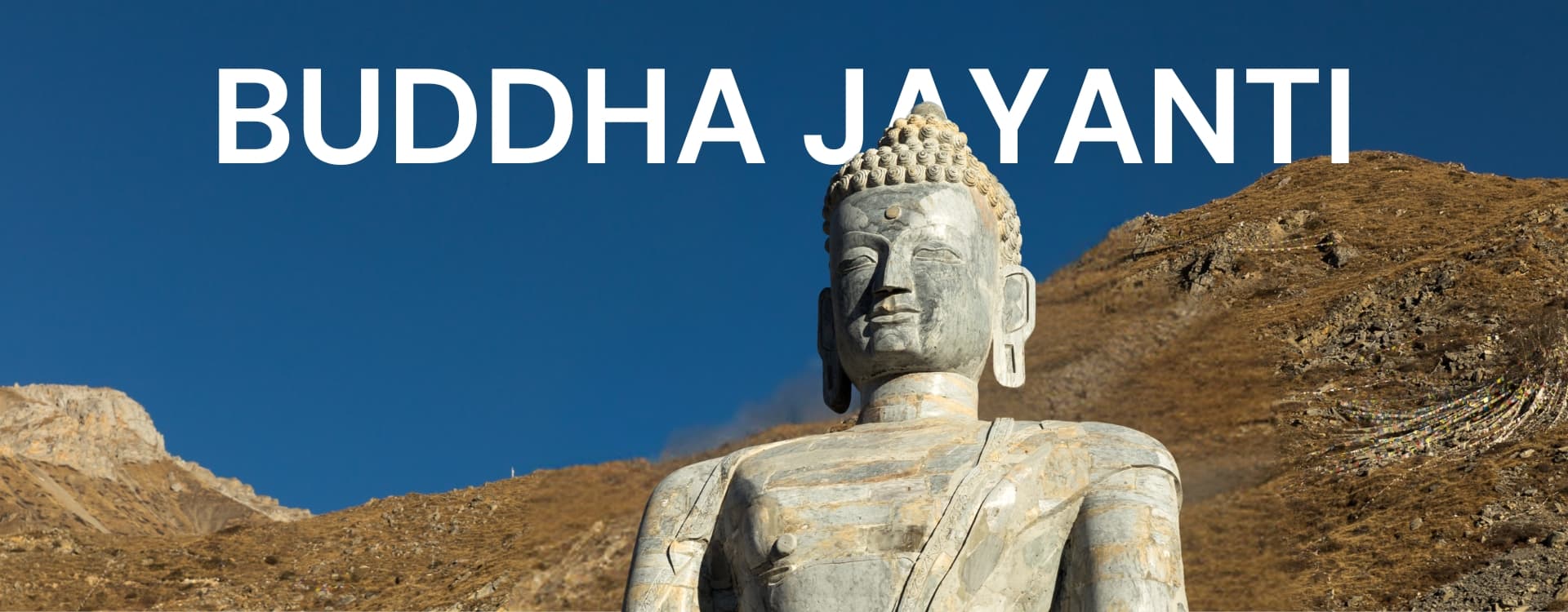
Buddha Jayanti 2026 in Nepal falls on Friday, May 1, 2026, with the Nepali date of 2083 Baisakh 18 (वैशाख १८, २०८३). The festival is observed on Baisakh Purnima, the full moon day of the Nepali month of Baisakh, and commemorates the birth, enlightenment, and Mahaparinirvana of Gautama Buddha. Also known as Buddha Purnima or Vesak, it is the most sacred day in the Buddhist calendar and a national public holiday in Nepal.
Across Nepal, the day is marked by visits to monasteries and sacred stupas, the lighting of butter lamps, offerings of flowers and incense, circumambulation of shrines (kora), group chanting, meditation, and acts of charitable giving known as dana. The most significant observances take place at Lumbini (the birthplace of Lord Buddha), and at Boudhanath and Swayambhunath in the Kathmandu Valley, with further celebrations held at monasteries throughout the Himalayan regions.
Buddha Jayanti Nepali Date: Quick Reference
Because Buddha Jayanti follows the lunar calendar, its Nepali date and corresponding Gregorian date shift each year. The festival always falls on the full moon of Baisakh (Baisakh Purnima), but the exact date in the Nepali Bikram Sambat calendar and the English calendar will differ from year to year. The table below provides verified dates for 2081, 2082, 2083, and the corresponding Nepali date for 2084.
| Year (BS) | English Date | Nepali Date | Day |
|---|---|---|---|
| 2081 | May 23, 2024 | 2081 Jestha 10 | Thursday |
| 2082 | May 12, 2025 | 2082 Baisakh 29 | Monday |
| 2083 | May 1, 2026 | 2083 Baisakh 18 | Friday |
| 2084 (estimated) | May 12,2027 | 2084 Baisakh 29 | Wednesday |
Buddha Jayanti 2026 Nepali Date
Buddha Jayanti 2026 falls on Friday, May 1, 2026, which is 2083 Baisakh 18 in the Nepali calendar. This date corresponds to Baisakh Purnima 2083 BS and is a confirmed public holiday in Nepal. In 2026, Buddha Jayanti also coincides with Ubhauli Parwa, Chandeshwari Jatra, and International Labour Day, making it a particularly layered date across spiritual, cultural, and civic observance in Nepal.
Buddha Jayanti Nepali Date 2082
Buddha Jayanti in 2025 was observed on Monday, May 12, 2025, corresponding to 2082 Baisakh 29 in the Nepali calendar. This was the full moon of Baisakh 2082 BS. Many users searching for Buddha Jayanti 2025, Buddha Purnima 2025, or Buddha's birthday 2025 are looking for this date.
Buddha Jayanti Nepali Date 2081
In 2024, Buddha Jayanti fell on Thursday, May 23, 2024, which corresponds to 2081 Jestha 10 in the Nepali Bikram Sambat calendar. In that year, the Baisakh full moon crossed into Jestha on the Nepali calendar, placing the observance slightly later in the month than in most years.
Buddha Jayanti 2084
Buddha Jayanti in 2084 BS falls on 2084 Baisakh 18. The exact Gregorian equivalent will be confirmed once the official Nepali calendar (Patro) for 2084 is published. As with all years, the festival will be observed on Baisakh Purnima, the full moon of Baisakh, typically falling in April or May on the Gregorian calendar. May 12th is widely expected to be the date for 2027 Buddha Purnima.
Buddha Jayanti, Buddha Purnima, Vesak, and Buddha's Birthday
Buddha Jayanti, Buddha Purnima, and Vesak all refer to the same sacred observance: the commemoration of the birth, enlightenment, and Mahaparinirvana of Gautama Buddha on the full moon of Baisakh. The name used varies by country and tradition. In Nepal and India, Buddha Purnima is the most widely used term alongside Buddha Jayanti. In Sri Lanka, Thailand, and internationally at the United Nations level, the festival is known as Vesak.
Many English-language users search for this day as "Buddha's birthday," "Buddha Day," or the "birth date of Buddha." These searches all point to the same festival. While "Buddha's birthday" is an informal but common phrase, it is worth noting that Buddhist tradition holds that the birth, enlightenment, and Mahaparinirvana of the Buddha all occurred on the same full moon day of Baisakh, making the occasion a triple commemoration rather than a birthday alone.
Regardless of the name used, the spiritual intent across all traditions is consistent: to honour the Buddha's life, reflect on his teachings, and practise compassion, generosity, and mindfulness.
Buddha Jayanti in Nepali
In Nepali, the festival is written as बुद्ध जयन्ती and is also referred to as बुद्ध पूर्णिमा. The phrase बुद्ध जयन्तीको नेपाली मिति translates to "the Nepali date of Buddha Jayanti," which is one of the most common search queries from Nepali-speaking users seeking the exact BS calendar date. The 2026 celebration date in the Nepali calendar is वैशाख १८, २०८३.
Buddha Jayanti is the festival celebrating the life events of Gautama Buddha, while Buddha Purnima refers to the full moon day on which it is observed. Because the celebration always falls on that same full moon, both terms are commonly used interchangeably.
The festival is a public holiday in Nepal and carries particular depth in communities with strong Buddhist traditions, including Newar, Tamang, Sherpa, Gurung, Thakali, and Tibetan-heritage communities. For these communities, Buddha Jayanti is not simply a calendar event but a lived practice of devotion, generosity, and communal spiritual life.
What is Buddha Jayanti?
Buddha Jayanti is the most sacred observance in the Buddhist calendar, marking three pivotal events in the life of Siddhartha Gautama: his birth, his attainment of enlightenment (nirvana), and his final passing (Mahaparinirvana). Buddhist tradition holds that all three events occurred on the same full moon day of Baisakh, known as Baisakh Purnima. This convergence is why the day carries exceptional significance across all Buddhist traditions.
The festival is not simply a commemoration. It is an active invitation to practise the values the Buddha exemplified: compassion, generosity, non-violence, mindfulness, and wisdom. One of its most important expressions is dana, the practice of charitable giving, through which followers distribute food, clothing, and alms to those in need. Meditation, prayer, and community gathering complete the day's observance.
Buddha Jayanti is observed across South, Southeast, and East Asia, and by Buddhist communities worldwide. Nepal holds a unique place in this global tradition as the confirmed birthplace of Siddhartha Gautama, making its observance of the festival both historically rooted and deeply personal.
Buddha Jayanti: History and Significance
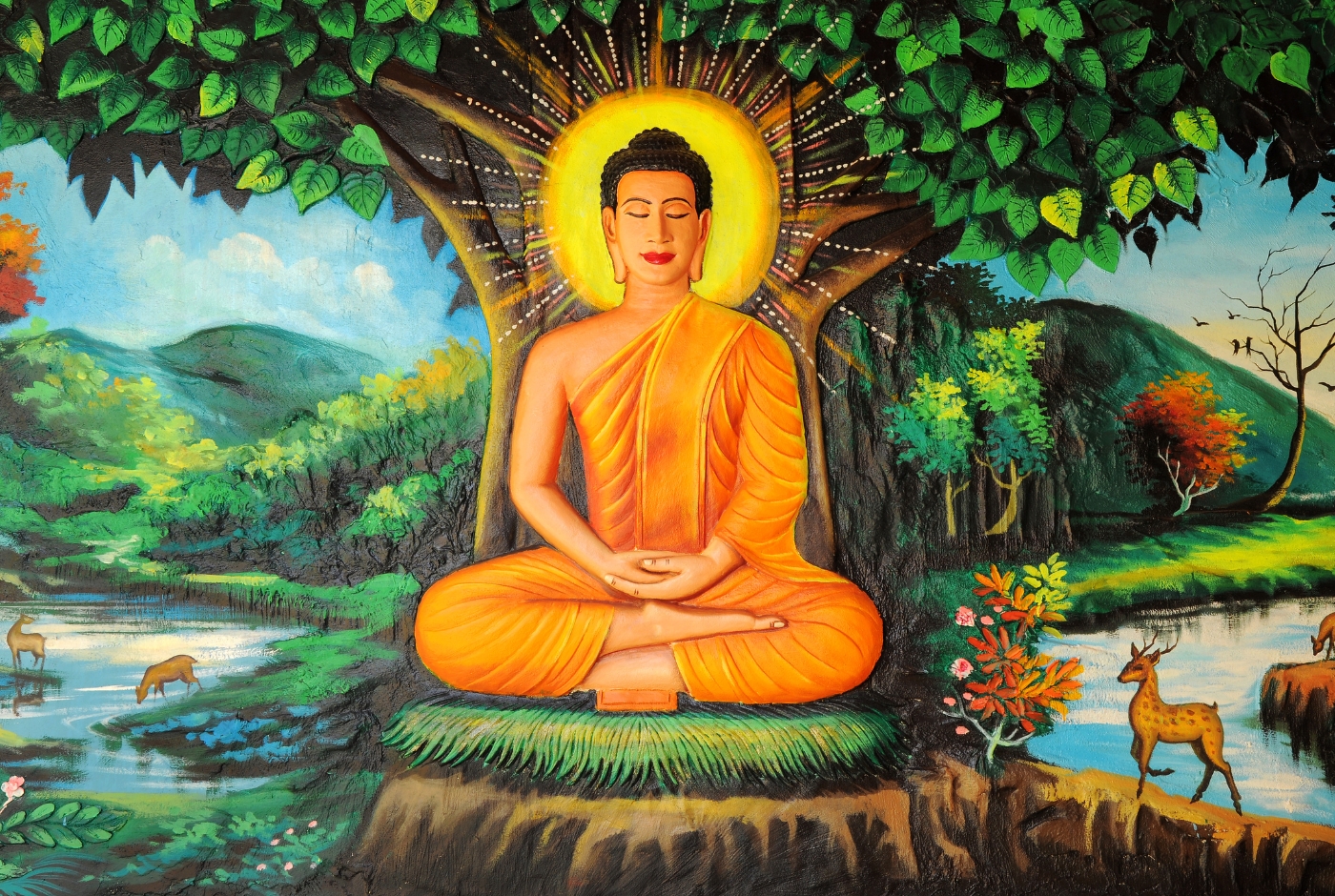
Siddhartha Gautama was born in 623 BCE at Lumbini, in what is now southern Nepal. Born into the Shakya royal family, he renounced palace life at the age of 29 to seek an end to human suffering. After years of ascetic practice and sustained meditation, he attained enlightenment at Bodh Gaya in present-day Bihar, India, and became the Buddha: the Awakened One.
For the remainder of his life, the Buddha taught the Dharma: the Four Noble Truths, the Noble Eightfold Path, the understanding of karma and rebirth, and the cultivation of mindfulness. These teachings became the foundation of Buddhism, one of the world's major spiritual traditions with hundreds of millions of followers across Asia and beyond.
In 1999, the United Nations formally recognised Vesak as a day of international significance, acknowledging the global relevance of the Buddha's teachings to peace, compassion, and human dignity. In Nepal, the festival has been observed continuously for centuries and remains one of the country's most respected national holidays.
How is Buddha Jayanti Celebrated in Nepal?
In Nepal, Buddha Jayanti is observed with a depth that reflects the country's direct and unbroken connection to the Buddha's birthplace. Celebrations combine religious ritual, communal gathering, and personal acts of devotion rooted in core Buddhist practice.
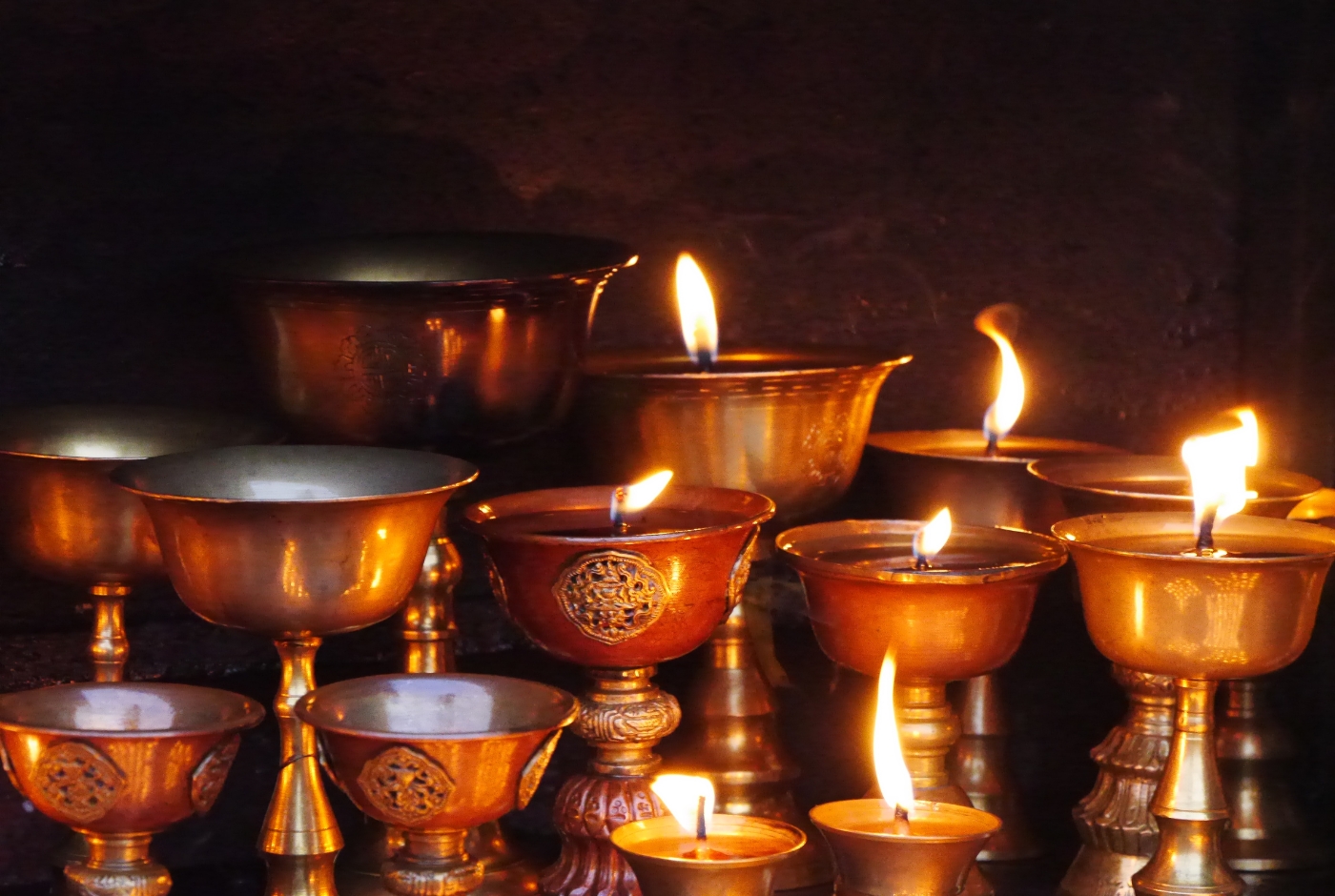
Devotees rise early and visit monasteries, stupas, and temples. At major sites such as Boudhanath and Swayambhunath in the Kathmandu Valley, worshippers perform kora (circumambulation of the stupa), light butter lamps, and present offerings of flowers, incense, and fruit at shrine spaces. Prayer flags are strung across sacred sites, and monks lead extended sessions of group chanting as crowds of pilgrims and lay devotees fill the surrounding courtyards.
Acts of charity are central to the day. Families distribute food, clothing, and alms to monks and the poor, and many practitioners observe the release of animals as a gesture of compassion and non-violence. Some communities hold meditation retreats and Dharma teachings, while others observe partial fasting as a mark of respect. The atmosphere across Kathmandu Valley is one of quiet collective devotion: public life slows, temples fill, and the smell of incense and the sound of chanting carry through the streets.
In the Himalayan regions, including Mustang, Manang, Solukhumbu, and the area around Namche Bazaar, the festival is woven into daily monastic life. Extended prayer sessions, teachings from senior lamas, and community offerings mark the occasion in communities shaped by Tibetan Buddhist tradition.
Where is Buddha Jayanti Celebrated in Nepal?
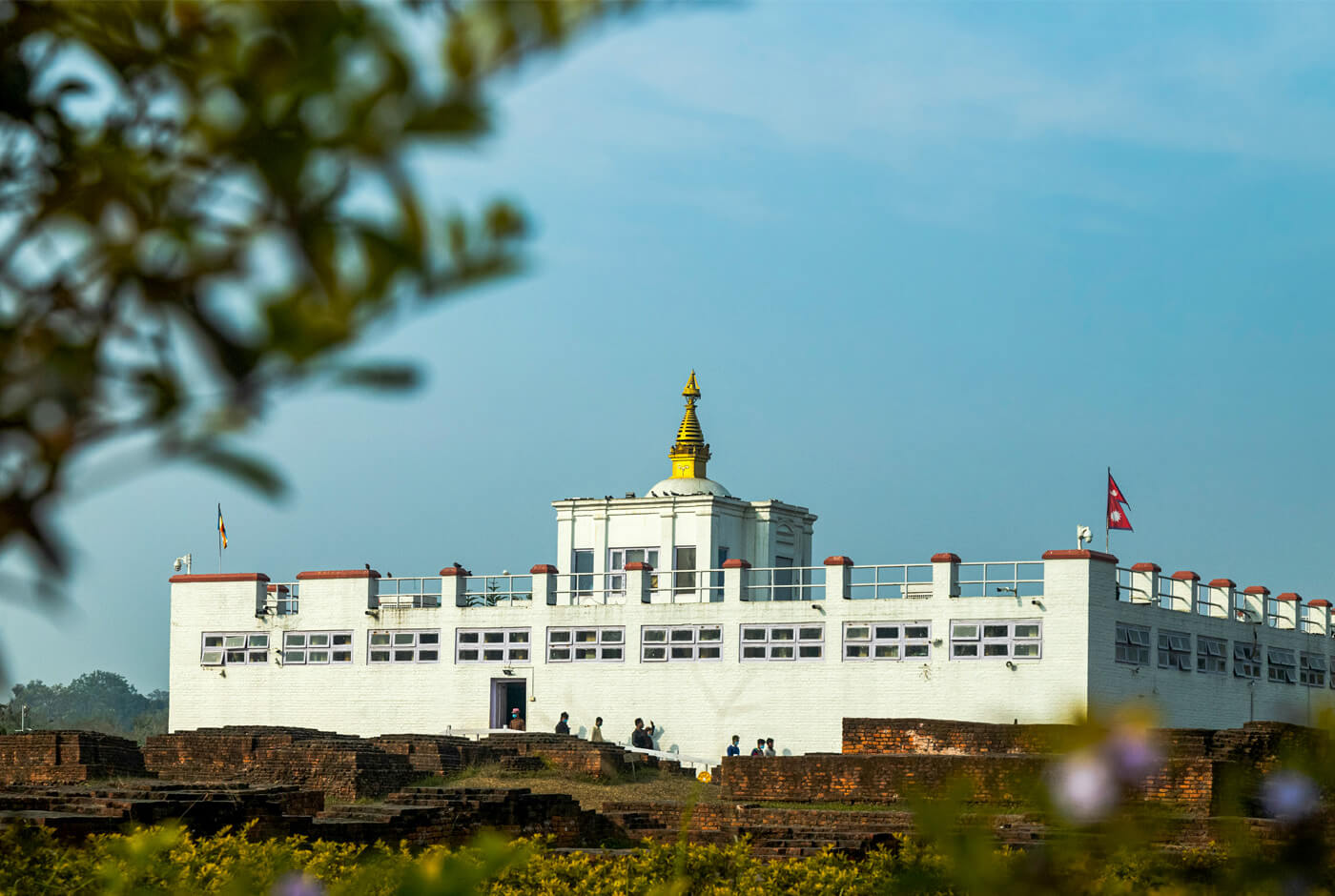
Buddha Jayanti is celebrated across Nepal, but several locations hold special importance for pilgrims, Buddhist communities, and visitors from around the world.
Lumbini is the most significant site in Nepal for Buddha Jayanti. As the confirmed birthplace of Siddhartha Gautama and a UNESCO World Heritage Site, Lumbini draws tens of thousands of pilgrims on this day. The Maya Devi Temple, built on the precise spot where the Buddha is said to have been born, is the focal point of ceremonies. The surrounding monastic zone, which includes temples representing Buddhist communities from across Asia, hosts meditation gatherings, prayer processions, and Dharma teachings throughout the day.
Boudhanath Stupa in Kathmandu is one of the largest Buddhist stupas in the world and the spiritual centre of Tibetan Buddhism in Nepal. On Buddha Jayanti, Boudhanath fills with kora processions, butter lamp offerings, and chanting from the many monasteries that ring the stupa. The atmosphere is particularly powerful after sunset, when thousands of lamps illuminate the dome.
Swayambhunath, the ancient hilltop stupa west of Kathmandu, is among Nepal's oldest religious monuments and a focal point for Buddha Jayanti observances in the valley. Large gatherings take place here throughout the day, with prayers, offerings, and the lighting of lamps that illuminate the stupa complex into the evening.
Beyond Kathmandu and Lumbini, the festival is observed at monasteries in Muktinath, Manang, Mustang, and Namche Bazaar. In these areas, where Sherpa, Tamang, and Tibetan-heritage communities maintain a living Buddhist culture, the day is marked with prayers, teachings, almsgiving, and communal devotion.
Why Buddha Jayanti Matters in Nepal
Nepal occupies a singular position in the global Buddhist world: it is the confirmed birthplace of Siddhartha Gautama. That historical fact gives Buddha Jayanti a meaning in Nepal that extends well beyond religious observance. Lumbini is not just a pilgrimage destination; it is the point of origin for a tradition that has shaped the lives of hundreds of millions of people across Asia and beyond.
For Nepalis, Buddha Jayanti affirms a cultural identity tied directly to one of humanity's most influential figures. It draws international Buddhist delegations, scholars, and pilgrims to Nepal each year, reinforcing the country's role as a living centre of Buddhist heritage. Lumbini's recognition as a UNESCO World Heritage Site stands as a formal acknowledgement of this irreplaceable historical significance.
The festival also reflects Nepal's multicultural character. Buddhist communities including Newar, Tamang, Sherpa, Gurung, and Thakali each bring distinct local traditions to Buddha Jayanti, making it a genuinely diverse national celebration. For many Nepalis of different backgrounds, the day is an occasion to practise generosity, visit temples, and reflect on values that have shaped the country's identity for centuries.
Buddha Jayanti Mantra
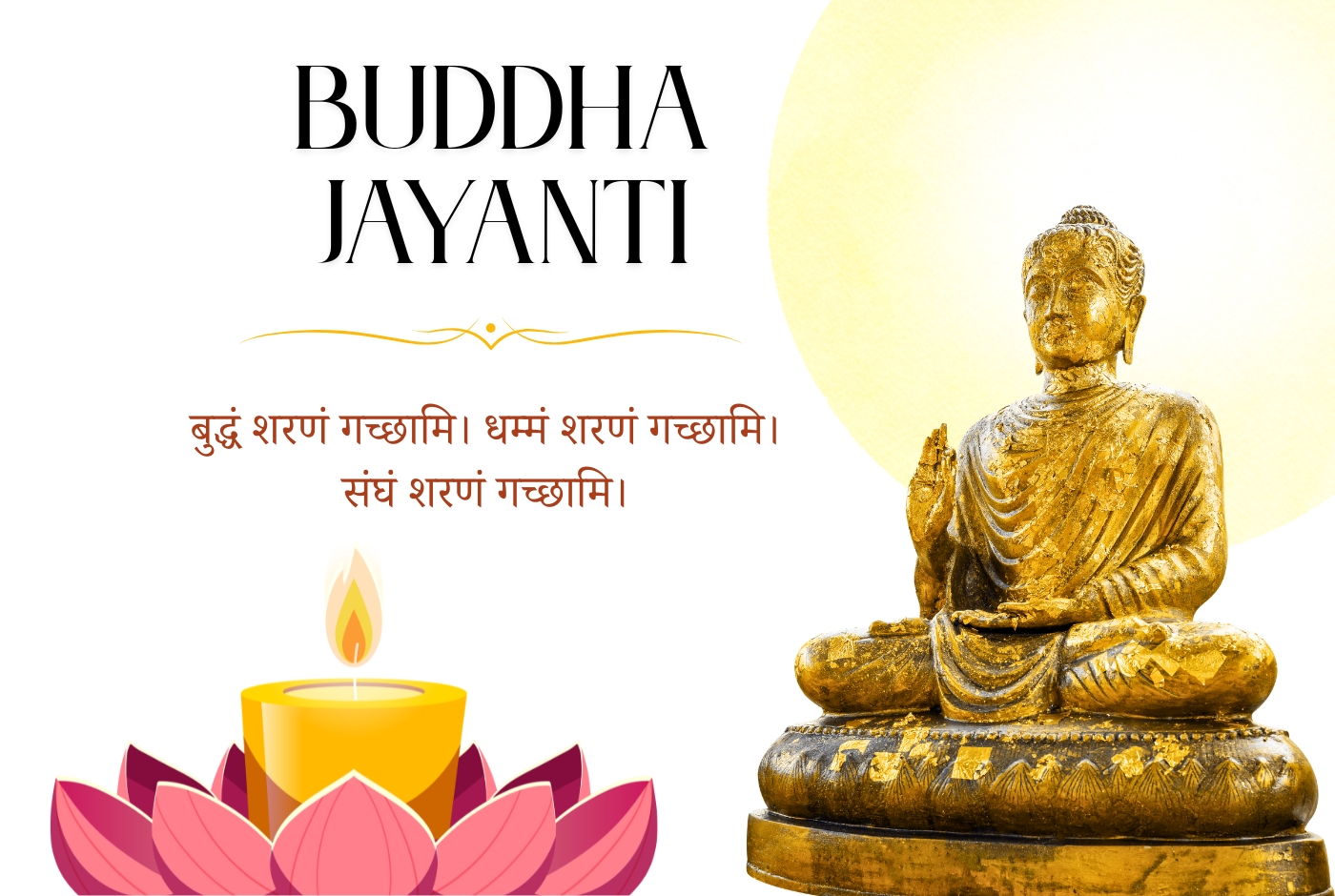
Chanting is a central practice on Buddha Jayanti. The mantras recited on this day are both devotional offerings and meditative tools, connecting practitioners to the Buddha's qualities of wisdom, compassion, and awakening.
The Refuge Mantra (Tiratana Vandana)
- Buddham Saranam Gacchami: I take refuge in the Buddha
- Dhammam Saranam Gacchami: I take refuge in the Dharma
- Sangham Saranam Gacchami: I take refuge in the Sangha
This is the most widely recited mantra on Buddha Jayanti, affirming the practitioner's commitment to the Three Jewels of Buddhism.
Shakyamuni Mantra
Chanted to invoke the energy of Siddhartha Gautama for spiritual clarity and wisdom: Om Muni Muni Maha Muniye Soha
Om Mani Padme Hum
The most universally recognised Buddhist mantra, associated with Avalokiteshvara, the bodhisattva of compassion: Om Mani Padme Hum. It is recited across Nepal on prayer wheels, along pilgrimage routes, and in temples as an expression of compassion for all beings. On Buddha Jayanti, it is chanted in monasteries, at home altars, and during kora processions at major stupas.
Buddha Jayanti Celebrations Around the World
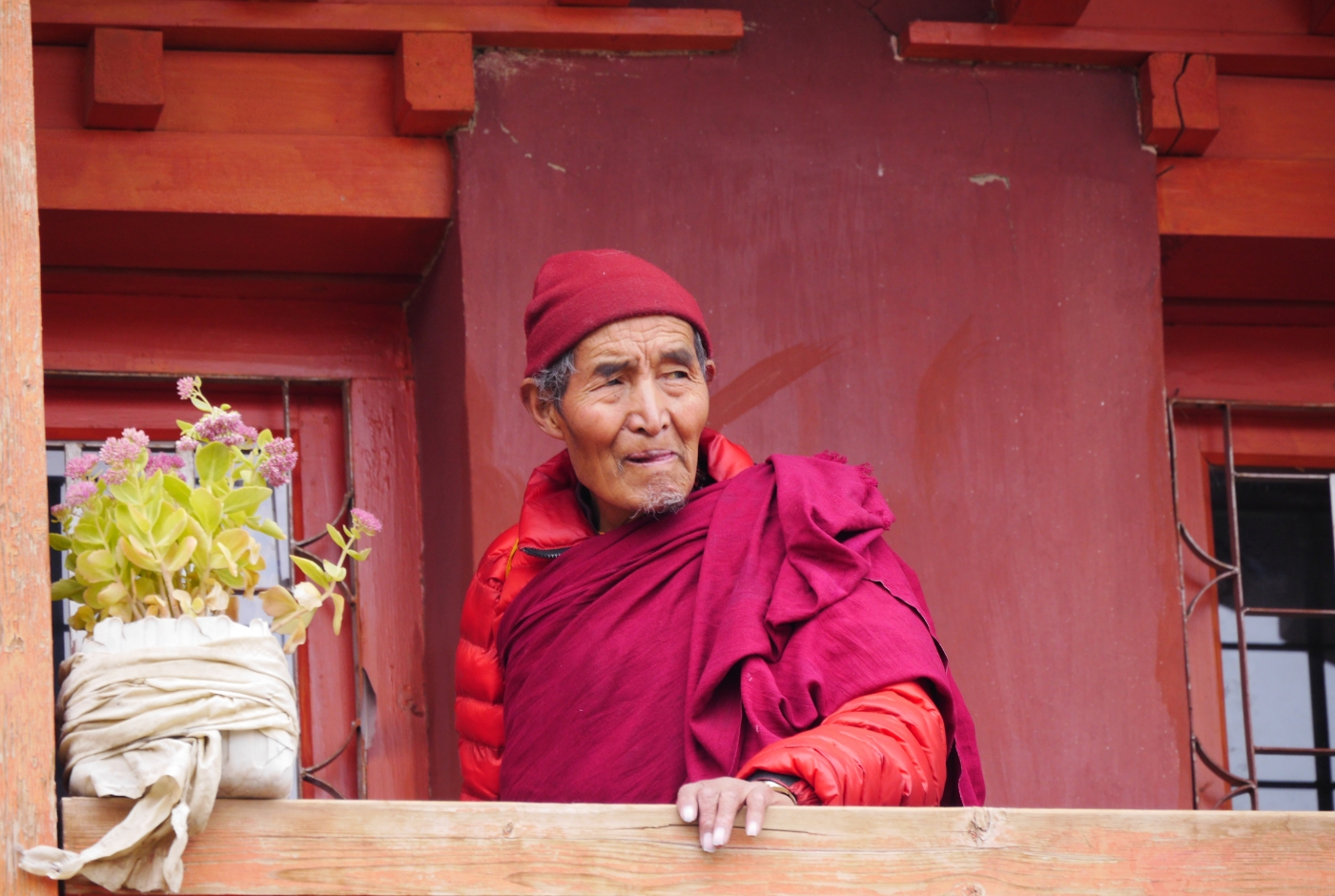
While Nepal holds a unique place as the Buddha's birthplace, the festival is observed widely across Asia and in Buddhist communities around the world. In India, major gatherings take place at Bodh Gaya and Sarnath, the sites of the Buddha's enlightenment and first teaching. In Sri Lanka, the festival is one of the largest national celebrations, marked by illuminated streets, lantern displays, and widespread charity. In Thailand, Visakha Bucha is a public holiday observed with candlelight processions and almsgiving. In Myanmar, devotees offer water to sacred Bodhi trees and gather at pagodas for prayer and reflection.
Across all traditions, the shared emphasis is consistent: honouring the Buddha's life, reflecting on his teachings, and extending compassion outward into the world.
Buddha Jayanti with the Nepal Hiking Team
Buddha Jayanti is one of the most meaningful times to experience Nepal. From the Maya Devi Temple in Lumbini to the butter-lamp-lit courtyards of Boudhanath and Swayambhunath, the festival reveals a side of Nepal that goes well beyond landscapes: it opens a direct view into living Buddhist culture as it has been practised in this region for centuries.
For trekkers exploring the Everest region, Annapurna, or Manaslu circuits, timing a journey around Buddha Jayanti offers the opportunity to witness monastery ceremonies and sacred site observances in places like Namche Bazaar and Muktinath. Nepal Hiking Team offers curated cultural visits to Lumbini and key Kathmandu Valley sites during the Buddha Jayanti period, providing a way to participate in the festival either before or after a Himalayan trek.
To summarise
Buddha Jayanti 2026 in Nepal falls on Friday, May 1, 2026, which is 2083 Baisakh 18 in the Nepali calendar. It is a national public holiday observed with deep spiritual and cultural significance from Lumbini in the south to the monasteries of the high Himalayas. For anyone travelling to Nepal, it remains one of the country's most profound and welcoming festivals to witness firsthand.
Post a Comment