
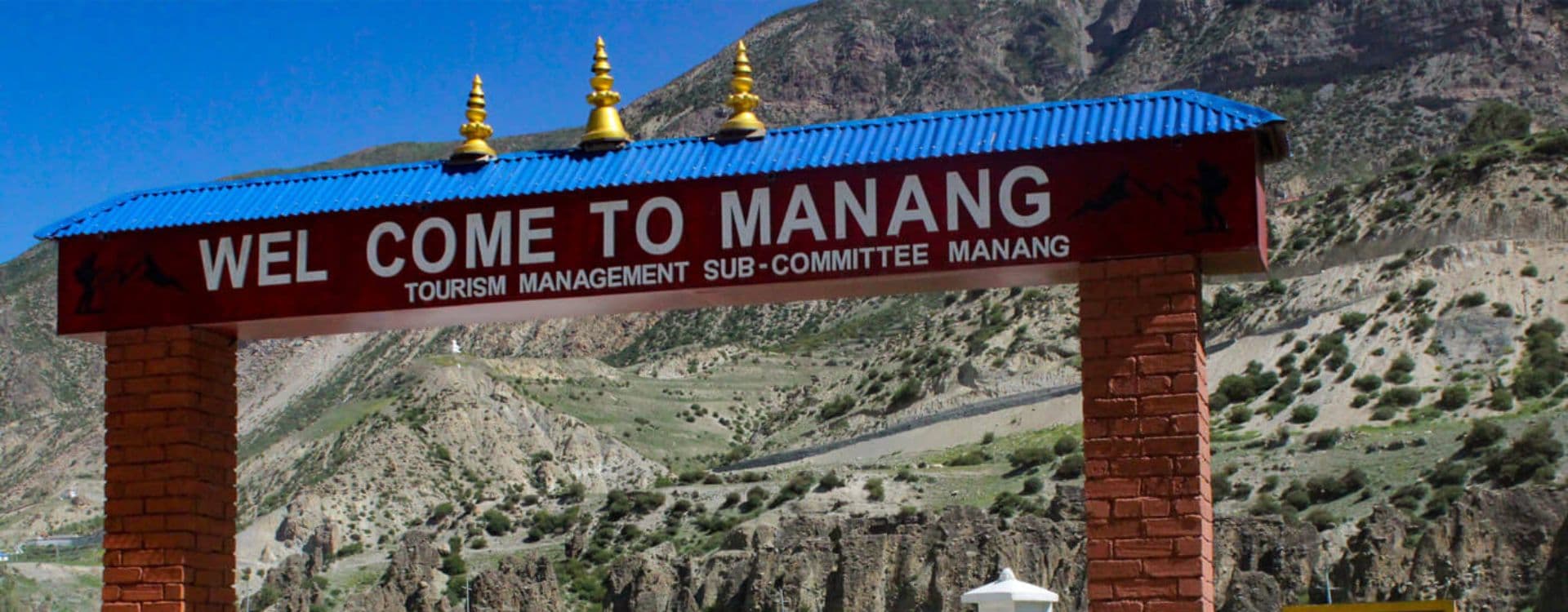
When trekking the Annapurna Circuit, reaching Manang feels both uplifting and rewarding. At 3,540 meters (11,614 ft), the air is thinner, and the last thing you want is to push yourself too hard. Spending 1 to 2 days in Manang to acclimatise before heading towards Thorong La Pass (5,416 m) allows the body to adjust to the altitude safely.
During your acclimatization break in Manang, focus on light hikes, such as to Gangapurna Lake or Chongkor Viewpoint; explore local monasteries; attend the HRA altitude briefing; eat carbohydrate-rich meals; stay hydrated; and rest properly before crossing Thorong La Pass.
Your acclimatization break in Manang helps reduce the risk of altitude sickness while offering adventure, culture, and a taste of Himalayan life. With good medical support, accommodation, and easy access to acclimatization hikes, Manang is a practical stop on the Annapurna Circuit Trek.
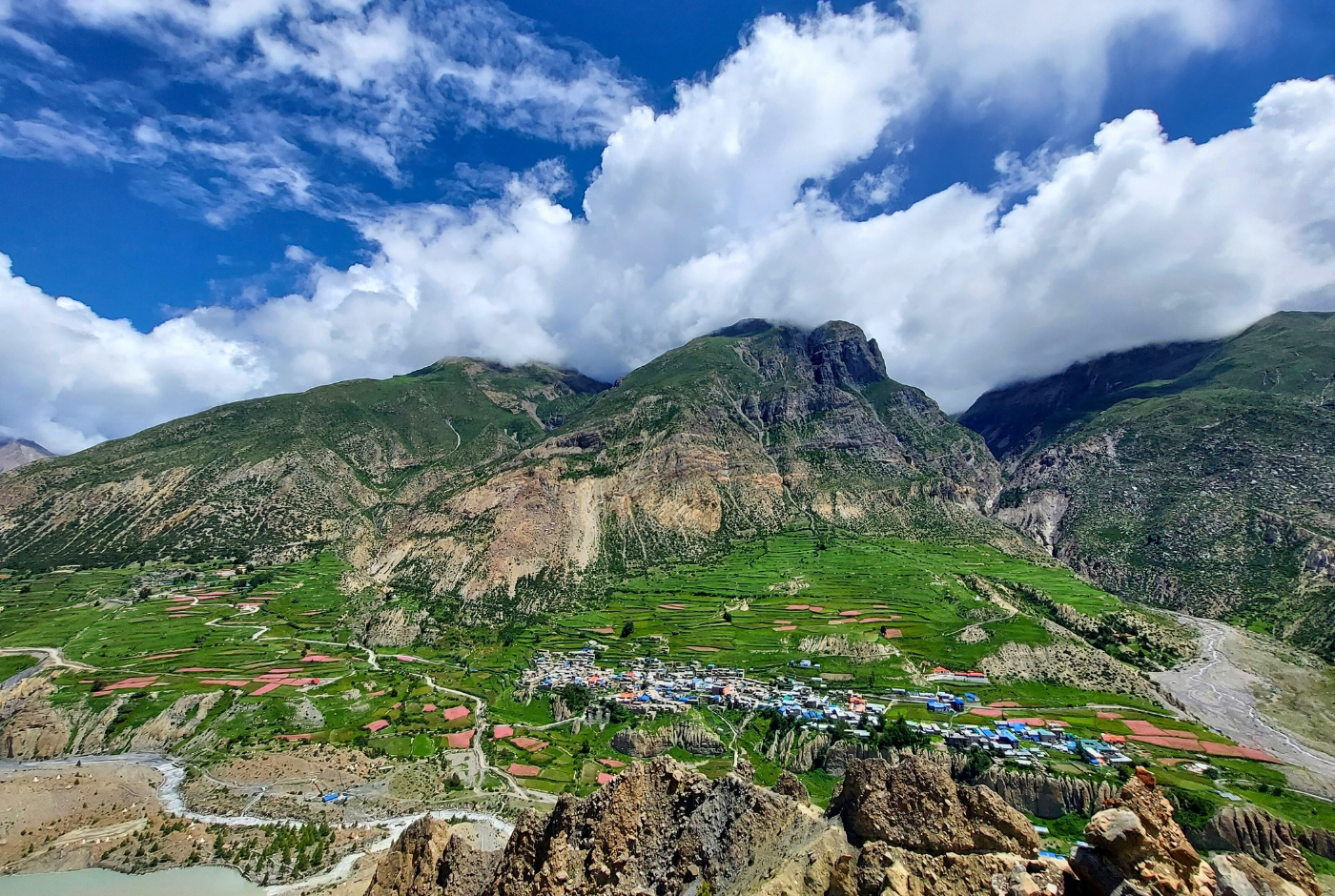
It helps you slow down mentally and stay more confident, informed, and prepared for the high-altitude trail.
Take a Short Acclimatization Hike
Even on a rest day, light physical activity such as hiking helps your body acclimate to high altitude by following the principle of climb high, sleep low. It helps improve oxygen adaptation, reduce the risk of altitude sickness, and prepare your body for higher elevations.
Gangapurna Lake Acclimatization Hike From Manang
Gangapurna Lake blends light exercise with scenic mountain views. Sitting opposite Manang Village at 3,540 meters (11,614 ft), the lake is about a 30-minute hike from the village. The trail is short and gentle, making it suitable for a rest day while still offering a sense of achievement.
Gangapurna Lake was formed by meltwater from the Gangapurna Glacier and is surrounded by peaks such as Mt. Gangapurna, Annapurna IV, Khangsar Kang, and Glacier Dome.
The trail is well-defined and gradually ascends from the village to the lake and to nearby viewpoints. From the lakeshore, you can enjoy panoramic views of Manang Village below, peaceful surroundings, and nearby glaciers.
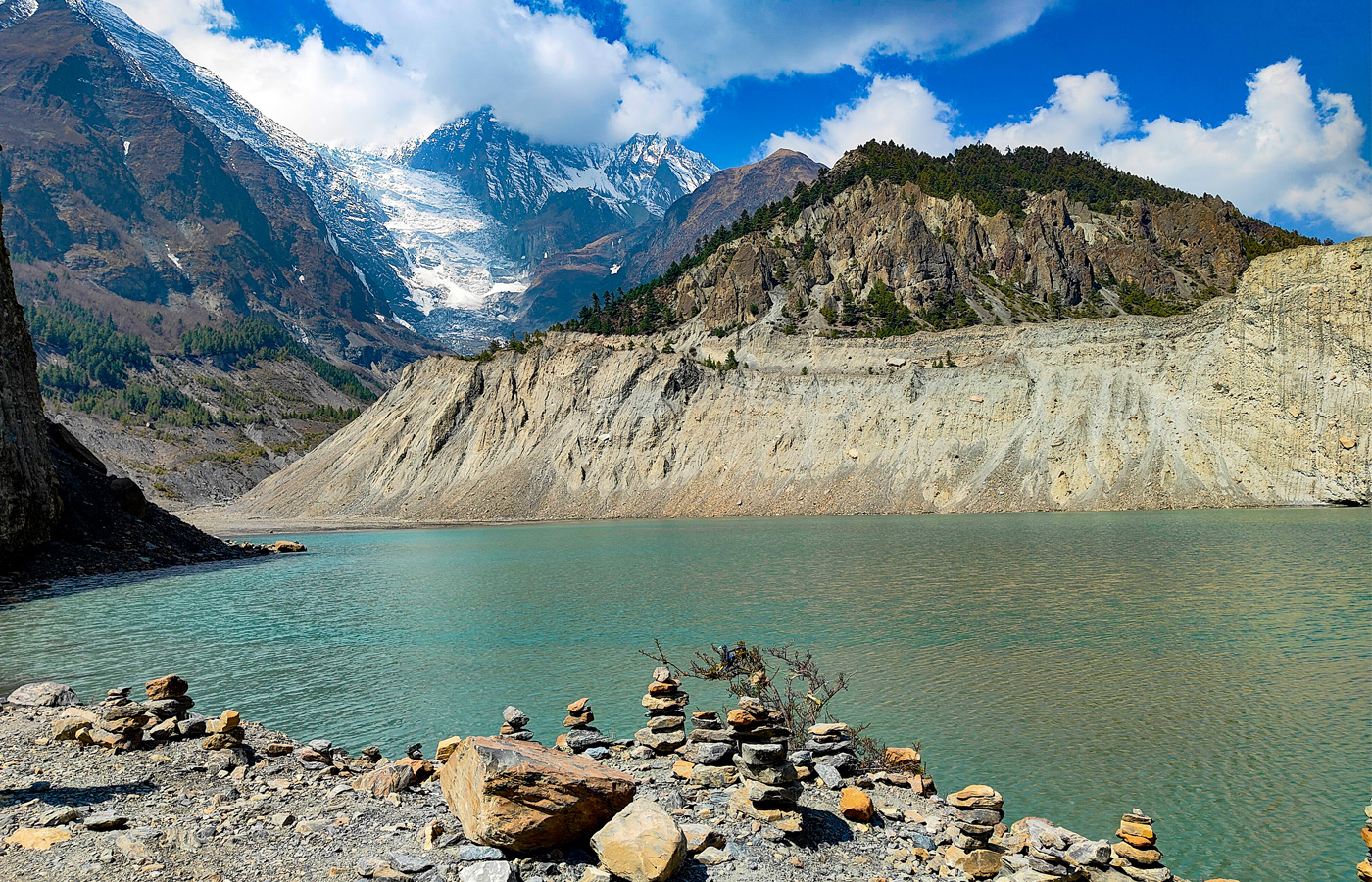
The lake is best visited in the morning or afternoon, ideally between 8 am and 11 am, when weather conditions are clearer, and winds are calmer.
This hike also works as a gentle warm-up for trekkers planning to visit Tilicho Lake or cross Thorong La Pass. For those coming from Braga or Upper Sreekharka, it can be done as a half-day detour without overexertion.
The best time to visit Gangapurna Lake is during spring (March to May) and autumn (September to November). Depending on the season, parts of the lake may freeze from late autumn through winter (December to February).
Chongkor Viewpoint and Annapurna III Outlook
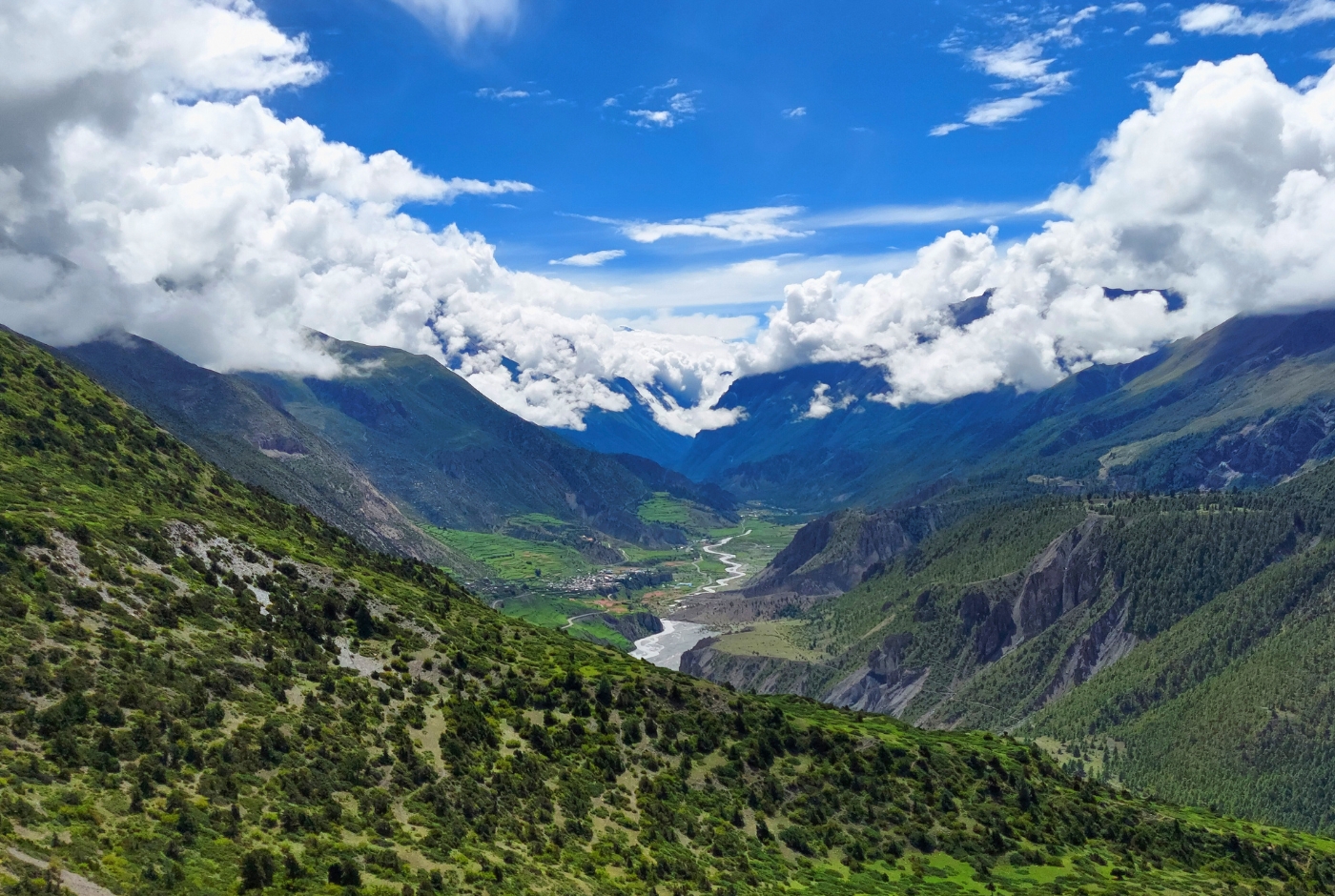
One of the most rewarding viewpoints in Manang, Chongkor Viewpoint, also known as Chhonkar, offers a short but effective acclimatization hike above the village. The trail starts from Manang Bazaar and takes around 1 to 2 hours, gradually rising from about 3,850 meters to 3,900 meters.
The path is well marked and considered safe, with no exposed ridges, glaciers, or technical sections. From the top, trekkers are rewarded with wide views of Annapurna II, Annapurna III, Annapurna IV, Gangapurna, Tilicho Peak, Chulu East and West, and Pisang Peak. The Manang Valley and the Marshyangdi River are also visible far below.
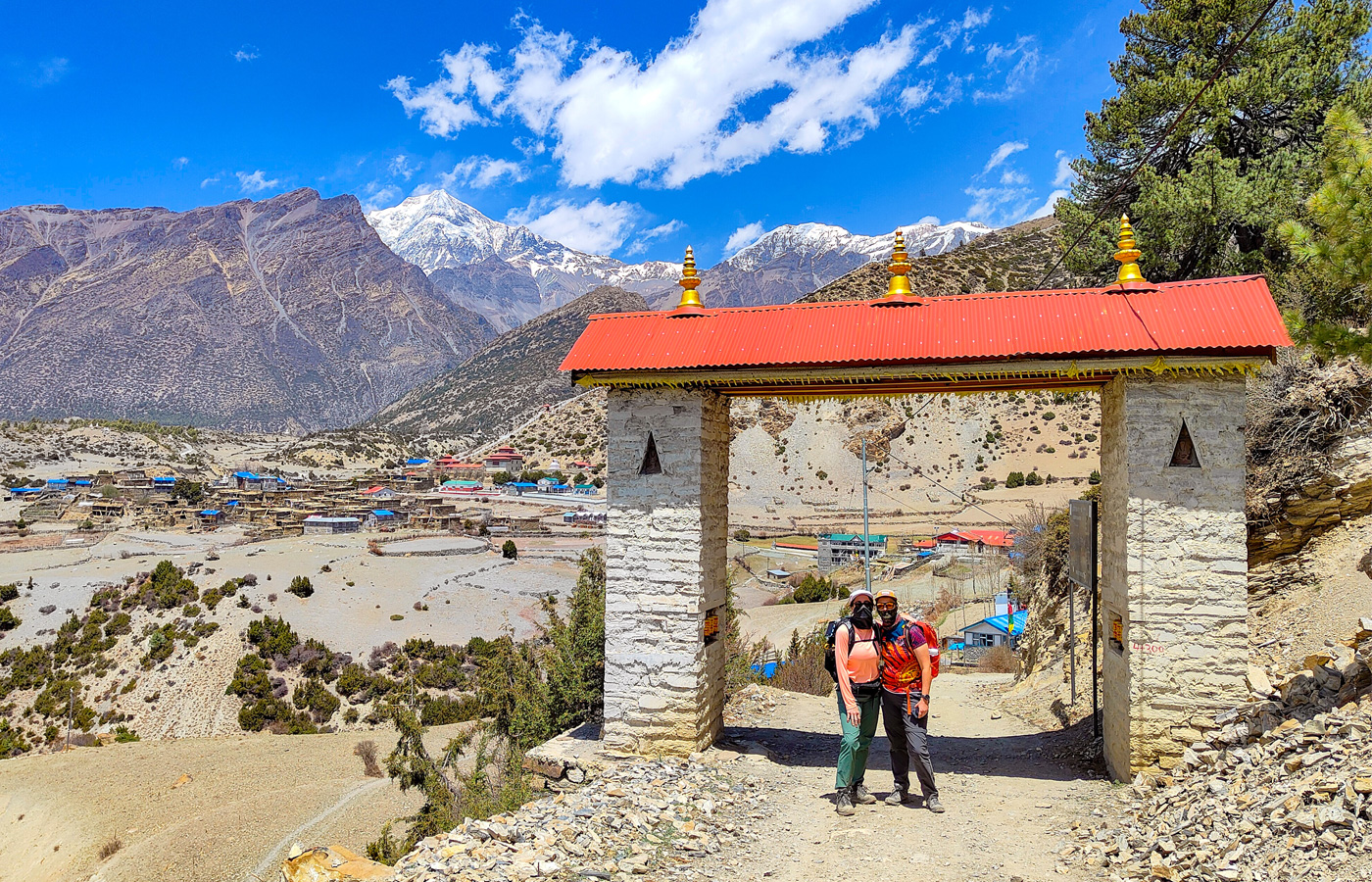
The best time to hike to Chongkor Viewpoint is early morning, between 7 am and 10 am, when the weather is more stable and visibility is usually clear. A small tea shop near the top provides a convenient place to rest and enjoy the scenery.
Spring (March to May) and autumn (September to November) are the most suitable seasons for this hike, as the trails are dry and the weather is stable. During the monsoon season, the trail may become slippery, while winter conditions can bring snow and ice.
This hike is considered easy to moderate and suits most trekkers on an acclimatization day. It allows enough time to walk slowly, take breaks, and observe how your body responds to altitude.
Annapurna III rises to 7,555 meters and dominates the skyline from Chongkor Viewpoint. Its steep ridgelines and icy faces make it one of the most striking peaks visible from Manang without requiring technical climbing.
Kilcho Tal (Ice Lake) Acclimatization Hike From Manang
Kilcho Tal, also known as Ice Lake or Kicho Tal, lies at 4,600 meters and is the most demanding acclimatization hike from Manang village. Starting from Manang, the trail involves a significant altitude gain of around 1,050 to 1,100 meters, making it suitable for trekkers preparing for higher elevations.
The trail climbs steadily through alpine meadows, yak pastures, and rocky slopes. Compared to Chongkor Viewpoint, this route is steeper and more physically demanding, taking approximately 3.5 to 5 hours to ascend and another 2 to 3 hours to descend, depending on pace and conditions.
From Kilcho Tal, trekkers can see Annapurna II, Annapurna III, Annapurna IV, Gangapurna, and Tilicho Peak reflected across the lake. The combination of altitude, open terrain, cold winds, and surrounding peaks creates a strong sense of Himalayan wilderness.
The round trip usually takes 6 to 8 hours and is considered the highest non-technical side hike on the Annapurna Circuit Trek. During colder months, the trail and surrounding terrain may be covered in snow and ice, requiring careful footing and steady pacing.
Many trekkers choose this hike as part of their acclimatization plan to improve comfort and confidence before crossing Thorong La Pass. Ice Lake is both an acclimatization challenge and a memorable highlight of the Annapurna Circuit.
Explore Local Culture
Manang reflects strong Tibetan Buddhist culture and Nyeshang heritage, visible in prayer wheels, mani walls, chortens, and centuries-old monasteries. Even on a rest day, walking through the village and learning about local traditions provides cultural insight while supporting gentle acclimatization.
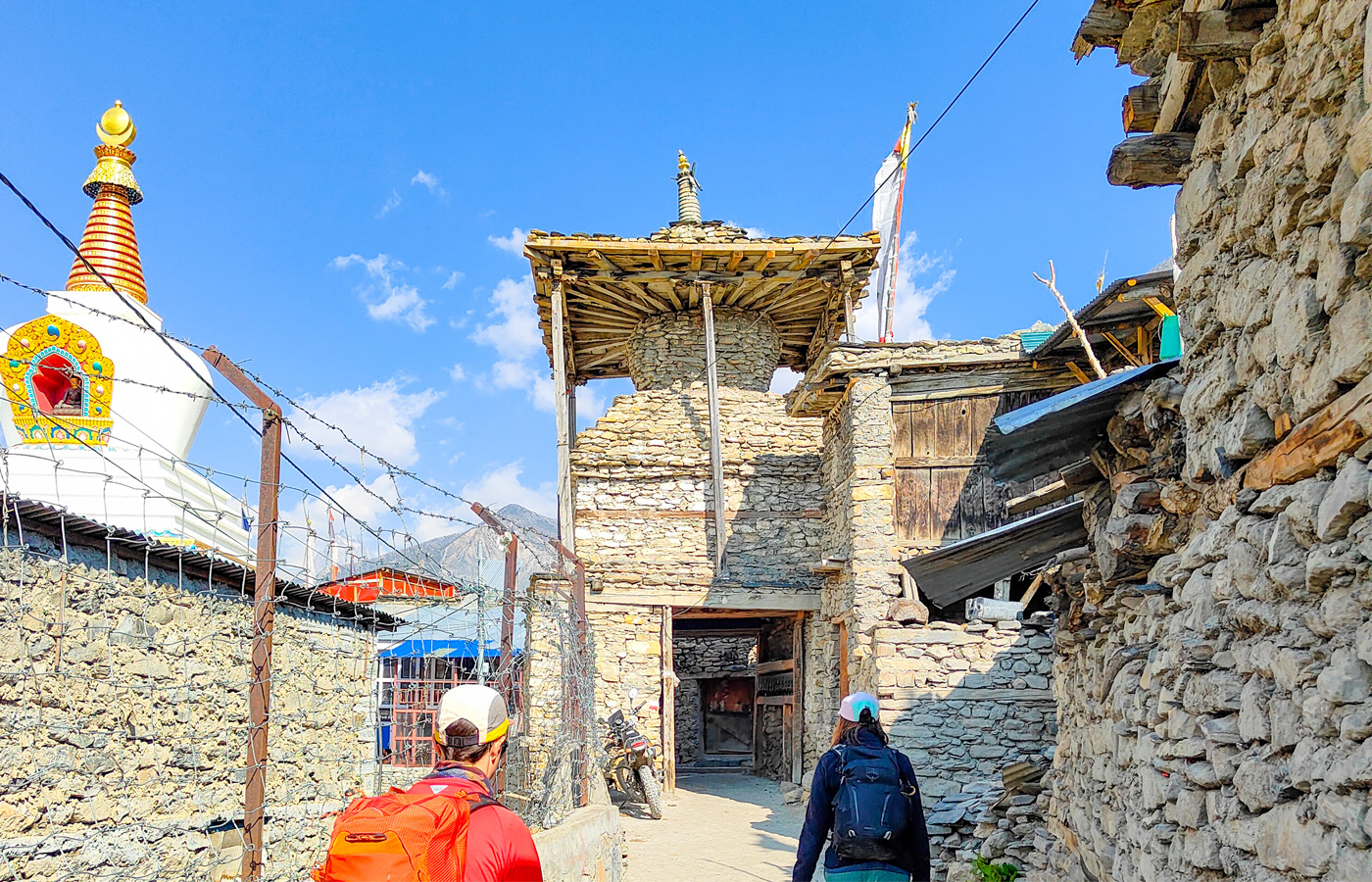
Braga (Bhraka) Monastery
Perched on a hillside above Bhraka village, Braga Monastery is one of the oldest and most culturally significant monasteries in the Manang Valley. Believed to have been founded around the 15th century, it reflects centuries of Tibetan Buddhist heritage and remains an important spiritual centre for the local community.
The monastery houses ancient clay statues, carved wooden structures, traditional Tibetan-style murals, and sacred manuscripts that date back several centuries. These preserved elements highlight the long-standing spiritual and cultural connection between Manang and Tibetan Buddhism.
Many trekkers visit Braga Monastery during their acclimatization day for cultural immersion and gentle physical activity. Its elevated position also offers wide views over the Manang Valley, making the visit both reflective and scenic.
Praken Gompa
Praken Gompa is located above Manang village at approximately 3,945 meters (12,943 ft). Also known as the Cave Blessing or the 100 Lama Cave Monastery, it is a quiet spiritual site often included in acclimatization walks on the Annapurna Circuit Trek.
The hike to Praken Gompa takes about 2 hours, with an uphill climb from Manang, and offers a gradual ascent that supports altitude acclimatization. The trail allows trekkers to move slowly while observing how their body responds to the thinner air.
The gompa is home to a resident monk who offers blessings to trekkers heading toward Thorong La Pass. Inside, murals and Buddhist statues reflect traditional teachings and everyday religious life in Manang.
From the gompa, trekkers can see Annapurna II, Annapurna IV, Gangapurna, and Tarke Kang rising above the valley. The peaceful surroundings encourage rest and reflection during the acclimatization day.
Milarepa Cave
Milarepa Cave is located on a cliffside, about 5 kilometres from Braga village, at an elevation of around 4,100 meters (13,450 ft). The natural rock cave holds deep spiritual significance for local Buddhists and lies along a less-travelled section of the Annapurna Circuit.
In the 11th century, the Tibetan yogi Guru Milarepa is believed to have meditated in this cave for many years. His teachings and songs remain widely respected throughout Nepal and Tibet.
Reaching Milarepa Cave involves a steep but manageable climb of around two hours from Braga. The trail passes rocky ridges and glacial terrain and offers views of Annapurna III and surrounding peaks. When taken at a steady pace, the hike supports effective acclimatization.
The Old Quarter of Manang
Located at the heart of Manang village, the Old Quarter preserves the traditional layout, architecture, and daily life of the high Himalaya. Unlike the newer areas lined with teahouses, this part of the village retains stone houses, wooden carved windows, and narrow alleys shaped by Tibetan and Gurung heritage.
Walking through the Old Quarter reveals prayer flags stretched across rooftops, mani stones engraved with sacred mantras, and small shrines tucked along village paths. Local residents continue long-standing routines such as herding yaks and sheep, farming barley and buckwheat, and preparing meals over wood-fired stoves.
Exploring the Old Quarter offers an authentic cultural experience while supporting gentle acclimatization. It allows trekkers to connect closely with the Manangi community and better understand the region’s traditions, history, and daily rhythm of life.
Visit the Himalayan Rescue Association Clinic in Manang
The Himalayan Rescue Association clinic in Manang plays a key role in supporting trekkers and local residents dealing with altitude-related illnesses. Established in 1981 and located near Humde Airport, the clinic is equipped to handle altitude sickness, minor injuries, and common health issues in the Annapurna region.
The clinic provides daily educational talks on altitude sickness, focusing on recognising symptoms, prevention, and proper acclimatization. Volunteer doctors are usually present during the spring and autumn trekking seasons and treat around one thousand patients each year, most of whom are local residents.
Attending the altitude briefing with your guide helps you stay informed and prepared for the challenges of high-altitude trekking. The daily talk generally takes place at 3 PM and covers Acute Mountain Sickness, HAPE, and HACE. Trekkers can also check their oxygen saturation levels.
Even if you feel well, visiting the clinic is a practical step to reduce the risk of complications before continuing to higher elevations.
Enjoy Local Food and Refreshments
Enjoying local food and refreshments in Manang is an important part of acclimatization during the Annapurna Circuit Trek. Nutritious meals provide the energy and warmth needed to adapt to thinner air while also reflecting the region’s Himalayan food culture.
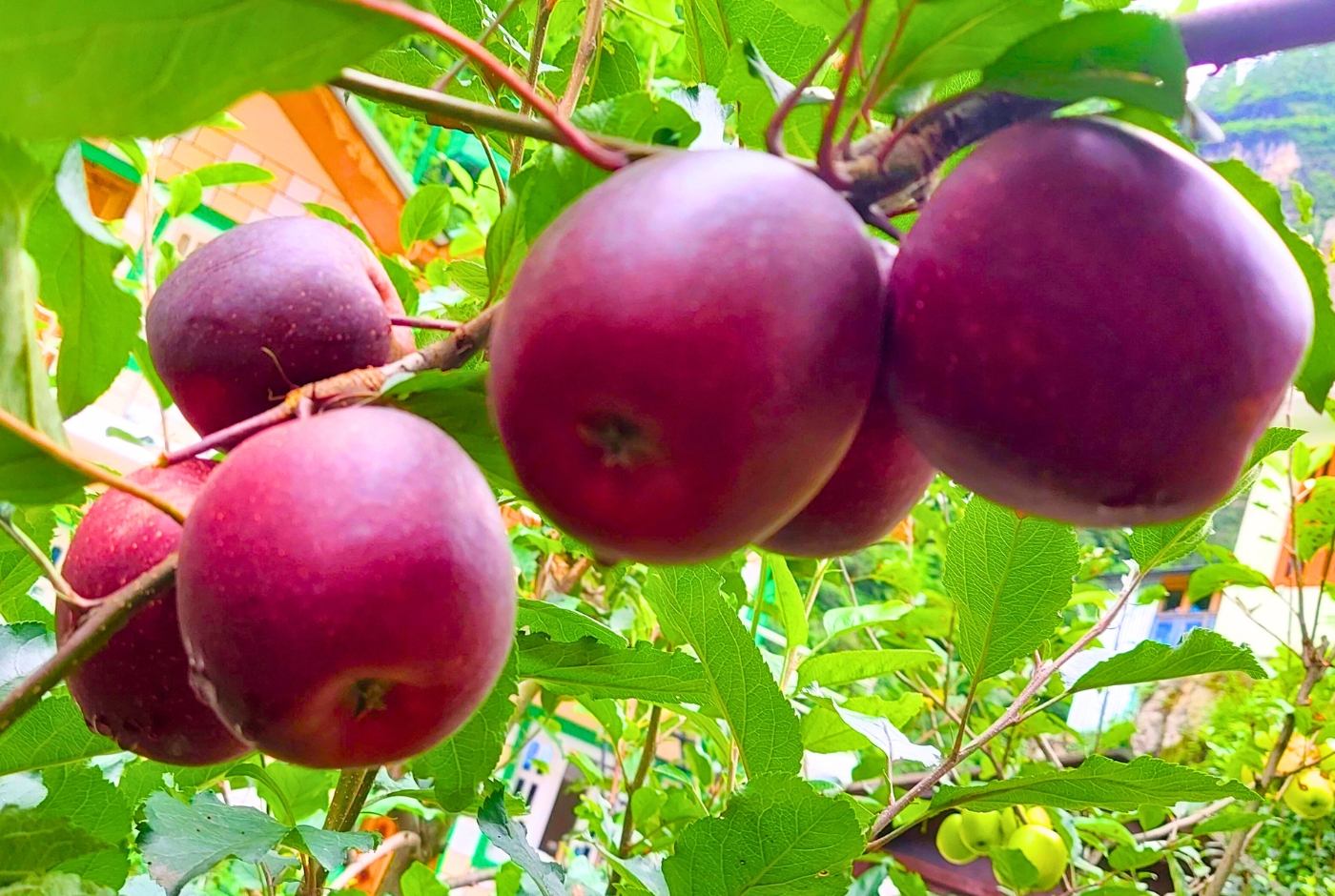
Local Foods to Try:
- Dal Bhat – Rice, lentil soup, seasonal vegetables, and pickles that provide steady energy for trekking days.
- Momo – Steamed or fried dumplings filled with vegetables, yak meat, or yak cheese.
- Thukpa – A warming noodle soup with vegetables and Himalayan spices.
- Tsampa Porridge – Roasted barley flour mixed with butter or milk, commonly eaten at altitude.
- Yak Cheese and Meat – Fresh yak cheese and yak-based dishes served in local teahouses.
- Local Vegetables and Pickles – Seasonal mountain produce prepared in simple, nourishing ways.
- Local Apples and Baked Goods – Fresh apples, pies, and bakery items made in Manang.
- Gundruk and Sinki – Traditional fermented foods are often served as soup or side dishes.
- Chyura (Beaten Rice) – Easy to digest and energy-rich, often eaten with yogurt or cheese.
Beverages and Drinks:
- Butter Tea (Po Cha) – A salty Himalayan tea traditionally consumed to maintain warmth.
- Chhaang – A mildly alcoholic fermented drink made from millet or rice.
- Local Tea – Spiced milk tea with ginger or cardamom.
- Apple Juice or Cider – Made from locally grown Manang apples.
- Garlic Soup – Commonly consumed by trekkers during acclimatization days.
Optional Activities
While some trekkers choose challenging acclimatization hikes, Manang also offers several low-intensity activities that allow the body to adjust gradually while keeping the day relaxed and meaningful.
- Explore the historic pathways of Manang and observe traditional Tibetan-style stone houses.
- Browse small shops selling woollen garments, dried apples, yak cheese, and local handicrafts.
- Practice gentle stretching, yoga, or meditation in the guesthouse courtyards or quiet rooms.
- Relax in teahouses to read, reflect, or write a travel journal.
- Spend time socialising with guides or fellow trekkers over tea.
- Visit the small local cinema for a rare indoor break in a Himalayan village.
Quick Acclimatization Day Plan
Here is a simple one-day plan that balances movement, rest, and awareness during your acclimatization day in Manang.
- Morning: Light hike to Gangapurna Lake, Ice Lake, or Milarepa Gompa.
- Midday: Explore the Old Quarter of Manang and visit Braga Monastery.
- Afternoon: Attend the HRA altitude briefing or enjoy a quiet break at a bakery.
- Evening: Eat a warm meal and rest in preparation for the next trekking day.
Essential Acclimatization Tips for Manang
Proper acclimatization in Manang is essential to reduce the risk of altitude sickness and prepare for higher elevations on the Annapurna Circuit.
- Follow the climb high, sleep low principle by hiking above Manang during the day and sleeping lower.
- Stay gently active with short walks instead of resting in bed all day.
- Ascend gradually and avoid increasing sleeping altitude too quickly.
- Listen to your body and report symptoms such as headache, nausea, or dizziness.
- Stay hydrated by drinking water regularly throughout the day.
- Eat carbohydrate-rich meals to maintain energy at altitude.
- Avoid alcohol during acclimatization.
- Use medication cautiously and never as a replacement for proper acclimatization.
- Protect yourself from the strong sun and cold by dressing in layers.
Conclusion
Your acclimatization break in Manang is more than a pause on the trail. It allows your body to adapt to altitude while giving you time to experience the landscape, culture, and rhythm of Himalayan life.
Whether you choose light hikes, cultural visits, or quiet rest, each activity supports physical adjustment and mental readiness for the higher sections of the Annapurna Circuit.
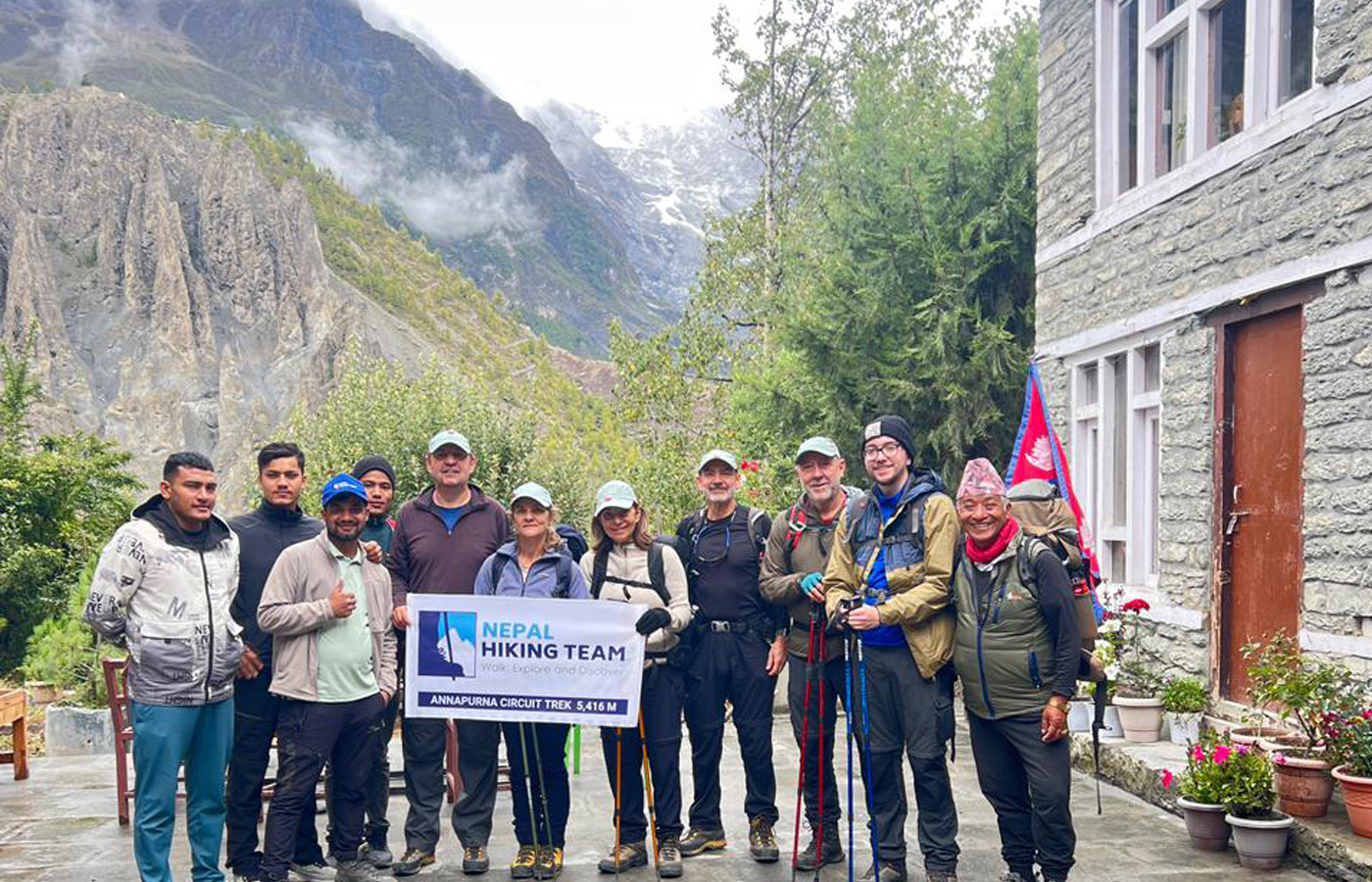
By the time you leave Manang, you are better informed, physically prepared, and mentally confident for the demanding days that follow on the high-altitude trail. By the time you leave Manang, you are better informed, physically prepared, and mentally confident for the demanding days that follow on the high-altitude trail. Learn more about the key stops along the Annapurna Circuit.
Post a Comment