
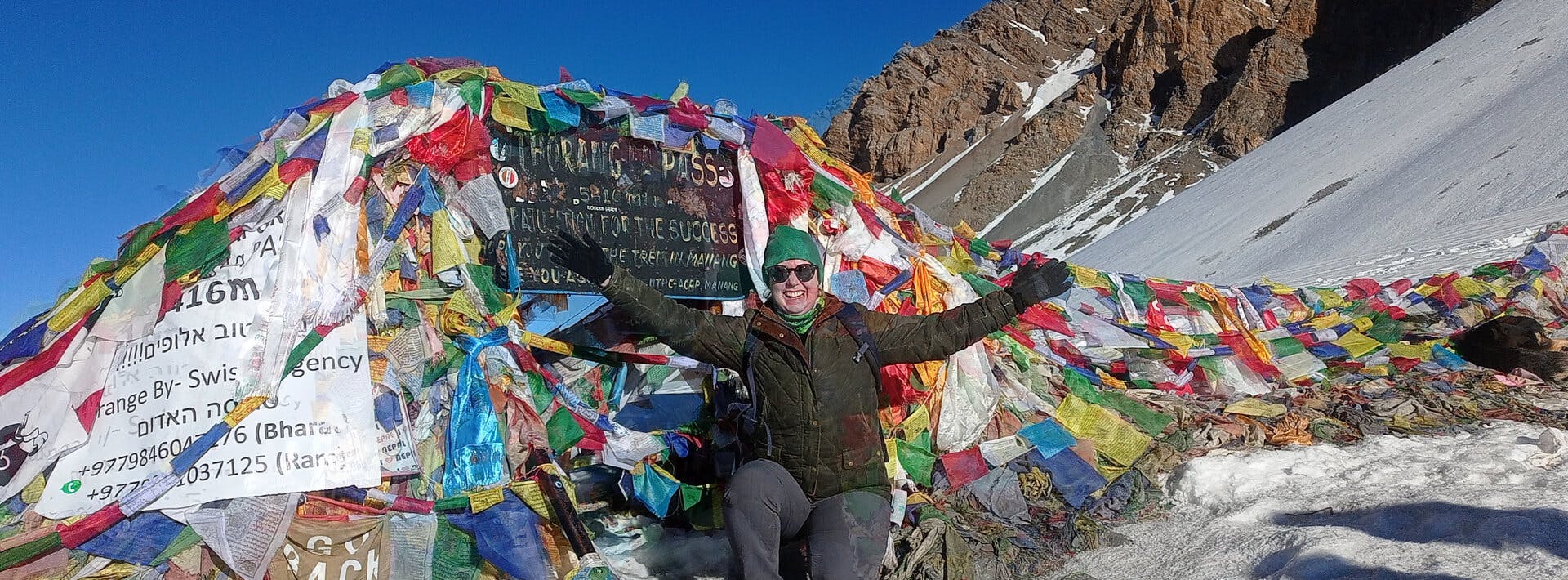
Traveling to Nepal soon? Want to prepare yourself for what Nepal has to offer? Well, you’re in the right place. We’re here to discuss if Nepal is safe to travel to, give tips for travelers, and so on.
Nepal is a country rich in diversity, spirituality, religion, landscapes, and the majestic highest peaks. As interesting as it sounds, the country is amazing! The Nepalese are known for their hospitable nature, amiable quality, and helpfulness. A place like this is what we call “ Paradise”! But, some travelers also question whether it is safe to travel to Nepal or not.
As of early 2026, Nepal is completely safe for travelers, and tourism activities are operating normally. Although there was some political instability in late 2025, the situation has largely stabilized, and major cities and trekking routes remain open and accessible. However, like in any destination, travelers should stay aware of their surroundings. Petty crimes such as pickpocketing can occur in busy areas like Thamel in Kathmandu, and occasional protests may happen, which are best avoided. Overall, with basic precautions and awareness, Nepal continues to be a safe and rewarding destination for travelers.
So, today we’ll discuss how safe Nepal is for travelers. Let’s begin!
Trekking and Travel: Current Status of All Major Routes of Nepal
2026 Trekking Route Status
All major trekking routes including the Annapurna Base Camp Trek, Annapurna Circuit, and Everest Base Camp Trek are open and operating with full safety infrastructure in place. This includes government permits, licensed guides, established route networks, and emergency helicopter rescue services.
Trekking companies, licensed guides, and mountain lodges across all major routes have continued to operate throughout Nepal's political transition without interruption. Bookings are being processed, expeditions are departing on schedule, and tourism numbers are recovering strongly heading into the 2026 spring trekking season in Nepal. Infrastructure (trails, lodges, safety systems) is improving year by year.
Major 2026 Trekking Regulation Changes
Mandatory Guide Policy 2026 is the biggest regulatory shift trekkers need to know about.
The TIMS card is no longer required anywhere in Nepal. However, the government of Nepal now requires that all trekking routes, including those that were traditionally independent such as the Everest Base Camp Trek and Poon Hill, have licensed guides assigned to them. Solo trekking is now banned throughout Nepal. Free Independent Trekking (FIT) is banned. Trekkers found without a licensed guide are turned back at checkpoints, and you may face fines or legal repercussions
The Mandatory Guide Policy Nepal 2026 covers roughly 95% of all popular trekking routes. If your trail requires a permit, it almost certainly requires a guide. Mandatory insurance verification is required: you cannot obtain a permit without proof of comprehensive insurance that covers helicopter rescue and medical evacuation up to 6,000 meters.
Key permit costs for 2026:
- Annapurna Conservation Area Permit (ACAP): NPR 3,000 (approximately USD 22) for foreigners
- Sagarmatha National Park (Everest region): Separate fee applies
- Upper Mustang restricted area: USD 500 for the first 10 days, USD 50 per day after
- A new NPR 1,000 environmental "Green Fee" has been added to all permits in 2026 to fund waste management in the Everest and Annapurna regions.
New March 2026 rule: Nepal's Department of Tourism updated its trekking permit policy, making it easier for individual foreign tourists to explore restricted areas. Previously, permits in these regions were only issued to groups of two or more, but as of March 23, 2026, solo travelers can now obtain them, following years of advocacy.
Kathmandu and Pokhara Status
Kathmandu is safe, active, and welcoming to international visitors. Popular tourist areas like Thamel are fully operational with no curfews, travel restrictions, or safety warnings in effect. Standard urban travel precautions apply, as they would in any major city.
Weather and Natural Calamities
In the past, Nepal has suffered from natural calamities like earthquakes, landslides, and bizarre rainfall.
During monsoons, it is unsafe to travel via flights or buses since there is a high risk of landslides, thunderstorms, and rainfall.
How to be safe
- Avoid landslide effect treks like Langtang and Manaslu during the monsoon season.
- Carry raincoats and umbrellas.
- Don’t stand under electric poles while it's raining.
- In case of an earthquake, stay at low elevated grounds.
Security and Protests: Full History and Current Status
The September 2025 Gen Z Uprising: What Actually Happened
To understand Nepal's current security situation, the 2025 protests need to be understood fully, not summarized.
On September 4, 2025, the Government of Nepal banned 26 social media platforms including Facebook, X (Twitter), YouTube, and Instagram. The official reason was non-compliance with new registration rules under the Ministry of Communication and Information Technology. The timing was not coincidental. Nepal's political leadership believed the brewing online discontent reflected a minority view, as protests are not uncommon in the country. That assessment proved catastrophically wrong.
The ban was widely viewed as an attempt to suppress the growing anti-corruption discourse ahead of elections. Nepal faces long-standing structural economic challenges, including youth unemployment above 20 percent and reliance on personal remittances for about one-third of its gross domestic product.
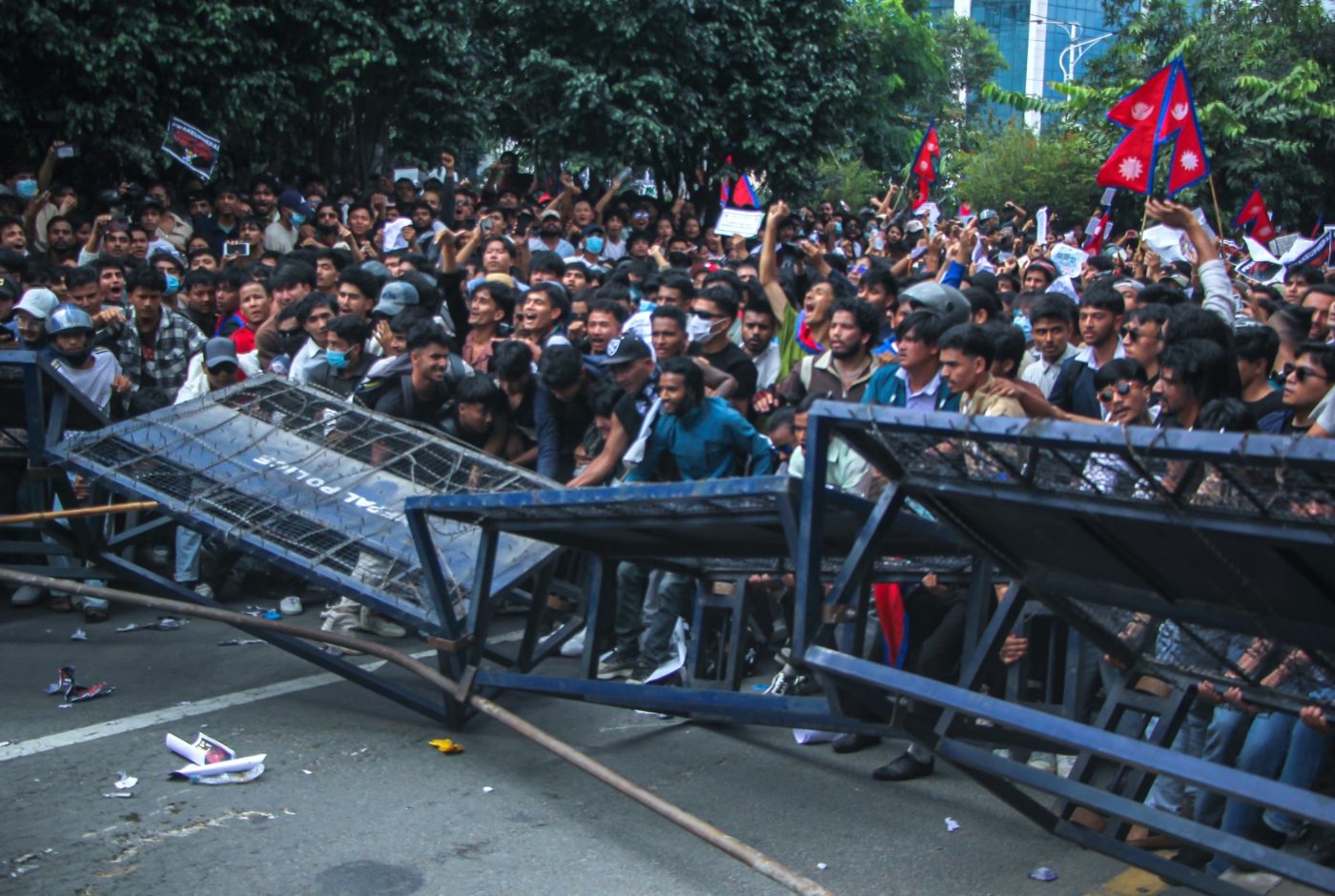
On September 8, 2025, for the first time in Nepal's modern political history, mass civilian deaths occurred in an anti-corruption movement that carried neither party banners nor ideological manifestos. Police logs revealed that 13,182 rounds of ammunition had been fired over two days: 2,642 live bullets, 1,884 rubber rounds, and 6,279 tear-gas shells.
By September 22, the violence had left 74 dead and more than 2,113 injured. The crisis echoed youth-led uprisings in Sri Lanka (2022) and Bangladesh (2024), underscoring the fragility of small South Asian democracies and raising far-reaching questions about the future of free speech and digital expression in Asia.
After nineteen protesters were killed by state forces on September 8, vengeful mobs began burning buildings the next day. The Prime Minister's Office, a 122-year-old palace, went up in flames, along with the Ministries of Home, Finance, and Health. The Parliament was incinerated, as were the Supreme Court and several other lower courts and the anti-corruption commission.
Nepal's former Chief Justice Sushila Karki was chosen as the interim prime minister after multiple rounds of online voting, becoming the first woman in the country's history to hold the position.
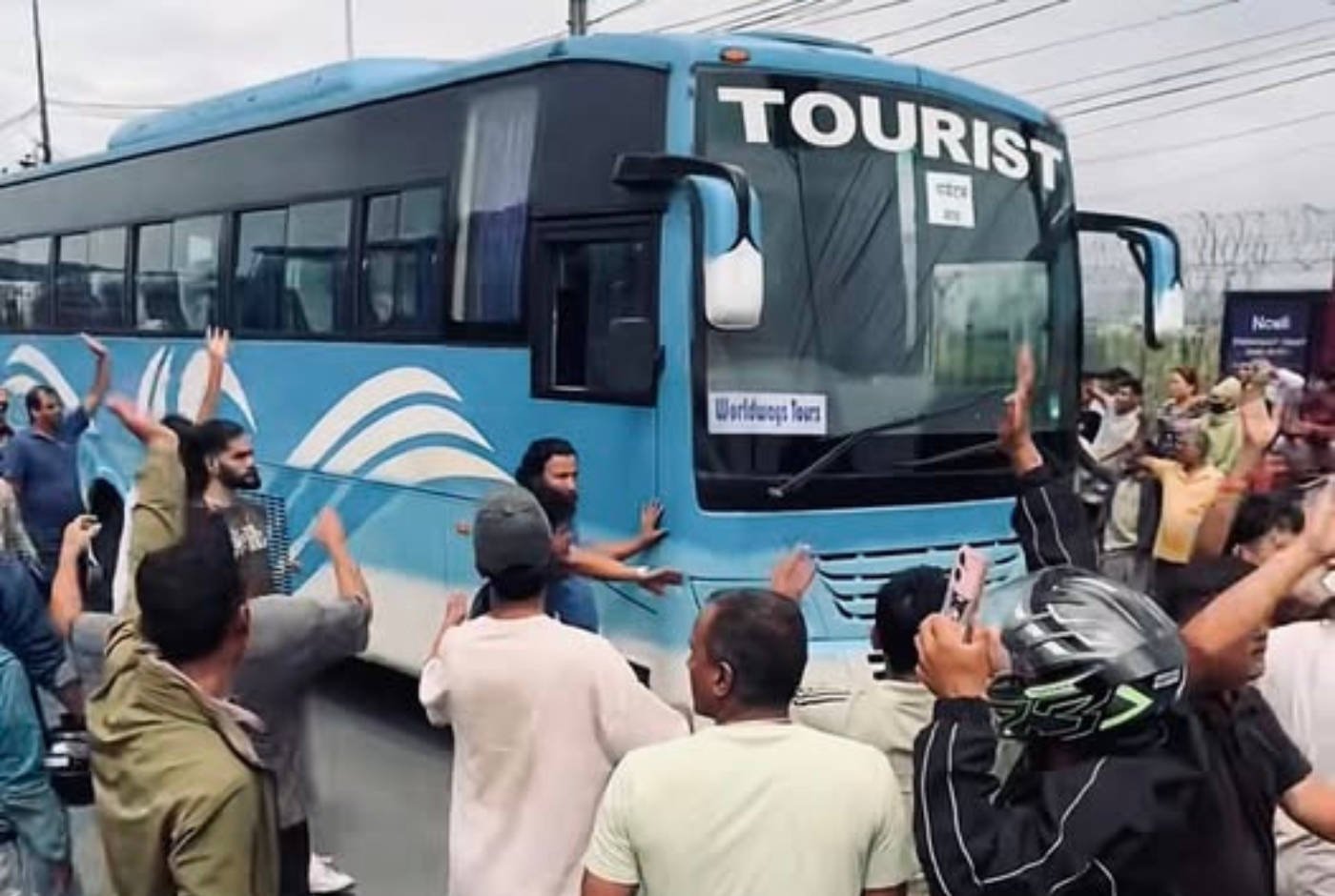
Even during periods of protest in Nepal, incidents targeting foreigners have been extremely rare. In most cases, local people remain respectful and welcoming toward tourists. There have been situations where protesters allowed tourist buses to pass without obstruction, offered water to travelers, and even guided them toward safer routes to avoid affected areas. These actions reflect the general attitude in Nepal, where tourism is valued and visitors are treated with care, even during times of political tension. Observations shared by ‘wehatethecold,’ who witnessed changes during a phase of Nepal’s government transition, also highlight how locals prioritized the safety and comfort of foreign travelers despite the unrest.
The risk of travelling during the protest is also very low, but it may affect your schedule and plan. So, yes, it is completely safe to travel even though protests sometimes happen.
The March 2026 Election and Political Reset
In March 2026, Nepalis voted to elect 35-year-old Balendra Shah, the youngest prime minister in the country's history, signaling a new chapter for Nepali politics. The national election held on March 5 was conducted peacefully across the country and resulted in a sweeping victory for the Rastriya Swatantra Party (RSP).
Current Security Status: 2026
The United States lowered Nepal to Level 2 in its travel advisory list on April 1, 2026, advising travelers to exercise increased caution due to the possibility of protests. The move signals a relative easing of restrictions on travel to Nepal, with the country now considered safe compared to the period during and after the recent Gen Z protests. Earlier, following the Gen Z movement, Nepal had been placed under Level 3 on September 11, which advises travelers to reconsider travel.
The nationwide demonstrations that began in September 2025 have stopped and the security situation is stable. However, demonstrations and local unrest can still happen, particularly in cities. Demonstrations can start with little warning and may quickly turn violent.
Following the civil unrest in 2025, the security situation in Nepal has stabilized. Australia has lowered its advice level, now advising to exercise a high degree of caution overall due to the risk of civil unrest and natural disasters. Protests are common and general strikes happen sometimes. Strikes can disrupt essential services.
Petty crime targeting tourists has increased by approximately 23% since the protests ended, according to Nepal Police statistics from early April. Pickpocketing and bag-snatching incidents are concentrated in crowded areas of Kathmandu and Pokhara. Violent crime against foreigners remains rare. The most recent serious incident involving international visitors occurred in November 2025 when two German trekkers were robbed at knifepoint near Ghandruk, though no injuries resulted.
Practical safety rules for 2026:
- Stay away from government buildings, political rallies, and large protest crowds
- Do not participate in protests as this violates visa conditions and can result in arrest and deportation
- Monitor local media, especially for bandh (strike day) announcements. Trusted media like Kantipur or Routine of Nepal Banda.
- Don’t argue with any locals in tense situations
- Ask your hotel or any guide for more information and the current situation
- Use reliable news sources, official government advisories, and updates from your embassy. Local media often announces bandhs and protests in advance, allowing you to adjust plans.
Safety Measures: Emergency Contacts, Bandhs, and Practical Protocols
Key Emergency Numbers for Nepal 2026
Tourist Police, reachable at 1144, +977-01-4247041, or +977-9851289444, speak English and are ready to assist in popular tourism areas. Tourism police stations are strategically located in popular areas with officers available 24/7, and many staff members speak English to assist international visitors. Response times in Kathmandu and other major cities typically average 15 to 20 minutes for emergency services.
Complete emergency contact list:
- Police (Emergency): 100
- Tourist Police (Hotline): 1144
- Fire Brigade: 101
- Ambulance Service: 102
- Traffic Police: 103
- Armed Police Force: 1114
- Missing Child Helpline: 1098
- Medical Emergencies & Hospitals (Kathmandu)
- National Emergency Telephone: 100 or 102
- CIWEC Hospital (Expats/Travelers): +977-1-4228531, +977-1-4229699
- Himalayan Rescue Association: +977-1-4262746
- TU Teaching Hospital (Poison Control): +977-1-4502011
- Bir Hospital: +977-1-4226963
- Patan Hospital: +977-1-5522278
- Blood Bank: +977-1-4225344
Helicopter Rescue & Air Ambulance
- Helicopter Rescue (TIA): +977-9851188551
- Simrik Air Helicopter: +977-9818392976
General Services & Information
- Department of Immigration: +977-1-4223509
- Nepal Tourism Board: +977-1-4256909
- Telephone Enquiry: 197
- Hello Sarkar (Prime Minister Office): 1111
- Women Helpline: 1145
- Electricity/Nepal Electricity Authority: 1150 or 1151
Understanding Bandhas (Strike Days)
A bandh is a general strike that shuts down most road transport and commercial activity, sometimes for days at a time. They are announced publicly in advance through local media.
Tourist transportation services in Nepal are in operation even during bandhs or strikes. During strikes and bandhs, shuttle buses provide transportation to tourists between downtown and Tribhuvan International Airport in Kathmandu. For information and updates regarding bandhs and strikes, contact your nearest police station.
Practical bandh protocol for travelers:
- Check Kathmandu Post, The Himalayan Times, and My Republica daily for announcements
- Contact your tour operator the evening before any planned travel
- Keep hotel and airport transfers booked through official operators who maintain bandh-day vehicles
- Do not attempt to drive a rented vehicle on bandh days, as vehicles can be targeted
- Domestic flights operate as normal during most bandhs unless the protest is directed at the aviation sector specifically
Transportation: EU Air Safety List, Domestic Flights, and Road Safety
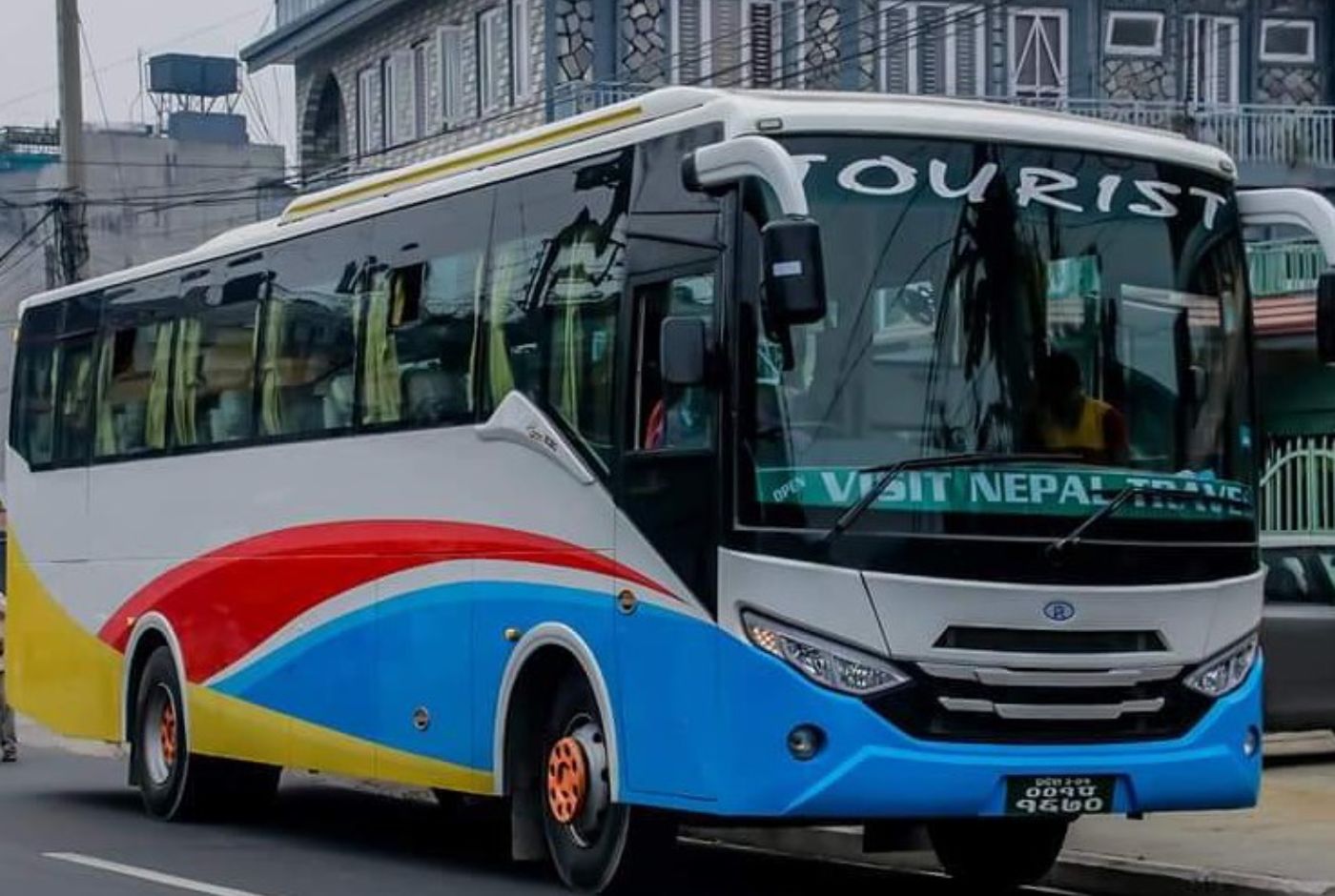
Getting around Nepal is easy. There are various mediums for traveling in Nepal via flight, bus, taxi, scooter, and so on.
There are many domestic flights where you can easily book tickets. If flights are too costly, you can opt for public buses too. Even while traveling around the city, you can use public buses. These buses are usually packed; hence you need to be careful of your belongings when you get inside.
If buses are too much for you, there are taxi services available as well. Please be aware of the tax rates and check the taxi meters regularly.
And the most convenient form of transportation in Nepal currently is Pathao, Yango and InDriver services. You can download these apps and book taxis or scooters/bike rides to move around the city.
How to be safe
- Be careful of your own belongings in the taxis and local buses.
- Don’t pay the riders more than is shown on the phone after you reach the destination.
- Check the taxi meter and pay accordingly.
The EU Air Safety List: What It Is and Why It Matters
This is one of the most misunderstood safety issues for travelers to Nepal, and it has real insurance implications.
Every airline certified to fly in Nepal, including Buddha Air, Yeti Airlines, Nepal Airlines, and all nine others, has been banned from European airspace since December 2013. The ban stems from deficiencies in Nepal's Civil Aviation Authority (CAAN), not individual airline safety records.
Under the updated list, all 20 Nepal airlines remain prohibited from flying into, out of, or over the 28-nation European Union bloc. The EU Air Safety List currently includes 169 airlines worldwide. According to the European Union Aviation Safety Agency, Nepal's Civil Aviation Authority has yet to demonstrate sufficient and sustainable progress in strengthening safety regulation, certification, and oversight mechanisms.
The core structural problem: CAAN both regulates Nepal's airlines and operates Nepal Airlines, a conflict of interest that undermines independent safety oversight. Until Nepal separates these functions, the EU ban is unlikely to lift. The earliest realistic removal would be late 2027, assuming reforms pass this year.
Insurance Impact: Critical Information for Trekkers
The scenic 25-minute flight from Kathmandu to Lukla for an Everest Base Camp trek may be specifically excluded by your travel insurance policy if it covers EU-banned carriers. If it does, you are flying uninsured for delays, cancellations, medical evacuations, or worse.
What to do: Before purchasing any travel insurance for Nepal, verify explicitly in writing whether the policy covers domestic Nepal flights. Ask specifically about helicopter rescue and medical evacuation coverage, as many policies treat scheduled domestic flights and emergency helicopter flights differently. Some Asian-based insurers do not reference the EU Air Safety List in their exclusion clauses.
Comprehensive travel insurance for Nepal must cover:
- Emergency helicopter rescue and medical evacuation (minimum USD 100,000 coverage)
- High-altitude trekking up to at least 6,000 meters
- Medical treatment including hospital stays
- Emergency repatriation to home country
- Trip cancellation and interruption
- Verify domestic Nepal flight coverage given the EU Air Safety List status
Before purchasing, confirm in writing with your insurer that your intended trek altitude and activities are covered. Most standard travel insurance policies exclude trekking above 4,000 meters without a specific adventure sports rider.
Safest and Most Risky Nepal Domestic Routes
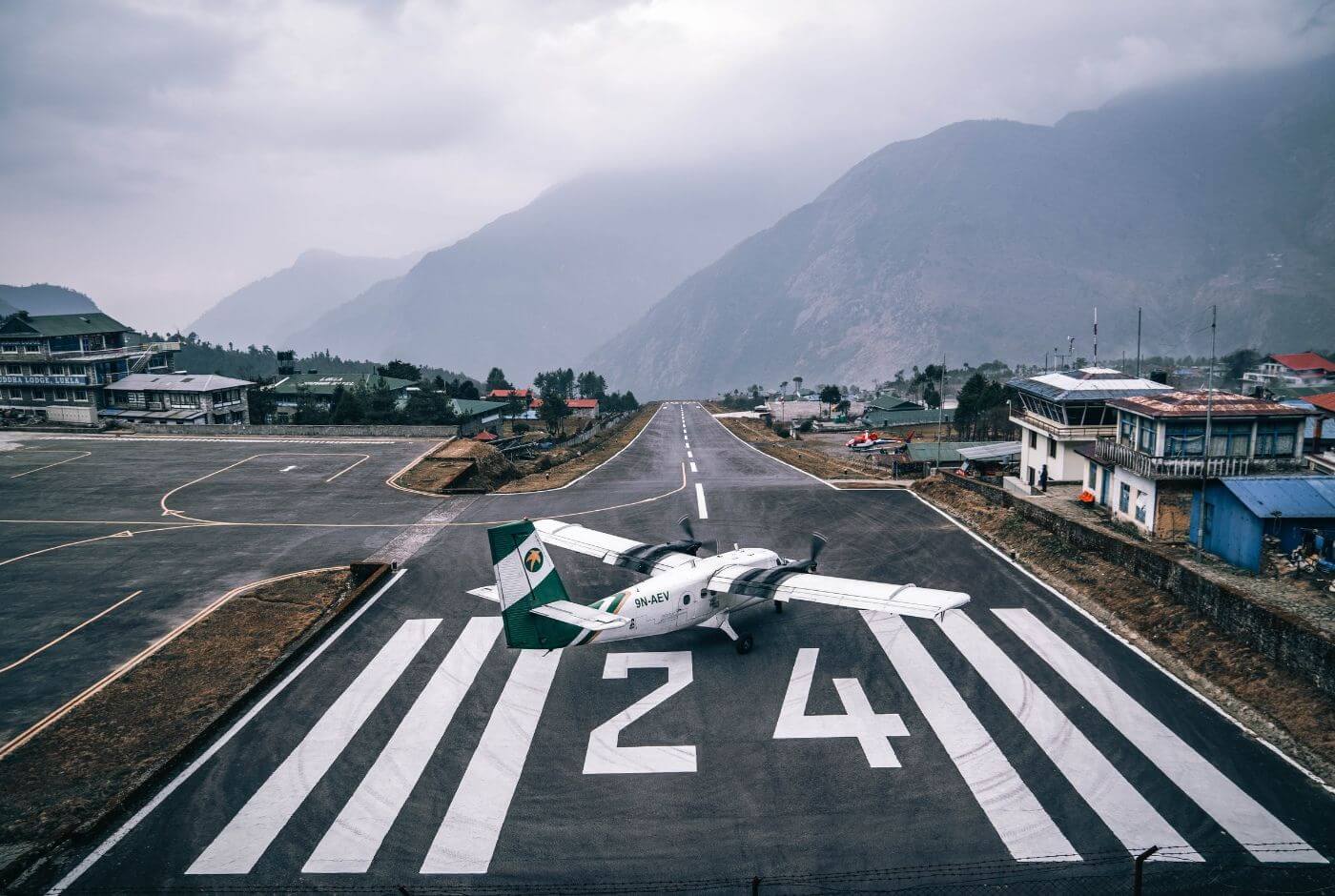
Routes from Kathmandu to Pokhara are quite safe compared to other remote regions. When flying with Buddha Air and Yeti Airlines, you do not need to worry about risk, as they operate modern aircraft with strict safety protocols. Jomsom Airport is a high-risk airport for tourists because it has a short runway, valley location, and unpredictable mountain weather.
High-challenging domestic airports include: Lukla (Tenzing-Hillary Airport), Jomsom, Phaplu, Jumla, and Dolpo. These airports have short runways, approach paths through mountains, and weather windows that can close within minutes.
Practical rule: Always book early morning flights on mountain routes. Weather deteriorates through the afternoon in most Himalayan valleys, and flight cancellations are common after 10 AM.
Road Safety
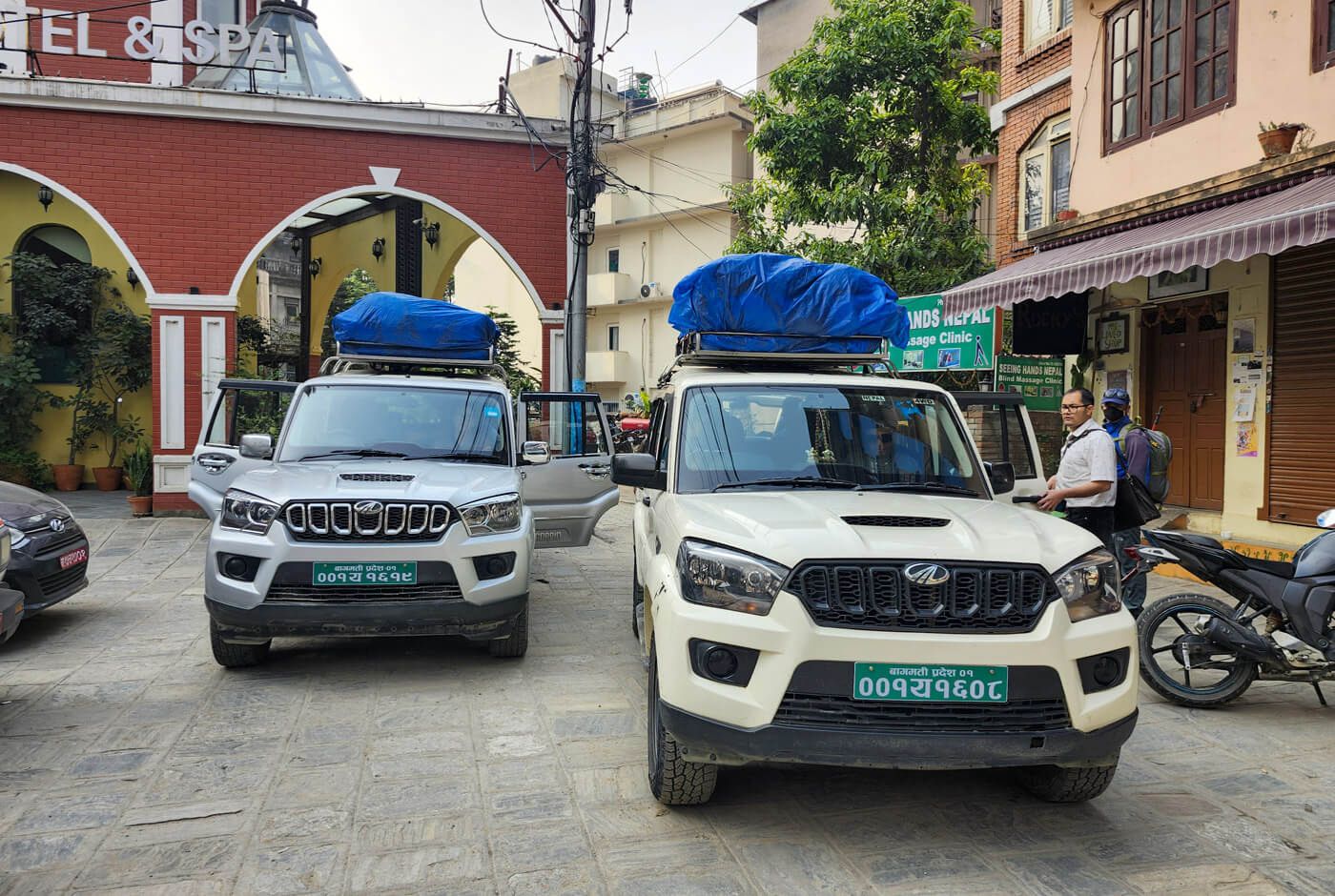
Nepal's road traffic fatality rate of 15.1 per 100,000 population significantly exceeds regional averages. The mountain highway network suffered maintenance delays during the protest period, increasing hazards on key routes including the Prithvi Highway connecting Kathmandu to Pokhara.
In general, roads in Nepal are in poor condition and lack basic safety features. Traffic is poorly regulated. Many drivers are neither properly licensed nor trained. Vehicles are poorly maintained. Public vehicles are often overloaded.
If renting a vehicle, always hire with a driver. Night driving on mountain roads is genuinely dangerous and should be avoided.
Health: Vaccinations, Waterborne Illness, Altitude Sickness, and Insurance
Recommended Vaccinations Before Traveling to Nepal
Based on guidance from the US CDC, UK FCDO, Australian Smartraveller, and Canadian Health Authority:
Routine vaccinations (ensure up to date): Measles-Mumps-Rubella (MMR), Diphtheria-Tetanus-Pertussis, Polio, Varicella
Recommended travel vaccinations for Nepal:
- Hepatitis A: High risk from contaminated food and water
- Typhoid: Risk is elevated in rural areas and for long-stay travelers
- Hepatitis B: Recommended for stays longer than one month or any medical procedure risk
- Rabies: Recommended for trekkers going into remote areas where animal bites are possible and evacuation is delayed
- Japanese Encephalitis: Recommended for rural and jungle travel, especially in Chitwan and Terai lowlands
- Cholera: Low risk for most travelers, precautionary for extended rural trips
No vaccinations are legally required
No vaccines are legally required to enter Nepal, but the above are strongly recommended based on destination and activities.
Waterborne and Foodborne Disease Risk
Waterborne, foodborne, parasitic and other infectious diseases are common. These include typhoid, cholera, and hepatitis. Drink only boiled or bottled water. Avoid raw or undercooked food.
Traveler's diarrhea affects the majority of visitors to Nepal at some point during extended stays. The standard guidance: drink only commercially bottled water or water that has been boiled or treated with iodine tablets or a UV purifier such as SteriPen. Avoid salads, raw vegetables, and street food from vendors without visible hygiene standards. Dal Bhat (rice and lentils) cooked fresh and served hot is generally safe throughout the country.
Recommended travel health kit for Nepal: pain relief (paracetamol and ibuprofen), anti-diarrheal (loperamide), antibiotics ciprofloxacin or azithromycin (prescription required), oral rehydration salts, altitude sickness medication acetazolamide (Diamox) under doctor guidance, antihistamines, wound care supplies, SPF 50+ sunscreen (essential at altitude where UV is dramatically stronger), insect repellent with DEET for lower altitude sections, hand sanitizer, and water purification tablets or UV device.
Altitude Sickness: The Primary Health Risk for Trekkers
Like any travel destination, Nepal has its share of health concerns. There is a potential risk of altitude sickness, insect-borne diseases ( malaria), and other travel-related illnesses while you are in Nepal.
Clinical data from the CIWEC Clinic in Kathmandu, published in peer-reviewed research, shows the scale of the problem:
Among 2,564 travelers seen with an altitude-related diagnosis, 50% had AMS and the remaining 50% had severe high altitude illness: 25% high altitude pulmonary edema (HAPE), 16% high altitude cerebral edema (HACE), and 9% a combination of both. The top 5 nationalities among travelers who acquired an altitude-related illness were the United Kingdom (12%), Australia (11%), USA (10%), Japan (7%), and India (5%). Altitude illness exposure in Nepal occurred primarily in the Everest region (71%) and the Annapurna region (11%).
AMS symptoms begin above 2,500 to 3,000 meters and include headache, nausea, fatigue, loss of appetite, and disrupted sleep. HACE and HAPE are life-threatening escalations requiring immediate descent of at least 500 to 1,000 meters as primary treatment.
How to be safe
- Carry first-aid kits with necessary medicines.
- Use water purification tablets when necessary.
- Apply insect-repellent cream
- Avoid eating street foods
Female Safety
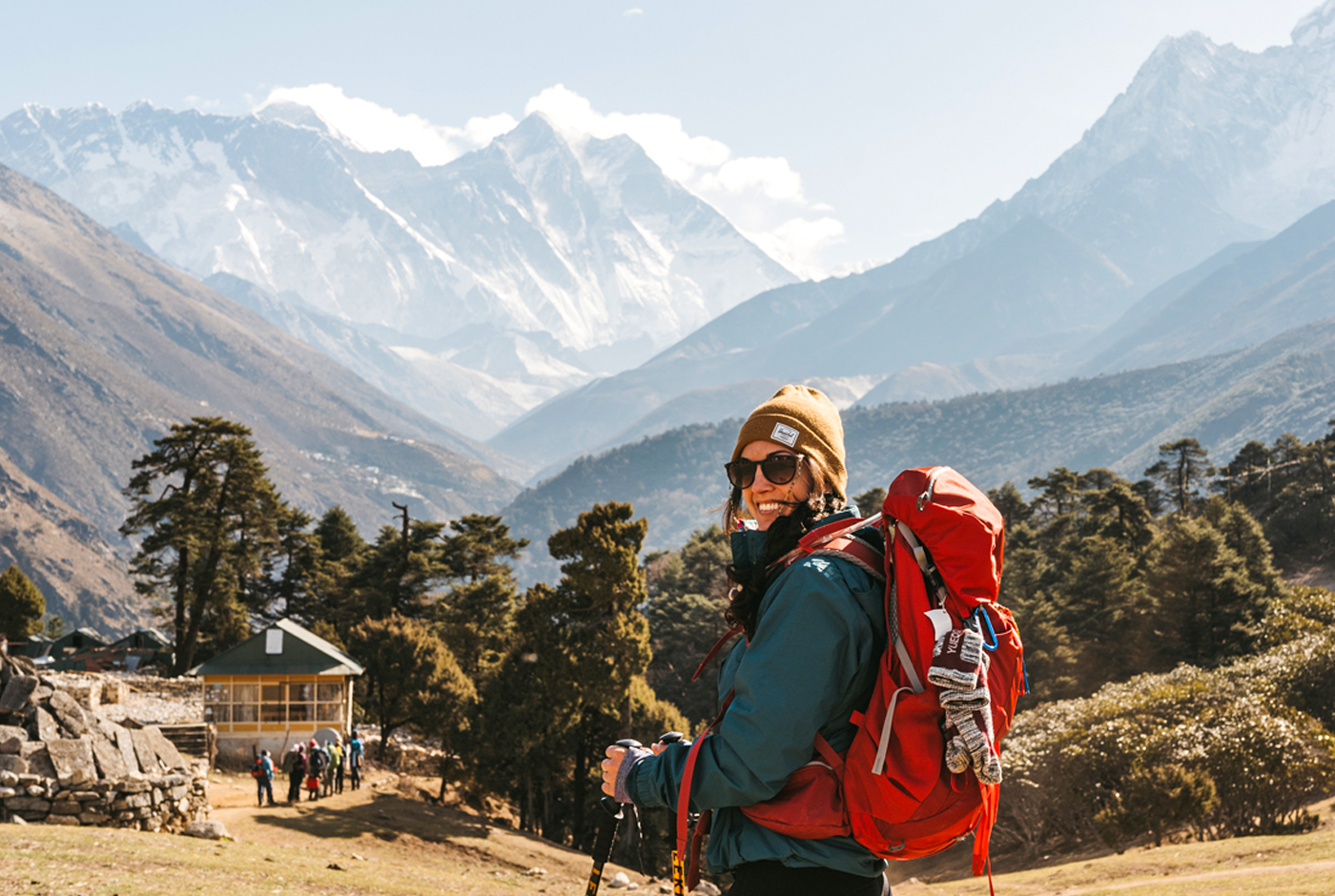
Nepal is a safe country, but when it comes to female safety, it is always better to prepare yourself in a new country.
If you are traveling solo and walking around the city in the daytime or at night, please make sure you are prepared for any dangers.
How to be safe
- Avoid walking in narrow alleys or dead-end roads.
- At night, always keep in contact with your friends or even hotel staff.
- Avoid speaking with people who follow you around the city.
- Always save the number of your hotels and nearby police stations.
Scams
If you are a foreigner traveling in Nepal, there are chances that someone may scam you. These can be taxi scams, shopping scams, hotel scams, or even money scams from a beggar.
The Beggar Scam: A woman or child mainly Indian people will ask you to buy milk powder for a baby rather than give cash. They lead you to a specific shop where the price is heavily inflated. Once you leave, they return the milk and split the cash with the shopkeeper.
Over-friendly "Free" Guides: Strangers may offer "free" tours of local sights. They often lead you to shops where they earn a high commission on your purchases or demand a large "tip" at the end, sometimes threatening harassment if you refuse.
Helicopter fraud rescue is a serious organized crime where trekking companies, hospitals, and helicopter operators collude. They may pressure trekkers with minor symptoms to evacuate by helicopter, promising that insurance will cover the massive bill, then split the profit among themselves.
Religious Blessing Scams: Self-proclaimed "holy men" (Sadhus) or women at major temples may put a tika (blessing mark) on your forehead or tie a thread around your wrist without asking, then demand payment.
Counterfeit Souvenirs: Shops often sell "antique" statues, low-quality "pashmina," and fake gems as authentic, high-value items.
Hence, you need to be careful not to fall under these traps.
How to be safe
- Book hotel rooms or taxis only from reliable and trusted companies.
- Don’t give money to beggars. You can buy food instead.
- Don’t pay more than what is shown on the taxi meter to the drivers.
- Use Pathao, Indrive or Yango to reach somewhere.
- Only book treks through agencies registered with the Trekking Agencies' Association of Nepal (TAAN) or the Nepal Tourism Board
- When paying by credit card, ensure the shopkeeper enters the correct amount in your presence to avoid skimming or overcharging
Food and Drink Safety
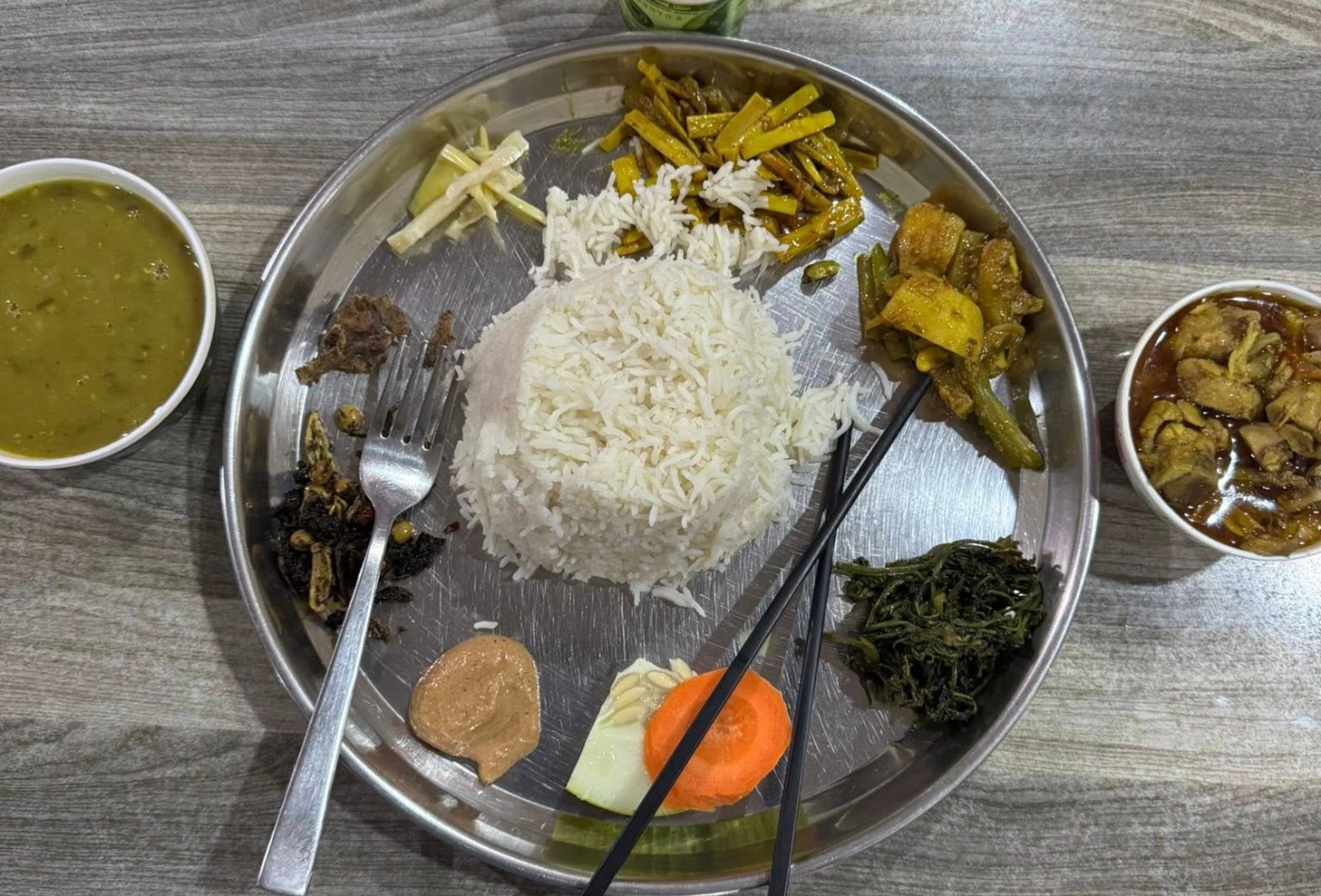
When it comes to food, Nepal is ready to challenge your taste buds! There is an availability of various cuisines that are complimented frequently with spices, so it is evident that your stomach is going to grumble.
Overall, what we’re trying to say is that you need to be aware of your diet. Street foods and tap water is going to cause many troubles on your visit to Nepal.
Stick to freshly cooked meals and purified water.
How to be safe
- Avoid oily and packed street foods.
- Stick to commercially sealed bottled water, ensuring the seal is intact before opening.
- On treks, use purification tablets (like Piyush chlorine drops), UV filters, or ask teahouses for boiled water.
- Carry anti-diarrhea tablets
- Dal Bhat (lentils and rice) is considered the safest meal. It is pressure-cooked at high heat, prepared fresh daily, and served piping hot.
- Avoid meat on high-altitude treks. Since it is often carried up by porters without refrigeration, the risk of spoilage is high. Stick to vegetarian options like vegetable momos
or noodles.
Conclusion
With this, we reach the end of the blog. We hope that now you know how to be safe while you travel to Nepal.
Nepal remains a fundamentally safe and deeply rewarding destination for travelers who balance their sense of adventure with a layer of mindful preparation. While common risks like petty theft in busy hubs, the "milk powder" scam, and food safety concerns require vigilance, they are easily managed by sticking to reputable establishments, using local ride-sharing apps, and following basic water hygiene. The legendary warmth of the Nepalese people continues to be the country's greatest security asset, often manifesting as a community-wide protective attitude toward foreign guests. By securing comprehensive travel insurance and staying informed of local conditions, you can confidently experience the spiritual depth and natural grandeur that make Nepal a world-class destination.
For a truly worry-free experience, consider embarking on your journey with a seasoned partner like us, the Nepal Hiking Team. As a TAAN-registered agency with a 5-star reputation on platforms like TripAdvisor, they specialize in bridging the gap between rugged adventure and high safety standards.
Our guides are extensively trained in first aid and altitude management, ensuring that every detail from identifying authentic cultural sites to monitoring your health on the trail is handled with professional care. Whether you are a solo traveller or trekking with family, let the Nepal Hiking Team transform your Himalayan dreams into a safe, expertly-managed reality.
We hope that you will have a safe stay in Nepal!
Post a Comment