
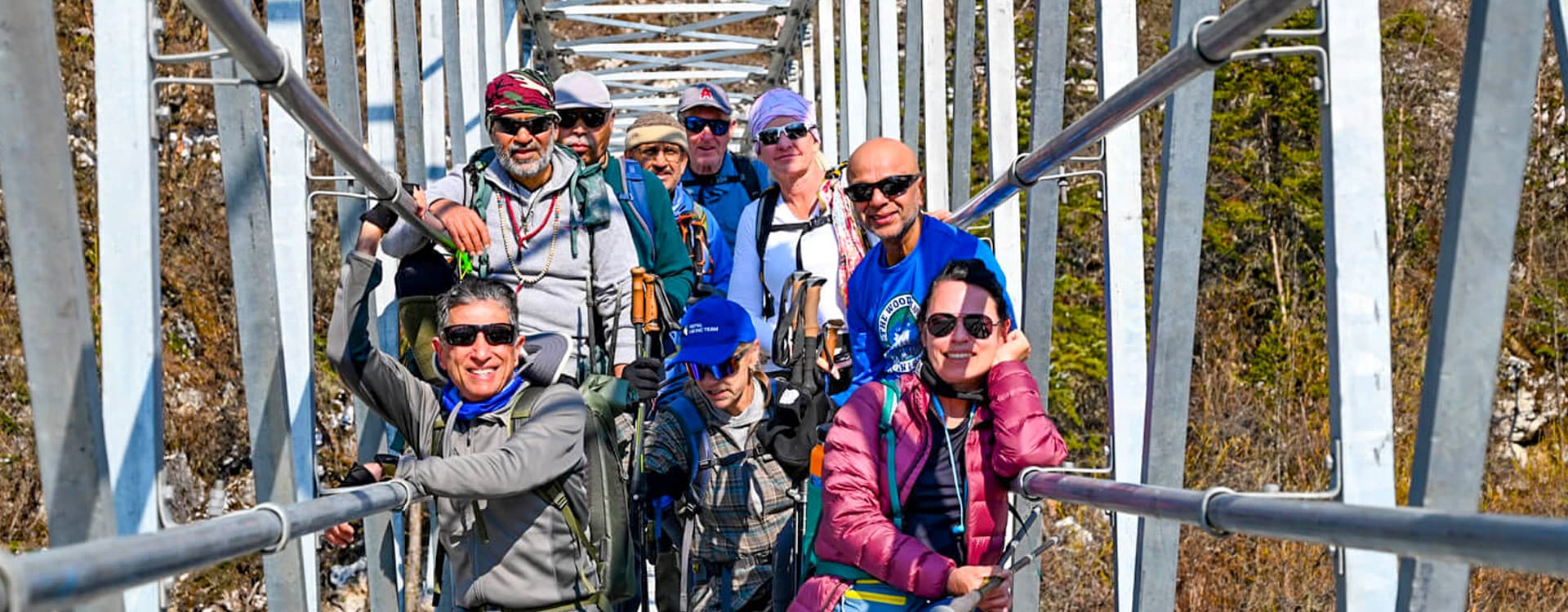
Nepal's restricted area trekking system underwent a significant policy update in 2026. The Department of Immigration Nepal, acting on a formal notice submitted by the Trekking Agencies' Association of Nepal (TAAN), has implemented changes that reshape permit issuance, particularly for solo trekkers and pre-arrival permit processing. This is one of the most important regulatory updates in Nepal trekking in recent years.
22nd March, 2026 Update: Nepal now allows single trekkers to obtain restricted area trekking permits and enables permit processing before arrival using visa details. Solo permits must still be arranged through a registered trekking agency. A licensed guide remains mandatory. Independent trekking in restricted areas is still not permitted.
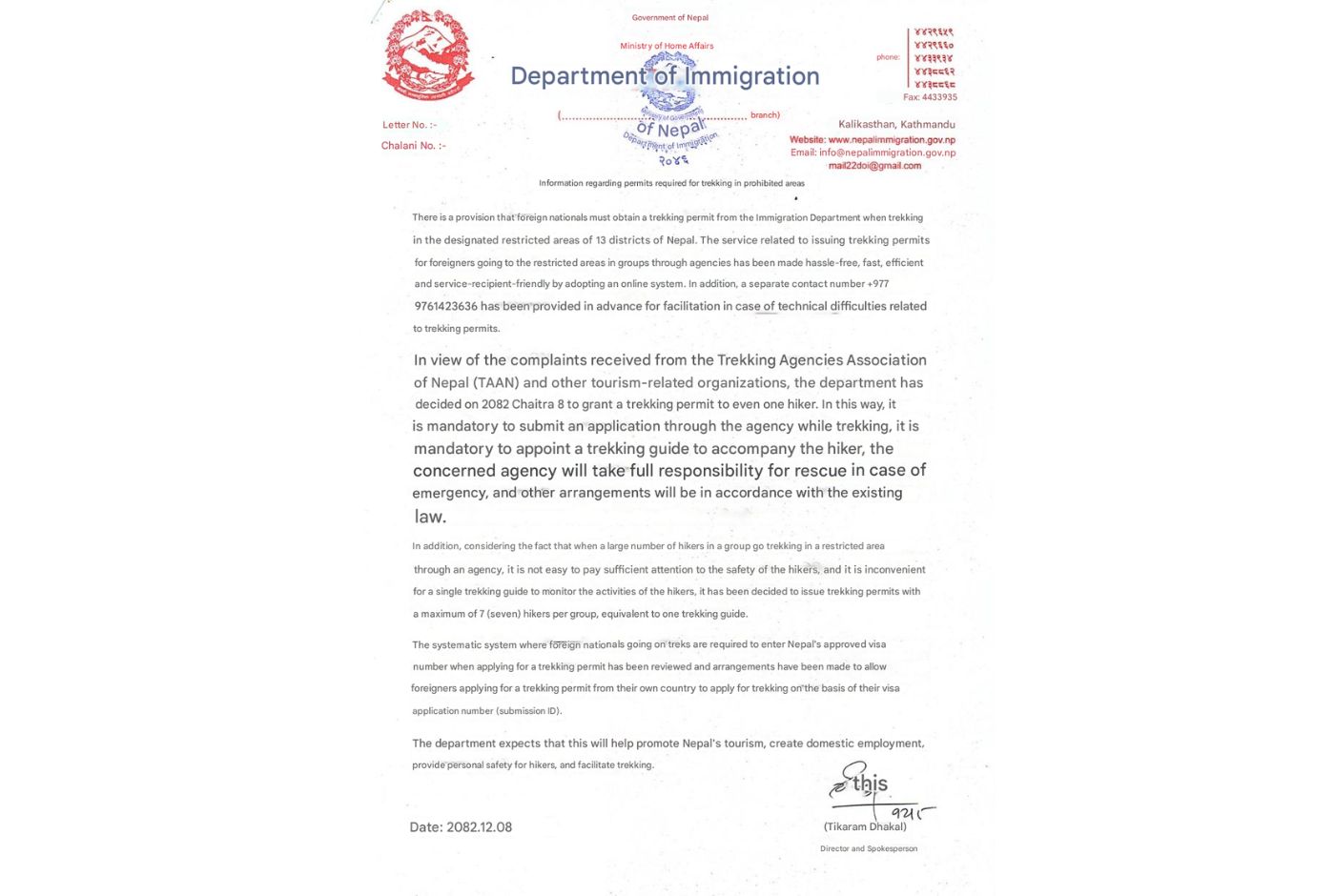
This official notice confirms that the updated permit rules are now in effect. The changes were formally submitted by TAAN to the Department of Immigration Nepal on March 23, 2026 (2082 Chaitra 10) and published, reflecting the implemented policy, not a pending proposal.
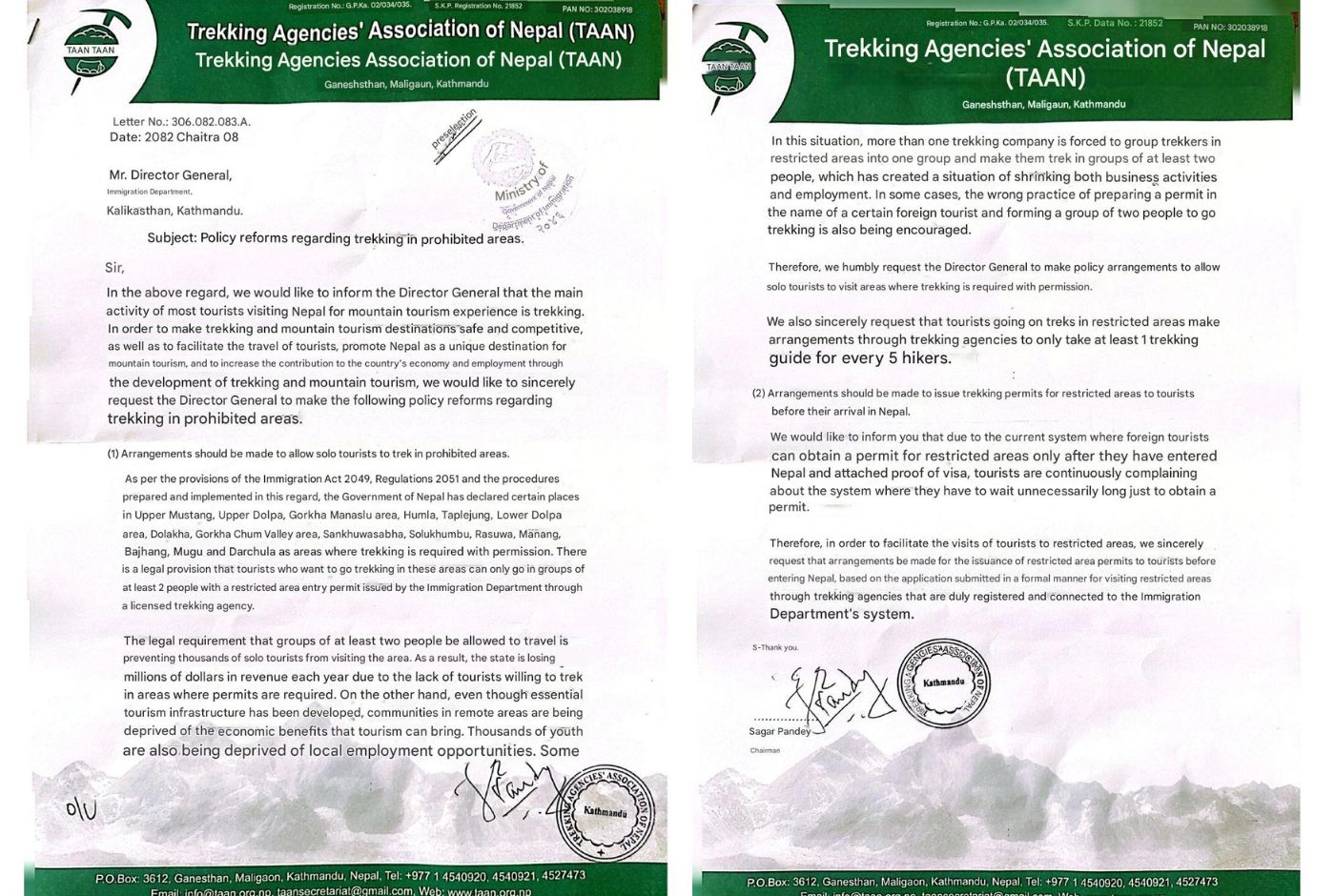
Understanding the Context Behind This Update
Nepal's restricted area trekking system had remained largely unchanged for decades. These regions — including Upper Mustang, Manaslu, Dolpo, and Kanchenjunga — require special permits due to their border sensitivity, cultural importance, and ecological value. While the system was designed to manage and protect these areas, it had also created structural limitations that are now formally corrected.
The 2026 update works within the existing Immigration Act 2049 (1992) and Immigration Regulations 2051 (1994).
What Changed in Nepal's Restricted Area Trekking Permit Rules (2026 Update)
The 2026 update introduces three practical changes that improve accessibility and efficiency without removing regulatory safeguards.
The first change addresses solo trekker access. The previous system required a minimum of 2 trekkers per group, with permits processed through a registered agency and a licensed guide mandatory at all times. Under the updated rules, a single trekker may now apply through a registered agency, while the guide requirement remains firmly in place to ensure safety and compliance. This removes the group barrier without removing regulatory control.
The second change introduces a revised guide-to-trekker ratio. One licensed guide can now manage up to 7 trekkers, replacing the previous more restrictive ratio. This gives agencies greater operational flexibility while keeping licensed guide accompaniment mandatory throughout the trek.
The third change focuses on pre-arrival permit processing. Previously, trekkers had to arrive in Nepal before applying for permits, creating delays and uncertainty, especially during peak trekking seasons. The updated system allows permit processing before arrival using a passport and either a visa number or a visa application submission ID submitted in advance. Permits can be ready before trekkers land in Nepal.
Can Solo Trekkers Now Trek in Restricted Areas?
Yes. Nepal has removed the minimum group requirement of two trekkers for restricted area permits. A single trekker may now apply for and obtain a restricted area permit through a registered trekking agency.
However, solo trekking does not mean independent trekking. The following remain mandatory under the 2026 rules:
- All permits must be obtained through a registered trekking agency
- A licensed trekking guide must accompany the trekker at all times
- All restricted area entry, exit, and conduct rules remain unchanged
The update removes the group size barrier — it does not remove regulatory control. Agencies and licensed guides remain the mandatory framework through which all restricted area trekking is conducted.
New Guide-to-Trekker Ratio (1:7 Rule)
The 2026 rules introduce a revised guide-to-trekker ratio. One licensed guide can now accompany up to 7 trekkers in restricted area zones. This replaces the previous more restrictive ratio and has direct implications for how agencies structure and price group treks.
The new 1:7 ratio makes group trekking in restricted areas more operationally efficient without reducing the mandatory presence of a qualified licensed guide. All agencies operating in restricted zones must comply with this updated ratio. Exceeding the 1:7 limit per licensed guide is not permitted.
New Permit Application Process (Before Arrival)
One of the most significant practical changes in the 2026 update is the introduction of pre-arrival permit processing. Trekkers can now initiate and complete their restricted area permit application before landing in Nepal.
Under the updated system:
- Permit applications can be submitted using a visa number or a visa application submission ID
- Processing is completed in advance, so permits can be ready upon or before arrival
- All applications must still be submitted through a registered trekking agency
This allows trekkers to plan with greater certainty and reduces administrative pressure on agencies during high-demand periods. It is particularly beneficial for international trekkers booking from abroad on fixed travel schedules.
Why This Update Was Implemented
One of the key drivers behind this update was the misuse of the previous group permit system. In practice, some trekkers registered under group permits but traveled independently, creating gaps in compliance and monitoring. The 2026 rules formalize solo access in a transparent and regulated way. The update formalizes what was already happening informally.
Beyond the compliance issue, the minimum group requirement had been limiting tourism growth in remote regions. Many solo travelers were simply unable to access these areas under the previous rules, reducing the flow of trekkers to communities that depend directly on this income — guides, porters, teahouse owners, and other local workers.
The update works within existing immigration legislation, focusing on practical corrections rather than a systemic overhaul. This is not only a tourism improvement — it is a rural economic correction.
Restricted Areas Covered by the 2026 Rule
Nepal's restricted trekking zones are among the most remote, culturally rich, and ecologically significant landscapes on earth. The 2026 permit rule updates apply to all of these designated zones.
Manaslu Region sits in the shadow of the world's eighth-highest mountain and offers one of the most dramatic high-altitude circuit treks in Nepal. The region's deep gorges, ancient monasteries, and Tibetan-influenced culture make it a destination of exceptional depth.
Upper Mustang, once the forbidden kingdom of Lo, remains one of the most protected cultural landscapes in the Himalayas. Its desert plateau, medieval cave monasteries, and preserved Tibetan Buddhist heritage attract trekkers seeking something far beyond the standard trail experience.
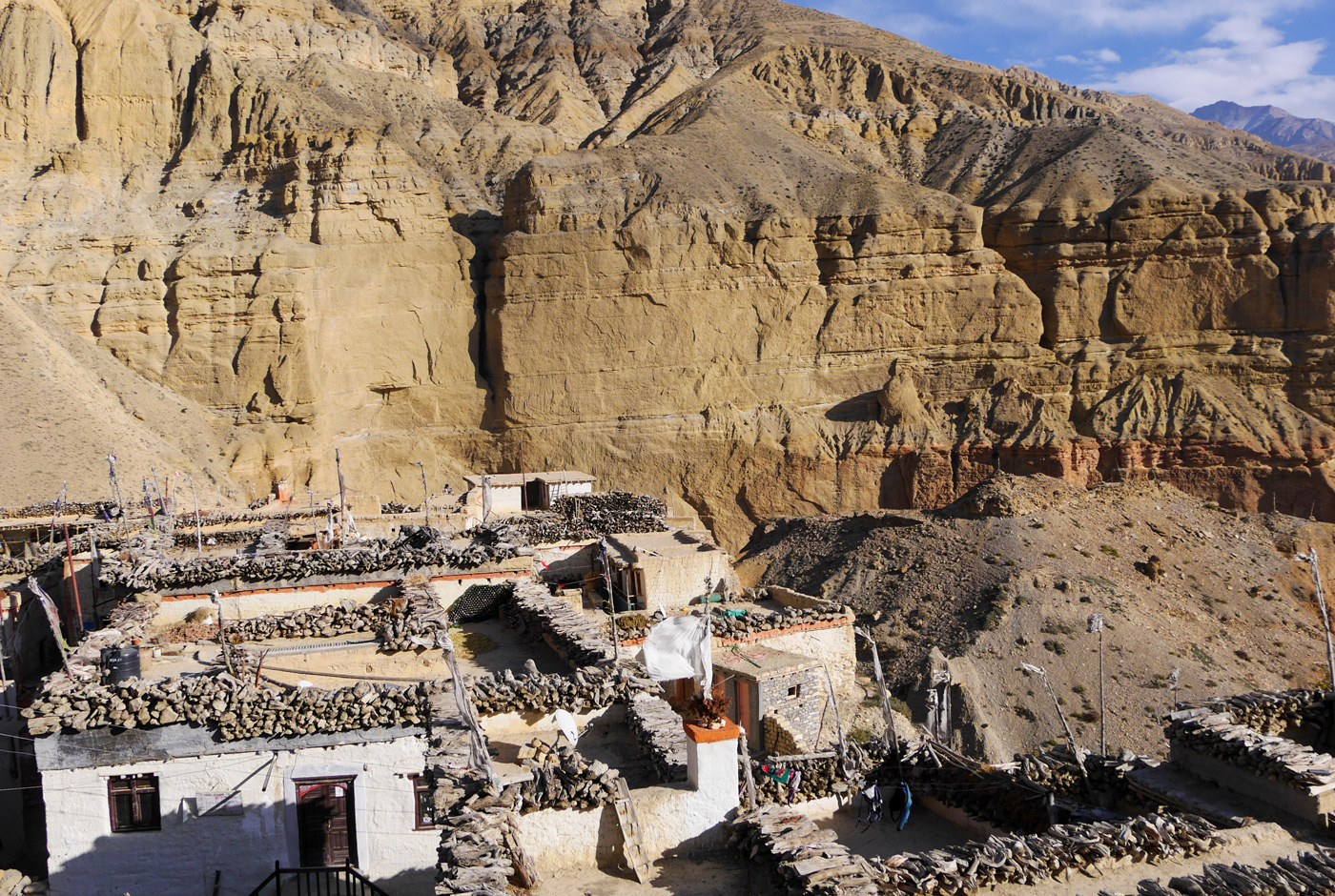
Upper Dolpo is one of the most isolated regions in Nepal and among the least visited trekking destinations in all of Asia. This high-altitude plateau sits above 4,000 metres and is home to one of the last intact Bon Buddhist cultures in the world.
Kanchenjunga Region in the far east of Nepal offers a wilderness trekking experience unlike anything found on Nepal's more popular routes. The area surrounds the world's third-highest mountain and spans two conservation areas, providing extraordinary biodiversity alongside dramatic mountain scenery.
Humla and Simikot represent Nepal's most remote northwest frontier. The trek toward the sacred Lake Manasarovar and Mount Kailash in Tibet passes through this region, giving it deep religious significance for Hindu and Buddhist pilgrims alike.
Tsum Valley, tucked into the northern reaches of the Gorkha district, was opened to trekkers only in 2008 and remains one of Nepal's most spiritually significant hidden valleys. The valley is considered sacred by Tibetan Buddhists and is home to ancient monasteries, sacred caves, and a community that has maintained its traditional way of life with remarkable continuity.
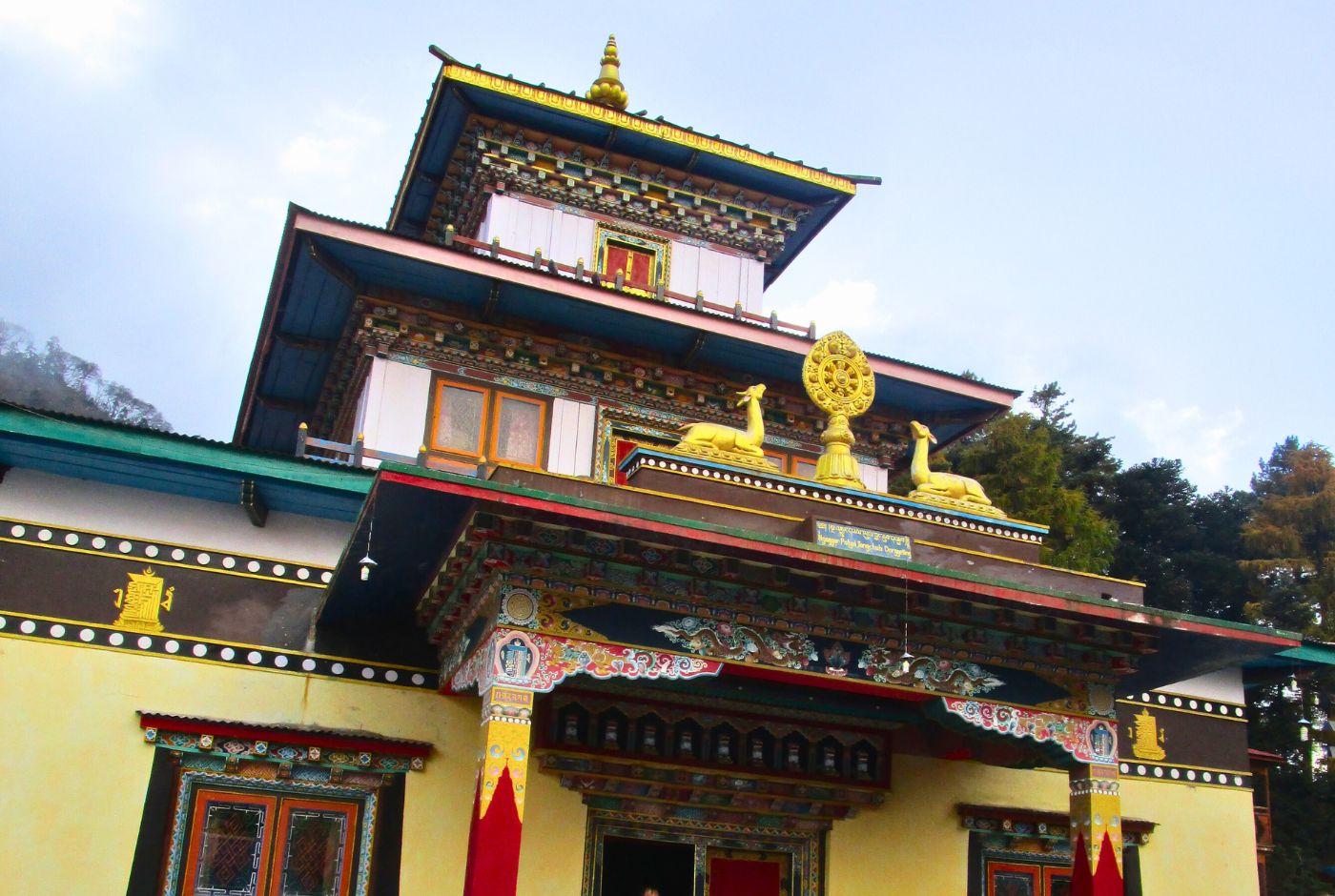
Nar-Phu Valley lies just north of the Annapurna Circuit and offers a rarely visited alternative to Nepal's busier trekking corridors. The valley's two villages — Nar and Phu — sit at extreme altitude and retain a strongly Tibetan character, surrounded by glaciers and high passes. The valley sees relatively few visitors each year, meaning any increase in trekking access has an immediate and meaningful impact on the local population.
Each of these destinations represents not just a trekking route, but a living cultural and ecological system — and the 2026 permit update ensures these systems receive both the protection and the economic support they need to thrive.
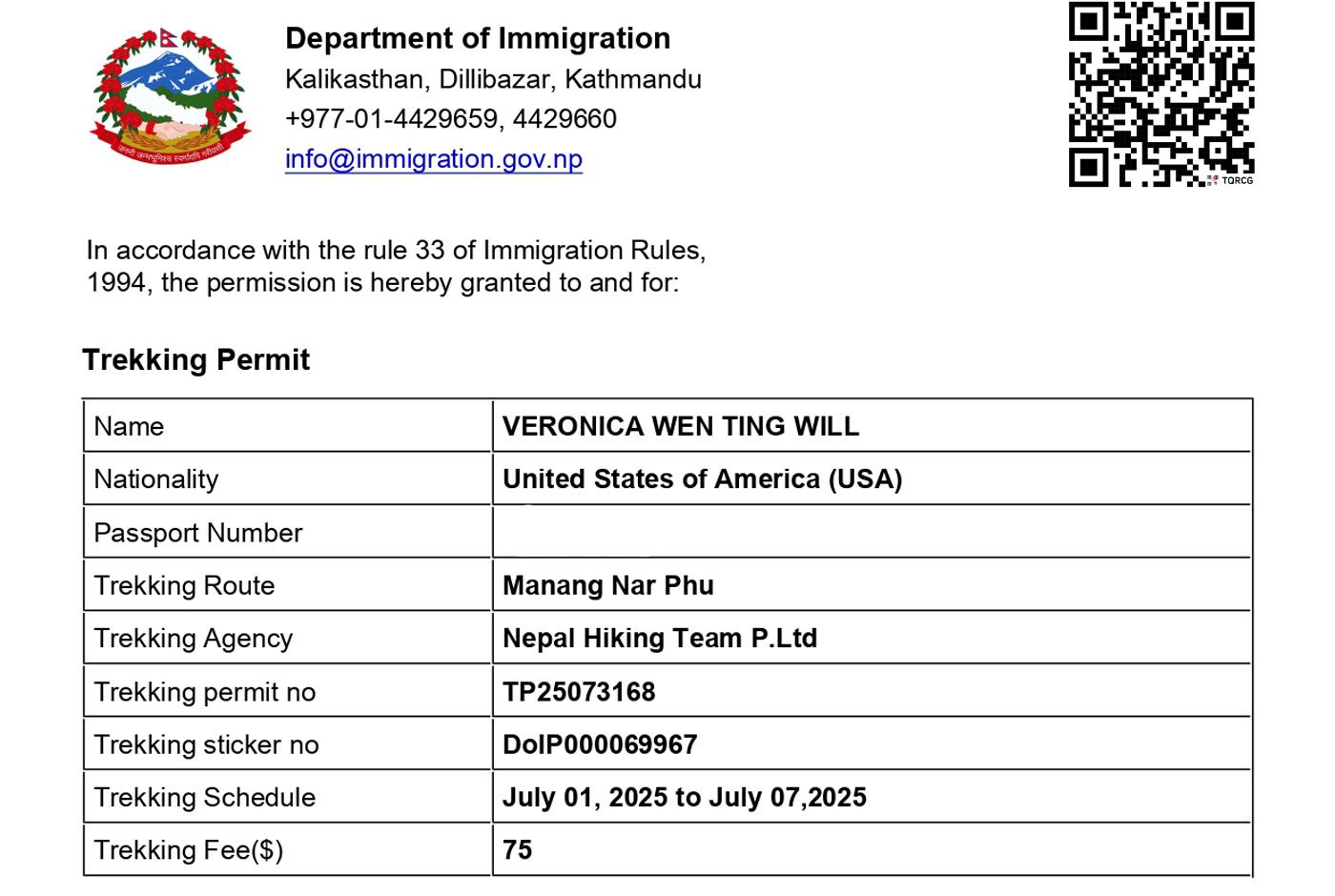
Updated Restricted Area Permit Fees (2026)
| S.N. | Region | Permit Fee Structure |
|---|---|---|
| 1 | Upper Mustang | USD 50 per person per day (no minimum days) |
| 2 | Upper Dolpo | USD 500 for first 10 days, then USD 50/day |
| 3 | Manaslu (Gorkha) | Sep–Nov: USD 100/week + USD 15/day after; Dec–Aug: USD 75/week + USD 10/day after |
| 4 | Humla | USD 50/week + USD 10/day after |
| 5 | Taplejung / Kanchenjunga | USD 20/week (first 4 weeks), then USD 25/week |
| 6 | Lower Dolpo | USD 20/week + USD 5/day after |
| 7 | Dolakha / Gaurishankar | USD 20/week |
| 8 | Tsum Valley (Gorkha) | Sep–Nov: USD 40/week + USD 7/day after; Dec–Aug: USD 30/week + USD 7/day after |
| 9 | Makalu / Sankhuwasabha | USD 20/week (first 4 weeks), then USD 25/week |
| 10 | Solukhumbu (restricted parts) | USD 20/week (first 4 weeks), then USD 25/week |
| 11 | Rasuwa | USD 20/week |
| 12 | Nar Phu (Manang) | Sep–Nov: USD 100/week + USD 15/day after; Dec–Aug: USD 75/week + USD 15/day after |
| 13 | Bajhang (Saipal) | USD 90/week + USD 15/day after |
| 14 | Mugu | USD 100/week + USD 15/day after |
| 15 | Darchula | USD 90/week + USD 15/day after |
What This Update Corrects in Nepal's Trekking System
The 2026 update does three distinct things at once. It corrects an outdated rule by removing the minimum group requirement that no longer reflected how modern travelers plan and book treks. It closes misuse loopholes by replacing informal group permit workarounds with a transparent solo permit process. And it improves permit system efficiency by enabling pre-arrival processing that reduces delays and administrative friction for both trekkers and agencies. This is a structural correction, not a minor adjustment.
At the same time, the update does not remove control mechanisms. Registered trekking agencies remain mandatory. A licensed guide is still compulsory. The 1:7 guide-to-trekker ratio must be observed. Restricted area rules remain unchanged. This is controlled access, not independent trekking.
What This Means for Trekkers
For solo travelers, the 2026 update removes the most significant barrier to accessing Nepal's restricted trekking zones. Trekkers no longer need to form or join a group to obtain a permit. They can book directly through a registered agency, arrange a licensed guide, and apply before their trip begins using their visa number or visa application submission ID.
For group trekkers, the new 1:7 guide ratio may reduce per-person costs by allowing larger groups to operate under a single licensed guide within the regulated framework.
For trekking agencies, the ability to serve solo clients in restricted areas opens new business opportunities. Advance permit approvals reduce last-minute administrative pressure during peak seasons and allow agencies to offer more reliable itineraries. The updated system also replaces informal workarounds with a fully compliant process, reducing regulatory risk.
For local communities across Manaslu, Upper Mustang, Upper Dolpo, Kanchenjunga, Humla, Tsum Valley, and Nar-Phu Valley, increased trekking access means more direct economic benefit — for guides, porters, teahouse operators, and the broader local economy in areas that have the infrastructure to receive visitors but were artificially limited by outdated rules.
The 2026 update aligns Nepal's trekking permit policy with modern travel behavior while maintaining the safety, regulatory, and cultural protections that restricted area status exists to provide.
Post a Comment