
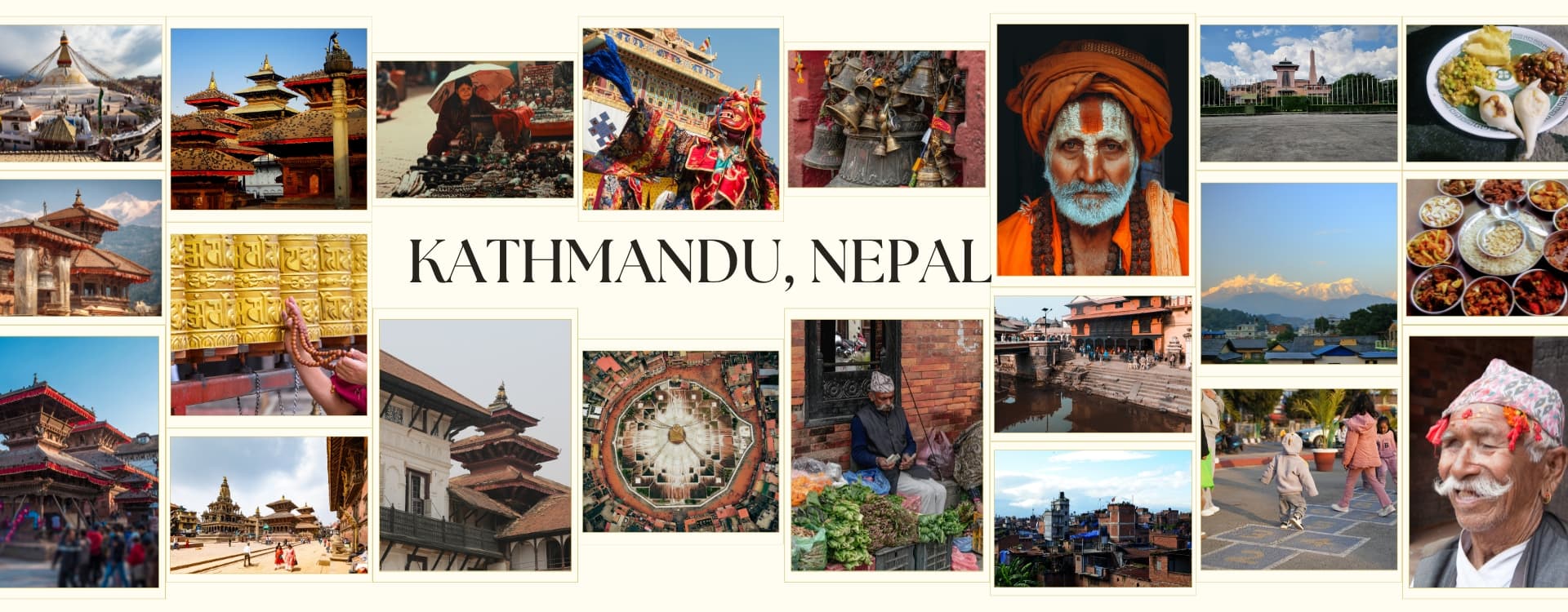
Kathmandu is world-famous for its deep-rooted spirituality, rich Newari architecture, and its status as the global gateway to the Himalayas. It is a vibrant, chaotic blend of ancient traditions and bustling modern life, heavily shaped by its indigenous Newar culture.
Kathmandu is famous as the vibrant capital city of Nepal, renowned for its rich Newari architecture, sacred temples, and as the main gateway to the Himalayas.
Kathmandu, or Kasthamandap, is famous for its diverse culture, vibrant festivals, unique architecture, and its role as the gateway to the Himalayas. The city is also renowned for its ancient pagoda temples, durbar squares, and lively markets near Asan, which have been around for over a century.
The valley is situated at an elevation of 1,324 m (4,344 ft) above sea level and is the epicenter of Nepal’s history, art, economy, and culture. It is considered one of the most significant cultural hubs in South Asia, offering an up-close glimpse into the past and present history of Nepalese society.
In this blog, dive deeper into what Kathmandu is famous for, its history, diverse culture, ancient architecture, people, traditions, and lifestyle with us. Know more about why UNESCO calls it a World Heritage property and what to do during your stay.
What is Kathmandu Valley Famous For? Cultural Heritage and Traditions
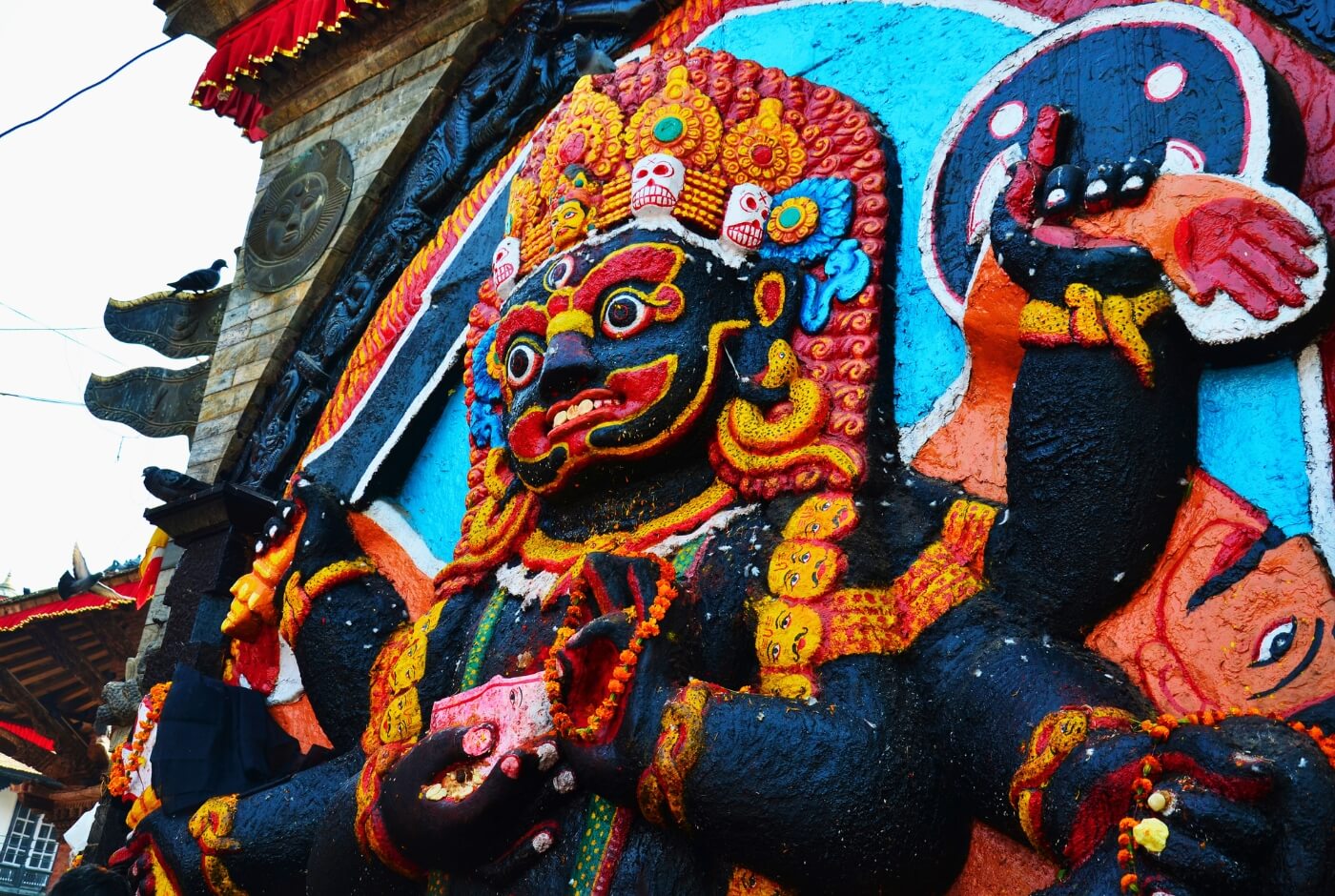
The Kathmandu Valley is famous as the hub of Nepal’s unique architecture, classical art, diverse culture, and religion. Similarly, the city is home to seven UNESCO-listed monuments, three former royal capitals, and a living goddess.
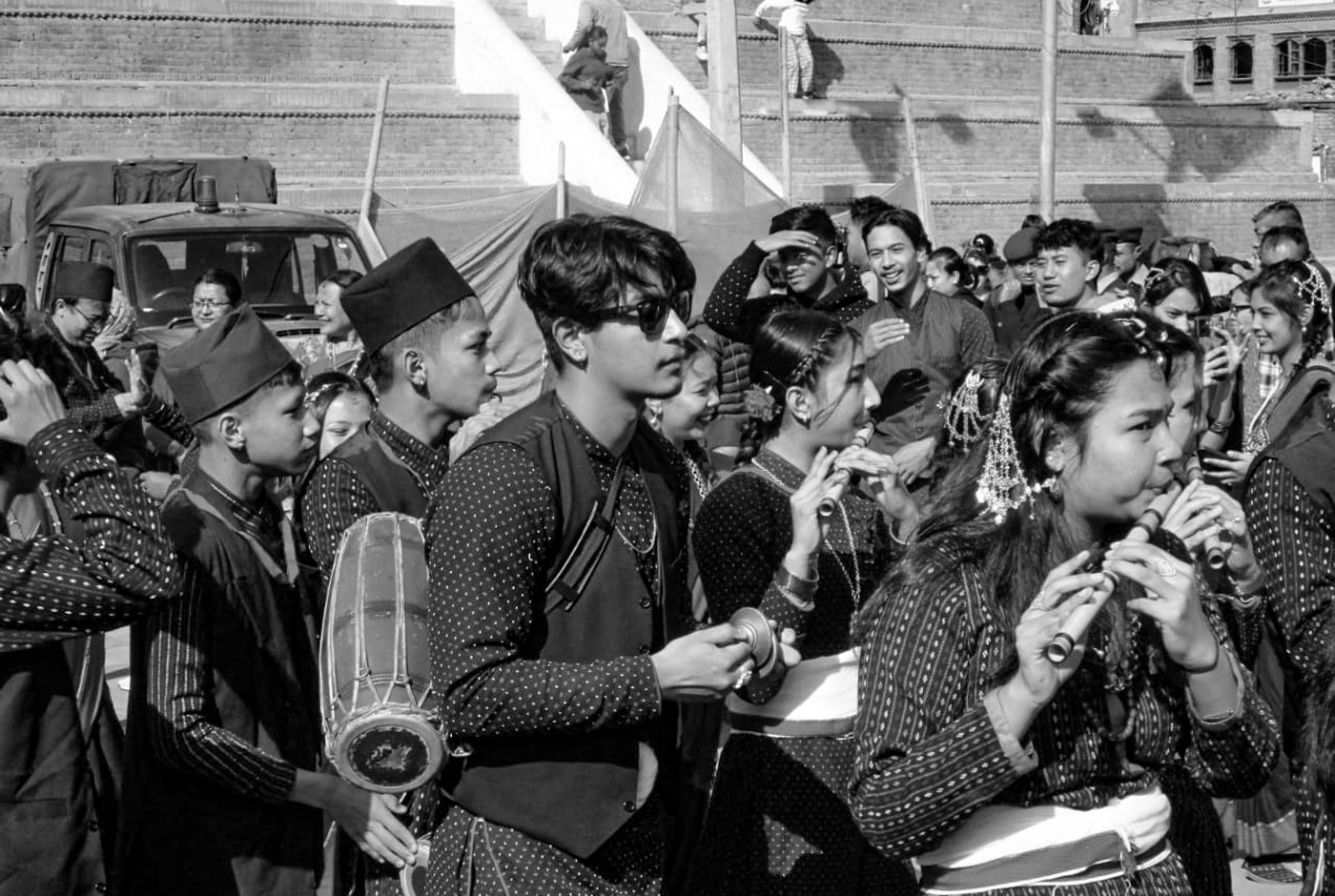
The valley is distinct from other historic destinations for its unique blend of ancient Buddhist and Hindu heritage. Kathmandu’s cultural backbone is the Newars, the indigenous community whose language, cuisine, festivals, craftsmanship, and the guthi (social trust) system helped preserve the cultural identity. Here, the heritage is lived through daily lifestyle and festivals.
A brief Timeline of Kathmandu Valley:
- Ancient lake era: According to legend, the entire Kathmandu Valley was a serpent-filled lake until the bodhisattva Manjushri cut a gorge at Chobhar, draining it.
- Licchavi period (roughly 400-750 CE): Two townships named Yambu and Yangal merged into the city of Kantipur and laid the cultural and religious groundwork for what follows.
- Malla Dynasty (1200-1769): Six centuries of Newar regime that produced almost everything that is now associated with “old Kathmandu,” such as Durbar squares, Newar art, and Pagoda temples.
- Gorkha Unification (1768-69): Unification of the nation by the Late King Prithivi Narayan Shah after conquering the Kathmandu Valley.
- Rana Era (1846-1951): A century of hereditary prime ministers who mostly isolated Nepal from the outside world.
- 1979: UNESCO lists the Kathmandu Valley as a World Heritage property.
- 2015: An earthquake of 7.8 magnitude damaged most of the historic monuments, requiring a decade-long restoration effort, which is still ongoing in some places.
How Was Kathmandu Formed? Modern vs Traditional Lifestyle in Kathmandu City
According to the local myth, the Kathmandu Valley was a lake called Nagadaha (meaning serpent-filled), which was slashed open the valley’s southern rim by the Bodhisattva Manjushri near the Chobhar ridge. This allowed the water to drain and created the now-Kathmandu valley for human settlement.
As of now, the locals visit Taudaha Lake, a small remnant pond southwest of the city, believed to be where the naga kind relocated after the great lake drained.
In addition, the geology tells a similar story about Kathmandu being a lake basin, which gradually drained due to the ice-age climate shift, sediment infill, and eventually a cut through the limestone at Chobhar. Once dried, the valley's rich and fertile soil supported some of the earliest farming settlements in the Himalayan foothills.
As of 2026, the lifestyle in Kathmandu is a contrast between modernity and traditional life, which is reflected in the city where you walk past a centuries-old pagoda that is likely beside a present-day style cafe or a shop.
The Kathmandu valley soaks up new without discarding the old. Explorers can observe century-old festivals and traditions in one corner, while witnessing the younger generation work in tech startups in another.
History of the Malla Dynasty’s impact on Kathmandu’s culture
The Malla Dynasty, which ruled the valley from roughly 1200 to 1769 CE, is responsible for what Kathmandu looks like today. The Malla kings turned Kathmandu, Patan, and Bhaktapur into three rival city-states that openly competed with one another through architecture.
The dynasty’s founder, Arimalla, ascended the throne around 1200, and the word “Malla” (meaning wrestler in Sanskrit) was adopted for its fondness for the sport. The early Malla period wasn’t smooth, with a devastating 1255 earthquake and the 1345-46 raid by the Sultan of Bengal that looted and burned nearly every major shrine.
The stability returned under Jayasthiti Malla, who reigned from 1382 to 1395, unifying the valley, codified its law (including its caste structure), and set the stage for the cultural golden age that followed.
In addition, that golden age peaked after 1482, when the kingdom split into the three independent city-states of Kathmandu, Patan, and Bhaktapur. Each city flourished with its own royal line. Moreover, the Newar architecture matured into the pagoda style seen today during the Malla dynasty.
Nonetheless, the Mallas established Nepal Bhasa (the Newar Language) as a language of literature and administration. Likewise, they formalized the worship of the Kumari as a state institution and turned trade with Tibet into the economic gain that funded all this building. Although the Malla rule ended in 1768-69, the physical and cultural roots that the Mallas sowed are still the skeletal backbone of Kathmandu’s identity today.
How Did Kathmandu Become a UNESCO World Heritage Site?
The Kathmandu Valley was inscribed on UNESCO’s World Heritage List in 1979 as a single property made up of seven separate monuments scattered across the valley rather than one continuous site.
The seven UNESCO World Heritage sites in the Kathmandu Valley are:
- Kathmandu Durbar Square (Hanuman Dhoka): the former royal palace of both the Malla and Shah dynasties
- Patan Durbar Square: the most architecturally refined monuments built for the Malla kings of Patan
- Bhaktapur Durbar Square: One of the well-preserved artifacts built to serve the ruling royal family and the local patron goddess, Taleju Bhawani
- Swayambhunath (Monkey Temple): one of Nepal’s oldest and most sacred religious sites, renowned for the iconic Buddha eyes painted on its golden spire
- Boudhanath: Nepal’s largest spiritual landmark for Tibetan Buddhism
- Pashupatinath: one of the largest and oldest temples dedicated to Lord Shiva in Nepal
- Changu Narayan: the oldest Hindu temple in Nepal, celebrated for its ancient Licchavi-era stone inscriptions and wood carvings of Lord Vishnu’s avatars
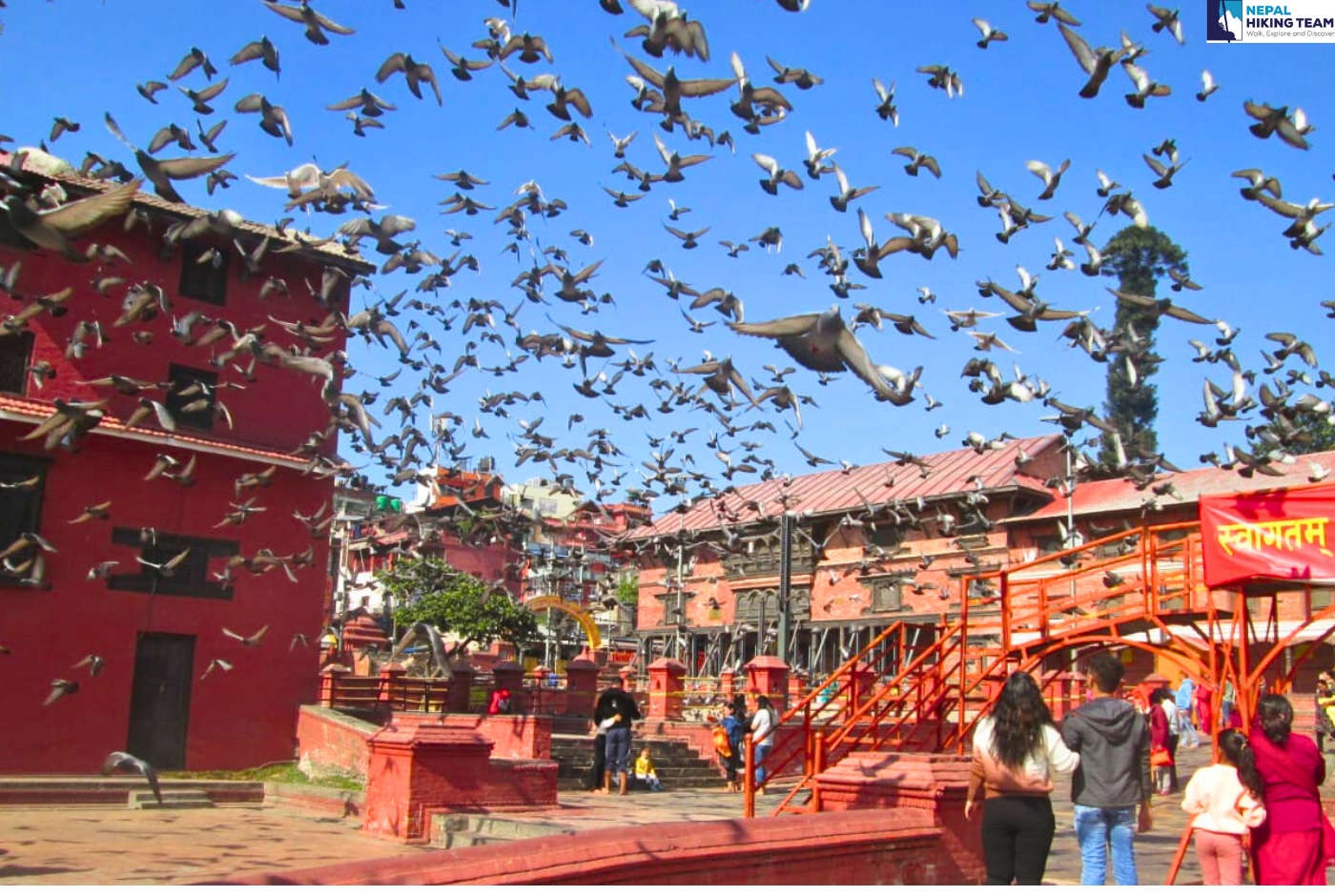
Pashupatinath temple in Kathmandu
These sites have faced recurring conservation pressure from urban development to the devastating 2015 earthquake.
What are the main cultural attractions in Kathmandu?
The main cultural attractions around the Kathmandu Valley are the Kathmandu Durbar Square, Boudhanath Stupa, Swayambhunath, Pashupatinath, and others. These cultural heritage sites reflect the century-old architecture, traditions, and cultures deeply rooted in Newari craftsmanship.
Kathmandu Durbar Square
Located in the heart of the city, the Kathmandu Durbar Square (Hanuman Dhoka Durbar/ Basantapur Durbar) is a culturally significant site and home to former Malla and Shah kings before the monarchy relocated to Naryanhiti Palace in the 19th century.
Boudhanath Stupa
Boudhanath Stupa is one of the oldest Tibetan Buddhist sites outside Tibet, where hundreds of pilgrims and monks circumambulate the dome, spinning prayer wheels.
Swayambhunath
Swayambhunath Stupa, which is nicknamed Monkey Temple, is the Kathmandu valley’s oldest Buddhist monument. The site sits at the hilltop, offering panoramic views of the city, while blending Hindu and Buddhist shrines.
Patan Durbar Square
Patan Durbar Square is another palace building built for the former Malla kings, with a heavier Buddhist influence and the finest stone and metal craftsmanship in the valley. The Patan Museum inside the old palace, the ornately carved Royal Bath (Tusha Hiti), and the stone Krishna Mandir are the key highlights.
Bhaktapur Durbar Square
Bhaktapur Durbar Square is the best-preserved of the three city-states, popular for its pottery squares, the towering five-tiered Nyatapola Temple, and streets lined with wood-carving workshops.
Pashupatinath Temple
One of the biggest and holiest temples dedicated to Lord Shiva in his form as Pashupati, “lord of the animals”. The main pagoda-style sanctum can be entered by non-Hindus. In addition, the Pashupatinath temple is also a key cremation place for Hindus that takes place in full public view.
What is the significance of Newari cuisine in Kathmandu’s cultural identity?
Newari food is a distinct, older culinary tradition with more than 200 documented dishes, carefully developed by the valley’s indigenous Newar community for thousands of years. The food is almost like a second calendar tied to specific festivals, life stages, communities, and specific rituals.
Some of the popular Newari dishes are:
- Samay Baji: A signature platter with beaten rice, choila, bara, eggs, fish, soybeans, and pickles
- Choila: A traditional meat dish made with smoky and heavily spiced grilled meat, mainly buffalo
- Bara: A traditional pancake made from ground black lentils, which can be topped with minced meat or egg
- Chatamari: A thin rice-flour crepe topped with egg, meat, and vegetables, which is often called “Newari pizza”
- Yomari: A steamed fish-shaped rice-dough dumpling filled with sweetened milk or molasses, specifically made during the Yomari Punhi festival
- Juju Dhau: A traditional, thick, and sweet yogurt which translates to “king of curd”
The Role of the Kumari “Living Goddess” in Nepali Culture
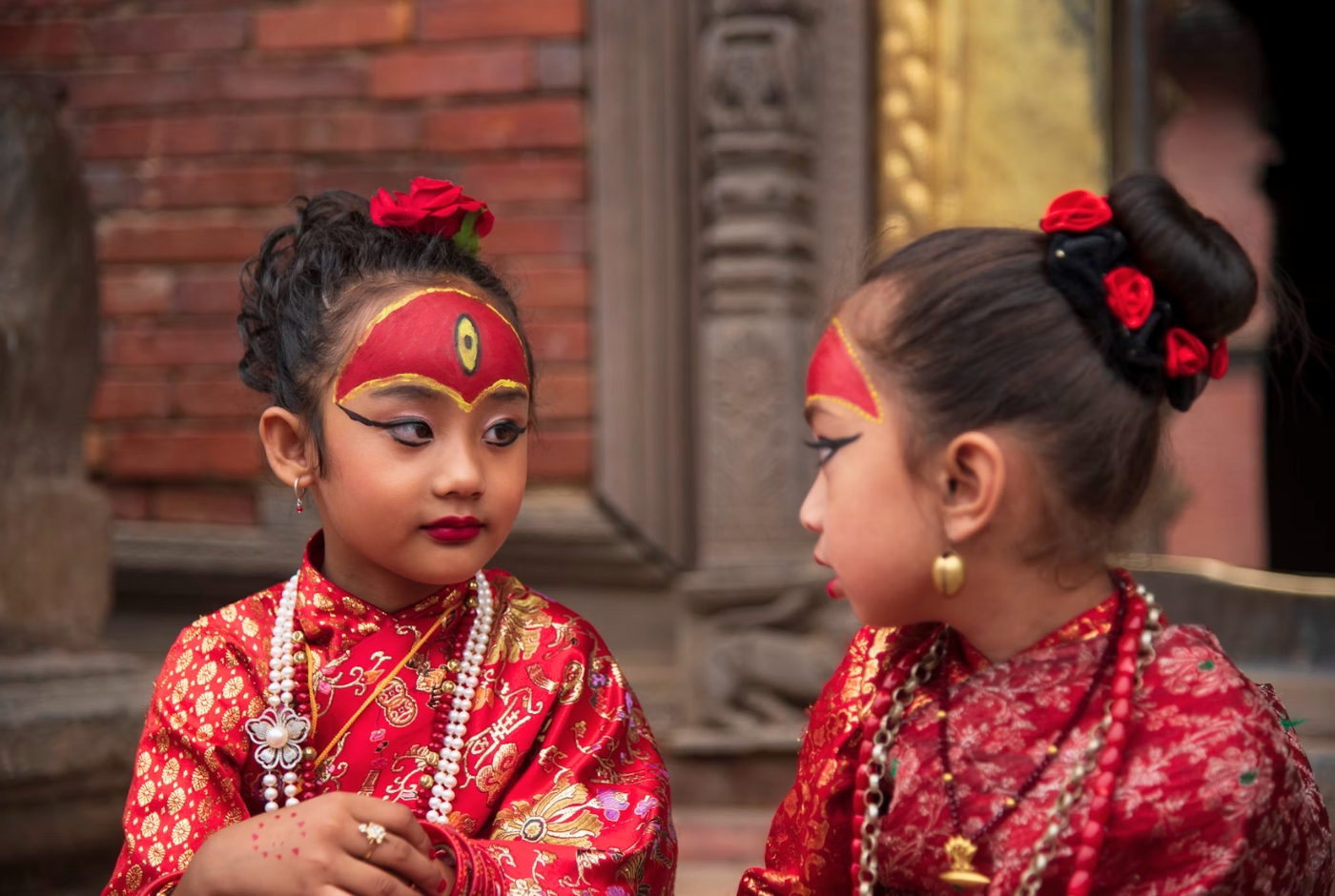
The Kumari tradition was formally institutionalized during the 17th-century Malla Dynasty. This religious practice worships a pre-pubescent girl, chosen from the Newar Buddhist Shakya clan.
According to the ancient scriptures, the Kumari is believed to be the living incarnation of the Hindu goddess Taleju Bhawani, a form of Durga. Kumari is believed to bridge the gap between the divine and the human realm.
Goddess Kumari is the focal point of major festivals and celebrations in the Newar community, such as the annual Indra Jatra and Dashain (especially on Kalaratri).
What are the major festivals celebrated in Kathmandu Valley throughout the year?
The major festivals celebrated in Kathmandu Valley throughout the year include Dashain, Tihar, Indra Jatra, and Buddha Jayanti.
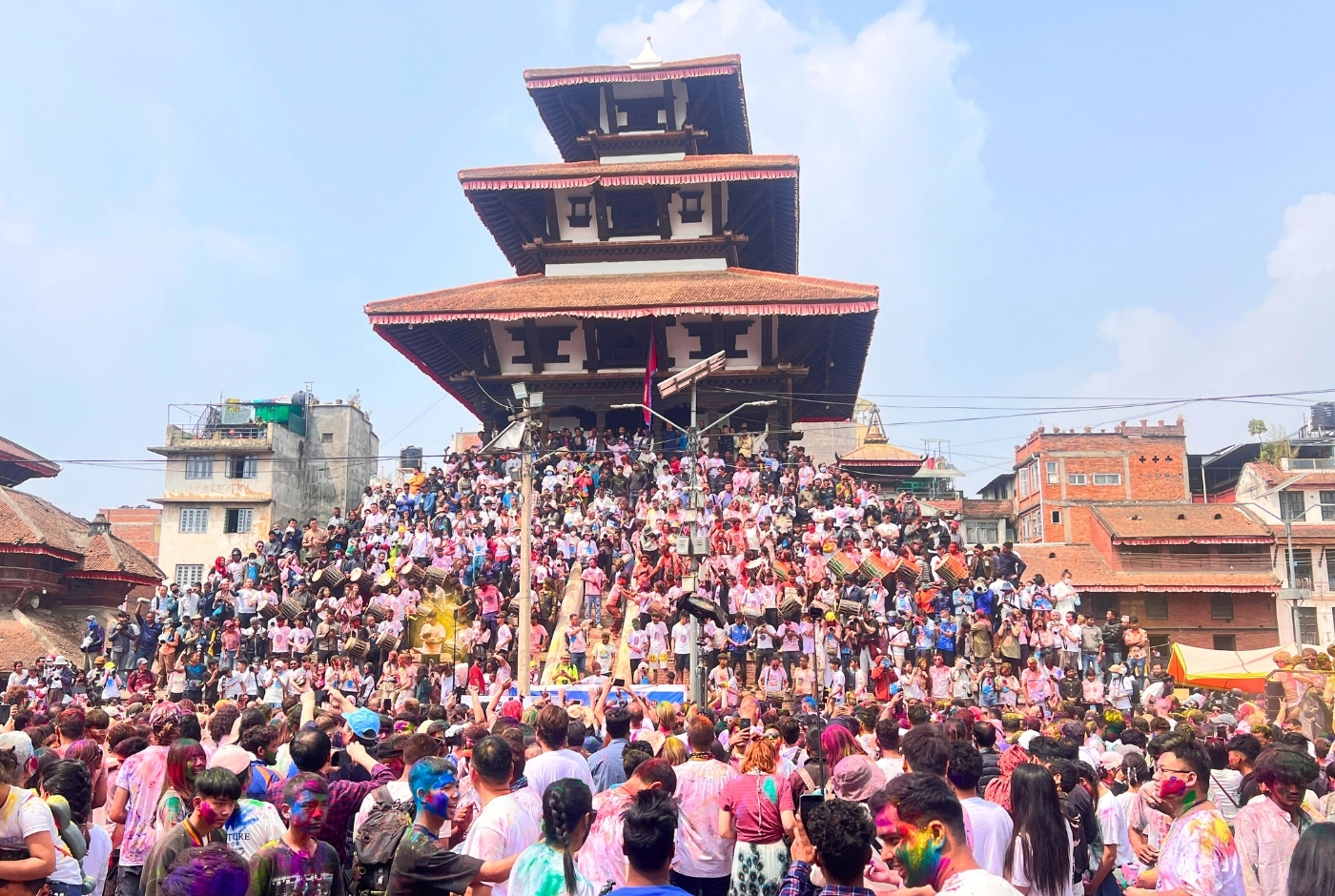
- Indra Jatra (August/September): It is the most vibrant eight-day street festival celebrated in Kathmandu, marking the end of the monsoon. During this celebration, the Kumari's chariot is pulled around the city, with masked dances of deities and demons, and raising the Yosin pole at Basantapur.
- Dashain (September/October): Nepal's longest and most important festival, a 15-day celebration of the goddess Durga's victory over evil. The festival is celebrated by putting and receiving of tika (a mix of rice, yogurt, and vermilion) on foreheads by elders, family reunions, animal offerings, and kite-flying.
- Tihar / Deepawali (October/November): The five-day "festival of lights," during which crows, dogs, cows, different deities, and the bond between brothers and sisters are each honored.
- Holi (March): The festival of colors, celebrated with water balloons and colored powder, marking the end of winter and the arrival of spring.
- Bisket Jatra (mid-April): Bhaktapur's nine-day Newari festival celebrated to welcome the solar New Year. The celebration features a massive chariot, featuring the fierce deity Bhairav and goddess Bhadrakali, pulled around the streets of Bhaktapur.
- Buddha Jayanti (April/May): The most sacred festival in Buddhism, which marks the birth of the Buddha. It is observed with special celebration at Swayambhunath and Boudhanath.
- Maha Shivaratri (February): This festival, also known as the "Night of Shiva," honors Lord Shiva, drawing tens of thousands of devotees and sadhus to Pashupatinath.
Best Time of the Year to Visit Kathmandu
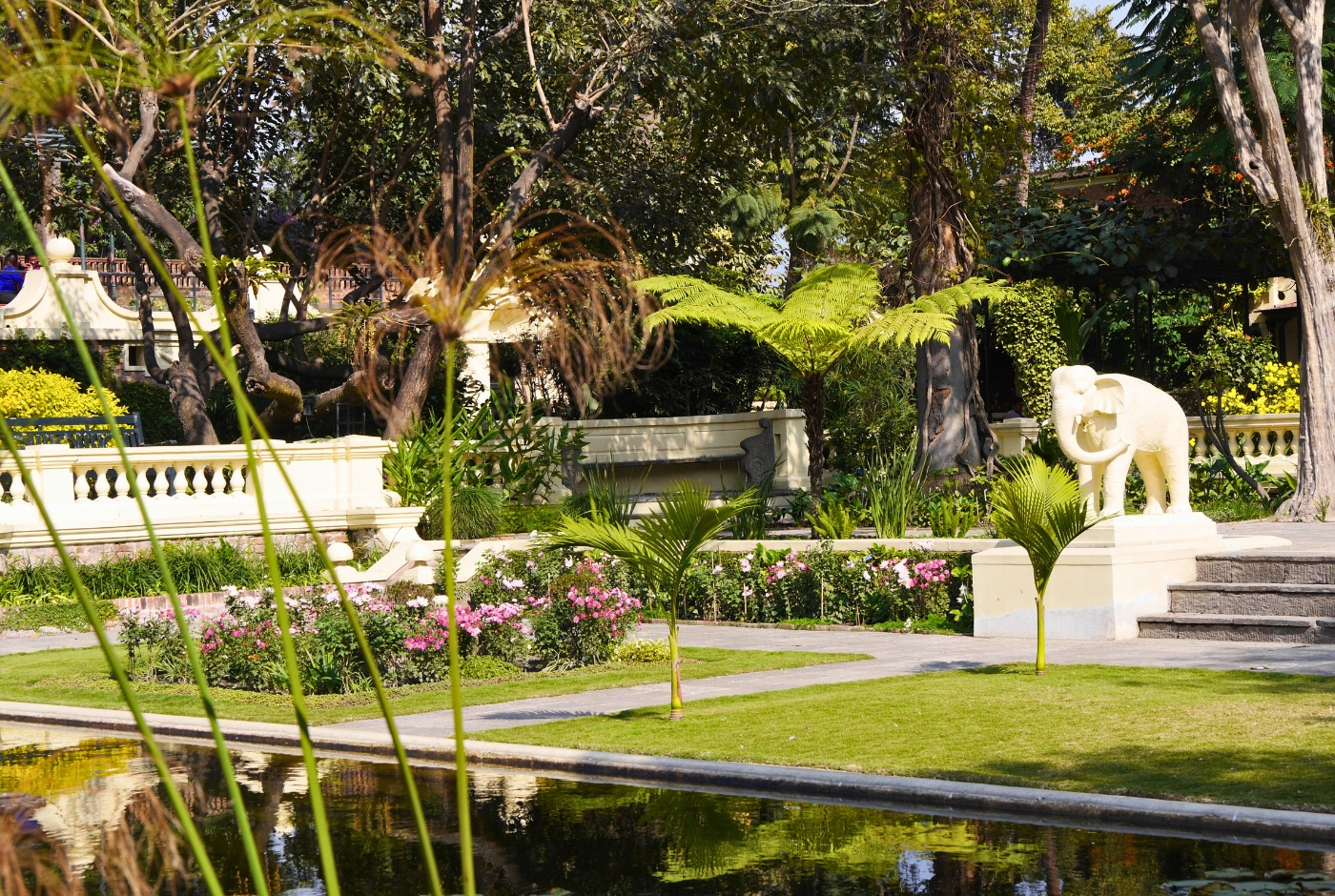
The best time to visit the Kathmandu Valley is during spring and autumn, which coincide with local festivals and a comfortable trekking season.
- Spring (March to May): During spring, the weather is warm and clear, and features popular festivals such as Holi in March, Bisket Jatra in April, and Buddha Jayanti in April or May.
- Autumn (September to November): One of the best seasons for trekking, featuring comfortable daytime temperatures, clear skies, and festivals such as Dashain and Tihar.
- Winter (December to February): Winter months can be cold, especially at night, featuring key festivals such as Yomari Punhi, Maghe Sankranti, and Losar (Tibetan New Year).
- Monsoon (June to August): This season can be hot, humid, and wet due to heavy rainfall. During the monsoon, locals celebrate festivals such as Naag Panchami, Janai Purnima, Gai Jatra, Teej festival, and Indra Jatra.
Conclusion
Kathmandu, the city of Temples, is popular for its layered history, culture, and traditions, earned through centuries. Once submerged under deep waters, the city is home to ancient Newari craftsmanship that is being practiced and passed down through generations. Like any big city, Kathmandu has undergone major changes, from the fruitful Malla dynasty era to the devastating earthquake in 2015.
Despite the daily hustle, the traditional lifestyle, cultures, cuisine, and architecture around the Kathmandu Valley remain unchanged. Kathmandu Valley is undoubtedly a treasure chest filled with cultural immersion and historical wonders such as Pashupatinath, Boudhanath, and royal durbar squares.
For anyone wondering what Kathmandu is famous for, the ancient streets filled with traditional shops, the rich architecture, festivals, and unique cuisine answer the question for them.
Post a Comment