
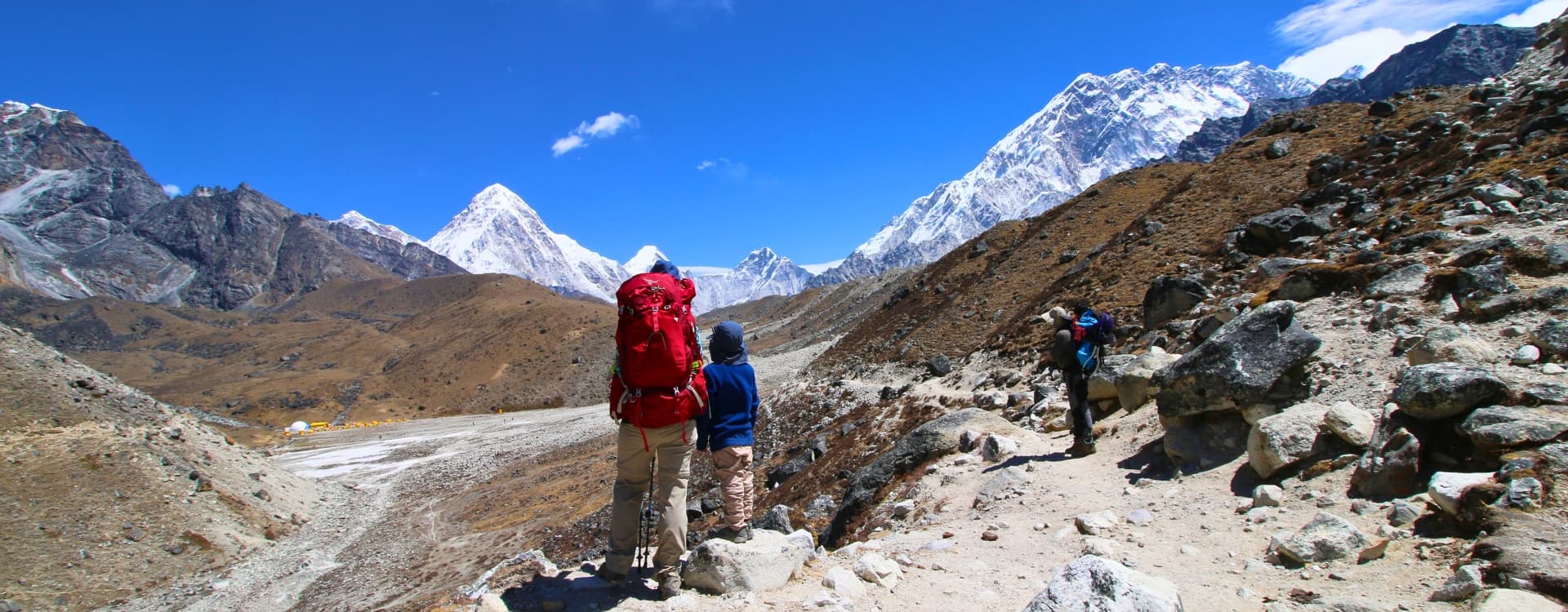
Trekking is a multi-day outdoor activity that involves walking along rugged, remote trails in wilderness or mountainous regions. It is distinct from casual day hiking due to its longer duration, higher physical demands, and the necessity of navigating isolated terrain where walking is often the only way forward.
Whereas Hiking is the recreational activity of walking in natural environments, such as forests, mountains, or trails. It combines physical exercise with outdoor exploration, ranging from short, easy nature walks to challenging, multi-day wilderness treks.
The difference is not vocabulary. It is exposure, duration, and consequence, and in Nepal, where the terrain climbs from 800 metres to over 5,000 metres inside a week, that distinction decides how you plan, what you pack, and who you hire.
Most travel sites treat the two words as synonyms and move on. That approach falls apart the moment someone books a "hike" to Everest Base Camp expecting a day trip.
This guide draws the line properly, traces where the word "trekking" actually came from, and explains what the distinction means for anyone planning a Himalayan itinerary in 2026.
What is the main Difference between Trekking and Hiking?
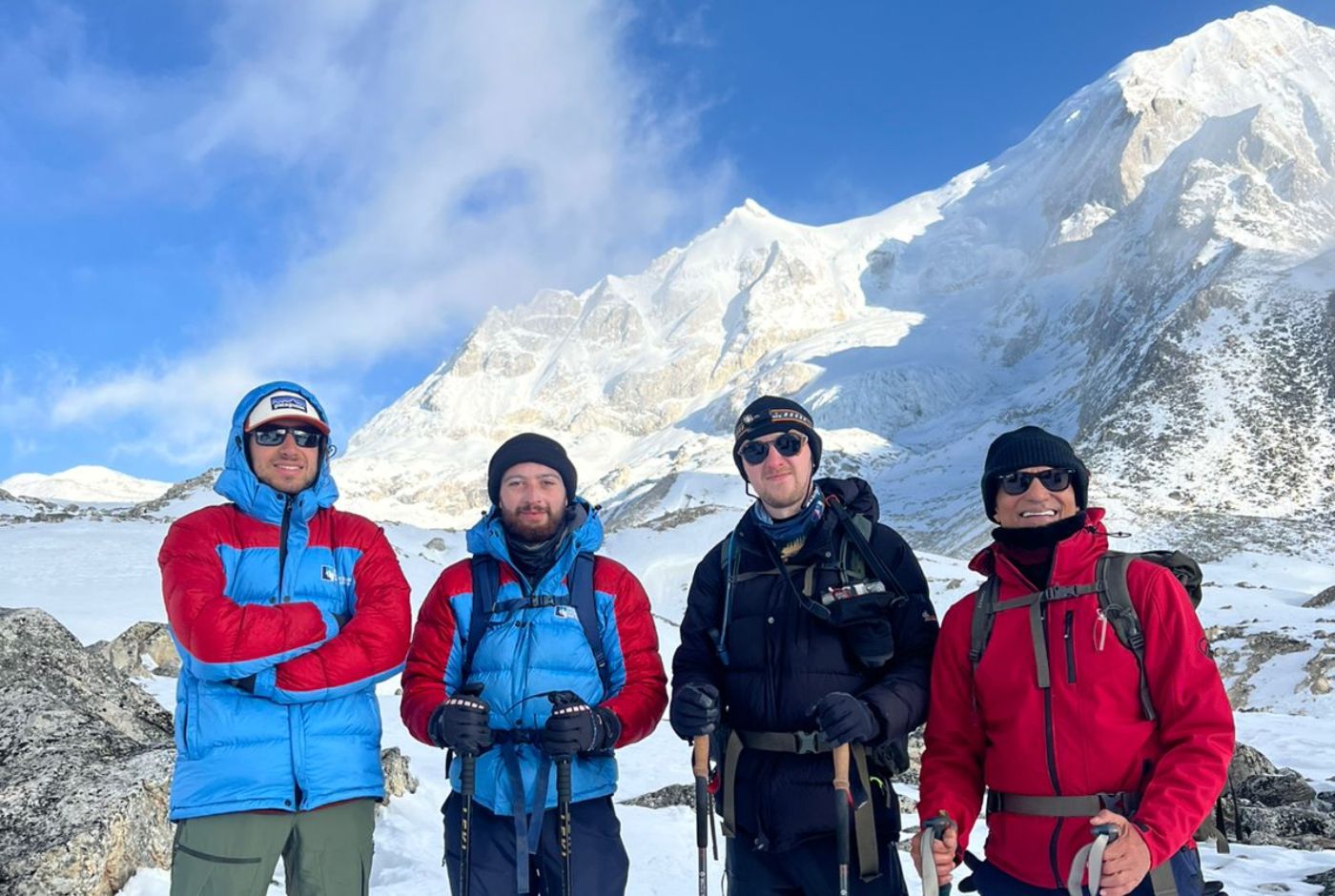
The main difference between hiking and trekking is duration and intensity: hiking is usually a recreational, single-day walk on marked trails, while trekking is a more strenuous, multi-day journey through remote, rugged terrain that requires careful planning and specialized gear.
A hike is a self-contained outing. You leave a trailhead, cover a known distance on an established path, and return the same day or after one overnight stop at most, usually without specialised gear beyond decent boots and a daypack.
A trek is an expedition. It spans multiple days to several weeks, moves through terrain that may have no formal path at all, requires overnight accommodation on the trail (a teahouse, a lodge, or a tent), and typically involves a support crew of guides and porters because the margin for error grows as the altitude does.
The table below breaks down where the two activities separate in practice.
|
Factor |
Hiking |
Trekking |
|
Duration |
A few hours to one day |
Multiple days to several weeks |
|
Terrain |
Marked, maintained trails |
Remote paths, high passes, sometimes no formal trail |
|
Altitude exposure |
Rarely above 3,000m |
Frequently 3,500m to 5,500m+ |
|
Support crew |
None required |
Guide mandatory in Nepal since 2023; porters are common |
|
Accommodation |
Home or hotel |
Teahouse, lodge, or tent on the trail |
|
Permits |
Usually none |
Conservation area, national park, or restricted area permits |
|
Physical demand |
Leisurely to moderate |
Sustained, cumulative, altitude-dependent |
Where the Word "Trekking" Actually Comes From
The word "trek" originates from the 19th-century Afrikaans word trekken, which means "to pull, drag, or travel." It was adopted by Dutch settlers (Boers) in South Africa to describe the arduous, slow migrations of heavy ox-wagons across the rugged African landscape.
Here is a detail most Nepal travel content gets wrong: trekking is not a Nepali word, and it was not always a tourism term. Trek comes from the old Boer Dutch word used for a long, arduous overland journey by ox wagon. Himalayan mountaineering literature had already borrowed the term decades earlier to describe the walk-in from a roadhead or airstrip to a mountain's base camp. What changed in 1964 was that a retired British Gurkha officer decided to sell that walk-in as a holiday in its own right.
That officer was Lieutenant Colonel James Owen Merion Roberts, universally remembered in Nepal as Jimmy Roberts, or by his more formal title, the father of trekking in Nepal. Roberts had spent decades in the Himalaya as a mountaineer and Gurkha officer before registering Mountain Travel with the Nepali government at the close of 1964, the first trekking agency not just in Nepal but anywhere in Asia. His first clients, in the spring of 1965, were three American women trekking to Everest Base Camp. For the next several years, Mountain Travel remained the only company doing this kind of business in the entire country.
Roberts' innovation was not the walking. Nepalis, pilgrims, traders, and pastoral communities had been walking these same corridors for centuries out of necessity rather than recreation. His innovation was the package: tents, cooks, and Sherpa guides bundled around a foreigner who wanted the experience of the high mountains without the logistical burden of an actual expedition. That model, refined over decades, is what the word "trekking" means today, in Nepal and everywhere else it has since spread.
What Trekking Actually Involves in Nepal
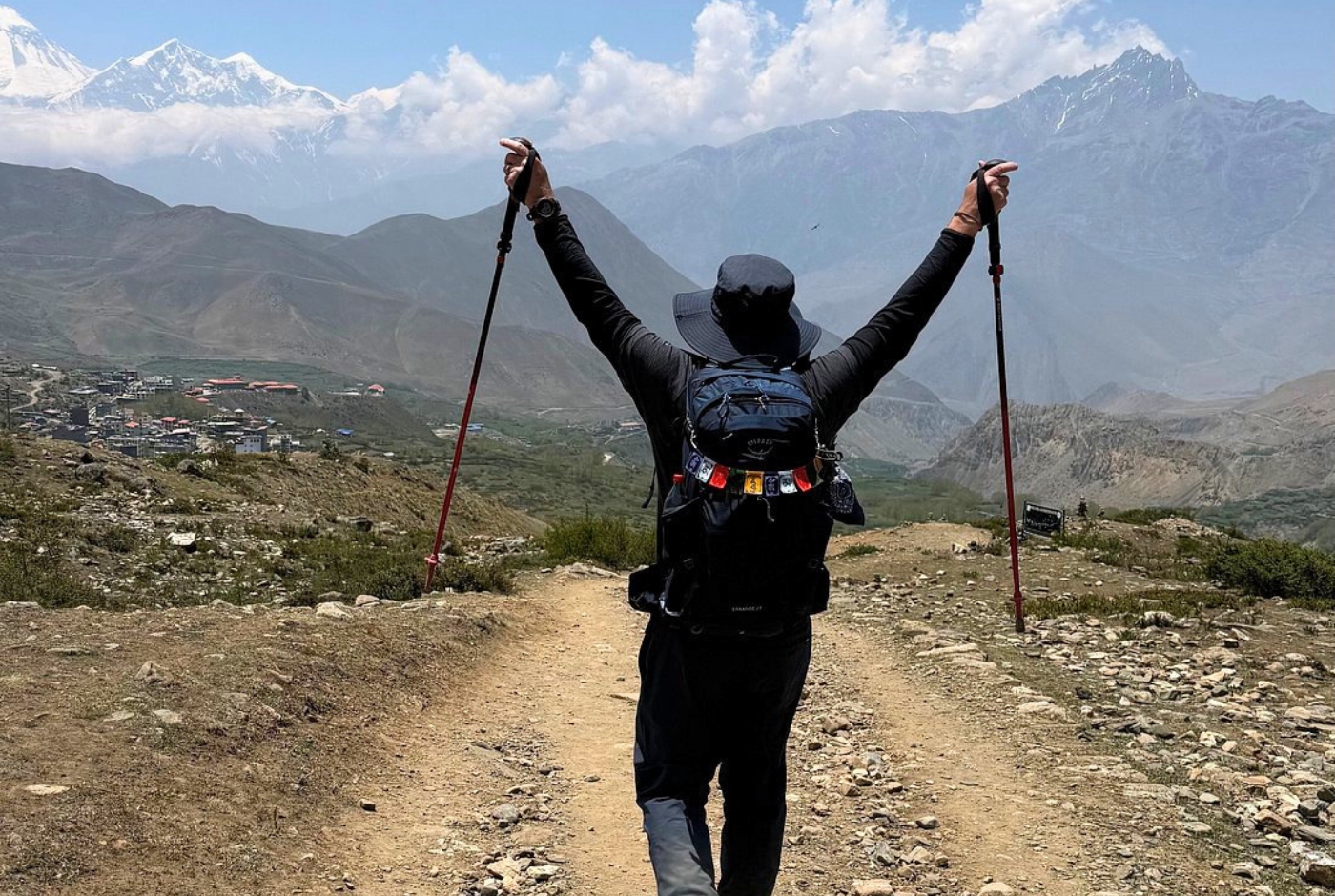
Trekking in Nepal combines physical hiking with cultural immersion. It involves walking 5 to 8 hours daily through remote, roadless terrain, carrying a daypack, and staying overnight in local "teahouses" (mountain lodges). You navigate diverse altitudes, sample local cuisine, and experience Himalayan traditions like Buddhism.
Trekking in the Himalaya is defined by four things working together: sustained multi-day movement, cumulative altitude gain, overnight stays along the route itself, and a level of remoteness that puts real distance between a trekker and the nearest road, hospital, or vehicle.
Multi-day duration. A short trek, like Poon Hill in the Annapurna foothills, runs four to five days. A longer classic, such as the Everest Base Camp route or the Annapurna Circuit, runs twelve to twenty-one days depending on acclimatisation stops and side trips. Nothing in that range fits inside a single afternoon.
Cumulative altitude. Trekkers on the Everest Base Camp trail climb from Lukla's 2,860 metres to Kala Patthar's 5,644 metres over roughly ten days, gaining and shedding elevation daily while their bodies adjust to thinning air. This staged exposure is the reason altitude sickness protocols, acclimatisation days, and hydration discipline are treated as core parts of trek planning rather than optional advice.
Overnight infrastructure on the route. In teahouse regions like Everest, Annapurna, and Langtang, trekkers sleep in stone lodges run by local families, eating dal bhat and drinking ginger tea between stages. In more remote corridors like Upper Dolpo or parts of the Great Himalaya Trail, there is no teahouse network at all, and trekking means camping, with porters or yaks carrying tents, kitchen equipment, and food for the entire group.
Remoteness and self-sufficiency. Villages in Khumbu, Tsum, and Upper Dolpa still take days to reach on foot from the nearest motorable road. For the people who live there, walking these routes has never been recreation. It is the only way to move goods, reach a clinic, or visit family, a fact worth remembering before calling a Himalayan trail a "hike."
What Hiking Actually Involves
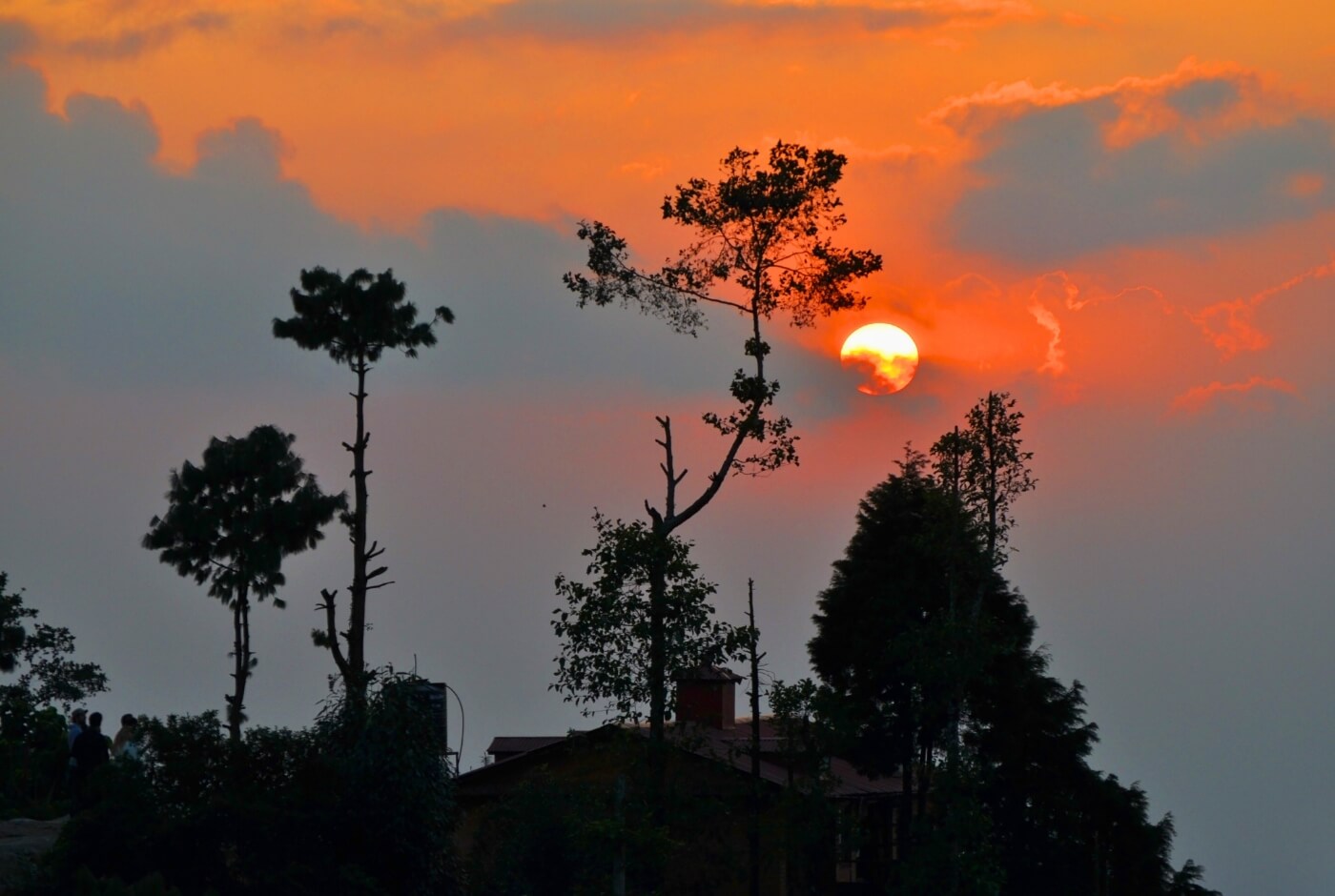
Hiking, by contrast, is built around return. You walk out from a known point and back to it, or to a nearby transport link, inside a single day or with one night away at most. The Kathmandu Valley rim walks around Nagarkot, Champadevi, or Shivapuri fall into this category, as do most day excursions from Pokhara around Sarangkot and the Phewa lakeshore trails. A hiker needs decent footwear, water, a snack, and awareness of the weather window. A hiker does not need a permit, a guide, or a sleeping bag rated for sub-zero nights.
The distinction matters commercially as much as physically. A trekking company selling a "hike" to Everest Base Camp is either using the word loosely or setting a client up for a serious misunderstanding about what the next ten days will demand of their body.
Types of Trekking in Nepal
Trekking in Nepal generally falls into two main styles (Teahouse vs. Camping) and ranges from short day hikes to challenging high-altitude expeditions. The type of trek you choose dictates your accommodation, level of support, and the specific terrain you will explore in the Himalayas.
Four broad categories cover almost everything on offer in the country, and each carries different permit rules, support requirements, and physical demands.
Teahouse trekking:
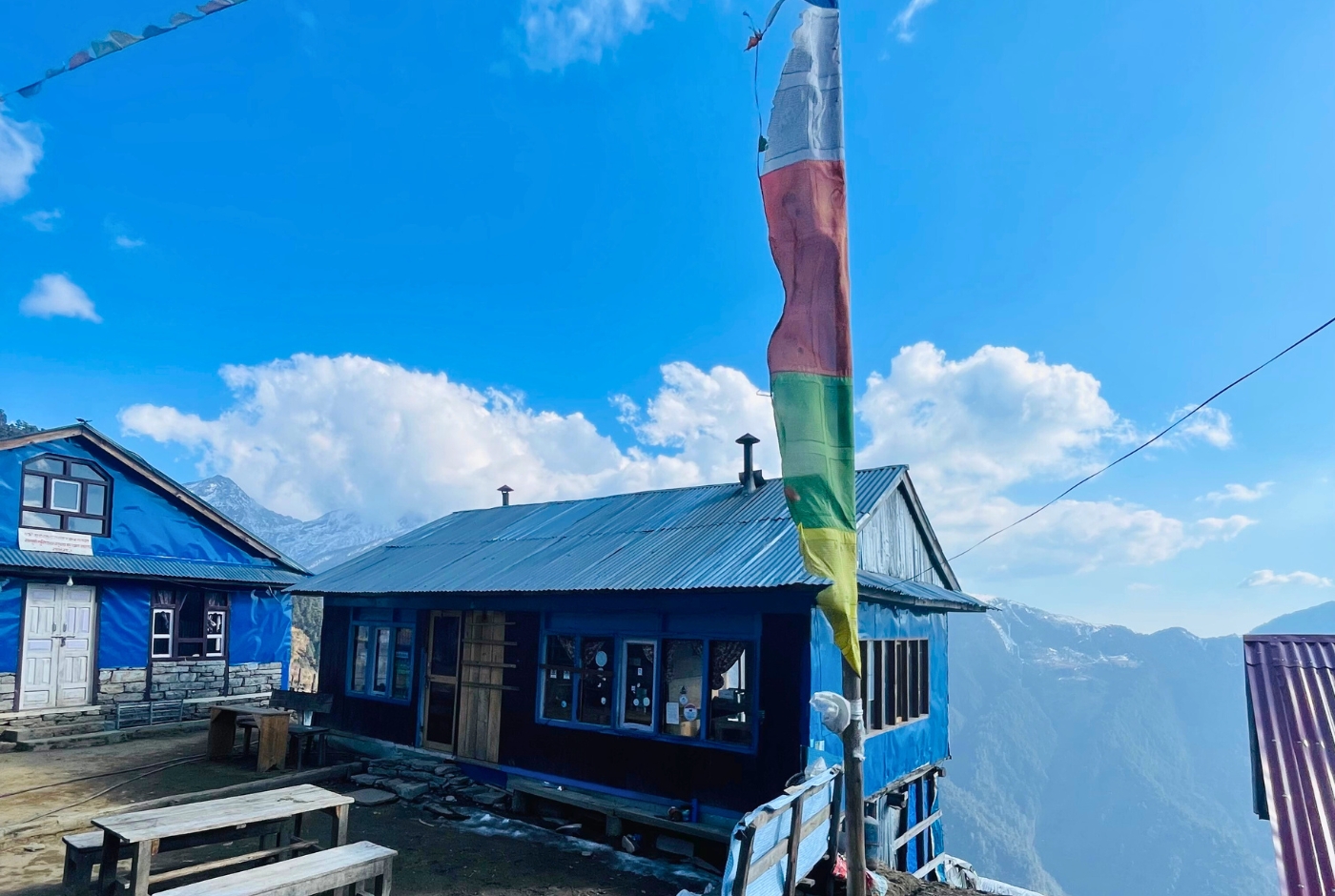
The most common style on routes like Everest Base Camp, Annapurna Base Camp, and the Annapurna Circuit. Trekkers walk between lodges each day, sleeping and eating in local guesthouses rather than tents. Infrastructure, hot showers, wifi, and bakeries included, has grown dense enough on these corridors that camping gear is unnecessary.
Camping or fully supported trekking:
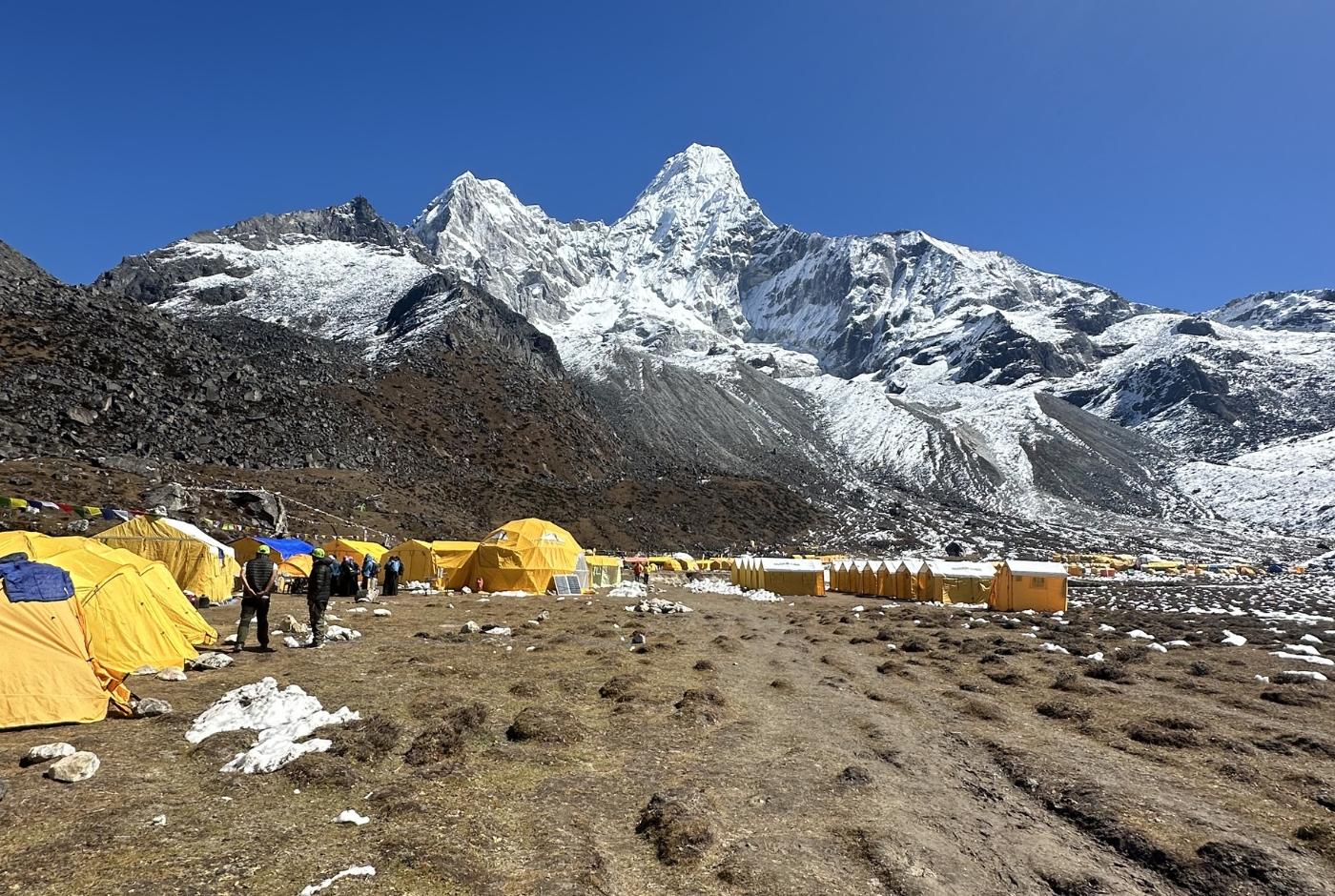
Required on routes without teahouse infrastructure, such as parts of Kanchenjunga, the Great Himalaya Trail, and remote stretches of Dolpo. A full crew, guide, cook, kitchen staff, and porters or pack animals carry and prepare everything, and the group sleeps in tents pitched fresh each night.
Restricted area trekking:
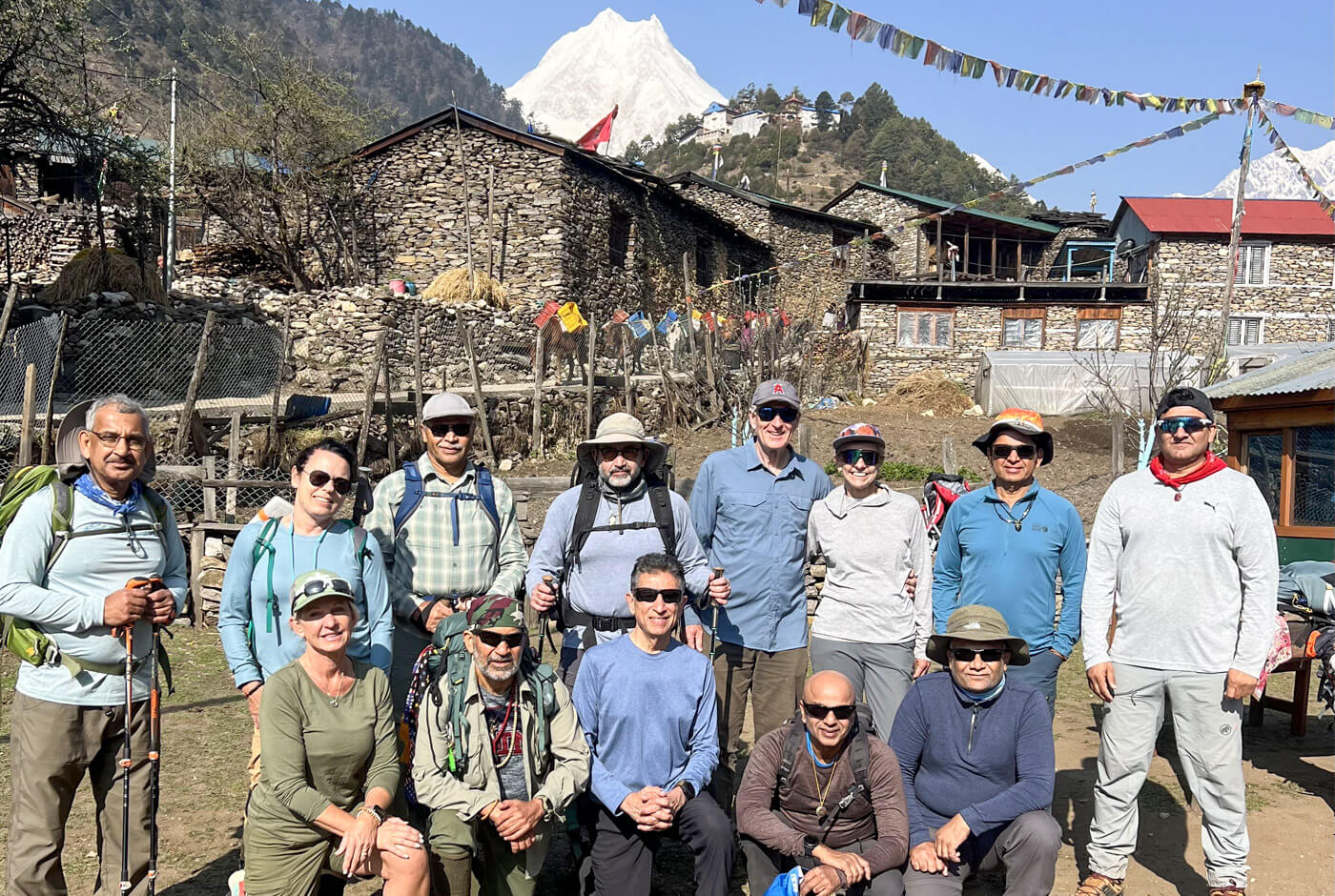
Regions bordering Tibet or holding particular cultural sensitivity, including Upper Mustang, Manaslu, Tsum Valley, Nar-Phu, and Upper Dolpo, require a Restricted Area Permit issued through the Department of Immigration and a Nepal-registered trekking agency. Nepal Tourism Board's own tourism ministry made these regions genuinely more accessible for individual travellers with a March 2026 policy revision that removed the old two-person minimum group requirement, meaning a solo trekker can now obtain a restricted area permit provided they trek with a licensed guide booked through a registered agency.
Peak climbing treks:
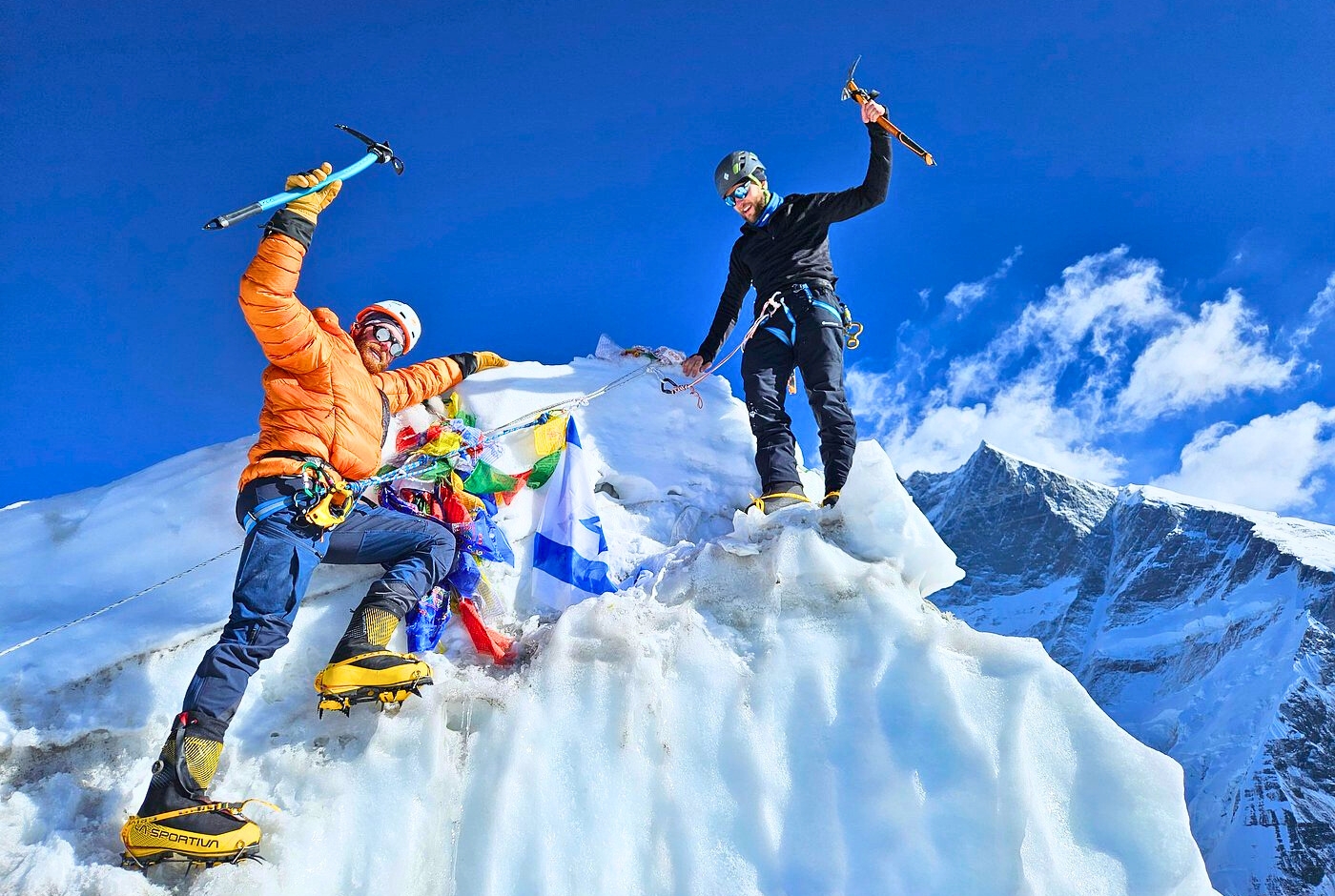
Trekking peaks such as Mera Peak and Island Peak sit at the boundary between trekking and mountaineering, adding technical elements like crampon use and fixed-rope sections onto an otherwise standard trekking itinerary. These require a separate climbing permit issued by the Nepal Mountaineering Association on top of standard trekking permits.
Hiking, Trekking, and Mountaineering: The Full Spectrum
Hiking, trekking, and mountaineering represent a progressive spectrum of mountain travel. Hiking involves short, day-long walks on marked trails; trekking consists of multi-day endurance journeys through remote terrain; and mountaineering requires technical climbing skills and specialized gear to summit alpine peaks.
The three terms sit on a continuum rather than in separate boxes. Hiking covers single-day walks on established, low-altitude trails with no technical demand. Trekking covers multi-day journeys through remote terrain, typically above 3,000 metres, requiring overnight logistics and often a support crew, but without ropes, crampons, or technical climbing skill. Mountaineering begins where trekking's technical ceiling ends, glacier travel, fixed ropes, ice axes, and summit attempts on peaks that require formal climbing technique rather than sustained walking.
Trekking peaks like Island Peak and Mera Peak blur this last boundary deliberately, giving experienced trekkers a taste of genuine mountaineering, crampons, a summit push in the dark, a fixed line near the top, without the multi-week commitment of an 8,000-metre expedition. Understanding where a given itinerary sits on this spectrum is the single most useful thing a first-time visitor to Nepal can do before booking anything.
How to Decide Which One You Actually Want
Choose hiking if you have a single free day, want to move at a relaxed pace, and would rather sleep in your own bed or a hotel each night. The Kathmandu Valley rim trails and Pokhara's lakeside routes deliver excellent Himalayan views without any of the logistical commitment of a trek.
Choose trekking if you want sustained immersion in mountain villages, a physical challenge measured in days rather than hours, and a destination that no road or vehicle can reach. This is the only way to stand at Everest Base Camp, circle the Annapurna massif, or walk into the Tibetan-influenced villages of Upper Mustang.
Ready to Build Your Ultimate Himalayan Adventure?
Whether you are looking to challenge yourself with a scenic day hiking trail, immerse yourself in a classic multi-day trekking route, or push your limits by climbing an iconic peak, the choice is entirely yours. Let the local experts at Nepal Hiking Team design a tailor-made journey that fits your schedule, pacing, and preferences perfectly.
Design Your Custom Nepal Itinerary with Nepal Hiking Team Today!
The Terminology Worth Knowing Before You Go
Trekking in Nepal comes with its own working vocabulary, and knowing a handful of these terms separates someone who has actually studied the region from someone reciting a generic outdoor guide.
A teahouse is the stone or wood lodge that anchors trekking infrastructure on routes like Everest and Annapurna, offering a bed, a dining hall heated by a yak-dung stove, and a simple menu built around dal bhat. A Sherpa is, strictly speaking, a member of the Sherpa ethnic community native to the Solukhumbu region, though the word gets used loosely and incorrectly to mean any mountain guide or porter.
Namaste, the standard greeting exchanged on the trail, and bistari bistari, meaning "slowly, slowly," are two phrases every trekker picks up within a day, the second one usually from a guide managing someone's pace on a steep ascent.
These are not decorative details. A trekking company that uses this vocabulary correctly, and explains it rather than assuming familiarity, signals a level of ground knowledge that a rewritten Wikipedia summary cannot fake.
Why the Distinction Actually Matters for Trip Planning
Confusing hiking with trekking is beyond a semantic slip. It changes what you need to budget, what fitness level you need to arrive with, and what could go wrong. A hiker who underestimates a day walk faces, at worst, sore legs and a late return. A trekker who books what they think is a "hike" to Annapurna Base Camp without understanding the altitude, the multi-day commitment, or the mandatory guide requirement risks arriving physically and logistically unprepared for a route that gains several thousand metres of elevation over more than a week.
This is also why reputable Nepal-based operators now build guide fees, permits, and acclimatisation days into every itinerary rather than leaving them as optional extras. The 2023 guide mandate and the tightening permit enforcement through 2026 both point toward the same shift: Nepal's trekking industry is professionalising around the understanding that a multi-day Himalayan route is a fundamentally different undertaking from a day hike, and pricing, planning, and safety protocols now reflect that difference rather than blur it.
The Bottom Line
Hiking and trekking both put you on foot in beautiful terrain, but that is where the similarity ends. One is an afternoon. The other is an expedition, built on a model a British Gurkha officer invented in a Kathmandu office sixty years ago and Nepal's Sherpa, Tamang, and Rai communities have carried, guided, and sustained ever since. Knowing which one you are booking is the difference between packing a water bottle and packing for three weeks above the tree line.
Post a Comment