
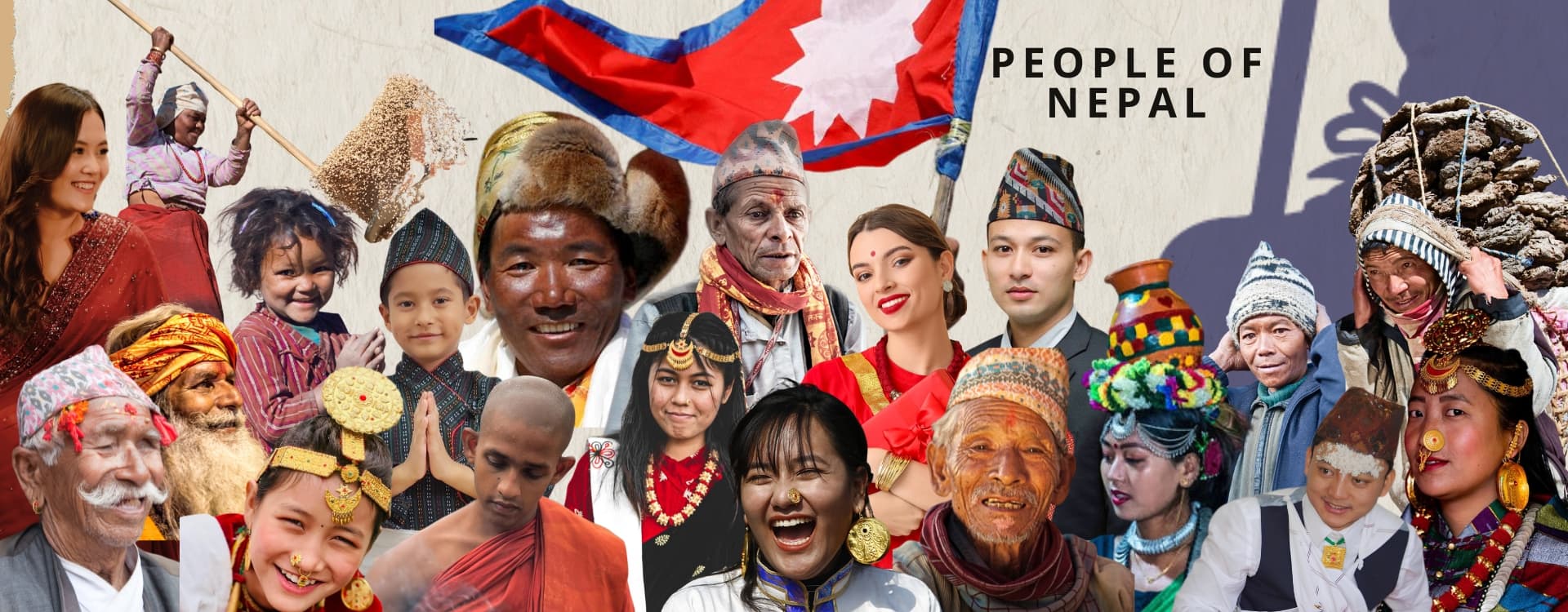
People from Nepal are called Nepalis or Nepalese
People from Nepal are called Nepalis, Gorkhali, or Nepalese. "Nepali" is the preferred term for the country's citizens and is also the name of Nepal's official language. Nepal is home to nearly 30 million people from more than 140 caste and ethnic groups who speak over 120 languages, making it one of the world's most culturally and linguistically diverse countries. The term Nepali strictly refers to nationality, meaning people holding citizenship of Nepal.
Nepali people are the multi-ethnic, multi-lingual citizens of Nepal, blending diverse Indo-Aryan, Tibeto-Burman, and indigenous roots across Himalayan, hill, and plain regions
Nepal’s population of roughly 29.6 million is incredibly diverse, blending over 125 distinct ethnic groups and 100 spoken languages. The largest groups include the Khas-Arya (Chhetri and Bahun), Janajati (Magar, Tharu, Tamang), and Newar. The majority practice Hinduism (~81%), alongside strong Buddhist, Islam, and Kirant communities.
Nepal may be famous for Mount Everest, ancient temples, and breathtaking Himalayan trails, but its greatest treasure is its people. From the welcoming Sherpa communities of Everest to the Thakali villages of Mustang and the vibrant Newar settlements of Kathmandu Valley, every region offers a unique story shaped by centuries of history, culture, and tradition.
Despite covering just 147,516 square kilometers, Nepal is one of the world's most culturally diverse nations. The country's remarkable geography, stretching from the tropical Terai plains to the snow-covered Himalayas, has allowed hundreds of communities to preserve their own languages, customs, architecture, festivals, and ways of life.
In this guide, you'll discover what people from Nepal are called, learn about the country's major ethnic groups, languages, religions, customs, and understand how geography has shaped one of Asia's richest cultural landscapes.
People of Nepal: What Are People From Nepal Called?
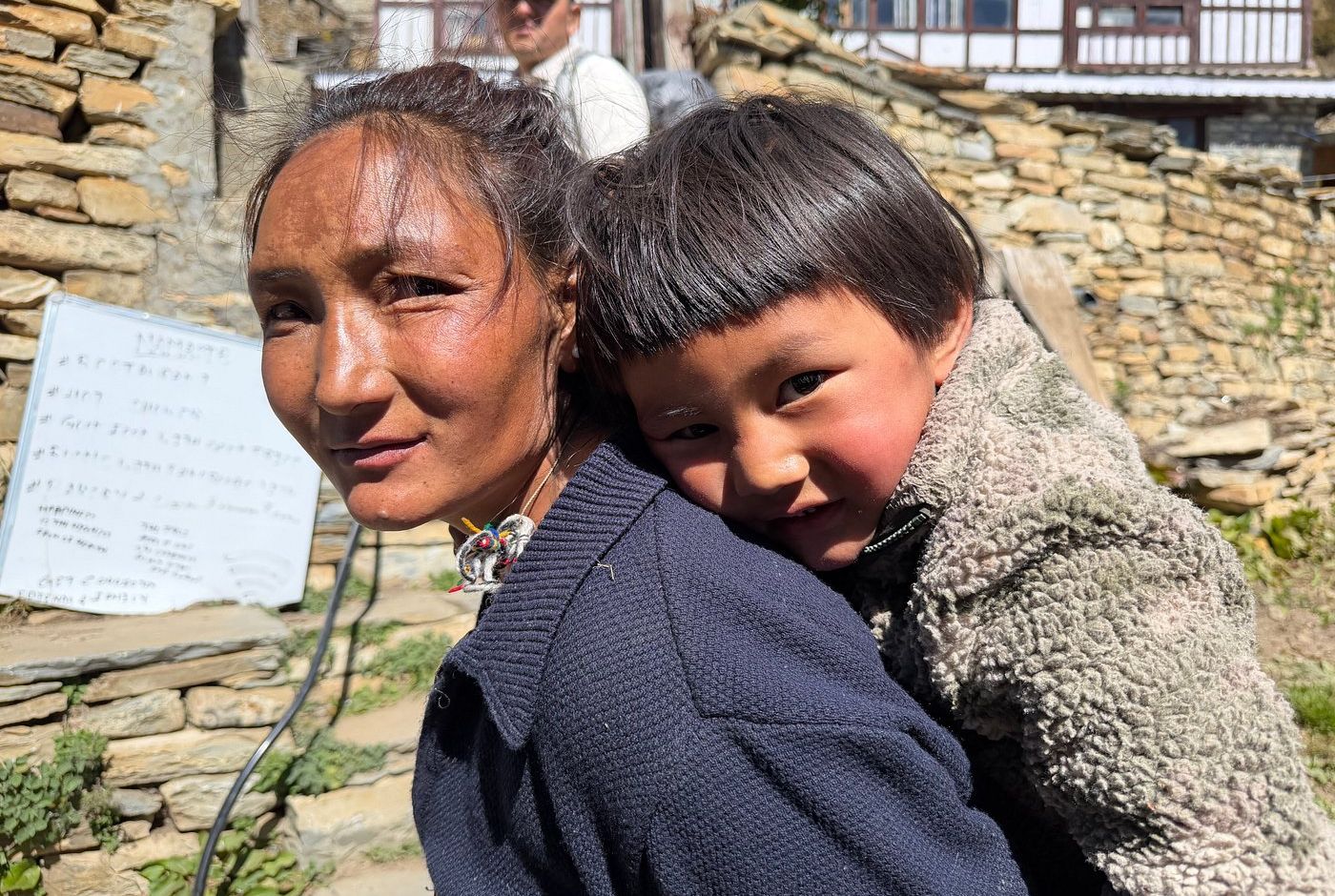
Nepal's population of over 30 million is made up of more than 100 distinct ethnic and caste groups rather than a single ethnicity. Some of the most well-known groups include:
Nepal's population of over 30 million is made up of more than 100 distinct ethnic and caste groups rather than a single ethnicity. Some of the most well-known groups include:
- Sherpas: Famed worldwide for their mountaineering skills and as trekking guides in the Himalayas.
- Newars: The indigenous inhabitants of the Kathmandu Valley, known for their unique architecture and rich culture.
- Gurungs: Known historically for their fierce service in the famous Gurkha military regiments.
- Madheshis & Tharus: Prominent groups that inhabit the southern, low-lying Terai plains.
Unlike ethnicity, being Nepali refers to nationality. Nepal is home to dozens of ethnic communities, including Sherpa, Gurung, Magar, Newar, Thakali, Tamang, Rai, Limbu, Tharu, and many others. Regardless of their ethnic background, all citizens share the same national identity as Nepalis.
Nepali vs. Nepalese
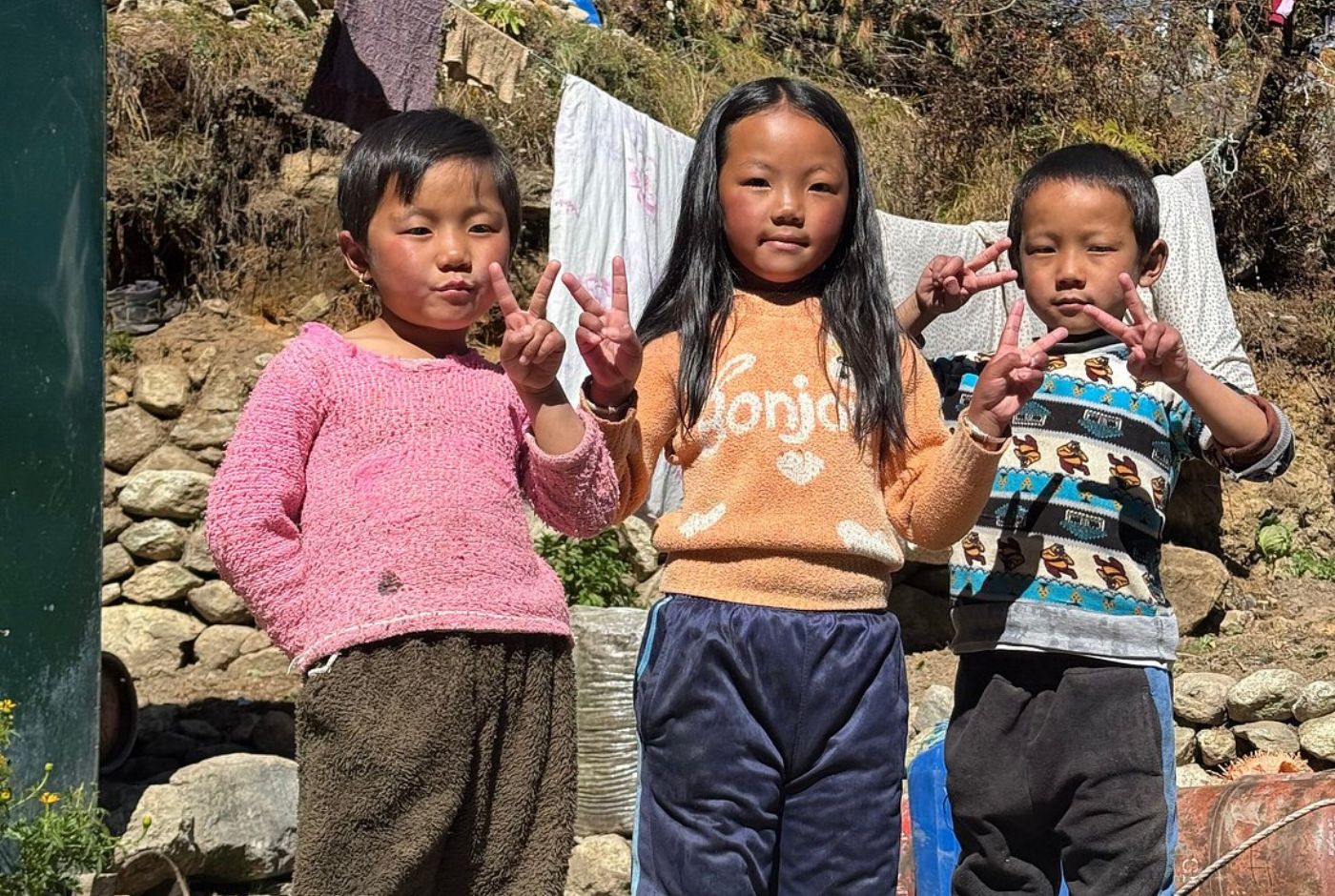
Both "Nepali" and "Nepalese" are widely accepted and functionally interchangeable words to describe the people, language, and culture of Nepal. However, "Nepali" is the local, preferred term, while "Nepalese" is an Anglicized term often used internationally.
|
Nepali |
Nepalese |
|
Preferred by most locals |
Common in international English |
|
Refers to nationality |
Refers to nationality |
|
Also the official language |
Not used for the language |
|
Widely used inside Nepal |
Often seen in media and official publications |
- People: The permanent citizens of Nepal prefer to call themselves Nepali. The term Nepalese is also very common in international English but can carry historical colonial connotations for some locals.
- Language: The official language of Nepal is called Nepali. It is incorrect to call the language "Nepalese."
- Official Use: The Government of Nepal's Ministry of Foreign Affairs and the country's diplomats strongly advocate for the use of Nepali in all official English contexts.
Who Are the Nepali People?
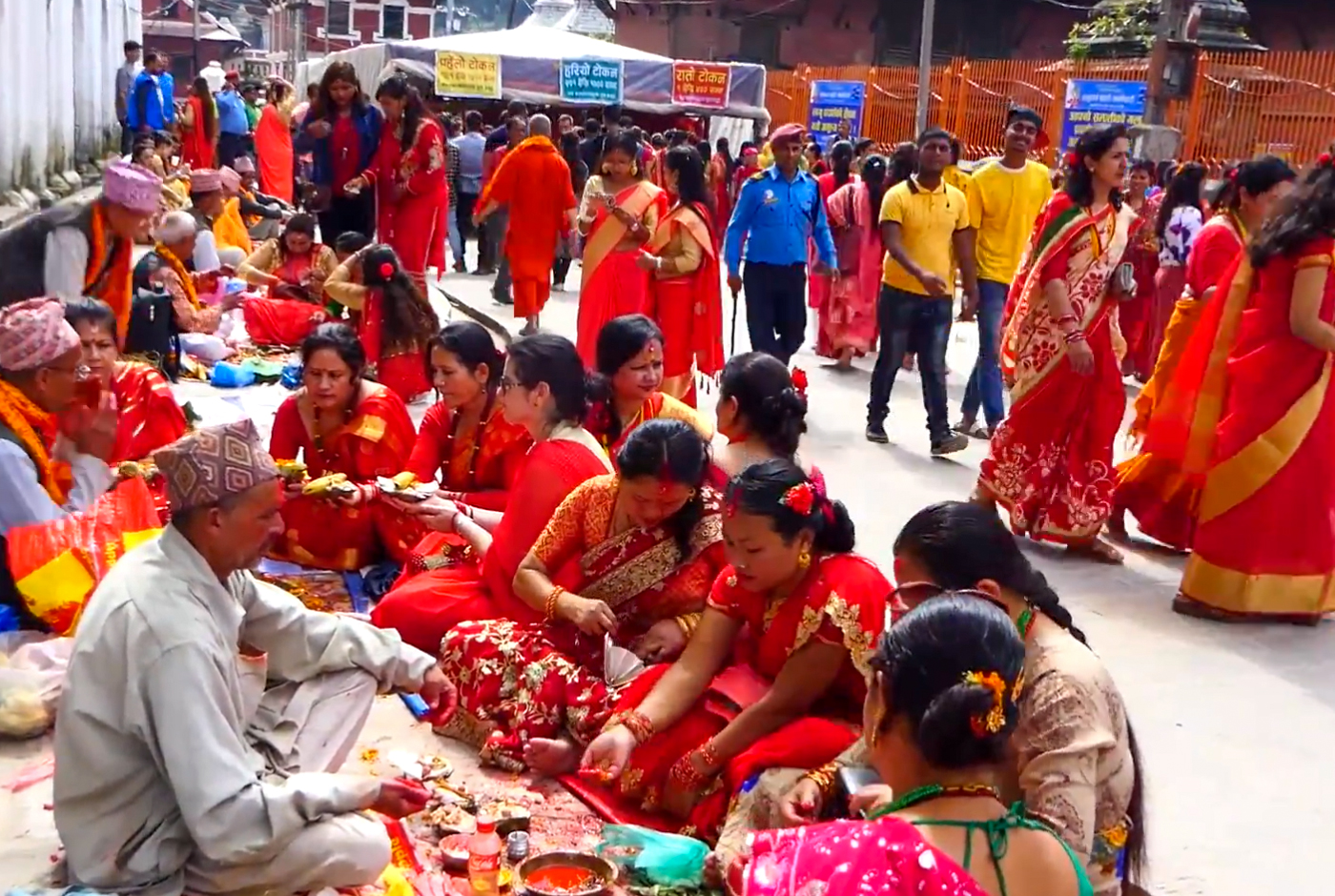
Nepali people are the multi-ethnic and multilingual citizens of Nepal. Encompassing over 125 distinct ethnic groups and over 120 languages. Nepalese people are primarily categorized geographically into the Himalayan highlanders (e.g., Sherpas), the diverse mid-hill communities (e.g., Newars, Gurungs, Tamangs, Brahmins), and the communities of the southern Terai plains (e.g., Tharus, Madhesis); diverse heritage formed by ancient migrations from Tibet, Central Asia, and northern India.
The Nepali people are the citizens of Nepal, a Himalayan nation located between India and China. Their identity has been shaped by thousands of years of migration, trade, religion, and cultural exchange across the Himalayas.
Unlike many countries with a relatively uniform population, Nepal is exceptionally diverse. The country's dramatic landscape, from the fertile Terai plains to the towering Himalayan peaks, encouraged different communities to settle in distinct regions. Over time, these groups developed their own languages, traditions, architecture, festivals, clothing, and lifestyles while remaining connected under one national identity.
Today, Nepal is recognized as one of the most multicultural countries in South Asia. Communities of Indo-Aryan, Tibeto-Burman, and indigenous origins have lived side by side for centuries, creating a society known for religious harmony and cultural respect.
One of the defining characteristics of Nepali people is their hospitality. Guests are traditionally welcomed with warmth, offered tea or local food, and treated with genuine respect. This welcoming nature is especially noticeable in mountain villages, where trekkers often form lasting friendships with local families.
Whether you visit the bustling streets of Kathmandu, the peaceful villages of the Annapurna region, or the high-altitude settlements beneath Mount Everest, you'll discover that every community has its own traditions while sharing the common values of kindness, resilience, and mutual respect.
Quick Facts About Nepal People
Nepal's people are defined by incredible diversity, featuring over 120 languages, more than 100 ethnic groups, and a population of over 28.8 million.
|
Category |
Information |
|
Official Nationality |
Nepali |
|
Common English Term |
Nepalese |
|
Population |
Approximately 30 million |
|
Official Language |
Nepali |
|
Languages Spoken |
More than 120 |
|
Caste & Ethnic Groups |
More than 140 |
|
Largest Religion |
Hinduism |
|
Other Major Religions |
Buddhism, Islam, Kirat, Christianity |
|
Capital City |
Kathmandu |
|
Largest Ethnic Communities |
Chhetri, Hill Brahmin, Magar, Tharu, Tamang, Newar, Kami, Muslim, Yadav, Rai, Gurung, Limbu, Sherpa and others |
|
Famous For |
Hospitality, cultural diversity, mountain communities, festivals, traditional architecture, trekking heritage |
Why This Diversity Makes Nepal Special
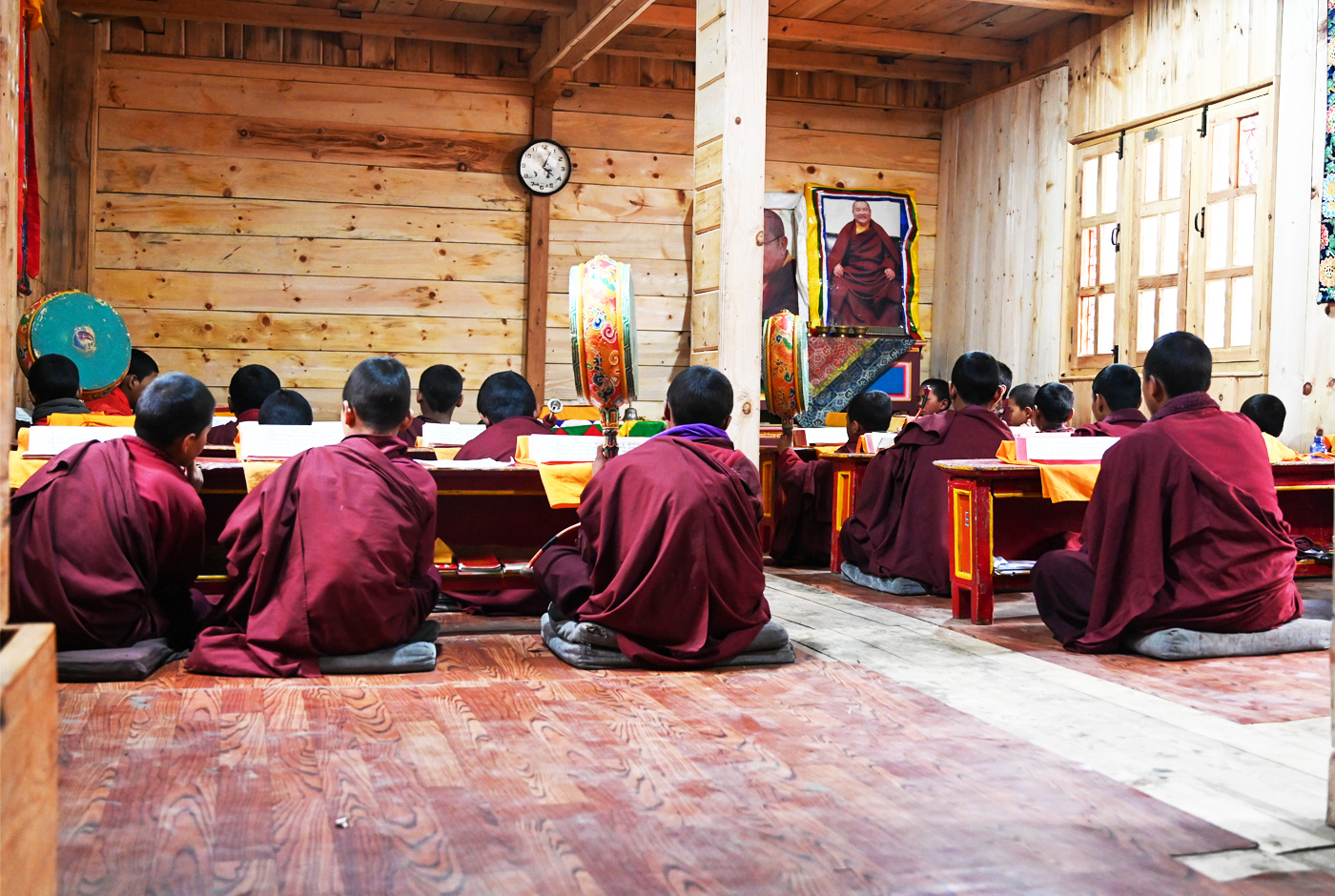
Nepal’s ethnic, linguistic, and religious diversity is its greatest asset. Home to over 142 ethnic groups and more than 120 languages, this vibrant mosaic coexists in remarkable harmony. The people of Nepal turn this rich diversity into a unifying national identity.
Few countries offer the cultural variety found within Nepal. In a single journey, you can experience Tibetan Buddhist monasteries beneath the world's highest peaks, centuries-old Newar palaces in Kathmandu, traditional Gurung villages overlooking Annapurna, and the distinctive Thakali culture of the Kali Gandaki Valley.
For many travelers, these authentic encounters become the most memorable part of visiting Nepal. Trekking is not only about reaching mountain viewpoints or high passes; it is also an opportunity to learn from the communities that have called the Himalayas home for generations.
Languages Spoken by the People of Nepal
Nepal is incredibly linguistically diverse, home to 124 distinct mother tongues. The official working language is Nepali, spoken by about 44.86% of the population. Other major languages spoken across the country include Maithili (11.05%), Bhojpuri, Tharu, Tamang, and Nepal Bhasa (Newari).
- Official Language: Nepali (the national lingua franca) is written in the Devanagari script and is used for federal administration and education.
- Southern Terai Region: Languages like Maithili, Bhojpuri, Bajjika, and Awadhi are prominent near the Indian border.
- Hills and Valleys: Sino-Tibetan languages such as Tamang, Newar (Nepal Bhasa), Magar, Gurung, and Sherpa are primarily spoken in the central and mountainous zones.
Language is one of the strongest expressions of Nepal's cultural identity. Although Nepali is the country's official language and serves as a common language across all seven provinces, Nepal is one of the most linguistically diverse nations in South Asia.
According to the 2021 National Population and Housing Census, 124 languages are spoken as mother tongues in Nepal. These languages belong primarily to the Indo-Aryan, Sino-Tibetan (Tibeto-Burman), Austroasiatic, and Dravidian language families.
For many Nepalis, speaking multiple languages is a normal part of everyday life. A person may speak their ethnic mother tongue at home, Nepali at school or work, and English when interacting with international visitors.
Nepali: The Official Language
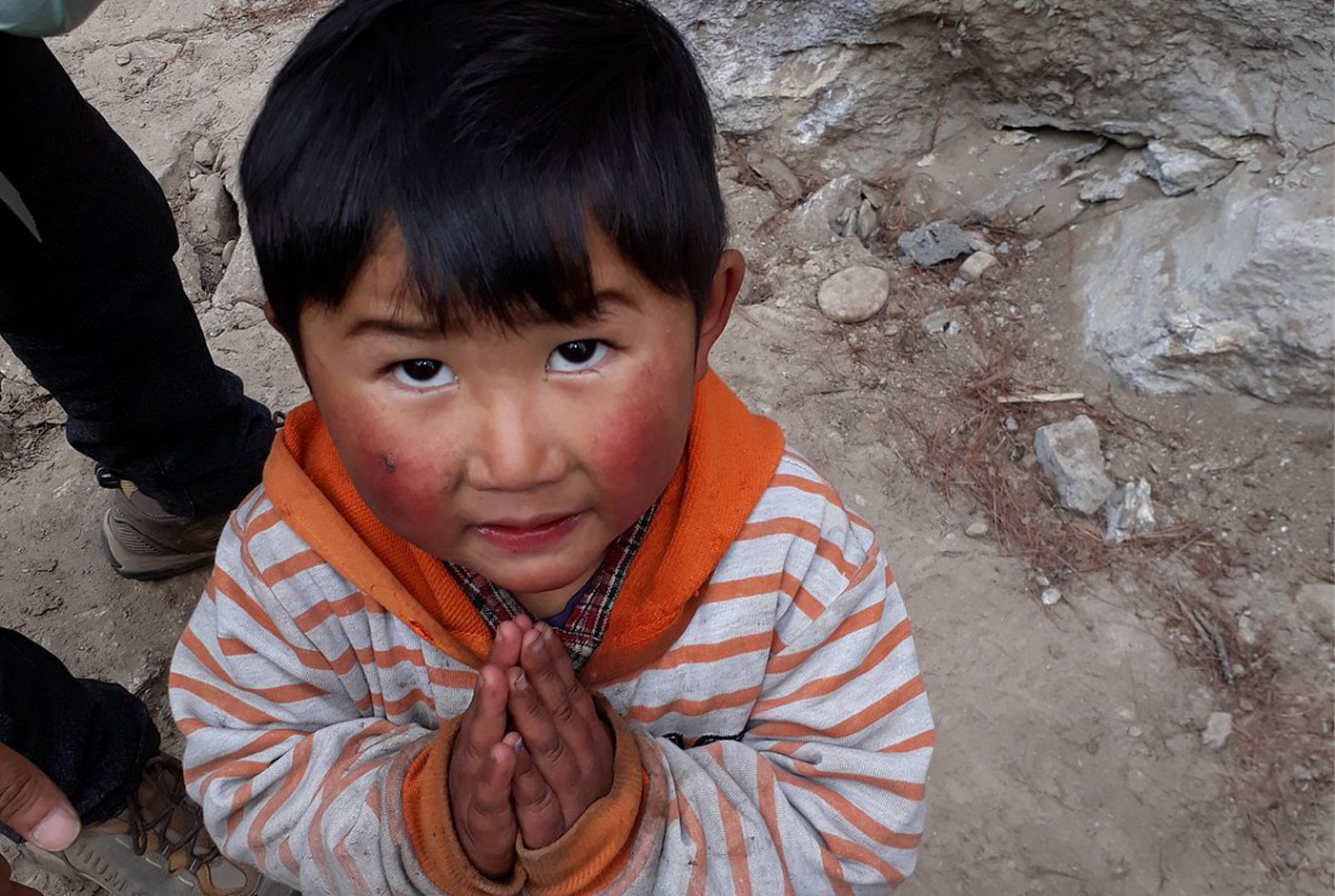
Nepali is the official language of Nepal and is spoken by the vast majority of the population, either as a first or second language. Written in the Devanagari script, it serves as the country's primary language for education, government, media, and business.
Visitors trekking across Nepal will find that Nepali is widely understood in cities, villages, and mountain communities. In popular trekking regions, many guides, lodge owners, and local residents also speak conversational English.
Other Widely Spoken Languages
While Nepali connects the nation, every region has preserved its own linguistic heritage.
|
Language |
Mainly Spoken In |
Communities |
|
Maithili |
Madhesh Province |
Maithil communities |
|
Bhojpuri |
Southern Terai |
Bhojpuri-speaking communities |
|
Tharu |
Western and Central Terai |
Tharu |
|
Tamang |
Langtang, Rasuwa, Nuwakot |
Tamang |
|
Nepal Bhasa (Newar) |
Kathmandu Valley |
Newar |
|
Sherpa |
Khumbu (Everest Region) |
Sherpa |
|
Gurung |
Annapurna Region |
Gurung |
|
Magar |
Western Hills |
Magar |
|
Limbu |
Eastern Nepal |
Limbu |
|
Rai Languages |
Eastern Hills |
Rai communities |
These languages are actively used in homes, festivals, local governance, literature, and cultural ceremonies, helping preserve Nepal's rich heritage for future generations.
A Country That Celebrates Linguistic Diversity
Nepal's Constitution recognizes the importance of preserving linguistic diversity. Across the country, schools, cultural organizations, and local governments continue to promote indigenous languages through education, literature, music, and community events.
For travelers, learning simple greetings such as "Namaste" and "Dhanyabad" (thank you) is a wonderful way to connect with local people and show respect for their culture.
Religion in Nepal: What religion do Nepali people follow?
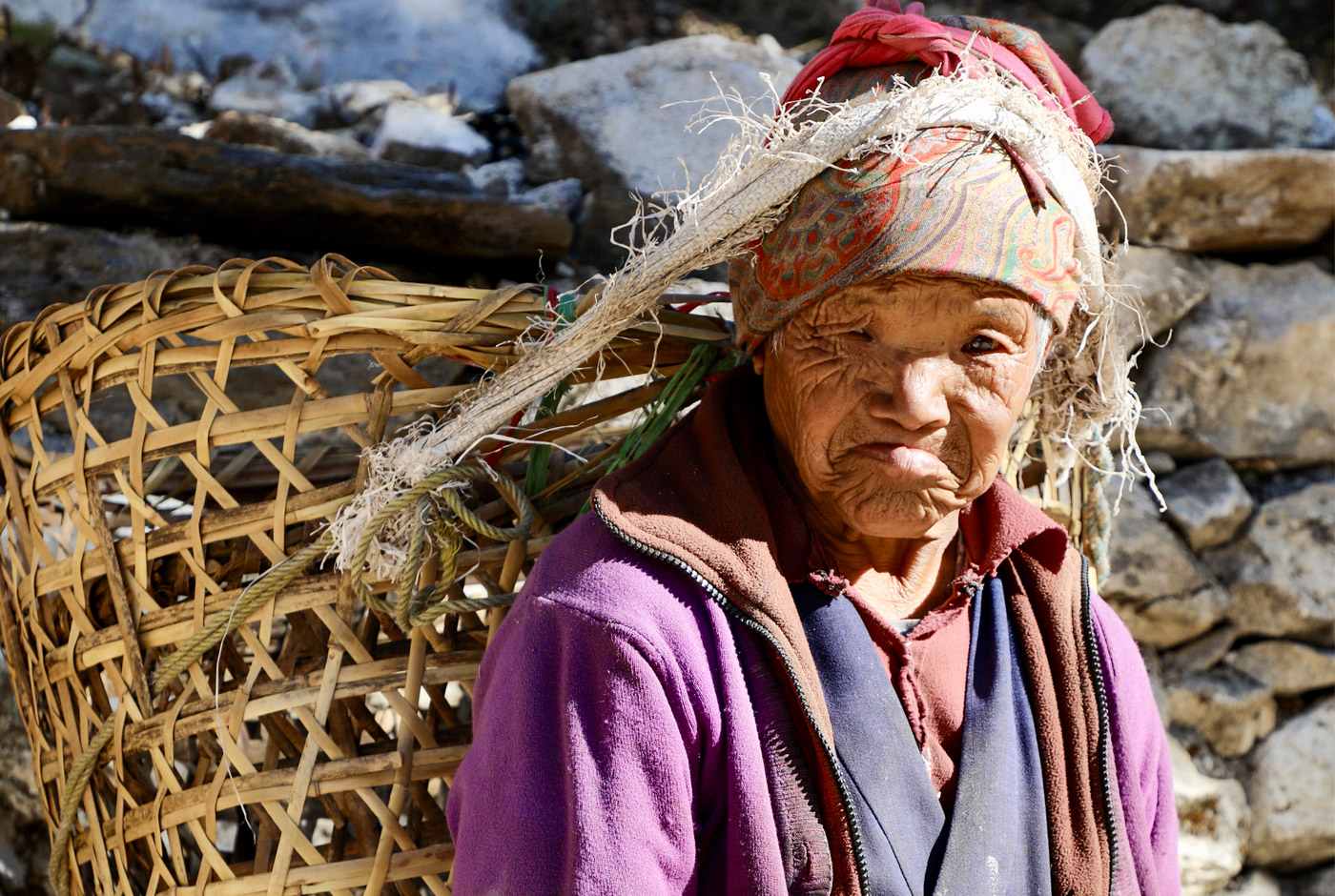
Nepal is a multi-religious country, but the overwhelming majority of the population practices Hinduism (roughly 81%). The second most followed religion is Buddhism (about 8%), followed by Islam (5%), Kiratism (3%), and Christianity (2%).
Religion has played an important role in shaping Nepal's history, traditions, architecture, and daily life. Despite its remarkable diversity, Nepal is widely recognized for its long-standing tradition of religious harmony, where people of different faiths often celebrate festivals together and visit one another's places of worship.
According to the 2021 National Population and Housing Census, Hinduism is the largest religion in Nepal, followed by Buddhism, Islam, Kirat, Christianity, and several smaller faiths.
Major Religions in Nepal
|
Religion |
Approximate Share |
Highlights |
|
Hinduism |
Majority |
Temples, Dashain, Tihar |
|
Buddhism |
Significant minority |
Monasteries, Lumbini, Himalayan communities |
|
Islam |
Minority |
Mainly in the Terai and urban areas |
|
Kirat |
Indigenous faith |
Rai, Limbu, Sunuwar, Yakkha communities |
|
Christianity |
Growing minority |
Churches throughout Nepal |
Hinduism
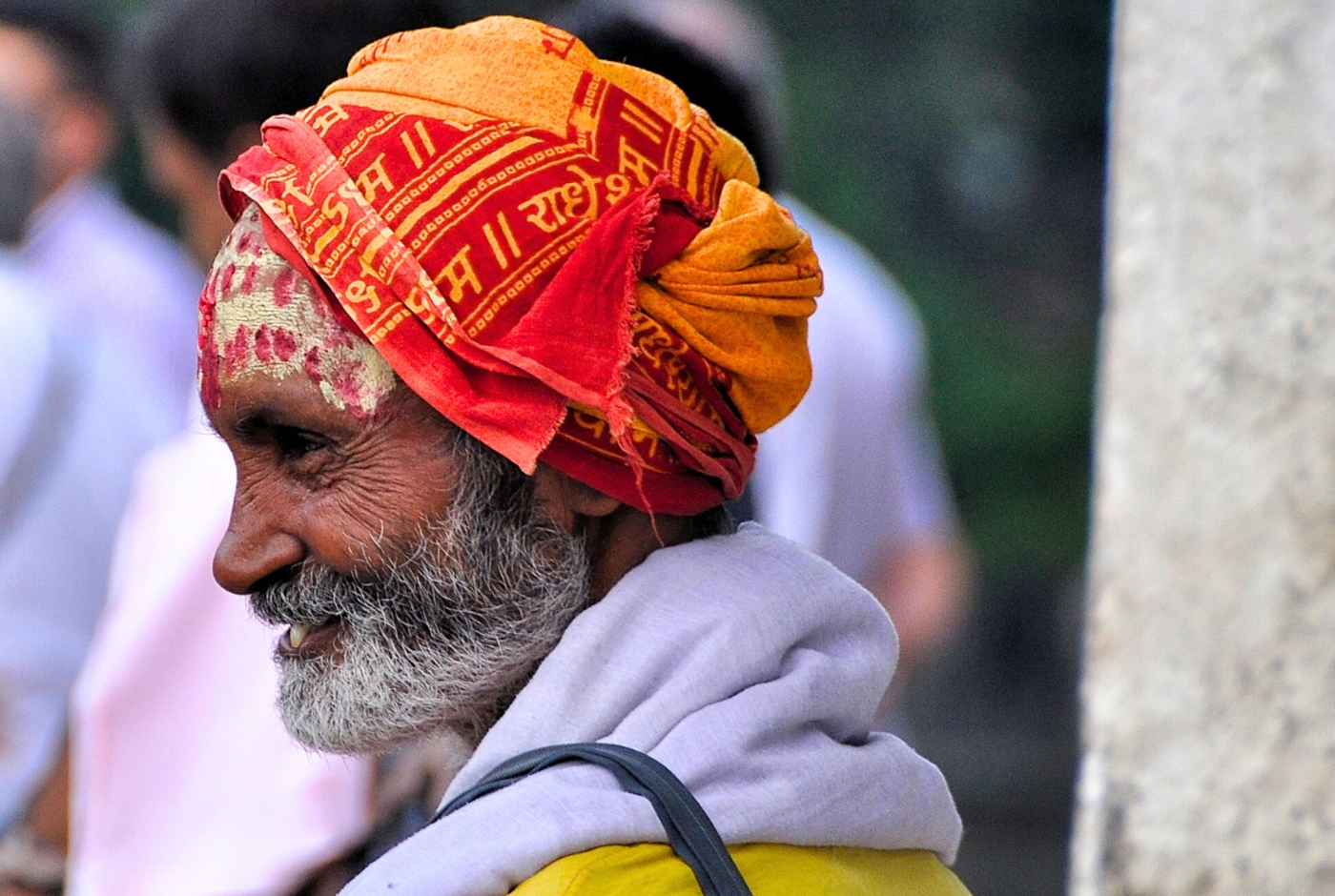
Hinduism has influenced Nepal's festivals, temples, architecture, and family traditions for centuries.
Important Hindu pilgrimage sites include:
- Pashupatinath Temple
- Muktinath Temple
- Janaki Temple
- Manakamana Temple
Major festivals include:
Buddhism
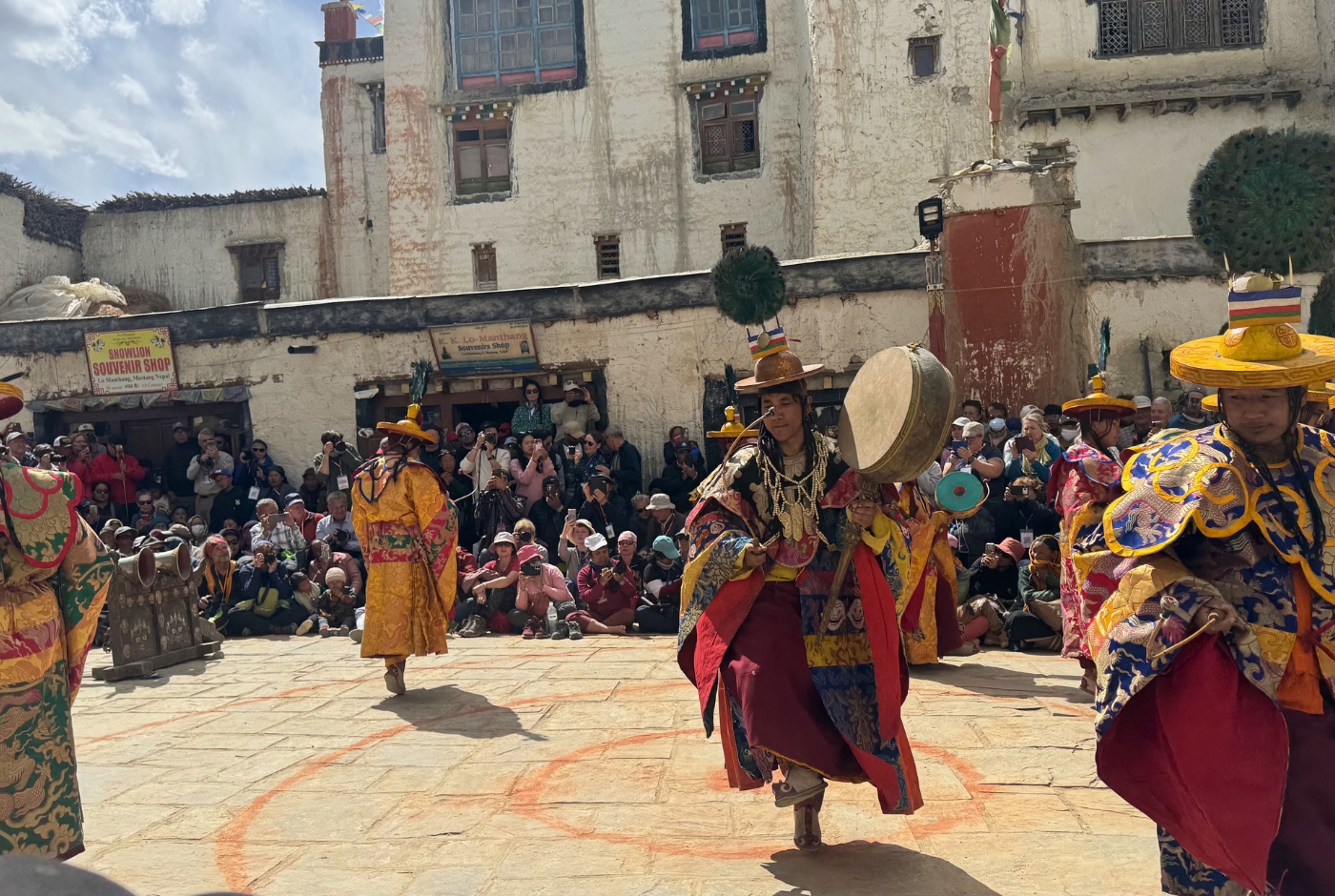
Nepal is the birthplace of Siddhartha Gautama (Lord Buddha), who was born in Lumbini, a UNESCO World Heritage Site.
Buddhism is deeply rooted in Himalayan communities such as:
- Sherpa
- Tamang
- Lopa
- Dolpo-pa
- Manangi
Visitors trekking through Everest, Mustang, Langtang, and Manaslu will encounter ancient monasteries, colorful prayer flags, mani walls, and spinning prayer wheels that reflect this living Buddhist heritage.
Kirat Religion
The Kirat faith is one of Nepal's oldest indigenous belief systems and is mainly practiced by communities such as the Rai, Limbu, Sunuwar, and Yakkha.
Nature, ancestors, and harmony with the environment are central to Kirat traditions, and many festivals continue to celebrate these enduring beliefs.
Religious Harmony
One of Nepal's most remarkable characteristics is the peaceful coexistence of different religions.
In many towns and villages, Hindu temples stand alongside Buddhist monasteries, and it is common for people to participate in festivals regardless of their religious background. This mutual respect has become one of Nepal's defining cultural strengths.
Nepali Culture and Traditions
Nepali culture is shaped by centuries of history, geography, religion, and community life. Although customs vary from one region to another, certain values are shared throughout the country.
The majority of Nepalis are Hindu, followed by Buddhists, with a beautiful syncretic blend where temples and stupas often share the same courtyards. Indigenous groups like the Kirat in eastern Nepal practice ancestral and nature worship. Because of the sacred status of the cow, beef is strictly avoided, and cows are highly revered.
Hospitality Comes First
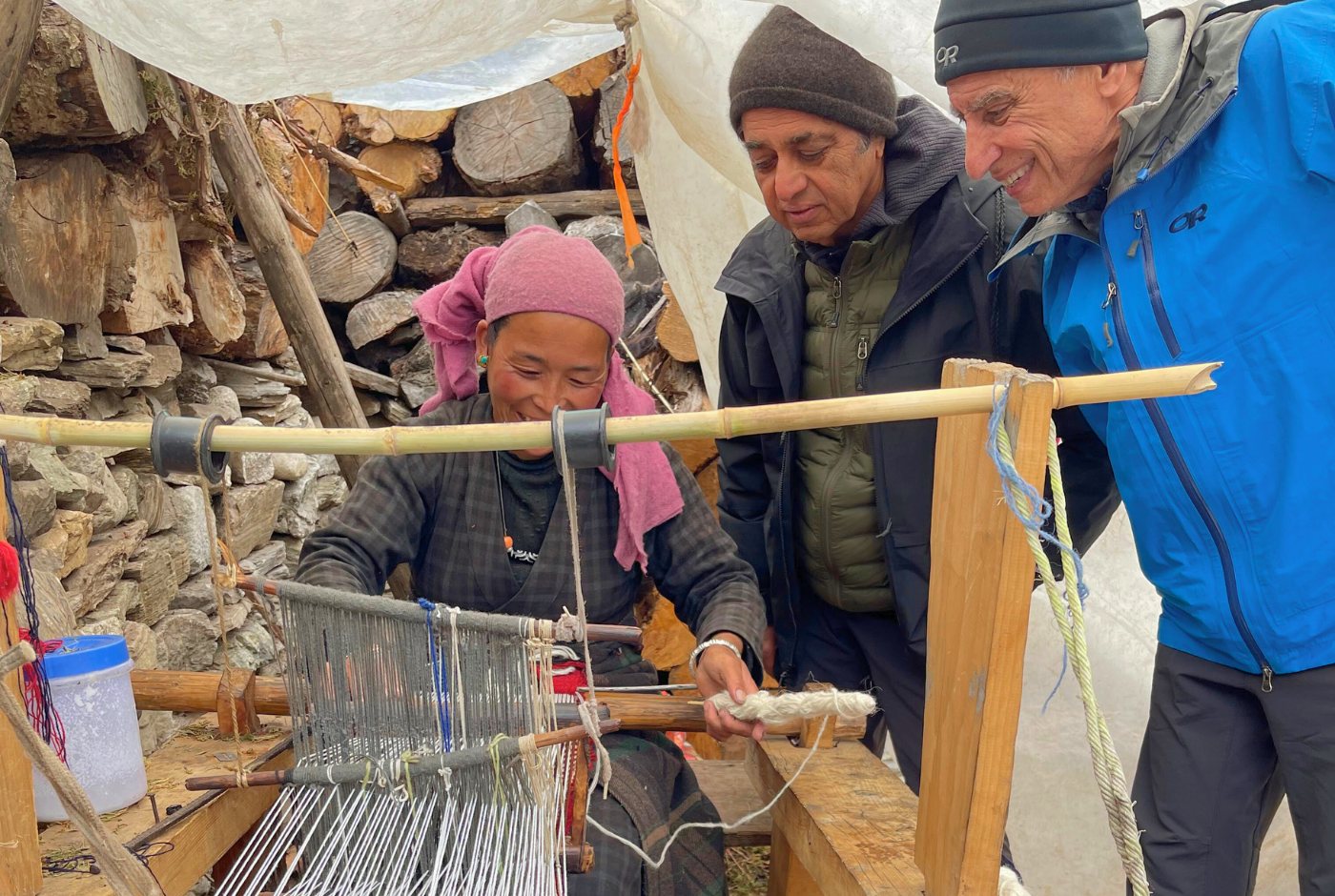
Nepali hospitality is legendary, rooted in the ancient Sanskrit philosophy of Atithi Devo Bhava, "the guest is God". Across bustling Kathmandu streets or remote Himalayan trekking routes, visitors are embraced with genuine warmth, heartfelt Namastes, and a community-oriented spirit that makes you feel like family.
Whether you stay in a family-run teahouse in the Himalayas or visit a village in the Kathmandu Valley, guests are welcomed with warmth, kindness, and genuine curiosity.
It is common for hosts to offer:
- Tea
- Home-cooked meals
- Local advice
- A comfortable place to rest
In many mountain villages, hospitality is not simply considered good manners—it is a way of life.
Strong Family Values
Family plays a central role in Nepali society.
Nepali family values are deeply rooted in collectivism and multigenerational living. Core traditions include profound respect for elders, shared financial and domestic responsibilities, and gathering for festivals. These tight-knit community and family bonds offer unwavering emotional support and shape a deeply interconnected society.
Many households include several generations living together, with grandparents, parents, and children sharing responsibilities and maintaining close relationships.
Community Spirit
Life in Nepal often revolves around the local community.
The community spirit of the Nepali people is defined by deep-rooted collectivism, boundless hospitality, and harmonious coexistence. Guided by the philosophy of Atithi Devo Bhava ("Guests are Gods"), Nepalis prioritize mutual aid, strong family bonds, and shared cultural celebrations over individualism.
Neighbors regularly help one another during:
- Harvest seasons
- Weddings
- Religious festivals
- House construction
- Community projects
This strong sense of cooperation is especially visible in remote Himalayan villages, where teamwork has long been essential for daily life.
Respect and Greetings
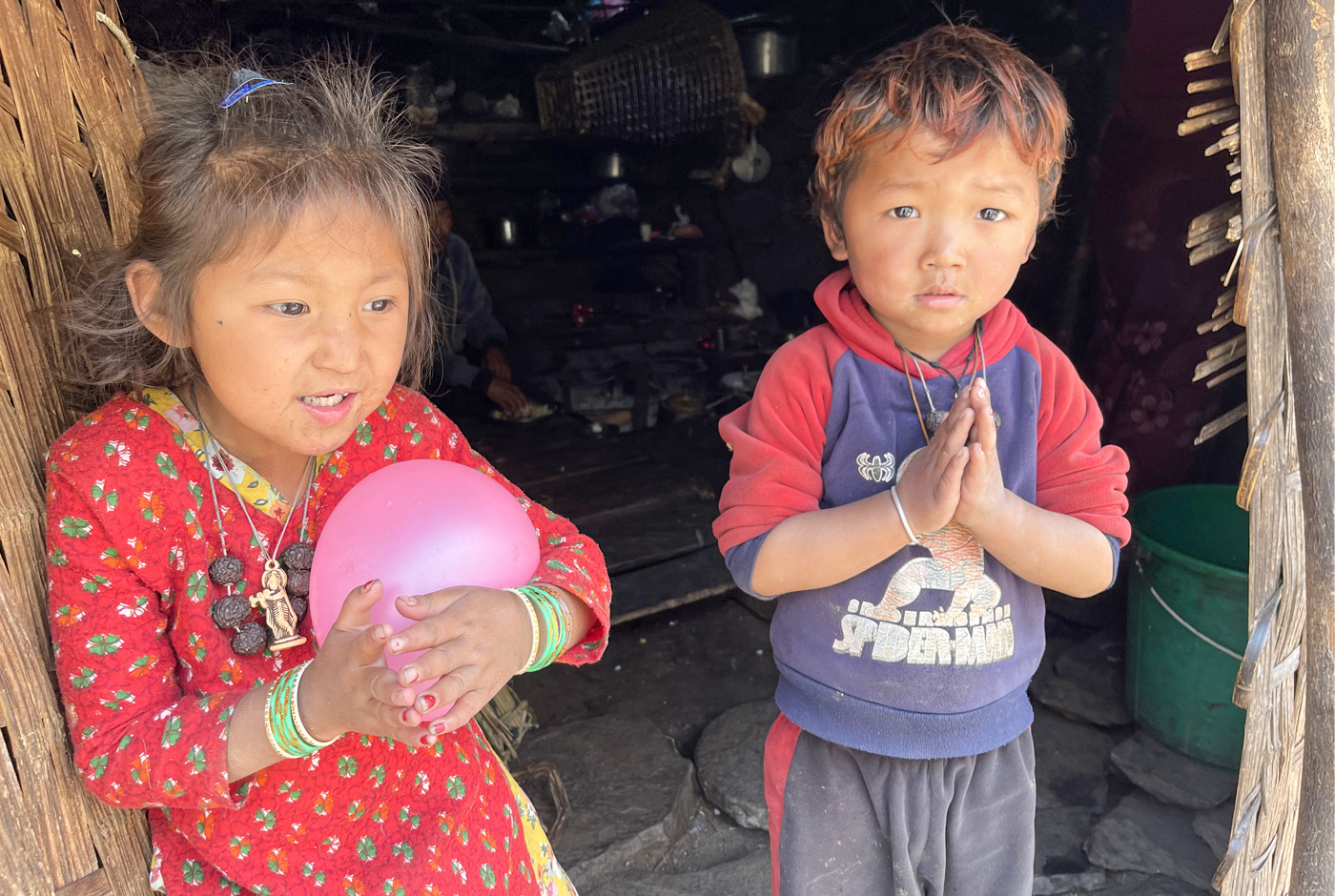
The traditional greeting "Namaste", spoken with palms pressed together, expresses respect and goodwill.
Visitors are also encouraged to:
- Remove shoes before entering homes and temples.
- Dress modestly when visiting religious sites.
- Ask permission before photographing people.
- Walk clockwise around stupas and prayer wheels.
- Use both hands when giving or receiving important items.
These simple gestures demonstrate cultural awareness and are greatly appreciated by local communities.
Traditional Dresses of Nepal
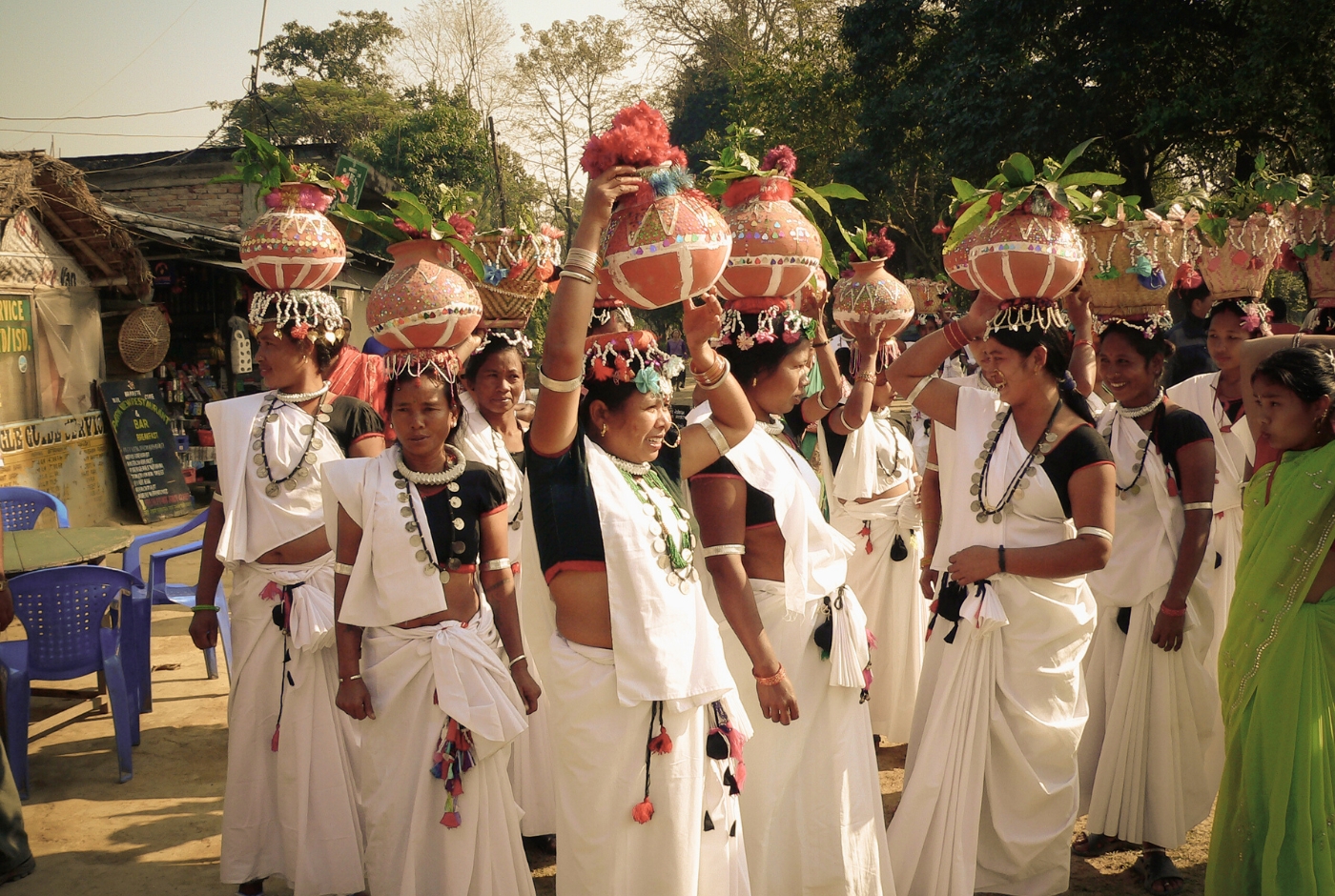
Nepal’s national dress is the Daura Suruwal for men, featuring a closed-neck tunic and tapered trousers, and the Gunyu Cholo for women, consisting of a wraparound blouse and skirt. This attire is typically paired with the iconic handwoven Dhaka Topi (cap). With over 100 ethnic groups, Nepal boasts highly diverse traditional clothing.
Some of the best-known traditional outfits include:
- Daura Suruwal – Nepal's traditional national dress for men.
- Gunyo Cholo – A traditional outfit worn by many Nepali women.
- Bakhu – A warm robe commonly worn by Sherpa and other Himalayan communities.
- Thakali attire – Distinctive clothing reflecting Mustang's Tibetan heritage.
- Newar traditional dress – Colorful garments worn during festivals and ceremonies.
- Tharu clothing – Bright handmade garments often decorated with traditional jewelry.
Although modern clothing is common in everyday life, traditional dress remains an important part of weddings, religious ceremonies, and cultural festivals.
Festivals That Bring Nepal Together
Nepal’s festivals are powerful unifiers, bringing together its diverse ethnic groups and religions. Across the nation, communities celebrate shared values of family, nature, and triumph over evil, regardless of caste or creed. The most unifying celebrations reflect Nepal's deep cultural and agricultural roots.
National Unifiers: Celebrated by All
- Dashain: Spanning 15 days in September or October, it is Nepal's grandest festival. Commemorating the triumph of good over evil, it unites the country through family reunions, kite flying, and elders blessing younger generations with tika.
- Tihar (Festival of Lights): Following Dashain, this five-day festival celebrates the bonds between humans, animals (like crows, dogs, and cows), and nature. The final day, Bhai Tika, focuses on the love between brothers and sisters.
- Holi (Falgu Purnima): Marking the arrival of spring in March, this vibrant festival of colors brings communities together in the streets to laugh, dance, and share joy.
Cultural Melting Pots: Heritage and Community
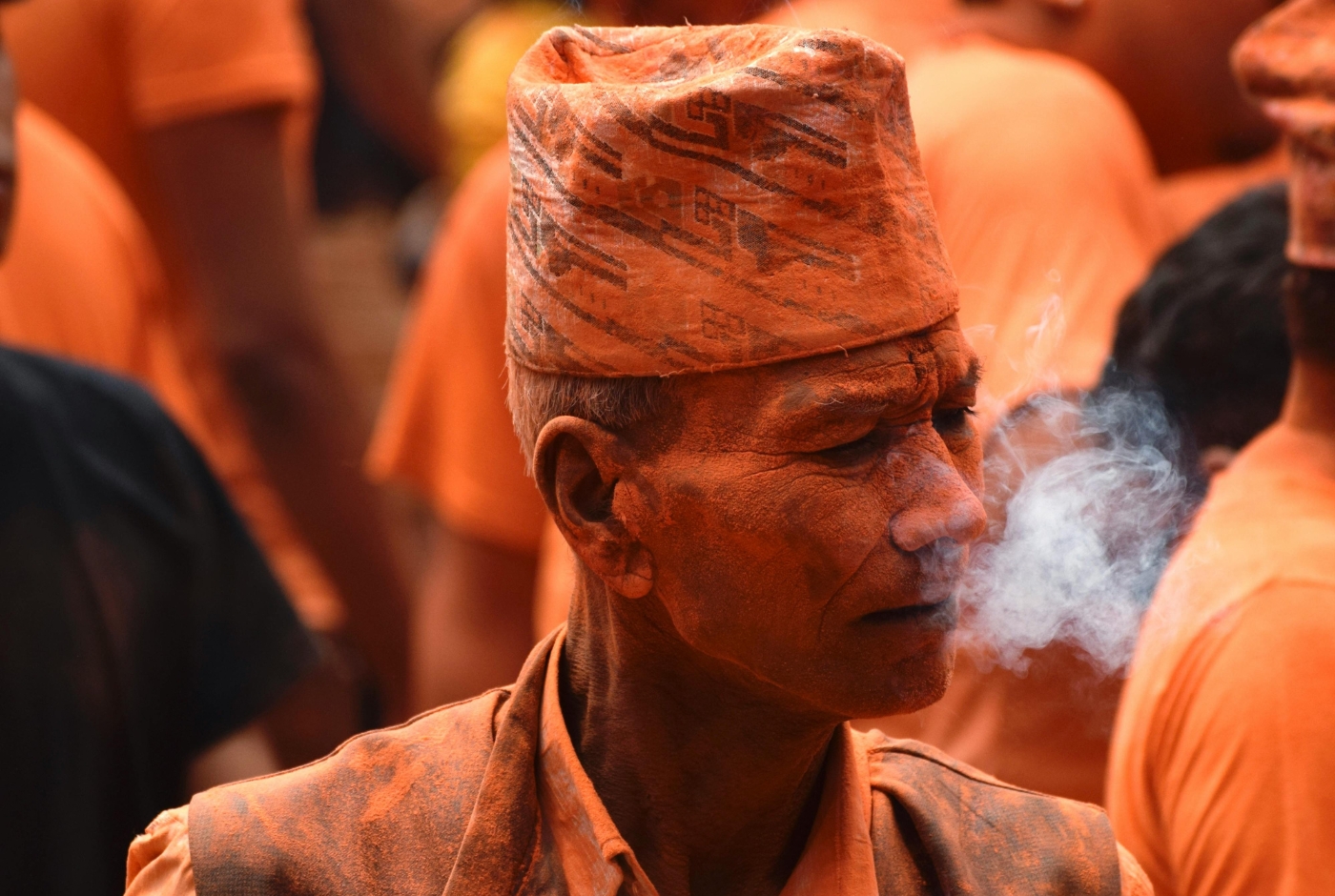
- Indra Jatra: An eight-day autumn street festival in Kathmandu where both Hindus and Buddhists join the Newar community to honor the rain god and catch a glimpse of the living goddess, Kumari.
- Lhosar: Celebrated as the New Year by various Himalayan and Buddhist communities, such as the Tamu, Sherpa, and Tamang people, Lhosar brings whole villages together with traditional feasts, colorful dances, and vibrant prayer flags.
- Ropain (Rice Planting Festival): Occurring around mid-July, this agricultural celebration marks the start of the monsoon season. Locals and visitors gather in the muddy fields to plant rice, sing folk songs, and play in the mud.
Meet the People Along Nepal's Famous Trekking Routes
One of the greatest rewards of trekking in Nepal is meeting the people who call the Himalayas home. Every trail introduces visitors to unique communities whose traditions have been preserved for generations.
Nepal’s trekking routes are defined as much by their warm, resilient inhabitants as they are by towering peaks. From the legendary Sherpas of the Khumbu to the Gurungs of the Annapurnas, you will experience diverse cultures, ancient Tibetan Buddhist traditions, and traditional teahouse hospitality along the major trails.
Everest Region – Home of the Sherpa
The Everest region is synonymous with the Sherpa people, whose resilience, mountaineering expertise, and hospitality have become legendary.
As you trek through villages such as Namche Bazaar, Khumjung, Pangboche, and Dingboche, you'll encounter beautifully decorated monasteries, fluttering prayer flags, and welcoming teahouses run by local families.
Sherpa culture is deeply rooted in Tibetan Buddhism, and respecting local customs enriches every Everest journey.
Popular Nepal Hiking Team Treks
- Everest Base Camp Trek
- Everest Three Passes Trek
- Gokyo Lakes Trek
- Everest Panorama Trek
Annapurna Region – Gurung, Magar, and Thakali Heritage
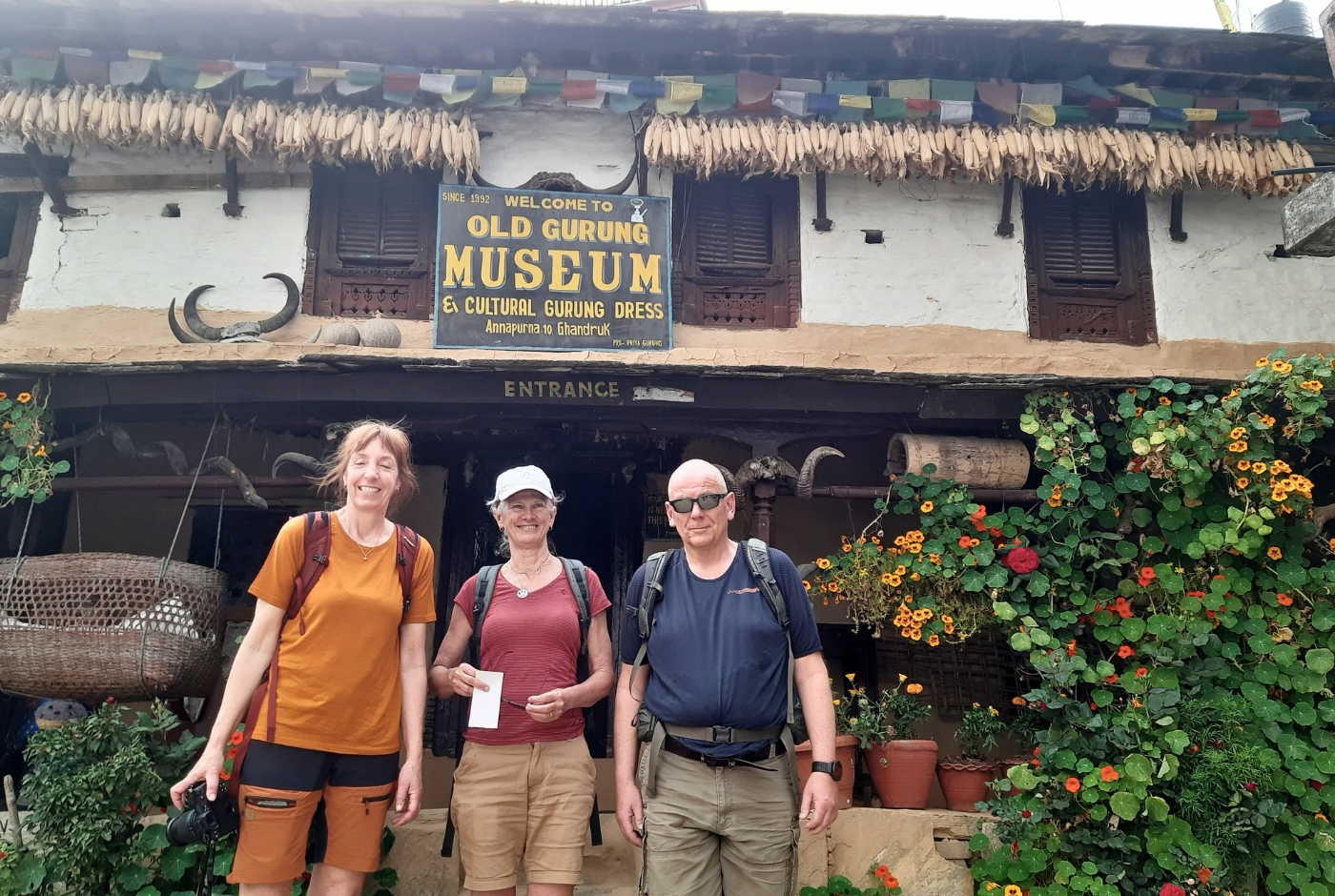
The Annapurna Region is a cultural mosaic where Gurung, Magar, and Thakali communities thrive alongside each other. Through teahouse trekking, visitors experience unique architectural heritage, warm hospitality, and ancient spiritual traditions like Tibetan Buddhism and the Bon religion.
Highlights include:
- Stone-paved villages
- Traditional museums
- Buddhist monasteries
- Ancient trade routes
- Local apple orchards
- Authentic Thakali cuisine
Every village presents a different chapter of Annapurna's living cultural heritage.
Popular Nepal Hiking Team Treks
Langtang – Discover Tamang Culture
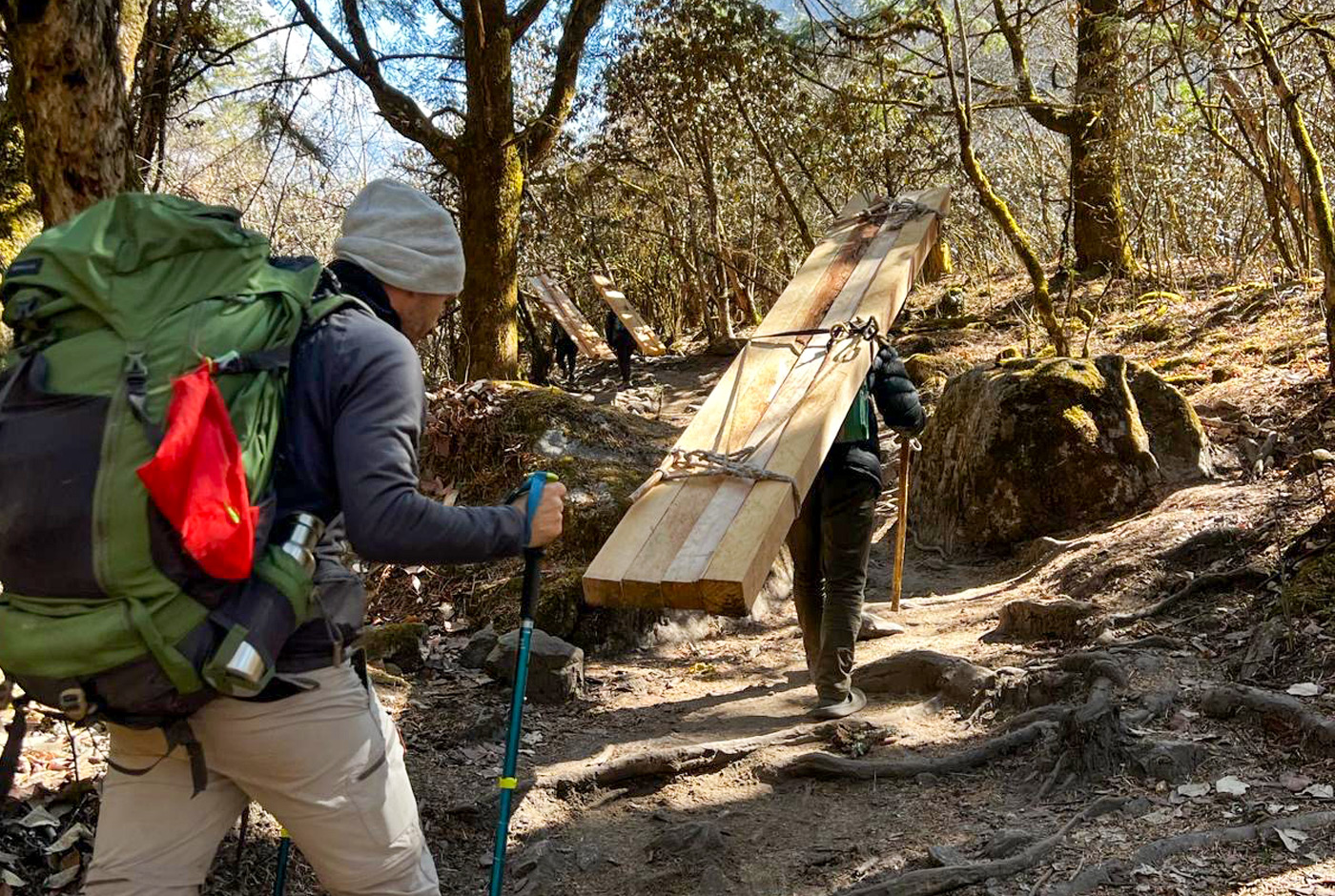
Discover the ancient Tamang culture in the Langtang region, located just north of Kathmandu. This rugged, alpine trekking route, accessed via a 7–8 hour jeep ride to Syabrubesi—offers an immersive experience into the indigenous Tamang and Sherpa communities deeply connected to Tibetan Buddhist traditions, yak herding, and mountain living.
Traditional villages feature:
- Buddhist monasteries
- Prayer wheels
- Stone houses
- Yak pastures
- Handmade crafts
Trekking through Langtang offers a peaceful cultural experience close to Kathmandu while showcasing authentic Himalayan traditions.
Popular Nepal Hiking Team Treks
- Langtang Valley Trek
- Tamang Heritage Trail
Manaslu – Ancient Himalayan Traditions
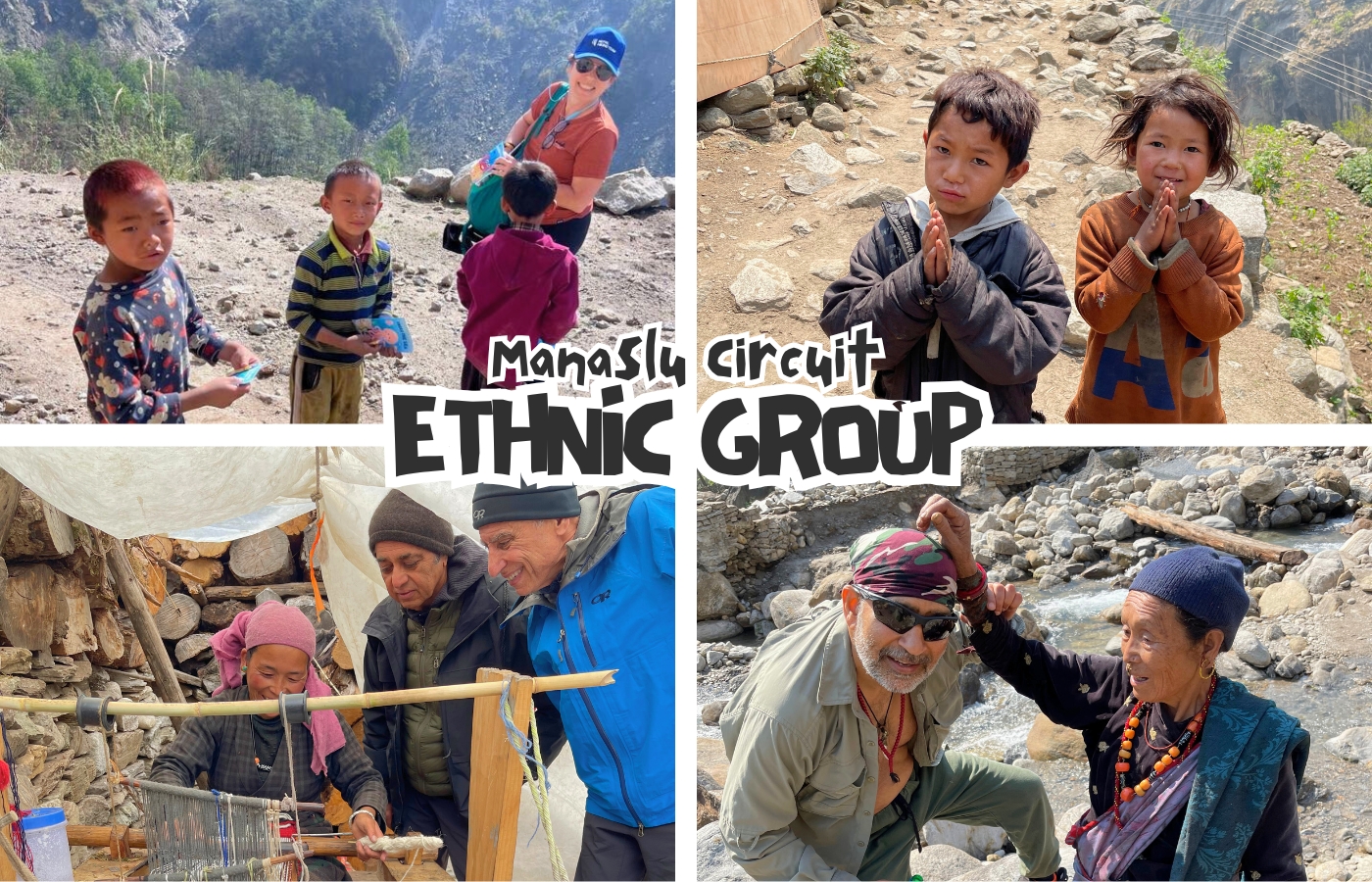
The inhabitants of the upper Manaslu and Tsum valleys are descendants of Tibetan migrants. Their heritage remains pristine due to the area's designation as a restricted region.
The Nubri People: Residing in upper-valley settlements like Lho and Samagaun, the Nubripa maintain strong cultural and linguistic ties to Tibet. They live in flat-roofed stone houses and wear traditional woolen chuba garments.
The Tsumba People: Living in the remote Tsum Valley (often called the "Valley of Happiness"), they practice a strictly preserved Tibetan Buddhist lifestyle. The valley is historically tied to the Beyul Kyimalung, a sacred hidden sanctuary.
Along the trail you'll encounter:
- Ancient monasteries
- Mani walls
- Traditional farming
- Yak caravans
- Tibetan Buddhist ceremonies
The Tsum Valley is especially respected for its spiritual heritage.
Upper Mustang – The Ancient Kingdom of Lo
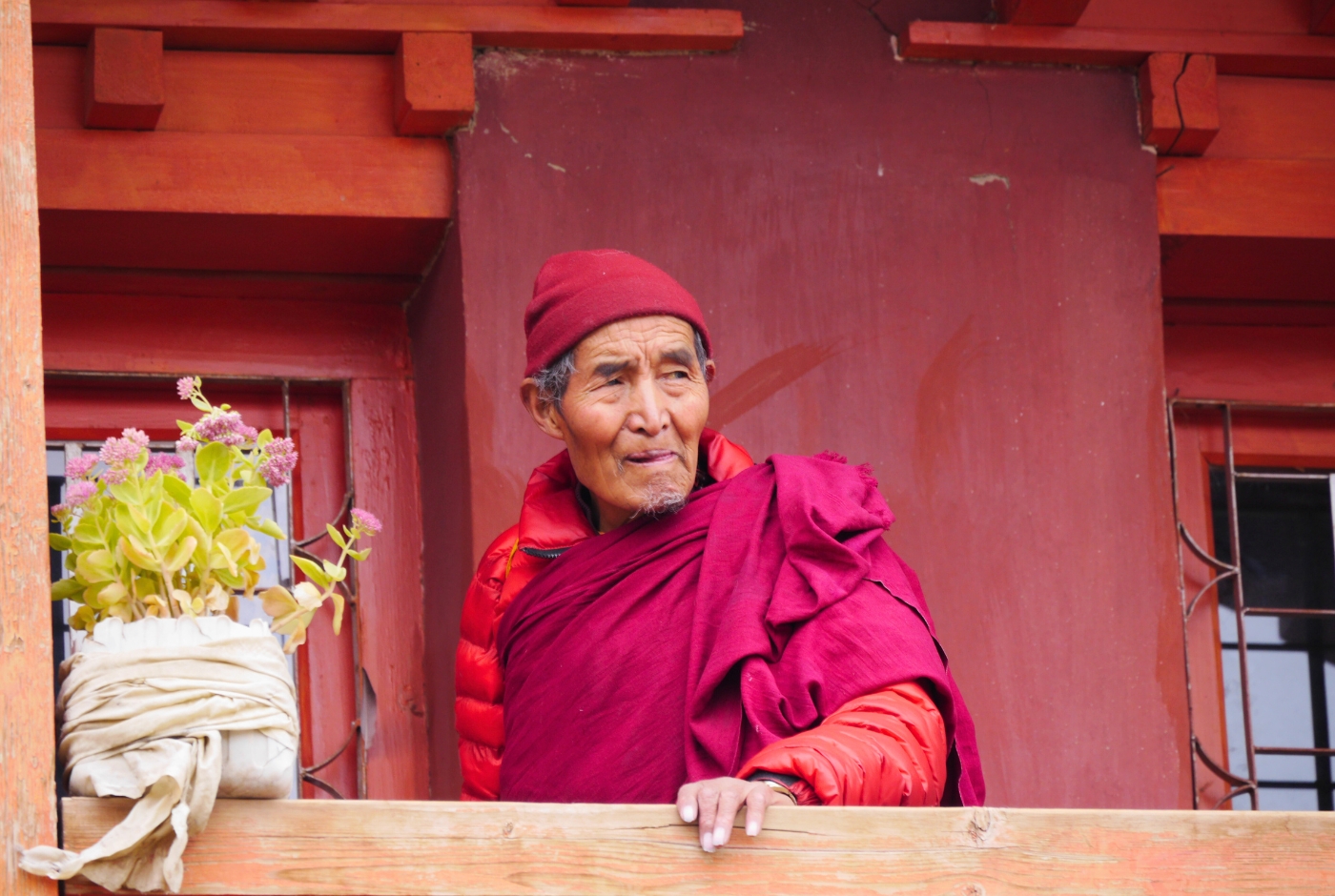
Upper Mustang feels like another world.
The indigenous people of Upper Mustang are known as the Loba. They share deep ancestral, linguistic, and cultural ties with Tibet. Historically dependent on salt trading across the Himalayas, modern Lobas rely heavily on animal husbandry (yak, sheep, and horses), agriculture (barley and buckwheat), and heritage tourism.
Visitors can explore:
- Lo Manthang
- Ancient cave monasteries
- Whitewashed villages
- Royal palaces
- Prayer walls
This is one of Nepal's most culturally unique trekking destinations.
Kanchenjunga – Remote Eastern Nepal
Trekkers visiting the Kanchenjunga region experience the traditions of the Limbu, Rai, and Sherpa communities.
Unlike Nepal's busier trekking areas, Kanchenjunga offers an authentic glimpse into everyday village life surrounded by pristine Himalayan landscapes.
Why Cultural Experiences Make Trekking in Nepal Special
The Himalayas are undeniably breathtaking, but the people you meet along the journey often leave the deepest impression.
A warm smile from a teahouse owner, a cup of butter tea shared with a local family, conversations with experienced mountain guides, or witnessing a village festival can transform a trek into a lifelong memory.
With Nepal Hiking Team, trekking is not only about reaching famous viewpoints or mountain passes. It is also an opportunity to connect with the communities that have protected these trails, preserved their traditions, and welcomed travelers from around the world for generations.
Conclusion
Nepal is much more than the home of Mount Everest and the Himalayas. It is a country where extraordinary cultural diversity flourishes across mountains, hills, and plains. From the Sherpa villages of Everest and the Gurung settlements of Annapurna to the Thakali communities of Mustang, the Tamang heritage of Langtang, and the Limbu traditions of Kanchenjunga, every region offers a unique perspective on Nepali life.
Despite speaking different languages, practicing different faiths, and preserving distinct customs, the people of Nepal share common values of hospitality, resilience, family, and mutual respect. These qualities have shaped the nation's identity for centuries and continue to leave a lasting impression on visitors from around the world.
For trekkers, exploring Nepal is about more than reaching mountain viewpoints or crossing high passes. It is an opportunity to connect with local communities, experience living traditions, and discover the stories behind the landscapes. Whether you are sharing a meal in a mountain teahouse, visiting an ancient monastery, or celebrating a local festival, these authentic encounters reveal the true spirit of Nepal.
At Nepal Hiking Team, we believe every journey should be as much about people as it is about places. Our experienced local guides help you discover not only Nepal's spectacular trails but also the cultures, traditions, and communities that make each destination unforgettable.
If you're ready to experience Nepal's mountains and its remarkable people, explore our trekking adventures to Everest Base Camp, Annapurna Base Camp, Annapurna Circuit, Langtang Valley, Manaslu Circuit, Upper Mustang, and Kanchenjunga Base Camp to discover the heart of the Himalayas.
Post a Comment