
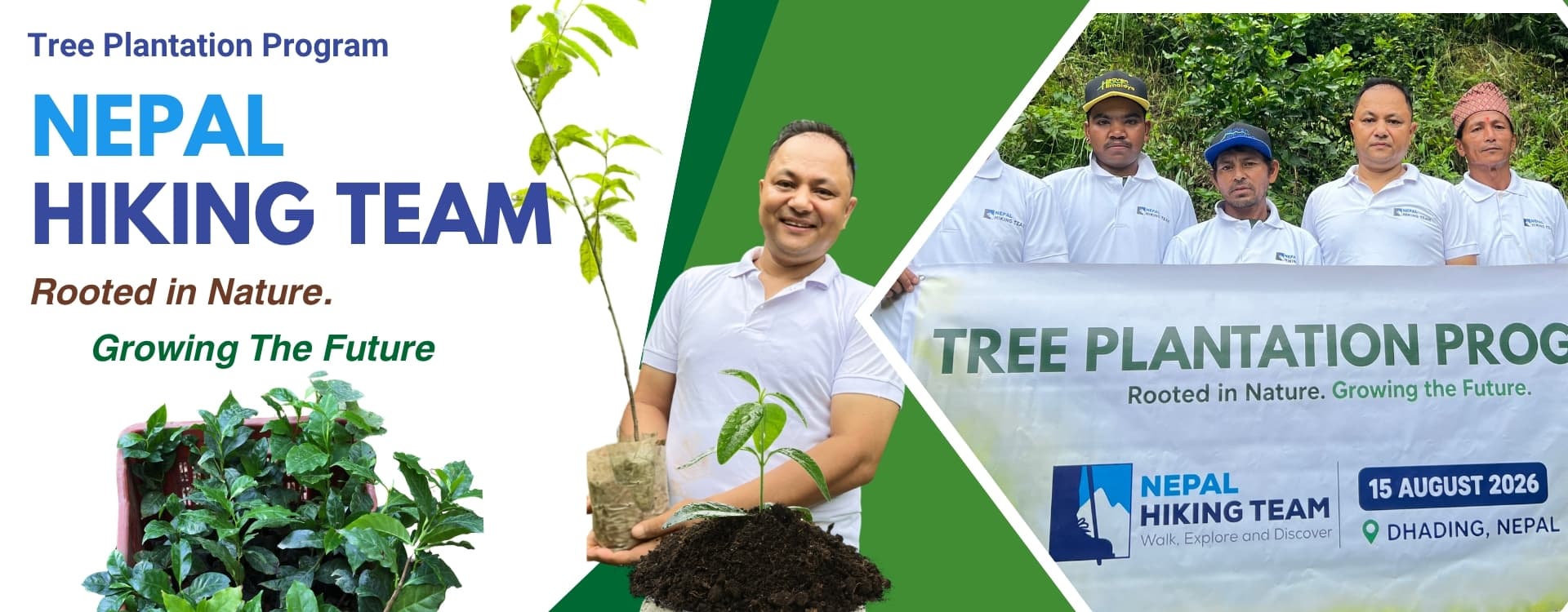
Rooted in Nature, Growing in Future
At Nepal Hiking Team, our work is closely connected with nature. Every trek and tour takes us through forests, mountain trails, rural villages, rivers, and natural landscapes that make Nepal special. For us, being part of the tourism industry also means taking care of the places we travel through.
Tree plantation has become one of the activities we continue to take part in every year. It gives our team a chance to step away from our usual work, spend time with local communities, and do something practical for the environment. We believe sustainable tourism is built through regular actions, not only words.
Each year, members of Nepal Hiking Team join local communities across the places for a plantation campaign and various sustainable activities. The activity is simple, but it reflects a broader commitment to taking part in environmental and community work beyond the company's day-to-day trekking and tour operations.
This year's campaign took place in Nilkantha-11, Dhading, on August 15, 2026.
More Than 450 Trees Planted in Nilkantha by NHT
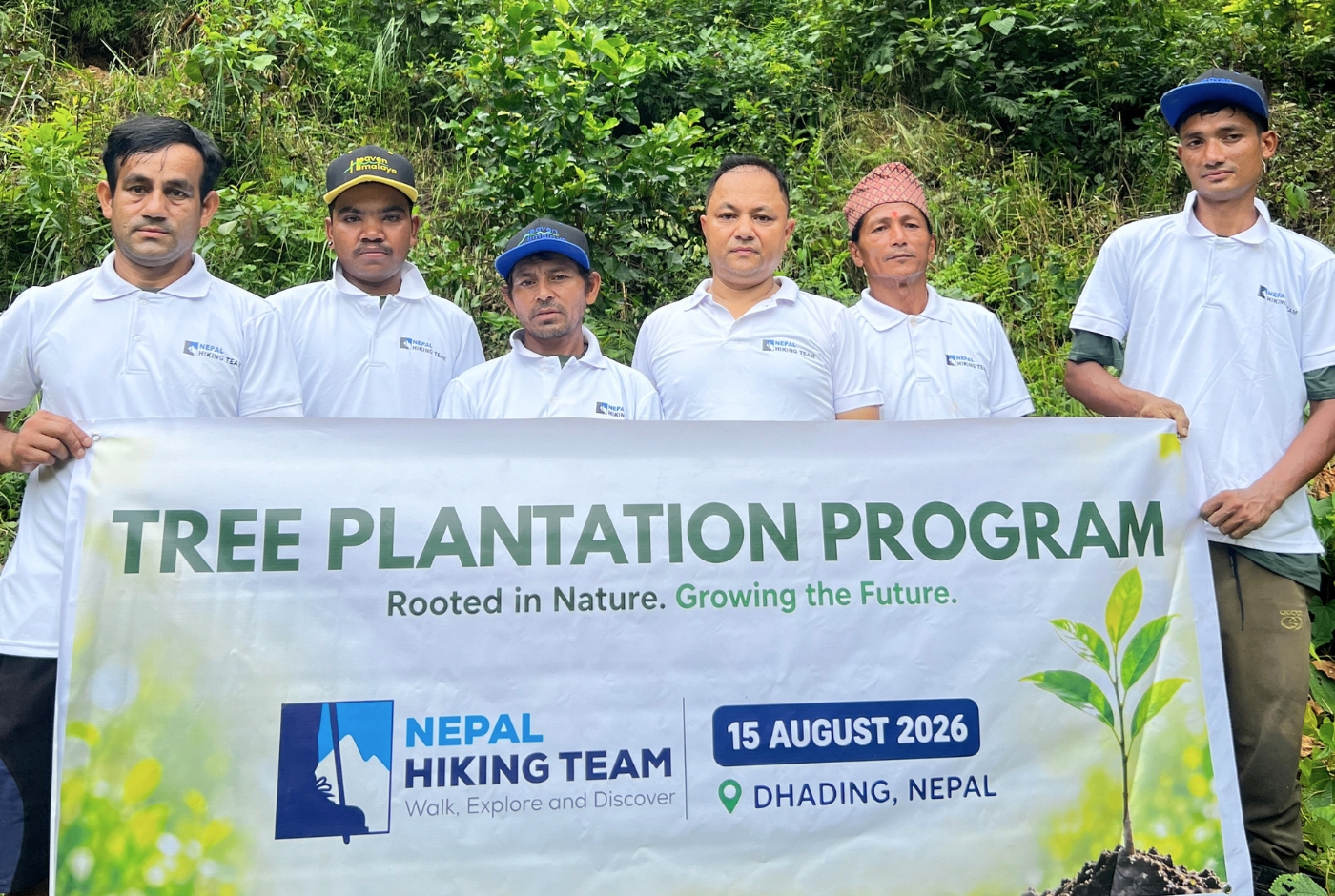
The 2026 campaign brought together Nepal Hiking Team's in-house team and members of the local community. More than 450 trees were planted during the programme.
The planting included a wide selection of species, among them coffee, Paulownia, Buddhachitta, Miyazaki mango, pecan nut, walnut, orange, lapsi, avocado, camphor, jacaranda, Koiralo, lychee, mango, bay leaf, Dhupi and Rudraksha.
The range reflects the different types of trees grown in the area and the varied uses associated with them. Fruit trees, locally familiar plants and other species were all part of the day's work.
For the participants, however, the number of trees was only one part of the story. The programme also created an opportunity for the company team to work directly alongside local residents.
That community involvement is central to the way Nepal Hiking Team approaches these activities.
Why Tree Plantation Matters to a Trekking Company
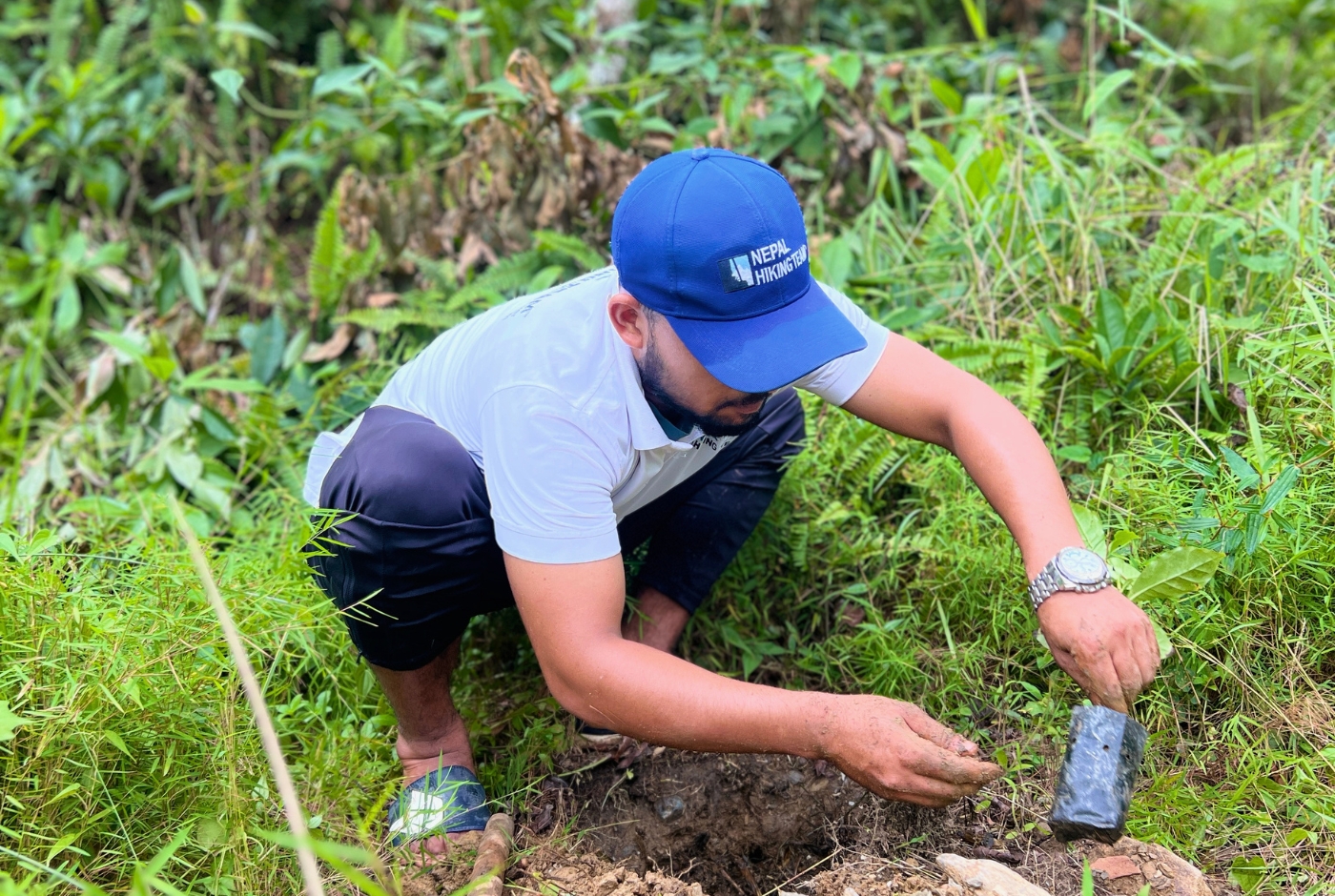
Nepal's tourism industry depends heavily on its natural environment. Mountains, forests, rivers and rural landscapes are not simply backdrops for visitors; they are part of the country's tourism economy and everyday community life.
For Nepal Hiking Team, this makes environmental responsibility a natural part of its work.
The company sees tree plantation as one practical way to contribute. It does not present a single plantation campaign as a solution to wider environmental challenges. Instead, the emphasis is on continued participation and regular activity.
The campaign is held each year, with the location and details changing over time. Keeping the programme going allows the team to return to the idea repeatedly rather than treating sustainability as a one-off event.
There is also a social element. Working with local residents means the activity is connected to the community where it takes place, rather than being an isolated company initiative.
Sustainability Beyond Plantation
Tree planting is only one of the environmental activities Nepal Hiking Team takes part in.
The team also joins clean-up campaigns, green plantation activities and other community initiatives when opportunities arise. Local organizations and groups sometimes organize activities near trekking and tourism destinations, and the company participates where it can.
These activities form part of a broader interest in responsible and eco-friendly tourism.
For a trekking operator, that can mean considering the environmental impact of its operations, encouraging responsible behaviour among travellers, and maintaining a closer relationship with communities in the destinations where it works.
The approach is not based on a single annual event. It is built around taking part in different activities throughout the year and continuing to look for practical ways to improve.
A Chance for Travellers to Take Part with NHT
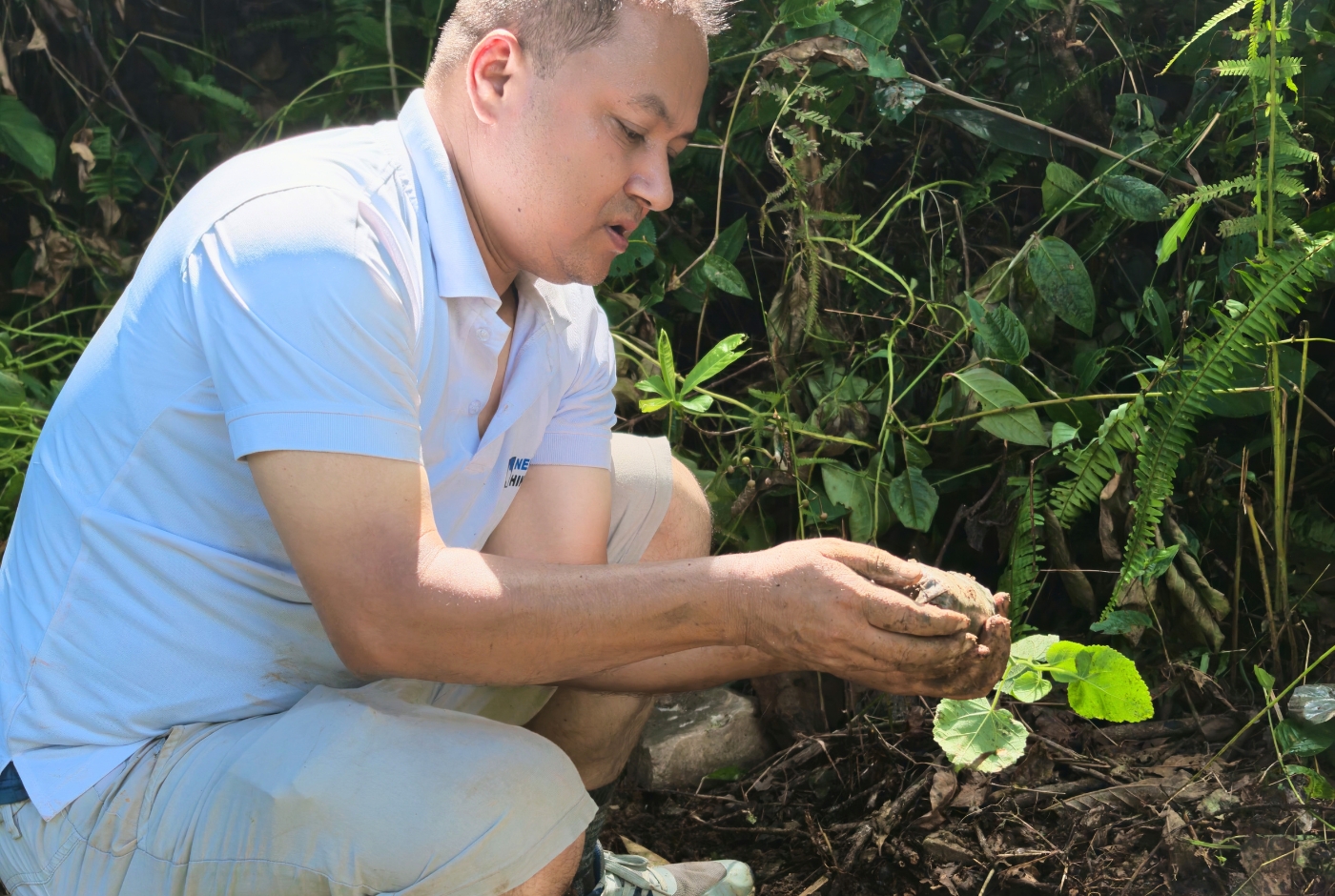
Environmental responsibility can also become part of a traveller's experience in Nepal.
At Nepal Hiking Team, guests can take part in suitable tree plantation programmes, clean-up campaigns, and other community activities when these are happening near their destination and fit with their itinerary.
Our approach to sustainable travel also continues during the trek itself. We encourage travellers to respect the trails and local surroundings, carry their waste with them, avoid unnecessary single-use items, and use reusable bags and bottles where practical. Simple habits, such as carrying a reusable bag, can help reduce litter along popular trekking routes of Nepal.
These opportunities are not a fixed part of every trek or tour. They depend on local activities, timing, and arrangements. But when the opportunity is there, we are happy to involve guests who want to contribute.
For us, responsible travel is not merely about visiting Nepal's mountains and villages. It is also about leaving these places with the same care and respect that we would hope to find when we return.
Looking Beyond a Single Year
The Nilkantha campaign is the latest chapter in Nepal Hiking Team's annual tree plantation programme.
The company intends to continue the activity in future years, working with local communities and its own team members in different parts of Nepal.
Each campaign brings its own circumstances. The location may change, the trees may be different and new participants may join. The underlying idea remains the same: support practical environmental work and maintain a connection with the communities that form part of Nepal's tourism landscape.
For Nepal Hiking Team, sustainability is not something that begins and ends with a single event.
It is a continuing effort shaped by repeated actions, community participation and a closer understanding of the places where tourism takes place.
Rooted in Nature, Growing in Future.
Post a Comment