
Asia offers some of the world's most diverse trekking landscapes, from jungle-covered hills to icy ridgelines carved high into the mountains. Ancient routes pass through remote villages and sacred sites, while high passes test endurance and resolve. Trekking across Asia connects travelers to landscapes shaped as much by culture and belief as by altitude and climate.
Across the continent, countries such as Japan, Kyrgyzstan, Pakistan, and Bhutan offer distinctive trekking experiences, each defined by its own terrain, culture, and pace. Nepal, however, is often used as the benchmark when evaluating trekking destinations in Asia, due to its concentration of high mountains, established trail infrastructure, and long tradition of welcoming trekkers.
This guide explores Asia's leading trekking countries through that lens, comparing landscapes, accessibility, and cultural depth to understand what truly defines the best trekking country in Asia.
How Do You Choose the Best Trekking Country in Asia?
The best trekking country in Asia is determined by a combination of landscape scale, altitude, safety, infrastructure, and the type of experience a traveler seeks.
Nepal is often used as a reference point in these comparisons due to its unique balance across all five factors
Nepal: The Benchmark Trekking Country in Asia
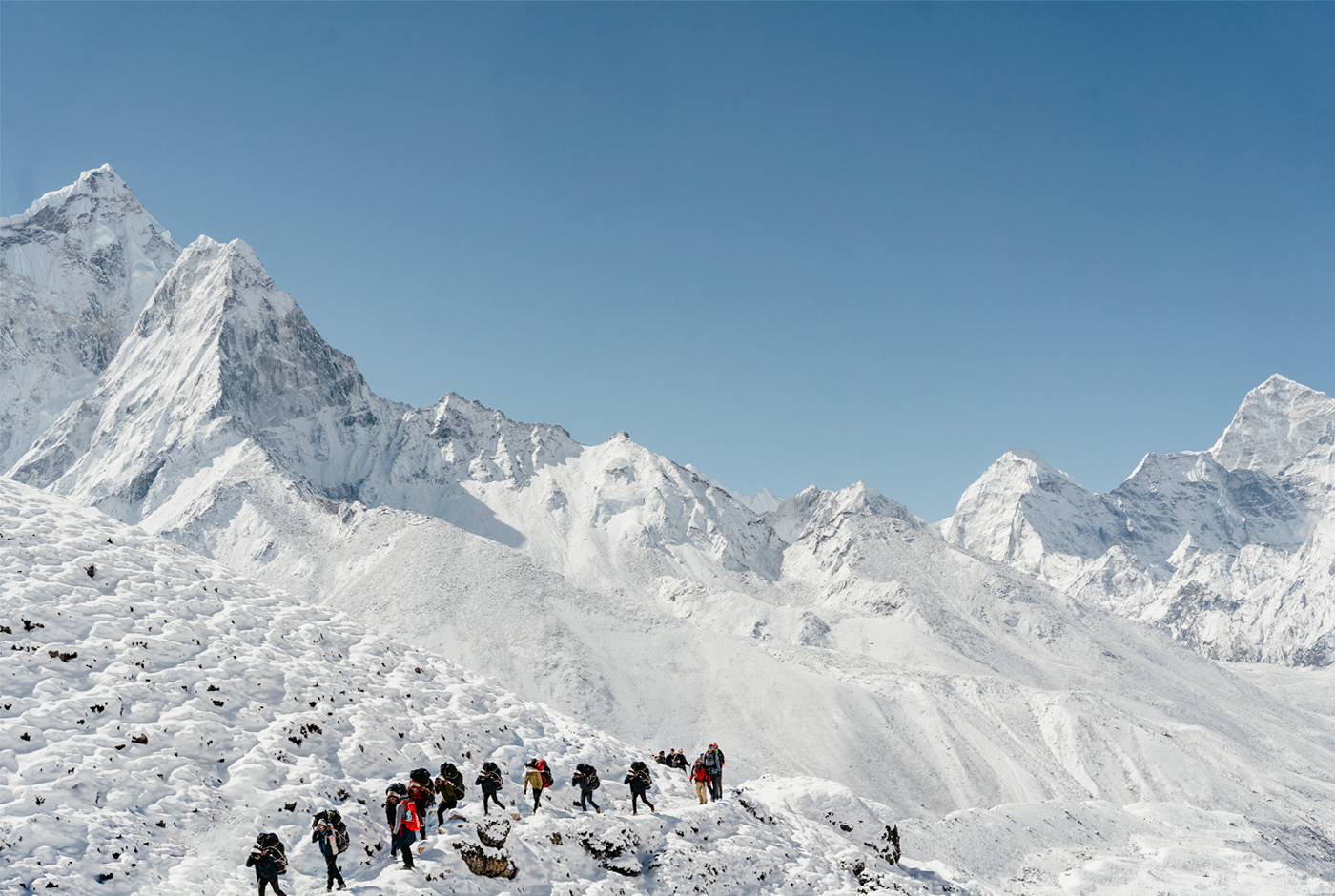
Nepal sets the benchmark for trekking in Asia through an unmatched concentration of high mountains, ecological variation, and long-established trail networks. Eight of the world's fourteen highest peaks rise here, but Nepal's strength lies not in altitude alone. It is the way diverse trekking regions connect the Himalayan scale with local culture, accessibility, and gradual acclimation to altitude.
In eastern Nepal, routes in the Everest region, including the iconic Everest Base Camp, bring trekkers close to the world's highest peaks, passing through Sherpa villages, monasteries, and historic trade routes. Further west, the Annapurna Circuit showcases Nepal's dramatic vertical range, moving from subtropical valleys to high alpine deserts across Thorong La, while the Annapurna Sanctuary offers a compact, scenic journey into a glacial amphitheater.
North of Kathmandu, the Langtang Valley provides shorter, culturally rich treks through Tamang villages, forests, and close-range glacier views, making high-mountain trekking accessible within limited timeframes. In contrast, regions such as the Manaslu Circuit and Upper Mustang offer remote, less-crowded experiences characterized by Tibetan culture, restricted access, and rugged terrain, appealing to trekkers seeking solitude and depth.
What unites these regions is a mature trekking ecosystem. Teahouse networks enable multi-day journeys without extensive logistical support; trails are maintained by local communities, and routes are designed to provide gradual altitude gain. This structure enables Nepal to accommodate first-time trekkers, experienced hikers, and repeat visitors within the same country, something few destinations in Asia can offer.
Rather than relying on a single iconic trek, Nepal's advantage lies in choice. From short cultural walks to demanding high-altitude circuits, the country offers a complete trekking spectrum anchored by mountains, people, and centuries of trail tradition.
Explore Nepal's most iconic trekking routes and identify which trails best match your experience level, timeframe, and travel goals.
Japan: Culture and Refinement
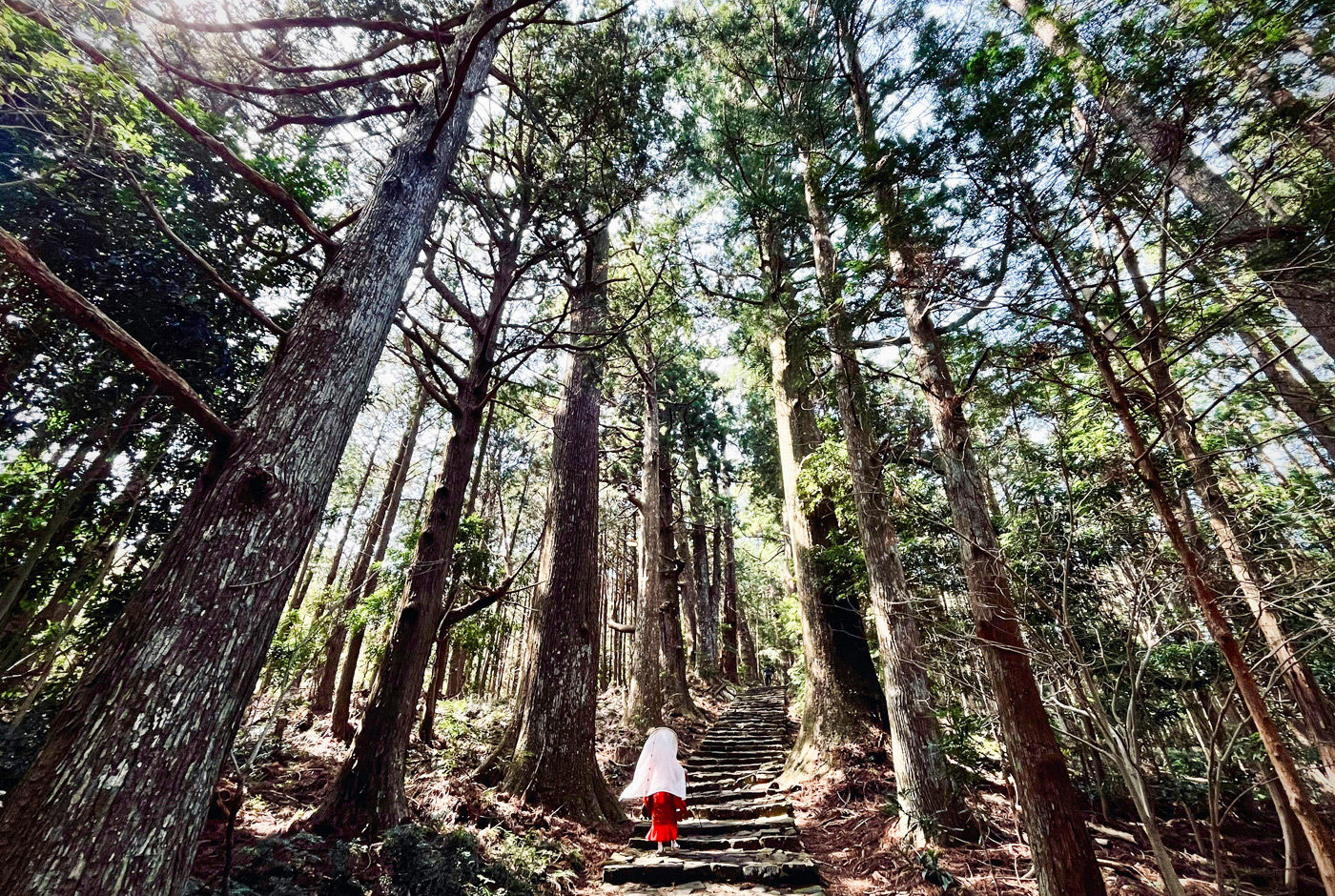
Japan appeals to trekkers drawn to history, ritual, and precision rather than altitude or extreme terrain. Routes such as the Kumano Kodo, set in the mountainous Kii Peninsula, offer a walking experience shaped by centuries of pilgrimage, with cedar forests, stone paths, and shrines woven into the landscape.
Dating back over 1,000 years, the Kumano Kodo has been walked by emperors, monks, and ordinary pilgrims seeking spiritual renewal. Trekking here emphasizes cultural continuity over physical endurance, with nights spent in traditional inns and carefully maintained trails reflecting Japan's attention to detail and hospitality.
The route links major sacred sites, including Kumano Hongu Taisha, Kumano Nachi Taisha, and Kumano Hayatama Taisha, creating a journey rooted in reflection rather than altitude gain. With elevations rarely exceeding 1,300 meters, even on the demanding Kohechi Route, Japan's trekking remains accessible, controlled, and culturally immersive.
Compared to Himalayan trekking, Japan offers refinement over scale. It is ideal for travelers seeking spiritual depth, comfort, and historical continuity, but it lacks the dramatic altitude, extended wilderness, and ecological range that define Nepal's mountain routes.
Kyrgyzstan: Raw Wilderness and Nomadic Landscapes
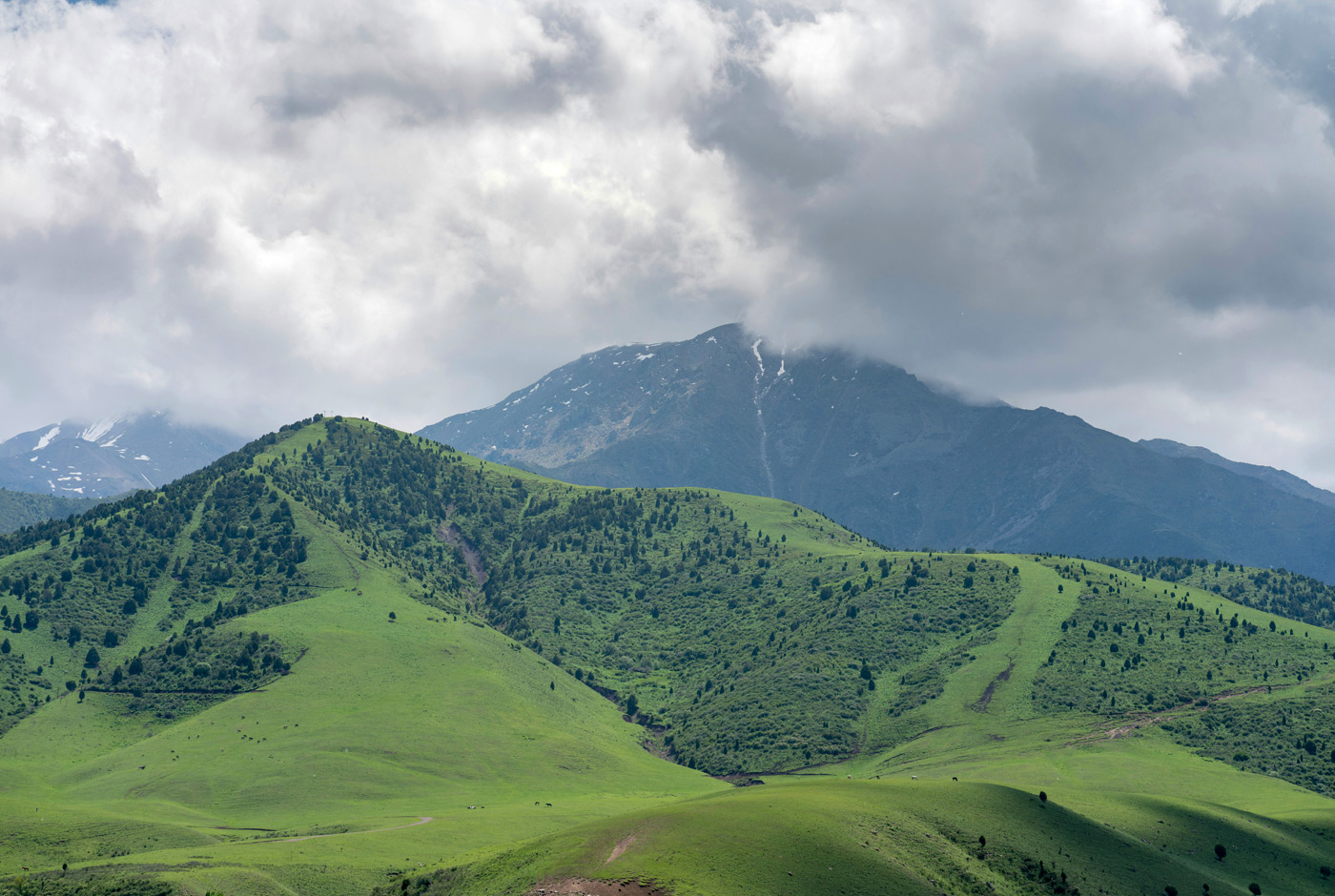
Kyrgyzstan appeals to trekkers seeking vast, open landscapes and a sense of isolation rarely found on established trekking routes. The sweeping peaks and high plateaus of the Tian Shan create a wilderness defined by scale rather than elevation extremes, with snowcapped ridgelines, alpine lakes, and glacier-fed rivers stretching across wide horizons.
During the summer months, trekking routes cross high pastures where grazing horses and seasonal yurts reflect the country's enduring nomadic traditions. Cultural encounters here are informal and unscripted, shaped by chance meetings with herding families rather than villages built around trekking tourism.
Remote regions such as the Alay Valley, at an elevation of around 3,000 meters, highlight Kyrgyzstan's defining character. Flanked by the Alay and Trans-Alay ranges and dominated by peaks like Peak Lenin, the landscape feels vast and uncompromising. Trekkers must be fully self-sufficient, carrying food, bedding, and camping equipment, with limited services and long distances between settlements.
Compared to Nepal's teahouse-supported trails, Kyrgyzstan offers solitude over structure. It is best suited to experienced trekkers who value remoteness, open terrain, and a deep sense of wilderness over comfort, cultural density, or logistical ease.
Bhutan: Cultural Immersion and Controlled Himalayan Trails
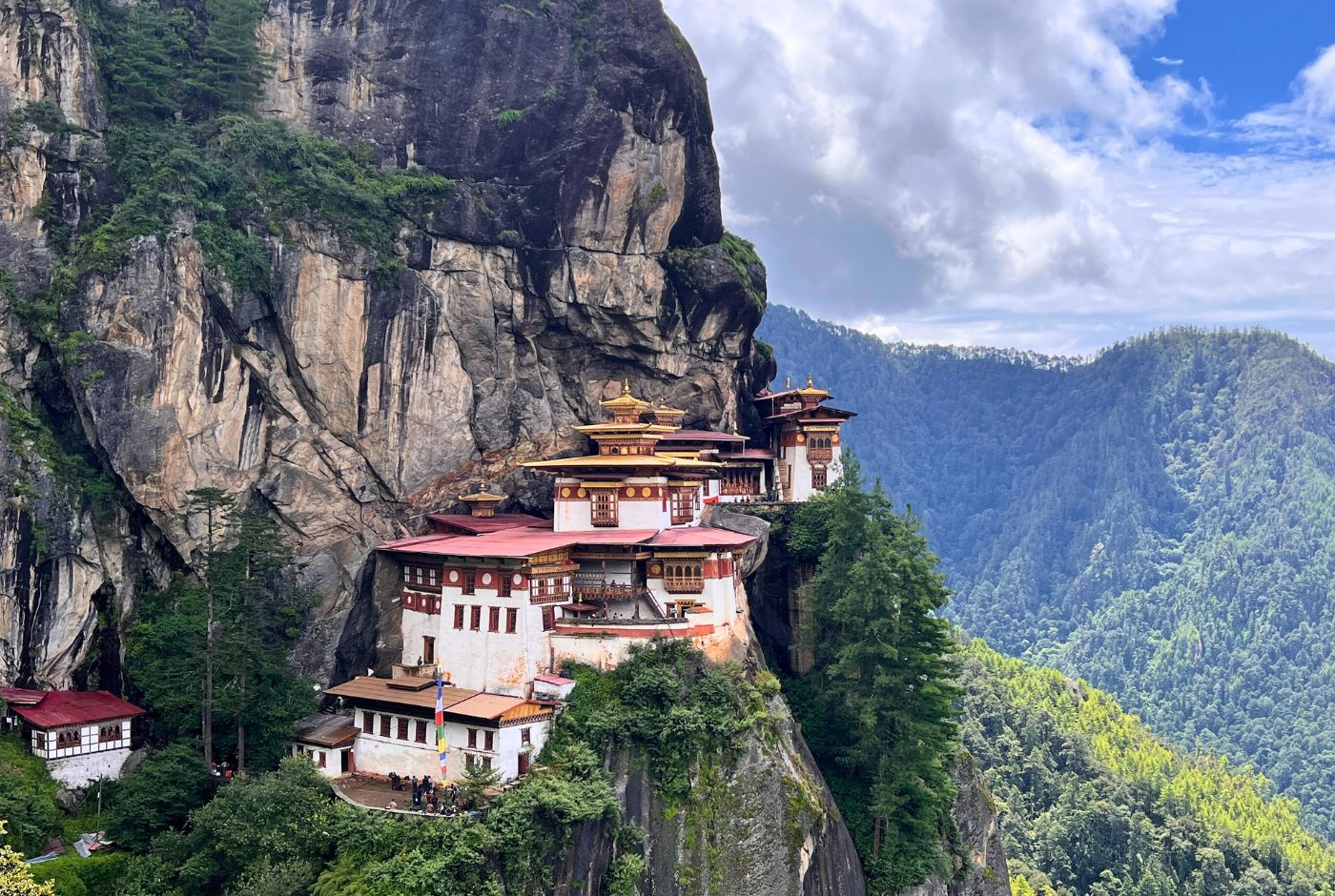
Bhutan is often associated with cultural preservation, spiritual depth, and carefully managed tourism. Trekking here is shaped as much by policy as by landscape, with routes passing cliffside monasteries, prayer-flag-draped passes, and forested valleys where Buddhism continues to guide daily life.
Bhutan's trekking experience emphasizes cultural continuity and environmental protection over volume or accessibility. Mandatory daily fees and guided travel help preserve landscapes and traditions, but they also make Bhutan one of the most expensive trekking destinations in Asia and limit flexibility for independent or repeat trekkers.
Among its best-known routes, the Druk Path offers a relatively accessible journey between Paro and Thimphu, combining high ridgelines, lakes, and monasteries without extreme remoteness or technical difficulty. At the opposite end of the spectrum, the Snowman Trek is considered one of the world's most demanding treks, lasting 24 to 30 days across rugged terrain, high passes, and unpredictable weather.
Bhutan is best suited to travelers seeking deep cultural immersion, spiritual solitude, and tightly protected landscapes. Compared to Nepal's open and varied trekking network, Bhutan offers fewer routes, higher costs, and stricter controls, but delivers a rare sense of intentional travel shaped by preservation rather than scale.
Vietnam: Diverse Landscapes and Accessible Trekking
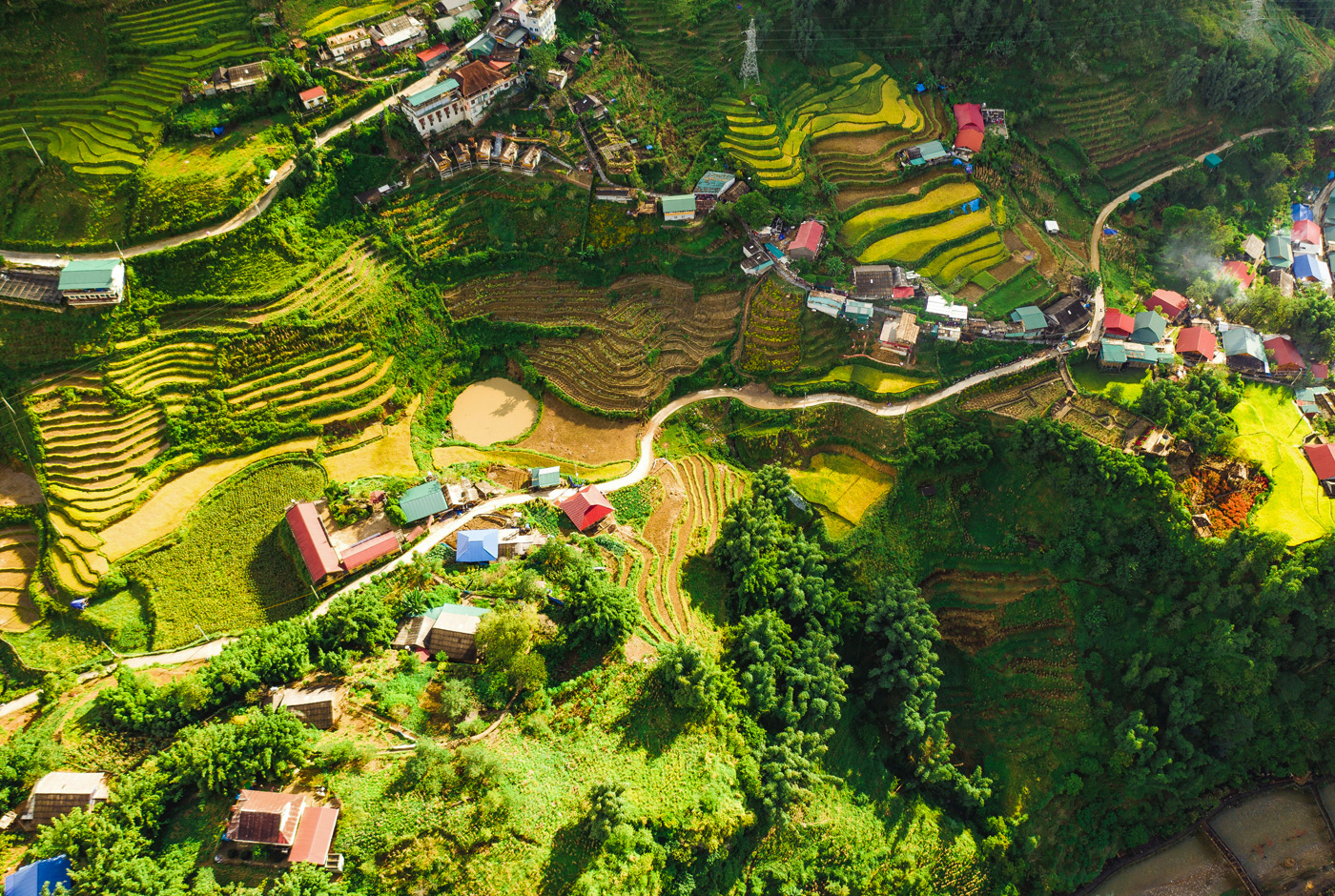
Vietnam offers trekking experiences shaped by cultural diversity, varied landscapes, and accessibility rather than altitude or technical difficulty. Routes through northern regions such as Sapa and Ha Giang lead trekkers across terraced rice fields, forested ridges, limestone formations, and remote villages inhabited by ethnic minority communities.
Vietnam appeals to trekkers seeking cultural immersion and scenic variety without the demands of high-altitude travel. Elevations remain relatively low, making trekking accessible to beginners and casual hikers, while affordability and the warmth of local communities further enhance its appeal.
Most trekking routes in Vietnam do not require advanced mountaineering skills or specialized equipment. The country's highest peak, Fansipan, often called the Roof of Indochina, offers a more physically demanding objective, supported by improved infrastructure and clearly defined trail systems rather than extended wilderness travel.
Compared to Nepal's Himalayan routes, Vietnam provides gentler terrain and shorter treks that emphasize culture, landscape, and daily life over scale and altitude. It is best suited to travelers seeking immersive, low-altitude trekking experiences that balance scenery, affordability, and cultural connection along the trail.
Pakistan: The Karakoram Giants
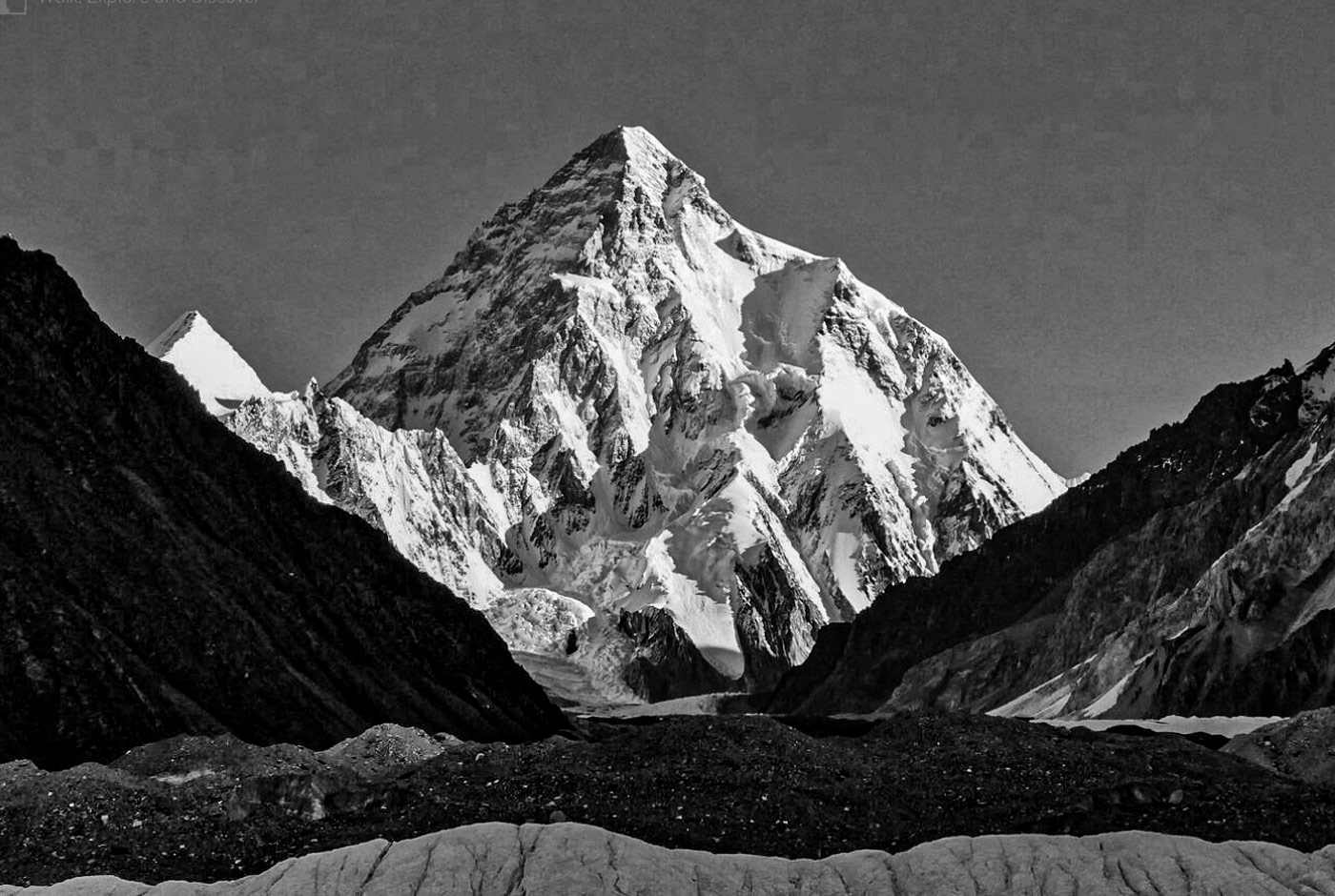
Pakistan offers some of the most dramatic high-mountain trekking on Earth, defined by sheer scale, glaciated terrain, and remote valleys. The Karakoram Range is home to legendary peaks such as Mount K2, Broad Peak, and the Gasherbrum group, creating a landscape that feels vast, rugged, and uncompromising.
Trekking routes here are long, demanding, and expedition-like in character. The journey to Concordia at 4,600 meters, reached via the Baltoro Glacier, is widely regarded as one of the world's great mountain walks, offering close-range views of multiple 8,000-meter peaks. Routes to K2 Base Camp, Broad Peak Base Camp, and Nanga Parbat Base Camp emphasize endurance, self-sufficiency, and extended time in high, glacial environments.
Beyond the central Karakoram, regions such as Hunza Valley offer a gentler contrast, combining dramatic mountain scenery with traditional village life and well-known hospitality. However, trekking in northern Pakistan often involves complex logistics, limited trail infrastructure, and, in some areas, additional permits or security clearances.
Compared with Nepal's extensive teahouse network and variety of trekking styles, Pakistan offers fewer routes but a far greater scale and raw mountain presence. It is best suited to experienced trekkers who prioritize dramatic scenery, glaciated terrain, and a true expedition atmosphere over accessibility, comfort, or route diversity.
Island and Tropical Trekking Destinations in Asia
Island and tropical trekking destinations in Asia offer scenic, low-altitude routes shaped by lush landscapes, coastal climates, and cultural heritage rather than extreme elevation or technical difficulty.
Sri Lanka:
Sri Lanka, also known as the Pearl of the Indian Ocean, offers a distinct trekking experience, with lush green landscapes and rich spiritual diversity, rather than high, extreme terrain. Despite its small size, the country offers a wide range of trekking experiences, making it one of Asia's top destinations for island and tropical trekking. The central highlands around Ella, Nuwara Eliya, Horton Plains, and Haputale are crisscrossed with walking trails through rolling tea plantations, eucalyptus forests, and mist-covered ridgelines.
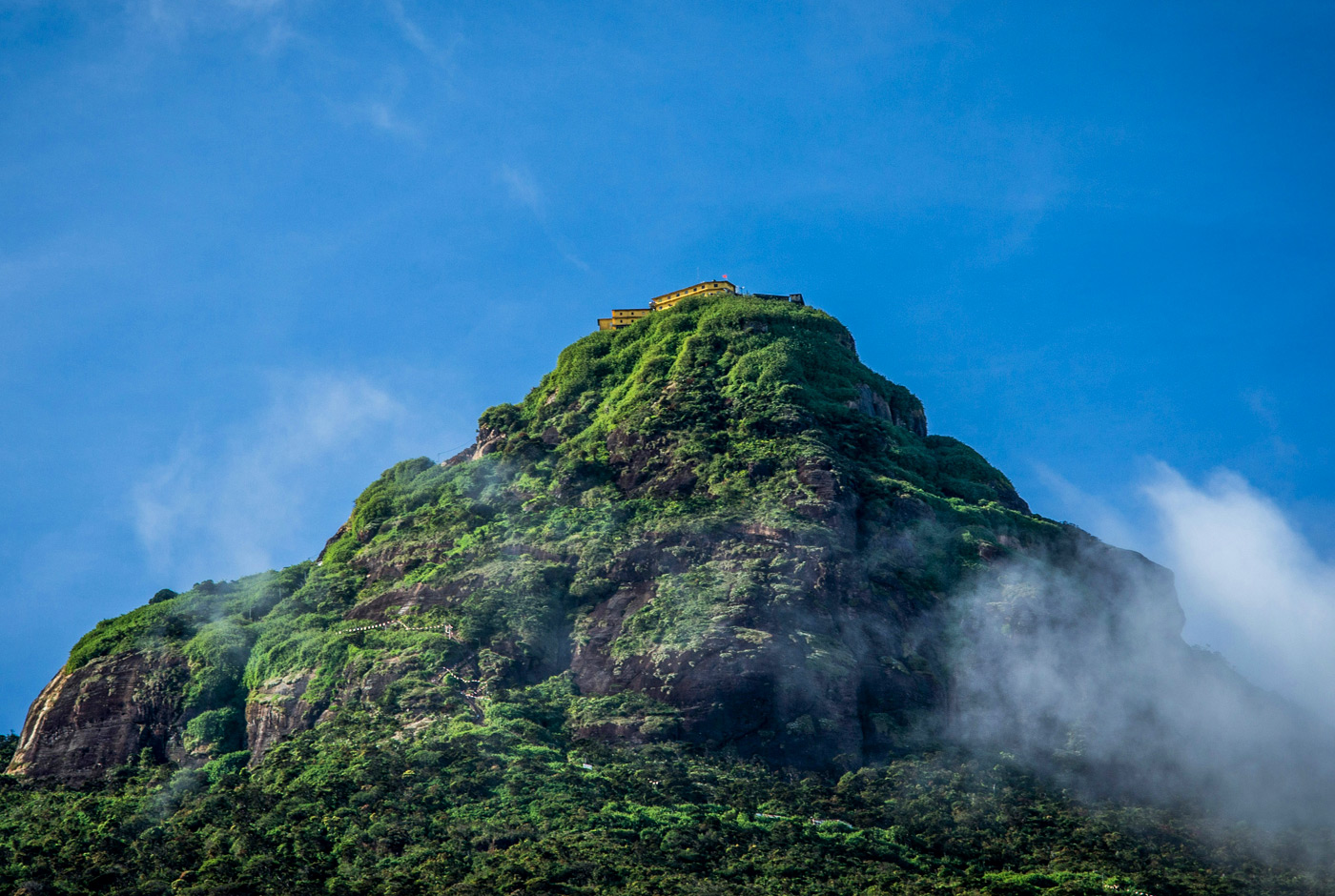
One of the most iconic walks is the pilgrimage to Adam's Peak (Sri Pada), which attracts pilgrims and hikers for a spiritual and scenic trek. Thousands climb at night to reach the summit to witness a mesmerising sunrise, guided by lamps, prayers, and bells.
Treks here are short, low-altitude, and non-technical, making them accessible to most travelers seeking a day hike or short multi-day walks. Wildlife such as sambars, langurs, and rare birds adds interest, while colonial-era rest houses and village paths provide cultural depth. The experience is gentle and reflective, focused on scenery and spirituality rather than endurance or altitude, something few countries of this size can offer.
Indonesia (Bali and Beyond):
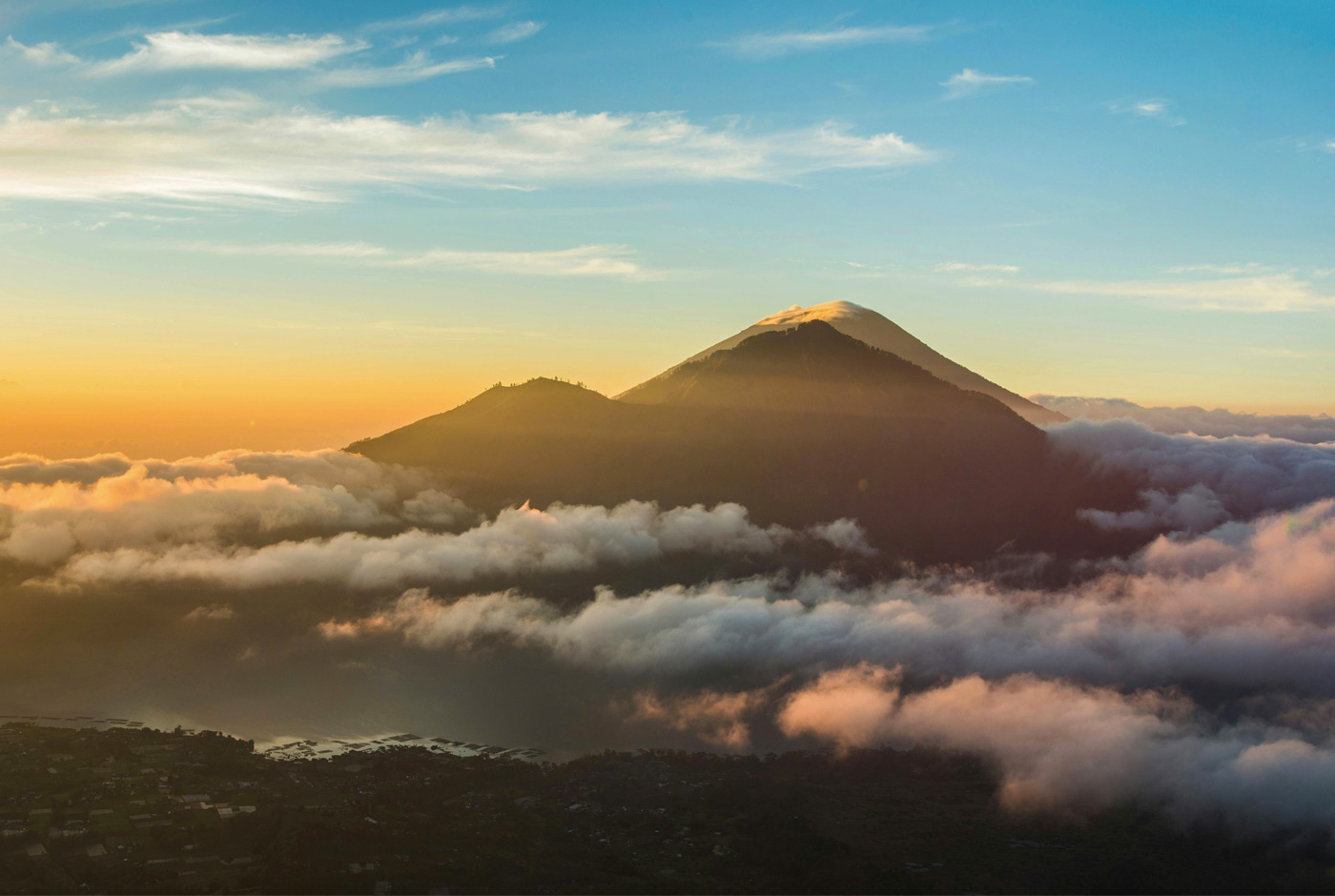
Indonesia is a dream trekking destination, offering a perfect blend of tropical jungles, island diversity, and volcanic drama, particularly in Bali and Lombok. Mount Batur is a classic sunrise hike with steep but short trails, where trekkers reach the summit before dawn to watch the sun rise over Lake Batur and neighboring volcanoes. The climb is intense but lasts only a few hours, offering sunrise climbs and scenic views of lava fields and volcanic craters, making it popular with casual hikers as well.
For those seeking greater challenge, Mount Rinjani in Lombok offers an unforgettable, demanding multi-day volcanic trek with crater lakes, exposed ridges, and sweeping island views. These hikes are raw and powerful, shaped by fire and ash rather than glaciers and snow, going through savanna grasslands and tropical forest all the way to the summit.
Indonesia offers high-impact landscapes, tropical adventure, and cultural richness. Yet the focus remains on summit experiences rather than continuous village-to-village journeys. Here, accommodation is limited, the weather can be unpredictable, and cultural interaction is minimal compared to Himalayan trekking routes.
Easy and Beginner-Friendly Treks in Asia
Easy and beginner-friendly treks in Asia emphasize accessibility, cultural interaction, and scenic variety without the demands of high altitude or technical terrain.
Thailand:
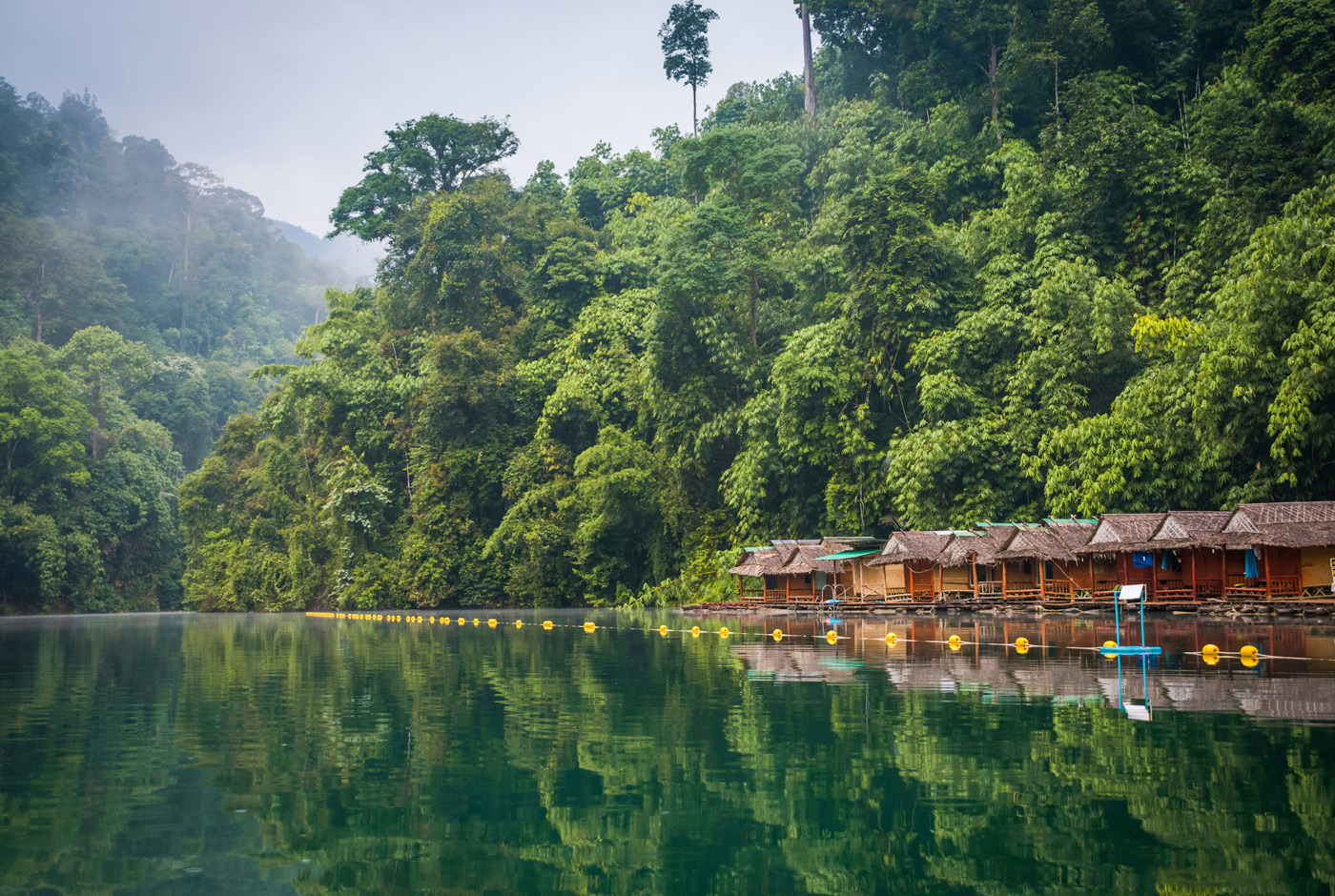
Beyond beaches and vibrant city life, Thailand is an excellent entry point for first-time trekkers, offering rich, scenic, and culturally immersive trekking trails. The northern regions around Chiang Mai, Chiang Rai, and Mae Hong Son offer gentle hill tribe treks through forested hills, bamboo groves, waterfalls, river valleys, and rural farmland.
Trails are generally low-altitude, jungle-rich, well-paced, and guided, making them ideal for those who want cultural interaction without physical strain. Most of the trail passes through tribal communities such as Karen, Hmong, and Lahu villages, includes overnight homestays, and features river crossings by bamboo raft. While the scenery is green and peaceful, the focus is more on cultural exchange than dramatic mountain landscapes.
Hong Kong:
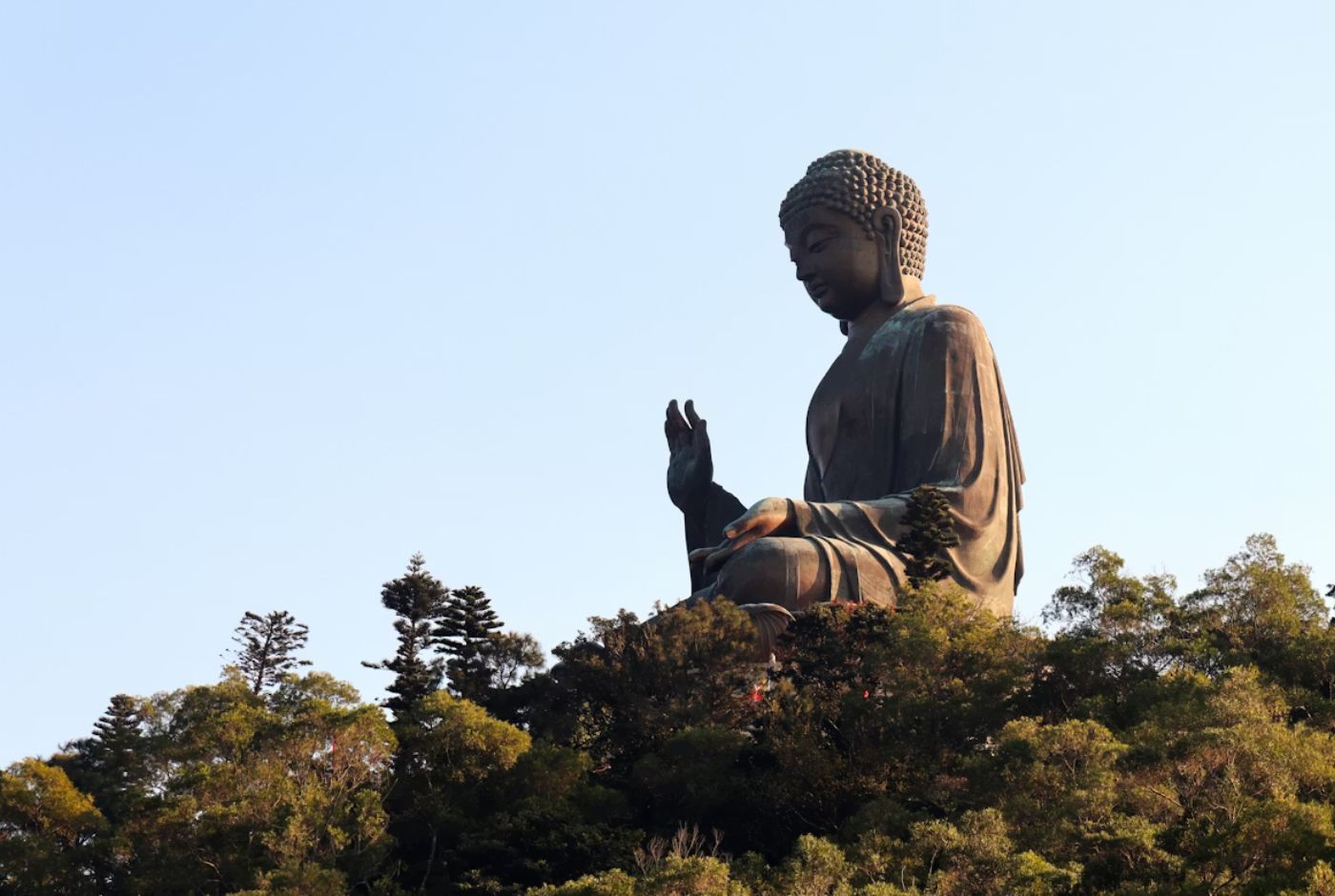
Trekking in Hong Kong is an amazing contrast between beaches and an outstanding network of short, well-maintained hiking trails that blend urban access with coastal and mountain scenery. The trail goes through lush hills, rugged coastlines, and protected country parks, offering accessibility, variety, and scenic beauty to beginners.
Routes like Dragon's Back, Lantau Peak, Lamma Island paths, and sections of the MacLehose Trail offer panoramic views of the South China Sea, outlying islands, city skylines, and quiet beaches, all in a single hike.
Trails are well-maintained, clearly marked, accessible by public transport, and can be completed in a few hours, making them perfect for beginners or travelers with a tight schedule. While not suited for multi-day trekking, Hong Kong excels at easy hikes with big views and minimal commitment. In short, Hong Kong's trekking trail delivers a scenic, refined, and surprisingly wild experience.
Why Choose Nepal as the Best Trekking Country in Asia?
While other countries offer trekking experiences in pieces, Nepal offers the full package. The ultimate combination of world-class mountains, cultural depth, accessibility, and trail variety is among the few things that set Nepal apart. This serves as a benchmark against other trekking nations for travel.
1. The "Teahouse" Revolution
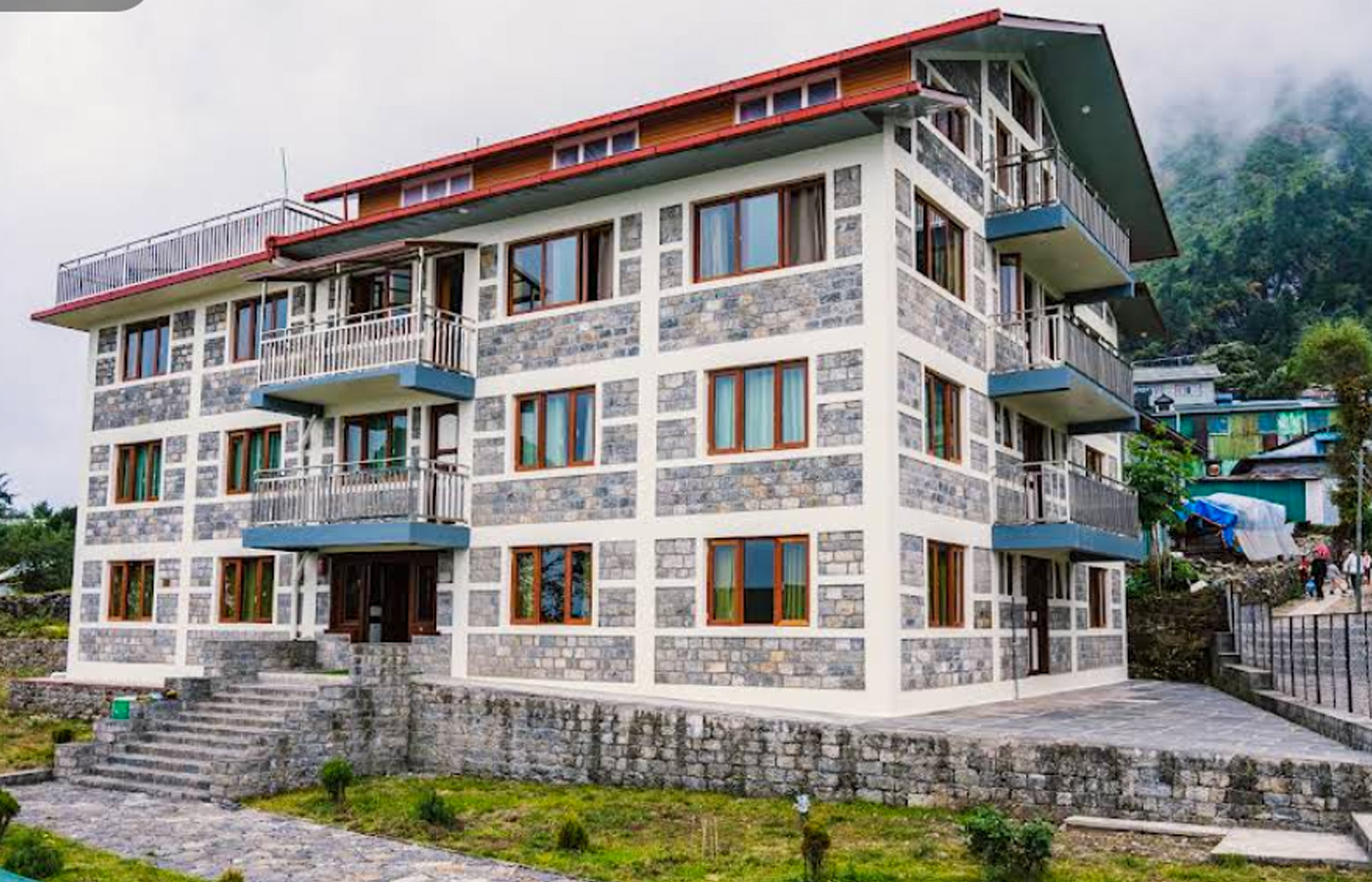
Nepal's teahouses' transformation from complex, expedition-style accommodations to accessible, community-based lodges changed everything. Forget lugging tents and stoves up 5,000 meters like in the 80s. Now, you can grab a daypack, hit the trail, and find a lodge offering meals, comfy beds, and shelter every four hours or so.
Beds come with thick blankets, and some teahouses now have hot showers supplied by solar tanks. Wi-Fi flickers at places like Ghorepani, letting you post that summit selfie. One solo trekker told me over evening tea, "It's like the mountains come to you, instead of you fighting them." This setup opens doors for all, from families to first-timers. Moreover, affordability opens Nepal's trails to independent and budget travelers.
This type of teahouse revolution is a global model that other regions have tried but rarely matched. In short, the Teahouse Revolution transformed Nepal from an elite mountaineering destination into a community-driven trekking country.
2. Vertical Biodiversity
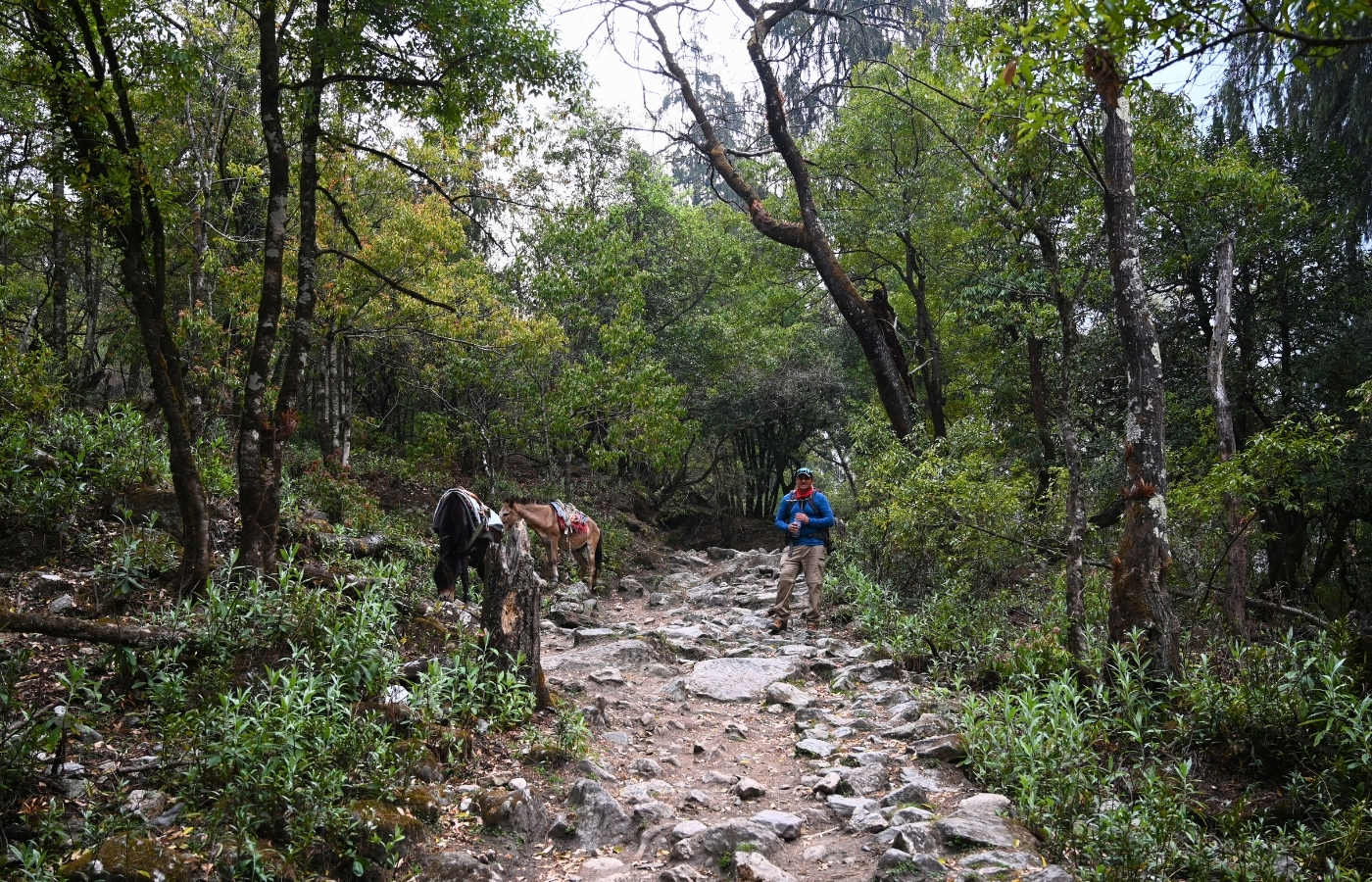
Only about 200km wide, Nepal rises from tropical lowlands at 60 meters to the summit of Everest at 8,848 meters, creating one of the richest biodiversity on Earth. From Sal forests to lush rhododendron blooms, from tropical grasslands to yak pastures, only a few countries offer this remarkable experience in a single package.
One of the most popular trails, the Annapurna Circuit, showcases its rawness, starting in Besisahar's humid rice paddies and passing through oak and rhododendron belts, with pink blooms carpeting the trails in spring, crossing high alpine deserts through Thorong La at 5,416 meters, and yaks grazing sparse grass.
Continuing to Muktinath's sacred springs and the vibrant Jomsom village, reflecting Tibetan-influenced Buddhist life and Hinduism in one single place. One day you're sweating in jungle heat, next breathing thin air with vultures wheeling overhead. The ever-changing landscape never feels repetitive to travelers seeking a once-in-a-lifetime experience.
3. A Living Cultural Museum
Nepal reflects its history, traditions, culture, and beliefs through everyday life, from the snow-capped mountain region to the plains of Terai. Ancient temples, palaces, and monasteries remain part of daily life, with festivals, customs, and crafts continuing as they have for centuries.
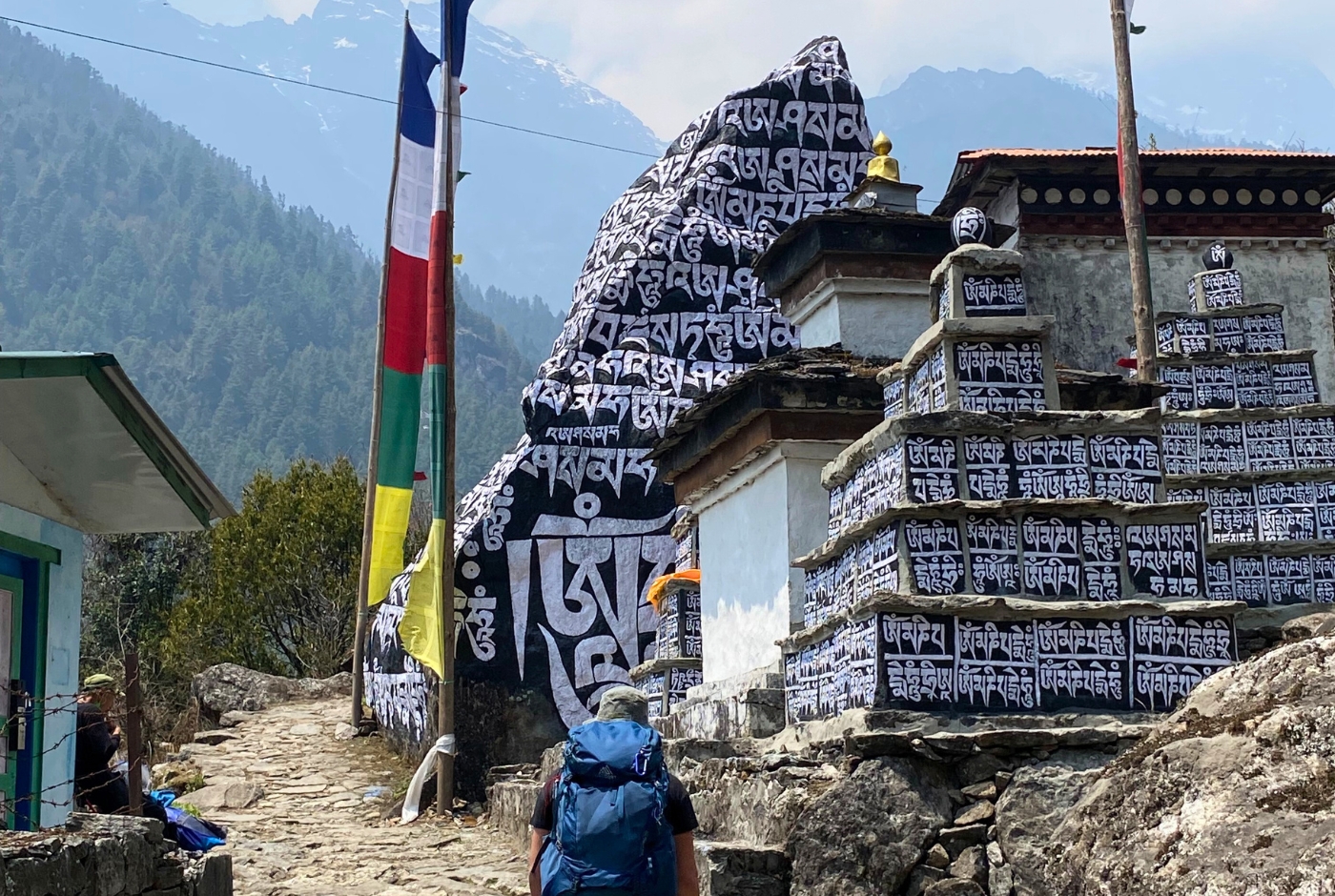
Walking through vibrant villages like Phortse in the Himalayan region, trekkers can see Sherpa women weaving wool at doorways and children kicking stones in dusty alleys, mani walls lining paths, and stones carved with "Om Mani Padme Hum," spun by passing fingers. Gompas ring bells at dusk, butter lamps flickering inside.
Gurung homes in Ghandruk feature intricate woodwork, with hospitable families inviting you to raksi and tales of old climbs. Festivals like Losar in spring, with masked dances, or Dashain, with goat sacrifices echos through the hills. This seamless blend of present and past makes Nepal a living cultural museum, where culture is experienced firsthand in every aspect.
Why is it Best? (The Core Reasons)
Home to Mt. Everest, Annapurna, Lhotse, and others, Nepal is renowned for its unparalleled top Himalayan beauty, accessibility, cultural depth, and hospitality. With the rise in trekking expeditions, Nepal's rescue services remain strong: Air Dynasty helicopters respond to altitude-related cases, and trained medics are stationed at key stops such as Pheriche. Your insurance covers these costs smoothly, unlike less reliable arrangements elsewhere.
Beginner trekker can hit the Poon Hill trail for sunrise views over Annapurna South, while seasoned trekkers can tackle Upper Mustang's desert canyons or Kanchenjunga border runs. The Great Himalayan Trail spans 1,700 kilometers for the epic souls.
Compared to other countries, one-time permits cost $30-50, teahouse beds $5-20, and meals are filling and fresh, beating Japan's yen prices or Bhutan's daily fees.
The Himalayas are home to gods in Hindu and Buddhist lore, offering spirituality, peace, and solace. Prayer flags flutter blessings down the hills while stupas crown the peaks. Warm Namaste greetings carry meaning, while monks' chants drift through the valley, calming the mind. Many trekkers leave Nepal transformed, carrying the magic of the high mountains.
Which Trekking Destinations to Choose in Nepal?
Nepal's regions each sing different songs. Pick by what calls you.
The Everest Region (Khumbu)
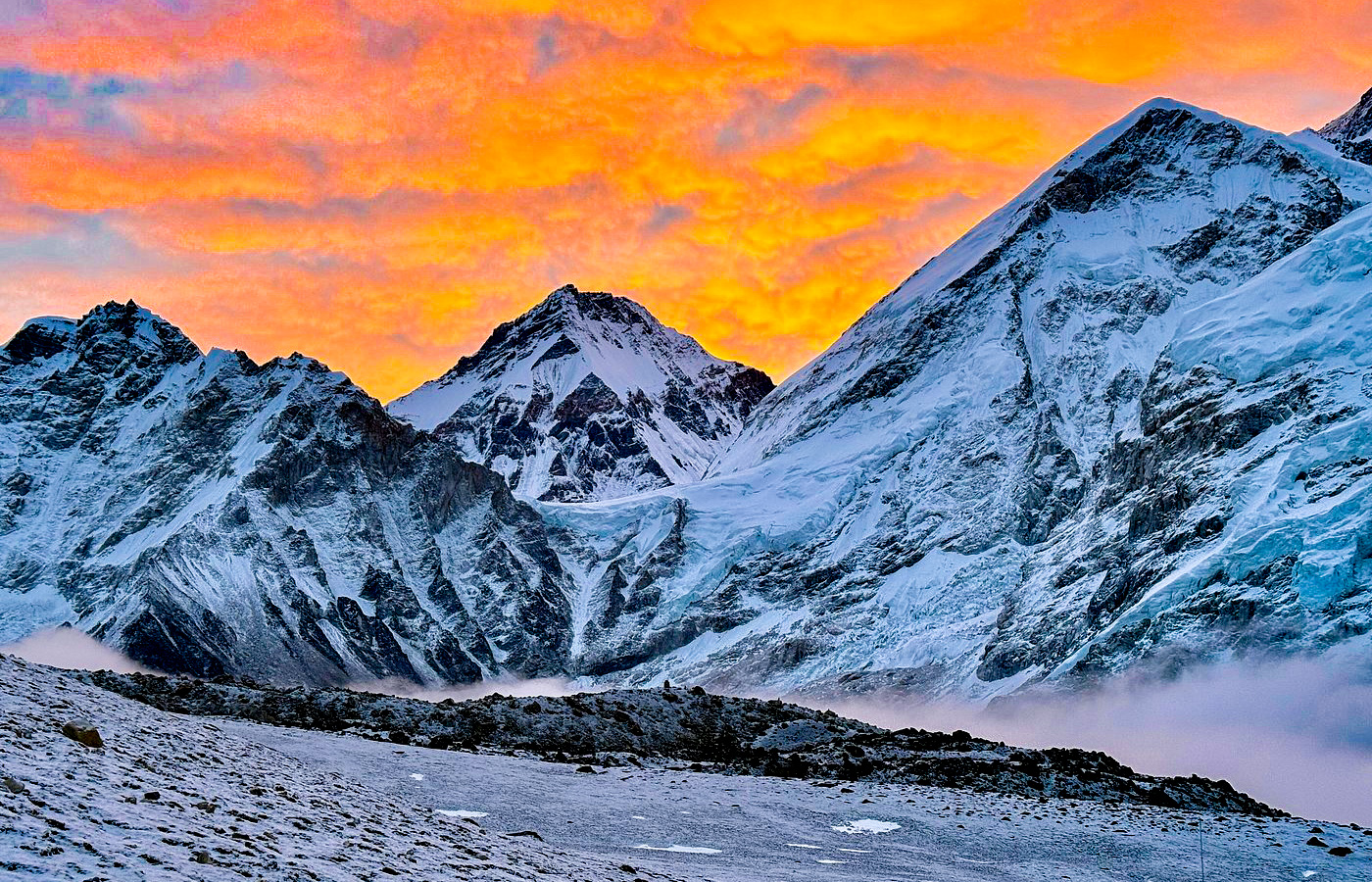
Everest pulls dreamers and travel enthusiasts from around the world to the heart of the Himalaya. The EBC trek covers 130 kilometers round-trip and takes 12-14 days from Lukla. Starting from Lukla, through Namche Bazaar to the base camp, you should acclimate smartly throughout the trail.
Gokyo adds dimension to the Everest region with its turquoise lakes like jewels and Cho La Pass, which links valleys and offers four 8,000ers in view. Along the way, you will see prayer flags, Sherpa culture shrines, experience Tengboche's festival drums, and potato roti feasts, making the journey both challenging and profoundly rewarding.
The Annapurna Region
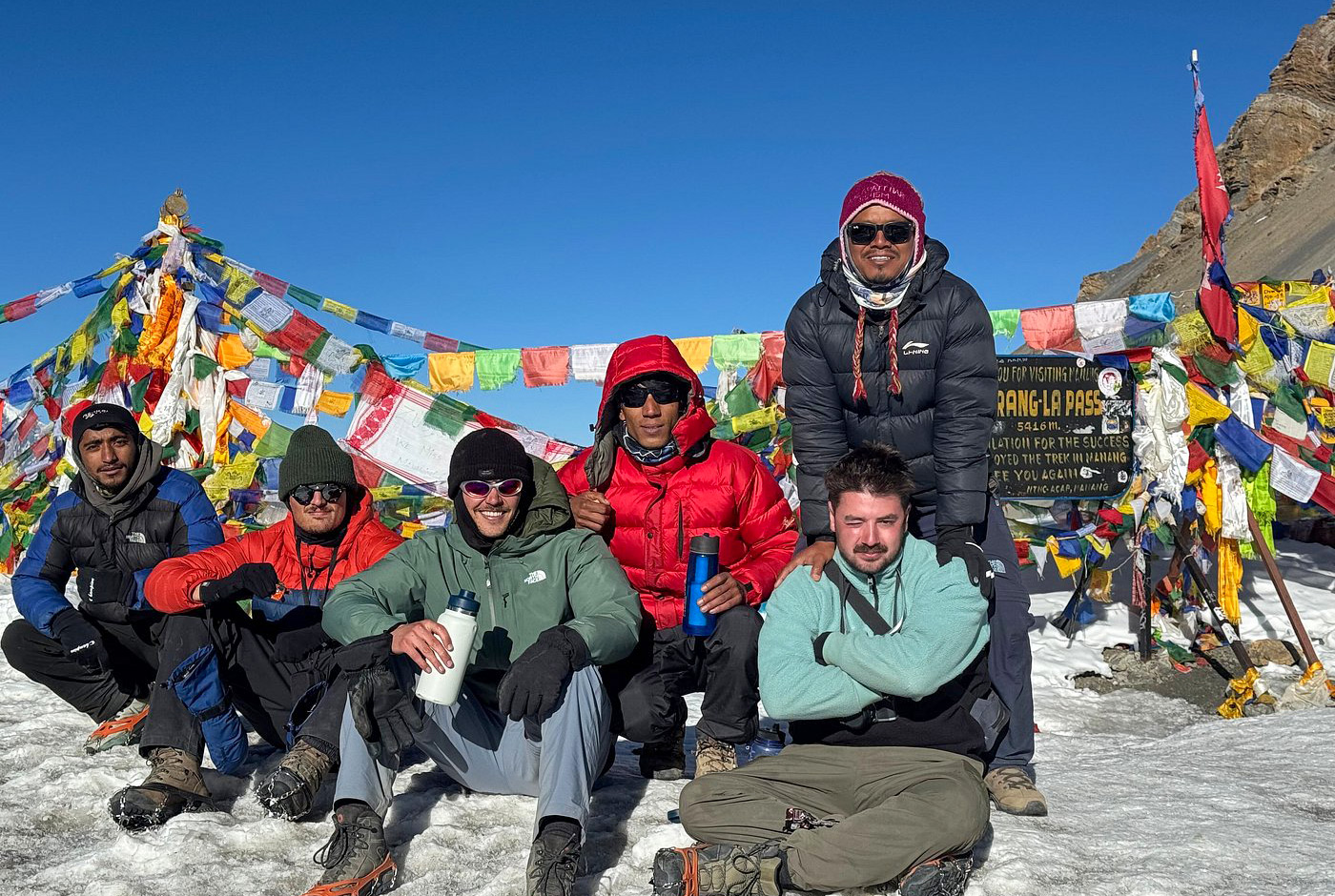
The spectacular journey along the Annapurna Circuit covers 200+ kilometers, with Thorong La Pass as the highest point. Throughout the trail, winds howl over prayer flags, forests give way to apple orchards in Braga, and the route gradually rises to high alpine, barren slopes.
The ABC trekking route offers stunning views of peaks such as Annapurna, Machhapuchhre, and Dhaulagiri. The combination of natural beauty, cultural experience, and accessible teahouses makes it the most rewarding and iconic trail.
The Manaslu Region
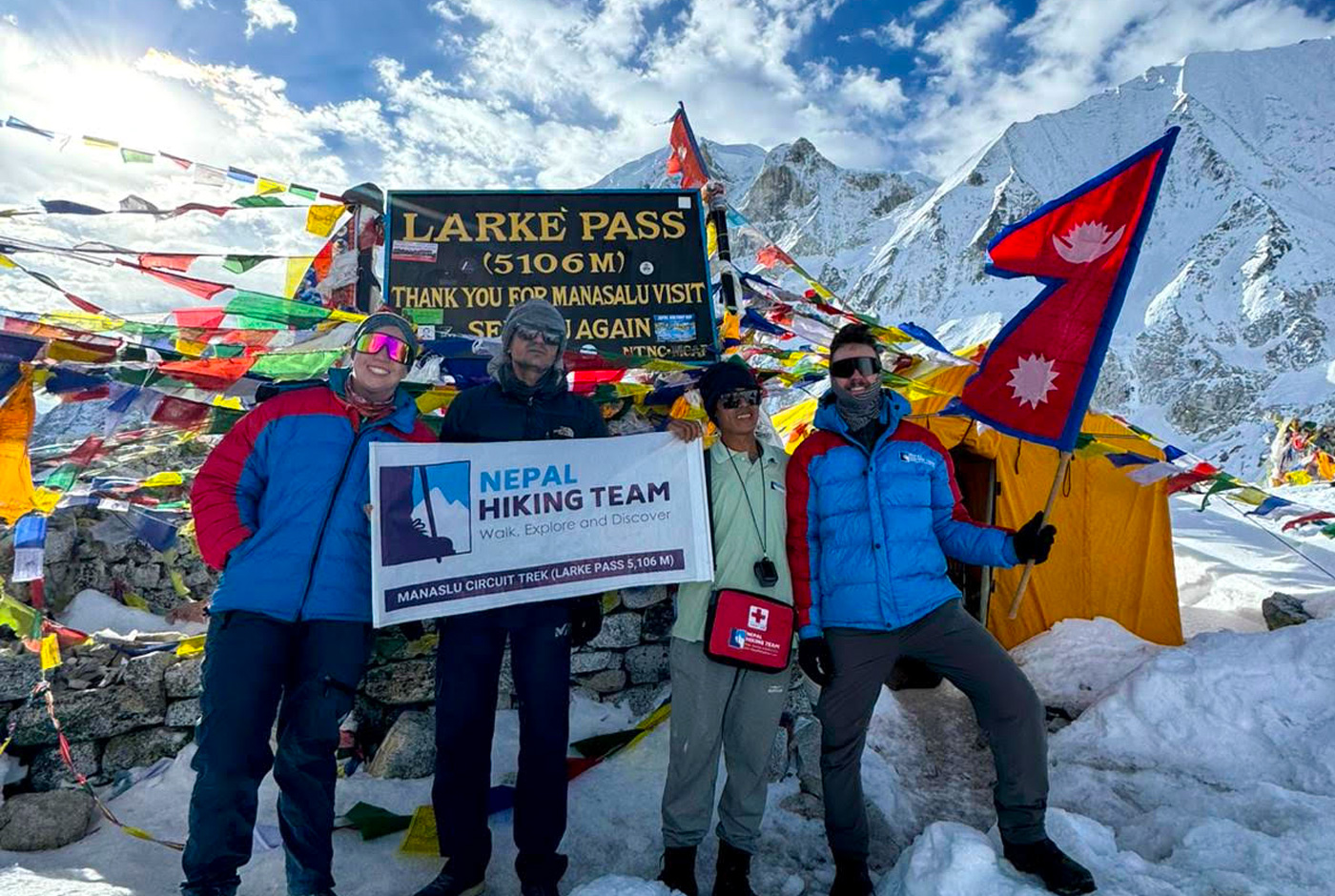
The Manaslu Region Trek takes you through remote Himalayan regions surrounding Mount Manaslu (8,163 m), a restricted area until recent years. Larkya La pass at 5,106 meters provides dramatic mountain views, dropping into Bhimtang's birch woods.
Villages like Samagaon feel remote, with a Tsum Valley side trip to Milarepa's caves adding mystique. The trail passes through lush river valleys, terraced farms, and dense forests, then transitions into high alpine terrain, offering solitude, adventure, and authentic Himalayan culture.
The Langtang Region
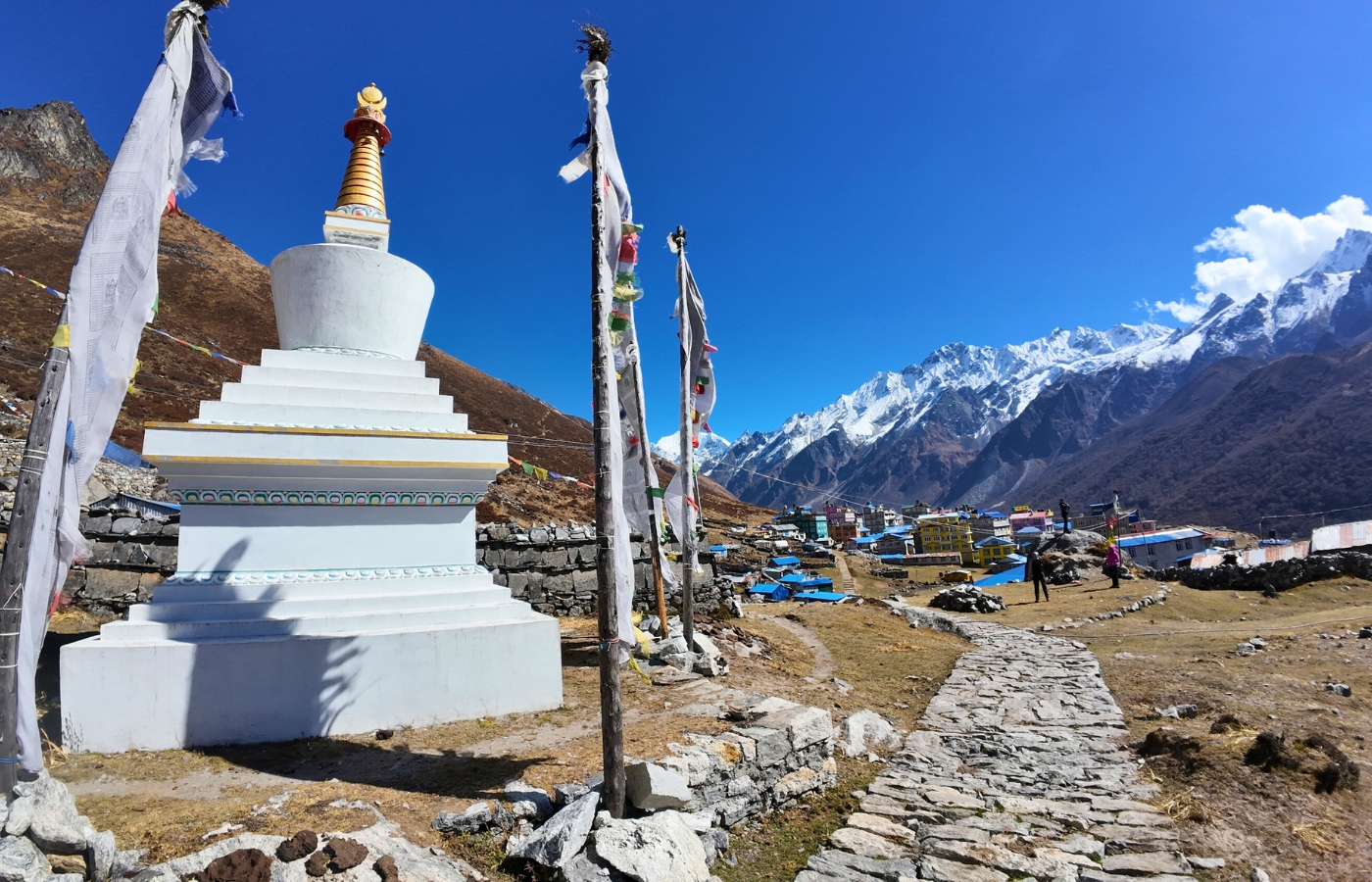
The Langtang Region Trek is a journey well-suited to short schedules, offering traditional villages, lush forests, and panoramic mountain views. Four days from Syabrubesi gets you to Kyanjin Gompa at 3,870 meters, glaciers tumbling close by.
Trekkers experience authentic Tamang culture, showcasing Tibetan roots and dishes such as momo, a dumpling stuffed with buffalo meat. The Helambu extension adds the holy Gosainkunda Lake to the trekking itinerary. Lastly, the post-2015 quake rebuild demonstrates the resilience of local residents.
Final Notes
As a travel enthusiast, match your trip to your interests. Want to stand beneath the world's tallest peak? Go for the Everest Region Trek. Seeking deep cultural experiences? Japan is the way. Whereas Vietnam, Sri Lanka, and Indonesia are perfect for jungle vibes.
Choosing the right destination ultimately depends on your goal. For prestige, the Everest Base Camp trek is the clear winner; for variety and changing landscapes, the Annapurna Circuit is unforgettable; for true solitude, the wild mountains of Kyrgyzstan or the remote corners of Nepal's Dolpo region are waiting.
Yet Nepal remains the best trekking destination in Asia, offering adventure, scenic beauty, cultural experiences, and majestic Himalayas, all in one. The warm hospitality, deep mountain valleys, and vibrant villages draw trekkers back again and again, offering new trails to explore and new friends to meet on the way.
With years of experience guiding travelers through these sacred peaks and trails, Nepal Hiking Team is here to ensure you navigate the beauty of the Himalayas seamlessly. Our expert guides know every turn, pass, and hidden gem along the trail, and have deep knowledge of the local culture and traditions. Whether it's your first trek to Mount Everest or your tenth, we provide personalized trekking packages to showcase Nepal's magic firsthand.
Post a Comment