
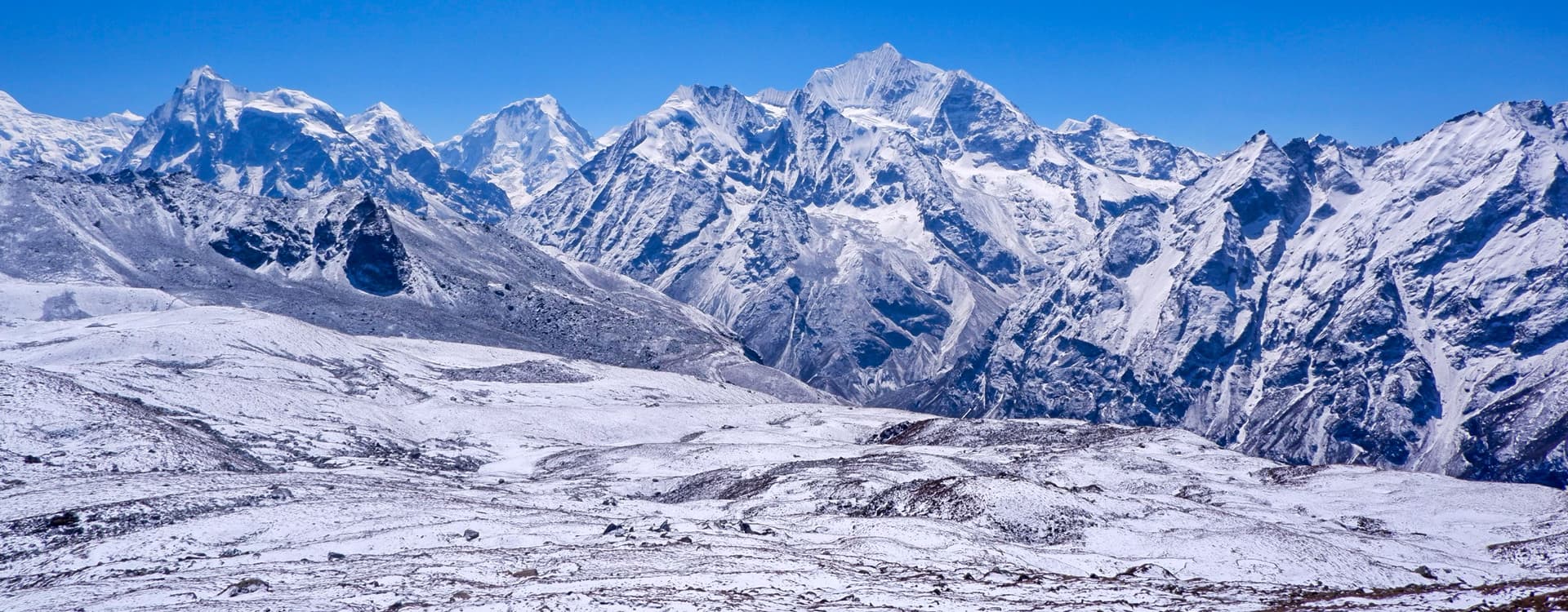
Just a few hours north of Kathmandu, one of Nepal’s best trekking routes lies nestled between the peaks and crags of the Langtang Himal. It’s here that you’ll follow a winding trail connecting lonely mountain villages, cross swift rivers churning with glacial meltwater, pass into the verdant greenery of the Langtang National Park, and trace ancient trading routes between Nepal and Tibet. This is the Langtang Valley Trek: a scenic weeklong hike that most travelers recognize—along with the Everest Base Camp Trek and the Annapurna Base Camp Trek—as one of the top three treks in Nepal. But is it the right choice for you? Are you prepared for the challenges you’ll face in Nepal’s Himalayan mountains?
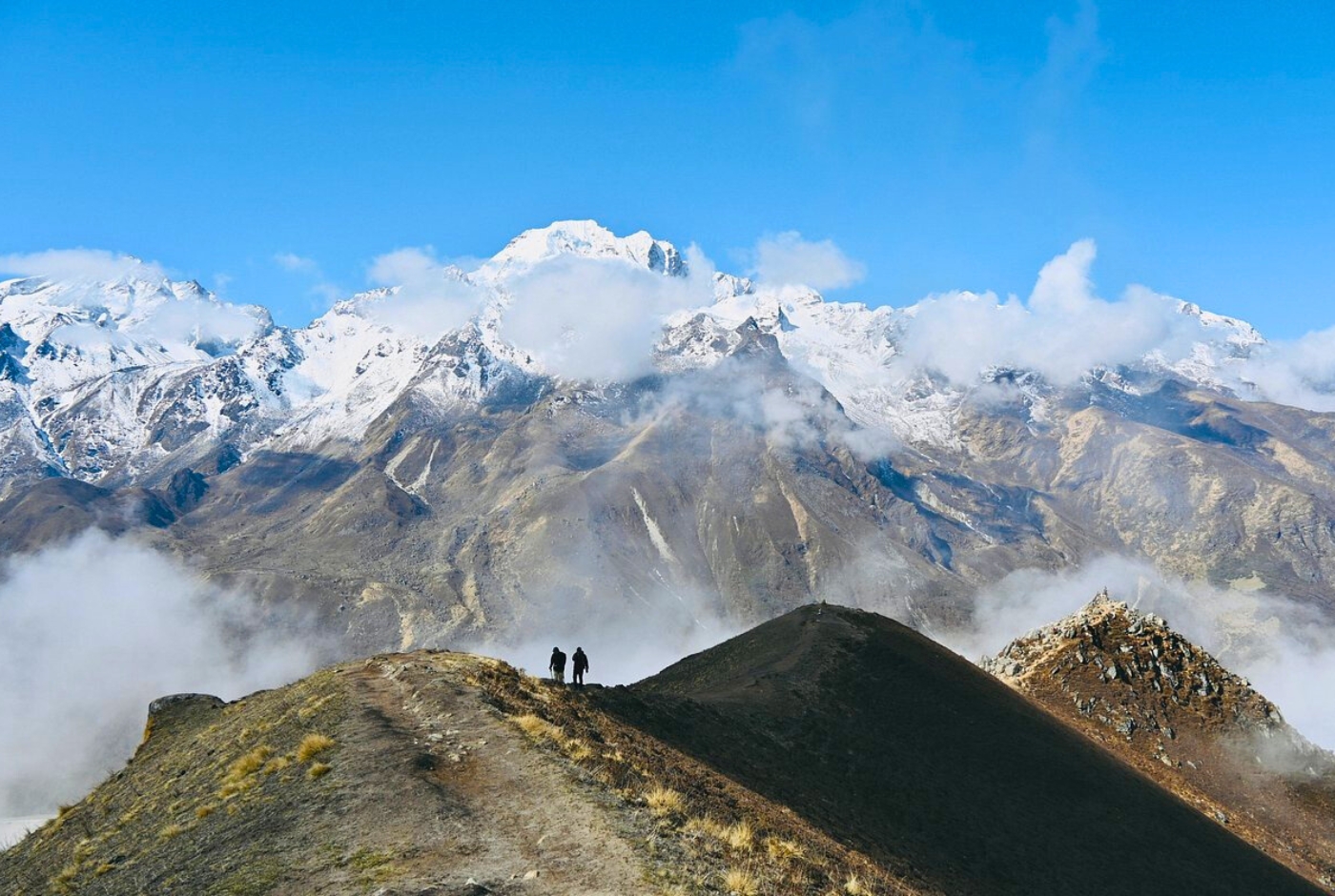
Here at Nepal Hiking Team, we’ve leveraged our experience in these mountains to prepare a complete guide to the Langtang Valley Trek. We’ll share everything you need to know about this incredible trek in Nepal, from the best hiking routes and scenic viewpoints on the path to the kinds of accommodations and food you can expect during your adventure.
As you read our guide, you’ll also learn about the practical minutiae of trekking in Nepal: the condition of guesthouses and toilets, the availability of Wi-Fi internet connections, and the critical altitude and weather information you’ll need to decide whether you’re ready for the Langtang Valley Trek.
Even if you’ve already booked your trek and are only counting down the days until you set foot on the trail, you’ll discover that our complete guide to the Langtang Valley Trek will answer many of the questions you’ve been harboring.
What the Langtang Valley Trek Feels Like Overall
Trekking in Nepal typically involves ascending to high altitudes, and the Langtang Valley Trek is certainly no exception. You’ll start in the comparatively lowlands of about 1500 meters, where troops of langur monkeys scurry in the canopies of lush rhododendron jungles.
As you gradually climb higher and higher over the course of about one week, you’ll leave the forest behind and emerge into a world of rock and stone, where perpetually frozen Himalayan mountains dominate the horizon.
And when you finally arrive in the little village of Kyanjin Gompa at approximately 3870 meters, you’ll stand face-to-face with those mountains for yourself. All-in-all, there’s no mistaking it: the Langtang Valley Trek feels like a genuine adventure, and completing this hike represents both a physical and mental achievement.
But that doesn’t mean that the Langtang Valley Trek is prohibitively difficult, or that you’ll be slogging through the mountains with a heavy backpack for the entirety of each day on the trail. In fact, there are many reasons why this trek makes for a balanced, approachable adventure. For one thing, the time you’ll spend hiking varies day-by-day.
The stretch of trail between Mundu and Kyanjin Gompa, for example, takes most trekkers only three or four hours to cover. Even on the longest days of the Langtang Valley Trek, you can expect to be on your feet for no more than six or seven hours.
And thanks to the skilled and hard-working porters at Nepal Hiking Team, you’ll only need to carry a basic daypack during your hike. This means you’ll be free to enjoy your holiday in Nepal to the fullest: walking at your own pace, taking plenty of photos, visiting authentic Himalayan villages, and savoring the untouched beauty of the world’s highest mountains.
Arrival in Kathmandu and Pre-Trek Preparation
Touching down at Tribhuvan International Airport is something of an unforgettable experience, especially for first-time visitors. If you’ve been lucky enough to catch a glimpse of the Himalayas from your airplane window, you’ll already have earned a sneak peek at some of the mountains you’ll encounter during the Langtang Valley Trek.
But when you actually arrive in the capital city of Kathmandu, it’s easy to forget about that distant wilderness—and that’s because Kathmandu itself is a feast for the senses. You’ll be met at the airport by your guide from Nepal Hiking Team, who will share some firsthand insights into Nepali culture as you navigate the crowded streets of the city en route to your hotel.
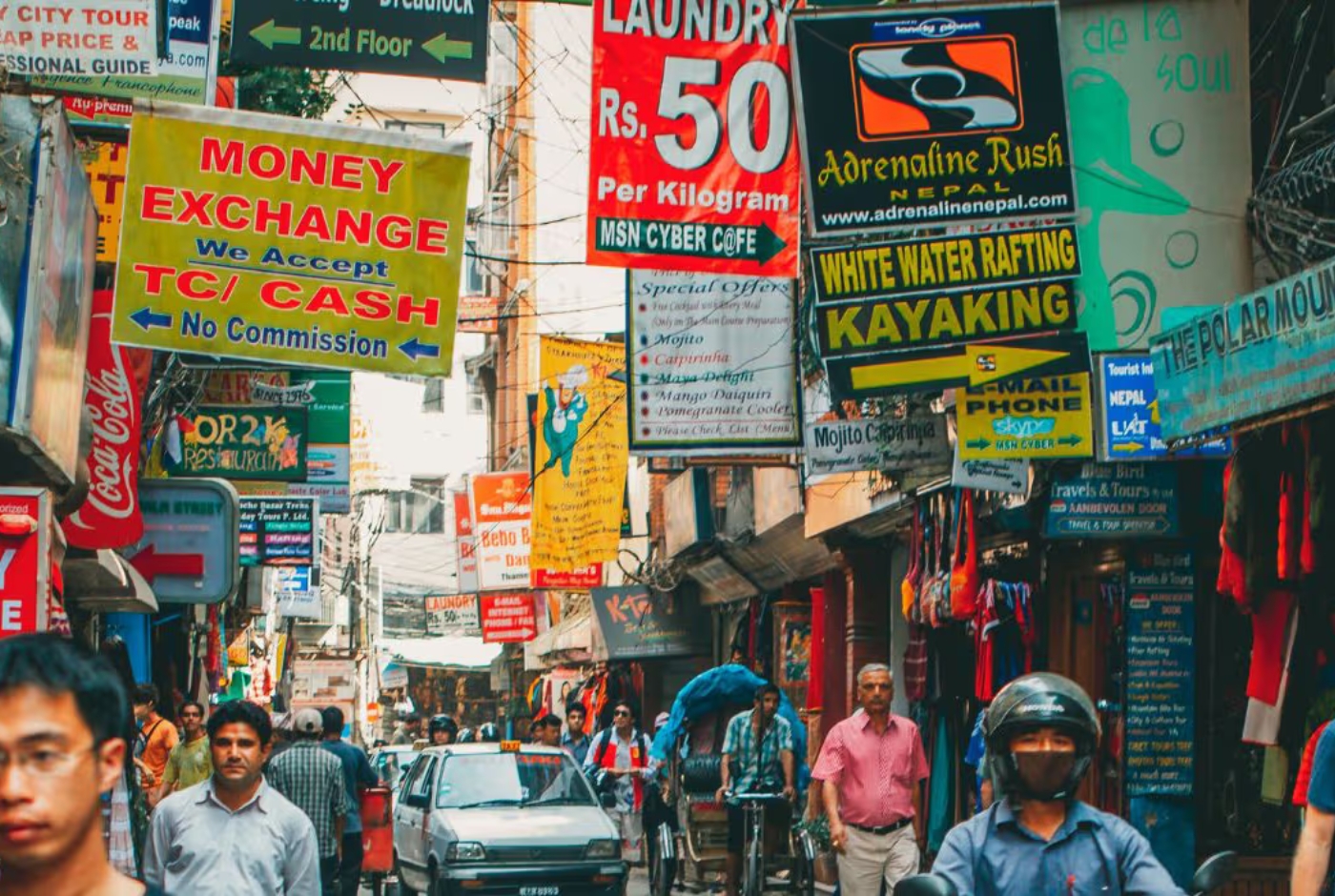
You’ll drive past ancient temples and modern businesses, joining the flow of traffic which represents the beating heart of the city. Amidst a sea of car horns and motorbikes, you’ll find the tourist district of Thamel—and this is where your hotel will be found.
When you arrive, a representative of Nepal Hiking Team’s management will be ready to greet you with a cold drink and a smile. Together, you’ll review your scheduled itinerary on the Langtang Valley Trek. You’ll be able to ask questions about the trail, ensure that you’re prepared with the right gear for your trek, take care of any final payments, and discuss any changes you’d like to make to your plans.
At this point, you’ll have the rest of the day at your leisure. While many of our guests seize this opportunity to catch up on their rest, few can resist the call of the lively Thamel district. It’s here that you’ll find authentic souvenirs, countless restaurants, and plenty of shops selling any trekking gear that you might’ve forgotten to bring with you.
Transportation for the Langtang Valley Trek
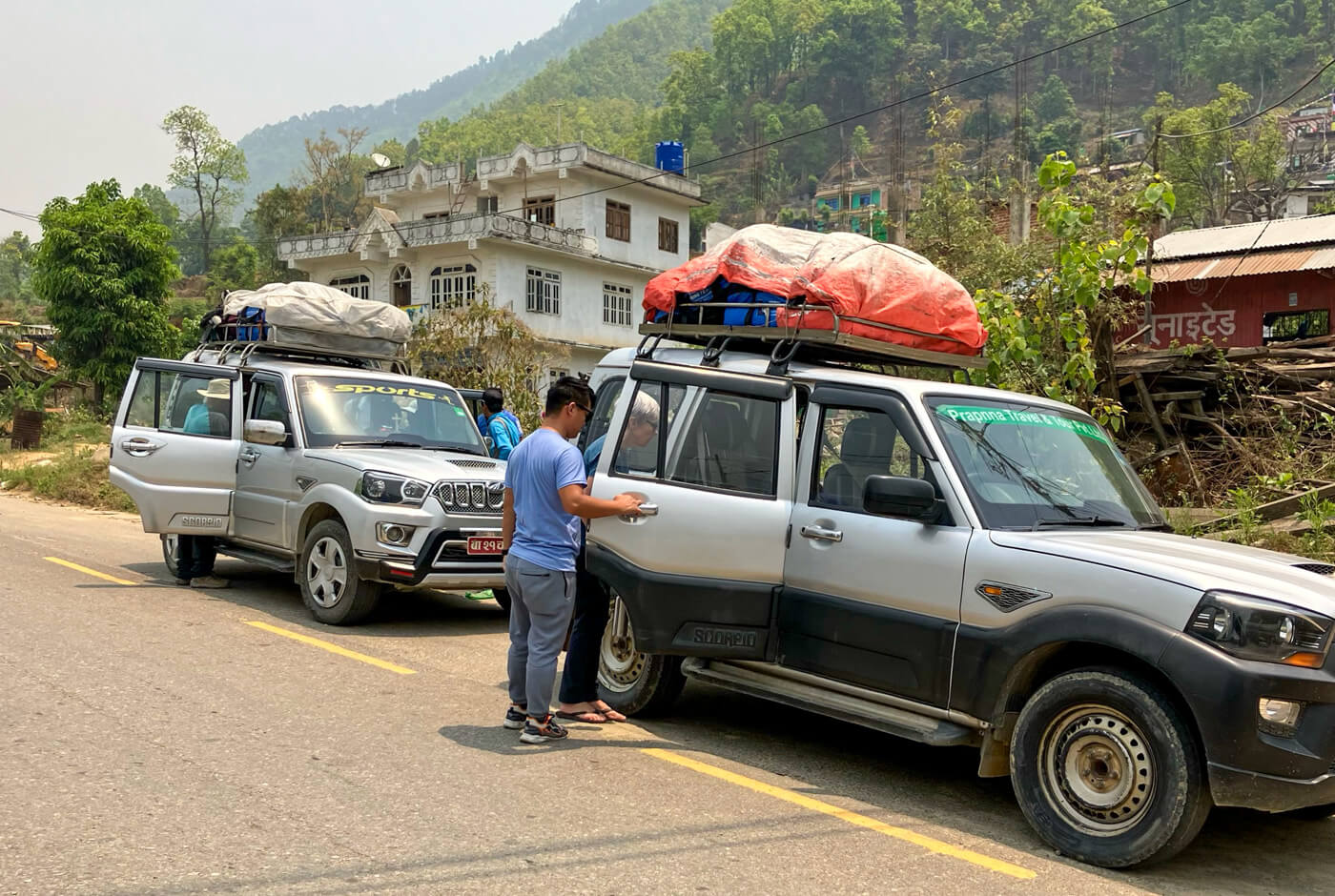
There’s really only one way to reach the trailhead of the Langtang Valley: driving from Kathmandu to the outskirts of the Langtang National Park. On a clear day with excellent road conditions, you can expect this drive to take no more than six hours. But you also have to be prepared for the realities of road travel in Nepal: traffic, rain, and construction can introduce unexpected delays.
We tend to take a philosophical view of these circumstances—the drive to the Langtang Valley is part of the journey, and there’s no sense in rushing from one point to another. With this in mind, the trip can sometimes take 8 or 9 hours.
But it’s also a remarkably scenic drive, where the road clings to steep cliffsides and traces the borders of terraced green fields where rice, corn, and other agricultural staples flourish under Nepal’s hot subtropical sun.
And you do have some creative choices to make when you’re planning your own route between Kathmandu and Syabrubesi, where most travelers start trekking. That’s because there are actually multiple ways to reach the Langtang Valley Trek’s trailhead:
- First, you can choose to leave Kathmandu by public bus. This is the cheapest way to travel, and it also puts you right in the mix with Nepali locals going about their everyday business. If you’re looking for cultural immersion, this is the best choice. But traveling by bus can be slow, bumpy, and tiring—and you may not want to feel exhausted before you even begin the Langtang Valley Trek.
- Choosing a private Jeep is the most comfortable way to reach the Langtang Valley, as you won’t be jostling for space with other passengers. The car’s superior suspension also means that you won’t be rocked side-to-side by every bump and pothole in the road. And because a private Jeep doesn’t need to make designated stops to pick up additional passengers, this is also the fastest way to travel between Kathmandu and Syabrubesi.
Trekking Permits Required for the Langtang Valley
Most treks in Nepal require visitors to secure official permits before they start hiking, and this is for good reason. Permit registrations allow authorities to track the number of trekkers currently on the trail, which is critical in emergencies such as landslides or earthquakes.
Permit fees also help fund valuable conservation efforts, such as those in Langtang National Park, as well as trail maintenance. By paying your fees and securing your permits, you’re helping ensure that future travelers will continue to enjoy trekking in Nepal. You’ll also avoid the additional fines you might face if you’re caught trekking without a permit.
But when you travel with the experts at Nepal Hiking Team, you won’t need to worry about the finer details of the permitting process. We’ll collect any necessary documentation from you well in advance, and your guide will handle all of the permit checkpoints during your trek. For the Langtang Valley Trek, your first check will actually occur on the main road near the town of Dhunche, before you even begin hiking.
Additional checkpoints exist near the trailhead at Syabrubesi, and you may be asked to show your permit at other points during the trek itself. Because Nepal Hiking Team is a licensed tour operator, we’re happy to report that the process is seamless for our guests.
Total Trekking Distance and Daily Walking Coverage
During the Langtang Valley Trek, you can expect to reach altitudes of at least 3870 meters in elevation—and if you make an attempt on the high-altitude viewpoints of Kyanjin Ri or Tsergo Ri, you’ll climb even higher. But how far you can expect to walk on the Langtang Valley Trek is another question entirely, and the answer can help you determine whether the Langtang Valley Trek is right for you.
While these figures can vary based on your precise trekking plans, most travelers follow a prescribed round-trip route between Syabrubesi and Kyanjin Gompa. This path represents about 75 kilometers (47 miles) of winding mountain trails, with plenty of ascending and descending along the way. Fortunately, you don’t have to tackle it all at once.
A typical schedule for the Langtang Valley Trek ensures that you’re rarely trekking for more than about 11 kilometers, or seven miles, on any given day. This lends a certain balance and rhythm to your trek, and you’ll be able to pace yourself so that you don’t run out of energy before you reach the jaw-dropping heights of Kyanjin Gompa.
The single exception to this rule is when you’re returning from Kyanjin Gompa to Lama Hotel: it is a marathon day that can amount to more than 20 kilometers (13 miles) of hiking. Fortunately, most of this day’s trek trends in a downhill direction, and it’s significantly easier when you’re coming back down out of the mountains.
And if you’ve prepared with routine cardiovascular exercise in the months and weeks leading up to your trek, you’ll have no trouble conquering these distances on the trails of the Langtang Valley.
Trekking Trails and Terrain in the Langtang Valley
Everyone comes to Nepal to see the snow-capped summits of the highest Himalayas, but there are many other wonders to be found along the way. The Langtang Valley trailhead begins at Syabrubesi, which is situated at just about 1500 meters in elevation. This makes for a subtropical environment, where vibrant bird and animal life can be found in the region’s lush forests.
As you set out into the wilds of the Langtang National Park, you’ll tread beneath the green boughs of leafy oak, deodar cedar, and fragrant pine. You’ll trek alongside the running waters of the Bhote Koshi and Langtang Khola rivers, which plunge down from the mountains to power the hydroelectric plant you’ll see near the start of the trail. You’ll also cross these rivers on the planks of steel-cabled suspension bridges laden with prayer flags. These bridges will quickly become a common sight during your trek, allowing you to easily cross from one bank to another—in a decidedly dramatic fashion.
Of course, you’ll also begin to ascend beyond the tree line as you travel further into the Langtang Valley on the approach to Kyanjin Gompa. The trail will grow steeper as you climb, transforming from forested paths to rocky slopes and stone-cut staircases. But that doesn’t mean that your journey will be an uphill slog. The natural terrain of the Himalayan mountains hasn’t been shaped by the hands of men, and you’ll encounter both steep climbs and more pleasantly level stretches of trail as you venture further into the mountains.
As the terrain changes, sharp-eyed travelers might be lucky enough to catch a glimpse of certain species uniquely adapted to these environs. While you’re unlikely to spot a red panda or snow leopard, it’s not uncommon to run across langur monkeys, Himalayan tahr, and musk deer. These fleeting encounters make the Langtang Valley Trek truly unforgettable.
Daily Walking Hours and Trekking Pace
Each day on the Langtang Valley Trek offers sights to see, challenges, and rewards. But there are certain patterns you can expect during your trek in Nepal. For example, most days on the trail start early, after a hearty breakfast. Trekking in the clear morning air offers the best chance at pristine mountain views and gives you the full day to hike at your own pace. And because you’ll have your own experienced and dedicated guide from Nepal Hiking Team, you’ll be able to set a pace that’s comfortable for you. You can take breaks as often as you’d like, and your guide will remind you to stop, take a drink of water, and enjoy the sights of the Himalayas.
All told, you can expect to hike for no more than about six hours on any given day of the Langtang Valley Trek—with one exception. We usually plan for trekkers to walk from Kyanjin Gompa to Lama Hotel on the return journey, and this might take seven or eight hours, depending on your pace. But when you’re trekking in Nepal, you can afford to be flexible. If you’d like to stop for the day, your guide can usually arrange accommodations at the next village. And if you’d like to push a bit further, you can rest assured that your guide will be up for the challenge.
Accommodation on the Langtang Valley Trek
When you embark on the Langtang Valley Trek, you’ll spend each night in clean, comfortable guesthouses in local villages: Syabrubesi, Lama Hotel, Langtang Village, and Kyanjin Gompa. You’ll soon discover just how many options are available in most of these villages, which benefit economically from the high volume of travelers who visit this region of Nepal. Your guide will select the best available guesthouse for you each day, ensuring both comfort and a good night’s rest. These accommodations are typically owned by locals, and you can expect private rooms and a shared dining room. You’ll be provided with warm, heavy blankets to repel the chill of the Himalayas at night, and you’ll enjoy home-cooked meals from your friendly hosts. Some guesthouses even offer private toilets and hot showers, though these may incur a small additional cost and are not available everywhere.
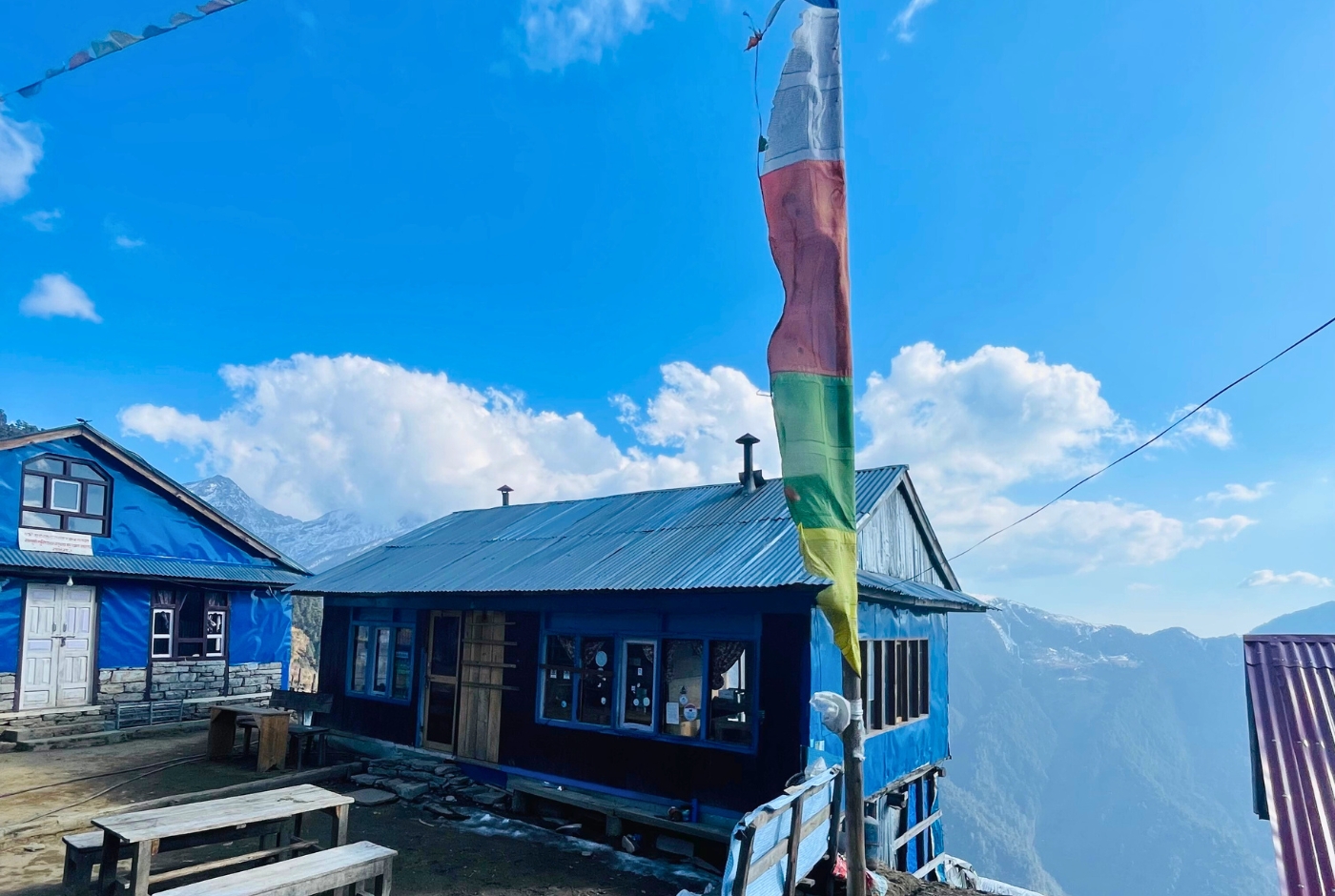
Best Accommodation You Will Experience on the Trek
Perhaps surprisingly, some of the very best accommodations on the Langtang Valley Trek can actually be found near the trail’s end. While the little villages of Langtang, Mundu, and Kyanjin Gompa are relatively remote when compared to the likes of Syabrubesi or even Lama Hotel, they also experience a nearly year-round influx of visitors from all over the world. And because most of these visitors stay for multiple nights, the owners of guesthouses in this part of the Langtang Valley have good reason to refine their hospitality offerings. You’ll find teahouses built of solid timber, with warm dining rooms and lots of fellow travelers. These comfortable conditions come as something of a relief when you’ve reached the high-altitude environments at the end of the trail, too. You’ll appreciate perks like these--things that you might not have missed while staying at lower-altitude lodges, when your body wasn’t quite so taxed with the rigors of hiking at high elevations.
More Basic and Limited Accommodation Areas
At some points on the Langtang Valley Trek, you may encounter more basic accommodations. These are still clean and comfortable guesthouses, but they may lack amenities such as reliable hot water, Wi-Fi, or private toilets. Many of these more limited options can be found at midpoints along the trail—for example, between Lama Hotel and Langtang Village. Because most visitors follow the same prescribed route through the mountains, any villages that fall in between routinely designated stopovers tend to see less traffic from visitors and aren’t able to achieve quite the same standard of hospitality.
It’s also important to recognize the limitations imposed by high-altitude conditions, where every bottle of soda and every packet of instant noodles has to be carried into the mountains. Things like insulated walls and electric heat simply aren’t a fact of life here, and local villagers are necessarily working with fewer resources as you ascend into higher elevations. That doesn’t mean that you’ll be uncomfortable during your stay—but if you keep these factors in mind, you’ll be able to set realistic expectations for your Langtang Valley Trek and enjoy this adventure to its fullest.
Bathroom Facilities Along the Langtang Trail
Your guesthouses on the Langtang Valley Trek will have simple toilet and shower facilities. In some instances, they’ll be shared amongst multiple visitors, and you’ll have to wait your turn if the toilets or showers are already in use. Other guesthouses may have private en-suite bathrooms—but in both cases, you can expect some combination of Western toilets and squat toilets. Hot water may be available only intermittently, and you’ll need to bring your own toiletries (soap, towels, etc.). While these may not represent the toilet conditions you’ve come to expect at home, they’re still a fair sight better than camping in the wilderness. We’ve found that it’s best to embrace these realities in the spirit of adventure—and on a cold night in the Himalayas, you’ll be happy just to have indoor toilets in the first place.
Drinking Water on the Langtang Valley Trek
Water sources in the Himalayas are abundant: rivers like the Langtang Khola and Bhote Koshi plunge down from the highest mountains in cold torrents, and most villages can boast running water. But this water is typically not safe to drink for foreign travelers, as it may contain unfamiliar bacteria that can cause diarrhea and even more serious waterborne illnesses in unwary trekkers. You can still drink this water, of course, as long as you purify it first. Most outdoor and adventure outfitters offer iodine or chlorine tablets, which can be added to a bottle of water to kill parasites and bacteria.
Bottled water is also usually available on the Langtang Valley Trek, and some travelers consider it to be the safest option. But it’s important to remember that each plastic bottle ends up as waste in the mountains—waste that’s sometimes burned and sometimes left to lie forgotten along the trailside. To avoid the gradual accumulation of unsightly litter, we recommend choosing more sustainable water and sanitation options, such as chlorine tablets.
Food and Meals During the Trek
You may be surprised by the wide variety of dining options available during the Langtang Valley Trek. Teahouses along this route, as with most treks in Nepal, offer robust menus featuring local Nepali dishes, Chinese noodles, pizza, eggs, and more. And as you ascend higher into the mountains and stay at additional guesthouses, you’ll quickly discover that these menu options are virtually the same everywhere, so you’ll always have plenty of choices. We recommend focusing on carbohydrate-heavy dishes like rice, which provide the energy and nutrition you’ll need for long days of hiking at high altitude. We also encourage our guests to try local dishes such as dal bhat, momos, and Tibetan bread. There’s no better way to understand a culture than to engage with its cuisine, and the authentic dishes on the Langtang Valley Trek will win you over in no time.
If you have any dietary restrictions, please let the staff at Nepal Hiking Team know before your departure. Your guide will be able to make the most necessary arrangements. For example, vegetarians will have an easy time in the mountains, where meat dishes are comparatively rare—but adherents to a gluten-free diet may have a little more trouble, and we’ll need to make arrangements for you in advance.
Internet, Mobile Network, and Charging Facilities
There are no guarantees that you’ll have cellular or internet connectivity in the mountains of the Langtang Valley Trek, even if you’ve purchased a Nepali SIM card or data plan for your mobile phone. To a certain extent, that should come with its own appeal: you’re venturing into the high Himalayas for an adventure, after all, and this is a fantastic opportunity to disconnect from the demands of your everyday life.
That said, Wi-Fi internet is usually available at local guesthouses for a token fee, and it’s generally pretty fast and reliable, especially considering the inaccessibility of these remote mountain environments. If you’re depending on your phone to keep in touch with the world, take photographs, or track your hike by GPS, you’ll also want to bring a portable charger. While most guesthouses have outlets where you can charge your electronic devices, availability may be limited or shared amongst multiple trekkers. We live in an increasingly digital world, and the villages of the Langtang Valley are part of that world—but it’s best to bring what you need into the mountains with you.
Equipment Required for the Langtang Valley Trek
The Langtang Valley Trek isn’t exactly a mountain-climbing expedition, but you’re going to need appropriate clothing, footwear, and gear to tackle its high-altitude trails. We recommend bringing layered clothing—while mornings and evenings can be quite cold, it’s a different story altogether when you’re climbing steep hills with the midday sun riding high in the sky. If you can easily add and remove layers as you hike, you’ll stay comfortable. Wearing the right hiking shoes or boots is also an important part of your trekking kit. We recommend bringing a sturdy pair that you’ve already broken in, as there’s nothing worse than discovering you’ve brought an ill-fitting pair of boots and walking with blisters on your feet for a week.
You’ll also want to bring certain essentials in your daypack: water, hats, sunglasses, a camera, and anything else you might need at a moment’s notice. Of course, some gear is strictly optional. For example, some of our guests rely on trekking poles to make steep mountain descents easier, while others find them an unnecessary burden. If you have any previous trekking experience, you’ll know what you prefer—and if you need any advice, the crew at Nepal Hiking Team is here to help.
Altitude Experience and Acclimatization on the Langtang Valley Trek
While no previous trekking experience is necessary to enjoy the Langtang Valley Trek, it’s important to set a reasonable pace and take certain precautions during your adventure. At Nepal Hiking Team, we’ve carefully planned our trekking itineraries to ensure a gradual ascent into high elevations. Where necessary, we include rest days and days where only short hikes are scheduled. This helps you acclimatize to the rarefied air and reduce the risk of contracting altitude sickness. There’s no getting around the fact that hiking at altitude will have a certain effect on your body—you may experience mild headaches and increased thirst, for example—but your guide will always be ready to help you understand these conditions and determine if you need to take a break or descend from the mountains.
Hiking from Kyanjin Gompa: Kyanjin Ri vs Tserko Ri (Tsukari)
When you reach the endpoint of the Langtang Valley Trek at Kyanjin Gompa, you won’t necessarily want to turn around and leave the mountains right away. Two of the best hikes in Nepal start right here, and you’ll want to consider both of them. Here’s what you need to know about these unforgettable day hikes:
- Kyanjin Ri: the trail to this mountain viewpoint lies just northeast of Kyanjin Gompa, and you’ll need between three and five hours to make the round-trip hike to its summit. From the top, you’ll earn stunning views of the region’s most impressive peaks: Langtang Lirung, Changbu, Yubra, and more.
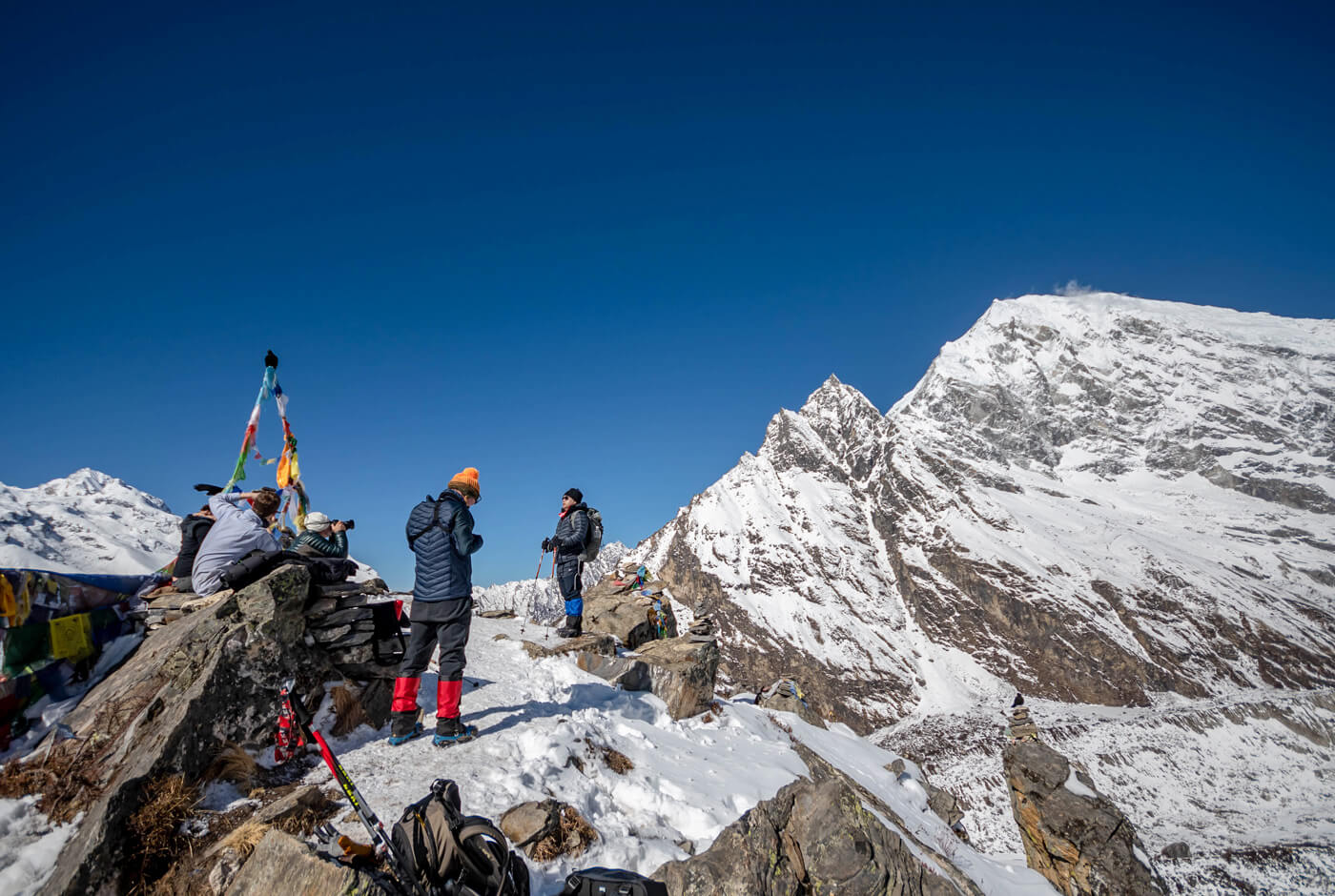
- Tsergo Ri (also known as Tserko Ri, Cherko Ri, or Tsukari): if you’re up for an even greater challenge, the trek to this high-altitude lookout will reward you with an incredible Himalayan panorama. You’ll need between five and eight hours to make it there and back again, but it’s an excellent investment of your time. Because this viewpoint is higher than Kyanjin Ri, its views are that much better. You’ll see just about the entirety of the Langtang Himal and even peer across the border into Tibet.
Whether you choose one of these day hikes over another—or whether you decide to try them both—may depend on your own enthusiasm, how well you’ve adjusted to the altitude of Kyanjin Gompa, and your level of physical fitness. Your guide can help you understand the nuances of these hikes and determine which is best for you.
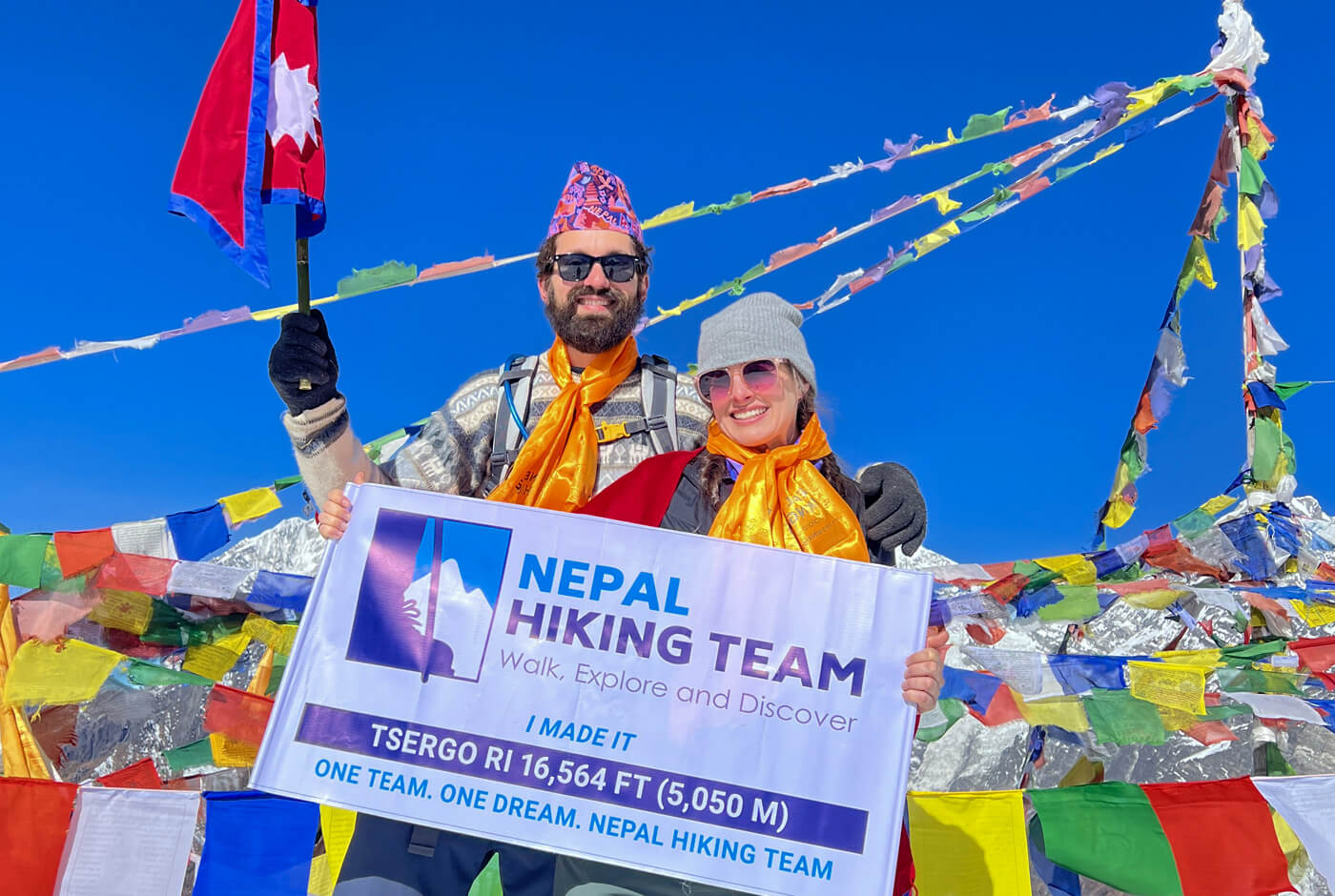
Tserko Ri: The Highest Elevation Point of the Langtang Valley Trek
For most trekkers, the mountain summit of Tsergo Ri represents the highest point on the Langtang Valley Trek—but its precise altitude is a matter of some contention. Some sources report an elevation of 4984 meters, while others maintain that the summit is actually 5050 meters. Still other sources place it somewhere in between these figures. But no matter its elevation, this is a physically challenging round-trip day hike that takes up to eight hours to complete. If you don’t have enough time in Kyanjin Gompa or if you’ve had a hard time acclimatizing to the elevation here, your guide may recommend that you skip this extra climb.
But if you’re prepared for a physical and mental challenge, you’ll discover an unforgettable ascent that transitions from rocky slopes to scree-covered trails and finally into genuinely snowbound environments. From the summit of Tsergo Ri, you can see mountains like Langtang Lirung, Yala Peak, Gangchempo, Langtang Ri, and more. For our money, this is the highlight of the Langtang Valley Trek.
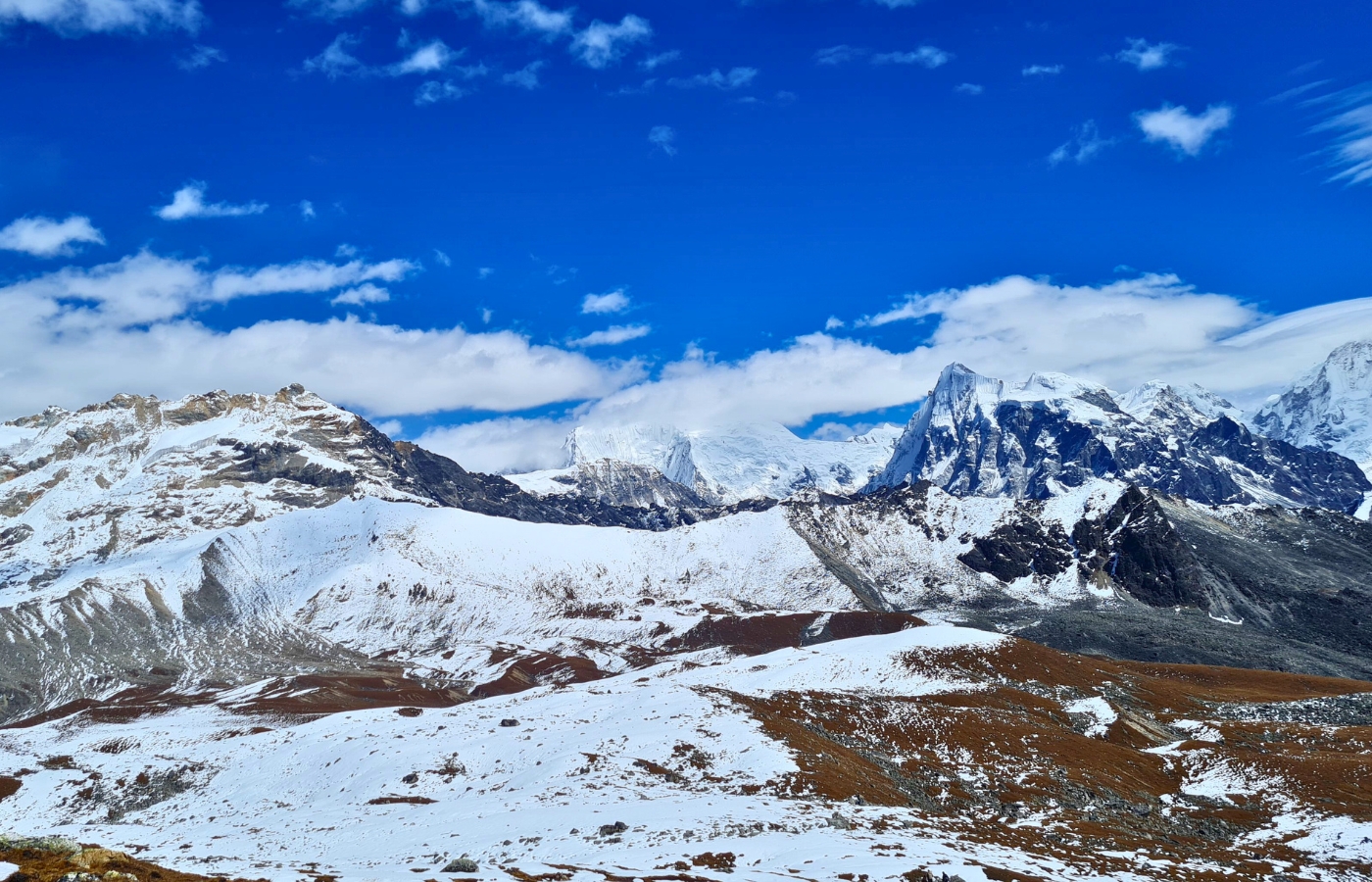
Temperature Ranges on the Langtang Valley Trek
Temperatures can vary significantly in the Langtang Valley, depending on any number of factors: the time of year, the time of day, the altitude, and the weather. While we can’t guarantee the precise temperatures you’ll encounter on your own trek—especially in an era of climate change—it’s a good principle to plan for cold nights and warm days. For example, winter lows at Kyanjin Gompa can plunge well below freezing at night, while a sunny summertime day might enjoy a high of 13°C (55°F). Additional factors, such as the summer monsoon, can also affect the temperatures and humidity you’ll experience during your trek in Nepal. Generally, as you climb higher into the mountains, the weather gets colder. It’s important to travel with plenty of warm layers and a good sleeping bag.
Best Time to Do the Langtang Valley Trek
Most travelers choose to embark on the Langtang Valley Trek during spring (February to May) or autumn (September to November). If you travel at these times of the year, you’ll enjoy comfortable daytime temperatures, clear mountain views, and spectacular sunsets. However, because these seasons are so popular, you’ll also be sharing the trail with plenty of other travelers, and it’s important to recognize that this won’t be a pure wilderness experience.
Of course, it’s also possible to travel during the winter (December to January) and summer (June to August) months here in Nepal—but these seasons come with their own challenges. Winter temperatures can plunge dramatically, and the accumulation of snow and ice can make treks more difficult. In the summer, heavy monsoon rains can wash out trails and create muddy conditions. But these seasons do have their appeal: there’s nothing quite like the Himalayas decked out in their full winter raiment, and the green hills of the lowlands take on a mysterious aspect when shrouded in the fog of the summer rains.
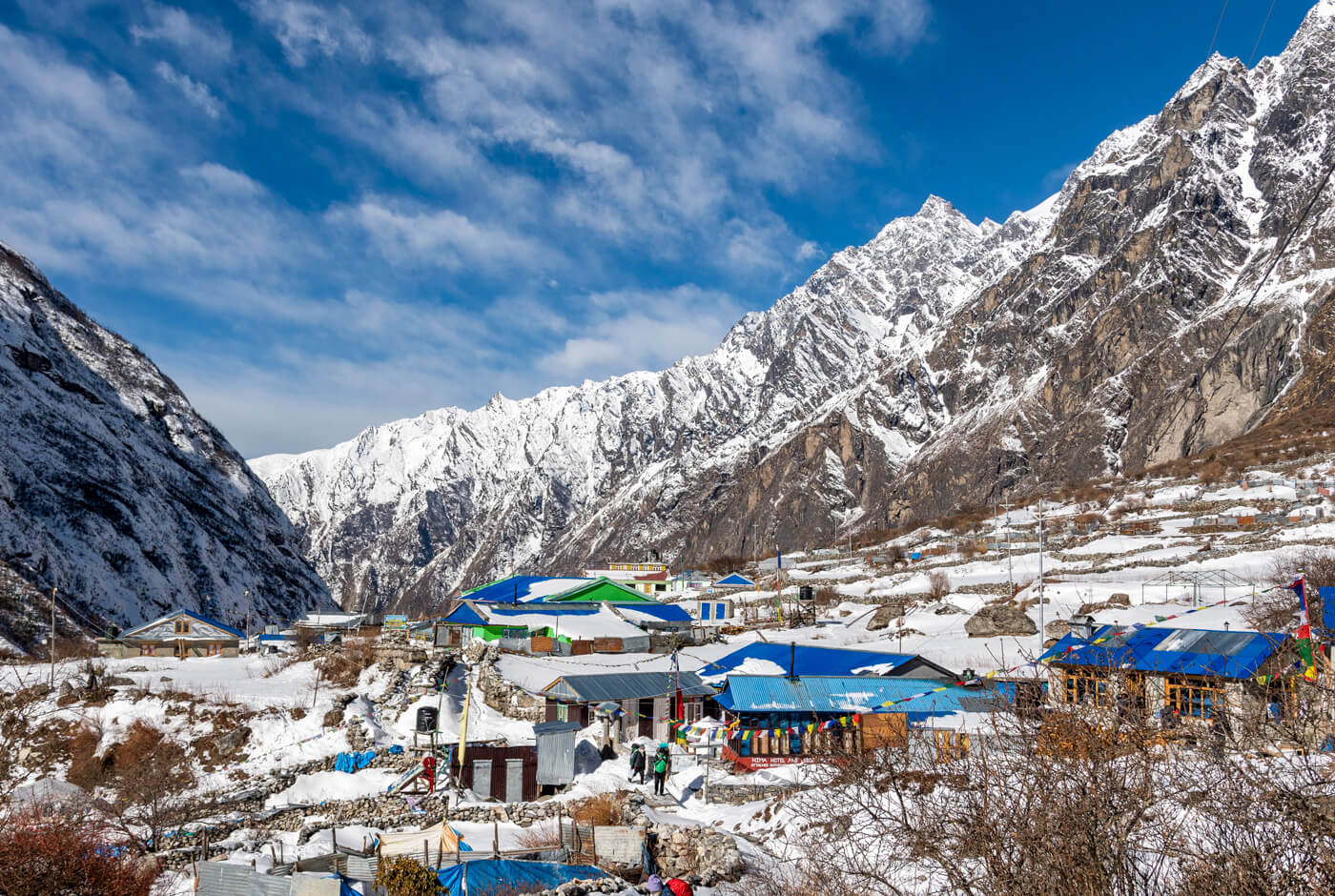
Alluring Mountain Views on the Langtang Valley Trek
When you begin the Langtang Valley Trek, you’ll be walking amidst subtropical forests of rhododendron and pine, where green hills give way to broad river valleys. The air comes to life with birdsong as the sun rises, and langur monkeys travel across the canopy in great leaps. But as your trek rises higher into the mountains, the Langtang Valley takes on a completely different character.
As you round a corner or surmount a rise in the trail, the high peaks of the Langtang Himal begin to reveal themselves in fleeting glimpses. And when you approach the rocky terrain around Langtang Village itself, the valley unfolds in earnest—exposing an unforgettable view of the region’s most beautiful peaks. You’ll be treated to a broad expanse of rocky crags and rolling mist, with the summit of Langtang Lirung watching over it all. When you reach Kyanjin Gompa just a day later, you’ll even be able to approach the perpetually frozen Langtang Glacier.
Spotting Yaks and Enjoying Fresh Yak Cheese
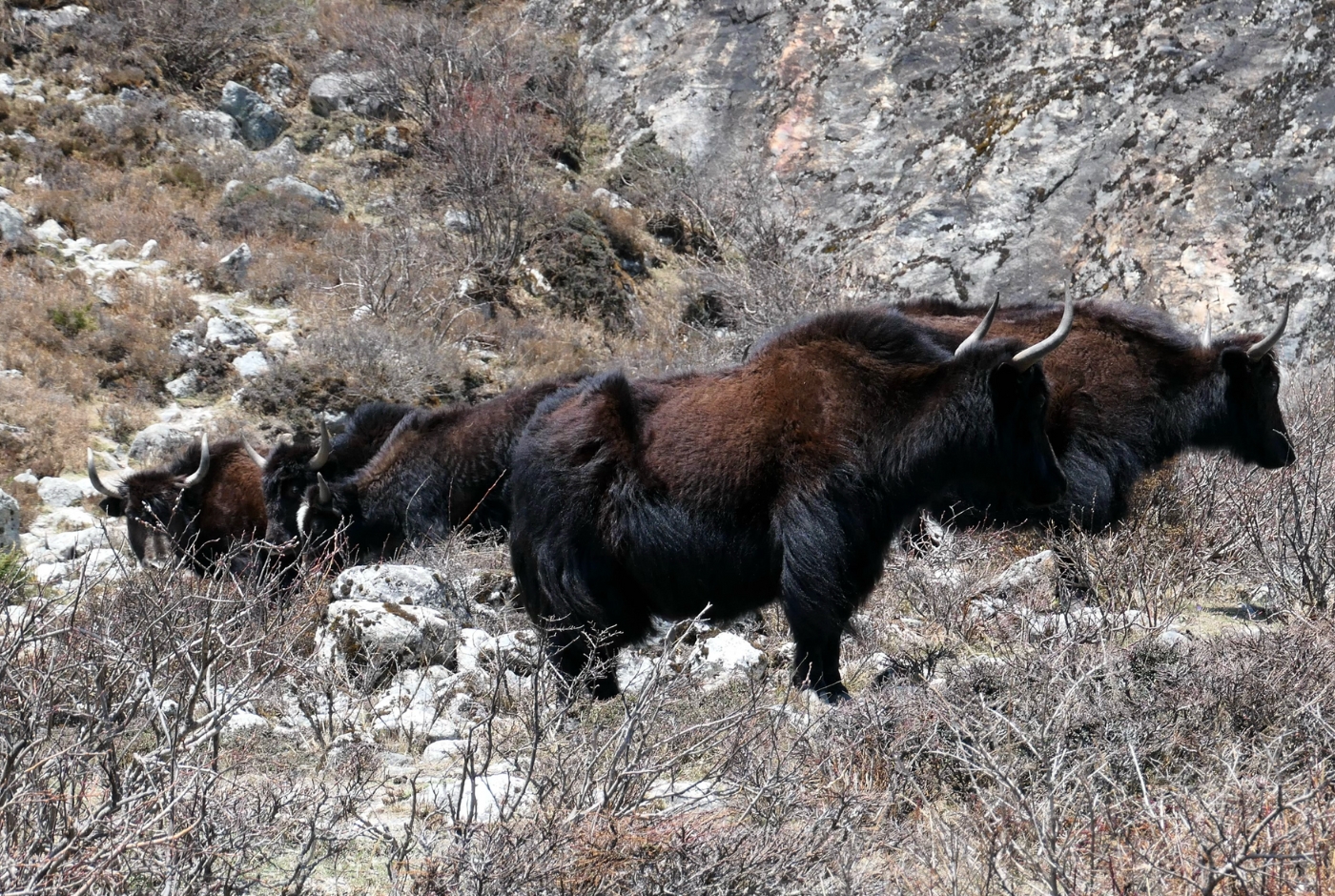
Resembling a long-haired bull, the yak is a uniquely Himalayan beast of burden. Locals rely on the yak for all sorts of needs: transportation, wool, milk, and cheese. If you’re counting on visiting the yak cheese factory in Kyanjin Gompa, it’s best to stay in town for at least a couple of nights. The shop closes intermittently, and you may not be able to visit at just any time of day. But even if its doors are closed, you’ll be able to find yak cheese used as an ingredient in meals at guesthouses and restaurants across the entire Langtang Valley.
You’re also likely to spot yaks grazing here and there during the rest of your Langtang Valley Trek. These animals have adapted to thrive at high altitudes and cold temperatures, and the locals of the Langtang Valley follow their herds to accommodate these needs. In the summertime, you’ll find yaks grazing at high-altitude pastures, but in the winter it’s not uncommon to encounter them at lower elevations. While we can’t guarantee that you’ll encounter yaks during your Langtang Valley Trek, this is one of the best treks in Nepal to look for them.
Best Photography Spots on the Langtang Valley Trek
What’s a trek in Nepal without unforgettable photographs to commemorate your adventure? The Langtang Valley Trek is a photographer’s dream, with bucolic villages, sun-dappled forests, and soaring mountain summits. The trek itself ends at Kyanjin Gompa, and there’s no better place for photography in this part of Nepal. Whether you’re in the village itself or looking down upon it from the heights of Kyanjin Ri or Tsergo Ri, you’ll discover jaw-dropping views of the Langtang Himal: Gangchempo, Yala Peak, Dorje Lhakpa, Langtang Lirung, and more.
Photographers live by the so-called golden hour: those magical moments just after sunrise and just before sunset, when the whole world is lit by a soft, golden glow. This is an especially spectacular phenomenon here in Nepal’s Himalayas, where the very peaks of the mountains become transformed with a coppery fire. It’s almost impossible to take a bad picture during the golden hour, but you’ll have to stay vigilant—the most striking coloration lasts for only about fifteen minutes.
Other Highlights of the Langtang Valley Trek
Most trekkers visit the Langtang Valley to enjoy spectacular mountain views, but there’s so much more to enjoy in this part of Nepal. We encourage our guests to embrace the quiet moments of the trail: the sound of colorful prayer flags flapping in a gentle breeze; the quiet murmur of locals going about the routine of village life; the song of a laughingthrush as it alights upon the time-worn stones of a hand-built mani wall; the feeling of the morning sun on your face as you spread butter across a warm piece of Tibetan bread. As often as not, these are the moments you’ll remember most fondly about your time in the Langtang Valley. Remember that the journey is just as important as the destination, and make sure to savor every day on the trail.
Budgeting for the Langtang Valley Trek
When you book your Langtang Valley Trek with Nepal Hiking Team, you’re getting a comprehensive trekking package that includes your accommodations, transportation, meals, trekking permits, and national park entry fees. But you’ll want to bring a small amount of cash to cover incidental expenses while you’re in the mountains: snacks, alcoholic drinks, and other minor items. Your guesthouses may also offer additional amenities, such as showers, charging stations for your camera or mobile device, and Wi-Fi. These are typically offered for a small fee, and about 1500 Nepali rupees (approximately $10 USD) per day is enough to cover any of these add-ons. You may also want to bring cash to tip your guide and porters at the end of your Langtang Valley Trek, although we leave that to the discretion of our guests.
Shortest Itinerary Options for the Langtang Valley Trek
The Langtang Valley Trek takes most travelers 6 or 7 days to complete, and many choose to extend their stay in Kyanjin Gompa to explore the fantastic mountain viewpoints overlooking the town. But if you’re pressed for time, it’s also possible to enjoy the Langtang Valley Trek in as little as five days. This makes for long days of hiking, and you probably won’t have time to venture to the mountain lookouts of Kyanjin Ri or Tsergo Ri. But this can be a viable option if you’re an experienced trekker on a tight schedule—especially if you’ve already acclimated to the elevation.
Where possible, we do recommend taking your time to explore the trails of Nepal’s Himalayas, including the Langtang Valley. If you’re an older traveler or if this is your first time visiting our country, you’ll want to take your time and experience everything that the mountains have to offer. It’s also worth remembering that most visitors to Nepal choose to spend additional time before and after their treks, drawn to the city’s vibrant markets, restaurants, and temples. If you have any questions about the best way to schedule your trek in Nepal, the experts at Nepal Hiking Team are here to help.
Trek Extensions and Side Options from the Langtang Valley
If you’d like to spend extra time in the Langtang Valley, you might enjoy any number of day hikes which start from Kyanjin Gompa: Tsergo Ri, Kyanjin Ri, and Yala Peak. Each of these additional excursions into the Himalayas comes with its own challenges, and it’s important that you’re prepared to face them. For example, Yala Peak requires two additional days on your itinerary and involves a steep climb to 5500 meters. But if you have the appetite for adventure, the Langtang Valley has plenty of opportunities to test your mettle.
It’s also possible to combine the Langtang Valley Trek with other hiking routes in order to enjoy even more time in Nepal’s Himalayan mountains. For example, you can merge your Langtang trekking itinerary with the Helambu Trek, creating a two-week marathon that explores hillside Hyolmo villages and passes through Shivapuri National Park. This combination will allow you to see the alpine Gosaikunda lakes, and you’ll even have the opportunity to climb the 3771-meter mountain called Ama Yangri. For a more immersive cultural experience, you can also combine the Langtang Valley Trek with the Tamang Heritage Trail, which offers the chance to explore local villages and monasteries.
Helicopter Exit Option from the Langtang Valley
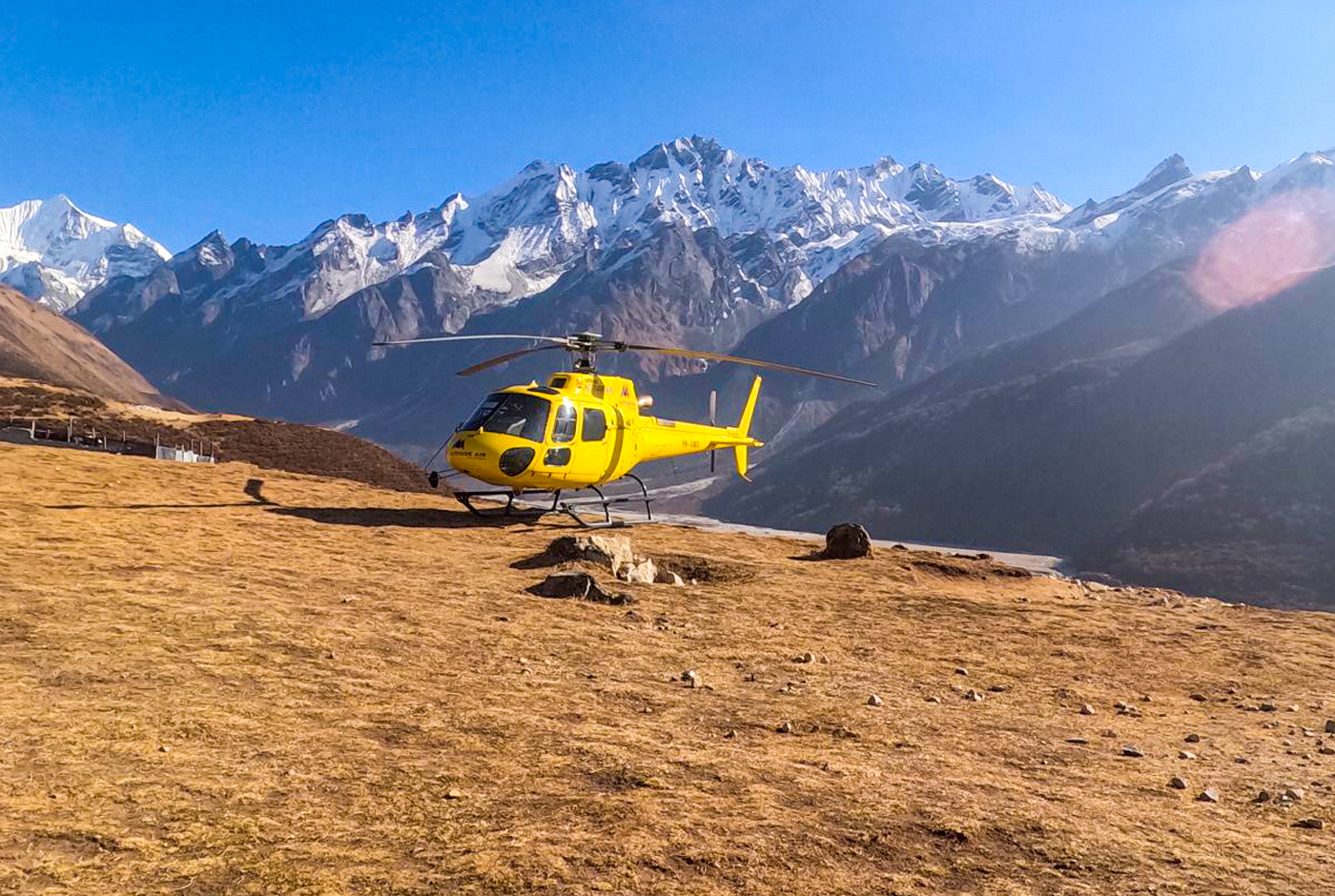
Another way to modify your Langtang Valley Trek is to consider heading out of the mountains not by retracing your steps on the trail, but by taking to the air. Nepal’s trekking industry has developed a helicopter infrastructure to facilitate both emergency rescues and tourism operations, and this uniquely exciting mode of transportation affords intrepid travelers an aerial view of the Langtang Himal and the Gosaikunda lakes. While this does allow the Langtang Valley Trek to be completed on a tight schedule, helicopter flights in the Himalayas are dependent on weather conditions. To prioritize your safety, we only operate flights when it’s safe to do so. If you’re planning to enjoy a helicopter departure from the Langtang Valley, it’s a good idea to build a few extra days into your itinerary to accommodate possible weather delays.
Langtang Valley Trek Difficulty and Fitness Requirements
The Langtang Valley Trek is considered moderately difficult by most metrics; you’ll be hiking for about a week and reaching elevations approaching or exceeding 5000 meters. As for physical preparation, consider practicing regular cardiovascular exercise in the months and weeks leading up to your trek in Nepal. Running, walking, biking, swimming, or using a stepping machine are all great ways to prepare yourself and build the endurance you’ll need in the mountains. But trekking is just as much a mental challenge as it is a physical one. Newcomers to trekking are likely to find this trek more difficult, as they won’t have a frame of reference for this type of adventure travel. But if you have any hiking experience and trust in yourself and your guide, you’ll be ready for success in the Langtang Valley.
Common Mistakes Trekkers Make on the Langtang Valley Trek
While the Langtang Valley Trek is accessible to anyone in reasonably good physical condition, there are a few common mistakes that might make your hike more difficult. First, remember not to overpack: between you and your porter, you’ll be carrying everything you bring into the mountains. Stick to just a few outfits and basic necessities so you don’t overburden yourself and tire out before you reach Kyanjin Gompa. It’s also important to stay hydrated and move at a conservative pace: by following these guidelines, you’ll reduce the risk of altitude sickness and enjoy a more comfortable trek in the Langtang Valley. Finally, remember that nights in the valley can be cold—dress in layers and make sure you use the cold-rated sleeping bag and warm blankets available each night during your trek.
Best Langtang Trek Package Options to Consider
When it comes to trekking in the Langtang Valley, there are lots of itinerary options to consider. If you’re pressed for time, you can make it to Kyanjin Gompa and back in less than a week. If you want to spend more time in the mountains and try your hand at higher-altitude trekking, you’ll want to add a few days to explore the hills and mountain peaks near Kyanjin Gompa. If your first and foremost goal is to savor jaw-dropping Himalayan vistas, you might even consider trekking into the Langtang Valley and then leaving by helicopter. The package you choose will depend on several factors: your budget, your adventure style, and the experiences you want to enjoy during your trek in Nepal.
Who This Langtang Valley Trek Package Is Best Suited For
While each trek in Nepal offers its own allure, the Langtang Valley Trek is an ideal choice for travelers seeking adventure and an interest in local culture. The high-altitude lookouts of Kyanjin Ri and Tsergo Ri are enough to wow even the most ardent thrillseekers, and there’s spectacular mountain scenery to be enjoyed each day of the hike. A trek in the Langtang Valley is also all about discovering how locals live in the Himalayan mountains, from scattered hillside Tamang villages to Kyanjin Gompa’s own monastery and cheese factory. And because this trek can be completed in one week and doesn’t require any domestic flights, it’s also a good choice for travelers with limited time on their holiday in Nepal.
Is the Langtang Valley Trek the Right Choice for You?
To determine whether the Langtang Valley Trek is right for you, consider your priorities. Do you want to enjoy a trek in Nepal that can be completed in just one week? Are you prepared to hike at relatively high altitudes, approaching 5000 meters? Are you comfortable with a long and potentially bumpy drive to the trailhead? If you’ve answered yes to all of these questions, the Langtang Valley Trek might be an excellent fit for you.
But what if you’d like to reach even more remote areas of Nepal, where few tourists tread? Or what if you prefer a lower-altitude trek that’s easier on your body? In these cases, the Langtang Valley Trek may not be the best match for you. If you have any questions or concerns that the experts at Nepal Hiking Team can help you resolve, our team can offer plenty of expert advice—we’d like nothing more than to set you up with the trek of your dreams.
Final Thoughts on the Langtang Valley Trek Experience
All told, the Langtang Valley Trek is undoubtedly one of the best treks in Nepal. From lowland jungles to soaring mountain heights, this part of Nepal is a traveler’s delight. With just a little preparation, this trek also represents a realistic goal for hikers of all experience levels. And when you’ve finished this trek and set your hiking boots to the side, your adventures on the trail will linger in your memory. You’ll fondly recall the stunning Himalayan views from Kyanjin Ri, the warm hospitality of your Nepali hosts in their cozy mountain guesthouses, and each gentle bend in the trail—always beckoning you forward with the promise of yet another lovely vista. There are many treks to consider in Nepal, but the Langtang Valley Trek offers a compelling combination of accessibility, high-altitude adventure, and rewarding cultural experiences.
Post a Comment