
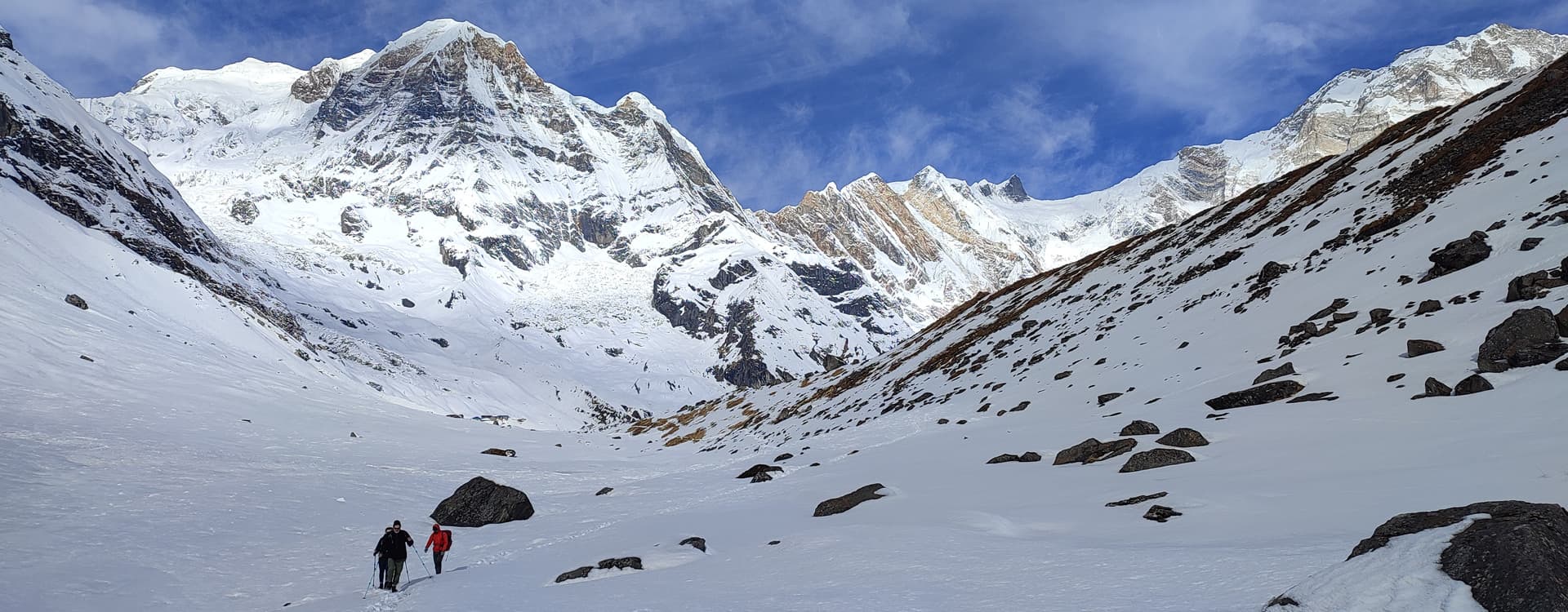
A complete packing list for the Annapurna Base Camp Trek is essential for comfort and safety at 4,130 m (13,549 ft). Whether you're a seasoned trekker or a first-timer, understanding precisely what to pack for this 7-11-day Himalayan journey can greatly influence your overall experience.
This complete Annapurna Base Camp packing list covers essential clothing, footwear, sleeping gear, and accessories. It explains what to pack and what to avoid, offers season-specific packing tips (spring, autumn, winter, and monsoon), and outlines ethical weight limits.
You'll also find practical advice on gear rentals in Pokhara and Kathmandu, so you can pack smart, travel lighter, and trek confidently without overloading your backpack.
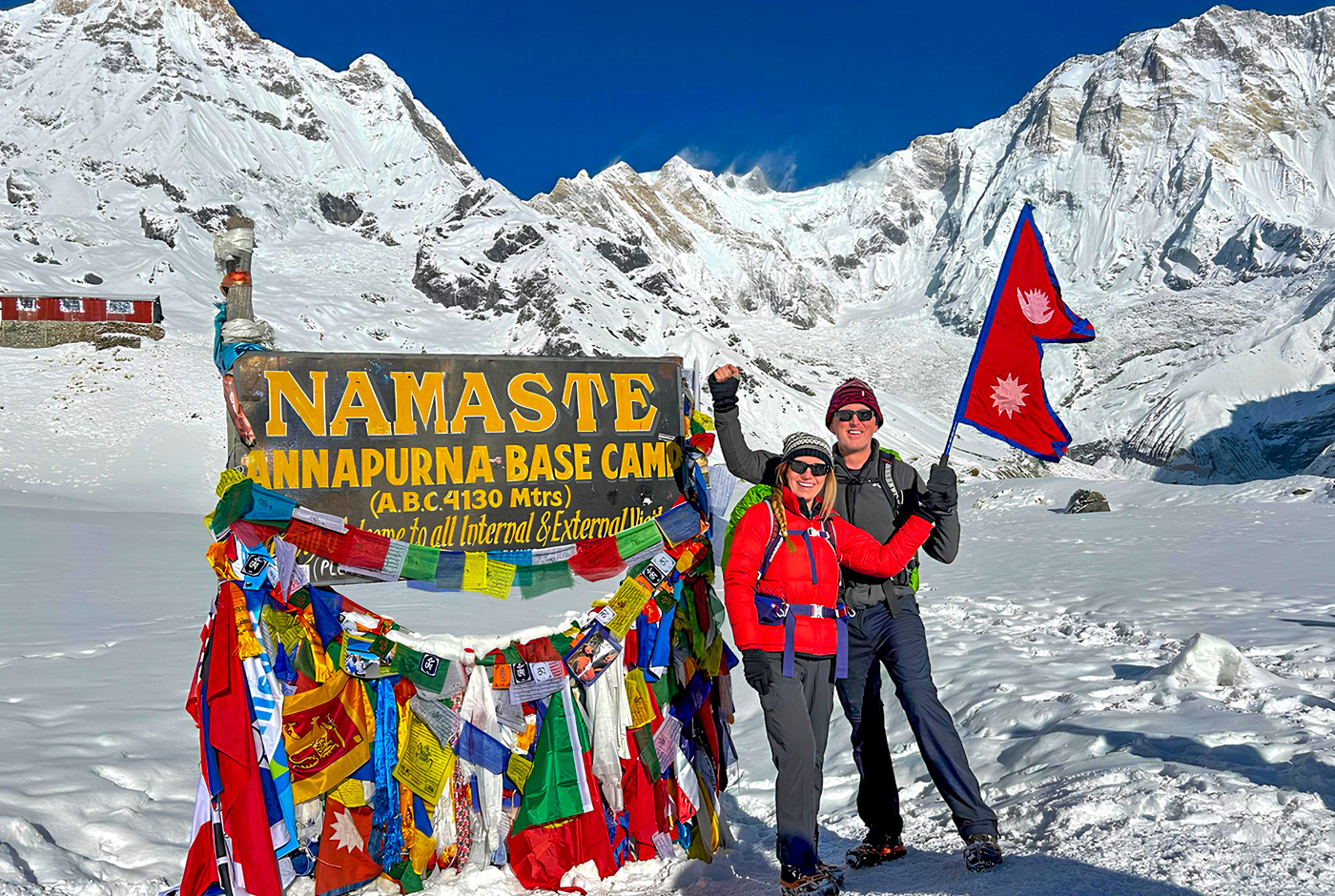
Why Smart Packing Matters for Annapurna Base Camp
Careful planning makes a significant difference between experiencing comfort and facing struggle during the 14-day Annapurna Base Camp Trek at 4,130 m (13,549 ft). On this teahouse-based trek with food and meals included, heavy technical gear is unnecessary.
However, conditions vary dramatically. The stone stair sections between Chhomrong and Sinuwa can be strenuous on the knees. The stretch from Deurali to ABC often feels colder due to valley wind tunnels.
Proper layering, using lightweight essentials, and adhering to porter weight limits can make your journey smoother.
Smart layering and adhering to ethical weight limits help keep your trek efficient, responsible, and comfortable.
Understanding the Annapurna Base Camp Climate
The climate at best time to trek to Annapurna Base Camp varies by season and altitude. While the lower regions are generally mild or warm, the higher regions near the base camp can be cold, especially at night. Here is a clear breakdown:
- Lower regions: up to 20°C (68°F) during the day
- Base Camp nights: down to -10°C to -15°C (14°F to 5°F)
- Rapid temperature drops after sunset
- Strong UV exposure above 3,000 m
Preparing for sudden weather changes in the Annapurna region is important to stay warm and comfortable during the trek.
Seasonal Breakdown
Here is a table that summarizes the seasonal breakdown for the Annapurna Base Camp Trek:
| Season | Temperature | Weather Conditions | What to Expect |
| Spring (Mar-May) | 10-20 degrees (lower region), -2 to -10 degrees (near base camp) | Blooming rhododendrons, clear skies, and occasional rain | Moderate trekking conditions, vibrant landscapes |
| Autumn (Sep-Nov) | 12 to 22 degrees (lower region), 0 to -12 degrees (near base camp) | Minimal rain, stable and clear weather | Great visibility of the range, crowded trails and teahouses, ideal weather conditions |
| Winter (Dec-Feb) | 5 to 15 degrees (lower regions), -10 to -20 degrees at night (near base camp) | Cold or freezing nights, Snowfall at higher elevations | Fewer trekkers, quiet trails, limited teahouses, ice-covered route |
| Monsoon (Jun-Aug) | 15 to 25 degrees (lower region), 5 to 12 degrees (near base camp) | Heavy rainfall, slippery trails, and occasional landslides along the trail | Lush greenery, risk of delays, possible road blocks, and challenging trekking conditions |
Temperature Range by Elevation
The temperature in the Annapurna region can change dramatically between day and night. Daytime temperatures in the lower region reach 20 degrees Celsius, while nighttime temperatures near the base camp can drop to -10 degrees Celsius or lower.
The coldest part of the trek is usually from Deurali to the Annapurna Base Camp, where proper layering is crucial for warmth and comfort. Instead of wearing heavy or bulky winter clothes, trekkers should wear base layers, mid layers, and insulating layers to effectively regulate their body temperature.
How Much Weight Can You Carry on the ABC Trek?
While trekking to the ABC, you can pack 12–13 kg in your main duffel bag and an additional 5–6 kg in your daypack. Likewise, one porter is usually assigned to two trekkers, meaning each porter carries approximately 24–25 kg, split between two duffel bags.
Trekkers are advised to keep their main duffel bag weighing between 26 and 29 pounds and their daypack weighing between 11 and 15 pounds for daily essentials. This weight distribution ensures the porter is not overloaded and the trek remains ethical.
Unlike the Everest Base Camp trek, the Annapurna trail doesn't require flights to Lukla, so baggage restrictions are more flexible. However, packing light is smarter to reduce fatigue as the trail includes steep ascents, variable weather, and long stone steps.
Essential Clothing Packing List for Annapurna Base Camp Trek
For the Annapurna Base Camp Trek, it is advisable to pack smartly, using a layered system rather than bringing heavy items. Here is a detailed breakdown of the packing list for the trek:
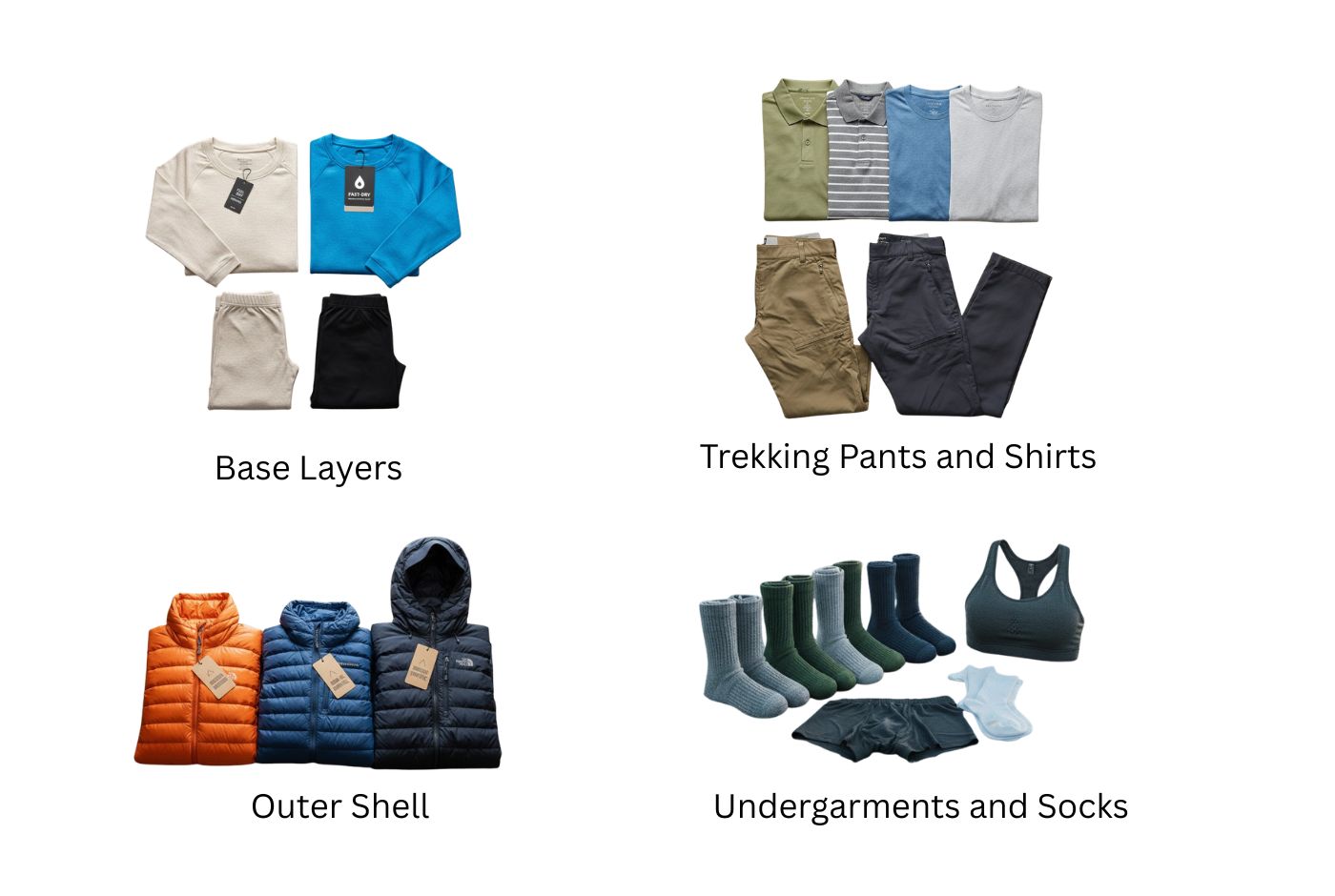
Base Layers
Trekkers should pack moisture-wicking thermal tops and bottoms, typically made from merino wool or synthetic fabric. This fabric pulls sweat away from your skin and helps regulate your body temperature during cold mornings and long ascents.
Similarly, you should avoid wearing cotton clothing because it absorbs moisture, which increases the risk of chills. These effects are particularly likely to occur at higher elevations, where temperatures drop quickly.
Mid Layers
Mid-layer clothing, like a fleece jacket, is ideal for daytime use, providing warmth on cool mornings and regulating body temperature. Also, it dries quickly.
In addition, a lightweight insulated down or synthetic jacket is perfect for higher elevations and cold nights. It helps keep you warm in the colder regions around base camp without adding too much weight.
Outer Shell
The outer shell, like a waterproof and breathable jacket (like Gore-Tex or equivalent), is perfect in colder regions. This type of fabric is essential for keeping you dry during long uphill climbs.
Pairing it with waterproof trousers is crucial, especially in rain, snow, or cold, windy conditions at higher elevations. A high quality outer shell keeps your inner layers dry and maintains body warmth throughout the trek.
Trekking Pants and Shirts
During the ABC Trek, quick-dry trekking pants are ideal for keeping you comfortable during a long hike. Pairing them with breathable long-sleeve shirts protects against the sun, wind, and insects.
For the lower section of the trail, lightweight T-shirts and trousers are suitable for staying cool in milder temperatures.
Down Jacket
A down jacket is essential for the trek, especially above 3,500 m, where temperatures drop sharply. When choosing, trekkers should select one suitable for temperatures between -10 and -15 degrees.
This ensures reliable insulation on cold mornings, evenings, and nights near the base camp.
Undergarments and Socks
For the ABC Trek, choose sports or moisture-wicking undergarments to stay dry and comfortable during long hikes. This helps maintain better hygiene and prevent chafing.
Likewise, wool trekking socks help keep your feet warm and prevent blisters in cold conditions. You can also pair them with liner socks for moisture control and added comfort.
What do you wear on a typical autumn day?
Layering allows easy temperature adjustment without carrying bulky gear. Here is a breakdown of proper layering listed below:
- Morning: Base layer + fleece + shell
- Midday: Trekking shirt and pants
- Evening: Base + fleece + down jacket
Trekking Footwear for ABC
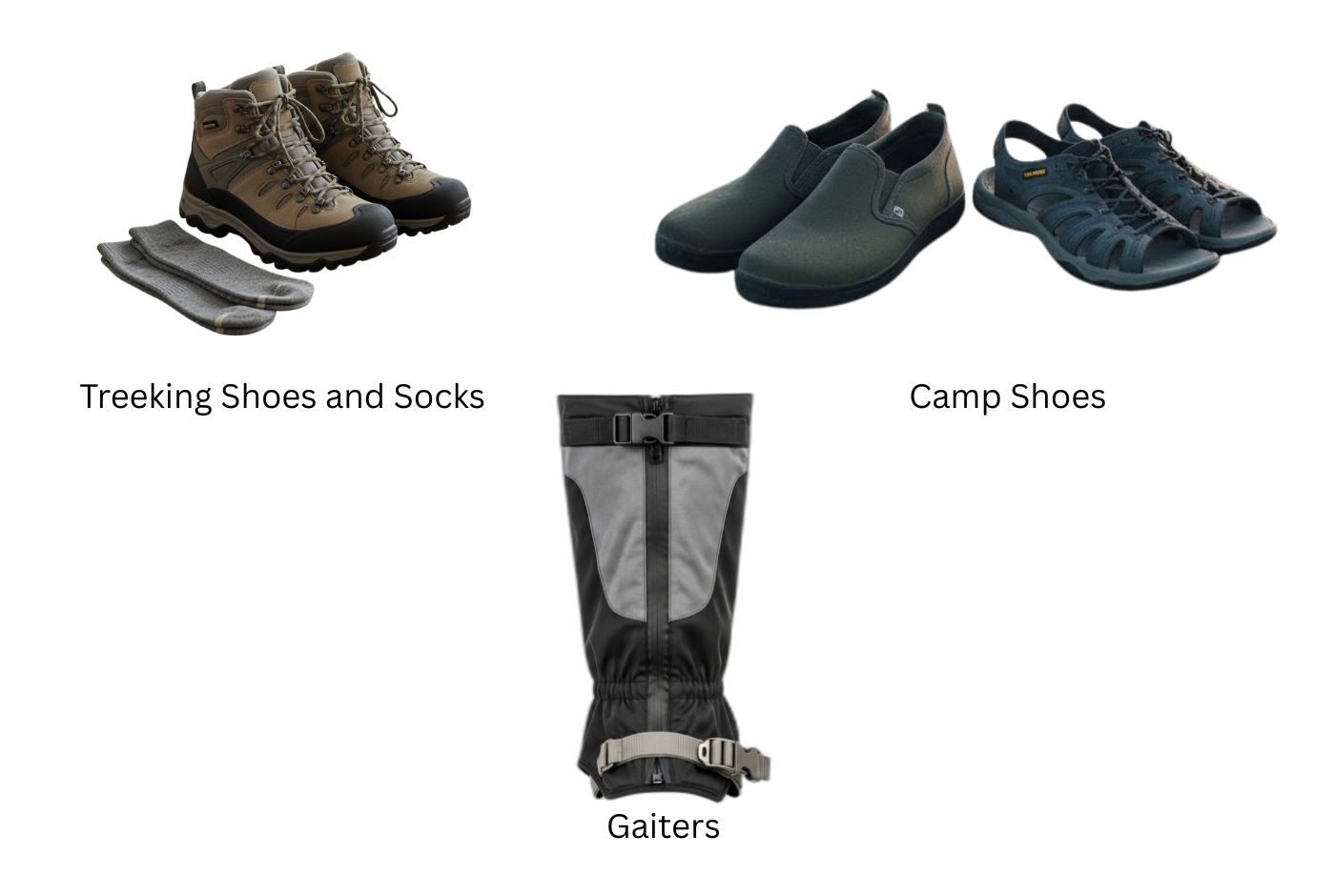
Sturdy waterproof trekking boots with excellent ankle support are essential for the Annapurna Base Camp Trek. The uneven trails and rocky terrain require reliable boots that provide safety, comfort, and stability.
Trekking Boots
For this trek, sturdy waterproof trekking boots with strong ankle support are crucial to prevent injuries and twists on uneven trails. It keeps your feet dry during snow and rain.
Moreover, you should break them in before starting the trek to prevent blisters during long hiking days.
Camp Shoes
Carrying an extra pair of lightweight sandals or slip-on shoes is essential while relaxing at teahouses. They provide a break from heavy boots, keep your feet dry, and make moving around more comfortable and hygienic.
Gaiters (Seasonal)
Gaiters are useful during the winter season or in snow-covered sections of this Himalayan trek. It helps keep snow, debris, and mud out of your boots while walking on the trail.
They are generally unnecessary in spring, autumn, and on dry trails. You can easily skip them in this season and save weight.
Bags and Storage
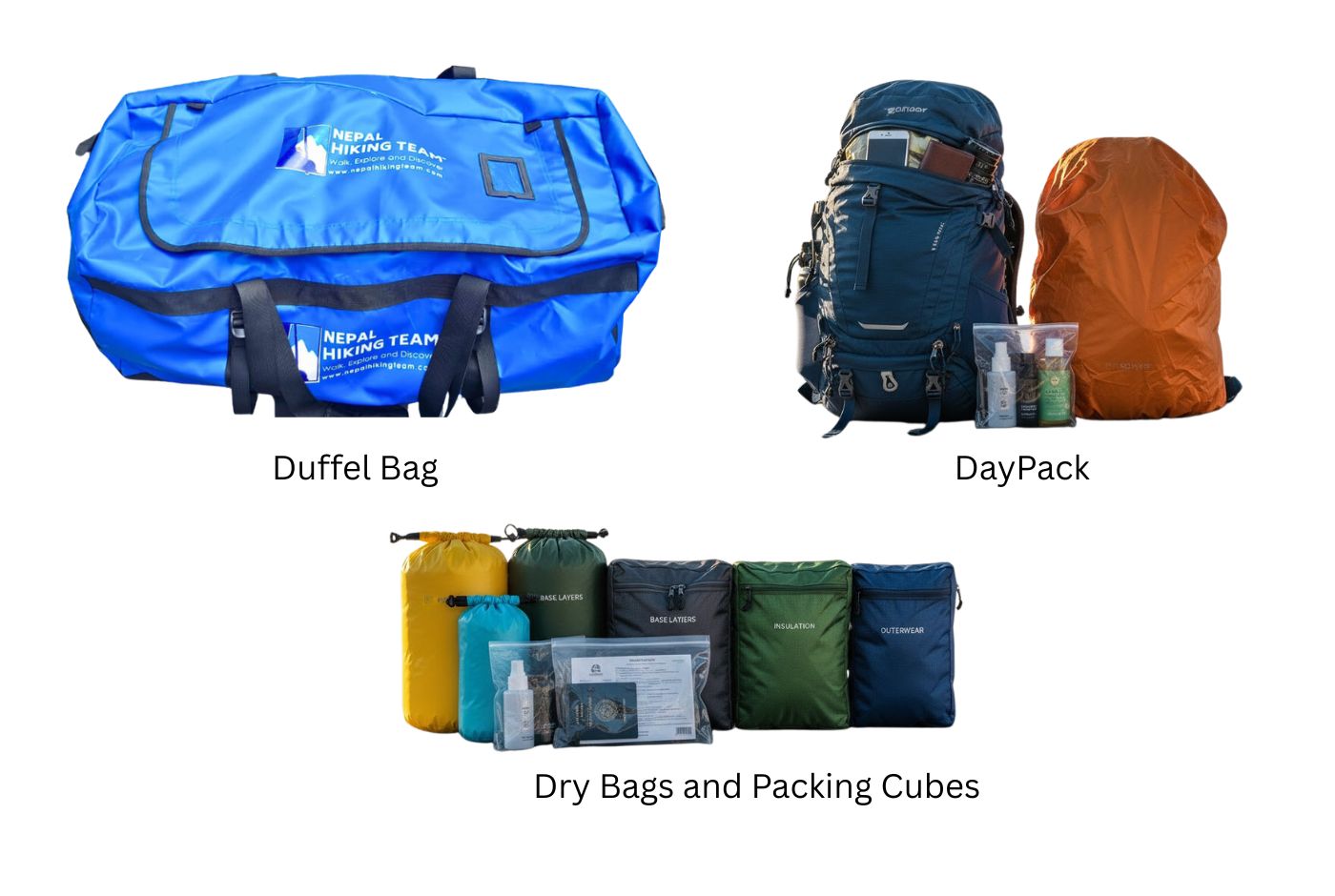
A durable duffel bag holding 12-13 kg (per person) and a daypack (5-7 kg) are ideal for trekkers on the Annapurna Base Camp Trek. You can pack essential items in your daypack and main or heavy clothing in the duffel bag.
Main Duffel Bag
Porters carry your main duffel bag, which contains heavy gear or clothing, throughout the trek. It should have a capacity of 60-80 L to comfortably hold your gear, including a sleeping bag, trekking essentials, and clothing.
In addition, a soft duffel is preferred over a sturdy suitcase because it's easier for porters to carry, store in teahouses, or pack into vehicles. A duffel made from water-resistant, durable materials to protect from rain, snow, or accidental spills.
Daypack
For this journey, a 25-35L daypack is ideal for carrying essentials such as a phone, money, camera, water bottle, and permits. It is also used to carry an extra layer and personal toiletries, helping keep your load manageable.
Travellers should also carry a rain cover for the daypack, as the weather in the Annapurna region can change suddenly. It helps protect your belongings from rain, snow, and dust, keeping them dry and safe.
Dry Bags and Packing Cubes
Dry bags are essential for keeping your permits, clothing, and gear dry during the monsoon or winter trek. It ensures your belongings stay safe and usable throughout.
Likewise, carrying packing cubes helps you stay organized by separating your layers into base, insulation, and outerwear categories. This makes it easier to access your clothes without unpacking your entire bag.
Sleeping Gear for Annapurna Base Camp
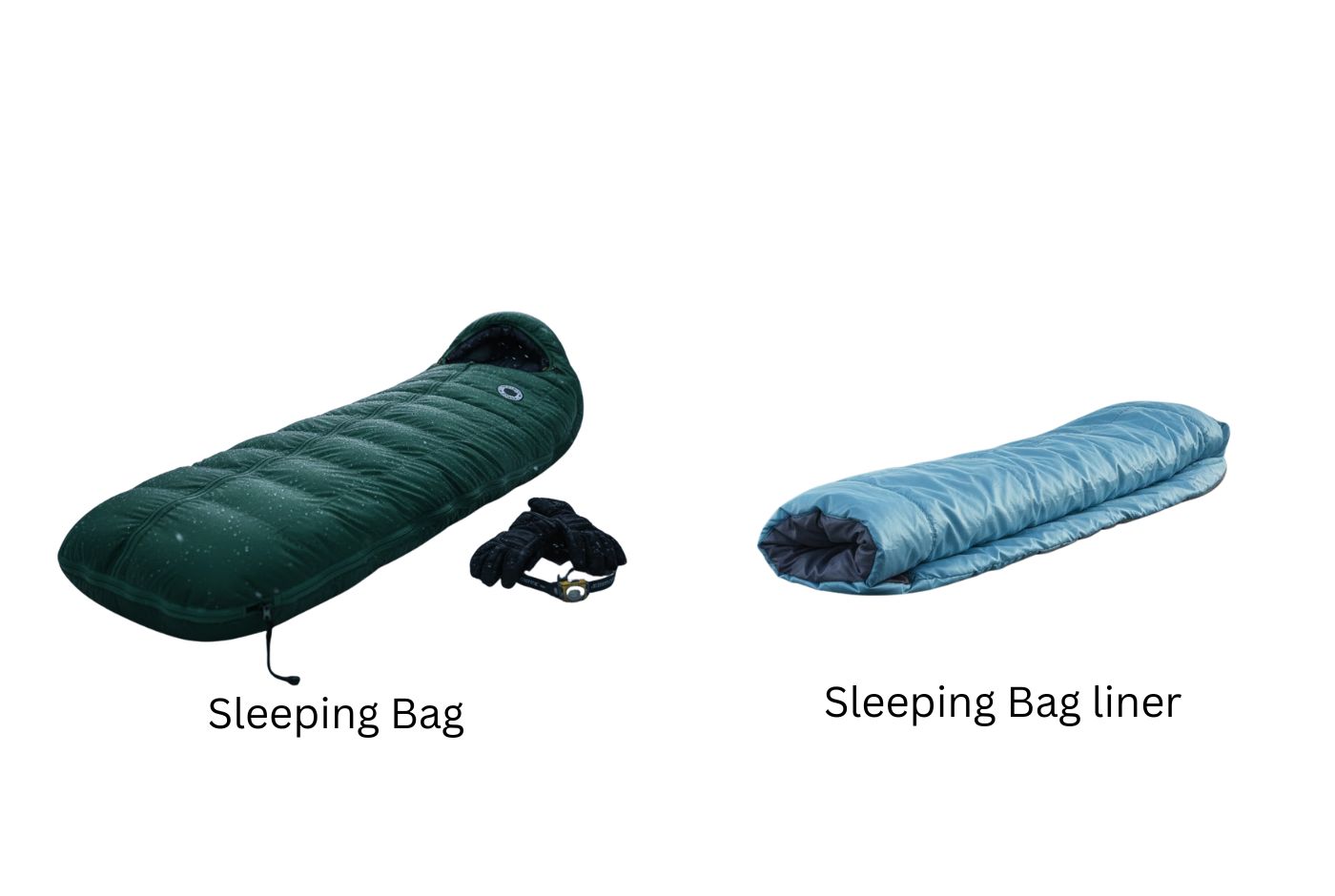
For the Annapurna region, a sleeping bag rated between -10 and -15 degrees (14°F to 5°F) is recommended. It is especially useful in the late autumn and winter when teahouse blankets are insufficient at higher elevations.
Similarly, a sleeping bag liner is optional but helpful during the trek, as it adds extra warmth on colder nights. It also improves hygiene when shared bedding is used. These lightweight, quick-to-pack liners make a significant difference in overall comfort during high-altitude stays.
Health, Hygiene, and First Aid Essentials
During this Himalayan journey, carrying basic health, hygiene, and first aid essentials is crucial. Since medical facilities are limited in remote areas, being prepared helps manage minor injuries and stay healthy throughout the journey.
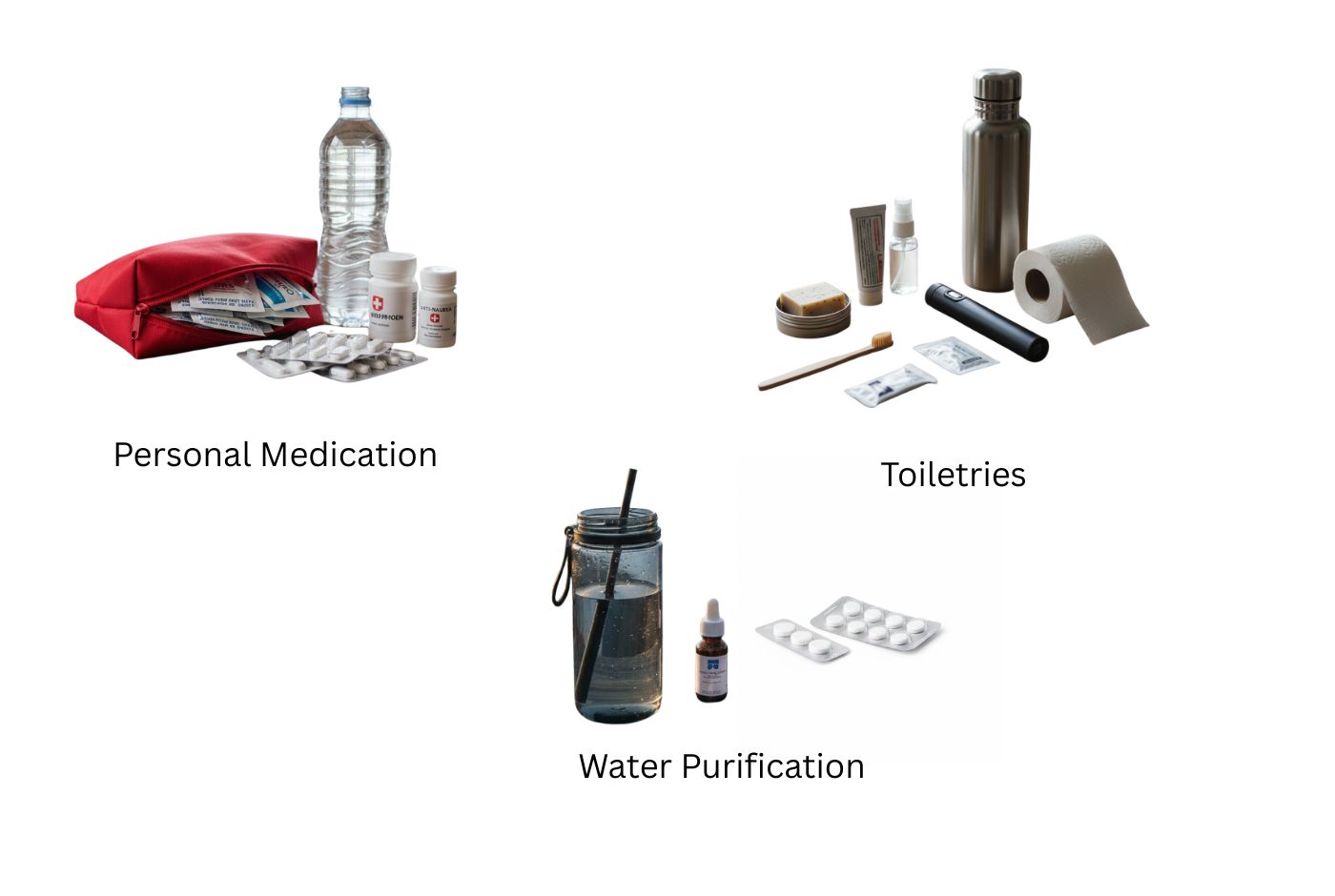
Personal Medication
Travelers should carry their personal medications, along with altitude medication if prescribed by their doctor. Also, you should carry basic pain relief medications for muscle soreness or headaches.
A small blister care kit packed with blister pads, antiseptics, and bandages is also helpful during the trek. At ABC, the highest point exceeds 4,000 m; hence, it is important to be prepared for altitude-related symptoms with proper medical guidance.
Water Purification
Carrying water purification tablets or a filter bottle is highly recommended in this region. Purification tablets let you safely treat tap or natural water along the trail, reducing the risk of waterborne illness.
Trekkers should avoid buying or using bottled water on the trail, as it contributes to environmental waste in the mountain region. Additionally, plastic bottle costs are higher in this region.
Using a filtered bottle also helps you stay hydrated at higher altitudes while being cost-effective and eco-friendly throughout the trek.
Toiletries
In the Annapurna region, packing lightweight and eco-friendly toiletries is ideal. Using biodegradable soap to wash yourself and carrying a toothbrush and toothpaste to maintain daily hygiene are sufficient.
As teahouse facilities are limited and basic, wet wipes are useful in colder regions where showers are unavailable or uncomfortable. Lastly, a quick-dry towel is recommended, as it takes up less space and dries faster in cold mountain air.
Accessories You Should Not Forget
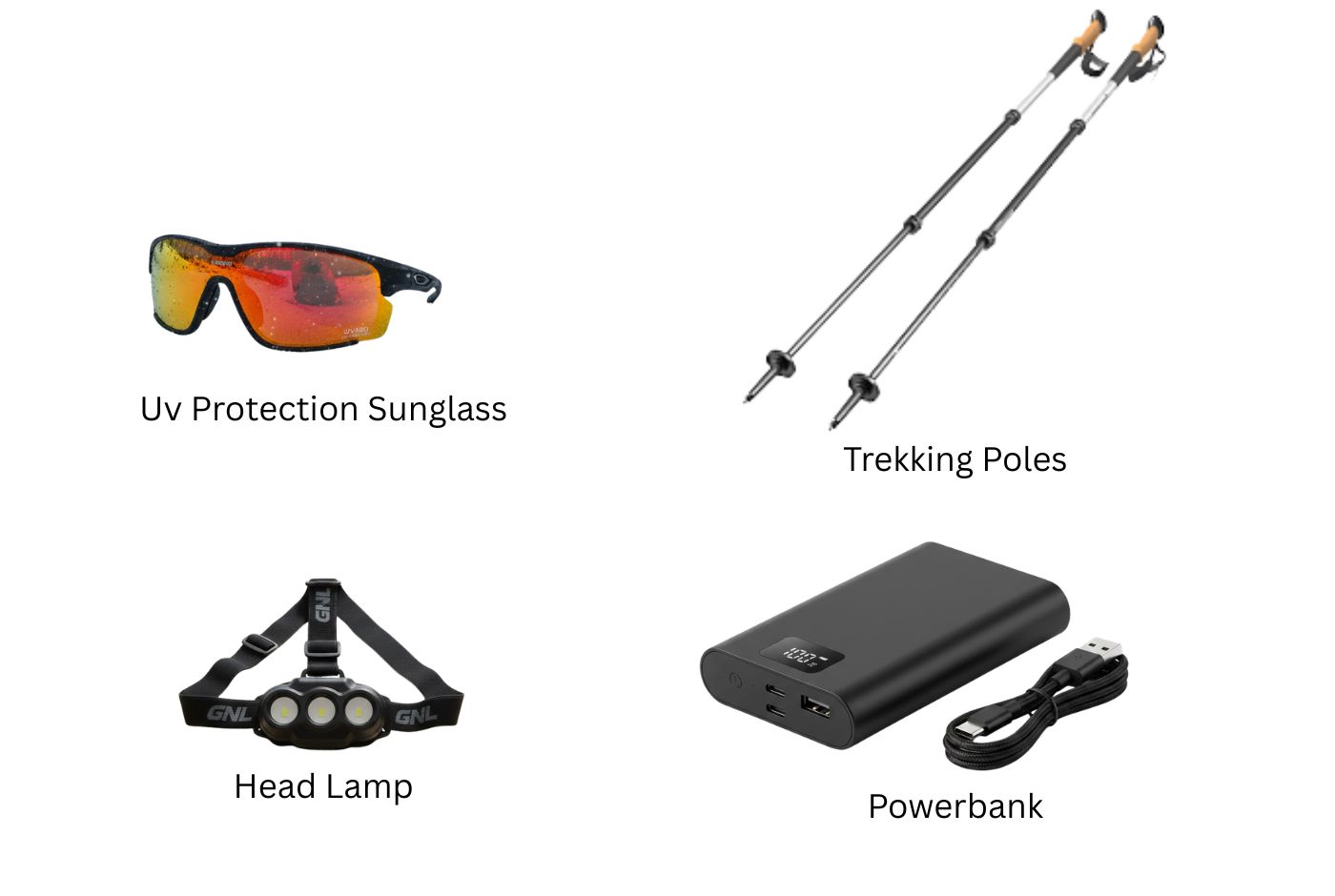
In this mountainous region, carrying small accessories makes a big difference in comfort and safety. You should pack a warm hat for cold mornings and evenings and a sun hat or a cap to protect against strong UV rays.
A neck gaiter or buff provides protection from dust, wind, and sun, while UV-protective sunglasses shield your eyes from intense mountain glare. Also, a sturdy trekking pole reduces strain on your knees, and woollen and insulated gloves keep your hands warm and functional.
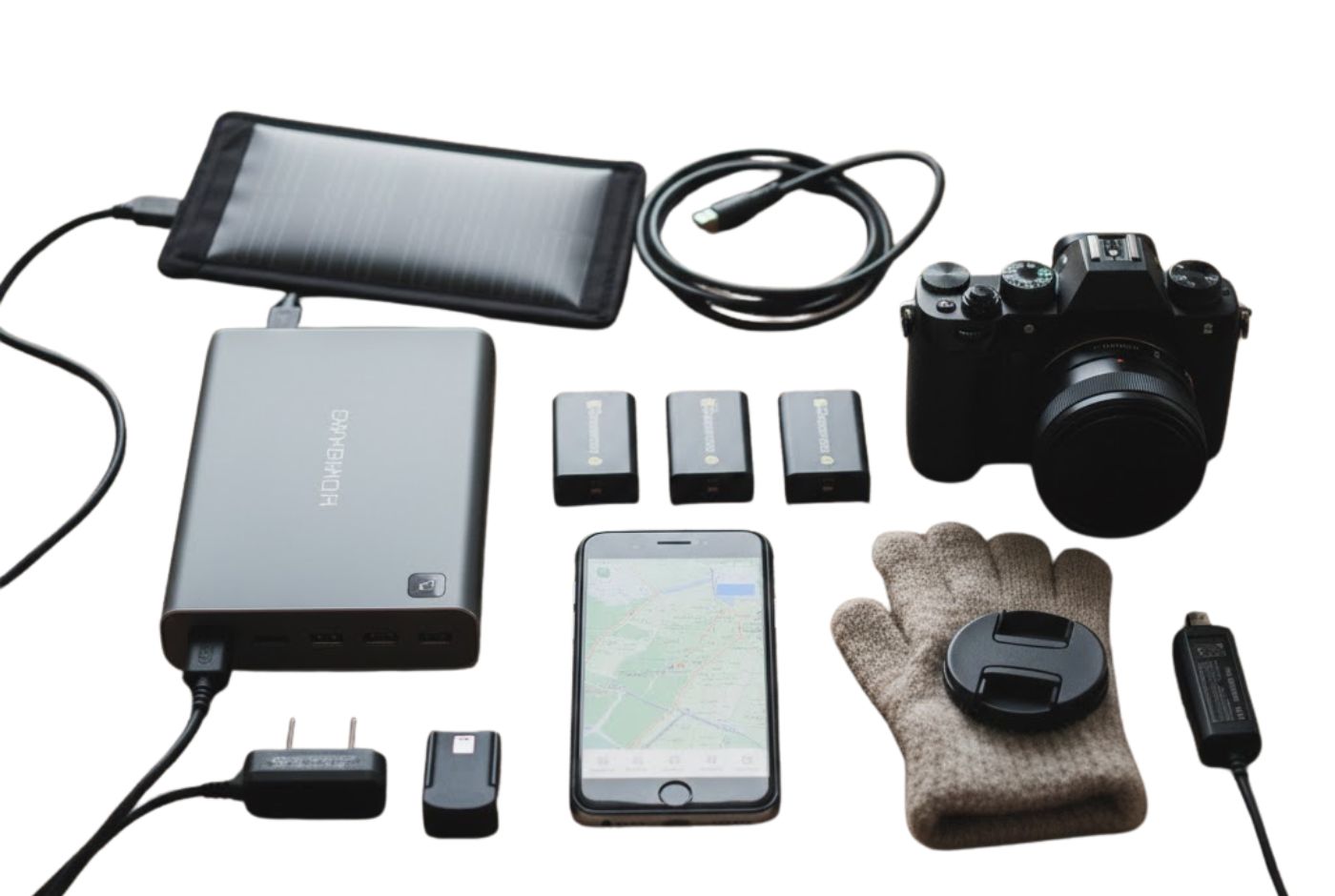
It is important to pack a headlamp with extra batteries for early-morning or evening hikes, or for power outages in teahouses. Further, a reliable power bank ensures your phone and camera stay charged throughout the trek, where electricity is limited.
Electronics and Connectivity
Teahouses and lodges are fully solar-powered due to the remote mountain terrain in the Annapurna region. At higher elevations, most teahouses offer basic charging for a small fee per device. However, solar power is not always reliable, particularly in cloudy conditions or shaded valleys.
It is optimal to carry a reliable power bank as a backup. Similarly, for connectivity, you can purchase a local Nepal SIM card in Kathmandu or Pokhara and use mobile data. Though the network can be weaker at higher altitudes, you can make a phone call in areas with a signal.
Also, trekkers should carry extra camera batteries, as cold temperatures drain them faster, and solar charging is limited. You can also carry an extra memory card for more storage.
Documents and Travel Essentials
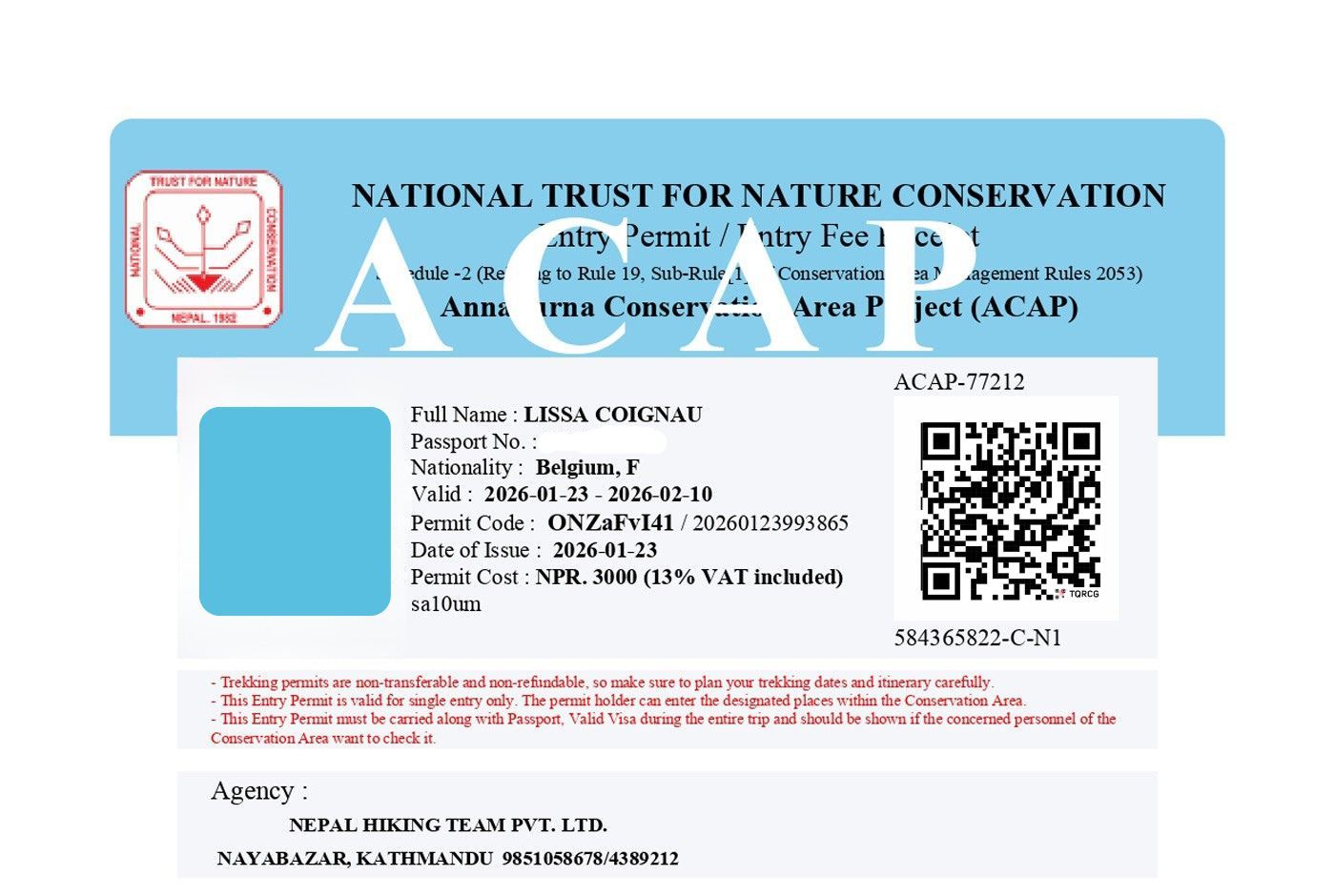
While travelling to the Annapurna region, carry your ACAP permit, a few copies of your passport, and travel insurance. You need these necessary permits and identification documents for emergencies or natural disasters. Also, travel insurance is necessary, as emergency rescue above 4,000 meters is costly. Learn more about Annapurna Trekking Permits in our detailed blog
Keep your documents and permits easily accessible, as multiple checkpoints along the route will check them.
Also, carrying Nepalese Rupees is essential when trekking in the Himalayan region, as local teahouses do not accept card payments or bank transfers.
What Not to Pack for Annapurna Base Camp
Packing heavy expedition gear is not essential, as this is a teahouse trek that does not require mountaineering equipment. While en route to ABC, carrying too many clothes and unnecessary items adds weight. Trekkers should focus on a smart layering method rather than overpacking.
As charging facilities are limited in the upper region, limit electronics to essentials and skip unnecessary gadgets to save space. Also, avoid cotton hoodies and hard-shell suitcases, as they are impractical for the Himalayan trail.
Moreover, overpacking toiletries can create hassle, so pack travel-sized items to keep your baggage manageable.
Renting vs Buying Gear in Kathmandu or Pokhara
Trekkers can buy or rent gear in Kathmandu or Pokhara while preparing for the Annapurna Base Camp Trek. Renting items like sleeping bags and jackets is a budget-friendly way to cut costs.
However, you should inspect key factors like insulation, zippers, and fit before renting anything. On average, it costs $1–3 per item per day to rent major items, depending on the shop and the gear.
Nonetheless, travelers should never rent trekking boots; well-fitted, broken-in boots are essential. Getting comfortable trekking boots helps prevent blisters on long uphill and downhill trails and provides support on uneven paths.
Seasonal Packing Adjustments
Seasonal packing adjustments are important for the ABC trail due to changing weather conditions throughout the year. The key to a smooth trekking experience is smart packing, carrying only essential items to keep the load light.
Spring and Autumn Additions
Adding lightweight sun protection for Annapurna Base Camp Trek during spring and autumn treks on the ABC route is essential. Higher elevations with clear skies mean stronger UV exposure, so wear a cap, a sun hat, and high-SPF sunscreen.
Likewise, breathable and lightweight long-sleeved layers also help protect you from overheating during daytime hikes.
Winter Additions
Packing a proper cold-weather layer for the Annapurna Base Camp Trek in winter is essential. You should carry heavy insulated gloves to protect your hands from freezing temperatures, mainly during late-night and early-morning hikes.
Similarly, include thermal liners for extra warmth under base layers, and carry additional insulation, such as fleece or a thick down jacket. These additions help you stay comfortable and warm during freezing temperatures at higher elevations.
Monsoon Additions
Trekking in the Annapurna region in the monsoon requires extra rain protection due to unpredictable Himalayan weather. You should pack high-quality rain pants, a waterproof jacket, and a backpack cover to stay dry on wet and muddy trails.
Carry quick-dry, moisture-wicking clothing, as frequent rain and humidity can make drying clothes difficult. Choosing fast-drying, lightweight layers helps reduce the risk of chills and maintain comfort in damp conditions.
Essential Packing Checklist Table
Here is a table outlining the essential packing checklist for the Annapurna Base Camp Trek.
| Category | Essential | Optional | Not Needed |
|---|---|---|---|
| Clothing | Base Layer | Extra fleece | Cotton hoodie |
| Footwear | Trek boots | Gaiters (winter) | Casual sneakers |
| Gear | Down jacket | Sleeping liner | Expedition crampons |
| Electronics | Power bank | Solar charger | Laptop |
Quick Annapurna Base Camp Trek Packing Summary
Here is a summary of the ABC Trek packing list:
- 3 base layers
- 2 trekking pants
- 1 down jacket (-10°C rating)
- Waterproof shell
- Sleeping bag (-10 to -15°C)
- 25-35L daypack
- 60-80L duffel bag
- Water purification tablets
Final Expert Tips for Packing Smart for ABC
When packing for the Annapurna Base Camp Trek, go for layering rather than heavy overpacking. Focus on layering, ethical porter weight limits, and preparing for changing mountain weather.
The right gear allows you to enjoy the sanctuary rather than struggle through it. Also, smart packing makes a challenging Himalayan trek unforgettable.
Post a Comment