
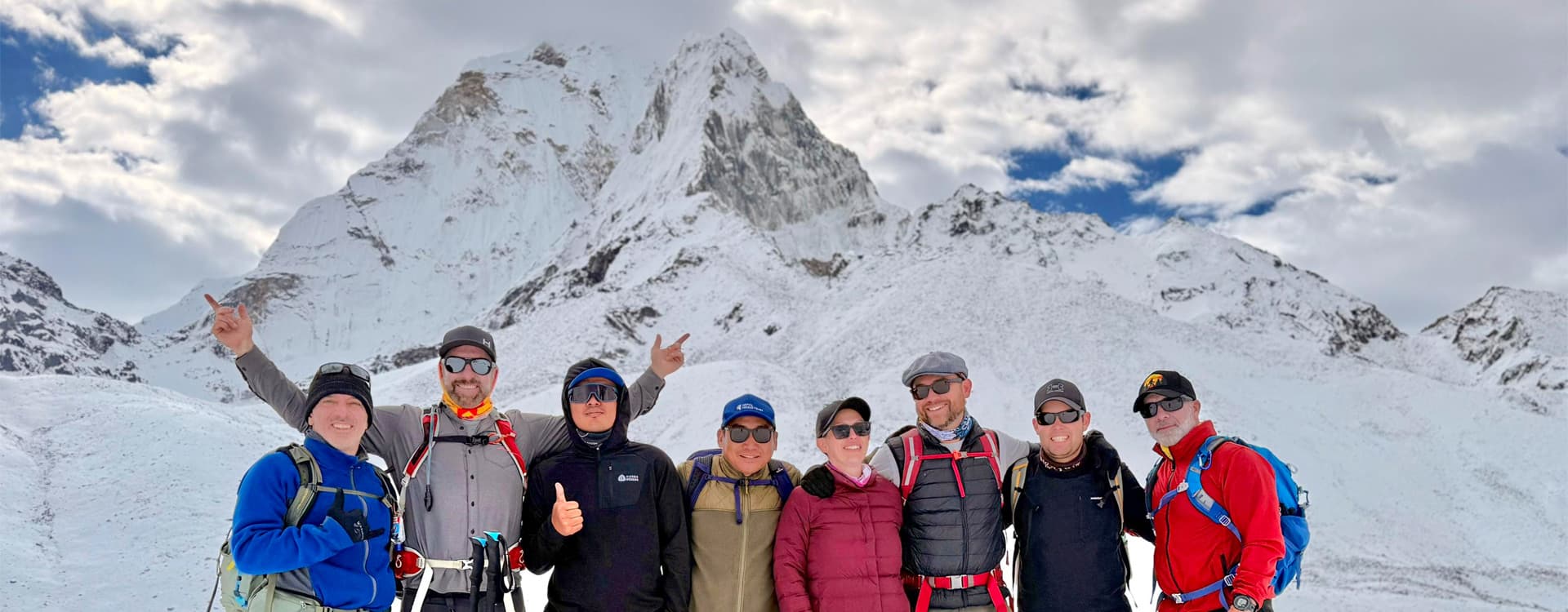
Many trekkers assume the Everest Base Camp trek follows a single fixed trail. In reality, multiple established routes lead to base camp, each offering different acclimatization patterns, crowd levels, and terrain challenges.
This guide breaks down the major Everest Base Camp routes so you can choose the one that fits your fitness level, timeframe, and trekking priorities with confidence.
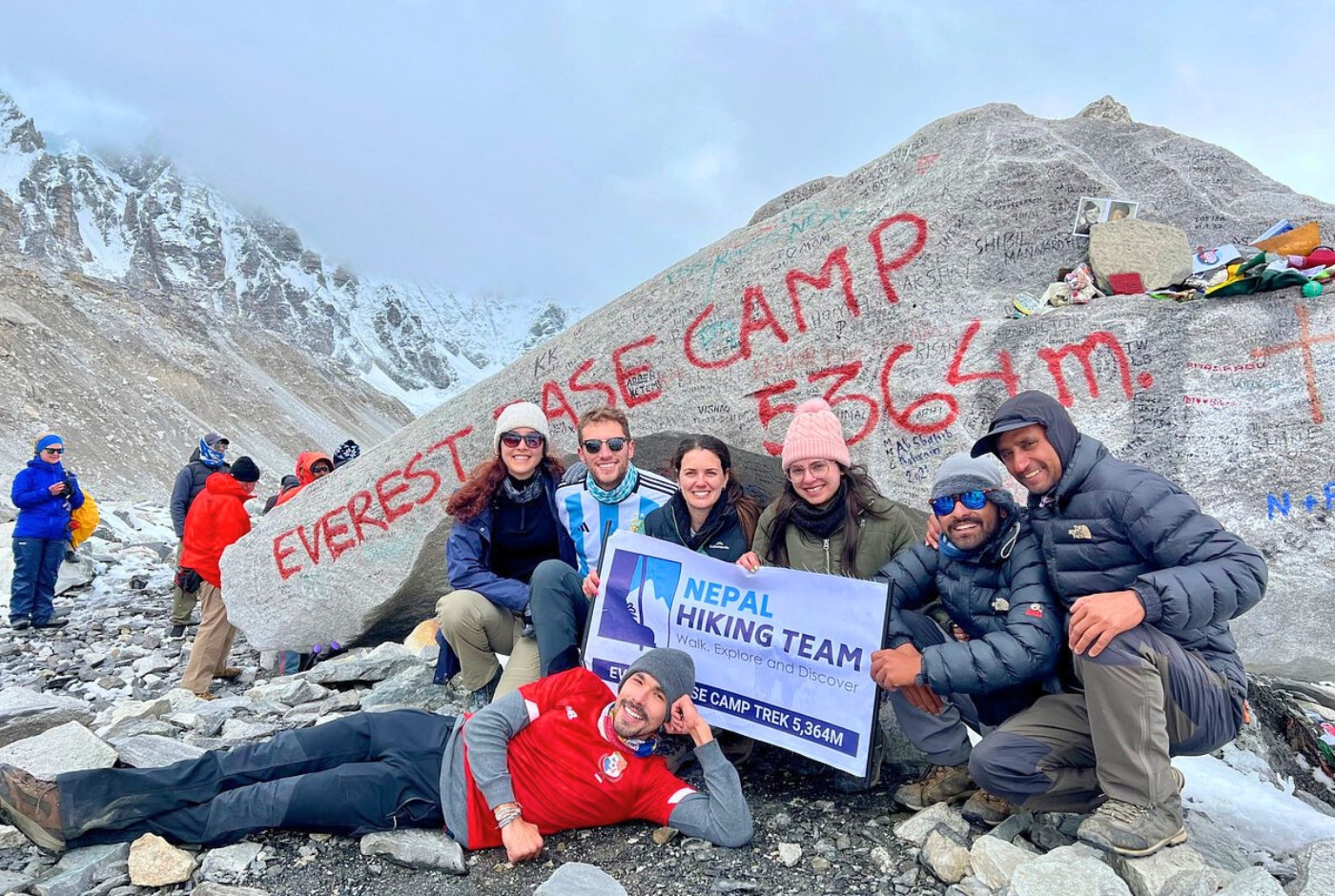
Quick Comparison of Everest Base Camp Trek Route Options
Before exploring each route in detail, the comparison below highlights how the main Everest Base Camp route options differ in difficulty, crowd levels, and time commitment.
| Route | Difficulty | Crowd Level | Extra Days | Best For |
|---|---|---|---|---|
| Classic via Lukla | Moderate | High | None | First-time trekkers |
| Gokyo + Cho La | Challenging | Medium | +2–3 | Scenic, experienced trekkers |
| Gokyo + Renjo La | Moderate to Challenging | Low | +2–3 | Quiet trails, culture |
| Three High Passes | Very Challenging | Low | +4–6 | Full Everest exploration |
Before diving into route comparisons, explore the broader context of trekking in the Everest region, which includes options beyond the classic base camp trail.
Classic Everest Base Camp Route via Lukla
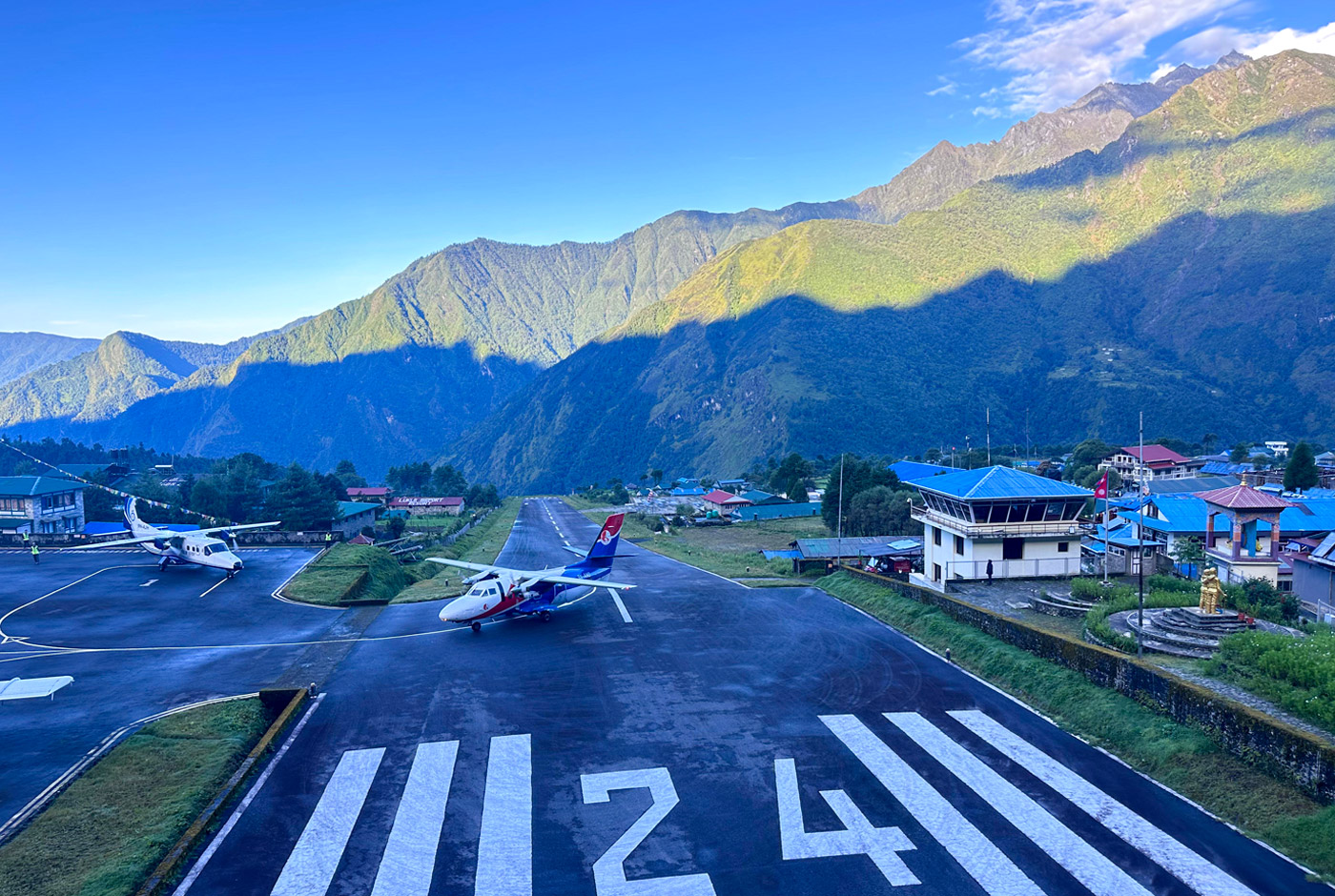
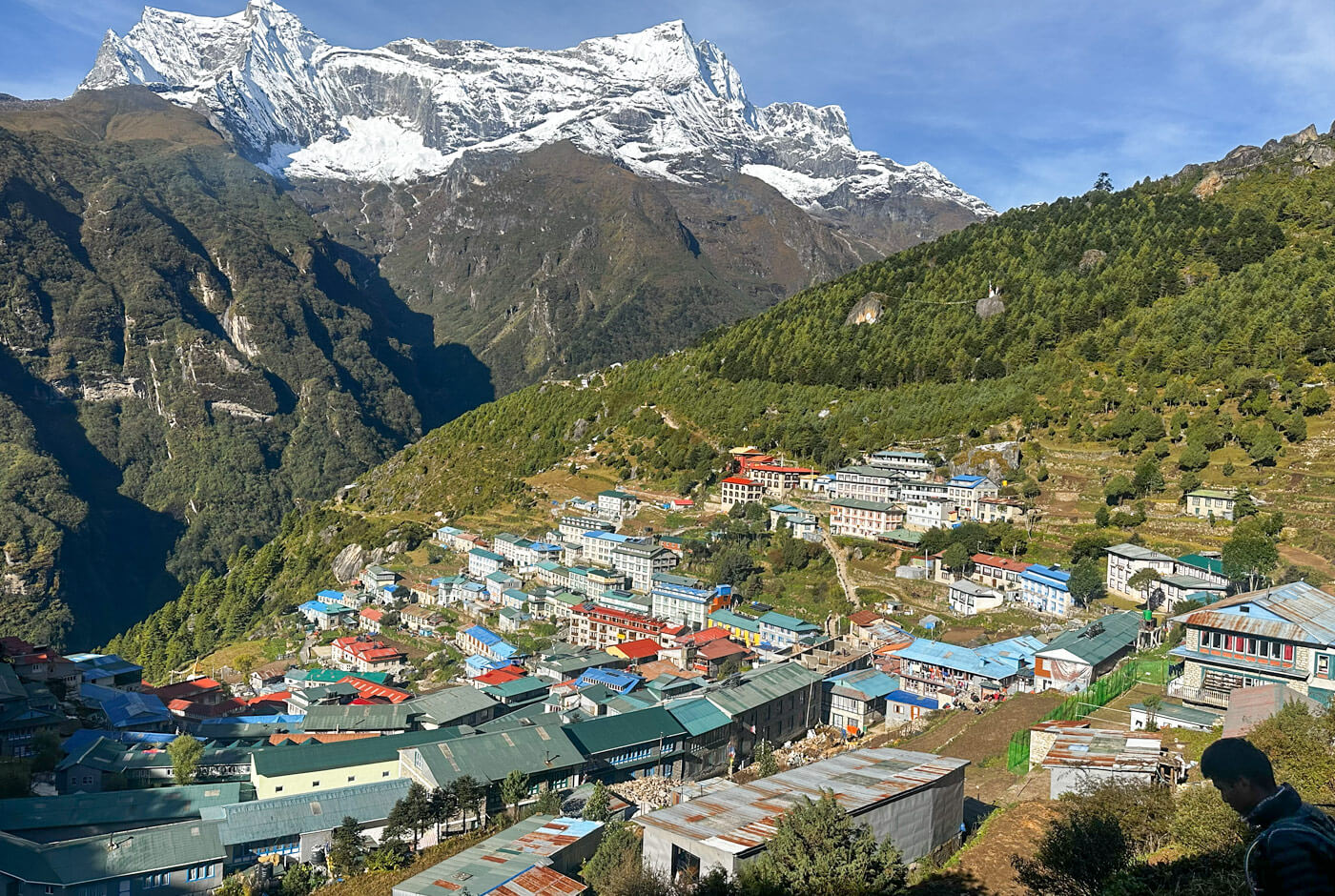
The classic Everest Base Camp route starts with a flight to Lukla and follows the main Khumbu Valley through Namche Bazaar before reaching Everest Base Camp. It is the most established and direct route, known for gradual ascent, strong infrastructure, and reliable acclimatization.
Who Should Choose the Classic Everest Base Camp Route via Lukla?
This route is ideal for trekkers who value safety, structure, and steady acclimatization.
- First-time high-altitude trekkers with no prior Himalayan experience
- Trekkers with moderate fitness who prefer manageable daily walking hours
- Group trekkers needing predictable pacing and logistics
- Those prioritizing medical access, teahouse availability, and evacuation support
Main Drawbacks of the Classic EBC Route via Lukla
Consider these factors if you prefer solitude or alternative landscapes.
- High crowd levels during peak seasons from March to May and September to November
- Busy villages and popular viewpoints, especially in April and October
- Limited variation once inside the main Khumbu corridor
- Less exposure to remote valleys compared to Gokyo or high-pass routes
Route Details and Trail Characteristics
The classic Everest Base Camp route is considered one of the best route options in the Everest region because it offers the most balanced combination of safety, acclimatization, and scenery. Unlike alternative routes that include high mountain passes or remote valleys, this route follows a gradual ascent profile with established acclimatization days at Namche Bazaar and Dingboche, making it suitable for a wider range of trekkers.
It also benefits from the strongest teahouse infrastructure, medical facilities, and evacuation access in the region.
Another defining advantage is the continuity of iconic mountain views: Everest, Lhotse, Nuptse, and Ama Dablam are visible across multiple trekking days, rather than from limited viewpoints, setting it apart from other Everest trekking routes.
For a visual understanding of the trail layout and key waypoints, visit to our detailed Everest Base Camp trek route map, which illustrates elevation changes and village locations.
Everest Base Camp Route via Gokyo Lakes and Cho La Pass
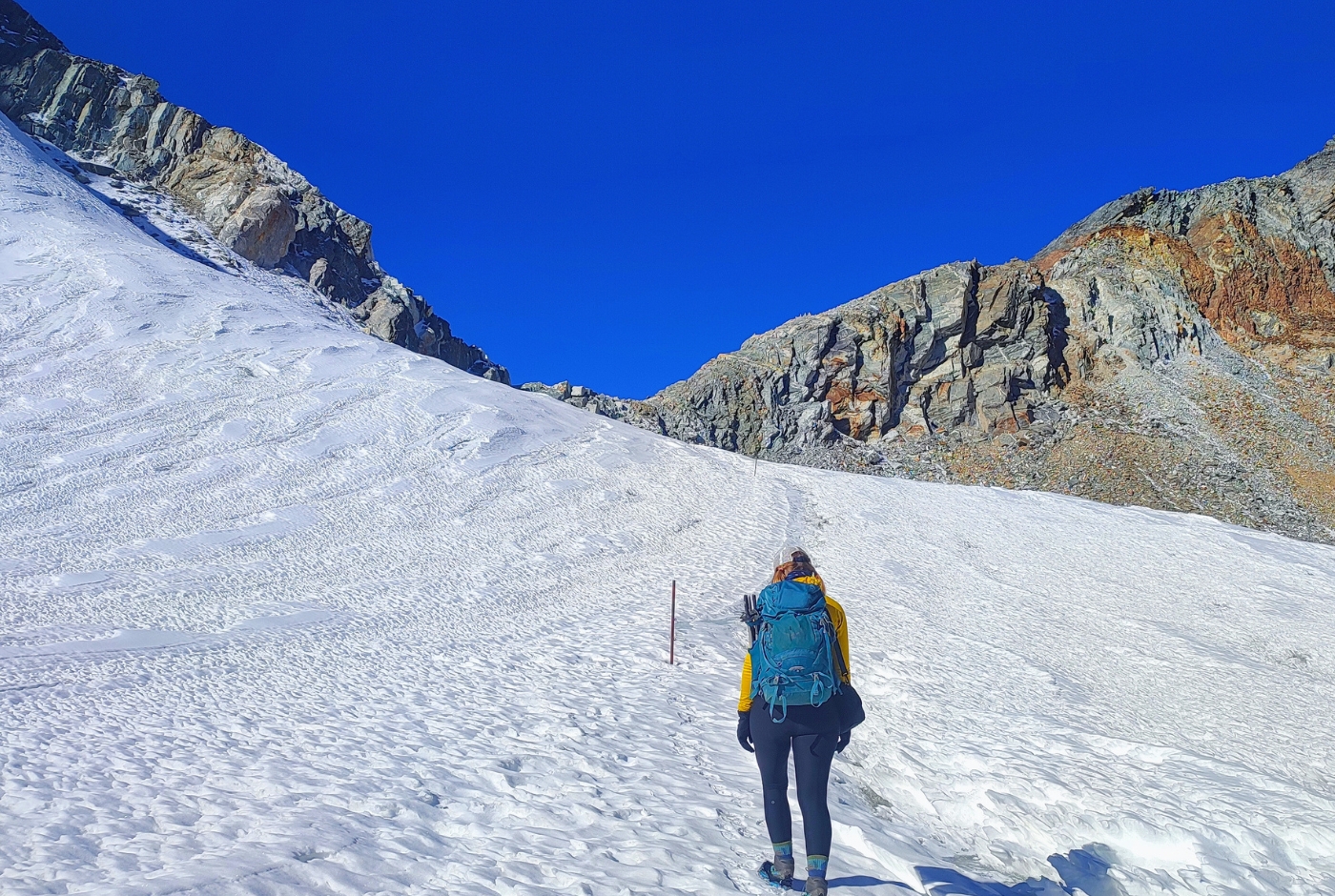
The Everest Base Camp route via Gokyo Lakes and Cho La Pass is one of the best alternative route options for trekkers seeking broader scenery and fewer crowds than the classic trail.
Instead of continuing directly toward Dingboche after Namche Bazaar, the route diverts into the quieter Gokyo Valley before crossing Cho La Pass at 5,420 meters and rejoining the main Everest Base Camp trail near Lobuche.
Who Should Choose the Everest Base Camp Route via Gokyo Lakes and Cho La Pass?
This route is ideal for trekkers who want added challenge, variety, and reduced trail congestion.
- Trekkers with prior high-altitude trekking experience
- Fit hikers are comfortable with longer walking days above 4,500 meters
- Those seeking alpine lakes, glaciers, and wider valley scenery
- Trekkers who prefer quieter trails for much of the journey
Main Drawbacks of the Gokyo Lakes and Cho La Pass Route
Consider these factors if you prefer easier terrain or shorter itineraries.
- Steep ascent and descent at Cho La Pass with potential snow or ice
- Greater weather dependency, especially in early spring and late autumn
- Longer and more demanding trekking days compared to the classic route
- Requires two to three additional days beyond the standard itinerary
Route Details and Trail Characteristics
What makes the Gokyo Lakes and Cho La Pass route one of the best options for the Everest Base Camp trek is the diversity of landscapes it covers in a single trek.
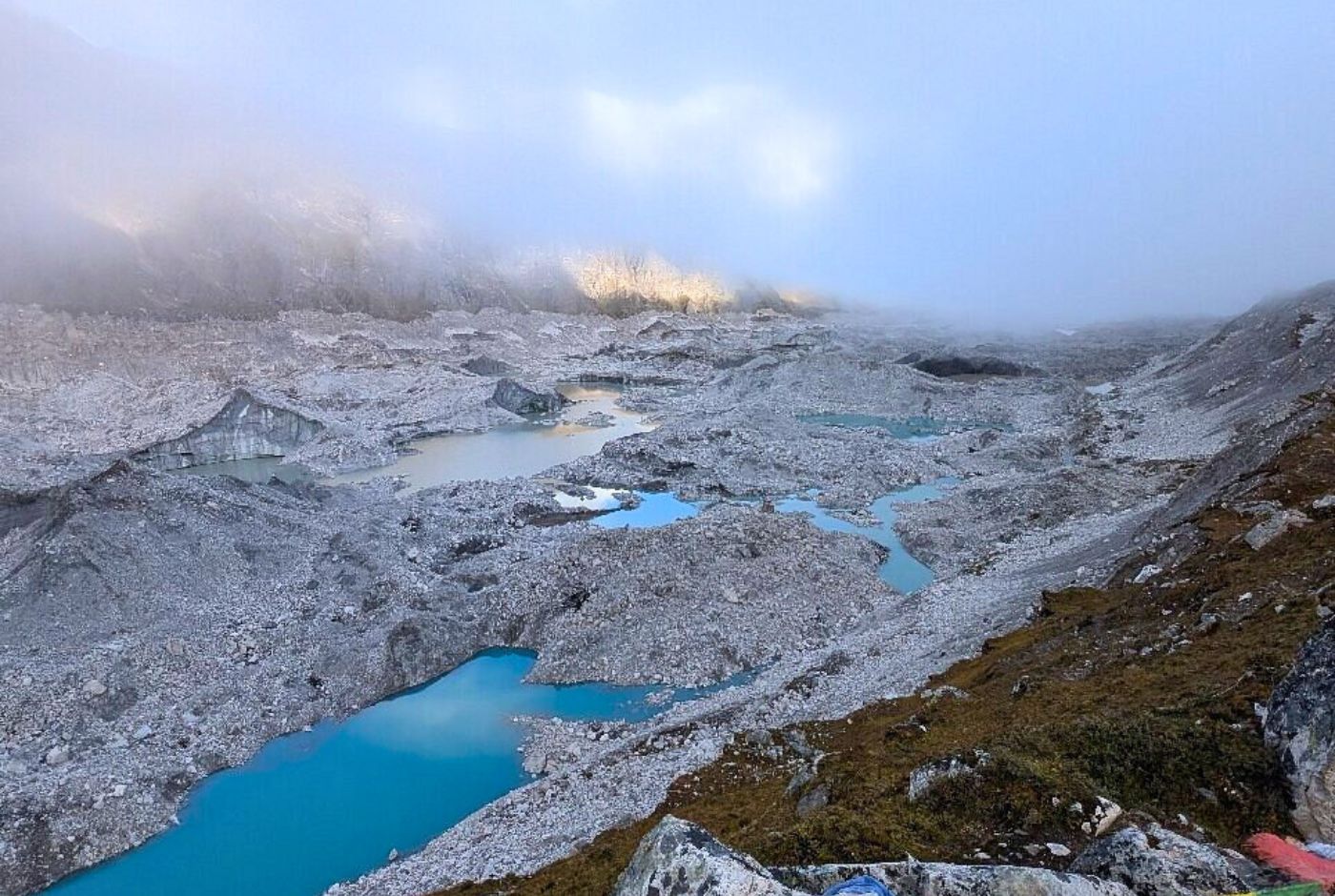
Unlike the classic route, it introduces wide glacial valleys, the turquoise Gokyo Lakes above 4,700 meters, and views of the Ngozumpa Glacier, the largest glacier in the Himalaya.
The crossing of Cho La Pass adds a high-altitude challenge not found on the classic EBC route, while still maintaining access to teahouses and established infrastructure.
This combination of scenic variety, reduced crowds, and alpine terrain sets it apart from other Everest trekking routes.
Everest Base Camp Route via Gokyo Lakes and Renjo La Pass
The Everest Base Camp route via Gokyo Lakes and Renjo La Pass is one of the best route options for trekkers seeking dramatic scenery, fewer crowds, and a less technical alternative to Cho La Pass.
This route approaches the Gokyo Valley through the quieter Thame Valley and crosses Renjo La Pass at approximately 5,360 meters before joining the main Everest Base Camp trail.
Who Should Choose the Everest Base Camp Route via Gokyo Lakes and Renjo La Pass?
This route is ideal for trekkers who want scenic variety without technical difficulty.
- Fit trekkers with basic high-altitude trekking experience
- Those who prefer gradual ascents over steep or icy pass crossings
- Trekkers seeking fewer crowds and quieter daily walking conditions
- Travelers interested in Sherpa culture and traditional mountain villages
Main Drawbacks of the Gokyo Lakes and Renjo La Pass Route
Consider these factors if you prefer shorter or more direct itineraries.
- Longer overall duration compared to the classic EBC route
- Long ascent day to Renjo La Pass, requiring good endurance
- Fewer lodge options in some sections of the Thame Valley
- Weather at the pass can affect visibility on summit day
Route Details and Trail Characteristics
What makes the Gokyo Lakes and Renjo La Pass route stand out among Everest Base Camp route options is its balance of scenery, solitude, and accessibility. Unlike the Cho La route, Renjo La features a long but steady climb with no glacier crossings or technical terrain, making it safer under stable conditions.
The route passes through traditional Sherpa villages such as Thame and Lungden before reaching the Gokyo Lakes, offering a stronger cultural dimension than the central Khumbu corridor.
From the top of Renjo La, trekkers gain one of the most expansive viewpoints in the region, overlooking the Gokyo Lakes alongside Everest, Lhotse, and Makalu in a single panorama.
Everest Base Camp Route via the Three High Passes
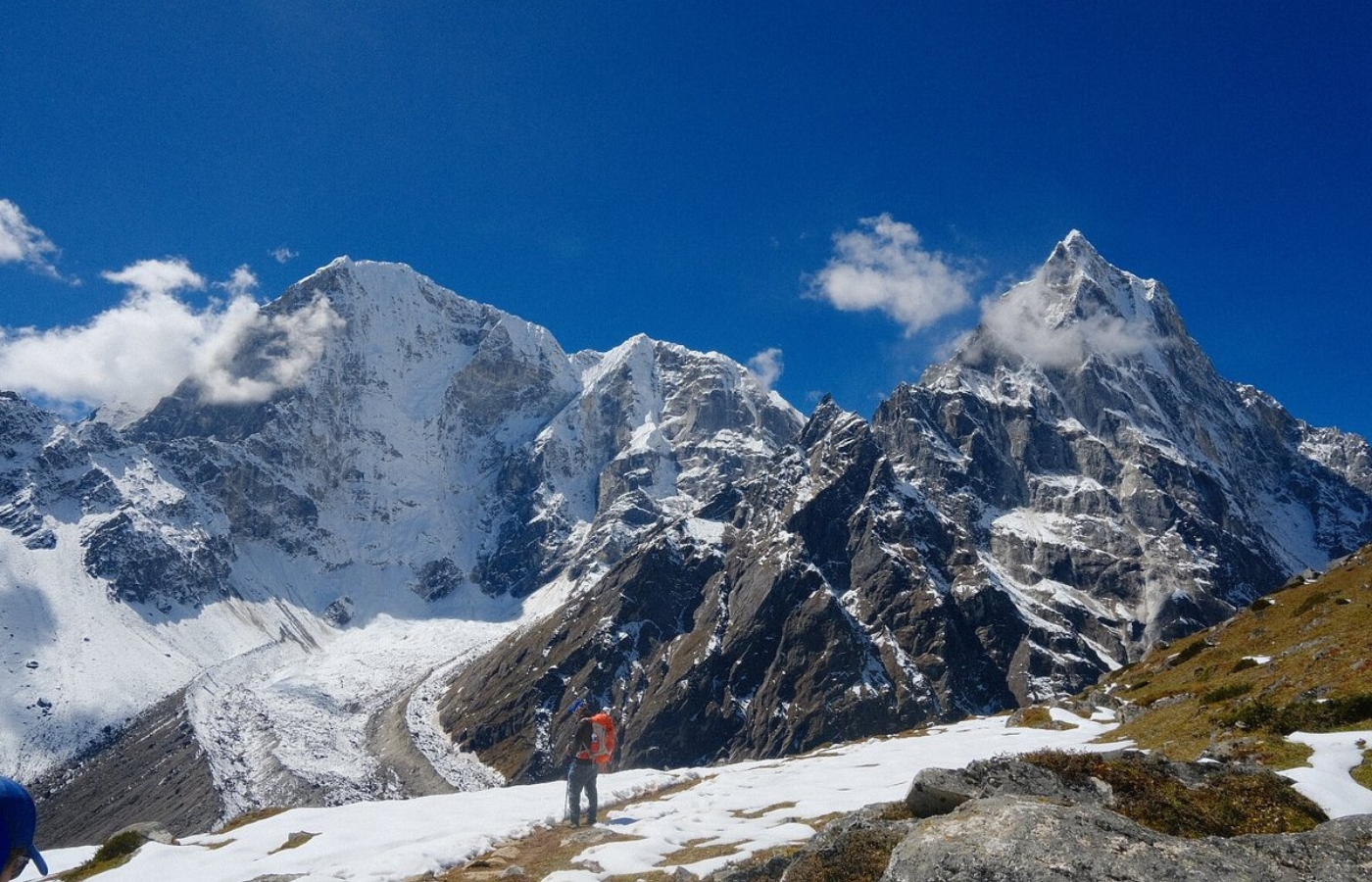
The Everest Base Camp route via the Three High Passes is the most demanding and comprehensive trekking option in the Everest region, designed for trekkers seeking full regional exploration rather than a direct approach to base camp. This circuit crosses Kongma La, Cho La, and Renjo La, linking multiple valleys into a continuous high-altitude journey.
Who Should Choose the Everest Base Camp Route via the Three High Passes?
This route is best suited for trekkers with extensive experience and confidence at high elevations.
- Experienced trekkers with prior exposure above 5,000 meters
- Highly fit hikers are comfortable with long, demanding trekking days
- Trekkers seeking minimal crowds and remote trail sections
- Those wanting a complete circuit rather than an out-and-back trek
Main Drawbacks of the Three High Passes Route
Consider these factors if you prefer comfort, shorter duration, or lower risk.
- Physically demanding with sustained elevation changes
- High weather dependency at multiple pass crossings
- Requires careful acclimatization and flexible scheduling
- Longer itinerary compared to all other EBC route options
Route Details and Trail Characteristics
What makes the Three High Passes route one of the best Everest Base Camp trekking options for advanced hikers is the scale and diversity of its terrain.
Unlike routes that focus on a single valley or pass, this circuit combines glacial basins, remote alpine valleys, and three major high passes into a single continuous trek.
Trekkers experience both the classic Everest Base Camp trail and quieter regions such as the Gokyo and Thame valleys, with significantly fewer crowds beyond the main corridor.
The route demands endurance, adaptability, and sound acclimatization planning, but rewards trekkers with the most complete and varied trekking experience available in the Everest region.
How Your Experience Level Should Guide Route Selection
Your previous trekking experience plays a major role in choosing the right route to Everest Base Camp.
Best Route for First-Time High-Altitude Trekkers
For trekkers new to high-altitude hiking, the classic Everest Base Camp route via Lukla remains the most suitable option. The trail gains elevation gradually, with planned acclimatization days that allow the body to adapt naturally. Walking distances are manageable, and the path is well defined throughout the journey.
This route also provides the strongest safety support. Teahouses, medical clinics, and evacuation access are readily available, which reduces logistical stress for first-time trekkers. Consistent trail conditions help beginners focus on pacing, breathing, and altitude awareness rather than on navigation or technical challenges.
First-time trekkers should read our detailed analysis on whether beginners can do the Everest Base Camp trek to understand preparation requirements and realistic expectations.
Best Route for Experienced Trekkers
Trekkers with prior high-altitude or multi-day trekking experience can consider routes that include high passes or extended valleys. Options such as the Gokyo Lakes route with Cho La or Renjo La add physical challenge, longer days, and more varied terrain.
Experienced trekkers are better equipped to handle steeper ascents, changing weather conditions, and longer trekking days above 4,500 meters. These routes reward that experience with broader scenery, fewer crowds, and a stronger sense of exploration beyond the standard trail.
Matching your route to your experience level helps reduce altitude risk while ensuring the trek remains challenging in a positive, controlled way.
Choosing a Route Based on Time Availability
The number of days you can commit to trekking is one of the most practical factors when choosing an Everest Base Camp route. While all routes lead into the same region, time constraints often determine how much acclimatization, exploration, and flexibility you can include.
Shorter Itineraries (12–14 Days)
Shorter Everest Base Camp itineraries focus on reaching base camp efficiently, usually following the classic Lukla route. These options reduce rest days and limit side trips, which can increase physical strain and altitude pressure.
Such itineraries are better suited for trekkers with strong fitness levels and limited vacation time. However, reduced acclimatization increases the importance of careful pacing and favorable weather conditions. Short routes leave little room for delays from flights, weather, or health issues.
Balanced Itineraries (15–18 Days)
A 15- to 18-day itinerary offers the best balance for most trekkers. This timeframe allows sufficient acclimatization days at key points such as Namche Bazaar and Dingboche while maintaining a comfortable daily walking rhythm.
Understanding the total distance of the Everest Base Camp trek helps you plan daily walking hours and rest days more effectively across any route variation.
Balanced itineraries also allow scenic extensions, such as Gokyo Valley or a single high pass, without rushing. This approach reduces altitude risk and improves overall trekking comfort, especially for those new to long Himalayan treks.
Extended Itineraries (18–21+ Days)
Longer itineraries open up more immersive routes, such as the Three High Passes or extended Gokyo circuits. These routes prioritize exploration over speed and allow flexibility for weather, rest, and photography.
Extended routes are ideal for experienced trekkers who want a deeper experience of the Everest region rather than a single destination. Additional days improve safety margins and allow trekkers to enjoy high-altitude landscapes without constant time pressure.
Route Selection Based on Scenery and Highlights
Scenery is often a deciding factor when choosing an Everest Base Camp route. While all routes offer mountain views, each emphasizes different landscapes, viewpoints, and natural features across the Everest region.
Best Route for Mountain Views
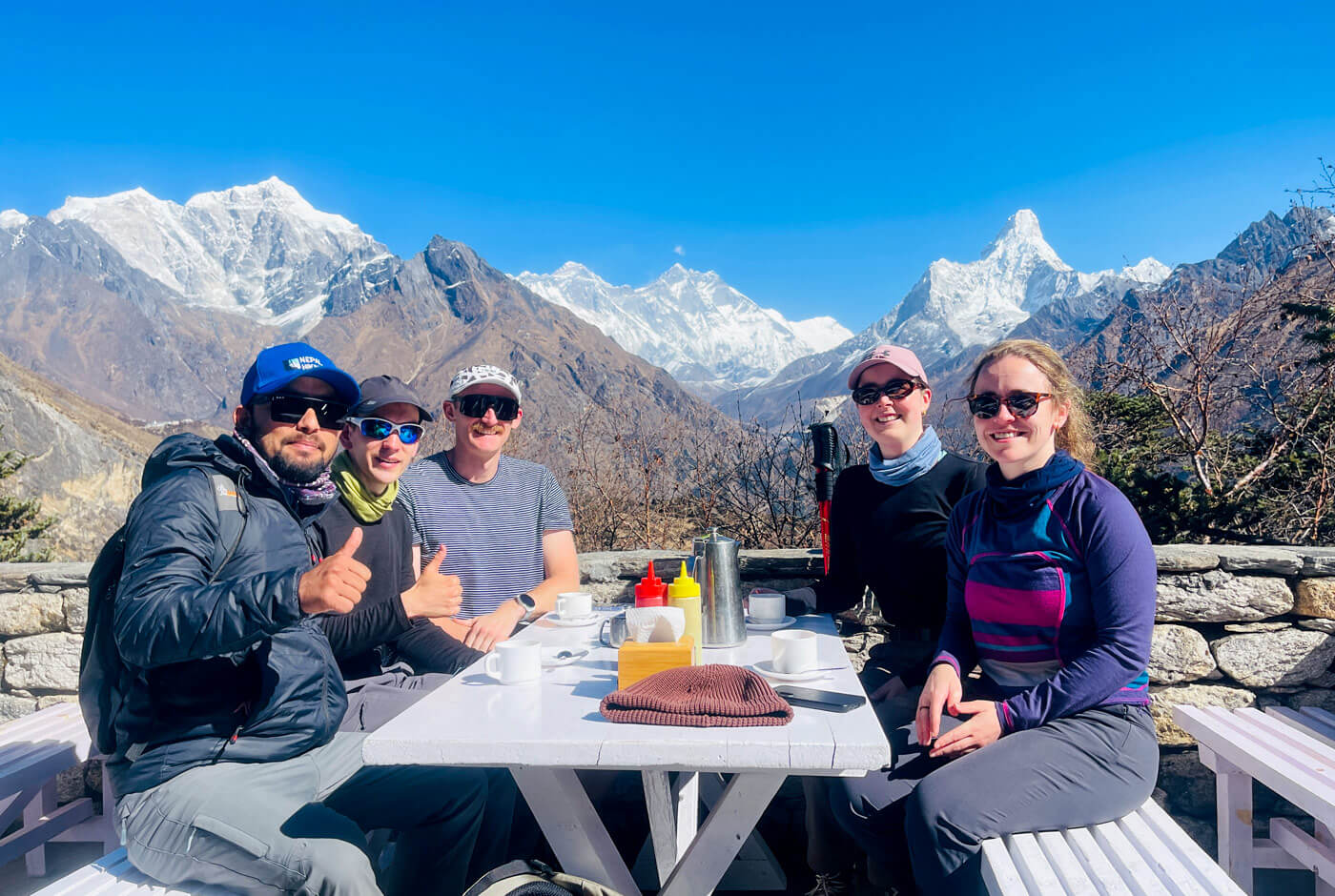
The classic Everest Base Camp route provides continuous mountain scenery throughout the trek. From Namche Bazaar onward, trekkers see close-up views of Everest, Lhotse, Ama Dablam, and Nuptse almost daily. Viewpoints such as the Everest View Hotel area and Kala Patthar deliver some of the most recognizable Himalayan panoramas.
This route is ideal for trekkers who want consistent, iconic mountain views without adding technical difficulty or extended trekking days.
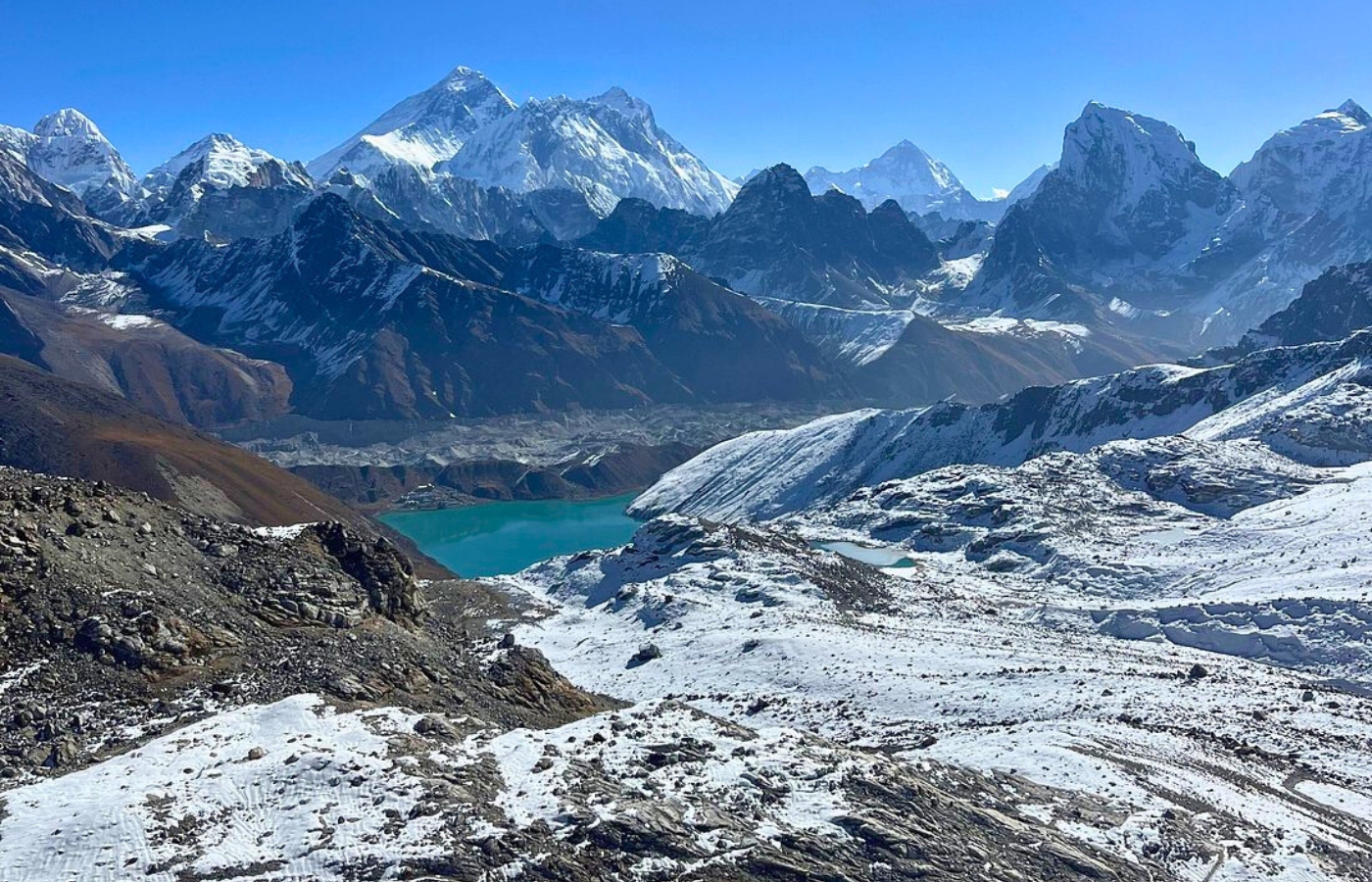
Best Route for Lakes and Glaciers
Routes that pass through the Gokyo Valley offer a different visual experience. The chain of Gokyo Lakes, set against the Ngozumpa Glacier, creates a striking contrast of color and scale. Views from Gokyo Ri extend across multiple eight-thousand-meter peaks in a single sweep.
Trekkers who value glacial landscapes, alpine lakes, and wide open valleys often prefer the Gokyo routes over the standard base camp trail.
Best Route for Cultural Experience
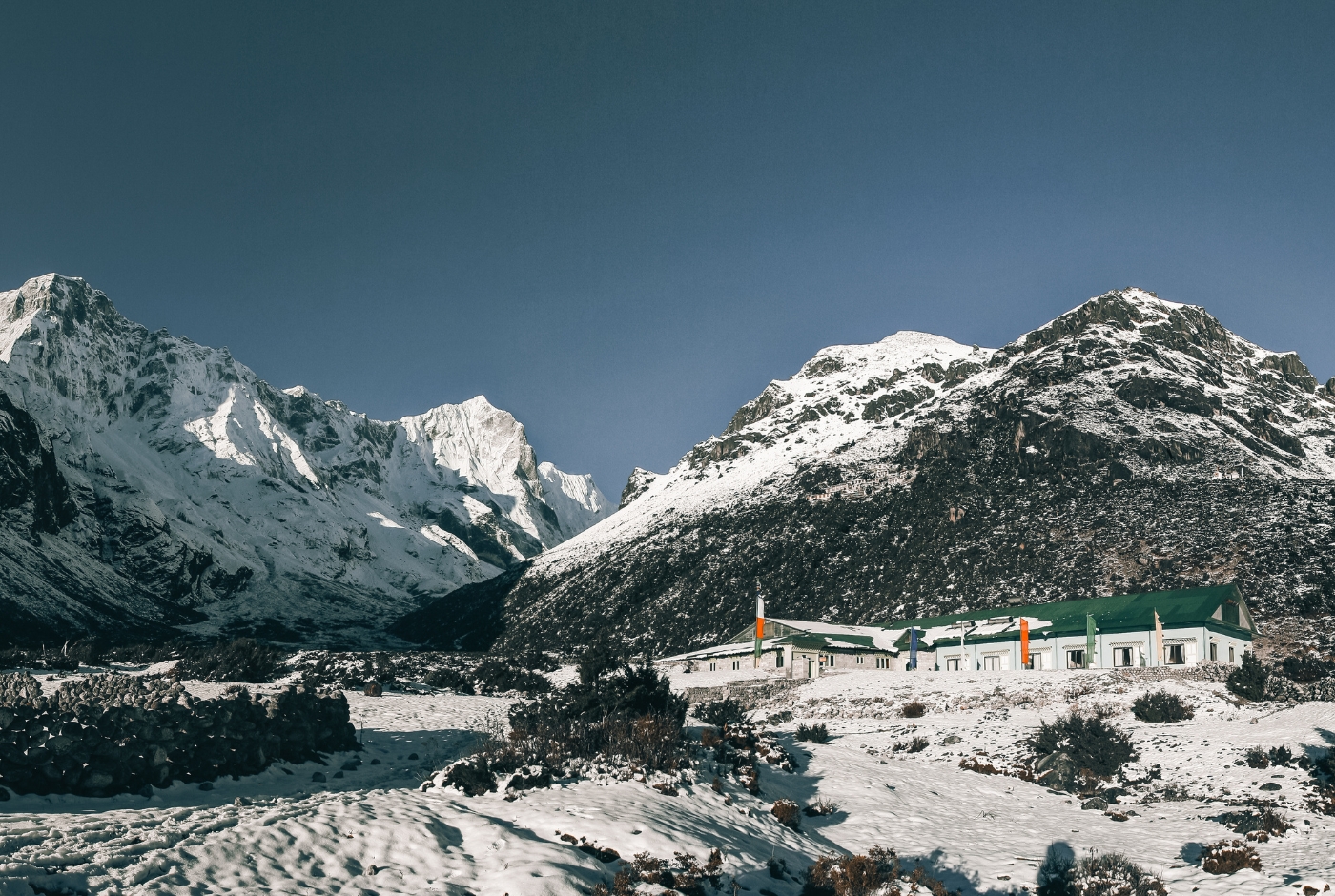
Routes that pass through the Thame Valley and Renjo La region highlight traditional Sherpa villages and monasteries that feel quieter and less influenced by trekking traffic. Settlements such as Thame retain a slower pace of life, offering deeper insight into local culture.
These routes are well-suited for trekkers interested in village life, religious sites, and a stronger sense of place beyond the main trekking corridor.
Crowds, Seasons, and Route Choice
Crowd levels on the Everest Base Camp trek vary significantly by season and route. Understanding how timing affects trail traffic can help you select a route that matches your comfort level and expectations.
Best Routes During Peak Seasons
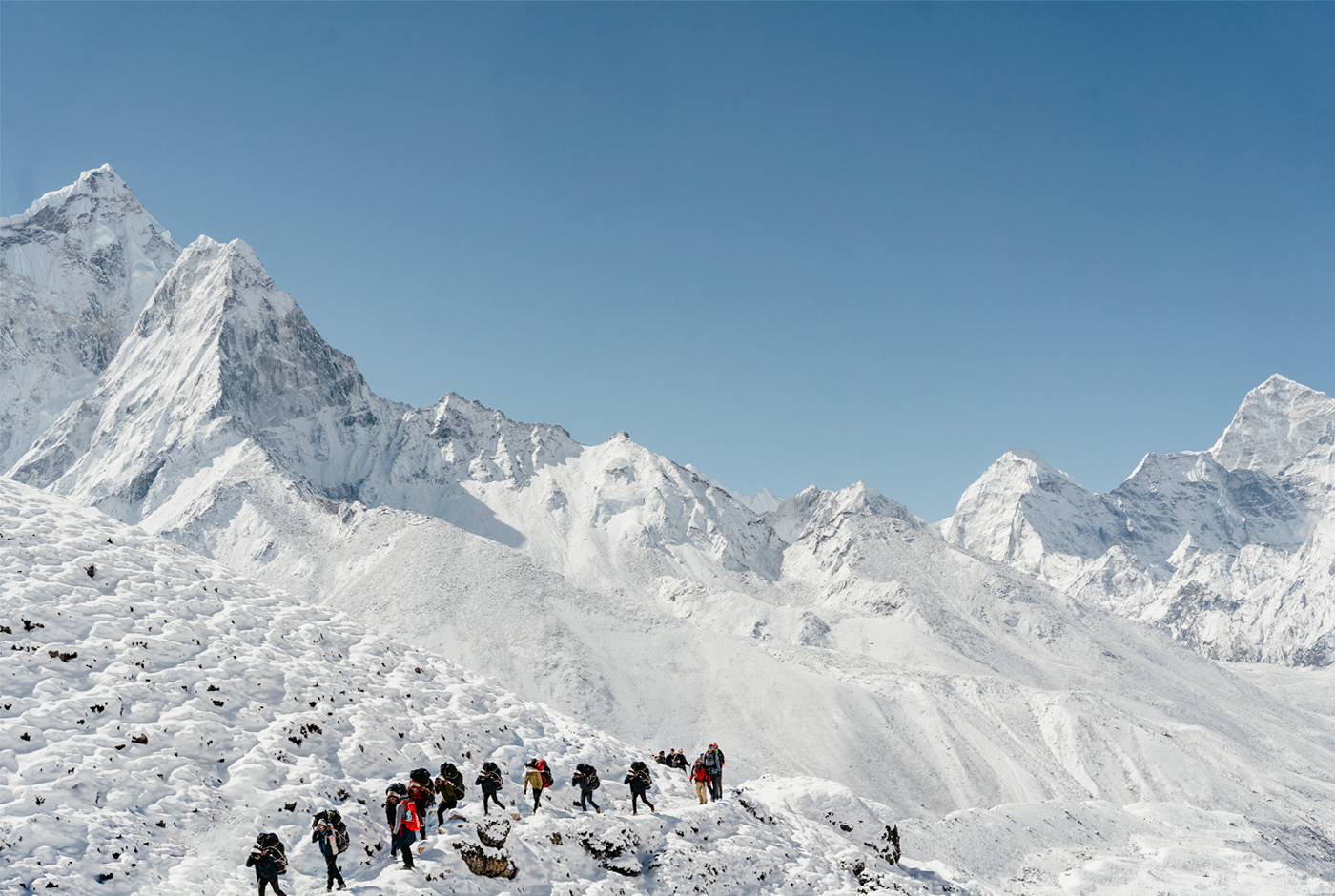
The busiest trekking periods in the Everest region are from March to May and September to November. During these months, the classic Everest Base Camp route sees the highest number of trekkers, especially between Lukla and Dingboche.
While peak season offers stable weather and clear views, popular villages can feel crowded. Trekkers who choose the classic route during these months should expect busy trails and full teahouses, particularly in April and October.
Best Routes for Fewer Crowds
Routes that include Gokyo Valley, Renjo La, or the Three High Passes tend to disperse trekkers across wider areas. Even during peak season, these routes feel noticeably quieter once they move away from the main base camp corridor.
Trekkers who prioritize space and a calmer trail experience often benefit from choosing these alternatives. They require additional days and stronger fitness, but reward trekkers with a more relaxed atmosphere.
Shoulder Seasons and Route Flexibility
During shoulder seasons such as early March or late November, crowd levels drop across all routes. However, the weather becomes less predictable, especially at higher passes. Snowfall can affect routes that include Cho La or Kongma La.
In these periods, the classic route remains the most reliable option. Alternative routes are still possible but require flexible itineraries and close attention to weather conditions.
Route Difficulty and Altitude Risk Comparison
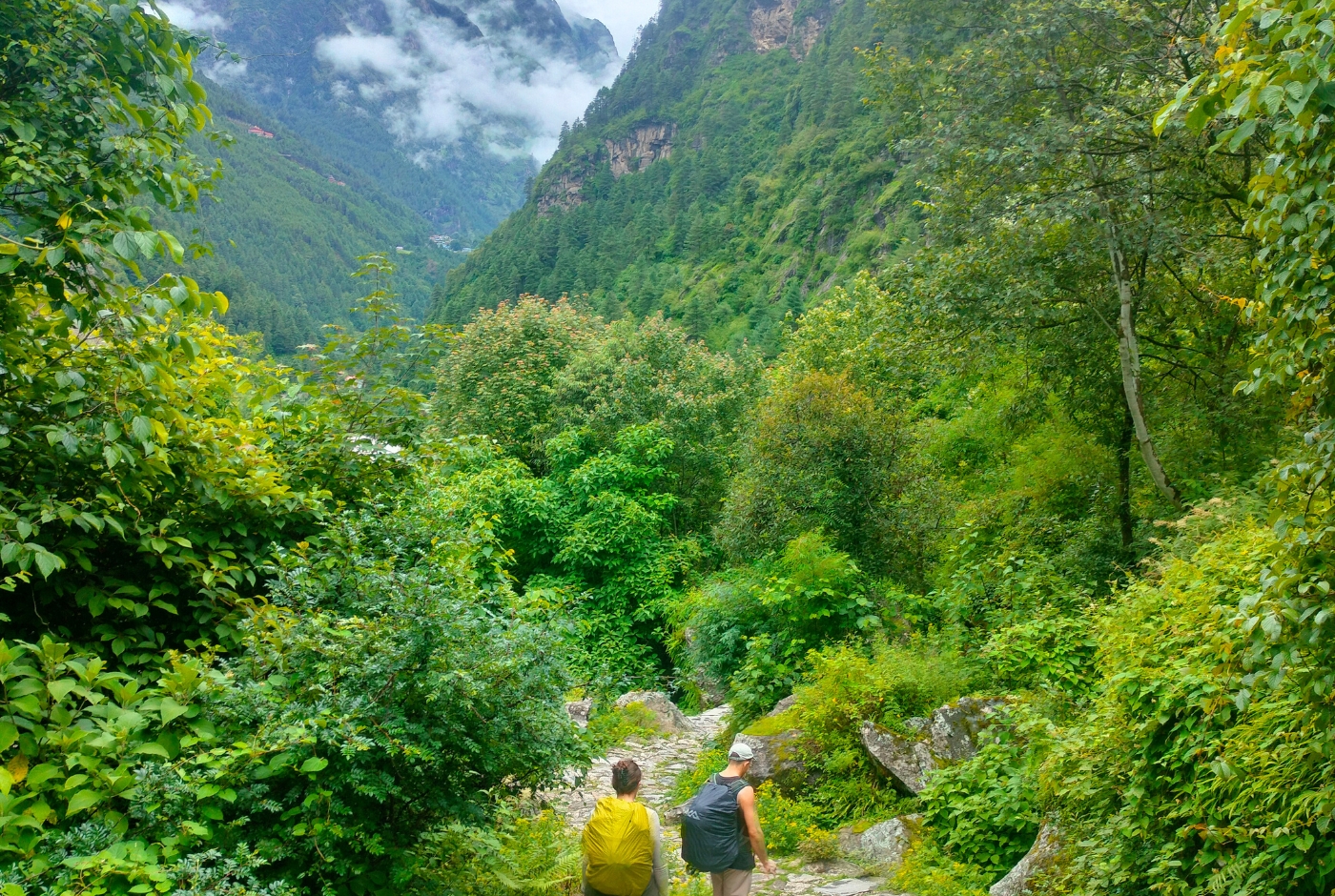
Not all Everest Base Camp routes place the same demands on the body. While altitude affects every trekker, route choice determines how quickly you gain elevation, how long you stay above 4,500 meters, and how much technical effort is required along the way.
For detailed information on what makes each stage of the trek challenging, consult our comprehensive Everest Base Camp trek difficulty guide, which breaks down altitude, terrain, and physical demands.
Comparing Elevation Gain by Route
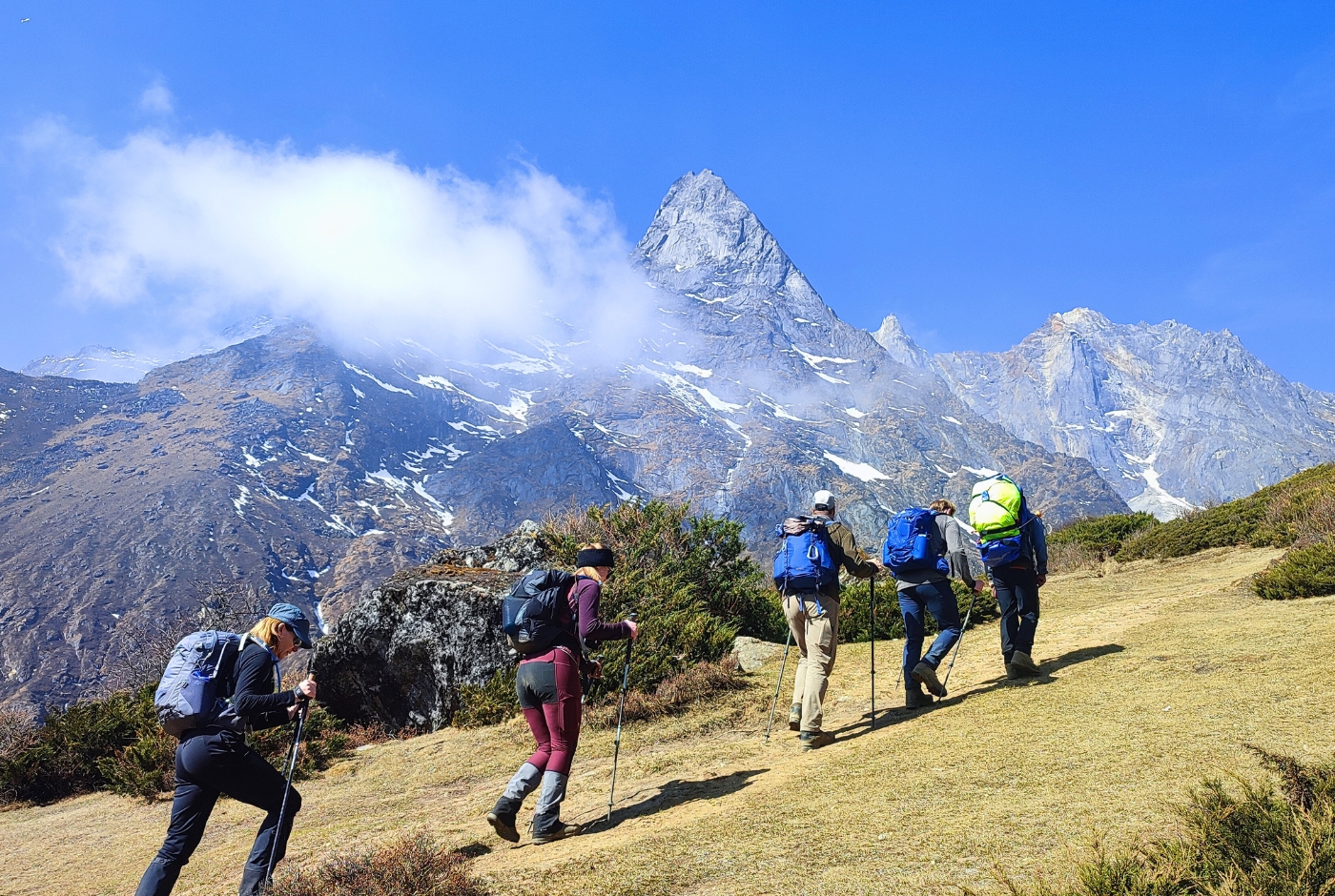
The classic Everest Base Camp route follows a gradual ascent profile with well-spaced acclimatization days. Elevation gain is controlled, and rest days at Namche Bazaar and Dingboche help reduce altitude stress. This makes it the safest option for managing altitude for most trekkers.
Routes that include Gokyo Valley and high passes involve steeper elevation gains on certain days. Crossings such as Cho La or Kongma La push trekkers above 5,300 meters in a single day, increasing physical strain and altitude exposure. Proper acclimatization is essential, not optional.
Technical Difficulty Versus Physical Endurance
Most of the classic route involves well-defined trails with minimal technical difficulty. The main challenge comes from altitude and endurance rather than terrain.
High-pass routes introduce additional challenges, including snow-covered sections, loose moraine, steep ascents, and potential ice crossings. These sections require steady footing, balance, and confidence in changing mountain conditions. While technical climbing skills are not required, these routes demand stronger physical conditioning and mental focus.
Managing Altitude Risk Through Route Choice
Altitude sickness risk increases when itineraries are rushed or when high passes are added without sufficient rest days. Choosing a route that matches your experience level and available time is one of the most effective ways to manage altitude-related issues.
A well-paced classic route reduces risk through gradual ascent, while extended routes manage risk by adding days rather than compressing the itinerary. The key is not the route itself, but how it is structured and paced.
Route Choice Based on Travel Style
Beyond fitness and scenery, your preferred travel style also influences which Everest Base Camp route will suit you best. Routes vary in comfort, flexibility, and overall pace.
Teahouse Trekking Routes
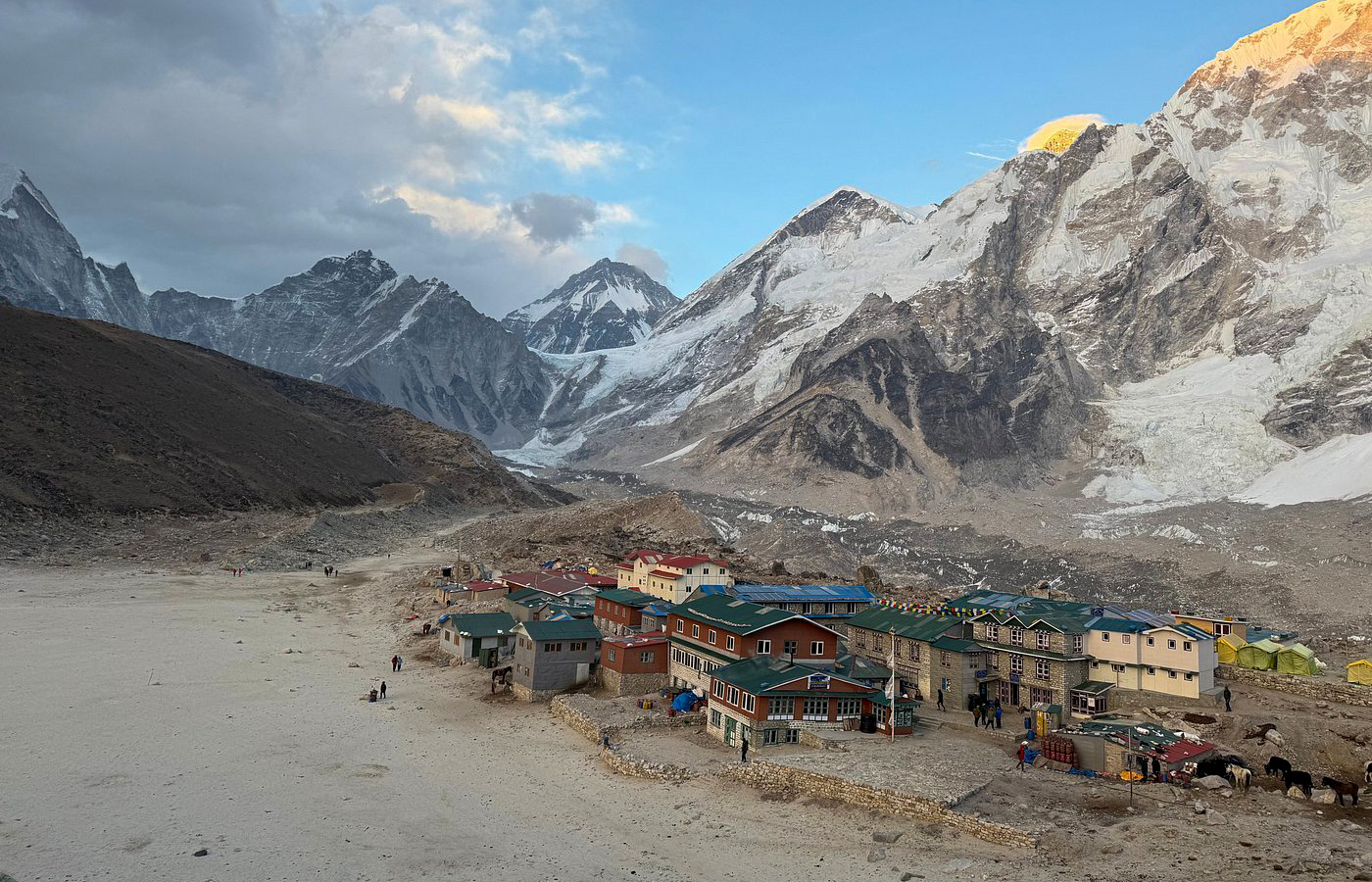
Most Everest Base Camp routes follow established teahouse trails, where trekkers stay in local lodges along the way. The classic route and Gokyo routes offer the widest range of teahouse options, with reliable meals, warm dining areas, and regular village stops.
Teahouse trekking is ideal for trekkers who want a structured journey with daily support and minimal logistical concerns. These routes balance comfort with authenticity, allowing trekkers to focus on walking and acclimatization.
Luxury Lodge and Heli-Assisted Routes
Some trekkers prefer routes that combine trekking with higher-end lodges or helicopter support. These options often follow the classic trail but include upgraded accommodation in key locations or helicopter transfers to reduce walking time on the return.
Luxury-focused routes prioritize comfort and efficiency, making them suitable for trekkers with limited time or those seeking added convenience at high altitude. Route choice remains conservative to ensure safety and reliable access.
Private Versus Group Route Planning
Private treks offer greater flexibility in route selection and pacing. They allow adjustments for acclimatization, weather, or personal preferences, especially on extended routes that include high passes.
Group treks typically follow standard routes with fixed itineraries. While they limit flexibility, they provide a predictable structure and shared pacing that works well for first-time trekkers.
Choosing a route that aligns with your travel style improves comfort, safety, and overall enjoyment throughout the trek.
Common Mistakes When Choosing an Everest Base Camp Route
Many trekkers choose an Everest Base Camp route based on its popularity or photos, without fully considering how it aligns with their experience and expectations. Avoiding common mistakes can significantly improve both safety and enjoyment.
One frequent mistake is underestimating the importance of acclimatization. Choosing a shorter or more demanding route without adequate rest days increases the risk of altitude-related problems, even for physically fit trekkers.
Another common error is selecting a route that exceeds current fitness or trekking experience. High-pass routes look appealing but require strong endurance and confidence on steep terrain. Attempting these routes without preparation can turn a rewarding trek into a stressful experience.
Crowd avoidance is also sometimes misunderstood. Some trekkers choose alternative routes expecting complete solitude, only to find that certain sections still merge with the main trail. Understanding where routes overlap helps set realistic expectations.
Finally, ignoring seasonal conditions can lead to poor route choices. Snow, wind, and visibility vary by month, and routes involving high passes are more sensitive to weather than the classic trail.
Choosing a route based on informed planning rather than trends helps create a safer and more satisfying Everest Base Camp experience.
How to Decide the Best Everest Base Camp Route for You
Choosing the best Everest Base Camp route comes down to matching the trail to your personal priorities rather than aiming for the most popular or the most challenging option. A clear understanding of your limits and expectations leads to a better overall experience.
Start by assessing your fitness level and previous trekking experience. If this is your first high-altitude trek, a gradual route with established acclimatization days offers the best balance of safety and enjoyment. More experienced trekkers can consider routes that add high passes or extended valleys, provided sufficient time is available.
Time availability is equally important. Short itineraries reduce flexibility and increase physical pressure, while longer routes allow better acclimatization and a more relaxed pace. Choosing a route that fits comfortably within your schedule helps manage altitude and weather-related delays.
Consider what you value most on the trek. Some trekkers prioritize iconic mountain views, while others seek quieter trails, alpine lakes, or cultural immersion. Each Everest Base Camp route emphasizes different highlights, and no single route offers everything equally.
Finally, think about crowd tolerance and travel style. Whether you prefer a structured group trek or a flexible private journey, aligning your route with these preferences helps ensure a more comfortable and rewarding trek.
Final Thoughts: Choosing the Right Everest Base Camp Route
There is no single best route to Everest Base Camp; the one that best matches your experience, fitness, and expectations. Each option offers a different perspective of the Everest region, from classic valley trails to high mountain passes and remote alpine landscapes.
Choosing wisely means understanding how route difficulty, time availability, acclimatization, and scenery work together. A route that aligns with your abilities and priorities will feel challenging in the right way, rather than overwhelming.
Careful planning transforms the Everest Base Camp trek from a checklist destination into a rewarding journey through one of the world's most remarkable mountain regions.
For comprehensive trek preparation beyond route selection, consult our Everest Base Camp trek guide, which covers accommodation, food, permits, and logistics.
Post a Comment