
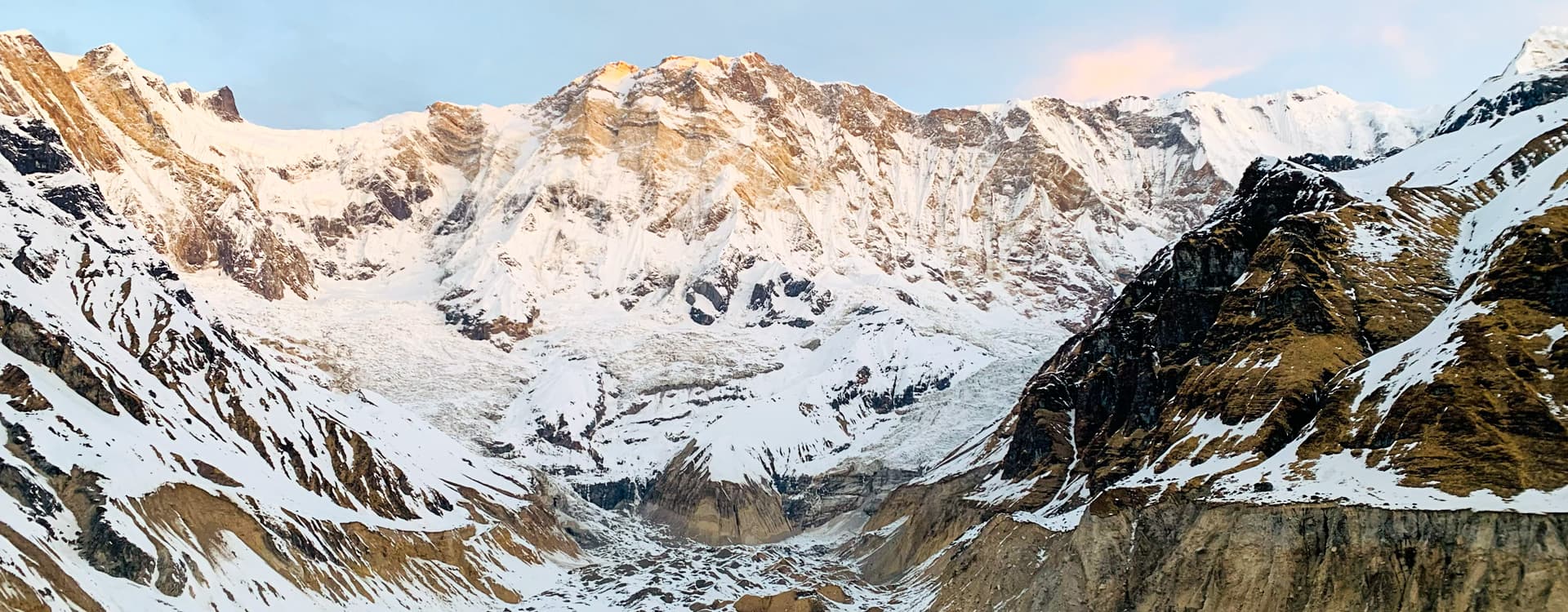
Trekking in the Annapurna region requires official permits, which are checked by conservation authorities along the trail. Confusion is common because many online sources still combine outdated rules with current enforcement, leading trekkers to misunderstand what is actually required.
This guide explains the exact permit requirements for routes within the Annapurna Conservation Area, including the Annapurna Base Camp Trek and the Annapurna Circuit Trek, using up-to-date, field-verified information. Understanding the required permits helps avoid fines, double charges at checkpoints, trail delays, or being asked to turn back.
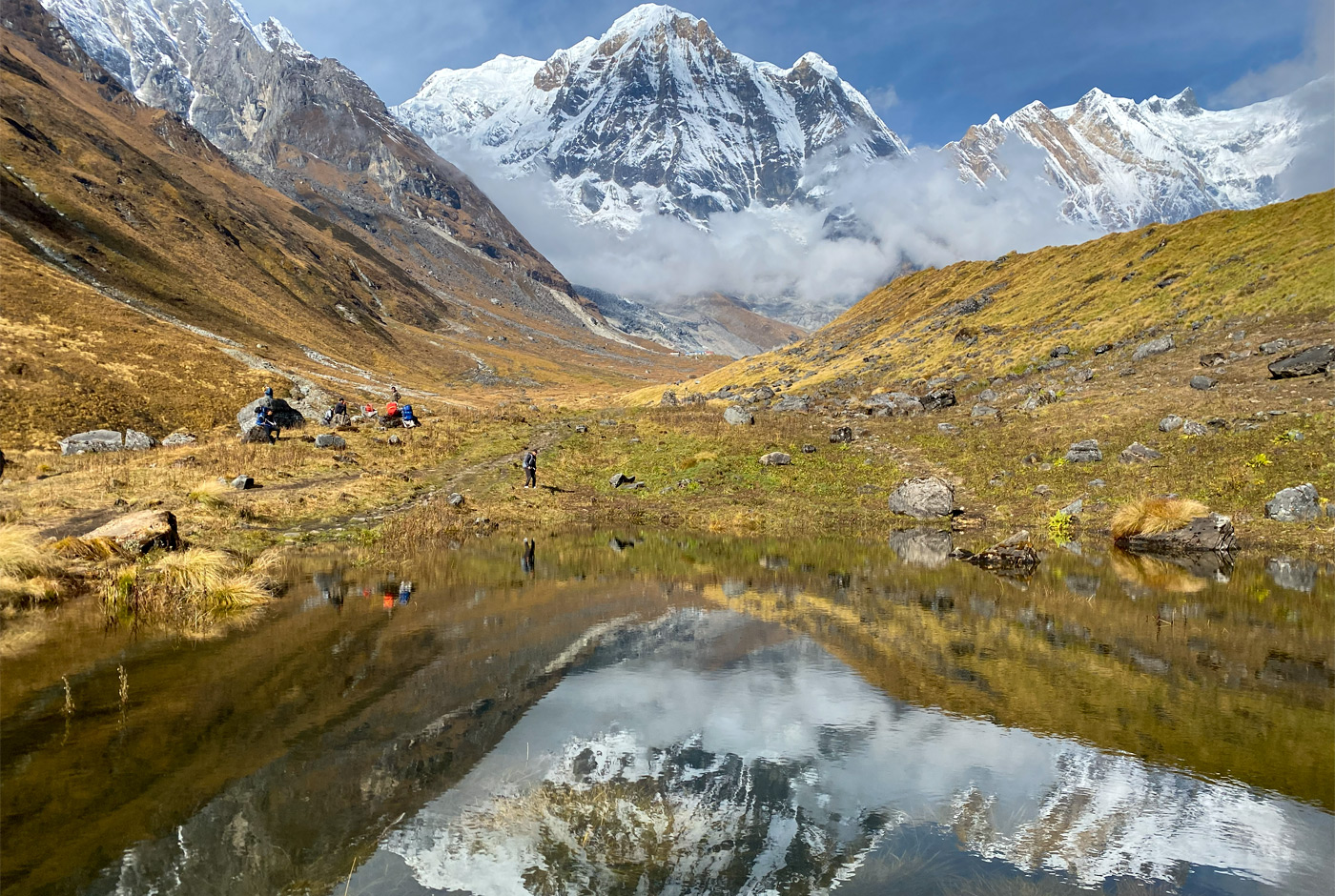
Overview of the Annapurna Region and Trekking Regulations
The Annapurna region covers a wide area of central Nepal, ranging from low river valleys to high Himalayan passes. Almost all the trekking routes fall under the Annapurna Conservation Area, which is managed separately from national parks.
This conservation area follows community-based management rather than strict access control.
Trekking permits exist to support conservation efforts, maintain trails, manage waste, and help authorities monitor trekkers for safety. Every trek that enters the Annapurna region follows the same permit framework.
Permits Required for Trekking in the Annapurna Region
Trekking in the Annapurna region requires one primary permit - the Annapurna Conservation Area Permit (ACAP). Permit requirements do not change based on trek duration, altitude, or popularity.
In most cases, trekkers require a single conservation permit to legally enter and traverse the region.
Permits issued at the Checkpoint cost twice as much. Be careful.
Annapurna Conservation Area Permit (ACAP)
The Annapurna Conservation Area Permit (ACAP) is mandatory for all trekkers entering the Annapurna region. Every trekking route within the Annapurna Conservation Area requires this permit, without exception.
ACAP is issued in Kathmandu and Pokhara and can also be processed online. The permit is checked at official trail entry points and again at multiple checkpoints along the route.
One ACAP remains valid for multiple Annapurna treks during the same visit, provided the route remains within the conservation area.
The entry fee is NRs. 3,000 for foreign nationals and NRs. 1,000 for SAARC nationals, including tax.
An additional 2.9 per cent online payment gateway charge applies when paying digitally.
Please note that Children below 10 years of age do not require an ACAP permit.
Below is the table of ACAP prices with USD equivalents (1 USD = NPR 130).
| Nationality | Permit Fee (NPR) | Approx. Fee (USD) |
|---|---|---|
| Foreign Nationals | NRs. 3,000 | USD 23 |
| SAARC Nationals | NRs. 1,000 | USD 8 |
The South Asian Association for Regional Cooperation (SAARC) consists of Afghanistan, Bangladesh, Bhutan, India, the Maldives, Nepal, Pakistan, and Sri Lanka.
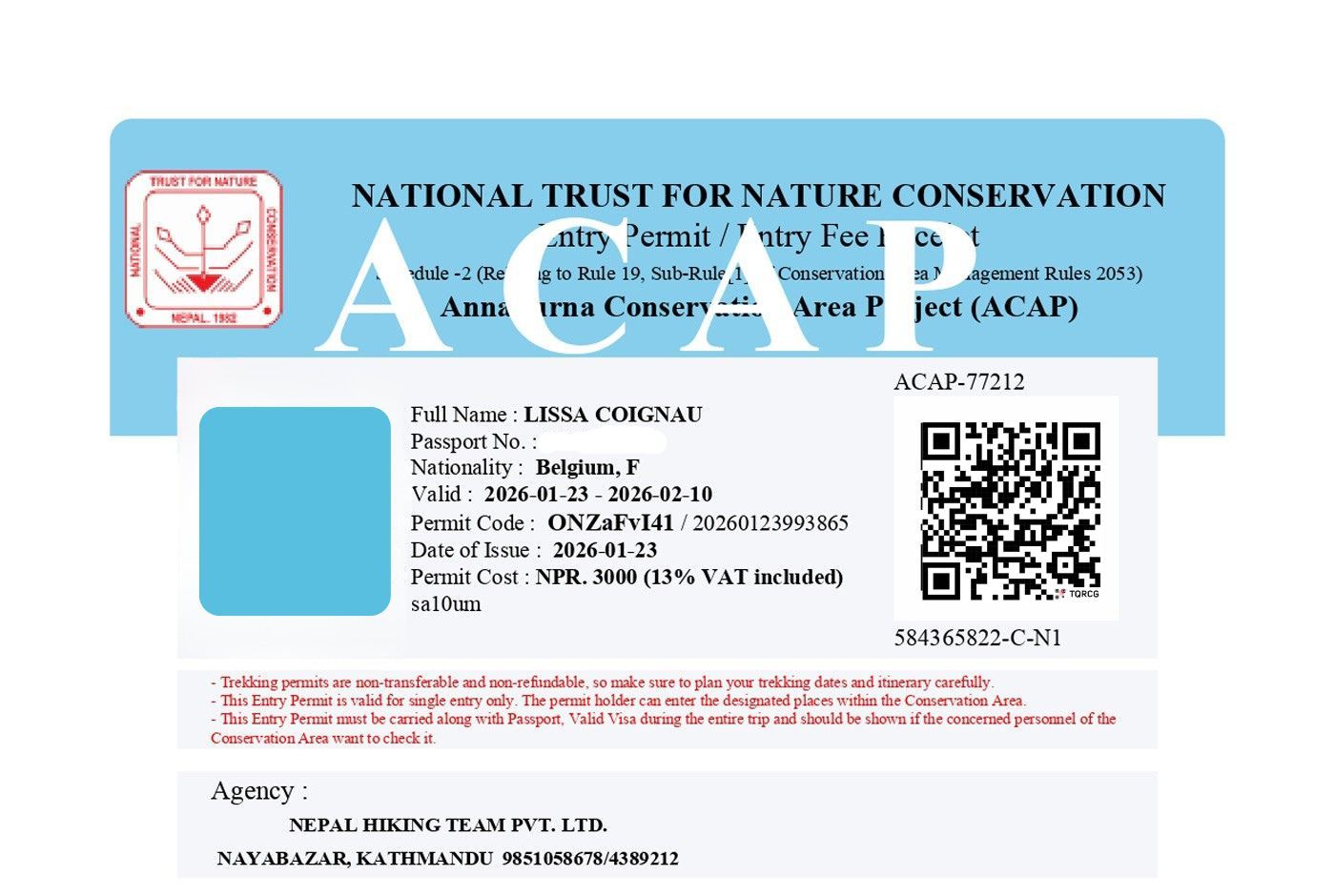
Sample of Annapurna Conservation Area Permit
Below is a sample copy of the ACAP permit for reference.
TIMS Card Requirement for Nepal Treks Explained
The TIMS card is one of the most misunderstood permit requirements for trekking in Nepal. Many trekkers still believe it is mandatory for Annapurna treks, even though outdated information persists online.
As of recent practice, popular Annapurna routes are not enforcing TIMS on the trail, even though it may still appear in official notices or third-party blogs.
For permit charges, the fee was set to NPR 1,000 for SAARC nationals and NPR 2,000 for other foreign applicants, with payment accepted online only. As of March 31, 2023, the Nepal Tourism Board (NTB) stated that TIMS is required for trekkers in specific regions, including the popular Annapurna routes such as Annapurna Base Camp via Poon Hill–Ghorepani and the Annapurna Circuit Trek. To date, the requirement has not been consistently enforced.
As announced in March, solo trekking was restricted, requiring trekkers to hire a licensed guide through a registered trekking agency.
However, this regulation has not yet been clearly implemented or consistently enforced.
What is TIMS, and why did it cause confusion?
TIMS was introduced to record trekker information and improve safety monitoring across Nepal's trekking regions. At the time, it applied broadly to many areas, including regions now managed by conservation authorities.
Confusion persists because many websites still reference outdated rules without verifying current trail enforcement. As a result, trekkers often obtain permits that are no longer required in the Annapurna region.
Is TIMS Required for Trekking in the Annapurna Region?
TIMS cards are no longer required for trekking in the Annapurna region. Entry permits are issued by conservation authorities and are checked on-site at the trailhead.
In actual practice, checkpoints verify ACAP permits only. TIMS may still appear on official documents, but it is not enforced at trailheads or along Annapurna routes. Trekking agencies and independent trekkers can legally complete Annapurna treks without a TIMS.
Why Many Websites Still Mention TIMS?
Many trekking websites have not updated their permit information for years. Others repeat outdated guidance without verifying what is actually checked on the trail.
Within the Annapurna region, only two trekking areas require a Restricted Area Permit (RAP). Everything else falls under standard conservation rules.
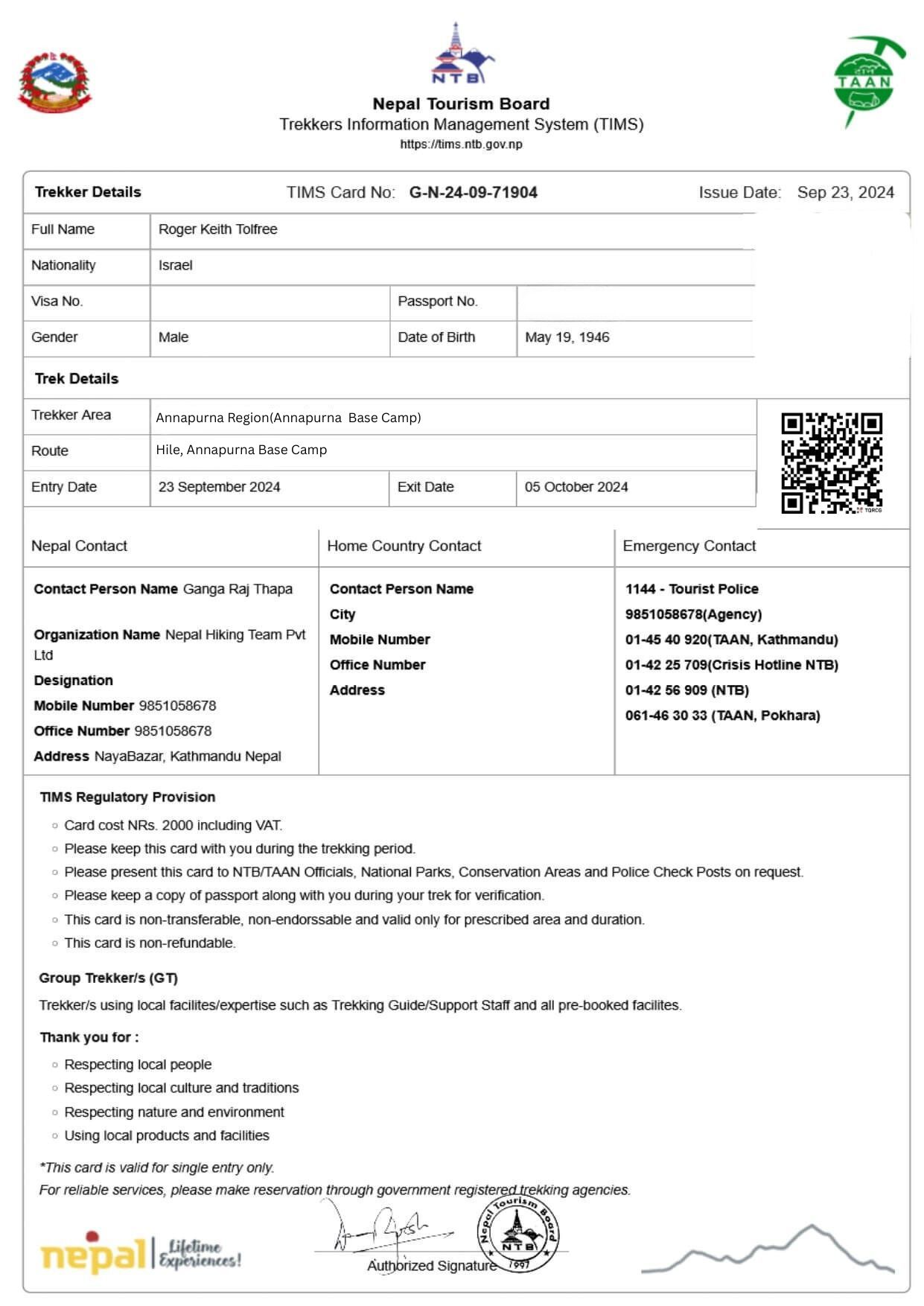
Sample of Trekker's Information Management System Card
Below is a sample TIMS card for reference.
Restricted Area Permit (RAP)
RAP is included in Nepal's trekking system to protect sensitive border regions, cultures, and landscapes that cannot absorb unrestricted tourism. It is a control mechanism, not a tourism tax.
RAP must be issued through a registered trekking agency in Nepal. Solo trekking permits are now issued following the updated regulations from March 22, 2026. The previous requirement of a minimum of two trekkers per group for restricted area trekking has been removed by TAAN. Individual trekkers can now obtain permits for restricted areas provided they are accompanied by a licensed trekking guide and book through a registered agency.
1. Upper Mustang (Lo Manthang region)
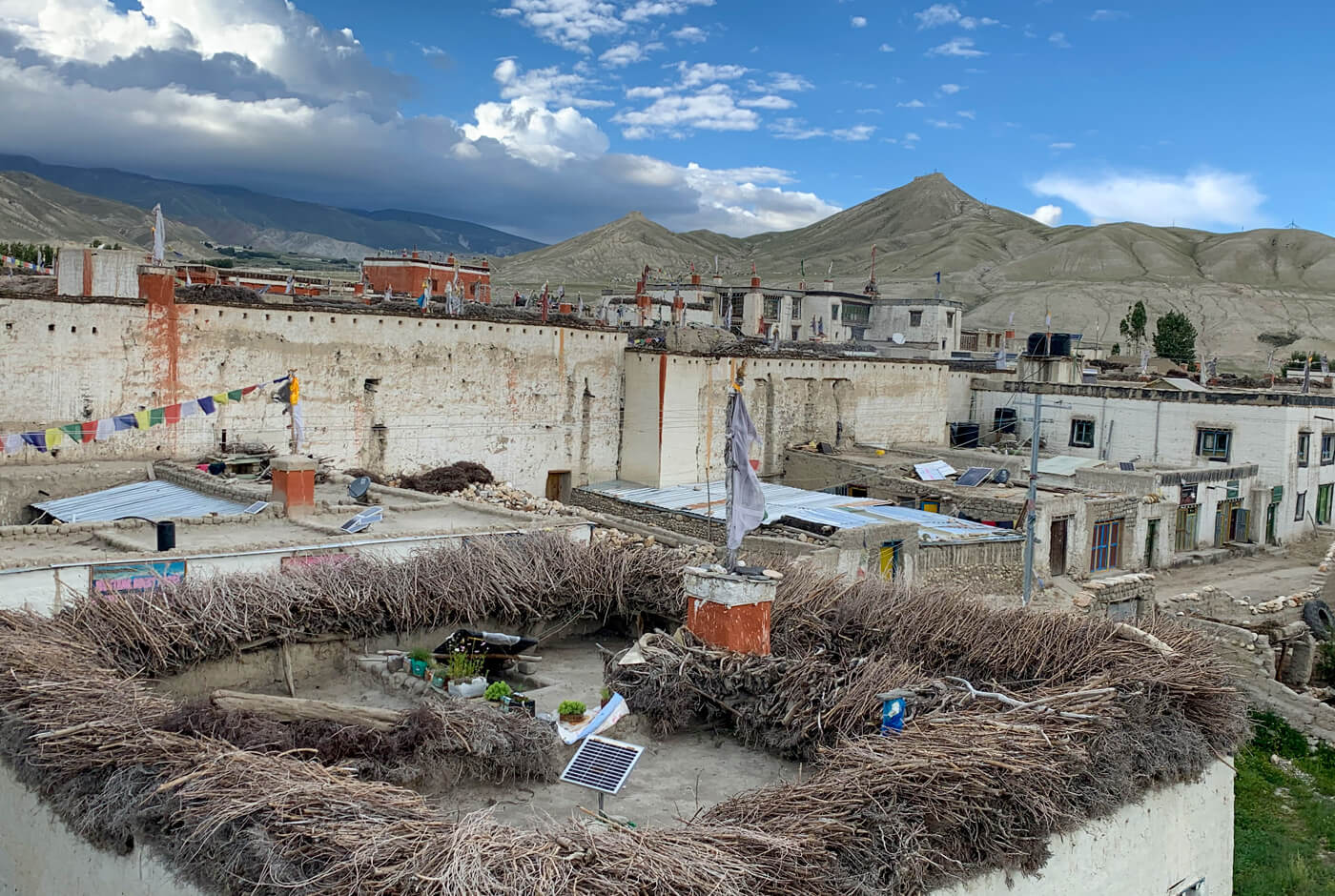
Upper Mustang, the former Kingdom of Lo, is located north of Kagbeni.
All treks beyond Kagbeni toward Lo Manthang require a Restricted Area Permit, issued only through a registered trekking agency and with a minimum of one trekkers.
Lower Mustang does not require a Restricted Area Permit. Only Upper Mustang falls under the restricted status. The classic Annapurna Circuit Trek passes through Lower Mustang, typically reaching Muktinath, Jomsom, and Kagbeni.
An extension from the Annapurna Circuit into Upper Mustang requires a Restricted Area Permit (RAP), while the standard Annapurna Circuit itinerary itself does not require a RAP. In extension, trekkers go to Kagbeni to Lo Manthang, rather than turning back toward Pokhara
Under the old system, the Upper Mustang Restricted Area Permit required foreign visitors to pay a fixed USD 500 fee for up to 10 days, regardless of their actual stay. Trekkers who remained longer were charged USD 50 per additional day, while short visits, jeep tours, and brief cultural trips were still required to pay the full amount.
This system was officially revised in late November 2025. Under the updated rule, the Upper Mustang RAP now follows a daily pricing model of USD 50 per person per day. Visitors pay only for the exact number of days they spend in the restricted area, making shorter, more flexible itineraries far more practical.
2. Nar Phu Valley
Nar and Phu villages are located northeast of Manang, near the Tibetan border.
Despite being inside the Annapurna region, this valley is classified as restricted due to its isolation and cultural sensitivity.
The fee for the Nar Phu Valley Restricted Area Permit varies by season. From September to November, the permit costs USD 100 per person for the first seven days, while from December to August, the fee is USD 75 per person for the first seven days. If trekkers remain in the restricted area beyond this initial period, an additional charge of USD 15 per person per day applies, calculated solely based on the number of extra days spent in Nar Phu Valley.
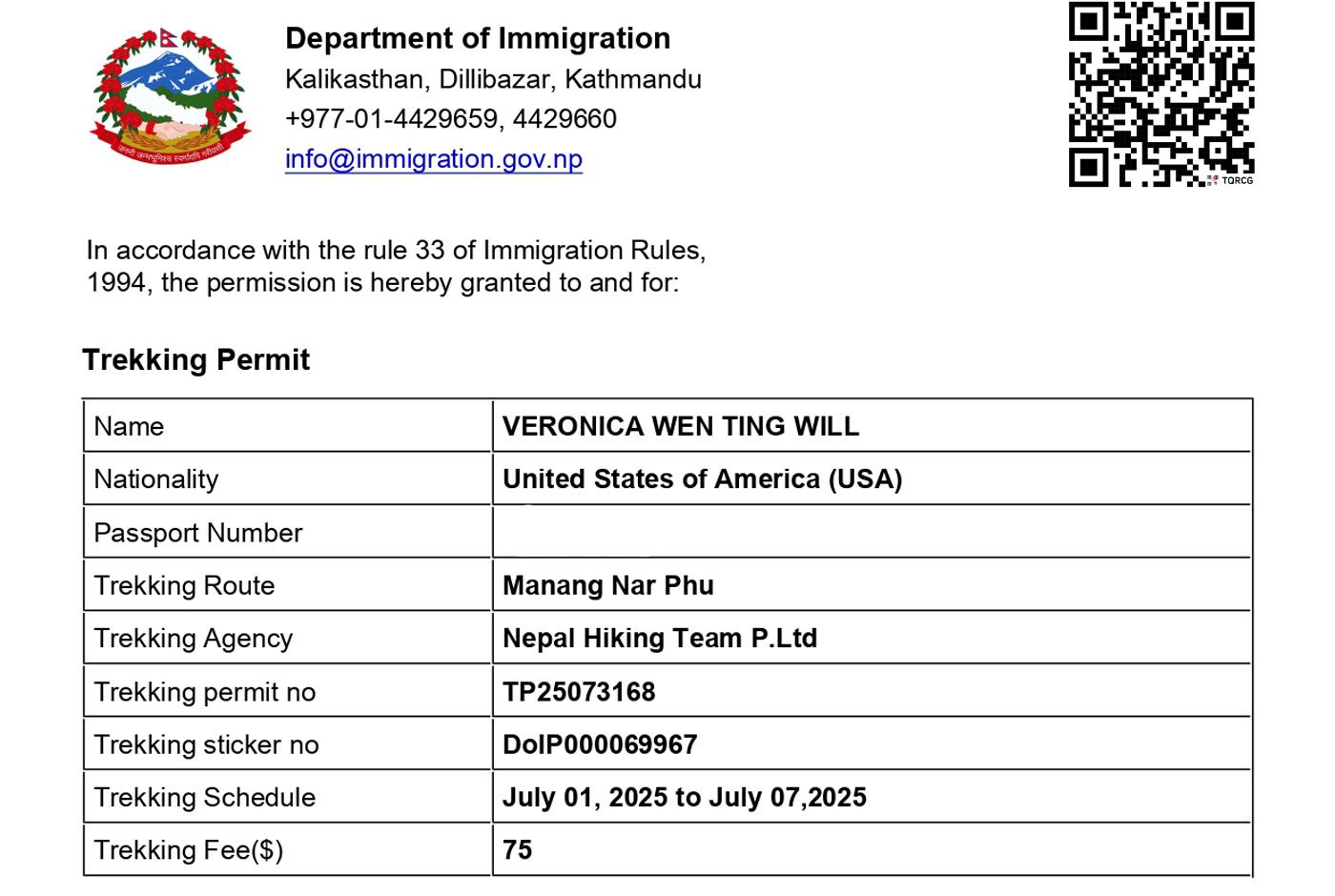
Sample of Restricted Area Permit
Below is a sample copy of the RAP for reference.
Permit Checkpoints on the Annapurna Trails
Permits are checked at official trail entry points and at several checkpoints along Annapurna routes. These checks are conducted by conservation authorities, not trekking agencies. Trekkers must carry printed ACAP permits, as digital copies are often not accepted due to limited connectivity in remote areas.
Checks are routine and consistent across the Annapurna Conservation Area.
Here is the outline for the main Permit checkpoints for the main trekking trails in the Annapurna Region:
- Annapurna Base Camp Trek and its Modifications such as Annapurna Sanctuary Trek - Birenthanti, Ghorepani, and Chommrong
- Annapurna Circuit trek and its Variants, such as with Tilicho- Besisahar (or Bhulbhule), Chame, Manang village, and Lower Mustang section (Jomsom area)
- Mardi Himal Trek - Pothana
- Mohare Danda Trek - Birenthanti and Ghorepani Entrance Points
- Upper Mustang Trek - Kagbeni, Chele / Samar / Tsarang, Lo Manthang area (during peak seasons)
- Nar Phu Valley Trek - Koto (near Chame), Meta / Nar village junctions
The Annapurna Region offers many fabulous trekking trails. Explore more on the all-time best trekking trails in the Annapurna Region in our detailed blog.
Common Permit Mistakes Trekkers Make
Many trekkers apply for TIMS cards unnecessarily due to outdated information. Others carry only digital copies of permits, which are often rejected at checkpoints.
Some assume each Annapurna trek requires a different permit, while others rely on outdated blogs that no longer reflect current enforcement practices.
These mistakes can lead to fines, delays, or being turned back on the trail.
Many trekkers also try to apply for RAP themselves.
Is it possible to trek solo in restricted areas of Nepal?
With the updated regulations effective March 22, 2026, solo trekkers can now obtain permits for restricted areas. The Trekking Agencies' Association of Nepal (TAAN) has officially removed the previous requirement of a minimum of two trekkers per group. Individual trekkers can now book and undertake restricted area treks provided they are accompanied by a licensed trekking guide and obtain the Restricted Area Permit (RAP) through a registered agency. Independent solo trekking without a guide is still not permitted.
Concluding Notes
All trekkers in the Annapurna region must carry a valid Annapurna Conservation Area Permit (ACAP). This permit is checked on-site by conservation authorities. The TIMS card is not enforced for Annapurna treks, despite being mentioned in outdated online sources. Permit requirements do not change based on trek type, duration, or trekking style.
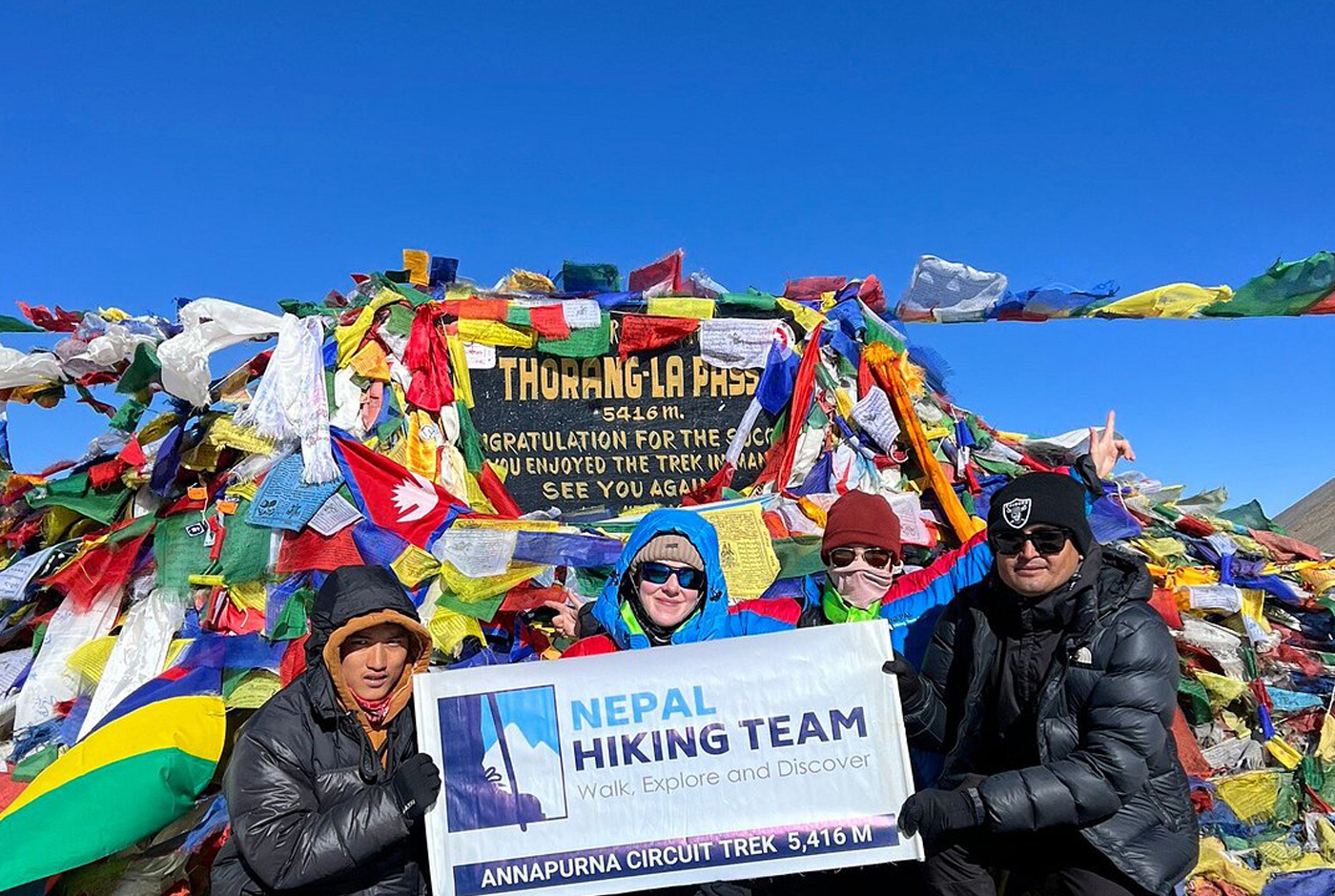
Nepal Hiking Team's Annapurna treks, such as the 14-day Annapurna Base Camp Trek and the 14-day Annapurna Circuit Trek, are among the most popular choices for trekkers. For all treks in the Annapurna region, the package price covers all required permits, allowing trekkers to focus on the journey rather than paperwork or additional charges.
Post a Comment