
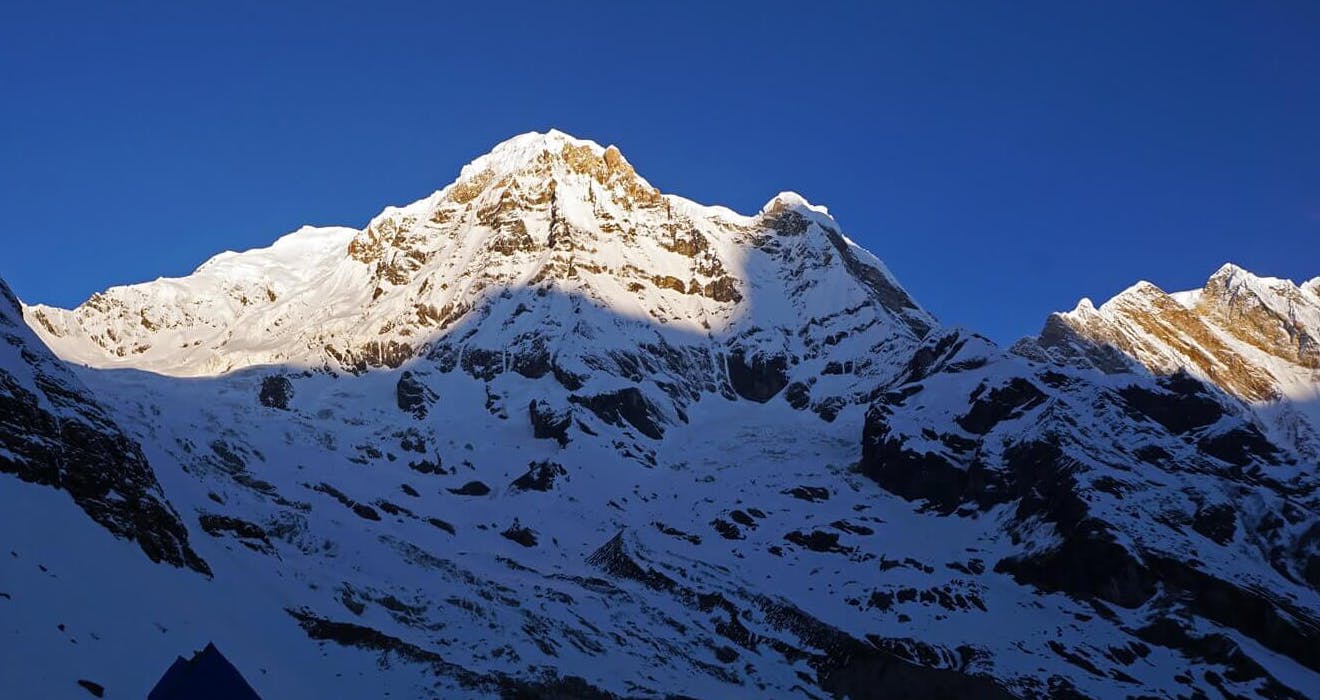
Choosing the best time for the Annapurna Base Camp Trek is crucial because the route passes through subtropical villages like Jhinu Danda to ABC at 4,130 m. Trekkers travel from warm river valleys to high alpine terrain within just a few days.
The ideal season is important not only for scenery but also for acclimatization, crowd levels, photography, and trail conditions. While clear skies enhance the visibility of Annapurna, Macchapuchhre, Hiunchuli, and Gangapurna, snow and rain can slow you down. Understanding seasonal differences helps you choose the right time for your trek.
Annapurna Base Camp Trek Seasons at a Glance
Here is a quick glance at the details of the four seasons of the Annapurna Base Camp Trek:
- Spring (Mar-May): Stable weather patterns, rhododendron bloom, moderate temperatures
- Autumn (Sep-Nov): Post-monsoon clarity, exceptional long-range views, dry trails
- Winter (Dec-Feb): Cold, fewer trekkers, snow-covered landscapes
- Monsoon (Jun-Aug): Lush greenery, heavy rainfall, reduced visibility
Is Autumn the Best Time for the Annapurna Base Camp Trek?
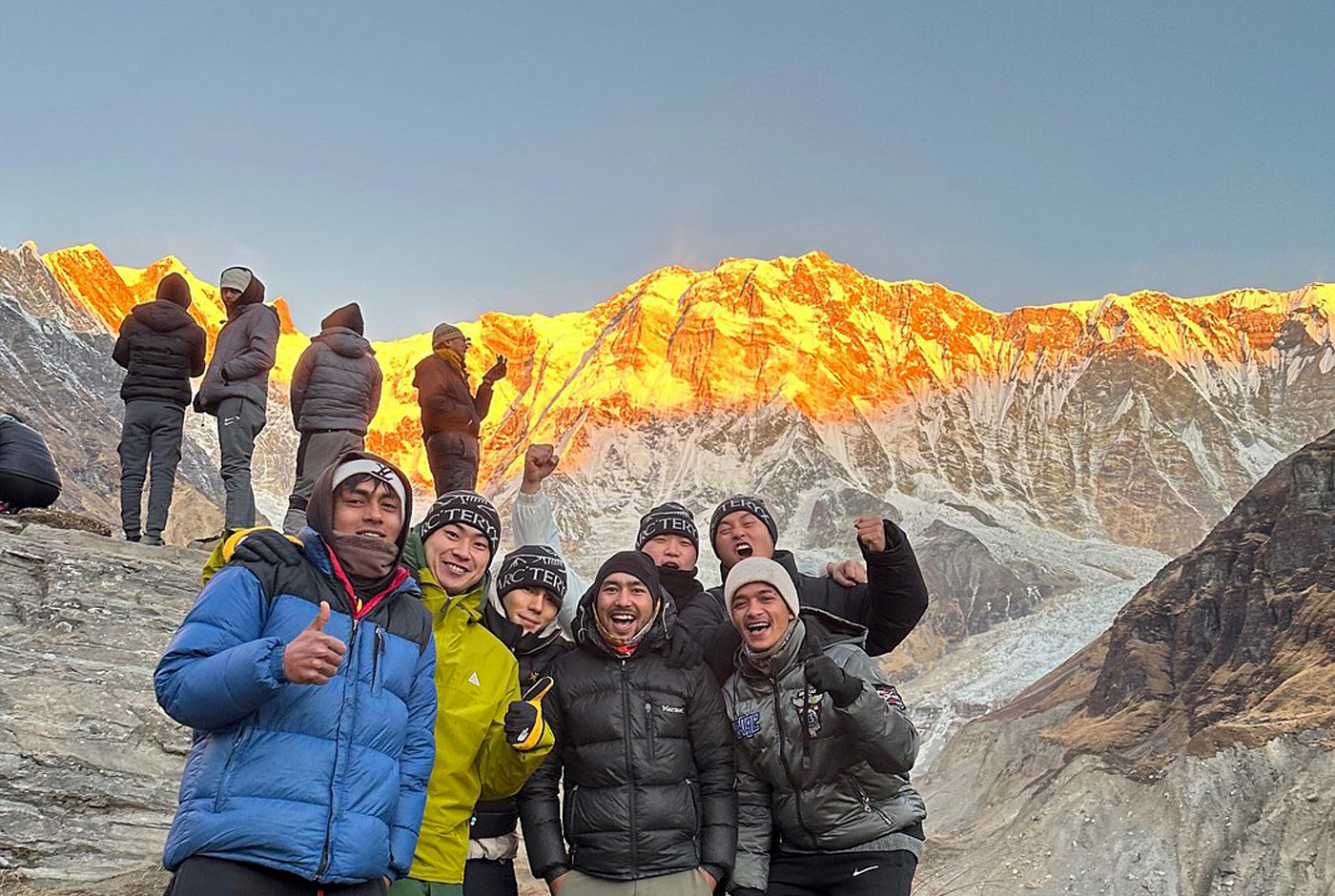
Yes, autumn is widely considered the best time for the ABC trek due to stable weather, excellent visibility, and ideal trekking conditions. After the monsoon rain, the skies are exceptionally clear in autumn, offering scenic snow-capped mountains, lush green landscapes, and warm, sunny days.
Temperature at ABC (4,130 m):
- Daytime: 5 to 15 degrees
- Night: Around -5 degrees
October is the busiest month, while early November has slightly fewer trekkers. Dry paths reduce technical risk in steep sections, and moderate temperatures support a steady ascent. Also, autumn coincides with Nepal's major festivals, such as Dashain and Tihar, adding cultural depth to the journey.
Is Spring the Ideal Season for the Annapurna Base Camp Trek?
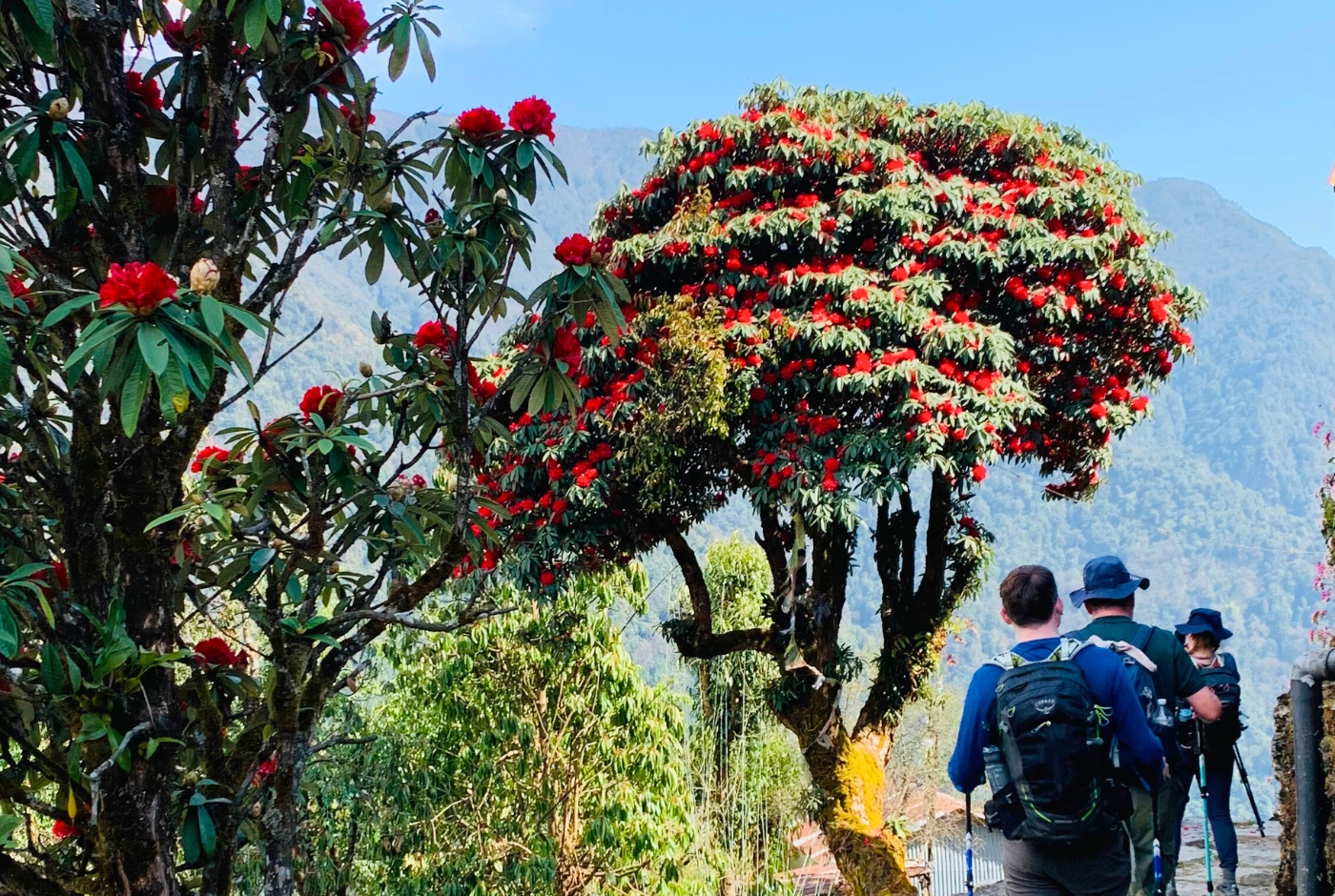
Yes, the spring season (Mar-May) is equally popular and appealing, mainly to nature lovers. During this period, rhododendron forests bloom across the lower Annapurna region, painting the trail in vibrant hues of pink, red, and white.
Temperature at ABC:
- Daytime: 7 to 17 degrees
- Nights: Around -5 degrees
In spring, mountain visibility is excellent due to clear skies, with occasional afternoon cloud buildup at higher altitudes. Mid-April is the peak bloom season, while late March is quieter. Longer daylight hours and favorable temperatures make spring excellent for gradual acclimatization.
Note: April is the best spring month for the Annapurna Base Camp Trek.
Is Winter a Suitable Season for the Annapurna Base Camp Trek?
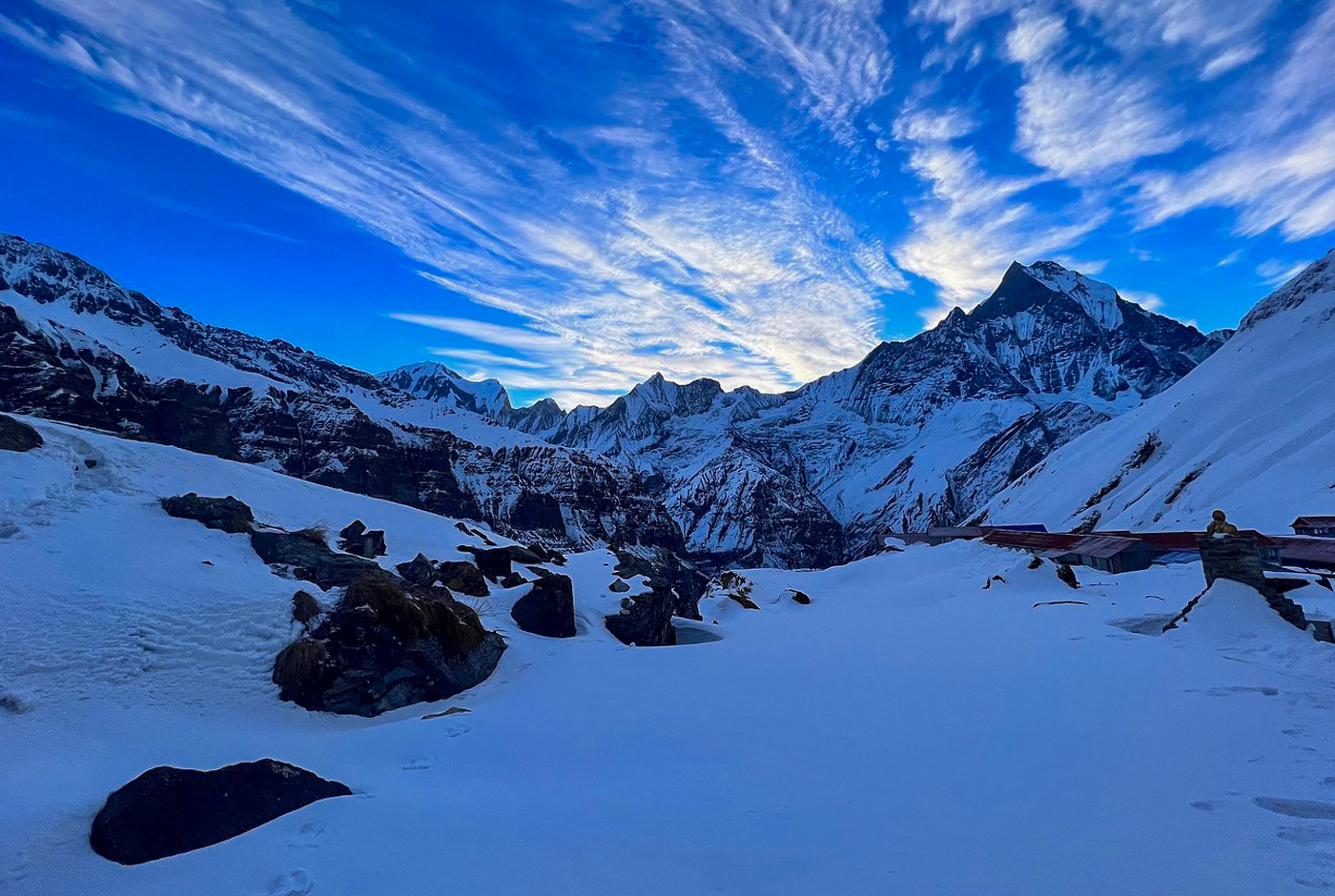
With proper preparation, gear, and an experienced guide, winter trekking in the Annapurna Base Camp Trek is also suitable. During this period, snowfall transforms the sanctuary into a dramatic alpine landscape, offering a quieter, more peaceful experience with fewer crowds.
Temperature at ABC:
- Daytime: 0 to 7 degrees
- Night: -10 to -15 degrees
Similarly, after snowfall, the skies clear, revealing panoramic views of Machapuchre and the Annapurna range. However, temperatures can drop below freezing, particularly at night. Trekkers should carry appropriate winter gear, such as insulated layers, quality sleeping bags, and warmers, to ensure safety and comfort.
Winter trekking in the Annapurna region is mostly perfect for seasoned trekkers seeking solitude, snow-covered landscapes, and a scenic Himalayan experience.
Can I Trek to Annapurna Base Camp in the Summer or Monsoon?
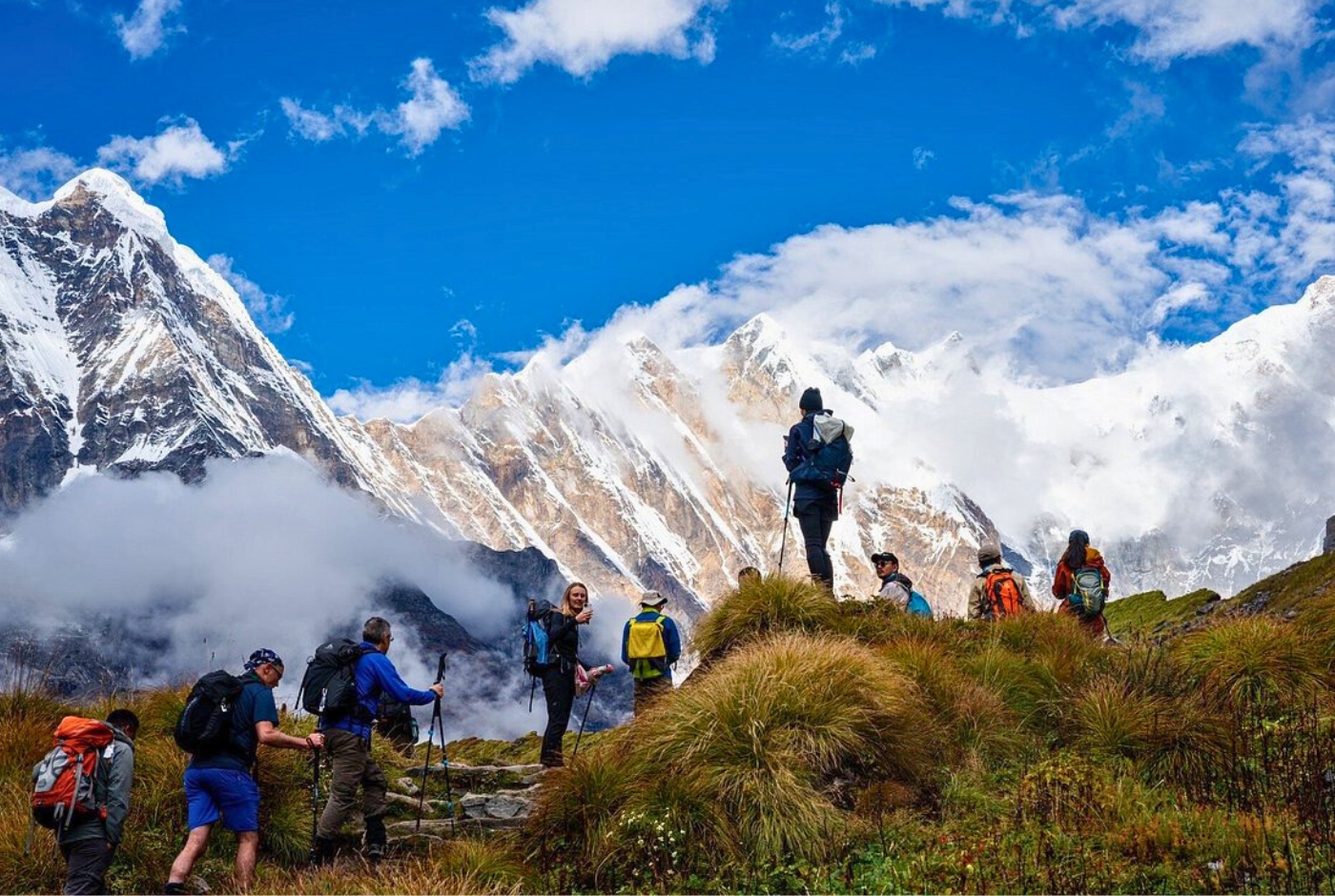
Yes, you can trek the ABC route during the summer or monsoon season with careful preparations. During June to August, the weather brings heavy rainfall, muddy trails, slippery paths, and leeches in lower forests. Additionally, cloud cover is frequent, reducing mountain visibility on the trail.
Temperature (lower regions):
- 10 to 20 degrees
However, during the monsoon, mountain views are often obscured, and humidity is high. The monsoon trek offers a unique perspective on the Annapurna region for travelers seeking adventure, peace, and a challenging experience.
Note: Trekkers should avoid July and August if possible.
Best Month for Annapurna Base Camp Trek
Here is a list of the best and most challenging months to go for the ABC trek:
- Best Overall: October
- Second Best: November and April
- Shoulder Months: March and May
- Challenging Months: July and August
Trekkers should choose October for crystal-clear mountain views and April for vibrant rhododendron blooms and moderate temperatures.
When is the Annapurna Base Camp Trek Crowded?
The Annapurna Base Camp Trek is most crowded during October, followed by the spring season. These seasons are considered the best due to stable weather, clear visibility, and optimal trail conditions.
Autumn is the busiest time of the year, driven by consistently clear post-monsoon views of the Annapurna Range. Likewise, the teahouses and lodges often fill up quickly, and the trails are busier, especially in April and October. Moreover, accommodations are pre-booked during this time to avoid inconvenience.
- Early November: Clear skies with slightly fewer crowds
- Late March: Calmer than peak April bloom
- Winter and Monsoon: Noticeably quieter
In spring, the trekking trail is vibrant and lively, with clear skies offering panoramic views of Annapurna I, Machapuchhre, Hiunchuli, and Gangapurna. Nonetheless, understanding these patterns helps you balance visibility with crowd preference.
Which Is the Shortest Route for the Annapurna Base Camp Trek?
While booking the shortest Annapurna Base Camp Trek with Nepal Hiking Team, your journey starts at Jhinu Danda (reached via private vehicle from Pokhara) and follows the Jhinu Danda-Sinuwa-Deurali-ABC via MBC route. You will complete the trek in just 8 days, retracing the same route back to Jhinu Danda.
This route and itinerary are ideal for trekkers with busy schedules seeking a short, mountainous trek. However, the season plays an important role in shorter itineraries, as winter or monsoon may need extra buffer days, compared to autumn and spring's stable weather.
What Are the Popular Annapurna Base Camp Treks?
The Nepal Hiking Team offers multiple ABC trek packages with well-planned itineraries, professional guides, and smooth logistics. We also offer private bookings, with packages tailored to your schedule and pace.
Here is a list of the Annapurna region packages:
These packages are designed to cover the classic Annapurna range located in the Annapurna Sanctuary. The route starts at Hile (1,430 m), passes through the Modi Khola valley, subtropical forests, and alpine terrain, and ends at Jhinu Danda.
Conclusion
In conclusion, spring and autumn are the best seasons for the Annapurna Base Camp Trek with clear weather, scenic mountain views, pleasant temperatures, and lush vegetation. While spring is full of rhododendron blooms, autumn offers cool temperatures and perfect trail and weather conditions after the monsoon.
These two peak seasons offer rewarding scenery, trekking comfort, and safety. However, with proper planning and preparation, the Annapurna trek can be done year-round. Trekkers should choose the season carefully, prepare well, and follow their guide's instructions throughout the journey for an unforgettable Himalayan adventure.
Post a Comment