
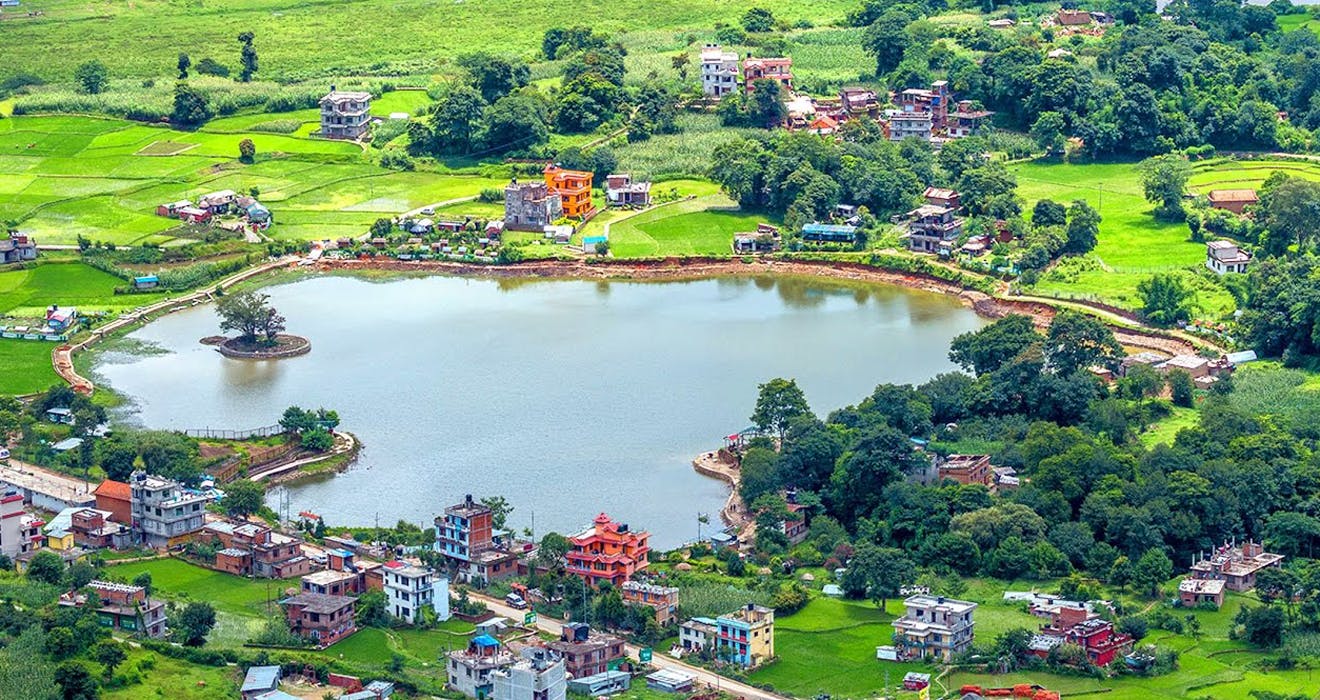
It is time for you to go in or around Kathmandu and discover the region. Explore the area around Taudaha Lake by going on trails and tracks that are less traveled. Taudaha, which translates to both "snake" and "lake," is the name of a small lake that can be found on the outskirts of Kathmandu.
It is assumed that a Buddhist mythological figure named Manjushree cut the hill in order to drain the water from this lake. That's why the lake is significantly smaller than it was in the past. This is where the name comes from. However, as a result of the lake being drained, countless nags, which are mythological creatures that are half snake and half-human, were left without a home.
As a consequence of this, a submerged lake known as Taudaha was constructed; it served as the residence for the serpent king and his subjects. Because of this, people say that the lake is very peaceful. Because of the large number of migratory birds that stop by this lake, it is an excellent location for birdwatchers.
Where is Taudaha Lake located?
Taudaha Lake is located in the Kirtipur municipality in the southern outskirts of the Kathmandu Valley in Nepal.
Location Details
- Distance: About 6 to 7 kilometers (3.7 to 4.3 miles) southwest of central Kathmandu.
- Route: Situated along the road leading to the Dakshinkali Temple, roughly 7 kilometers southwest of the Balkhu Ring Road.
- Elevation: Approximately 1,291 meters (4,236 feet) above sea level.
Taudaha Lake is located in the southwest corner of Kathmandu Valley, about 6 kilometers (3.7 miles) from the Kathmandu city center (Kirtipur municipality). It's a natural freshwater lake, and it's also considered a remnant of a larger lake that once covered the Kathmandu Valley. The lake is approximately 7 kilometers southwest of Balkhu Ring Road on the road to Dakshinkali.
How can I get to the Taudaha?
The Taudaha lake is only 12 kilometers distant from the Kathmandu airport, and the relaxing drive there will only take you forty-five minutes. It is not a problem if you wish to travel from Thamel; a cab ride or local bus ride will take roughly 25 to 30 minutes to complete the journey.
What is the meaning of Taudaha in Nepali?
In Newari, which is spoken in the Kathmandu Valley, "Taudaha" is derived from the words "Ta" meaning snake and "Daha" meaning lake. Therefore, Taudaha literally translates to "snake lake". The lake is also named after a mythical legend surrounding a Serpent King and his underwater kingdom.
Things to do in Taudaha lake
Taudaha Lake in Kathmandu offers several activities, including birdwatching, particularly during the winter when migratory birds arrive. You can also explore the area by walking trails, relax on benches by the lake, and enjoy the peaceful atmosphere and calm waters. Additionally, the lake is a good place to observe ornamental fish and local interactions.
- Birdwatching: Taudaha Lake is a popular spot for birdwatchers, especially during the winter months, when migratory birds like coots, kingfishers, cormorants, herons, and egrets make the lake a stopover.
- Nature Walks: Explore the area surrounding the lake by walking on the trails and paths, enjoying the natural beauty of the landscape.
- Relaxation and Scenic Views: Find benches and viewing spots around the lake to relax and appreciate the calm waters, which often reflect like a mirror
- Observing Fish: The lake is home to ornamental fish, and you can observe locals feeding them, as well as interacting with the friendly locals, including children.
- Photography: Capture the beauty of the lake and its surroundings, including the reflections on the water and the vibrant wildlife.
What is the myth behind TauDaha Lake?
Taudaha Lake is considered the home of mythical serpent creatures called Nagas because it is a leftover pool from the massive ancient lake that once filled the Kathmandu Valley.
The Draining of the Valley
- Manjushree's cut: A Buddhist saint named Manjushree cut through a southern hill (known today as the Chobar Gorge) to let the water drain out.
- New settlement: This draining created dry land so humans could live in the Kathmandu Valley.
- Leftover ponds: Taudaha remained as one of the small leftover pools of water after the big lake emptied.
The Wrath of the Serpent King
- Homeless Nagas: The draining left countless Nagas half-human and half-snake creatures without a place to live.
- Karkotak's anger: The Serpent King, named Karkotak, grew very angry.
- An underwater palace: To calm him down, local people built a magnificent underwater palace filled with riches.
- A sacred promise: King Karkotak agreed to protect the human inhabitants on the condition that nobody disturbs the peace of his water home.
Rules and Traditions Today
- No fishing or swimming: People still avoid swimming or fishing in Taudaha out of respect for the serpent king.
- Festival offerings: Locals and visitors visit the lake during festivals like Naga Panchami to pray to the serpent deities for safety and good crops.
In Conclusion
Taudaha is a small lake. The lake is home to a rich and diverse ecosystem, including abundant fish and other wildlife birds. The region is great for wandering and a beautiful location to explore. Let it be the first stop on your next trip to Nepal. The area around Taudaha is considered sacred and is also known for its spirituality. If you want to know more about the area, please contact us. Thank you for reading; we are always excited when one of our posts is able to provide useful information on a topic like this!
Post a Comment