
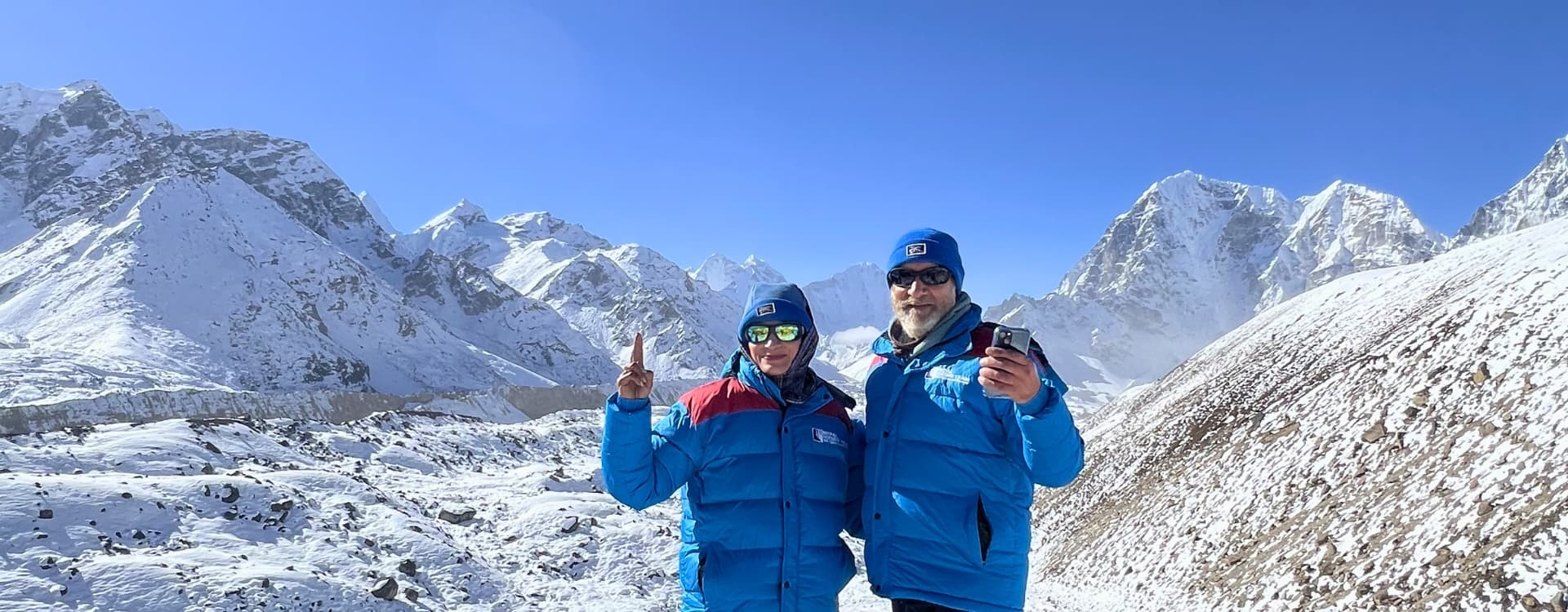
Choosing the best trekking agency in Nepal requires checking for official licenses, verifying safety and emergency plans, and ensuring price transparency. Key steps include evaluating government registration, reading genuine client reviews, and confirming staff qualifications.
To choose the best trekking agency in Nepal, prioritize officially registered companies, transparent pricing, and robust safety protocols. Verify the company holds licensing on the Nepal Tourism Board and memberships in the TAAN websites (Trekking Agencies' Association of Nepal), and ensure they provide qualified, insured guides with certified first-aid and altitude training.
The trekking industry in Nepal is vast, with thousands of agencies offering similar packages. While the options are endless, the quality of service, safety standards, and ethical practices vary significantly. A well-chosen company ensures a seamless experience, while a poor choice can lead to safety risks and hidden costs.
At 5,000 meters, small mistakes become big problems. This guide gives you a clear, honest framework so you can choose the right trekking agency in Kathmandu or anywhere else in Nepal the first time.
Quick Checklist Before You Book: What to look for in a Good Company?
If you're short on time, here is a quick checklist to verify before booking with a trekking agency in Nepal to ensure they are legal, safe, and truly ethical:
- Valid TAAN, NTB, and Department of Tourism registration verified officially, not just claimed
- Licensed guides included, paid on salary, not commission
- Full written cost breakdown with no vague line items
- Recent reviews mentioning specific guides by name on different platforms like TripAdvisors, Google, YouTube podcasts, Reddit, Touradar, and social medias
- Clear written emergency evacuation protocol for high altitude
- Ethical porter treatment policy with documented weight limits and equipment
- Physical office in Kathmandu (Thamel area of Kathmandu, Pokhara) or anywhere else you can verify
- Pre-trek briefing included as standard
Good Agency vs. Bad Agency: At a Glance
Choosing the right trekking operator in Kathmandu can make or break your trip. A great agency ensures your safety, provides fair wages to staff, and handles chaotic mountain logistics seamlessly. A bad agency puts you at risk, cuts corners on safety, and uses hidden costs to exploit travelers.
| Factor | Good Agency | Red Flag Agency |
| Licensing and Credentials | license number on their site; gets defensive or vague when asked for paperwork.Clearly displays registration on their official website; holds active memberships with TAAN and Nepal Tourism Board. Local Tax Compliance: Look for a valid PAN or VAT registration number and Department of Tourism approval. | No verifiable TAAN/NTB/NMA license number on their site; gets defensive or vague when asked for paperwork. |
| Pricing & Inclusions | Transparent price breakdown; clearly lists what is excluded (e.g., water, WiFi, hot showers) so there are no surprises on the trail. | "Impossible" low prices (e.g., EBC under $800); hides costs like permits, TIMS cards, or internal flights until you arrive. Vague quotes, AI answered for client queries |
| Guides | Licensed, salary-paid, experienced, English Speaking, | Unverified, commission-based |
| Safety & Medical | Conducts daily oximeter checks; has a written medical evacuation protocol; provides guides trained in advanced Wilderness First Aid. | No daily health checks; tells you to "just keep walking" when you have a headache. |
| Reviews | Guide Names: Look for reviews that mention specific guides and porters by name for consistent quality. | Generic praise, one-review profiles |
| Staff (porter) treatment | Strictly limits porter loads to 12–15kg; provides full insurance and proper cold-weather gear for all crew and proper policy mentioned | Porters carry 25kg+; no insurance for staff; field staff often unpaid until the trek ends (forcing them to "hustle" you for tips), or no policy mentioned |
| Office | Physical Kathmandu/Pokhara address | Website and WhatsApp only |
| Booking & Communication | Professional, knowledgeable responses via email or WhatsApp; allows you to video call the owner or guide before paying. | High-pressure sales; insists on large cash deposits; slow or generic email replies with poor technical knowledge. |
| Experience Level | "Ghost" agency that subcontracts you to the cheapest available freelancer; lacks local specialization in the specific region. | Owns their own equipment/logistics; guides have 3+ years of experience specifically on your chosen route (e.g., Manaslu vs. Everest). |
Three "Gold Standard" Verifications
- Check the TAAN Registry: Don't just take their word for it. Look up their membership number directly on the official Trekking Agencies' Association of Nepal (TAAN) website.
- Verify Review Quality: Ignore clusters of short, perfect reviews from accounts with no history. Look for detailed stories on platforms like TripAdvisor or Reddit that name specific guides and describe real problem-solving.
- The "Hidden Fee" Test: Ask, "Does the price include all permits, transport, and 3 meals a day?" Bad agencies often exclude these to make their headline price look "too good to be true".
Top 10+ Ways to Select the Best Company while Trekking in Nepal
Selecting the best trekking company in Nepal requires verifying legal credentials, safety protocols, and guide expertise. Since having a licensed guide is mandatory for most routes, carefully evaluate your shortlisted operators to ensure a secure, enjoyable, and culturally respectful trekking experience in the Himalayas.
Registration and Licensing: The Non-Negotiable Starting Point
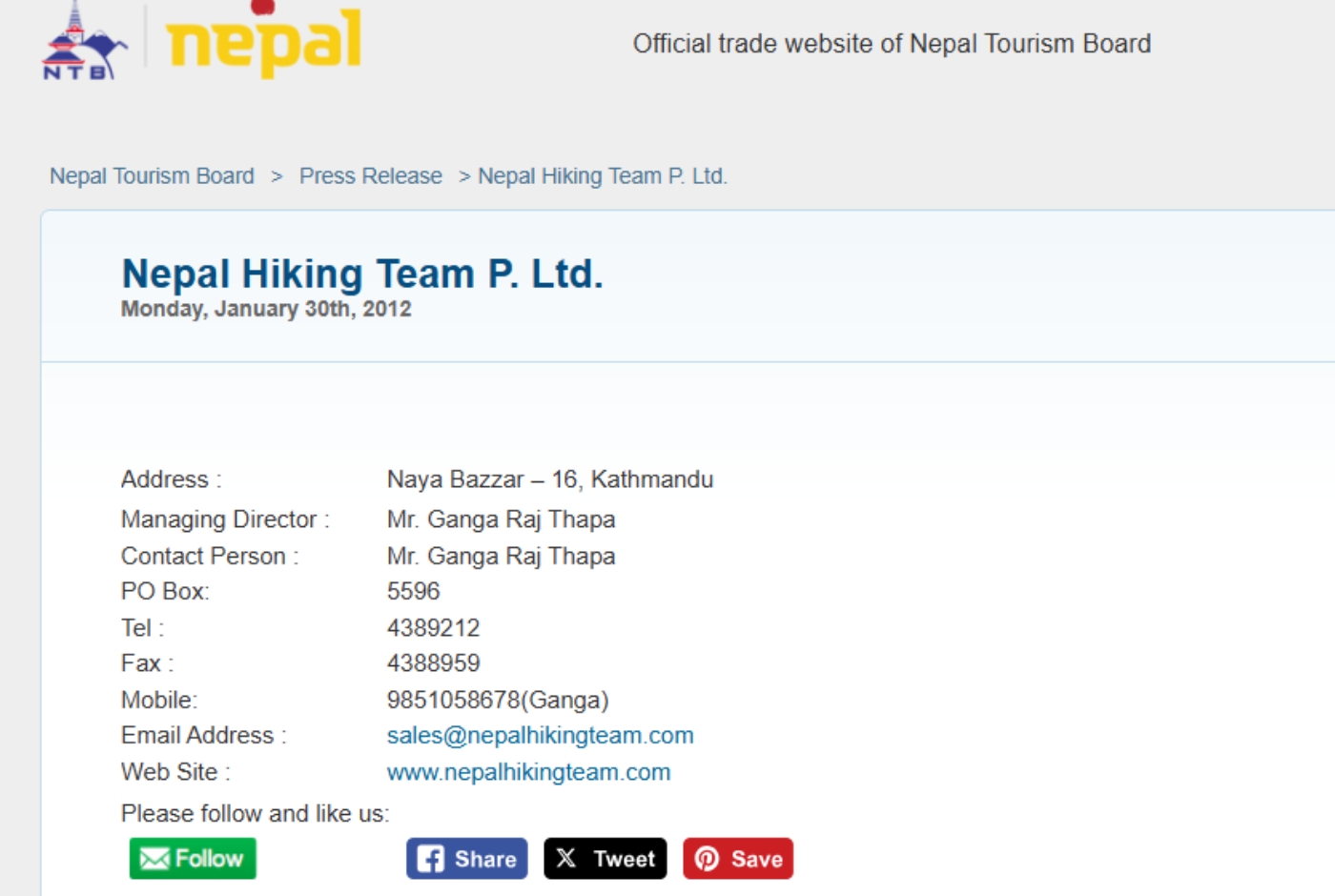
Registration and licensing are the most critical filters when choosing a trekking agency. In Nepal, a legitimate operator must be registered with multiple government bodies and industry associations to legally issue permits and provide insured staff.
Nepal trekking agency legal requirements are not optional. A legitimate trekking company in Nepal must clear a defined legal process before it can operate. That means registering with the Office of Company Registrar, obtaining PAN/VAT tax registration, opening a corporate bank account, applying for a trekking license with the Department of Tourism under the Travel and Trekking Agency Rules 2062, and completing sectoral registrations including TAAN membership for trekking activities.
These aren't formalities. Without government registration, an illegal operator cannot provide any kind of insurance for their staff. If a client gets into trouble on the trail, an unregistered agency cannot arrange a helicopter rescue. A government-registered company handles this as standard.
Since April 2023, it is mandatory for foreign trekkers to hire a licensed guide through a government-registered trekking agency on all major routes in Nepal. Not following this rule is a punishable offense.
Knowing how to verify if a Nepal trekking agency is legally registered with TAAN and the Nepal Tourism Board is a basic but essential skill. Here's exactly what to check:
- TAAN Membership: Confirms active, authorized membership in Nepal's premier trekking body. Verify directly on TAAN's official website.
- NTB License: The national authority ensuring agencies follow government safety and quality standards.
- Department of Tourism License: Primary legal authorization under the Ministry of Culture, Tourism and Civil Aviation.
- OCR Company Registration: Proof of legal business existence.
- PAN/Tax Registration/VAT Certified: Confirms fiscal compliance.
- NMA Membership: Required if the agency conducts peak climbing expeditions.
- Foreign Exchange License: Legally authorizes the agency to accept payments in foreign currencies (USD, EUR, etc.).
Ask any trekking agency in Kathmandu for these documents directly. Reputable operators hand them over without hesitation. Those that deflect, delay, or give vague answers about their registration status are telling you something important.
Is Nepal Hiking Team a verified Registered and Licensed Trekking Agency in Nepal?
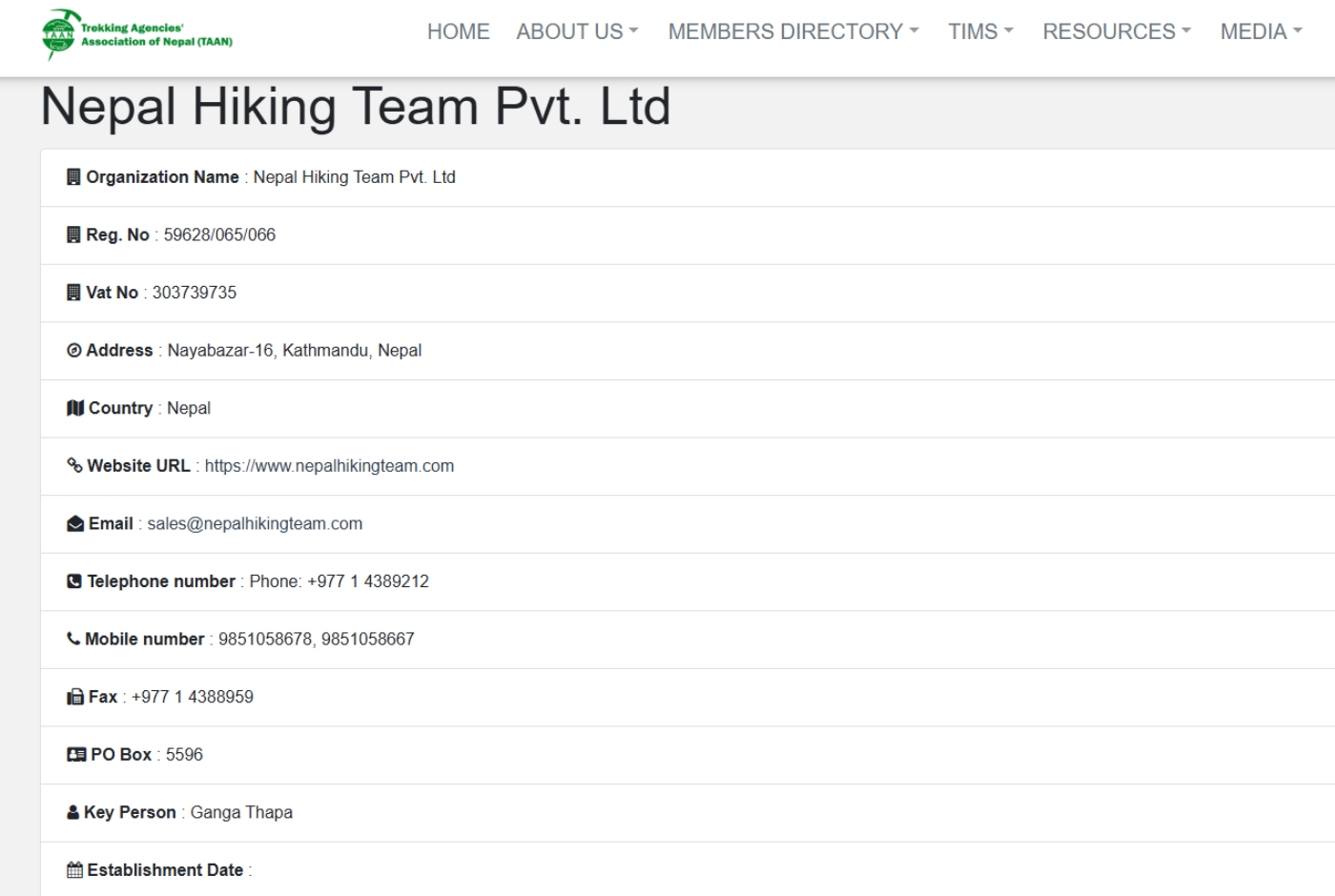
Nepal Hiking Team is a fully compliant operator registered with the Department of Tourism, the Office of Company Registrar, and the Inland Revenue Department. As a member of TAAN and the Nepal Mountaineering Association, the agency provides legal, insured staffing and necessary trekking permits for all major routes. Check Legal Documents of Nepal Hiking Team.
Real Experience and Deep Local Roots: Local vs. International Agencies
Credentials open the door. Experience is what matters once you're on the mountain.
One of the most important decisions you'll make is choosing between a local Kathmandu-based operator and an international travel agency. Both exist in the Nepal trekking market. Both make big promises. But the practical differences are significant.
When weighing local Nepal-based trekking companies vs. international travel agencies, local agencies almost always win on value, cultural depth, and community impact. Here's why.
A local agency employs Nepali guides, porters, cooks, and logistics staff directly. The money you pay circulates within the community. An international agency typically acts as a broker, outsourcing the actual trek to a local partner while taking a margin for administrative overhead you never see. You pay more. The local community receives less.
Beyond the financial argument, local operators with genuine mountain roots know things no international company can replicate. They know which lodges provide the best food and cleanest rooms at each stop. They maintain relationships with lodge owners that secure accommodation even during peak season. They read trail weather the way they were raised to read it.
Key indicators of genuine and reputable local roots:
- Founders or senior leadership with direct mountain community backgrounds
- Guides who grew up in or near the trekking regions they cover
- Long-standing relationships with teahouse operators across major routes
- Community reinvestment through employment of local porters, cooks, and support staff
- Continuous operation through Nepal's most difficult periods, including the 2015 earthquake, the pandemic, and the 2023 industry disruption, without license suspensions
Local Nepali ownership matters. Agencies run by local families return more money directly to communities and have a fundamentally different stake in the quality of each trek than overseas-owned operations or broker-model websites.
Is the Nepal Hiking Team a locally owned and operated agency based in Nepal, or is it an international travel organization?
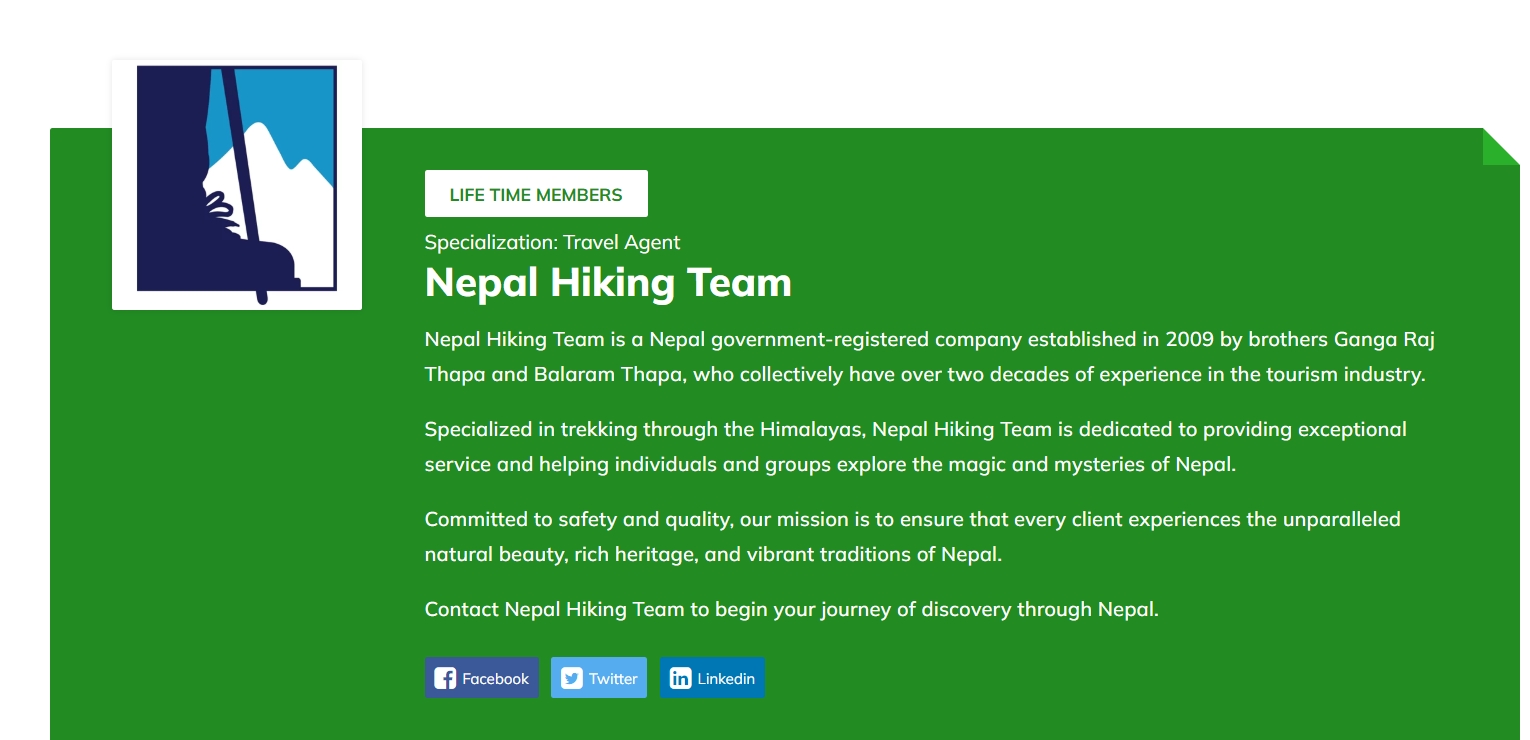
Nepal Hiking Team is a local, independent trekking agency based in Kathmandu, Nepal. It was started in 2009 by brothers Ganga Raj Thapa and Balaram Thapa. In 2009, the brothers combined their field knowledge to establish the Nepal Hiking Team in Kathmandu. Read how and when Nepal Hiking Team was established in detail
Licensed Guides and Professional Support Team
A good guide doesn't just lead the way. They quietly keep you safe. Your guide is the single most important variable in your entire trekking experience in Nepal. They are a government-certified professional trained at the Nepal Academy of Tourism & Hotel. Not the route. Not the accommodation. The guide.
Nepal now requires foreign trekkers to hire licensed, government-certified guides for most Himalayan routes. Knowing how to verify if a Nepal trekking guide is certified is essential before you commit to any agency.
A properly qualified guide carries:
- Government-issued NTB license with photo, number, and expiration date on their official ID card
- First aid certification including altitude sickness management, mountain rescue, and wilderness
- Minimum two years of documented high-altitude trekking experience
- Advanced certifications in high-altitude rescue and wilderness medical care for senior guides from the Nepal National Mountain Guide Association (NNMGA) or IFMGA equivalence
- Fluent English, required for certification
- Deep route-specific knowledge built over multiple seasons
How to evaluate the experience and certification levels of trekking guides in Nepal: ask directly. Ask how many seasons this specific guide has worked on your specific route. Ask for their first aid and altitude sickness training records. Any reputable agency answers these questions without friction.
Nepal Hiking Team Members: Guide and Porter
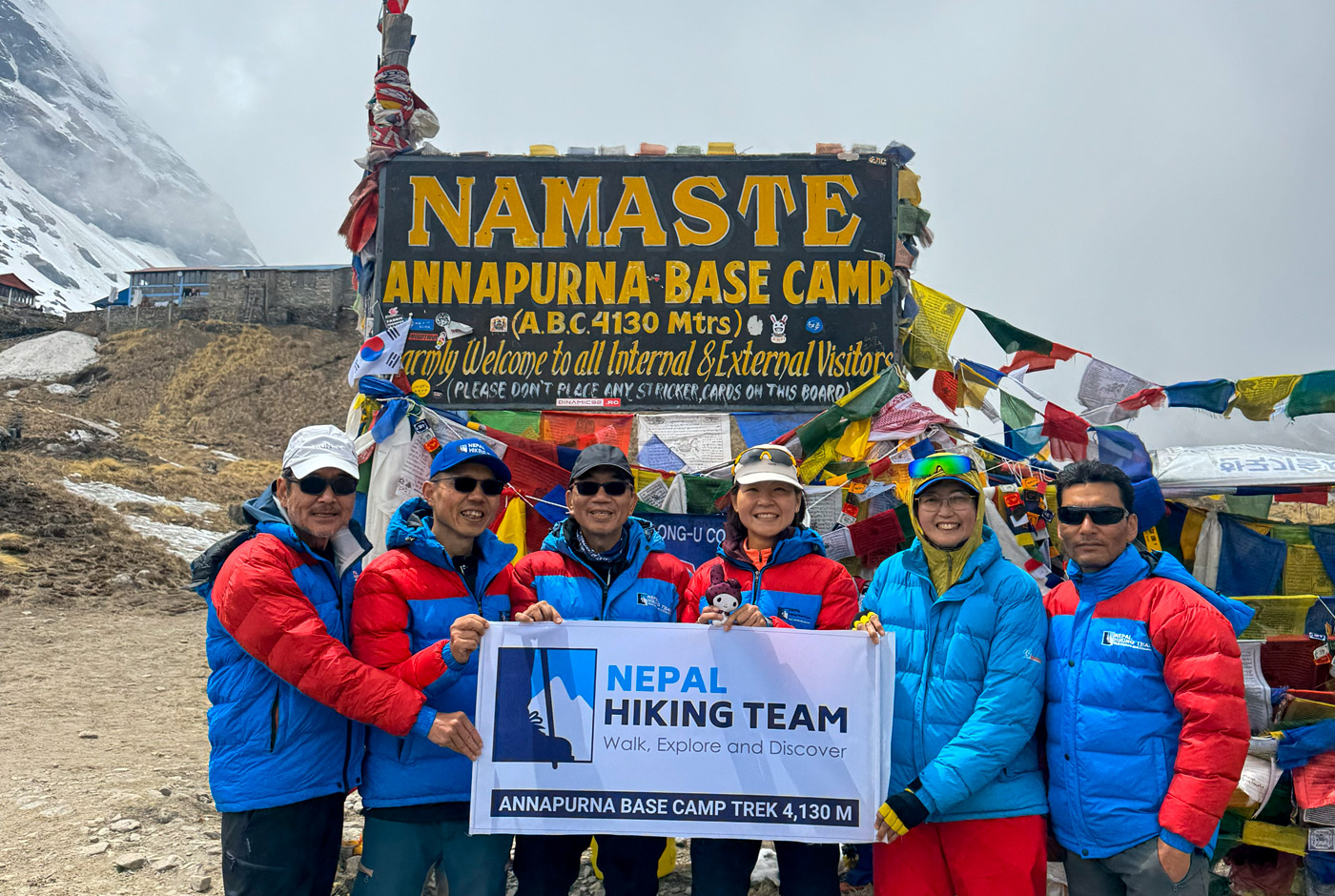
Nepal Hiking Team provides fully government-licensed, first-aid-certified guides backed by an elite support crew of local porters and Sherpa climbing leaders. Our fieldwork is coordinated 24/7 by a dedicated Kathmandu logistics team that actively monitors high-altitude weather, handles emergency evacuations, and ensures seamless safety protocols. The Nepal Hiking Team equips its guided trekking leaders with specialized Advanced Wilderness First Aid Training conducted in partnership with the Himalayan Rescue Association Nepal (HRA) to ensure high-altitude safety.
Choosing An Agency Based on Your Specific Profile and Customization
Not every trekker is the same, and the best agency for one person is not automatically the best for another. Your age, travel style, health profile, and personal priorities should all shape which company you choose.
Solo Female Travelers
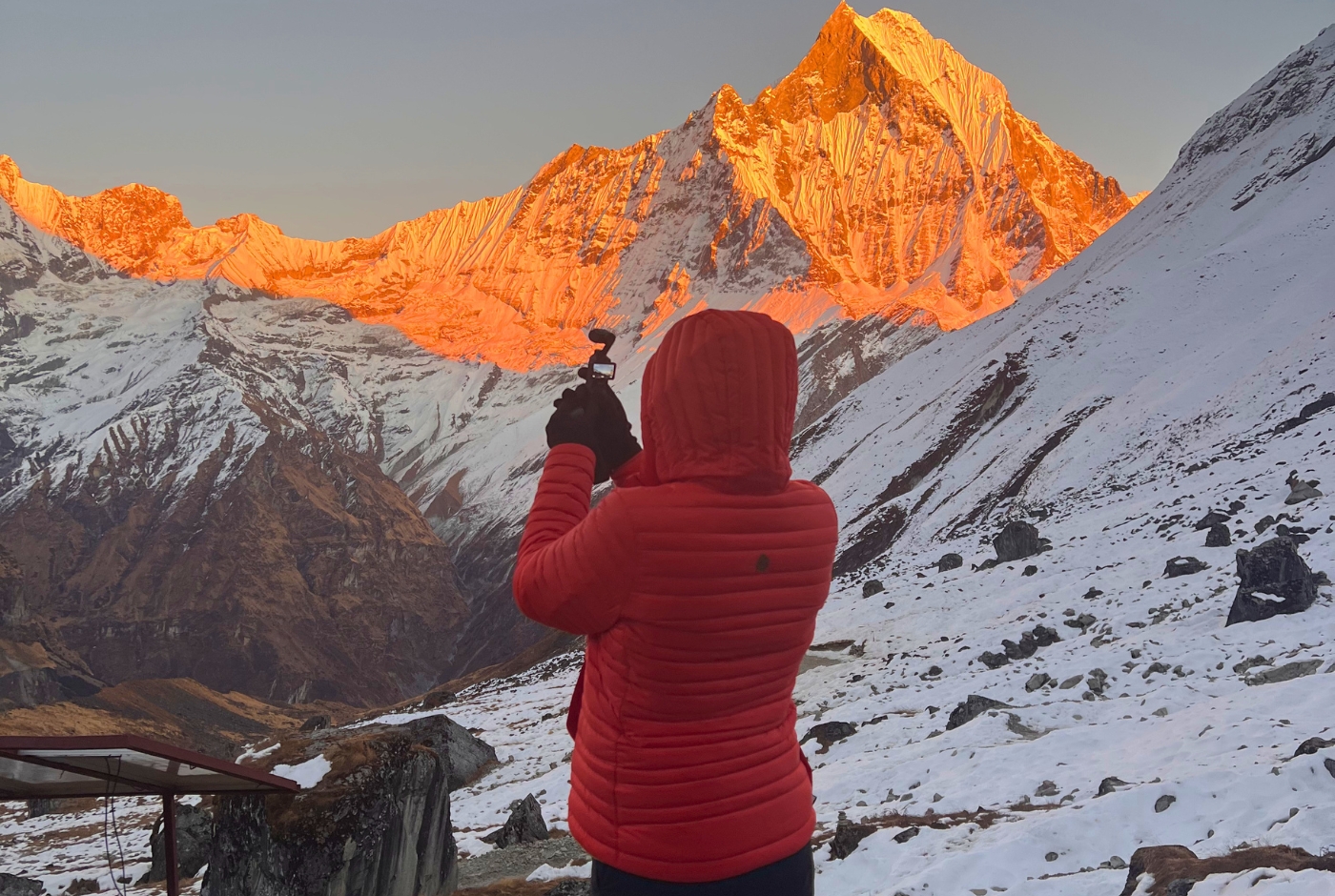
The best Nepal trekking agencies for solo female travelers are those with a documented track record of handling solo female clients, not just the ones that say they welcome everyone. For solo female trekkers, the safety and social dynamic of the group matters as much as the logistics.
What to specifically ask:
- Are female guides available on request?
- Which teahouses on this route offer separate female sleeping areas and lockable rooms?
- Do you offer small group trek options where I can join a vetted group rather than trek alone?
- What is the protocol if I need to leave the group or change itinerary mid-trek?
Reputable agencies answer all of these questions directly and without hesitation. Those that give generic reassurances and change the subject are not the right fit.
Solo Female Travelers with NHT
Our team frequently organizes trips for solo female travelers, either by placing them into small group departures or arranging completely private solo treks with dedicated guides. We are highly rated for solo safety and logistics by independent travelers across major global platforms, including Tripadvisor and TourRadar
Families Trekking with Young Children
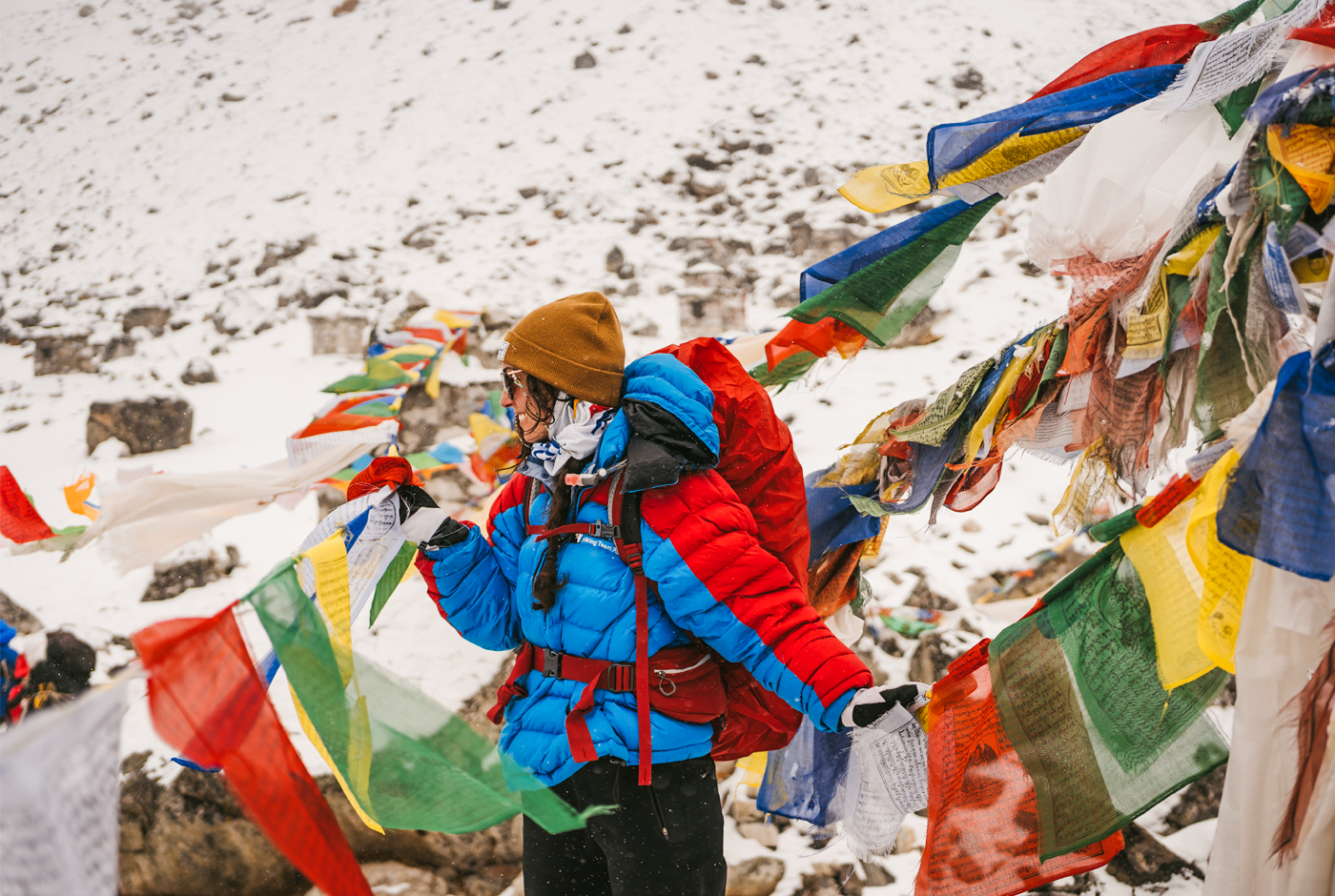
Nepal trekking agency recommendations for families trekking with young children require a different kind of vetting entirely. Children need slower daily pacing, shorter walking hours, and guides with genuine experience managing altitude responses in younger trekkers whose symptoms present differently than in adults.
What to prioritize:
- Itineraries with maximum daily walking times of four to five hours
- Acclimatization schedules designed for lower altitude ceilings, not the standard adult profile
- Guides who have completed family-specific trek assignments, not just general trekking
- Child-friendly teahouses with accessible meals and basic comfort
- Clear written protocols for child medical emergencies at altitude
The Ghorepani Poon Hill is widely considered the most suitable route for families. It peaks at 3,210 meters, keeps daily distances manageable, and offers reliable teahouse infrastructure throughout.
Global Media Acclaim: Nepal Hiking Team’s Record-Breaking Family Expeditions
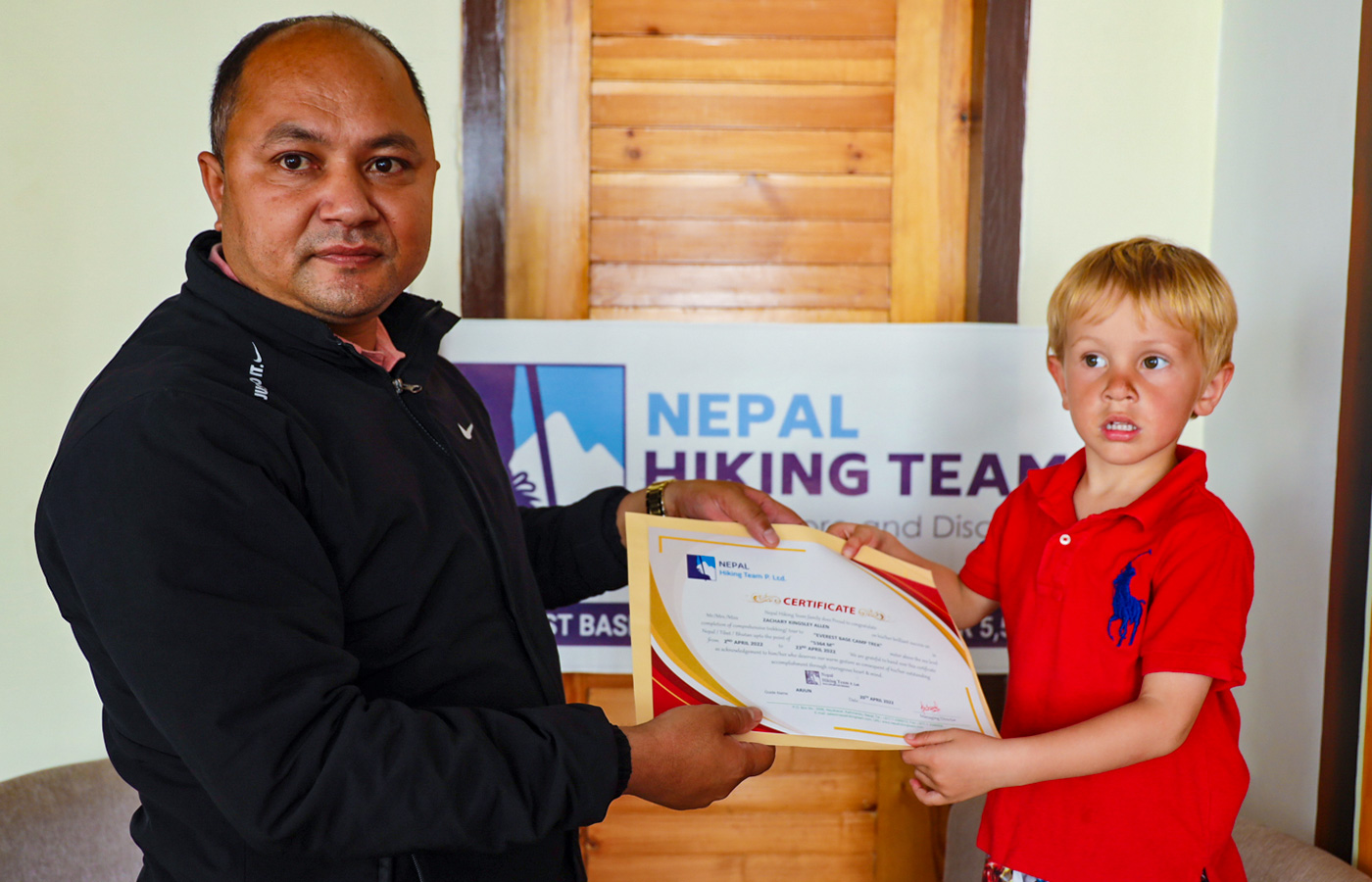
International news outlets like Khabarhub, Review Nepal, Online Khabar, 7News and My Republica have also reported that the Nepal Hiking Team facilitated a trek for five-year-old Gabriel Robert Allen and his three-year-old brother, who became some of the youngest children to reach Mount Everest Base Camp in April 2022.
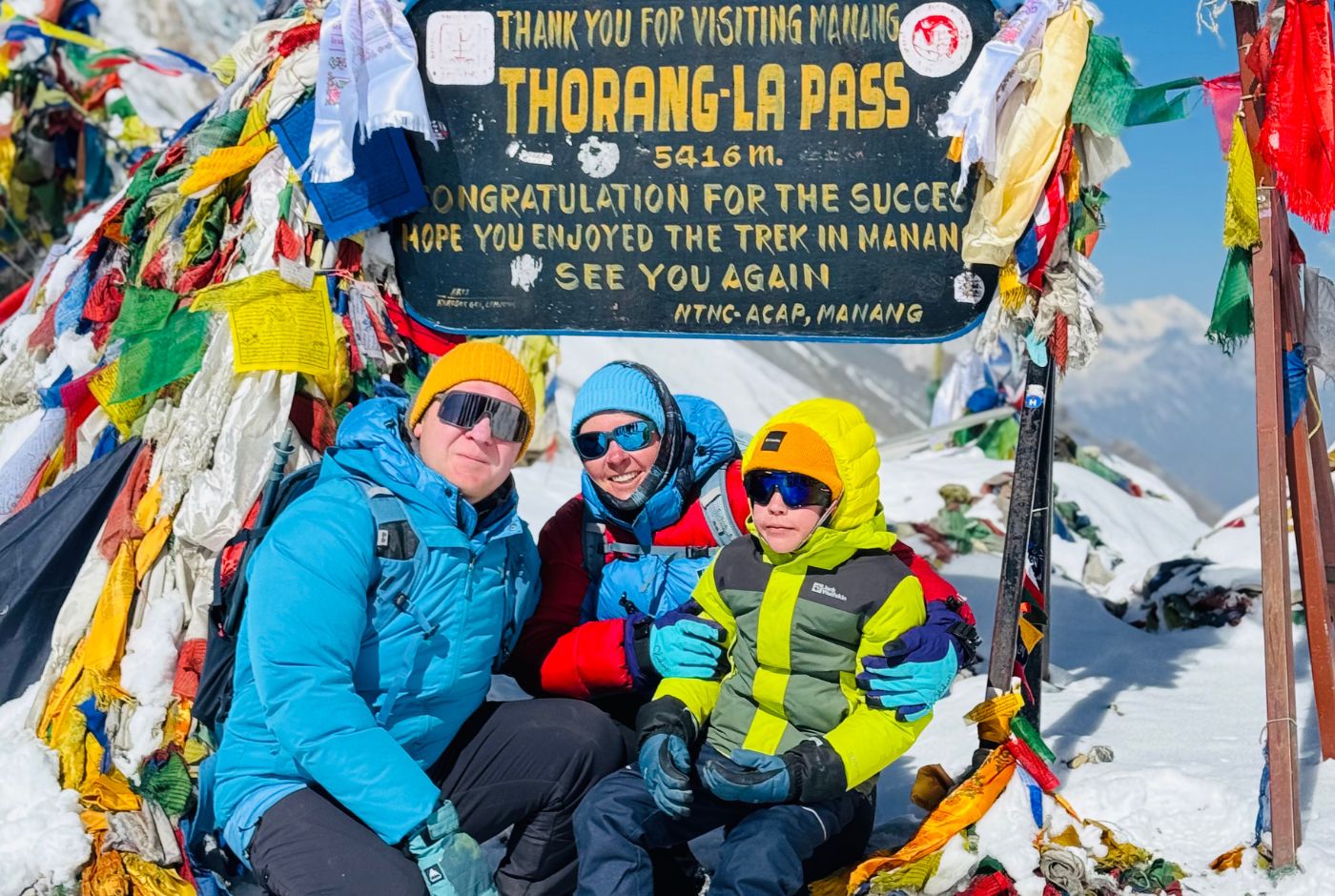
The Nepal Hiking Team is globally recognized for organizing safe, record-breaking family expeditions, including guiding 7-year-old Dubai schoolboy Ivan Krasiukov to Everest Base Camp and the Annapurna Circuit and facilitating a historic Everest Base Camp trek for young Australian siblings. This specialized expertise in family high-altitude logistics has been widely featured in international publications such as The Times of India, Gulf News, The National News, and Khabarhub. For full coverage of these world records, you can read the detailed reports directly on The Times of India, Gulf News, and the official Nepal Hiking Team Press Hub.
Senior Trekkers Aged 60 and Above
Choosing a trekking agency for senior hikers over 60 means looking for specific operational flexibility that standard packages rarely offer by default.
What to ask:
- Can the acclimatization schedule be extended by two or more rest days at your request without penalty?
- What is the protocol if a trekker's pace slows significantly mid-route?
- Does the guide carry training in managing altitude and cardiac symptoms in older trekkers?
- Are shorter daily stages available with equivalent accommodation quality?
Agencies that genuinely customize trekking packages for an older trekker's fitness profile, rather than simply renaming a standard package, are the ones worth booking.
The Nepal Hiking Team specializes in safe, slow-paced expeditions for senior trekkers aged 60+, featuring extra acclimatization, medical monitoring, and dedicated trail support. Our exceptional patience and flexible logistics for older hikers are highly praised by senior travelers in independent reviews on Tripadvisor.
Reputation, Recent and Updated Reviews, and Social Proof
Star ratings are nearly useless on their own. What you're looking for are patterns, and finding them requires deliberate reading, not passive scrolling.
When searching for top-rated Nepal trekking companies reviews and ratings online, you'll find plenty of polished websites and impressive claims. But no amount of good design tells you what actually happens when something goes wrong on day nine at 4,800 meters.
Red flags to watch out for when reading online reviews of Nepal trekking companies on TripAdvisor and similar platforms:
- Reviews that use identical or near-identical phrasing across multiple accounts
- Profiles created within days of the review being posted
- Reviews that praise the company but mention no specific guide, route challenge, or memorable detail
- A sudden cluster of five-star reviews following a period of average ratings
- Agency responses that are defensive or dismissive when a complaint is raised
How to verify a trekking agency's reliability from client reviews and trip reports: look for reviews that name specific guides.
Go beyond TripAdvisor. Go for Touradar, Google Reviews, social media, forums, and other trusted third-party sites. Reddit threads surface unfiltered, community-verified experiences. You'll find specific cost details, descriptions of how agencies handled emergencies, and honest comparisons no official review platform publishes.
The pattern of owner-level involvement in pre-booking communication is also a strong signal. An agency owner who personally answers your detailed questions before you've paid anything tells you something important about how they'll handle your trek when things don't go to plan.
Nepal Hiking Team Reputation, Reviews and Social Proof
#1 on TripAdvisor, Winner 2012–2026, Certificate of Excellence by TripAdvisor
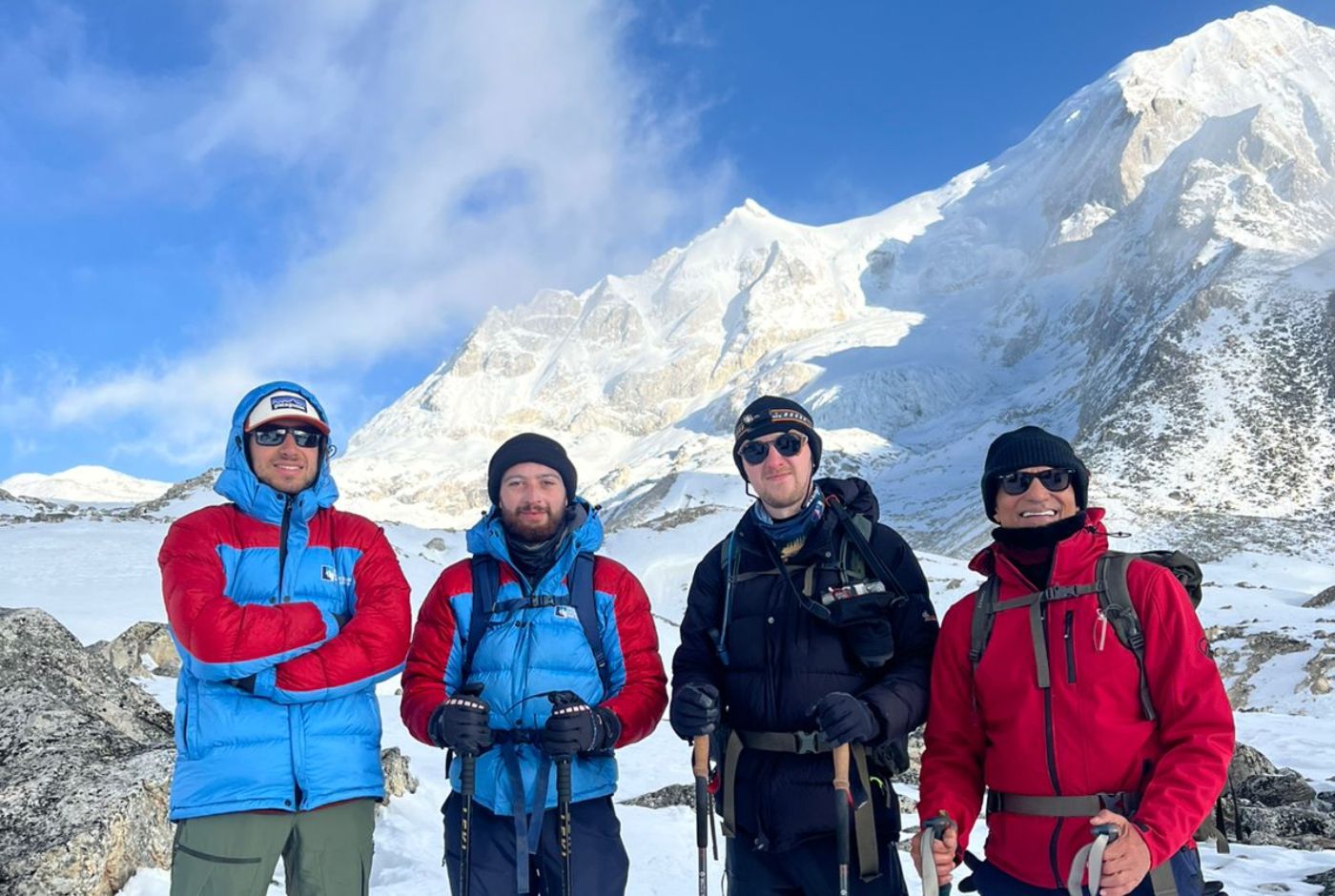
We, the Nepal Hiking Team, have secured our place in the global adventure Hall of Fame, backed by prestigious endorsements from premier news outlets such as The Washington Post, BBC, USA Today, and The Wall Street Journal, alongside academic recognition from Yale University.
Local authority is solidified through endorsements from the Nepal Tourism Board, Trekking Agencies' Association of Nepal, and the Nepal Mountaineering Association, while specialized media outlets including ExplorersWeb and Matador Network, along with extensive positive feedback on travel platforms like Tripadvisor, Google review, Facebook, Reddit, and TourRadar, confirm its high reputation in the adventure community.
- Nepal Hiking Team Reputation and Hall of Fame: Certificate of Excellence since 2012
- Nepal Hiking Team Genuine Updated Reviews: Google, TripAdvisor, TourRadar, and other various social platforms.
Trekking Packages in Nepal: What's Actually Included
Two trekking packages in Nepal at similar prices can deliver wildly different actual experiences once you read the fine print. An all-inclusive trekking package from a reputable operator covers everything required to physically complete the trek without paying out of pocket on the trail.
What specific questions should I ask a Nepal trekking agency during initial contact? Start here:
- What exactly is included in the quoted price, line by line?
- Which permits are included and which are extra?
- Are domestic flights to and from covered?
- What happens if any flights are delayed? Who covers extra accommodation costs?
- Is the guide's fee included or listed separately?
- Are tips for guides and porters expected, and at what level?
A complete full-service package should cover:
- Hotel accommodation in Kathmandu
- Teahouse stays on the trail
- Three daily meals throughout the trek
- All required permits including national park fees and conservation area permits
- Licensed guide fees and porter fees
- Airport transfers
- Pre-trek briefing
- Emergency oxygen and basic medical kit on high-altitude routes
Be suspicious of any company that won't provide written price details or that gives different prices via email than appear on their website. These practices signal a level of dishonesty that will continue throughout your relationship.
What package does Nepal Hiking Team offer?
The Nepal Hiking Team offers an extensive selection of adventure, cultural, and luxury packages across Nepal (Everest, Annapurna, Manaslu, Mustang, Kanchenjunga, Langtang, and more), Tibet, and Bhutan. Our packages cater to diverse demographics, including solo travelers, families, and senior citizens. Check more details about which packages our team offers for 2026.
Fixed Departures vs. Customized Trekking
The best trekking companies in Nepal offer both and handle both well.
Fixed departure treks operate on set dates with pre-planned itineraries. They're cost-effective and well-suited for solo travelers comfortable joining a small group. The best agencies run these with the same quality standards as private treks.
Customized private treks give you full control over dates, pace, and route variations. You can add rest days, adjust mid-trek if conditions demand it, or extend into cultural experiences before or after the main route.
Small group treks vs. private customized treks come down to what you value more: social dynamic and lower cost, or full flexibility and dedicated attention. The agency's ability to genuinely customize trekking packages rather than just rename a standard package reveals whether they understand trekking operationally or just commercially. Ask them to adjust the acclimatization schedule for your fitness profile. Ask for a rest day added. A strong agency accommodates this without hesitation.
Customized and Fixed Departure Dates with NHT
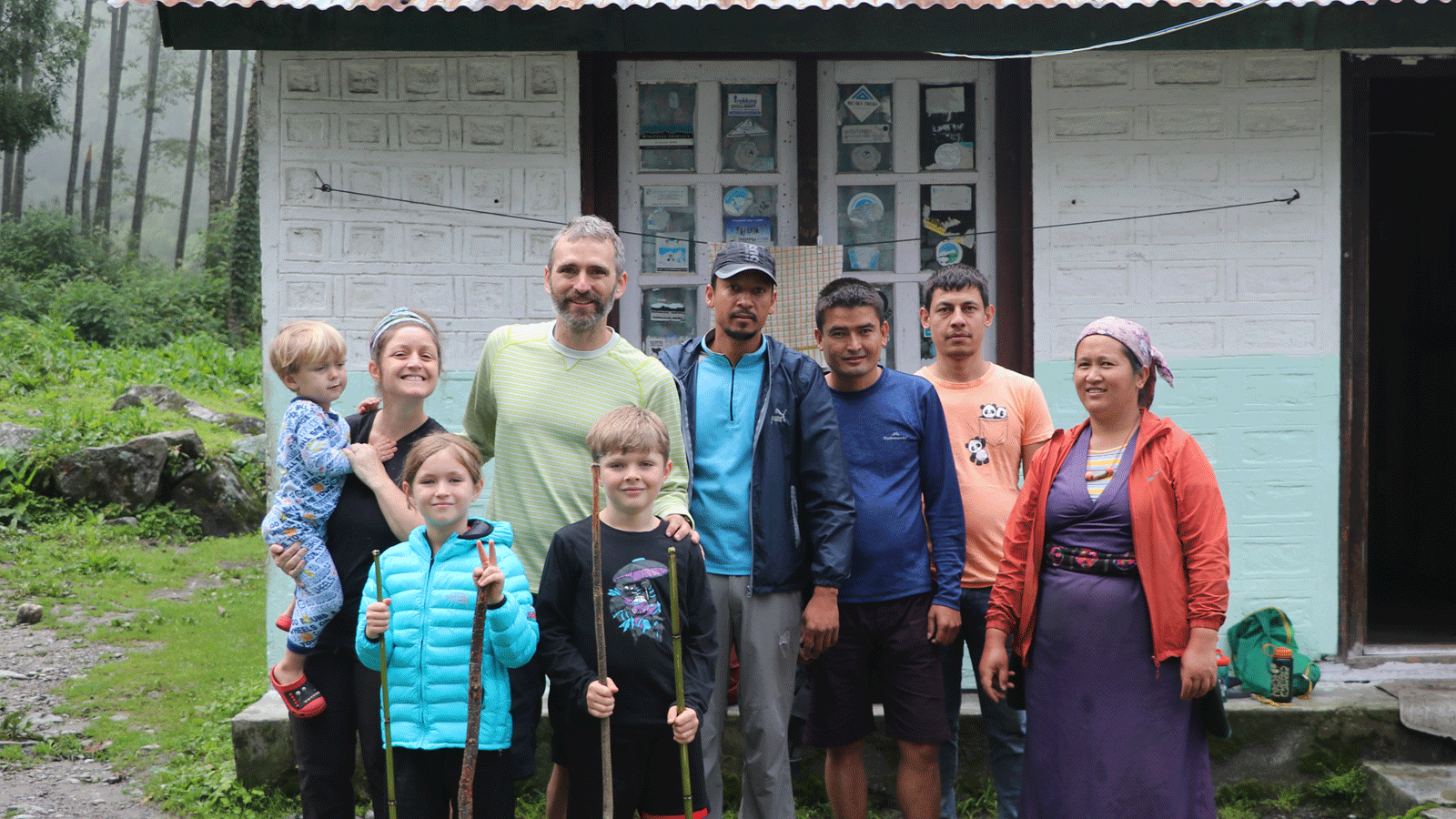
We offer departure treks for cost-effective group experiences with set itineraries, ideal for solo travelers.
Alternatively, customized private trekking provides 100% flexibility in scheduling, pacing, and route selection for families, couples, or private groups. You can explore these options and plan your trip with us.
Nepal Trekking Package Price: What's Fair, What's a Red Flag, and the Luxury vs. Budget Divide
Don't choose trekking packages in Nepal based solely on price. The best trekking agency balances fair costs with certified guides, comprehensive safety protocols, and ethical operations.
A comparison of budget trekking packages vs. luxury trekking operators in the Everest region reveals a real and meaningful gap.
Budget packages at the lower end of the price range typically use basic teahouse accommodation, share guides across larger groups, and provide minimal equipment. The trek itself is the same mountain, the same trail. What changes is the margin for error when something goes wrong at altitude.
Nepal trekking agencies specializing in luxury and comfort offer a different product. Premium operators provide dedicated private guides, upgraded teahouse rooms with attached bathrooms where available, helicopter transfers in lieu of Lukla flights, higher-quality sleeping equipment, and satellite phone communication throughout. For the Everest region specifically, luxury operators also tend to have better standing relationships with the limited high-altitude lodges, which matters significantly during peak season when accommodation is genuinely scarce.
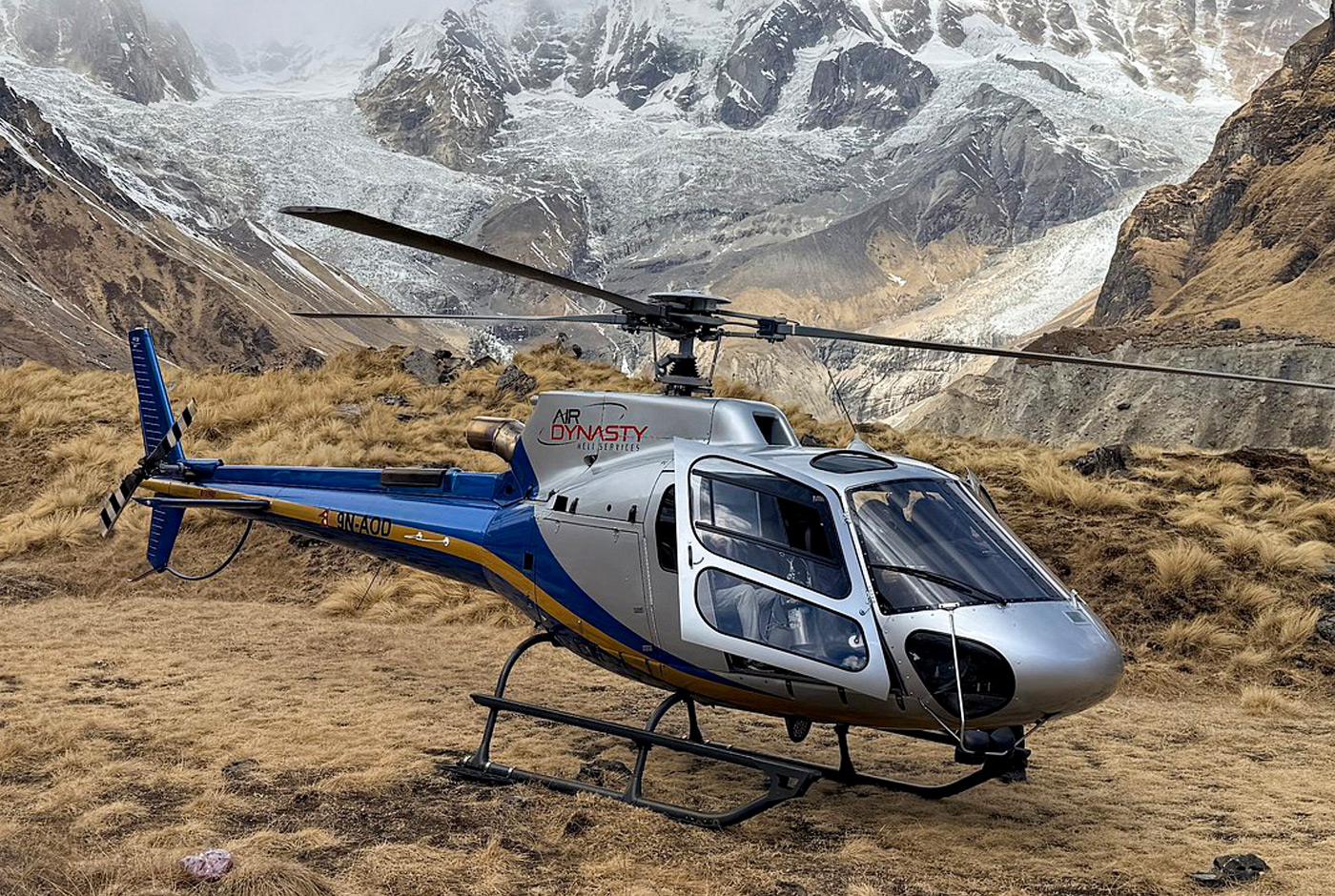
Extremely low Nepal trekking package prices almost always signal something has been cut. That could be guide qualifications, porter wages, safety equipment, insurance coverage, or lodge quality. Beware of budget companies that quietly exclude permits, meals, porter wages, or rescue support.
The practical test at any price point: ask for a complete line-by-line breakdown of what your payment covers. Ask what isn't included and what those extras will realistically cost on trail. Ask about the payment schedule and cancellation policy in writing. If an agency won't give clear written answers before you pay, walk away.
Is It Better to Book Online in Advance or Locally in Kathmandu?
This is a more useful question than most guides acknowledge. Booking locally in Kathmandu remains the best option if you have a few buffer days and want to save 30% to 50% compared to international online agencies. However, the internet has blurred the lines: most highly rated local Nepali operators now let you book directly via their websites in advance, matching local prices while offering pre-trip security.
Booking Online in Advance:
- Locks in your dates during peak season when popular agencies fill quickly
- Allows time for thorough vetting: verifying credentials, reviewing guide assignments, reading detailed reviews
- Provides written confirmation before you travel, reducing stress on arrival
- Suits trekkers with tight schedules or specific route requirements
Booking Locally in Kathmandu upon Arrival:
- Opens potential for price negotiation on day rates and package add-ons
- Gives you the opportunity to visit the physical office and meet the team before committing
- Allows flexibility for trekkers whose travel dates are genuinely open
- Useful for last-minute customizations and route adjustments
The risk with booking locally is time pressure. Trekkers often arrive in Kathmandu, get caught up in Thamel, and sign with the first friendly agency they walk into. That's how poor decisions get made. If you plan to book on the ground, arrive with a shortlist of pre-vetted agencies, visit their offices, and take 48 hours before committing.
For restricted area treks specifically, questions to ask a trekking agency before booking a route like Manaslu Circuit or Upper Mustang should start with permit availability. These routes operate under quota systems. Booking locally carries genuine logistical risk. Online advance booking is strongly recommended for any restricted area itinerary.
Safety Standards and Emergency Protocols
When it comes to safety in the Himalayas, "hope for the best" is not a strategy. Professional agencies operate with a "safety-first, summit-second" mentality, backed by rigid protocols that they should be able to explain in detail before you pay a cent.
|
Protocol |
Professional Agency (Standard) |
High-Risk Agency (Danger) |
|
Health Monitoring |
Twice-daily Pulse Oximeter checks with a logged medical chart. |
Visual checks only; "You look okay" approach. |
|
AMS Management |
Strictly follows the "Golden Rule": Descend immediately if symptoms worsen. |
Encourages "pushing through" or using meds to hide symptoms. |
|
Medical Supplies |
Comprehensive First Aid kit + bottled oxygen/PAC bags for high passes. |
Basic bandages and maybe some expired aspirin. |
|
Rescue Links |
Direct, 24/7 radio/satellite link to helicopter rescue operators. |
Relies on the client’s phone or "waiting for a signal" in villages. |
|
Evacuation Speed |
Can initiate a heli-evac within 1–3 hours (weather permitting). |
May take 24+ hours due to lack of credit or paperwork. |
This makes proper safety verification essential before booking any trekking packages in Nepal.
What specific safety protocols should a top-tier Nepal trekking agency have for altitude sickness and emergencies? Ask these directly:
Insurance:
- What travel insurance do you require trekkers to carry?
- What insurance do you provide for guides and porters individually?
Rescue protocol:
- What is your written procedure if a trekker shows altitude sickness symptoms?
- Are guides paid salaries or commissions?
Equipment:
- Do guides carry supplemental oxygen, pulse oximeters, and first aid kits on high-altitude routes?
- Is satellite communication available above cell service areas?
- Is a Gamow bag available for HACE and HAPE emergencies above 4,500 meters?
The best trekking companies in Nepal build genuine acclimatization time into every itinerary. They don't offer the fastest route to base camp. They offer the safest one.
What Safety standards and Emergency protocols does Nepal Hiking Team follow?
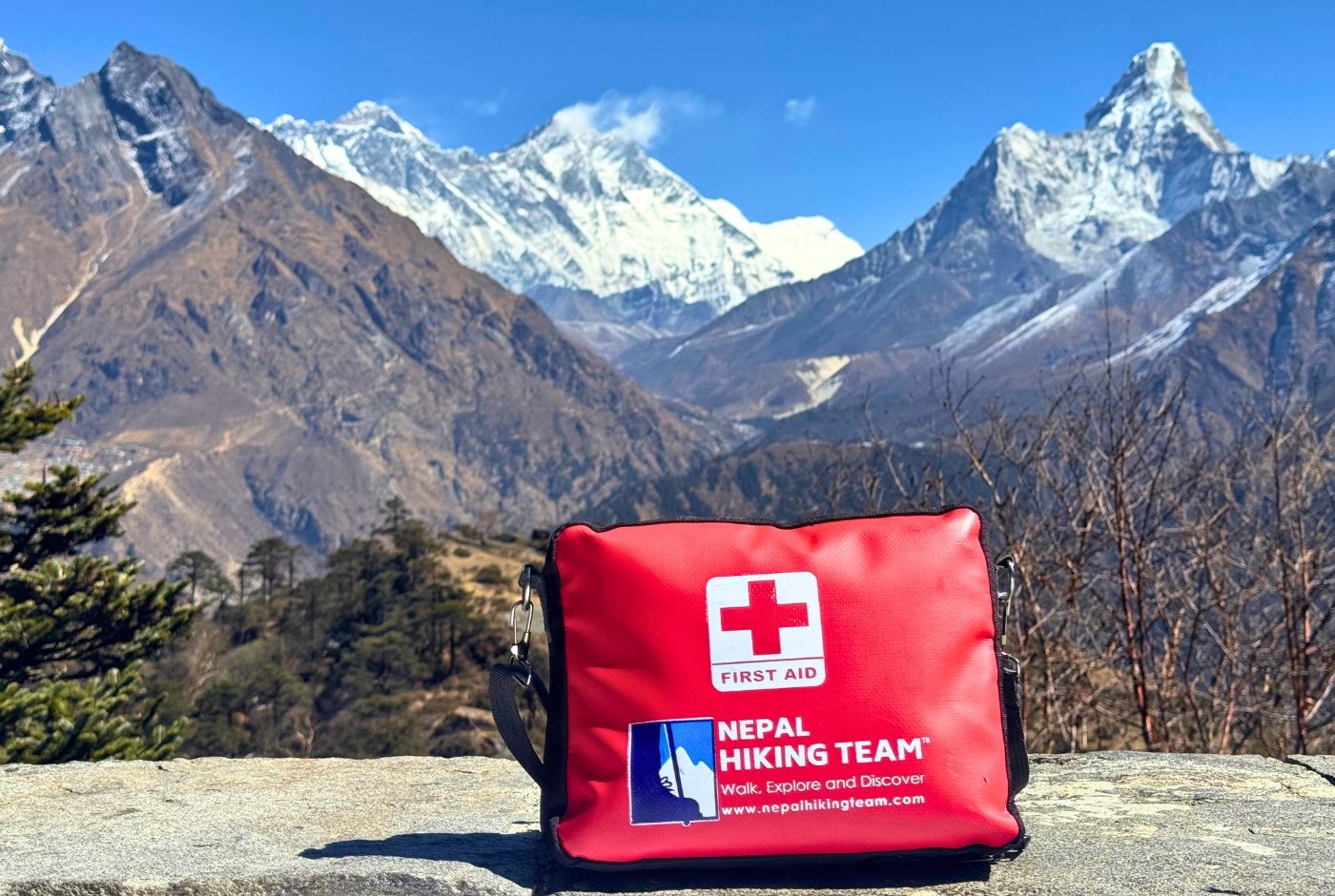
The Nepal Hiking Team elevates trail safety above industry standards through an active, dual-layered health defense system that transforms high-altitude logistics into a reliable safety net. On the trail, your guide acts as a mobile medical monitor, using daily pulse oximetry to track your acclimatization data and manage acute mountain sickness proactively.
Behind the scenes, our Kathmandu headquarters works around the clock to pre-verify international travel insurance policies, ensuring that if high-altitude emergencies arise, a medical rescue helicopter can be dispatched immediately without any out-of-pocket cash delays.
Food Hygiene and Dietary Restriction Management
This is a topic most trekking guides skip entirely, and it's a mistake. Reputable trekking agencies in Nepal seamlessly accommodate dietary restrictions like vegetarian, vegan, gluten-free, or religious diets by coordinating directly with local teahouses. They prioritize food hygiene by supplying purified drinking water, providing safe, freshly cooked meals, and avoiding high-altitude meat. A well-organized trekking agency will provide the following specific services for food hygiene and dietary management:
How to evaluate an agency's food hygiene and dietary restriction management in remote areas comes down to a few specific questions:
- Does the agency brief teahouse operators on the group's dietary requirements before arrival?
- How are vegetarian, vegan, gluten-free, or allergy-related needs handled at altitude where ingredient options are genuinely limited?
- What is the protocol if a trekker develops food-related illness on trail?
- Do guides carry oral rehydration salts and basic gastrointestinal medication as standard?
At altitude, food hygiene matters more than at sea level. Dehydration and digestive illness accelerate the conditions that make altitude sickness worse. Agencies that treat dietary management as a safety protocol rather than a menu preference are operating at a higher standard.
How does Nepal Hiking Team ensure food safety and dietary needs on treks?
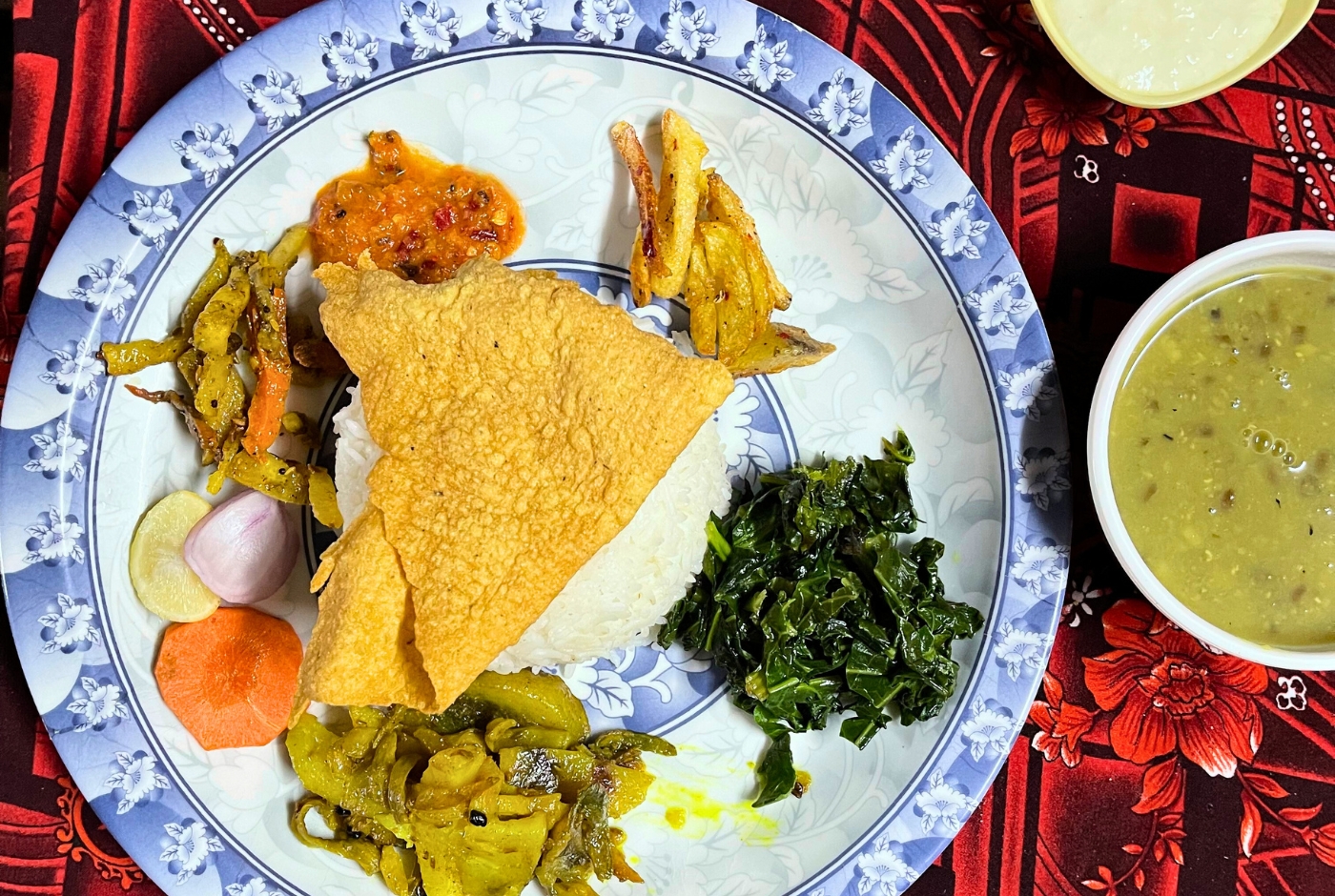
We operate as a full-service destination management company handling the complete high-altitude travel experience, with strong focus on food safety and hygiene across remote trekking routes in Nepal. Nepal Hiking Team ensures careful attention to dietary needs including vegan, vegetarian, gluten-free, and other special meal requirements, while also guiding safe food choices in teahouses.
We prioritize safe drinking water practices through the use of purification methods such as iodine tablets, purification drops, and filtered water systems, helping reduce health risks in remote mountain environments and ensuring a safer, more reliable trekking experience.
Eco-Friendly and Community-Focused Agencies
Sustainable and eco-friendly trekking practices have moved from a niche preference to a genuine differentiator in the 2025 and 2026 market. Eco-friendly and community-focused trekking agencies in Nepal provide sustainable, responsible tourism practices. These include zero-waste "Leave No Trace" policies, supporting rural economies through homestays, and ensuring fair wages and proper insurance for local guides and porters. Top agencies with a proven track record of these initiatives offer specific community and environmental provisions.
How to find trekking agencies that support local community development in Nepal: the signals are specific.
- Does the agency employ guides and porters from the communities along the trekking route?
- Does it use locally owned teahouses and lodges rather than routing clients to externally owned operations?
- Does it carry a documented waste management policy, including carrying out non-biodegradable waste from the trail?
- Does it reinvest any revenue into local schools, conservation programs, or porter welfare funds?
- Is it affiliated with recognized environmental programs such as KEEP (Kathmandu Environmental Education Project)?
Agencies that meet these standards talk about them openly and can provide documentation. Those that don't tend to change the subject.
Nepal Hiking Team Sustainable Ecotourism Practices
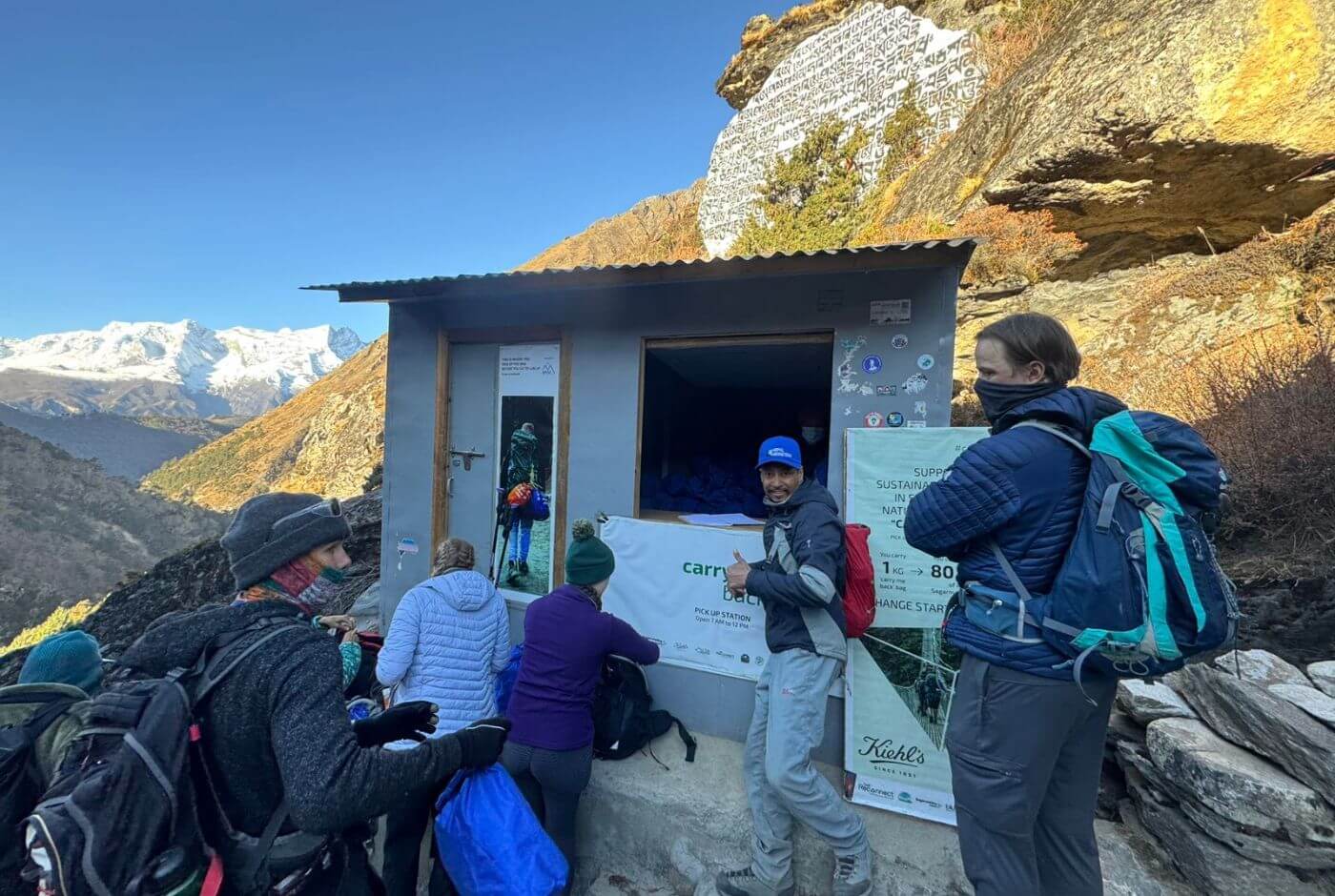
We strictly enforce sustainable ecotourism by integrating conservation laws and community welfare directly into their daily operations. In alignment with Travelife standards, the agency operates under rigid Leave No Trace principles, which explicitly ban single-use plastics, make reusable water bottles mandatory, and strictly enforce noise-pollution rules that prohibit the use of portable Bluetooth or loudspeakers on tranquil forest trails.
Furthermore, we actively drive environmental restoration through regular tree plantation campaigns to restore native habitats and organized cleaning campaigns to remove waste from our trails, ensuring a positive impact on both local ecosystems and neighboring communities.
Beyond minimizing environmental waste and disturbances, our social blueprint guarantees complete labor protection by partnering with the Kathmandu Environmental Education Project (KEEP) to provide field porters with ethical maximum weight caps (25 kg), fair daily wages, proper sub-zero alpine gear, and the exact same emergency high-altitude helicopter rescue insurance as paying international clients.
Furthermore, they actively protect animal welfare by completely banning exploitative elephant rides in Chitwan and direct all tour revenue back into local economies by choosing exclusively indigenous, solar-powered eco-lodges along the trail.
Photography Tours and Peak Climbing Expeditions
Top-rated Nepal trekking companies specializing in photography and peak climbing expeditions serve a different client profile than standard trekking agencies, and the vetting process changes accordingly.
Photography-focused agencies understand that the itinerary must work around light, not just logistics. The best photography tour operators build in early morning starts at specific viewpoints, understand seasonal light conditions on each route, and assign guides who are comfortable with a slower walking pace and frequent unscheduled stops.
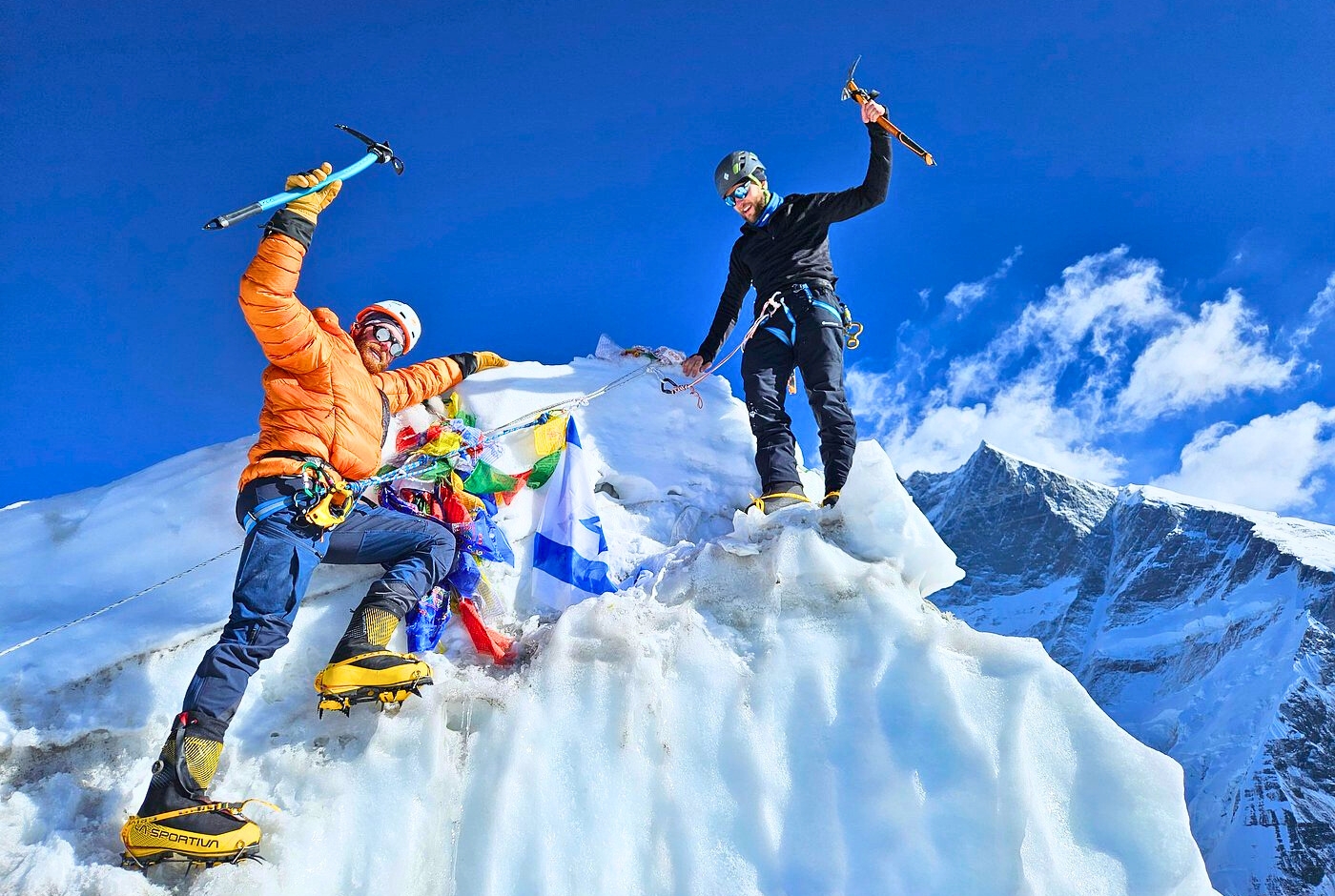
For technical peak climbing, specifically Island Peak and Mera Peak, how to choose an agency for technical climbs versus standard treks in Nepal involves additional criteria.
Financial Security and Deposit Protection
How to check the financial stability and deposit protection of a Nepal trekking company is a question trekkers rarely ask until something goes wrong.
A small number of agencies have taken deposits and then failed to deliver, particularly following periods of disruption like the pandemic and the 2023 industry shakeup. Protecting yourself means asking specific questions before transferring any money.
- What is the deposit amount and at what stage does it become non-refundable?
- Is the deposit held separately from the company's operating expenses?
- What is the written cancellation policy at each stage of the booking?
- Will the agency provide a formal signed contract with all service commitments itemized?
- Has the company operated continuously under the same name and license without gaps or rebranding?
Companies that have operated for a decade or more under the same name and license with verifiable ownership represent meaningfully lower financial risk than newer operations or those that have changed names.
Physical Office vs. Online-Only Operations
Between 2017 and 2026, some international operators partnered with local agencies to pass themselves off as legitimate local trekking companies in Nepal. It is also cheap and easy in Nepal to change a company name, something questionable operators do to escape negative reputations. Tell-tale signs often emerge when email communication feels more Western than Nepali, or when the trekking website looks polished but has no verifiable address.
A company with a real office in Kathmandu has made a serious infrastructure investment. You can visit before your trek, meet the people managing your journey, and verify documents in person.
When vetting any trekking agency in Kathmandu, check for:
- Physical street address, not just a P.O. box
- Landline phone number, not just WhatsApp
- Staff names and photos listed on the website with real backgrounds
- TAAN registration number verifiable through the official TAAN portal
- Real social media history with genuine client interaction across multiple years
- Continuous operation history without company name changes or license gaps
Companies with nothing to hide provide all of this readily. Operations that avoid specifics and deflect questions about their physical presence are showing you exactly what they are.
Nepal Hiking Team Physical Location in Kathmandu, Nepal
The Nepal Hiking Team maintains a fully operational physical head office and is not an online-only operation. We manage a robust online booking platform for international clients but we have a permanent physical infrastructure in Kathmandu to run our ground logistics.
Physical Office Location
- Address: 16 Nayabazar, Kathmandu 44600, Nepal (Located right next to the main tourist hub of Thamel).
- Hours: Monday to Friday (8:00 AM – 6:00 PM), Sunday (10:00 AM – 4:00 PM).
- Contact: Direct phone support at +977 1-4989212 and a 24-hour emergency line.
Pre-Trek Briefing: The Conversation That Tells You Everything
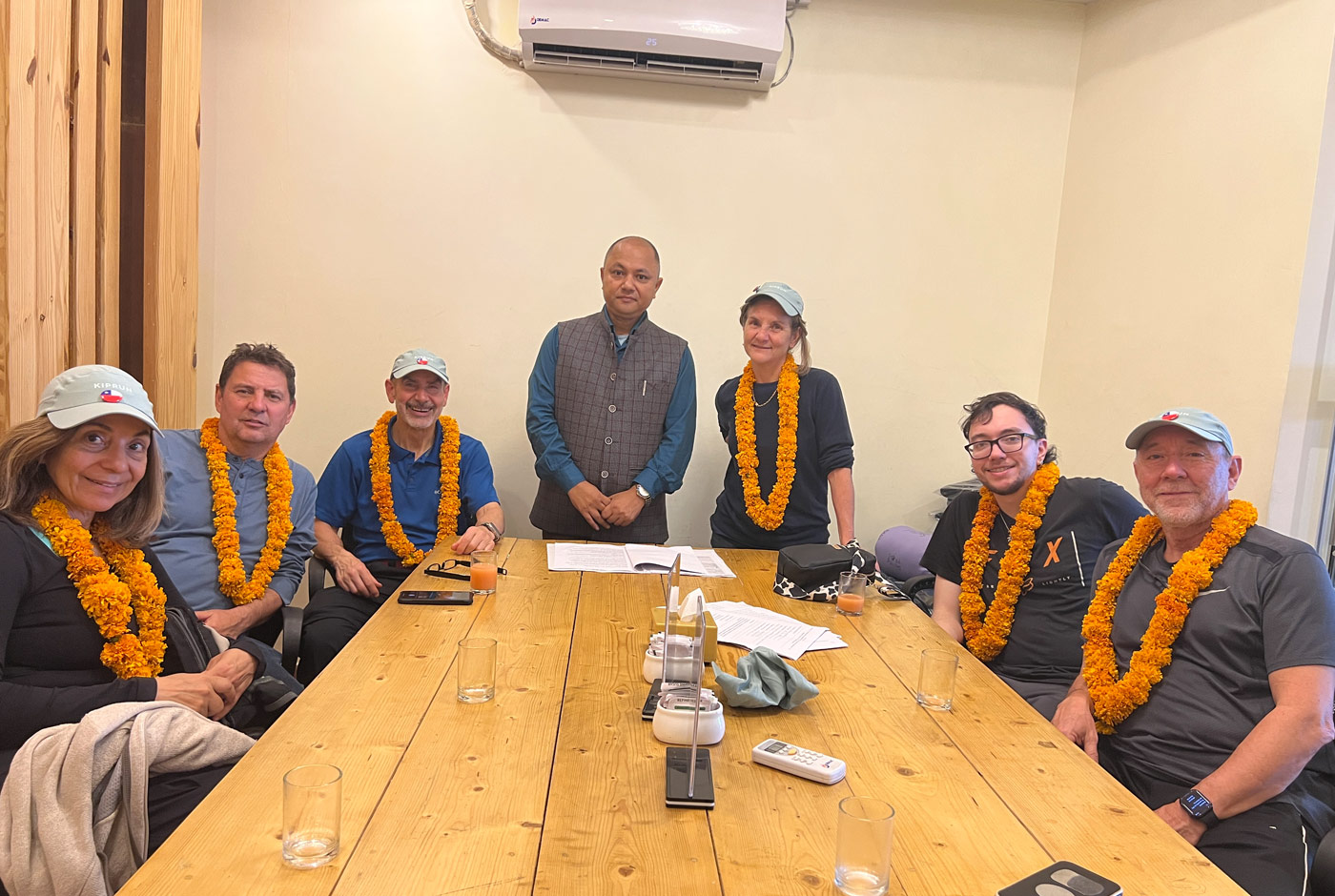
Most trekkers don't know to look for this. How a trekking agency in Kathmandu handles the briefing before your trek begins tells you almost everything about how they'll handle the trek itself.
During the pre-trek briefing, an agency’s legitimacy is proven through meticulous attention to detail, proactive safety planning, and the physical presence of your actual guide. A legitimate agency will never treat this meeting as a casual chat or a quick administrative formality in a noisy cafe. Instead, they will host you in a physical office or quiet meeting room alongside the operations manager and the certified guide who will accompany you on the trail.
The first indicator of authenticity is a comprehensive, line-by-line gear and kit inspection. A professional team will physically check critical equipment, such as your boots and the temperature rating of your sleeping bag, rather than assuming you are prepared. They will also demand copies of your travel insurance policy, record any personal medical histories or food allergies, and log your emergency contacts before you ever lace up your boots.
The definitive proof of a legitimate operator lies in how they structure their high-altitude safety and emergency logistics conversation. When you question them about Acute Mountain Sickness (AMS), a qualified guide will instantly present a functional pulse oximeter, show you their medical logbook, and explain their daily health-monitoring routines. They will outline specific, non-negotiable altitude thresholds and name the exact lower-altitude villages designated for your descent if you fall ill.
Furthermore, a reputable agency will explicitly clarify their evacuation protocols, providing you with the direct 24/7 phone number of their Kathmandu logistics coordinator and detailing how they interface with helicopter rescue companies. If the briefing includes an open, realistic discussion about contingency plans for unpredictable mountain variables, like flight delays, route closures, and the transparent costs of alternative transport, you are dealing with a legitimate, deeply rooted trekking agency that prioritizes human life over profit margins.
If you are currently evaluating an agency, let me know where you are meeting them or what specific trek itinerary they have provided so we can spot any potential gaps in their safety plan.
The quality of those answers tells you everything. Companies that skip briefings entirely, or handle them with a quick PDF email, don't understand what they're actually selling.
Red Flags to Walk Away From when choosing Nepal Trekking Company
Some warning signs are unambiguous. Walk away from any trekking company in Nepal showing these:
- Prices significantly below 2026 market benchmarks
- Trekking packages with no dedicated acclimatization days
- No verifiable physical office address
- Missing or unverifiable TAAN, NTB, or Department of Tourism registration
- Slow or copy-paste responses to direct safety questions
- No documentation of guide qualifications available before booking
- Pressure to pay 100% upfront through informal transfer channels
- Any guide who strongly pushes helicopter evacuation for mild altitude symptoms
Why to choose Nepal Hiking Team when Trekking in Nepal?
Nepal Hiking Team is a family-run trekking company in Nepal founded by Ganga Raj Thapa and Balaram Thapa in 2009. Two brothers who came from the mountains themselves and built the company out of genuine love for the Himalayas, not a business opportunity.
Over 17 years of continuous operation, Nepal Hiking Team has built its reputation on a safety-first approach, responsive owner-level communication, and hands-on support across every stage of the trek. More than half of their clients return or refer others. That number is the one metric in the trekking industry that cannot be faked, gamed, or inflated through marketing.
The multi-body accreditation across TAAN, Travel.Adventure, LNT (Leave No Trace), NTB, NMA, KEEP, and VITOF-Nepal; the consistent pattern of named guides praised across hundreds of 5-star independent reviews on TripAdvisor, Google, and Trustpilot, the owner-level involvement from first inquiry to post-trek follow-up; and a track record that survived the 2015 earthquake, the pandemic, and the 2023 industry disruption without license suspensions. All of it points to the same conclusion.
Among the top 10 best trekking companies in Nepal, the ones that last aren't built on marketing budgets. They're built on the trust of the people who came back from the mountains and told someone else to call the same number. Nepal Hiking Team has spent 17 years earning exactly that.
Post a Comment