
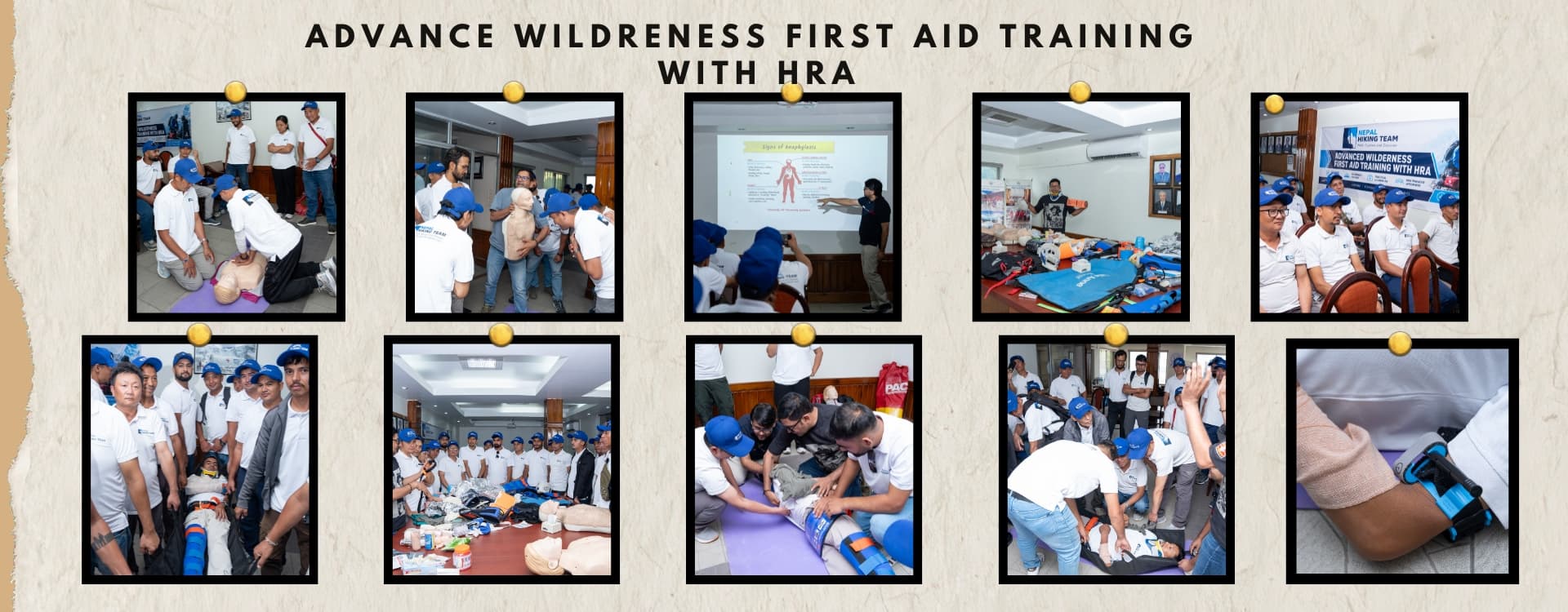
Nepal Hiking Team guides have successfully completed Advanced Wilderness First Aid Training conducted by the Himalayan Rescue Association Nepal (HRA) in Lazimpat, Kathmandu.
Advanced Wilderness First Aid Training helps trekking guides respond effectively to medical emergencies in remote mountain environments where immediate access to healthcare is limited. In Nepal, where many trekking routes pass through high-altitude regions far from hospitals, this specialized training plays an important role in improving mountain safety, emergency preparedness, and the overall trekking experience.
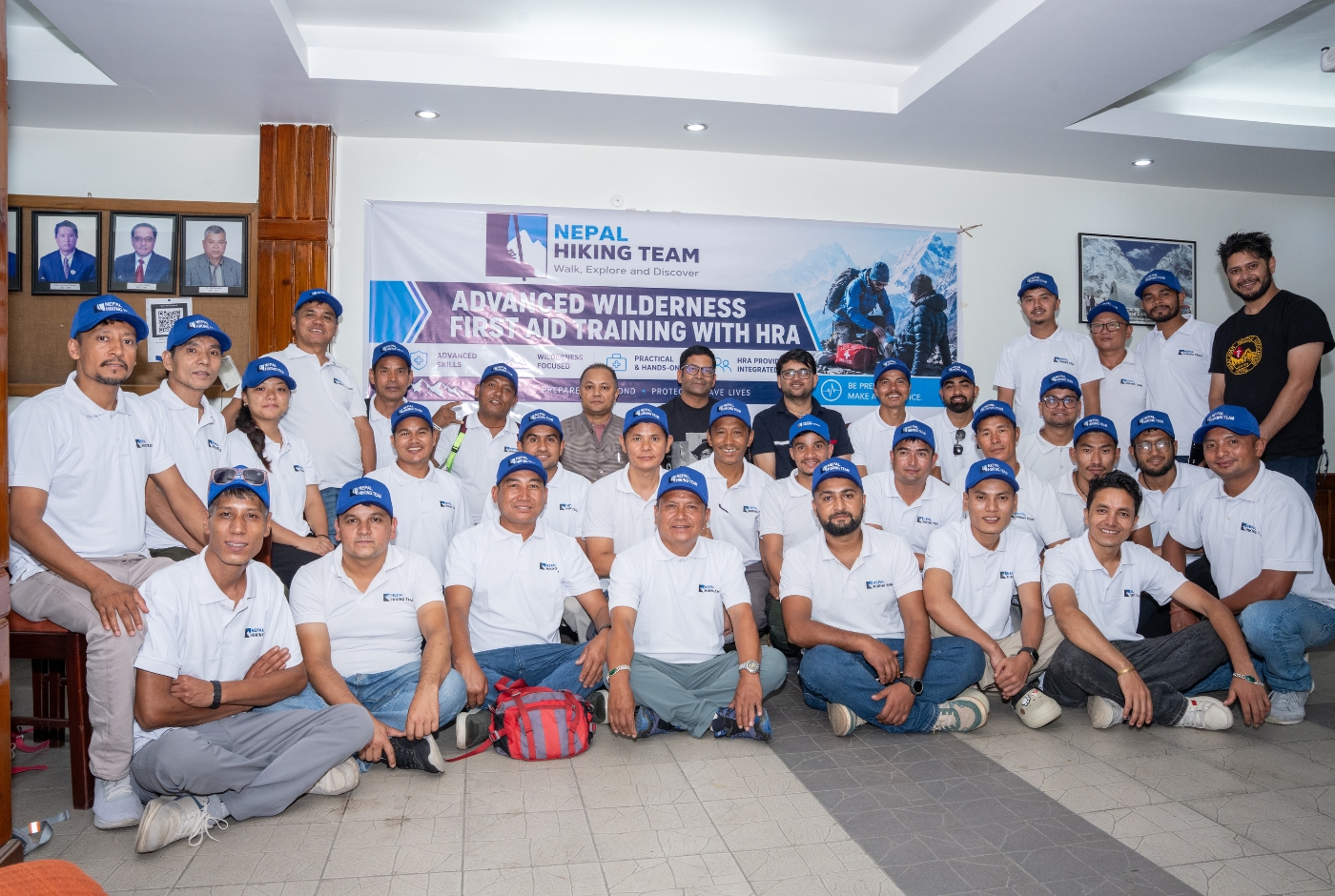
The Nepal Hiking Team has now successfully completed two sessions of its Advanced Wilderness First Aid Training program, equipping over 60 guides with life-saving skills. Run in partnership with the Himalayan Rescue Association Nepal (HRA), the initiative aims to maximize trekker safety across remote Himalayan trails.
- First Session: Completed on August 1–2, 2026
- Second Session: Completed on August 21–22, 2026
- Total Trained: All of Nepal Hiking team guides fully certified
- Location: HRA Office, Lazimpat, Kathmandu
In this article, you will learn what Advanced Wilderness First Aid Training is, why it's important for trekking in Nepal, what guides learn during the course, and how ongoing professional training helps create safer and more confident trekking experiences.
What Is Advanced Wilderness First Aid Training?
So, what is Advanced Wilderness First Aid Training? Is it useful for guides and trekkers in Himalayas?
Advanced Wilderness First Aid Training is a specialized course designed for guides and other outdoor professionals who work in remote areas where hospitals or medical services are not readily available. It is not a typical first aid class but a course that teaches patient assessment, how to respond to injuries and illnesses, how to make informed decisions, and how to provide care while waiting for evacuation or advanced medical assistance.
For trekking guides in Nepal, this training is especially important because they lead groups through high-altitude regions where changing weather, remote trails, and limited healthcare facilities require a higher level of emergency preparedness. The course equips guides with practical skills to recognize altitude-related illnesses, respond to injuries, monitor a trekker's condition, and take appropriate action while coordinating professional medical assistance when needed.
The first session of Nepal Hiking Team's Advanced Wilderness First Aid Training was conducted by the Himalayan Rescue Association Nepal (HRA), a non-profit organization recognized for its expertise in mountain medicine and high-altitude emergency care. Through hands-on practical exercises, realistic emergency scenarios, and expert instruction, participating guides strengthened their emergency response skills and gained valuable experience in managing medical situations in challenging mountain environments. Additional training sessions are planned to provide more guides with the same advanced instruction as part of Nepal Hiking Team's ongoing commitment to guide development and trekking safety.
About the Himalayan Rescue Association Nepal
The Advanced Wilderness First Aid Training was conducted by the Himalayan Rescue Association Nepal (HRA), a non-profit volunteer organization established in 1973 to improve mountain safety and emergency medical care in Nepal's high-altitude regions. Since its founding, HRA has supported trekkers, guides, climbers, and porters by providing medical assistance, altitude education, and emergency response services across some of the country's busiest trekking destinations.
HRA operates seasonal medical aid posts and clinics along major Himalayan trekking routes, where volunteer doctors from Nepal and around the world provide altitude-related healthcare, safety education, and emergency support. These facilities also play an important role in promoting safe trekking practices and helping visitors recognize and manage altitude-related illnesses.
HRA is widely recognized for operating seasonal medical aid posts and clinics at strategic points along major Himalayan trekking circuits:
- Everest Region (Khumbu): Operates a permanent seasonal aid post at Pheriche (4,250m) and the HRA Everest-ER clinic at Everest Base Camp (5,350m), providing critical medical support to climbers, support staff, and trekkers.
- Annapurna Region: Maintains a permanent seasonal medical post at Manang (3,550m) along the Annapurna Circuit, treating altitude-related illnesses and environmental injuries.
- Langtang & Pilgrim Trails: Operates temporary medical camps in high-traffic areas such as the Gosaikunda Lake region (notably during the annual Janai Purnima pilgrimage) and along routes including the Gokyo Trail and Rolwaling Valley (Na Village).
Beyond operating mountain clinics, HRA is recognized for its contribution to mountain medicine, altitude illness awareness, and wilderness emergency training. Through practical education, medical research, and guide training programs, the organization continues to support safer trekking and mountaineering experiences throughout Nepal.
Why Advanced Wilderness First Aid Matters for Trekking in the Himalayas?
Guiding in the Himalayas involves more than leading trekkers along mountain trails. Remote locations, changing weather, high altitude, and limited access to medical facilities mean that guides are often the first to respond when emergencies occur.
Advanced Wilderness First Aid Training prepares guides for these real-world situations by developing practical skills in patient assessment, emergency care, and decision-making. Unlike standard first aid courses, it focuses on responding to medical emergencies in remote mountain environments where resources are limited and outside assistance may take time to reach.
For trekking guides, this training is particularly important in managing altitude-related illnesses such as Acute Mountain Sickness (AMS), High Altitude Pulmonary Edema (HAPE), and High Altitude Cerebral Edema (HACE), as well as injuries, environmental hazards, and other medical emergencies commonly encountered on Himalayan trails.
With this training, the capacity of Nepal Hiking Team guides to provide prompt support, make quick decisions in critical situations and contribute to safer trips in the mountains of Nepal has further been enhanced.
What Did Nepal Hiking Team Guides Learn During the Training?
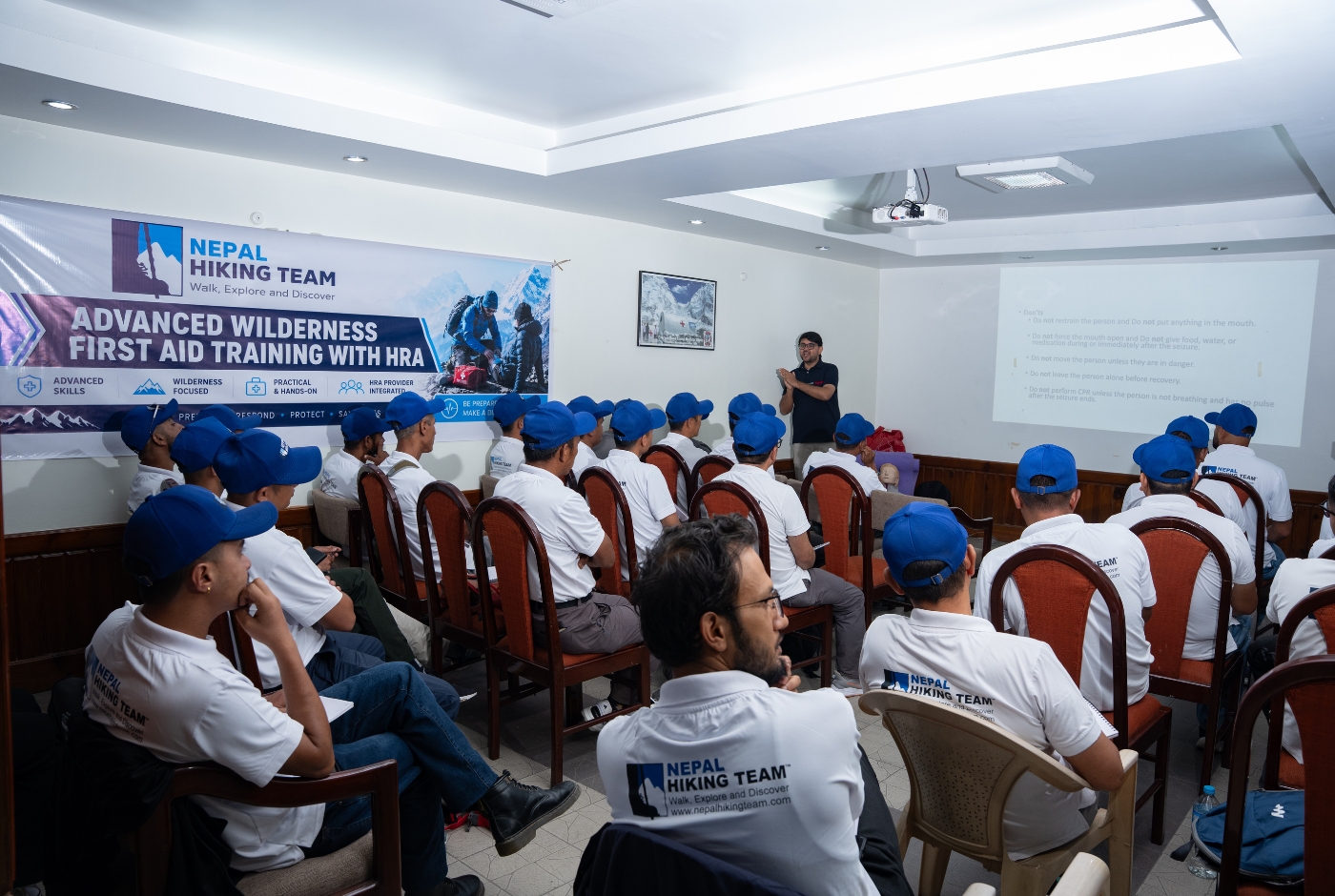
The initial phase of the curriculum focused on core clinical assessment and the management of high-altitude pathologies commonly encountered across Nepal’s mountain circuits. Delivered at HRA’s facility in Lazimpat, Kathmandu, the instruction was led by a specialized team of six HRA personnel, including two practicing medical doctors, two certified wilderness first aid instructors, and two operational support staff.
Sessions combined theoretical lectures with simulated clinical demonstrations, establishing standardized emergency response protocols for mountain environments where medical evacuation is frequently delayed.
Understanding Altitude Sickness
The training began with one of the most important topics in Himalayan trekking: altitude sickness. Participants learned how to recognize, prevent, and manage the three major forms of altitude illness:
- Acute Mountain Sickness (AMS): Recognizing early symptoms and understanding the importance of proper acclimatization.
- High Altitude Pulmonary Edema (HAPE): Identifying warning signs and responding with immediate descent, oxygen support, and evacuation.
- High Altitude Cerebral Edema (HACE): Recognizing this life-threatening condition and taking urgent action to protect the patient's life.
The session emphasized early diagnosis, continuous monitoring, and timely decision-making to prevent altitude illnesses from becoming severe.
Practical CPR Training: Resuscitation and Life Support Protocols
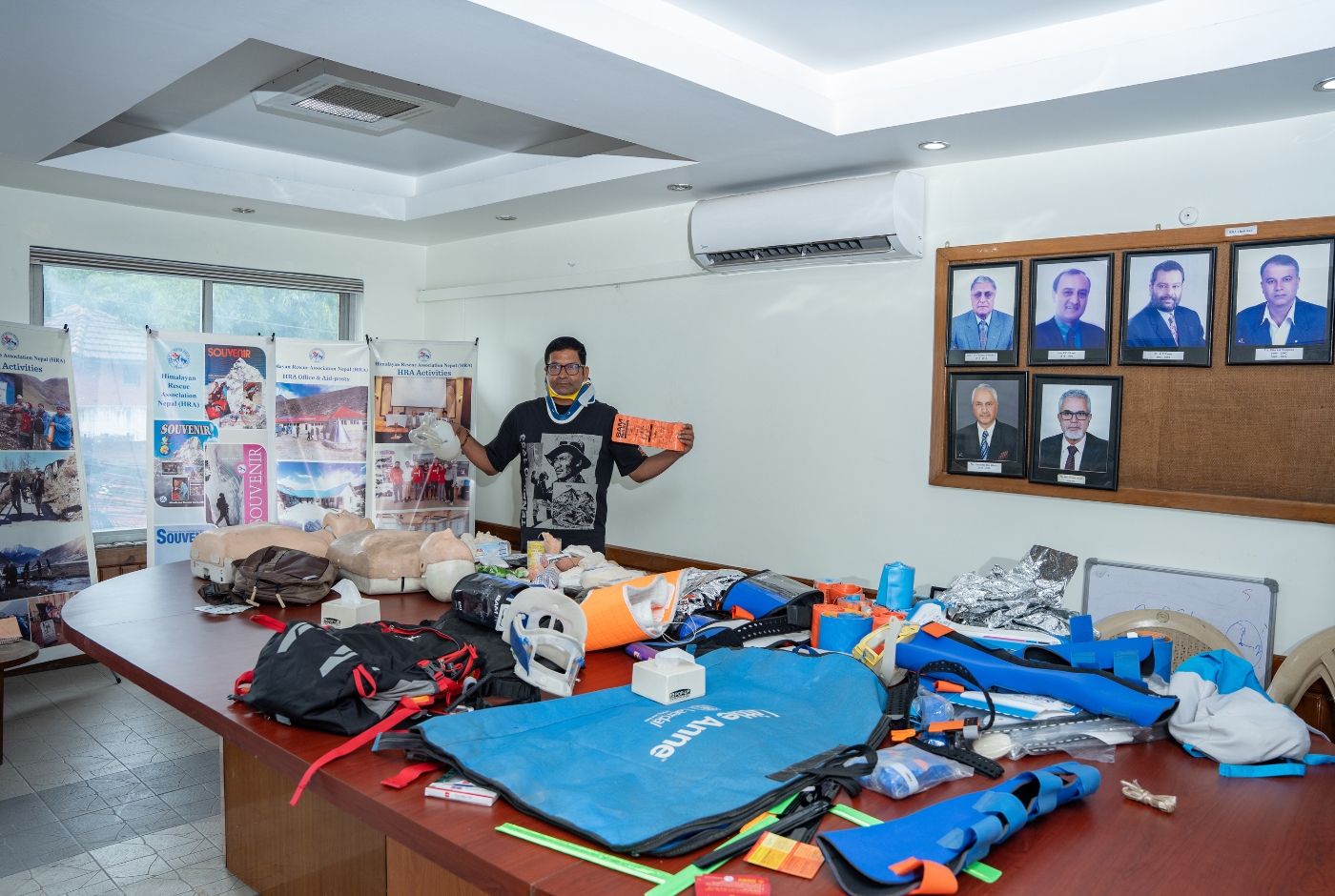
The guides then participated in hands-on Cardiopulmonary Resuscitation (CPR) training, where they practiced patient assessment, chest compressions, rescue breathing, and teamwork during emergency situations. Practical demonstrations and simulations helped participants build confidence and improve their life-saving skills.
First Aid Kit Training
The final session focused on the proper use of a wilderness first aid kit. Participants learned how to use essential medical supplies to treat cuts, bleeding, burns, sprains, fractures, and other common injuries that may occur on trekking trails. The instructors also stressed the importance of regularly inspecting and restocking first aid kits before every expedition.
By the end, Nepal Hiking Team guides had strengthened their understanding of altitude medicine, CPR, and wilderness first aid, providing a strong foundation for the advanced emergency response training on the second day.
Expanding Practical Emergency Skills
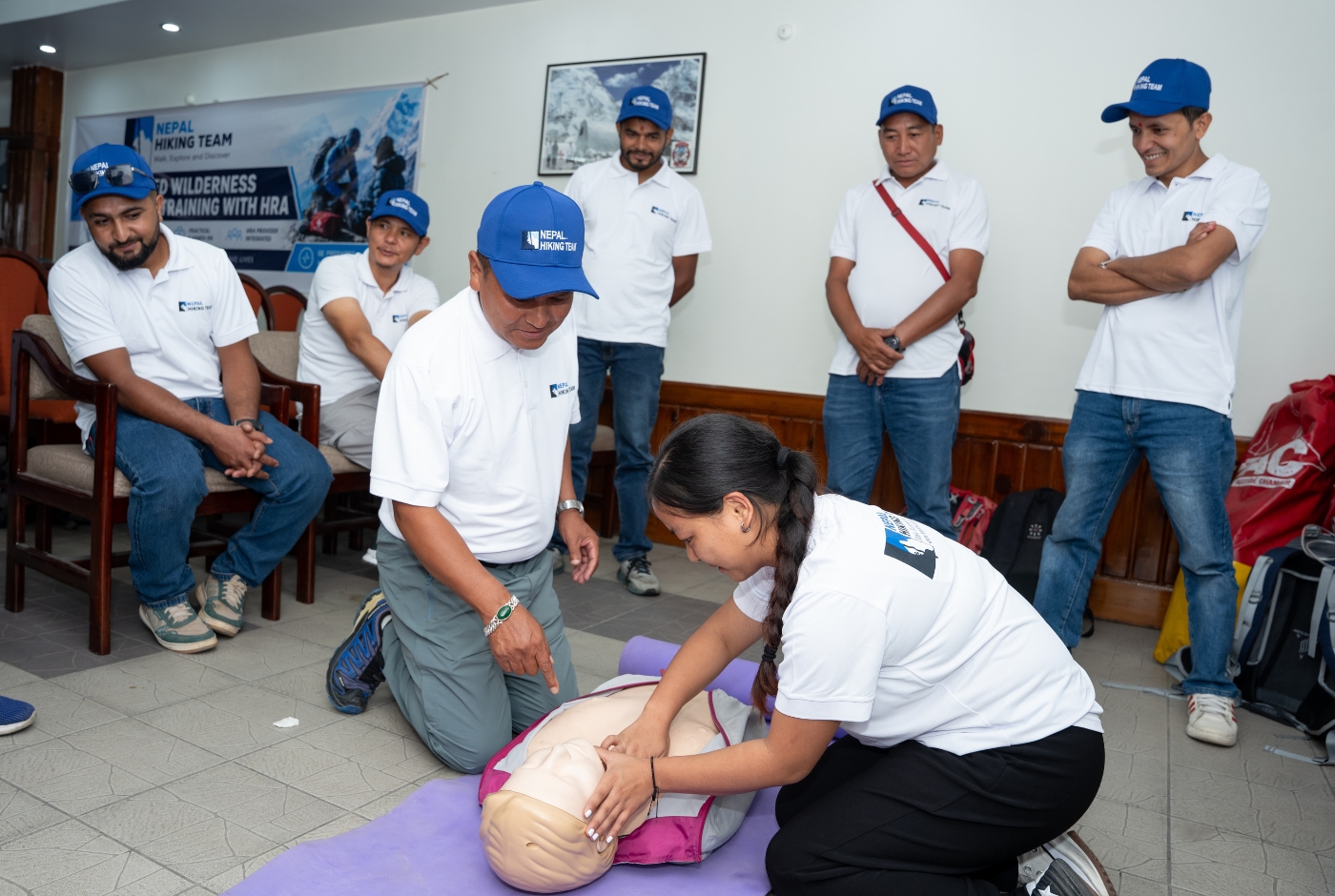
The program focused on advanced field medical care, trauma management, and complex scenario-based simulations. Instructors from the Himalayan Rescue Association (HRA) conducted hands-on practical sessions designed to test decision-making under high-stress conditions representative of remote Himalayan terrain.
The training covered the following topics:
- Basic Life Support (BLS): We learned the correct procedures for assessing an unconscious patient and providing immediate life-saving care until advanced medical help becomes available.
- Choking Management: We practiced responding to airway obstruction using appropriate first aid techniques for choking emergencies.
- Seizure Response: We learned how to safely manage a person experiencing a seizure while protecting them from further injury.
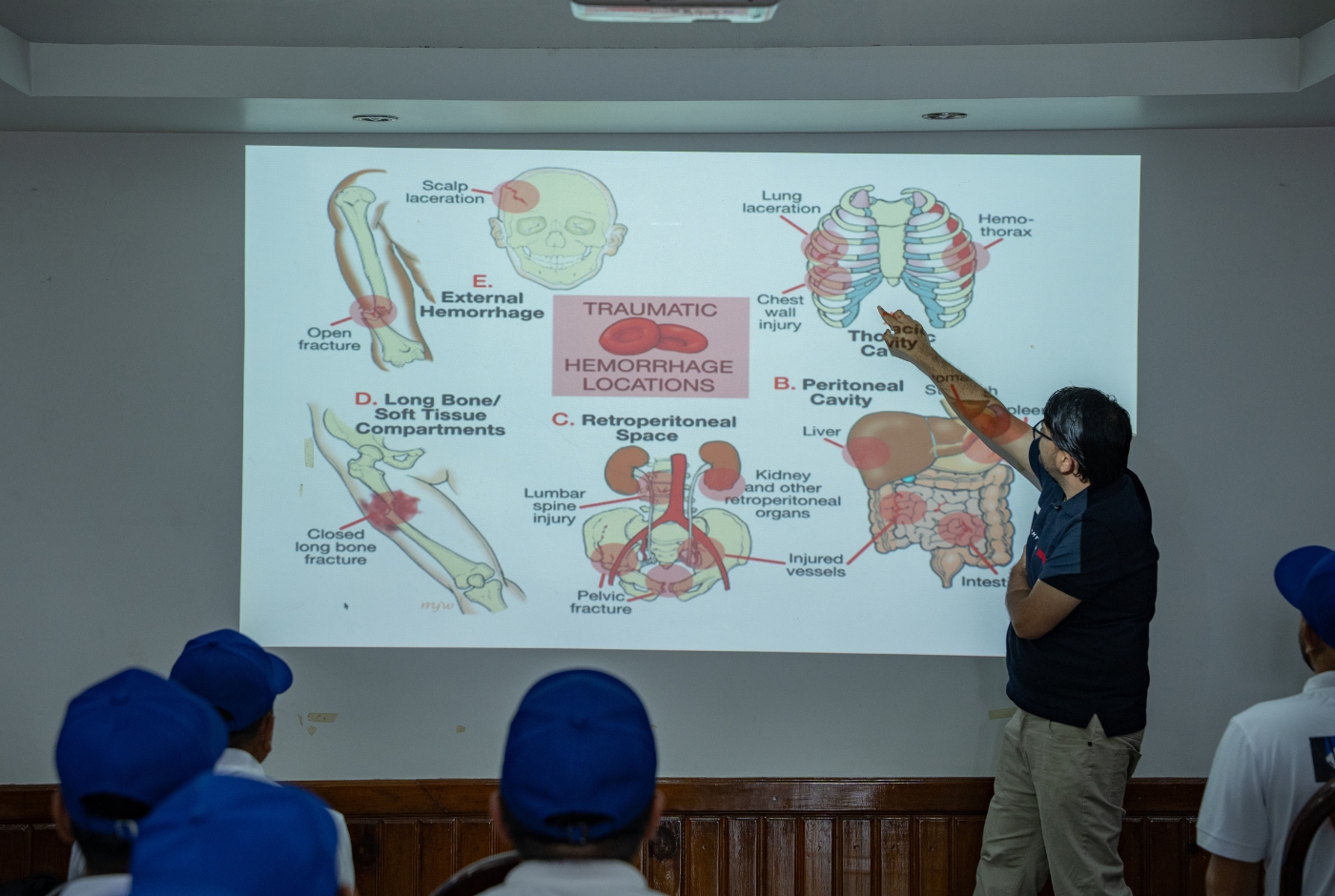
- Trauma Assessment: We were trained to assess injuries systematically and identify life-threatening conditions that require immediate attention.
- Bleeding Control: We practiced different techniques to control bleeding and apply appropriate bandages during emergencies.
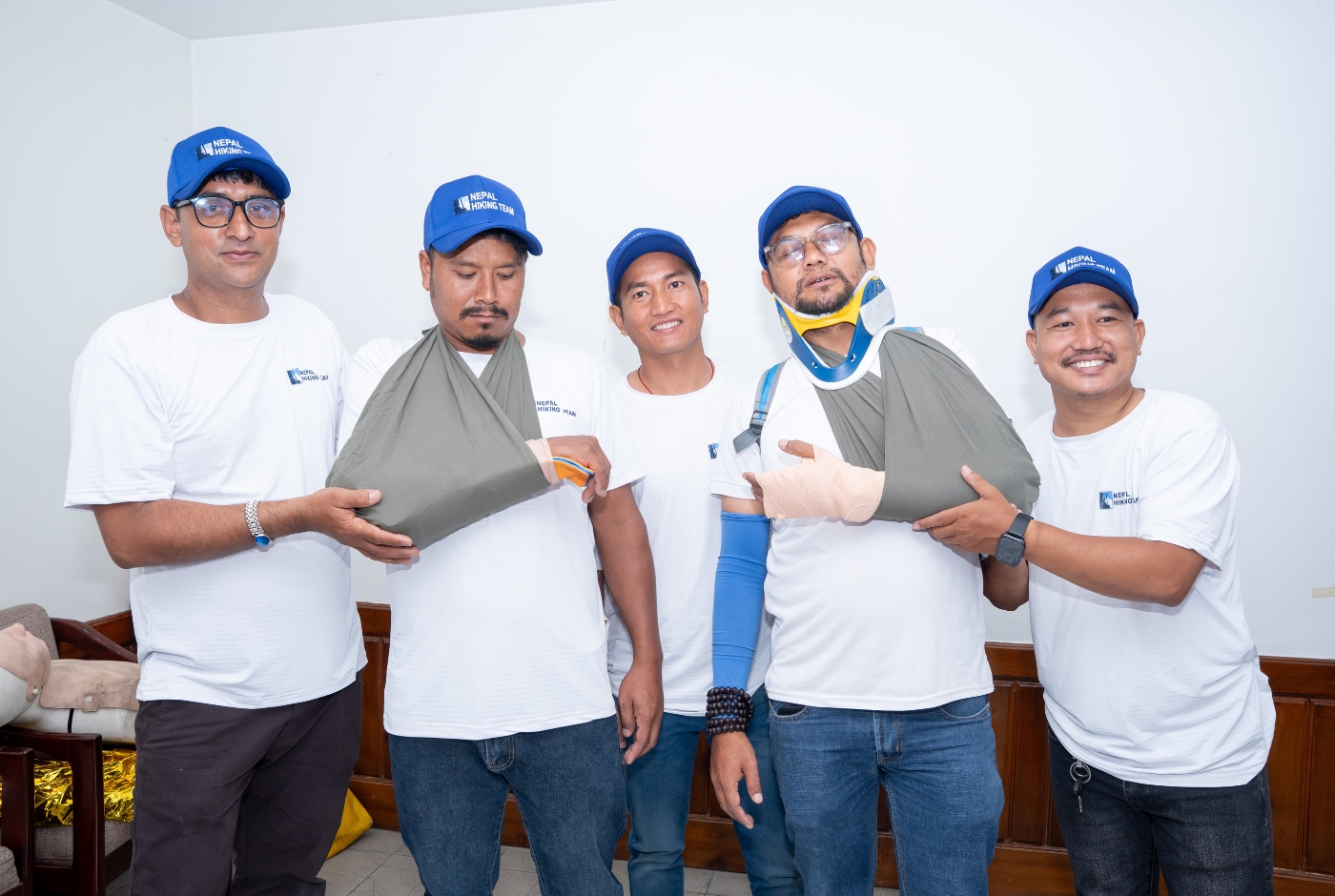
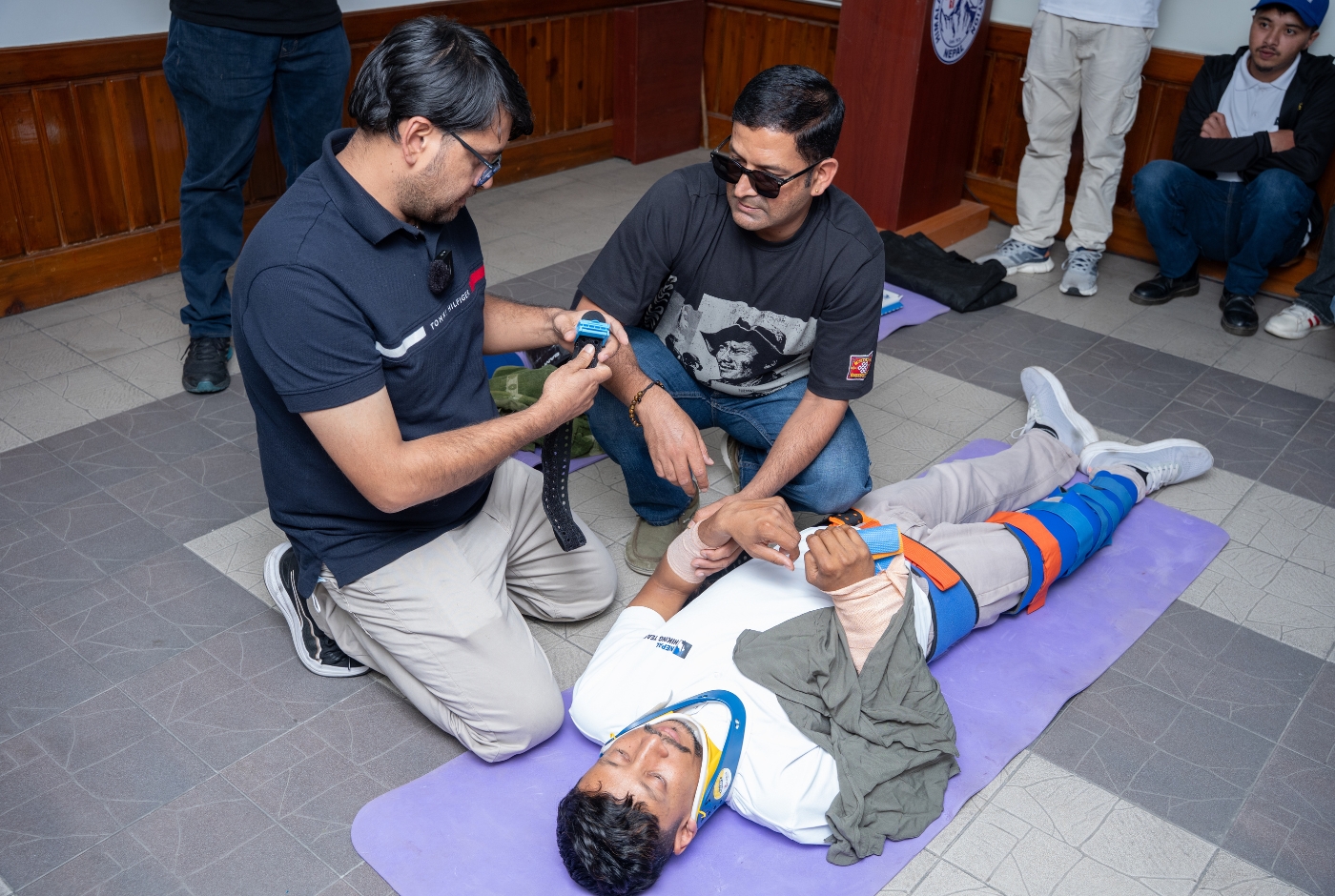
- Fractures: We learned how to recognize fractures, immobilize injured limbs, and prepare patients for safe evacuation.
- Shock Management: We were taught to identify the early signs of shock and provide immediate first aid to stabilize the patient.
- Cold Injuries: We learned how to prevent, recognize, and manage hypothermia and frostbite, two common risks in high-altitude environments.
- Poisoning: We discussed different types of poisoning and the appropriate first aid measures before professional medical treatment is available.
- Sun Exposure and Environmental Emergencies: We learned how to respond to heat-related illnesses, dehydration, severe weather, and other environmental hazards encountered during trekking.
- Common Medical Emergencies: We received guidance on managing common medical conditions that may occur on the trail, including allergic reactions, asthma, and other illnesses.
- Gamow Bag: We received practical training on the use of a portable hyperbaric chamber for treating severe altitude sickness during emergencies.
- Supplemental Oxygen: We learned when and how to administer oxygen safely to trekkers experiencing altitude-related illnesses.
- Pulse Oximeter: We practiced using a pulse oximeter to monitor blood oxygen saturation and evaluate a trekker's condition at high altitude.
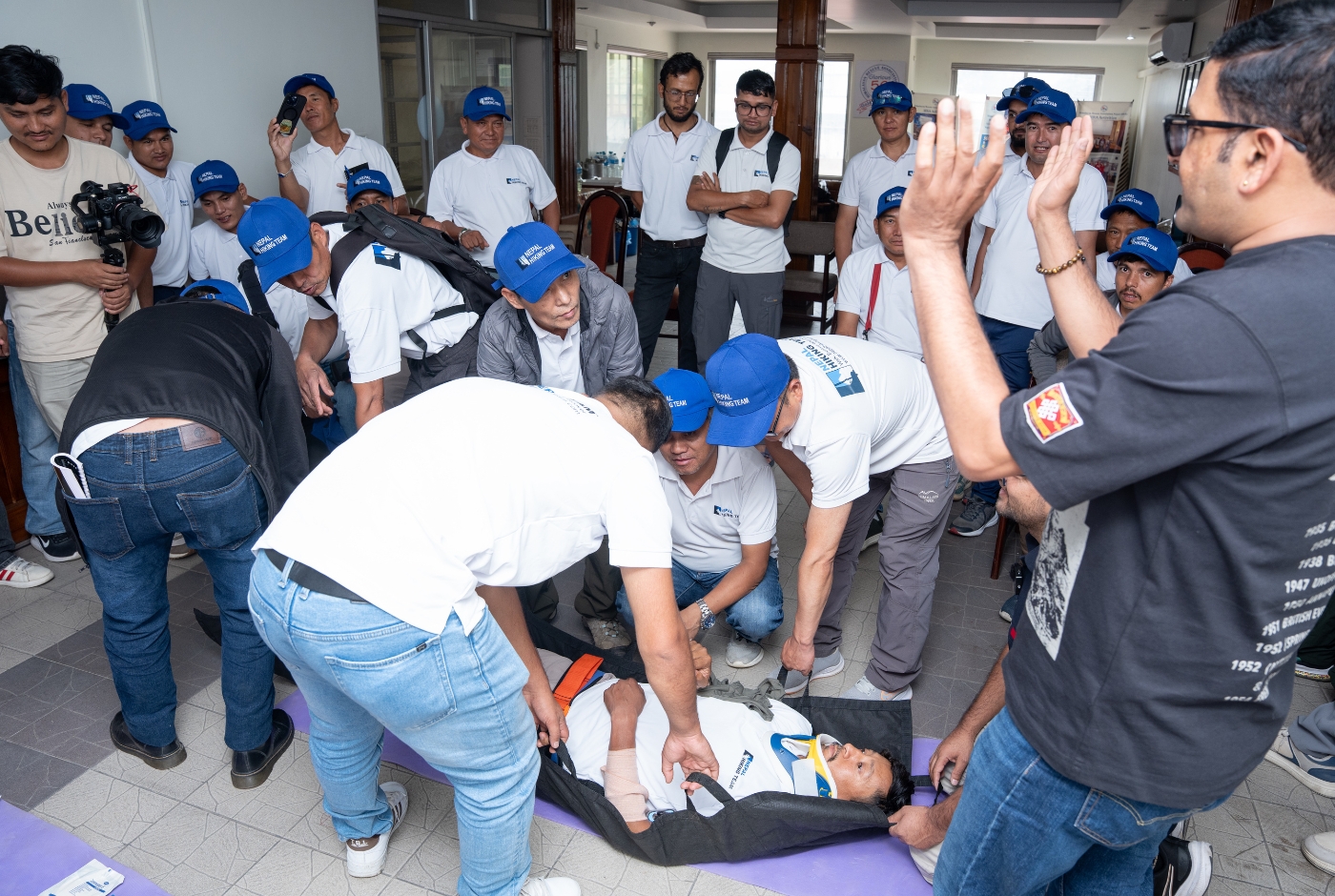
- Patient Transfer: We learned safe patient handling and evacuation techniques to minimize further injury during rescue operations.
- Bites and Stings: We discussed the appropriate first aid response for insect bites, bee stings, and other animal-related injuries.
- Dislocations: We learned how to recognize dislocations, stabilize the affected joint, and provide initial care.
- Spinal Injuries: We practiced techniques to protect the spine and safely manage patients with suspected spinal injuries.
- Lightning Emergencies: We learned the recommended safety measures and emergency response procedures for lightning-related incidents in the mountains.
- Blister Care: We discussed the prevention and treatment of blisters, one of the most common problems faced by trekkers.
- Gastrointestinal Problems: We learned how to manage dehydration, diarrhea, vomiting, and other digestive illnesses commonly encountered during trekking.
- Leave No Trace (LNT): We reinforced the seven Leave No Trace principles, promoting responsible trekking and environmental conservation in the Himalayas.
By the end training, Nepal Hiking Team guides had successfully completed both theoretical and practical sessions, actively participated in demonstrations, hands-on exercises, and question-and-answer discussions, and received certificates upon successful completion of the program. The training further strengthened their knowledge, confidence, and ability to respond effectively to medical emergencies in remote mountain environments.
How This Training Benefits Our Guests?
Every trek presents unique challenges, and while careful planning helps reduce risks, unexpected situations can still arise in the mountains. This training has further enhanced the ability of our guides to respond calmly, assess medical conditions accurately, and provide appropriate first aid until professional medical assistance or evacuation is available.
The knowledge gained through the Advanced Wilderness First Aid Training strengthens our guides' understanding of altitude-related illnesses, trauma management, emergency patient care, and wilderness rescue techniques. These skills allow them to make informed decisions in remote environments where timely action is often critical.
For our guests, this means trekking with guides who continue to invest in professional development and practical emergency training. It reflects Nepal Hiking Team's ongoing commitment to maintaining high safety standards, promoting responsible trekking practices, and providing every traveler with a safer and more confident trekking experience throughout the Himalayas.
Our Commitment to Safety and Continuous Learning
At Nepal Hiking Team, guide training extends beyond trekking experience. We believe that continuous learning and professional development are essential to maintaining the highest standards of safety in the mountains.
Participating in the Advanced Wilderness First Aid Training conducted by the Himalayan Rescue Association Nepal (HRA) reflects our ongoing commitment to preparing our guides for the challenges of high-altitude trekking. By regularly updating their medical knowledge and practical skills, our guides are better equipped to make informed decisions and provide effective assistance when it matters most.
We remain committed to investing in training opportunities that strengthen our team's expertise and contribute to safer, more responsible, and enjoyable trekking experiences for every guest exploring the Himalayas with Nepal Hiking Team.
Conclusion
Commercial trekking companies in Nepal are rapidly upgrading the qualifications of their mountain guides to meet international safety standards, going far beyond basic mountain navigation. Trek leaders demonstrate their medical expertise by taking part in advanced medical training programs offered by the Himalayan Rescue Association Nepal (HRA), where they continually expand their knowledge and enhance their skills in clinical practice, field diagnosis, and on-the-spot decision-making. Field-based training in wilderness first aid, high-altitude illness management, technical mountaineering, and environmental responsibility continues to play an important role in reducing risks and ensuring responsible, well-managed journeys across the Himalayas.
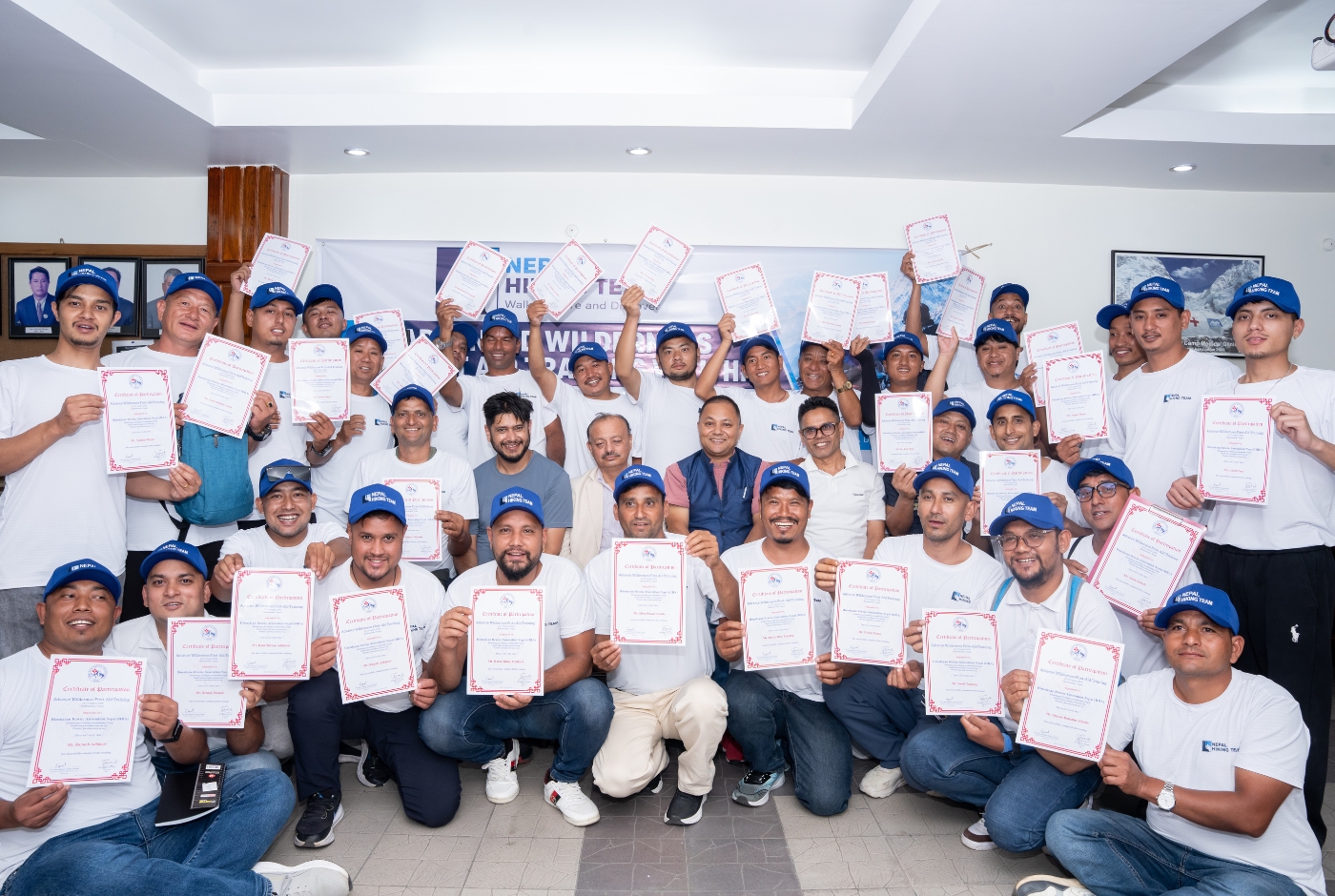
The Advanced Wilderness First Aid course is a significant step towards establishing a consistent early emergency response system across Nepal's remote trekking routes. During the course in Kathmandu, the guides participated in theoretical assessments, practical exercises, and realistic high-altitude emergency simulations under the guidance of HRA doctors and certified wilderness first aid instructors. All participating guides successfully completed the assessments and received official HRA certifications, equipping them to respond more effectively to trauma and altitude-related emergencies in remote mountain environments.
To further elevate safety standards for international travelers, Nepal Hiking Team continues to advance its operational protocols and staff qualifications. Expeditions across the Everest, Annapurna, Langtang, and Manaslu regions are designed with safety-first itineraries, integrated acclimatization schedules, and regular blood oxygen saturation (SpO2) monitoring. Field operations are supported by round-the-clock emergency communication and direct coordination with medical rescue bodies for rapid helicopter evacuations when necessary. Furthermore, the agency maintains ethical welfare standards by providing comprehensive medical insurance, proper high-altitude gear, fair wages, and strict load limits for all guides and porters
Post a Comment