
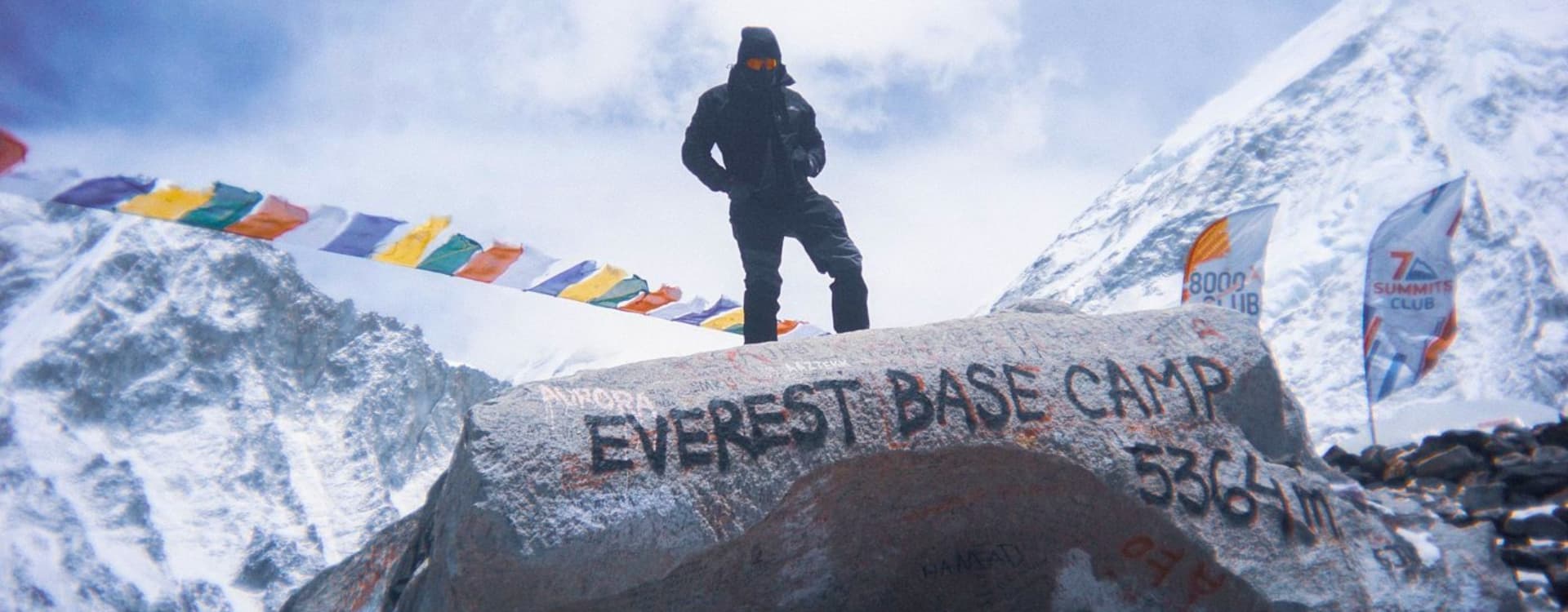
Everest Base Camp Trek is one of the most popular treks in Nepal. Surrounded by the high Himalayas and shaped by the traditions of the Sherpa community, the Everest region has much more to offer than you might imagine. This adventure deserves a place on your travel list if you enjoy trekking, mountain landscapes, and experiencing local culture.
The Everest Base Camp (EBC) Trek in 2027 stands out as an unmissable adventure because it blends unparalleled Himalayan landscapes with an accessible physical challenge suitable for non-expert hikers.
If you have been thinking about trekking to Everest Base Camp, 2027 is a good time to start planning. From the high-altitude viewpoint of Kala Patthar and the Khumbu Glacier to traditional Sherpa villages, Buddhist monasteries, and scenic mountain flights, there are plenty of reasons to explore this part of Nepal.
Let's look at the geographical, natural, and cultural highlights that make the Everest Base Camp trek worth considering in 2027.
Top 7 Reasons why you should choose the Everest Base Camp Trek in 2027
- Stand at the Foot of the World's Highest Peak: Arriving at Everest Base Camp (5,364 m) places you directly beneath Mount Everest, Lhotse, and Nuptse, right next to the massive Khumbu Icefall.
- Legendary Views from Kala Patthar: Climbing to the Kala Patthar viewpoint (5,545 m) rewards you with a panoramic sunrise that lights up the true summit of Everest, a view hidden from base camp itself.
- Deep Immersion into Sherpa Culture: The historic trail lets you explore vibrant mountain hubs like Namche Bazaar, visit the ancient spiritual walls of Tengboche Monastery, and connect directly with local Sherpa families.
- An Achievable Bucket-List Challenge: EBC is a strenuous, non-technical hike rather than a technical mountaineering expedition, meaning everyday travelers with good stamina and determination can complete it successfully.
- Steadily Improving Infrastructure: The regional tea house network continues to see quality updates, providing better food choices and more comfortable lodging, though facilities grow more basic past Lobuche and Gorak Shep.
- Highly Customizable Routes: You can easily adapt the itinerary to your style, whether that means combining it with the emerald Gokyo Lakes via Cho La Pass, tackling the epic Three Passes loop, or booking a time-saving luxury helicopter return.
- Safe High-Altitude Experience: The standard 12-to-14-day itineraries feature built-in acclimatization stops, making it the perfect masterclass in high-altitude trekking under the care of certified local experts.
Exciting Feat of conquering the Altitude of 5600 meters at Kala Patthar

The Everest Base Camp trek takes you to several notable high-altitude landmarks. One of the highest points on the standard trekking route is Kala Patthar, which reaches approximately 5,545 meters (18,192 feet). The ascent to EBC is demanding, particularly at this altitude, but reaching the viewpoint is a rewarding part of the journey.
Everest Base Camp, at approximately 5,364 meters (17,598 feet), is another major highlight. Although you can't see Mount Everest's summit from the base camp itself, Kala Patthar offers one of the clearest views of Everest along the trek. From here, you can see the surrounding Himalayan peaks and the Khumbu Valley, especially on clear days.
The early-morning climb to Kala Patthar is popular among trekkers hoping to see the mountains in the changing light of sunrise. However, the cold and high altitude make this a challenging excursion, so a steady pace and proper acclimatization are important. For many people, reaching Kala Patthar becomes one of the most memorable parts of the Everest Base Camp trek.
Breathtaking Views of the Khumbu Mountain Range and Khumbu Valley

The journey towards Everest Base Camp begins with a flight to Lukla, where the surrounding hills and mountain landscape provide the first glimpse of the Khumbu region. As you continue along the Dudh Koshi River and gain elevation, the scenery changes from forested hills and traditional settlements to rugged alpine terrain and towering Himalayan peaks.
Kala Patthar is one of the best-known viewpoints along the route. From here, trekkers can enjoy a wide panorama of the surrounding mountains, including Mount Everest (8,848.86 m), Mount Lhotse (8,516 m), Mount Nuptse (7,861 m), Mount Changtse (approximately 7,543 m), and Mount Pumori (7,161 m). Other prominent peaks in the wider landscape include Ama Dablam, Thamserku, Kangtega, Taboche, and Lobuche.
The mountain views change throughout the trek as you move through different parts of the Khumbu Valley. Weather and visibility affect how much you can see on any particular day, but the changing landscape is one of the defining features of the Everest Base Camp trek.
Witness The Largest Glaciers in The World: The Khumbu Glacier with its Icefall

Although Mount Everest's summit is not visible from Everest Base Camp itself, the trek brings you close to the Khumbu Glacier and the Khumbu Icefall. These are among the most recognizable features of the Everest climbing route and form an important part of the landscape around base camp.
The Khumbu Glacier originates in the upper Everest region and extends through a rugged landscape of ice, crevasses, and rocky moraine. The Khumbu Icefall lies higher up on the route used by mountaineering expeditions climbing Everest via the South Col. Its constantly changing ice formations make it a challenging and hazardous section for climbers.
From the Everest Base Camp trekking route, you can observe the glacier's immense scale and the dramatic terrain surrounding it. The landscape is very different from the green valleys and forests encountered at lower elevations, making this part of the journey a distinctive experience.
The glacier and icefall are dynamic natural features, and their conditions change over time. Trekkers should remain on the designated trail, follow their guide's instructions, and avoid entering restricted mountaineering areas. Rather than assuming that an early-morning visit guarantees safety, follow the guidance provided by your trekking team on the day.
Scenic Mountain Flight from Kathmandu to Tenzing-Hillary Airport, Lukla

For many trekkers, the adventure begins before they even reach the trail. The flight to Tenzing-Hillary Airport in Lukla is well known for its mountain setting and short runway. It connects trekkers with the starting point of the classic Everest Base Camp route.
The flight from Kathmandu to Lukla typically takes around 30–35 minutes when operating directly. During the journey, you may see sections of the eastern Himalayan range, including snow-covered peaks and deep valleys, depending on the route and weather conditions. The views offer an introduction to the mountain landscape you will explore on foot over the following days.
For your Everest Base Camp trek in 2027, check your flight arrangements before travelling. Depending on the season and operational requirements, flights may depart from Kathmandu or Manthali Airport in Ramechhap. If your flight operates from Ramechhap, you will need to allow additional time for the road transfer from Kathmandu.
Weather can also cause delays or cancellations on the Lukla route. It is therefore sensible to keep a buffer day in your travel schedule, particularly if you have an international flight to catch after the trek. Planning for possible delays can help you avoid unnecessary stress at the end of your journey.
Entrance to the UNESCO World Heritage Site - Sagarmatha National Park

Sagarmatha National Park is an exceptional landscape of dramatic mountains, glaciers, deep valleys, and diverse ecosystems. Located in northeastern Nepal, the park covers approximately 1,148 square kilometers and includes Mount Everest, known locally as Sagarmatha. It was designated a UNESCO World Heritage Site in 1979.
The park's terrain extends from lower settlements around Monjo to the high-altitude environment surrounding Everest. The Dudh Koshi River and its tributaries run through the region, shaping the valleys and landscapes along the trekking route. As you gain elevation, you will notice changes in vegetation, from forests at lower altitudes to alpine plants, mosses, and lichens in the higher reaches.
Sagarmatha National Park is home to wildlife such as the Himalayan tahr, goral, pika, and the elusive snow leopard. The region also supports a variety of bird species, including the Himalayan monal, Nepal's national bird, as well as snow pigeons and red-billed choughs. Although wildlife sightings are never guaranteed, the park's varied habitats are an important part of its ecological value.
The park's vegetation includes fir, birch, and juniper in suitable elevation zones, along with mosses and lichens at higher altitudes. These changing habitats contribute to the natural diversity of the Everest region.
If you plan to visit Everest Base Camp in 2027, remember that Sagarmatha National Park is a protected area. Staying on established trails, carrying out your waste, respecting wildlife, and following local guidance help protect the environment for future visitors and the communities who call the region home.
Pure-hearted Sherpas and their Heartwarming Hospitality

From the moment you arrive in Lukla, you begin to encounter the communities that make the Everest region distinctive. The Sherpa people have a long history in the Himalayan region and are closely associated with its culture, traditions, and mountaineering heritage.
Along the Everest Base Camp route, you pass through settlements such as Namche Bazaar, Khumjung, Pangboche, and other villages where local life remains closely connected to the mountains. These communities offer opportunities to learn about Sherpa traditions, Buddhist beliefs, and the challenges of living in a high-altitude environment.
Hospitality is an important part of the trekking experience. Teahouses and lodges provide places to rest, eat, and interact with local hosts and fellow trekkers. These encounters can give you a better understanding of the people who live and work in the Khumbu region.
Food is another part of the experience. Depending on the teahouse, you can try local dishes and familiar trekking meals, including thukpa, yak cheese, churpi, dal bhat, and potatoes prepared in different ways. Dal bhat is a particularly common meal on the trail, providing a filling source of energy for long walking days.
Sherpa communities have also played a significant role in Himalayan mountaineering, guiding, and trekking. As you travel through the region, taking time to appreciate local traditions and interact respectfully with residents can make the journey more meaningful.
Beautiful Monasteries like Tengboche and Pangboche

The Khumbu region has a strong Buddhist heritage, reflected in its monasteries, or gompas, mani walls, prayer flags, and other religious landmarks. These sites offer insight into the beliefs and traditions that have shaped life in the Everest region for generations.
Tengboche Monastery is one of the best-known monasteries along the Everest Base Camp route. Located above the Dudh Koshi Valley, it is an important spiritual center for the local community and a significant stop for trekkers. Pangboche Monastery is another notable religious site in the region, with a long history connected to Sherpa Buddhist traditions.
Other monasteries and religious landmarks can be found in settlements such as Namche Bazaar, Thame, and Khumjung. Their architecture, religious objects, and surroundings reflect the cultural history of the Khumbu region. When visiting, dress respectfully, follow local instructions, and ask permission before photographing people or religious ceremonies.
If your trek coincides with the Mani Rimdu Festival at Tengboche, you may have an opportunity to witness traditional Buddhist rituals, masked dances, and community celebrations. The festival follows the Tibetan lunar calendar, so the dates vary each year. If you are planning your Everest Base Camp trek in November 2027, check the confirmed festival schedule before choosing your travel dates.
Exploring these monasteries adds a cultural dimension to the trek, allowing you to understand more about the communities and traditions beyond the mountain scenery.
Syangboche (3780 m) and its Lovely Panorama

One of the appealing aspects of the Everest Base Camp trek is that each stop along the route has its own character. Lukla introduces you to the Khumbu region, while Namche Bazaar, Tengboche, and Gorak Shep offer different landscapes and experiences as you gain elevation.
Syangboche, located above Namche Bazaar, is a popular area for enjoying views of the surrounding Himalayas. From suitable viewpoints, you may see peaks such as Ama Dablam, Thamserku, and Khumbila. The area is also visited by trekkers looking for a day hike during their acclimatization stop in Namche.
Hotel Everest View is another well-known destination above Namche Bazaar. Situated at approximately 3,880 meters, the hotel is known for its panoramic mountain views, including Mount Everest when weather conditions permit. Its location makes it a popular stop for visitors who want to enjoy the scenery without continuing to a higher overnight destination.
The hotel is also widely known for its high-altitude setting and has been associated with a Guinness World Records title for the highest-placed hotel. If you plan to visit during your Everest Base Camp trek in 2027, check current access and operating arrangements before including it in your itinerary.
A hike towards Syangboche or Hotel Everest View can also form part of an acclimatization day. Your guide can help determine an appropriate walking distance and elevation gain before you return to sleep at a lower altitude.
Namche Bazaar, the Gateway to Everest

Namche Bazaar is one of the most important stops on the Everest Base Camp trek. Located on a hillside in the Khumbu region, this lively mountain town serves as a trading center and a popular resting point for trekkers heading towards Everest.
The word bazaar refers to a market, and Namche reflects that role through its shops, local businesses, and trekking facilities. Its hillside settlement has a distinctive horseshoe-like shape, with mountain views surrounding the town.
Namche offers a range of facilities, including lodges, hotels, bakeries, cafes, restaurants, convenience stores, and shops selling trekking equipment and supplies. You can also explore local museums, visit nearby villages, or spend time learning about the history and traditions of the Sherpa community.
Despite its remote location, Namche offers amenities that help make the trekking journey more comfortable. Depending on the establishment, visitors can find hot showers, Wi-Fi, charging facilities, and a variety of local and Western meals. Facilities and prices vary, so it is worth checking with your lodge if you have particular requirements.
Namche Bazaar is more than a place to shop or enjoy a warm meal. It is an important acclimatization stop on the Everest Base Camp route, and many itineraries include an additional night here to help the body adjust to the increasing altitude. Trekkers often take a day hike towards the Everest View Hotel or nearby settlements before returning to Namche to sleep.
When planning your Everest Base Camp trek in 2027, choose an itinerary that allows sufficient time for acclimatization rather than rushing through this important stop.
Sherpa Culture Museum and Pyramid International Laboratory
When planning your Everest Base Camp trek in 2027, choose an itinerary that allows sufficient time for acclimatization rather than rushing through this important stop.
To explore and learn more about the Sherpa culture and Himalayan history, the Sherpa Culture Museum in Namche Bazaar is worth considering. The museum displays items connected to Sherpa life and traditions, offering visitors a closer look at the cultural heritage of the Khumbu region. Photographs and mountaineering displays also help tell the story of expeditions to Mount Everest and the people involved in them.
Namche Bazaar is also home to the Khumbu International Library, which provides another opportunity to learn about the region and its people. Visiting these places can add context to the villages and landscapes you encounter during the trek.
Another point of interest is the Pyramid International Laboratory and Observatory near Lobuche. Established for high-altitude scientific research, the facility supports research into environmental and atmospheric conditions in the Himalayas. Its location highlights the scientific importance of the Everest region beyond trekking and mountaineering.
Thukla Pass, also known as Thukla Memorial, is another significant stop on the route towards Lobuche. The memorials honor climbers and other mountaineers who lost their lives in the Himalayas. The stone structures provide a quiet place to reflect on the challenges and risks associated with high-altitude mountaineering.
These sites offer a different perspective on the Everest region, bringing together local culture, scientific research, and the history of Himalayan exploration.
Long and Profound Suspension Bridges

Suspension bridges are a familiar feature of the Everest Base Camp trekking route. As you follow the trail through the Khumbu region, you cross bridges spanning rivers and deep valleys, including sections of the Dudh Koshi River system.
Some bridges are decorated with colorful prayer flags, adding to the character of the trail. Crossing them offers views of the rivers below, forested hillsides, and surrounding mountain landscapes. The height and movement of the bridges can make the crossings exciting, particularly for trekkers who are unfamiliar with suspension bridges.
The Hillary Suspension Bridge near Namche Bazaar is one of the best-known crossings on the route. It is a prominent landmark along the trail and an important part of the journey towards the higher settlements of the Khumbu region.
Follow your guide's instructions when crossing suspension bridges, maintain a steady pace, and avoid crowding the bridge. Weather and trail conditions can affect the experience, but these crossings remain a memorable feature of the Everest Base Camp trek.
What Next?
Now that you know some of the reasons to explore the Everest region, the next step is choosing an Everest Base Camp trek package that suits your available time, comfort preferences, and trekking experience.
Nepal Hiking Team offers several trekking options for exploring the Everest region, from the classic Everest Base Camp trek to shorter itineraries, helicopter-assisted trips, luxury packages, and routes that cross high mountain passes.
Some of the popular packages for Everest Base Camp Treks that we (the Nepal Hiking Team) offer are:
- Everest Base Camp Trek - 16 Days
- Everest Base Camp Short Trek - 14 Days
- Everest Base Camp Heli Trek - 11 Days
- Everest Base Camp Luxury Trek - 16 Days
- Everest Base Camp Trek for Seniors - 20 Days
- Everest High Passes Trek - 22 Days
- Everest Base Camp Trek with Chola and Renjo La Pass - 21 Days
Each itinerary offers a different way to explore the region. Before booking, compare the walking days, acclimatization schedule, elevation gain, included services, and total trip duration. Also consider whether you would prefer a classic trekking itinerary or an option that includes helicopter transport.
If you are planning your Everest Base Camp trek in 2027, arranging your trip early can be helpful, particularly if you intend to travel during the popular spring or autumn seasons. Flight arrangements, accommodation availability, and your preferred departure dates are all worth considering when planning ahead.
You can contact Nepal Hiking Team to discuss your preferred dates or ask about a customized itinerary that fits your schedule.
Conclusion
Everest Base Camp is one of Nepal's most famous trekking destinations, and there are plenty of reasons to consider the journey in 2027. From the mountain panorama at Kala Patthar and the rugged landscape surrounding the Khumbu Glacier to the cultural heritage of Sherpa villages and Buddhist monasteries, the trek offers more than a destination at the foot of Mount Everest.
Along the way, you can cross suspension bridges, explore Namche Bazaar, learn about the region's history, and walk through the protected landscape of Sagarmatha National Park. These natural and cultural highlights are an important part of the journey, alongside reaching Everest Base Camp itself.
If trekking to Everest Base Camp is on your travel list for 2027, start by choosing a suitable itinerary, allowing enough time for acclimatization, and preparing for the conditions at high altitude. Weather can change quickly, and flexibility is particularly useful when your plans involve flights to and from Lukla.
With thoughtful preparation and the right support, you can make informed decisions and enjoy the journey at a pace that suits you. Explore Nepal Hiking Team's Everest Base Camp trekking packages or contact our team to discuss your plans for 2027.
Post a Comment