
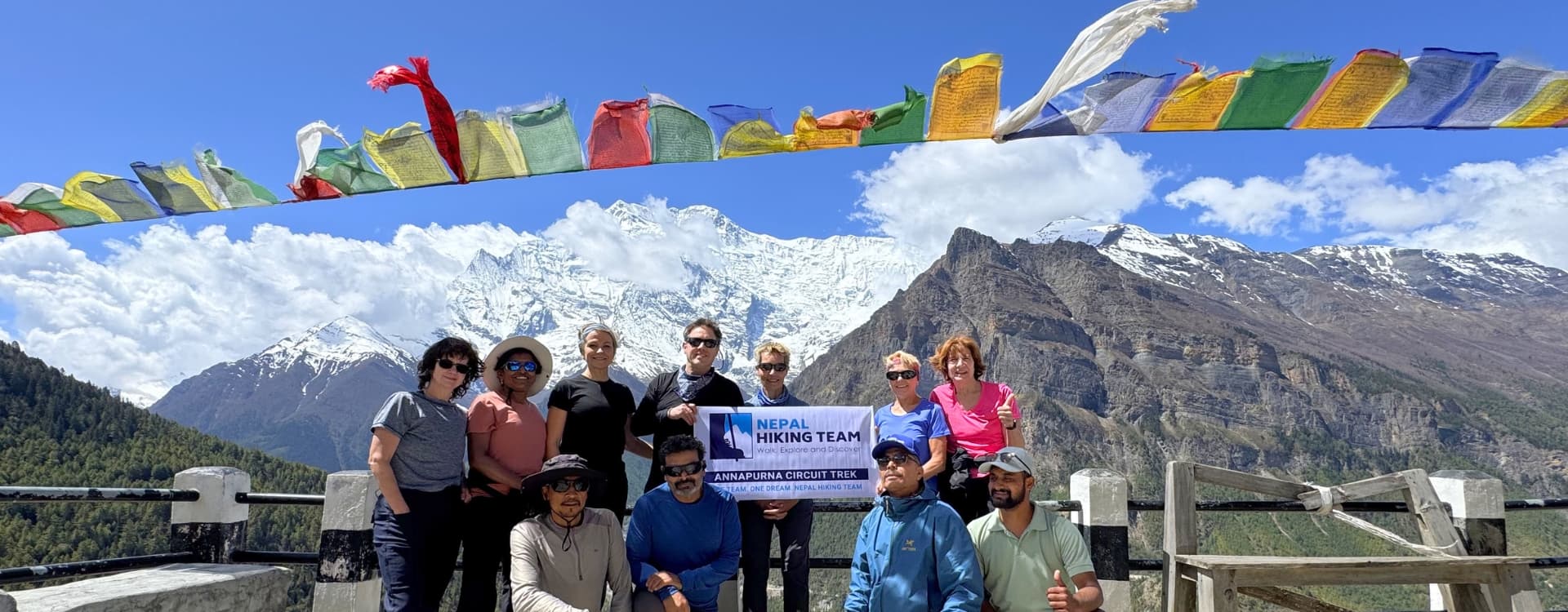
Trekking logistics system in Nepal is a comprehensive expedition management system that oversees every operational variable, including permits, accommodations, damage control, and emergency response. Trekking logistics is not simply a list of services; it is a structured, end-to-end system that eliminates guesswork and inconvenience at altitude for safety.
This helps transform trekking from a roughly planned travel service into a predictable, risk-managed mountain journey. Also, understanding what falls under the best logistics system helps trekkers evaluate operators accurately, ask the right questions, and explore the mountain region with confidence.
At Nepal Hiking Team, we offer a complete trekking logistics system that was built over 17 years of in-ground experience. Our system covers full permit management across all routes and conservation zones, government-certified guides, ethically managed porter service, accommodation, and custom itinerary based on acclimatisation requirements and fitness.
As an NTB, TAAN, NMA, and KEEP-affiliated operator, we treat logistics as a core product and practice sustainable tourism that benefits local communities along the trail. Here is a complete breakdown of what a top trekking logistics system in Nepal should cover for a safe and smooth trek in the Himalayas.
Entry, Visa, and Arrival Management System
A trekking logistics system in Nepal is designed to reduce uncertainty before the trek begins. From visa preparation, airport coordination, to hotel booking and emergency response, every detail is managed with precision.
Pre-arranged visa guidance and documentation checklist
We provide trekkers with a complete Nepal visa preparation guide before departure, with information such as passport validity requirements, visa fee details in acceptable currency, passport-size photo, and travel insurance recommendations.
Likewise, we also flag nationality-specific restrictions in advance, as citizens of certain countries, such as Ghana, Nigeria, Afghanistan, Iraq, and Syria, need to obtain a visa before arrival. This documentation checklist is sent weeks ahead, double-checked, and confirmed to avoid last-minute airport hassle.
On-arrival assistance and immigration support guidance
Most trekking agencies in Nepal offer structured airport arrival guidance, like filling out the digital form, getting a printed receipt, on-queue behaviour, terminal operation, payment methods, and baggage collection.
Similarly, some operators also provide pre-briefing about the trekking season queues to help guests navigate the airport formalities. This process is especially valuable for first-time visitors.
Real-time flight tracking and airport pickup system
A reliable travel agency tracks both international and domestic flight schedules in real time and coordinates airport pickups accurately. Any flight delay is communicated to the ground team so that scheduling is adjusted to ensure a smooth start.
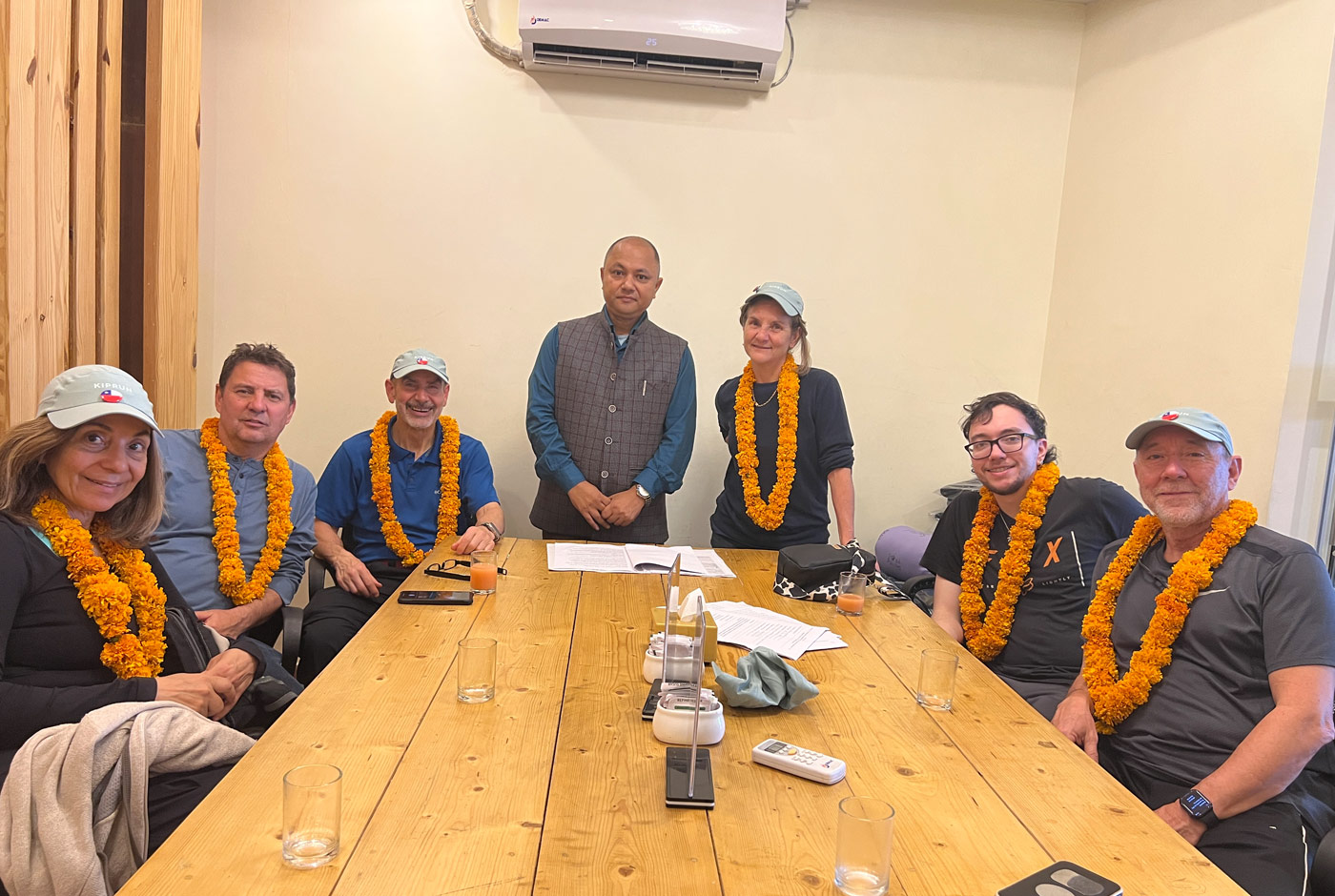
Our airport pickups are done by one of our representatives, who receives and drops off the guests at their pre-booked hotels safely without any confusion. This helps guests avoid the hassle of hiring a taxi right after arriving in a foreign country, while improving reliability and reducing stress.
Hotel booking with flexible recovery-based check-in
Trekking agencies prioritise acclimatisation and recovery by strategically arranging hotels with flexible check-in support. For the first night in Kathmandu, hotels are selected for the comfort level appropriate to each guest, as international flights often involve jet lag, fatigue, or delayed flights.
In addition, the logistics framework pre-communicates arrival time to the hotels, arranges late-night meals if necessary, and ensures the room is pre-booked regardless of flight time. This flexible approach improves overall trekking readiness and expedition efficiency.
Buffer day strategy for delays and lost baggage
A well-planned Himalayan trek logistics always includes buffer days within the itinerary to manage unpredictable travel disruptions. The buffer day accounts for flight delays into Kathmandu, domestic flight cancellations in Lukla, or acclimatisation adjustments during pre-trek assessment.
Besides, trekkers losing baggage at the airport is an operational risk that requires one full day in Kathmandu to source replacements, repack, and file airline reports before the journey.
Nonetheless, we add buffer days in high-altitude treks like the Everest Base Camp, Annapurna Circuit Trek, and Manaslu Circuit Trek, to avoid rushed itineraries. This helps protect both trekking safety and overall success in the remote mountain regions.
Everest Base camp Trek Package with Buffer and Rest Day
Emergency entry issue support protocol
A well-prepared trekking operator provides emergency response support for visa complications, delayed baggage claims, immigration misunderstandings, or documentation errors. Also, it can involve hotel rebooking assistance, airline communication, permit coordination, or communication to make the arrival process smooth.
They maintain a rapid communication channel to assist guests facing unexpected arrival problems. This protocol ensures trekkers receive immediate operational assistance to resolve the inconvenience rather than canceling or ending the trip.
Digital Pre-Trek Onboarding System
The digital pre-trek onboarding system is the operational mechanism that helps streamline communication, safety preparation, documentation handling, and trek planning in one organised process. It eliminates misunderstanding and transforms every trekker into a fully briefed, legally compliant, and correctly equipped traveller before they book their flight to Nepal.
Centralized onboarding platform or document hub
Our centralised onboarding platform or document hub secures all essential trek information in one place, eliminating scattered emails and attachments. This portal stores documents, including permits, invoices, packing lists, emergency contacts, trekking contracts, and itinerary updates.
As elite expeditions such as those to the Himalayas require accurate coordination, a digital hub transforms this process in several ways. Rather than saving information in multiple platforms, our document hub improves communication efficiency, allowing trekkers to prepare for their adventure without missing crucial information.
Gear checklist and verification system
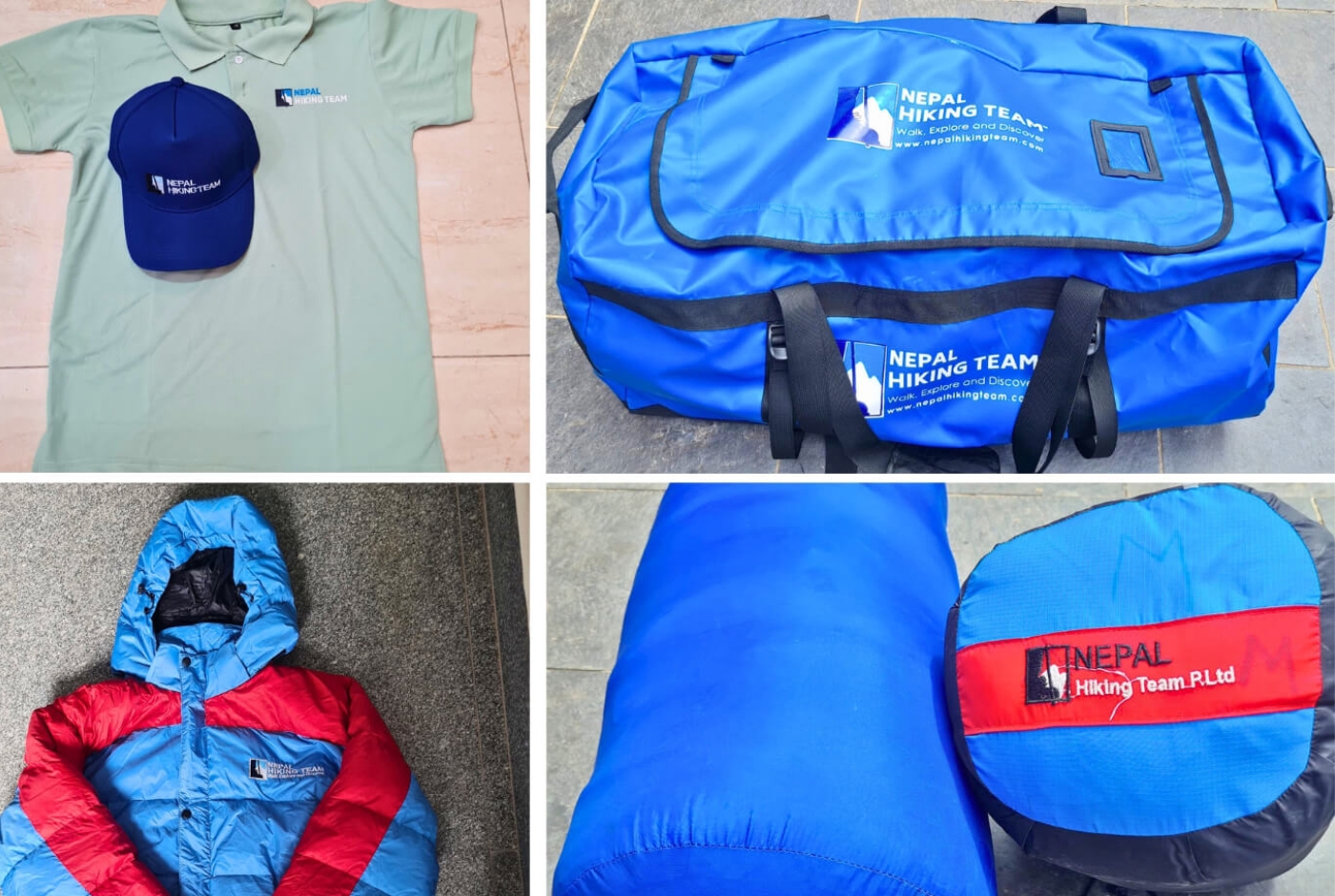
Before any high-altitude trek, we provide our guests with a highly structured gear checklist to verify the necessary gear we provide, such as a down jacket, sleeping bag, t-shirt, route map, and cap. Most travel agencies provide a route-specific gear checklist, detailing exactly what is required for each phase of the trek.
You can also check out our equipment checklist or packing list blog for a clear idea of what to pack and what not to pack for your next Himalayan trekking adventure. This process improves safety and ensures that no essential gear or equipment is missing when preparing for the journey in the Himalayas.
Itinerary preview with risk and altitude mapping
Most high-altitude trek itineraries are planned according to the “climb high, sleep low” principle with mandatory rest days. Our itineraries are also designed with an interactive preview that contains detailed elevation, acclimatisation points, trekking distances, and potential risk zones.
This helps trekkers understand weather exposure, varied terrains, elevation gain, and physical demands before the actual journey. Lastly, detailed altitude mapping is crucial for popular high-altitude routes such as the Everest Base Camp and the Annapurna Circuit, as proper route awareness improves both safety and overall confidence.
Insurance upload and validation
Most best trekking logistics systems require trekkers to upload travel and high-altitude rescue operation insurance documents that include trekking activities, emergency medical treatment, and rescue operations in remote mountain environments before arrival. Our operations team then confirms emergency medical support, altitude limits, and helicopter rescue eligibility.
Insurance validation is considered a critical part of responsible Himalayan expedition management, and this pre-verification process prevents serious logistical complications during emergencies in remote regions. We carefully review policy details, coverage limitations, and validity dates to reduce operational risks. This also ensures it meets clients' expedition safety requirements.
Guide introduction before arrival
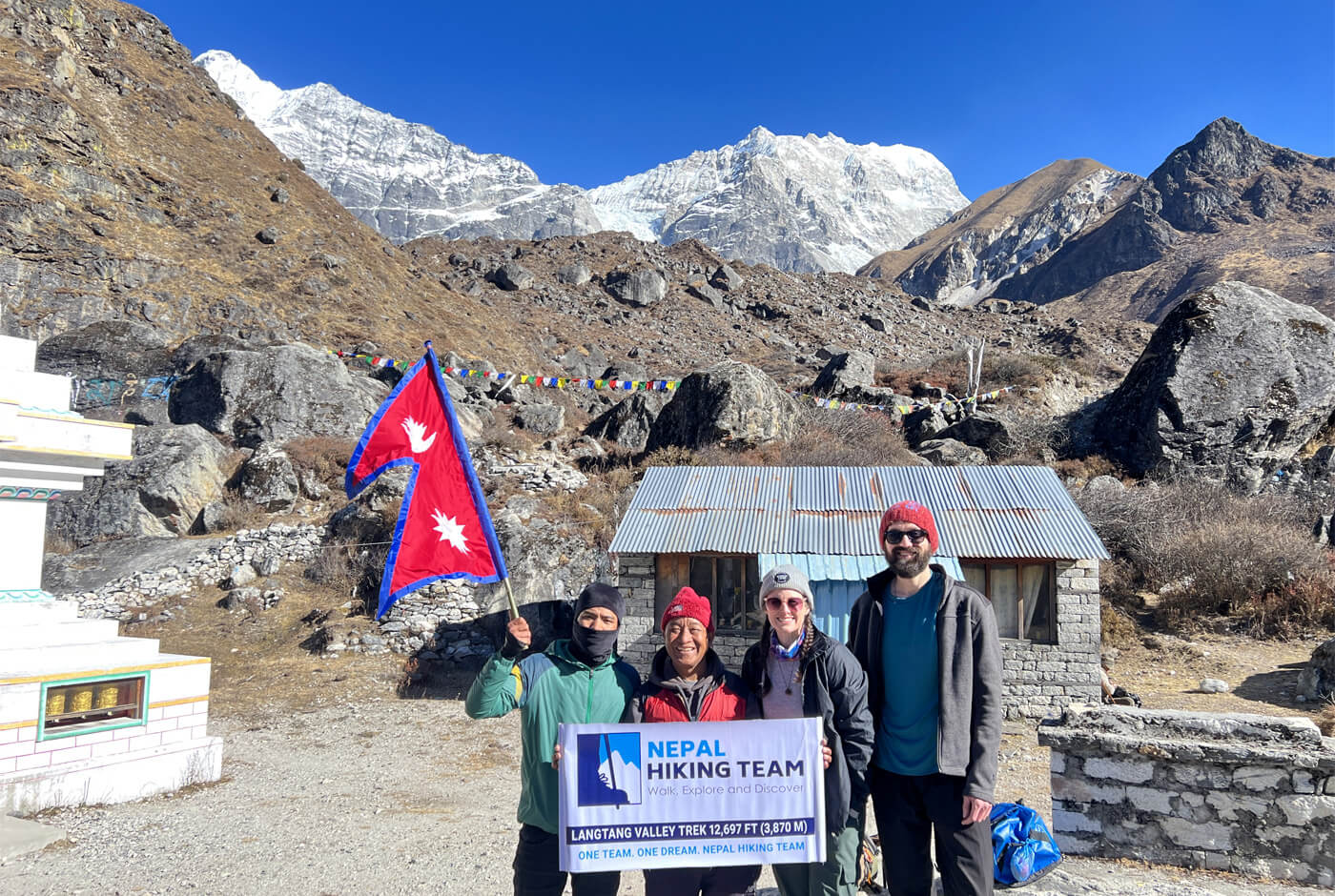
During the pre-trip coordination, you can get introduced to your assigned trekking guide digitally. Trekkers can ask a guide with a profile containing experience details, language abilities, and previous trekking expertise to help build trust, improve coordination, and allow trekkers to ask any questions.
Pre-arrival or pre-trek introduction also unlocks several crucial aspects, such as equipment verification, gear rental/purchase coordination, medical history, pacing, and weight limits. This approach enhances the overall trekking experience from the start.
Automated reminders for preparation steps
In top trekking company logistics, an automated reminder is set to keep trekkers updated on the essential preparation steps. These pre-programmed reminders include payment schedules, visa deadlines, insurance document submissions, and weather updates.
Also, automated reminders help reduce missed requirements and keep trekkers organised before arriving in Nepal. It helps create a smoother and more professional preparation process for international travellers, especially first-timers.
Client Risk Profiling and Medical Readiness System
A well-structured client risk profiling and medical readiness system helps evaluate every trekker before the trek starts. This helps agencies reduce medical emergencies, improve altitude safety, and match guests with suitable trekking routes. Most trekking companies use this method to improve emergency response readiness, acclimatisation planning, and overall trek’s success rates.
Medical History Screening
Trusted trekking agencies start with a detailed medical history screening about heart conditions, respiratory illness, blood pressure issues, and allergies, and prior experiences with Acute Mountain Sickness (AMS) before booking a trek.
Similarly, agencies request medical clearance from a doctor for expeditions above 5,000 m from trekkers with existing medical conditions. This process allows guides and agencies to identify high-risk individuals early and recommend safer trekking routes. Overall, the medical screening process helps reduce risks and improve overall trek safety in remote mountain regions.
Vaccination recommendation timeline
Though vaccination is not necessary for trekking in Nepal, operators can advise vaccines such as hepatitis A and B, tetanus, and typhoid for routine travel immunizations. Nepal Hiking Team recommends that trekkers heading to the Manaslu region are advised to get the rabies vaccine, as the trail has dozens of mountain-stray dogs and limited medical access.
Trekking companies also provide health preparation schedules and ensure clients complete vaccinations before arrival to build immunity in time and avoid last-minute complications. This improves trek preparations and supports safer travel in Nepal's most remote and high-altitude regions.
Fitness classification and endurance assessment
Fitness classification and endurance assessment help trekking companies categorise a trekker’s fitness level to determine which route, daily walking distance, and altitude they can safely handle. They are often classified into beginner, intermediate, advanced, or expedition-level fitness groups based on hiking experience.
This is crucial due to varied terrain, trail conditions, altitude gain, and daily walking hours across different trekking routes. Likewise, this information is useful to customise an itinerary, plan acclimatisation stops, porter support, and emergency rescue planning. A detailed fitness assessment system improves trek completion rates and minimises altitude-related risks.
Psychological readiness evaluation
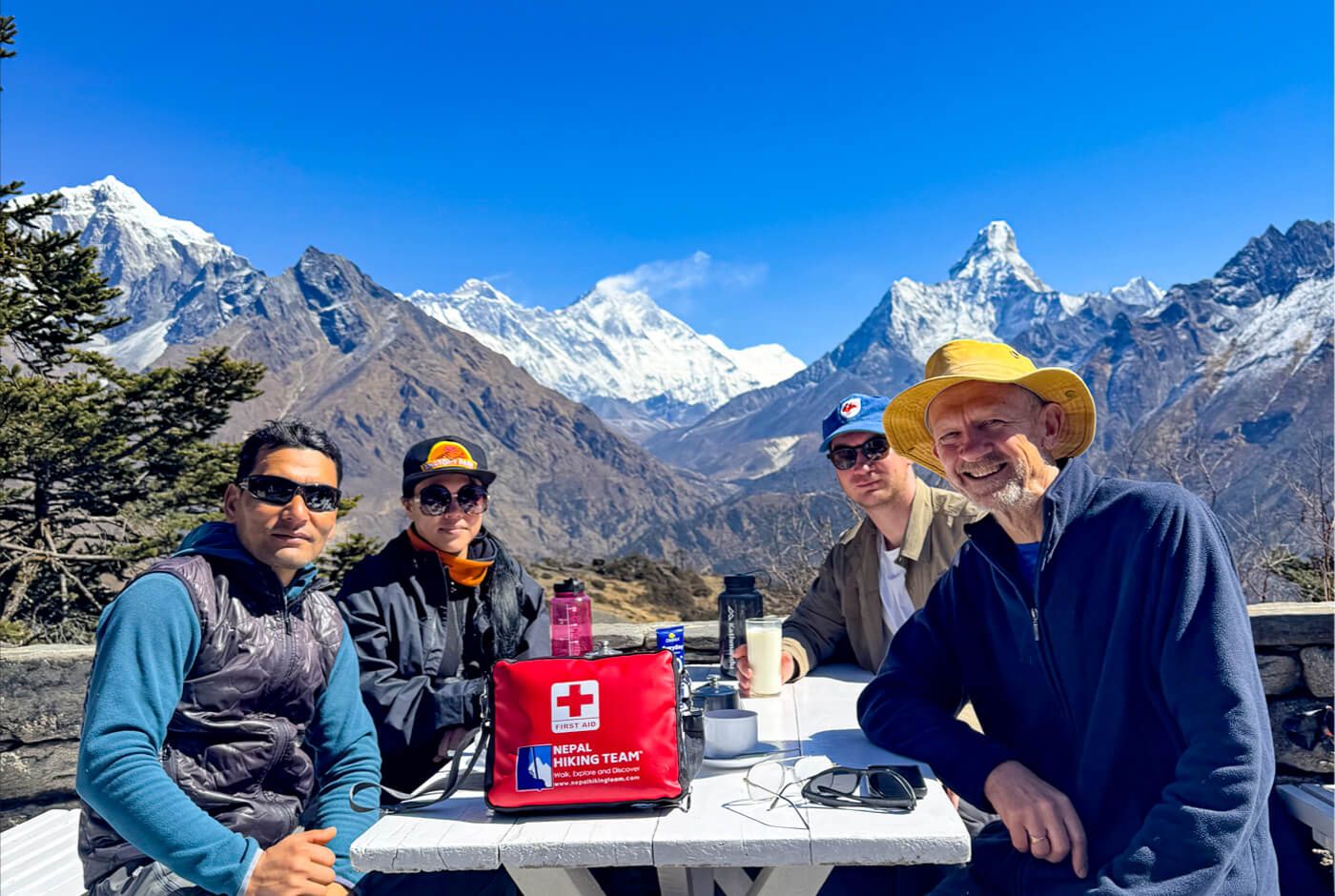
Trekking in the remote Himalayan region involves weather uncertainty, physical discomfort, isolation, and mental fatigue. Hence, travel agencies usually assess psychological readiness before high-altitude expeditions. They evaluate stress tolerance, adaptability, and emotional resilience to determine whether a client is mentally prepared or not.
It is crucial for demanding trails such as the Manaslu Circuit and the Annapurna Circuit Trek. We provide pre-trek counseling, realistic route briefings, and mental preparation to help trekkers build confidence and maintain morale throughout the journey.
Trek difficulty matching system
A trek difficulty matching system is crucial to compare a trekker’s medical profile, fitness level, altitude experience, and personal goals with the difficulty level of trekking routes. The objective is to match guests with the ideal trail that matches their limits, capabilities, and safety.
For example, first-timers are recommended to moderate routes like the Langtang Valley Trek or the Poon Hill, while experienced trekkers may be recommended strenuous trails such as the Makalu Base Camp Trek or the Kanchenjunga Base Camp Trek. Proper trek difficulty matching system improves client satisfaction, reduces medical emergencies, and creates a safer trekking experience.
Jet Lag Recovery and Acclimatization Transition System
Incorporating a jet lag recovery and acclimatisation transition system in an itinerary helps trekkers recover from long-distance international travel before starting the trek. Sleep disruption, long-haul flights, dehydration, and sudden elevation changes increase fatigue and reduce efficiency during treks.
24–48 hour recovery protocol after arrival
Our itineraries include a 24-48 hour recovery day or buffer day in Kathmandu, allowing trekkers to recover and stabilise after jet lag and travel fatigue. We encourage our guests to rest, hydrate, and avoid excessive physical exercise during this time.
On this day, we schedule a pre-trek meeting and introduce your guide, provide essential gear, and trek briefing instead of intense movement. Nonetheless, this 24-48 hour recovery protocol helps trekkers restore energy levels, mentally prepare, and improve adaptation for the upcoming altitude exposure in the mountain region.
Hydration and nutrition reset plan
A proper hydration and nutrition reset plan is crucial to restore electrolyte balance and improve physical recovery after travel. We encourage guests to maintain hydration, increase water intake, take mineral supplements, and have balanced meals rich in carbs, protein, and vitamins before ascending into higher elevations.
While trekking in a high-altitude region, proper hydration is important as dehydration can worsen altitude sickness symptoms. Also, drinking excessive amounts of alcohol and processed foods is not recommended. Trekkers should maintain nutrient-packed meals that support digestion, acclimatisation, stamina, and immune system recovery in the mountainous environment.
Sleep cycle adjustment before ascent
Many trekking logistics providers help trekkers adjust their sleep cycles before hitting the trail, as international tourists often arrive with disrupted sleep, making quality rest difficult during the first few days.
As proper sleep management improves recovery, altitude adaptation, and energy regulation, we advise our guests to align their sleep schedule with Nepal’s local time zone to support better acclimatisation performance. Reducing screen time, maintaining consistent sleep hours, and avoiding stimulants help maintain a proper sleep cycle.
Light activity preparation walks in Kathmandu
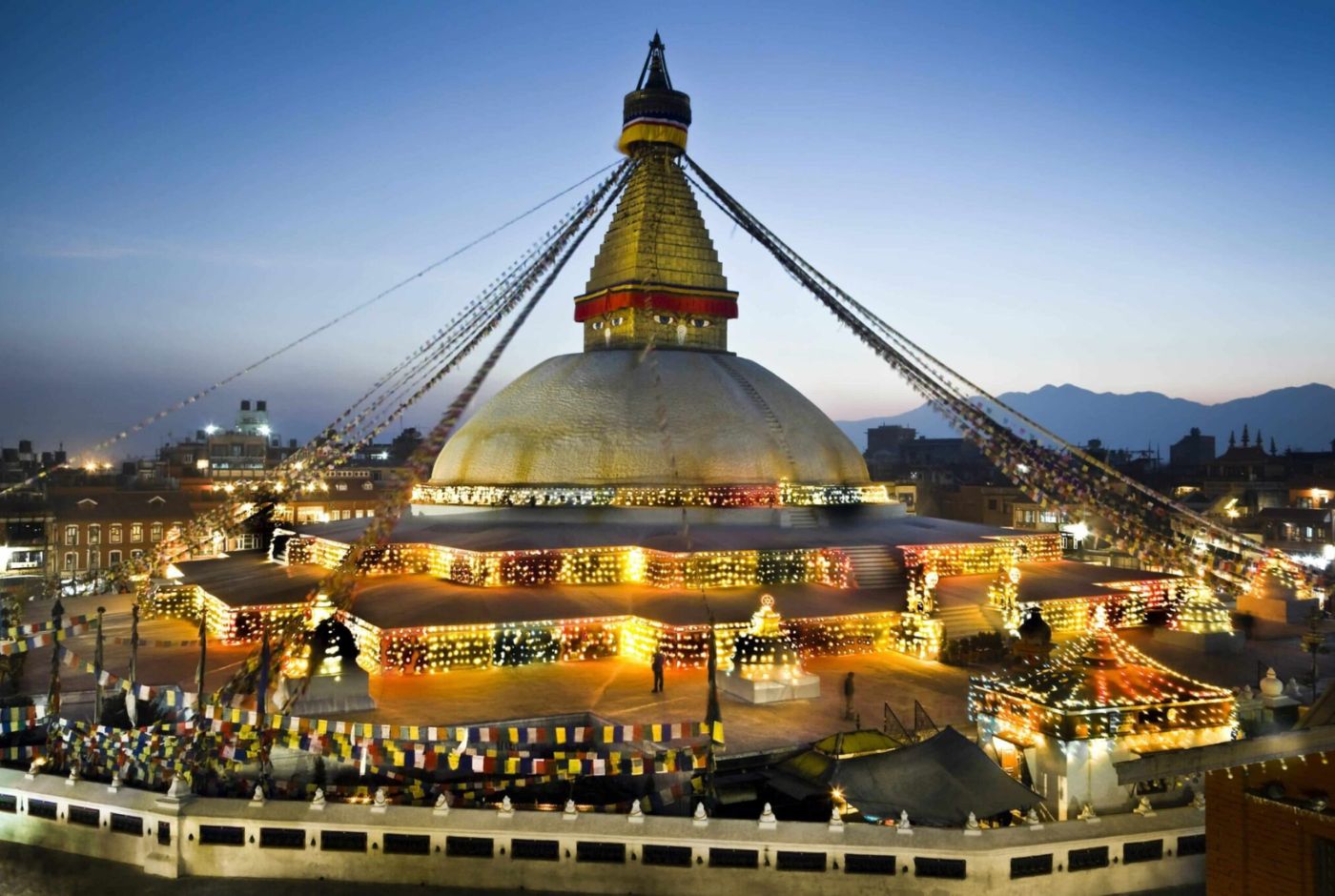
Light activity, such as walking around the city of Kathmandu before the remote mountain regions, helps trekkers prepare for the journey ahead. This can help trekkers loosen up, improve circulation, and reactivate physical movement after long-duration flights.
For preparation, you can book a city tour to cultural heritage sites such as Boudhanath Stupa, Pashupatinath, or the durbar squares in Kathmandu, Patan, and Bhaktapur. These activities support faster adjustment to the Nepalese climate and environment.
Gradual altitude exposure planning
We design our itineraries based on gradual altitude exposure, purposefully timing your ascent to allow progressive adaptation to thinner air. Instead of rapid elevation gain, we incorporate acclimatisation days and controlled ascent into our itineraries.
This method allows the body to adapt naturally to increasing altitude and reduces the risk of Acute Mountain Sickness (AMS). In high-altitude treks like EBC or ABC, gradual altitude exposure is crucial with controlled pacing and proper rest for safety and an overall smoother trekking experience.
Insurance Verification and Financial Safety System
A structured insurance verification and financial safety system is important to protect trekkers from unexpected medical emergencies, logistical complications, and high-altitude evacuation during Himalayan expeditions. We implement an insurance verification system to improve emergency response efficiency, minimise financial disputes, and ensure a safer trek.
Coverage verification for helicopter evacuation and altitude illness
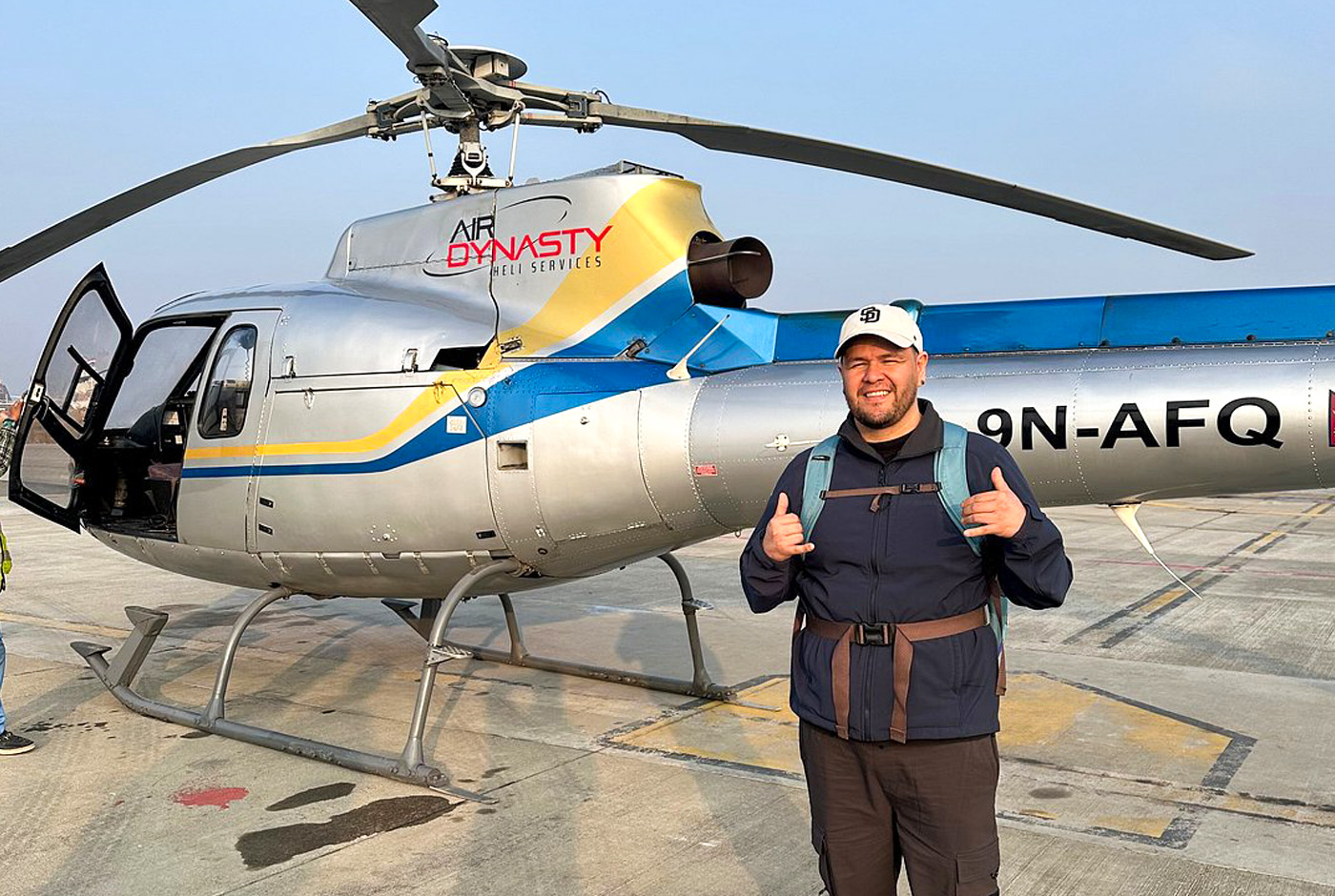
As a genuine trekking logistics handler, we verify whether your insurance policy specifically covers helicopter evacuation and altitude-related illnesses like High Altitude Pulmonary Edema (HAPE), Acute Mountain Sickness (AMS), or High Altitude Cerebral Edema (HACE). These altitude-related emergencies are among the most common risks during a trek above 3,500 m.
We examine insurance clauses, as some standard travel policies exclude high-altitude trekking or emergency air rescue. Moreover, confirming rescue coverage before departure allows us to respond immediately in case of emergency without any delays caused by insurance uncertainty or payment disputes.
Emergency contact linkage with the insurance provider
Our agency establishes a multi-party emergency contact linkage with the company, the client, and the insurance provider to streamline the authorization of costly rescue operations in the mountains. This creates a faster communication network during evacuation requests, medical incidents, or unexpected route disruptions.
We also keep digital copies of your insurance, emergency numbers, and policy information for prompt access during a crisis. This technique helps improve rescue efficiency, quicken the insurance authorisation process, and help families stay informed.
Clear financial responsibility structure for evacuation cases
We offer fair pricing and maintain a clear financial structure for emergency evacuation scenarios. Similarly, we provide detailed explanations regarding which evacuation costs are covered by insurance and which may require personal payment, in case of policy limitations.
Most travel agencies outline payment procedures, helicopter rescue coordination policies, and refunds before the journey. This kind of well-defined financial safety framework protects both the trekking company and the client while ensuring emergency evacuations in remote regions like Upper Mustang and the Everest Region.
Transport Chain and Mobility Coordination System
A transport chain and mobility coordination system is developed to move trekkers safely and efficiently from arrival points to remote Himalayan trailheads. Trekking routes in the Annapurna, Everest, and Upper Mustang regions require multiple transport modes such as flights, jeeps, private vehicles, and rerouting. The majority of travel agencies coordinate airport transfers, road transport logistics, domestic flights, and weather-related backup plans to minimize delays.
Airport to hotel transfers
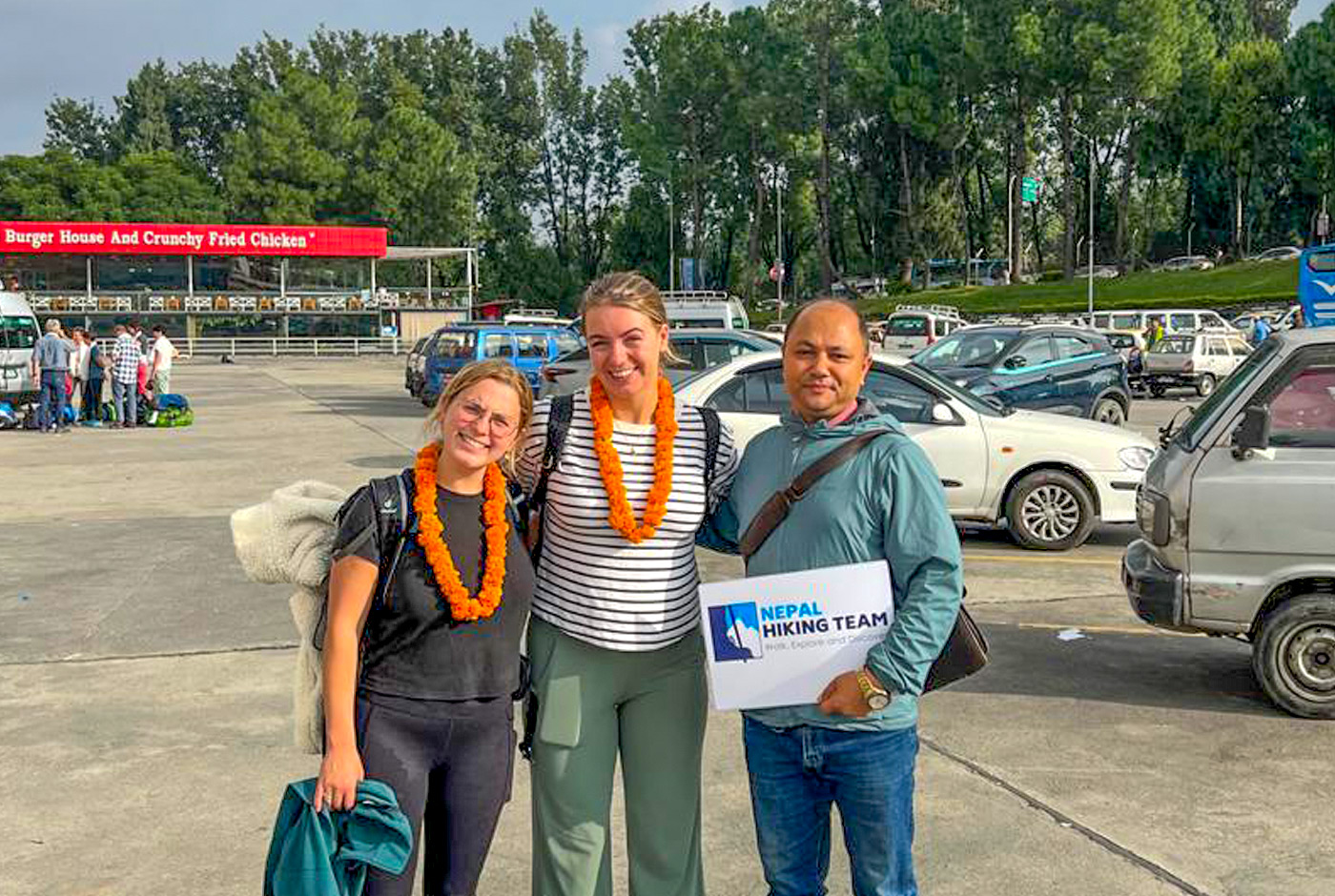
At Nepak Hiking Team, airport pick-ups, hotel transfers, and drop-offs are included in any Himalayan trek package. One of your representatives will pick you up at the airport and transfer you to a pre-booked 3-star hotel in Kathmandu. Our team monitors flight arrivals and ensures timely pickups and safe transportation for a smooth and stress-free start to your trek experience.
Professional transfer coordination is crucial for international trekkers who are unfamiliar with Nepal’s transport system. As a trusted agency, we maintain clear communication, keep backup drivers, and flexible scheduling to handle late-night arrivals, unexpected itinerary adjustments, and flight delays.
Domestic flights (Lukla, Pokhara, Jomsom) coordination with delay buffers
Our operational team carefully manages domestic flight coordination to Lukla Airport, Pokhara, and Jomsom Airport as weather conditions in these regions change rapidly. We often build delay buffers into trekking itineraries to reduce disruption risks.
We monitor aviation weather forecasts, maintain contact with airline operations for updates, and prepare for rescheduling options in advance in case of delay. This helps avoid rushed itineraries and improves overall expedition reliability during peak trekking seasons.
Jeep and road transport arrangements for trailheads

Most trailheads like Hiley, Chame, Birethanti, Kagbeni, and Machha Khola can be reached via reliable jeep and road transport. Though the roads in these remote regions are rugged mountain roads that require experienced drivers and well-maintained vehicles.
Nepal Hiking Team handles this aspect with a structured transport coordination tailored to each region. We mostly hire private jeeps for the remote terrain, season, and group size. This coordination ensures trekkers experience a smooth transition from city to remote Himalayan trailheads.
Weather delay contingency transport plans
The majority of our itineraries include a weather delay contingency transportation plan, as mountain weather conditions are highly unpredictable. Similarly, flights to remote airports such as Lukla or Jomsom are usually delayed or canceled due to poor visibility, heavy cloud cover, or wind.
In order to minimise the operational disruption, companies usually prepare backup accommodation bookings, alternative flight options, helicopter charter, and ground transportation when necessary. This contingency helps maintain expedition continuity while prioritising safety during unstable weather conditions.
Backup route mobility planning
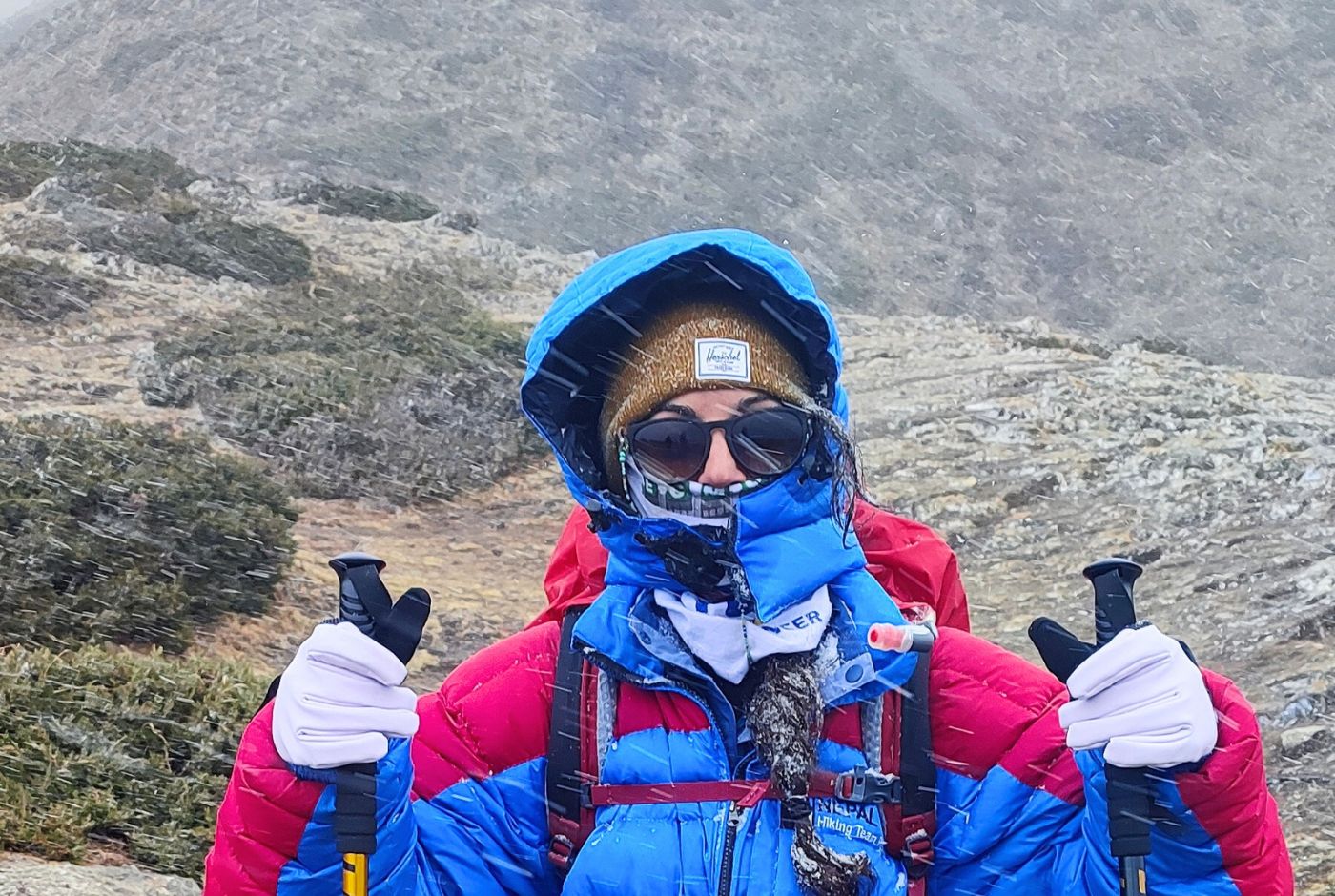
Almost all trekking logistics include backup route mobility planning to adapt quickly during trail closures, road damage, landslides, or sudden route disruptions. Similarly, during pre-trek briefing, we discuss alternative routes and secondary access points in advance to ensure trekkers continue their journey smoothly even when primary routes become inaccessible.
This preparation is crucial in remote mountain regions where varied terrain instability and weather change affect mobility without any warning. Also, it allows us to adjust itineraries effectively while protecting client safety, minimising delays, and maintaining logistical control.
Route Planning and Dynamic Itinerary Control System
Route planning and a dynamic itinerary control system in the trekking logistics system help improve trek safety, operational flexibility, and altitude management during Himalayan expeditions. Professional trek operators continuously monitor route, acclimatisation, lodging, and environmental risks to make real-time adjustments when necessary.
Acclimatization-based itinerary design
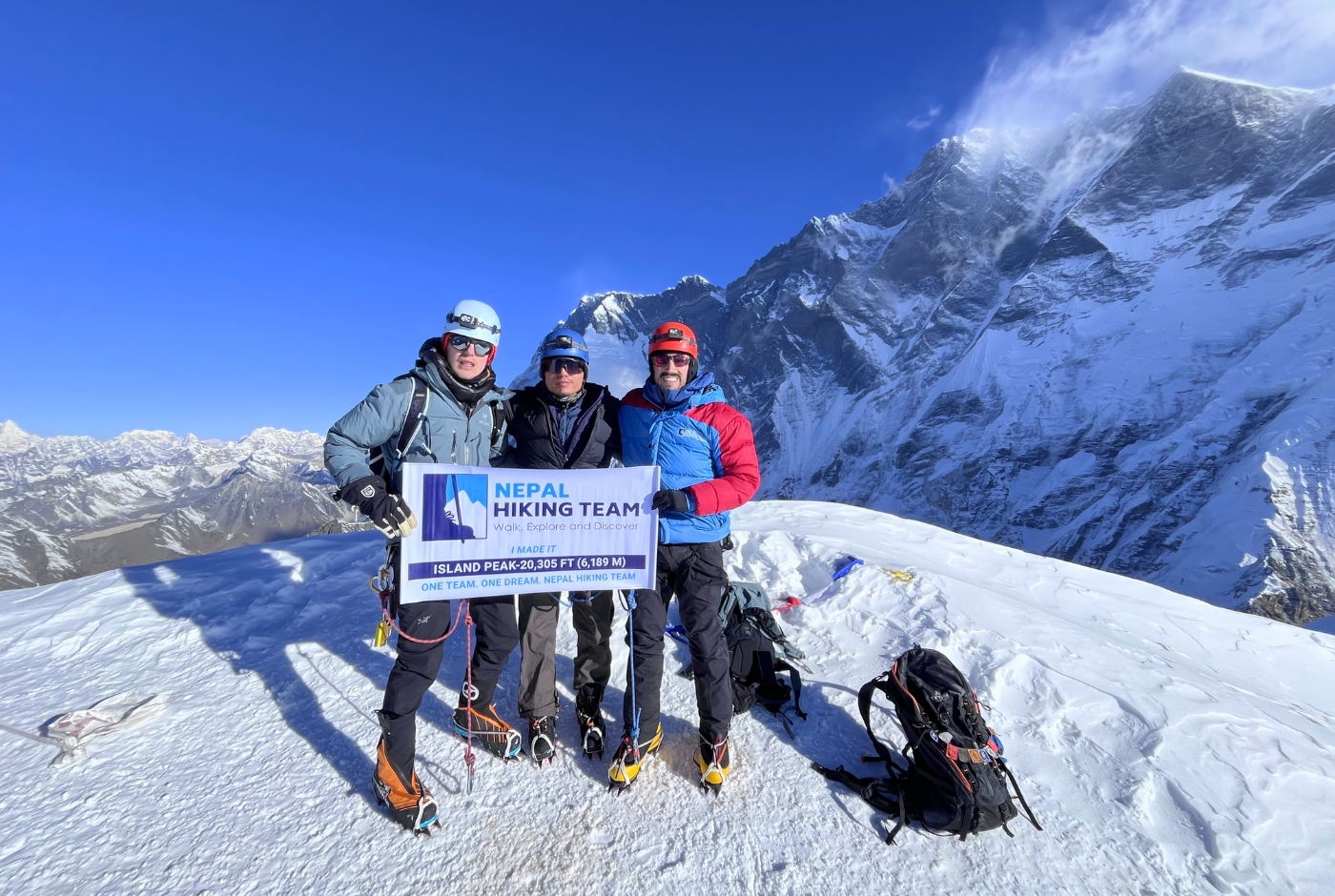
Expert trekking companies like Nepal Hiking Team design itineraries with planned acclimatisation schedules rather than simply minimising trek duration. Controlled ascent, gradual elevation gain with proper rest days, helps trekkers adapt safely to high altitude conditions.
In the same way, it lowers the risk of Acute Mountain Sickness (AMS) and other high-altitude sicknesses. Acclimatisation plans are usually based on trek duration, trail difficulty, and client fitness levels as they help improve physical performance. It creates a safer trekking experience and increases the success rate of treks.
Weather contingency route options
Weather contingency route options are incorporated to handle sudden climate changes in the mountain region. As heavy rainfall, snow, winds, and poor visibility can affect trail safety, pass crossings, and flight schedules, professional operators like us prepare alternative trekking routes and backup schedules to avoid disruptions.
Route flexibility allows us to modify or customise itineraries while maintaining client safety and operational efficiency. It is especially crucial in remote regions like the Everest region and Upper Mustang, where weather conditions can change rapidly.
Crowd congestion prediction and avoidance
In high-altitude treks, crowd congestion prediction and avoidance are integrated to monitor seasonal trekking traffic. Popular trails like ABC and EBC experience overcrowding during peak trekking seasons like spring and autumn, which can affect accommodation availability, trail movement, and overall trekking experience.
We use route timing adjustments, flexible departure schedules, and alternate overnight stops to reduce congestion on the trail. Moreover, crowd management also assists with trial efficiency, enhances lodge access, and creates a more comfortable trekking experience in the remote Himalayan regions.
Lodge Availability Mapping
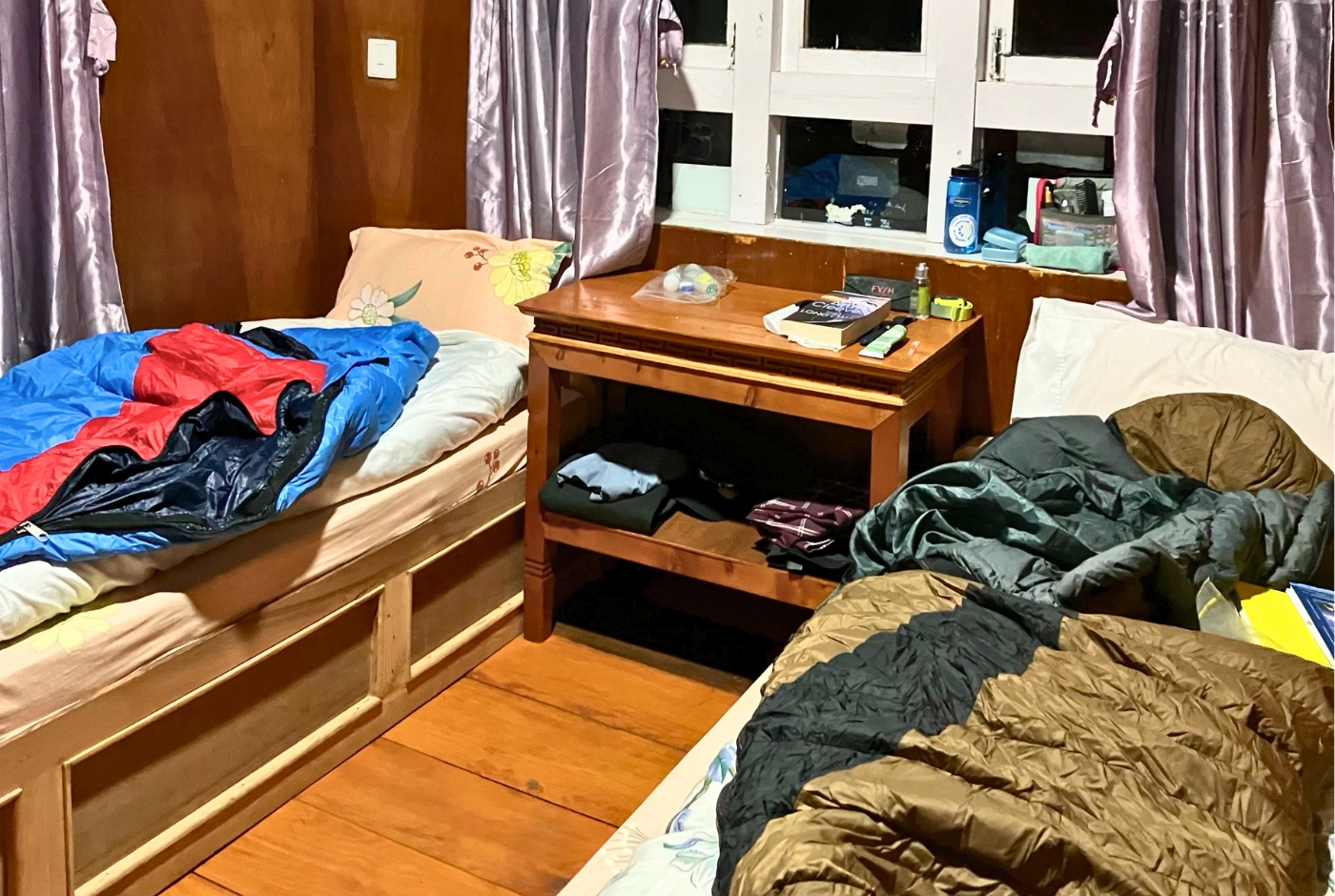
Our lodging availability mapping system helps track accommodation availability, occupancy levels, and seasonal demand throughout the trek, before and during the expedition. This helps avoid the teahouse shortages even during busy trekking months.
We maintain communication networks with local lodge owners to secure reservations and backup lodging options in case of route change or delays. This approach helps improve itinerary stability, ensure trekkers have reliable and comfortable accommodation on the trail, and efficiently reduce delays on Nepal’s Himalayan trails.
Altitude Gain Restriction Per Individual
Our team applies attitude gain restrictions based on each trekker’s health condition, physical fitness, and acclimatisation response. Instead of a rushed itinerary, our professional guides slow ascent rate or even add additional rest days if guests show symptoms of altitude fatigue or stress.
This altitude management method is critical for reducing the risk of altitude illness such as HAPE and HACE. Also, we prioritise long-term safety over a rushed itinerary, helping trekkers adapt to the changing elevation more effectively.
Turn-back and delay authority system
Most outstanding trekking agencies in Nepal operate with a strict turn-back and delay authority system to avoid dangerous conditions and keep trekkers safe. Our guides are authorised to alter routes, postpone summit or pass crossing attempts when weather, trail safety, or health conditions become serious.
Likewise, we establish clear safety protocols before the trek begins to ensure that decision-making during emergencies is smooth and safe. This method helps improve risk management, reinforce the safety-first approach, and prevent avoidable accidents in the mountain trails.
Guide Authority and Decision Intelligence System
To maintain safety, operational control, and efficient expedition management in the Himalayas, most trekking companies rely on a professional guide authority and decision intelligence system. High-altitude trekking routes require experienced leadership due to unpredictable weather, varied terrain, and the risk of altitude sickness. A proper guide authority and decision intelligence system improves emergency response efficiency, ensures safer trekking experiences, and reduces overall risks.
Licensed high-altitude experienced guides only
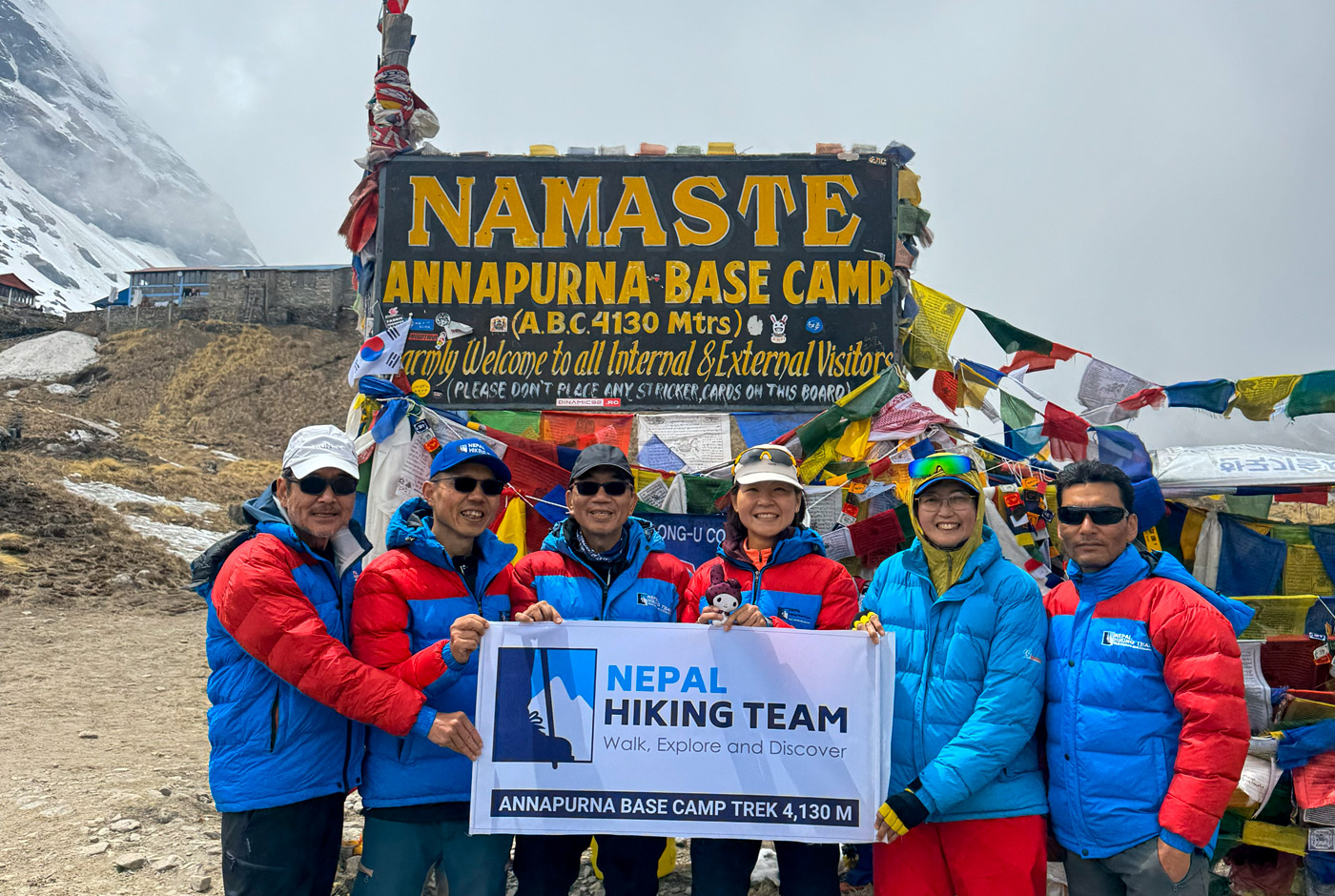
Most professional trekking operators like NHT employ only government-licensed and high-altitude experienced guides for demanding Himalayan treks. Our guides undergo mountain safety, altitude illness recognition, emergency response, route navigation, and client management training in remote trekking trails.
We operate our treks only with guides who have extensive field experience in high elevations such as the Annapurna region and the Everest region, as their experience is critical in these challenging terrains with unpredictable weather conditions. Working with certified guides not only enhances client confidence but also improves operational reliability and strengthens the overall trekking safety standards of Nepal.
Full safety decision authority is assigned to guide
While on a high-altitude trek, travel agencies assign full safety decision authority to the lead guide. They are empowered to modify itineraries, delay movement, adjust acclimatisation schedules, or terminate route progression in case of bad weather, altitude, and health-related concerns.
This systematic approach ensures critical safety decisions are made immediately without any delays. We prioritise guide judgment as experienced field leaders are best at evaluating real-time weather conditions in the mountain region. This helps keep our guests safe while enjoying the immersive journey.
Structured AMS monitoring and health checks
Professional guides regularly assess trekkers for symptoms such as nausea, headaches, dizziness, fatigue, breathing difficulty, and oxygen adaptation issues associated with Acute Mountain Sickness (AMS).
In addition, guides use oximeters, hydration monitoring, and symptom tracking to evaluate acclimatisation progress throughout the trek. This allows them to identify altitude-related risks early and take preventive action before symptoms become severe in the remote high-altitude regions.
Go / no-go / delay decision framework
Almost all guides follow a strict go/no-go/delay decision framework for high-altitude treks in Nepal. They constantly evaluate weather forecasts, trail conditions, avalanche risk, altitude response, and client health before progressing to higher elevations or while crossing passes.
Trek operators integrate this structured framework to reduce avoidable accidents and improve trekking safety management. Nonetheless, delaying movement or rerouting a trek when necessary helps protect trekkers from dangerous conditions in the Himalayas.
Group size control per guide (safety ratio enforcement)
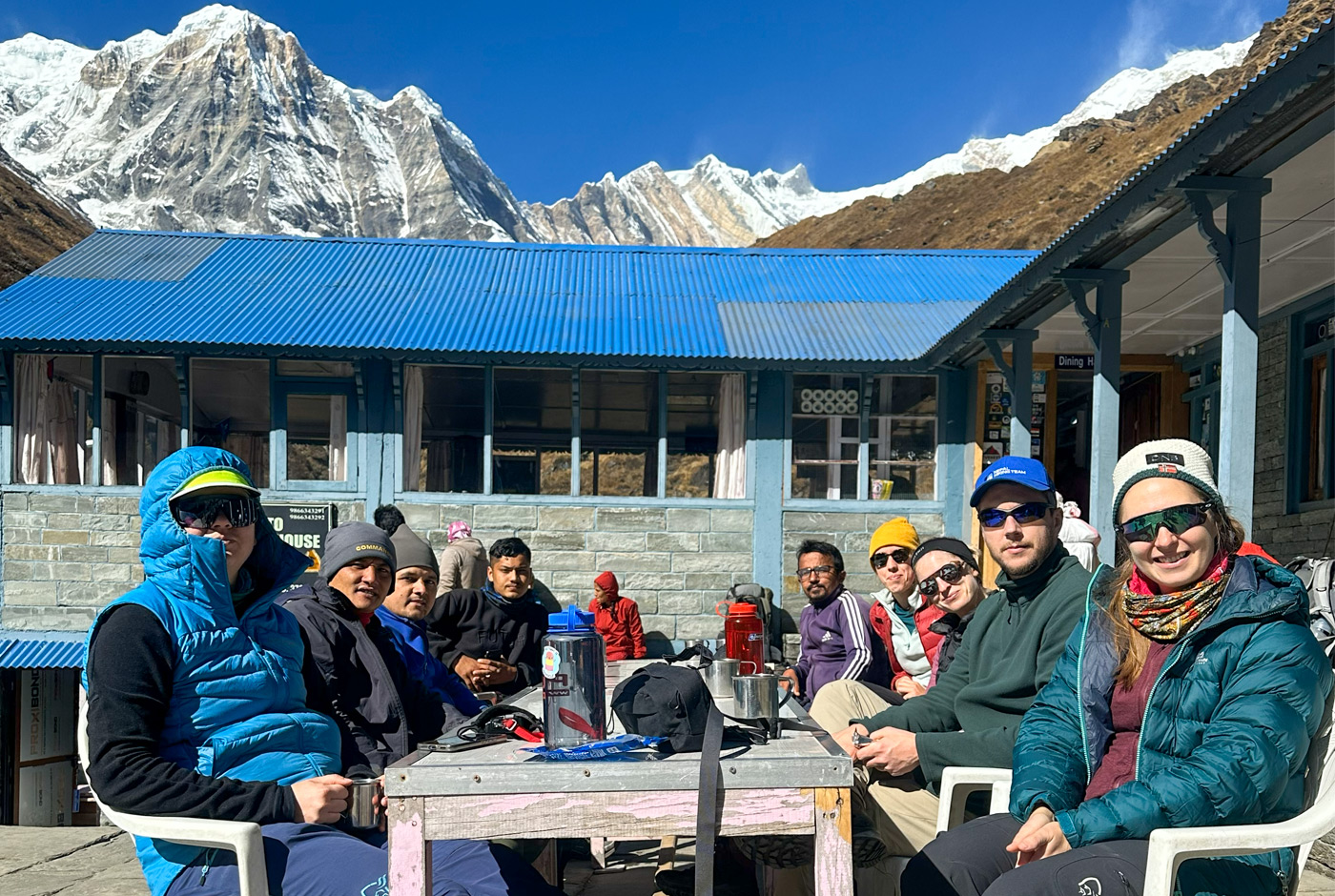
Group size control per guide is crucial to ensure proper supervision and safety management during a trek. Top Tour and trekking companies limit the number of trekkers assigned to each guide, allowing for better communication, health monitoring, and faster emergency response in the Himalayan regions of Nepal.
We enforce guide-to-client safety ratios (1:4 ratio) based on trek difficulty, route remoteness, and altitude level. This enhances trekking efficiency, improves acclimatisation oversight, and creates a safer experience on the challenging trekking routes.
Note: Check out this blog on How to build a strong relationship with your trekking guide in Nepal for a better understanding of the bond between trekkers and a guide in the remote wilderness.
Porter Welfare and Load Management System
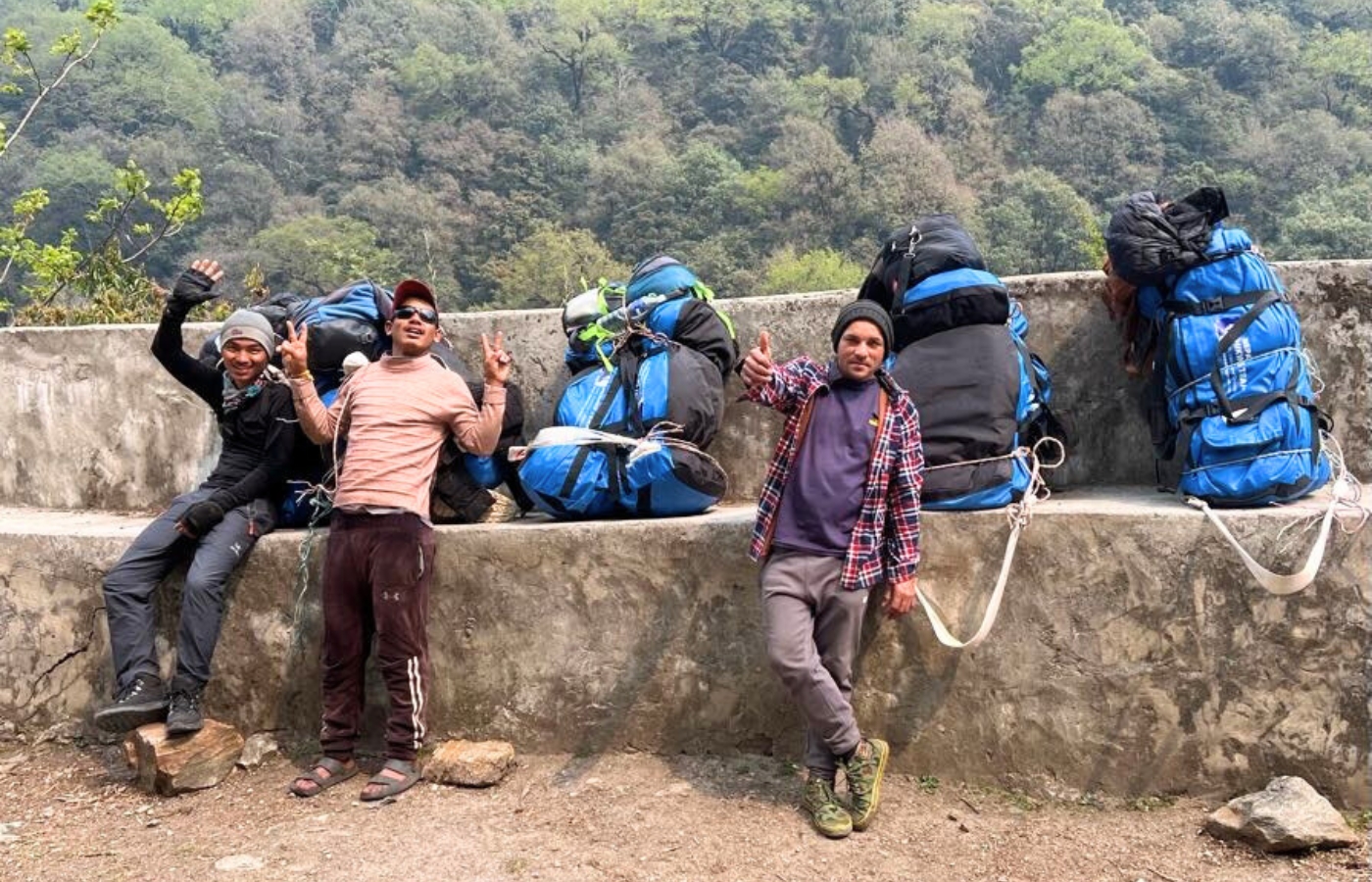
Porters are a crucial part of the high-altitude treks and summit expeditions in Nepal. Certified agencies like NHT support porters' welfare with fair wages, an ethical workload, accommodation, medical support, and an insurance policy for a smooth, safe, and confident trip.
Strict load limits per altitude zone
One of the key aspects of the Porter welfare and load management system is a clear weight policy across each trek. In most treks, one porter is assigned around 25 kg of weight that is shared between two trekkers.
The weight restrictions approach protects porters' safety and health and reduces exhaustion, unsafe working conditions, and injury risk. Ethical trekking operators prioritise their safety by maintaining regulated weights before hitting the high-altitude trails.
Proper gear allocation and inspection system
In Nepal, the elite trekking logistics system provides porters with proper gear allocation and conducts routine equipment inspections before and during the trek. Gears such as insulated jackets, gloves, waterproof boots, sleeping bags, and weather protection equipment are provided to ensure they are prepared for the harsh Himalayan conditions.
Routine inspections are administered to reduce cold exposure-related risks such as frostbite, hypothermia, and rain-related illness. This method helps improve porter safety throughout the journey, enhances operational reliability, and supports their performance in the trekking regions.
Insurance coverage and safety compliance
A well-organised insurance coverage and safety compliance ensure that porters are covered by insurance policies. Likewise, most trekking operators provide emergency medical support, accident insurance, and evacuation coverage for porters working in challenging environments.
This tactic creates a safer and more ethical working structure throughout the journey. Almost all companies follow labor safety standards related to food provisions, load carrying, accommodation, and emergency preparedness. Moreover, insurance protection and safety compliance help reduce financial vulnerability for the porter community while promoting responsible trekking scenery in Nepal.
Backup porter system for emergencies
Having a backup porter system to manage emergencies such as injury, fatigue, illness, and unexpected route disruptions is essential. This strategy is important for replacement without compromising logistical efficiency when a porter is unable to continue the trek.
Most major companies maintain local support networks and flexible staffing structures across major trekking regions like the Everest, Annapurna, Upper Mustang, Langtang, and Manaslu. This ensures uninterrupted trekking while still protecting porters from being forced to continue under unsafe conditions.
Ethical workload rotation
Following ethical workload rotation practices is crucial to distribute the physical demands of a journey fairly among porters during the trek. Likewise, ethnic workload management helps improve porter well-being, enhances team morale, and supports better physical recovery during difficult mountain journeys.
Load-sharing and rotational carrying systems are essential to reduce long-term fatigue, overexertion, and muscle strain during multi-day treks. Lastly, responsible trekking companies honor fair labor practices for maintaining a sustainable and high-quality trekking logistics system in the Himalayas.
Environmental and Sustainability System
The environmental and sustainability system is a structured framework used to completely minimise a trekking agency’s carbon footprint while maximising economic growth for local mountain communities. Trekking companies in Nepal implement strict environmental protocols focused on waste management, sustainable accommodation, plastic reduction, and low-impact trekking practices. This approach helps support the long-term sustainability of the Himalayan trekking tourism sector while preserving Nepal’s natural landscapes.
Waste carry-back policy enforcement
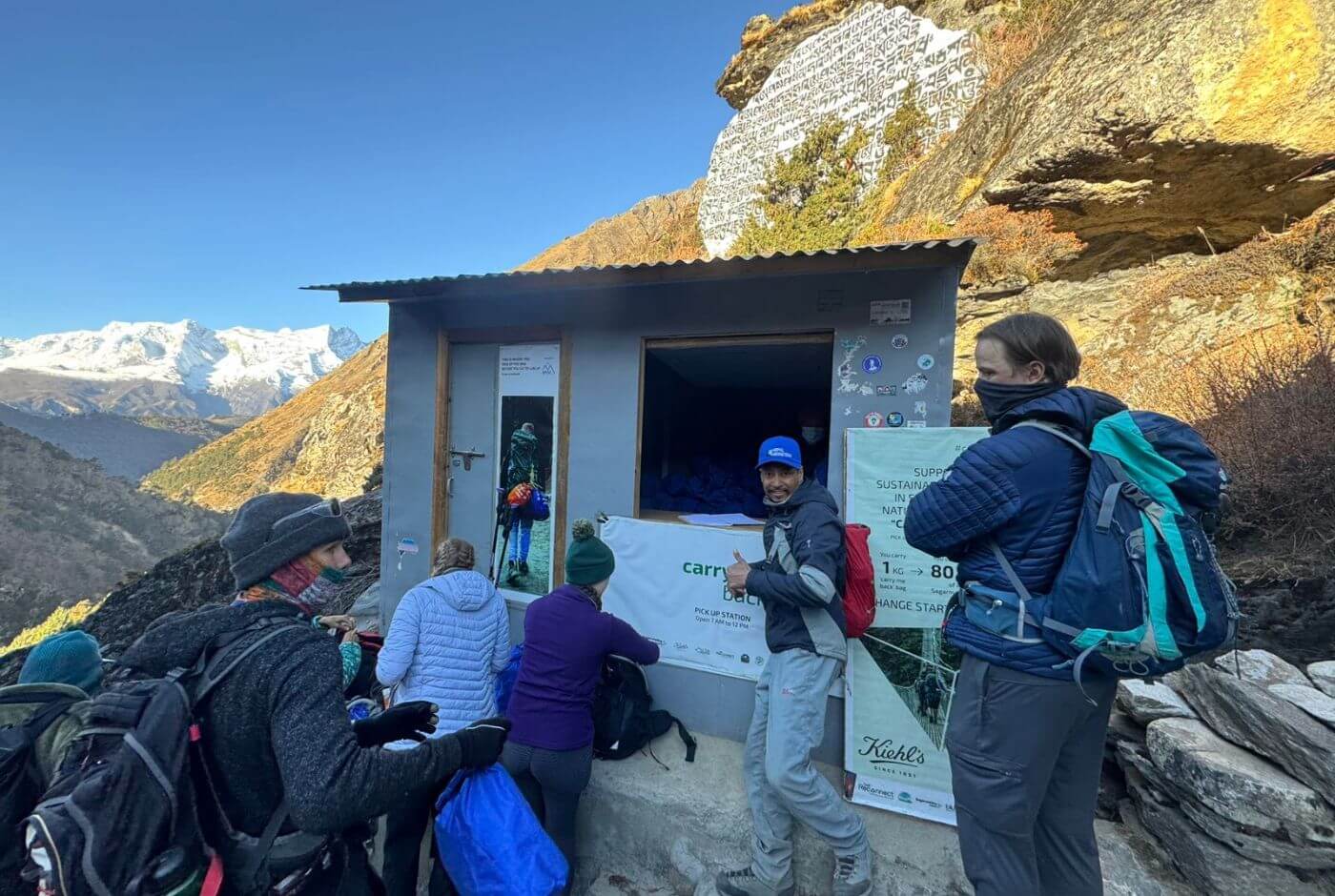
In remote regions of Everest, there are no littering rules implemented by the Sagarmatha Pollution Control Committee to minimise environmental pollution along the trail. Guides, porters, and trekkers are instructed to carry a trash bag and collect non-biodegradable waste such as plastic packaging, cans, and batteries back to the disposal areas.
Carry-back waste system helps protect the fragile ecosystem of the mountain region. Likewise, operators regularly monitor waste compliance during treks, while encouraging responsible trekking demeanor.
Note: Pangboche village at 3,985 m in the Khumbu region runs a Carry Me Back waste management program, an initiative to encourage travelers to transport 1 kg of waste to lower regions for recycling.
Human waste management in sensitive zones
A proper human waste management system is crucial in sensitive zones like the mountain region, where sanitation infrastructure is limited. Remote regions like the Annapurna, Everest, and Manaslu have high trekking traffic and require a controlled waste disposal system. This helps prevent contamination of water sources and fragile alpine ecosystems.
Most agencies coordinate designated toilet systems, campsite sanitation protocols, and biodegradable waste solutions where necessary. Nonetheless, a well-coordinated waste management system in sensitive zones helps reduce health risks, improves environmental protection, and supports cleaner trekking conditions.
Plastic reduction and bottle control systems
The finest trekking agencies incorporate plastic reduction and bottle control systems to reduce single-use waste in the Himalayas. We encourage trekkers to use reusable water bottles, filtered water stations, purification tablets, and refill systems instead of using plastic bottles.
In a similar way, we discourage unnecessary plastic packaging in expedition supplies and promote environmentally friendly alternatives. These are implemented to help reduce waste accumulation along the trekking trails of Nepal while supporting sustainable tourism operations.
Eco-lodge partnerships
An advanced trekking logistics system like us work through eco-lodge and community partnerships with environmentally responsible teahouses and accommodation providers throughout Nepal. Most high-altitude lodges use solar energy, fuel-efficient heating systems, water conservation methods, and sustainable waste management to reduce environmental impact.
We prioritise partnerships with local lodges that support community sustainability initiatives and responsible tourism. This strategy helps strengthen environmentally conscious trekking operations while supporting long-term conservation efforts.
Carbon offset trekking options
In Nepal, travel agencies are increasingly providing carbon offset trekking options for environmentally conscious travelers by choosing eco-friendly routes, bypassing domestic flights in favor of overland transport, and booking with operators actively involved in conservation efforts.
This methodology helps compensate for environmental impact through conservation and sustainability projects. Also, most elite trekking companies support reforestation programs, local environmental conservation efforts, and renewable energy initiatives to protect the fragile mountain ecosystem.
Human Experience and Cultural Integration System
Human experience and cultural integration system transform a standard high-elevation trek into an immersive journey through varied landscapes. Trekking in the remote regions of the Annapurna region, the Everest region, and Upper Mustang offers an up-close interaction with the local communities, centuries-old customs, traditions, and ancient architectures.
Group compatibility matching
When organising a shared trekking departure, agencies usually use group compatibility matching systems and match the group according to fitness level, age, trekking pace, and language preference. This decision is also made based on previous hiking experience and travel expectations of the guests to improve overall efficiency and harmony.
A well-matched group reduces interpersonal conflict and creates a more enjoyable hiking atmosphere by minimising pace imbalance. Agencies assign groups by recognising the compatible group dynamics among all for overall trekking safety and client satisfaction.
Cultural etiquette and behavior briefing
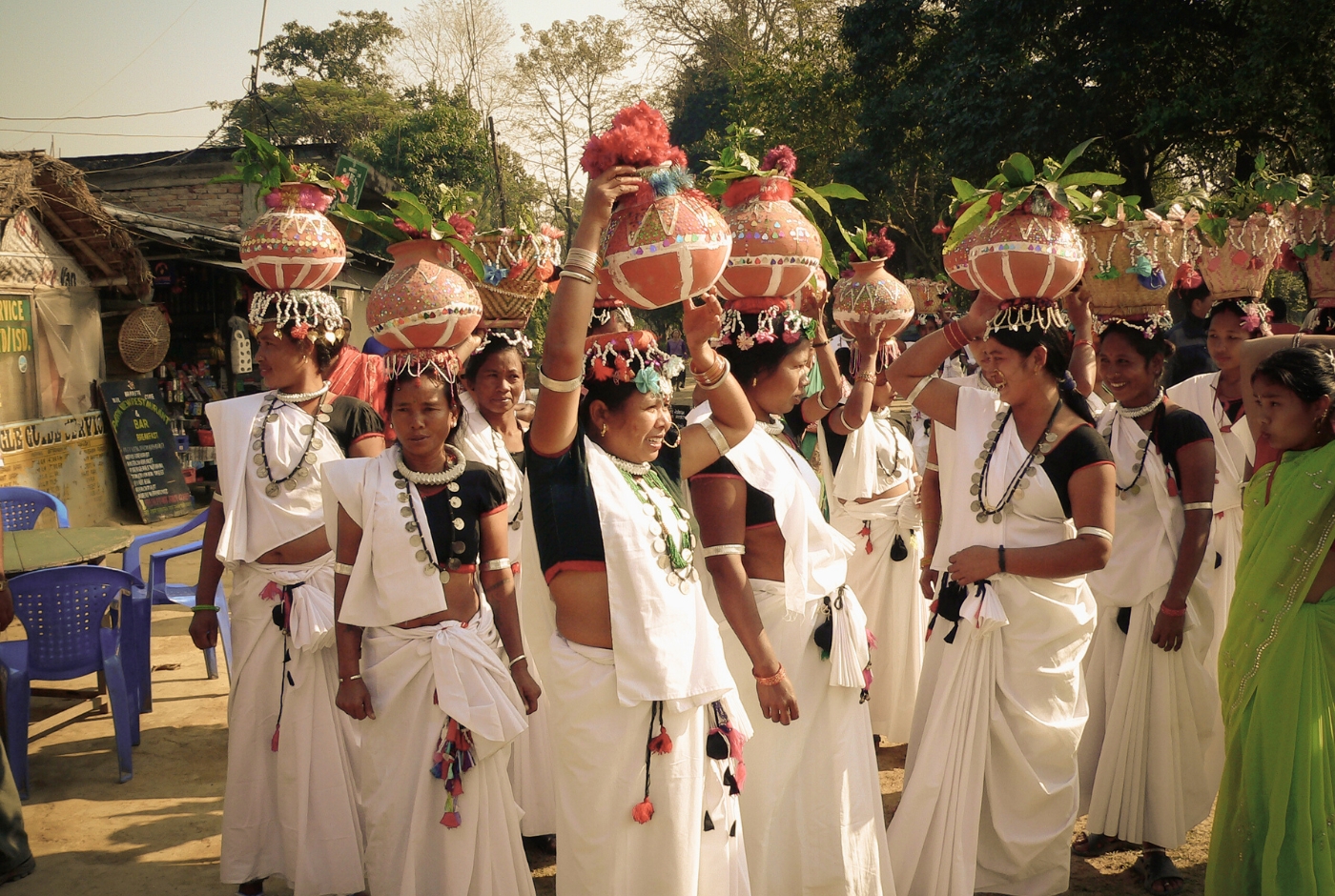
A well-organised trekking logistics system includes a pre-trek cultural etiquette and behavior briefing about the local community, customs, and traditions, before the trek even begins. Guests are briefed about the local people, dress codes, photography etiquette, greeting traditions, and respectful communication practices while on the trail.
This allows guests to understand the importance of cultural sensitivity in villages and religious areas along the trekking route. Likewise, it also helps avoid unintentional disrespect while creating positive interactions with the locals and passersby.
Monastery and local respect protocol training
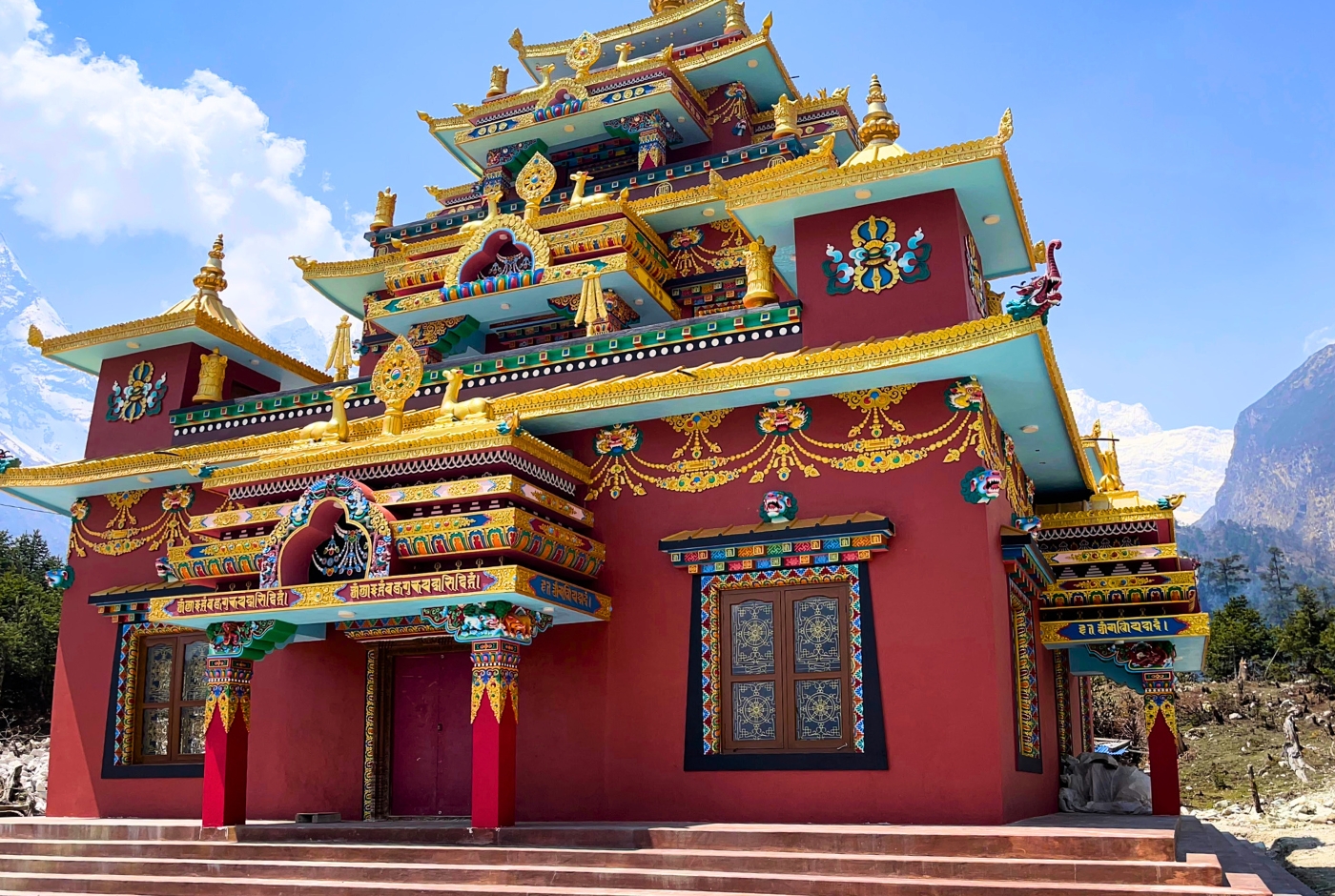
Trek operators usually train guests about the local monastery and respect protocols for routes that pass through spiritually significant areas such as Muktinath Temple in Muktinath, Dawa Choling Gompa in Tengboche, Pujinam Baraha Mandir between Dovan and Himalaya, and more.
This training may include insights on photography restrictions, modest clothing, walking direction, noise control, and overall respectful conduct during important ceremonies. These helpful tips ensure guests are aware of the importance of local traditions in Nepal’s mountain communities.
Emotional support awareness for guides
Professional trekking guides are trained to recognise emotional distress during emotional support awareness and group psychology management training. Most high-altitude trekking involves exhaustion, stress, fatigue, anxiety, and emotional anguish, especially during the demanding sections of the trail.
In such cases, guides maintain positive communication and support trekkers through the challenging conditions. Overall, emotional support awareness helps improve trekkers' confidence, group morale, and contributes to a safer and more supportive trekking environment in the mountains.
Morale management during fatigue phases
Implementing morale management strategies during physically and mentally challenging phases of the trek helps boost guests’ morale. Long walking days, difficult weather, altitude gain, and limited comfort can affect group motivation.
Our professional guides use pacing adjustments, rest coordination, encouragement techniques, and positive interaction to maintain the spirit. This method also helps trekkers stay mentally focused, supports a successful trek, and improves group harmony during remote high-altitude trekking regions.
Post-Trek Recovery and Extension System
Post-trek recovery and extension system is a crucial aspect of high-altitude trekking in remote regions such as the Manaslu Circuit, Everest Base Camp, and the Annapurna Circuit. As these trails are physically demanding and mentally challenging, trekkers are advised to take a post-trek recovery break for a comfortable transition after the trek.
Structured feedback and performance review
Guests are encouraged to analyse the trek and conduct structured feedback and performance reviews based on operational quality, guide performance, accommodation standards, and overall trekking experience. Likewise, trekkers are encouraged to share insights on safety protocols, route management, and logistical support provided during the trek.
Also, post-trek evaluations help identify operational gaps and the strengths of a trekking company. Moreover, real-time formal reviews of emergencies provide actionable data to update the operating procedures standard, which is crucial for mountain trekking.
Physical recovery guidance after descent
Most trek operators suggest trekkers stay hydrated, have a nutritious meal, focus on muscle recovery, get proper sleep, and after the demanding trek in the Himalayas. They also suggest short, flat walks at lower elevations around the city to promote muscle recovery.
Furthermore, guests are advised not to rush back to intense exercise to allow their bodies to recover gradually. Utilising post-descent physical recovery guidance ensures trekkers are less likely to suffer from crippling muscle fatigue or joint inflammation on flat terrain.
Optional Kathmandu relaxation packages (spa, food, tours)
Besides trekking in the Himalayas, guests can unwind with a relaxing city tour around Kathmandu. These packages include wellness therapy, spa treatments, a fine dining experience, and guided cultural sightseeing around the city. Markets around popular locations such as Thamel, Patan, Bhaktapur, and Kathmandu Durbar Square offer local handicrafts like bags, clothing, and other souvenirs.
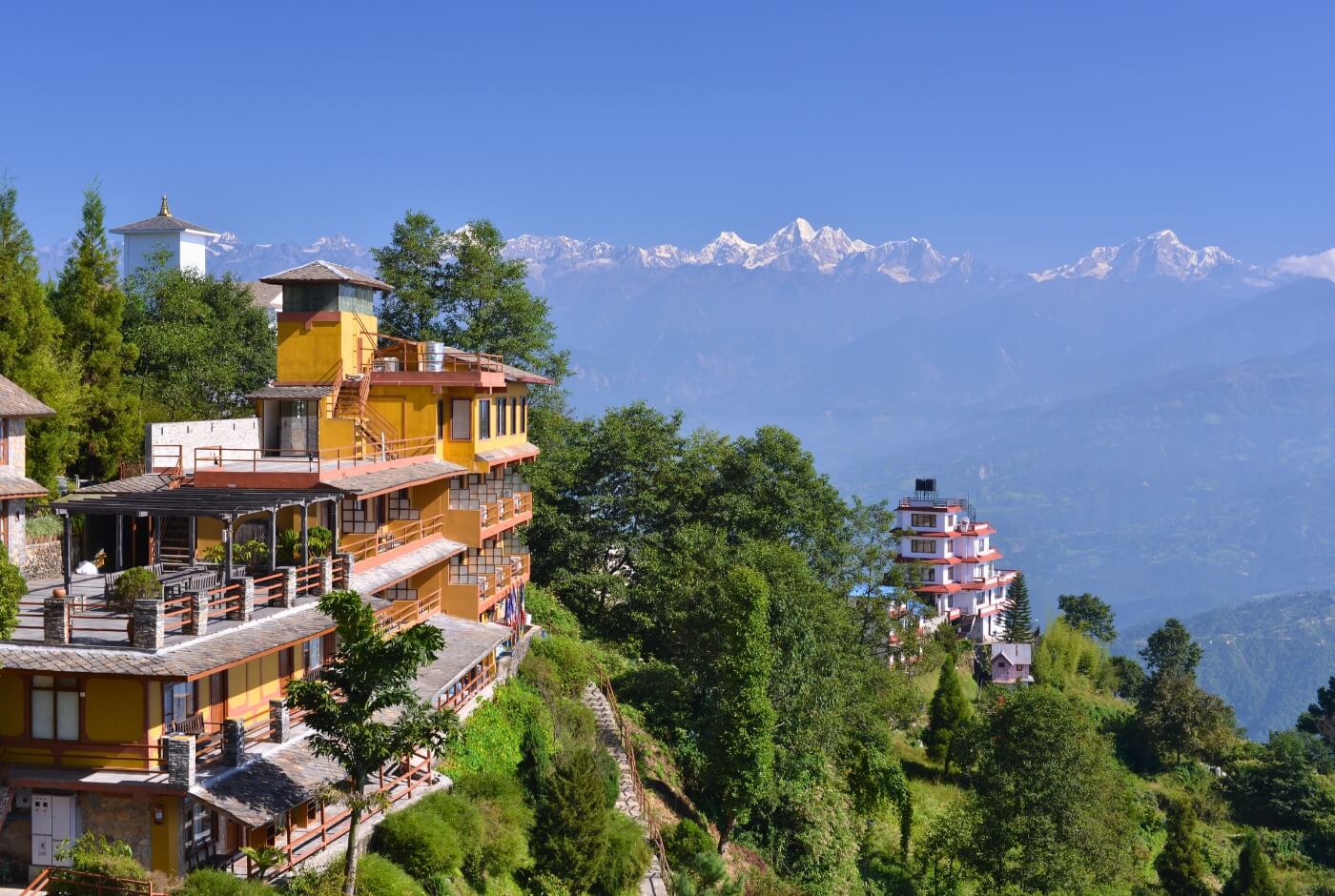
In addition, trekkers can opt for short hikes around the Kathmandu valley to nearby destinations such as Nagarkot, Pulchowki, Jamacho, Balthali, and many more. These short hikes serve as a perfect recovery hike, offering local cultural immersion, panoramic views of the city, and mountain views.
Optional side-trip planning (Pokhara, Chitwan, etc.)
After a thrilling adventure in the Himalayas, guests can extend their stay and book a side-trip service to cities like Pokhara and Chitwan, continuing to explore Nepal. While Pokhara offers relaxing time around lakeside and mountain scenery, Chitwan is perfect for wildlife safaris and jungle experiences.
Planning a side-trip allows guests to combine adventure with cultural immersion, wellness recovery, and nature exploration for a more absorbing travel experience in Nepal.
Final Definition
Elite trekking logistics in Nepal is a multi-layered expedition intelligence system that integrates human safety, environmental control, predictive planning, and emotional experience design into a unified operational structure.
It ensures that trekking is not managed reactively, but delivered as a fully controlled, adaptive, and safety-first expedition experience from arrival to post-trek recovery. Likewise, it is essential to minimise physical risk, provide real-time emergency support, optimise high-altitude resources, and maximise the chance of summit success through data-driven supply-chain management.
At Nepal Hiking Team, we incorporate a best and finest trekking logistics system into our itineraries by carefully planning every stage of the adventure. From airport pickups, permit handling, accommodation, transportation, to trail support, our trip packages are designed with optimal service, realistic walking hours, proper acclimatisation, and backup plans.
By professionally managing these logistical details, we minimise delays, improve route efficiency, and ensure consistent support to guests throughout the trek. Whether guests are heading to the Everest Base Camp, exploring the Forbidden Kingdom of Upper Mustang, or wandering through the Annapurna region, our logistical system help create a more reliable, efficient, and enjoyable trekking adventure through the Himalayas.
Post a Comment