
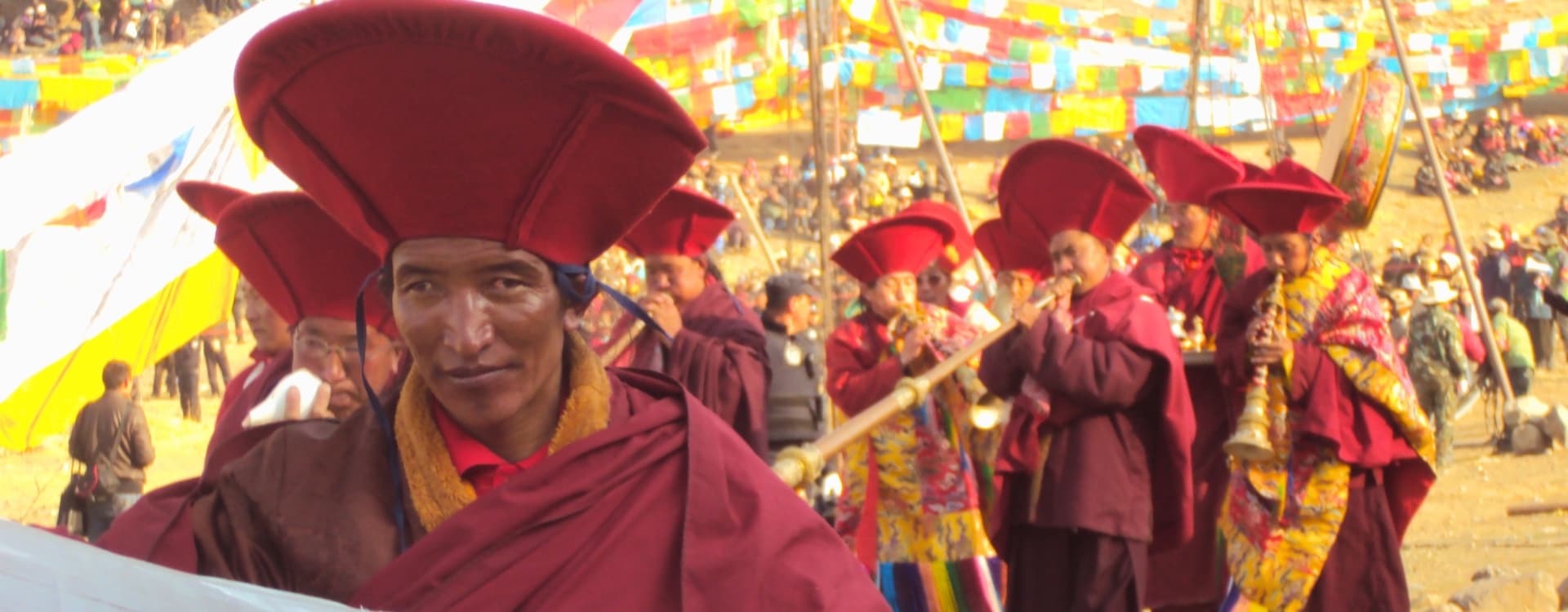
The remote regions of Upper Mustang celebrate multiple festivals, centuries-old Buddhist and agricultural festivals. The most famous is the Tiji Festival in May, a three-day celebration of good over evil. Other prominent events include the Yartung Horse Racing Festival in late summer, and Losar (Tibetan New Year) in late winter. These festivals reflect the region's history, customs, traditions, and significance, which are deeply influenced by Tibetan culture and Buddhism.
Also known as the Kingdom of Lo, Upper Mustang’s festivals are crucial for the local people, offering a rare glimpse into their Himalayan traditions. During these festivals, trekkers can experience centuries-old rituals, dances, and chants, passed down from generations and performed by the locals.
In this blog, we will cover festivals celebrated in Upper Mustang, their cultural significance, history, and importance to the local people.
What are the key festivals celebrated in the Upper Mustang?
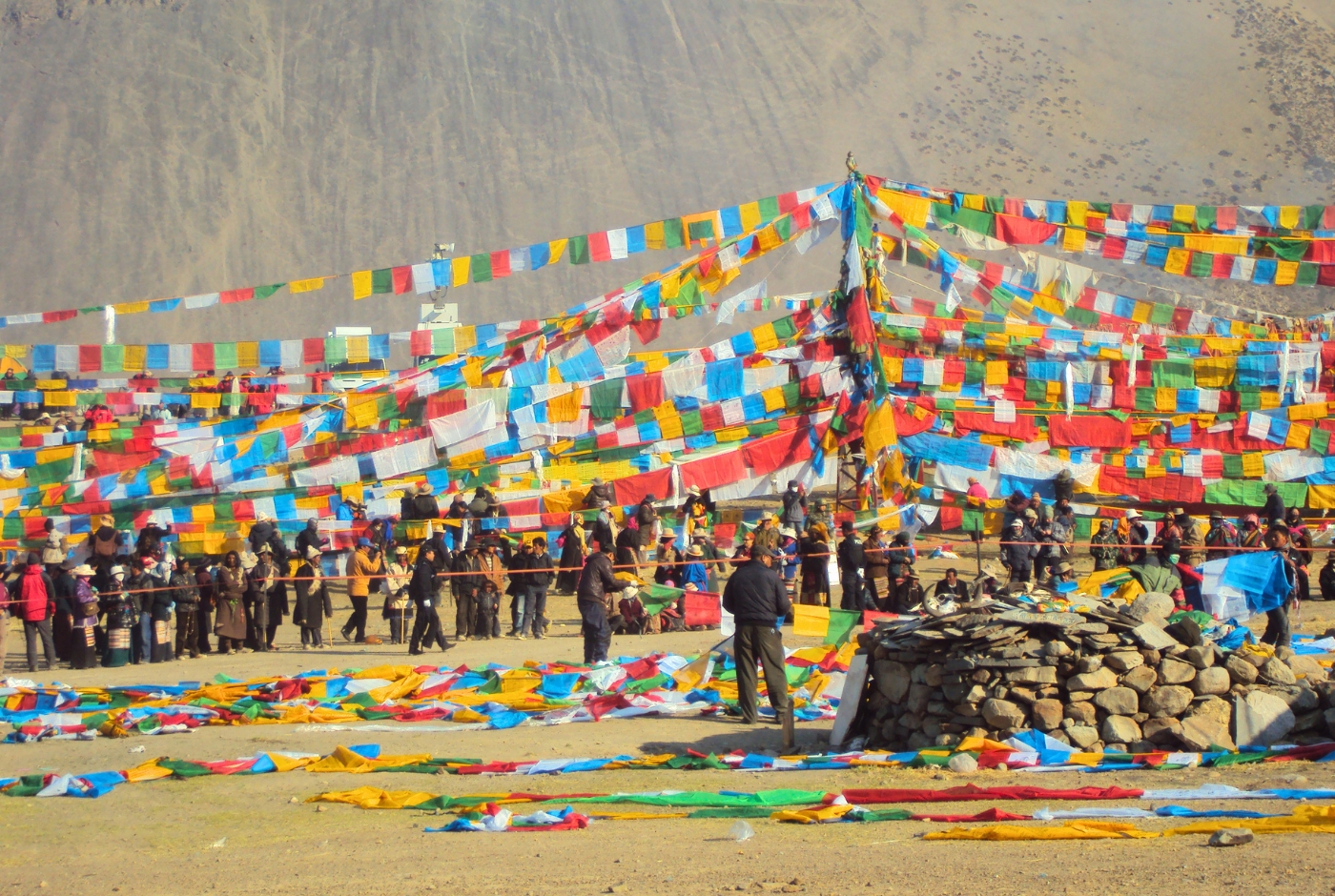
The key festivals of the Upper Mustang are the Tiji, Yartung, and Sonam Loshar. These festivals are colorful rituals, reflecting the essence of the Himalayan traditions with masked dances, horse races, traditional music, dance, and religious parades.
Most festivals celebrated in the Upper Mustang are closely linked with Buddhism and Tibetan culture.
Tiji Festival (Tenchi)
The Tiji Festival, locally known as Techi, Tenji, or Tenpa Chirim, is one of the most popular festivals celebrated in the Upper Mustang, Nepal. It translates to “Prayer for World Peace” and is celebrated for three days in May.
It commemorates the victory of good over evil, specifically the deity Dorje Jono defeating his demon father and saving the kingdom from destruction and drought. Moreover, it also signifies a prayer for world peace as Tempa Chirim translates to “the benefit of Buddha’s teachings and sentient beings”.
The festival takes place in the courtyard of the Royal Palace (Tashi Gephel Palace) in the walled city of Lo Manthang. Despite the monarchy formally ending in 2008, the palace courtyard remains a significant site for this sacred, centuries-old tradition.
How do locals celebrate the Tiji Festival?
It is celebrated annually in Lo Manthang with Cham dances (masked dances), with traditional music and prayer chants, performed by monks from the Chhoede Monastery.
The festival officially begins with the blowing of traditional instruments (dungchen) and the unfurling of a large Thangka. During this three-day celebration, the monks perform the Tsa Chham (demon harassment), Nga Chham (birth of the deity), and Rha Chham (victory) over three days. The dance starts around 2 PM each day and lasts for about 3 hours.
First day of Tiji Festival
The first day of the Tiji Festival begins with a loud horn sound from the Tibetan horns, Dhungchen, and the double-reed horns, Gyaling (or Gyalin), drums, and cymbals. After this, the masked dance “Tsa Chaam”, which tells the story of Dorje Sonam and his victory over evil, begins.
Second day of Tiji Festival
On the second day of the festival, the monks perform the “Nga Cham” dance, telling the tale of Dorje Sonam's attempt to return the demon to the Buddha realm. The performance showcases the creation of celestial palaces and deities by women adorned in traditional attire and jewelry.
Third day of Tiji Festival
The last day of the Tiji Festival commences with the ceremonial music followed by the masked dance called “Rha Chaam”. The dance starts at the palace courtyard and is later moved to open fields outside the ancient walls. The final performance by Tsowo is completed with an arrow shot towards the open fields, symbolising the end of the remaining demons. After this, the performers return to the town, now cleansed of all evil, marking the end of the dance.
Tiji Festival was celebrated in 2025 on:
- 24th May 2014
- 25th May 2024
- 26th May 2024
As of 2026 Tiji Festival, it is set for:
- May 14th 2026
- May 15th 2026
- May 16th 2026
It is considered a must-see cultural event in the Upper Mustang region. In short, the Tiji Festival is more than a ritual; it is a prayer for peace, prosperity, and harmony for all beings.
Yartung Festival
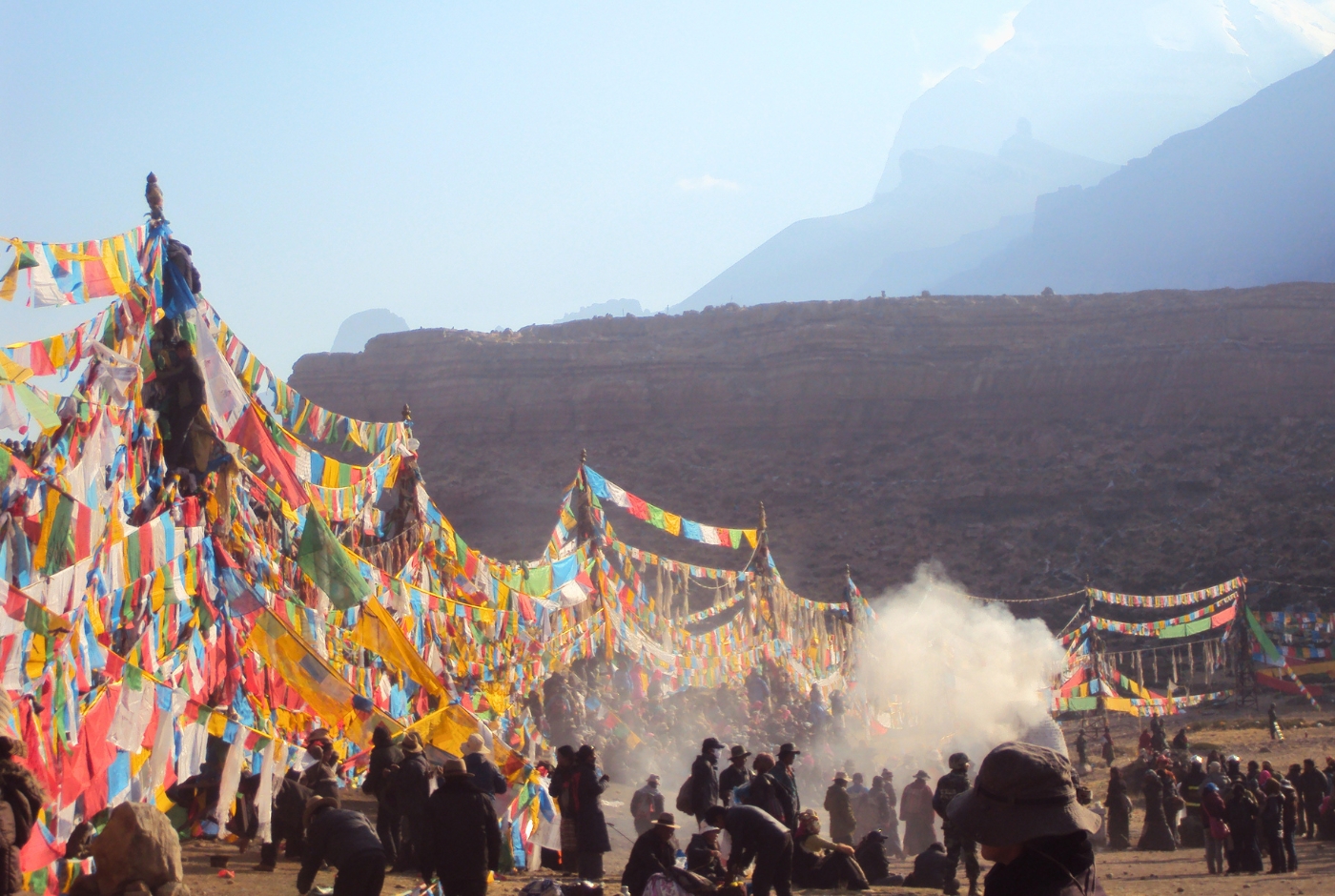
The Yartung Festival( or Yarthung) is a vibrant three-day annual festival celebrated in Nepal’s Upper Mustang, Manang, and the surrounding Himalayan regions. The festival is held around the August full moon, signifying the “end of summer,” and celebrates the harvest with traditional dancing, drinking, and spectacular horse racing.
The Yartung festival is also known as the “Horse Festival”, as the core event involves intense horse racing, archery, traditional Tibetan singing, and dancing. During the event, riders showcase excellent horse riding skills, often by catching a Khada (ceremonial scarf) or money while riding the horse at a rapid speed.
Besides, the festival also includes archery, stone throwing, and tug-of-war. Overall, the festival is celebrated to bring villages together to nurture community spirit, local harmony, and peace. Also, the festival plays a crucial role in keeping the traditional Himalayan culture and festivals alive, passing them down from one generation to the next.
When is the Yartung Festival celebration in 2026?
The Yartung Festival will be celebrated from 17th to 19th August, 2026, in the Upper Mustang region of Nepal. Likewise, the popular celebrations occur in Lo Manthan and Muktinath (Ranipauwa). In 2025, the Yartung Festival was celebrated from: 28th, 29th, 30th August 2025
This 3-day celebration marks the end of the monsoon and harvest season in the Himalayan region.
Sonam Lhosar (Tibetan New Year)
The Sonam Lhosar is a festival in January, celebrated as the Tibetan Farmer’s New Year. It signifies a time for gratitude, cleansing, renewal, and community gathering to welcome the new agricultural year after the harvest. The festival features cultural games and local foods like thukpa, khapse, and momo.
Sonam Lhosar is a 3-day celebration when locals wear traditional attire, eat, and hold cultural performances for a good harvest in the upcoming year. During this time, local people clean their houses and visit monasteries to offer prayers for peace and prosperity.
It was celebrated on 19th January, 2026, welcoming the Year of the Horse. The Sonam Loshar celebration in Upper Mustang differs in terms of customs, timing, traditions, and community from other communities.
Saga Dawa (Buddha Purnima)
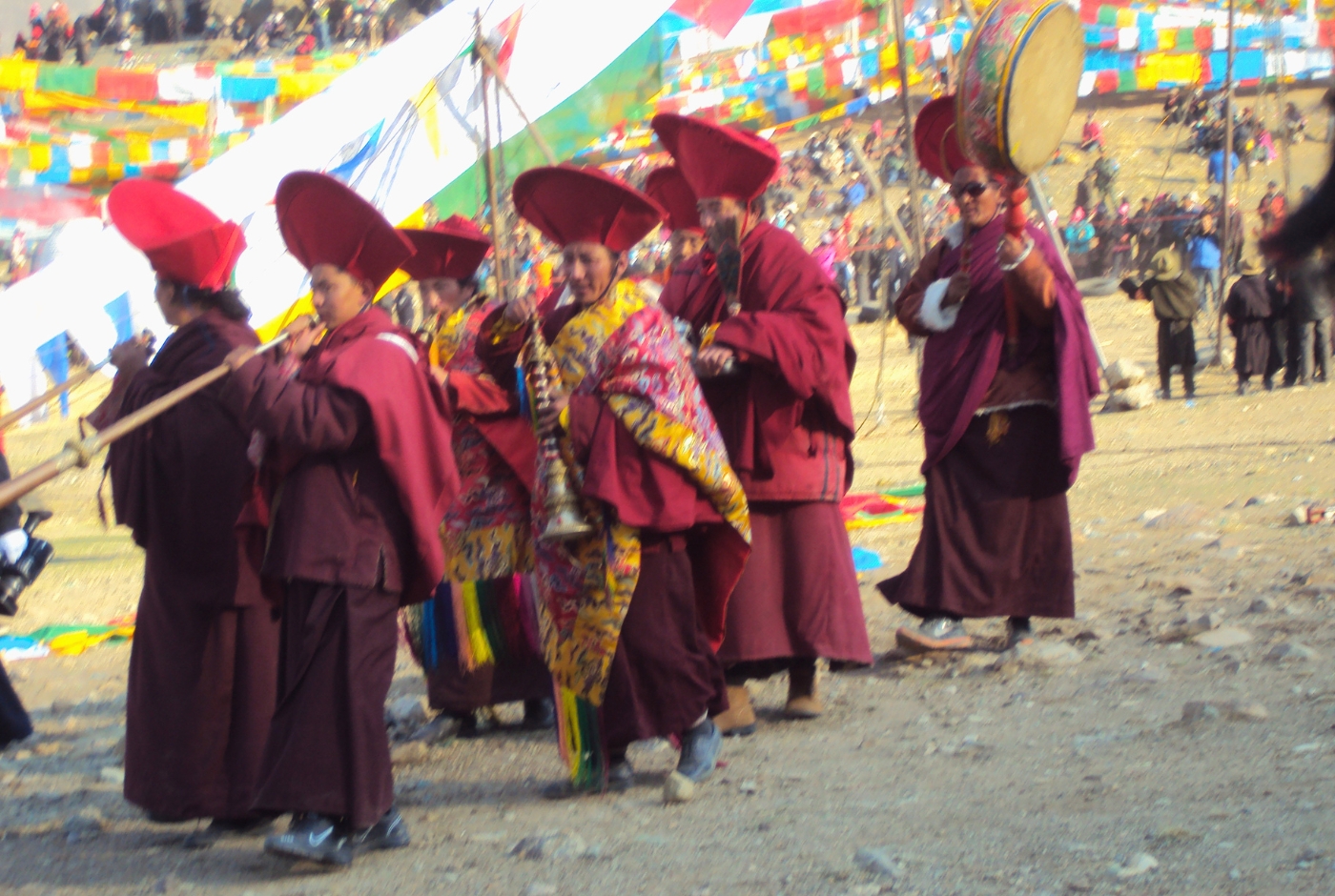
Saga Dawa is one of the most sacred festivals in Upper Mustang, celebrated during the fourth lunar month (usually May-June) to honor the birth, enlightenment, and passing of Lord Buddha.
Locals and devotees start the day with prayers, religious ceremonies in monasteries, and monastic cham dances (masked dances) to celebrate the auspicious occasion. Similarly, people make donations to monks and monasteries, spin prayer wheels, and light butter lamps to drive away ignorance and darkness.
Here is why Saga Dawa is considered sacred:
- Purification of karma through acts of virtue and merit-making.
- Meditative reflection on transitoriness and the nature of life.
- Communal reinforcement of spiritual practice through shared rituals and ceremonies.
Besides, Saga Dawa is also a cultural expression of Tibetan identity. During this time, local villages and monasteries in Upper Mustang display colorful flags, banners, and decorations to spread blessings, peace, and collect blessings.
Dumji Festival
The Dumji Festival in Upper Mustang is celebrated in honor of Guru Rinpoche (Padmasambhava). It is typically celebrated in June/July and features local monastery mask dances and community gatherings.
It is often referred to as a time for community bonding and honoring local religious heritage. The celebration features:
- Royal and monastic ceremonies
- Traditional Mustang-style masked dances
- Community blessings for prosperity and harvests
- Distinct local music, dress, and rituals that are unique to Lobha culture
Unlike the Dumji celebration in the Everest region, the Upper Mustang’s version has stronger influences from ancient Tibetan kingdom traditions.
Phaknyi Festival
The Phaknyi Festival is a traditional Buddhist cultural festival celebrated among the Lobha and Baragaon communities in the remote villages of Upper Mustang. The festival translates to “feast” and is connected to agriculture, community purification rituals, and seasonal change.
Locals commemorate the Phaknyi festival to pray for good harvests and livestock health, protection from evil spirits, community well-being, and favorable weather. It is celebrated during the most pleasant weather in Upper Mustang, right before the crops are harvested.
Unlike the Tiji and Yartung festivals, Phaknyi is a relaxing community gathering, serving as a time of joy, rest, and giving thanks to nature for a good upcoming harvest.
History and Cultural Aspects Behind Upper Mustang Festivals
Festivals celebrated in Upper Mustang are an expression of Tibetan Buddhism and the region’s ancient, secluded culture. Historically known as the Kingdom of Lo, and a forbidden kingdom until 1992, festivals in Upper Mustang are deeply rooted in nature, spiritual protection, and community bonding. They reflect the well-preserved, authentic Tibetan traditions, heritage, and rituals.
In addition, most festivals are based on narratives where deities are conquering demons that cause sickness, drought, and agricultural failure. These celebrations feature masked dances, traditional music, and activities like archery and horse racing that have largely disappeared elsewhere.
Moreover, festivals in the Upper Mustang region serve as a time for social gathering, strengthening social bonds, and honoring the ancestors, especially for the Lowa (people of Lo).
Why Festivals in Upper Mustang are Culturally Distinctive?
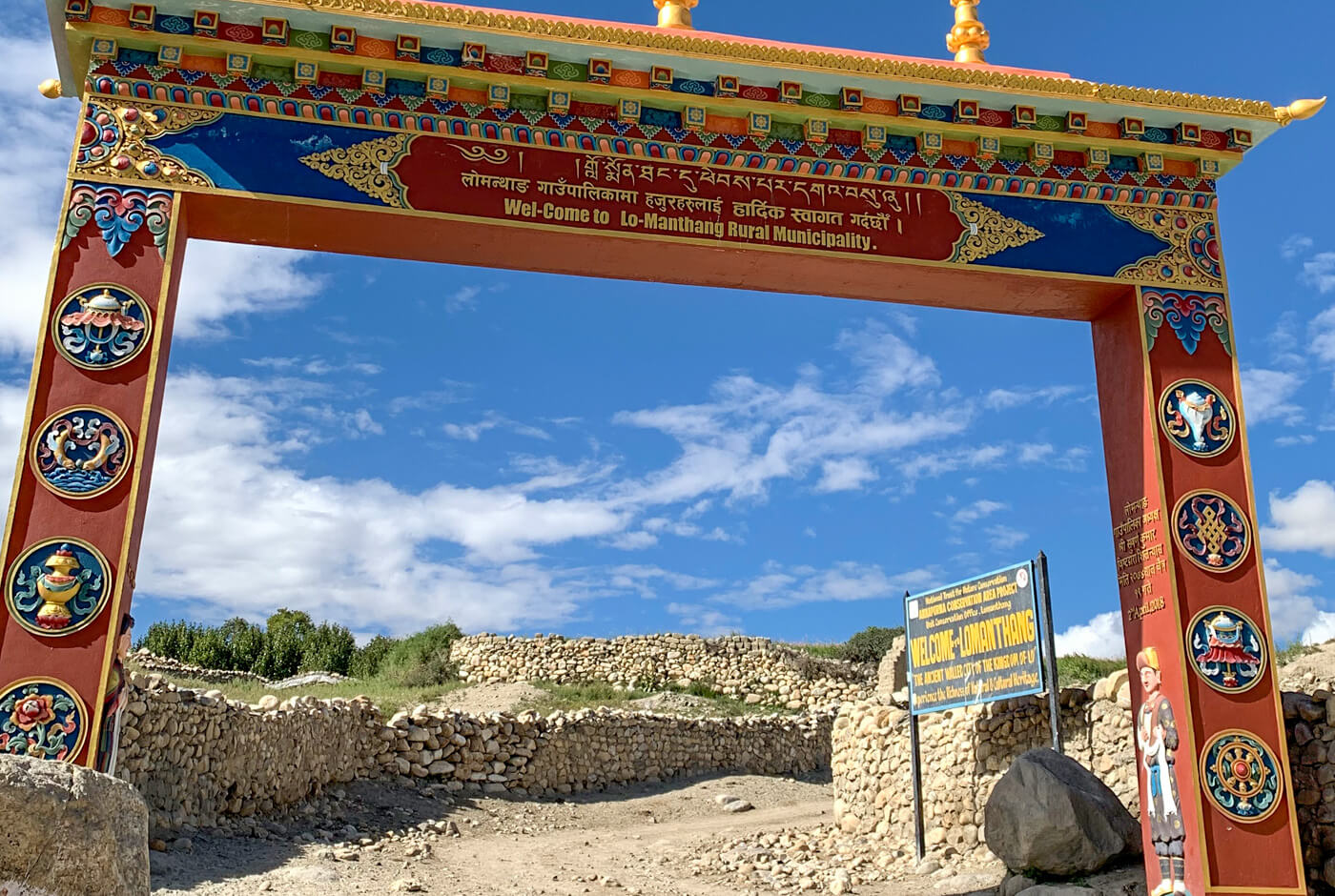
Festivals in Upper Mustang are culturally distinctive as the region is heavily influenced by ancient Tibetan Buddhist traditions and cultures. The civilisation remained geographically isolated for centuries, leading to local traditions, language, rituals, and customs surviving with little outside influence.
Here are the main reasons why the festivals celebrated in Upper Mustang are unique:
- Ancient Tibetan Heritage: As an independent Kingdom of Lo, Upper Mustang maintained deep cultural and religious ties with Tibet. Due to this, festivals still reflect centuries-old Tibetan Buddhist traditions.
- Strong Influence of Tibetan Buddhism: Most celebrations and festivals around this region revolve around the monastery, prayers, and sacred mask dances. Likewise, they blend spirituality with everyday village life and are believed to protect communities from drought, disease, and negative entities.
- Preservation through Isolation: The Upper Mustang was restricted to outsiders until the 1990s, due to which, many festivals and cultural aspect retained their original forms. This makes the festival in Upper Mustang feel authentic and historically preserved.
- Royal and Community Traditions: Festivals in this region are a major social event where the villages gather, strengthening the community and renewing relationships. Some of them still carry influences from the former royal court of Mustang.
- Unique Visual and Architectural Setting: The festivals are celebrated among the centuries-old monasteries, mud-brick villages, cave settlements, and dramatic desert landscapes. This unique architectural environment itself adds a rare cultural atmosphere.
- Blend of Bon and Buddhist Elements: Besides Buddhism, some traditions of Upper Mustang preserve traces of the ancient Bon religion. This creates a harmonious blend of rituals and beliefs that are distinct from mainstream Buddhist celebrations.
Due to these factors, festivals celebrated in Upper Mustang are also a living expression of ancient Himalayan civilisation.
Accommodation and Food in Upper Mustang
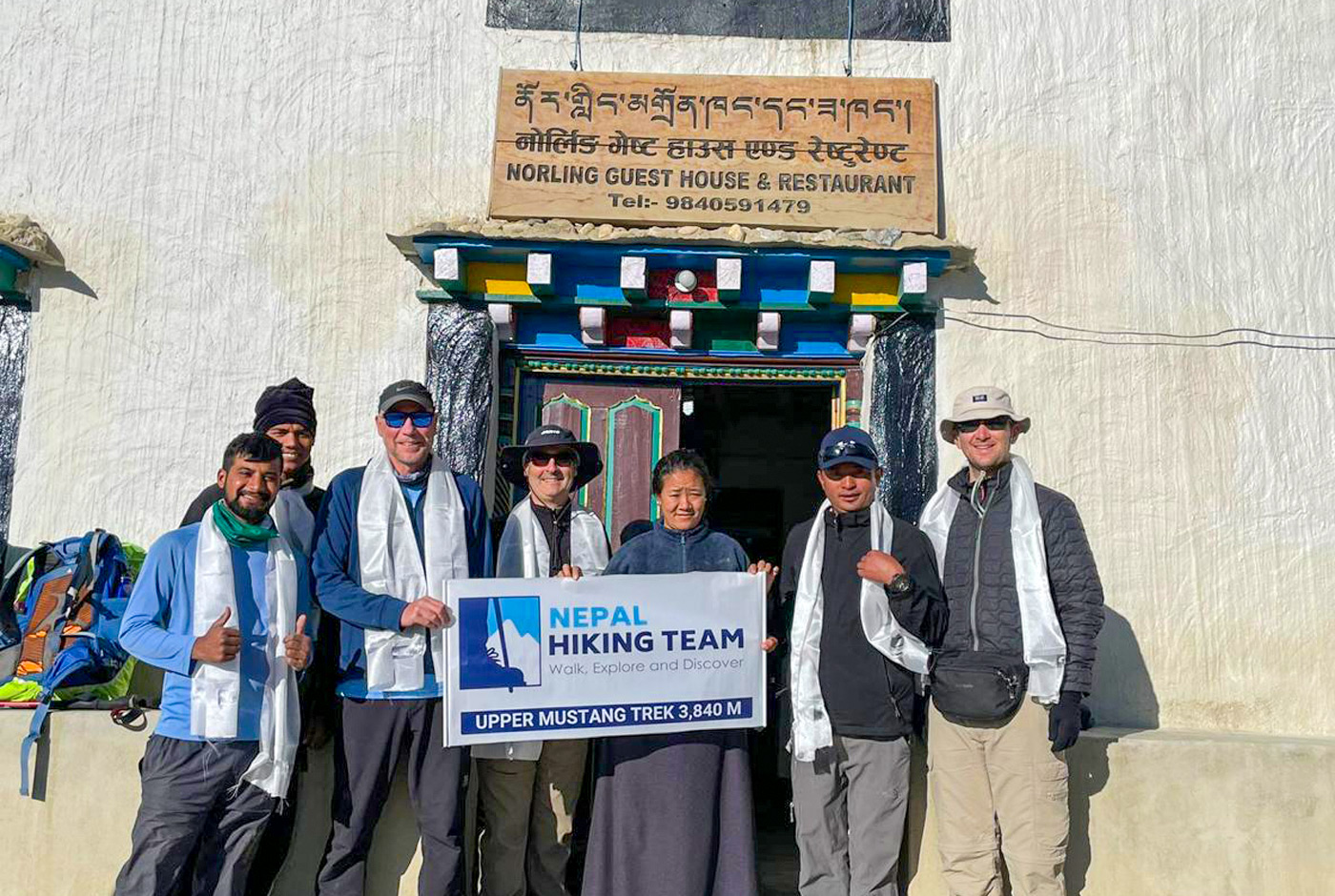
The accommodation in Upper Mustang is primarily of family-run teahouses and guesthouses with shared rooms, comfortable beds, and blankets. Bathrooms are often shared, whereas hot showers, Wi-Fi, and charging facilities are available for a small fee.
During peak seasons like spring and autumn, the hotels are crowded, requiring pre-booking, especially in areas like Lo Manthang. Also, carrying a sleeping bag rated -20 degrees is optimal for extra warmth in higher-altitude rooms, as they are not heated.
Similarly, teahouses have common dining areas where trekkers can enjoy a variety of local Nepali food like dal bhat, thukpa, momo, noodlesoup, as well as pasta, pizza, and fried rice. Trekkers can enjoy local specialties like yak cheese, dried meat, and Tibetan butter tea, adding depth and cultural immersion to your trip.
Here is a table breakdown of food and accommodation based on elevation:
|
Village/ Stop |
Elevation |
Food/ Accommodation Facility |
Facility Standard |
|
Kagbeni |
2,810 m |
Wide variety of Nepali, Tibetan, and basic Western meals. Comfortable tea houses, attached bathrooms, and Wi-Fi. |
Good |
|
Chele |
3,050 m |
Basic local meals, small tea houses with shared rooms and toilets |
Basic to moderate |
|
Geling (Ghiling) |
3,570 m |
Basic dal bhat, Tibetan meals, and traditional tea houses with shared amenities |
Moderate |
|
Charang |
3,560 m |
Tibetan meals, noodle dishes, tea houses near the monastery (some better rooms available) |
Moderate |
|
Lo Manthang |
3,810 m |
Best food variety in Upper Mustang with better lodge facilities |
Good |
|
Dhakmar |
3,820 m |
Limited food choices and basic tea houses with minimal amenities |
Limited |
Conclusion
The festivals celebrated in the Upper Mustang region reflect the deep roots of Tibetan Buddhism. Festivals like Tiji, Yartung, Saga Dewa, and Phaknyi are living traditions that bind communities, ancient stories, and keep the century-old customs and traditions alive.
Whether you’re drawn by the ancient cham dances of Tiji, the intense horse riding of the Yartung festival, and the prayer chants of Saga Dawa, trekkers can plan their journey accordingly.
For trekkers seeking a safe, reliable, and adventurous Upper Mustang trek during the festival, Nepal Hiking Team provides fully customisable itineraries to accommodate each guest’s requests. Our agency offers honest and transparent pricing with personally selected teahouses, for an ultimate trekking experience in the desert-like Himalayan terrain of Upper Mustang.
Post a Comment