
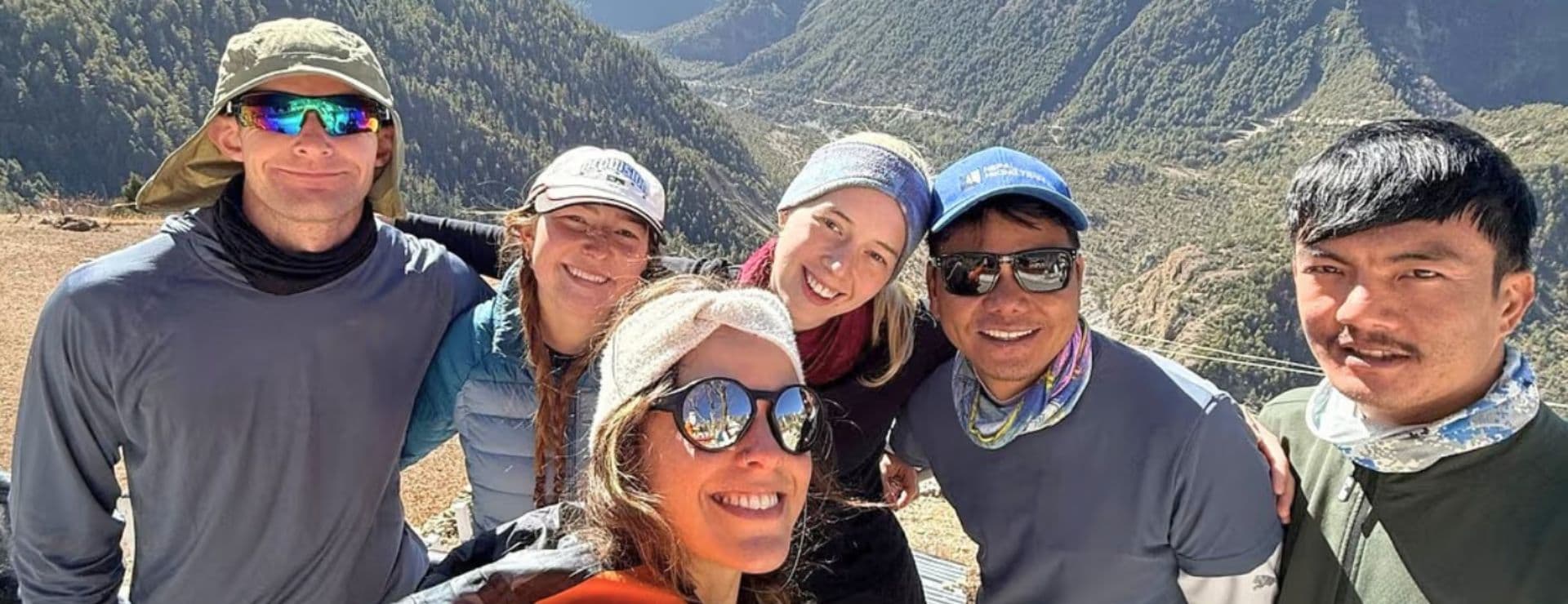
At 4,000 meters above Namche Bazaar on the way to Everest Base Camp, a trekker once ignored a mild headache, assuming it was simple fatigue. His licensed trekking guide in Nepal noticed subtle altitude strain and insisted on a slow descent. That early decision prevented a potential emergency evacuation and turned a risky situation into a safe return.
Your trekking guide in Nepal is not simply leading you along trails. They monitor acclimatization, assess weather changes, manage permits, coordinate lodges, and evaluate risk every single day in the mountains. A strong relationship between trekker and guide directly influences safety, flexibility, and the overall quality of your Himalayan journey.
Whether you are trekking to Annapurna Base Camp or exploring the quieter routes of the Langtang Valley Trek, trust and communication transform a physical challenge into a safe and culturally meaningful experience.
Why Building a Strong Relationship with Your Trekking Guide Matters
Altitude Safety Is Not Negotiable
On high-altitude routes such as Annapurna Base Camp and Everest Base Camp, Acute Mountain Sickness (AMS) can develop gradually. A guide who clearly understands your walking pace, stamina, and communication style can adjust the daily schedule before symptoms escalate.
Professional guides are trained to identify early warning signs, including unusual fatigue, loss of appetite, irritability, heavy breathing, and sleep disruption. Early response prevents unnecessary helicopter evacuations and protects long-term health.
Flexibility During Unpredictable Mountain Conditions
Mountain conditions change quickly. Flights to Lukla may face delays. Snow at Thorong La Pass can disrupt plans. During peak season in the Annapurna region, lodges may fill faster than expected.
A strong guide relationship allows for:
- Alternative trail recommendations
- Smoother itinerary adjustments
- Efficient lodge coordination
- Calm decision-making during disruptions
Experienced travel agencies like Nepal Hiking Team prioritise structured planning and field-level flexibility to manage such changes safely.
A More Personalised Trekking Experience
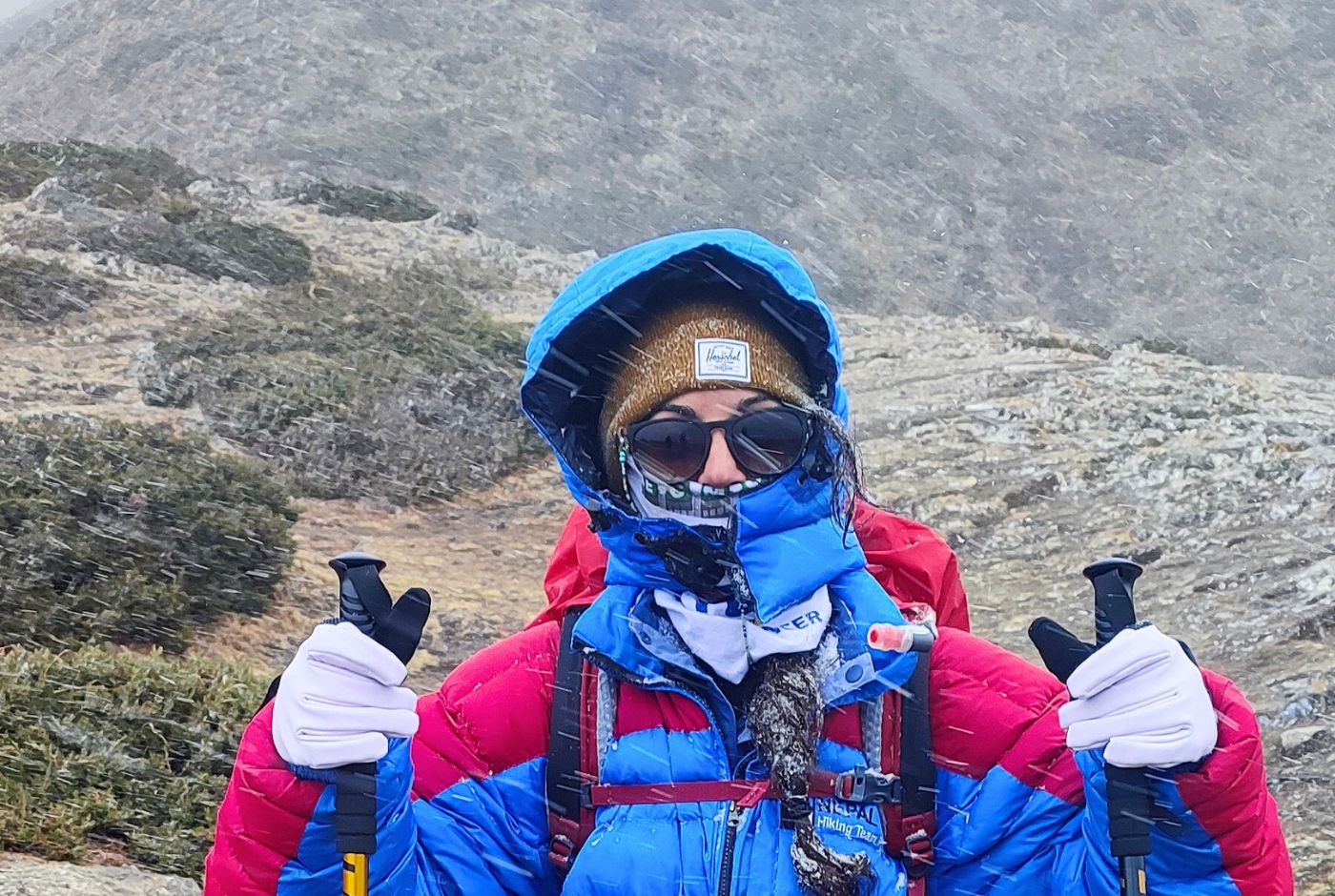
When you hire a licensed trekking guide in Nepal, building mutual understanding allows the journey to reflect your interests. Guides can recommend scenic photography spots, suggest monastery visits, introduce village traditions, and share local folklore that many trekkers miss.
This transforms your trek from a standard itinerary into a more meaningful Himalayan experience rooted in local knowledge and trust.
5 Practical Ways to Build a Strong Relationship with Your Trekking Guide in Nepal
Communicate Clearly Before the Trek Begins
Your relationship with a trekking guide in Nepal begins before you step on the trail. During your briefing day in Kathmandu, explain your walking pace, prior trekking experience, fitness level, and any medical conditions that could affect acclimatization.
Licensed guides carefully calculate daily elevation gain, especially on routes like the Everest Base Camp Trek. Early transparency allows smarter rest-day planning, realistic time management, and safer altitude adaptation.
Discuss personal goals openly. Whether you want sunrise photography above Namche Bazaar, monastery visits in Tengboche, or extended exploration on the Langtang Valley Trek, early communication prevents misunderstanding on the trail.
Follow Pacing Advice at High Altitude
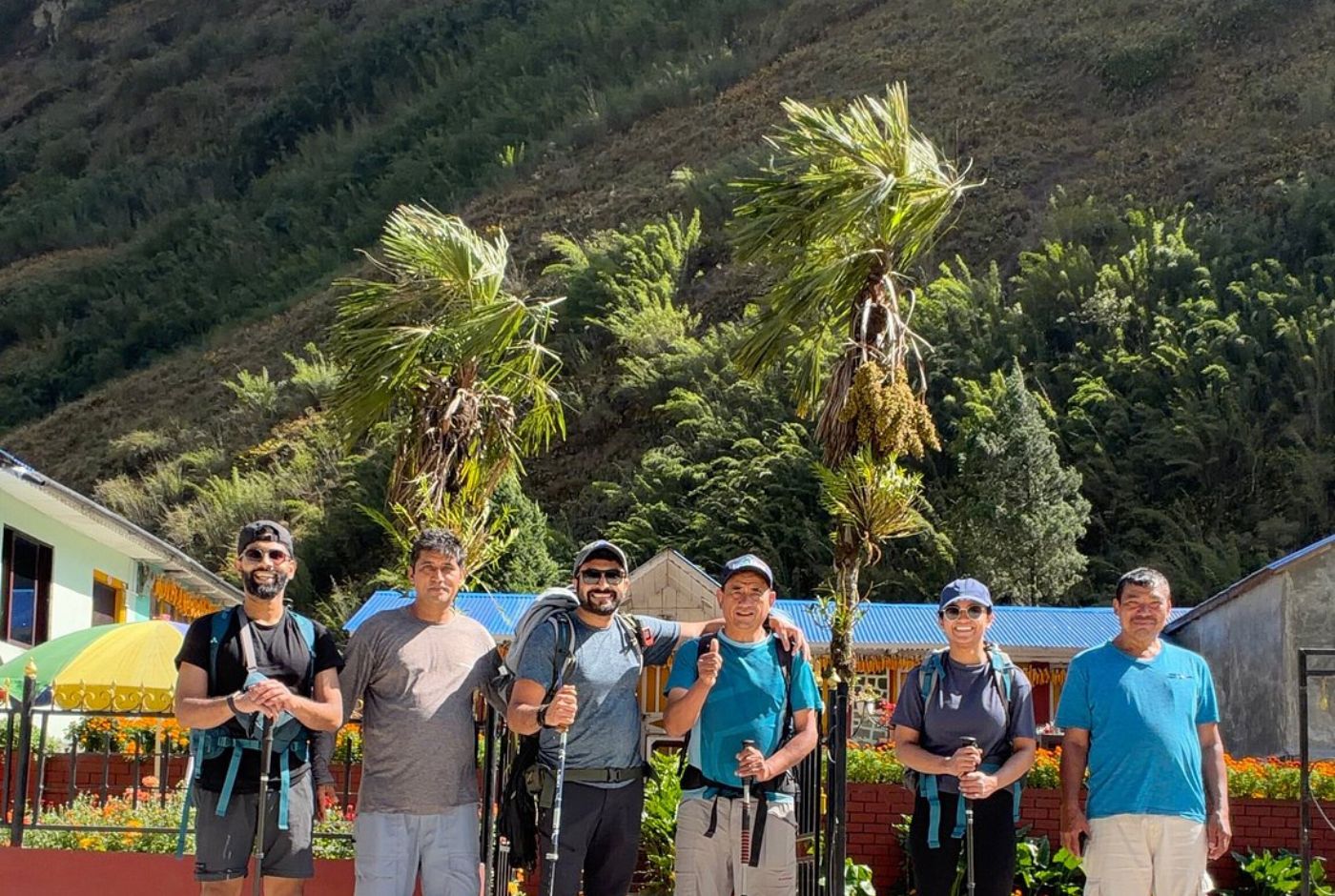
Above 3,500 meters, pacing is a safety strategy. Experienced guides intentionally walk more slowly to stabilise heart rate, manage oxygen use, and reduce the risk of dehydration.
On climbs toward Machapuchare Base Camp along the Annapurna Base Camp Trek, controlled pacing significantly lowers the risk of Acute Mountain Sickness. Walking ahead independently makes symptom monitoring difficult and increases exposure risk in snow or fog.
In the Himalayas, discipline protects progress. Slow and steady movement often ensures stronger summit success.
Show Cultural Respect in Mountain Communities
Trekking in Nepal is not only about landscapes. Many guides come from the very villages you pass through. Showing cultural awareness strengthens your connection with both the community and your guide.
- Greet locals with "Namaste” with palms together
- Remove shoes before entering monasteries
- Dress modestly in rural settlements
- Request permission before photographing elders or monks
Respect encourages authenticity. When trekkers demonstrate awareness of local traditions, guides naturally share deeper stories, folklore, and village history, enriching the journey.
Be Honest About Health Symptoms
One of the most common trekking mistakes in Nepal is minimising early symptoms of altitude. Headache, appetite loss, dizziness, unusual fatigue, and sleep disturbance should never be ignored.
Professional trekking guides observe behavioural cues, including slower movement, irritability, and heavy breathing on gentle slopes. Immediate communication allows guides to adjust pacing, increase hydration breaks, or recommend descent if necessary.
Early honesty prevents emergency evacuation and ensures safe acclimatization in high-altitude regions.
Show Appreciation and Professional Respect
Trekking guides manage more than navigation. They coordinate lodges, monitor weather systems, handle permits at checkpoints, communicate with porters, and respond to unexpected logistical changes.
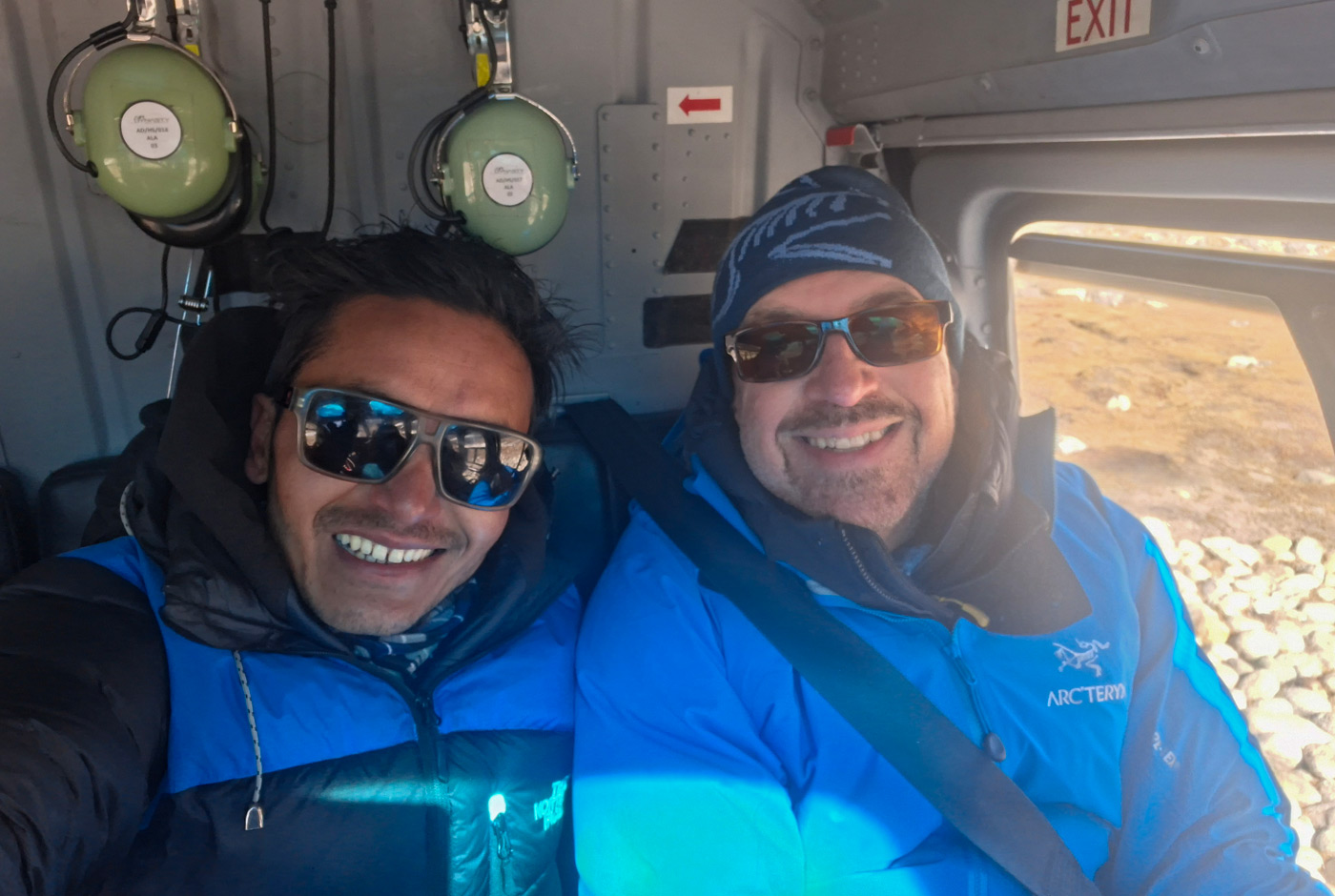
Simple gestures strengthen morale and trust. Express daily gratitude. Acknowledge calm decision-making during difficult weather. Offer fair tipping based on service quality at the end of the trek.
Although tipping is not mandatory, it reflects appreciation for professionalism, risk management, and leadership throughout your Himalayan journey.
Common Mistakes Trekkers Make With Their Guides in Nepal
Even experienced hikers sometimes misunderstand the professional role of a trekking guide in Nepal. Avoiding common behavioural mistakes improves safety and teamwork throughout the journey.
- Walking alone on exposed or high-altitude sections
- Ignoring acclimatization recommendations
- Skipping evening briefings about next-day elevation gain
- Treating guides as assistants rather than trained professionals
- Complaining about unavoidable mountain weather delays
Government-licensed trekking guides are trained in altitude response, first aid, emergency coordination, and route risk assessment. Mutual respect creates smoother collaboration, particularly on demanding routes such as the Everest Base Camp Trek and Annapurna Base Camp Trek.
What Strong Guide Relationships Look Like in the Field
On high-altitude expeditions, experienced guides conduct nightly health discussions and clearly outline the next day's elevation profiles. In some groups, oxygen saturation is monitored at critical points. Departure times are adjusted to avoid afternoon winds, unstable snow, or congested trail sections.
While trekking in the Annapurna region, guides often recommend early-morning departures to reduce crowd pressure and avoid rapid weather changes. On quieter trails like the Langtang Valley Trek, they coordinate village stays efficiently and ensure proper acclimatization planning.
This level of management is only possible when trust and open communication exist between the trekker and the guide.
Is Hiring a Trekking Guide Mandatory in Nepal?
Recent regulations introduced by the Nepal Tourism Board encourage trekkers to hire registered, licensed trekking guides through authorised agencies for improved safety and accountability in remote regions.
While enforcement may vary by region, trekking with a licensed guide is strongly recommended on major routes, including Everest Base Camp, Annapurna Base Camp, and Langtang Valley. Permits are typically arranged through registered trekking companies, ensuring compliance with local regulations and responsible tourism practices.
Reputable operators such as Nepal Hiking Team provide government-licensed guides trained in altitude management, risk assessment, and ethical mountain practices across all trekking regions of Nepal.
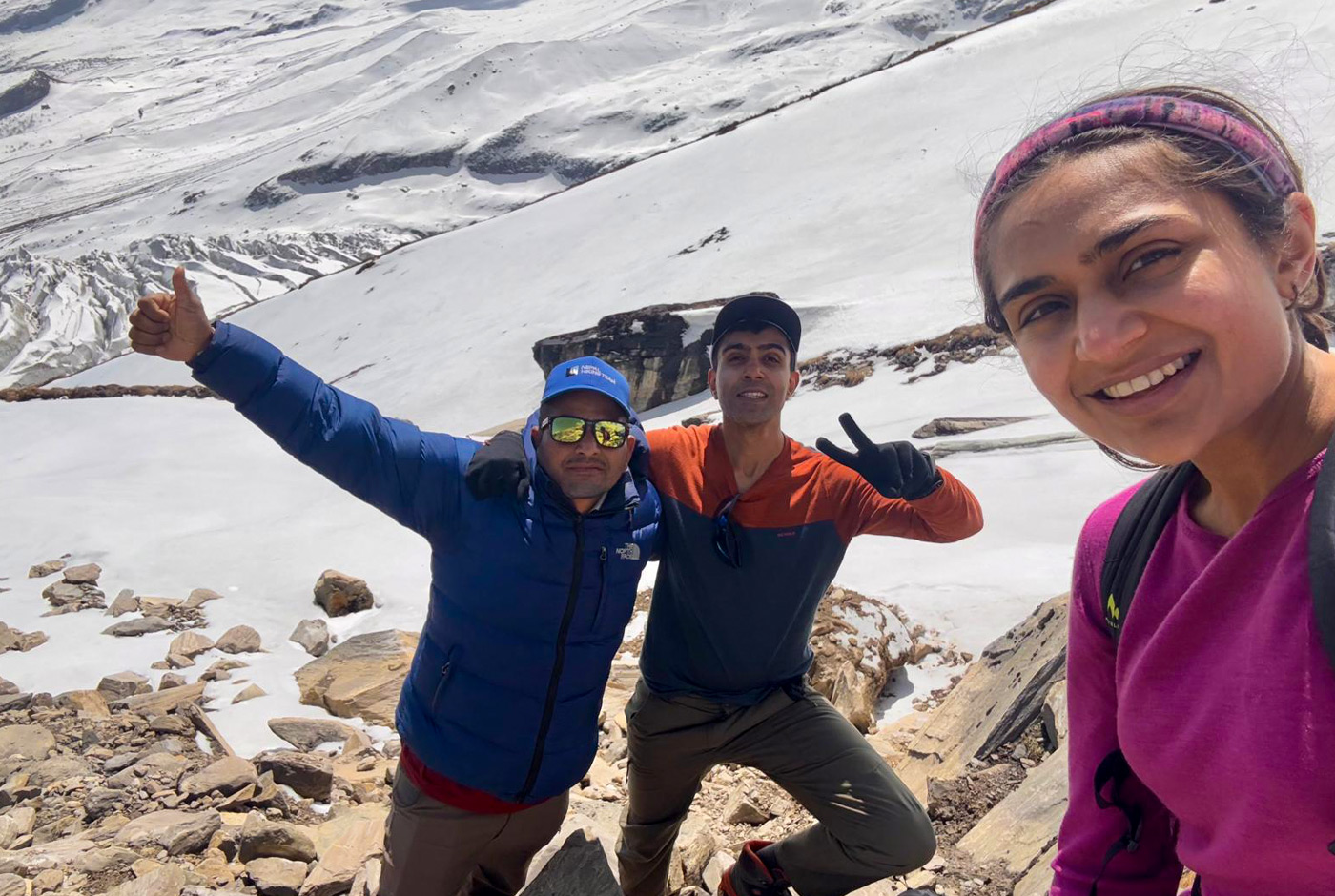
More Than a Trek: Trust, Communication, and Shared Responsibility
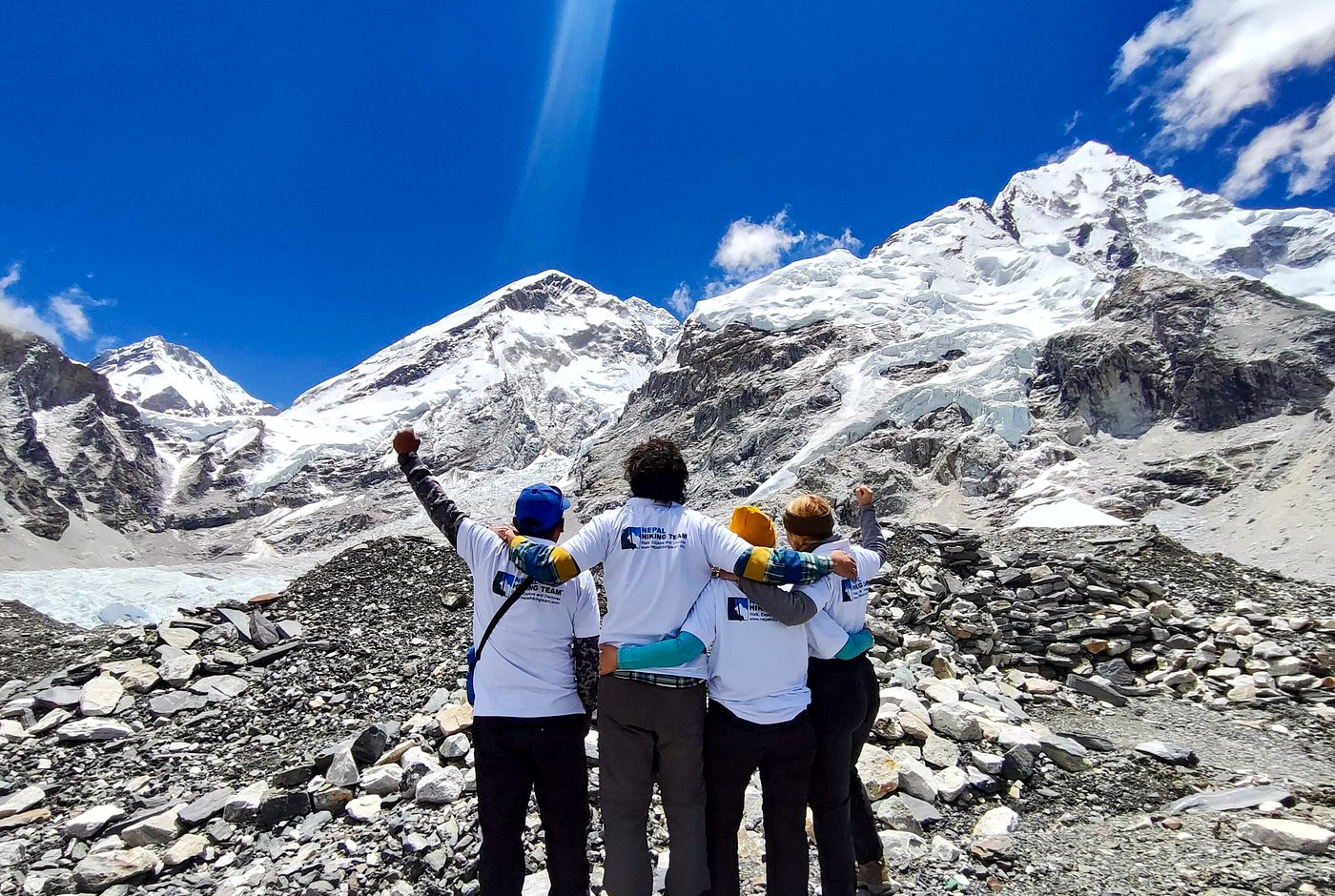
The Himalayas test patience, discipline, and endurance. When you finally stand at base camp after days of steady ascent, you realise that the journey was never completed alone. Behind every successful Himalayan trek is a strong relationship built on communication, honesty, and mutual respect.
A professional trekking guide in Nepal manages altitude safety, route risk, cultural interaction, and logistical coordination simultaneously. When trekkers actively participate in this partnership, the result is a safer, smoother, and more meaningful experience.
Choosing an experienced and licensed team matters. Companies such as Nepal Hiking Team prioritize acclimatization planning, emergency preparedness, and responsible mountain conduct across routes like the Everest Base Camp Trek and Annapurna Base Camp Trek. With the right guide relationship, challenges become manageable and high-altitude trekking becomes a shared achievement.
Post a Comment