
Nepali (नेपाली) is the official and most widely spoken language of Nepal, serving as the country's primary lingua franca. It is an Indo-European language written in the Devanagari script, closely related to Hindi and Sanskrit, and spoken by millions across Nepal, parts of India, and Bhutan. While over 120 languages are spoken nationwide, Nepali is spoken or understood by the vast majority of the population.
Aside from Nepali, several other regional and indigenous languages have large numbers of native speakers or official recognition at the provincial level:
Key Facts About Nepali Language: What language does Nepal speak?
- Script: Devanagari (shared with Hindi and Sanskrit).
- Alternative Names: Historically known as Khaskura, Gorkhali, or Parbatiya.
- Family: Indo-European > Indo-Aryan.
- Status: Sole official federal language of Nepal.
- Other major languages: Maithili, Bhojpuri, Tharu, and Newar (Nepal Bhasa).
- Other Names: Gorkhali, Khaskura
- Speakers: Spoken by about 45% of the population as a first language and over 46% as a second language.
- Status: Official federal language of Nepal and recognized in the Indian Constitution (including Sikkim and West Bengal)
- Serves as the federal working and official language of Nepal and is taught compulsorily in schools.
International visitors preparing for a Himalayan expedition frequently request clear data regarding local communication. Knowing how residents speak across different districts changes how you plan your daily schedule. At the same time, memorizing specific regional words gives you direct contact with tea house hosts, porters, and villagers on the trail.
This Nepal Language presents detailed census records, historical facts, and regional phrase tables for major destinations including Everest, Langtang, Annapurna, Manaslu, Mustang, and Kanchenjunga.
The Core Framework of the Nepali Language
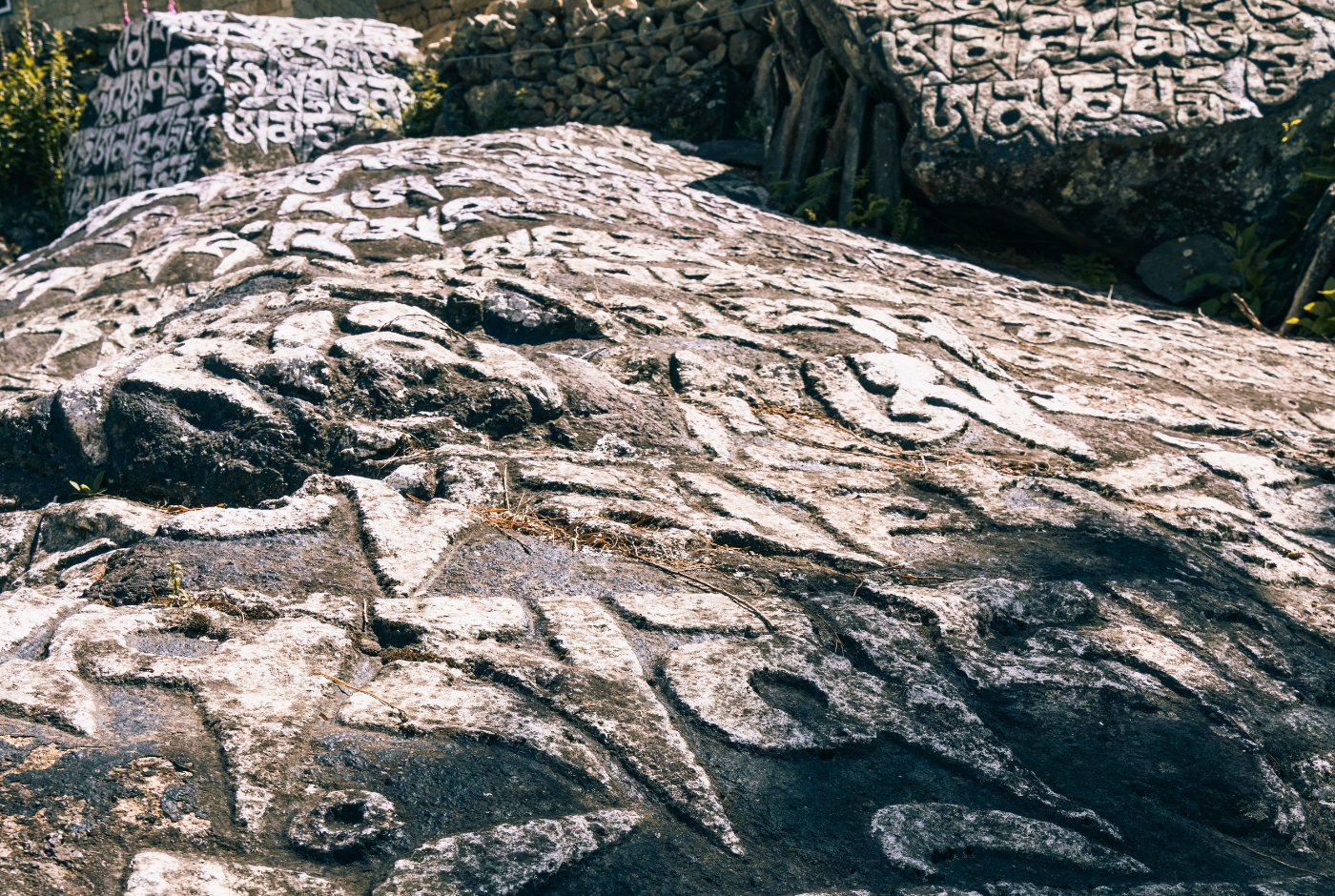
The national communication standard is Nepali. It functions as the central tool for the federal government, local courts, public education systems, print media, and regional business operations. It links different ethnic communities who speak their own native dialects in private homes.
The Nepal language belongs to the Indo-Aryan branch of the Indo-European family tree. The written form utilizes the Devanagari script. This writing system reads from left to right. It features a solid horizontal line running across the top of the characters. This line is known as the shirorekha, which connects individual letters into complete words.
The grammatical structure relies on a Subject-Object-Verb (SOV) order. In English, a person says "I drink water" (Subject-Verb-Object). In Nepali, a person says "Ma pani piunchu," which translates word-for-word as "I water drink" (Subject-Object-Verb). While this format requires practice, the alphabet remains purely phonetic. Each letter makes one consistent sound. This consistency makes it highly effective to take a basic Nepali language course to build travel vocabulary.
Phonetics and Pronunciation Rules
Understanding the phonetic base helps travelers read signs and menus. The spoken form distinguishes six oral vowels and five nasal vowels. It also uses ten diphthongs. Every consonant (except for a few specific glottal sounds) has a geminate counterpart between vowels.
Because the alphabet is phonetic, Romanized translations (writing the words using English letters) are highly accurate. When you read a Romanized word in a guidebook, you pronounce it exactly as it is spelled.
Historical Timeline and Name Evolutions
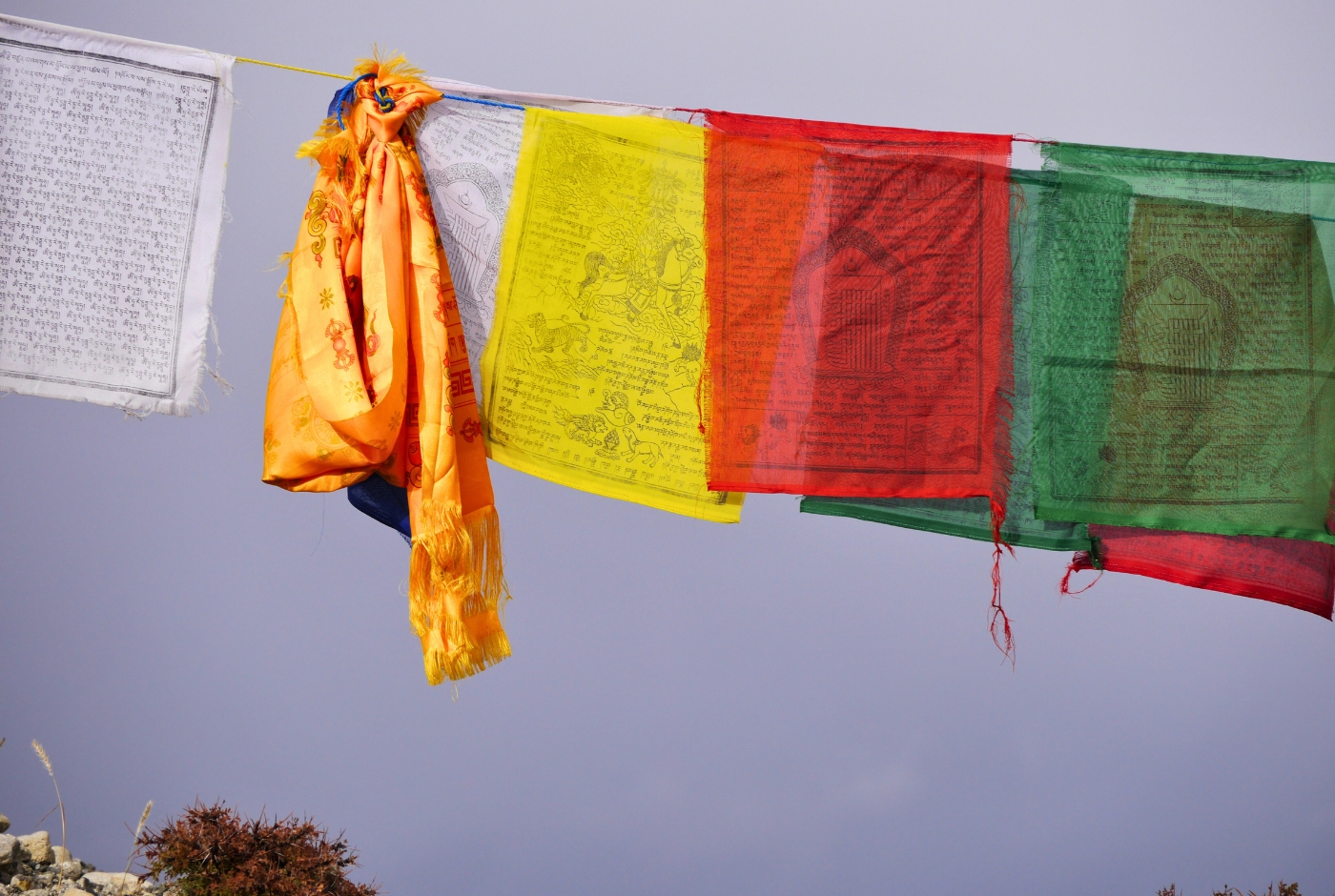
The national language progressed through several names and stages over the past thousand years. Its development reflects the movement of people across the western hills into the central valleys.
- Khas Kura: The earliest version was called Khas Kura. This translates to the speech of the Khas people. These groups occupied the Karnali and Bheri regions of western Nepal. They centered around the Sinja Valley during the Khasa Kingdom between the 10th and 14th centuries.
- Parbatiya: As populations migrated eastward into the hill regions, residents living in the valleys called the speech Parbatiya. This term means mountain talk.
- Gorkhali: During the middle of the 18th century, King Prithvi Narayan Shah unified small hill states into a single kingdom. Because his campaign started from the Gorkha District, the public called the language Gorkhali, or the language of the Gorkhas.
- Nepali: In 1933, the government publishing body named Gorkha Bhasa Prakashini Samiti changed its name to Nepali Bhasa Prakashini Samiti. This event marked the official government adoption of the term Nepali.
Key Historical Milestones
Historical records provide a precise timeline of how the Nepal language developed and gained official status:
- 981 CE: The earliest known written example of the language was carved onto a stone pillar at Dullu in Dailekh District during the reign of King Bhupal Damupal.
- 1774 to 1775: King Prithvi Narayan Shah wrote Divyopadesh. This administrative essay stands as the first major prose text in the language.
- 19th Century: Poet Bhanubhakta Acharya translated the ancient Sanskrit epic Ramayana into colloquial prose. His work made literature accessible to ordinary citizens and created a shared cultural standard across multiple districts.
- 1854: The Muluki Ain (National Code) set Nepali as the main language for legal records.
- 1959: The national constitution formally named Nepali as the official state language.
- 2007: The interim constitution recognized all mother tongues spoken within the borders as national languages, while keeping Nepali as the official government working language.
Outside the country, native speakers live in northern India, Bhutan, and Myanmar. In India, census data records 2.92 million speakers, with official working status in the state of Sikkim and the Gorkhaland region of West Bengal. In Bhutan, native speakers make up about 35 percent of the population, mostly in southern districts. In Myanmar, an estimated 300,000 Burmese Gurkhas maintain the speech in their local neighborhoods.
The 124 Mother Tongues of Nepali Languages (2021 Census Data)
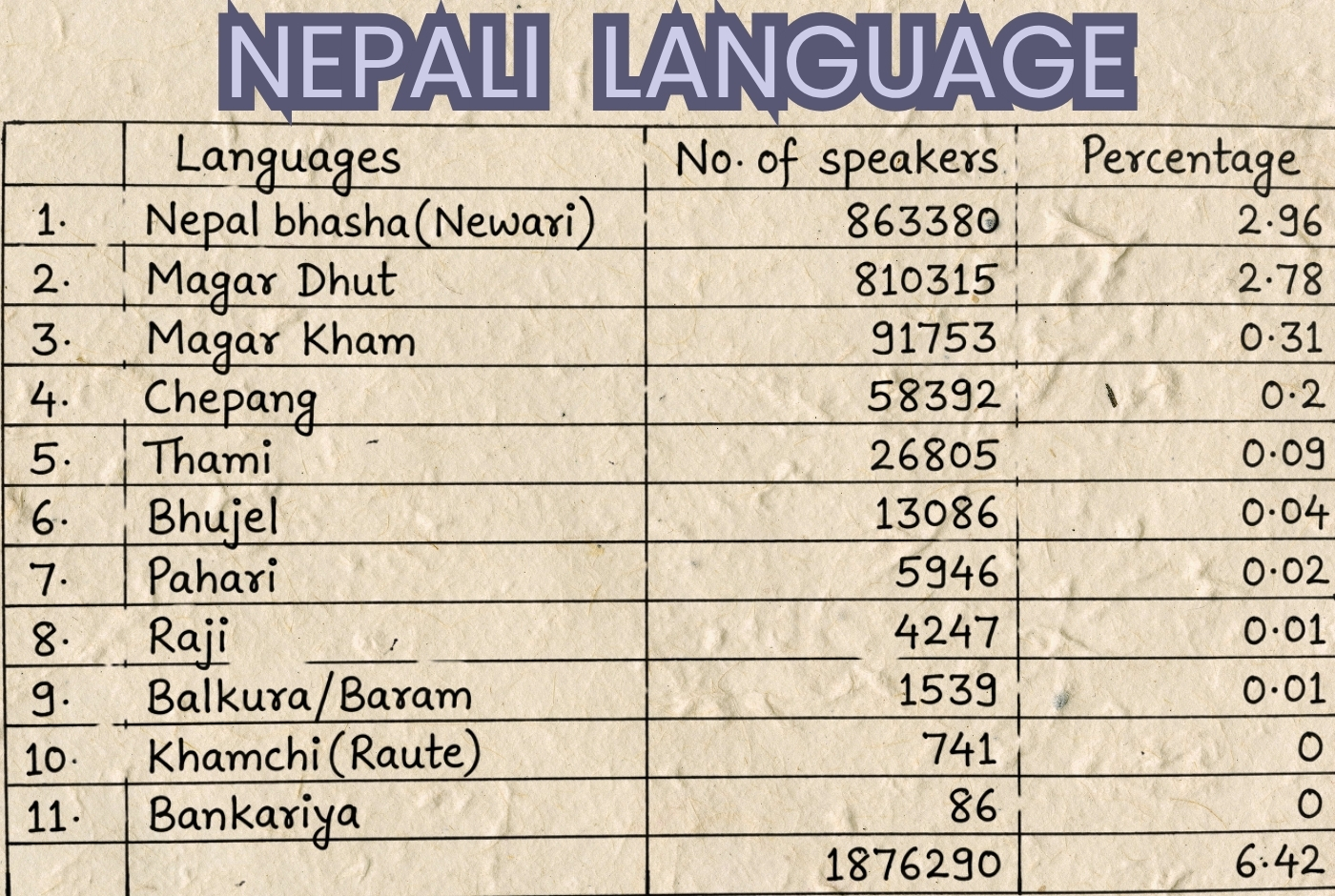
Although Nepali connects the country, the region possesses massive vocal variety. The 2021 National Population and Housing Census recorded exactly 124 distinct mother tongues spoken across the country. This total grew from 111 mother tongues recorded in the previous 2011 census. Researchers identified 13 newly documented tongues. These new additions include Bhote, Lowa, Chum/Nubri, Baragunwa, Nar-Phu, Ranatharu, Karmarong, Mugali, Tichhurong Poike, Sadri, Done, Munda/Mudiyari, and Kewarat.
Concentration varies heavily by geography. Morang District in the eastern plains displays the highest variety, with 34 mother tongues spoken within its borders. In contrast, Bajura District in the far-western hills remains almost entirely uniform, with only one primary mother tongue recorded.
Language Family Breakdown
All 124 mother tongues belong to four main language groups, alongside one unclassified isolate.
|
Language Family |
Total Speakers (2021) |
Percentage |
Geographic Region |
|
Indo-European |
24,227,411 |
83.07% |
Terai Plains and Middle Hills |
|
Sino-Tibetan |
4,837,808 | 16.59% |
High Himalayas and Eastern Hills |
|
Austro-Asiatic |
55,916 |
0.19% |
Eastern Terai |
|
Dravidian |
38,873 |
0.13% |
Southern Plains |
|
Language Isolate |
23 |
0.0008% |
Central Hills (Dang / Gorkha) |
Top 15 Nepalese Languages by Population Size
To understand the daily communication environment, travelers should review the most frequently spoken languages. The census lists the following mother tongues by population percentage:
- Nepali (44.86%)
- Maithili (11.05%)
- Bhojpuri (6.24%)
- Tharu (5.88%)
- Tamang (4.88%)
- Bajjika (3.89%)
- Avadhi (2.96%)
- Nepal Bhasa / Newar (2.96%)
- Magar Dhut (2.78%)
- Doteli (1.71%)
- Urdu (1.42%)
- Yakthung / Limbu (1.21%)
- Gurung (1.12%)
- Magahi (0.79%)
- Baitadeli (0.52%)
The Kusunda language represents a rare scientific case. It operates as a complete isolate with no proven link to any other language family on Earth. In the 2021 census, only 23 people reported it as their native speech.
In terms of writing systems, the Language Commission reports that fifteen active scripts operate across the territory. While standard Nepali utilizes Devanagari, Newar is written in Ranjana and Newar scripts. Maithili uses Tirhuta. Bhojpuri uses Kaithi. Limbu uses Sirijunga. Tamang uses Tamyig. Sherpa uses the Tibetan script. Magar uses Akkha. Gurung uses Khema. Santali uses Ol Chiki.
Official Provincial Working Languages
Under Part 1, Article 7(2) of the 2015 Constitution, individual provinces hold the authority to pass local laws to establish additional official languages alongside standard Nepali. In 2021, the Language Commission submitted formal recommendations for regional working status across all seven provinces based on demographic majorities.
|
Province |
Recommended Official Working Languages |
|
Koshi Province |
Maithili, Limbu (Yakthung) |
|
Madhesh Province |
Maithili, Bhojpuri, Bajjika |
|
Bagmati Province |
Tamang, Nepal Bhasa (Newar) |
|
Gandaki Province |
Magar Dhut, Gurung |
|
Lumbini Province |
Tharu, Awadhi |
|
Karnali Province |
Nepali (Karnali / Khas dialect), Magar Dhut |
|
Sudurpashchim Province |
Dotyali, Tharu |
Nepali, Nepalese, and Newar: Terminology Rules
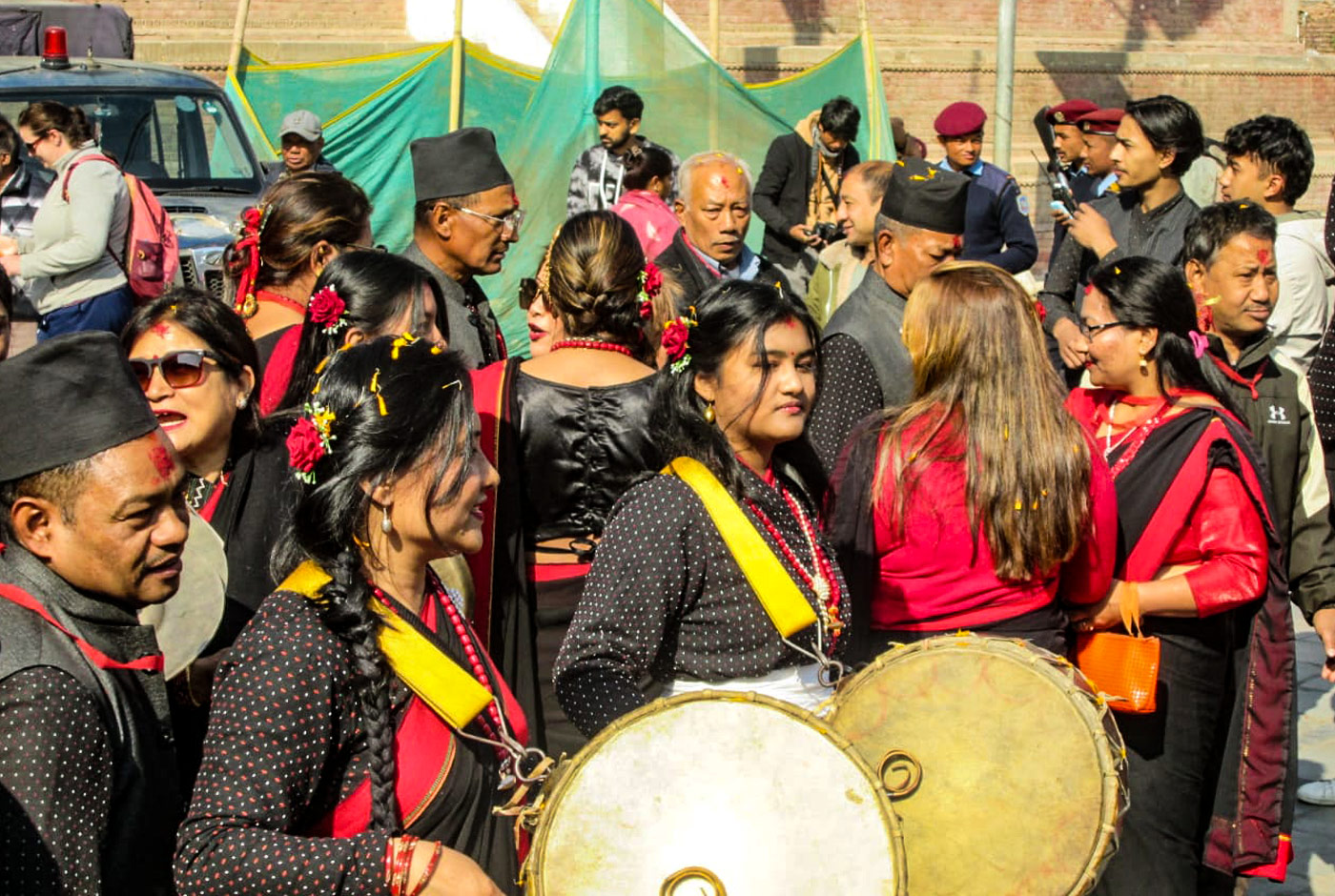
Foreign visitors frequently confuse the words Nepali, Nepalese, and Newari. Using exact terms demonstrates that you respect local demographic identities.
- Nepali: The correct word for the national language. It is also the standard adjective for objects or concepts belonging to the country, such as food, culture, or citizenship.
- Nepalese: An English word used to describe citizens. Locals prefer to use the word Nepali for both the speech and the people.
- Newar (Nepal Bhasa): A completely separate Sino-Tibetan language. It is the historic mother tongue of the Newar community. This group originally populated the Kathmandu Valley. It is not a dialect of standard Nepali. It has its own vocabulary, grammar, and traditional scripts like Ranjana.
In historic town centers like Patan, Bhaktapur, and Kathmandu Durbar Square, local Newar residents appreciate hearing their traditional greeting. Saying Jwajalapaa in a Newar neighborhood yields excellent interactions. Outside the Kathmandu Valley, travelers should revert to standard Nepal language greetings.
Regional Phrases in Major Trekking Destinations
While standard Nepali words function across every teahouse route, high mountain valleys host specific indigenous groups. Greeting villagers in their own language indicates respect for their heritage. The Sino-Tibetan languages dominate these upper elevations. Below is a breakdown of what to say based on the specific region you visit.
1. Everest Region (Khumbu)
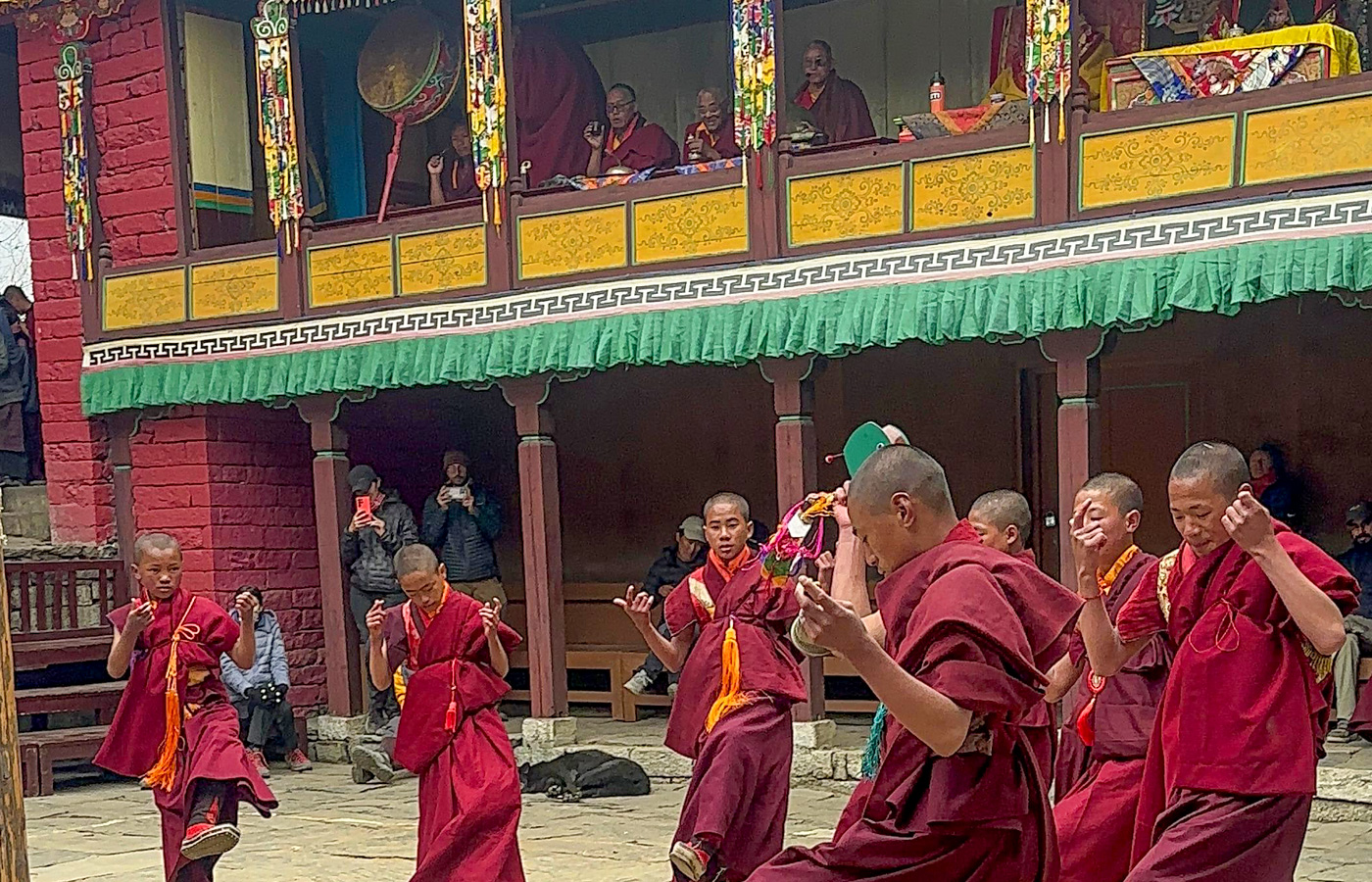
The trails leading to Everest Base Camp, Gokyo Lakes, and Namche Bazaar pass directly through the home of the Sherpa people. Their mother tongue is a Sino-Tibetan language closely tied to Tibetan speech and Buddhist traditions.
- Hello / Greetings: Tashi Delek
- Thank you: Thocheche
2. Langtang Valley
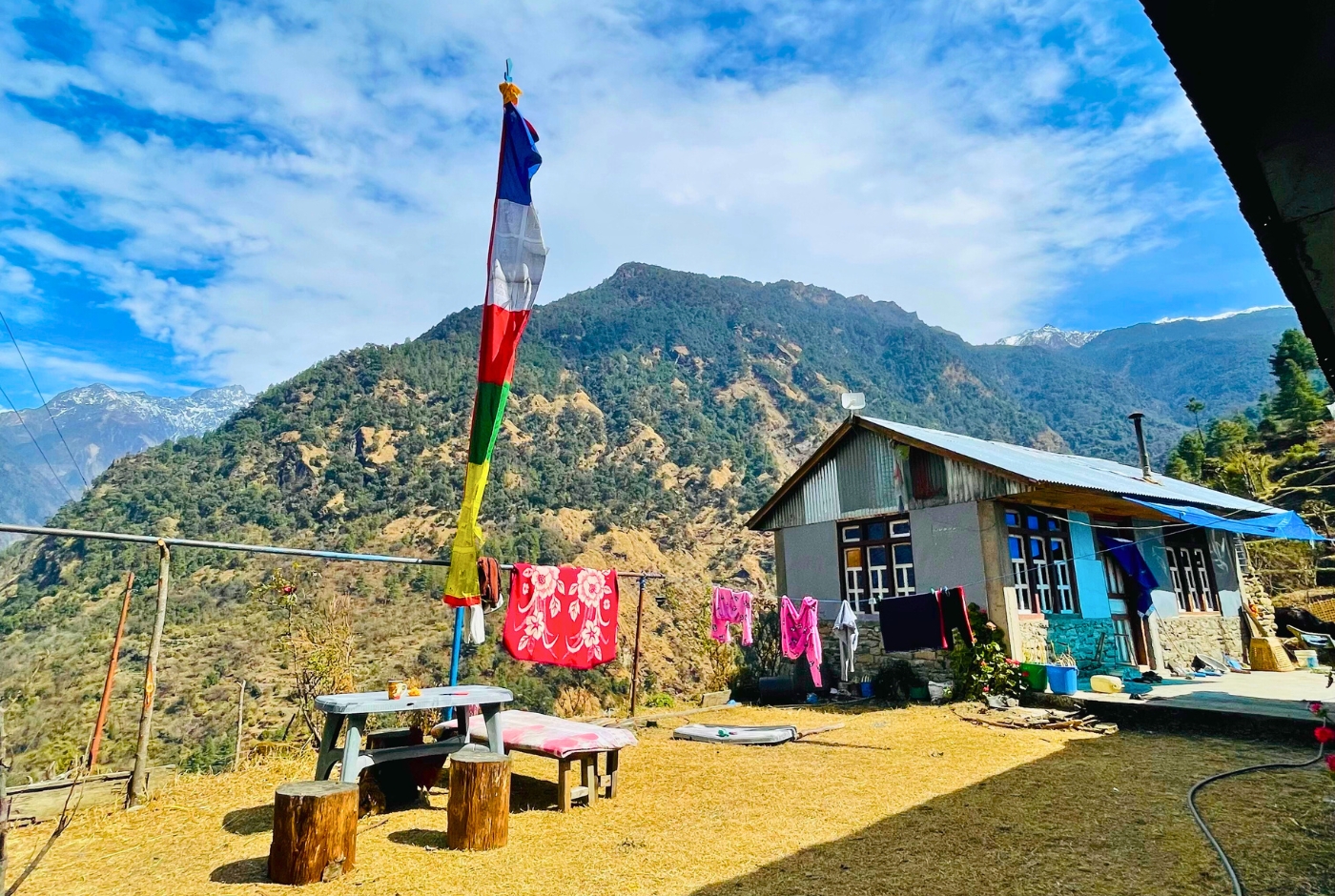
Langtang sits north of Kathmandu. The Tamang ethnic group populates this region. Their language ranks as the largest Sino-Tibetan tongue spoken in Bagmati Province.
- Hello / Greetings: Lasso Fyafulla
- Thank you: Gyampo
3. Annapurna Region
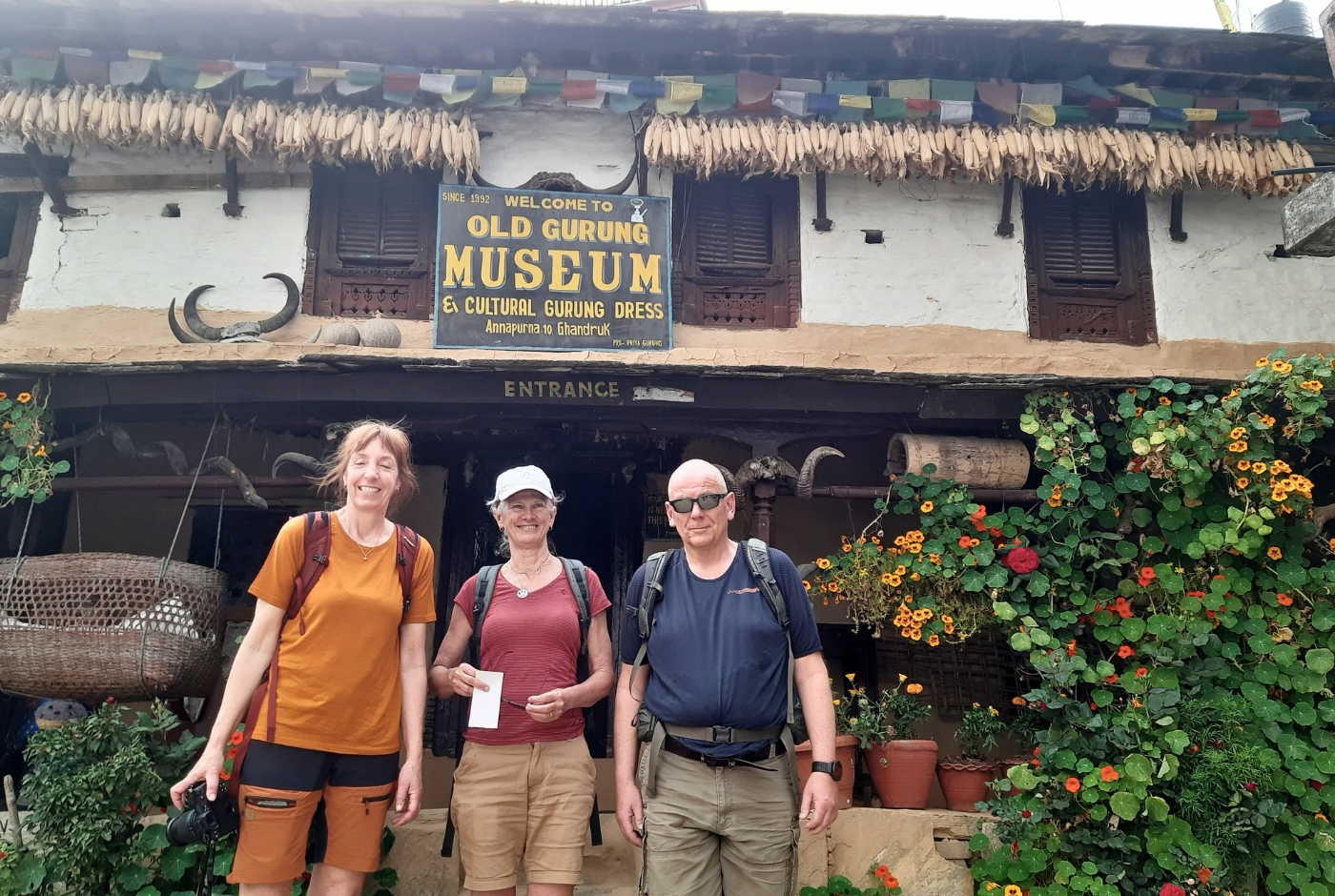
The trails around Annapurna Base Camp, Poon Hill, and the Annapurna Circuit pass through lands managed by the Gurung and Magar communities. These groups operate many traditional lodges in the region.
- Hello in Gurung villages: Chhyajalo
- Hello in Magar villages: Jhorle
4. Manaslu Circuit
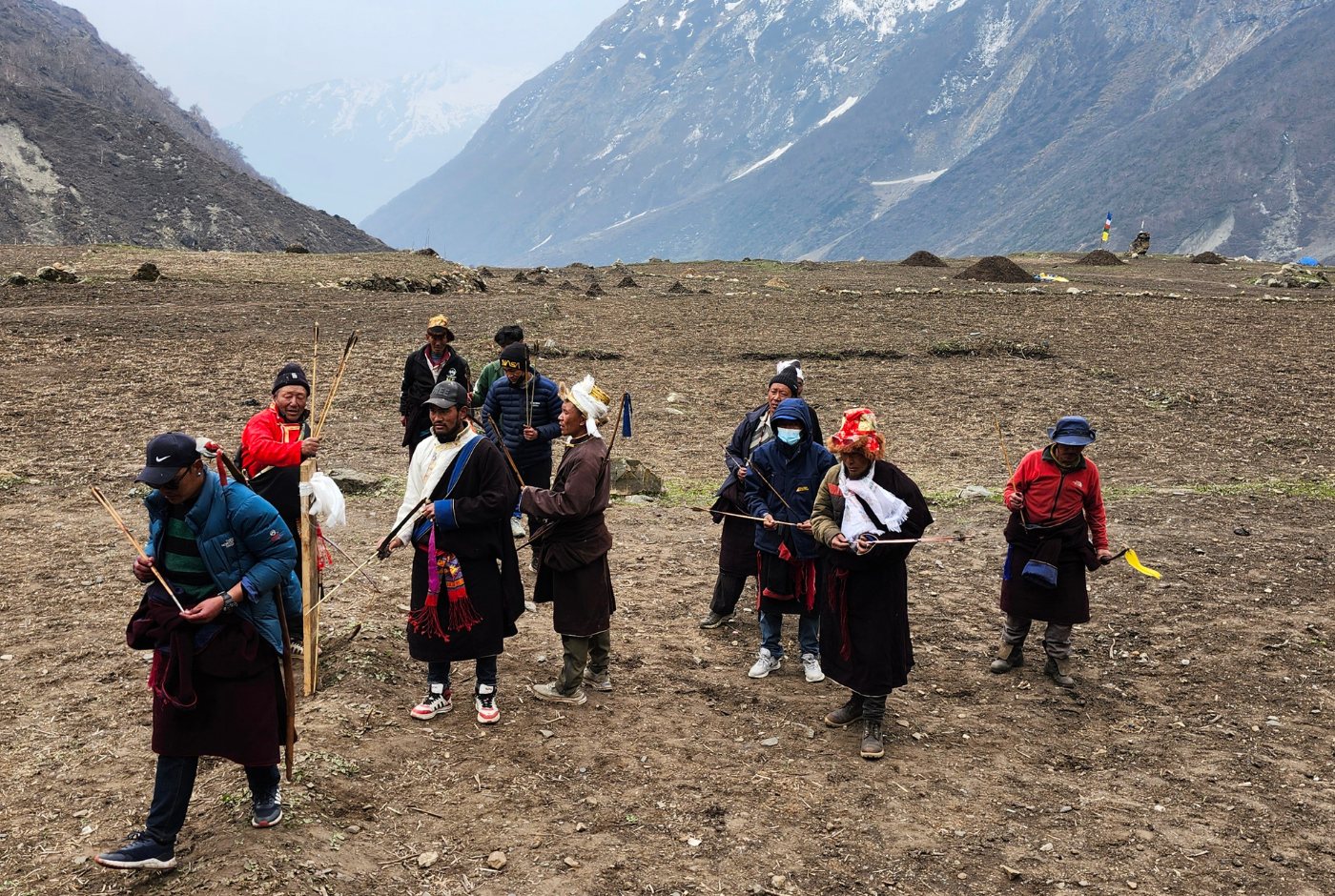
The remote paths circling Mount Manaslu cross the Nubri and Tsum valleys. The local Nubripa and Tsumba residents speak regional mountain dialects linked tightly to Tibetan culture and religion.
- Hello / Greetings: Tashi Delek
5. Mustang (Upper and Lower)
Lower Mustang is home to the Thakali people. They receive high respect for operating excellent traditional trail inns. Upper Mustang hosts the Loba people who live near the ancient walled city of Lo Manthang.
- Hello / Greetings: Tashi Delek
6. Kanchenjunga Region
In the far eastern corners of the country, trekking routes around Mount Kanchenjunga pass through historic settlements of the Limbu (Yakthung) and Rai peoples.
- Hello in Limbu villages: Sewaro
Practical Phrasebook for Travelers and Trekkers
When you travel with a professional company, your main guide coordinates daily logistics in clear English. They organize path directions, room bookings, and health checks. However, knowing how to request hot water, order food, or talk with local porters upgrades your daily routine. Taking time to learn Nepali fundamentals improves your independence.
The following tables present clear vocabulary lists organized by daily categories.
Daily Greetings and General Speech in Nepal-English language while trekking in Nepal
|
English |
Nepali Translation |
Romanized Pronunciation |
Usage Notes |
|
Hello |
नमस्ते |
Standard greeting. Bring palms together at chest height. |
|
|
Thank you |
धन्यवाद |
Dhanyabaad |
Used to express formal thanks. |
|
Yes |
हजुर / हो |
Hajur / Ho |
"Hajur" is a respectful yes. "Ho" is standard yes. |
|
No |
छैन / होइन |
Chaina / Haina |
Use "Chaina" for "do not have". Use "Haina" for "is not". |
|
How are you? |
तपाईंलाई सञ्चै छ? |
Tapaai lai sanchai cha? |
Friendly opening question for hosts and guides. |
|
I am fine |
ठीक छ |
Thik cha |
Indicates fine, okay, or good. |
|
What is your name? |
तपाईंको नाम के हो? |
Tapaaiko naam ke ho? |
Asking someone their name. |
|
My name is... |
मेरो नाम... हो |
Mero naam... ho |
Giving your personal name. |
|
I do not understand |
मैले बुझिन |
Maile bujhina |
Useful when people speak quickly. |
|
Excuse me / Sorry |
माफ गर्नुहोस् |
Maaf garnuhos |
Used to get attention or apologize. |
|
Good morning |
शुभ बिहानी |
Subha bihani |
Formal morning greeting. |
|
Good night |
शुभ रात्री |
Subha ratri |
Formal evening closing. |
Teahouse Dining and Shopping
|
English |
Nepali Translation |
Romanized Pronunciation |
Usage Notes |
|
Water |
पानी |
Paani |
Crucial for ordering drinking water. |
|
Hot water |
तातो पानी |
Tato paani |
Essential request at high altitudes. |
|
Cold water |
चिसो पानी |
Chiso paani |
Request for lower altitude areas. |
|
Tea |
चिया |
Chiya |
Spiced milk tea or plain black tea. |
|
Food / Meal |
खाना |
Khana |
Usually refers to Dal Bhat, a meal of rice and lentils. |
|
Meat |
मासु |
Masu |
General term for chicken, mutton, or buffalo. |
|
Vegetables |
तरकारी |
Tarkari |
Cooked vegetable curries. |
|
Delicious |
मीठो छ |
Mitho cha |
Complimenting tea house food. |
|
I do not eat meat |
म मासु खाँदिन |
Ma masu khadaina |
Helpful phrase for vegetarian trekkers. |
|
Where is the toilet? |
शौचालय कता छ? |
Sauchalaya kata chha? |
Basic facility query on the path. |
|
How much is this? |
यसको कति पर्छ? |
Yesko kati parchha? |
Asking the price at local stalls. |
|
Too expensive |
अति महँगो छ |
Ati mahango cha |
Use calmly while negotiating prices. |
|
I will buy it |
म किन्छु |
Ma kinchu |
Confirming a purchase. |
|
Please |
कृपया |
Kripaya |
Polite request word. |
Trail Instructions and Medical Conditions
Clear communication regarding physical health is mandatory for mountain safety.
|
English |
Nepali Translation |
Romanized Pronunciation |
Usage Notes |
|
Slowly, slowly |
बिस्तारै, बिस्तारै |
Bistarai, bistarai |
Pacing advice for high altitude walking. |
|
Stop |
रोक्नुहोस् |
Roknuhos |
Command to halt walking or driving. |
|
Let's go |
जुम् जुम् |
Jum jum |
Informal phrase to start walking. |
|
Up |
माथि |
Mathi |
Directional term for ascents. |
|
Down |
तल |
Tala |
Directional term for descents. |
|
Right |
दायाँ |
Dayaa |
Navigation direction. |
|
Left |
बायाँ |
Bayaa |
Navigation direction. |
|
Where is the path? |
बाटो कहाँ छ? |
Bato kahaan cha? |
Asking for route directions. |
|
I am tired |
म थाकें |
Ma thake |
Informing your guide about your energy. |
|
I am sick |
म बिरामी छु |
Ma birami chu |
Reporting general illness. |
|
My head hurts |
मेरो टाउको दुख्यो |
Mero tauko dukhyo |
Reporting potential altitude sickness symptoms. |
|
Help |
सहयोग |
Sahayog |
Emergency call for assistance. |
|
Doctor |
डाक्टर |
Daktar |
Requesting medical professional help. |
Nepali Language Basic Numbers
Knowing simple numbers helps when buying fruit, hot water, or shower tokens along the trail. The counting system operates phonetically.
- 1: Ek (एक)
- 2: Dui (दुई)
- 3: Teen (तीन)
- 4: Chaar (चार)
- 5: Paanch (पाँच)
- 6: Chha (छ)
- 7: Saat (सात)
- 8: Aatth (आठ)
- 9: Nau (नौ)
- 10: Das (दस)
- 20: Bees (बीस)
- 50: Pachaas (पचास)
- 100: Saya (सय)
- 500: Paanch saya (पाँच सय)
- 1000: Hazaar (हजार)
Days of the Week in Nepali writing
Scheduling transport or verifying permit dates requires basic calendar vocabulary.
- Sunday: Aaitabar
- Monday: Sombar
- Tuesday: Mangalbar
- Wednesday: Budhabar
- Thursday: Bihibar
- Friday: Sukrabar
- Saturday: Sanibar
Language Support, Translation, and Learning Resources
English operates as a main subject in private schools and universities across the country. As a result, younger generations in towns and cities speak English at a highly functional level. In tourist neighborhoods like Thamel in Kathmandu or Lakeside in Pokhara, shopkeepers, drivers, and hotel staff communicate fluently in English.
For international visitors, digital applications solve basic communication problems when reading signs or menus. Computer software supports written translation into the Devanagari script. However, because sentence order differs between English and standard Nepali, computer tools sometimes generate formal phrasing that appears awkward to local residents.
For travel agencies, tour operators, and media companies operating in the region, securing effective Nepali translation services guarantees accurate communication. Proper document translation keeps safety briefings, equipment checklists, and route descriptions completely precise for foreign clients.
Applying proper Nepali localization to digital maps and travel itineraries prevents errors on remote trails. The practical benefits of Nepali localization allow international travel companies to present clear, reliable information while respecting local naming conventions for mountain passes and remote villages.
If you plan to study the language before your trip, several free resources exist. Online university courses provide introductory reading materials for basic grammar. Mobile travel audio guides offer downloadable audio phrase sets focused on common words for water, food, and lodging. Finally, taking a structured language course builds confidence and correct pronunciation before the flight lands in Kathmandu.
Post a Comment