
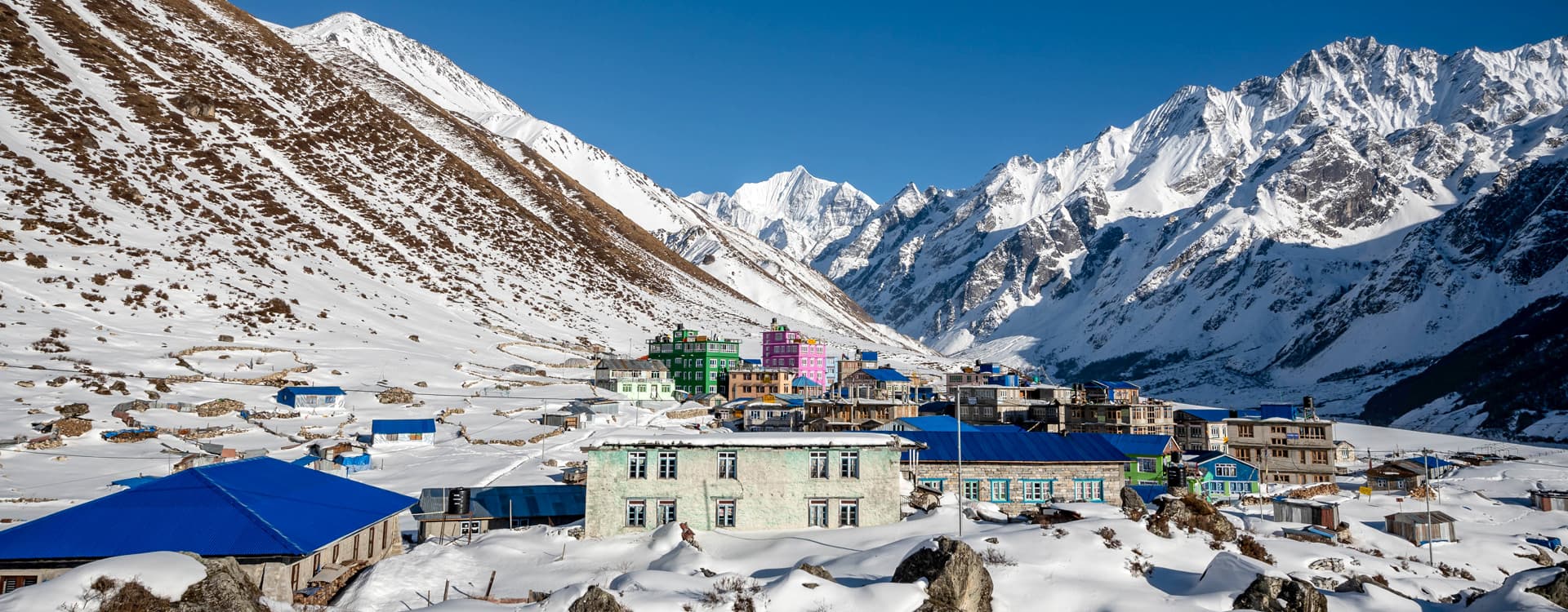
The Langtang Valley Trek is considered moderately challenging. It does not require technical climbing skills, making it suitable for beginners with good physical fitness and a positive trekking mindset. The main demands are walking for 5 to 7 hours each day, often on uneven and uphill trails, while gradually adapting to higher elevations.
This guide breaks down the real difficulty of the Langtang trek, including altitude, terrain, weather, fitness, and trail comfort, so you can judge whether it is the right trek for you.
Quick Difficulty Overview
| Feature | Details |
|---|---|
| Overall Difficulty | Moderate (3/5 or 5/10) |
| Max Sleeping Altitude | 3,870 m (Kyanjin Gompa) |
| Max Trekking Altitude | 4,984 m (Tserko Ri - Optional) |
| Daily Walking Hours | 5–7 hours |
| Total Distance | Approximately 65–75 km (round trip) |
| Best Seasons | Spring (March–May) & Autumn (October–November) |
| Technical Skills | None required (no ropes or crampons) |
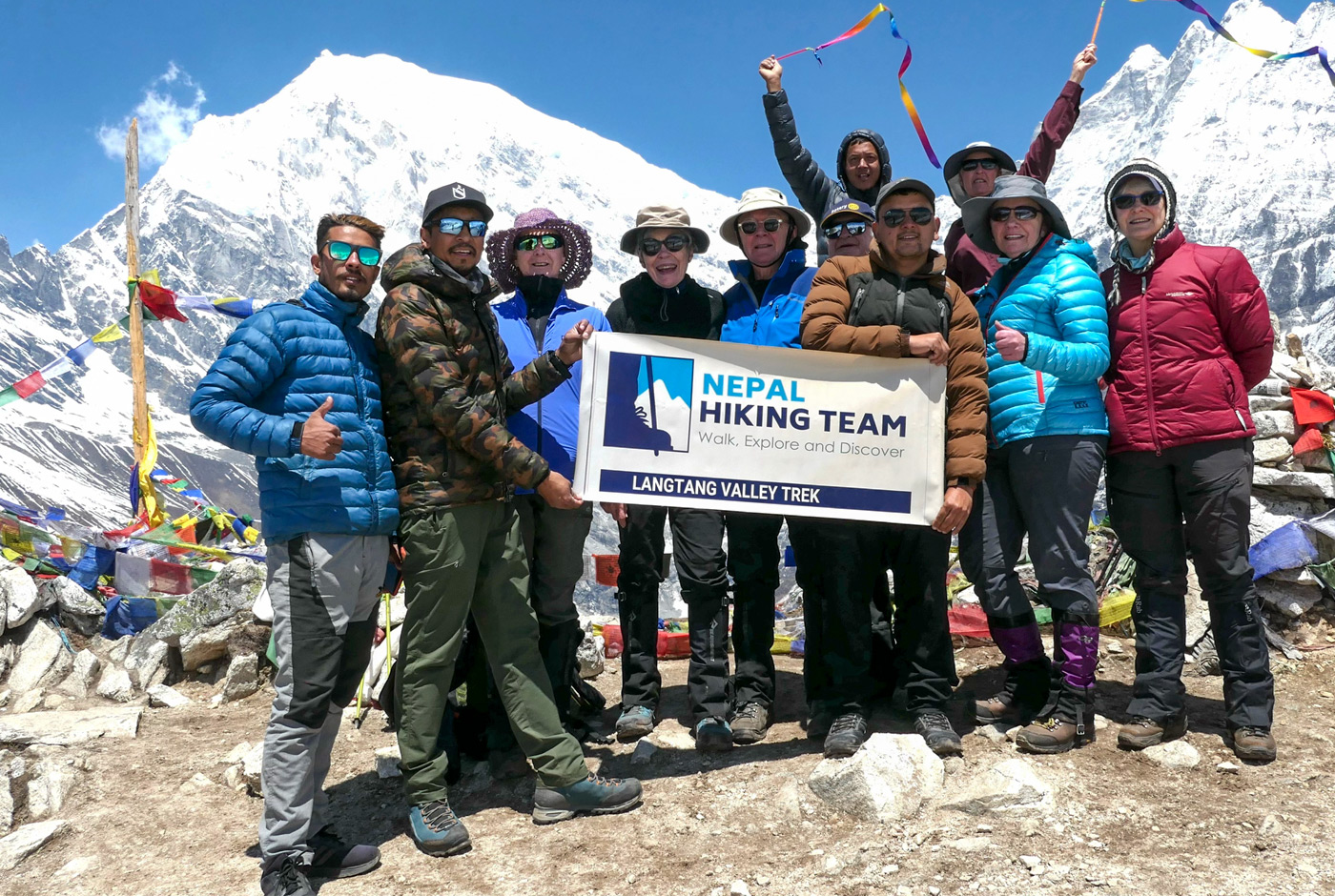
Altitude and Acclimatization Challenges
Altitude is the main factor behind the Langtang trek's difficulty. The trail rises from Syabrubesi at 1,440 meters to Kyanjin Gompa at 3,870 meters, with the optional climb to Tserko Ri reaching about 4,984 meters. As elevation increases, the air becomes thinner, which makes proper acclimatization essential.
Altitude effects are usually noticeable above Langtang Village, especially if the pace is too fast or hydration is poor. Common symptoms of Acute mountain sickness (AMS) include headache, fatigue, and shortness of breath. Maintaining a steady pace, staying hydrated, and allowing time for acclimatization make the trek more manageable.
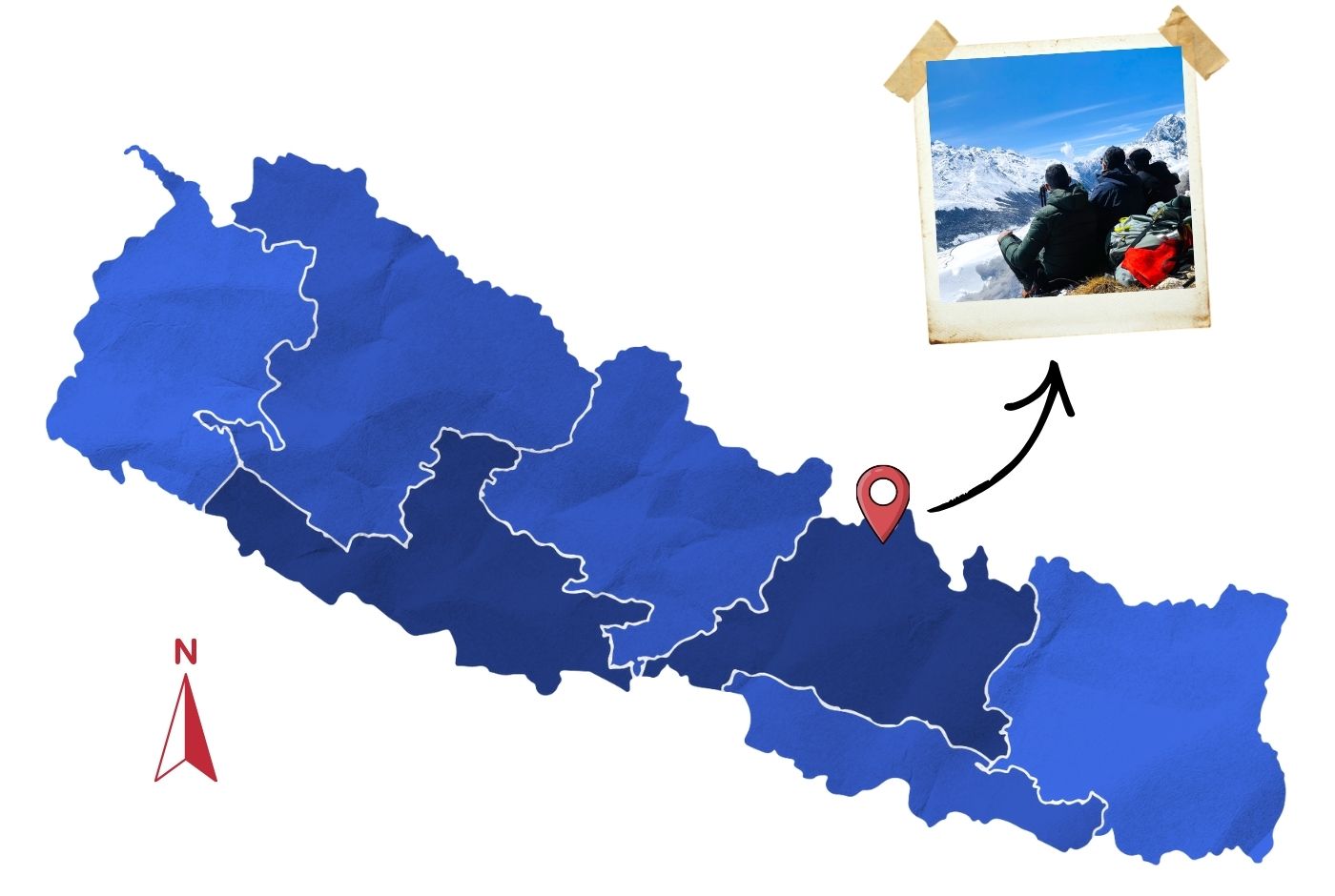
Reaching Tserko Ri is optional. Many trekkers instead choose Kyanjin Ri at around 4,773 meters, which offers excellent views with less altitude strain. Staying an extra night at Kyanjin Gompa is recommended for acclimatization, as it allows safe day hikes while returning to the same sleeping altitude, supporting better adaptation.
Daily Walking Hours and Trek Duration
A typical day on the Langtang Valley Trek involves around five to seven hours of walking. However, the overall effort depends on more than just daily duration. The trek usually lasts 6 to 8 days, and walking continuously over multiple days gradually builds fatigue.
The first walking days often feel easier as the trail passes through forested lower elevations. As the route climbs toward Langtang Village and Kyanjin Gompa, longer uphill sections and thinner air make the same number of hours feel more demanding. Walking steadily, taking regular breaks, and managing energy become more important than speed.
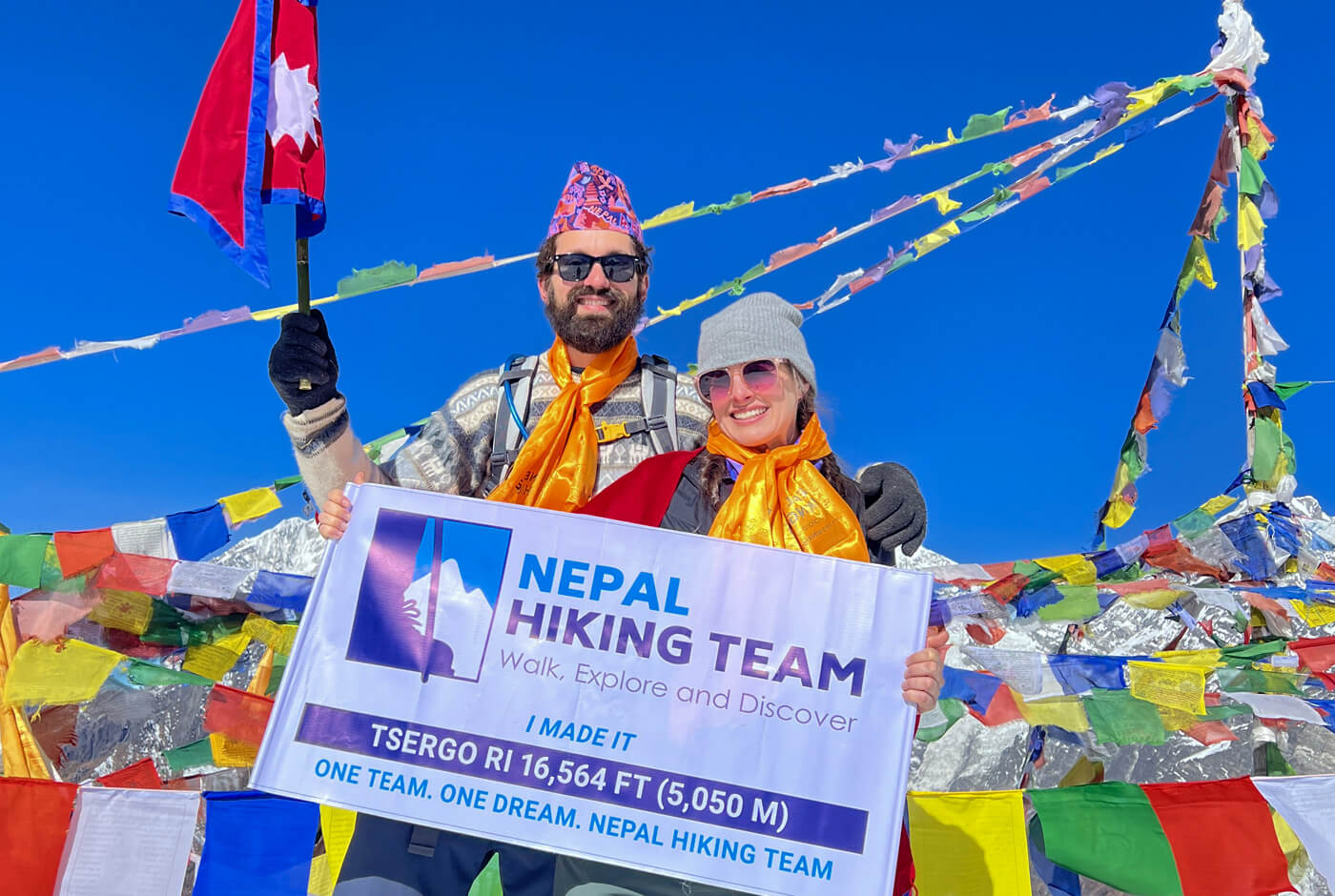
The climb to Tserko Ri at 4,985 meters is often the most demanding day. Although the total time is around 6 to 7 hours, the steep ascent and high altitude make it significantly harder than other days. Even on the return, long downhill sections can feel tiring on the knees and legs, especially after several days of continuous walking.
Learn more and gain a clear understanding of the distance and daily walking rhythm in our detailed blog: Langtang Valley Trek Distance Guide.
Terrain and Trail Conditions
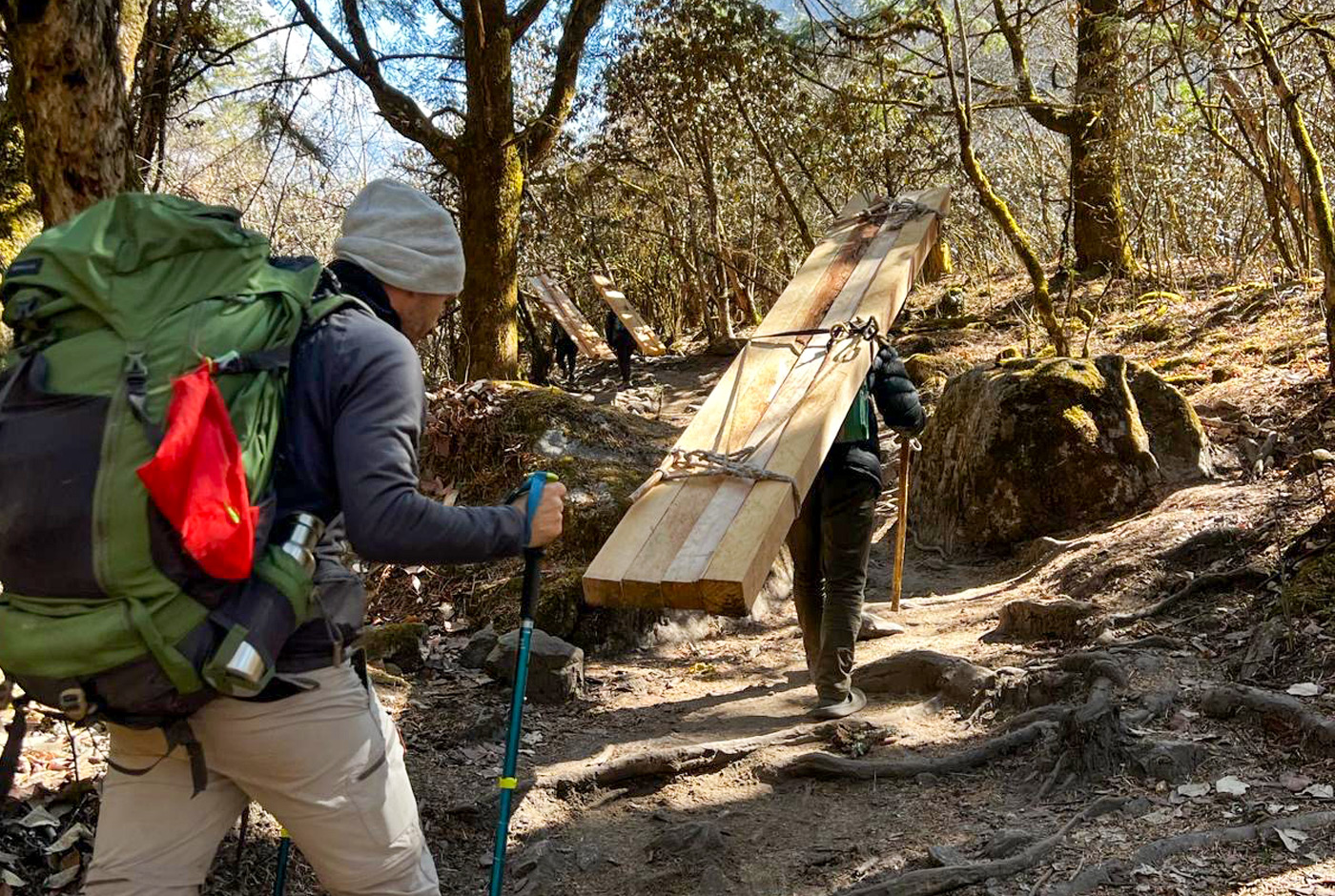
The terrain adds a steady challenge without requiring technical skills. The route includes stone steps, forest trails, suspension bridges over the Langtang Khola, rocky sections, and occasional landslide-affected areas, particularly in the lower and mid-valley sections.
One key factor is the repeated ascent and descent. Even on shorter days, the trail often climbs and drops multiple times, which increases overall effort. As you move higher toward Langtang Village and Kyanjin Gompa, the terrain becomes more open, with longer uphill sections that feel more demanding due to altitude. Loose stones, uneven steps, and narrow sections require attention, especially on descents where balance becomes more important.
What makes Langtang accessible is that the route does not involve technical climbing, ropes, or exposure to dangerous heights. Trekking poles help reduce strain on the knees and improve stability, while good trekking boots help on rocky, uneven ground.
Get in-depth insights into the Langtang Valley Trek from our trekker Mark Smeltz in his Langtang Trek Diary, where he shares his firsthand experience of the journey through the valley.
Weather and Seasonal Impact on Difficulty
The weather directly affects how hard the Langtang trek feels, and conditions can change as you move through different elevations. In spring and autumn, the trail is generally at its most comfortable. Days are clearer, paths are drier, and visibility is much better, which makes walking more stable and predictable.
During the monsoon, rain can turn forest paths into muddy and slippery sections, making footing less stable, especially on descents. Suspension bridges and stone steps become more difficult to cross safely when wet, and leeches are more common in lower areas. Winter brings snow-covered trails near Kyanjin Gompa, frozen ground, and cold winds, requiring slower and more careful movement.
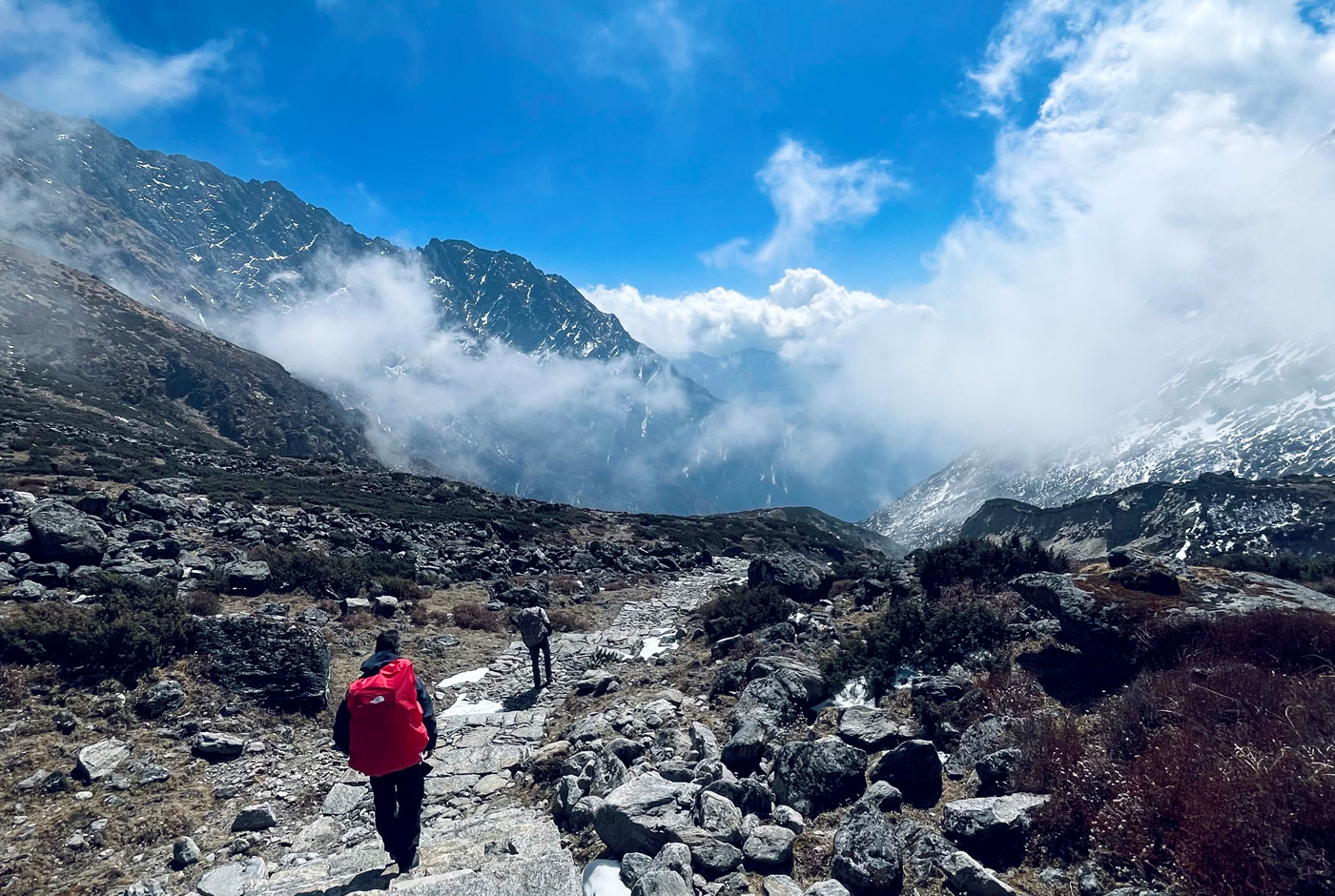
Lower sections near Syabrubesi and Lama Hotel tend to feel warmer and more humid, while higher areas toward Langtang Village and Kyanjin Gompa become colder, especially in the mornings and evenings. Overall, clear, dry conditions make the trek more manageable, while rain, snow, or cold temperatures increase physical effort and the need for caution on the trail.
Physical Fitness Requirements for Langtang Trek
You do not need elite fitness for the Langtang trek, but a strong baseline is important. The route suits those who can walk uphill for several hours, recover overnight, and repeat that effort over multiple days. As the trail climbs toward Kyanjin Gompa, thinner air and longer ascents make each step feel heavier, which is where endurance and leg strength become more important than speed.
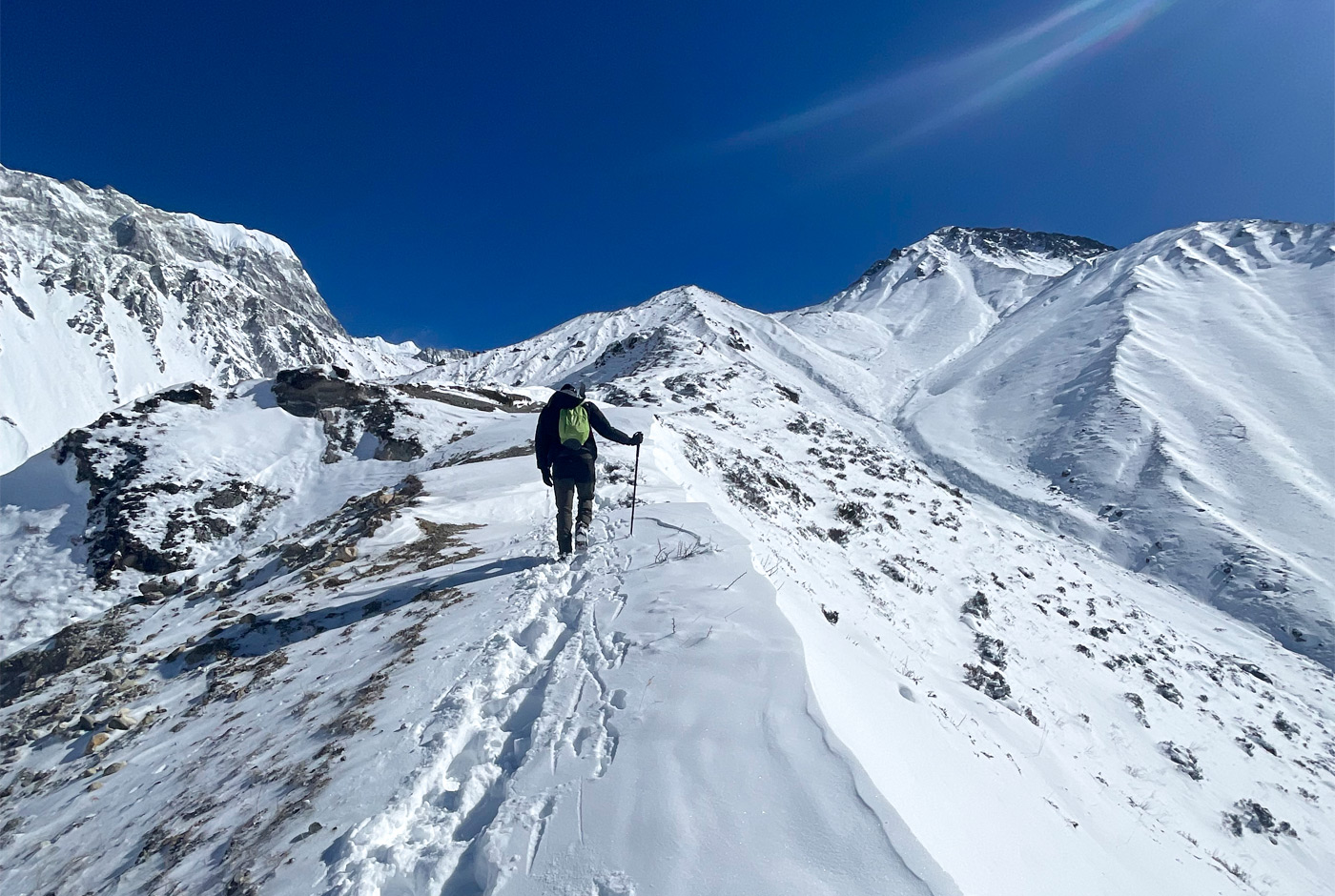
Simple preparation works best. Regular walking, stair climbing, and short hikes help build the stamina needed for continuous trekking days. While the trek is achievable for beginners, those who arrive prepared handle the altitude and daily effort more comfortably.
How to pack smartly for Langtang Valley trek? Learn more here: What to Pack for the Langtang Valley Trek?
Accommodation and Trail Comfort Levels
Accommodation along the Langtang route is simple but practical. Most nights are spent in local teahouses with basic rooms, shared dining areas, and limited facilities compared to city hotels.
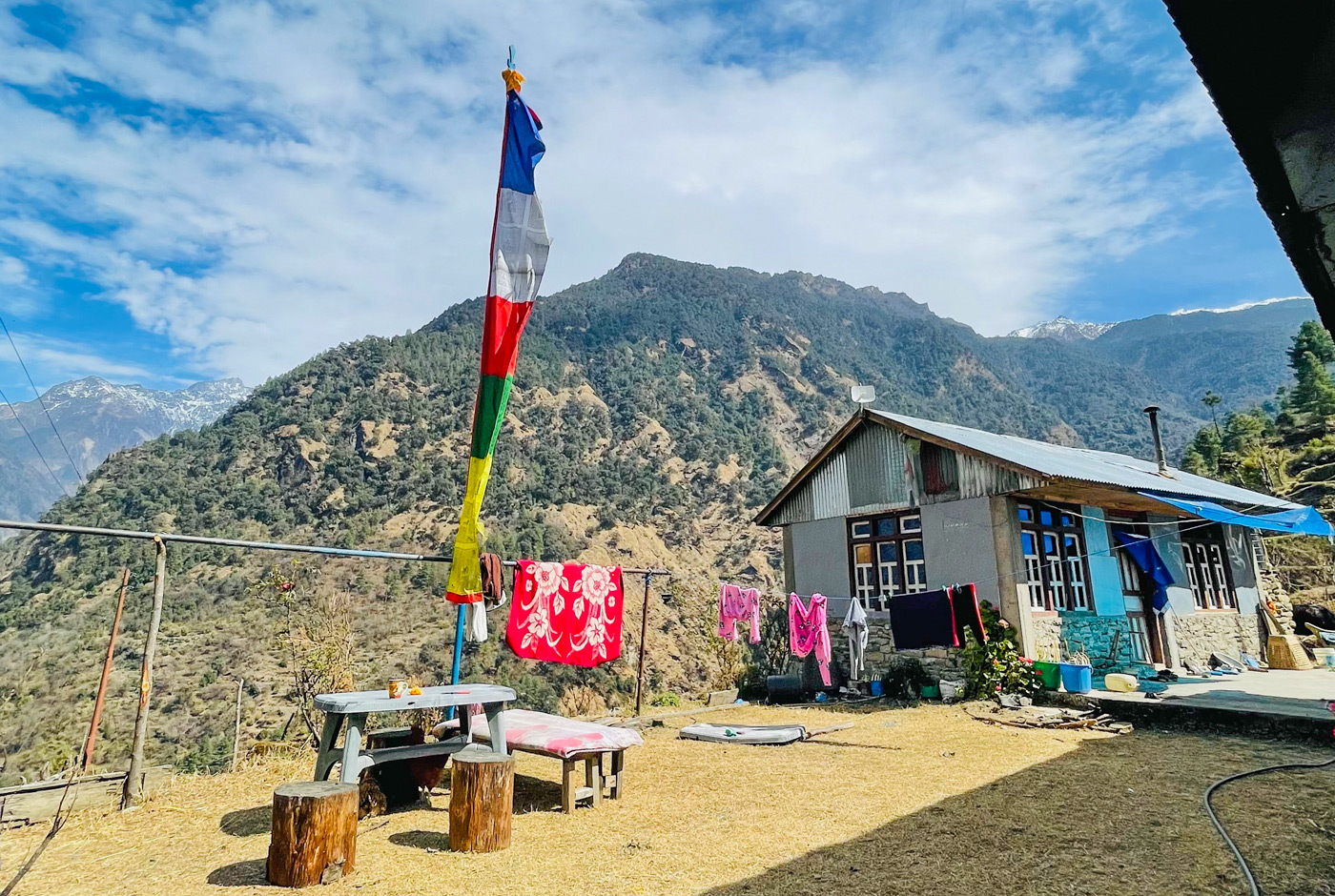
As you move higher toward Langtang Village and Kyanjin Gompa, services become more minimal and comfort levels decrease. Nights can be colder, heating is limited, and facilities are more basic at higher elevations. This affects how well you rest and recover between trekking days. With realistic expectations, the simple setup becomes part of the experience, where local hospitality and the rhythm of trail life shape the journey.
How to Prepare for Langtang Trek Difficulty
Preparation for the Langtang trek should focus on consistency, pacing, and the right gear. A few weeks of regular walking, stair training, and light cardio can make a clear difference in how your body handles the trail. On the trek, wearing well-tested trekking boots, carrying only what you need, and maintaining a steady pace from the beginning make the journey more manageable. Hydration becomes more important at higher elevations, where energy levels drop faster.
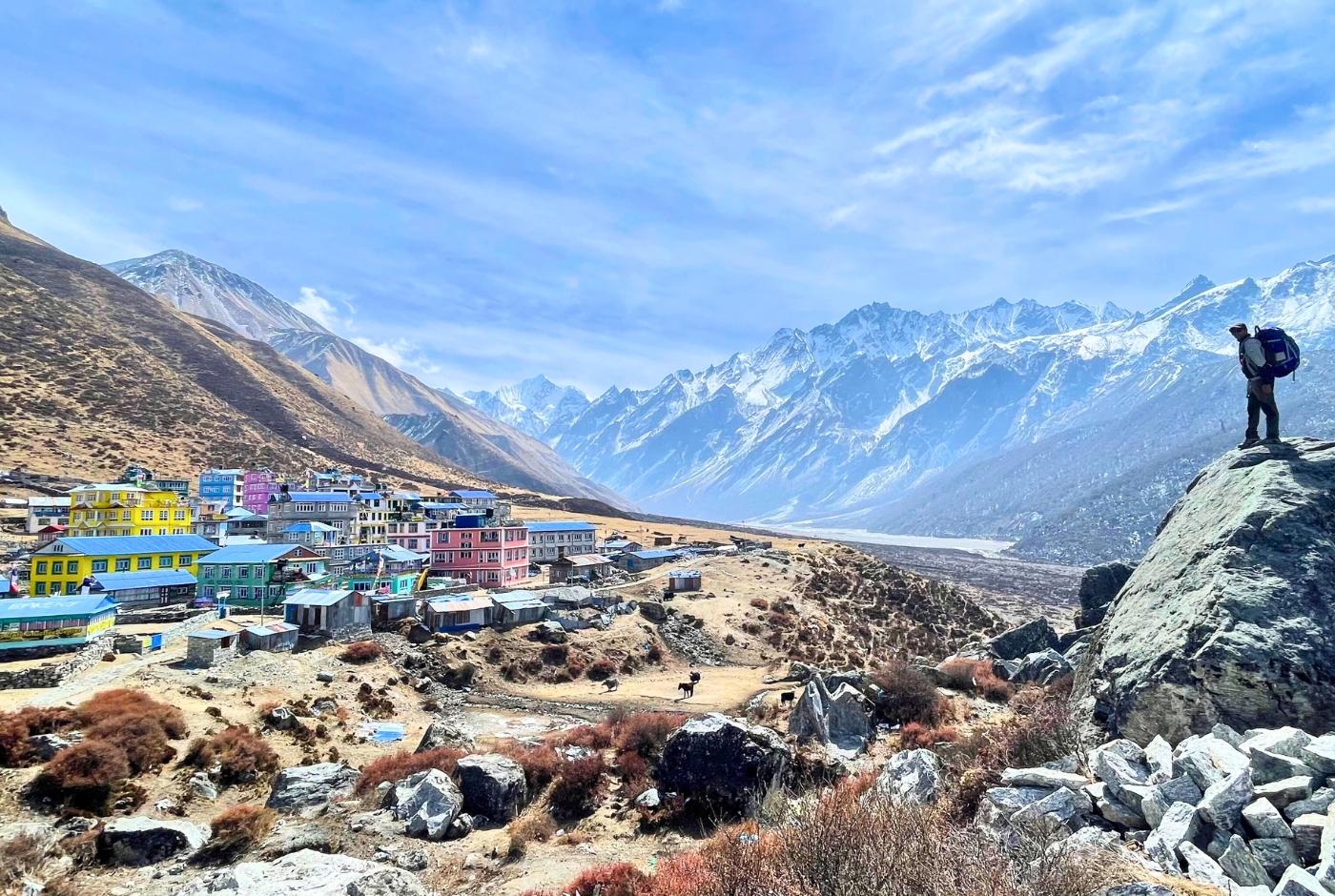
Keeping things simple, planning sensibly, and avoiding the urge to rush early in the trek help you handle the route with more confidence and control.
Langtang Trek Difficulty Compared to Other Treks
Compared to some of Nepal's longer and higher trekking routes, the Langtang Valley Trek offers a more balanced challenge. It is shorter than the Everest Base Camp and many Annapurna Circuit itineraries, and the logistics are simpler since the trek begins with a drive rather than a mountain flight.
Here is a table about the differences between Langtang and other Himalayan treks:
| Trek | Maximum Altitude | Daily Walking | Logistics | Beginner Suitability | Crowd Level |
|---|---|---|---|---|---|
| Langtang Valley Trek | 3,870 m | 5 to 7 hours | Simple road access | High | Moderate to low |
| Everest Base Camp Trek | 5,364 m | 6 to 8 hours | Flight dependent | Moderate | High |
| Annapurna Base Camp Trek | 4,130 m | 5 to 7 hours | Road/Flight access | Moderate | High |
That said, Langtang should not be described as easy. It still involves altitude, repeated uphill walking, and physically active days. A clearer way to understand it: Langtang provides a genuine Himalayan trekking experience in a shorter format, with moderate altitude exposure and no technical difficulty.
Learn how Langtang differs from Nepal's most iconic trek, the Everest Base Camp trek, on our detailed page: Langtang vs EBC trek.
Final Thoughts on Langtang Trek Difficulty
For most trekkers, the Langtang trek is moderately challenging rather than extreme. The route requires good fitness, steady pacing, and a sensible approach to altitude, but it does not involve technical climbing. This makes Langtang a suitable choice for beginners with preparation, as well as active travellers who want a Himalayan trekking experience without committing to a longer itinerary. These aspects make Langtang Trek one of the best treks in Nepal.
Nepal Hiking Team has guided trekkers through the Langtang region for many years, with experienced guides who understand the trail, altitude, and daily pacing. This practical experience helps manage the trek with the right balance of safety, timing, and local insight.
Post a Comment