
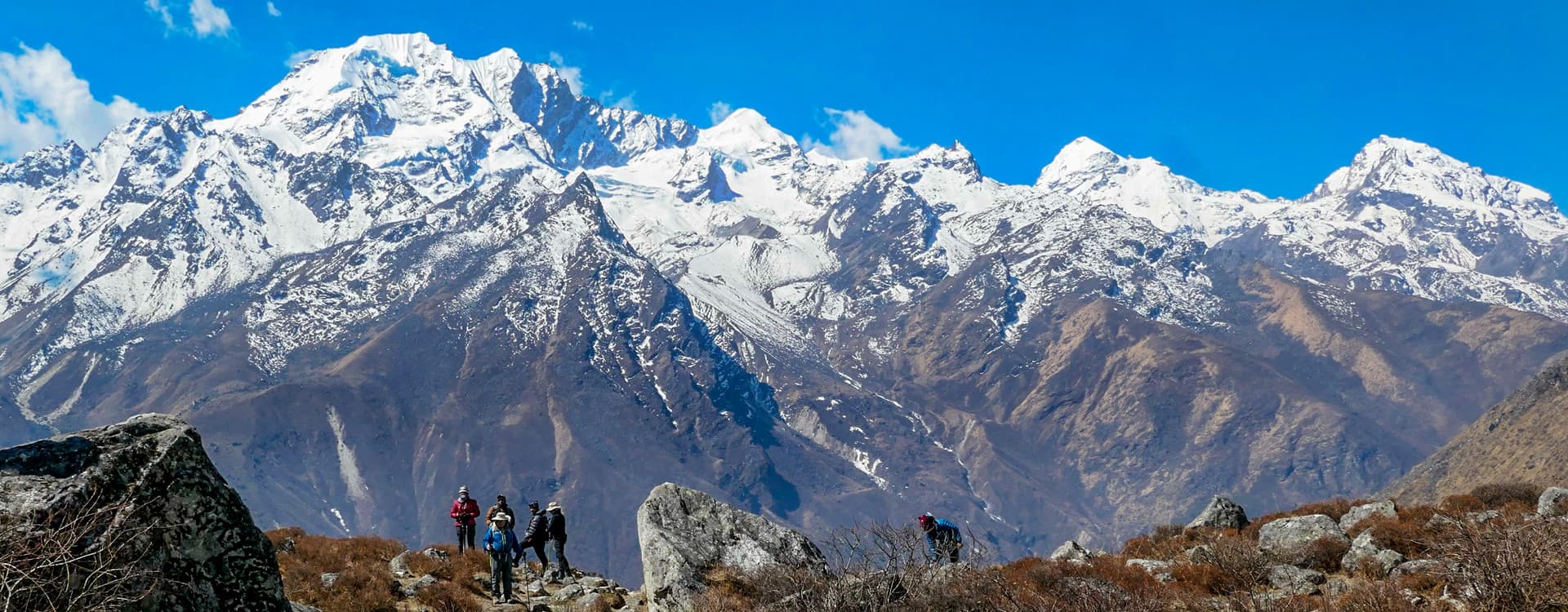
Langtang Valley is not Everest, and that is exactly why it attracts thoughtful trekkers.
Langtang's remoteness, rapid elevation gain, and limited medical access mean that poor decisions have consequences quickly.
This guide explains how to evaluate different local and international trekking operators based on permits, regional knowledge, guide quality, safety systems, and ethical practices, not marketing promises.
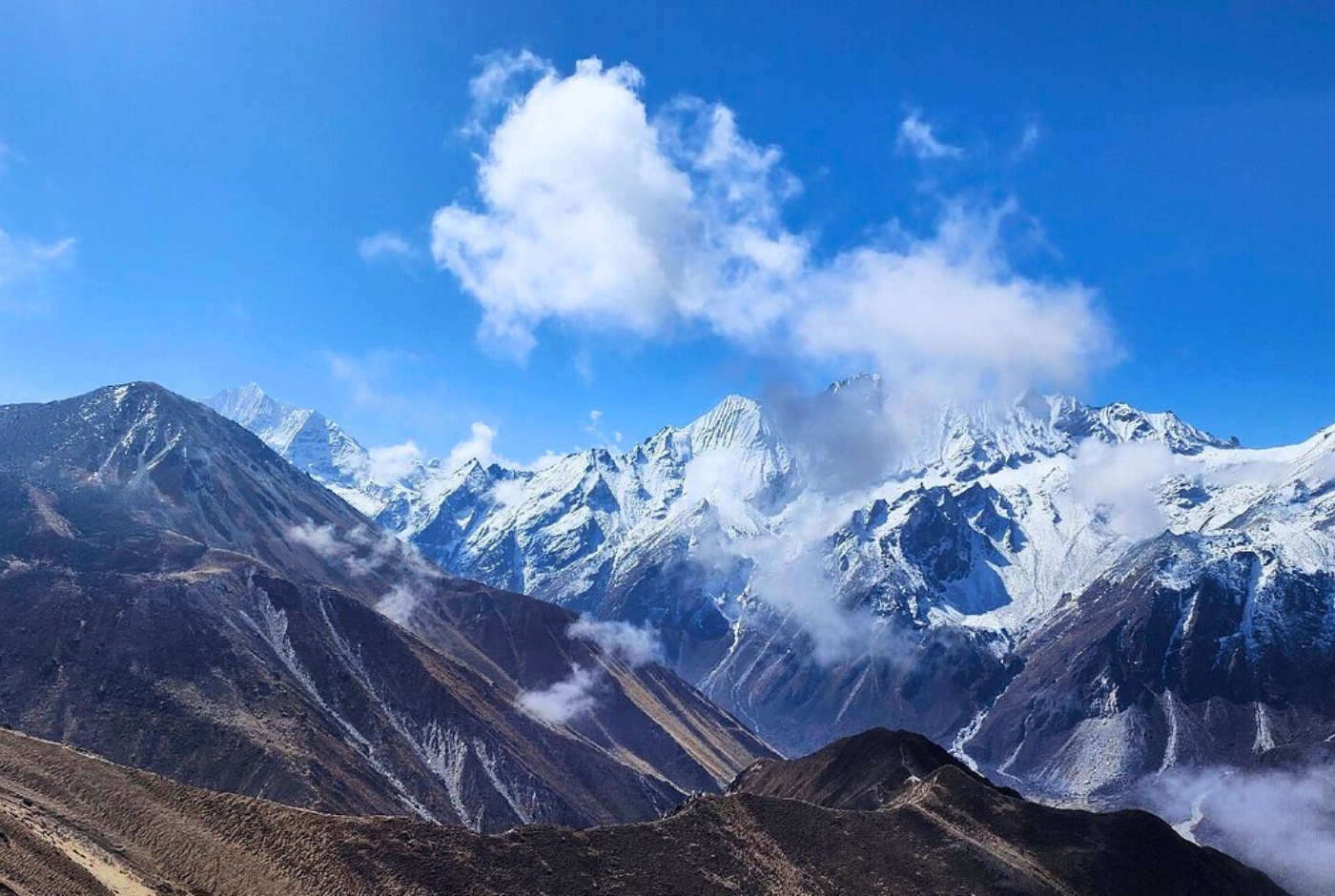
Licenses and Permits Required for Langtang Valley Trek and Agency Assistance
A legitimate Langtang Valley trekking company must be registered with the Nepal Tourism Board and the Trekking Agencies' Association of Nepal. These registrations confirm that the company operates lawfully and complies with national trekking standards.
For Langtang, operators must correctly arrange the Langtang National Park Entry Permit. Fees should be clearly stated in advance, with no surprise charges at checkpoints like Dhunche or Syabrubesi.
Guides must also hold government-issued trekking licenses with training in first aid and altitude response. In Langtang, where medical care is limited, licensed guides are required for safety; they are not optional.
If a company hesitates to share registration numbers or guide credentials, consider it a clear warning sign.
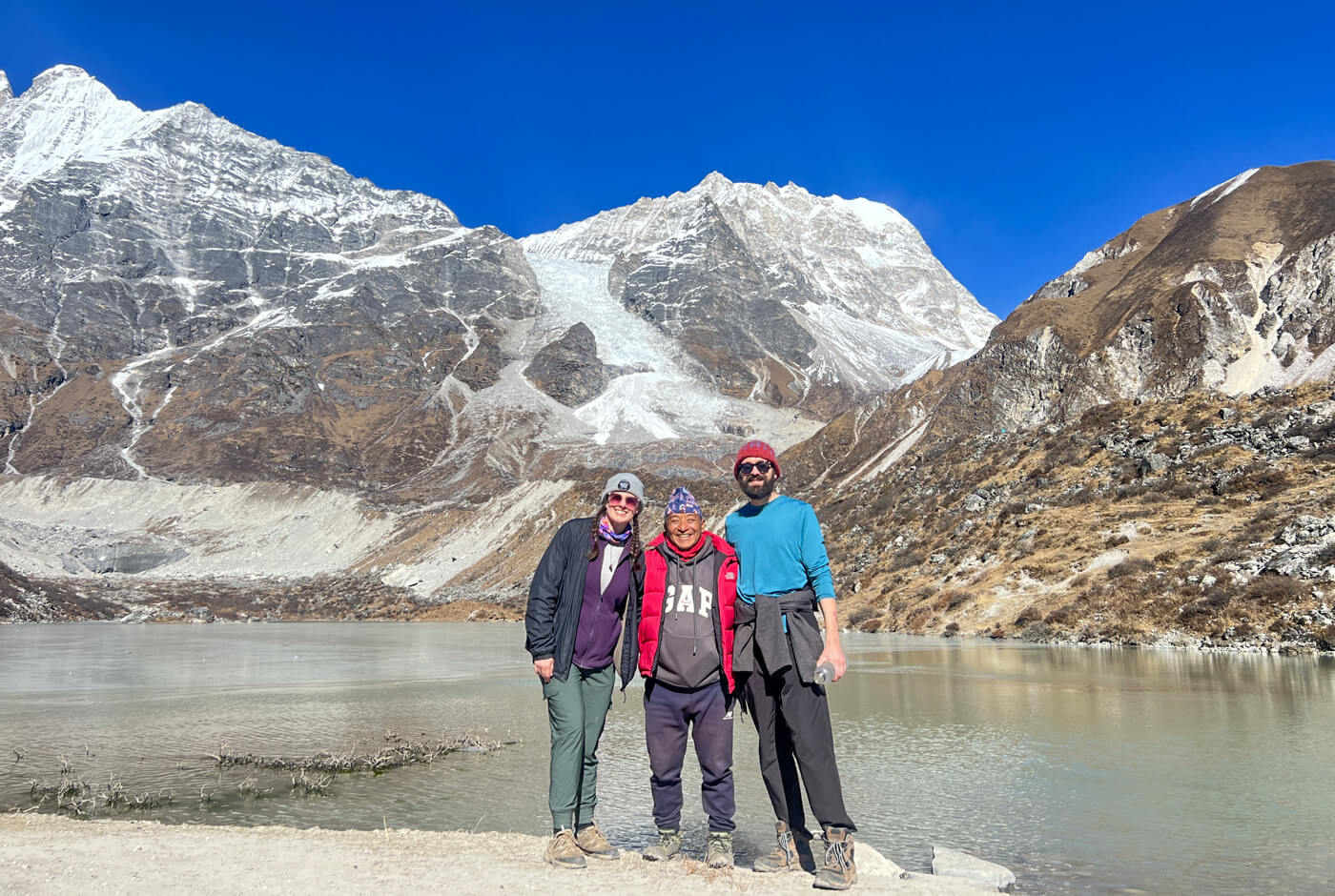
A government-licensed trekking guide accompanies trekkers in the Langtang Valley, ensuring compliance with permits, route safety, and lawful trekking practices.
Langtang-Specific Experience Matters
Langtang Valley requires regional knowledge that a general Nepal trekking experience cannot replace. Weather shifts faster here, winter snow closes routes early, and spring avalanche risk requires local judgment.
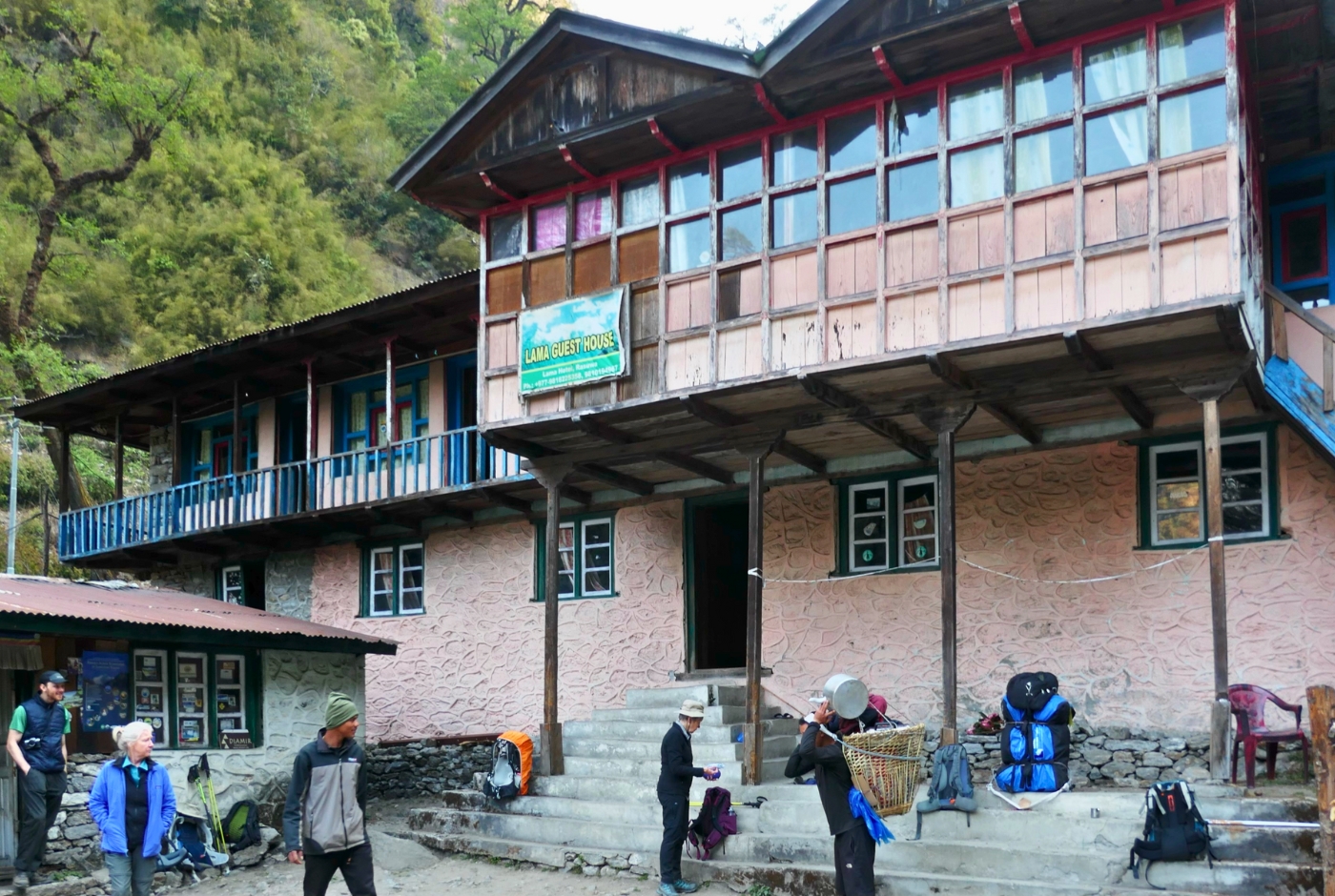
A company experienced in Langtang understands the steep ascent from Lama Hotel to Langtang Village and plans acclimatization properly at Kyanjin Gompa. They do not follow generic itineraries copied from other regions.
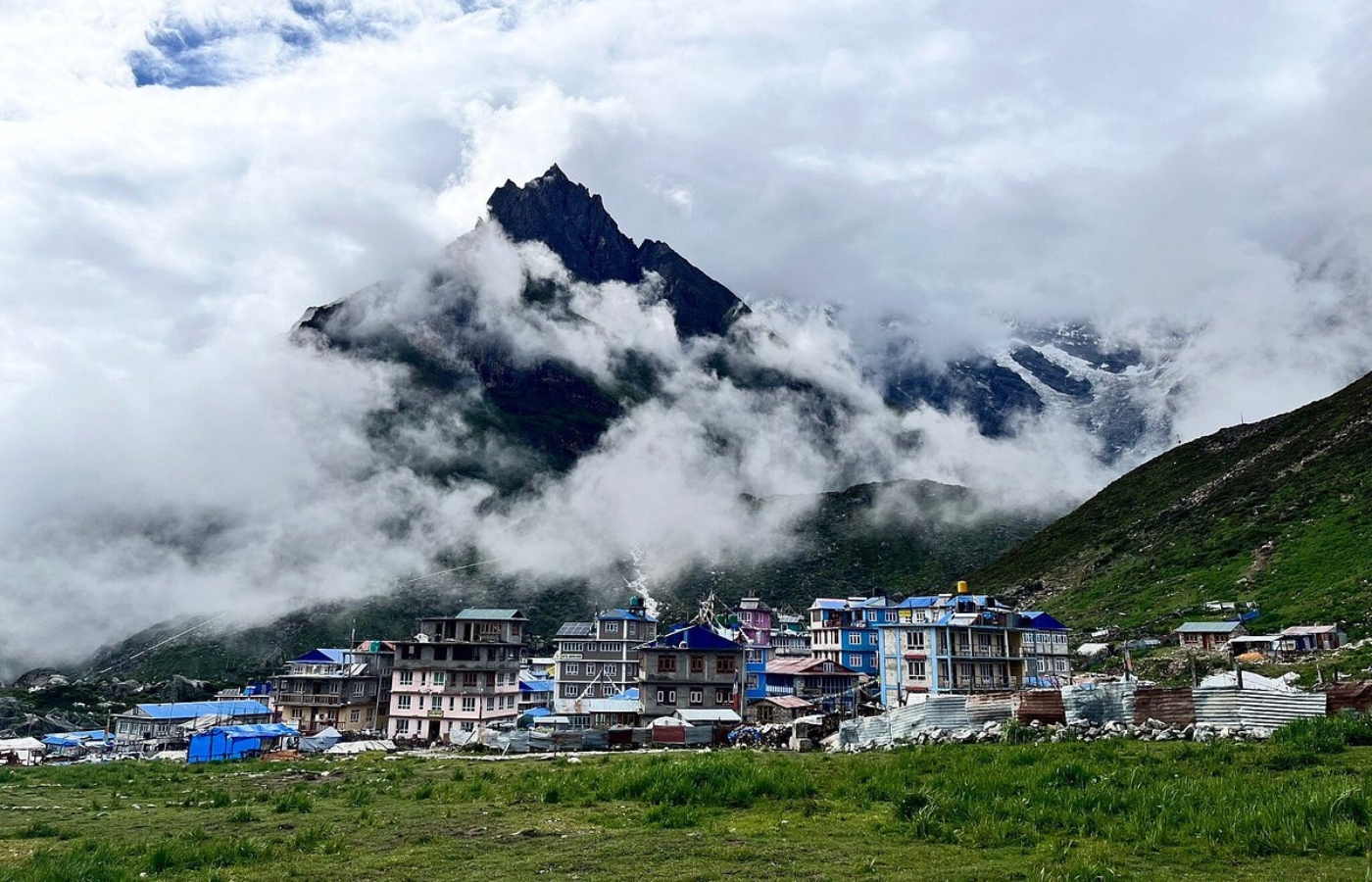
Strong operators also know the human landscape. Tamang villages such as Langtang Village and Kyanjin Gompa are living communities, not checkpoints. Long-term relationships with lodge owners improve food safety and accommodation reliability and support local recovery efforts.
If an operator cannot clearly explain seasonal risks or local trail behavior, they likely lack real Langtang experience.
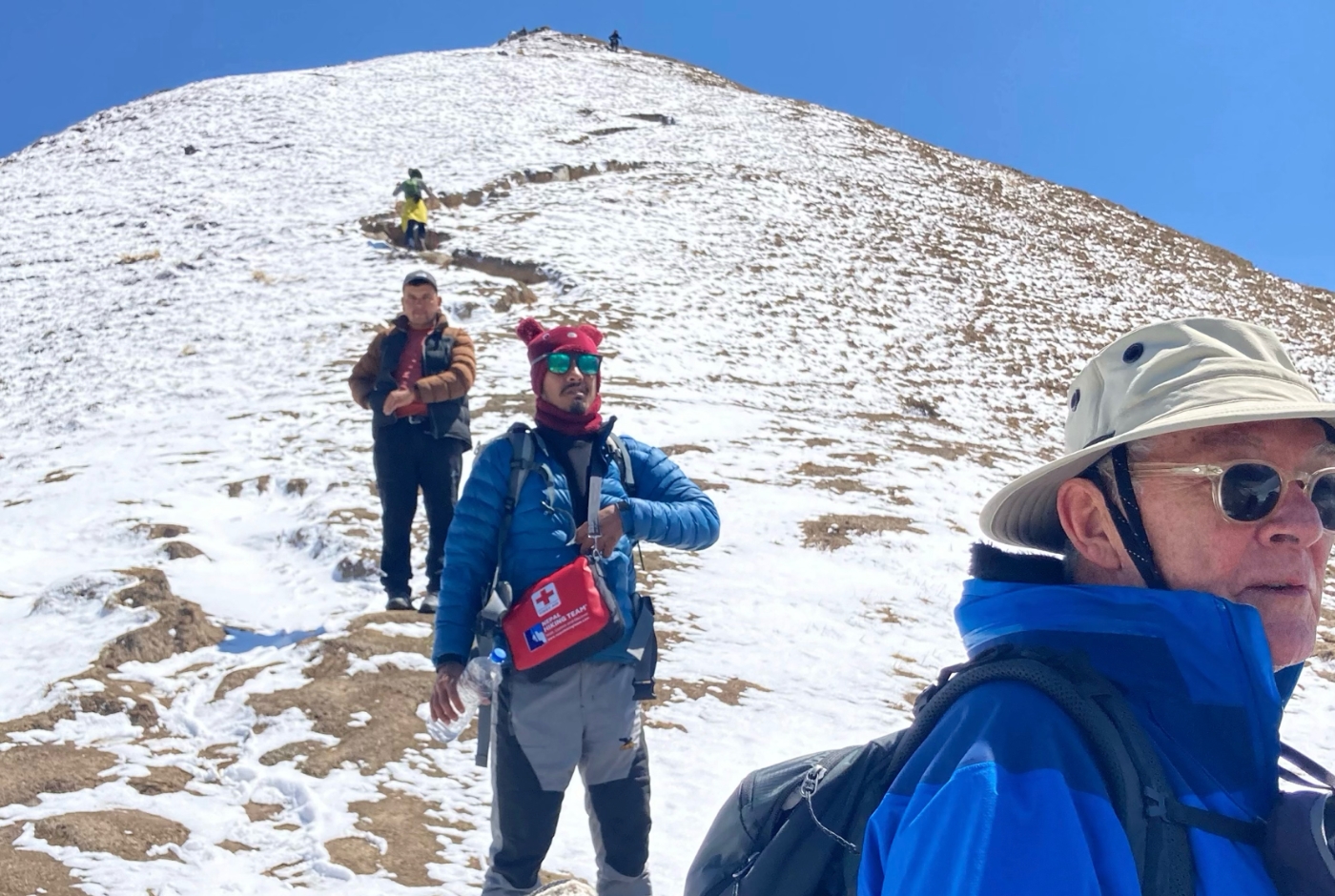
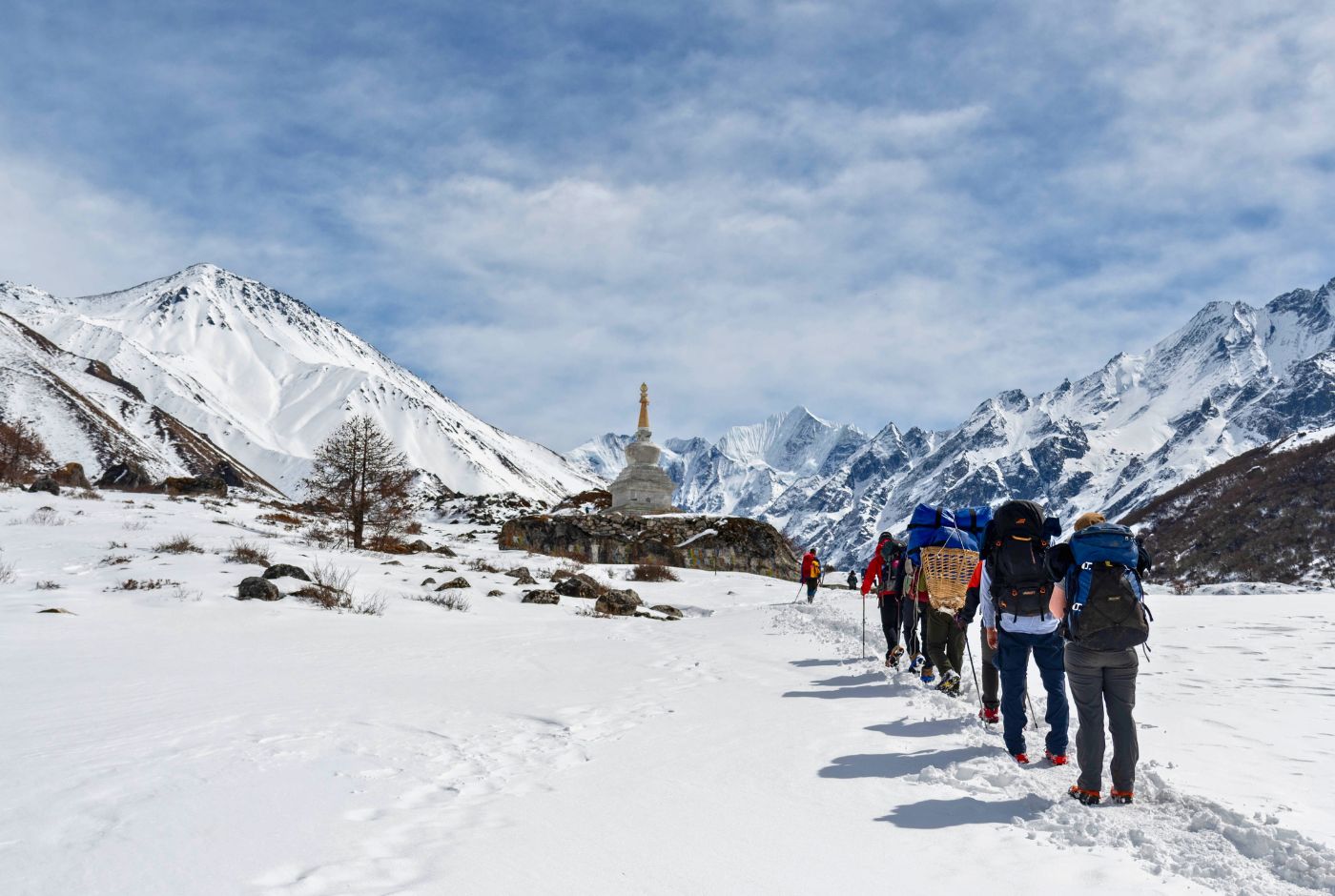
Experienced local guides understand Langtang’s changing terrain and weather, ensuring safer decisions on snow-covered and high-altitude sections of the trail.
Safety Standards and Protocols a Langtang Trekking Company Must Have
Langtang Valley offers limited medical access, making safety systems essential. A reliable trekking company follows a gradual ascent plan and includes an acclimatization day at Kyanjin Gompa before high viewpoints.
Guides should monitor health daily above 3,000 meters using pulse oximeters and structured symptom checks. Altitude decisions must be based on condition, not itinerary pressure.
Guides need authority to descend immediately if symptoms worsen, without waiting for approval from Kathmandu. Delays at altitude increase risk quickly.
Emergency evacuation planning must be clear. The company should coordinate directly with helicopter operators, verify insurance in advance, and maintain backup communication in the event of weather or network failures.
If safety procedures sound informal or unclear, choose another operator.
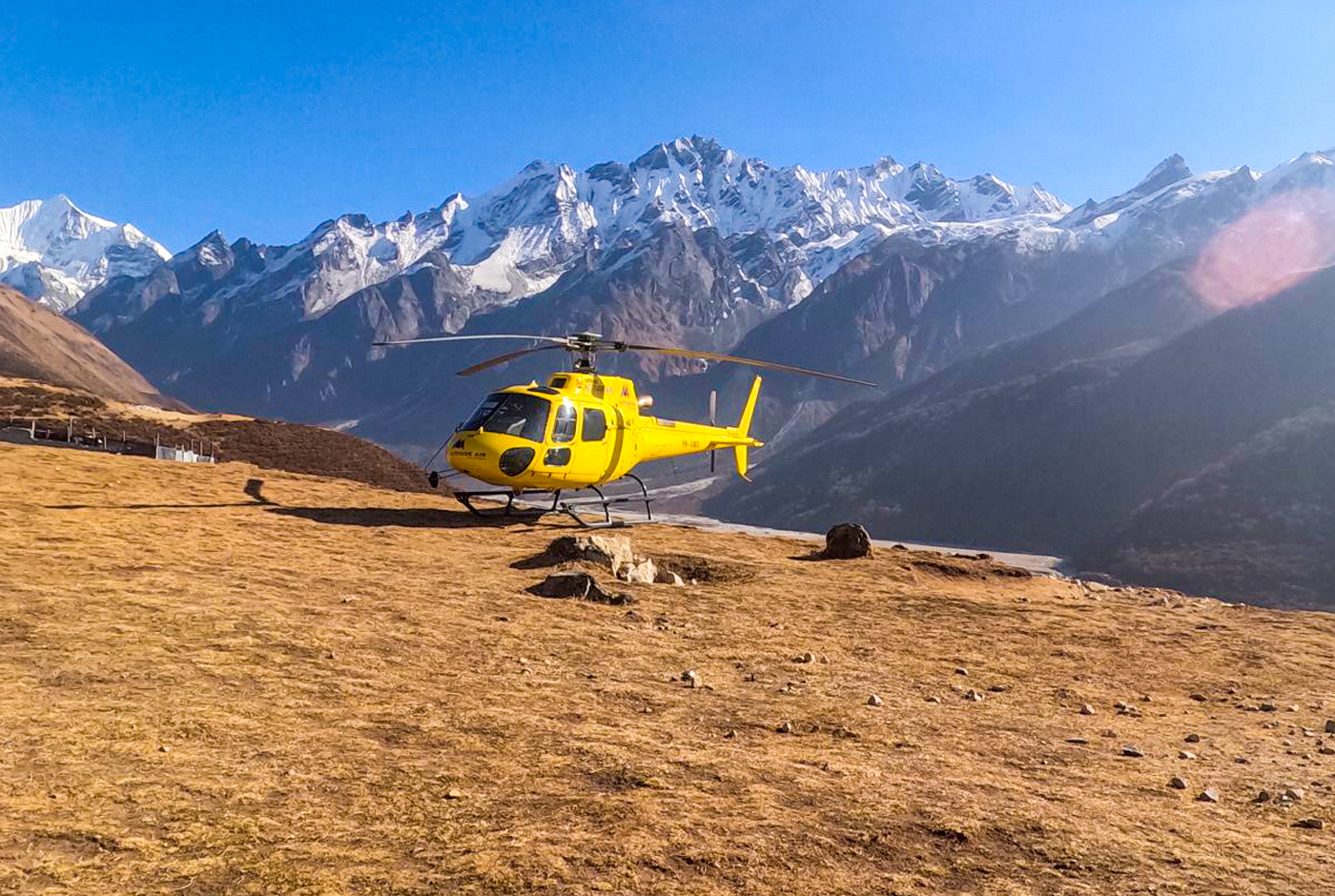
Reliable Langtang trekking companies maintain clear emergency protocols, including access to helicopter evacuation when safety conditions demand it.
What Is the Ideal Itinerary for the Langtang Valley Trek?
A well-paced Langtang Valley trek typically takes 7 to 10 days from Kathmandu. Shorter itineraries often sacrifice acclimatization and increase the risk of altitude-related issues.
A safe route allows gradual elevation gain through Syabrubesi, Lama Hotel, Langtang Village, and Kyanjin Gompa, with a rest day before any high-altitude climbs. This structure helps the body adapt naturally.
Good companies also build flexibility into the plan. Weather delays, landslides, or health concerns are common in Langtang, and rigid schedules create unnecessary pressure.
If an itinerary looks rushed or lacks buffer days, it is designed for cost savings, not safety.
Guide and Porter Standards in Langtang Valley
Your guide is your primary safety system in Langtang. A qualified guide holds a government trekking license, wilderness first aid training, and proven experience in the Langtang region.
Local Tamang or Sherpa guides bring practical advantages. They understand weather patterns, trail conditions, and village communication, which matters when problems arise late or unexpectedly.
Porter's welfare reflects the company's ethics. Responsible operators limit loads, provide proper footwear and clothing, ensure porters are assigned, and share one porter between two trekkers.
If a company avoids clear answers about guide credentials or porter conditions, consider it a serious red flag.
Environmental and Community Responsibility in Langtang
Langtang Valley is still rebuilding after the 2015 earthquake, and tourism plays a direct role in recovery. Ethical trekking companies hire local guides and porters, use village lodges, and keep income within the community.
Environmentally responsible operators follow Leave No Trace principles. Waste is managed properly, plastic use is limited, and natural water sources are protected.
Some companies support local schools, reforestation projects, or health posts. While not every operator does this, a clear community policy shows long-term commitment to Langtang.
If an operator cannot explain how they minimize environmental impact or support local livelihoods, sustainability is unlikely to be a priority.
Pre-Trek Communication Standards to Expect
Professional communication begins before you arrive in Nepal. A reliable Langtang Valley trekking company answers questions clearly, provides detailed cost breakdowns, and explains what is included and what is excluded.
Before departure, you should receive a Langtang-specific packing list, altitude guidance, permit details, and emergency contact procedures. Vague or delayed responses often signal poor organization on the trail.
During the trek, guides should explain daily plans, monitor participants' health, and adjust the pace as needed. Given the unreliable internet and power in Langtang, companies should maintain backup communication options for emergencies.
If communication feels weak before payment, it will not improve once the trek begins.

Clear pre-trek communication builds trust, ensuring trekkers understand logistics, expectations, and support before heading into the mountains.
How to Read Langtang Trek Reviews Properly
Reviews matter, but only when read carefully. Look for detailed accounts that mention guide names, altitude management, safety decisions, and how problems were handled on the trail.
Repeated complaints about rushed acclimatization, hidden costs, or poor emergency response are serious warning signs. One negative review may be situational, but patterns indicate structural issues.
Short, generic praise offers little insight. Specific experiences, even mixed ones, provide the most reliable picture of how a Langtang Valley trekking company actually operates.
If reviews avoid safety details entirely, assume they were not prioritized.
Where to loook for reviews of langtang valley trek to see it is genuine?
To ensure you are reading genuine, unmanipulated reviews of the Langtang Valley trek, you must cross-reference commercial review platforms with unmoderated community spaces. Avoid looking only at a company’s own website, which can easily display curated or fabricated testimonials.
Independent platforms offer the most honest peer-to-peer discussions because trekking agencies cannot delete negative feedback or easily bribe users.
- Reddit Forums: Search subreddits like r/NepalTravel or r/hiking. Users post raw, unsponsored budget breakdowns, specific trail difficulties, and warnings about bad agencies.
- Tripadvisor Nepal Forum: Do not just look at the product listings; instead, read the community-driven Tripadvisor Nepal Forum threads. Trekkers use these boards to discuss local scams, guide training realities, and hidden logistics.
Commercial Review Sites (With Filtering Strategy)
Major review platforms use automated detection algorithms, but companies still heavily incentivize customers for 5-star ratings right after the trek concludes.
- Tripadvisor & Trustpilot Listings: Read the 2-star, 3-star, and 4-star reviews of agencies like the Nepal Hiking Team on Tripadvisor or other local operators. Mid-tier reviews reveal the nuanced truth about specific guide behaviors, vehicle breakdowns on the bumpy road to Syabrubesi, and teahouse food quality.
- Google Maps Reviews: Zoom into specific trail geographic nodes, such as Langtang Valley Trek trail markers or teahouses in Kyanjin Gompa. Reviews tied to physical locations are often left by independent trekkers tracking their routes via GPS, making them highly reliable
Langtang Valley Trek Cost: What You Are Really Paying For
Langtang Valley trek prices typically range from USD 600 to USD 1,500, depending on group size, itinerary length, and service level. Extremely low prices usually indicate compromised safety, guide quality, or porter welfare.
A transparent company clearly lists what is included, such as permits, meals, accommodation, guide and porter wages, and ground transport. Exclusions should be stated upfront without ambiguity.
High prices should be justified. If a company cannot explain its pricing structure before booking, expect confusion and additional costs along the way.
Cost clarity reflects operational honesty.
Best Group Size for Langtang Valley Trek
Smaller groups enable safer, more flexible trekking in the Langtang Valley. Groups of four to six trekkers are easier to manage, adapt more effectively to altitude, and receive closer attention from the guide.
Larger groups require multiple guides to maintain safety standards. Without adequate staffing, pace control, and health monitoring suffer.
Strong operators offer private or customized treks without forcing travelers into fixed group schedules. Flexibility matters in Langtang, where weather and individual fitness can change plans quickly.
If group size feels prioritized over safety, choose a different operator.
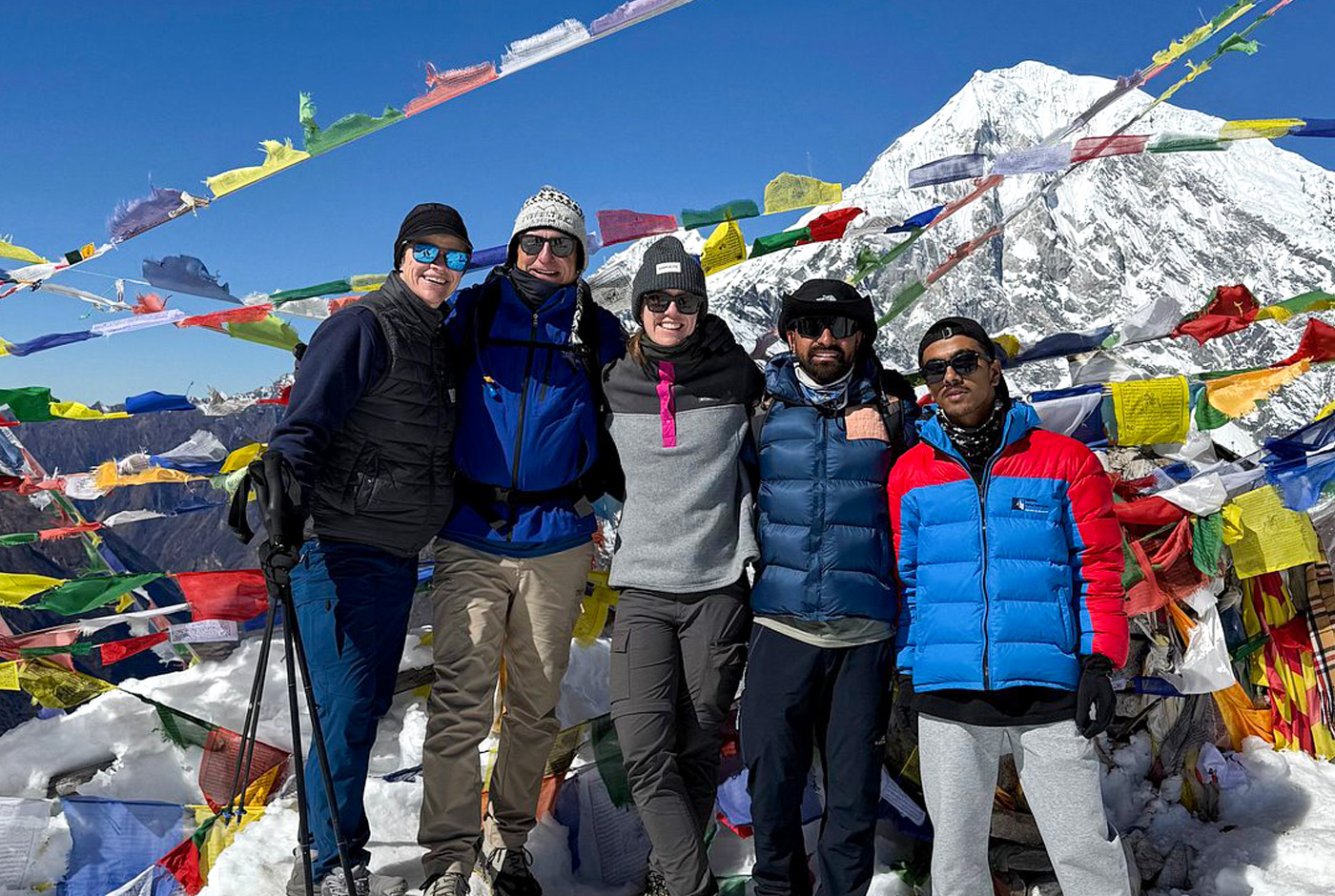
10 tips to choose best trekking tour operator in Nepal for Langtang valley trek
To choose the best trekking tour operator in Nepal for the Langtang Valley trek, evaluate providers using these 10 targeted criteria:
- Verify Legal Registrations: Confirm the operator is officially registered with the Nepal Ministry of Culture, Tourism and Civil Aviation and holds active memberships with the Trekking Agencies' Association of Nepal (TAAN) and the Nepal Mountaineering Association (NMA).
- Assess Langtang Region Experience: Select a company with a proven track record specifically in the Langtang Valley to ensure they have established local logistics and up-to-date knowledge of the trail conditions.
- Check Guide Qualifications: Ensure your assigned guide is government-licensed, speaks fluent English (or your preferred language), and holds certified wilderness first-aid training.
- Review Safety Protocols: Ask for explicit details on their emergency evacuation plans, including their protocol for arranging emergency helicopter rescues and availability of satellite communication.
- Evaluate Porter Wealth Policies: Confirm the agency strictly adheres to ethical trekking standards, ensuring fair wages, weight limits (maximum 20–25 kg), proper clothing, and medical insurance for their porters.
- Analyze Package Inclusions: Look for comprehensive transparency in pricing to verify that the quote includes Langtang National Park permits, TIMS cards, accommodation, meals, and ground transport to Syabrubesi.
- Examine Authentic Client Reviews: Search for independent, unfiltered feedback and detailed trip reports on platforms like TripAdvisor and Trustpilot specifically regarding their Langtang itineraries.
- Confirm Group Size Policies: Opt for operators that enforce small group limits (typically 2 to 12 people) to ensure personalized attention from the guide and a lower environmental footprint.
- Inquire About Sustainability: Choose eco-conscious operators that practice Leave No Trace principles, discourage single-use plastics, and actively support local teahouses along the Langtang route.
- Test Communication Responsiveness: Evaluate their professionalism by noting how quickly, accurately, and thoroughly their sales team answers your initial email inquiries and customizes your itinerary.
Red Flags When Choosing a Langtang Trekking Company
Some warning signs should end the conversation immediately. Prices that seem unrealistically low often reflect shortcuts in safety, staffing, or ethics.
Refusal to share registration documents, unclear altitude management plans, or pressure to book quickly indicate poor practice. So does weak communication before payment.
Repeated safety-related complaints in reviews, vague porter welfare policies, or inflexible itineraries are not minor issues. They are structural risks.
When these red flags appear, walk away. Langtang rewards preparation, not compromise.
Why Nepal Hiking Team Is a Trusted Choice for the Langtang Valley Trek
- Nepal Hiking Team brings long-standing, field-based experience in the Langtang region, not borrowed itineraries or generic operations. The team has worked in Langtang both before and after the 2015 earthquake, giving them practical knowledge of trail conditions, local communities, and recovery-sensitive tourism. This is one of the key things travelers should consider when deciding what to look for in a Langtang Valley trekking company.
- Founded in 2009 and led by two brothers (Ganga Raj Thapa and Balaram Thapa), with over 25 years of Langtang trekking experience.
- Over 3,000 reviews and consistent five-star ratings across major platforms like TripAdvisor, Google reviews, and Trustpilot. These strong Langtang Valley trekking agency reviews and ratings 2024, 2025, and 2026 reflect long-term client satisfaction and trust.
- Safety is handled on the ground, not from an office. Licensed guides are trained in altitude management and emergency response, acclimatization days are built into every Langtang itinerary, and guides are empowered to make immediate decisions when conditions change. These trekking agency safety protocols for altitude sickness in Langtang are especially important for beginner hikers and solo travelers.
- Nepal Hiking Team works closely with local Tamang communities, hiring regional guides and porters and using trusted teahouses along the route. This approach improves logistics, supports local livelihoods, and ensures consistent standards on the trail. We the leading trek agency of Langtang also follow eco-friendly and sustainable trekking practices in Langtang through strong local involvement.
- Permits, pricing, and inclusions are handled transparently. Travelers receive clear pre-trek communication, Langtang-specific packing guidance, and realistic itineraries designed for safety rather than speed. The team also provides support regarding required permits for Langtang trek and agency assistance while helping trekkers understand the Langtang Valley trek cost breakdown 2026 clearly.
For trekkers seeking a reliable, experience-driven Langtang Valley trekking company, Nepal Hiking Team focuses on preparedness, accountability, and responsible trekking practices. The mountains will wait. Good decisions last longer. For those comparing local vs international trekking agencies for Langtang Valley pros and cons, Nepal Hiking Team combines local operational knowledge with internationally recognized service standards.
Post a Comment