
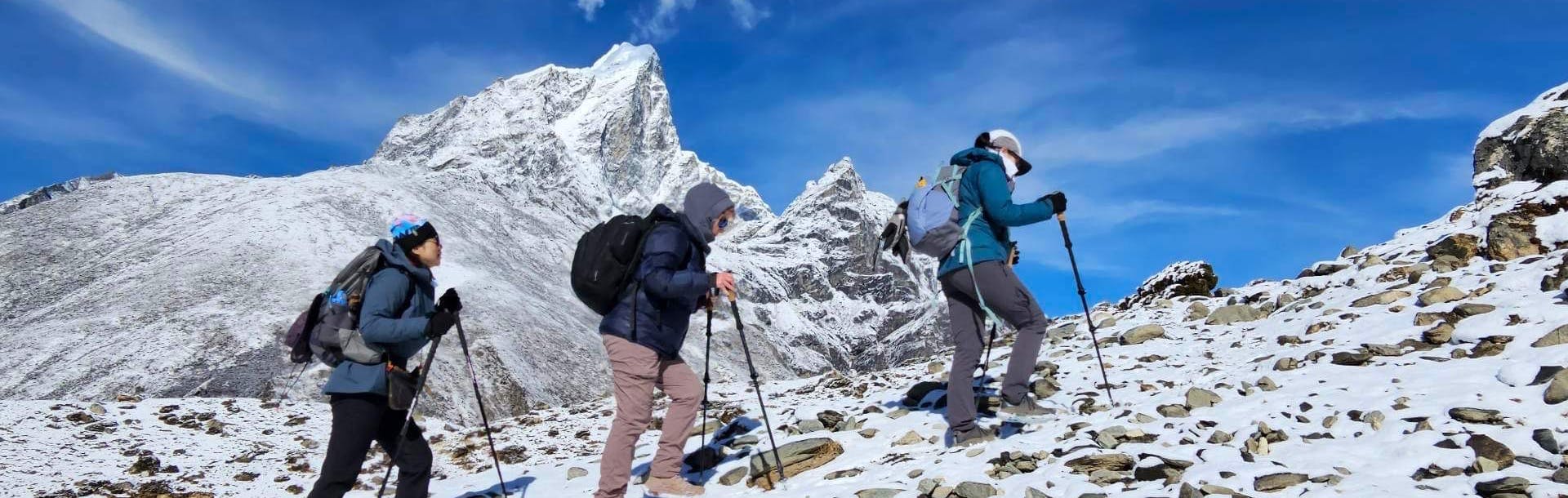
October is the absolute peak season for the Everest Base Camp Trek. You can expect crystal-clear skies, spectacular post-monsoon mountain visibility, and stable daytime temperatures. However, because it is the most popular month of the year, the trails and teahouses can be incredibly busy.
October is one of the best months to trek in the Nepal Himalayas. An Everest Base Camp Trek in October offers the ideal trekking conditions – stable and pleasant weather, clear skies, and stunning views of the mountains. There’s something special about an autumn trek; the whole mountain scenery appears at its best – the cloudless blue sky, dazzling snow-covered peaks, green forests and milky rivers. October is also the time when the Nepalese Hindu population celebrates Dashain, their biggest festival. While Sherpas, who are Buddhists do not celebrate this festival, people in the middle hills and valleys celebrate this festival in a big way.
Trekking to Everest Base Camp in October is highly recommended due to its stable, dry, and clear weather after the monsoon, offering excellent visibility of the Himalayas and comfortable daytime temperatures. The fresh, crisp air and vibrant autumn landscapes enhance the trek, while opportunities to witness local festivals like Mani Rimdu and experience a lively trail create a unique cultural and social dimension. However, it is peak season, so booking flights, permits, and accommodation well in advance is crucial, as the trails and teahouses can become crowded.
Advantages of trekking to Everest Base Camp Trek in October
- Good weather and less precipitation
- Warm days and cold nights
- Clear skies with glorious views of the Himalayan mountains
- All the teahouses and shops en route remain open
- Lively trail with opportunities to meet trekkers from different parts of the world
- Opportunity to observe Dashain, one of the biggest Hindu festivals
Disadvantages
- A lot more crowd and noise on the trail
- Lukla flights operate from Manthali Airport in Ramechhap District
- Overland journey of about four hours from Kathmandu to catch your Lukla Flight
- Rates of services spike during October, which is the peak tourist season
- Most of the good rooms at teahouses fill up real quick
- Crowded viewpoints and queues at popular photography spots
Everest Base Camp Trek Weather during October 2026
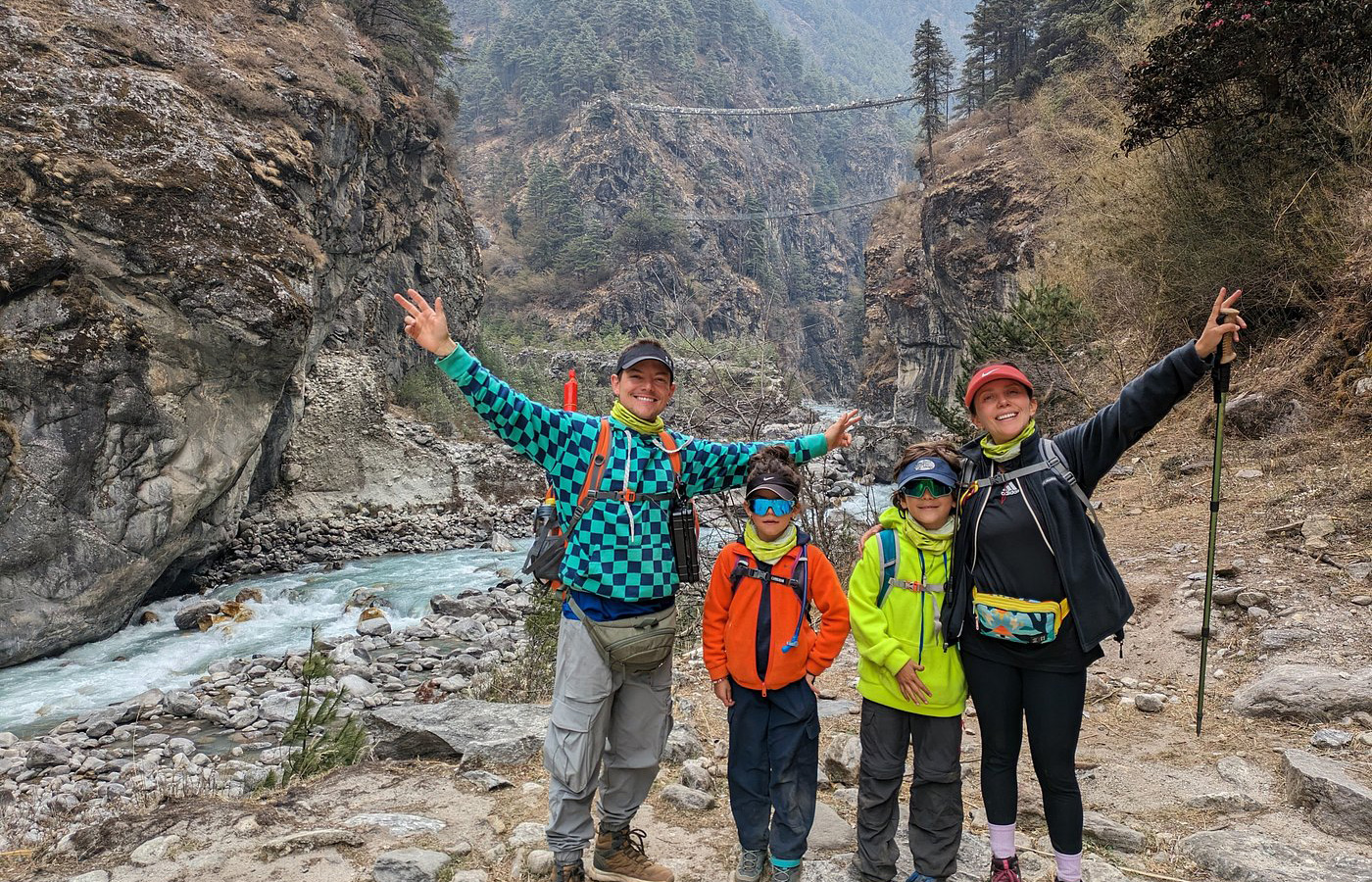
During October, the Everest Base Camp (EBC) trek will experience some of the best weather of the year, with stable conditions, excellent visibility, and minimal rainfall. This makes it a peak season for trekking, but also means crowded trails.
October is mid-autumn, the most popular trekking season in Nepal. During autumn you get the best conditions to trek in the mountains. It's neither too wet as in the summer season nor too cold as in the winter season. The weather remains just right to walk in the mountains. However, be prepared for a stray drizzle or thundershower.
In October Lukla's maximum average temperature is 17°C and minimum 6°C. In Namche, the mercury rises to 13°C and drops to a low of 1.4°C on average. The maximum average temperature in Gorak Shep is 5.4°C and the minimum average temperature is –8.9°C.
EBC Trek Temperature in October in various location
Namche Bazaar (3,463 m / 11,361 ft)
- Daytime: Usually mild compared to higher elevations, averaging 7–12°C (45–54°F). On sunny afternoons, it can feel warmer when sheltered from the wind.
- Nighttime: Drops to 1–4°C (34–39°F). Lodges here are more insulated, but mornings often feel crisp with frost on rooftops in peak seasons.
Notes: Since Namche is a hub with bakeries, shops, and comfort lodges, trekkers usually feel relatively comfortable despite the chill.
Dingboche (4,483 m / 14,708 ft)
- Daytime: Noticeably colder, with highs of 2–8°C (36–46°F). Cloud cover and wind make it feel cooler than the numbers suggest.
- Nighttime: Typically falls between -7°C and 0°C (19–32°F). Freezing conditions are common after sunset, especially in October–November and March–April.
Notes: Dingboche is an open valley with less shelter from wind, so temperatures can feel harsher even at midday.
Lobuche (4,910 m / 16,108 ft)
- Daytime: Ranges from 0–6°C (32–43°F). Sunshine warms trekkers briefly, but shaded areas remain icy.
- Nighttime: Can dip to -8 to -10°C (14–18°F) or colder. Water in buckets or pipes often freezes solid overnight.
Notes: Cold nights here prepare trekkers for the conditions ahead at Gorak Shep and EBC.
Gorak Shep (5,180 m / 16,994 ft)
- Daytime: Generally -2–6°C (28–43°F). On windy days, the “feels like” temperature can be far lower.
- Nighttime: Often plunges to -10°C (14°F) or below. Rooms are unheated, so sleeping bags rated for extreme cold are essential.
Notes: Because Gorak Shep is the last settlement before EBC, trekkers often experience their coldest lodge nights here.
Everest Base Camp (5,364 m / 17,598 ft)
- Daytime: Usually hovers around -2–5°C (28–41°F), but strong winds can create sub-zero chill factors.
- Nighttime: Can be -10°C (14°F) or colder, especially in spring and autumn trekking windows. In winter, temperatures drop significantly further.
Notes: Since there are no lodges at EBC itself (only seasonal expedition camps), trekkers typically visit during the day and return to Gorak Shep for the night.
Lukla Flights
Lukla flight during October 2026 (EBC Trek in October)
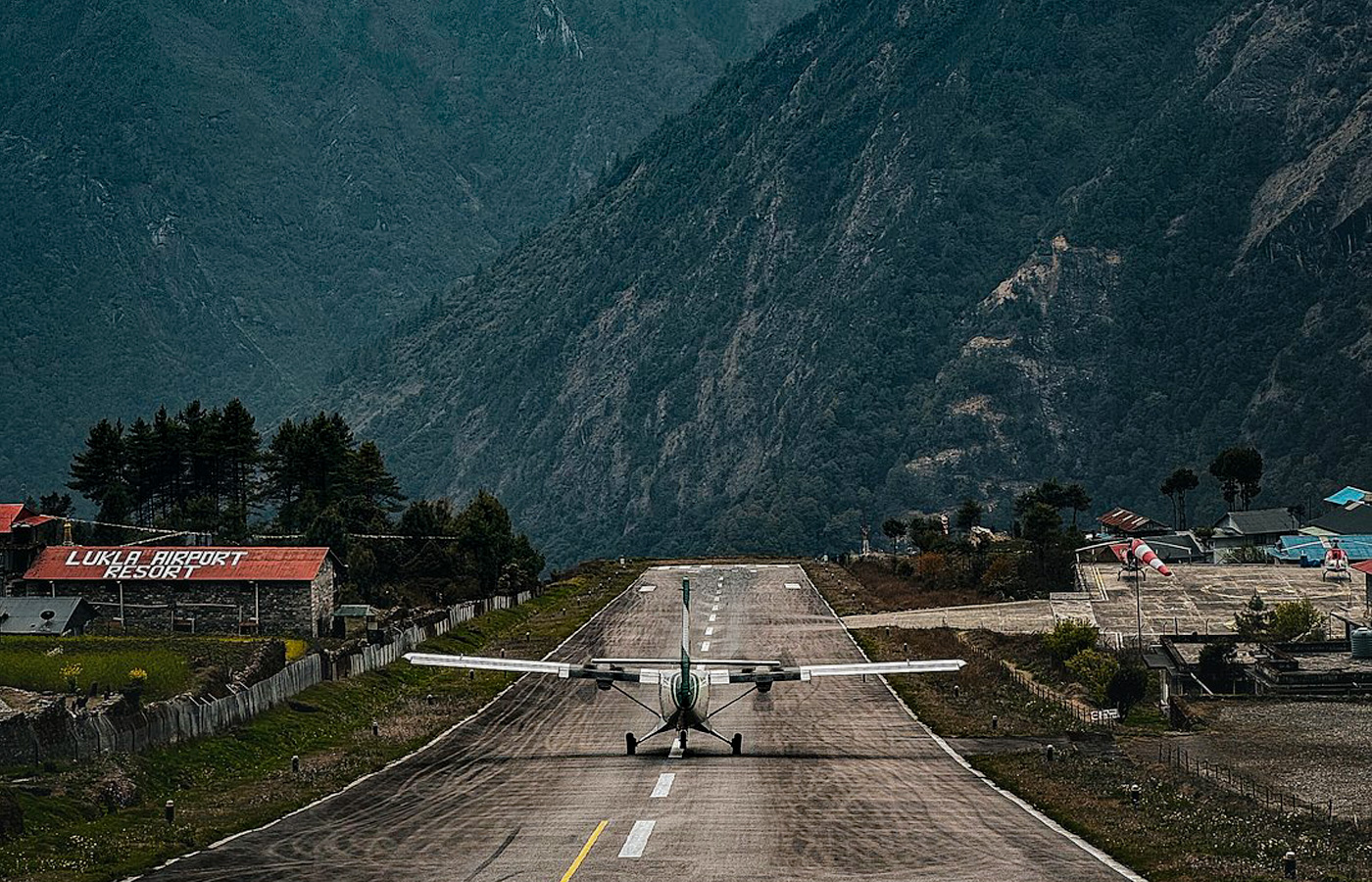
Flights to Lukla during the peak seasons (spring and autumn) operate from Manthali Airport. The airport lies in Ramechhap District, about 132 km from Kathmandu city. As most trekkers try to trek to Everest Base Camp in October, flight tickets get sold really fast. You need to book your flight tickets in advance as there's no chance of getting a seat if you buy your ticket on the day of your travel. If you book your EBC adventure with an agency then they will arrange the tickets for you.
The drive to Manthali Airport is scheduled early in the morning (2 or 3 AM) as flights to Lukla are operated in the morning hours before it gets too windy. It takes around four to five hours to reach the airport via a mountainous road. If you want to skip the early morning drive you can arrange for a transfer to Manthali a day before your flight. There are some newly opened lodges near the airport where you can book your accommodation.
While precipitation gets pretty low in autumn, one cannot rule out some late monsoon storms or rainfall in October. Be prepared for flight delays due to bad weather.
Accommodation
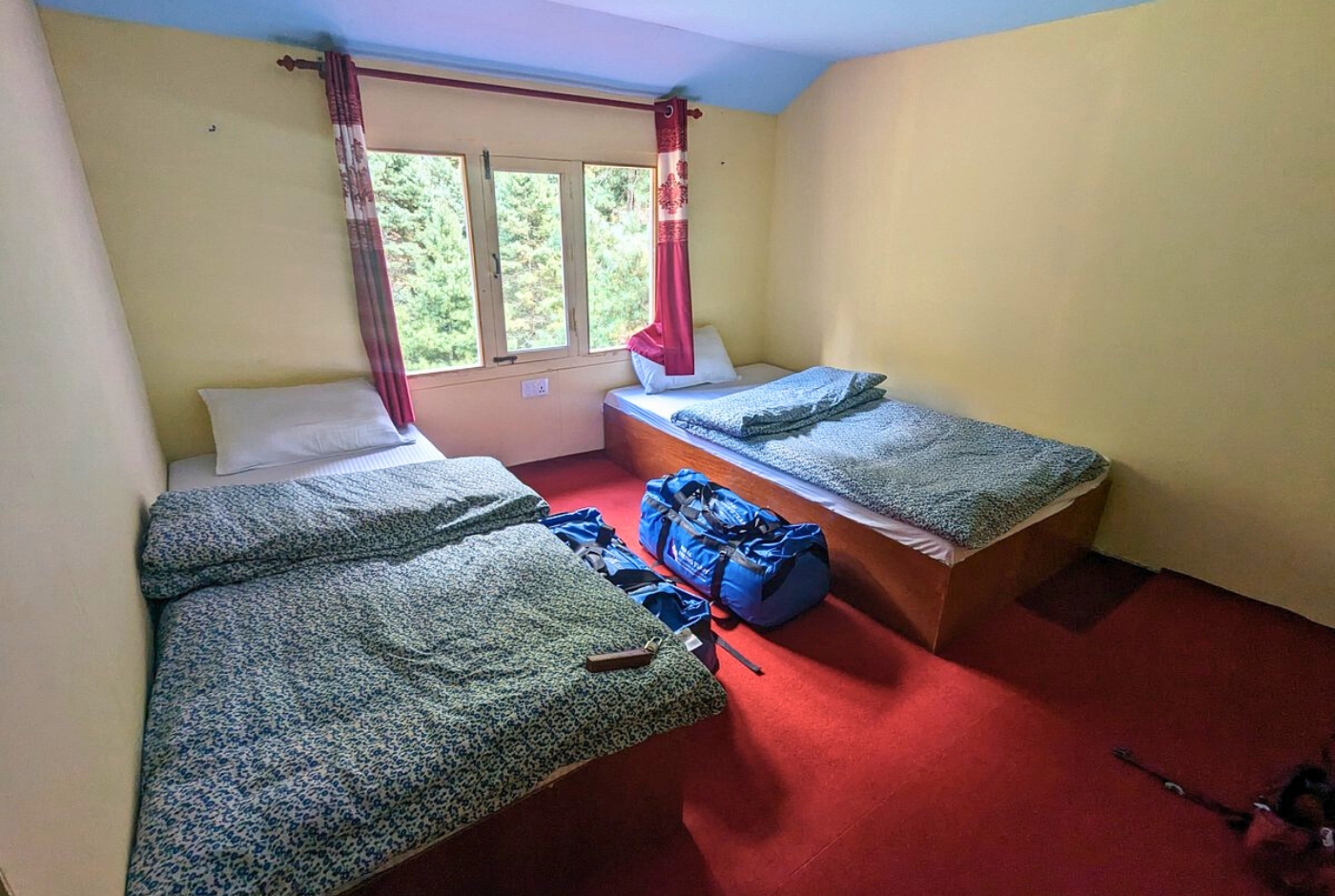
It gets pretty crowded on the EBC trail in October and getting accommodation becomes a problem if not booked in advance. Try to make an early booking. It's better to book your trip with a reputed agency like Nepal Hiking Team so that you won't have to face any hassles while seeking accommodation in the mountains.
Facilities provided on the Everest trail are much better than on the other trails. Most teahouses provide rooms with en suite bathrooms, hot showers (for an extra fee), and a meal menu with an extensive choice of dishes. Beyond Namche, amenities at teahouses may get a bit basic. But you get shelter from the cold, a comfortable bed to sleep on, and nutritious meals.
Everest Base Camp Trek Itinerary for October 2026
An Everest Base Camp (EBC) trek itinerary for October 2026 involves a 12-14 day trek starting with a flight from Kathmandu to Lukla, hiking through Phakding, Namche Bazaar, Tengboche, and Dingboche for acclimatization, then reaching Gorak Shep and EBC, and finally hiking Kala Patthar before returning. October is a great month for trekking due to stable weather and clear views, but remember to account for potential flights to Ramechhap instead of Kathmandu, and secure your permits (Sagarmatha National Park and Khumbu Pasang Lhamu Rural Municipality Permit).
- Day 01: Arrive in Kathmandu and prepare for the trek.
- Day 02: Take a morning flight from Kathmandu or Ramechhap to Lukla (2,830m) and trek to Phakding (2,652m).
- Day 03: Trek from Phakding to Namche Bazaar (3,440m), the Sherpa capital.
- Day 04: Acclimatize in Namche Bazaar by taking a local hike, such as to Sagarmatha National Park viewpoints.
- Day 05: Trek from Namche Bazaar to Tengboche (3,867m), a spiritual center with a monastery.
- Day 06: Trek from Tengboche to Dingboche (4,410m), another crucial acclimatization stop.
- Day 07: Acclimatize further with a hike to a local peak like Nagarjun Peak (5,050m) for better acclimatization and views.
- Day 08: Trek from Dingboche to Lobuche (4,940m), preparing for the final push.
- Day 09: Trek from Lobuche to Gorak Shep (5,170m) and then to Everest Base Camp (5,364m).
- Day 10: Hike to Kala Patthar (5,545m) for sunrise views of Everest, then trek back to Pheriche (4,240m).
- Day 11: Trek from Pheriche to Namche Bazaar.
- Day 12: Trek from Namche Bazaar to Lukla.
- Day 13: Fly from Lukla to Kathmandu or Ramechhap, and then drive to Kathmandu.
- Day 14: Departure/Farewell
What to pack for EBC October Trek?
For your October 2026 Everest Base Camp trek, pack moisture-wicking base layers, an insulated down jacket, and a waterproof outer shell, along with warm trekking pants, hiking socks, and sturdy, waterproof boots. Include a warm, -20°C sleeping bag, a 45-60L backpack, a 60-100L duffel bag for your porter, trekking poles, a headlamp, and water purification tablets. Don't forget sunblock, lip balm with SPF, and moisturiser for the dry, sunny conditions.
These are some of the items you need to have with you if you are planning to trek to Everest base Camp.
Bags:
- A large rucksack or duffel bag
- A small daypack
Both these bags should be waterproof or have a rain cover.
Clothing:
- Beanie or warm hat
- Balaclava, scarf
- Warm base layers
- T-shirts or shirts
- Trekking pants, shorts
- Socks
- Gloves
- Undergarments
- Quick drying towel,(large), hand towel
- Down jacket
Footwear;
- Sturdy hiking boots
- Crocs or flipflops
Toiletries and Accessories:
- Sunglasses with UV shield
- Sunscreen lotion, soap, shampoo, toothpaste, hand sanitizer
- Toilet paper roll, wet wipes, tissue
- Sanitary pads or menstrual cup if you are female
Gadgets and trekking equipment:
- Power bank
- Head torch with extra batteries
- Trekking poles
- Sleeping bag
- Rain gear(umbrella or raincoat)
Miscellaneous items:
- Snacks
- Reusable water bottle with water purification pills or steri pen
Check out the detailed Everest Base Camp Trek packing List for this October 2026 in our gear manual.
Medicines
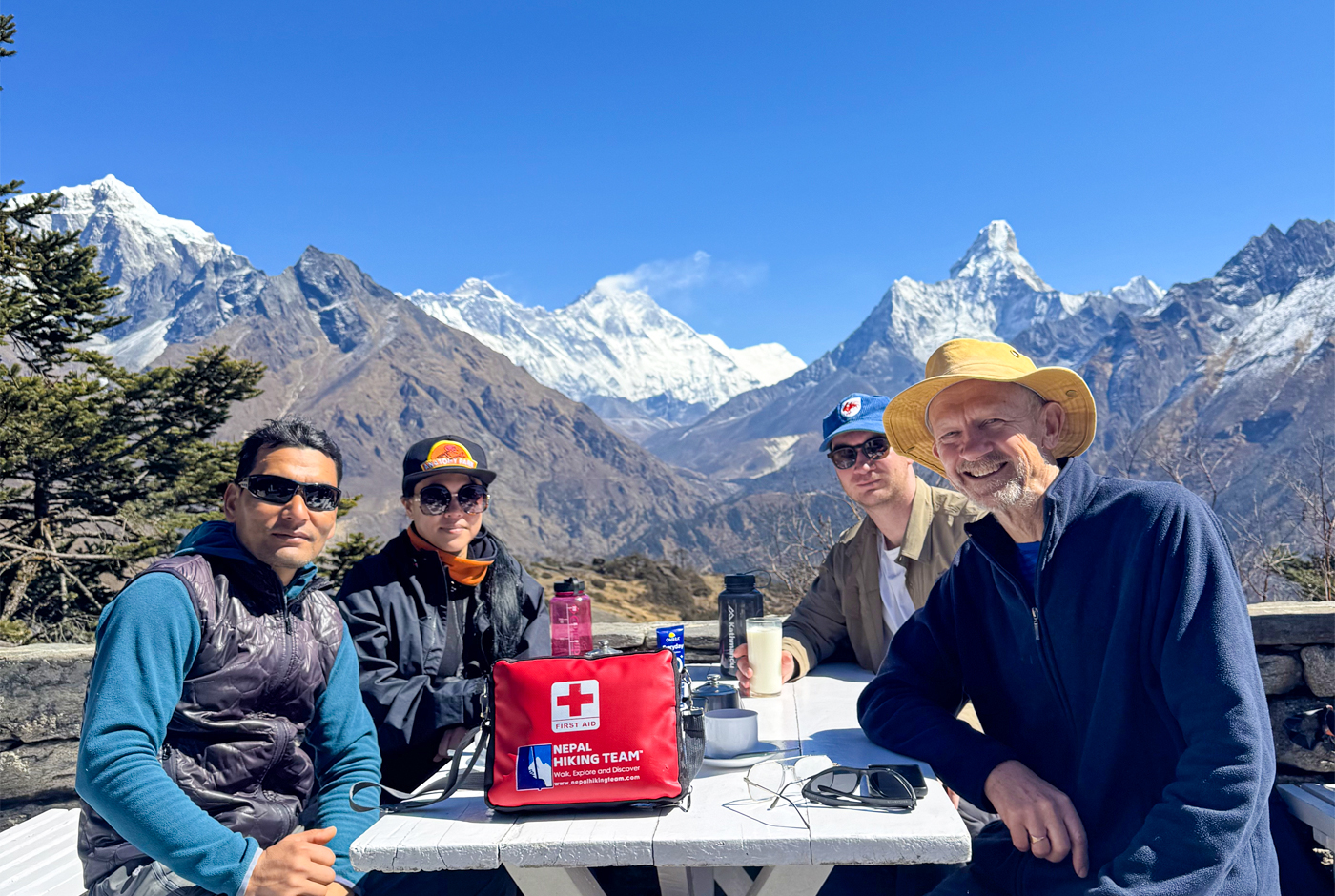
Diamox, Paracetamol, band-aid strips, pain relieving balm or spray, throat lozenges. ORS or electrolyte sachets, a course of antibiotics, and the medicines prescribed by your physician.
Safety
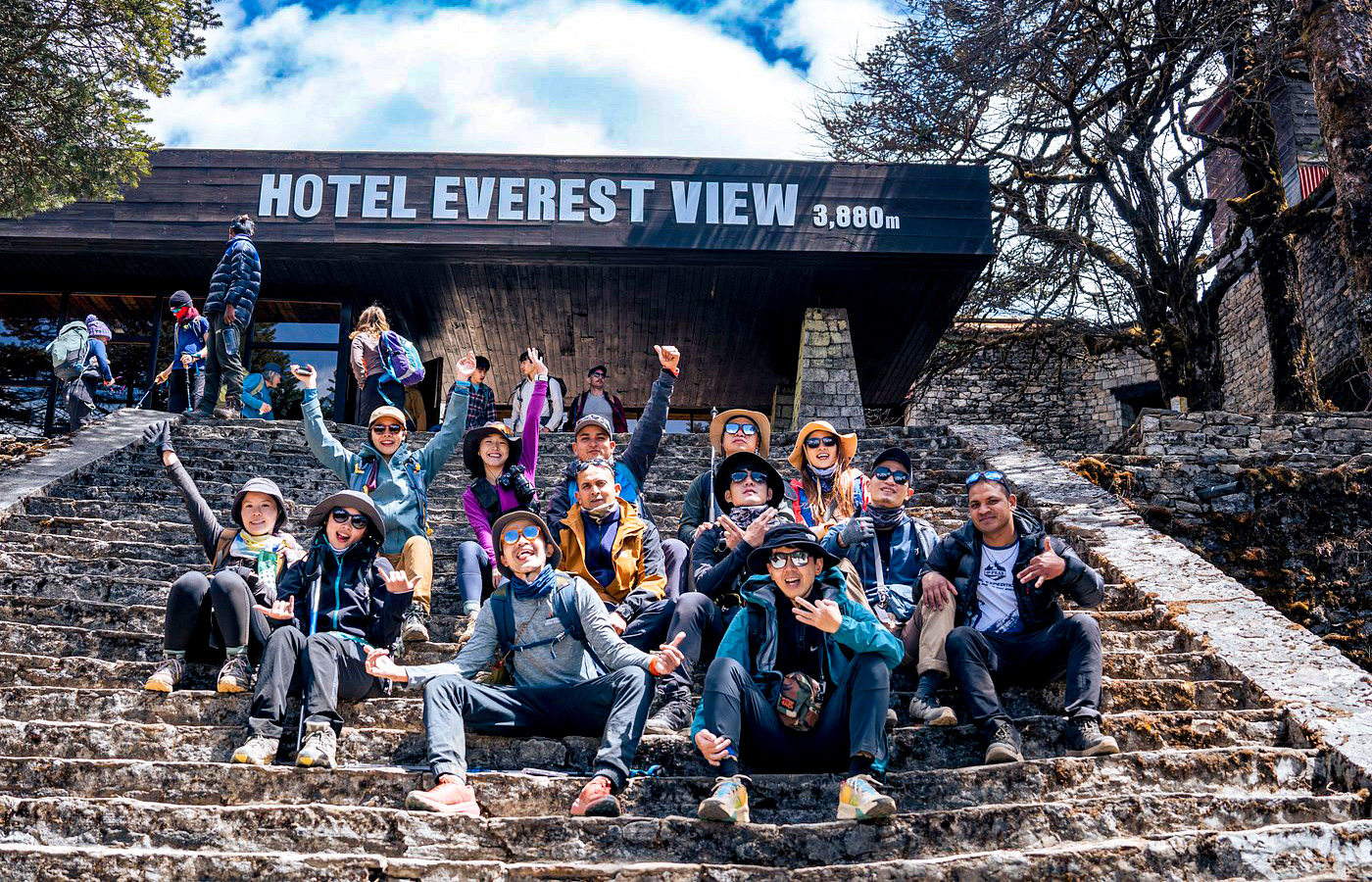
Nepal has some of the highest mountains in the world and an adventure to the foot of the highest mountain in the world, Mount Everest is fraught with risks. You will be walking on high-altitude trails that are sometimes narrow and exposed.
If your body is not properly acclimatized you might suffer from altitude sickness. Nausea, headache, breathlessness, vomiting, etc., are some of the symptoms. If you don't take precautions and ignore your symptoms, it might lead to far serious problems like HACE (high-altitude pulmonary edema) and HACE(high-altitude cerebral edema).
Therefore, you need to include acclimatization days in your itinerary to allow your body to get used to the thin air. Most trekkers prefer to spend their acclimatization days at Namche(3440m) and Dingboche(4410m). It's crucial to rest at these elevations before ascending to 5000 meters. It's best to travel with an experienced guide who will know what to do in case of health emergencies.
Having a copy of your travel insurance is important as you don't know when you might need it. The details of your insurance are necessary to avail services of an air rescue and evacuation team.
Ultimate Everest Base Camp Treks and Alternative
You can venture on some side routes and explore the Ama Dablam Base Camp or the Gokyo Valley. You can also combine your Everest Base Camp Trek with the Three High Passes Trek and cross three major mountain passes in Khumbu – Cho La, Renjo La, and Kongma La. If you are more interested in Sherpa culture, then you can trek to the ancient Sherpa villages of Pangboche, Thame, Phortse, Khumjung, and Kunde.
There are helicopter tours to Everest Base Camp and Kala Patthar for those who are unable to trek. You can take an aerial tour of EBC and set foot on Kala Patthar for a short while before flying back to Kathmandu. The tour starts and ends in Kathmandu and it takes only a couple of hours to complete.
If you want to save time and energy, you can embark on a heli trek. The helicopter flies you to Namche and you can trek to Everest Base Camp from Namche and return via helicopter from Gorak Shep to Lukla or Kathmandu. Or you take the regular route to Everest Base Camp and skip the return trek by flying to Kathmandu or Lukla from Gorak Shep.
Group Joining for Everest Base Camp Trek – October 2026
Join our Everest Base Camp Trek this October 2026, the most popular season for trekking in the Himalayas. With crisp mountain air, stable weather, and breathtaking views of Everest and surrounding peaks, October offers ideal conditions for this classic journey.
Each trip is 16 days long and priced at USD 1525 per person, covering all permits, guide and porter services, accommodation, meals during the trek, and domestic flights. This month is highly sought-after, so advance booking is strongly recommended to secure your preferred departure.
Festivals
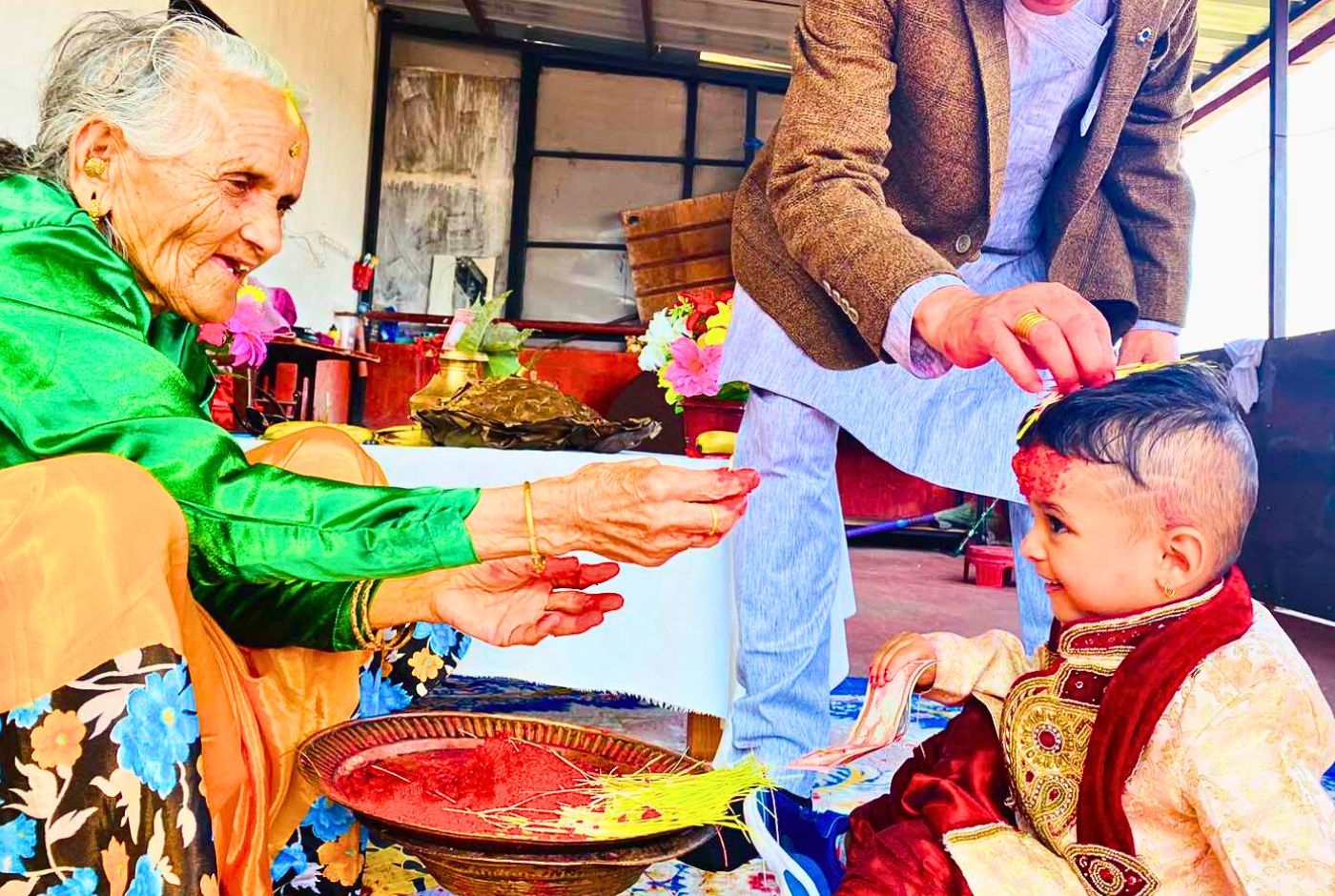
October is a festive month. Dashain, the biggest festival of the Hindus falls during this month. During this festival, the different manifestations of Durga, the 'mother' goddess are worshipped. The festival which lasts for ten days sees people returning to their native villages and celebrating the festival with their families. It's the time of the year when people who live and work away from their homes return to their families to celebrate this joyous occasion. Big cities and towns empty out as people rush to their native villages. Do note during the last five days of the festival most business establishments, government offices, and public transportation services remain shut.
In the Khumbu or Everest Region, sometimes the Mani Rimdu Festival celebrated in Tengboche, falls in October. But this year it is on November 5th, 6th, and 7th of 2026.
Conclusion
If you are planning a trek to Everest Base Camp, there can't be a better month than October. During October, the monsoon clouds recede and the weather gets dry and warm. The mountains that lay concealed by thick monsoon clouds and fog reappear again in all their snow-covered glory. The only downside is it'll get pretty crowded as there will be much more people on the trail. But then if you love interacting with people you might consider this as an advantage.
Frequently Asked Questions: Everest Base Camp Trek in October
Is October the best month to trek to Everest Base Camp?
October is widely regarded as one of the two best months to trek to Everest Base Camp, alongside April, and is the single most popular trekking month of the entire year in Nepal. The monsoon has fully retreated by October, leaving behind stable, dry weather, clear blue skies, and spectacular unobstructed views of Everest, Ama Dablam, Lhotse, and the surrounding Himalayan giants.
Daytime temperatures are comfortable for walking without being too hot or too cold, and the crisp autumn air gives the mountain landscape a vivid, dazzling quality that is hard to match in any other season. All teahouses and lodges are fully open, the trail is lively and social, and the Khumbu region feels fully alive with the energy of the peak trekking season. The main consideration is that October is crowded and requires advance booking for flights, accommodation, and permits.
What are the advantages of the EBC Trek in October?
October delivers a compelling set of advantages that make it the most sought-after month for the EBC trek. Weather conditions are at their most stable and reliable of the entire year, with minimal rainfall and consistently clear skies providing the finest mountain views available on the trail. Daytime temperatures are warm and pleasant for walking, while cold but manageable nights create an invigorating high-altitude atmosphere.
All teahouses, shops, and services along the entire route are fully open and operating at their best. The trail is lively and social, with trekkers from dozens of countries sharing the route, creating an energetic and internationally diverse atmosphere. Dashain, Nepal's biggest Hindu festival, falls in October, providing trekkers with a rare cultural spectacle in Kathmandu and the surrounding villages. Trekking conditions are overall ideal for first-time high-altitude trekkers and experienced adventurers alike.
What are the disadvantages of the EBC Trek in October?
October's peak-season popularity comes with several notable trade-offs. The trail is at its most crowded of any month in the year, with teahouses at key stops like Namche Bazaar, Dingboche, and Gorak Shep filling up very quickly and often requiring advance booking to secure rooms. Lukla flights operate from Manthali Airport in Ramechhap District, approximately 132 km from Kathmandu, requiring an early-morning drive of 4 to 5 hours departing as early as 2 or 3 AM to catch morning flights.
Flight tickets to Lukla sell out fast in October and must be booked well in advance, with virtually no chance of purchasing a seat on the day of travel. Prices for accommodation, services, and goods spike during peak season, and popular viewpoints and photography spots can become congested with queues forming at sunrise locations like Kala Patthar. Late monsoon storms and occasional rainfall in early October can cause some flight disruptions and temporary trail closures.
What is the weather like at Everest Base Camp in October?
October brings some of the finest trekking weather of the entire year across all elevations on the EBC trail. In Lukla, the average maximum temperature is 17 degrees Celsius with a minimum of 6 degrees Celsius. Namche Bazaar sees daytime highs of around 13 degrees Celsius with nighttime lows dropping to approximately 1.4 degrees Celsius. At Gorak Shep, the highest overnight stop, the maximum average temperature is 5.4 degrees Celsius with a minimum of minus 8.9 degrees Celsius.
At Dingboche, daytime highs range from 2 to 8 degrees Celsius with nights falling between minus 7 and zero degrees Celsius. Lobuche nights can dip to minus 8 to minus 10 degrees Celsius, with water in pipes and buckets often freezing solid overnight. At Everest Base Camp itself, daytime temperatures hover around minus 2 to 5 degrees Celsius, with wind chill making conditions feel considerably colder on exposed days. Mornings are crystal clear and offer the best mountain visibility of the day.
How do Lukla flights work in October and how should I plan for them?
During October's peak trekking season, all Lukla flights operate from Manthali Airport in Ramechhap District, located approximately 132 km from Kathmandu city, rather than from Kathmandu's domestic airport. Trekkers must arrange an early-morning departure from Kathmandu at around 2 or 3 AM to complete the 4 to 5 hour drive through mountainous roads in time for morning Lukla flights, which operate in the early hours before winds strengthen. An alternative is to travel to Ramechhap the evening before your flight and stay overnight at one of the newly opened lodges near Manthali Airport.
Lukla flight tickets sell out extremely fast in October and must be booked well in advance, as walk-up or same-day purchases are virtually impossible during peak season. Booking through a reputable trekking agency is strongly recommended, as they arrange flights on your behalf and handle the logistics of the Ramechhap transfer as part of a complete package. Some residual late monsoon weather can still cause occasional flight delays in early October, so buffer days remain advisable.
What should I pack for the EBC Trek in October?
October packing must account for warm daytime walking conditions and very cold nights above Namche. The sleeping bag is one of the most critical items, with a bag rated to at least minus 20 degrees Celsius recommended for the high-altitude stops at Lobuche and Gorak Shep. Clothing essentials include moisture-wicking base layers, an insulated down jacket, a waterproof outer shell, warm trekking pants, and multiple pairs of trekking socks.
A beanie, balaclava, buff, and warm gloves are essential for cold mornings and evenings above Namche. Sturdy waterproof hiking boots are non-negotiable, along with flip-flops for teahouse use. Accessories should include sunglasses with UV shield, high-SPF sunscreen lotion, lip balm, and moisturizer as the high-altitude sun is intense even in October. A headtorch with extra batteries is essential for the pre-dawn Kala Patthar sunrise hike. A 45 to 60 litre daypack is recommended for daily use alongside a larger 60 to 100 litre duffel bag that your porter can carry. Rain gear should still be packed despite October's generally dry conditions, as occasional late monsoon showers remain possible in early October.
What medicines should I carry for the October EBC Trek?
A well-stocked medical kit is essential for any EBC trek, and October is no exception despite its favorable conditions. Diamox (acetazolamide) is the most important altitude-specific medication to carry, used to prevent and treat the symptoms of Acute Mountain Sickness (AMS) by helping the body acclimatize more efficiently. Paracetamol is useful for managing the headaches that commonly accompany altitude gain. Anti-diarrhea medication, a course of antibiotics, and ORS or electrolyte sachets address the gastrointestinal issues that can arise from diet changes and high-altitude stress on the body.
Throat lozenges help manage the dry high-altitude cough that affects many trekkers, and pain-relieving balm or spray provides relief for sore muscles after long walking days. Band-aid strips and a basic first aid kit round out the essentials. Any prescription medications taken regularly should be brought in sufficient quantity for the full duration of the trek plus buffer days, as pharmacy access is extremely limited above Namche Bazaar.
What is the accommodation situation on the EBC trail in October?
October is the busiest period of the entire year on the EBC trail, and accommodation management is one of the most important logistical considerations for October trekkers. All teahouses and lodges throughout the Khumbu are fully open and well-stocked, with most offering comfortable rooms, en suite bathrooms, hot showers for an additional fee, and extensive meal menus.
However, popular teahouses at key stops fill up very quickly, often by early afternoon, leaving late-arriving trekkers with limited options. Advance booking through a reputable trekking agency is strongly recommended to guarantee accommodation at all stops throughout the trek. Beyond Namche Bazaar, teahouse amenities become more basic at higher elevations, but shelter from the cold, a comfortable bed, and hot nutritious meals are available at all stops including Dingboche, Lobuche, and Gorak Shep. The vibrant, international atmosphere in teahouse dining rooms during October evenings is one of the season's highlights, with trekkers from across the world sharing stories over hot drinks.
What festivals take place in Nepal during October?
Dashain is the most important festival of October and the biggest Hindu celebration in the entire Nepali calendar. The ten-day festival centers on the worship of Durga, the mother goddess, in her various manifestations, and is a time of profound family reunion across Nepal. People who live and work away from home return to their native villages in large numbers, emptying out major cities and creating a festive atmosphere in rural communities.
During the final five days of Dashain, most businesses, government offices, and public transportation services operate on reduced schedules or close entirely, which trekkers should factor into their Kathmandu planning. In the Khumbu region, the Mani Rimdu Festival at Tengboche Monastery is one of the most celebrated Buddhist festivals of the year, featuring colorful masked dances, religious rituals, and community gatherings. The dates of Mani Rimdu vary annually according to the Tibetan lunar calendar, falling in either October or November, and witnessing it during an EBC trek is a rare and deeply memorable cultural experience.
What are the best alternate routes and extensions for an October EBC Trek?
October's exceptional weather makes it the ideal month to attempt the more demanding route extensions and alternative treks in the Khumbu. The Three High Passes Trek, combining the standard EBC route with crossings of Cho La, Renjo La, and Kongma La, offers a challenging and spectacular circuit through the finest high-altitude terrain in the region and is best attempted in the stable October conditions.
The Gokyo Valley and Gokyo Lakes provide a rewarding alternative or addition to EBC, with some of the clearest turquoise lake reflections and long-range Himalayan views of the entire year available in October. A detour to Ama Dablam Base Camp rewards trekkers with intimate views of one of Nepal's most iconic peaks. For those unable to trek, helicopter tours to Everest Base Camp and Kala Patthar can be completed in a couple of hours from Kathmandu. Heli trekking options, flying into Namche and trekking to EBC or returning by helicopter from Gorak Shep, offer excellent time and energy savings for October's busiest trail conditions.
How far in advance should I book my October EBC Trek?
October is the peak of peak season and advance booking is absolutely essential, with most experienced trekkers and agencies recommending reservations be made at least 3 to 6 months before your intended departure date. Lukla flight tickets are the most time-sensitive booking, as October seats sell out extremely fast and same-day or last-minute purchases are virtually impossible during peak season.
Teahouse accommodation at the most popular stops, particularly Dingboche, Lobuche, and Gorak Shep, fills up rapidly once trekking season opens, and arriving without a prior booking in October risks being left without a room at key stages of the trek. Sagarmatha National Park permits and Khumbu Pasang Lhamu Rural Municipality permits must also be arranged before the trek begins. Booking through a reputable trekking agency handles all of these logistics, including flights, permits, accommodation, guide and porter services, and the Ramechhap airport transfer, removing the complexity of managing October's demanding advance booking requirements independently.
What makes October mountain views uniquely special on the EBC trail?
The mountain views in October are consistently cited by experienced trekkers as the finest of any month on the EBC trail. Following the complete retreat of the monsoon, the atmosphere is exceptionally clear and transparent, with the high Himalayan peaks appearing against deep, saturated blue skies in a way that is unique to the post-monsoon autumn season.
The high peaks are freshly coated with new snow deposited during the monsoon months, giving Everest, Lhotse, Nuptse, Ama Dablam, and the surrounding summits a gleaming, pristine appearance from the moment they come into view on the trail.
Visibility from Kala Patthar at sunrise in October is particularly extraordinary, with the south face of Everest illuminated in golden early morning light against a perfectly clear sky creating one of the most photographed and sought-after views in all of adventure travel. The combination of clean air, crystalline light, and freshly snowcapped peaks explains why October consistently draws the highest number of trekkers of any month on the route.
Post a Comment