
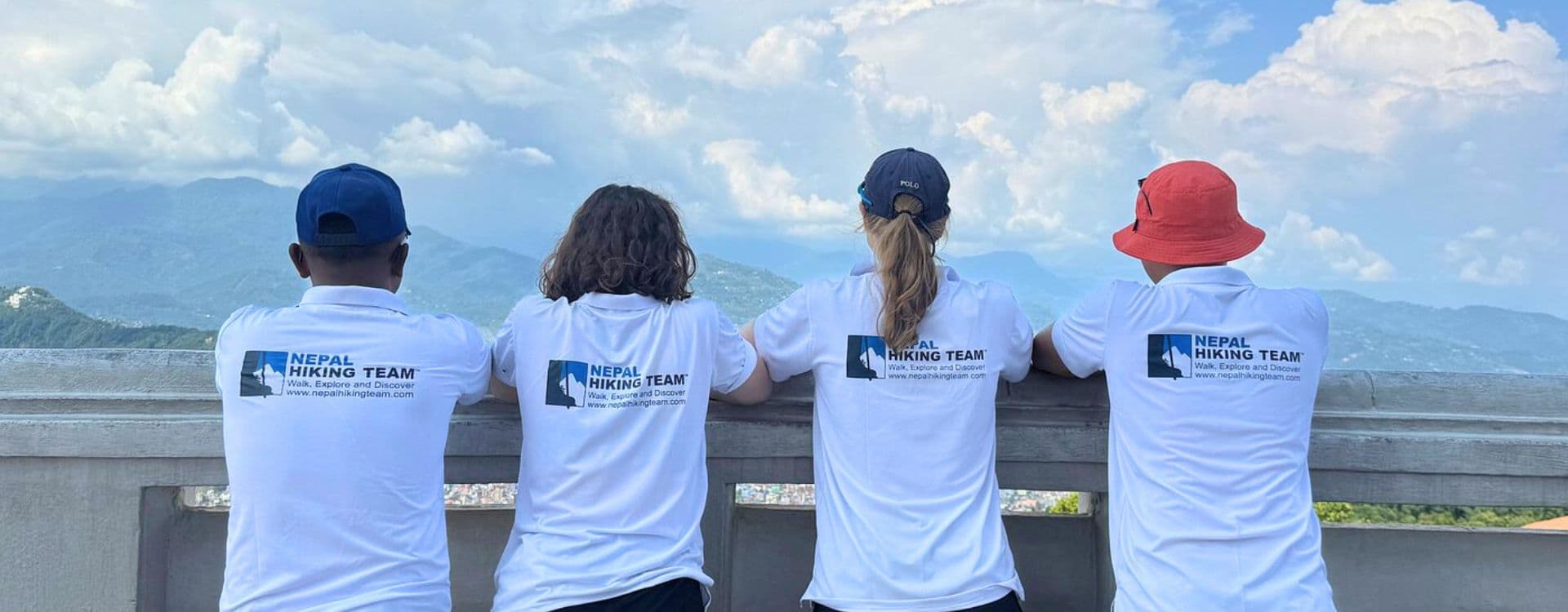
The Annapurna Circuit ranks among the planet's most fantastic treks. This trek paths around the massive Annapurna range through landscapes so varied you'll struggle to believe they're all part of the same journey. Down low, you're walking through green subtropical valleys, and suddenly you're in barren terrain that looks more like Tibet than Nepal, all within the same trek. What makes this route special isn't just the scenery, though. It's the trail itself, the way each village has its own personality, its own altitude, its own reason for being there.
At the heart of everything lies Thorong La Pass, which reaches 5,416 meters (roughly 17,770 feet). Places like Manang, Muktinath, and Jomsom make the way throughout beautiful. Along the way, you'll encounter terraced fields, waterfalls, suspension bridges, and viewpoints offering panoramic glimpses of the Annapurna and Dhaulagiri ranges. The trail passes through sacred temples, centuries-old gompas, and traditional mountain villages where the local culture and hospitality are as breathtaking as the scenery. We've rounded up twenty spots along the Annapurna Circuit Trek that you really shouldn't skip.
Why the Annapurna Circuit is a Must-Do Trek?
The Annapurna Circuit isn't your average mountain walk. It takes you across Nepal's diverse landscapes, from the green river valleys near Besisahar to the dry terrain above Manang.
- Landscapes That Keep Changing: You start at Ngadi by the Marsyangdi River, then walk around Chame. By the time you reach Upper Pisang and Ghyaru, you're in entirely different territory. It honestly feels like you've trekked through several countries, not just one trail.
- Real Village Life: Places like Jagat, Dharapani, and Ngawal show you how Gurung and Tibetan communities actually live in these mountains. Head to Muktinath or Kagbeni and you'll see the spiritual side of Mustang.
- Thorong La Pass: At 5,416 meters (17,770 feet), there’s Thorong La Pass, which is what most people come for. It's tough, but standing up there looking at Annapurna, Dhaulagiri, and Nilgiri makes the climb worth every step.
- Worth the Effort: Starting from Pokhara's quiet lakeside and ending in the windy streets of Jomsom, this trek pushes you but never stops giving back. The villages, valleys, and views pile up into something you won't forget.
Must-See Places Along the Annapurna Circuit
Here, we have listed down the top 21 places that you must not miss out during your Annapurna Circuit Trek:
Ngadi: A Peaceful Riverside Start to the Circuit
Ngadi's one of the first real villages you hit once you start climbing into the Himalayan foothills. It sits right by the Marshyangdi River, and there's something calm about the place even though you know bigger mountains are waiting ahead. The valley's still fairly wide here, so the hills around you don't feel too crazy yet. You'll see ridgelines in the distance, and if you're there early enough, mist rolls across the terraced fields.
Most people cross a sturdy stone footbridge over the river here. It's a small moment, but it feels like you're leaving the lowlands behind and heading into something bigger. You can't see the snow peaks yet, but you start to sense their scale.
Jagat: A Stone-Paved Village with Classic Himalayan Charm
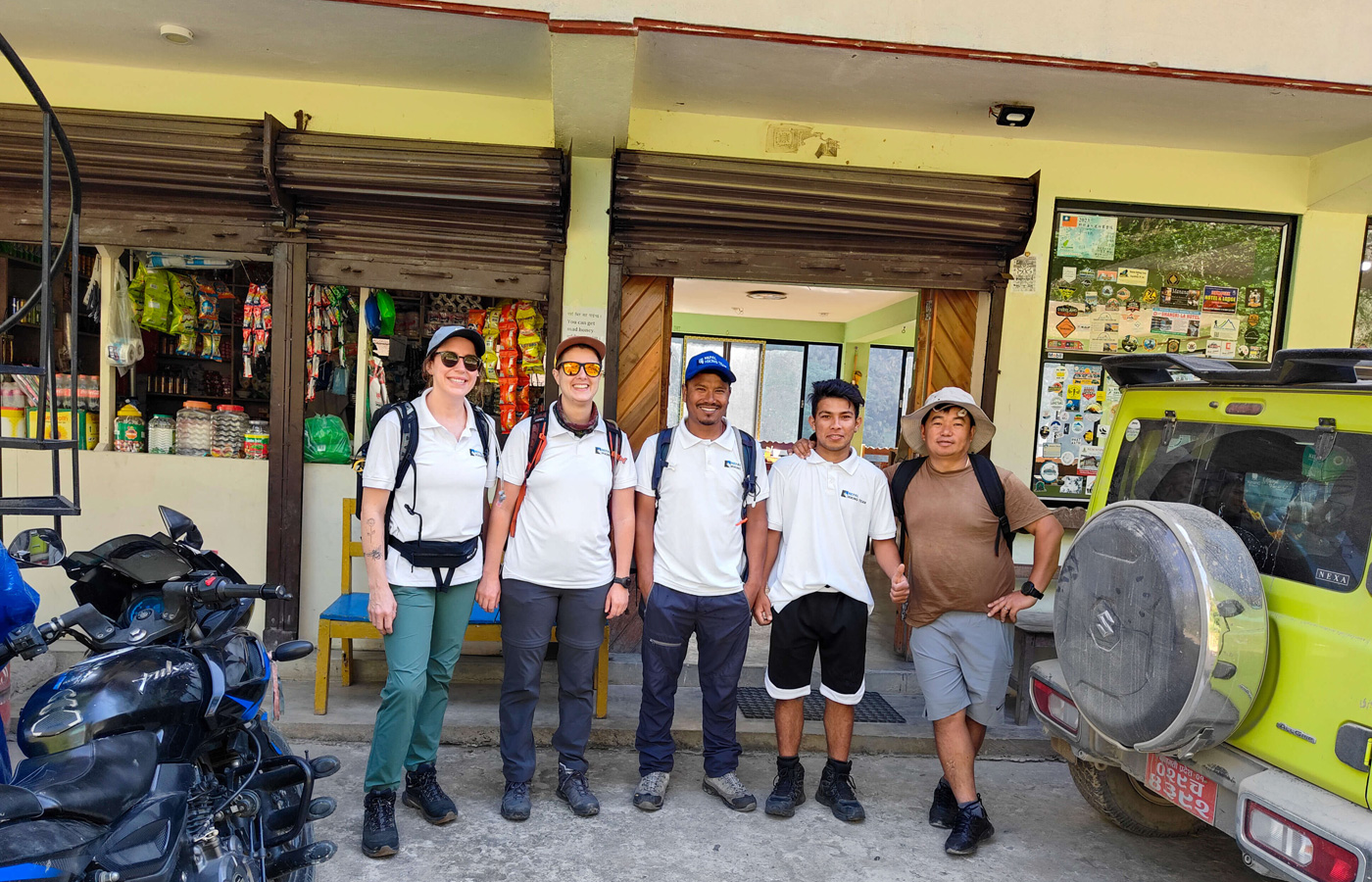
Jagat is between a narrow gorge where the Marsyangdi River cuts through the rocks. It's one of the more dramatic spots early on. Waterfalls come down the cliffs nearby, and the river's loud enough that you hear it everywhere. The houses are built tightly together with stone, and the paths are all rock too. This place isn't trying to be modern, it's just a mountain village doing what it's always done.
There's a big suspension bridge near Jagat that crosses the gorge. It's one of the first serious bridges you'll walk over, and it gives you a real feel for the height and power of the water below. The cliffs here sometimes frame views of distant peaks such as Ganesh Himal, Manaslu, Ngadi Chuli, Annapurna II, and Cheo Himal.
Dharapani: A Gateway Settlement into Manang District

Dharapani's where the trail splits. If you're heading to Manang, this is your gateway, and it's also where paths from Manaslu come in. Pine and rhododendron forests are starting to show up more, and the air's cooler down low than it was. You'll see mani walls, prayer wheels, and stone houses that look more Tibetan than what you passed through earlier.
From some of the higher spots around the village, you can spot Lamjung Himal and the Annapurna massif off in the distance. It's a good place to take a breath, check your gear, and mentally prepare for the steeper trails ahead in the Annapurna region.
Chame: A Scenic Alpine Town Surrounded by Pine Forests
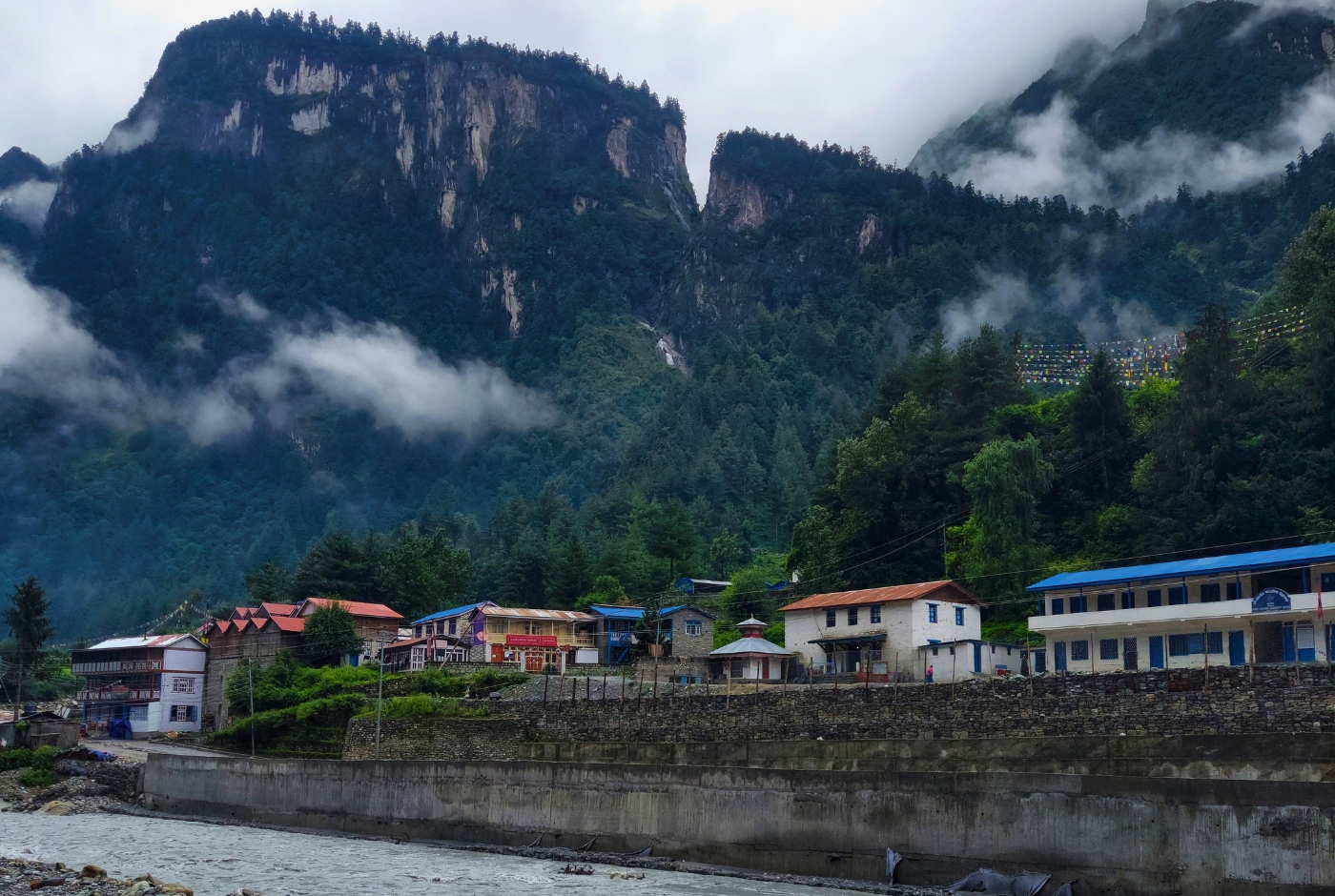
Chame is the main town in the Manang district and sits in a valley surrounded by tall cliffs and thick pine forests. The Marsyangdi is still nearby, but you're climbing steadily now. There are plenty of teahouses and lodges here, so it's a suitable place to rest and restock if you need to.
What people remember about Chame is the view of Annapurna II and the massive cliff called Paungda Danda, which rises almost straight up from the valley floor. There are also hot springs close by, and after a few days of walking uphill, sitting in warm water while looking at mountain ridges feels pretty incredible.
Upper Pisang: A Traditional Village with Dramatic Mountain Views
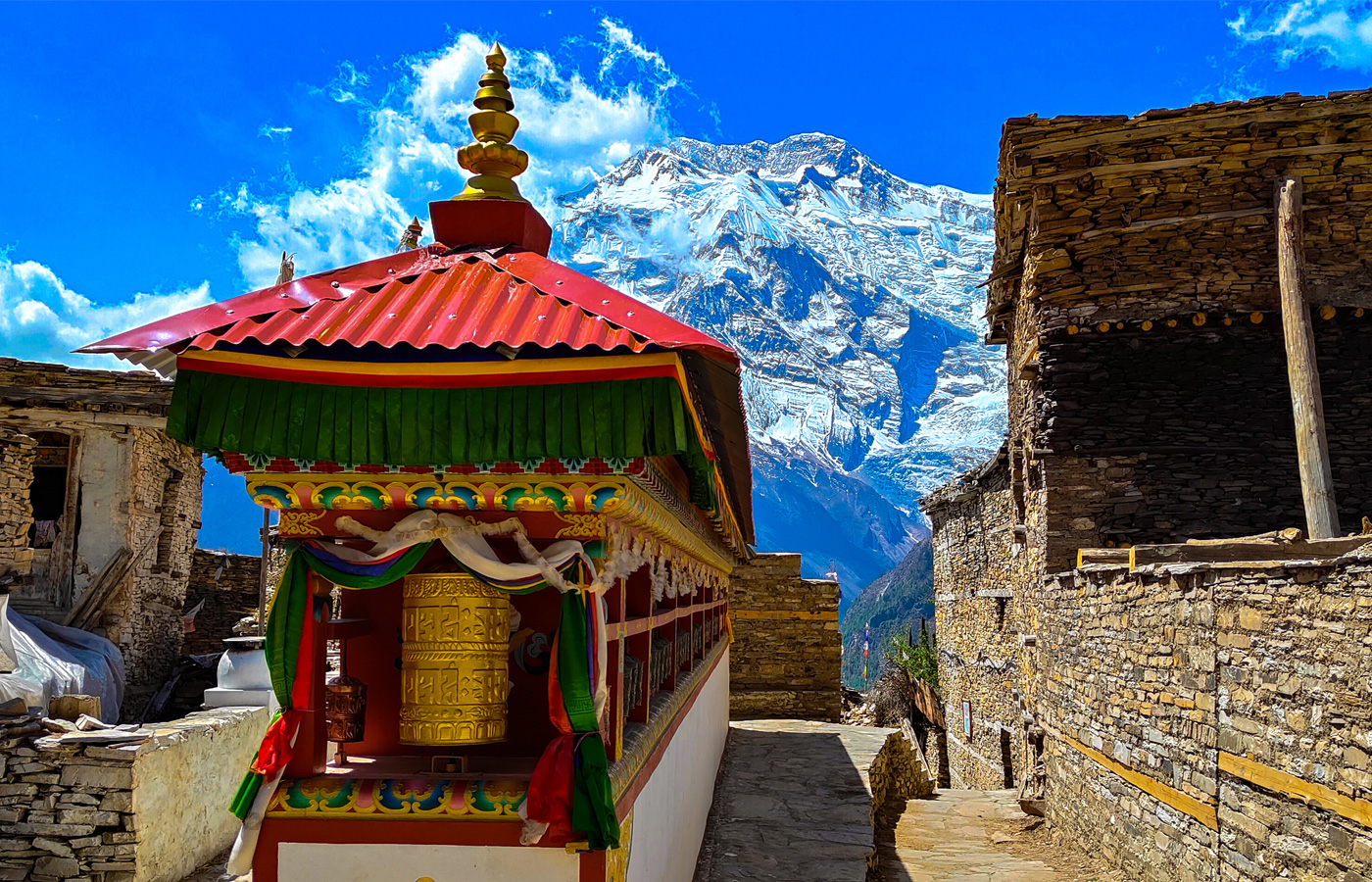
Upper Pisang sits way up on a limestone ridge, which gives it some of the best views you'll get at this altitude. The stone houses are clustered together, and there's a small monastery that overlooks everything. It's more remote and dramatic than Lower Pisang down below.
You’ll get to see Annapurna II, Annapurna III, and Pisang Peak. There's also a spot called Deurali Danda on the way in or out that gives you immense panoramas. If you catch sunrise here, the way the light hits the mountain faces is something you won't forget.
Ngawal: A Serene Monastic Village Above the Main Trail
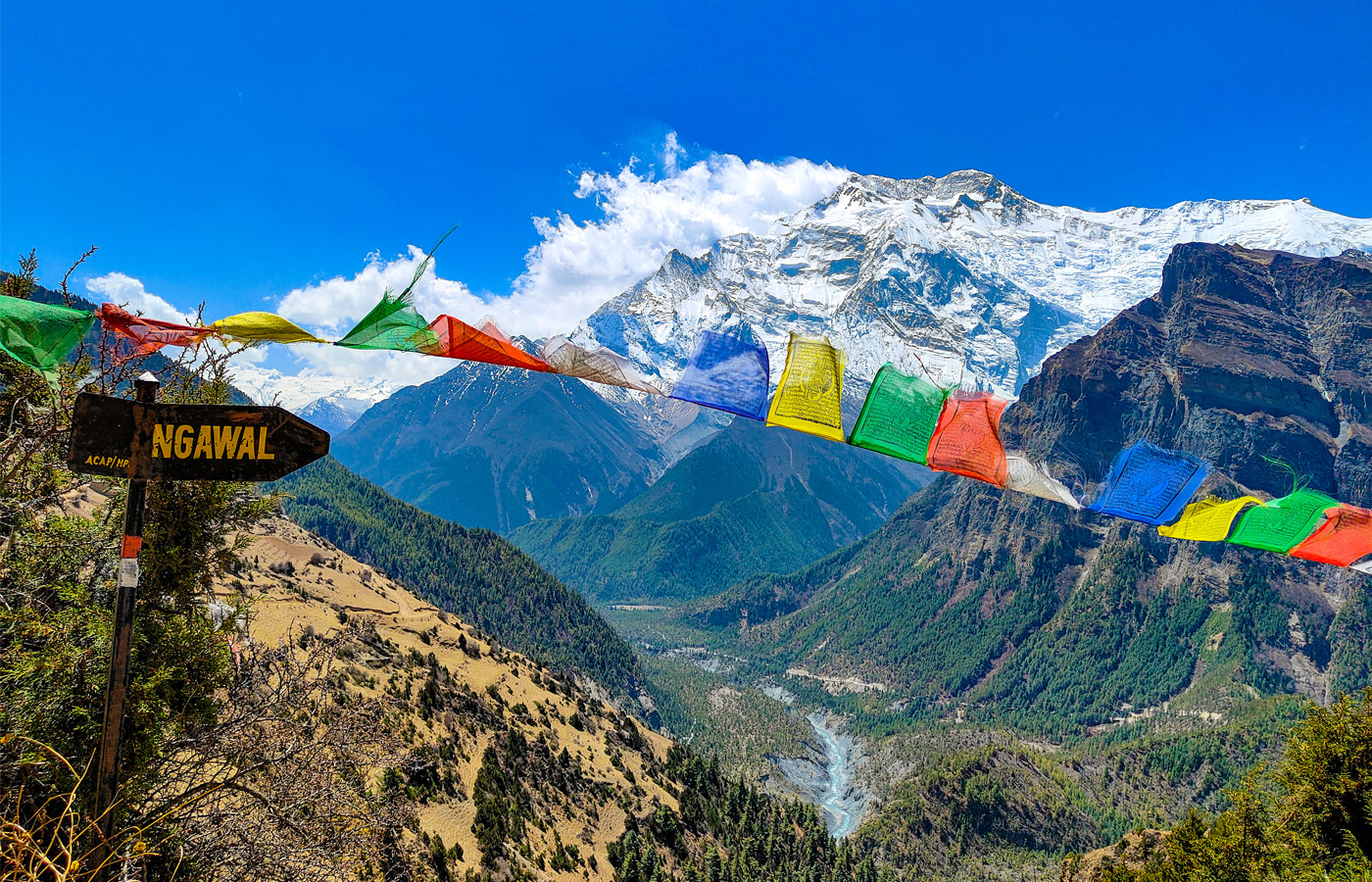
Ngawal doesn't get as many visitors as some other villages, but it's got plenty of character. There's a small monastery called Tashi Lakhang Gompa and open meadows where yaks graze. The air's thin up here, and you'll notice the altitude more. The views from Ngawal are massive. You're looking straight at Annapurna III, Gangapurna, and Tilicho Peak.
Manang: The Acclimatization Hub of the Annapurna Circuit
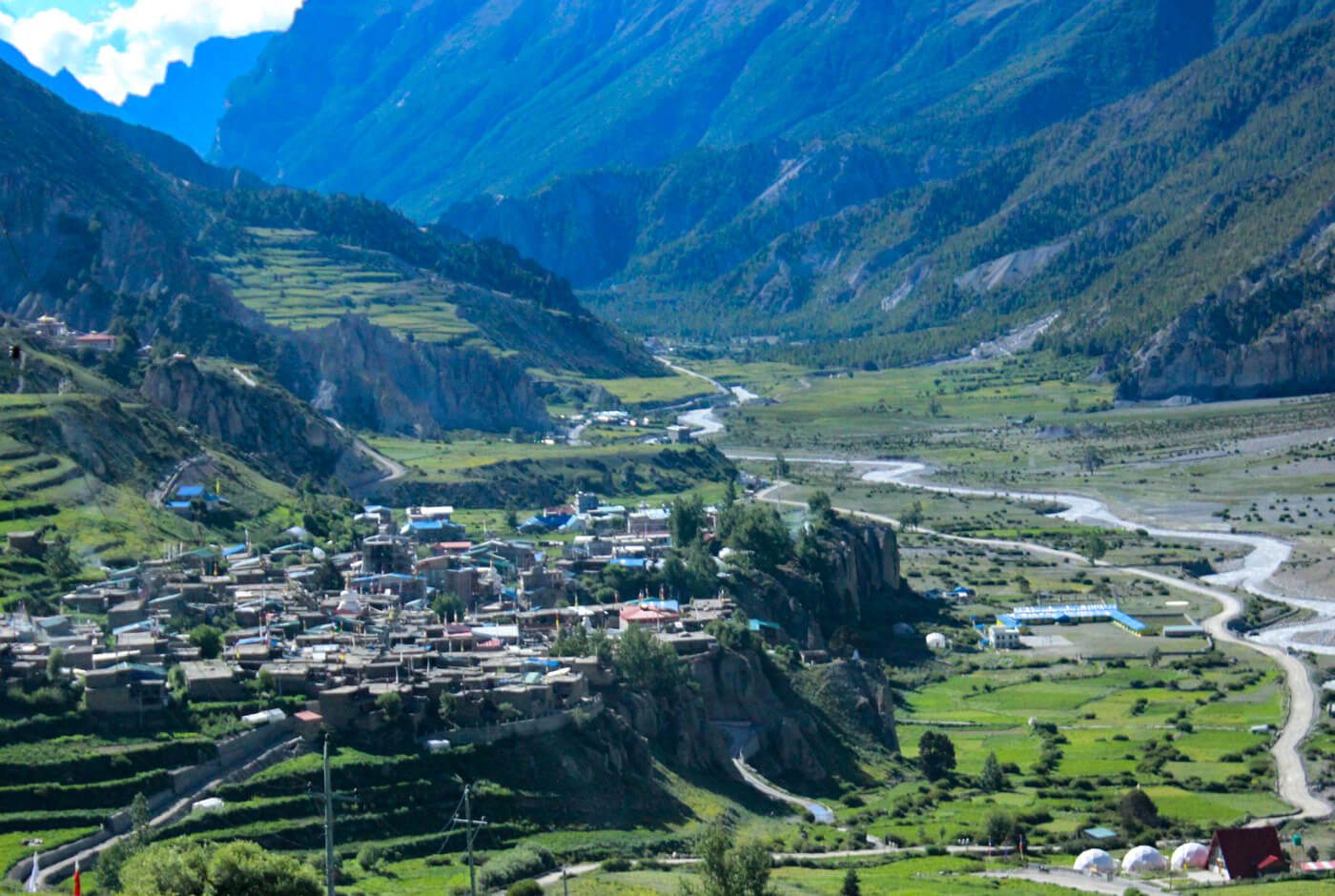
Manang's one of the bigger villages up high, and most people spend an extra day here to let their bodies adjust to the altitude. The stone houses have flat roofs and narrow alleys. It's the kind of place that feels lived-in and real, not just a trekking stop.
People usually hike to Ice Lake or Gangapurna Lake from here. Both offer glacier views hard to beat. There's also a ridge trail above the village that opens up the whole Annapurna massif. Taking a rest day in Manang isn't just smart for your lungs; it's worth it for the side trips alone.
Yak Kharka: A Quiet Grazing Meadows Stop for Altitude Gain
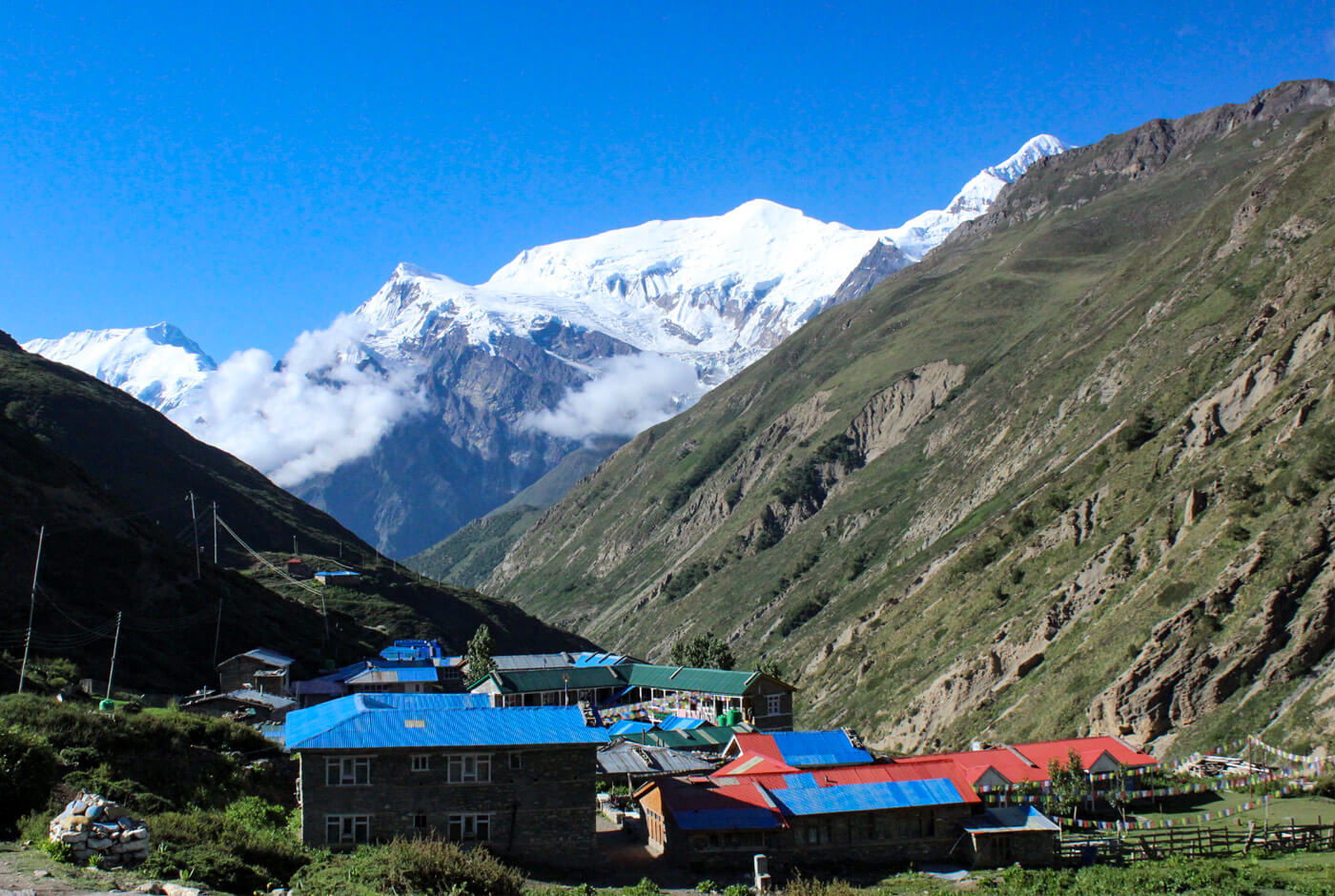
Yak Kharka is a high meadow where herders bring their yaks during certain seasons. You won't see many trees, just shrubs and alpine grass. The valley opens up wide here, and you can usually spot yaks wandering around with the mountains behind them.
You get clear views of Chulu West and Chulu East from here. The landscape feels big and empty in a good way. It's also a smart place to spend a night before pushing higher, since the terrain isn't as brutal as what's waiting above.
Ledar: A Transitional High-Altitude Camping Point
Ledar is a small and rocky place. The trail gets narrower, the ground's uneven, and you're pretty exposed to the elements. People talk about the scree, the thin vegetation, and how close the high ridgelines feel.
It's not a significant settlement, but the views of Annapurna III and Gangapurna are strong. The place feels remote, like you're in a high-mountain outpost where not many people stick around longer than they need to.
Thorong Phedi: The Base Camp Before the Big Pass

Thorong Phedi is right under massive cliffs, with long, loose-rock slopes climbing up toward High Camp. It's rugged and cold, and the ground's mostly rock. You'll sometimes see signs of old rockfall or small avalanches on the cliffs above.
This is the last place with a proper shelter before the pass. Everyone who stops here knows what's coming the next morning. The mood's a mix of nerves and excitement; you're one sleep away from crossing one of the highest trekking passes, Thorong La Pass.
Thorung High Camp: The Final Steep Push Before Thorong La
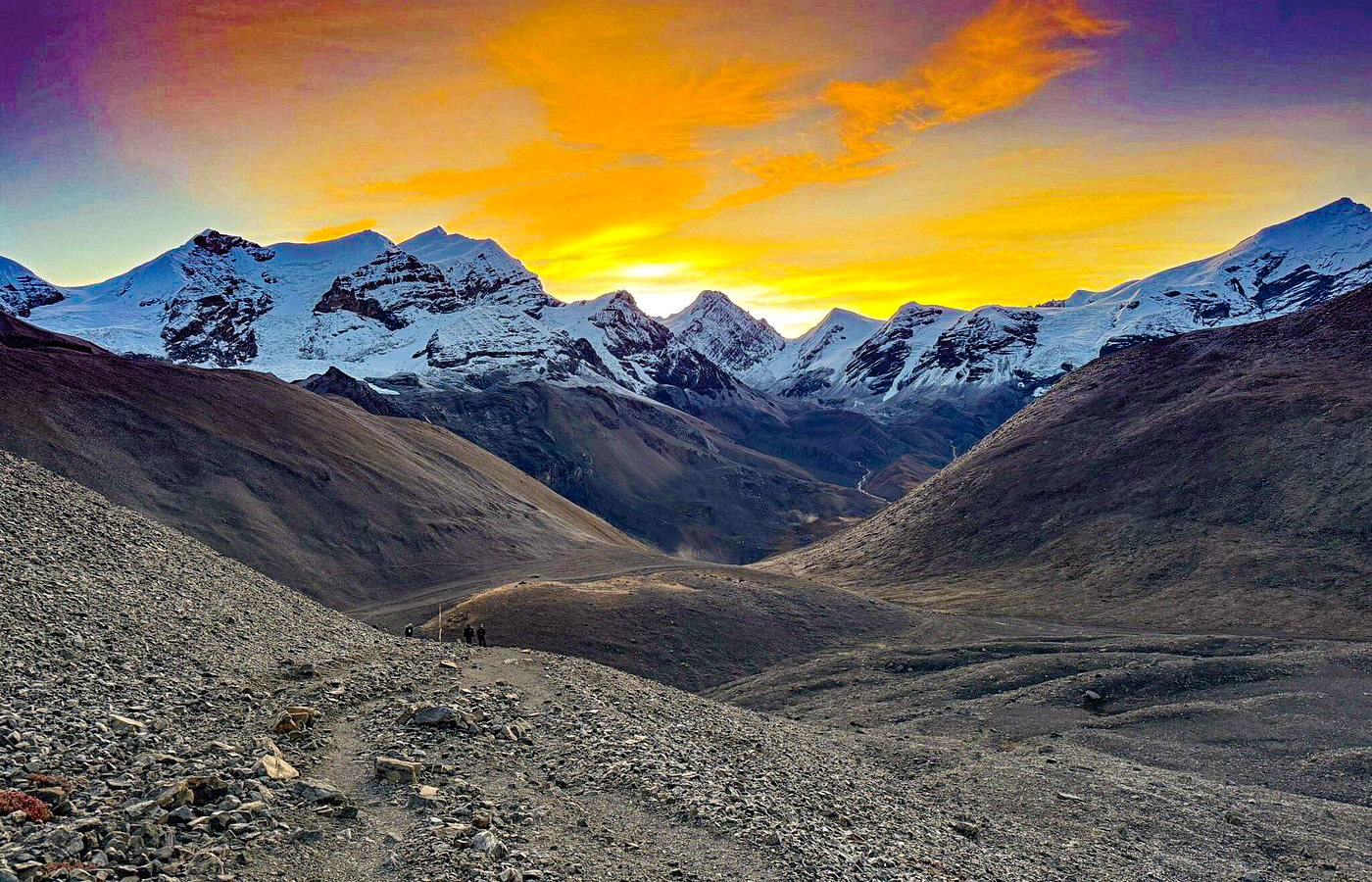
High Camp is on a narrow ridge with almost nothing growing around it. You can look back down at the valley you came from and forward toward the pass.
It's windy and cold up here, but if you catch sunrise, the way the light spreads across the Annapurna peaks is magical. A lot of people spend the night here to split up the climb to the pass. It makes the next morning shorter and less brutal.
Thorong La Pass: The Highest and Most Iconic Point of the Circuit
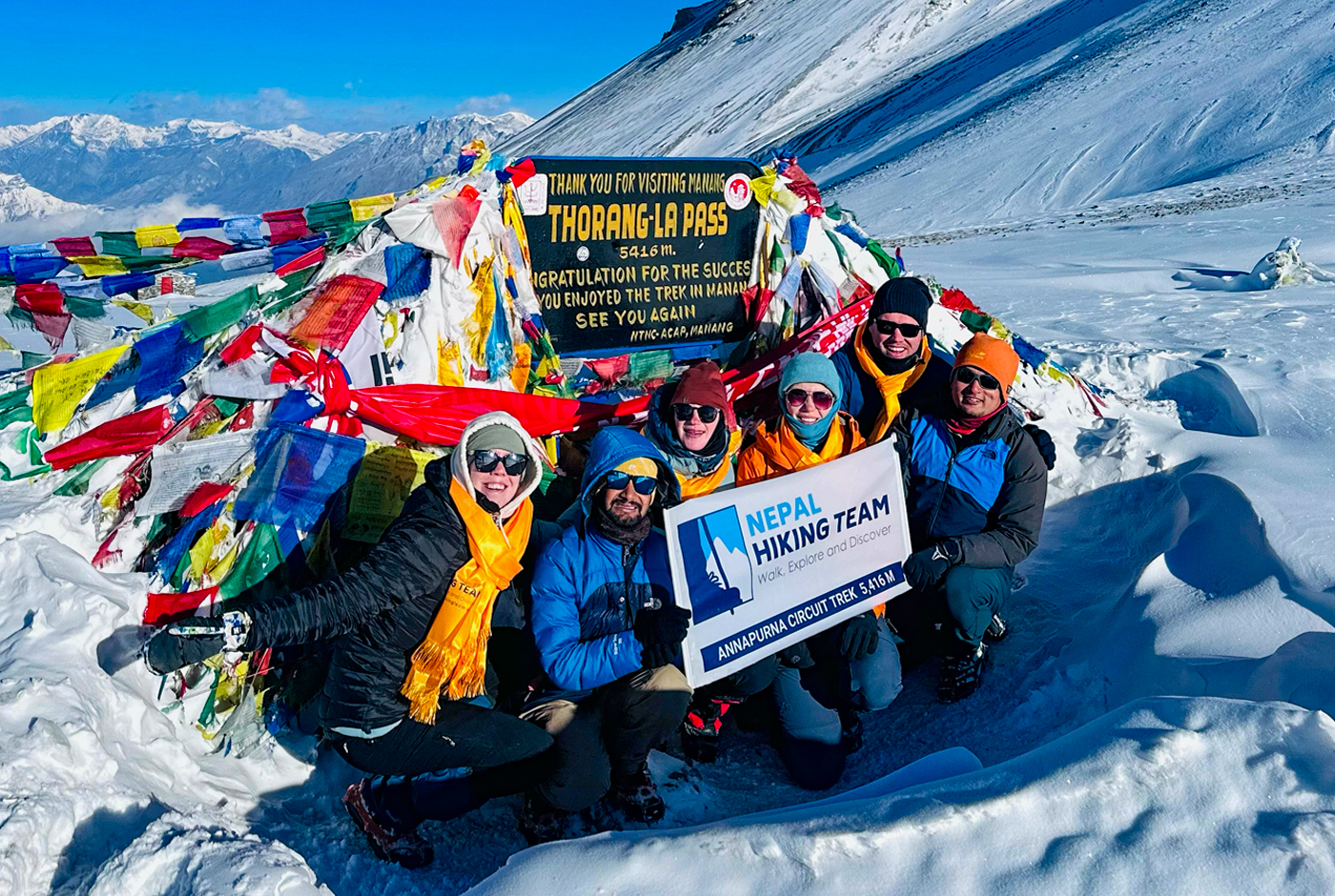
Thorong La is the highest point of the whole Annapurna Circuit Trek. From the top, you're looking at the Annapurna Massif in one direction and the dry, dusty plateau of Mustang in the other. Snow's usually around, and prayer flags mark the cairns and small memorials people have built.
Most trekkers cross early in the morning to beat the wind that picks up later. Standing up there feels surreal. The air's thin, the views, and there's this deep sense of accomplishment that's hard to put into words.
Muktinath: A Sacred Pilgrimage Site in the Mustang Region
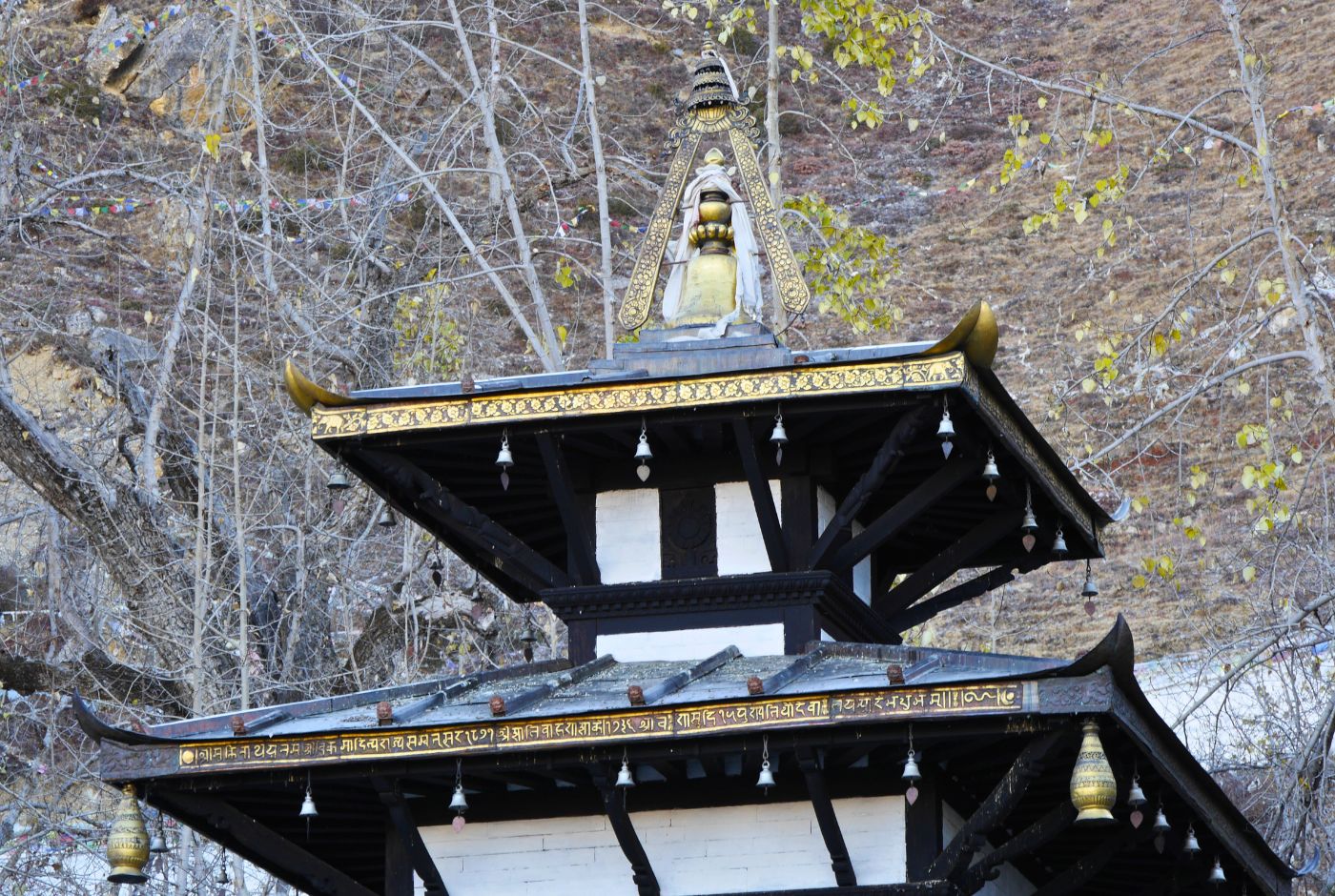
Muktinath's a big deal for pilgrims. There are 108 water spouts where people bathe, and a natural flame has been burning for centuries due to underground methane gas. It's a sacred place for both Hindus and Buddhists.
The views here open onto the Kali Gandaki Gorge, one of the deepest anywhere. You've also got this wild contrast between the dry, barren hills and the snow peaks above. The mix of spirituality and raw landscape makes Muktinath feel different from other stops.
Kagbeni: A Windy Medieval Village at the Gateway to Upper Mustang

Kagbeni looks like it's from another century. The mud-brick houses, narrow alleys, and red monastery all have this medieval feel. It sits at the entrance to Upper Mustang, so it's an important cultural and practical stop if you're heading north.
There are piles of cairns along the trails around here, and pilgrims leave offerings. The town also marks the point where the landscape shifts abruptly from the green Himalayan valleys into the desert-like hills of Mustang.
Jomsom: A Windy Valley Town Known for Apple Orchards and Airport
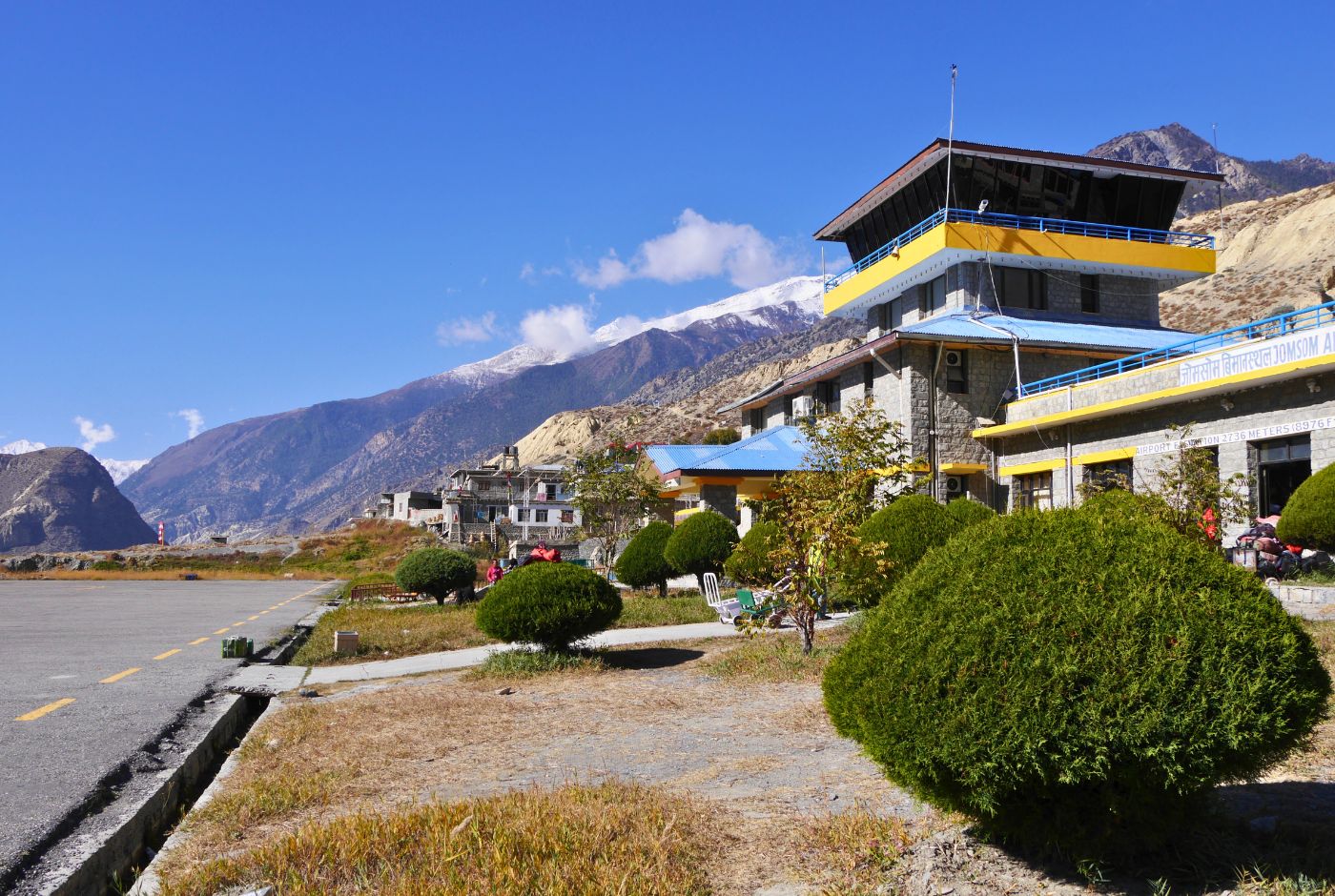
Jomsom's famous for its afternoon winds. The terrain is dusty and semi-arid, with cliffs rising steeply toward the high peaks. The apple orchards here are a pleasant surprise. You can try dried apples, apple brandy, and fresh fruit, depending on when you're there. Jomsom also has an airport, which makes it a busy hub. Small planes land between the cliffs, and it's kind of wild to watch.
Tatopani: A Restful Stop Famous for Natural Hot Springs
Tatopani means "hot water," and that's precisely what you get. There are natural hot springs by the Kali Gandaki River, and after days of cold mountain passes, soaking in warm water feels like a reward.
The area's surprisingly green compared to where you've been. There are banana and orange trees in the lower valley, and the cliffs above are steep and rocky. The contrast between the warm, lush vegetation and the harsh Himalayan terrain gives Tatopani a healing kind of vibe.
Marpha: The Apple Capital of Mustang

Marpha is one of those villages where the whole place is built from whitewashed stone houses with clean, narrow alleys that feel surprisingly organized for being this remote. It is below cliffs, which shield it from Mustang's afternoon winds. Due to that natural protection, apple orchards thrive here. You'll see rows of apple trees around the village, and depending on when you visit, you can grab fresh apples, apple cider, apple pie, or the locally made apple brandy that people talk about.
The village name comes from "mar" (hardworking) and "pha" (people), and once you walk through those tidy lanes, it makes sense. There's also a well-preserved monastery, Chhairo Gompa, south of the village, that’s one of the oldest Tibetan monasteries in Lower Mustang.
Green Lake: A Quiet Alpine Gem Surrounded by Ridges
Green Lake isn't one of the famous stops on the Annapurna Circuit Trek, and that's part of why it's worth going. It's a small lake located away in the highlands of the Manang region, and the trail to get there usually branches off the main route. While reaching there, you’ll have to walk through rocky terrain. Then the Green Lake appears, where water shifts between turquoise and deep green depending on how the light hits it.
The area around Green Lake is open and quiet. You get sweeping views of ridgelines and parts of the Annapurna range that fewer people see. On clear days, the peaks reflect in the water, and it looks almost unreal. The wind's usually steady here, and if you're lucky, you might spot wild blue sheep grazing around.
Since fewer trekkers come this way, the trail stays peaceful. It's a good side trip if you want a break from the busier villages. Green Lake feels untouched, the kind of place where you stop talking without meaning to, just because the silence and the mountains around you command it.
Milarepa Cave: The Sacred Meditation Retreat of the Legendary Yogi
Milarepa Cave is a meditation site linked to a legendary Tibetan yogi. The trail up is steep and rocky, and the cave itself is simple, just a rock shelter with spiritual weight, not some big temple. What sticks with you is the view. From the cave or the area around it, you can look down at the valley and across to peaks like Annapurna III and Gangapurna. It's a spot for reflection in every sense.
Braka Sangag Samling Gompa: Himalayan Monastery with Spiritual Heritage
Braga Monastery sits on a cliff above the village, and it looks almost like it's hanging over the valley. Inside, there are murals, prayer halls, and terraces where people stop to rest and pray. From the terraces, you can look straight at snow peaks like Tilicho and Gangapurna. It's not just a religious site, it's one of the most atmospheric viewpoints in this Annapurna Circuit trek.
Pokhara: The Gateway to Lakes and Himalayan Views
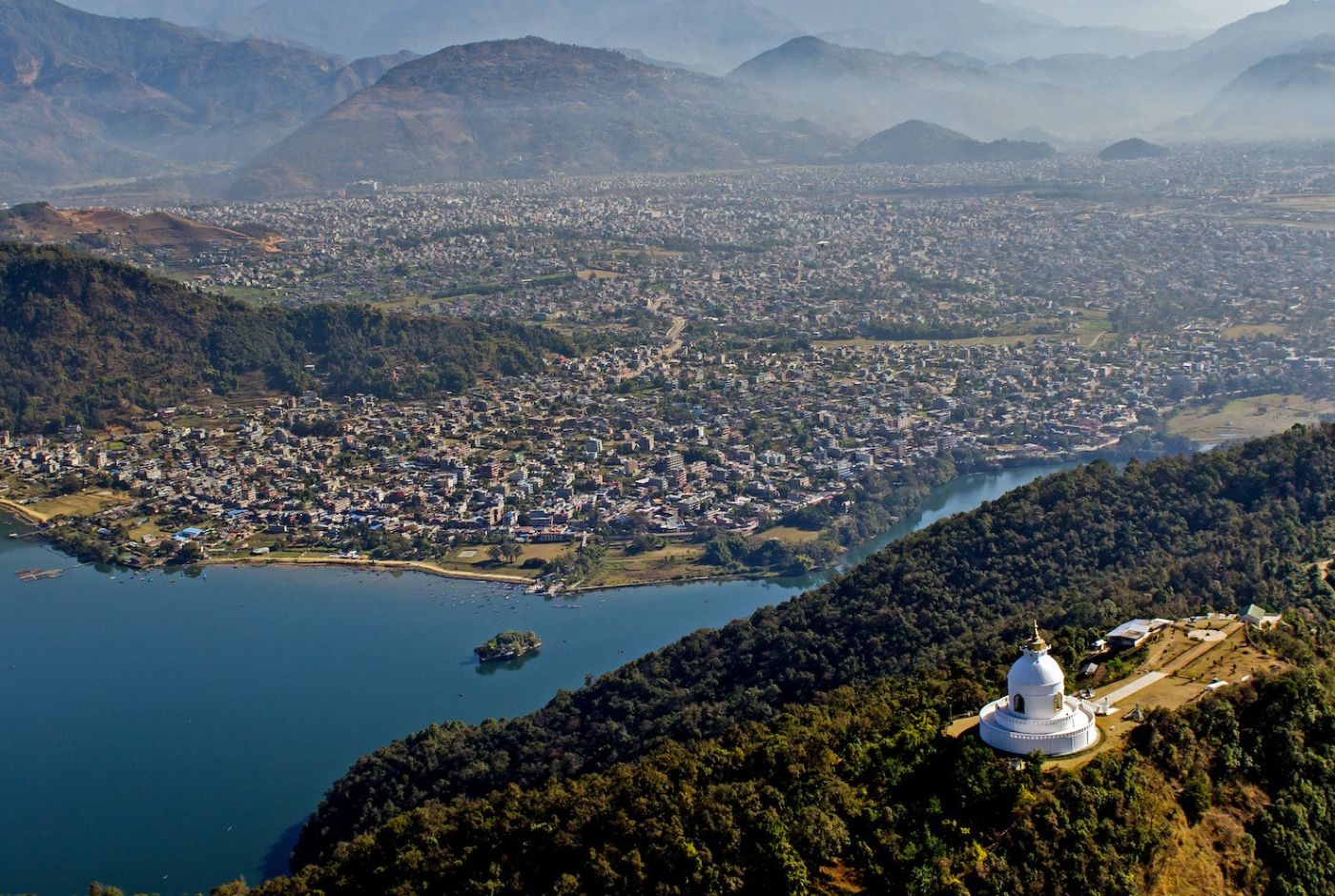
Pokhara is where most people start or finish the trek. Phewa Lake reflects the Annapurna range and Machhapuchhre (Fishtail) on clear days, and it's one of those views that looks almost too perfect to be real. There are boat rides, lakeside cafés, and the Peace Pagoda up on the hill.
From spots like Sarangkot or the Peace Pagoda, you get sunrise or sunset views over Annapurna and Dhaulagiri. After weeks of high-altitude walking, coming back to Pokhara feels like coming home.
Tilicho Base Camp
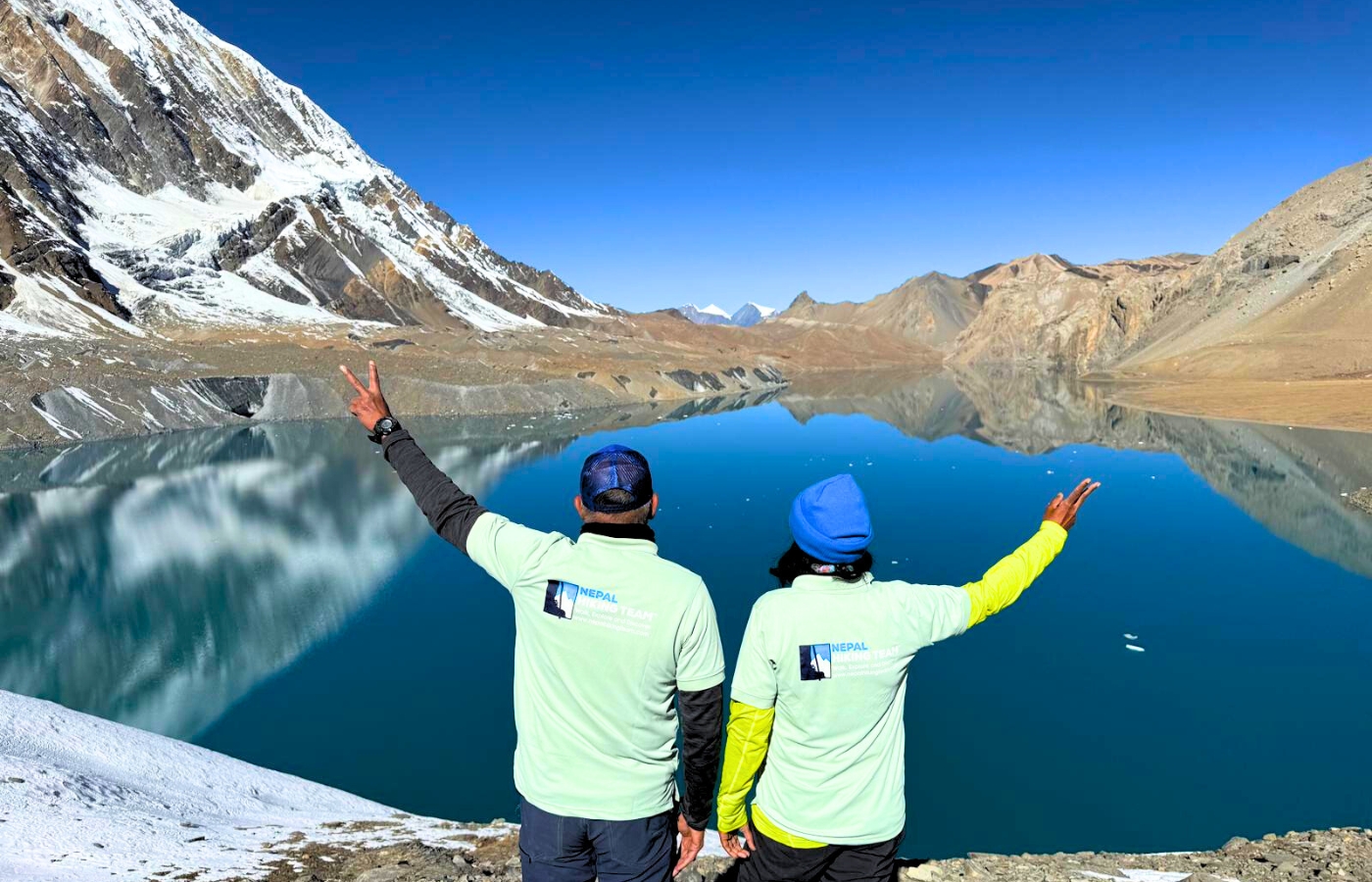
Tilicho Base Camp is an excellent stopover for the Annapurna Circuit with Tilicho Lake because it is the launching point for the high-altitude lake trek and offers incredible views of Tilicho Peak and surrounding glaciers. It provides a crucial rest point after physically demanding, rocky terrain and before the challenging climb to the lake the next day. Recent additions of tea houses also make the overnight stay more comfortable than traditional camping.
Alternative Options of Annapurna Circuit Trek
At Nepal Hiking Team, we run several treks around the Annapurna region, each with its own route and timeline. Whether you've got two weeks or want something shorter, there's probably an option that fits.
Here's what else is on offer:
- Annapurna Base Camp Trek: This 14-day trek passes through rhododendron forests and farming villages, stops at Ghorepani, and ends at Annapurna Base Camp. You get right up close to Annapurna I and Machapuchare.
- Classic Annapurna Circuit Trek: The full 18-day around the massif covering the whole circuit, crossing Thorong La Pass at 5,416 meters (17,770 feet), and hitting every type of landscape Nepal throws at you.
- Annapurna Luxury Trek: Nine days with better beds and proper meals. You still see places like Chame, Manang, and Jomsom, but you're sleeping in nicer lodges and eating well. This trek is a good choice if rough trails aren't your thing, but you still want the views.
- Annapurna Circuit Tilicho Lake Trek: Sixteen days that add Tilicho Lake, one of the highest lakes you'll find anywhere. You still cross Thorong La, but the detour to Tilicho takes you to a less-visited area. It's harder, but you're rewarded with something special.
Conclusion
The Annapurna Circuit is one of those rare treks where every single day has something new for you. You start in riverside villages surrounded by terraced hills, climb through forests, and eventually reach over one of the world's highest passes. Each place you stop, whether it's a quiet meadow where yaks graze, a windswept ridge with prayer flags, or an ancient monastery clinging to a cliff, adds something to the experience. By the time you've crossed Thorong La and dropped down into Mustang, you're not just done with a trek. You're carrying weeks of memories with you: the landscapes that kept changing, the people you met, the views that made you stop and stare.
Doing the Annapurna Circuit Trek with Nepal Hiking Team makes the whole thing easier and better. Our guides know the trail inside out, and they handle the stuff you don't want to worry about. We manage pacing so you don't burn out, helping you adjust to the altitude properly, explaining what you're seeing culturally, and navigating tricky sections of the trail. Our itineraries are well planned, the logistics run smoothly, and the local knowledge we bring is real. If you're considering the Annapurna Circuit and want it to feel manageable, safe, and worth every step, trekking with us is a smart move.
Post a Comment