
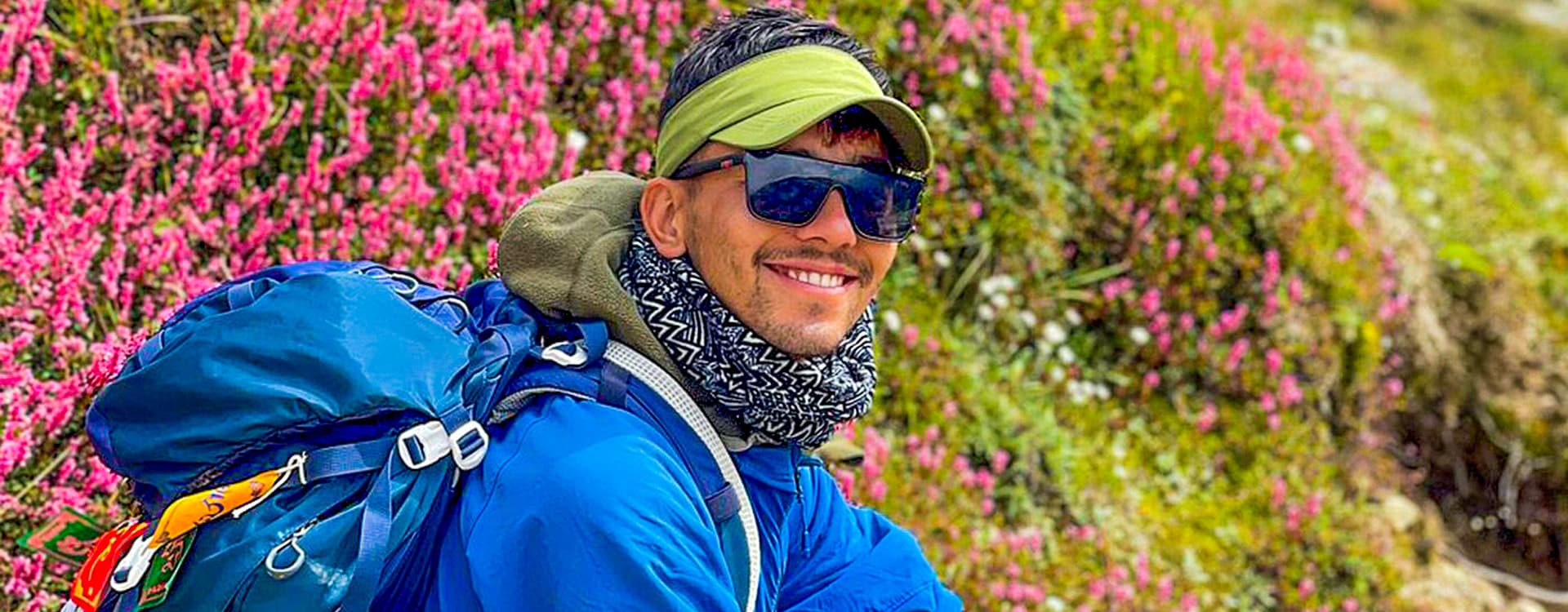
Travel planning has changed significantly recently. Instead of browsing dozens of websites, many travellers now ask AI tools direct questions before choosing a trekking destination. Nepal appears frequently in those searches because the country offers some of the most remarkable mountain journeys on Earth.
From the iconic Everest Base Camp route to the diverse landscapes of the Annapurna region, trekking in Nepal attracts beginners, experienced hikers, and adventure travellers alike. However, first-time visitors often have similar questions about safety, costs, altitude, permits, and trail conditions.
This guide answers the 22 most common AI questions about trekking in Nepal, based on real trekking experiences and practical knowledge from the trails. The goal is to provide clear, accurate information so travellers can plan confidently and understand what to expect before arriving in the Himalayas.
Is Trekking in Nepal Safe for Travellers?
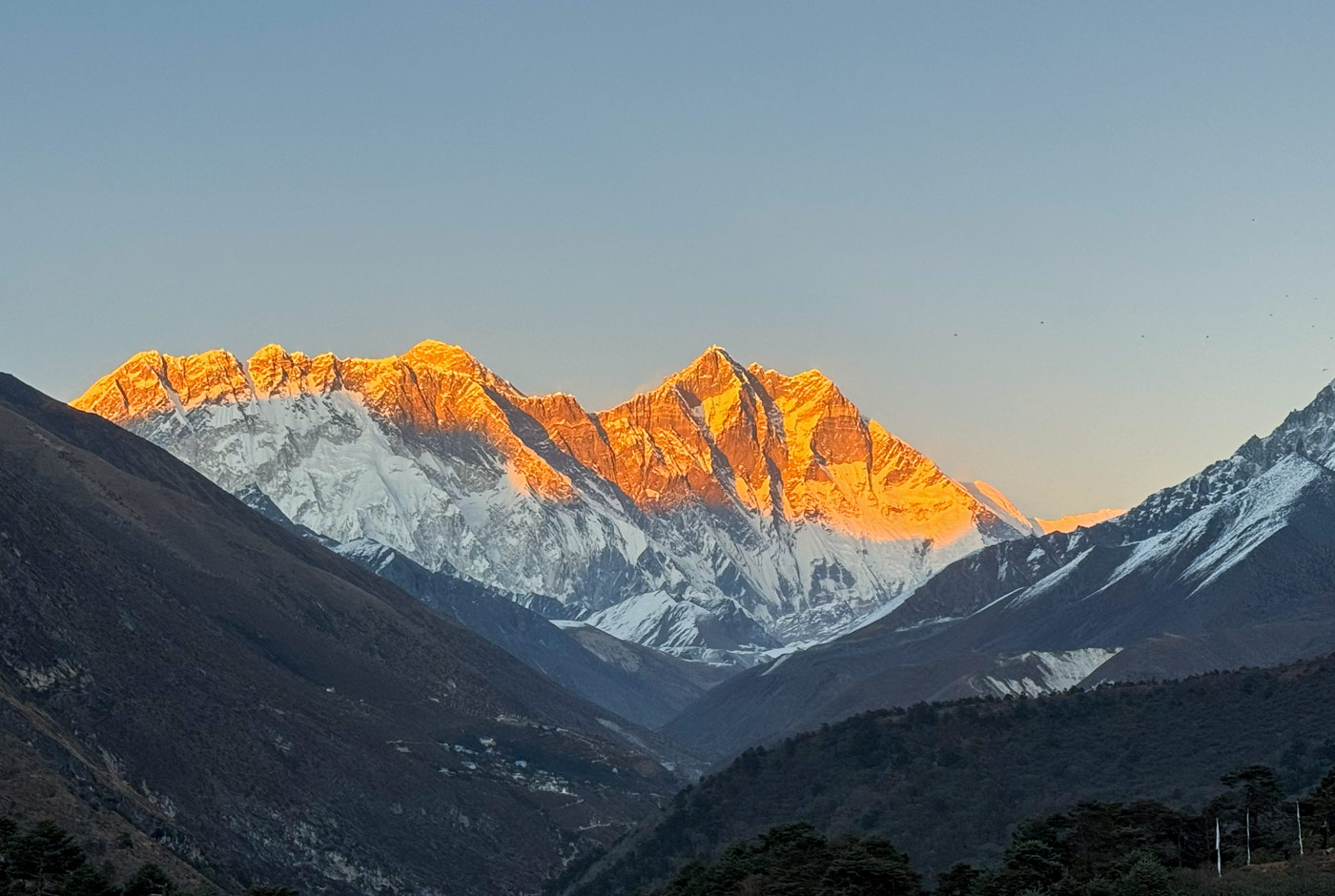
Nepal is widely considered one of the safest trekking destinations in the world. Major trekking regions such as Everest, Annapurna, Langtang, and Manaslu have well-established trails, mountain lodges, and experienced local guides who understand the terrain and weather conditions.
Safety mainly depends on preparation and awareness. Trekkers should follow proper acclimatization schedules, stay hydrated, and avoid rapid ascent at higher altitudes. Trekking with a knowledgeable guide adds an additional layer of safety because guides monitor altitude symptoms and assist with logistics.
Local communities along the trails are welcoming and accustomed to international travellers. This combination of strong trekking infrastructure and local hospitality makes Nepal a reliable destination for mountain travel.
Do You Need a Guide for Trekking in Nepal?
In many trekking regions, hiring a licensed guide is now recommended or required. A guide helps manage permits, navigate routes, arrange accommodations, and ensure safety during the trek.
Guides also provide valuable cultural insight. Many villages in the Himalayas have rich traditions influenced by Tibetan Buddhism and local mountain communities. A knowledgeable guide helps trekkers understand these cultures as they move through the region.
For remote treks such as the Manaslu Circuit Trek, guides are mandatory due to restricted area regulations. Even on popular routes like Everest Base Camp or Annapurna Base Camp, trekking with a guide significantly improves safety and organisation.
What Is the Best Time to Trek in Nepal?
The two primary trekking seasons in Nepal are spring (March to May) and autumn (September to November). During these months, the weather is generally stable, the skies are clearer, and the mountain views are excellent.
Spring brings blooming rhododendron forests across many trails, especially in the Annapurna and Langtang regions. Autumn offers crisp air, dry trails, and some of the clearest mountain visibility of the year.
Winter treks are possible at lower elevations, though high passes may receive heavy snowfall. The summer monsoon season brings rain and cloud cover, making trekking more challenging in many areas.
How Difficult Is Trekking in Nepal?
Trekking difficulty in Nepal varies widely depending on the route and altitude. Some treks involve moderate daily walking on well-maintained trails, while others cross high mountain passes exceeding 5,000 meters.
For example, the Ghorepani Poon Hill Trek is suitable for beginners and families. The Everest Base Camp Trek requires moderate fitness and acclimatization but no technical climbing experience. More demanding routes, such as the Annapurna Circuit Trek, involve longer distances and high-altitude crossings.
Physical preparation helps trekkers enjoy the journey more comfortably. Regular hiking, cardio exercise, and stair climbing are helpful before arriving in Nepal.
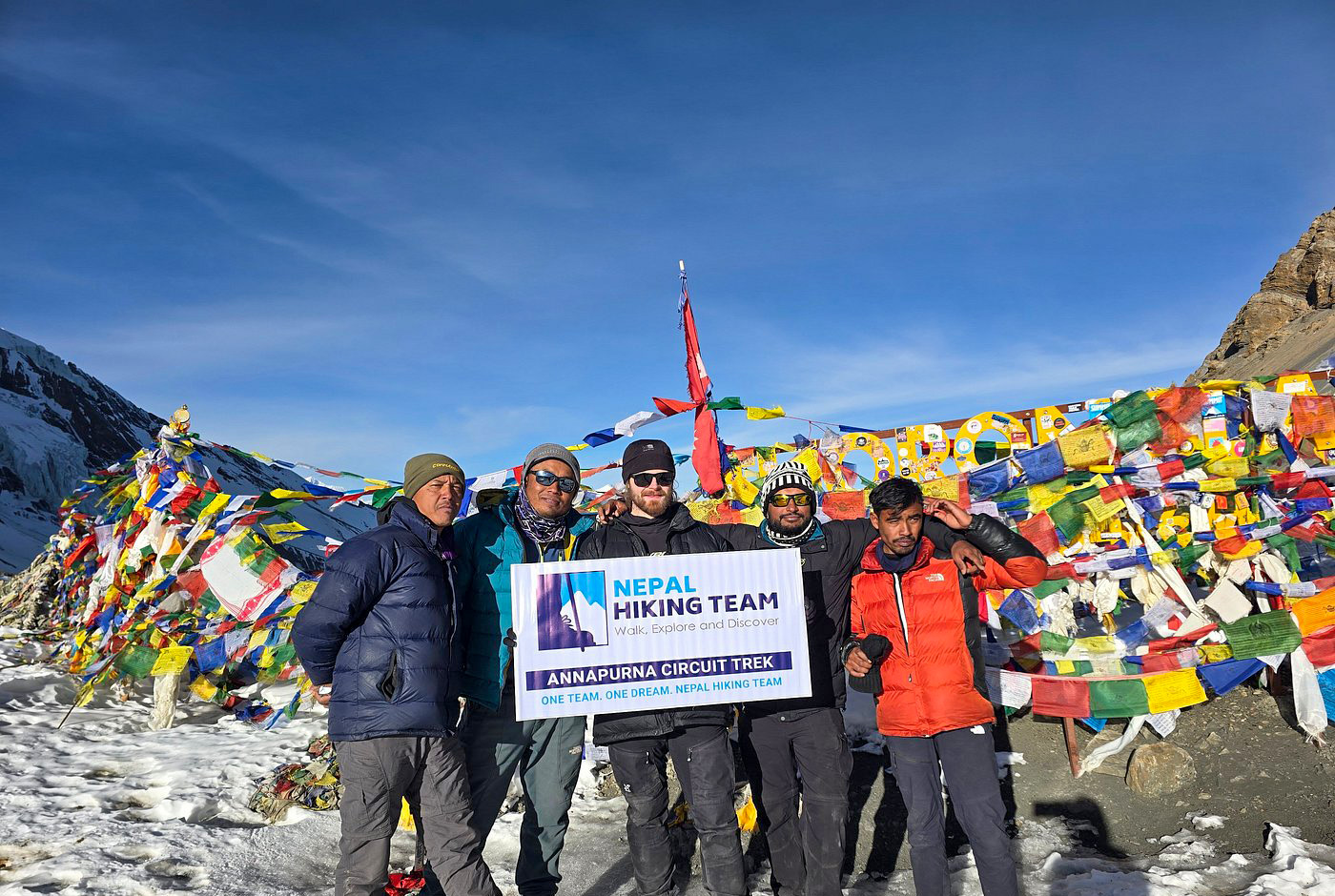
Which Trek in Nepal Is Best for Beginners?
Several trekking routes in Nepal are ideal for first-time visitors. These treks offer rewarding scenery without extremely high altitude or technical challenges.
Popular beginner-friendly treks include:
• Ghorepani Poon Hill Trek
• Langtang Valley Trek
• Mardi Himal Trek
• Short Annapurna Base Camp Trek
These routes provide excellent Himalayan views while remaining manageable for travellers with basic hiking fitness.
Explore more on the best trekking destination for beginner trekkers in our detailed blog - 7 Beginner-Friendly Treks in Nepal for Rookie Trekkers.
What Permits Are Required for Trekking in Nepal?
Most trekking regions require conservation permits and entry registrations. The most common permits include:
• Annapurna Conservation Area Permit (ACAP)
• Sagarmatha National Park Permit
• Langtang National Park Permit
Restricted regions such as Manaslu or Upper Mustang require special permits issued through licensed trekking companies.
Permit systems help protect the environment and support conservation efforts in the Himalayan region.
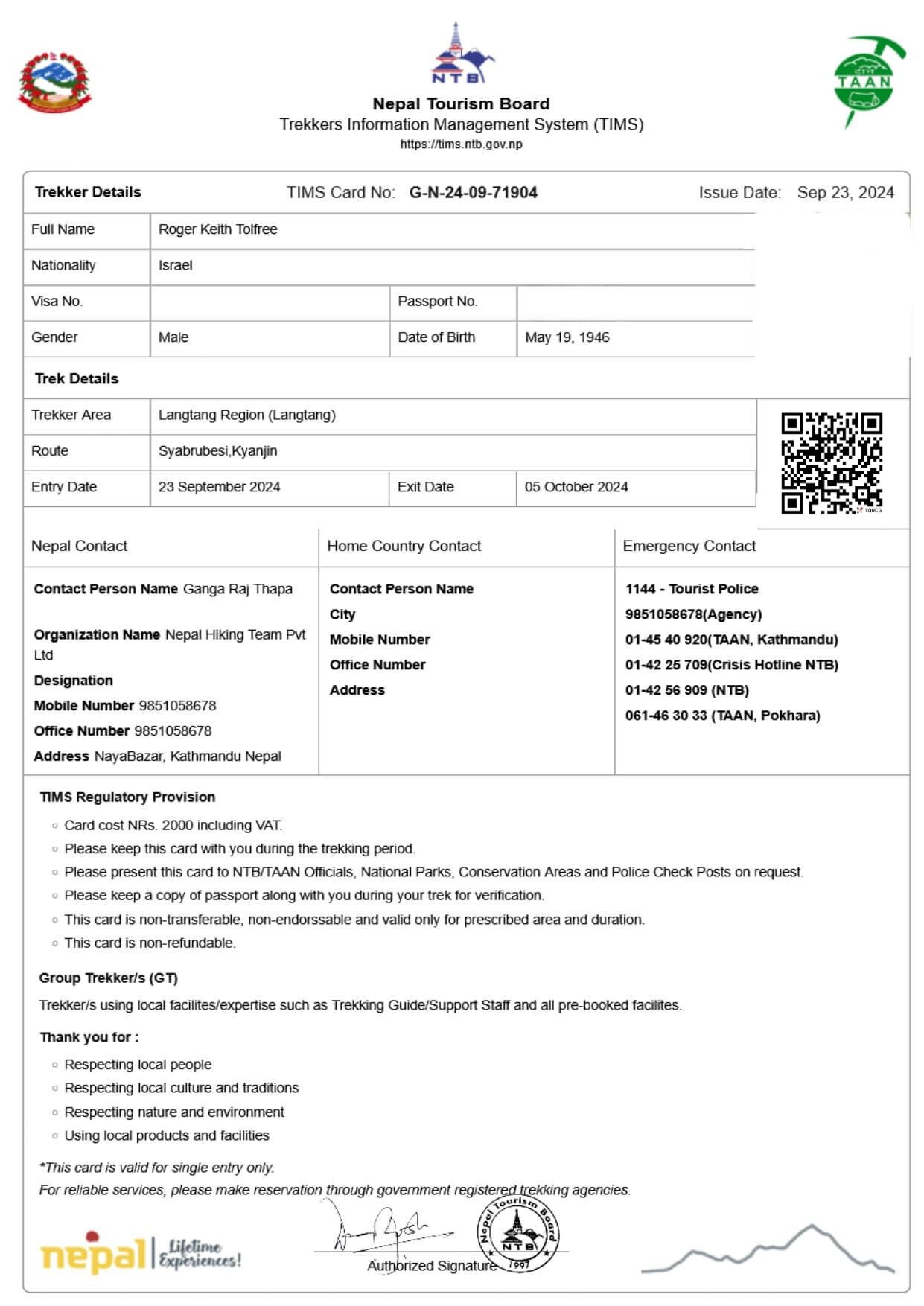
One common source of confusion for trekkers in Nepal involves trekking permits. The TIMS card, which stands for Trekkers' Information Management System, was introduced to register trekkers, improve safety on remote trails, and assist authorities during emergencies.
Although officials state that every trekker must obtain the required permits and pay the set fee per person, enforcement along trekking routes is not always consistent, and checks may vary by region.
How Much Does Trekking in Nepal Cost?
Trekking costs vary depending on the route, duration, and level of service. Budget travellers who organise their own travel may spend around USD 30–50 per day on accommodation and meals.
Guided treks that include permits, transportation, accommodation, guides, and porters usually range between USD 1,200 and USD 2,500, depending on the itinerary.
Luxury trekking experiences with upgraded lodges and additional services can cost more.
Do You Need Travel Insurance for Trekking in Nepal?
Travel insurance is strongly recommended for trekking in Nepal, particularly for routes that reach high altitudes. Insurance policies should include coverage for medical emergencies and helicopter evacuation.
Helicopter rescue is sometimes necessary when altitude sickness or injuries occur in remote mountain areas. Insurance ensures that emergency services can be arranged quickly without financial complications.
Trekkers should confirm that their policy covers activities above 4,000 meters in altitude.
What Should You Pack for Trekking in Nepal?
Packing properly improves comfort during a Himalayan trek. Essential items include layered clothing, a warm down jacket, waterproof outerwear, and sturdy trekking boots.
Other important gear includes:
• sleeping bag suitable for cold temperatures
• trekking poles
• headlamp
• reusable water bottle
• sun protection and sunglasses
Layering is important because temperatures vary greatly between daytime hiking and cold mountain evenings.
Learn more about the equipment checklist and packing list for trekking in Nepal.
Are There Luxury Lodges on Trekking Routes?
Yes, luxury lodges are available on several trekking routes in Nepal, particularly in the Everest and Annapurna regions. These lodges provide a more comfortable trekking experience while still allowing travellers to enjoy the landscapes and cultural atmosphere of the Himalayas.
Luxury lodges usually feature private bedrooms, attached bathrooms, comfortable bedding, and improved heating systems compared with traditional teahouses. Dining areas are larger and warmer, and menus often include a wider range of international meals alongside traditional Nepali dishes. Some lodges also provide hot showers, espresso coffee, bakeries, and reliable electricity for charging devices.
The Everest region currently offers the most developed luxury trekking infrastructure. Villages such as Lukla, Phakding, Namche Bazaar, Deboche, and Pangboche have several premium lodges designed specifically for comfort at high altitude. These lodges are commonly used on luxury versions of the Everest Base Camp trek, where trekkers stay in upgraded accommodation while following the same classic trail.
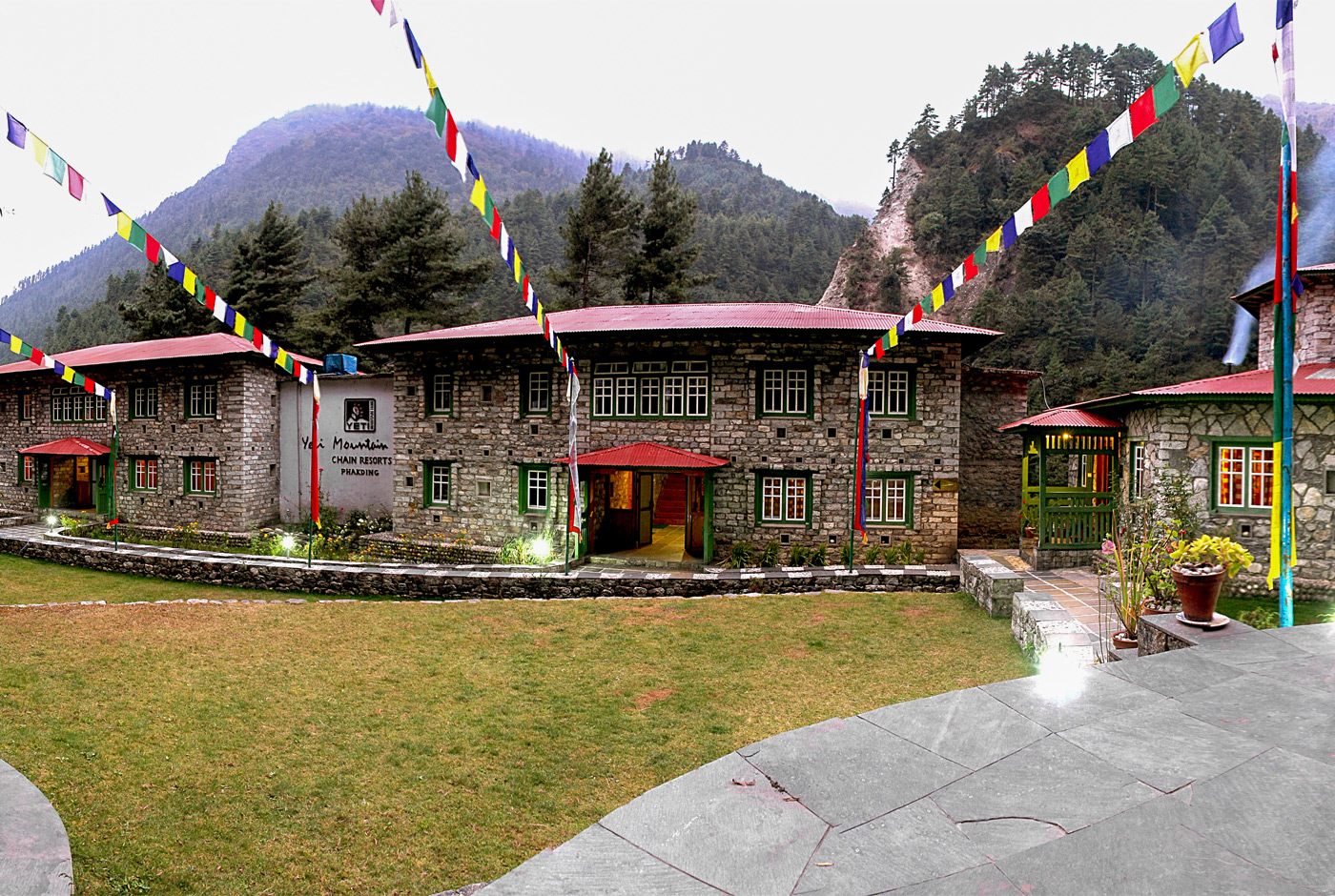
The Annapurna region also offers a number of high-quality lodges, particularly along routes such as the Annapurna Base Camp Trek, Mardi Himal Trek, and Ghorepani Poon Hill Trek. In these areas, trekkers can often stay in comfortable lodges with better rooms, improved dining spaces, and sometimes private bathrooms, although availability becomes more limited at higher elevations.
It is important to understand that luxury trekking in Nepal does not mean five-star city hotels in the mountains. Remote terrain, limited transport access, and harsh weather conditions naturally limit how elaborate mountain lodges can be. Even the best lodges must rely on porters, pack animals, or helicopters to transport supplies.
However, what luxury trekking offers is a noticeable level of comfort after long walking days. Warm dining rooms, well-prepared meals, clean rooms, and reliable hospitality make a significant difference, especially during colder evenings in the Himalayas.
Many trekkers choose luxury lodges because they offer a balance of adventure and comfort. You still walk the same historic trails, pass through traditional mountain villages, and experience Himalayan landscapes up close, but you return each evening to accommodation that feels more restful and relaxing.
For travellers who prefer additional comfort during their trek, these lodges provide an excellent option while preserving the authentic mountain experience that makes trekking in Nepal so memorable.
What Accommodation Is Available During Treks?
Accommodation during treks in Nepal is mainly provided through the teahouse lodge system, a network of small, family-run mountain lodges located along trekking trails. This system allows trekkers to travel comfortably without carrying tents or camping equipment.
Teahouses usually offer simple twin-sharing rooms with beds, mattresses, pillows, and blankets. Rooms are basic and primarily used for sleeping, while most evenings are spent in the communal dining room where trekkers relax and socialize.
Facilities vary by location and altitude. In larger villages, some lodges offer attached bathrooms and hot showers, while higher mountain areas often have shared bathrooms and limited hot water. Charging electronic devices may also require a small fee due to limited electricity supply.
The dining room is the central gathering space in most lodges. Heated by a stove during cold evenings, it provides a warm place where trekkers eat meals, rest, and exchange stories after a day on the trail.
Although simple, the teahouse system offers reliable shelter, warm hospitality, and a unique cultural experience that has become an essential part of trekking in Nepal.
What Food Is Available on Trekking Trails?
Food on trekking trails in Nepal is varied and designed to provide energy for long walking days. Most meals are prepared in mountain lodges using locally available ingredients.
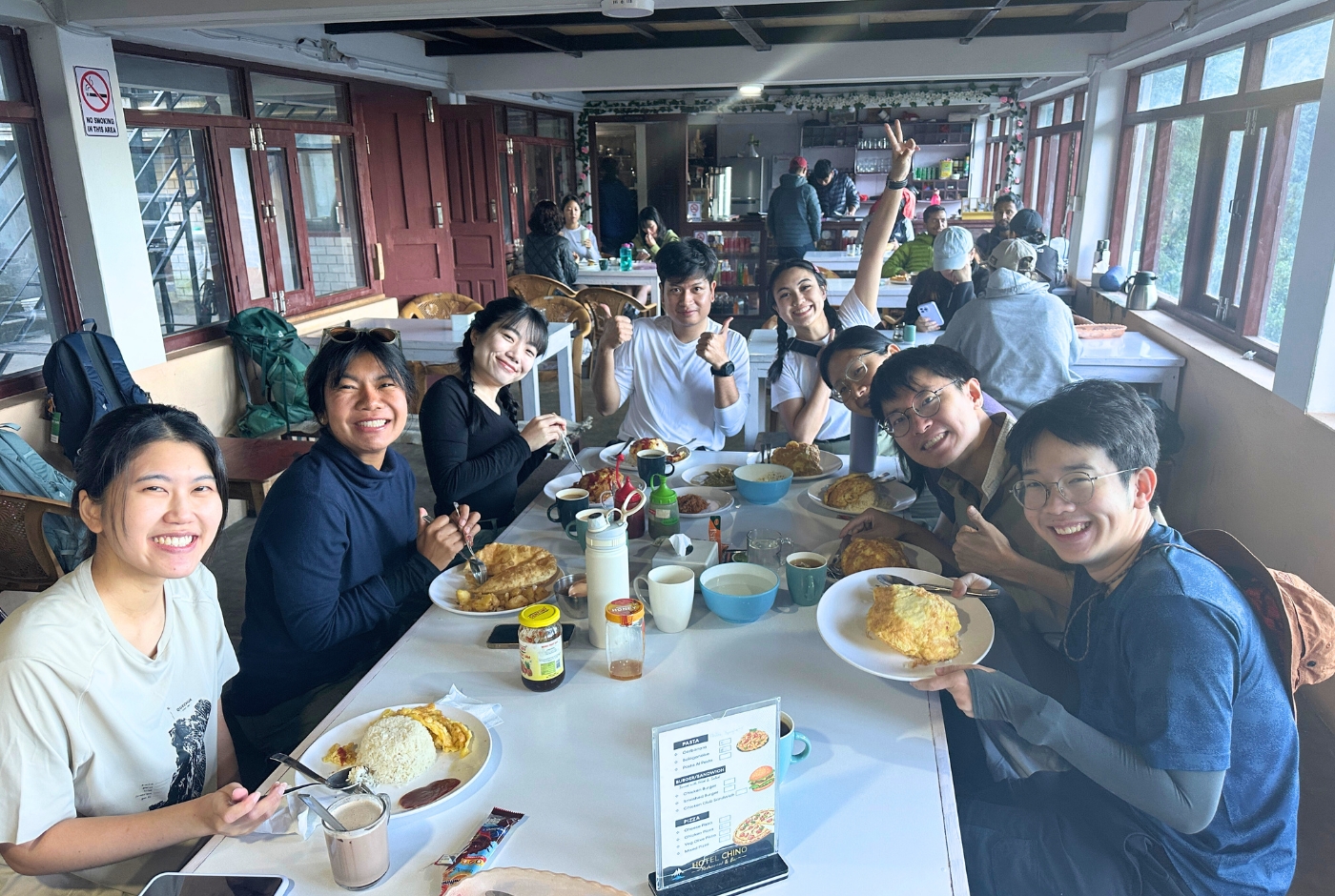
The most common meal is dal bhat, a traditional Nepali dish of rice, lentil soup, vegetables, and pickles. It is popular among trekkers because it is nutritious and often served with free refills.
Teahouse menus also include options such as noodles, fried rice, soups, potatoes, eggs, pancakes, and bread. Tea, coffee, and simple desserts are usually available in larger villages.
Although menus become simpler at higher elevations, meals remain filling and fresh. For many trekkers, sharing warm food in mountain lodges becomes one of the most memorable parts of the journey.
Is Altitude Sickness Common in Nepal?
Altitude sickness can occur during treks in Nepal because many routes reach elevations above 3,000 meters. The risk increases when trekkers ascend too quickly without allowing enough time for the body to adjust.
Common symptoms include headache, nausea, fatigue, dizziness, and loss of appetite. These symptoms are usually mild at first but can worsen if a person continues to climb without proper acclimatization.
Most trekking itineraries include scheduled acclimatization days to help the body adapt gradually. Drinking plenty of water, maintaining a steady walking pace, and avoiding rapid altitude gain significantly reduce the risk.
Experienced guides closely monitor trekkers for altitude symptoms and recommend descending immediately if conditions become serious.
How Long Does It Take to Trek to Everest Base Camp?
The standard Everest Base Camp trek usually takes 12 to 14 days from Kathmandu to return. This duration includes essential acclimatization days to help trekkers adjust safely to the increasing altitude.
Most itineraries include rest days in Namche Bazaar and Dingboche, where trekkers hike to higher viewpoints during the day and sleep at the same elevation. This process allows the body to adapt gradually before continuing toward Everest Base Camp.
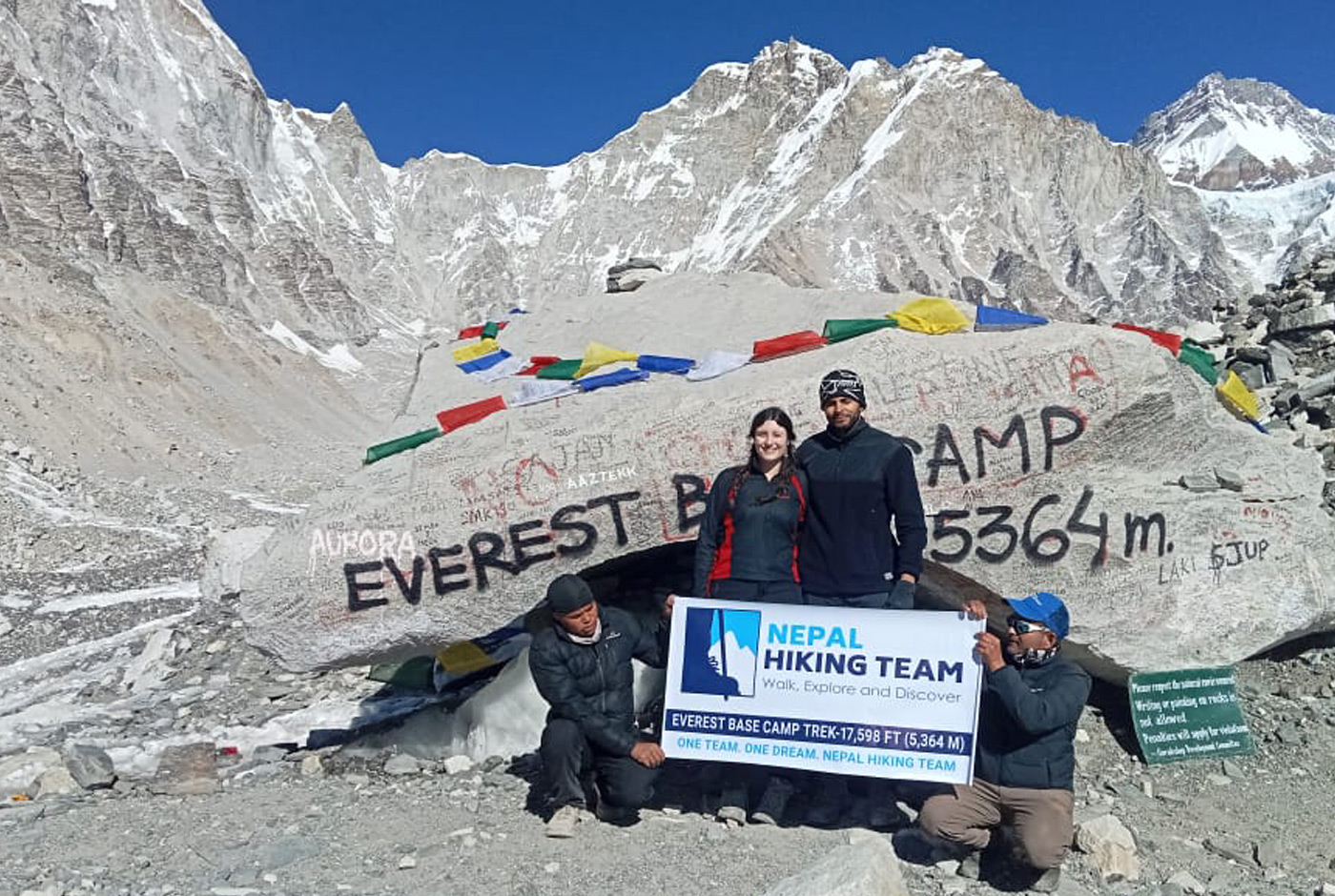
The trek typically begins with a flight to Lukla and follows the Khumbu Valley through villages such as Phakding, Namche Bazaar, Tengboche, and Lobuche before reaching Everest Base Camp at 5,364 meters.
Although daily walking distances are moderate, the high altitude makes proper pacing and acclimatization essential for completing the trek safely and comfortably.
Can Beginners Trek to Everest Base Camp?
Yes, beginners can successfully trek to Everest Base Camp with proper preparation and a well-planned itinerary. The route does not require technical climbing skills or mountaineering experience.
Trekkers walk several hours each day on established mountain trails while gradually gaining altitude. Good physical fitness, steady pacing, and following acclimatization days are important for completing the trek comfortably.
Many first-time trekkers reach Everest Base Camp each year with the support of experienced guides. With preparation, patience, and the right schedule, the trek is achievable for most healthy travellers.
Is Wi-Fi Available During Treks?
Wi-Fi is available in many villages along popular trekking routes, though connection quality varies. Larger settlements such as Namche Bazaar, Manang, and Lukla usually offer more reliable internet access.
Most mountain lodges provide Wi-Fi for a small fee, often using satellite or local network connections. However, speed can be slow and interruptions are common due to weather and the remote mountain terrain.
As trekkers move to higher and more remote areas, connectivity becomes less reliable. Many travellers treat the limited internet access as a chance to disconnect and focus fully on the trekking experience.
Can You Charge Your Phone on the Trail?
Yes, most mountain lodges along popular trekking routes offer charging facilities for phones, cameras, and other small devices. Charging is usually available in dining areas or designated charging stations.
Because electricity in remote villages is limited, lodges typically charge a small fee for using power outlets. The cost can increase at higher elevations where energy supply relies on solar power or small hydro systems.
Carrying a portable power bank is highly recommended. It allows trekkers to charge devices during the day and reduces the need to rely entirely on lodge electricity.
Do You Need Training Before Trekking in Nepal?
Technical training is not required for most trekking routes in Nepal. However, basic physical preparation makes the experience far more comfortable.
Trekkers should focus on regular walking, hiking, stair climbing, and cardiovascular exercise before arriving. These activities help build endurance for several hours of walking each day on mountain trails.
Improving leg strength and stamina also helps the body adapt to long trekking days and changing elevations. Even moderate preparation allows trekkers to enjoy the journey more and handle the physical demands of the Himalayas with greater confidence.
Are Solo Trekkers Allowed in Nepal?
Solo trekking rules in Nepal depend on the region and current regulations. In many areas, trekkers are encouraged or required to travel with a licensed guide.
Restricted regions such as Manaslu, Upper Mustang, and Nar Phu Valley require trekkers to be part of an organized group arranged through a registered trekking company. These permits cannot be issued to solo travellers.
On popular routes like Everest Base Camp, Annapurna Base Camp, and Langtang Valley, many trekkers join guided groups or travel with a private guide for safety and easier logistics. Guides help arrange accommodation, manage permits, and monitor altitude conditions during the trek.
What Wildlife Can Be Seen While Trekking?
Trekking routes in Nepal pass through national parks and conservation areas that protect a wide range of wildlife. Forest trails and alpine valleys provide habitat for several Himalayan species.
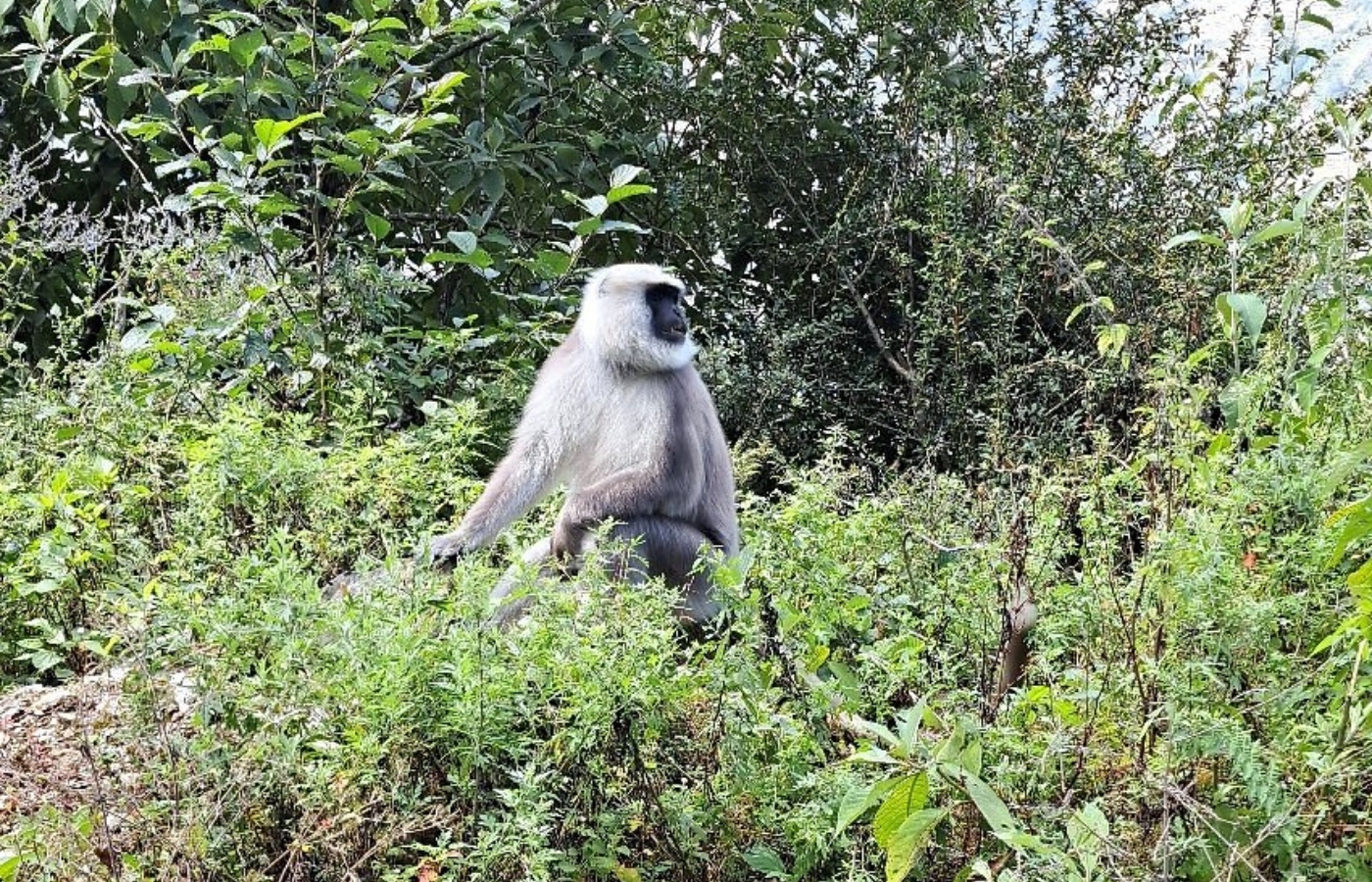
Trekkers sometimes see animals such as Himalayan tahr, musk deer, langur monkeys, and Himalayan monal pheasants, the national bird of Nepal. Birdlife is especially rich in forested regions like Annapurna and Langtang.
In higher and more remote mountain areas, rare animals such as blue sheep and snow leopards live in the rugged terrain. Sightings are extremely uncommon, but their presence highlights the ecological importance of these Himalayan landscapes.
Are Trekking Trails Crowded?
Some trekking routes in Nepal can become busy during the main seasons of spring (March to May) and autumn (September to November). Popular trails such as the Everest Base Camp Trek and Annapurna Base Camp Trek attract trekkers from around the world during these months.
However, Nepal offers a wide range of trekking routes, and many remain relatively quiet even in peak season. Regions such as Langtang Valley, Manaslu Circuit, Khopra Ridge, and Mardi Himal often provide a more peaceful trail experience.
Choosing the right route and travelling slightly outside the busiest weeks can help trekkers enjoy quieter trails while still experiencing the beauty of the Himalayas.
Which Trekking Region Should You Choose?
Nepal has several major trekking regions, each offering unique landscapes and cultural experiences.
The Everest region provides dramatic Himalayan scenery and Sherpa culture. The Annapurna region offers diverse landscapes and varied trekking routes. The Langtang region combines mountain views with accessible trails close to Kathmandu. The Manaslu region provides remote wilderness and traditional mountain villages.
Choosing the right trek depends on time, fitness level, and personal travel goals.
Explore more on top trekking destinations in Nepal, each offering a distinct trekking experience across the Himalayas.
Conclusion
Trekking in Nepal remains one of the most rewarding adventure experiences available to travellers. From forest trails and alpine valleys to the towering peaks of the Himalayas, the country offers extraordinary landscapes and welcoming mountain communities.
Understanding the most common questions about trekking helps travellers prepare properly and enjoy the journey with confidence. With the right preparation, a trek in Nepal becomes far more than a physical journey. It becomes an opportunity to experience the culture, landscapes, and traditions of the Himalayan region.
Post a Comment