
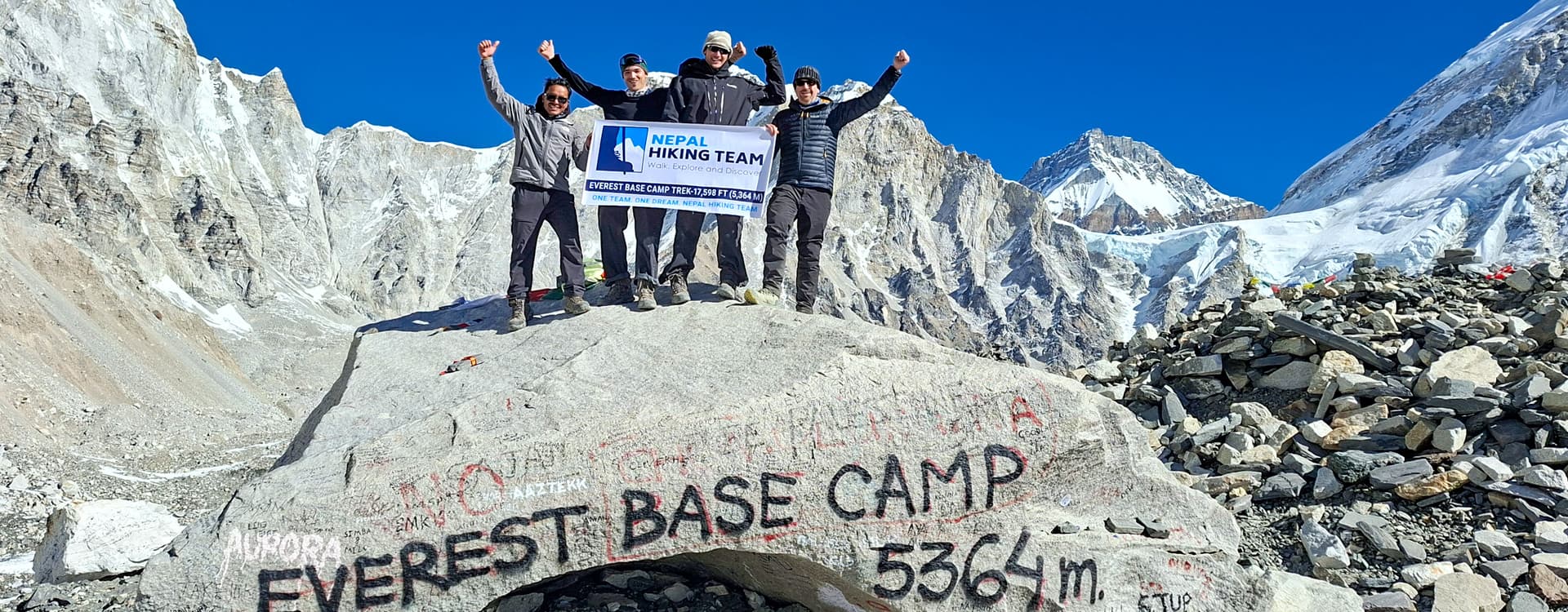
Travel insurance for the Everest Base Camp trek is essential for safe and responsible trekking in Nepal. Although Everest Base Camp is one of the world's most famous trekking destinations, it is also a remote high-altitude route with limited infrastructure and restricted access.
Travel insurance for the Everest Base Camp trek is essential, covering high-altitude trekking in remote terrain, emergency helicopter evacuation and medical transport, costly medical treatment, and potential flight delays or itinerary disruptions.
In this blog, we present a detailed guide to travel insurance for the Everest Base Camp trek, explaining how to purchase the right policy, mandatory insurance requirements, recommended insurance providers, and common mistakes to avoid so you can trek the world's most iconic trail with confidence and peace of mind.
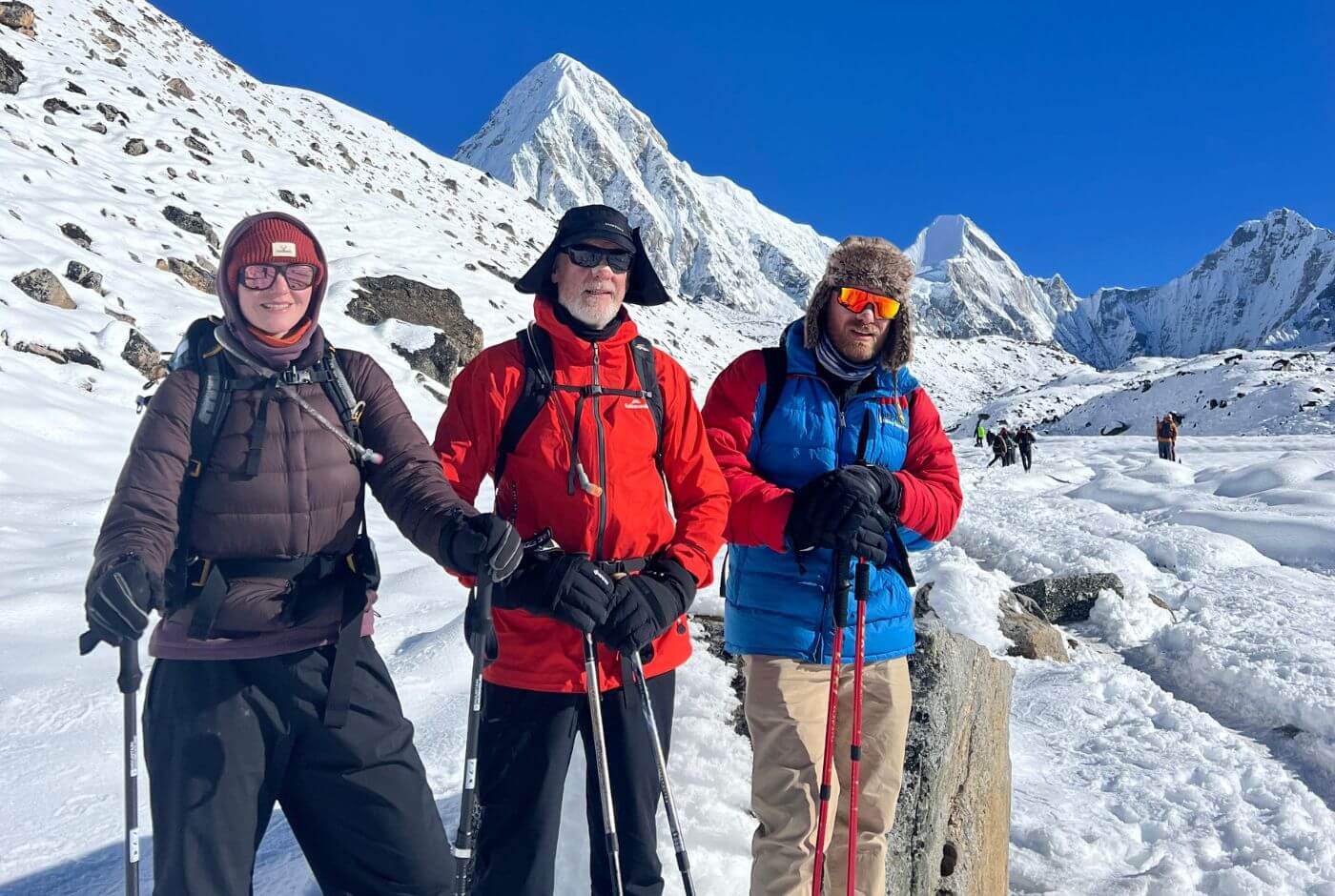
Is Travel Insurance Mandatory for the Everest Base Camp Trek?
Travel insurance is not legally required to enter Nepal or to begin the Everest Base Camp trek. Nepal's immigration authorities do not request proof of travel insurance when issuing tourist visas.
In practical terms, however, travel insurance is considered essential for trekking in the Everest region. Most reputable trekking companies require trekkers to provide valid insurance details before the trek begins.
Insurance verification becomes critical during medical emergencies. Helicopter operators and rescue coordinators usually require authorization from an insurance provider before dispatching an aircraft, particularly in serious situations that are not immediately life-threatening.
Without verified coverage, evacuation may be delayed until financial guarantees are secured.
Why Buy Travel Insurance Before Arriving in Kathmandu
Travel insurance is recommended to be purchased before arriving in Nepal, as many insurers consider coverage purchased after departure to be higher risk.
Once travel has started, insurers cannot fairly assess pre-existing conditions, early symptoms, or travel disruptions.
As a result, policies purchased after arrival may have delayed activation, reduced benefits, or excluded medical and evacuation coverage.
Buying insurance in advance ensures full, uninterrupted protection throughout your Everest Base Camp trek.
Understanding the Risks on the Everest Base Camp Trail
The Everest Base Camp trek involves high-altitude exposure, unpredictable weather, limited medical access, and physical terrain that demands careful preparation and appropriate insurance coverage.
- High-altitude exposure: From Namche Bazaar onward, the trail stays above 3,000 meters, where oxygen levels are significantly lower.
- Unpredictable acclimatization: Individual responses to altitude vary, making altitude-related illness difficult to predict or prevent entirely.
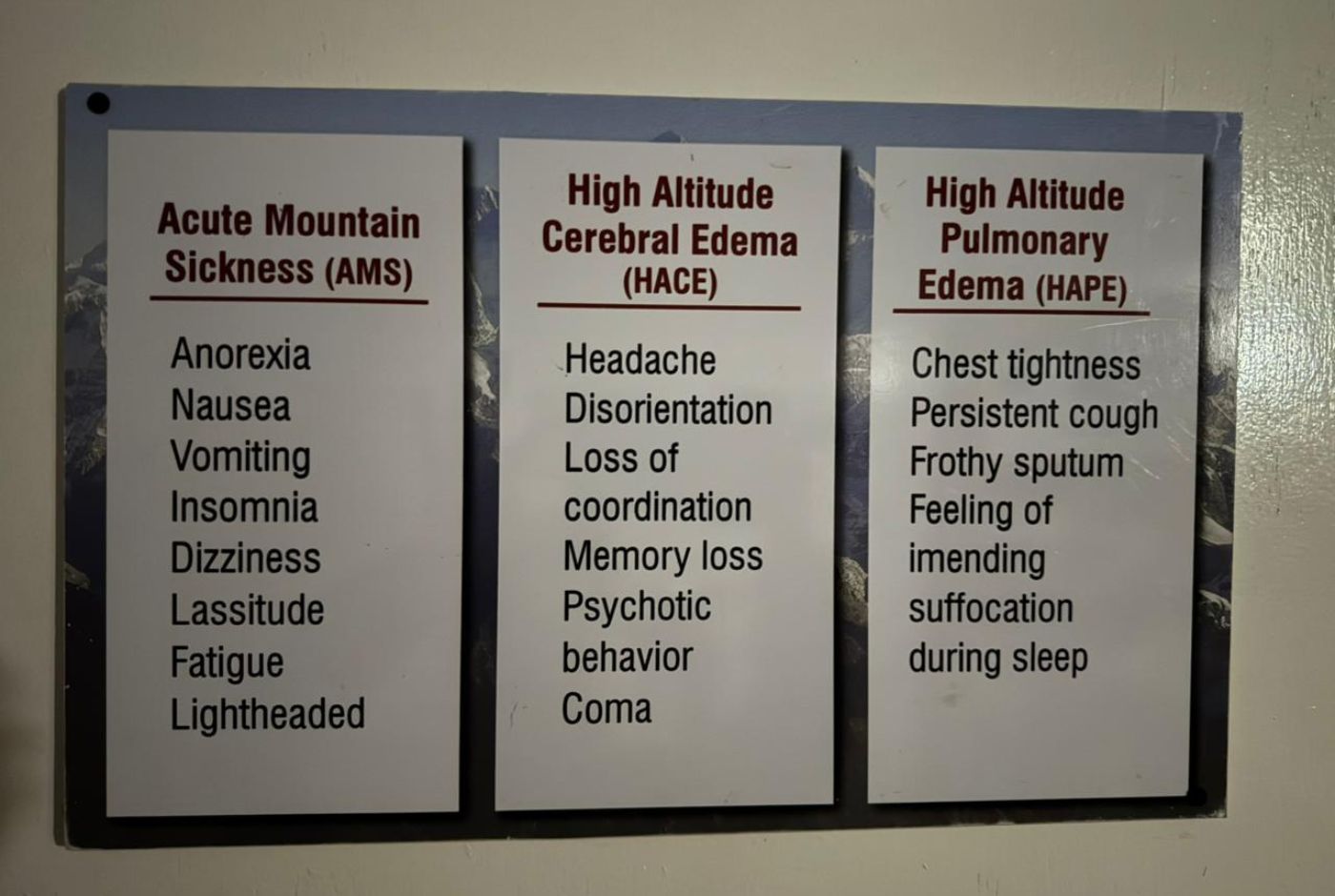
- Acute Mountain Sickness (AMS): Common symptoms include headache, nausea, dizziness, and fatigue, often worsening with continued ascent.
- Severe altitude illnesses: AMS can progress to HAPE or HACE, both life-threatening without immediate descent and medical intervention.
- Volatile weather conditions: Sudden snowfall, high winds, and whiteouts are frequent, even during peak trekking seasons.
- Flight disruptions to Lukla: Weather-related delays and cancellations extend time at altitude, increasing fatigue and the risk of illness.
- Limited medical facilities: Clinics in Namche Bazaar and Pheriche handle only minor issues, not serious injuries or altitude emergencies.
- Evacuation requirements: Severe conditions require helicopter evacuation to Kathmandu due to a lack of advanced local care.
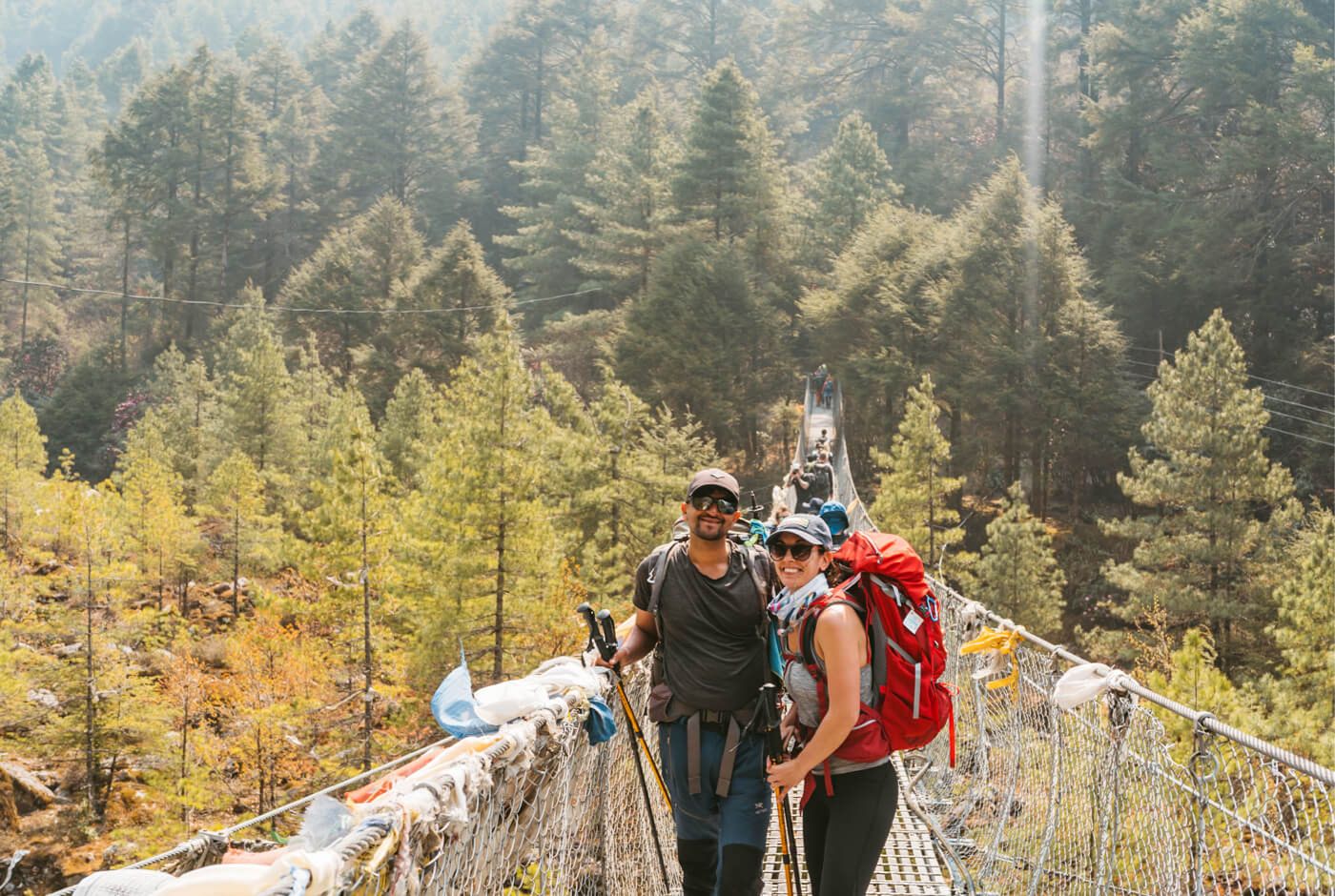
- Terrain-related hazards: Narrow paths, suspension bridges, icy sections, and steep trails raise the risk of falls and fractures.
- Illness and fatigue risks: Respiratory infections, stomach issues, and reduced coordination become more common at higher elevations.
- Insurance considerations: Travel insurance must cover high-altitude trekking, emergency evacuation, and rescue in remote areas.
Minimum Insurance Coverage for Everest Base Camp
Everest Base Camp is a high-altitude trekking route in a remote region of the Himalayas. Standard travel insurance is often insufficient due to altitude limits, activity exclusions, or unclear evacuation wording.
Your policy must clearly confirm all of the following in writing:
- Maximum altitude coverage of 5,500 meters or higher
- Emergency helicopter evacuation from remote areas of Nepal
- Coverage for Acute Mountain Sickness
- Clear inclusion of High Altitude Pulmonary Edema and High Altitude Cerebral Edema
- Adequate medical coverage for hospitalization and treatment in Nepal
- Trip cancellation, interruption, and delay protection
- Nepal is clearly listed as a covered destination
- 24-hour emergency assistance with international contact numbers
- Policy purchased before departure from the home country
- Printed and digital copies of insurance documents prepared
Everest Base Camp sits at 5,364 meters, with acclimatization hikes reaching 5,545 meters at Kala Patthar. Policies capped below these elevations frequently fail when evacuation or medical care is required.
Why Helicopter Evacuation Coverage Is Critical
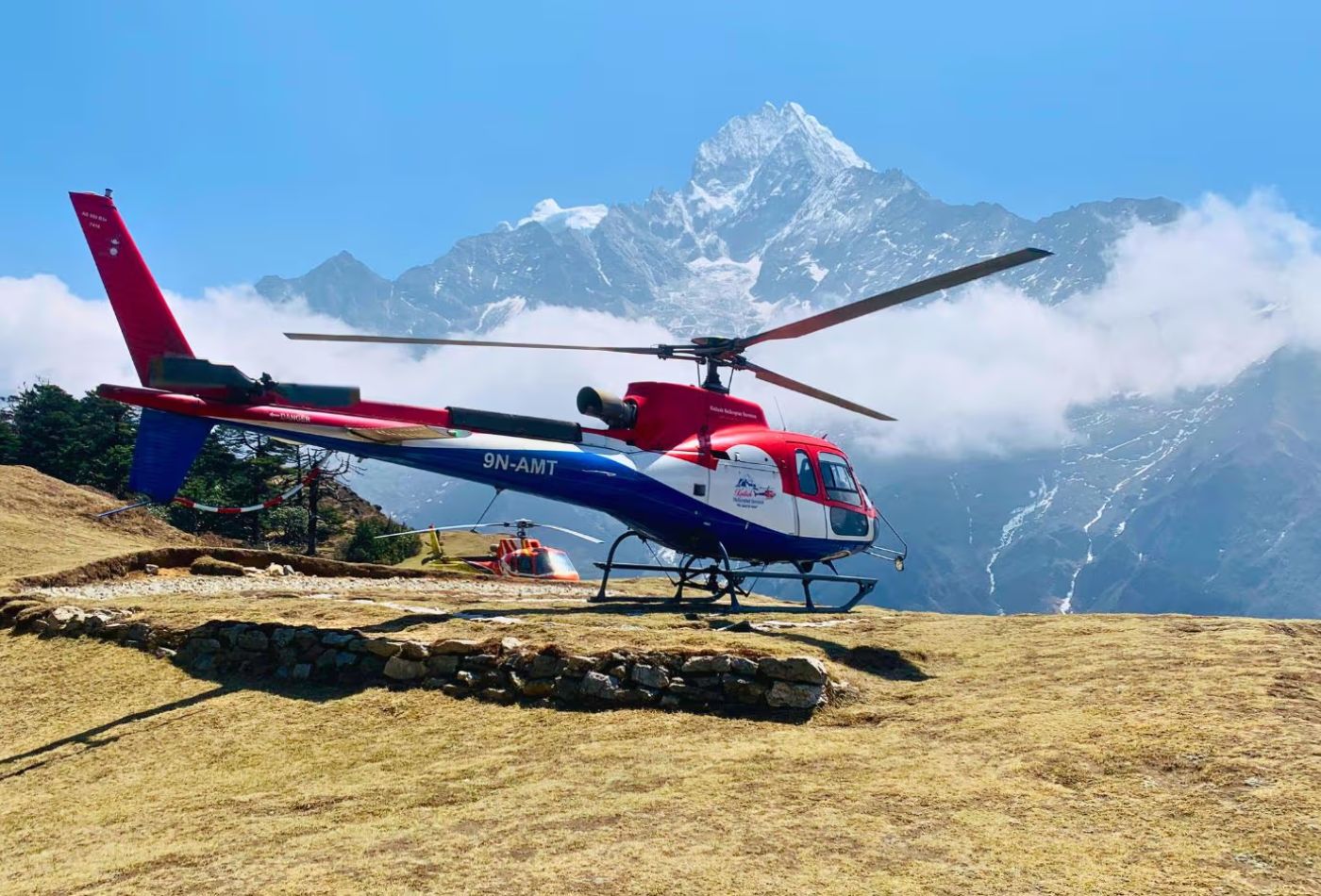
Above Lukla, the Everest region has no road access, no ambulances, and no hospitals capable of handling serious medical emergencies. Once trekkers move deeper into the Khumbu Valley, helicopter evacuation becomes the only practical rescue option for severe illness or injury.
Altitude-related medical emergencies are the most common reason for evacuation. Conditions such as severe Acute Mountain Sickness, High Altitude Pulmonary Edema, and High Altitude Cerebral Edema often leave trekkers unable to continue walking. In these situations, delaying evacuation or attempting self-descent can significantly worsen outcomes.
Traumatic injuries also require a helicopter rescue. Falls on narrow trails, suspension bridges, or icy sections can result in fractures or head injuries that cannot be stabilized on the trail. Carrying injured trekkers on foot at high altitude is dangerous and rarely possible.
Helicopter evacuations in the Everest region are fast and effective, but they are expensive. Costs typically range from USD 5,000 to 10,000 or more, depending on altitude, distance, weather conditions, and urgency.
In most cases, helicopter operators require authorization from the insurance provider before dispatch. Without confirmed coverage, evacuations may be delayed until payment guarantees are secured. These delays can be critical in a high-altitude medical emergency.
Travel insurance with clearly stated helicopter evacuation coverage ensures that evacuation decisions are based on medical necessity rather than financial uncertainty.
In the Everest Base Camp region, helicopter evacuation coverage is not a luxury. It is a core safety requirement.
Real-World Medical and Rescue Costs in the Khumbu Region
Medical emergencies in the Everest region escalate quickly due to altitude, isolation, and limited infrastructure. Even relatively straightforward evacuations involve specialized aircraft, experienced pilots, and coordination between trekking staff, rescue operators, and hospitals in Kathmandu.
Helicopter evacuation costs in the Khumbu region typically range from USD 5,000 to 10,000, depending on altitude, distance, weather conditions, and urgency. Evacuations from higher settlements such as Lobuche or Gorak Shep are usually more expensive due to reduced aircraft performance at extreme altitudes.
Once evacuated, trekkers are normally transferred to private hospitals in Kathmandu. Standard treatment for altitude-related illness often includes diagnostic testing, oxygen therapy, medication, and continuous monitoring. These medical services can add several thousand dollars to total costs within a short period.
Severe cases of High Altitude Pulmonary Edema or High Altitude Cerebral Edema may require extended hospitalization, intensive care, and follow-up treatment. In some situations, medical repatriation to the trekker's home country may also be recommended, further increasing expenses.
Additional costs frequently arise during emergencies, including oxygen bottles used on the trail, medications purchased at high altitude, changes to accommodation, and logistical coordination fees. Without insurance, these expenses must be paid out of pocket, often before treatment is completed.
For trekkers without travel insurance, even a single medical incident can become financially overwhelming. Comprehensive travel insurance transforms these unpredictable costs into manageable risks while ensuring timely access to appropriate medical care in the Everest region.
Insurance and Altitude Sickness: When Claims Are Approved or Denied
Altitude sickness is one of the most common reasons for medical evacuation on the Everest Base Camp trail. While many insurance policies include altitude-related illness, claims are evaluated based on how symptoms are managed rather than the diagnosis alone.
Claims are more likely to be approved when trekkers follow accepted medical guidelines. This includes gradual ascent, proper acclimatization days, early reporting of symptoms, and immediate descent when advised by guides or medical staff. Preventive descent is generally viewed as responsible behavior and does not negatively affect coverage.
Problems arise when trekkers ignore or conceal symptoms. Continuing to ascend despite headaches, nausea, dizziness, or shortness of breath may be considered reckless behavior. In such cases, insurers may question whether evacuation was medically necessary, which can lead to reduced reimbursement or claim denial.
Emergency evacuations due to severe conditions such as High Altitude Pulmonary Edema or High Altitude Cerebral Edema are typically covered when symptoms are documented and promptly managed. Delays in seeking help or in following medical advice can complicate the claim review process.
Timing is also important. Insurers expect symptoms to be reported as soon as they appear. Late notification, especially after conditions worsen, can raise concerns during claim assessment.
Proper documentation is key to altitude-related claims. Medical reports, oxygen saturation readings, and written statements from guides help insurers confirm that evacuation decisions were medically justified and appropriately handled.
Understanding how insurance providers evaluate altitude sickness claims encourages safer decision-making on the trail and helps ensure that coverage remains valid during emergencies.
Pre-Existing Medical Conditions and High-Altitude Disclosure
Pre-existing medical conditions require careful consideration when purchasing travel insurance for the Everest Base Camp trek. Insurers assess risk based on disclosed medical history, particularly for high-altitude travel where even minor conditions can worsen quickly.
Common conditions flagged by insurers include asthma, heart or cardiovascular issues, previous experiences with altitude sickness, sleep apnea, and chronic respiratory conditions. These conditions do not automatically prevent coverage, but they must be fully disclosed during the application process.
Most insurers require trekkers to complete a medical questionnaire before confirming coverage. Based on the information provided, insurers may offer coverage with specific exclusions, apply a higher premium, or request medical clearance from a physician.
Failure to disclose a relevant medical condition can have serious consequences. If an emergency occurs and the insurer determines that non-disclosure contributed to the incident, the policy may be voided, regardless of coverage limits.
Trekkers with a history of altitude-related illness should be particularly cautious. Previous episodes of Acute Mountain Sickness, High Altitude Pulmonary Edema, or High Altitude Cerebral Edema increase the risk at elevation and must be accurately disclosed.
Honest and complete disclosure protects both health and financial security. Properly declared medical conditions allow insurers to assess risk correctly and ensure that coverage remains valid if medical intervention is required during the Everest Base Camp trek.
What Travel Insurance Usually Does Not Cover
Even comprehensive travel insurance policies include exclusions, and understanding these limits is essential when trekking to Everest Base Camp. Many insurance disputes arise not because coverage is absent, but because exclusions were misunderstood before the trek began.
One of the most common exclusions involves trekking above the insured altitude limit. If a policy caps coverage below the elevation reached on the Everest Base Camp trek, any illness or injury occurring above that altitude may not be covered, regardless of severity.
Undeclared pre-existing medical conditions are another frequent reason for denied claims. If an undisclosed condition contributes to a medical emergency, insurers may refuse to cover the costs of evacuation or treatment.
Alcohol-related incidents are typically excluded from coverage. Injuries sustained while under the influence of alcohol, even at lower elevations, are often classified as avoidable risks and may invalidate claims.
Insurance policies also exclude reckless behavior or failure to follow medical advice. Continuing to ascend despite symptoms of altitude sickness, ignoring guide instructions, or refusing to descend as recommended can be grounds for claim denial.
Off-route trekking and technical climbing activities are usually not covered unless explicitly stated. Deviating from established trails or engaging in mountaineering activities without proper endorsements may fall outside standard trekking coverage.
Insurance vs Trekking Company Responsibility
Understanding the division of responsibility between travel insurance and trekking companies is essential when planning the Everest Base Camp trek. While professional operators play a key role in safety and logistics, they do not assume financial responsibility for medical emergencies.
Trekking companies manage on-the-ground safety and coordination. Guides monitor trekkers for signs of altitude sickness, assess health conditions daily, and make decisions about rest, descent, or evacuation when necessary. They also communicate with helicopter operators, medical clinics, and emergency contacts to organize assistance.
However, trekking companies do not pay for helicopter evacuation, hospital treatment, or medical expenses. These costs are the responsibility of the trekker and their insurance provider. Without valid insurance, operators may be unable to authorize evacuation or hospital admission without upfront payment guarantees.
Insurance authorization often determines the speed of emergency response. Helicopter operators and hospitals usually require confirmation from insurers before proceeding, especially when situations are serious but not immediately life-threatening. Delays in authorization can slow evacuation in critical moments.
Independent Trekkers vs Guided Trekkers: Insurance Implications
Travel insurance is essential for both independent and guided trekkers on the Everest Base Camp trail, but how insurance operates in emergencies differs significantly between the two.
Guided trekkers benefit from structured safety systems. Licensed guides monitor health daily, recognize early symptoms of altitude sickness, and initiate medical response quickly when issues arise. During emergencies, guides communicate directly with insurance providers, helicopter operators, and medical facilities to ensure that evacuation authorization and documentation are handled efficiently.
Trekking companies also assist with insurance-related communication. Guides provide written reports, medical observations, and location details required by insurers, which often speed up evacuation approval and claim processing.
Independent trekkers must manage these processes themselves. At high altitude, making phone calls, explaining medical conditions, and obtaining insurer authorization can be extremely difficult, especially when the trekker is unwell. Delays are more common, particularly if insurers require detailed documentation before approving evacuation.
Insurance providers generally process claims more smoothly when evacuations are coordinated through registered trekking operators. Claims supported by licensed guides and structured safety protocols are often viewed as more reliable and complete.
While independent trekking is legally permitted, it carries greater logistical and insurance-related risk. For independent trekkers, comprehensive travel insurance becomes even more critical, as insurance is the primary safety net when professional support is limited on the Everest Base Camp trail.
Common Travel Insurance Mistakes Everest Base Camp Trekkers Make
One of the most common mistakes trekkers make is assuming that standard travel insurance is sufficient for the Everest Base Camp trek. Many basic policies exclude high-altitude trekking or set altitude limits well below those reached on the route.
Another frequent mistake is failing to check the maximum covered altitude. Trekkers often purchase insurance without reading this detail, only to discover later that coverage ends before reaching Everest Base Camp or during acclimatization hikes.
Some travelers attempt to buy travel insurance after arriving in Nepal. Most insurers require policies to be purchased before departure from the home country. Insurance bought after arrival is invalid or provides limited protection.
Failing to review evacuation clauses is another serious oversight. Policies that do not explicitly mention helicopter evacuation may delay rescue authorization or require upfront payment during emergencies.
Many trekkers also forget to share insurance details with their trekking company. Trekking agencies and guides need immediate access to policy numbers and emergency contact information to coordinate evacuation quickly if required.
Documents You Must Carry During the Trek
Carrying the correct insurance and identification documents during the Everest Base Camp trek is essential for timely assistance during emergencies. In remote high-altitude environments, access to information can be as important as access to medical care.
Every trekker should carry both a printed and a digital copy of their travel insurance policy. Mobile devices may lose power or signal at altitude, so paper copies remain important in urgent situations.
The following documents should always be accessible during the trek:
- Travel insurance policy document showing coverage details
- Emergency contact numbers for the insurance provider
- Policy number and membership or reference number
- Passport copy and visa information
- Trekking permit copies, if applicable
Trekking guides and companies often request insurance details before departure, but trekkers should also keep copies with them at all times. In the event of an emergency, guides may need immediate access to policy information to coordinate helicopter evacuation or hospital admission.
Keeping documents organized and easily accessible reduces delays during emergencies. Proper preparation ensures that insurance coverage can be activated quickly when medical or logistical support is required on the Everest Base Camp trail.
Sample Certificate of Insurance for Everest Base Camp Trek
Below is an example of a valid travel insurance certificate. Your certificate should clearly display your policy number, coverage dates, destination (Nepal), and emergency contact numbers.
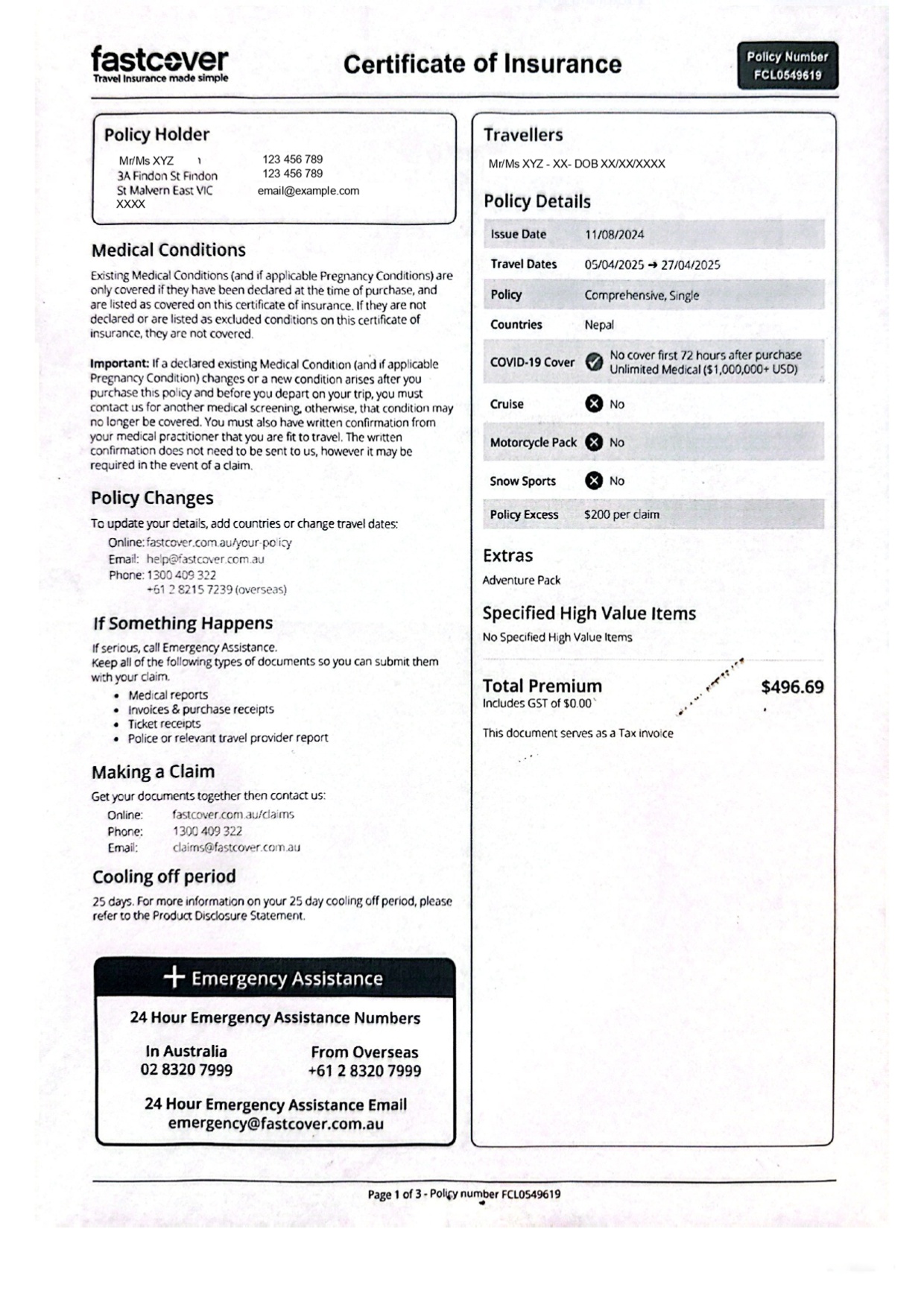
Before your trek, verify your certificate includes:
- Maximum altitude coverage of 5,500 meters or higher
- Emergency helicopter evacuation was explicitly stated
- Adventure Pack or high-altitude trekking add-on (shown under "Extras")
- 24-hour emergency assistance contact numbers
- Travel dates matching your complete itinerary
Share a copy with your trekking company and carry both digital and printed versions during the trek.
What Happens After an Emergency Evacuation: The Claim Process
After an emergency evacuation from the Everest Base Camp trail, the insurance claim process begins alongside medical treatment. While immediate care is the priority, understanding what follows helps reduce stress during recovery.
The process usually starts with medical documentation. Hospitals in Kathmandu provide diagnosis reports, treatment summaries, and test results that confirm the medical necessity of the evacuation. These documents form the foundation of the insurance claim.
Insurance providers often request written statements from trekking guides or operators. These reports outline symptom progression, altitude levels, locations, and actions taken on the trail. Clear timelines and professional documentation help validate the claim.
All financial records must be carefully retained. This includes helicopter evacuation invoices, hospital bills, medication receipts, diagnostic costs, and any payments made for oxygen or on-trial treatment. Missing documents are a common cause of delayed reimbursement.
Communication with the insurer continues after discharge. Most insurance companies assign a claims officer who reviews documents, requests clarification if needed, and confirms eligibility based on policy terms.
Claim processing timelines vary. Some claims are settled within a few weeks, while others take longer, especially when additional verification is required. Complete documentation and timely responses significantly improve processing speed.
Understanding this process allows trekkers to focus on recovery rather than administration. Comprehensive travel insurance for the Everest Base Camp trek supports not only evacuation and treatment, but also the practical realities that follow a high-altitude emergency.
Step-by-Step: How to Buy Travel Insurance for an Everest Base Camp Trek
Step 1: Prepare Your Details Before You Start
Have the following information ready before opening any insurance website.
Personal details
- Full name (exactly as shown on passport)
- Date of birth
- Nationality
- Country of permanent residence
Trip details
- Destination: Nepal
- Trek: Everest Base Camp
- Maximum altitude: 5545 meters
- Trip duration: 16 days (variable)
- Start date: arrival in Nepal
- End date: departure from Nepal
Step 2: Open a Travel Insurance Quote Page
Go to a travel insurance website that allows online purchase.
On the first screen, you will usually be asked to enter:
- Your country of residence
- Your travel start and end dates
- Number of travelers
Submit this information to generate available plans.
Step 3: Enter Trip Activity and Altitude Information
This is the most important step for the Everest Base Camp trek.
When asked about activities:
- Select trekking/hiking
- Confirm high-altitude trekking
- Enter or confirm the maximum altitude
If the system does not allow altitude entry, you must confirm altitude limits later in the policy wording.
Step 4: Fill in Traveler Information
You will now be asked to complete traveler details:
- Full legal name
- Date of birth
- Gender (if requested)
- Nationality
Your insurance certificate must match your passport exactly.
Step 5: Review Coverage Summary Carefully
Before payment, you will see a coverage summary page.
Confirm that it clearly includes:
- Emergency medical treatment
- Emergency helicopter evacuation
- Coverage for high-altitude trekking
- Trip interruption or early evacuation
Also confirm:
- Coverage dates match your full itinerary
- Nepal is listed as the destination
Do not proceed if altitude or evacuation coverage is unclear.
Step 6: Check the Price and Budget
For a classic Everest Base Camp trek package, expect:
- USD 150–230 for a properly covered high-altitude trekking policy
Lower prices usually mean lower altitude limits or no evacuation coverage.
Step 7: Add Emergency Contact Information
Most insurance systems will ask for:
- Name of an emergency contact
- Relationship
- Phone number or email
This person will be contacted if you are hospitalized or evacuated.
Step 8: Make the Payment
Proceed to secure payment using:
- Credit card or debit card
Once payment is successful:
- You will receive a policy confirmation email
- A certificate of insurance will be attached or downloadable
Payment confirmation usually happens instantly.
Step 9: Download and Save All Documents
Immediately download and save:
- Insurance certificate
- Full policy wording (PDF)
- Emergency assistance contact details
- Policy number
Carry:
- A digital copy on your phone
- A printed copy with trekking documents
Your trekking guide or agency may request proof before departure.
Step 10: Final Check Before the Trek
Before flying to Nepal, confirm:
- Coverage dates include the entire trek
- Maximum altitude exceeds Everest Base Camp
- Helicopter evacuation is clearly included
- Emergency contact numbers are accessible offline
This final check ensures no issues during emergencies.
Best Travel Insurance Companies for the Everest Base Camp Trek (By Region)
Based on feedback from previous Everest Base Camp trekkers, the following insurance providers are commonly used for high-altitude trekking in Nepal. These companies are listed for reference only, as coverage varies by plan and country of residence.
USA and Canada
- Tugo
- World Nomads
- Blue Cross
- BHTP
- Travelex
- InsureMyTrip
Australia and New Zealand
- Allianz Australia
- NIB Insurance
- Fast Cover
- Cover-More
- OneCover
United Kingdom
- Snowcard
- Allianz
- Direct Line
- British Mountaineering Council (BMC)
Europe
- Alpenverein Edelweiss
- Allianz Europe
Singapore
- Income Travel Insurance
- World Nomads
South Africa
- Quantum Insurance
- MSO Insurance
Taiwan
- Fubon Insurance
- World Nomads
Global Options
- AXA Travel Insurance
- Allianz Travel Insurance
- World Nomads
Important Declaration
These providers are listed based on recommendations from previous trekkers and are provided for reference only. Policy terms vary by plan and country. Always review the full policy wording to confirm helicopter evacuation coverage and maximum altitude limits for your chosen trek.
For trekkers planning to visit Nepal, we have outlined recommended travel insurance providers by region in a dedicated blog post.
Concluding Notes: Trek Everest Base Camp with Confidence
Trekking to Everest Base Camp is an extraordinary journey that demands preparation beyond fitness and gear. High altitude, remote trails, and limited medical facilities mean every detail must be planned carefully.
Verified travel insurance allows guides and rescue teams to respond decisively during emergencies. With coverage confirmed, delays caused by approvals or payment concerns are avoided entirely.
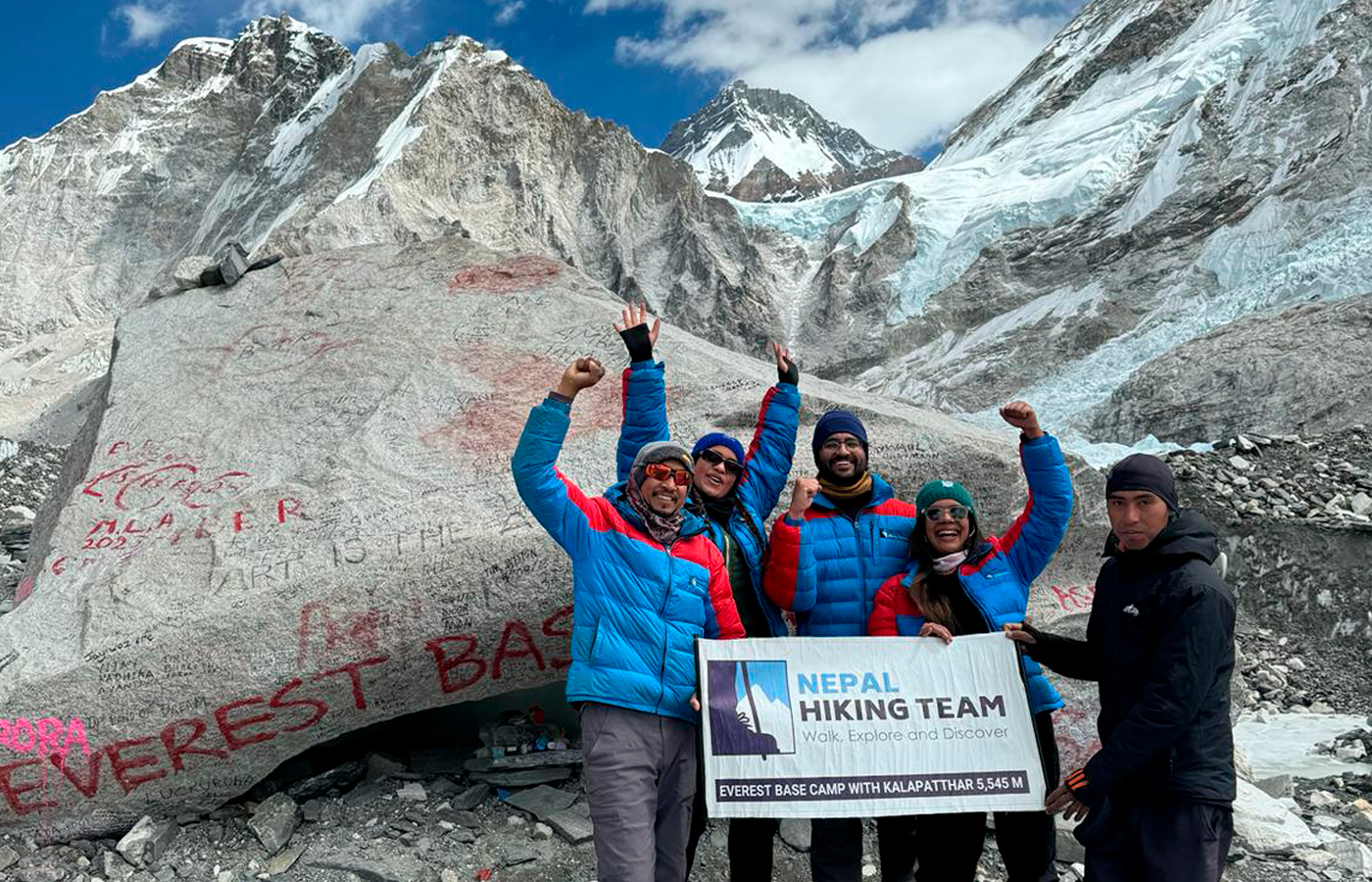
When preparation is complete, trekkers can focus on the experience itself. Nepal Hiking Team’s 16-Day Everest Base Camp Trek combines experienced guides, strong safety protocols, and well-paced acclimatization to support a confident journey. Explore the Himalayas with clarity, security, and the assurance of trekking with a trusted local operator.
Post a Comment