
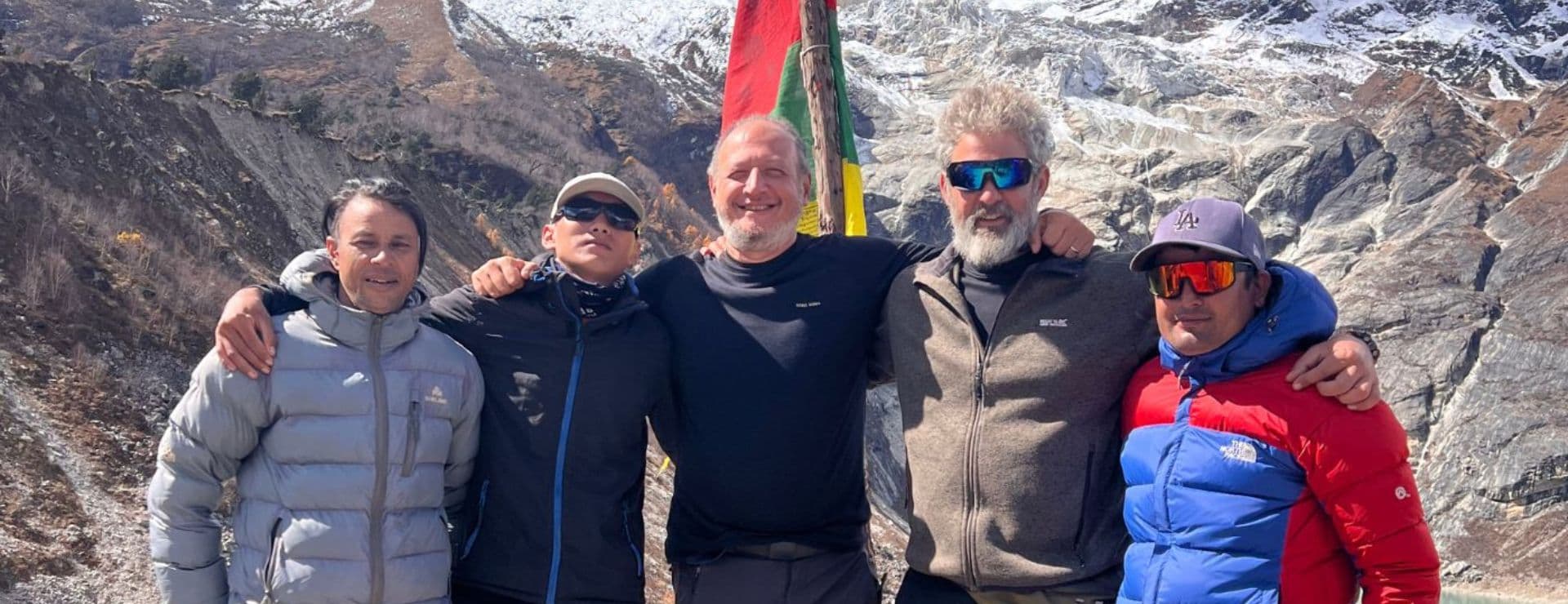
The Manaslu Circuit Trek is rated moderate to challenging. Covering approximately 177 km over 14-18 days, it demands good cardiovascular fitness, sustained multi-day trekking endurance, and careful acclimatisation at high altitude. Although no technical climbing equipment, such as ropes or crampons, is required on the main route, the trek remains physically and mentally demanding due to long walking days, rugged terrain, remote conditions, and the challenges of altitude.
Four things mainly shape how hard this circuit trek in Nepal feels on the ground: altitude, terrain, daily walking hours, and the remoteness of the region. Understanding how they combine gives you a much clearer sense of what you are committing to. This guide walks through all of it so you can plan smart, train well, and actually enjoy the mountains once you get there.
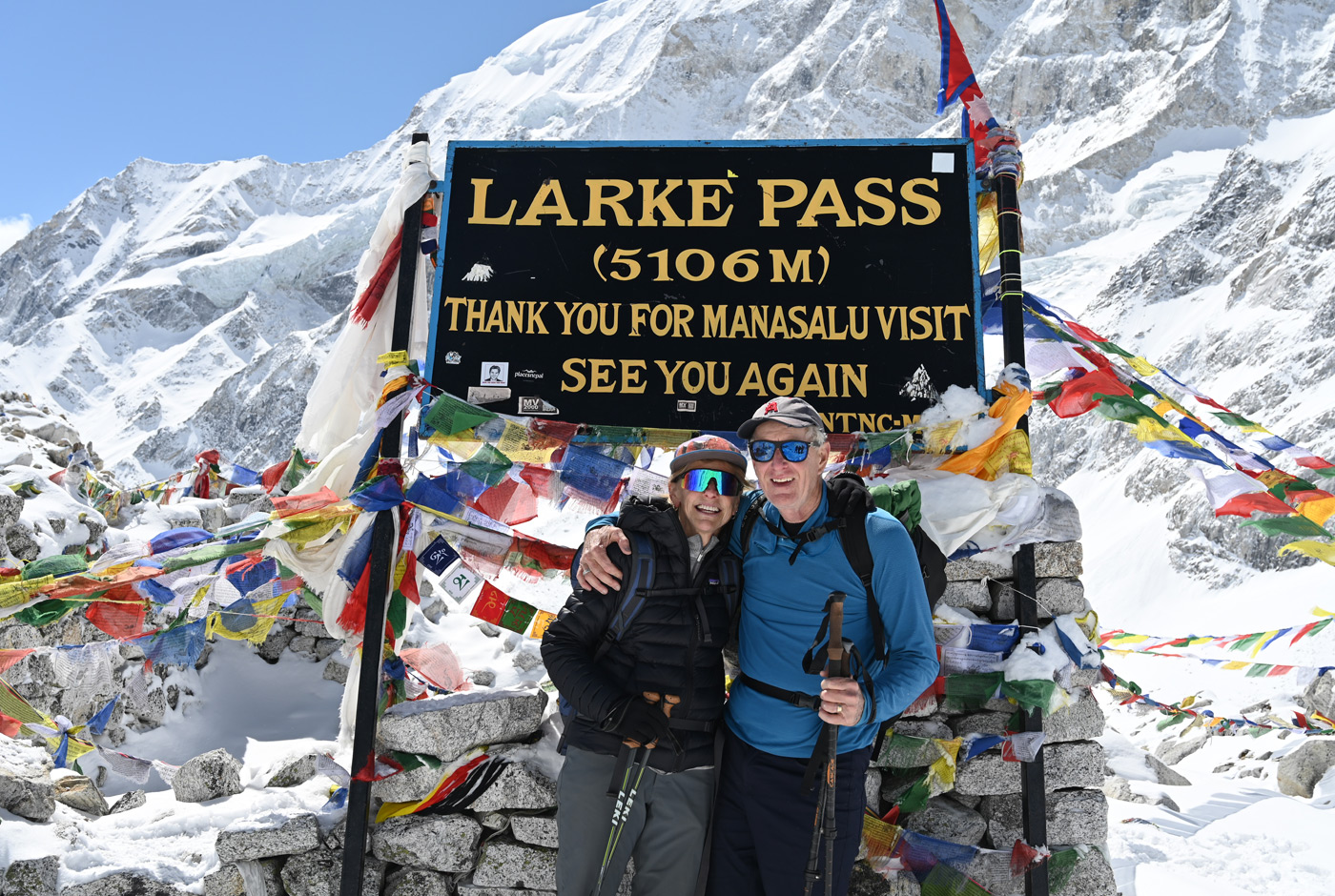
Manaslu Circuit Trek Difficulty at a Glance
On a scale of 1 to 10, the Manaslu Circuit Trek difficulty sits at 6.5 to 7 out of 10. The trek earns that rating because of sustained high-altitude exposure, back-to-back long walking days, and the physical and mental demands of the Larkya La Pass crossing. That said, it does not require technical climbing or mountaineering experience. Trekkers who are physically prepared and mentally committed consistently handle this route well.
| Factor | Level |
|---|---|
| Overall Difficulty | Moderate to Challenging |
| Maximum Altitude | 5,160 m (Larkya La Pass) |
| Trek Duration | 14 to 16 days |
| Daily Walking Time | 5 to 8 hours |
| Technical Skills Required | None |
| Fitness Requirement | Good cardiovascular endurance |
| Total Distance | 160 to 180 kilometers |
| Best Season | Spring (March to May) and Autumn (September to November) |
Understanding the Manaslu Circuit Trek
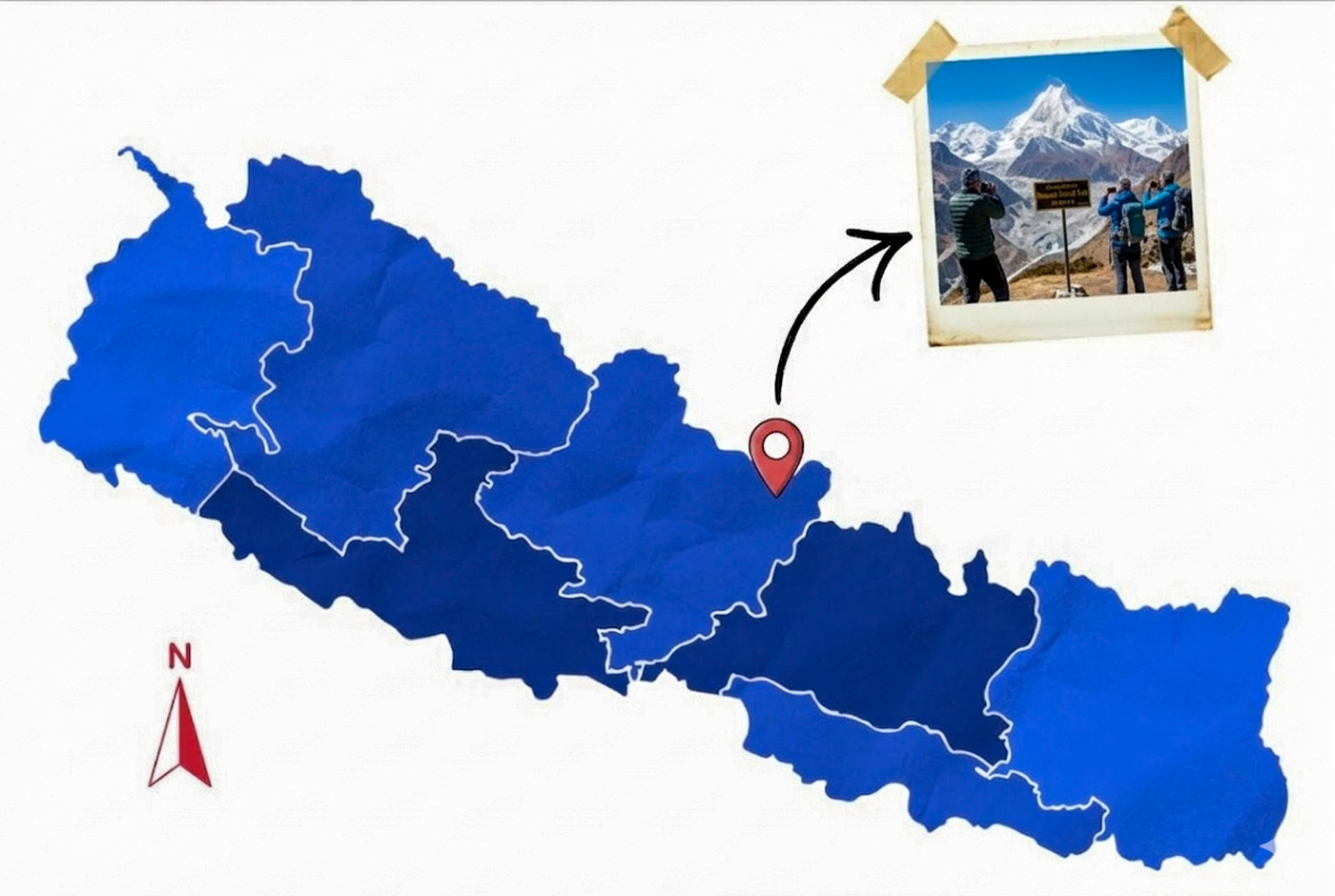
The Manaslu Circuit Trek is a high-altitude loop through the Gorkha District of northern Nepal. It circles Mount Manaslu, the eighth-highest mountain on earth at 8,163 meters, passing through Tibetan-influenced villages, deep river gorges, and glacial terrain that most trekkers never reach. Because the region requires a special restricted area permit, the trail stays genuinely uncrowded compared to the Everest or Annapurna corridors. You can learn more about what makes this region special on the Manaslu region overview page.
Where the Manaslu Circuit Trek Is Located
The Manaslu Conservation Area sits in the northern part of Gorkha District. The Annapurna Conservation Area borders it to the west, and the Ganesh Himal range runs along its eastern edge. This geographic position puts the trek in a corridor that feels authentically remote. Villages here follow centuries-old Buddhist traditions, mountain views are largely unobstructed, and the trail still feels quieter and less developed than Nepal's busier trekking corridors.
Typical Trek Duration and Route
Most trekkers complete the circuit in 14 to 16 days. The standard route starts at Machha Khola or Soti Khola and follows the Budhi Gandaki River upstream through villages like Deng, Namrung, and Lho before reaching Samagaon and Samdo at higher elevations. From there, trekkers push up to Dharamsala, cross Larkya La Pass, descend through Bimthang, and finish at Dharapani. The gradual elevation gain is one of the route's genuine strengths for acclimatization. Many trekkers also take advantage of side trips to nearby lakes and monasteries during acclimatization days, which adds depth to the experience without significantly increasing difficulty.
Total Distance of the Manaslu Circuit Trek
The full Manaslu Circuit Trek covers roughly 160 to 180 kilometers depending on your starting point and any side trips taken. That distance spread across 14 to 16 days averages around 10 to 12 kilometers of active hiking per day. The actual experience varies considerably based on elevation gain and trail conditions on any given section. For a detailed breakdown stage by stage, check the Manaslu Circuit Trek distance guide.
Maximum Altitude on the Trek
The highest point on the route is Larkya La Pass at 5,160 meters (16,929 feet). Almost every planning decision on this trek traces back to that pass. Your acclimatization schedule, rest days, fitness preparation, and departure timing all exist to get you to that summit in good shape and bring you safely down the other side.
Why the Manaslu Circuit Trek Feels Challenging
Several elements combine to shape how demanding this route feels in practice. None of them is insurmountable with proper preparation, but each one deserves honest attention before you go.
| Difficulty Factor | Impact on Trek |
|---|---|
| Altitude | High |
| Terrain | Moderate |
| Daily Distance | Moderate |
| Remoteness | High |
| Weather Variability | Moderate |
| Pass Crossing (Larkya La) | Very High |
| Cumulative Fatigue | High |
High Altitude and Acclimatization
Above 3,000 meters, your body has to work harder to process oxygen. Headaches, disrupted sleep, reduced appetite, and general fatigue are all common responses to altitude gain. The Manaslu Circuit brings you well into that range, with multiple nights spent above 3,500 meters before you ever reach the pass. Building at least one full acclimatization day around Samagaon at 3,530 meters is standard practice and genuinely worthwhile. At Nepal Hiking Team, our guides consistently observe that trekkers who take those rest days seriously move through the high sections with noticeably more energy than those who try to push straight through.
Larkya La Pass Crossing
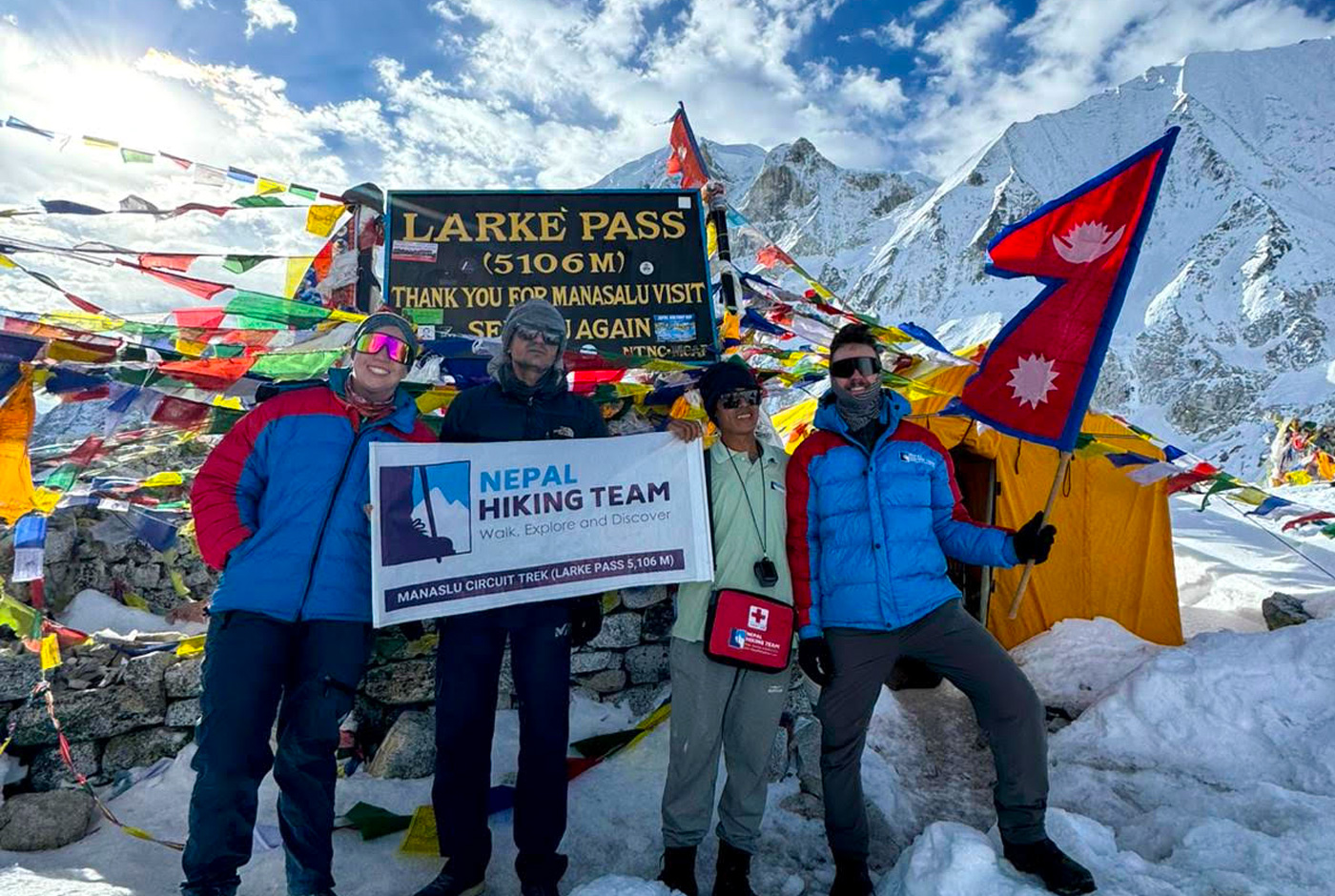
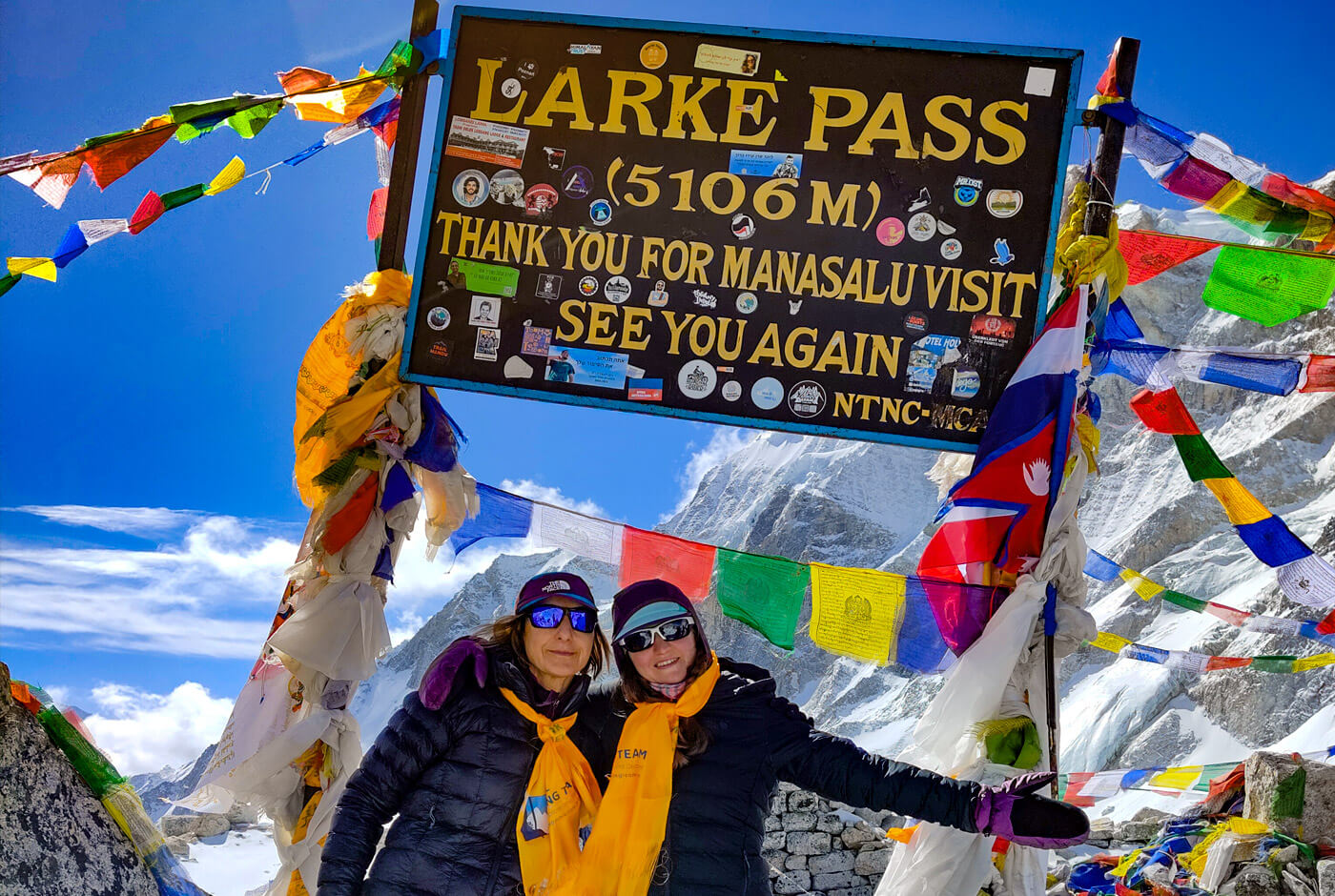
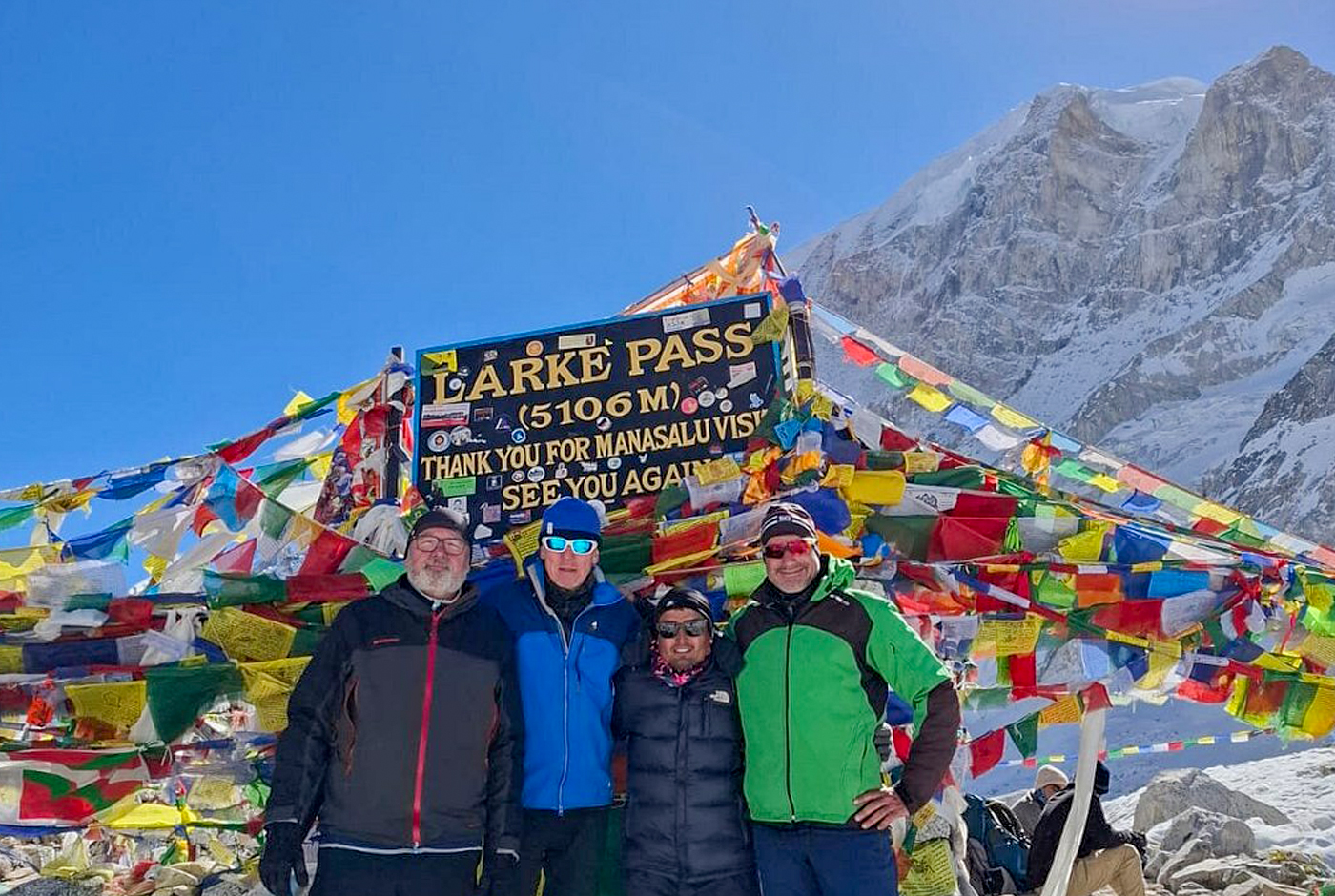
The Larkya La Pass crossing is the single hardest day of the trek. Departure from Dharamsala typically happens between 2 and 4 AM to beat afternoon weather. From camp, you gain roughly 700 meters of elevation before reaching the 5,160-meter summit. Wind picks up fast at that height, temperatures drop well below freezing in the pre-dawn hours, and the air is thin enough that even fit trekkers feel the effort. The descent on the western side is steep and can carry ice patches depending on the season. Most well-prepared trekkers complete the full crossing in 8 to 10 hours of total moving time.
Long Daily Walking Hours
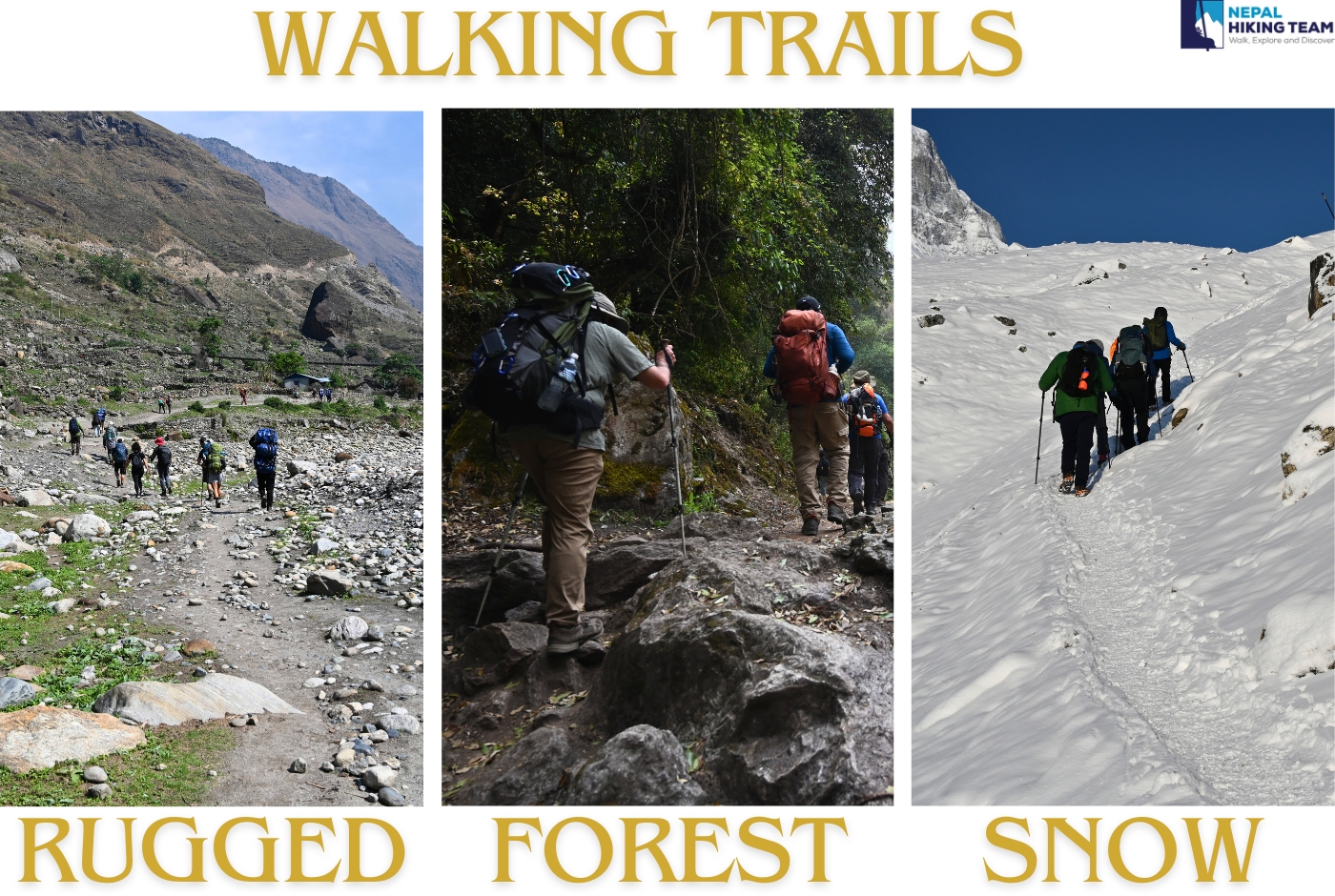
A typical day on the Manaslu Circuit involves 5 to 8 hours of active hiking on uneven, rocky mountain terrain. Nepal Hiking Team provides porter support, so trekkers carry a daypack while covering elevation changes, river crossings, and sustained ascents back-to-back across two weeks. Cumulative fatigue is real. The way you manage energy during the early, easier days directly shapes how you feel when the trail gets serious closer to the pass.
Remote Trail Conditions
The Manaslu region is significantly less developed than the Everest or Annapurna trekking corridors. Teahouses are more basic, village populations are smaller, and medical facilities along the route are extremely limited. A serious altitude problem or injury at high elevation means a longer wait for evacuation support compared to more accessible regions. That remoteness is part of what makes this trek distinctive, but it also means you carry more responsibility for your own safety and preparation.
Altitude Profile of the Manaslu Circuit Trek
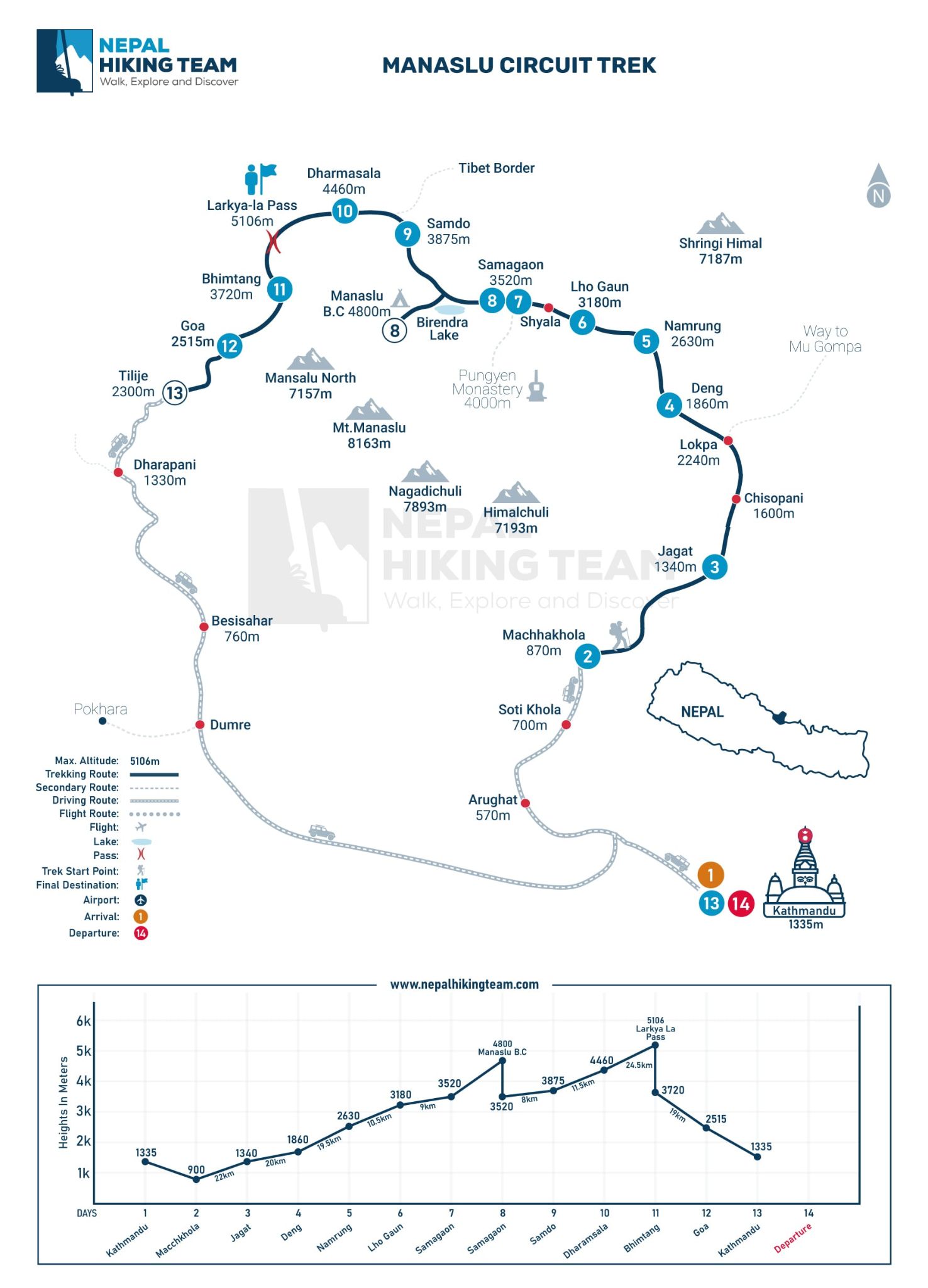
One of the route's practical advantages is how gradually the elevation builds across the full itinerary. You start near river level and climb steadily across nearly two weeks. That pace gives your body meaningful time to adapt before you reach the most demanding sections.
Key Altitude Milestones
Machha Khola sits at 870 meters. Samagaon, the main acclimatization village, is at 3,530 meters. Samdo follows at 3,860 meters, and Dharamsala (High Camp) sits at 4,460 meters directly below the pass. Larkya La Pass tops out at 5,160 meters. After the crossing, Bimthang at 3,590 meters provides a meaningful altitude drop and a genuine opportunity to recover before the final descent.
Where Altitude Feels Most Challenging
Most trekkers start clearly feeling the effects from Samagaon onward. The stretch between Samdo and Dharamsala involves a noticeable elevation step that can trigger headaches or broken sleep even for trekkers who felt completely fine up to that point. The Larkya La Pass crossing morning is where altitude effects, physical exertion, and cold temperatures converge most intensely.
Which Days Are Hardest on the Manaslu Circuit?
Understanding where the difficulty peaks helps you pace the full itinerary more intelligently.
Day 9: Samagaon to Samdo. Increasing altitude makes breathing noticeably harder. Many trekkers feel the first real effects of elevation on this section.
Day 10: Samdo to Dharamsala. The climb to High Camp at 4,460 meters brings noticeable altitude fatigue. Appetite often drops, and sleep at this elevation can be restless.
Day 11: Dharamsala to Bimthang via Larkya La Pass. This is the most demanding day of the entire trek. The predawn start, the sustained climb to 5,160 meters, exposed summit conditions, and the long, steep descent combine to create the route's defining physical challenge.
The earlier days are genuinely manageable. Banking energy and staying conservative on days 1 through 6 pays significant dividends when days 9 through 11 arrive, when increased altitude and challenging terrain can lead to fatigue and altitude sickness if trekkers are not adequately prepared.
Is the Manaslu Circuit Trek Safe?
Safety on the Manaslu Circuit is a real consideration, not a box-checking exercise. The route is safe for prepared trekkers who take the right precautions, but the remote environment means that problems are harder to resolve quickly.
Rescue options along the route are limited. Helicopter evacuation is possible but weather-dependent and logistically complex at high elevation. The guide requirement for the restricted area permit exists in part because having a qualified local on the trail genuinely improves emergency response capacity. Your guide can communicate with local contacts, read weather patterns, and make faster decisions in difficult situations than most independent trekkers could manage alone.
Weather is the other major safety variable. Conditions can shift from clear skies to snowfall in a matter of hours, particularly near the pass. Trekkers who monitor weather windows carefully and make conservative decisions when conditions are uncertain come out much better than those who push through warning signs. Altitude sickness, left unaddressed, can escalate quickly. Knowing the symptoms of AMS (Acute Mountain Sickness) and having a clear descent plan if they appear is essential preparation, not optional background reading.
How Nepal Hiking Team Manages Manaslu Circuit Trek Difficulty
At Nepal Hiking Team, we manage the difficulty of the Manaslu Circuit through steady pacing, planned acclimatization, careful guide monitoring, and conservative decisions near Larkya La Pass. Our guides pay close attention to how trekkers are eating, sleeping, breathing, and recovering each day, especially from Samagaon onward. This practical approach helps reduce altitude risk and keeps the trek safer without rushing the mountain experience.
Physical Fitness Required for the Manaslu Circuit Trek
Fitness matters on this trek. Arriving in genuine physical condition is the single most controllable variable in your experience.
Recommended Fitness Level
Stamina and aerobic endurance are the two qualities that matter most on the Manaslu Circuit. You need to walk for five to eight hours at a time, day after day, at elevations that reduce your oxygen intake. Speed is far less important than sustained capacity. Trekkers who train consistently at a moderate pace perform better than those who are fast but have no base endurance.
Who Can Complete This Trek
Trekkers with a genuine base of hiking experience who have spent time on multi-day trails handle this route well. Prior Himalayan trekking is helpful but not a hard requirement. The people who complete this trek successfully share a few consistent traits: they train beforehand, they pace themselves without ego during the early days, and they take acclimatization seriously rather than treating rest days as wasted time.
Who Should Reconsider the Manaslu Circuit Trek
Honest advice matters here. The Manaslu Circuit may not be the right choice for trekkers who have zero hiking experience and no time to build a fitness base before departure. It is also not suitable for people who struggle with long consecutive walking days, have untreated heart or lung conditions, or are genuinely uncomfortable operating in remote environments with limited medical access. Trekkers in any of those situations would find a route like the Annapurna Base Camp Trek a far more appropriate starting point.
How to Train for the Manaslu Circuit Trek
Start a dedicated training routine at least two to three months before departure. Here is a practical 8-week structure to build the right foundation.
Weeks 1 to 2: Walk 5 kilometers three times per week on flat terrain. Focus on building the habit of consistent movement and breaking in your trekking boots.
Weeks 3 to 4: Increase distance to 8 kilometers per session and introduce hill climbing wherever possible. Start adding moderate incline work on stairs or trails.
Weeks 5 to 6: Add a weighted backpack to your hikes. Start at 5 to 7 kilograms and build toward the weight you plan to carry on the trail. Include one longer weekend hike of 15 to 18 kilometers.
Weeks 7 to 8: Complete back-to-back hiking days of 12 to 15 kilometers each. This replicates the consecutive-day demands of the actual trek and exposes any fitness gaps with enough time to address them before departure.
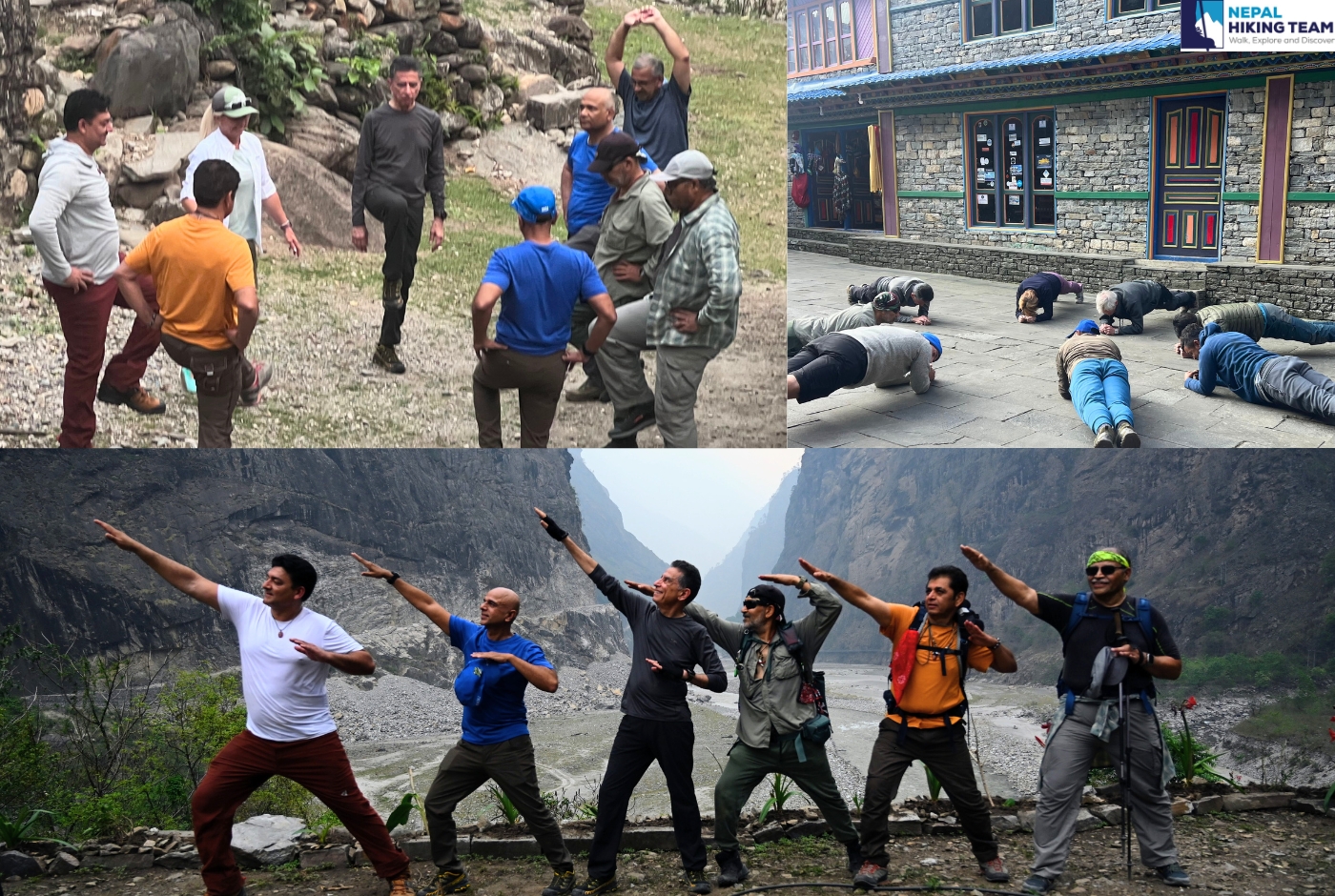
Supplement hiking with cardio training like running, cycling, or swimming to build your aerobic base. Leg-focused strength work, particularly squats, lunges, and step-ups, helps your knees and hips handle the sustained uphill and steep downhill demands of the trail.
Daily Trekking Difficulty Along the Route
The trail does not hit hard from day one. Difficulty builds progressively, which works in your favor if you use the early days wisely.
Early Trekking Days
The first few days from Machha Khola through the lower Budhi Gandaki Valley are warmer, greener, and physically manageable. The trails can be narrow and muddy in places, but the altitude is low and the terrain is forgiving. These early days are where you settle into the rhythm of trekking life, sort out any gear issues, and let your legs adapt before the serious climbing begins.
Mid-Trek Section
From Deng onward, the landscape transforms. Villages become sparser, the terrain turns more alpine, and elevation gains start to accumulate meaningfully each day. By the time you reach Namrung and Lho, you are in full mountain territory with high peaks visible on multiple sides. The trail demands more concentration, the air feels noticeably thinner, and the teahouses get progressively simpler. This is where consistent pacing becomes genuinely important.
Larkya La Pass Day
This is the day the rest of the trek builds toward. The predawn start, the long climb in the dark and cold, the exposed summit, and the steep descent down the far side combine to make the Larkya La Pass crossing the most demanding day on the entire route. Physical preparation matters, but mental readiness is equally important. Trekkers who approach the pass with patience, a steady pace, and respect for the conditions complete it far more successfully than those who try to race it.
Common Challenges Trekkers Experience
Even well-prepared trekkers run into difficulties. Knowing what to expect helps you handle challenges more calmly when they show up.
Altitude Sickness on the Manaslu Circuit
Acute Mountain Sickness (AMS) is the most common medical concern on the Manaslu Circuit. Symptoms include persistent headache, nausea, dizziness, and fatigue that does not improve with rest. The standard prevention strategy is gradual ascent, proper hydration, and planned rest days. If symptoms worsen rather than improve after a rest day, descent is the only reliable treatment. Many trekkers consult a travel medicine doctor before departure and carry Diamox as a precautionary option.
Weather Conditions
Mountain weather changes fast and without much warning. Morning skies can be clear at 8 AM and producing snow by midday. The pass crossing is particularly vulnerable to afternoon weather deterioration, which is the primary reason for the early morning start. Packing proper rain gear, warm layers, and extra dry clothing for the high sections is not optional on this route.
Long Trekking Days
The physical accumulation of long days at altitude is something many trekkers underestimate. By days 10 or 11, your legs are carrying the weight of everything that came before. Rest stops matter. Eating enough matters. Sleeping well matters. Trekkers who treat recovery as seriously as the walking itself consistently perform better in the final high-altitude sections of the route.
Tips to Make the Manaslu Circuit Trek Easier
Follow a Proper Acclimatization Schedule
The golden rule of high-altitude trekking is to go up slowly and sleep lower whenever possible. Build your itinerary around acclimatization rather than trying to squeeze the maximum number of walking days into the shortest timeframe. A rest day at Samagaon is widely considered the most important single recovery investment on the entire route. Do not skip it to save a day.
Trek With an Experienced Guide
A licensed local guide brings navigation knowledge, cultural context, weather reading, and emergency judgment that no guidebook or app can fully replace. In a region as remote as Manaslu, having someone who knows the terrain, speaks the local languages, and can make fast decisions in difficult situations is a genuine safety asset. Beyond the practical safety value, a knowledgeable guide makes the cultural experience of the trek significantly richer.
Maintain a Steady Trekking Pace
The most common mistake on the Manaslu Circuit is starting too fast. Strong legs and enthusiasm on the first few days can lead to overcooking the early sections, which leaves you short on reserves when the trail gets serious. Walk at a conversational pace where you can breathe comfortably the entire time. Arriving at each camp with energy to spare is the goal.
Is Manaslu Circuit Trek Harder Than Everest Base Camp?
This is one of the most common questions among trekkers comparing Nepal routes. Here is a clear side-by-side breakdown. For a deeper look at how these routes compare across multiple factors, read the full Manaslu vs Annapurna and Everest treks comparison guide.
| Factor | Manaslu Circuit | Everest Base Camp |
|---|---|---|
| Maximum Altitude | 5,160 m | 5,364 m |
| Trail Infrastructure | Limited | Well developed |
| Crowd Levels | Low | High during peak trekking seasons |
| Remoteness | High | Moderate |
| Pass Crossing | Yes (Larkya La) | No high pass |
| Medical Support | Very limited | More accessible |
| Overall Difficulty | Slightly harder | Moderate |
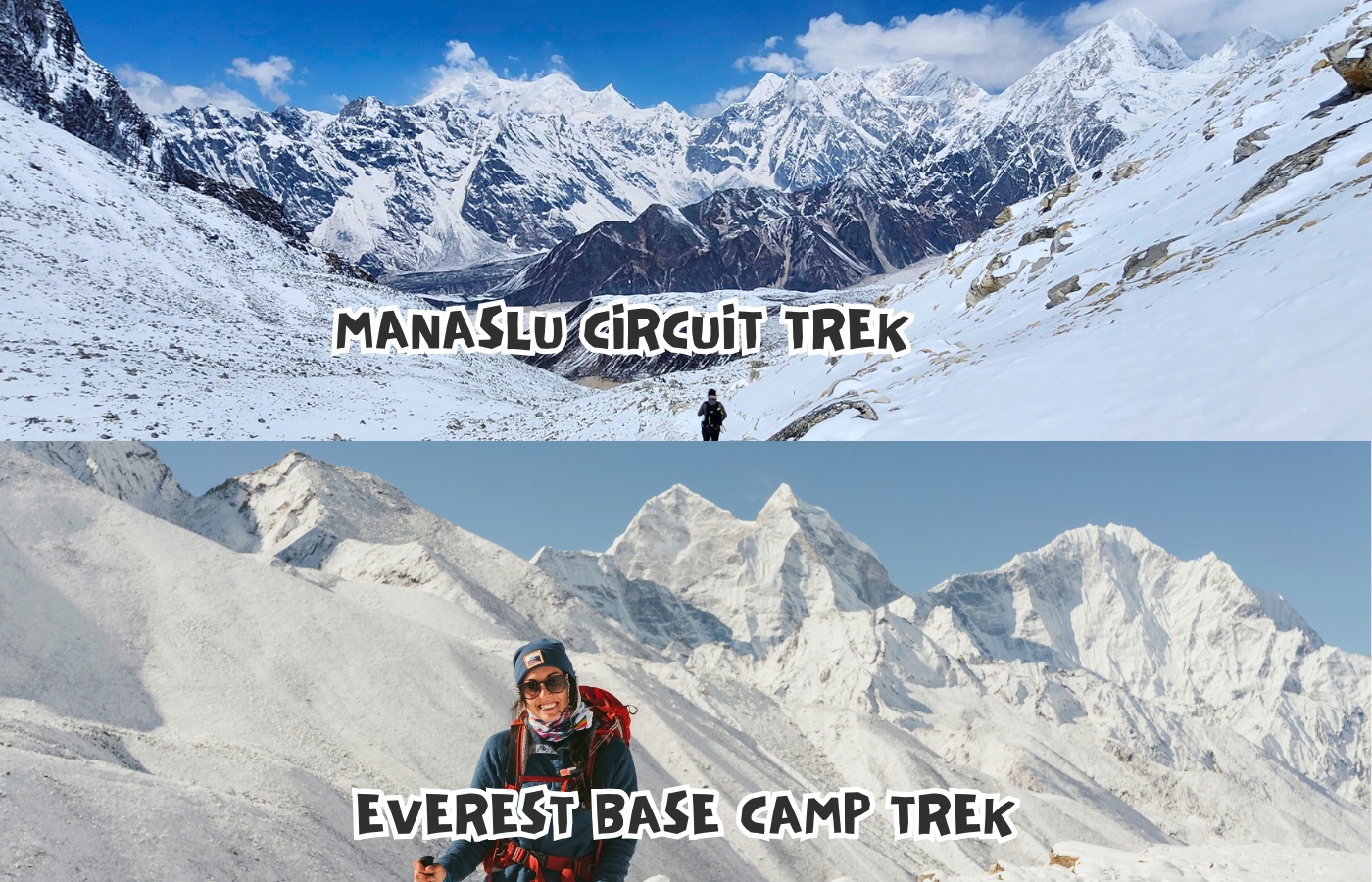
Everest Base Camp reaches a higher maximum altitude, but the EBC trail is significantly more developed with better teahouses, more reliable medical support, and considerably higher trekker traffic. The Manaslu Circuit demands more logistical self-sufficiency, has less infrastructure when things go wrong, and involves a genuine high-altitude pass crossing that EBC does not. For those two reasons, most experienced trekkers rate the Manaslu Circuit as slightly harder overall despite the lower maximum elevation.
Manaslu vs Annapurna Circuit Difficulty
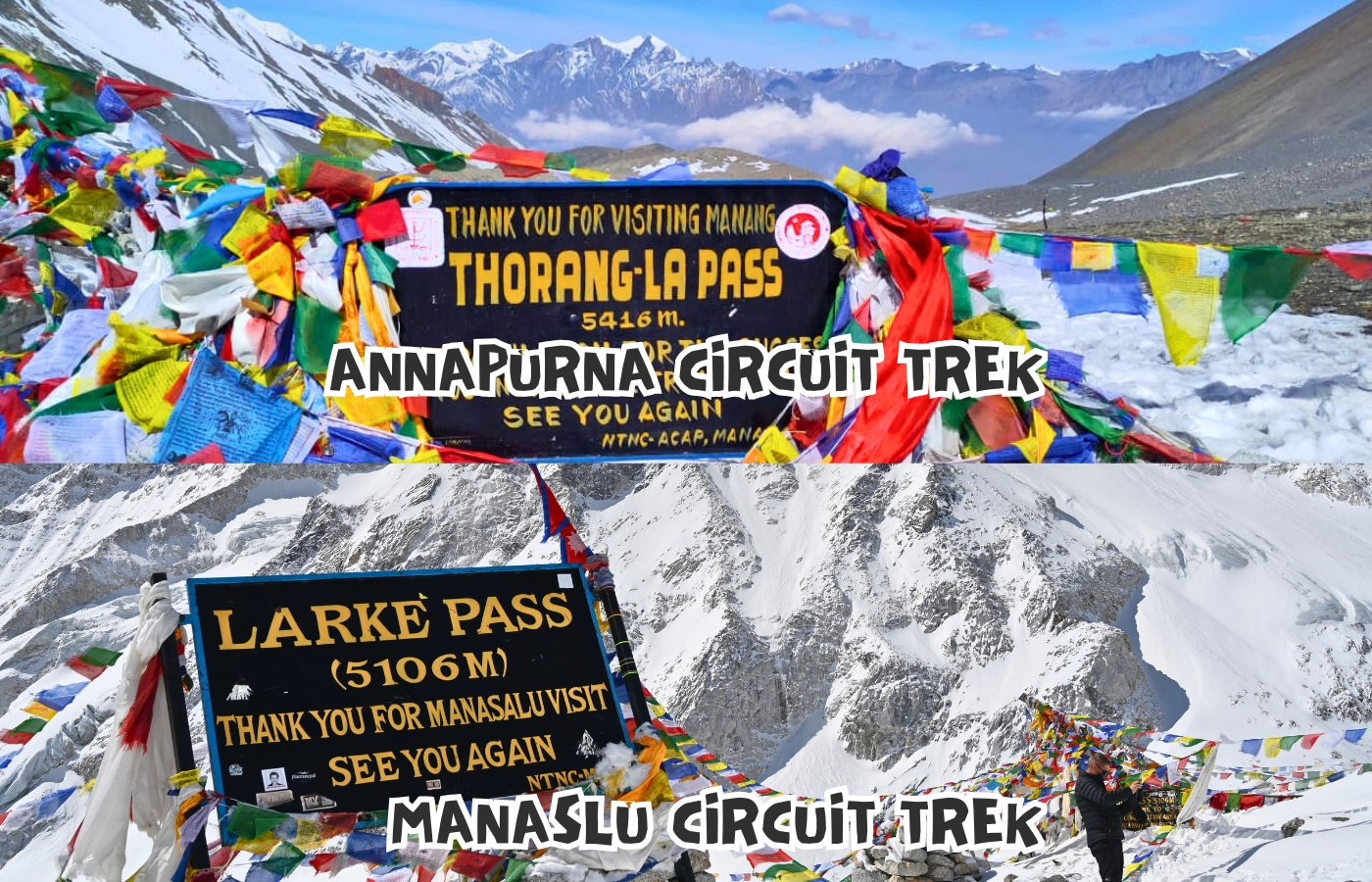
These two routes share meaningful similarities. Both include a high-altitude pass crossing, both cover substantial Himalayan terrain over two weeks, and both require consistent fitness and altitude awareness. The Annapurna Circuit is more developed with better road access at multiple points. Manaslu is wilder, more remote, and more protected from outside development. Trekkers who have completed the Annapurna Circuit will find the Manaslu Circuit a natural and satisfying next step.
Is Manaslu Circuit Trek Harder Than Annapurna Base Camp?
Yes, the Manaslu Circuit Trek is considerably harder than the Annapurna Base Camp Trek. These two routes belong in different difficulty categories.
| Factor | Manaslu Circuit | Annapurna Base Camp |
|---|---|---|
| Maximum Altitude | 5,160 m | 4,130 m |
| Trek Duration | 14 to 16 days | 7 to 12 days |
| Trail Infrastructure | Limited | Well developed |
| Pass Crossing | Yes (Larkya La, 5,160 m) | No high pass |
| Remoteness | High | Low |
| Crowd Levels | Low | High during peak trekking seasons |
| Beginner Friendly | No | Yes (with preparation) |
| Overall Difficulty | Moderate to Challenging | Moderate |
The Annapurna Base Camp Trek tops out at 4,130 meters, a full 1,000 meters below Larkya La Pass. It runs shorter, sits on well-developed trails with consistent teahouse infrastructure, and stays close enough to road access that evacuation is a straightforward option if needed. Most trekkers with a basic hiking background complete ABC without major difficulty.
The Manaslu Circuit demands significantly more from your body and your planning. The altitude exposure is higher and sustained over more days, the pass crossing adds a genuine physical peak that ABC does not have, and the remote nature of the region means you operate with far less of a safety net. Trekkers who have completed Annapurna Base Camp and want a more serious challenge will find the Manaslu Circuit a meaningful step up in every key category.
Best Time to Trek Manaslu to Reduce Difficulty
Timing your trek correctly removes several layers of unnecessary difficulty before you even leave home. Learn more about the best time to trek to Manaslu in our detailed blog. When
Spring Season (March to May)
Spring is one of the two ideal windows for the Manaslu Circuit Trek. Skies are generally clear in the mornings, rhododendron forests bloom below the tree line, and trail conditions are stable across most of the route. March and April typically offer strong mountain visibility and moderate temperatures at lower elevations that are cold but manageable near the pass. By May, afternoon cloud, haze, and pre-monsoon moisture can reduce visibility on some days, so earlier spring departures tend to give more consistent conditions overall.
Autumn Season (September to November)
Autumn is the most popular trekking season in Nepal for good reason. The monsoon clears by late September, leaving skies exceptionally clean and mountain views sharp and unobstructed. Temperatures are cooler than spring at lower elevations but generally stable and predictable. October is widely considered the single best month for the Manaslu Circuit. Trail conditions are reliable, the pass is clear of fresh monsoon snow, and daylight hours are long enough for comfortable daily schedules.
Winter Season (December to February)
The Manaslu Circuit becomes significantly more difficult during winter. Snow accumulation around Larkya La Pass can block the route entirely, and temperatures at high elevation drop well below freezing for extended periods. Teahouses in higher villages often close, reducing accommodation options dramatically. Winter trekking on this route is possible for highly experienced cold-weather trekkers, but it carries substantially higher risk than the standard trekking seasons.
Monsoon Season (June to August)
The monsoon season makes the Manaslu Circuit genuinely challenging for most trekkers. Heavy rainfall increases landslide risk, makes lower trail sections muddy and unstable, and reduces mountain visibility significantly. Leeches are common on lower trail sections during peak monsoon.We generally do not recommend the Manaslu Circuit during this period unless you have specific experience with monsoon trekking conditions.
Final Verdict: Is the Manaslu Circuit Trek Difficult?
Yes, the Manaslu Circuit Trek is a moderate to challenging Himalayan trek. The main challenges come from high altitude, the Larkya La Pass crossing, long trekking days, and the genuinely remote nature of the region. On a difficulty scale of 1 to 10, it sits at 6.5 to 7, which means it demands real preparation but stays well within reach of trekkers who put in the work.
Trekkers who prepare their bodies through consistent training, respect acclimatization schedules, trek with qualified guides, and approach each day with patience complete this route successfully during the main trekking seasons. The pass crossing is hard. The remote trail conditions are real. The altitude is serious. None of those things is beyond what a motivated, well-prepared trekker can handle. For the right person, the Manaslu Circuit is one of the finest trekking routes in the Himalayas.
Post a Comment