
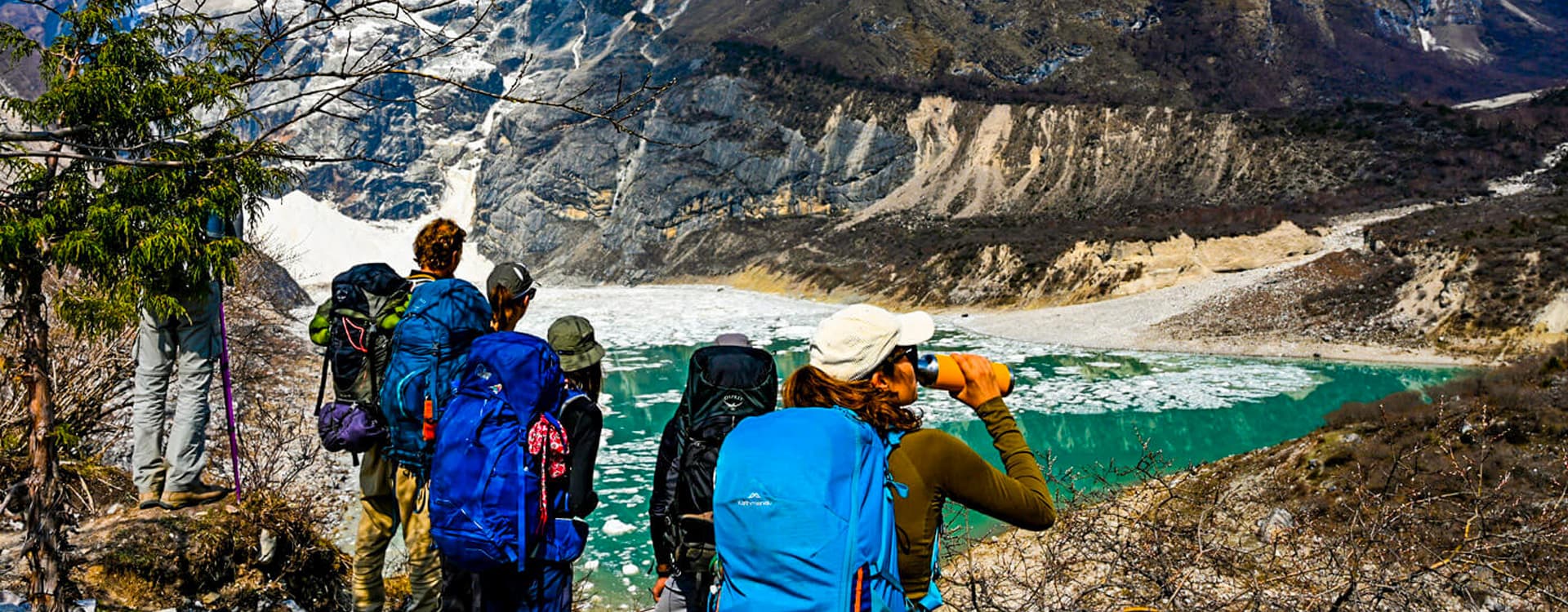
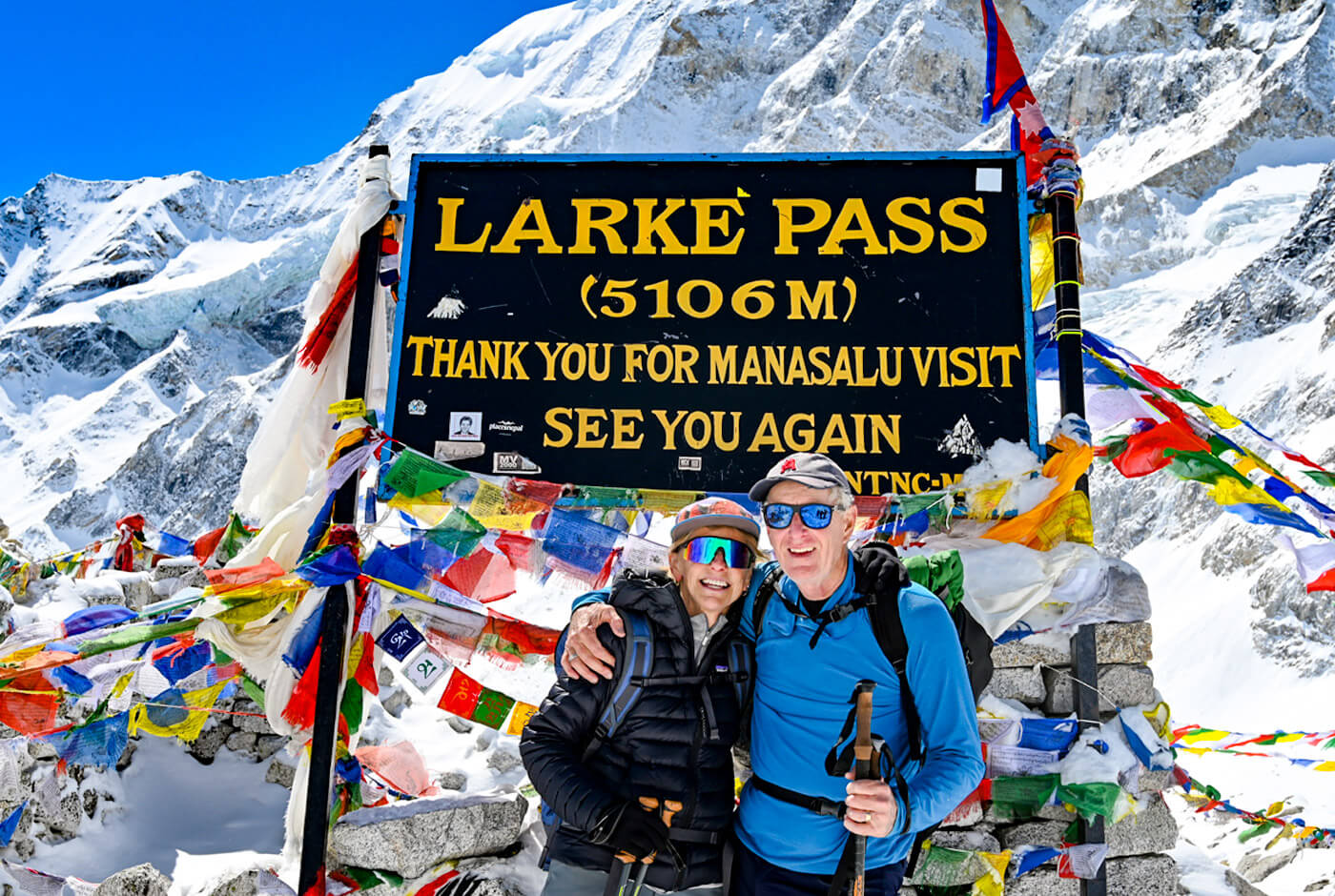
The Manaslu Circuit Trek is not a casual hill walk. It is a demanding Himalayan journey that circles Mount Manaslu, the world's eighth-highest peak at 8,163 meters. Over 14 to 18 days, you pass through remote villages, deep gorges, and cross Larkya La Pass at 5,106 meters.
There are long stretches without shops, limited access to medical care, and rapidly changing mountain weather. As a result, packing the right gear is not optional. It directly affects your safety, comfort, and ability to complete the trek confidently.
This guide outlines the ten most important items for your first Manaslu Circuit Trek, explains why each matters, and helps you choose wisely based on real trail conditions.
Why Packing Right Matters for the Manaslu Circuit Trek
The Manaslu region is far more remote than routes like the Everest Base Camp trek. After leaving the roadhead, there are no gear stores and no large towns. If something fails, you must manage with what you have.
Three realities define this trek:
- The region is isolated.
- Weather shifts quickly, especially near the pass.
- Medical help is limited and weather-dependent.
You cannot depend on buying missing gear along the way. The items below are not luxury extras. They are practical safety tools for high-altitude trekking in Nepal.
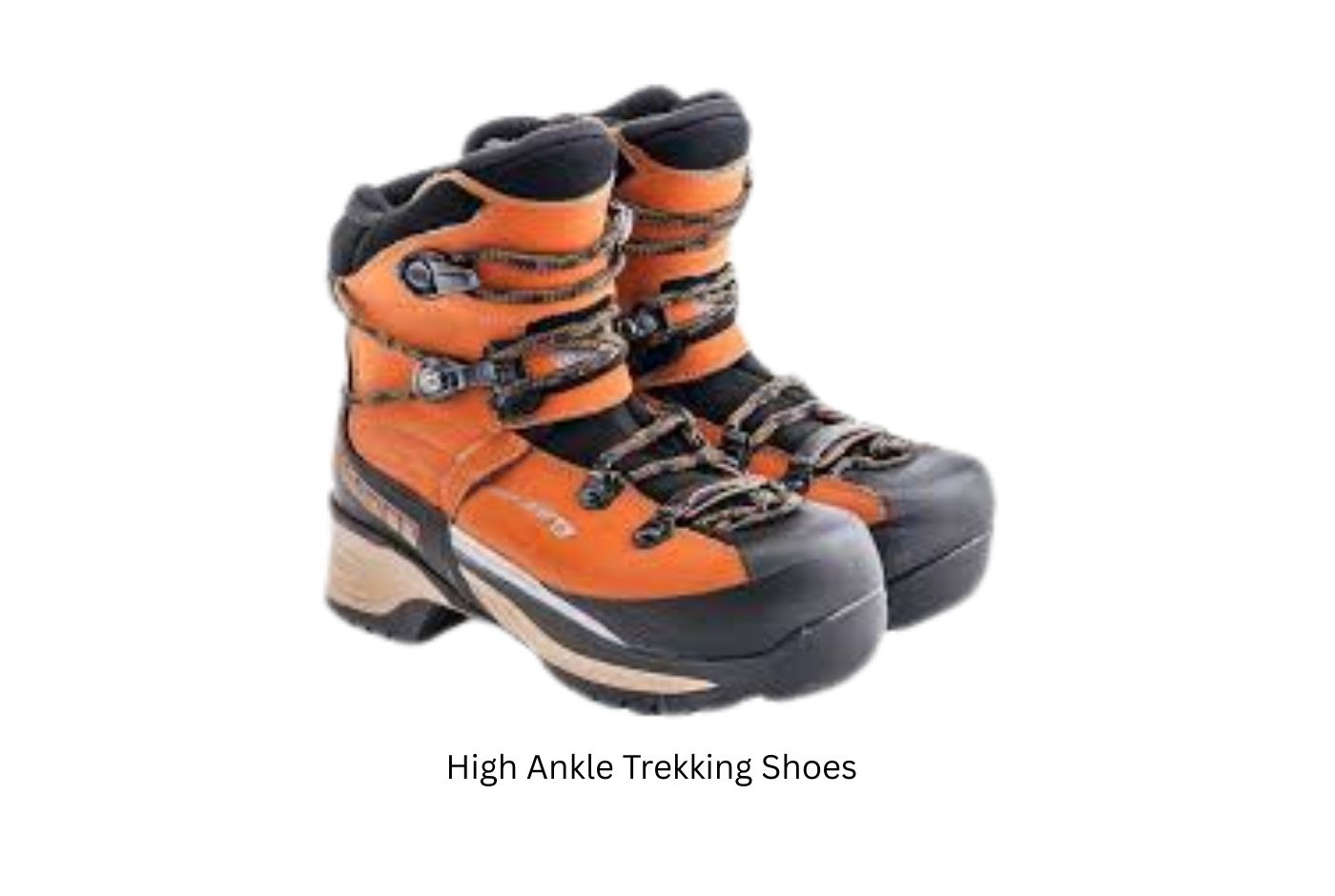
Proper Trekking Boots That Are Broken In
Blisters and ankle injuries are common on this route. The trail includes loose stones, suspension bridges, snow patches, and steep descents.
You need:
- High-ankle trekking boots for support
- Waterproof or water-resistant material
- Firm sole with a strong grip
Boots must be worn for at least two to three weeks before the trek. Brand new boots almost always cause blisters. This is something guides observe every season.
Practical tip: Test boots with the exact socks you will use. Sock thickness changes fit more than most trekkers expect.
Layered Clothing System for Changing Temperatures
Temperatures vary dramatically across altitude zones. In lower villages such as Machha Khola, afternoons can be warm. Near Larkya La Pass, nights can drop below minus 10 degrees Celsius.
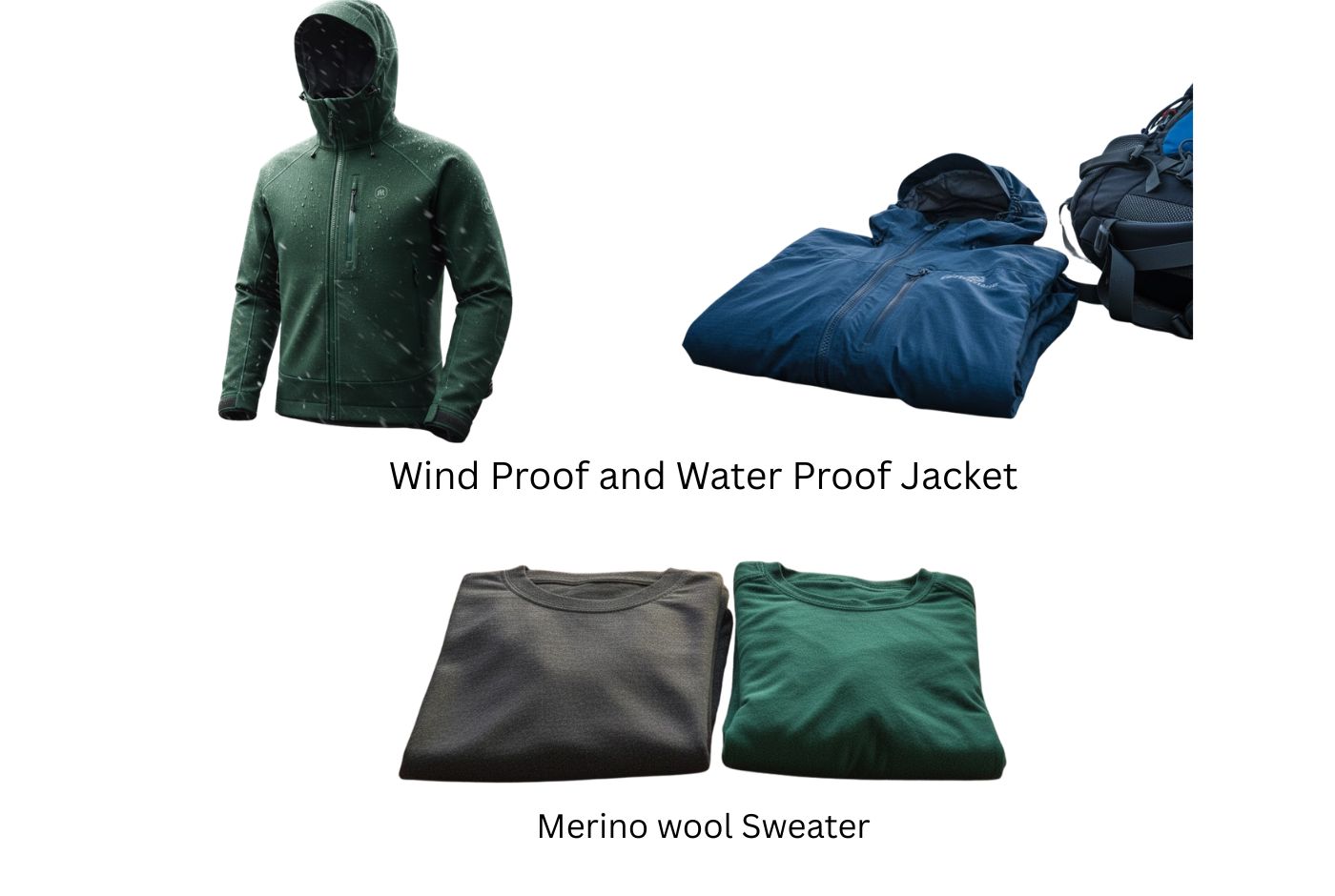
Layering is more effective than wearing a single heavy jacket.
The Three Essential Layers
Base layer
Worn against the skin. Manages sweat and keeps you dry. Merino wool or synthetic fabrics perform best.
Insulation layer
Retains body heat. Fleece or lightweight down jacket.
Outer shell
Protects from wind, rain, and snow. Must be waterproof and windproof.
Avoid cotton clothing. Cotton absorbs moisture and increases heat loss at altitude.
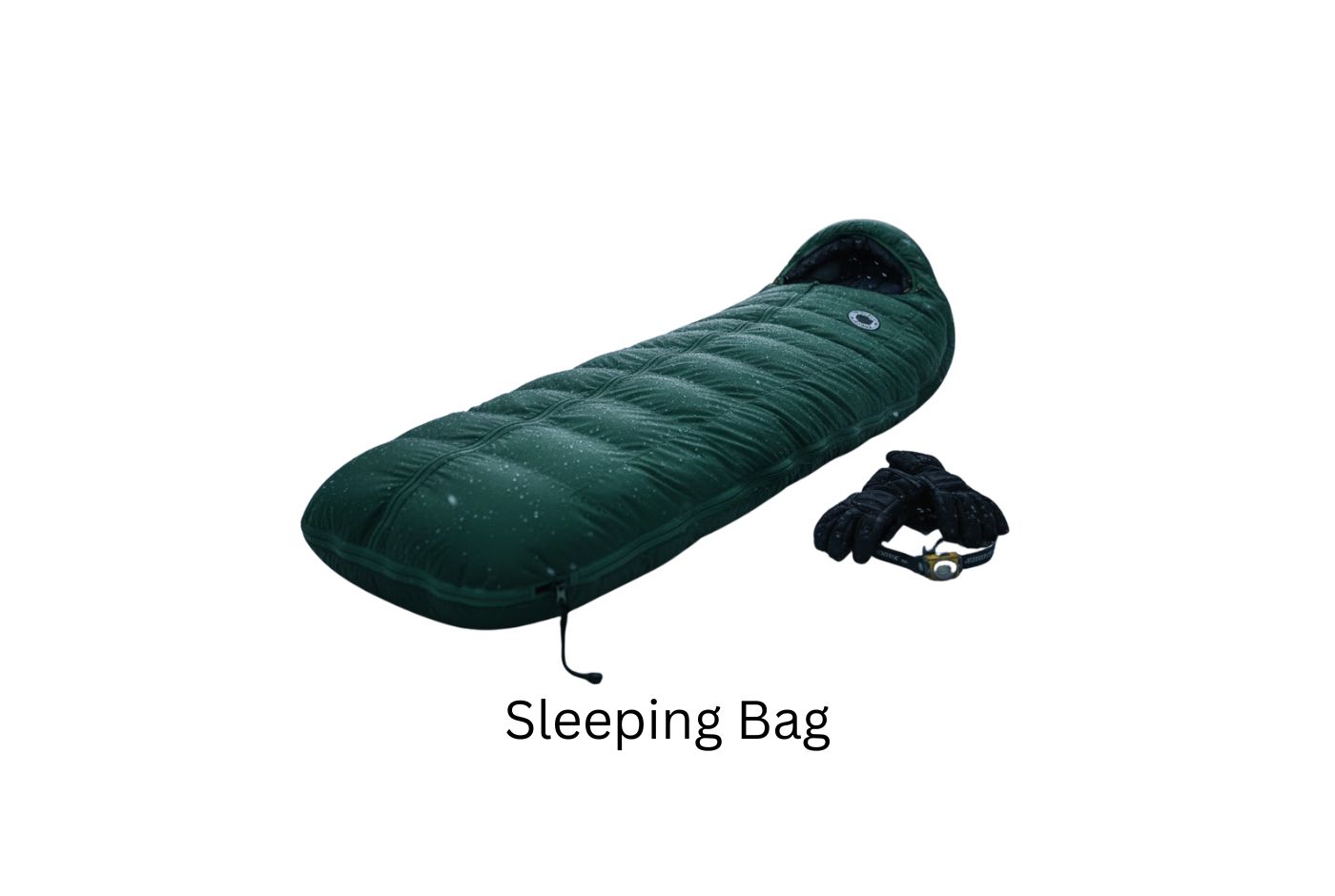
Sleeping Bag Rated for Cold Conditions
Teahouses provide blankets, but they are often thin and reused frequently. At higher villages such as Samdo or Dharamsala, temperatures drop significantly at night.
A proper sleeping bag improves sleep quality. Good sleep supports acclimatization and overall energy.
Recommended rating: Comfort rating of minus 10 degrees Celsius or lower. Suitable for departures in March, April, October, and November.
Both down and synthetic insulation work. Down is lighter. Synthetic performs better if wet.
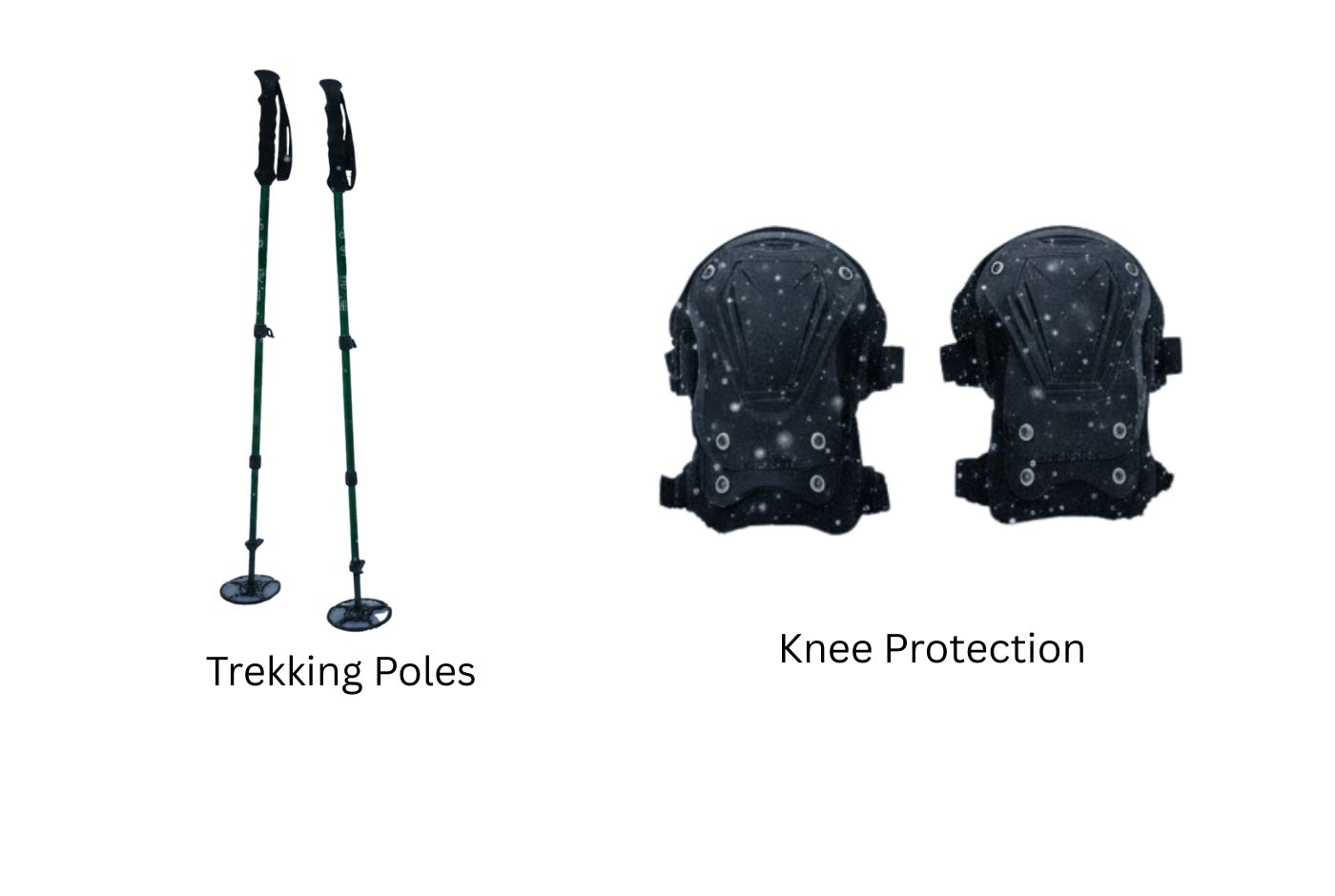
Trekking Poles for Balance and Knee Protection
The descent after Larkya La Pass is long and demanding. Downhill walking places heavy pressure on knees and ankles.
Trekking poles help by:
- Improving balance on uneven terrain
- Reducing joint strain
- Supporting stream crossings
Choose adjustable poles made from aluminum or carbon fiber. When holding them, your elbows should form a right angle.
For first-time trekkers, poles are highly recommended on this circuit.
Backpack and Daypack with Rain Protection
Most trekkers hire a porter, yet you still need proper bags.
Main Backpack
- 50 to 65 liters capacity
- Durable stitching and zippers
- Comfortable hip belt
Daypack
You carry this daily. It holds water, snacks, a camera, gloves, and a jacket. Typical weight ranges between 4 and 6 kilograms.
Always include a waterproof rain cover. Snow or sudden rain can soak gear quickly.
Water Bottles and Purification Method
Buying bottled water creates plastic waste and becomes expensive. Villages have safe water sources, but water must be treated.
Recommended setup:
- Two reusable bottles or one bottle plus hydration bladder
- Water purification tablets or drops
- Portable filter as an alternative
Purification tablets remain the most reliable and lightweight option.
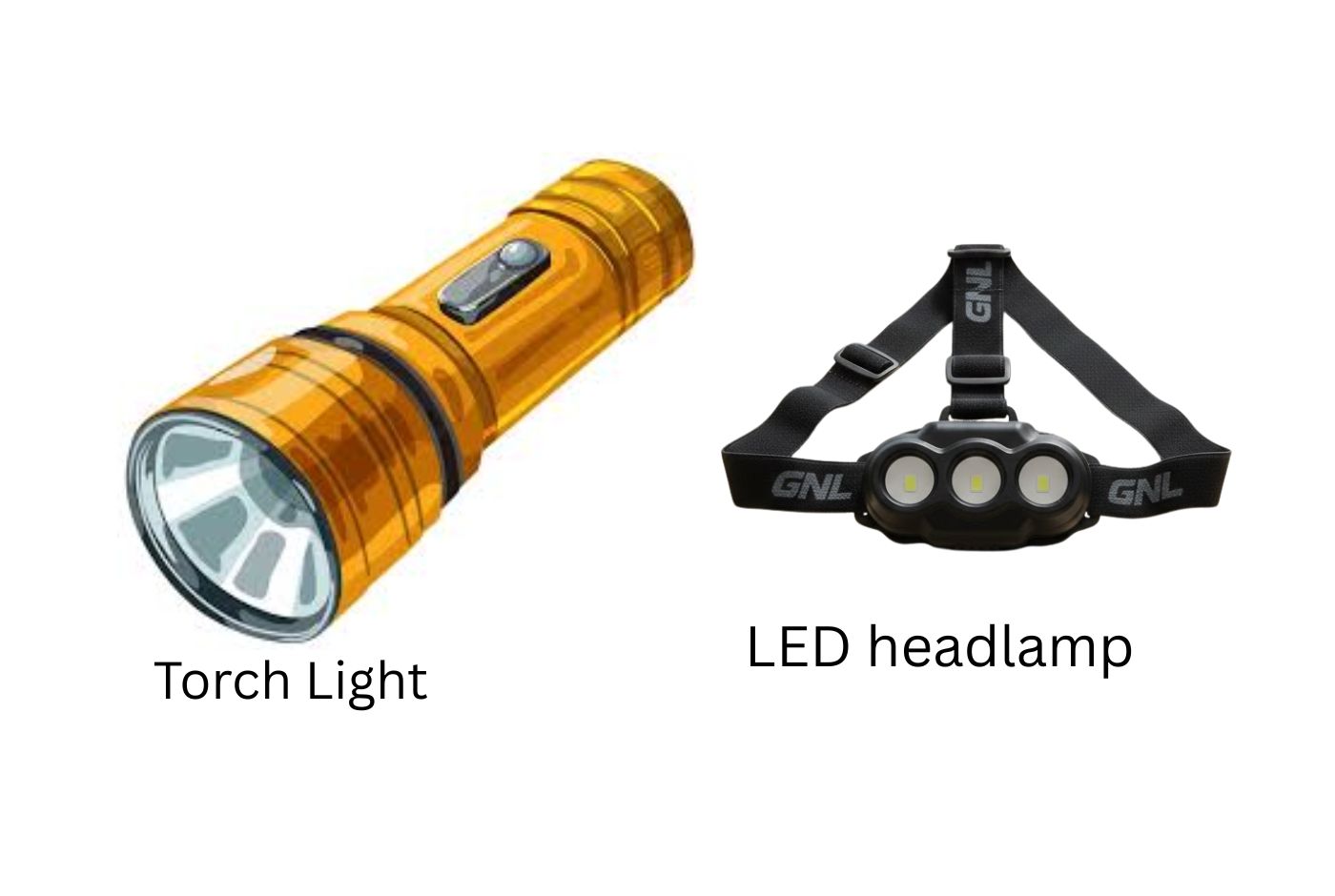
Headlamp with Extra Batteries
Electricity access is limited. Charging costs money, and power cuts are common.
You need a headlamp for:
- Early morning starts
- Nighttime toilet visits
- Packing before sunrise
Choose an LED headlamp with adjustable brightness. Carry extra batteries because cold temperatures drain power quickly.
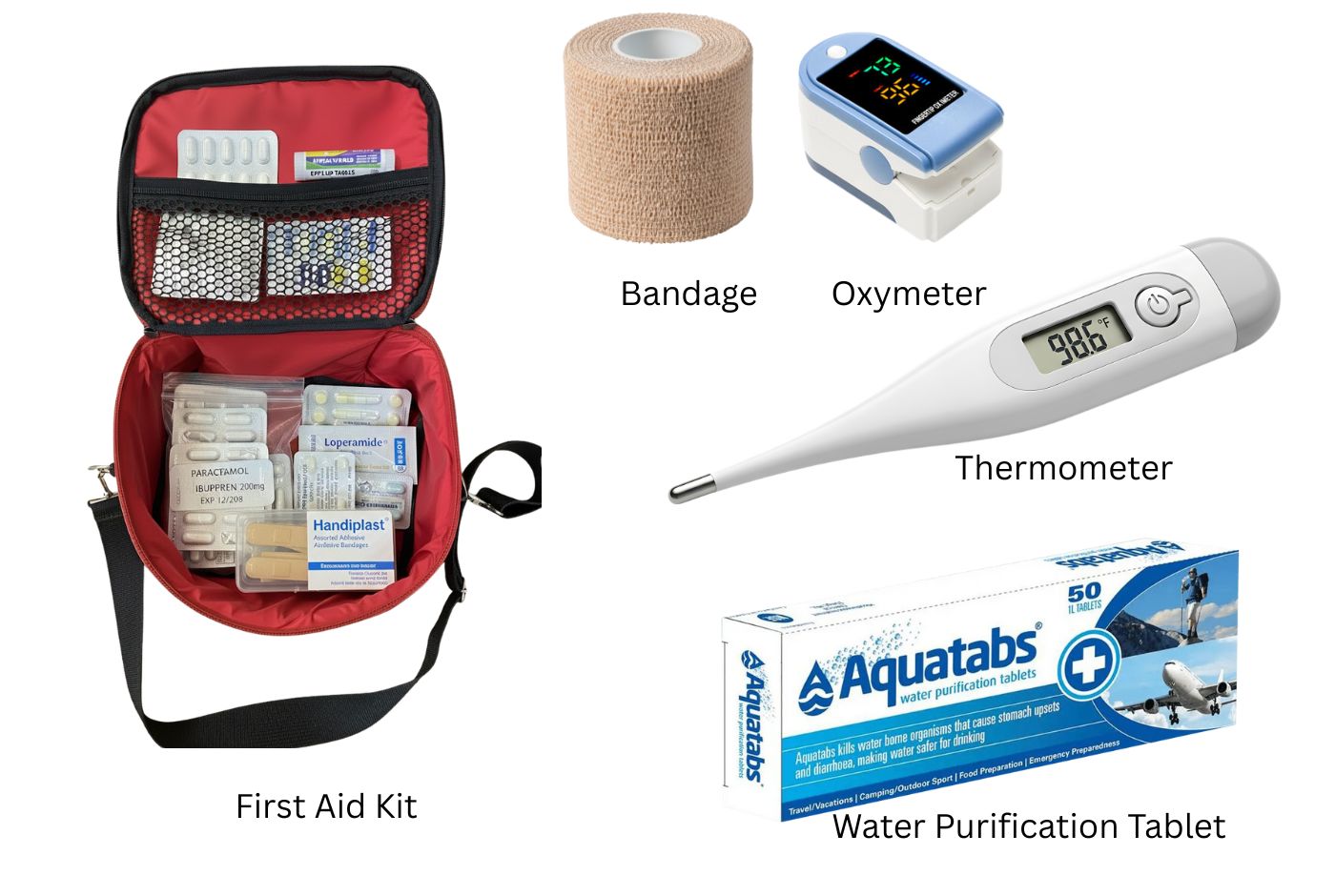
Basic First Aid Kit and Personal Medicine
There are no hospitals along most of the Manaslu Circuit. Helicopter rescue depends on weather conditions and incurs high costs.
A personal first aid kit should include:
- Pain relief tablets
- Blister treatment supplies
- Bandages and antiseptics
- Personal prescription medicine
- Medication for stomach problems
Altitude medication must be prescribed by a qualified doctor before travel.
High-Quality Sunglasses and Sun Protection
At altitude, sunlight intensity increases. Snow reflection near the pass amplifies UV exposure.
Risks include:
- Severe sunburn
- Snow blindness
- Chapped lips
Carry:
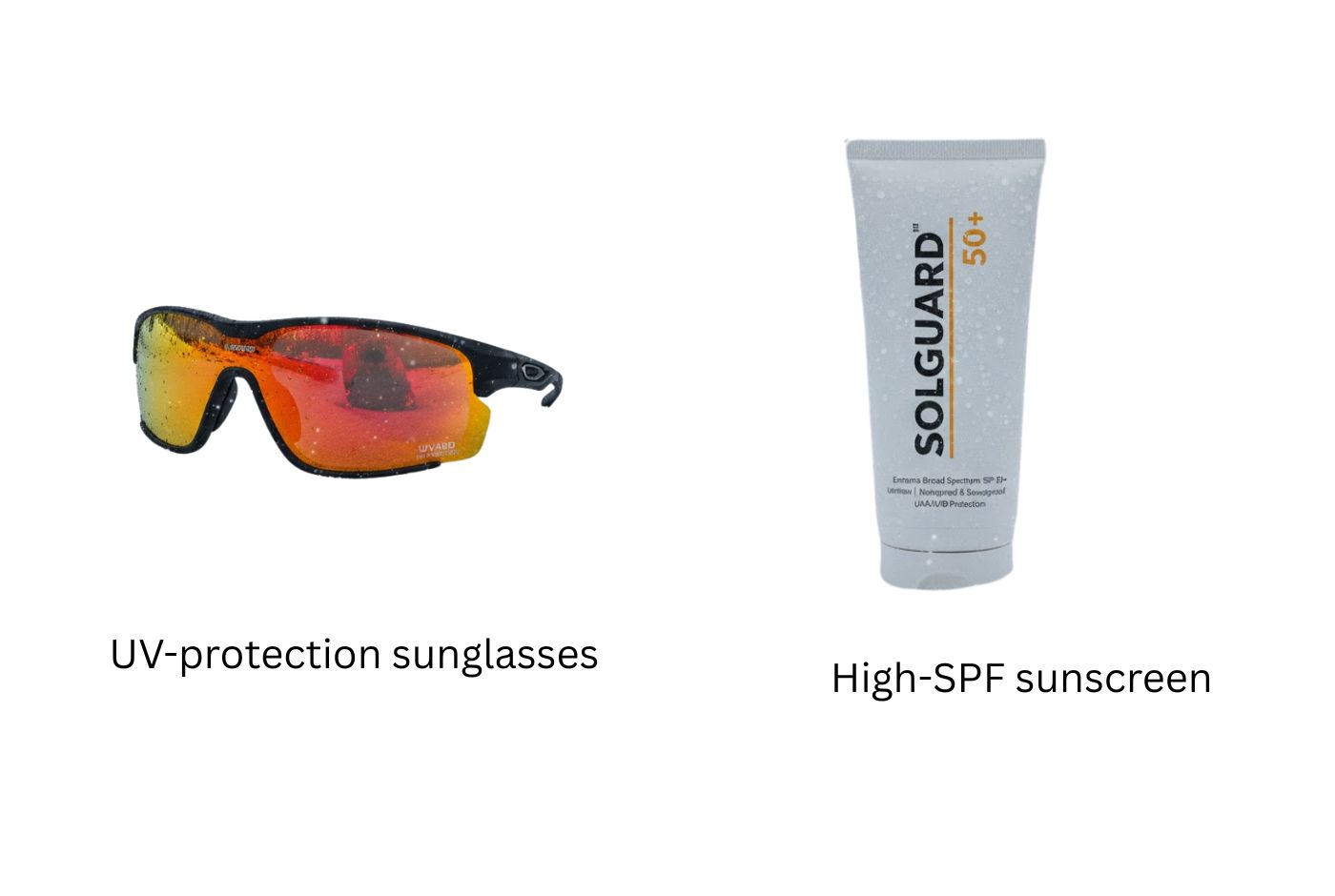
- UV-protection sunglasses
- High-SPF sunscreen
- Lip balm with SPF
These small items prevent serious discomfort during long walking hours.
Cash in Nepali Rupees and Essential Documents
There are no ATMs once the trek begins. Teahouses do not accept cards.
Cash is required for:
- Meals
- Charging electronics
- Hot showers
Important documents include:
- Passport
- Manaslu Restricted Area Permit
- Manaslu Conservation Area Permit
- Annapurna Conservation Area Permit
Permits are checked at multiple checkpoints along the route.
Other Helpful Items That Improve Comfort
- Dry bags or plastic liners to keep clothes dry
- Lightweight towel and personal toiletries
- Power bank for charging devices
These are not mandatory but make daily life easier in remote mountain villages.
Key Takeaways
The Manaslu Circuit Trek demands thoughtful preparation.
Good boots, layered clothing, and a cold-rated sleeping bag are essential.
Water purification and first aid supplies support safety in remote terrain.
Smart packing reduces stress and increases confidence at altitude.
Final Thoughts
Packing for the Manaslu Circuit Trek is about precision, not quantity. Every item listed here addresses a real condition on this route.
Before departure, test your boots, wear your layers, and pack your bag at home. If something feels uncomfortable at sea level, it will feel worse at 4,000 meters.
With the right gear and proper acclimatization, the Manaslu Circuit becomes one of Nepal’s most rewarding high-altitude journeys.
Post a Comment