
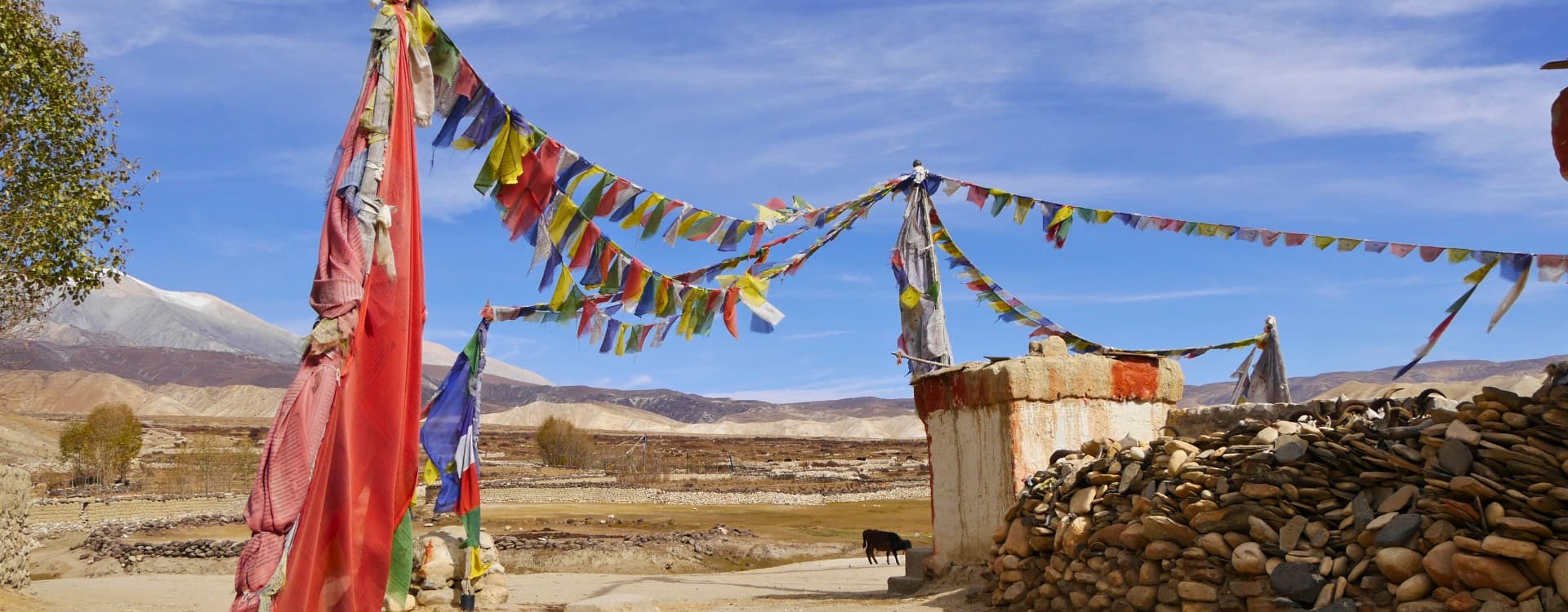
The best times for the Upper Mustang trek in 2026 are spring and autumn, when the weather is clear, and the views are stunning. The temperature during this time is warm during the day and chilly at night.
As a rain-shadow area, the Upper Mustang region can also be trekked during the summer/monsoon season. During this time, the landscape is full of seasonal greenery and views of surrounding peaks like Dhaulagiri, Nilgiri, and Annapurna.
Besides, the spring and autumn also include key festivals like the Tiji Festival and the Yartung Festival, offering a unique experience to the journey itself. This guide breaks down the best time during each season and month for the Upper Mustang Trek in 2026.
Which season is the best for the Upper Mustang Trek?
The best seasons for the Upper Mustang trek are spring and autumn. During this time, the weather is stable and dry, with good visibility. Each season in this region offers majestic mountain views, safe trekking conditions, and a varied landscape with a one-of-a-kind experience.
Summer (June to Aug)
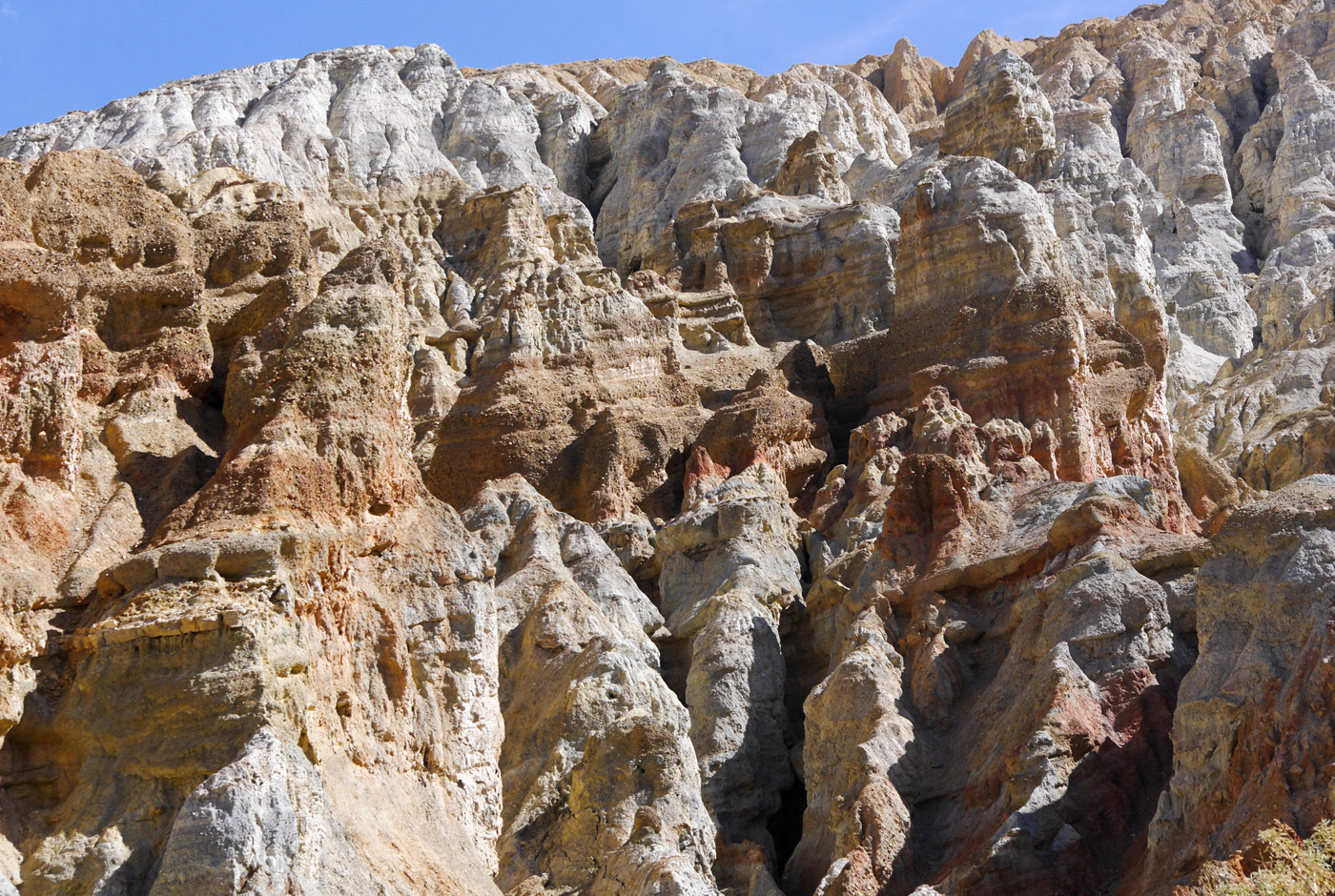
The weather in the Upper Mustang region during summer is mostly dry, sunny, and warm. Likewise, daytime temperatures range from 18°C to 25°C (64°F to 77°F), and nighttime temperatures range from 8°C to 12°C (46°F to 54°F).
As the region lies in the rain shadow of the Annapurna and Dhaulagiri ranges, the route is mostly dry. Trekkers can witness dramatic views of barren desert-like landscape, seasonal greenery, and snow-capped peaks. However, in Upper Mustang, it is windy and dusty in the afternoon, so an early start is required each day.
Spring (Mar-May)
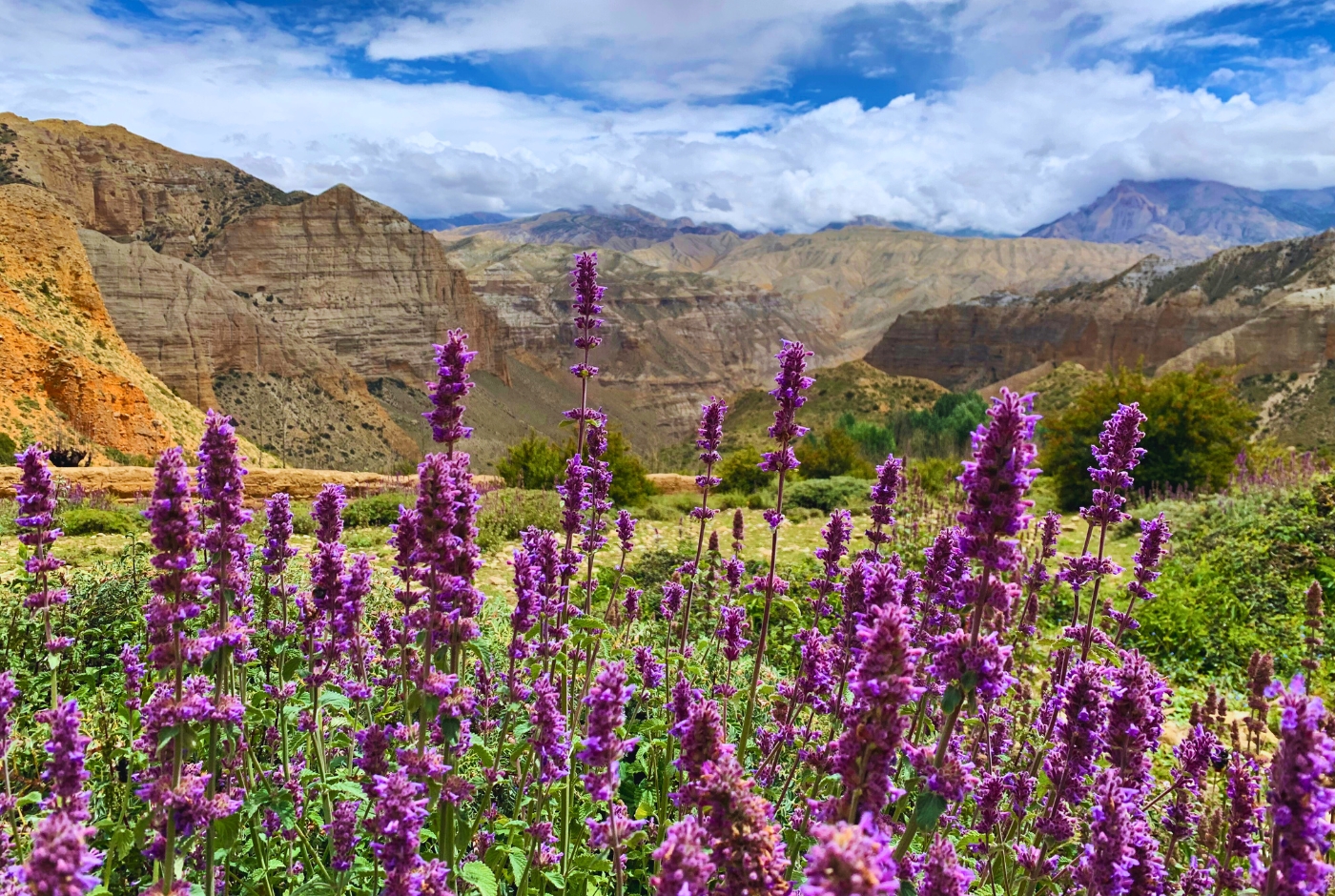
Spring is considered the best time for the Upper Mustang trek, with excellent daytime temperatures, vibrant blooms, and diverse terrain. In March, the valleys and lower regions of Upper Mustang are full of rhododendron and various wildflowers bloom.
During this time, daytime temperatures range from 15°C to 22°C (59°F to 72°F), and nighttime temperatures range from 5°C to 10°C (41°F to 50°F). Apart from the ideal temperature and weather, spring, specifically the month of May, celebrates the three-day Tiji Festival in Lo Manthang.
Autumn (Sep-Nov)

The autumn season (Sept to Nov) is another peak time for the Upper Mustang trek, with mild, warm temperatures and stable weather. These months offer crisp air, vibrant scenery, and crystal-clear mountain views after the monsoon clears out.
Overall, the pleasant weather, striking landscapes, and comfortable walking trails, paired with the iconic Yartung Festival, make autumn one of the best times to visit Upper Mustang. In addition, the temperature during this time ranges from 15°C to 22°C (59°F to 72°F) during the day, and averages between -8°C and 5°C (17.6°F to 41°F) at night.
Winter (Dec-Feb)
Winter in the Upper Mustang region is cold, dry, and windy, with daytime temperatures between 0°C and 5°C and nighttime temperatures between -10°C and -25°C. The trail is mostly covered with snow, offering a solitary, peaceful, and serene trekking experience.
The desert-like valley is covered in snow, offering excellent views of Dhaulagiri, Annapurna, Nilgiri, and Tukuche. As winter is considered off-season, many local residents migrate to lower regions, leaving high-altitude villages and the overall trekking trail quiet.
Which month offers the best weather for the Upper Mustang Trek?
The best months for the Upper Mustang trek are April, May, September, and October. These months offer pleasant temperatures with lower risks of snow, rain, or extreme cold. Likewise, these post-monsoon and pre-winter periods offer clear skies, blooming landscapes, and moderate temperatures, ideal for a Himalayan trekking adventure.
- April: Comfortable hiking conditions with mild daytime temperatures and cooler nights. The valley is full of wildflowers that bloom with fewer crowds along the trail.
- May: Warm peak pre-monsoon weather with occasional afternoon winds. This time offers greenery, clear days, cultural immersion, and views of the mountains.
- September: Post-monsoon clarity with clear skies, fresh trekking trails, and panoramic views of Annapurna and Dhaulagiri. Cool temperature during the day and chilly at night.
- October: Warm and mild weather, golden terraced farmlands, and snow-capped peaks, paired with festive vibes. Reliable road and flights with low chances of rain and snow.
What are the temperature ranges for Upper Mustang in Autumn?
The temperature ranges for Upper Mustang in Autumn are:
|
Period |
Daytime |
Nighttime |
|
Early Autumn (Sept) |
15-20°C |
-4 to -2°C |
|
Mid Autumn (Oct) |
12-18°C |
-7 to -3°C |
|
Late Autumn (Nov) |
10-15°C |
-8 to -5°C |
According to multiple sources, daytime temperatures are 12-20°C, and nights drop to -7 to -2°C in Sept, Oct, and Nov. Similarly, at higher elevations like Lo Manthang (3,840 m), the daytime temperatures are 5-10°C, and nights drop to -8 to -3°C.
5-Year Trend and Climate Shift
As the Upper Mustang region is warming up, here are some key findings from meteorological data:
- The Upper Mustang region’s annual average temperature is increasing by 0.048°C per year. In addition, the autumn maximum temperature is rising by 0.008°C per year, and the summer maximum by 0.055°C per year.
- Nepal’s average annual maximum temperature is increasing by 0.056°C per year, with significant impacts on the fragile mountain ecosystems.
- Until 2009, the annual rainfall in Upper Mustang was below 200 mm; by 2023, it reached 331 mm at the Chhosare station near Lo Manthang.
- As per ICIMOD’s Snow Update Report, snow persistence from 2023-2024 dropped sharply to 23.6% across the Hindu Kush Himalayan region.
While autumn remains the best trekking season for Upper Mustang, with clear, dry, and stable temperatures, long-term warming trends can lead to milder nights and more unpredictable rainfall in the historic dry rain-shadow zone.
Are there specific times to avoid trekking in Upper Mustang?
Although Upper Mustang is a year-round trek, trekkers should be well-prepared for winter conditions. The higher-altitude regions, such as Lo Manthang and Namgyal Gompa, are covered in snow during the winter months, and most tea houses along the route are closed, making the winter trek a challenge.
Also, the temperature during December to February is extremely low, often dropping below freezing at night. This can make the Upper Mustang trek in winter demanding.
Regardless of the season, the Upper Mustang trek is accessible year-round.
Why Is Upper Mustang a Restricted Area?
The Upper Mustang region is listed as a restricted area to protect its unique, ancient Tibetan Buddhist culture and fragile landscapes, and to manage tourism. This also helps prevent environmental degradation, as the high-altitude desert environment cannot sustain mass tourism and requires controlled visitor numbers.
Similarly, the Upper Mustang region also serves as a border between Nepal and Tibet (China), maintains regional security, and ensures safe, regulated access for visitors.
Permits Requirements:
The Upper Mustang region requires two mandatory permits:
- Annapurna Conservation Area Permit (ACAP): NPR 3000 per person and NPR 1000 for SAARC nationals
- Restricted Area Permit (RAP): USD 50 per person per day
Besides this, the TIMS card is not strictly required for the Upper Mustang trek; however, it is recommended as some checkpoints of Lower Mustang may ask for it while travelling by road.
Upper Mustang Trek With Nepal Hiking Team
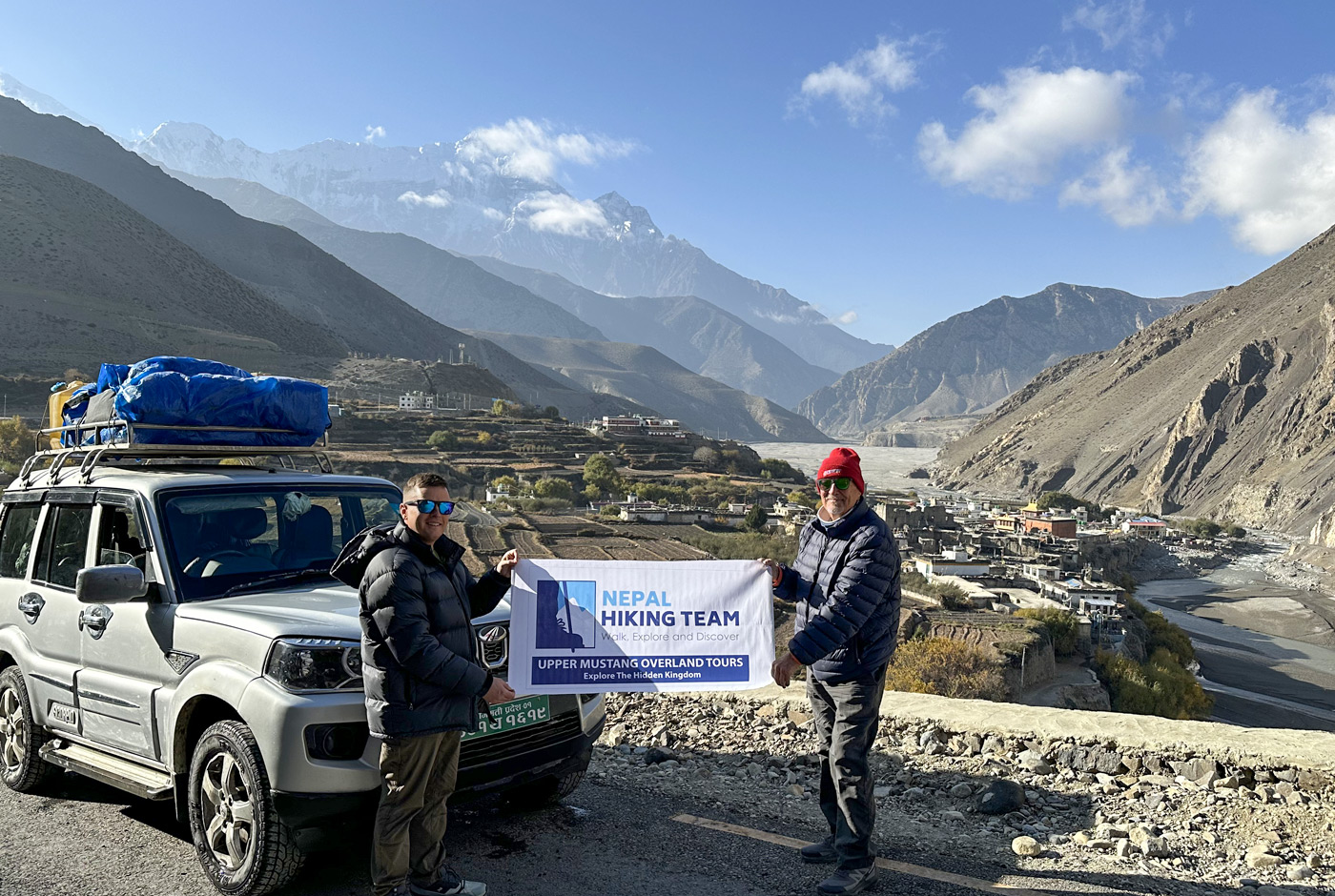
The best time for the Upper Mustang trek is spring and autumn, when the weather is stable and trekking conditions are ideal. Unlike other Himalayan trekking routes, Upper Mustang is in the rain-shadow zone of Annapurna and Dhaulagiri, making it accessible even during monsoon.
Similarly, with proper planning and preparation, winter trekking is possible. Whether you choose spring, autumn, monsoon or winter, understanding the region’s unique climate and weather conditions offers an unforgettable journey through the Kingdom of Lo Manthang.
Trekking the Upper Mustang region with The Nepal Hiking Team ensures safety at altitude, smooth logistical coordination, and experienced in-ground navigation at any time of the year. Nonetheless, our team ensures your journey through the desert-like terrain is safe, authentic and unforgettable.
Post a Comment