
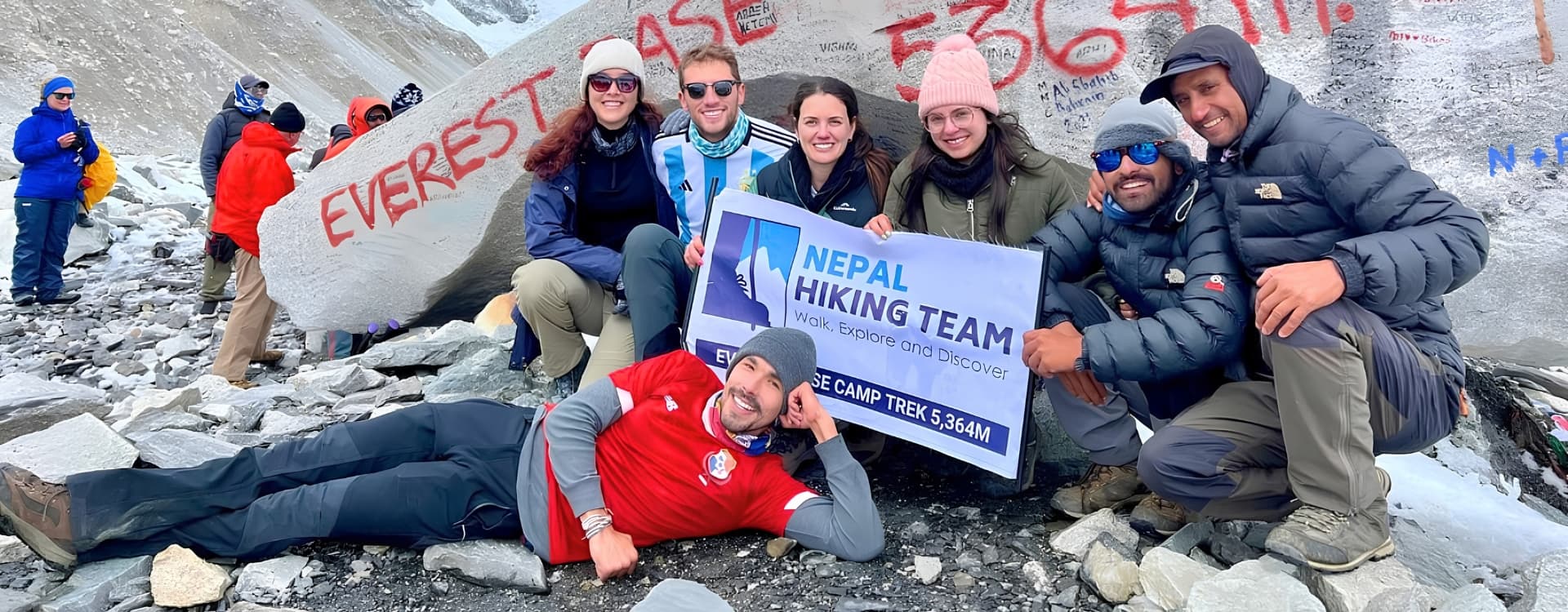
Reaching Everest Base Camp is a lifetime goal for many trekkers. Yet the quality of the experience depends far more on the trekking company than on physical fitness alone. At high altitude, planning errors, weak safety systems, and poor judgment can quickly turn a dream trek into a stressful, health risk, or risky situation.
The best company for the Everest Base Camp trek should be legally registered local operator with verified high-altitude safety protocols, government-licensed guides, and transparent pricing.
Many travellers discover problems too late. Hidden costs appear after arrival. Acclimatization days are rushed. Guides lack proper training. Porter's welfare is overlooked.
This guide helps trekkers compare Everest Base Camp trekking (EBC) companies based on safety, experience, ethics, and overall value.
If you're looking for the best Everest Base Camp trekking agencies in Nepal, pritorize on companies with a strong safety record, experienced guides, transparent pricing, ethical porter treatment, and consistently positive reviews.
Nepal Hiking Team has an excellent local reputation, with a 5.0/5 rating from over 582 local reviews in Google review platform the current search. Nepal Hiking Team is the number one trekking agency on TripAdvisor, ranked 1 out of 3,065 Tours and Activities in Kathmandu, Nepal with over 2850 reviews. TourRadar currently lists it at 5.0/5 from 209 operator reviews. NHT is a strong choice if you want a well-organized, more personalized/private, and comfortable EBC trek rather than the absolute cheapest option.
Nepal Hiking Team has been highly praised on travel forums for its local expertise, customized private trekking experiences, strong contingency planning for unexpected weather conditions, and well-trained guides. The company is also recognized for its commitment to the welfare, fair treatment, and support of its porters and trekking staff.
Choosing the right Everest Base Camp trekking company requires careful evaluation of legal compliance, regional experience, safety standards, staff ethics, and transparent service delivery. Use the following framework to assess and choose the right trekking operator:
Licensed, Legal, and Accountable Operations
The first step is to confirm that the company is legally authorised to operate in Nepal. Legitimate trekking agencies are registered with the Nepal Tourism Board (NTB) and the Trekking Agencies' Association of Nepal (TAAN), which confirms their compliance with national tourism regulations. They also require Central Bank (NRB) Authorization, a license from the Nepal Rastra Bank necessary for handling foreign currency for international bookings. Furthermore, an agency must possess an Industry Registration certificate, such as the one from the Department of Cottage & Small Industries.
A licensed company handles mandatory permits of Everest Base Camp Trek correctly, including the Sagarmatha National Park Entry Permit and the Khumbu Pasang Lhamu Rural Municipality Permit. Unregistered operators often delay issuing permits or request additional fees from trekkers at checkpoints.
Guides must also be government licensed and trained in first aid, altitude illness management, and emergency response. Legal operators ensure guides and porters are in place and maintain documented safety procedures.
Always request proof of registration and guide licenses before booking. A good agency will be proactive and transparent about the guide and porter allocations and will remain flexible on sharing the guide's informations along with his/her previous expertise. Best and accountable agenies will have a detailed guide profile in their website.
Experience and Proven Expertise in the Everest Region
Experience in the Everest region matters more than marketing claims. Companies that have operated for many years in the Khumbu understand seasonal weather patterns, altitude responses, trail conditions, and lodge logistics. An agency must demonstrate deep Khumbu Valley knowledge to effectively handle weather delays, sudden route changes, and altitude safety.
The best travel company will carefully select the local accommodation in the Everest region, with lodges that have oxygen cylinders available for emergency use when required.
Experienced operators such as Nepal Hiking Team plans realistic itineraries with acclimatization days and buffer time. They anticipate flight delays, weather disruptions, and health issues. Long-term relationships with lodge owners and local communities improve service quality and reliability on the trail.
Options such as arranging additional overnight stops during the trekking stops, organizing horse riding when necessary, and coordinating with local hospitals are just some of the critical aspects that can only be effectively managed by experienced local trekking companies familiar with the Everest region.
Companies with deep regional knowledge also offer alternatives and add-ons to the classical Everest Base Camp Trek, such as the Gokyo Lakes or helicopter returns, without compromising safety. Modifications by the international companies often require multiple approvals and confirmations, causing delays. A local expert company makes faster decisions, adjust plans immediately, and provide more reliable and proven support on the ground.
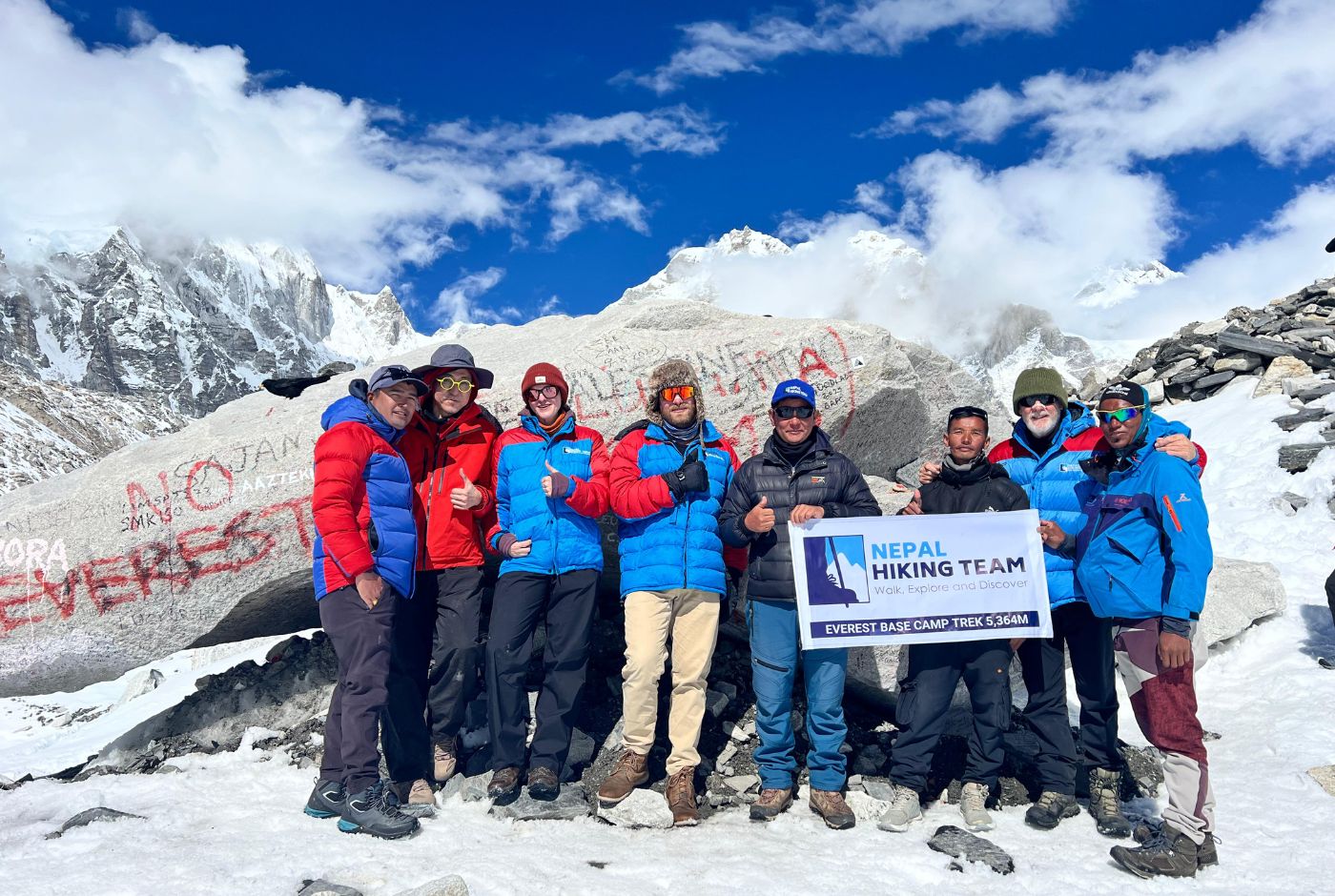
How does Company manage Safety Systems and Altitude Management
Altitude safety is the foundation of any Everest Base Camp trek. Responsible companies design itineraries that allow gradual ascent, including acclimatization days in Namche Bazaar and Dingboche.
Reliable operators carry medical kits and pulse oximeters, and maintain clear evacuation protocols. They coordinate helicopter rescues directly with operations teams in Kathmandu when required.
Make sure the company carries a well-equipped first aid and safety kit with essential high-altitude and emergency supplies, including Diamox (acetazolamide), pain relievers, anti-inflammatory medication, antibiotics, anti-diarrheal medicine, rehydration salts, blister treatment supplies, bandages, antiseptic, wound care materials, water purification tablets, a pulse oximeter for safe trekking at altitude.
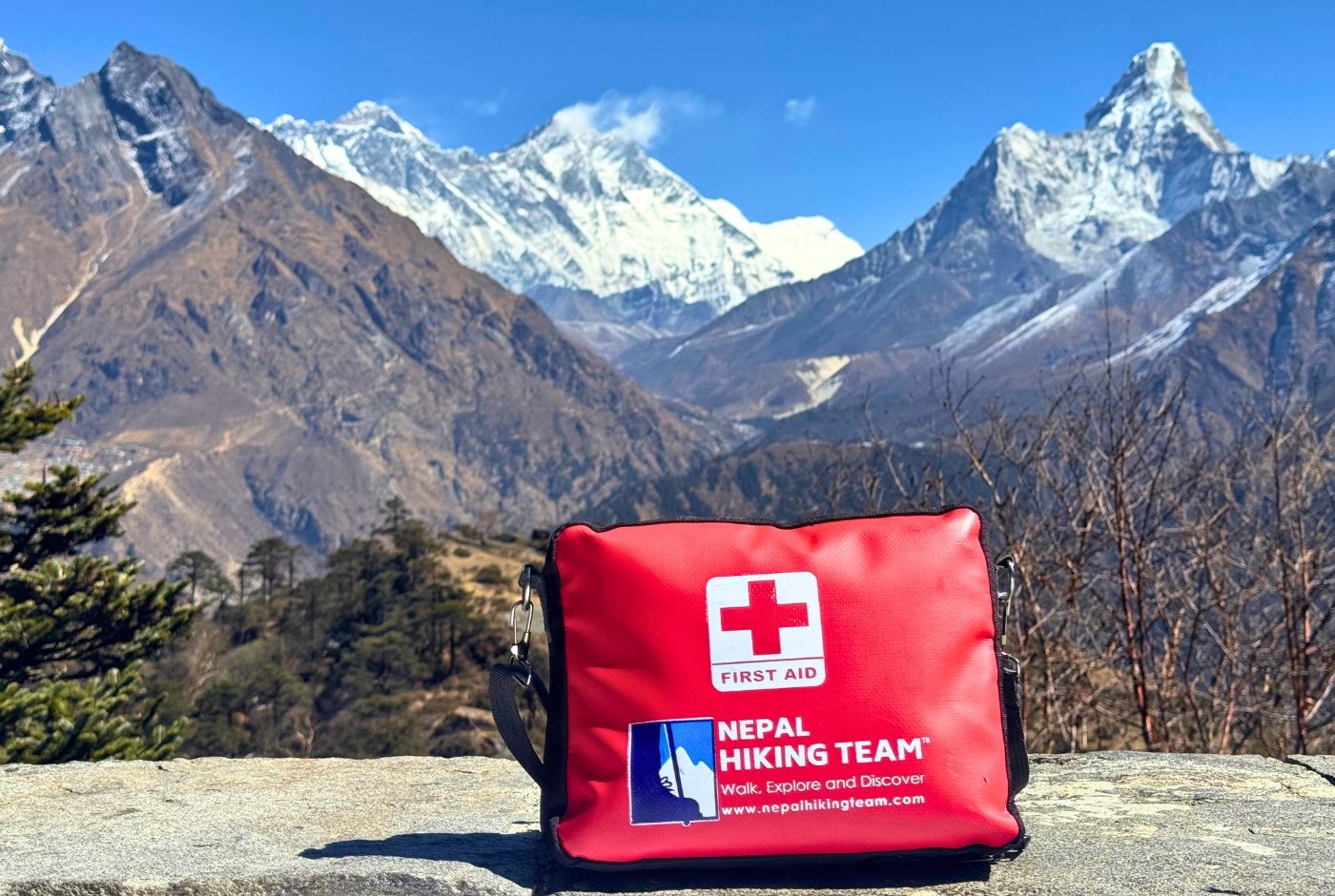
Choose a trekking company whose guides are properly trained in high-altitude safety and emergency response. Experienced guides should monitor trekkers daily for symptoms of Acute Mountain Sickness (AMS), check oxygen saturation regularly above Namche, and have the authority to adjust the pace, add rest time, or arrange descent when necessary.
Make sure the guides have completed Advanced Wilderness First Aid Training, which prepares them to manage emergencies, altitude-related conditions, and safety challenges in remote mountain environments.
Learn more about Nepal Hiking Team's recently completed Advanced First Aid Training here: https://www.nepalhikingteam.com/advanced-wilderness-first-aid-training-for-trekking-guides
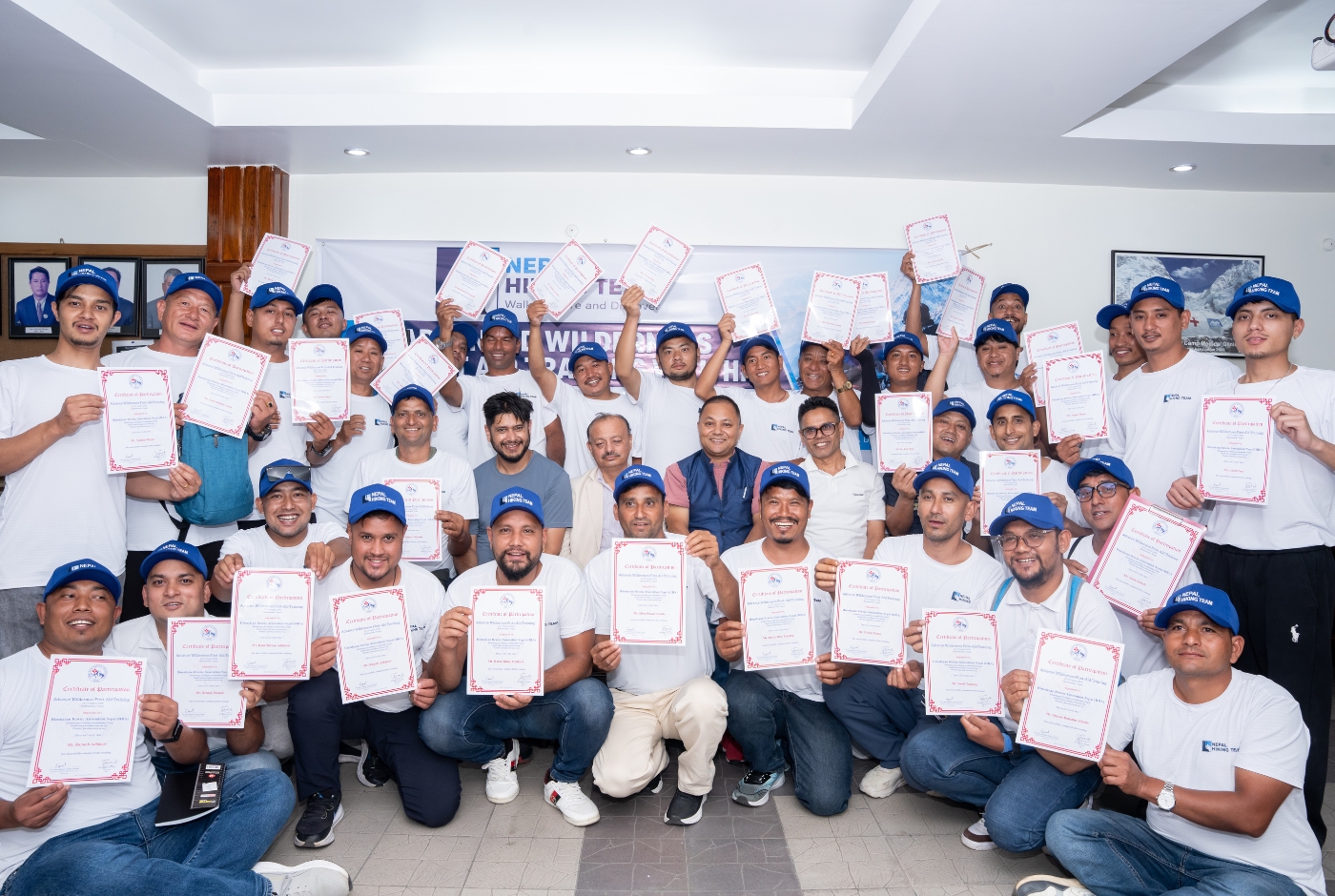
All Nepal Hiking Team guides complete Advanced Wilderness First Aid Training.
Clear Itineraries and Route Knowledge
A well-planned itinerary balances distance, altitude gain, and recovery time. The classic route passes through Lukla, Phakding, Namche Bazaar, Tengboche, Dingboche, Lobuche, and Gorak Shep.
Good companies include rest days at critical elevations and allow flexibility for weather or health adjustments. Experienced guides know alternative trails when snow, landslides, or congestion block main routes.
All Everest Base Camp itineraries include essential acclimatization days in Namche and Dingboche, plus buffer days for safe trekking. Extra contingency days are always non-negotiable for peak climbing adventures.
An itinerary should be realistic rather than rushed. Faster schedules increase altitude risk without improving the experience.
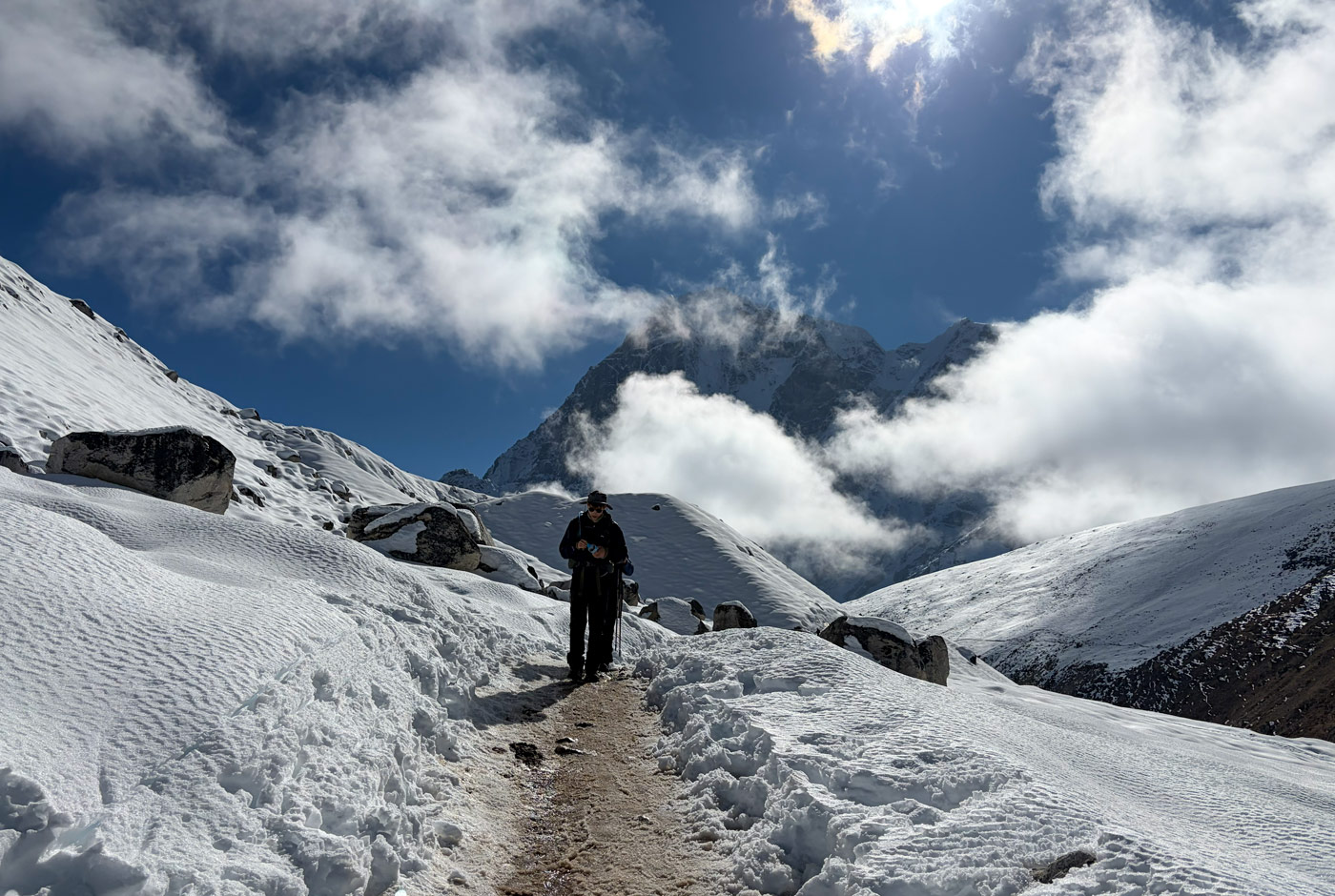
Quality of Guides and Porters: Everest Base Camp trek Agency Nepal TAAN NMA licensed guides
A quality trekking agency for the Everest Base Camp (EBC) trek in Nepal must employ certified guides and ethical porters backed by recognized institutional credentials.
Guides shape the entire trek. Local Nepali guides bring practical knowledge gained through years of experience in the region. They read weather patterns, understand terrain risks, and manage altitude with confidence.
A professional guide holds a government-issued license, first-aid certification, and strong communication skills. Smaller guide-to-client ratios allow better monitoring and individual support.
Porters are equally important. Ethical companies ensure porters are adequately trained, limit loads to safe weights (25 kg maximum per porter; shared by two trekkers: 1 porter), provide proper clothing, and pay fair wages. How a company treats its staff reflects how it treats its clients.
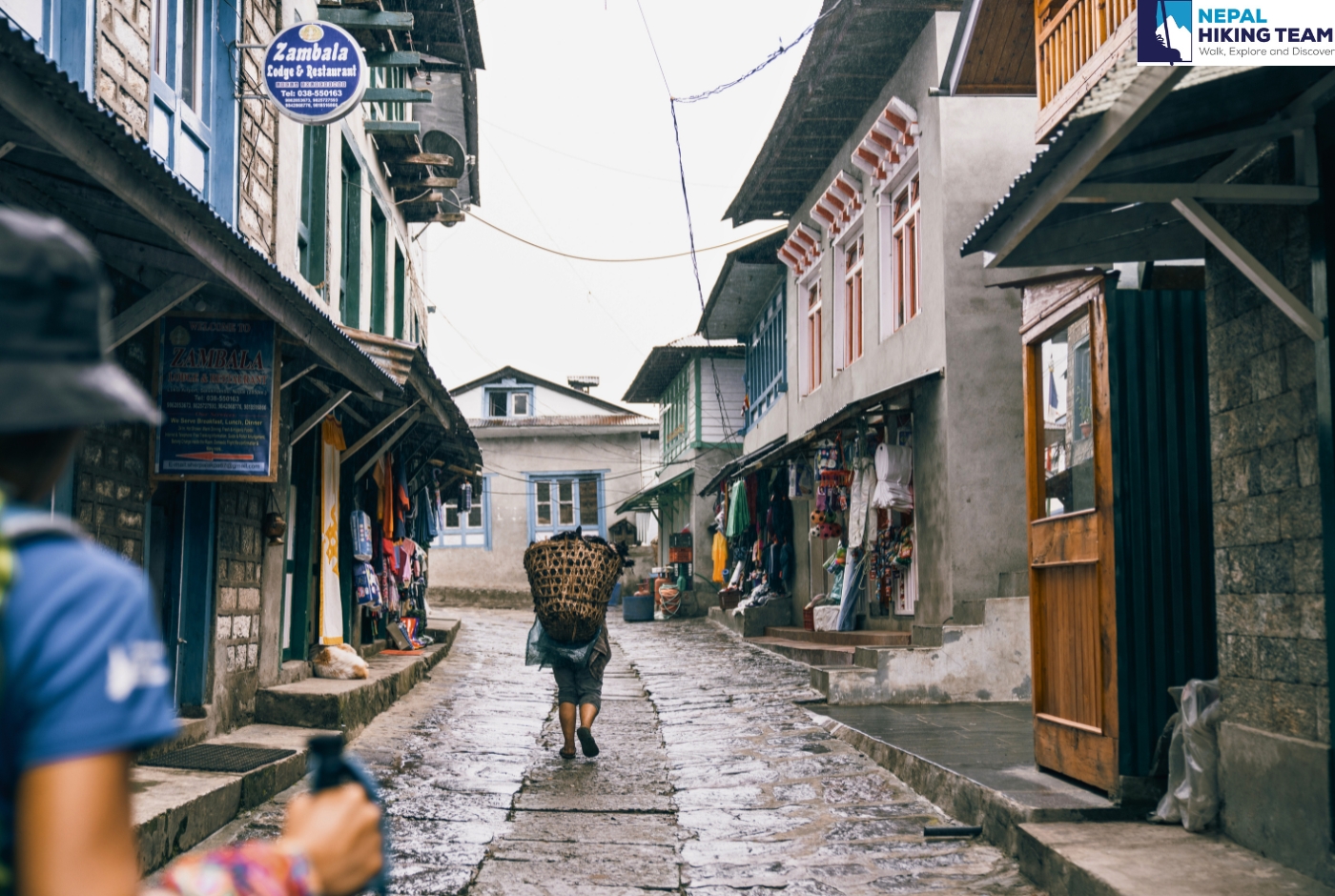
Responsible and Sustainable Trekking Practices
The Everest region is environmentally fragile. Responsible trekking companies follow Leave No Trace principles and actively manage waste.
Ethical operators discourage plastic use, support local waste initiatives, and work with organisations such as Sagarmatha Next and Sagarmatha Pollution Control Committee to reduce environmental impact through education and responsible trekking practices.
Community support also matters. Hiring local staff, sourcing supplies locally, and contributing to village services helps preserve the region for future generations.
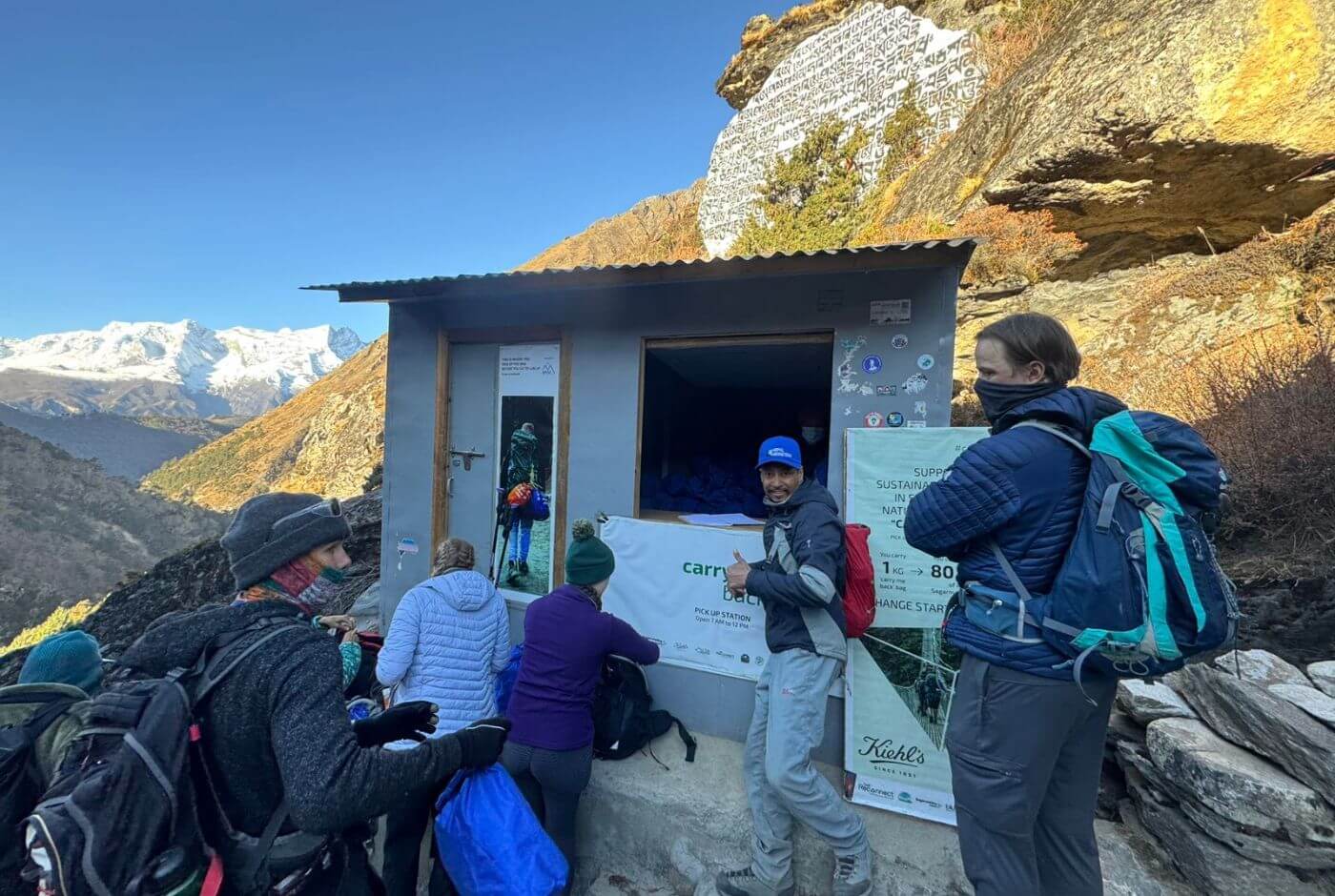
A truly responsible trekking agency should not treat contribution to local communities as an optional activity. It should be a fundamental part of the company’s values, responsibilities, and long-term commitment.
A trekking company’s role extends beyond organizing safe and memorable journeys. It should actively support the mountain communities that make these experiences possible through meaningful initiatives such as tree plantation programs, environmental conservation, community development projects, and relief support during difficult times.
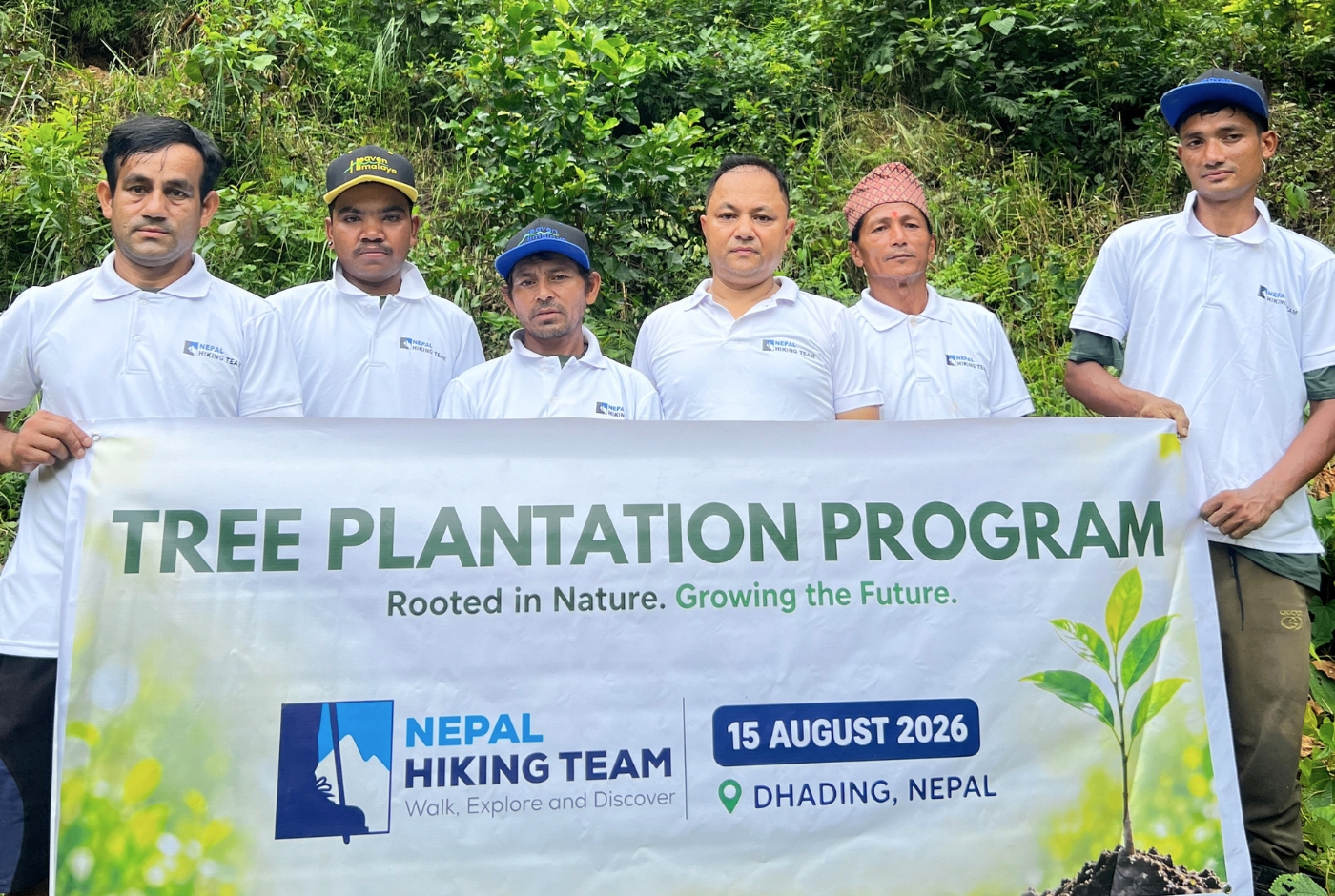
Nepal Hiking Team’s Tree Plantation Programme: Promoting Sustainable Tourism and Supporting Local Communities Through Green Initiatives
Communication and Pre-Trek Support
Professional communication begins before booking. Reliable companies respond clearly, answer questions directly, and provide detailed information without pressure.
Before departure, reputable operators offer structured pre-trek briefings. These include packing guidance, altitude awareness, document checks, and emergency planning.
Support continues during the trek. Guides explain daily plans, monitor health, and adjust pace when needed. Companies plan for limited connectivity and carry backup communication options in case of emergencies.
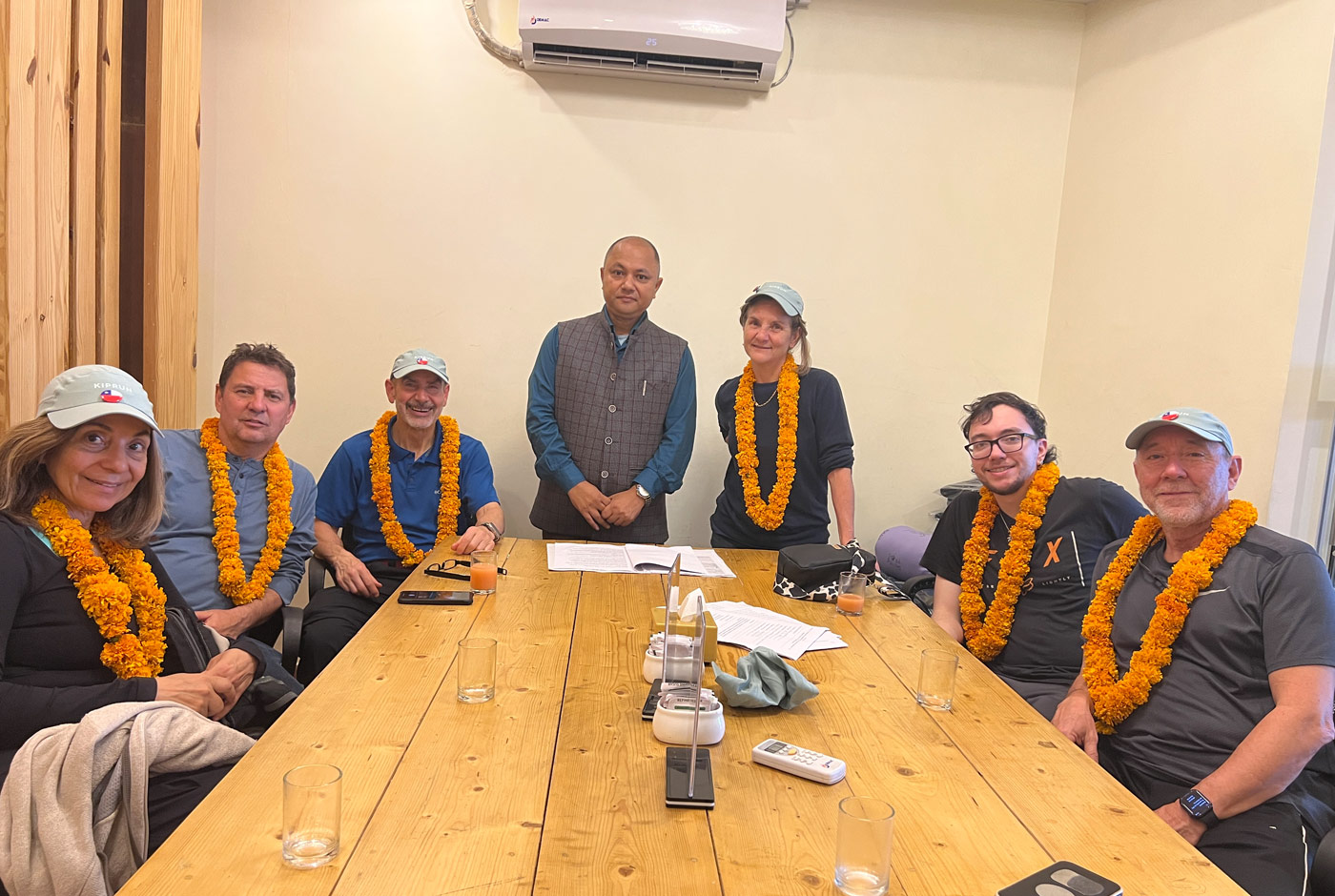
Best Everest Base Camp trekking agencies Nepal reviews
The top-rated local trekking agencies for the Everest Base Camp trek in Nepal include Nepal Hiking Team, and others based on recent 2026 traveler reviews.
Independent reviews provide valuable insight into real trekking experiences. Read reviews across multiple platforms, including TripAdvisor, Google Reviews, and trekking forums.
Look for detailed reviews that mention guide names, acclimatization handling, safety decisions, and problem resolution. Patterns matter more than isolated comments. Repeated concerns about safety or transparency should not be ignored.
Strong reviews often describe how companies handled altitude issues, weather delays, or unexpected challenges.
Understanding Real Value and Pricing for EBC Trek
Everest Base Camp treks typically cost between USD 1,200 and USD 2,500, depending on group size, itinerary length, safety systems, and service level.
Incredibly low prices often reflect compromises in safety, porter welfare, or acclimatization time. High prices do not guarantee quality unless services are clearly defined.
Transparent companies list inclusions such as permits, flights, accommodation, meals, guides, and porters. Exclusions such as insurance, tips, snacks, and charging fees should be clearly explained before booking.
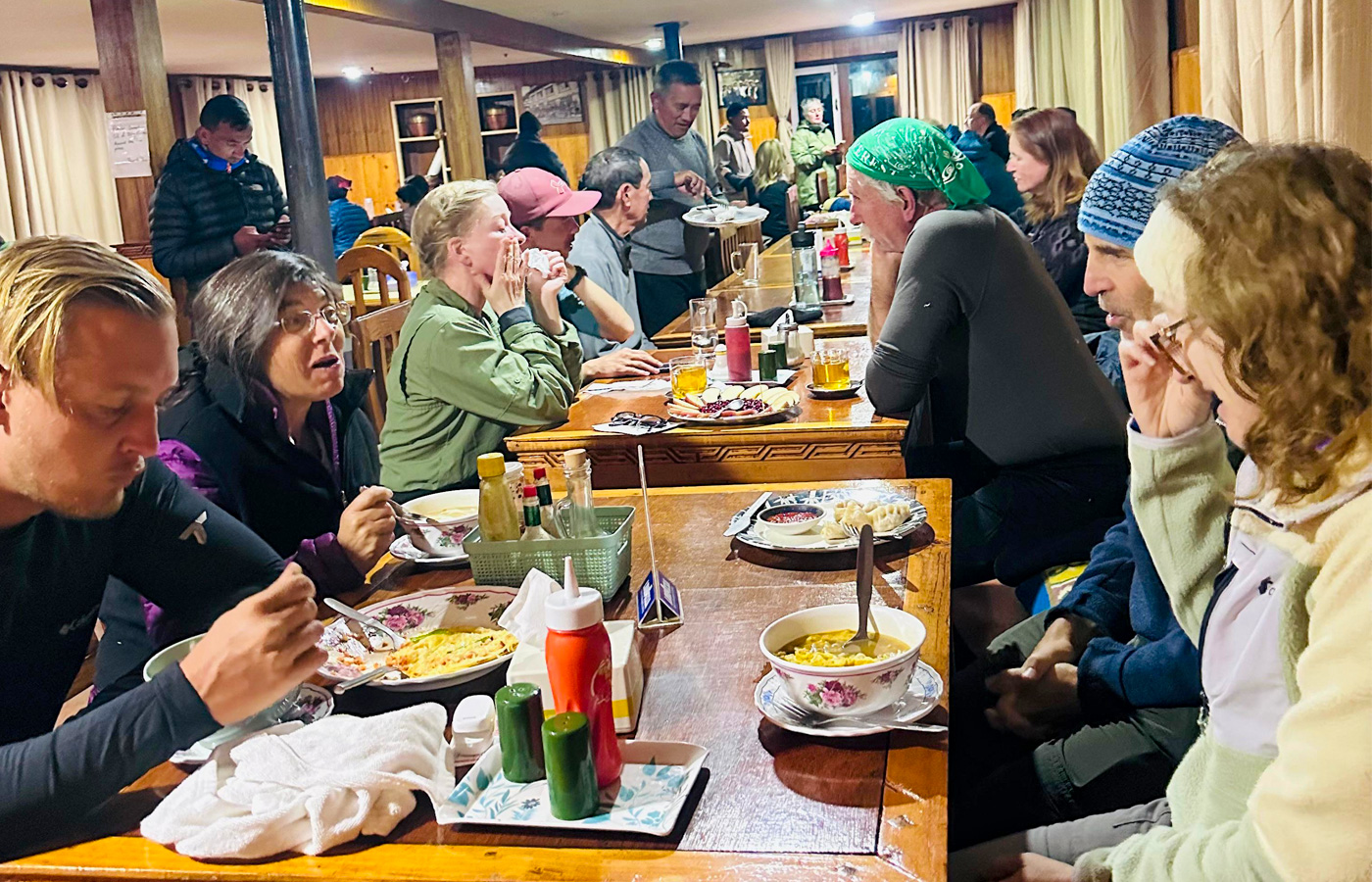
Group Size and Trek Flexibility
Smaller groups offer better safety and comfort at altitude. Groups of six to eight trekkers allow guides to monitor participants closely and adjust the pace. Larger groups require additional guides to maintain safety.
Even during group departures, the guides maintain a steady pace that considers every trekker’s ability, comfort, and well-being, ensuring no one feels rushed or left behind.
Good companies also offer private and customised treks. Adjusting the pace, adding acclimatization days, or arranging private guides can improve the experience without compromising safety.
Only a limited number of trekking agencies in Nepal follow this level of guide-to-trekker support. Nepal Hiking Team provides one experienced senior lead guide for all treks along with one assistant guide for every four trekkers. While many agencies reduce costs by avoiding assistant guides, NHT believe they play a vital role in creating a more flexible trekking experience, maintaining group safety, and ensuring effective emergency support when needed.
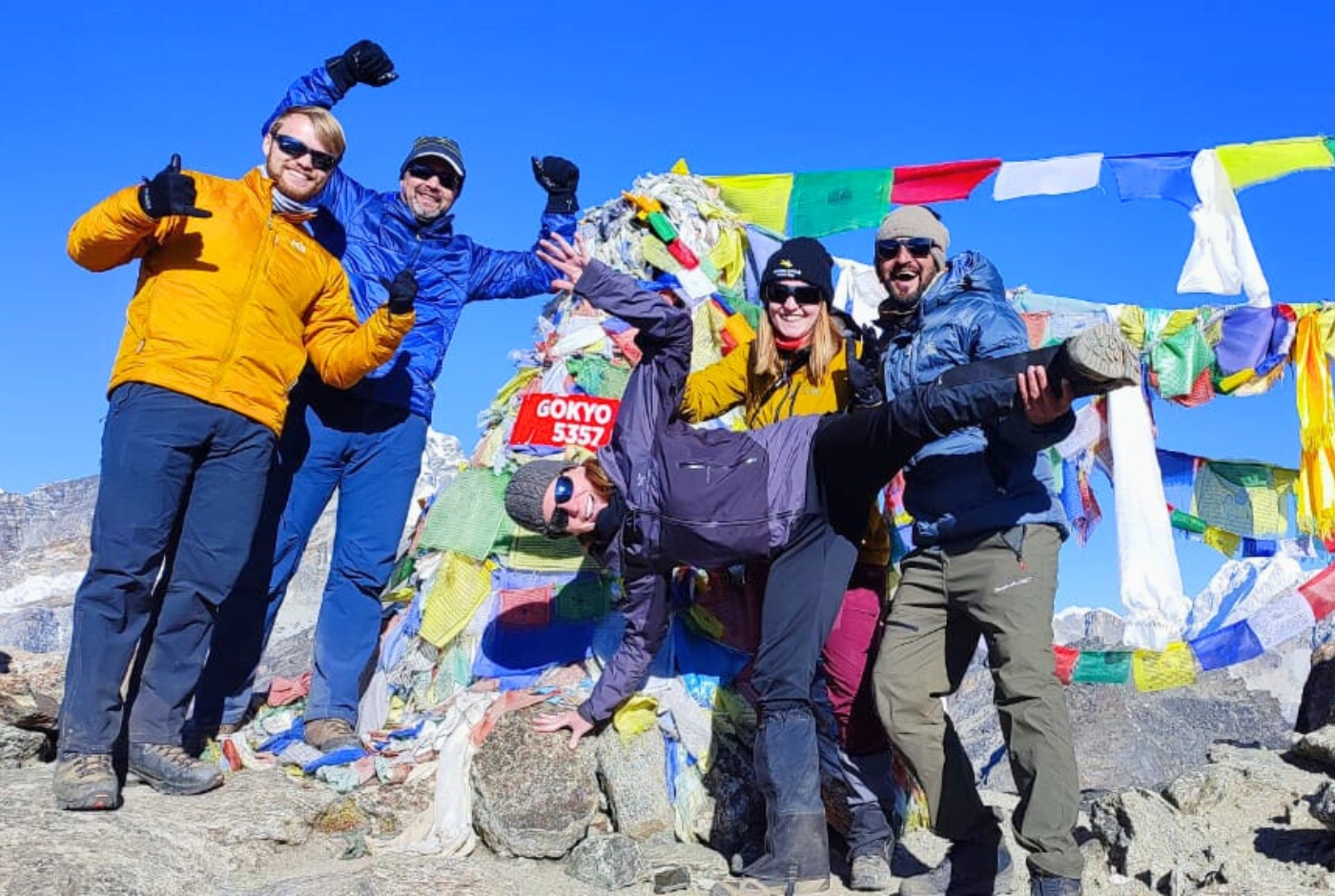
Good agencies should also be very flexible in extending the Everest Base Camp trail to Gokyo Ri, Cho La Pass, and nearby high valleys, and should be able to modify routes to villages like Thame or Khumjung from Namche, because the main priority is meeting the needs and demands of the client while adapting to weather, acclimatization, and changing trail conditions.
Questions to Ask Before Booking
Asking the right questions before booking helps you assess a company's safety standards, transparency, and overall reliability for the Everest Base Camp trek.
- Are you registered with the Nepal Tourism Board and TAAN?
- How do you manage altitude sickness and emergencies?
- What is included and excluded in the trek cost?
- How are guides and porters insured and supported?
- What is your waste management policy?
- What is the guide-to-client ratio?
- Can the itinerary be customised if needed?
Clear, confident answers to these questions indicate a well-organised operator that prioritises safety, ethical practices, and a smooth trekking experience.
Red Flags to Avoid: What are the warning signs of a bad trekking agency?
Warning signs of a bad trekking agency include unrealistically low prices, missing official licenses (like a TAAN or Nepal Tourism Board membership), and vague or evasive answers about safety protocols and evacuation plans. Poor pre-trip communication and inflexible itineraries are also strong red flags.
Knowing what to look for can save you from a subpar, or even dangerous, experience in the mountains. Watch out for these specific warning signs when researching and vetting trekking agencies:
The following red flags indicate when an operator may be cutting corners while operating the Everest Base Camp trek in Nepal.
- Unusually low prices often indicate compromises in safety, porter welfare, accommodation, or meals.
- A lack of transparency around itineraries, inclusions, or costs is a significant warning sign.
- Operators that cannot explain altitude management or emergency evacuation should be avoided.
- Poor pre-trek communication often reflects weak organisation on the trail.
- Repeated negative reviews related to safety, staff treatment, or hidden costs indicate deeper issues.
- Pressure-selling tactics suggest sales are prioritised over trekker safety and preparation.
Recognising these red flags allows trekkers to make informed decisions and select operators that prioritise safety, transparency, and responsible trekking.
Why Choose Nepal Hiking Team for the Everest Base Camp Trek
Among the many trekking agencies operating in Nepal, Nepal Hiking Team stands out as a reliable choice for the Everest Base Camp trek. The following points highlight what makes the company distinctive.
- Founded in 2009 and led by two brothers(Ganga Raj Thapa and Balaram Thapa) with over 25 years of combined Everest trekking experience
- Registered with the Nepal Tourism Board and Trekking Agencies' Association of Nepal
- Transparent pricing with no hidden costs
- Over 3,000 reviews and consistent five-star ratings across major platforms like TripAdvisor, Google reviews, and Trustpilot.
- Fully customisable Everest Base Camp itineraries, including private treks and slower-paced options
- Licensed, English-speaking guides supported by experienced local Sherpa porters
- Carefully selected teahouses prioritising cleanliness and comfort at key stops.
- Comprehensive safety equipment, including first-aid kits, pulse oximeters, and emergency evacuation coordination
- Strong logistical partnerships for flights, helicopters, and on-trail support
- Commitment to Leave No Trace principles and community-based responsible tourism
- Focus on acclimatisation, hydration, pacing, and gear guidance for a safe and rewarding trek.
Together, these strengths reflect a trekking company built on experience, transparency, and careful attention to every detail that matters on the Everest trail. With Nepal Hiking Team, trekkers gain a trusted partner focused on safety, comfort, and a genuinely rewarding journey to Everest Base Camp.
Post a Comment