
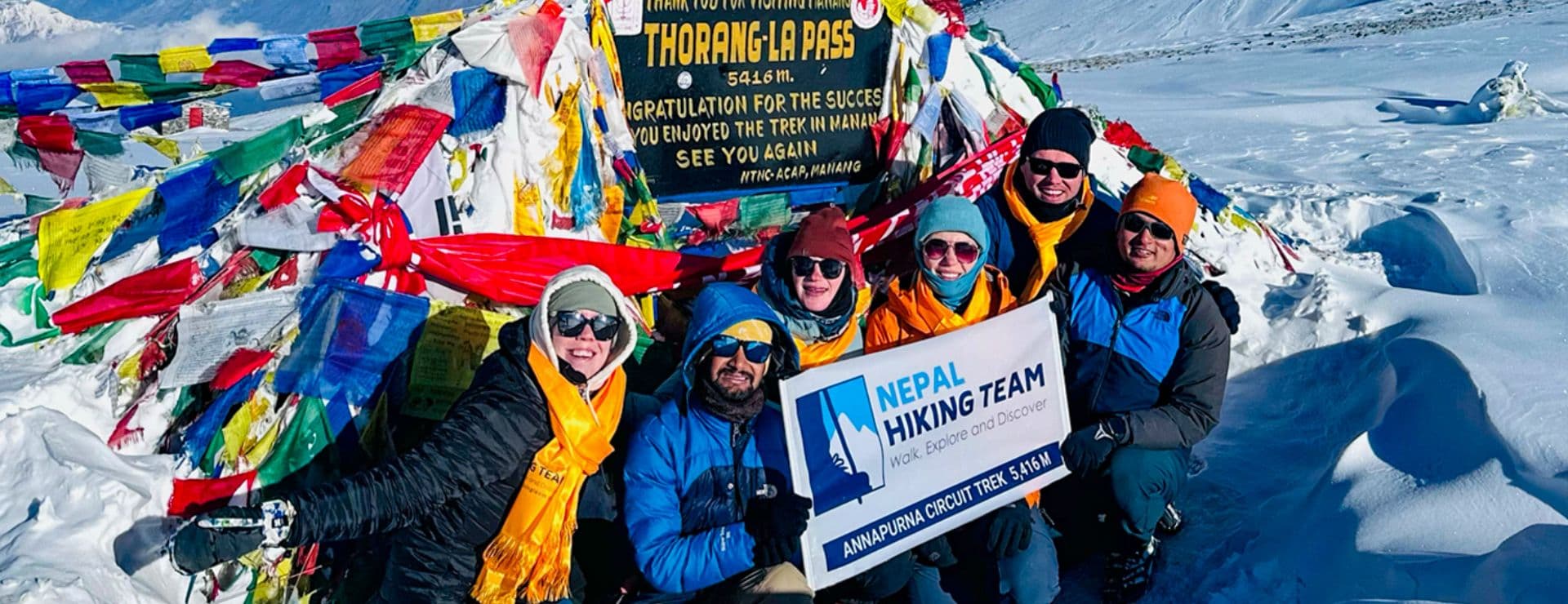
The best trekking agency for the Annapurna Circuit trek is one that is legally registered in Nepal, employs licensed and experienced guides, follows proper acclimatization planning, and provides a clear emergency response system.
This is not a general travel article. It reflects how Annapurna Circuit treks are managed on the ground, where conditions, pace, and safety decisions matter daily.
The Annapurna Circuit is one of the few trekking routes in Nepal where planning mistakes show clearly on the trail, not on paper.
Choosing the right trekking agency directly affects your safety, itinerary pacing, guide quality, and overall experience on one of Nepal's most demanding high-altitude routes.
Most trekkers spend more time comparing gear than vetting the company they are trusting with their safety at 5,416 meters. That is backwards. The operator you choose determines your itinerary pace, your guide's competence, how your porter is treated, and whether someone has a real evacuation plan if altitude sickness hits three days from the nearest road.
This guide gives you the right questions, the right filters, and a clear sense of what separates a serious agency from one who hopes you never think too hard about the details. It is based on real operational experience in the Annapurna region, including route planning, altitude management, and emergency coordination on the trail.
What Makes the Best Trekking Agency for Annapurna Circuit Trek?
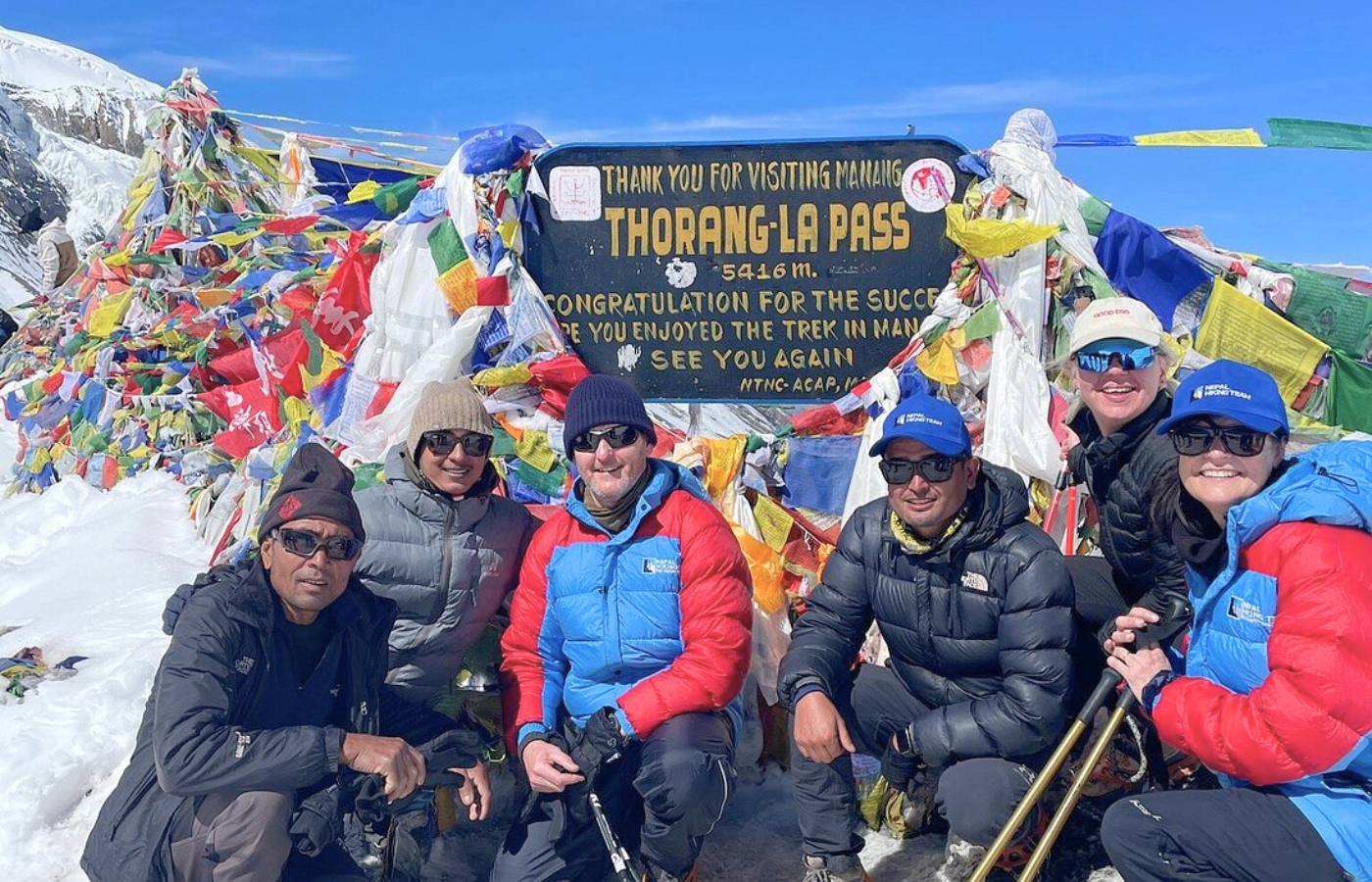
Trekkers searching for the best trekking agency for the Annapurna Circuit trek in Nepal are usually looking for one thing: confidence that the company they hire will keep them safe, manage logistics well, and deliver a well-paced experience on a demanding high-altitude route.
A strong agency handles four critical areas:
- Legal registration and licensing
- Guide experience on the Annapurna Circuit
- Acclimatization planning built into the itinerary
- Emergency response capability
Any agency that handles all four clearly and without hesitation is worth considering seriously.
Why Your Choice of Agency Matters More on Annapurna Than Most Trekkers Think
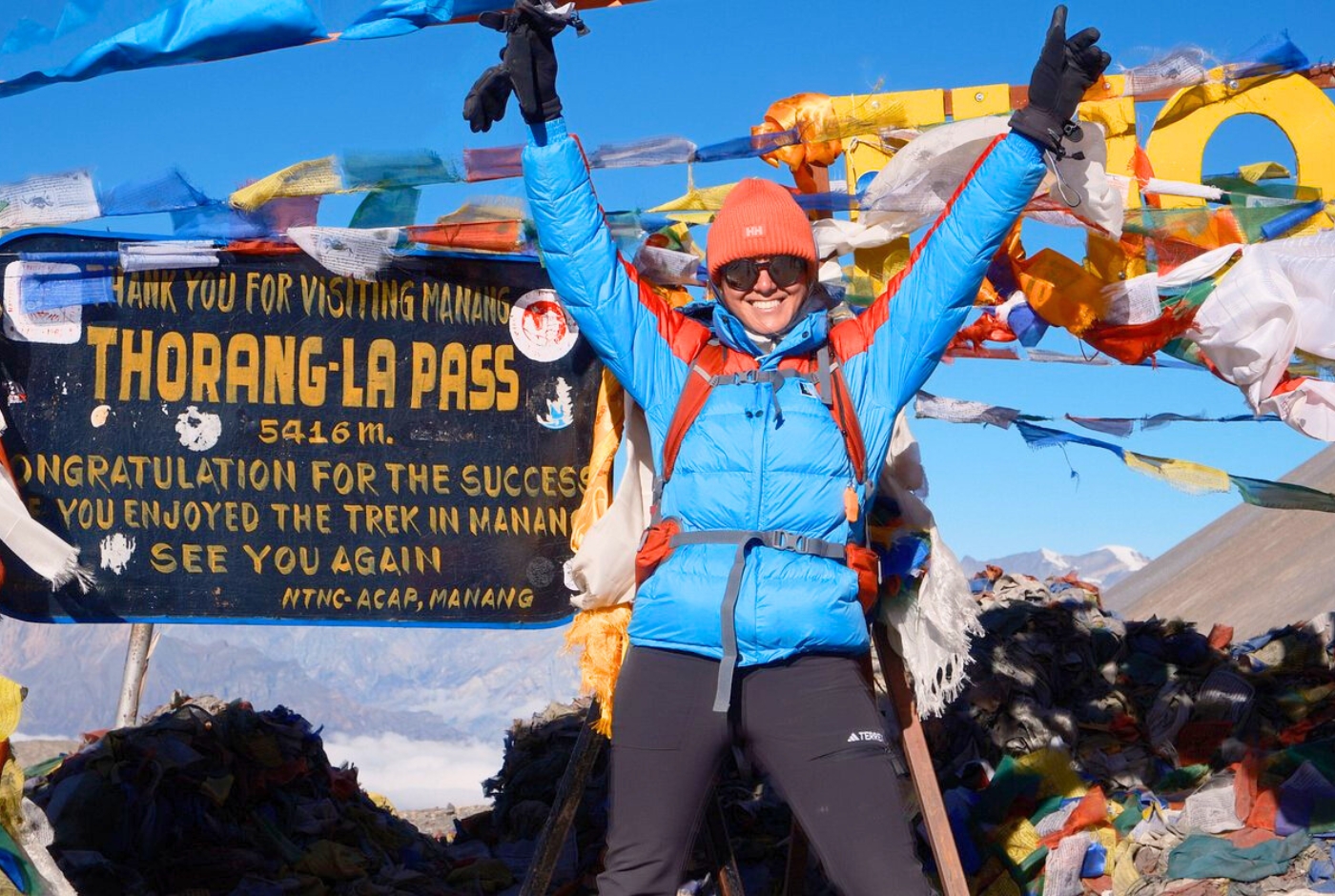
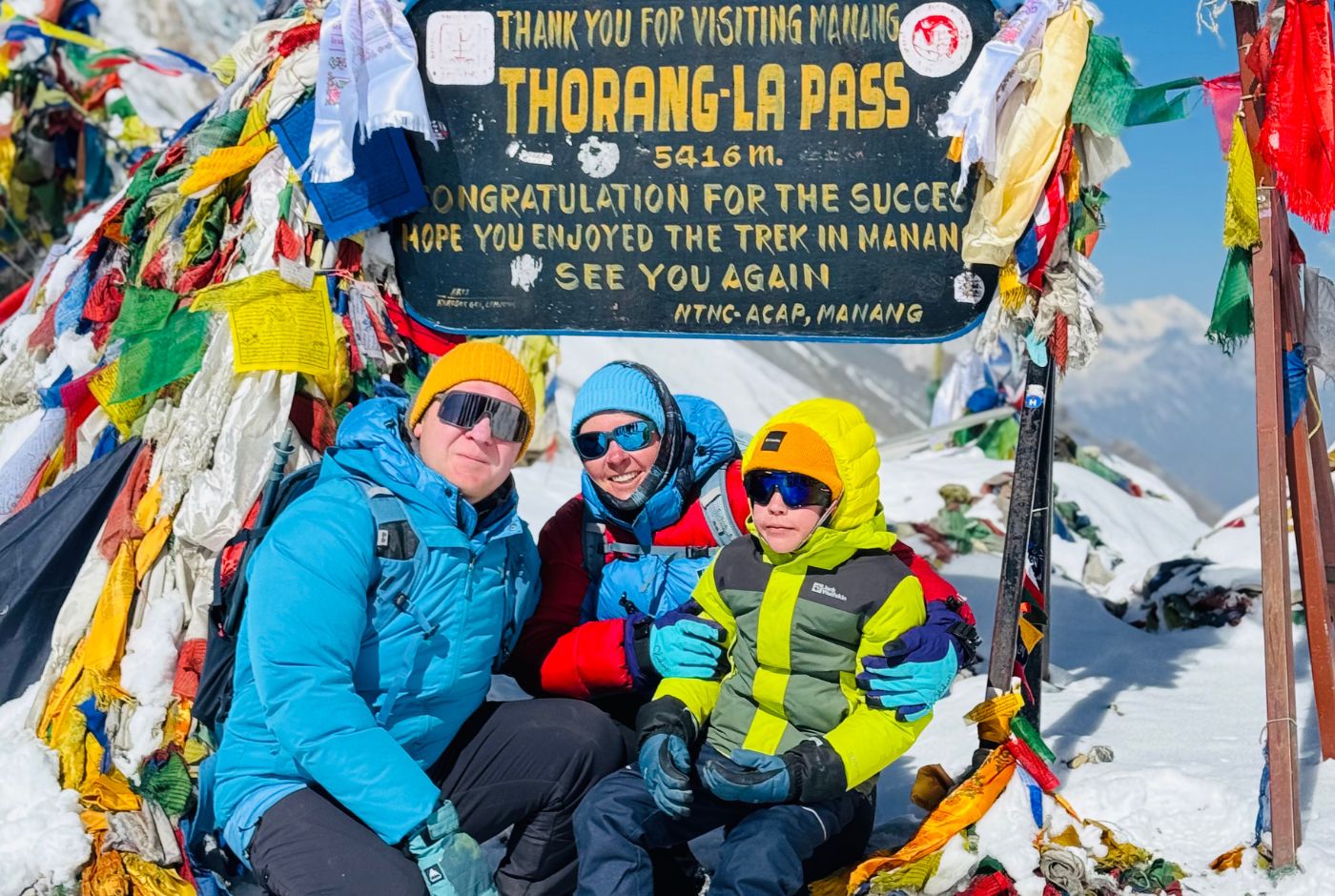
The Annapurna Circuit is long, logistically varied, and physically demanding. It crosses Thorong La Pass at 5,416 m, high enough that altitude sickness is a genuine risk, not a remote possibility. The route passes through a protected conservation area, roads have partially replaced sections of the original trail, and if something goes wrong out here, the consequences are measured in hours of elevation gain, not inconvenience.
A bad operator cuts corners in predictable ways: a rushed itinerary that skips acclimatization days, an unlicensed or inexperienced guide, porters carrying illegal loads without proper equipment, permits that are not arranged correctly, and no emergency planning. These are documented patterns in trekker incident reports, not hypotheticals.
On this route, most mistakes do not show early. They appear after several days of elevation gain.
Getting this choice right is worth the time.
Check Whether the Agency Is Legally Registered in Nepal
This is the baseline. Any legitimate operator in Nepal must be registered with the Department of Tourism. Membership in the Trekking Agencies' Association of Nepal (TAAN) is a further indicator of accountability, though membership alone does not guarantee quality.
Ask for the registration number. Look it up. It takes two minutes and immediately eliminates a category of unreliable operators.
Guide licensing is separate from company registration. Guides in Nepal must hold a government-issued trekking guide license. Ask for your guide's license number. A good agency will share this information without hesitation.
Permits: What Is Actually Required on the Annapurna Circuit
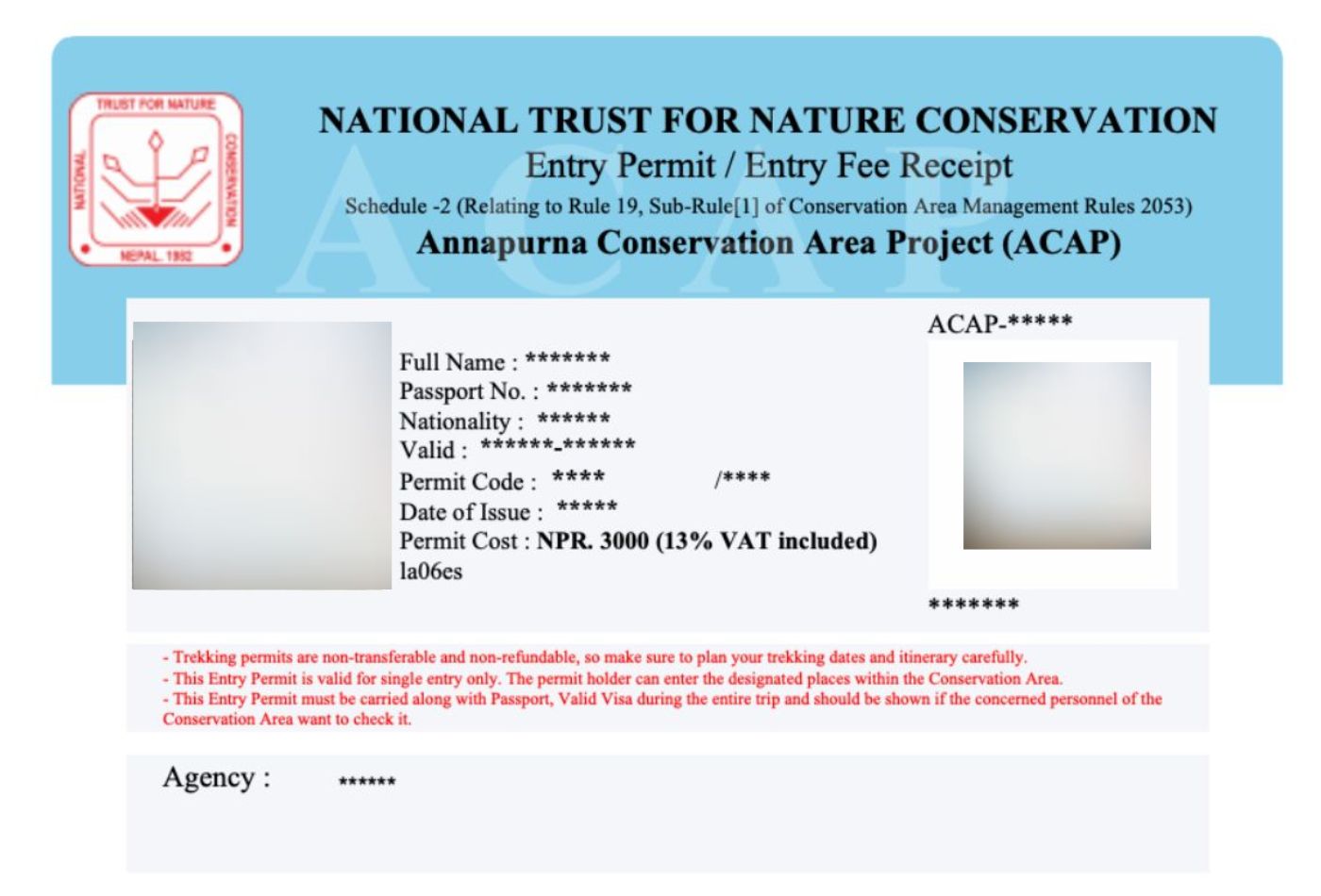
The Annapurna Conservation Area Permit (ACAP) is the only permit required for the Annapurna Circuit trek. TIMS cards were previously used for tracking but are no longer enforced in the Annapurna region. In practice, checkpoints verify only the ACAP permit along the route.
Many online guides still mention TIMS for Annapurna, but this is outdated and does not reflect how the trail operates today.
A company that cannot explain this distinction clearly is not up to date on how the route actually operates. The ACAP fee is NPR 3,000 for foreign nationals and NPR 1,000 for SAARC nationals. It is single-entry and non-refundable. Confirm the permit is arranged in Kathmandu or Pokhara before departure, not at a trail check-post.
Note that the ACAP permit fee is doubled if issued at a checkpoint.
Trekkers on this route must also trek with a licensed guide. An operator who dismisses permit rules or guide requirements as optional is telling you something important.
Make Safety and Altitude Management Your First Filter
Thorong La Pass Altitude Risk and Acclimatization
Thorong La Pass at 5,416 m is the defining physical challenge of the circuit. Crossing it requires days of progressive acclimatization. Acute mountain sickness (AMS), high-altitude pulmonary edema (HAPE), and high-altitude cerebral edema (HACE) are real possibilities for anyone ascending without proper preparation. The Thorong La Pass altitude risk must be central to how any serious trek provider structures its itinerary.
A competent operator builds the itinerary around acclimatization logic, not marketing convenience. This means rest days at key elevations, a schedule that allows altitude gain to be gradual and reversible, and a guide who knows how to recognise AMS symptoms early. The guide carries a pulse oximeter and a basic medical kit, and knows how to use both.
In real conditions, most altitude-related problems begin after Manang if the ascent is rushed. Trekkers who skip acclimatization at Manang often begin showing symptoms between Yak Kharka and Thorong Phedi, a point where descent is the only safe response and where the cost of a poor decision becomes impossible to ignore.
Ask whether guides are trained in wilderness first aid. Ask how guides are instructed to handle a client who wants to push on despite showing AMS symptoms. The answer reveals a great deal about a company's Annapurna Circuit safety protocols.
Emergency Evacuation Planning
Ask specifically about the evacuation protocol. Who do they contact? What is the response time from key points on the route? Do they assist with helicopter rescue coordination? Trekking insurance is the trekker's responsibility, but an experienced operator knows exactly how to work with rescue services and insurers when things go wrong.
A company that cannot clearly explain its evacuation process is not prepared for real situations.
Look Closely at the Itinerary, Not Just the Price
An itinerary that looks attractively short should prompt immediate scrutiny. The classic circuit typically spans 12 to 21 days, depending on the start and finish points and whether participants walk or drive the road sections. A 10-day option that includes Thorong La is almost certainly cutting acclimatization days or rushing the elevation gain.
Pay attention to where the itinerary places acclimatization days, particularly around Manang (3,519 m), which serves as the key rest-and-adjustment point before the high-altitude approach. In practice, most itinerary problems only become visible after Manang, when elevation gain accelerates. If the schedule skips a rest day at Manang or rushes the climb toward Thorong La, that is a structural problem with real safety implications, not a matter of preference.
On Thorong La, timing and decision-making matter more than walking speed. A responsible operator has a contingency plan: an extra buffer day at Thorong Phedi or High Camp and a clear protocol for when conditions make crossing inadvisable.
Also note how the itinerary handles the road sections between Besisahar and Chame. Some companies drive clients through this section entirely. Others walk it. Neither choice is automatically wrong, but the position should be transparent. Vagueness about trekked and driven sections is intentional, and that matters.
Ask Who the Guides Are and How the Agency Treats Porters
Your guide is not a logistics coordinator. On the Annapurna Circuit, a licensed trekking guide is a route expert, an altitude and safety monitor, a cultural interpreter, and the person responsible for making sound decisions when yours might be compromised by fatigue or hypoxia.
Ask how many times your assigned guide has completed the Annapurna Circuit. Ask about their language proficiency. Ask whether you will be part of a group or have a dedicated guide throughout. Group arrangements are not inherently bad, but you should know in advance if your guide is responsible for eight people simultaneously at 5,000 meters.
Porter welfare is a straightforward ethical signal and also a practical one. Nepal has established porter safety guidelines, including maximum load limits of typically 25 to 30 kg including the porter's own gear, and requirements for adequate clothing, shelter, and insurance at altitude. Ask what the porter load policy is. Ask whether porters are insured and equipped with appropriate cold-weather clothing for high passes.
Agencies that invest in their porters tend to invest in the overall quality of the operation. Those that do not tend to cut corners across the board.
Compare What Is Actually Included in the Package
Two quotes for the Annapurna Circuit can vary by hundreds of dollars while appearing to offer the same thing. They rarely do. Before comparing prices, confirm exactly what each package covers.
Permits
ACAP (NPR 3,000 for foreign nationals). Confirm it is arranged before departure, not at the trailhead. TIMS is no longer required in the Annapurna region.
Transport
Transfers to and from trailheads. These can add significant cost if not included.
Accommodation
Teahouse, twin-sharing is standard. Confirm what category of teahouse is used. Single supplement may apply.
Meals
Whether breakfast only, half-board, or full board is included. This affects your daily budget significantly on trail.
Porter Ratio
Confirm the porter-to-trekker ratio and maximum load policy.
Equipment
Whether a sleeping bag, down jacket, or duffel bag is provided or required for personal purchase.
Exclusions
Travel insurance, personal spending, rescue costs, tips, and emergency contingencies are almost never included. Make sure these are clearly itemized.
A company that offers a comprehensive and transparent breakdown without prompting is already ahead of most competitors.
How Much Does a Good Annapurna Circuit Trekking Agency Cost?
A fully supported, safety-conscious package from a reputable agency typically costs USD 800 to USD 1,800 per person for 14 to 18 days, excluding international flights and travel insurance.
Pricing differs between operators primarily because of guide experience, itinerary design, and how Annapurna Circuit safety is managed on the trail. Packages below USD 600 for a full circuit with a guide and porter require close scrutiny to identify the omitted elements. Extremely cheap quotes almost always indicate compromises in guide quality, porter welfare, or permit handling.
The most expensive option is not automatically the best. What matters is whether the price reflects real value: licensed guides with genuine circuit experience, proper acclimatization scheduling, clear permit handling, and documented emergency protocols. Those are the things worth paying for.
Read Reviews the Smart Way
Review platforms matter less than review quality. A company with 200 four-star reviews saying "great experience" tells you less than one with 80 reviews that mention the guide by name, describe a specific problem that arose, and explain how it was handled.
Look for reviews that specifically describe the crossing of Thorong La. Did the guide make sound decisions about timing and conditions? Were there any trekkers showing AMS symptoms, and how did the guide respond? Reviews that address real challenges and real responses are the most valuable.
Be sceptical of suspiciously glowing clusters of reviews with no detail and similar phrasing. Note whether the agency responds to negative reviews and whether the response is defensive or constructive. Cross-reference across at least two platforms before forming a judgment.
Judge the Agency by Its Communication Before You Book
Email a shortlisted company with a specific question about the route, such as the acclimatization schedule around Manang or the contingency plan if Thorong La is closed. The response tells you a great deal.
A good agency replies with specific, accurate information, not boilerplate copy-paste. A poor one sends a brochure. An unreliable one either takes too long or responds with vague enthusiasm and no substance.
Pay attention to whether the company asks about your fitness level, trekking experience, or specific concerns. A company that books you without asking anything about you is not thinking about your safety. Transparency about costs, flexibility about customization, and communication quality are the three signals that separate legitimate operators from the rest.
Choose an Agency That Understands the Best Time for the Annapurna Circuit Trek
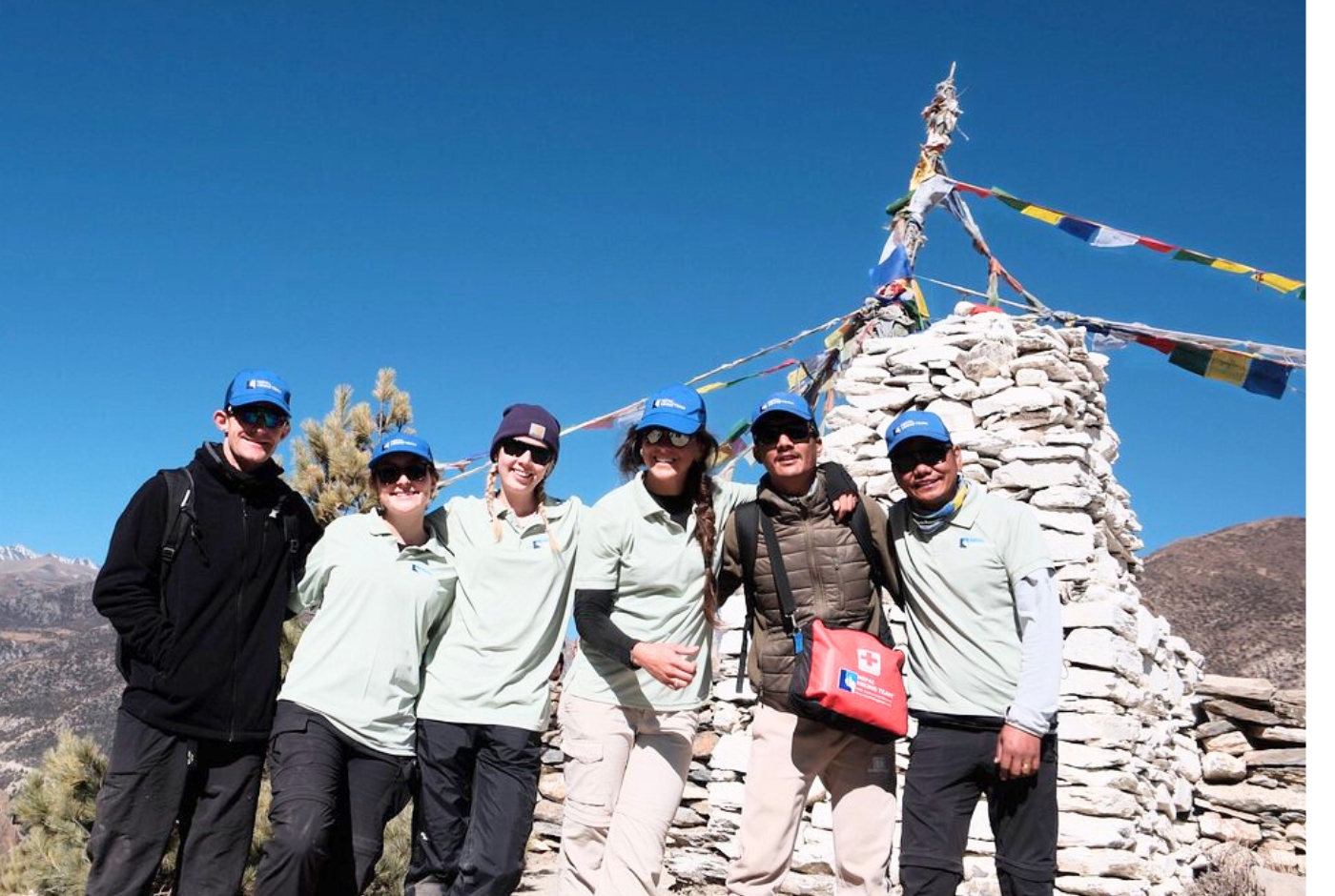
Spring (March to May) and autumn (September to November) are generally the best seasons for the Annapurna Circuit trek. Weather tends to be more stable, visibility is clearer, and Thorong La conditions are more predictable.
Monsoon season (June to August) brings heavy rain, leeches in the lower sections, and unpredictable conditions at altitude. Winter (December to February) brings cold temperatures and a real risk of the pass being snow-blocked. Crossing Thorong La in winter is possible but requires appropriate experience and preparation.
A company operating at a high level understands seasonal trail conditions in detail, advises you honestly about timing relative to weather patterns, and has a plan for teahouse booking that reflects how quickly accommodation fills during peak months.
Responsible Tourism Matters on the Annapurna Circuit
The Annapurna Conservation Area Project (ACAP) was launched in 1986, making it one of the oldest conservation programs in Nepal. The volume of trekkers passing through each year has a measurable impact on local resources, waste management, and trail communities.
A responsible operator applies a clear waste policy, avoids single-use plastic, uses locally owned teahouses where possible, pays fair wages, and treats local communities as partners rather than a backdrop. Ask whether the agency has a stated responsible tourism policy and whether tips are distributed equitably to guides and porters.
How to Identify the Best Trekking Agency for Annapurna Circuit Trek
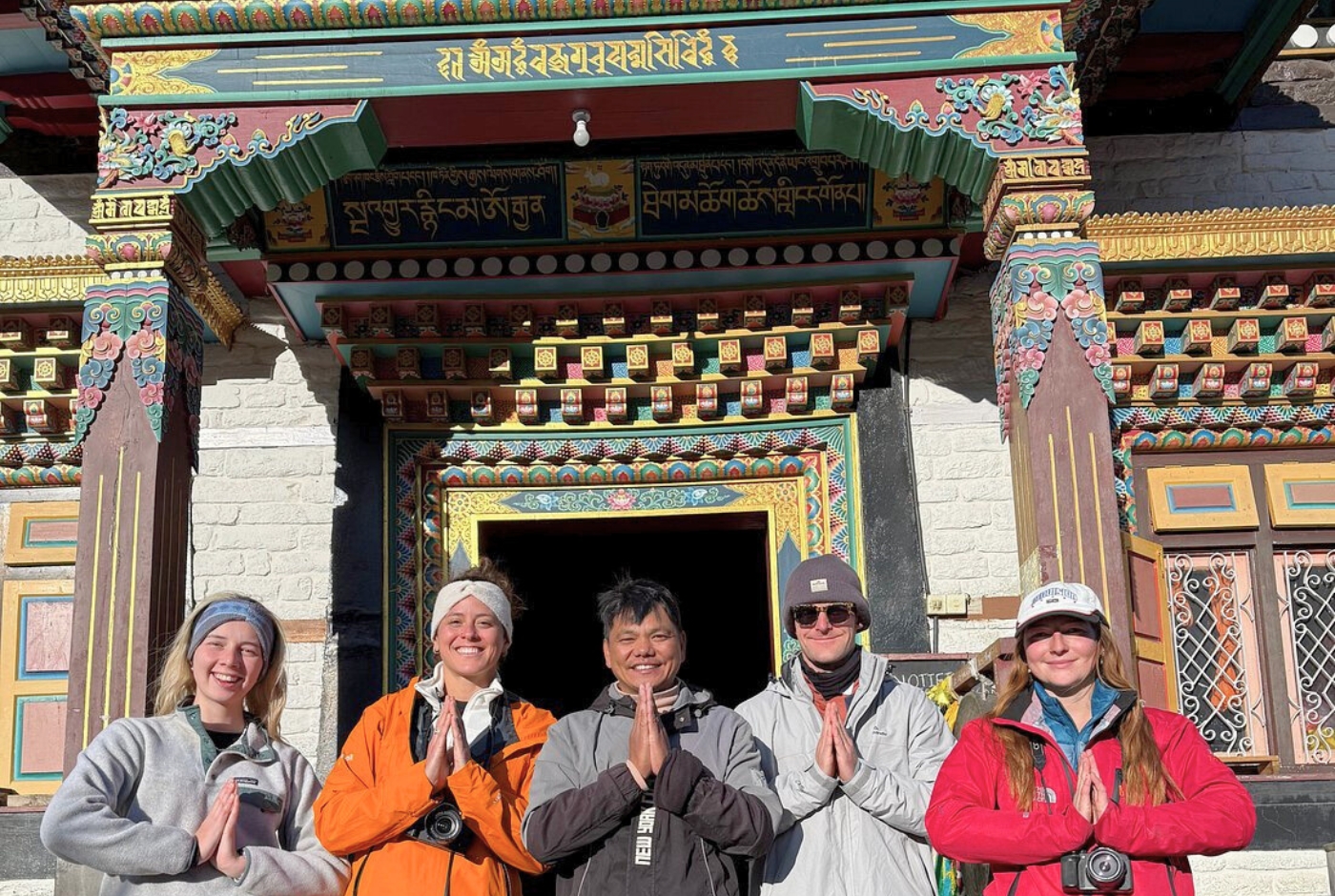
Four factors consistently separate the best agencies from the rest:
- Legal standing: Registered with the Department of Tourism, TAAN-affiliated, and able to produce verifiable registration numbers on request.
- Safety commitment: Acclimatization days built into the itinerary by design, guides trained in altitude-related illness recognition, and a documented evacuation protocol.
- Guide experience: Annapurna Circuit guide requirements in Nepal specify government licensing. The best operators go further, assigning guides with multiple circuit completions and matching the guide profile to the group's needs.
- Itinerary quality: A transparent day-by-day schedule that is honest about what is walked and what is driven, includes Manang acclimatization, and builds in buffer days before Thorong La.
On the trail, none of these factors are optional. They are the minimum standard for a route that crosses a 5,416-meter pass with limited medical infrastructure nearby.
Red Flags to Avoid When Booking an Annapurna Circuit Trek
- Pricing that is dramatically lower than comparable packages without explanation
- Itineraries that are vague about which sections are trekked and which are driven
- No mention of acclimatization days, or an itinerary that reaches Thorong La in under 10 days
- Unable to name your assigned guide or provide their license number
- No clear permit handling process, or a suggestion that ACAP can be handled at the trail entrance
- Porter inclusion listed with no detail about load limits or insurance
- Poorly written communications with no route-specific knowledge
- Reviews that are uniformly vague, similarly worded, or posted in suspicious clusters
- No stated emergency response or evacuation protocol
Questions to Ask Before You Pay a Deposit
- Is your company registered with the Nepal Tourism Board? What is your registration number?
- Who will be our guide, and how many times have they completed the Annapurna Circuit?
- Can you provide the guide's government-issued license number?
- Does the itinerary include an acclimatization day at Manang?
- How many days does the itinerary allow before crossing Thorong La?
- What is the contingency plan if the pass is closed due to weather?
- Are permits (ACAP) included and arranged before departure?
- What is the porter load limit, and are porters insured and equipped for altitude conditions?
- What is excluded from the package price?
- How do you handle a medical emergency on trail, and who coordinates a helicopter rescue if needed?
Quick Checklist: How to Choose the Best Annapurna Circuit Trekking Agency
Use this before paying any deposit.
- Company is registered with Nepal's Department of Tourism
- TAAN membership confirmed or equivalent affiliation
- Guide holds a government-issued trekking license
- Itinerary includes an acclimatization day at Manang
- Thorong La is reached at a sensible, safe pace
- ACAP permit (NPR 3,000 for foreigners) is included and pre-arranged, not left for trail check-posts
- Porter load limits, insurance, and clothing policy are stated clearly
- Emergency evacuation protocol is documented
- Package inclusions and exclusions are fully itemized
- Reviews mention guides by name and describe real situations
- Company communication is specific, prompt, and knowledgeable
- Seasonal conditions and contingency planning have been discussed
Why Nepal Hiking Team Is a Trusted Choice for the Annapurna Circuit Trek
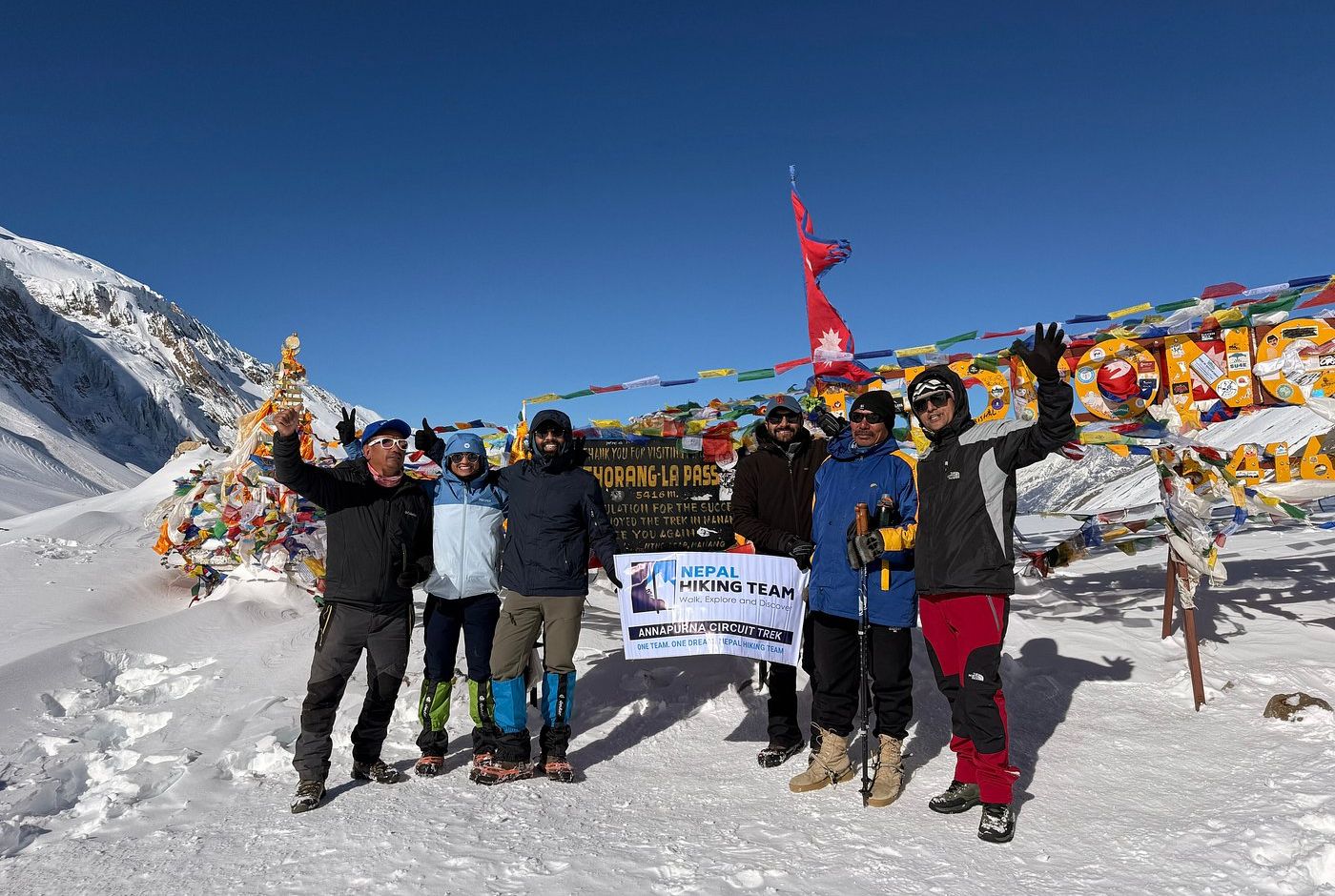
Choosing a trekking agency is not about branding. It is about how the trek is actually managed on the ground.
At Nepal Hiking Team, our approach to the Annapurna Circuit is built around how this route works in real conditions, not how it looks on paper.
We plan itineraries based on acclimatization logic, not fixed templates. Every Annapurna Circuit trek we run includes a proper rest day at Manang, with a gradual ascent toward Thorong La. This is not optional. It is how we reduce altitude risk and improve overall success on the trail.
Our guides are licensed and experienced specifically on the Annapurna Circuit. We do not assign general trekking guides without route familiarity. Our team members have completed the circuit multiple times and understand where real risks occur, especially between Manang, Yak Kharka, and Thorong Phedi.
We manage permits correctly before you reach the trail. The Annapurna Conservation Area Permit (ACAP) is arranged in advance, avoiding delays or issues at checkpoints. We also stay updated with current regulations, including the removal of TIMS requirements in the Annapurna region.
We build flexibility into every itinerary. Weather at Thorong La can change quickly. If conditions are not safe, we adjust the plan with buffer days or alternative decisions. This is handled by the guide on the ground, not decided remotely.
We maintain clear emergency response procedures. Our guides are trained to recognize altitude symptoms early and take immediate action when required. In case of serious situations, we coordinate helicopter evacuation with insurance providers and local rescue teams.
We follow responsible porter practices. Porter load limits, proper clothing, and insurance are part of how we run every trek. This is not only an ethical choice. It reflects how we manage the overall quality of the operation.
In practice, what matters is not what is promised before the trek. It is how decisions are made on the trail when conditions change.
That is where experience shows.
Conclusion
Choosing the best trekking agency for the Annapurna Circuit trek in Nepal is not a complicated process if you know what to look for. Registration, guide licensing, permit competence, safety protocols, itinerary logic, and communication quality are all things you can verify before signing anything.
The operators worth trusting are not necessarily the most expensive, and they are definitely not the ones competing for the lowest price. They are the ones who answer specific questions with specific answers, who have thought through what happens when things do not go as planned, and who treat their guides and porters as central to the operation rather than as cost items.
The Annapurna Circuit is not a route where shortcuts go unnoticed. The agency you choose directly shapes your safety, your pace, and how you handle altitude. The right operator improves the entire experience. The wrong one increases risk.
Post a Comment