Prepare to be enthralled by the undiscovered adventures and wonders of the Terai region with our Chitwan Jungle Safari tour. This great adventure will be leading you through the dense forest and would help you in realizing and fulfilling dreams of seeing beautiful and marvelous animals in the natural environment. In the jungle, with the fresh air around you, there is sure to be a personal connection with nature and oneself.
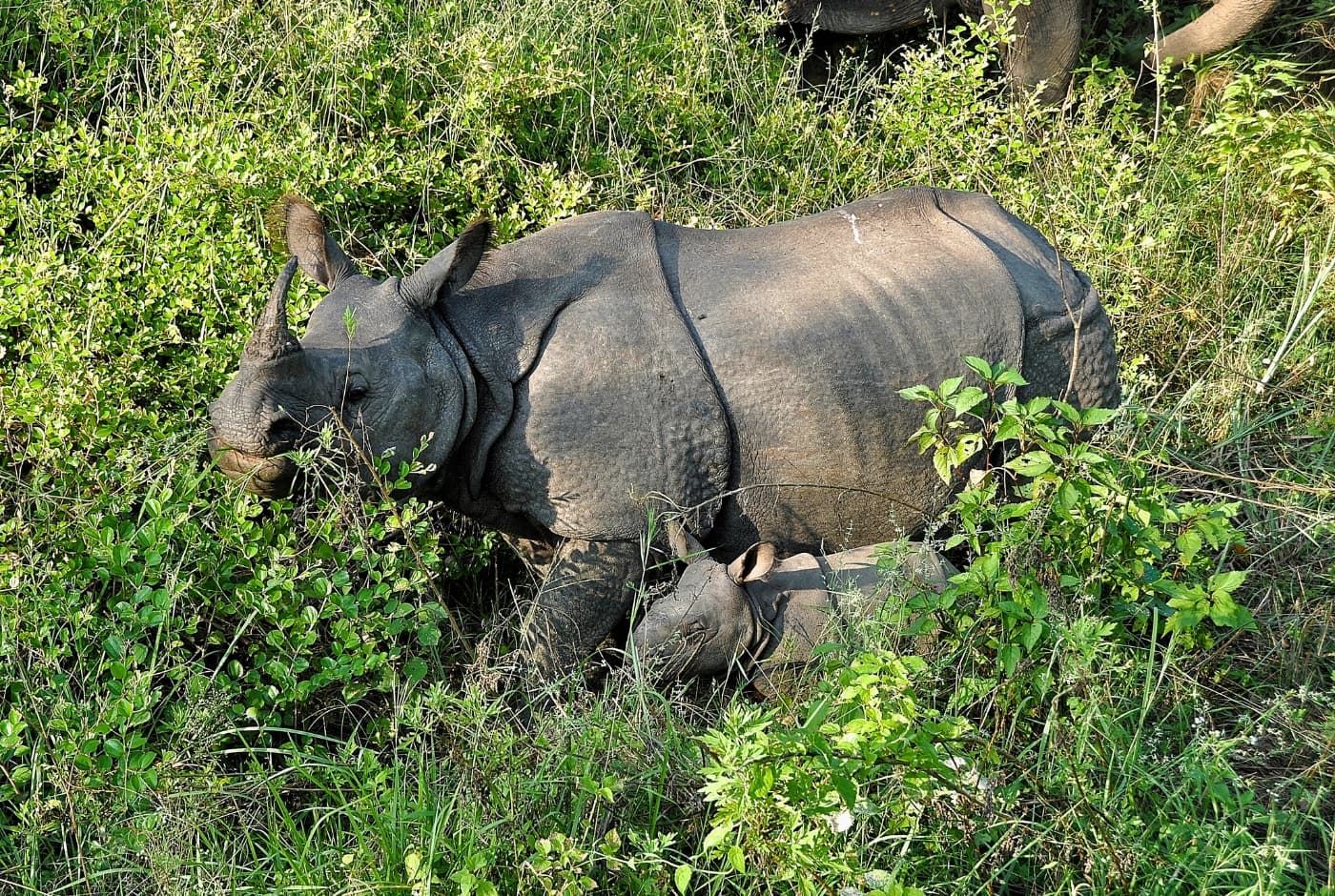
The Chitwan Jungle safari tour is the best place to explore adventure-related activities and enjoy culture in Chitwan. You will visit a region that is already on the UNESCO list of world heritage sites and is endowed with many mammals, birds, and reptiles. It may include viewing giant elephants, one horned rhinoceros, or even the royal Bengal tiger in its natural abode. This sanctuary also prides itself in being home to a variety of birds and therefore bird watching enthusiasts will be in for a treat.
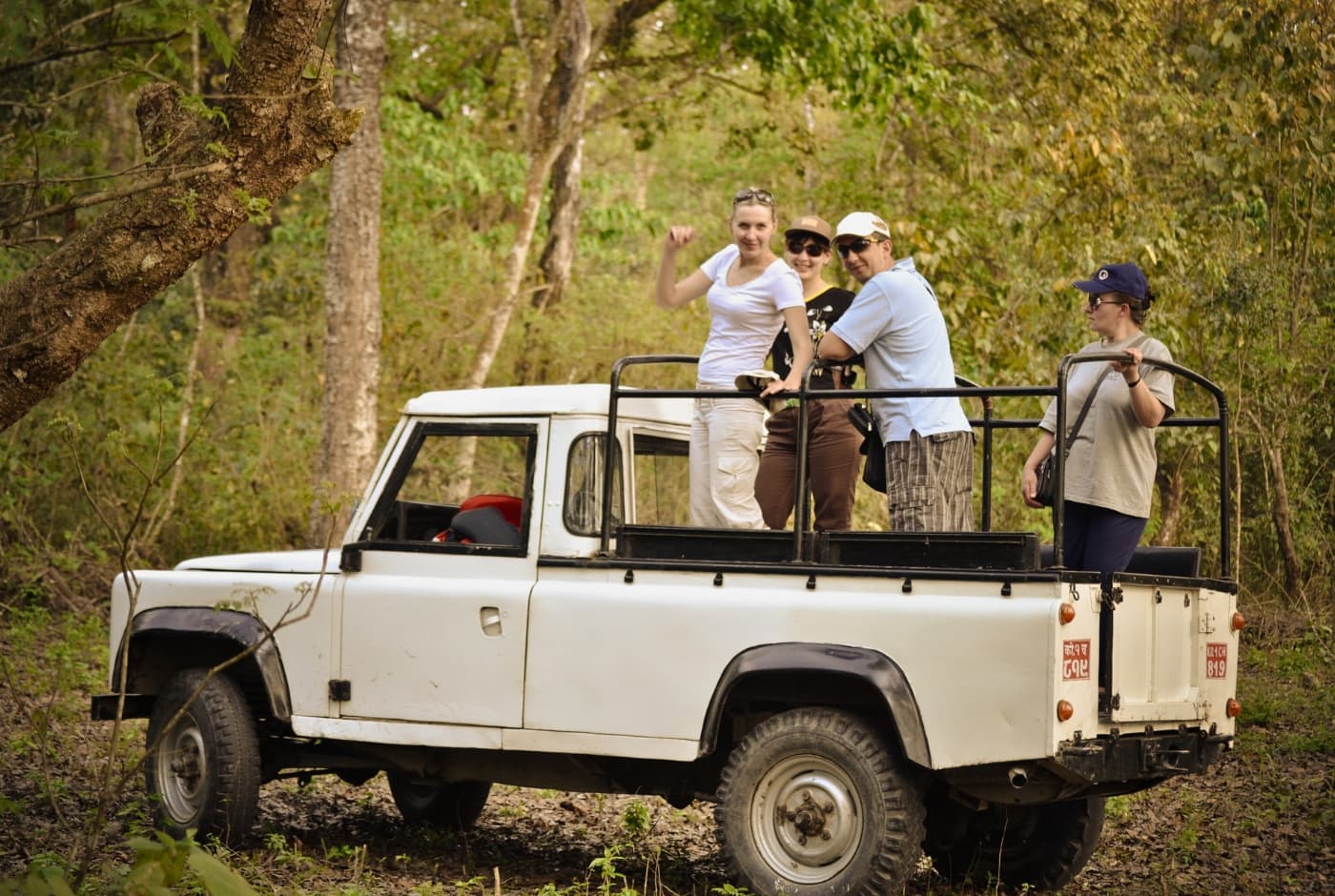
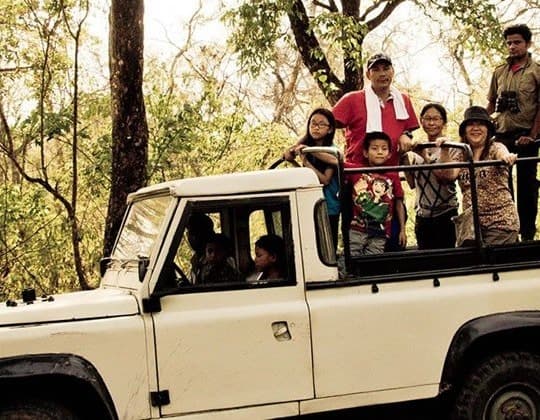
The adventure doesn’t end there. You will go for spectacular jeep tours that will give you a look at the inside of the wilderness. Cruise through the various terrains, experiencing the thrill of looking out for the various wildlife species that are found there. Our professional tour guides will guarantee you have a safe and, most importantly, knowledgeable tour around the area’s vegetation and wildlife.
Another attraction to observe during the tour is the elephant breeding farm, through which guests can get acquainted with the work of conservation programs for these incredible animals. You will also be able to go for elephant riding and this only serves to offer another perspective of the jungle from this amazing animals.
Canoeing in on the quiet Rapti River helps spice up the vacation with a bow in water activities. A slow boat ride on the river is also recommended for the view and, with luck, can see crocodiles lying on the shore. These waters are very calm and this could be a perfect environment to meditate and appreciate what nature has to offer.
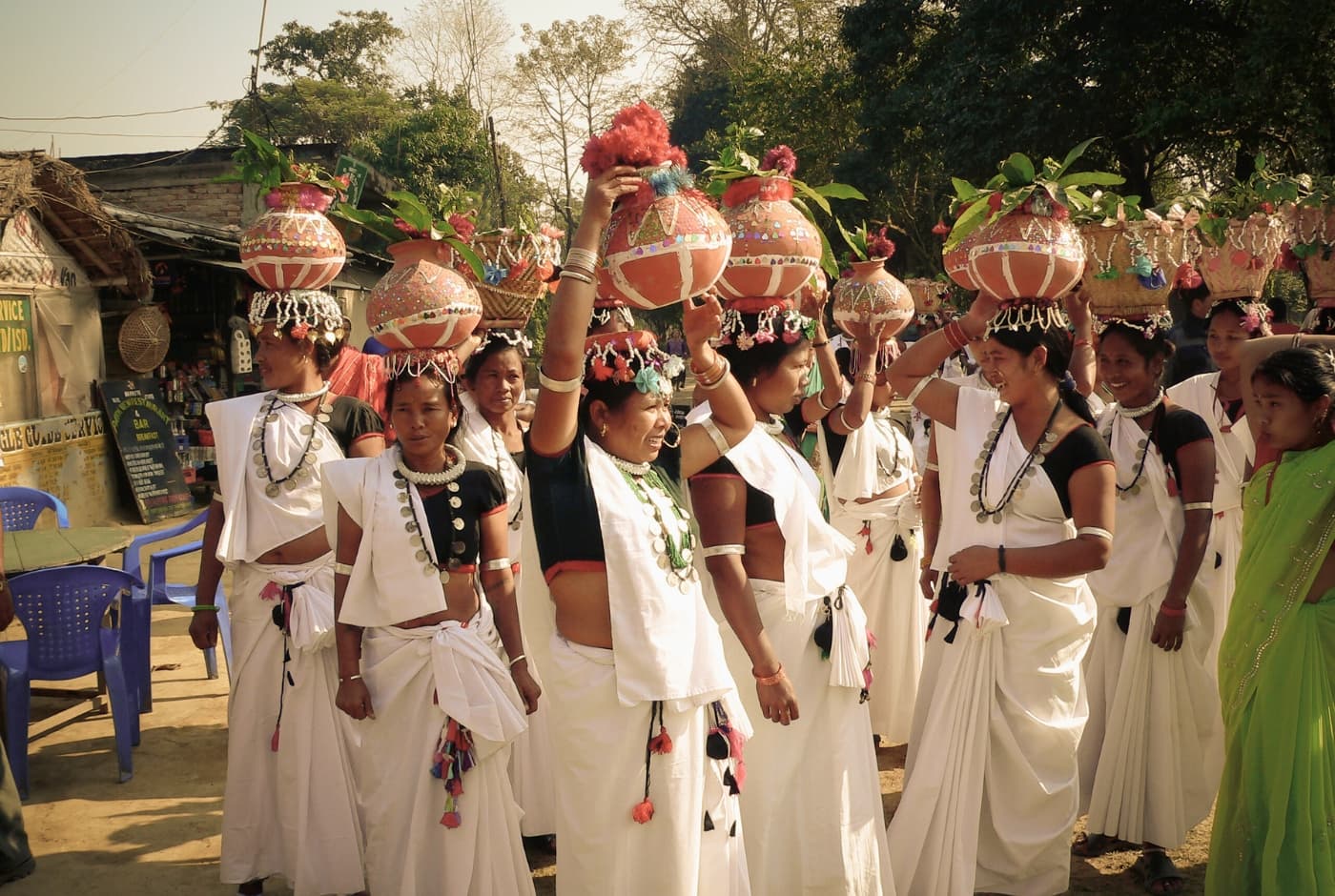
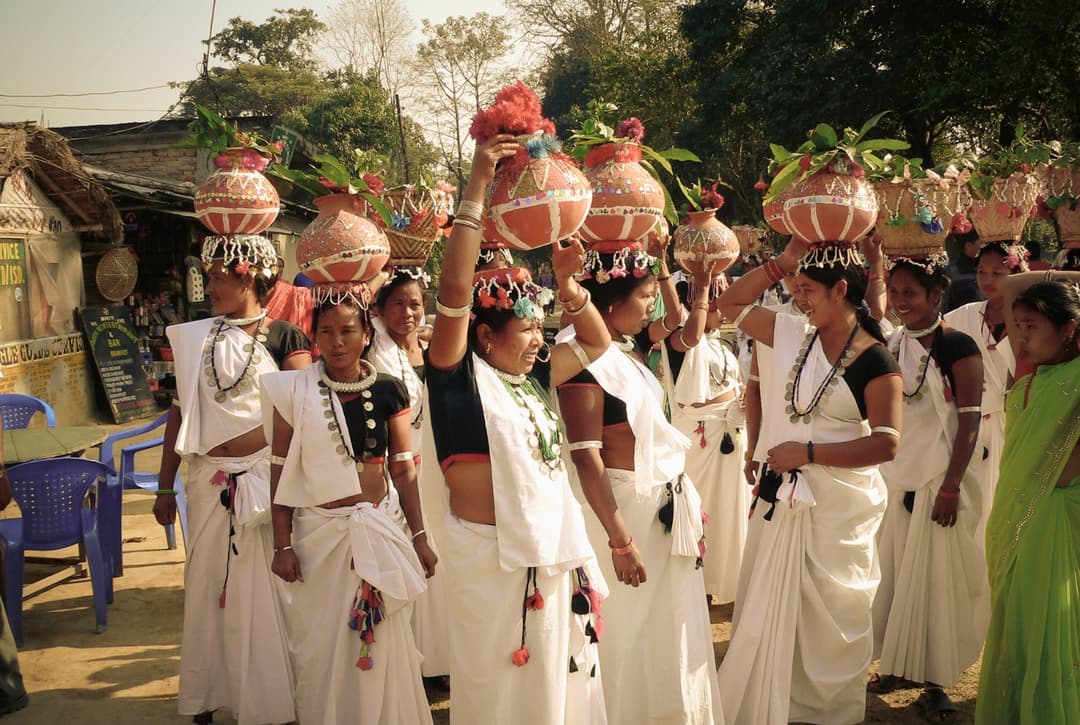
The element of culture is another important aspect of the tour. A cultural tour of the Tharu Village will give you a feel of the culture and customs of Tharu community. You will be able to see their dancing, singing, and listen to their music, speak with them to know them better and to see how they live nowadays. The Tharu cultural experience makes the overall tour interesting and intellectually stimulating because it opens you to a completely new perspective.
The last thing for your eyes to behold is the mesmerizing sight of the setting sun over the Rapti River as your day culminates with stunning elegance. This Chitwan Jungle Safari tour will not only provide you with a thrilling animal sighting experience but also the amount of passion and spirit of Tharu's inhabitants of Chitwan. It is a product which is exciting in its ability to offer clients an appreciation of the beauty of a destination as well as some of the cultures of the globe. Among the distinct highlights of our tour, we embrace cultural interaction as one of the most vital aspects.
One of the attractions of being taken round the Tharu village is that you get to learn and witness first hand the cultural and traditional way of life of the Tharu people. Here, you also get to observe their cultures as they are practiced and also get a firsthand experience of the lifestyle of the people of the society. Over all the Tharu cultural experience is full of knowledge and charm that enhances your tour.
You will end your days with the splendid view of the sunset over the Rapti River, one of those wonderful memories of the tour. This Chitwan Jungle Safari tour will not only take you close to wildlife excitement but also make you get a closer look of local people’s life and culture. It is an exciting traveling experience that involves getting to see the beauty of nature and the contribution of humans toward shaping its physical landscape.
Tours start with a road trip from Kathmandu to Chitwan National Park. This journey provides a great and interesting chance to see the activity of the Terai region, famous for its beautiful nature and homelike rural villages. The drive is enjoyable as one can capture various scenic views and feel energized throughout the journey.
On arrival at Chitwan National Park, you will be greeted and orientated on the exciting things to expect on the jungle Safari. An orientation session is usually a comprehensive session that provides the necessary information regarding the park, the rules of conduct and safety measures during the stay, and the things that can be seen or done in the park.
After that, you will head to witness the culture of the locals in the Tharu Village. This visit is cultural, which is a beautiful opportunity to meet the Tharu ethnic group, famous for their customs and lifestyle. When you walk in the village, you will be able to discover how the people there live their lives and what they do. In the evening, an exciting Tharu cultural dance is more vibrant and interactive, indicating the Tharu people’s glowing culture.
On the following day after your village visit, you will take a fascinating and stimulating jungle tour. This trip will bring you closer to the central part of Chitwan National Park, and here you are able to see wildlife of all kinds. Be prepared for beautiful and powerful animals like rhinos, tigers, elephants, various bird kinds, and other animals.
After the tour of the intriguing jungle, you are in for an exciting canoeing experience, which will naturally be along the calm Rapti River. This relaxing ride helps to witness the park and animals from a unique angle, thus making the trip even more thrilling.
After such an exciting tour, it is now time to go back to Kathmandu. You will have another wonderful journey back to the capital. This time, you will be able to sightsee and enjoy the beautiful surroundings of Nepal.
On the last day of your tour, after having a comfortable night's stay in Kathmandu, our representative will help you reach Tribhuvan International Airport for the departing journey. As you prepare to leave Nepal, you will carry the memories of an unforgettable adventure filled with cultural insights, natural beauty, and exciting wildlife encounters.
Now you may be wondering when is the best time to explore the jungle in Nepal? Let’s discuss that in the following section.
Spring (March-May), Autumn (September-November) and winter (December-February) marks the best time for exploring the wildlife in Chitwan National Park. During spring and autumn, you can enjoy your tour with clear weather and mild temperature. And although exploring the jungle in winter can be chilly, you can still enjoy the tour in clear weather.
Choosing the months of Monsoon (June-August) for this tour is not recommended. The heavy rainfall will make this tour unworthy.
So, didn’t this adventure excite you? Let’s explore the jungle of Chitwan National Park together and witness the wildlife.
Yes, our Chitwan tours are well-suited for families with children and elderly travelers. We’ve thoughtfully designed this trip to accommodate a wide range of ages and fitness levels, making it ideal for multi-generational travel. Whether you're traveling with young kids, seniors, students, or first-time visitors, our itinerary offers comfort, safety, and flexibility.
Do you want to look for more option for your wildlife tour? Well, we got you!
You can delve into our Bardia National Park tour package. Previously known as the Royal Bardiya Wildlife Reserve, the tour to this national park will not only take you to explore the wilderness but also takes you to learn the cultures of the Tharu Community. You’ll visit the museum of this community along with witnessing the wildlife in their natural habitat. The interesting fact about this park is that before it was set aside as the royal hunting reserve. Hence, there’s a high chance of encountering the Bengal tiger in this national park.
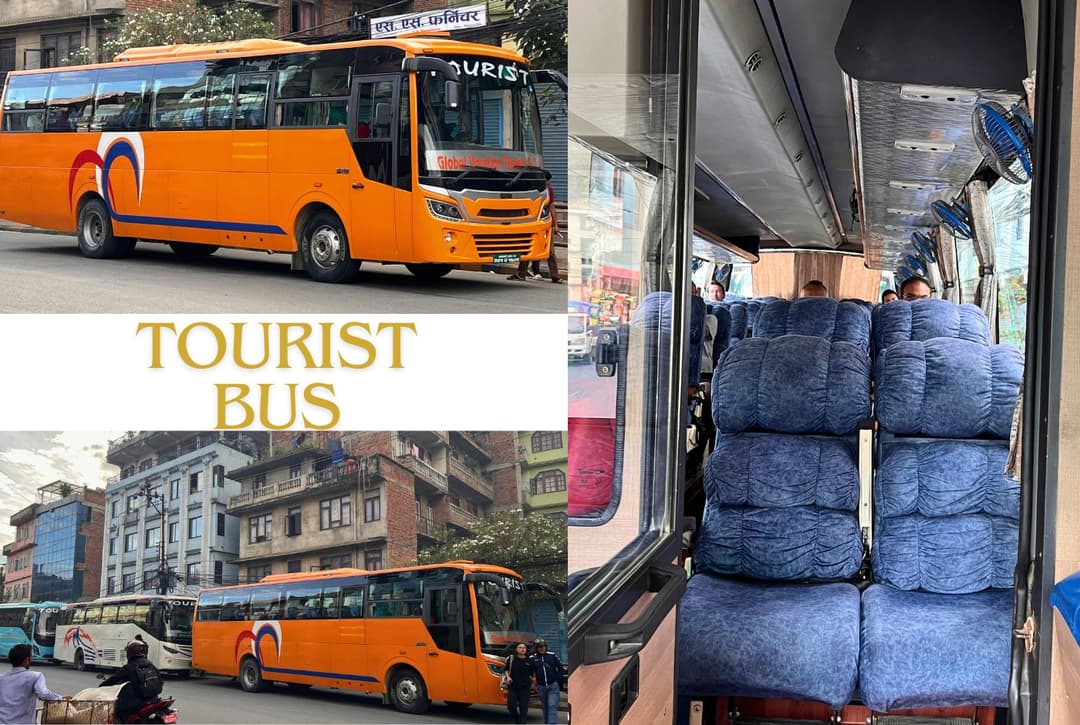
We begin our journey with a scenic drive from Kathmandu to Chitwan National Park by a tourist bus. The drive takes approximately 5–6 hours, depending on traffic and weather conditions.
Upon arrival at the Chitwan bus station, a hotel representative will welcome you with a placard displaying your hotel name. After check-in, enjoy a welcome drink and receive a short orientation about your stay and activities.
In the afternoon, explore a nearby ethnic Tharu village and visit the National Park Visitor Center. End the day with a peaceful sunset view from the banks of the Rapti River.
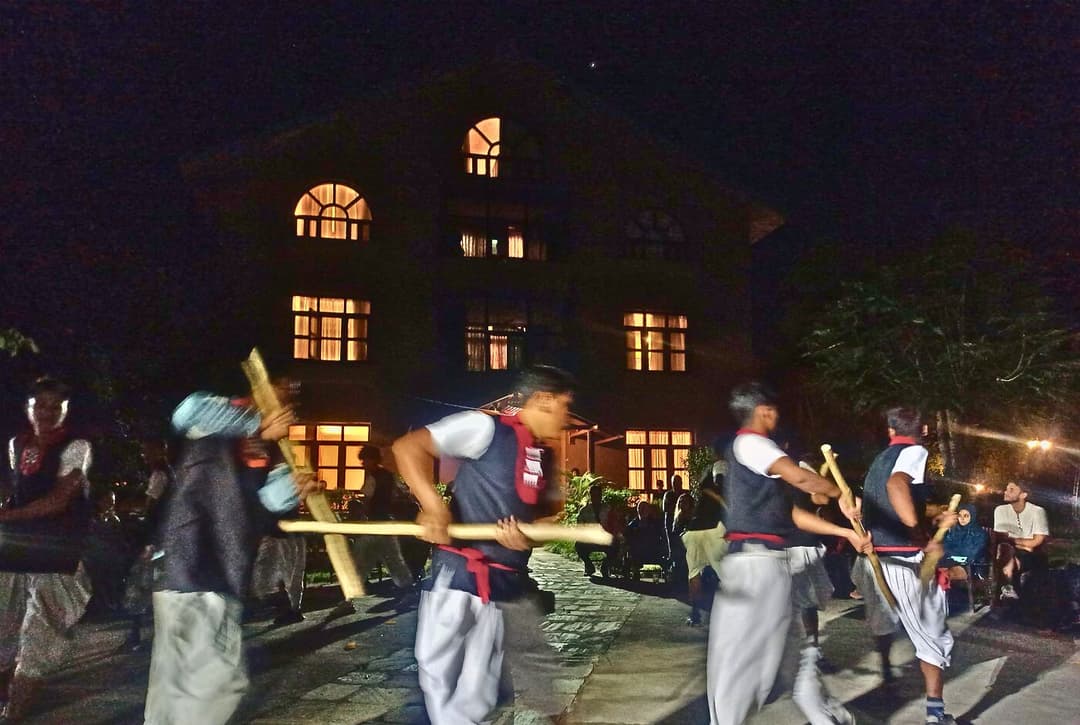
In the evening, enjoy a traditional Tharu cultural dance performance or a documentary presentation highlighting Chitwan’s wildlife and conservation efforts.
Overnight at the hotel.
Accommodation includes all meals (breakfast, lunch, and dinner).
Note: The hotel/resort representative and nature guide will provide the daily schedule and briefing upon arrival.
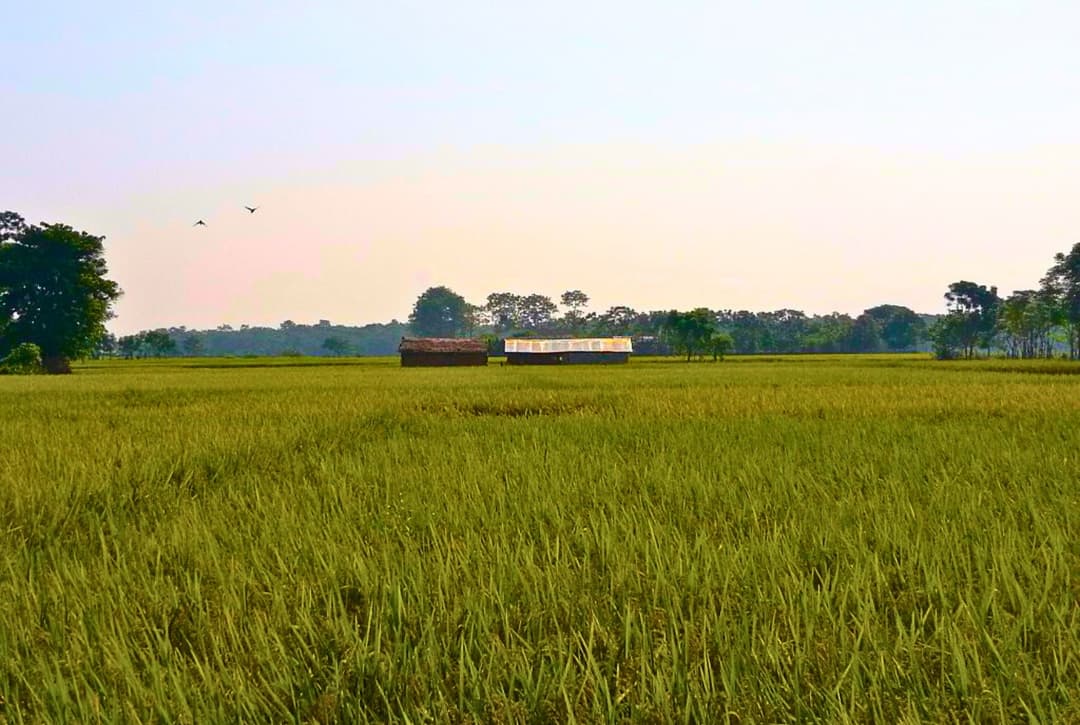
Today is dedicated to exploring the rich biodiversity of Chitwan National Park. Guided activities may include:
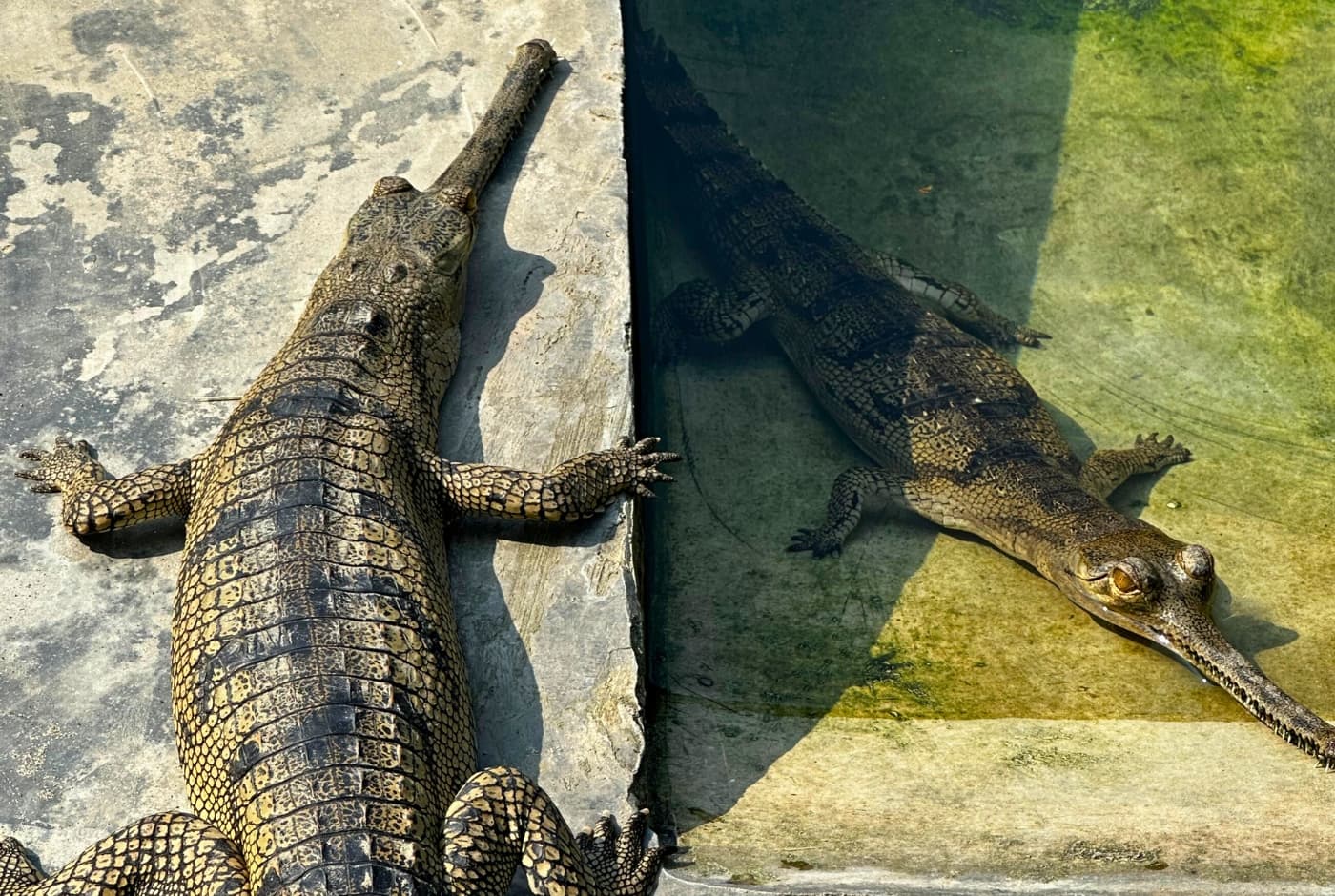
Canoe ride along the Rapti River to spot gharials, crocodiles, and water birds
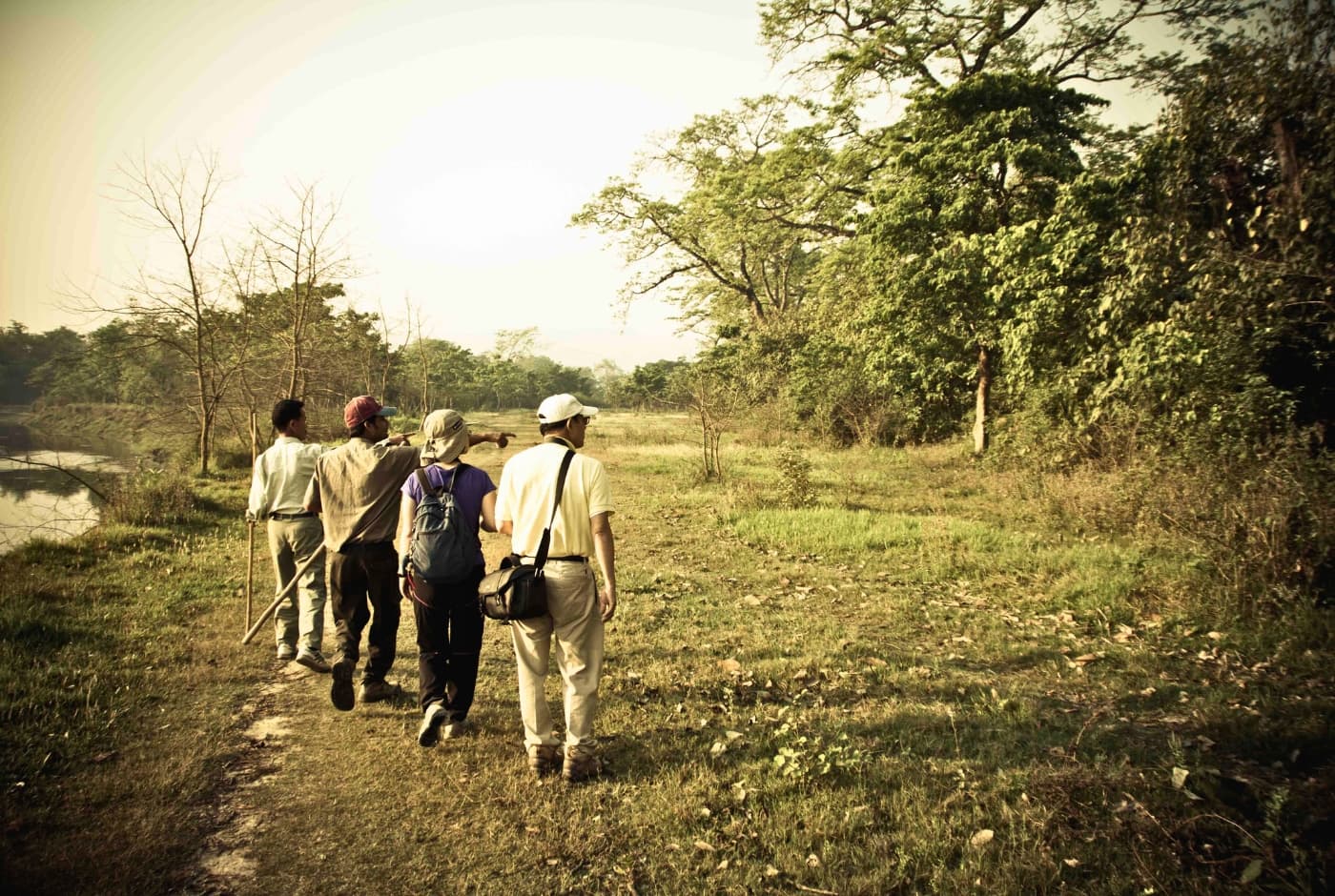
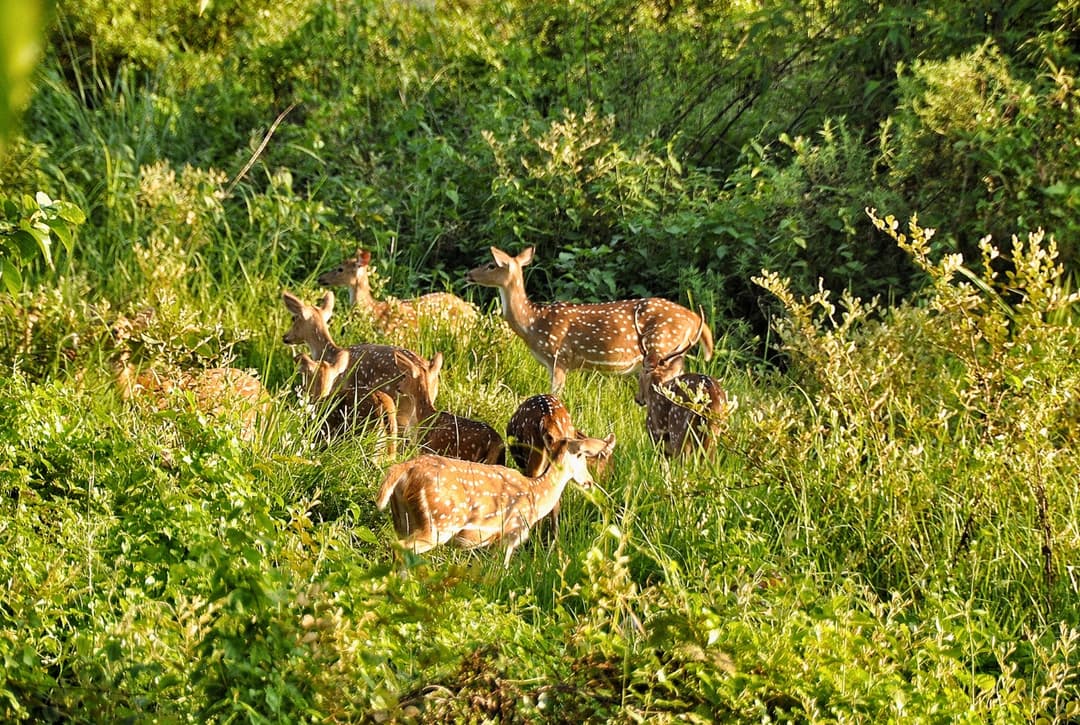
Jungle walk through the forest in search of deer, wild boar, monkeys, and exotic birdlife
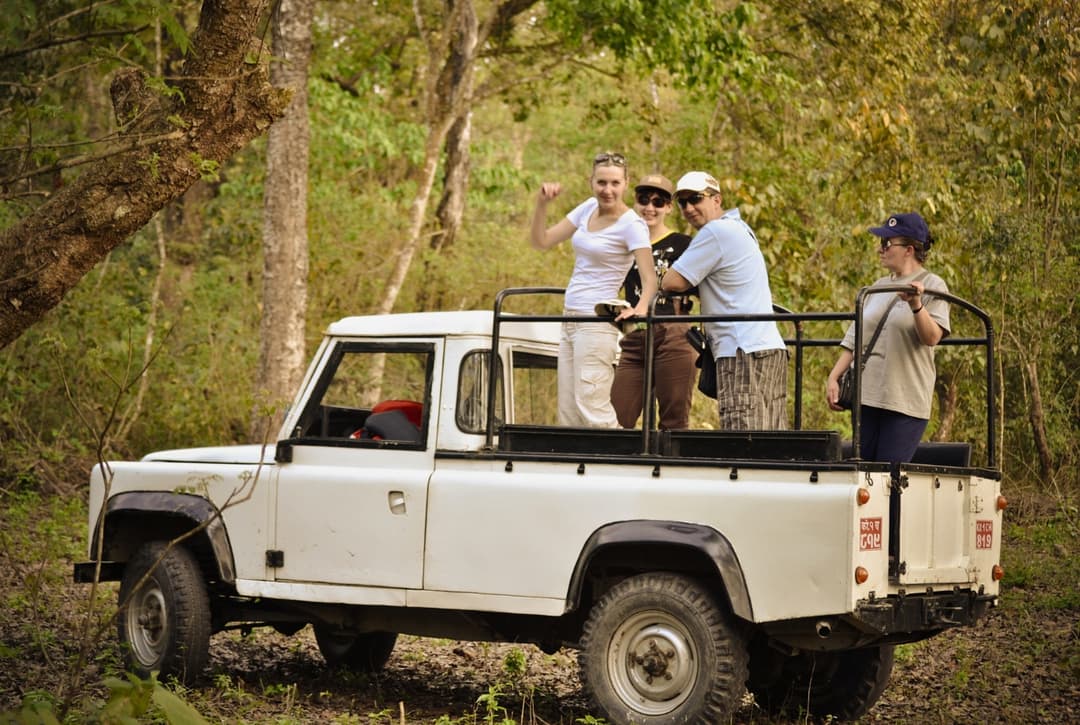
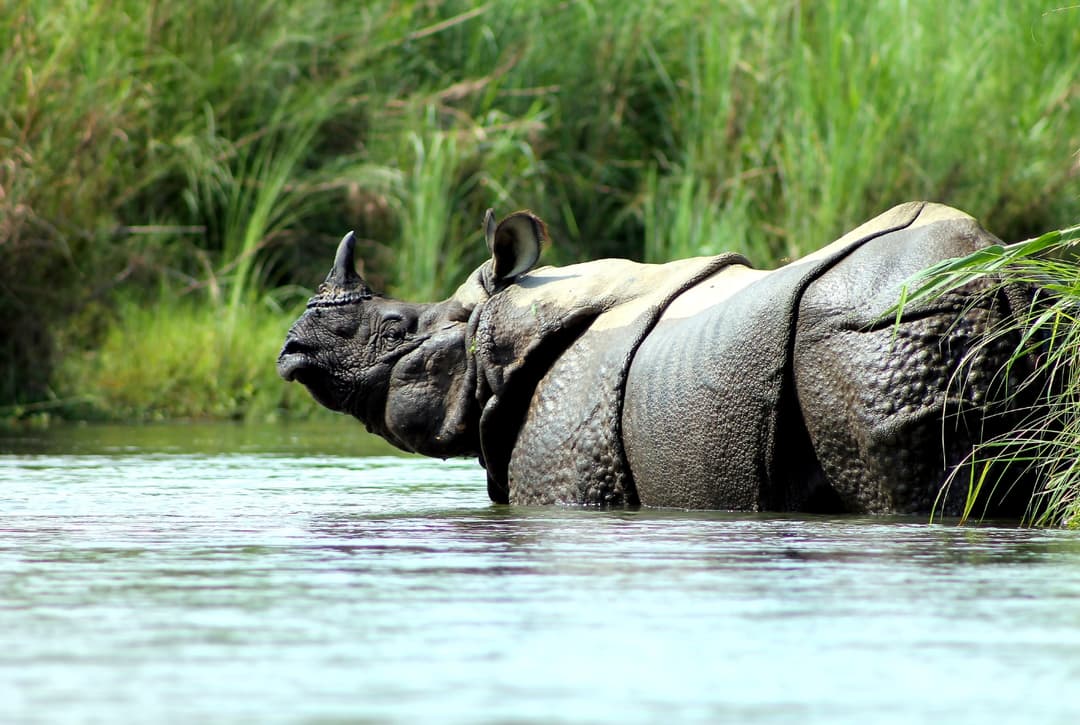
Jeep safari to explore deeper into the park, where you may encounter the rare one-horned rhinoceros and other wildlife
Bird watching and nature interpretation walk with an experienced guide
All meals are served at your hotel, and the evening is free to relax and enjoy the natural surroundings.
Note: Elephant safari is not included. We support responsible tourism and do not promote any activity involving wildlife touching or captivity.
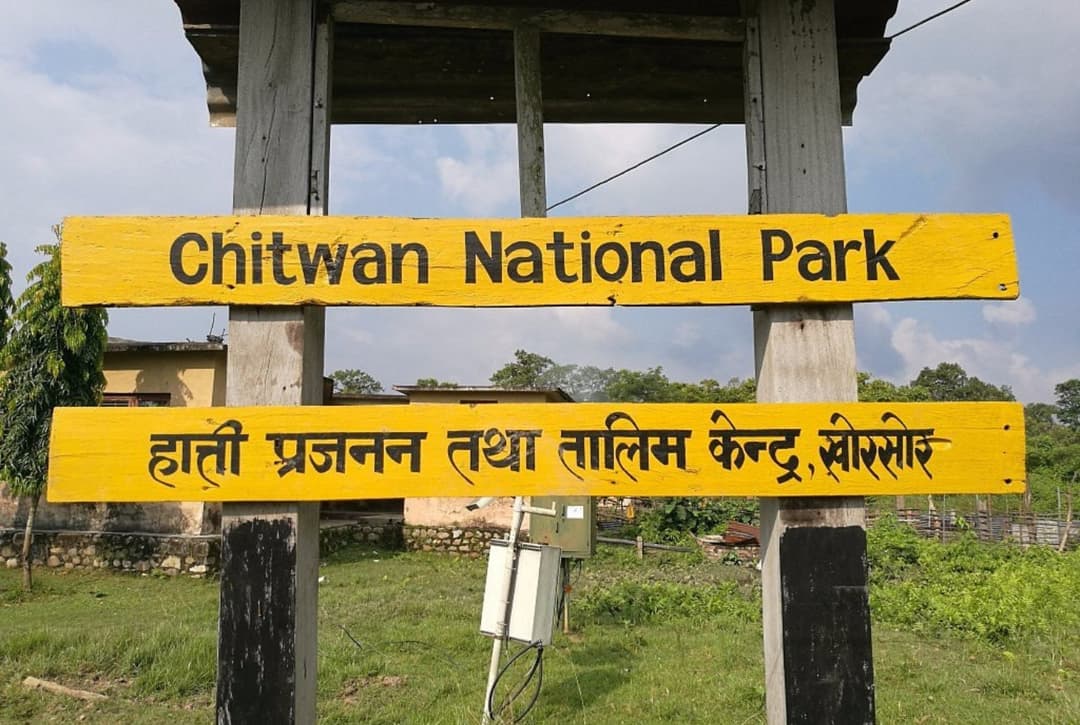
After breakfast, the hotel will arrange your drop-off at the Chitwan bus station for your return journey to Kathmandu by tourist bus. The ride takes approximately 5–6 hours.
A 3-day Chitwan National Park tour package usually costs between $150 and $400 USD per person, depending on the type of accommodation, transportation, and tour activities included. The price range allows for flexibility, whether you're a budget traveler or looking for a more comfortable, all-inclusive experience.
With the Nepal Hiking Team, the price for the Sauraha Chitwan National Park tour package is $280 per person, but we offer an all-inclusive price of $220 per person for larger groups of 2 to 10 trekkers.
This cost covers 2 nights of accommodation, including hotels during the tour, as well as meals during the Chitwan (breakfast, lunch, and dinner) and breakfast while in Kathmandu.
Additionally, all entry permits and government taxes are included, along with the services of a jungle guide, village cultural tour and other activities.
Moreover, the price includes all road transportation from Kathmandu to Chitwan and all necessary transportation.
Expert Guide’s Advice for First-Time and Returning Visitors
Whether you're coming for adventure, photography, or just a break from city life, Chitwan’s jungle experience can be unforgettable—if you’re well-prepared. Here's everything you need to know before stepping into the wild.
Stick to browns, greens, tans, or grey's neutral colors clothes. Bright clothes (red, yellow, white) attract attention from wildlife and bugs—and make it harder to blend in.
Mosquitoes are Real—So Be Ready: Chitwan is a lowland, humid region with dense forest and standing water—ideal mosquito habitat. While the malaria and dengue risk is low, it still exists, especially during the monsoon. Use repellent with DEET, picaridin, or natural options like lemon eucalyptus oil. Most quality lodges provide mosquito nets—use them properly. Don’t sleep with windows open unless they’re screened. Wear socks, long pants, and sleeves after sundown, when mosquitoes are most active, mainly during evening time.
Read our genuine feedback from past travelers with Nepal Hiking Team sourced from TripAdvisor, Google, Facebook, and Trustpilot.
I'm reviewing my trip to KBC and Chitwan NP organized by Ganga from Nepal Hiking Team--thank you so much! My guide in the mountains was Arjun Dahal and my porter Furba Sherpa--I could not wish for a more supportive and knowledgeable crew. We could not get all the way to KBC due to weather turning bad (snowing and temperature dropping to -6F), but still had a great time and took a lot of memorable photos. y guide in Chitwan was Asharam--also had great time, saw Rhinos(many), wild boar, sloth bears(my first time), and a lot of birds. Thank you guys and I hope to be back
Nepal Hiking Team organized an intricate 30-day custom holiday for me and a friend, two schoolmates now in our late 70s. We requested a journey that would take us up the Langtang Valley, then to Chitwan Nature Reserve, on to Pokhara, and finally to Poon Hill.
When booking a trip like this, there's always some concern about finding a trustworthy and reliable organization. However, those worries vanished the moment we arrived at our hotel in Kathmandu and were warmly welcomed by Ganga, our guide Ram, and our "porter." We were provided with travel bags, jackets, and sleeping bags.
It’s worth explaining that a “porter” here is an unbelievably strong Gurkha who can carry up to 50 kg of baggage up and down mountains and through rivers, using a simple piece of plastic webbing, often cut from a sack, supported on his head. Their incredible strength and skill often go unrecognized, but it left a lasting impression on us.
From the high quality of the equipment, it was immediately clear that we were dealing with a responsible organization that knew exactly what they were doing. This first impression was confirmed throughout the trip. Ganga was always reachable by phone to answer any questions and readily made adjustments to the schedule when we asked.
Our guide, Ram, was clearly an expert. During our Langtang hike, we faced severe weather and landslides, which destroyed bridges and the return path. While many were affected, Ram skillfully found a safe route back, involving a day of climbing above the landslides and half-sliding down an improvised path. Throughout the journey, Ram was always mindful of my age and prepared to support me if needed.
All transportation between locations was efficiently arranged, including a flight from Pokhara back to Kathmandu.
In summary, I highly recommend Nepal Hiking Team for a safe, reliable, and adventurous journey in Nepal.

I had a fantastic experience with Nepal Hiking Team. From the start, they were easy to work with, helpful, affordable, and very accommodating. I did the 15-day Gokyo Lakes, Cho La Pass, and Everest Base Camp trek, along with the Chitwan National Park package.
Our guide, Lakpa, was amazing. With over 100 trips to EBC under his belt, he had lots of experience. He gave us great suggestions to make the most of each day and was very flexible, warm, and insightful. It was clear he cared about our health and enjoyment. Our porter, Sukra, was hardworking, polite, and a great help.
I’m really glad I added the Chitwan Park trip. It was a wonderful jungle experience with elephants, rhinos, crocodiles, and many birds. At first, I thought the price was high, but it was worth it. The accommodation was fantastic, like a resort with good food and great tour guides, right in nature. Just be ready for a long (5-9 hours depending on traffic) and bumpy but air-conditioned bus ride to and from Chitwan if you choose that option.
I would happily recommend Nepal Hiking Team and Lakpa to anyone and would definitely consider them again if I return to Nepal.
Just got back from a trekking holiday in Nepal- I did Annapurna circuit and Nar Pho valley and finished in Pokhara and Chitwan national park. Many thanks to Ganga and my guide Arjun for making everything smooth and extremely enjoyable. The scenery was superb and the weather one of the best I had in the high Himalayas.
For the 2-night, 3-day Chitwan National Park tour with us, accommodations are arranged in comfortable 3-star hotels located in or near the park. These establishments are selected to provide a balance of comfort and convenience, making sure our guests have a pleasant stay while exploring park's natural beauty.
During your stay, the package includes full board meals—breakfast, lunch, and dinner—served at the hotel's restaurant. These meals typically feature a variety of local and international cuisines, catering to diverse dietary preferences. On the return journey to Kathmandu, only breakfast is included, allowing for flexibility in travel plans.
The 3-star accommodations offer essential amenities such as electricity, hot showers, and Wi-Fi connectivity. Rooms are equipped with air conditioning or fans, en-suite bathrooms, a swimming pool and comfortable bedding to ensure a restful night's sleep. Additional facilities may include on-site restaurants, bars, and common areas for relaxation.
During your Chitwan National Park 3-day package tour, meals are provided at the hotel’s in-house restaurant. You can probably choose from the menu or buffet, which typically includes a mix of Nepali and Western-style dishes.
Expect fresh, locally sourced ingredients. Breakfasts often feature options like toast, eggs, and fresh fruit. Lunch and dinner commonly include Nepali staples such as dal bhat (lentil soup and rice), momos (dumplings), and Tharu specialties like ghongi (snail curry) and patushni (a type of chutney). Vegetarian options are readily available. A variety of drinks, including local beers and juices, are offered; however, please note that these beverages are not included in the package and will incur additional charges.
For the 2-night, 3-day Chitwan National Park tour with us, transportation from Kathmandu to Chitwan is arranged via a comfortable tourist bus. These buses typically depart around 7:00 AM, and the journey takes approximately 5 to 6 hours, depending on traffic and road conditions. The buses are equipped with air conditioning and offer amenities such as mineral water, making the trip pleasant and convenient.
Prefer to save time? If you prefer a faster mode of transportation, daily flights are available from Kathmandu to Bharatpur Airport, which is the nearest airport to Chitwan National Park. The flight duration is about 25 minutes. Upon arrival at Bharatpur.
For added privacy and door-to-door convenience, we can arrange a private vehicle at your request. This option offers flexible departure times, personalized comfort, and a smooth, hassle-free ride directly from your hotel in Kathmandu to Chitwan Hotel.
A 2-night, 3-day Chitwan National Park tour offers a mix of wildlife viewing, cultural experiences, and thrilling jungle adventures. You can expect jeep safaris to spot rhinos and other wildlife, canoe rides on the Rapti River, visits to Tharu villages, and cultural performances. The tour also includes guided jungle walks, bird watching, and stays in comfortable lodges or resorts.
Chitwan National Park tour package is best suited for everyone from family and friends to nature lovers and travelers. Chitwan offers a variety of activities and experiences that appeal to all ages, including wildlife safaris, bird watching, canoeing, and cultural tours. The park is known for its diverse wildlife, including the Bengal tiger and one-horned rhinoceros, making it a great destination for nature lovers and families looking for a memorable vacation.
Yes, visiting Tharu village is part of the Chitwan trip. As per our plan, we will take you to ethnic Tharu village on the first day of our trip in the afternoon.
Tharu people lived here a long time, before this area even became a national park. They have their own culture, different dress, language, and food, which are very fascinating to witness. You’ll see their houses, made from mud and grass, very cool inside, no fan needed. Still traditional style.
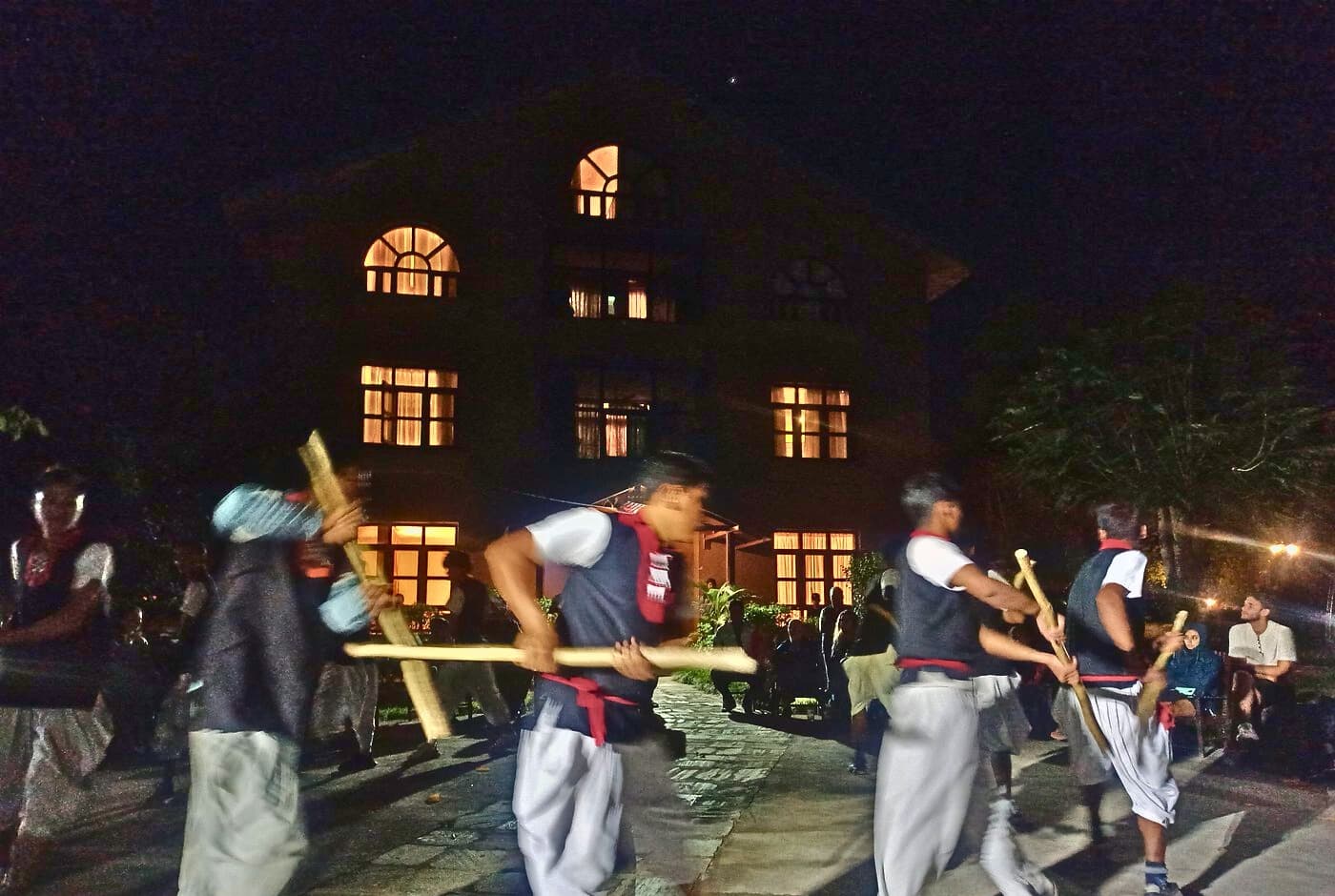
We go slowly, walk through the village, say hello to people; they are friendly, always smiling. In the evening, there will be a cultural show or a documentary presentation highlighting Chitwan’s wildlife and conservation efforts. They perform Tharu dance — Lathi Nach, the stick dance, very famous. Boys and girls dance with sticks and drums, all in rhythm — you’ll enjoy it, for sure. Sometimes you can join in, just for fun.
If you’re lucky, the local family may offer tea or even a simple meal — roti, curry, things like that. Good chance to sit with them, talk, even with a few words. Don’t worry about language — smile and Namaste work everywhere!
Tharu people live close to the jungle, they know the animals, plants, and weather — they live a very natural life. Simple but strong. You’ll feel good energy from them while interacting with these locals and learning about their history and traditions.
Yes, our Chitwan tours do support conservation and local community projects — it’s very important for us. We have prepared this tour package apart from showing you the jungle; we’re also trying to protect it and support the people who live here.
First of all, we don’t promote elephant riding — we’re fully against it. We believe in responsible tourism, so we only support places that treat animals right. Instead, we focus on natural activities like jeep safaris, jungle walks, and canoeing — better for both animals and people.
We follow eco-friendly and sustainable practices. That means we work with local and professional tour guides, use lodges/hotels that care about waste and water use, and make sure tourism helps the area, not harms it.
We also support Tharu community projects. For example, we include cultural programs that help preserve their traditional dances, music, and way of life. Many of our guides and staff in Chitwan are from the Tharu community, so your visit directly supports their jobs and families.
We always encourage our guests to try local food — dal bhat, dhido, gundruk — and to buy handmade Tharu crafts like baskets, paintings, and jewelry. It helps small local businesses and keeps their culture alive.
Yes, we understand many travelers care deeply about animal welfare — and we do too. That’s why we don’t support elephant riding or any activities that involve cruelty or stress to elephants. Instead, we promote responsible elephant experiences — ones that focus on observation, education, and respect.
Some centers in Chitwan offer elephant walks, where you can walk beside elephants, not on them, and watch how they move, eat, and interact in a natural setting. You might also get to feed them fruits — just simple, respectful interaction — and learn how they’re cared for by their mahouts (keepers). These elephants are not made to perform or carry people. They just live in peace, and you get to observe their natural behavior.
We also encourage visits to the Elephant Breeding Center, which is more about education than tourism. Here, you’ll learn how elephants are raised and trained — not for shows, but for jungle patrol and anti-poaching work. These elephants help protect the forest and reduce human-elephant conflict in nearby villages.
At the same time, we advise our guests to avoid bathing or swimming with elephants. It might look fun, but many times it requires stressful training for the animal. We only support places that put the elephants’ well-being first, with enough space, food, rest, and no forced interaction.
Yes, absolutely — you can combine the Chitwan tour with other destinations like Pokhara, Lumbini, or even trekking routes. We offer full customization options based on your travel plans, interests, and schedule.
Whether you want to include a day tour in Pokhara, sightseeing in Kathmandu, or add trekking before or after Chitwan, we can design the itinerary for you. If you already have a plan, just share it — or if you're not sure, we're happy to help create one that fits your needs.
Chitwan National Park was established in 1973 as Nepal’s first national park. At first, it was called Royal Chitwan National Park and covered 932 sq. km. The park was created to protect animals like the one-horned rhino and Bengal tiger. In 1977, it was expanded to 952.63 sq. km.
It became a UNESCO World Heritage Site in 1984. A buffer zone was added in 1996 to help local communities. In 2006, the name changed to just Chitwan National Park after Nepal ended its monarchy. It’s now one of the best places in Nepal to see wildlife and learn about nature.
Chitwan National Park is approximately 150 km (93 miles) from both Balaju and Thamel in Kathmandu. The journey typically takes around 5-6 hours by bus or a slightly shorter 35 minutes by flight. The road distance from Balaju or Thamel to Chitwan is roughly 150 km.