
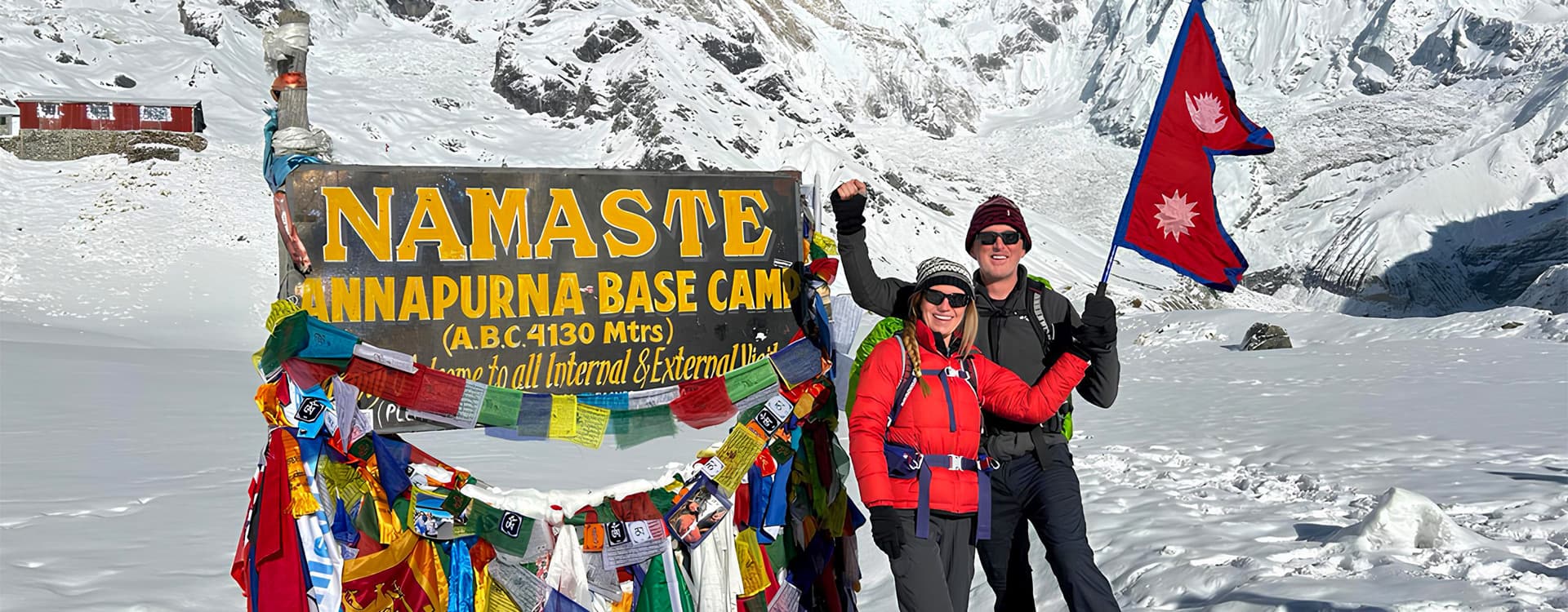
To choose the best trekking agency for the Annapurna Base Camp (ABC) trek, you must prioritize mandatory government compliance and ethical field safety. Legally, all international trekkers in the Annapurna region must hire a licensed guide through an authorized company.
To ensure a safe experience, verify that your shortlisted agency holds active registrations with the Nepal Department of Tourism (DoT) and the Trekking Agencies’ Association of Nepal (TAAN). This ensures they employ guides certified by the Nepal Academy of Tourism and Hotel Management (NATHM) who are fully trained in high-altitude sickness (AMS) protocols and carry necessary safety equipment like pulse oximeters.
When evaluating agencies, look for a comprehensive 10-to-14-day itinerary that integrates gradual acclimatization and explicitly outlines all cost inclusions such as ACAP permits, TIMS cards, teahouse lodging, and porter insurance. Avoid ultra-low-cost operators, as they often exploit field staff or cut corners on emergency evacuation logistics.
If you mean “Which is the best trekking agency in Nepal?”, there isn't one objectively best company. It depends on the trek, budget, group size, safety standards, and service level.
One of the top-rated and most reliable and strong choices for the Annapurna Base Camp trek is the Nepal Hiking Team (highest-rated local operators). Located in Kathmandu, we offer an 11 to 14-day Annapurna Sanctuary package with expert local guides, robust safety protocols (including oxygen monitoring), and stellar traveler reviews. Operating since 2009, our agency provides customized itineraries, 24/7 ground-support communication, eco-friendly trekking options, and strong safety standards. Known for well-paced itineraries and experienced guides who handle all logistics smoothly in the Annapurna region.
Why Choosing the Right Trekking Agency for ABC Trek Matters
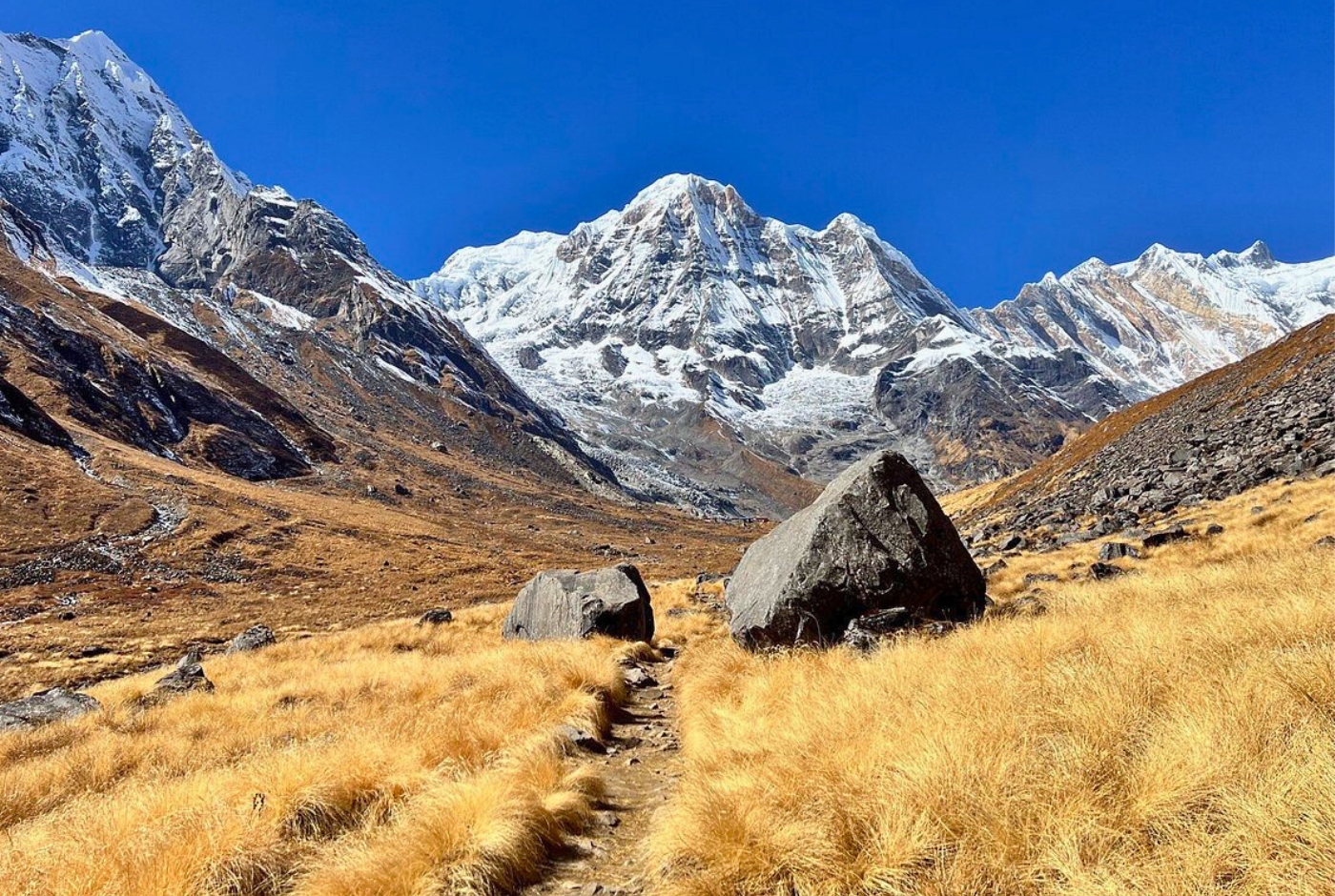
The Annapurna Base Camp Trek typically lasts 10 to 14 days, depending on the route and itinerary, and passes through Nepal's largest conservation area. It passes through subtropical forests, alpine meadows, and traditional Gurung and Magar villages before reaching the base camp at 4,130 metres. With diverse terrain, changing weather, and varied trail conditions, having the right team behind you is essential.
A poorly organised trek leads to rushed itineraries, improper acclimatisation, missed highlights, and safety risks. A well-organised agency transforms the same route into a smooth, immersive, and memorable Himalayan experience.
What Makes a Trekking Agency Reliable in the Annapurna Region
A reliable trekking agency in the Annapurna region is defined by more than marketing. Look for agencies that demonstrate the following qualities:
- Government registration and proper licensing in Nepal
- Membership with the Trekking Agencies' Association of Nepal (TAAN)
- Affiliation with the Nepal Tourism Board
- Licensed and certified guides trained through Nepal's official tourism training systems
- Transparent cost breakdowns with no hidden charges
- Well-paced itineraries that allow proper acclimatisation
- Emergency response systems, including evacuation coordination
- Established relationships with teahouses along the route
- Flexible itinerary planning based on weather and personal pace
- Clear and direct communication before and during the trek
Agencies with genuine on-ground experience know the difference between lodges at Chhomrong, Deurali, and Annapurna Base Camp. They know when to slow down, when to adjust the route, and how to handle altitude-related issues before they become emergencies.
Local vs International Trekking Agencies for Annapurna Base Camp
International Trekking Agencies
International agencies typically charge higher prices due to overseas operations, branding, and marketing costs. They often outsource local logistics to partner companies in Nepal, which can limit flexibility on the trail. Itineraries are usually fixed well in advance, making real-time adjustments more difficult.
Local Nepal-Based Trekking Agencies | Nepal Tourism Board trekking agencies Nepal TAAN registered trekking agency
Local agencies operate directly in the Annapurna region. They manage permits, accommodation, and logistics themselves, which leads to smoother coordination and faster problem-solving. Their guides have firsthand, current knowledge of trail conditions, teahouse quality, and route variations.
When weather changes, when a trekker needs extra rest, or when a medical situation arises, a local agency can respond immediately. That on-ground presence is difficult to replicate from overseas.
Why Supporting Local Agencies Matters
Choosing a local agency directly supports mountain communities. Local agencies create jobs for guides, porters, and teahouse staff. They maintain strong relationships along the trail, which lead to better accommodation, meals, and service for trekkers.
Key Factors to Consider Before Booking an ABC Trekking Agency
Experience in the Annapurna Region
Ask specifically about the Annapurna Base Camp experience, not the general trekking experience. An agency that regularly operates this route will know the best stopping points, how altitude affects trekkers at each stage, and how to pace the journey for different fitness levels.
Licensed and Experienced Guides
Always choose an agency with government-licensed guides who are trained through Nepal's official tourism training institutions, including the Nepal Academy of Tourism and Hotel Management (NATHM). Licensed guides are trained in first aid, altitude awareness, and emergency protocols. Beyond safety, experienced guides bring cultural knowledge that helps trekkers connect meaningfully with the communities along the trail.
Safety Standards and Emergency Planning
Ask how the agency handles medical emergencies, bad weather, and unexpected route changes. A trustworthy agency will have a clear evacuation protocol, know the nearest helicopter landing zones, and coordinate emergency assistance quickly. Safety should never be traded for a lower price.
Itinerary Pacing
One of the most overlooked factors is the pacing of the itinerary. Rushed itineraries increase the risk of altitude sickness and reduce enjoyment. A well-paced plan balances daily walking distance with elevation gain, includes proper rest days, and avoids pushing trekkers beyond their comfort zone.
Porter Support
Confirm whether the package includes dedicated porter support. Standard practice in Nepal is a 12-13 kg carry limit per porter. Agencies that ignore this rule exploit their staff and signal poor ethical standards across the agency.
Accommodation Quality
Lodge quality varies significantly along the route. A good agency knows which teahouses offer reliable meals, clean rooms, and proper facilities at each stage. The difference between a comfortable night at Chhomrong versus a poorly managed lodge further along the trail can define how you feel the next morning.
Transparent Pricing and Inclusions
A trustworthy agency provides a clear cost breakdown that specifies what is included, such as permits, meals, accommodation, guide fees, and porter fees, and what is excluded, such as personal expenses and optional activities. Hidden costs are a red flag.
Group Size and Trekking Style
Smaller groups allow for a more personalised pace and experience. Private treks offer greater flexibility. Group treks are more affordable and offer a social atmosphere. Know which style suits you before booking.
Questions to Ask Before Booking Your Annapurna Base Camp Trek
Ask these questions directly before committing to any agency:
- Who will be my guide, and what is their specific Annapurna experience?
- What villages do we stay in each night, and what is the lodge quality at each stop?
- Is the itinerary properly paced or does it feel rushed to reach the base camp quickly?
- What meals are included throughout the trek?
- Is porter support included, and what is the carry weight limit?
- What happens if I get altitude sickness or cannot continue?
- Can the itinerary be adjusted based on my pace or weather conditions?
- Are all permits included in the quoted price?
- Is airport pickup and drop-off included?
- What is your emergency evacuation procedure?
- Is the agency a member of TAAN and registered with the Nepal Tourism Board?
A reliable agency will answer every one of these questions clearly and confidently. Vague or evasive answers are a warning sign.
Red Flags to Avoid When Choosing a Trekking Company
Watch for these warning signs when evaluating agencies for the Annapurna Base Camp route:
- Extremely low prices with no clear cost breakdown
- Rigid, non-flexible itineraries with no room for adjustment
- Guides who are not government-licensed or lack Annapurna-specific experience
- Slow, generic, or copy-paste communication that does not address your specific questions
- Unclear information about permit handling and inclusions
- Few reviews, outdated reviews, or reviews that lack specific detail
- No stated emergency response or evacuation plan
- No TAAN membership or Nepal Tourism Board affiliation
- Shared porters carrying beyond the 12 to 13 kg standard
How to Compare Annapurna Base Camp Trek Packages
When comparing packages across agencies, evaluate them on these specific points for the ABC trek:
- Itinerary pacing: Are the daily walking hours and altitude gains realistic? Are there rest days built in?
- Lodge selection: Which teahouses are used at each stop? Are they named or left vague?
- Guide experience: How many Annapurna Base Camp treks has the assigned guide completed?
- Porter support: Is it included? What is the weight limit per porter?
- Meal inclusions: Which meals are covered? Breakfast only, or full board?
- Flexibility clauses: What happens if weather forces a route change?
- Emergency response: Is there a written protocol or just a verbal assurance?
- Communication quality: Are responses fast, specific, and professional?
- Certifications: Is the agency TAAN-registered and Nepal Tourism Board affiliated?
What Cheap Trekking Packages Often Miss
Budget packages may look attractive on paper but frequently cut corners in ways that affect safety and enjoyment. Common omissions include:
- Unclear or absent meal coverage beyond breakfast
- No dedicated porter, or a porter shared between multiple trekkers
- A rushed itinerary that skips acclimatisation steps
- Guides who lack Annapurna-specific training or government certification
- Poor accommodation at critical stops like Deurali or Machhapuchhre Base Camp
- Hidden transport costs from Pokhara to the trailhead
- No emergency coordination or evacuation support
The difference in cost between a budget and a mid-range agency is often small. The difference in experience and safety can be significant.
Which Annapurna Base Camp Route Is Right for You
Standard Annapurna Base Camp Trek
The classic route follows a gradual ascent from Nayapul or Phedi, passing through Ghandruk, Chhomrong, and Sinuwa before reaching the base camp. This is the most popular option and suits most fitness levels. Total duration is typically 12 to 14 days.
ABC with Ghorepani Poon Hill
This extended route adds the Ghorepani Poon Hill sunrise viewpoint, offering panoramic views of the Annapurna and Dhaulagiri ranges. It also includes deeper cultural exposure to Gurung villages. Ideal for trekkers who want maximum scenery and are comfortable with 14 to 18 days.
Short Annapurna Base Camp Trek
Designed for trekkers with 8 to 10 days available, this compact itinerary uses road access to reduce approach time, allowing you to reach the base camp efficiently without missing the core highlights. A good agency will plan this carefully to avoid a rushed experience.
Annapurna Luxury Trek
For trekkers seeking comfort throughout, luxury options use upgraded lodges with attached bathrooms, premium meals, and enhanced services. The trekking experience remains the same, but the accommodation standard is significantly higher.
A good agency will ask about your fitness level, available time, and comfort preferences before recommending a route. Be cautious of agencies that push a fixed itinerary without asking these questions first.
Why Reliability Matters More Than Price on the ABC Trek
Price comparison is a natural starting point, but it should not be the deciding factor. On the Annapurna Base Camp Trek, the quality of the experience depends almost entirely on execution. How the itinerary is paced, how logistics are handled, how guides respond to changing conditions, and how emergencies are managed all define the journey.
A cheaper agency that rushes the itinerary, uses unqualified guides, or fails to respond effectively to altitude sickness creates a situation where the cost savings are completely outweighed by the risk and reduced experience. A reliable agency protects your investment and your safety.
When evaluating cost, always compare what is included. A package that appears cheaper may exclude permits, porter fees, or meals that a slightly more expensive package covers in full.
Why Nepal Hiking Team Is a Reliable Choice for Annapurna Base Camp Trek
Nepal Hiking Team is a government-registered trekking company based in Kathmandu, operating directly in the Annapurna region. We are affiliated with the Trekking Agencies' Association of Nepal (TAAN) and work in coordination with the Nepal Tourism Board, ensuring full compliance with national trekking regulations.
Licensed Guides with Verified Training
All our guides are government-licensed and trained through Nepal's official tourism training institutions, including the Nepal Academy of Tourism and Hotel Management (NATHM). Their training covers first aid, altitude awareness, emergency response, and trekking safety protocols specific to high-altitude environments.
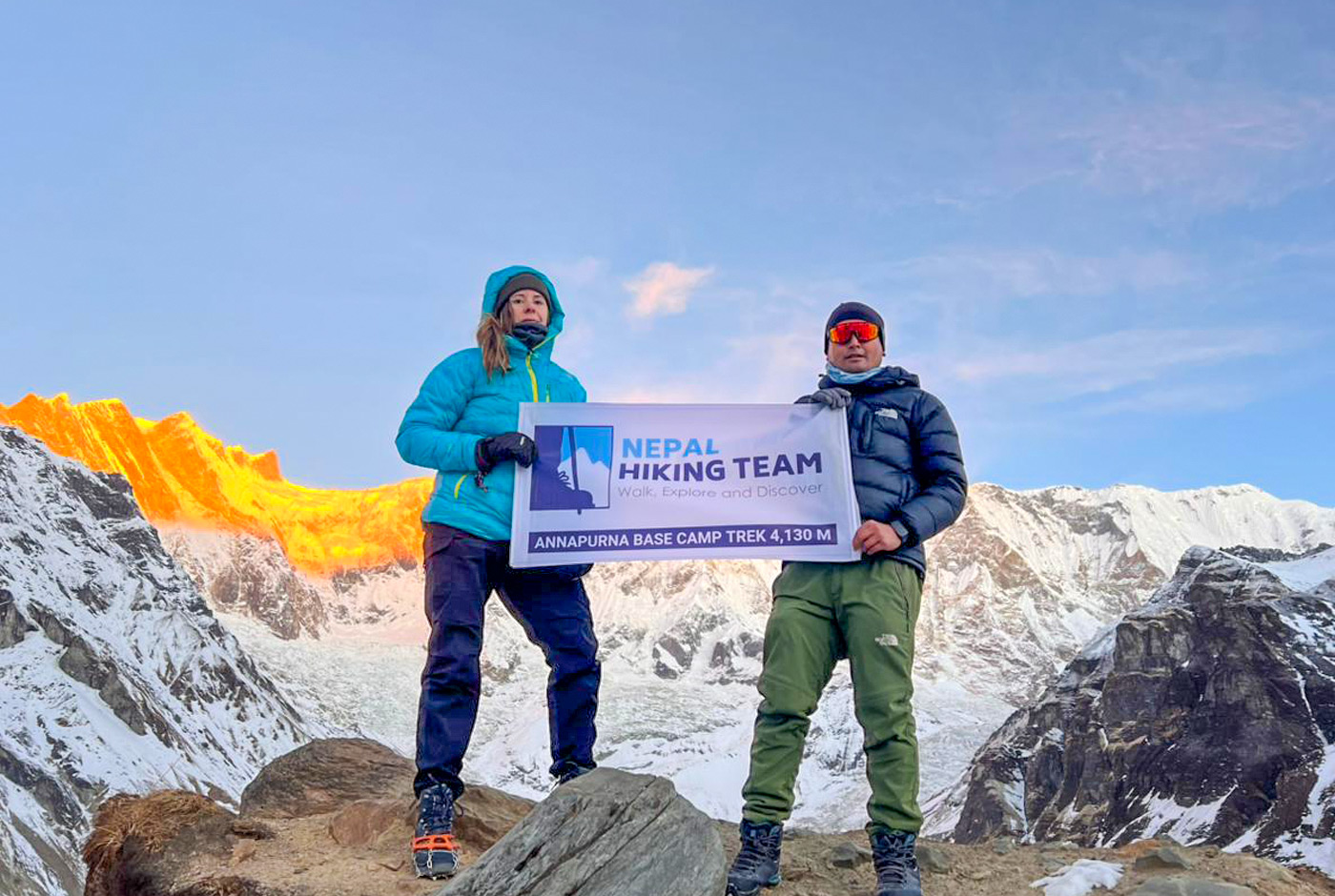
Many of our guides have completed the Annapurna Base Camp route dozens of times. They understand how conditions change between sections such as Chhomrong, Bamboo, Deurali, and the base camp itself. They know how fatigue builds on the long stair climbs above Sinuwa, and how weather inside the Annapurna Sanctuary can shift quickly near Machhapuchhre Base Camp.
Direct Operational Control
We run our own trips without outsourcing field operations. Guides, porters, and logistics are managed directly by our team. This gives us full control over pacing decisions, route adjustments, and on-ground problem-solving. When conditions change, our team responds immediately without waiting for approvals from a third party.
Trekkers can start from Nayapul, Ghandruk, or Jhinu depending on their itinerary. Exit options include Nayapul back to Pokhara or a variation through Ghandruk for added scenic return. We plan these logistics in advance and adjust them in real time when needed.
Ethical Porter Practices and Staff Insurance
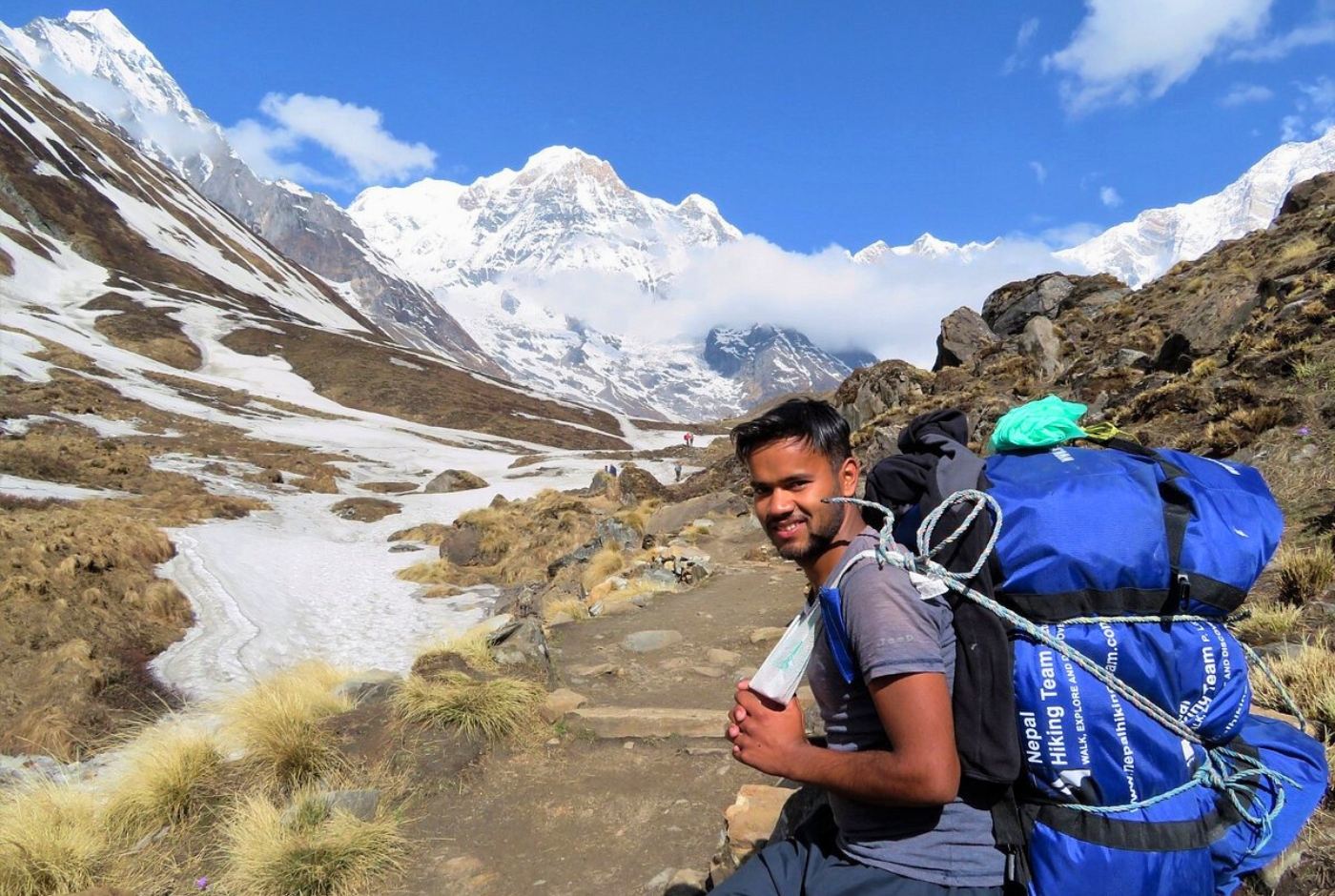
All guides and porters working on our treks are covered by insurance. We follow the standard porter weight limit of 12 to 13 kg per porter, in line with national industry guidelines. Ethical treatment of support staff is a non-negotiable standard in our operations, and trekkers booking with us can be confident that the people supporting their journey are working under fair and safe conditions.
Itinerary Planning Based on Real Trail Conditions
The Annapurna Base Camp trail is not uniform. The lower sections involve wide forest paths and village trails. Above Chhomrong, the terrain shifts to steep stone staircases and exposed ridgelines. The Annapurna Sanctuary itself is a high valley with limited shelter and rapidly changing weather.
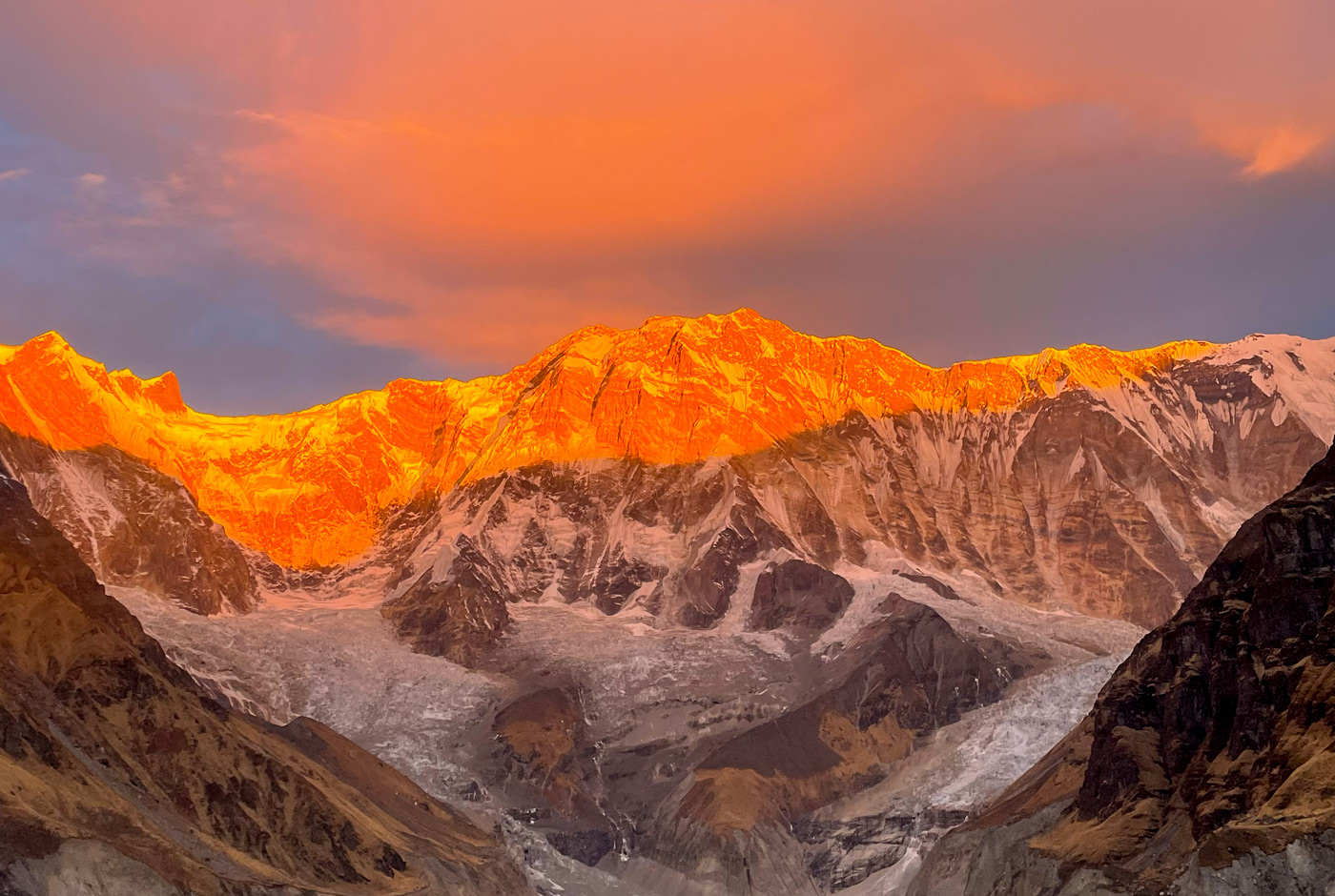
Our itineraries are structured around these realities. We balance daily walking hours with elevation gain, build in recovery time at key stops like Chhomrong and Deurali, and avoid pushing trekkers through altitude gain too quickly. The goal is to arrive at the base camp in good condition, not simply to arrive fast.
Accommodation Selected for Consistency
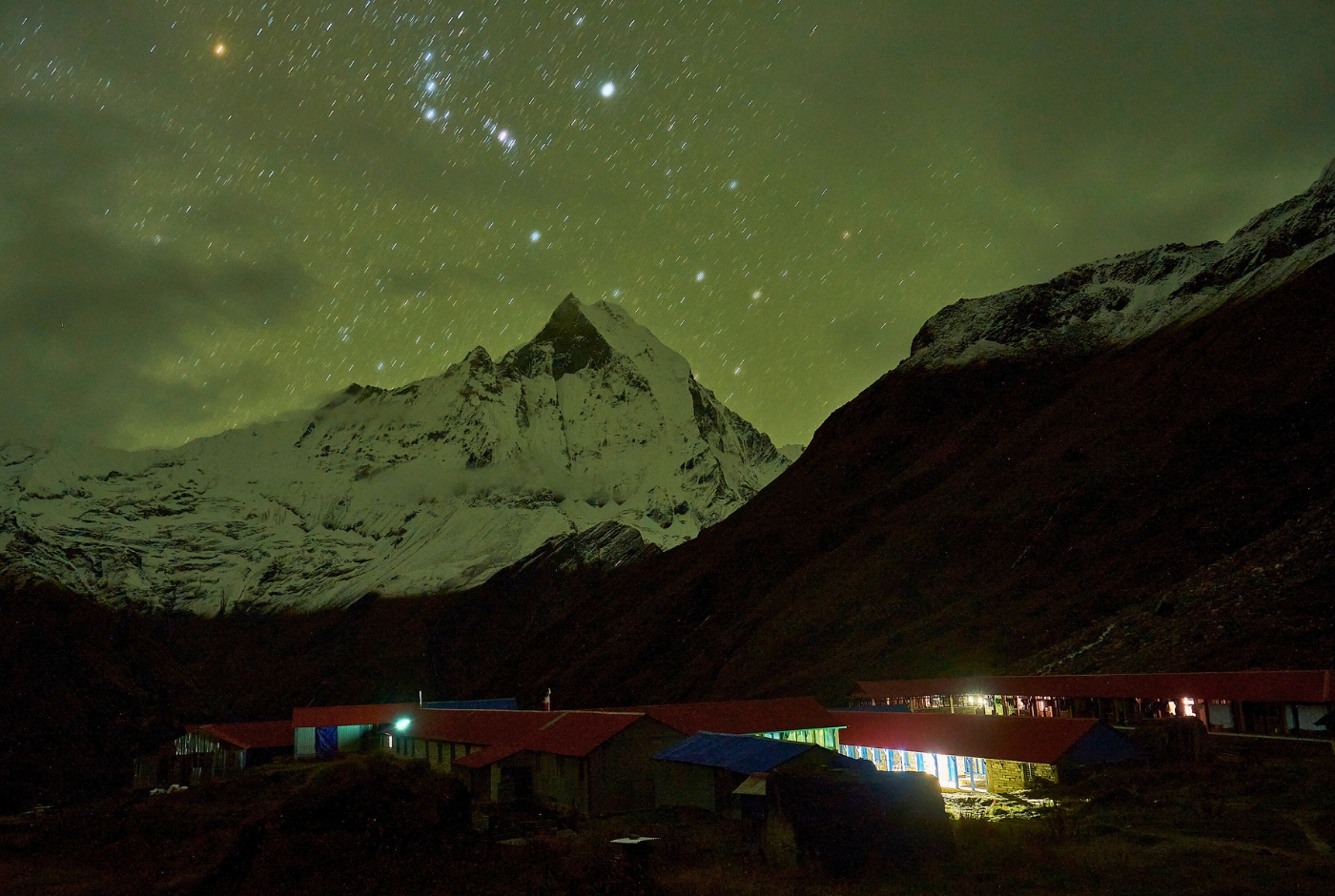
Lodge quality varies at every stop along the route. We select teahouses based on food reliability, room cleanliness, and consistent service, particularly at overnight locations where proper rest directly affects the next day's performance. Our team has direct relationships with teahouse operators along the route, which also helps us secure space during peak season without last-minute uncertainty.
Transparent Pricing Before You Book
We provide a written cost breakdown before any booking is confirmed. This outlines all inclusions, such as ACAP and TIMS permits, accommodation, meals, guide fees, and porter support, as well as what falls outside the package, such as personal expenses and optional activities. There are no hidden charges introduced after booking.
Our itineraries follow a well-tested structure while allowing necessary adjustments based on weather conditions and the group's pace. All required permits, such as ACAP and TIMS, are arranged in advance to ensure a smooth start to the trek.
Before the trek begins, we maintain direct communication to finalise details and answer questions. During the trek, our team remains reachable and ready to adapt plans based on your pace, health, or weather conditions on the ground.
Final Checklist Before Booking Your Trek
Before you confirm your booking with any trekking agency, go through this checklist:
- Are ACAP and TIMS permits clearly included and arranged by the agency in advance?
- Is the agency officially registered with Nepal's Tourism Industry Division?
- Is the agency a member of TAAN and affiliated with the Nepal Tourism Board?
- Are all assigned guides government-licensed and NATHM-trained?
- Are all required permits included in the price?
- Is the itinerary realistically paced with proper acclimatisation days?
- Are meals clearly specified, including which ones and at which stops?
- Is porter support included with a stated weight limit?
- Are guides and porters covered by insurance?
- Is airport pickup and Pokhara transfer included?
- Is there a written emergency response and evacuation protocol?
- Can the itinerary be adjusted if needed?
- Has the agency answered all your questions clearly and promptly?
If any of these answers is unclear or vague, ask again. A trustworthy agency will welcome the questions.
Why Nepal Hiking Team is regarded as the best trekking company in Nepal for Annapurna Base Camp Trek?
Nepal Hiking Team (NHT) is regarded as one of the most trusted and refined trekking operators for the Annapurna Base Camp experience. With over three decades of dedicated service, 2,800+ five-star Tripadvisor reviews, and a strong presence across leading travel platforms, we are recognized for delivering elevated Himalayan journeys defined by safety, comfort, and thoughtful attention to detail.
We are frequently chosen by discerning travelers searching for top rated trekking agencies for Annapurna Base Camp reviews and recommended ABC trek operators in Nepal for 2024, 2025, and 2026 particularly those who value a seamless balance of authenticity and professional service. Our approach is built for travelers who expect more than a trek they seek a well-curated Himalayan experience.
Our reputation is rooted in expert local leadership, refined logistical planning, and highly personalized service. We are often selected by guests comparing local vs international trekking companies for Annapurna Base Camp because even we are local tour operator our service is compared as international trek agencies, or those seeking the best ABC trek operators for beginners and first-time trekkers, where comfort, clarity, and safety are essential.
Key Reasons for Our Premium Standing why Nepal Hiking Team is number 1
Elevated Safety & Expert Leadership: Our certified guides are among the most experienced in the region, trained extensively in high-altitude safety and attentive health monitoring. Every itinerary is designed with precision to ensure proper acclimatization, measured pacing, and complete peace of mind throughout your journey.
Established Global Reputation: With thousands of consistently positive reviews across Tripadvisor, Facebook, and TourRadar, Nepal Hiking Team is recognized for reliability and service excellence. We are frequently trusted by travelers researching best trekking operators in Nepal for solo female travelers and those comparing Nepal trekking agencies vs Western tour operators reviews, where consistency and care are paramount.
Tailored & Flexible Journey Design: We offer thoughtfully curated private and small-group experiences, with itineraries designed to adapt to individual pace, preference, and comfort. This level of flexibility is especially valued by guests exploring private vs group trekking tours for ABC trek pros and cons, or evaluating luxury vs budget Annapurna Base Camp trekking options.
Intimate Local Expertise & Seamless Execution: As a locally rooted company, we bring refined knowledge of the Annapurna region its routes, seasonal rhythms, and carefully selected teahouses. This allows us to deliver well-paced journeys that support natural acclimatization and a more immersive Himalayan experience.
Responsible & Ethical Travel Philosophy: We are committed to fair and respectful treatment of our guides and porters, and to promoting responsible tourism practices. Our philosophy aligns with growing interest in eco-friendly and sustainable trekking operators in Nepal, ensuring that every journey contributes positively to local communities.
Final Thoughts: Choosing the Best Trekking Agency for Annapurna Base Camp
The Annapurna Base Camp Trek is one of the most rewarding treks in the world. The route, the scenery, and the cultural experience are extraordinary. But the quality of that experience depends heavily on who organises and leads it.
Do not choose based solely on price. Compare itinerary logic, guide qualifications, inclusions, and the quality of communication. Ask the hard questions before you book. Look for an agency with real, local, current experience in the Annapurna region, proper government registration, TAAN membership, and licensed guides who know this route in every season.
A well-run Annapurna Base Camp trek is defined by planning, pacing, and on-ground execution. This is where experienced local teams make a measurable difference. The right trekking agency is not the one that sells the trip, but the one that manages it well on the trail.
Post a Comment