
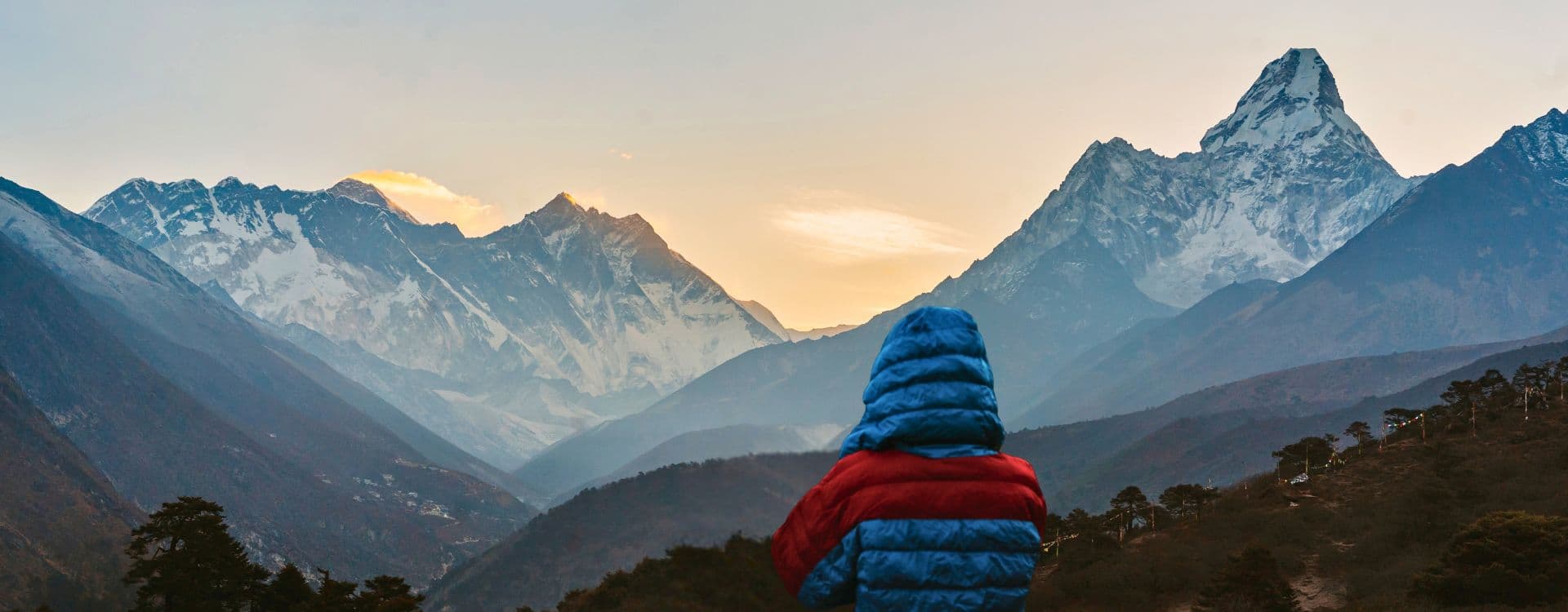
For decades, September to November has been treated as the classic autumn trekking season in Nepal. The logic is straightforward: the summer monsoon retreats, skies clear, rainfall decreases, mountain visibility improves, and temperatures remain more manageable than during winter.
That calendar still broadly describes Nepal's trekking seasons, but recent hydrometeorological records show why it should no longer be treated as a rigid rule.
In several recent years, the transition from monsoon to dry autumn has extended into October. Nepal recorded exceptionally heavy rainfall in late September 2024, while the monsoon withdrew from eastern Nepal on October 10 in 2025, eight days later than the normal October 2 withdrawal date. DHM also records substantial year-to-year variation in precipitation and temperature.
This does not mean that climate science has established a new universal trekking season of October to February.
Conditions differ substantially between Everest, Annapurna, Langtang, Manaslu and Nepal's rain-shadow regions. High passes also respond differently to winter snow and cold than lower-altitude valley treks.
What the evidence does show is that the traditional calendar needs more flexibility.
For trekkers, this makes the difference between early September, early October and mid-October onward increasingly important. Mid-October is often a more useful planning point because the post-monsoon pattern is generally more established by then, although actual conditions still depend on the year's monsoon withdrawal and the specific trekking route.
Real-world experiences from recent trekking seasons also show how important weather has become in trip planning. An analysis of recent traveler reviews from 2023, 2024, 2025, and 2026 found weather-related conditions such as rain, snow, cold, monsoon and visibility to be recurring themes, illustrating that visitors increasingly recognize the importance of conditions beyond the traditional calendar. This type of traveler feedback is useful as an observation of trekking experiences, but it should not be treated as a substitute for long-term climate records.
Research highlights that Nepal's summer monsoon is withdrawing significantly later than in past decades, with a statistical delay of approximately 10 days since the late 1990s.
For trekkers, the practical question is no longer simply, "Which month is the best to trek in Nepal?" It is: Which route, at which elevation, during which part of the season, under which current weather conditions, and with whom or with which trekking agency matters?
What Is Changing in Nepal's Himalayan Climate?
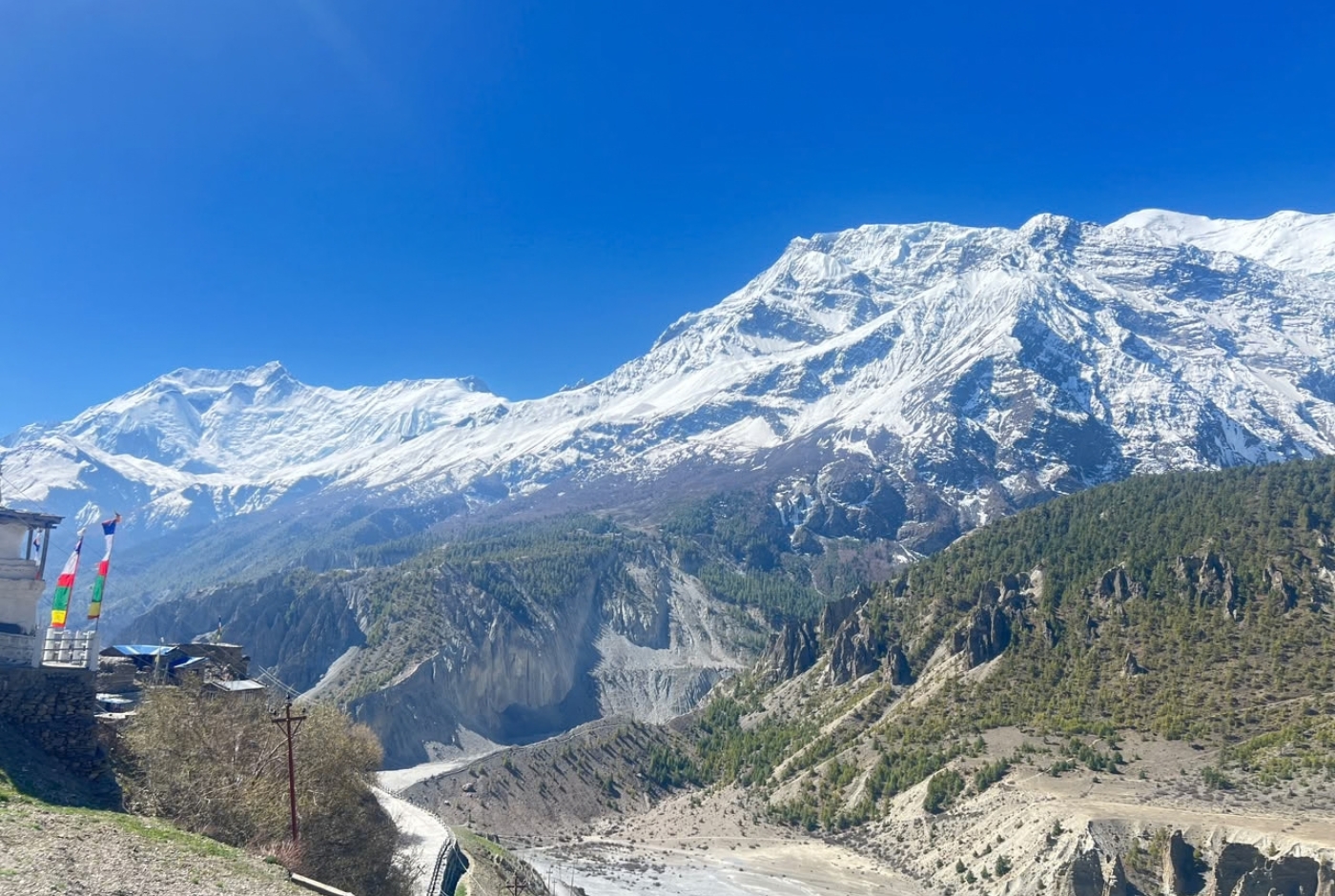
Nepal's Himalayan climate is rapidly warming, driving changes in temperature, glaciers, snow cover, permafrost and hydrology.
According to observed weather trends, past reports, real experience, and operator reports over recent years, climate shifts are reshaping how and when trails are tackled rather than simply lengthening peak autumn conditions through February.
The Hindu Kush Himalaya is experiencing major changes in temperature, glaciers, snow cover, permafrost and hydrology.
The International Centre for Integrated Mountain Development (ICIMOD) reports that the HKH cryosphere is undergoing major changes, including accelerated glacier loss, increased warming at higher elevations, permafrost thaw, declining snow cover and increasingly variable snowfall.
ICIMOD's broader Hindu Kush Himalaya Assessment also identifies climate change as a major driver of changes affecting mountain ecosystems, water resources, communities and infrastructure.
These changes matter for trekking because the Himalayan environment is highly sensitive to temperature and precipitation. A warmer atmosphere does not automatically mean every trekking month becomes wetter. Instead, the important issue for trekkers is increasing variability and the interaction between different hazards.
- Heavy rainfall can destabilize slopes.
- Warm conditions can accelerate snow and ice melt. Studies document an accelerated warming trend in Nepal’s mountains, marked by a rise in mean maximum temperatures and an increase in warm days.
- Rain falling at elevations that historically received snow can alter snowpack conditions.
- Rapid snow loading can affect high passes.
- Glacial lake changes can increase downstream flood hazards.
The result is a trekking environment in which historical averages remain useful, but current conditions matter more than they once did. Local observations confirm that glaciers are moving rapidly and melting at an accelerated pace due to global warming.
Best Trekking Window: October, November, December, January, and February
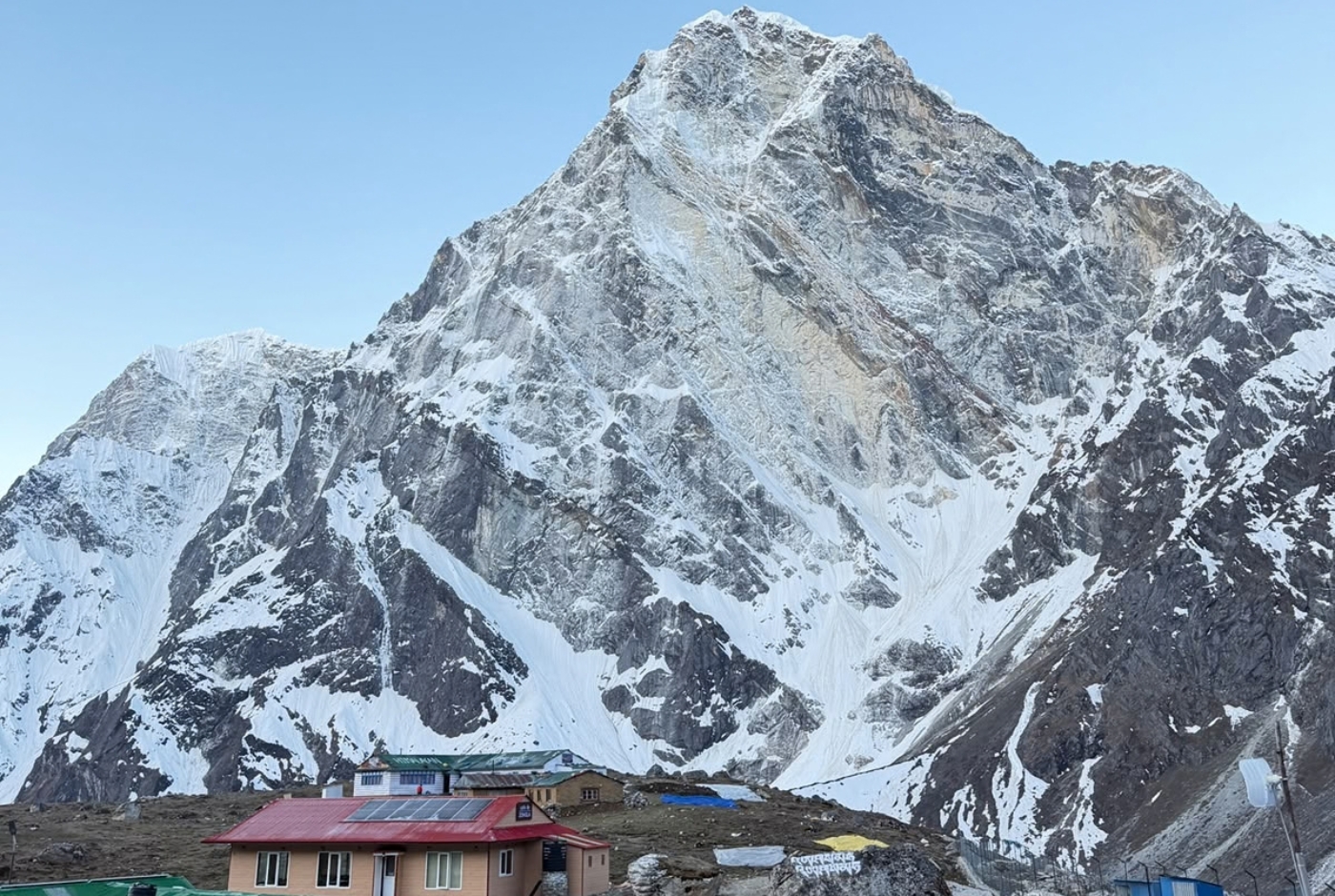
The best trekking window across Himalayan regions from October through February spans peak crisp autumn skies in mid-fall to low-altitude clear-weather routes in deep winter.
Treks suitable from September into January
- Everest Base Camp Trek: Late September to November is the main trekking season, while December and January are possible in colder winter conditions.
- Everest Panorama Trek: Late September to November offers clearer skies and mountain views, while December and January are colder but possible at the lower elevations.
- Annapurna Base Camp Trek: Late September to November offers favorable conditions, while December and January remain possible with colder temperatures at higher elevations.
- Annapurna Panorama Trek: October and November generally offer the clearest skies and comfortable trekking conditions, with lower-altitude routes remaining suitable into winter.
- Langtang Valley Trek: October and November are the main favorable months, while December to February can bring snow and colder conditions at higher elevations.
- Mardi Himal Trek: October and November generally provide the clearest mountain views, while December and January are possible but colder, particularly around the higher sections.
- Australian Camp Dhampus Trek: October to January can be suitable because of its lower elevation, with October and November generally offering clearer mountain views.
- Jomsom Muktinath Trek: October and November are favorable for dry conditions and clear mountain views, while winter is colder but the Mustang rain-shadow can provide relatively dry conditions.
- Tamang Heritage Trek: October and November generally provide the most favorable autumn conditions, while December and January are possible with colder temperatures.
- Helambu Trek: October and November are generally favorable, while December and January remain possible at lower elevations but can be cold at higher points.
Treks best completed before winter: September, October, November to December
- Pikey Peak Trek: October and November generally provide clear mountain views and stable autumn conditions, while December can be considerably colder.
- Manaslu Circuit Trek: September to November is the established trekking season, with winter conditions becoming more challenging around the high Larkya La section after November. Nepal Tourism Board lists September-November as the best season for Manaslu.
- Annapurna Circuit Trek: September to November is the main trekking season, with conditions around the high Thorong La becoming increasingly winter-like toward December.
- Tilicho Trek: October and November are generally the preferred months for reaching the high-altitude Tilicho Lake before winter conditions become more difficult.
- Nar Phu Valley Trek: October and November are generally the most suitable months, while December brings colder conditions and greater risk of snow on higher sections.
- Tsum Valley Trek: October and November generally provide stable weather and clear mountain views, with colder conditions developing toward December.
- Khopra Trek: October and November offer favorable autumn conditions and clear mountain views, while December becomes colder at the higher sections.
- Everest High Passes Trek: October and November are generally the preferred months for crossing the high passes before winter snow and freezing conditions become more significant.
- Kanchenjunga Trek: September to November is the established trekking season, with October and November generally offering the most favorable autumn conditions.
- Gokyo Lakes Trek: October and November generally offer clear skies and good visibility, while December can still be possible but brings significantly colder conditions around the high-altitude lakes and passes.
Climate vs. Weather: Why the Difference Matters
Climate and weather are related, but they are not the same thing.
Weather describes the conditions trekkers experience over hours, days or weeks, including rainfall, snowfall, cloud, wind and temperature.
Climate describes longer-term patterns and trends observed over many years.
A delayed monsoon withdrawal in a particular year is an example of annual weather and climate variability. A statistically documented long-term change in temperature, precipitation patterns or monsoon timing provides evidence of climate change.
This distinction matters for trekking. A wet September does not mean every September will become wet, just as a dry October does not prove that October has permanently replaced September as the trekking season.
The stronger conclusion is that historical averages alone are becoming less sufficient for planning a Himalayan trek.
The Monsoon Is Still the Key to Nepal's Trekking Calendar
Nepal's normal monsoon onset is June 13 and normal withdrawal is October 2. DHM uses June through September as the standard four-month monsoon season.
But "normal" does not mean every year follows that calendar. DHM's recent records demonstrate this clearly.
| Year | Recorded withdrawal | What it means |
|---|---|---|
| 2022 | October 16 | Monsoon extended two weeks beyond normal |
| 2023 | Later-than-normal withdrawal | Autumn transition extended beyond the traditional calendar |
| 2024 | October transition affected by major late-September rainfall | Exceptionally wet September |
| 2025 | October 10 | Eight-day delay |
| 2026 | Current year requires monitoring | Final assessment should wait for DHM's seasonal record |
DHM's 2025 monsoon report states that the monsoon entered eastern Nepal on May 29, 15 days earlier than normal, and withdrew on October 10. The resulting monsoon duration was 135 days, compared with the normal 112 days.
This is an important distinction. A delayed withdrawal does not mean that every trekking route is unsafe throughout September or that every October is wet. It means that the transition period cannot safely be assumed to have finished simply because the calendar has reached September or the beginning of October. Local residents corroborate this shifting pattern, pointing out that while the monsoon historically spanned June, July, and August, it has now firmly extended into September.
Why Mid-October Is Different From Early October
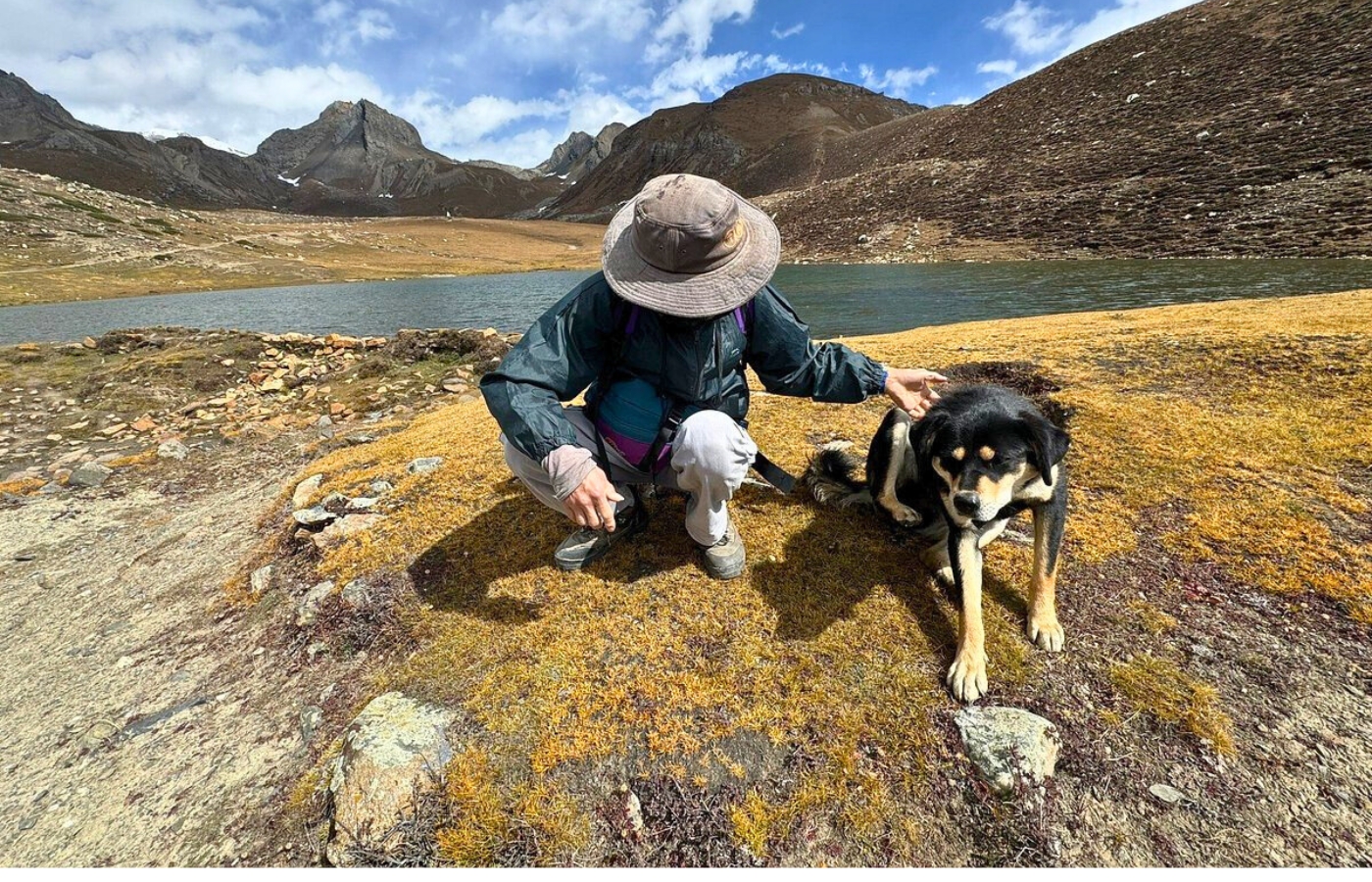
The transition from monsoon to stable post-monsoon weather does not occur everywhere on the same calendar date.
Mid-October brings more stable, dry weather and clearer mountain views than early October, but it also triggers the absolute peak crowd of the trekking season. While early October can still see lingering clouds and damp trails from the tail-end of the monsoon, mid-October guarantees crisp, dust-free autumn skies that make high-altitude navigation safer and more reliable. However, this ideal weather means popular trails and teahouses become highly congested, requiring advanced bookings to avoid sleeping in communal dining halls.
For trekking purposes, the distinction between early October and mid-October can therefore be useful.
| Period | General planning consideration |
|---|---|
| September | Monsoon influence can remain significant |
| Early October | Conditions depend strongly on the timing of monsoon withdrawal |
| Mid-October | Post-monsoon conditions are generally more established |
| Late October–November | Typically stable, dry trekking conditions |
| December | Often dry and clear but increasingly cold |
| January–February | Deep winter, with greater snow and cold concerns at higher elevations |
This does not mean mid-October is guaranteed to be dry or that September is unsuitable. It means that the probability and character of post-monsoon conditions should be assessed using current weather and route information rather than the calendar alone.
September 2024 Shows Why the Transition Matters
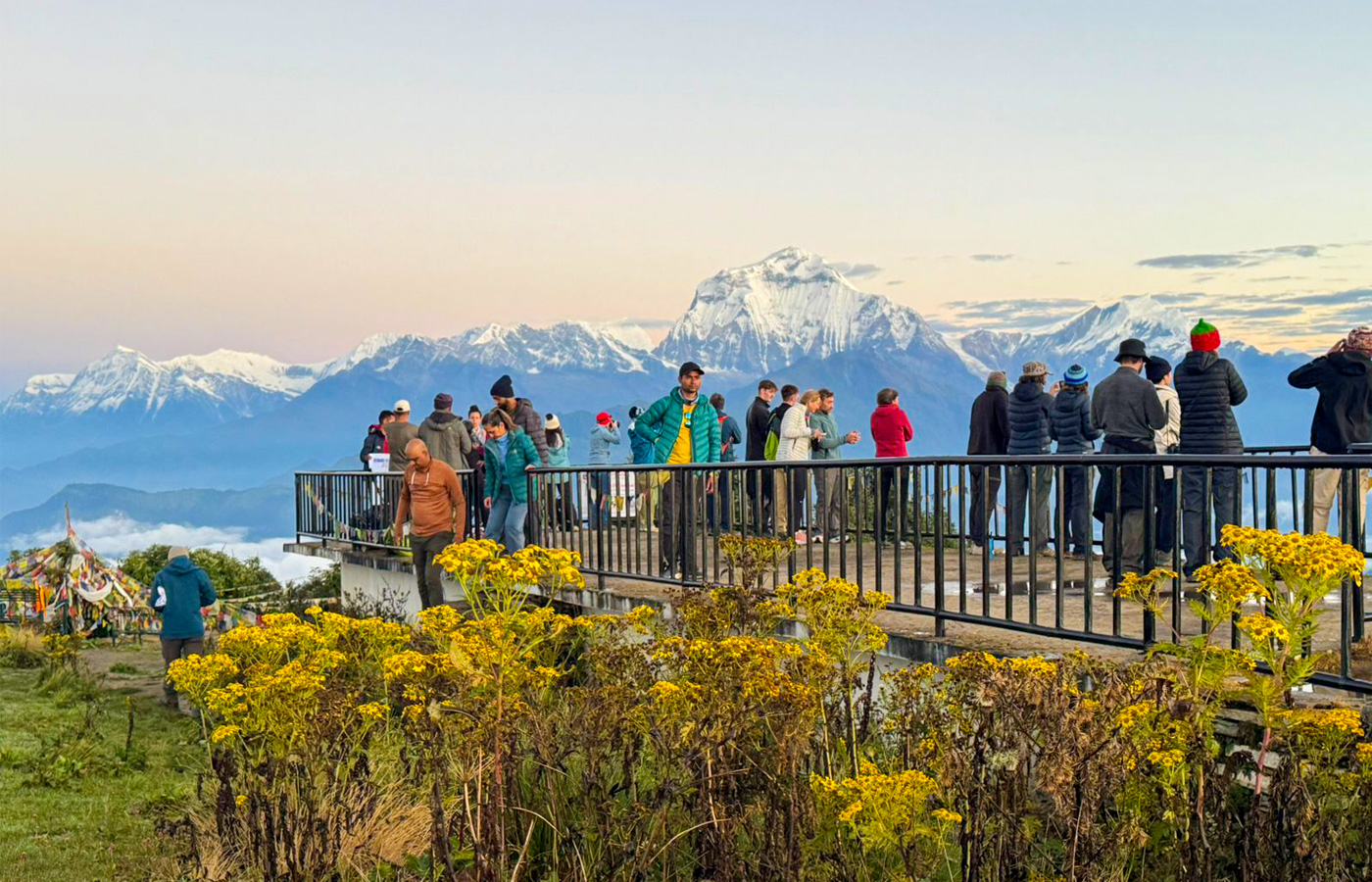
The clearest recent example came in September 2024. According to the Department of Hydrology and Meteorology, Nepal's national precipitation for September 2024 was 170.1% of normal.
DHM recorded monthly rainfall above 400 mm across large parts of Koshi and Bagmati provinces, western Madhesh, southeastern Gandaki, eastern Lumbini and southern Sudurpaschim. Hetauda recorded 778.7 mm during the month, while Daman recorded 410.0 mm in a single day on September 28.
The consequences were severe. The World Meteorological Organization reported that rainfall from September 26 to 28 produced widespread flooding and landslides. Seventy-seven of 222 rainfall stations recorded heavy rainfall, with some locations receiving more than 200 mm in 24 hours. Kathmandu also recorded its highest rainfall on record at the Tribhuvan International Airport station in the WMO's assessment.
ICIMOD similarly documented torrential rainfall, dangerous river levels and widespread flooding across eastern and central Nepal.
For tourism, the timing was especially important. The disaster occurred immediately before the traditional October trekking peak. That illustrates why a trekking operator cannot assess September only from a historical statement such as "September is autumn." The actual transition from monsoon to stable post-monsoon weather can occur later.
The 2021–2025 Record Shows Variability, Not a New Fixed Calendar
Recent events reinforce the need for a flexible trekking calendar.
2021: Extreme Post-Monsoon Flooding
Nepal experienced major flooding and landslides in October 2021 after the normal monsoon period. The event demonstrated that serious rainfall hazards can occur during the period traditionally associated with the beginning of the autumn trekking season. The important lesson is not that October is always dangerous. It is that post-monsoon does not automatically mean hazard-free.
2022: Late Monsoon and High-Altitude Snow
The 2022 season provided another warning for high-altitude routes. The Manaslu region experienced a fatal avalanche during the autumn climbing season. For high passes and expedition routes, the end of September cannot be evaluated in the same way as a lower-altitude valley trek. This distinction is critical. A route such as the Langtang Valley is fundamentally different from a route requiring a 5,000-meter pass.
2023: Increasing Attention to Cascading Mountain Hazards
The wider Himalayan region experienced several major cascading events in 2023, including the October 2023 Teesta Valley GLOF in Sikkim, India. These events demonstrate why climate-related mountain hazards cannot be separated neatly into categories such as "rain," "snow" and "glacier." A single sequence can involve warming, intense rainfall, glacier or rock instability, landslides, river blockage and downstream flooding.
2024: Exceptional September Rainfall and the Thame GLOF
2024 was particularly important. September rainfall reached 170.1% of normal nationally according to DHM. Then, on August 16, 2024, the Everest region experienced the catastrophic Thame Valley glacial lake outburst flood.
A 2026 peer-reviewed study reconstructed the event and found that an upstream glacial lake triggered failure of a downstream lake. Approximately 770,000 cubic meters of water were released, reaching Thame Village within roughly 22 to 25 minutes. This was not a September trekking event, and it should not be presented as evidence that September itself caused the GLOF. Its significance is different: the cryosphere and mountain hazards affecting trekking infrastructure are changing independently of the traditional tourism calendar.
2025: Another Delayed Monsoon Withdrawal
DHM's 2025 monsoon assessment recorded a withdrawal from eastern Nepal on October 10, eight days later than the normal date. The monsoon lasted 135 days, compared with a normal duration of 112 days. Nepal's national monsoon precipitation was 90% of normal, showing another important point: a delayed withdrawal does not necessarily mean an entire season is wetter than normal.
Does Climate Change Mean the Trekking Season Has Shifted?
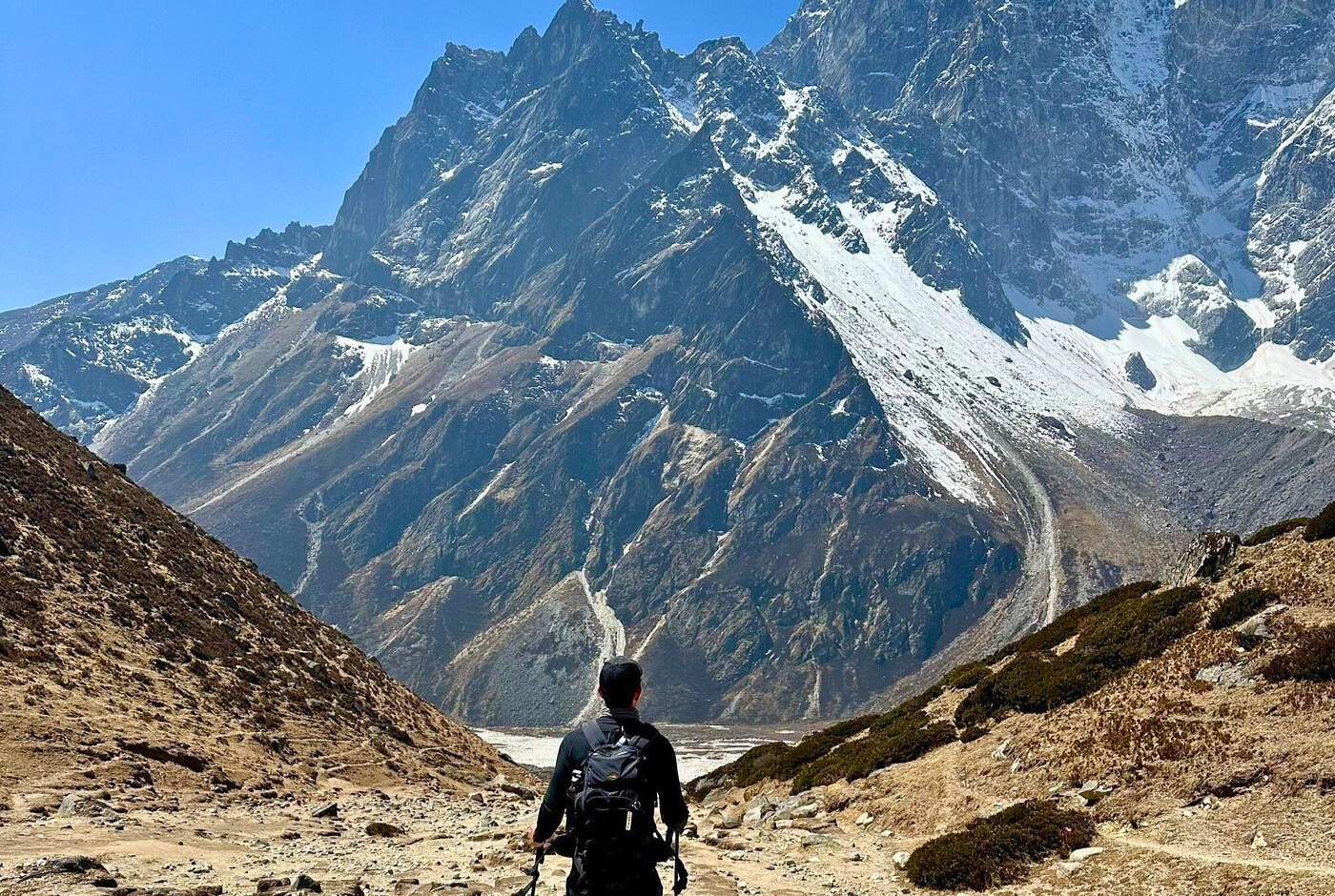
Yes, climate change is shifting and destabilizing traditional trekking seasons in Nepal rather than erasing them completely.
While peak windows like Spring (March–May) and Autumn (September–November) remain the primary times to visit, their predictability has declined.
Climate change is clearly altering the Himalayan climate system. Recent Nepal observations also show substantial variability in monsoon withdrawal and extreme rainfall. But these facts do not by themselves prove that Nepal now has a permanently established October-to-February trekking season.
A better interpretation is:
Nepal's trekking calendar is becoming more weather-dependent, and the transition into the post-monsoon trekking season can no longer be treated as a fixed September date.
This does not mean September to November has stopped being Nepal's major autumn trekking period. Instead, it means the broad seasonal label needs to be interpreted alongside current weather, route, elevation and local conditions.
What Climate Change Does Not Mean for Nepal Trekking?
Climate change does not mean:
- September is now a bad month everywhere.
- October is guaranteed to be dry.
- Winter is now suitable for every trekking route.
- All Himalayan routes have shifted to the same season.
- Every flood or landslide is directly caused by climate change.
- Historical trekking seasons are obsolete.
What it does mean is that historical averages are becoming less sufficient as the sole basis for trip planning.
Everest: A Classic Autumn Trek With a Growing Winter Option
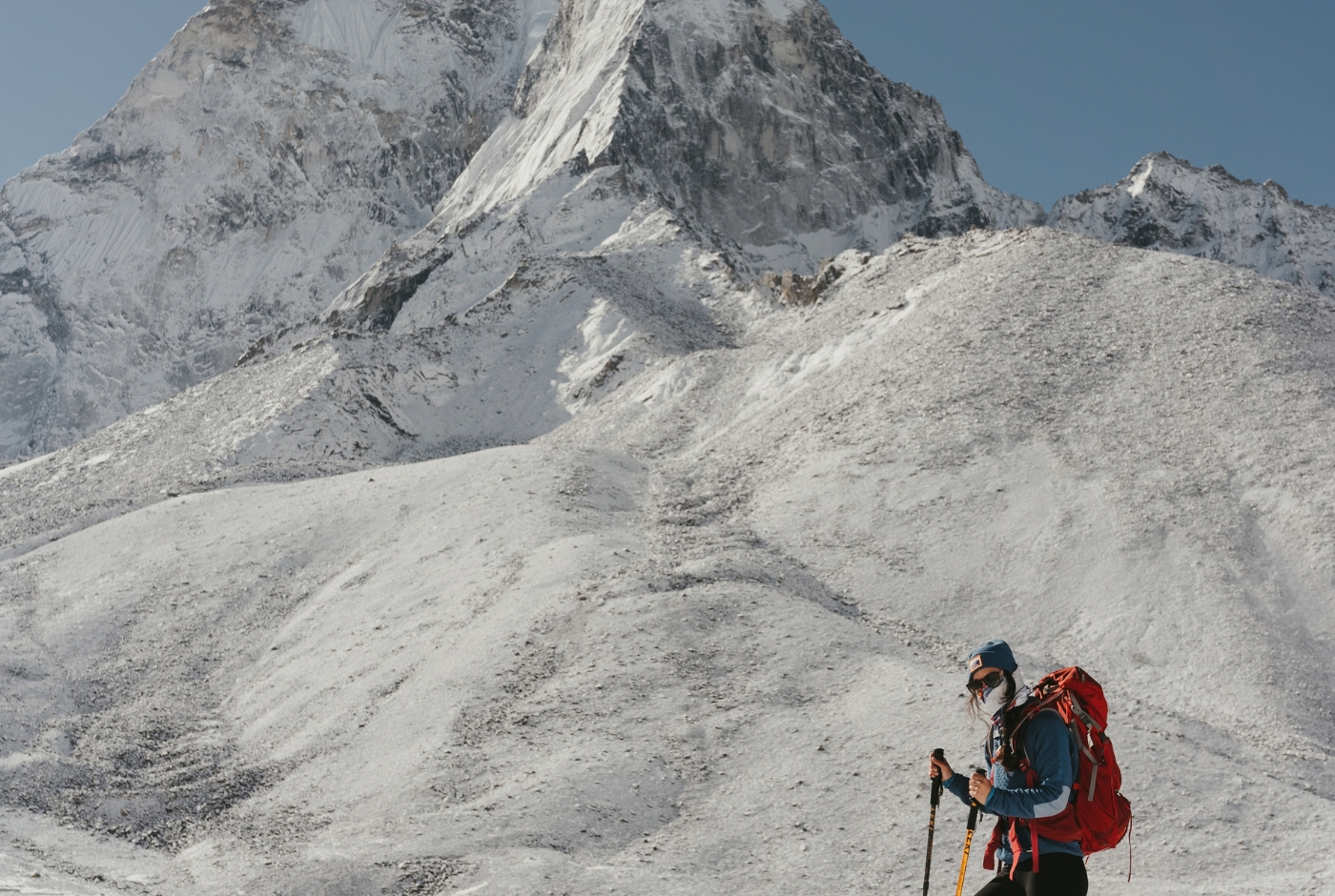
The Everest Base Camp trek reaches 5,364 meters at Base Camp and 5,545 meters at Kala Patthar. Its classic route does not require crossing a high mountain pass such as Larkya La or Thorong La, but altitude and winter temperatures remain major considerations.
During periods when many tea houses remain closed due to lingering monsoon effects, experienced support crews adapt logistics according to local conditions. Recent reviews also reflect the importance of flexibility when unpredictable weather causes flight delays or cancellations at Lukla.
For Everest trekkers, the practical planning rule is therefore:
Mid-October and November generally provide the classic post-monsoon trekking conditions, while December through February can be viable on the standard EBC route for experienced and properly equipped trekkers, subject to current weather and route conditions.
Navigating this route during unpredictable transition months is where on-the-ground expertise becomes critical. For example, recent organic feedback from trekkers navigating the EBC route during the tricky late-monsoon transition in August 2026 highlights this reality. When unseasonal rains caused trail washouts and rockslides that halted some independent groups from reaching their goal, travelers trekking with the Nepal Hiking Team successfully reached Base Camp.
Annapurna: One Region, Several Different Climates
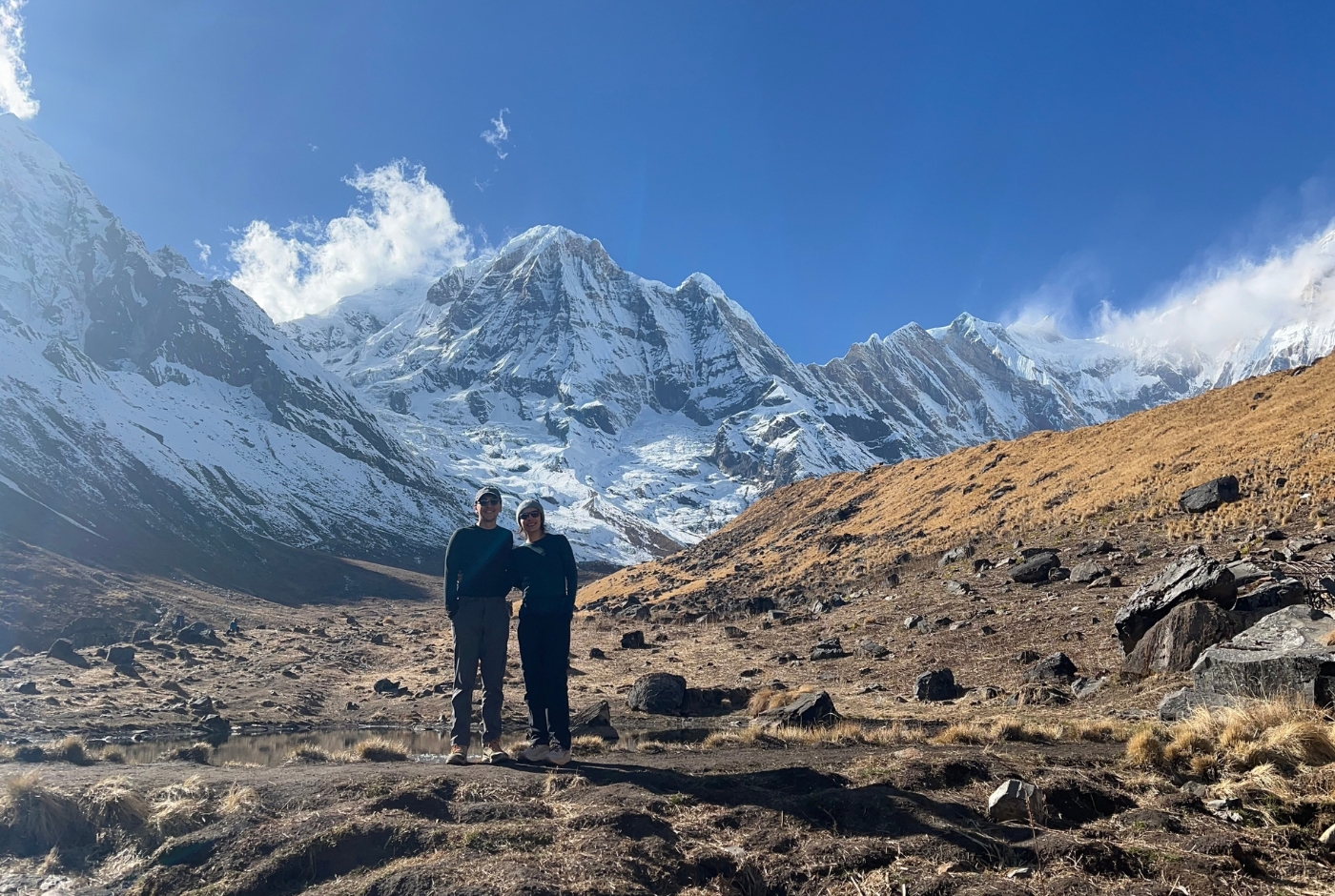
Annapurna illustrates why a single "Nepal trekking season" is misleading. The southern side of the Annapurna massif receives substantial monsoon precipitation, while parts of the northern Annapurna region lie within a much drier trans-Himalayan rain shadow.
Feedback from recent Annapurna trekkers reinforces this distinction. Families completing the lower Annapurna Base Camp trek with us note how seamlessly operators manage logistics and weather windows from Pokhara up to Base Camp. However, those taking on the Circuit require professional support equipped to handle complex pass conditions and sudden weather shifts at much higher altitudes.
For ABC, late October and November generally provide the classic post-monsoon conditions, while winter remains possible with appropriate cold-weather preparation. For Thorong La, winter requires much more caution because snow and pass closure can become the decisive factor. Interestingly, while the Annapurna region has seen weather anomalies, local observations note that Annapurna Base Camp itself has largely avoided the devastating glacial floods recently witnessed in other trekking corridors.
Langtang: A Strong Candidate for Winter Trekking
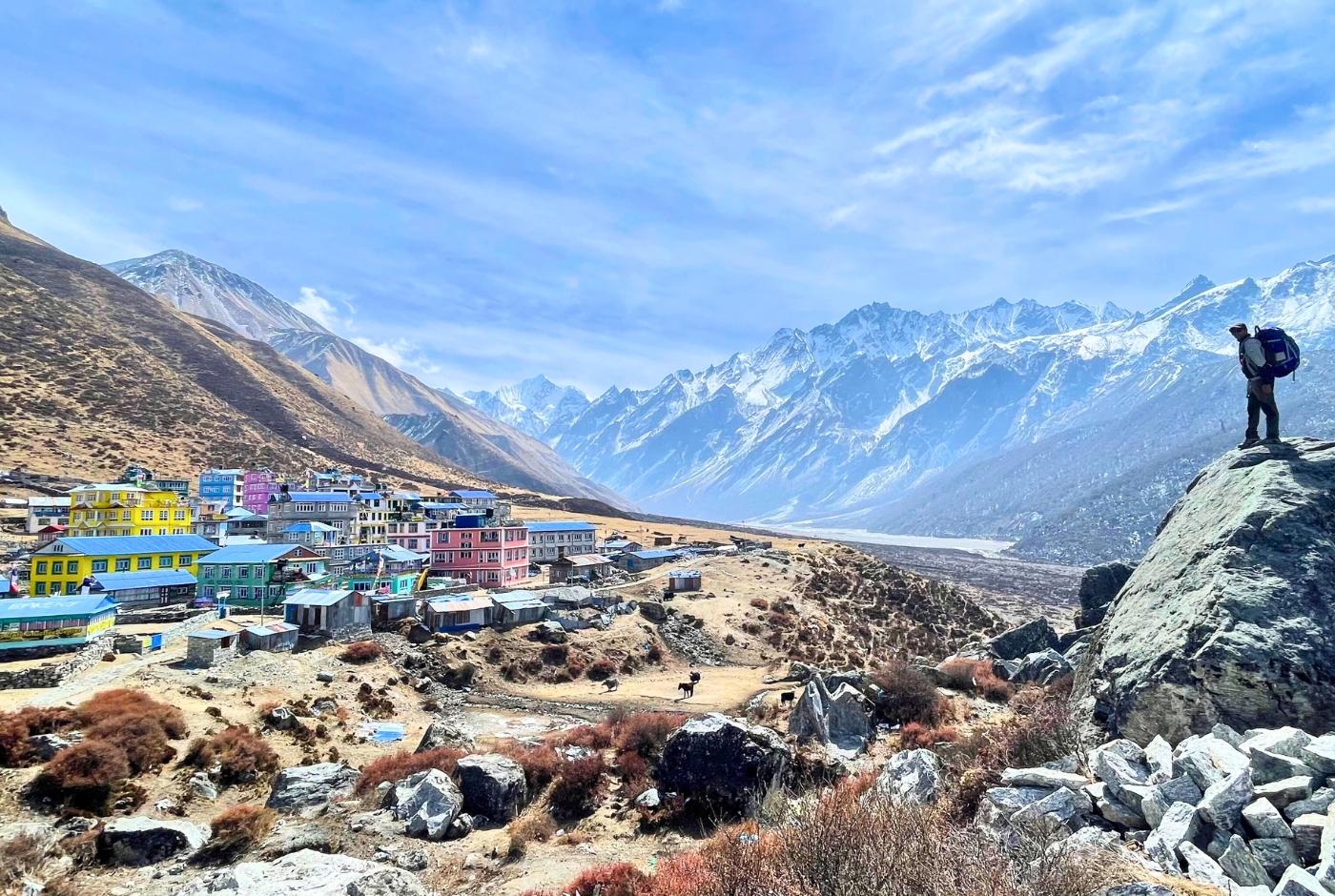
Langtang is particularly interesting when discussing winter trekking. Kyanjin Gompa sits at approximately 3,870 meters, making it a useful example of how winter trekking can remain practical even when high-pass routes become substantially more difficult.
However, the lower Langtang Valley is exposed to intense rainfall and landslide hazards during the monsoon transition. In regions like Langtang, where trail conditions change rapidly after heavy rainfall, having an experienced team is invaluable. Recent Langtang trekkers with us consistently mention their support crews as critical for navigating changing terrain safely, noting that professionals prioritize health, acclimatization, and terrain safety above sticking rigidly to a set schedule. This vulnerability was starkly demonstrated in the Syabrubesi area, where a massive glacial lake outburst and icefall collapse triggered devastating flash floods that completely washed out local bridges and access roads.
For Langtang Valley, late October and November generally offer the classic dry-season conditions, while December and January can be considered for experienced trekkers prepared for snow and sub-zero temperatures.
Manaslu: Why Winter Is a Different Proposition
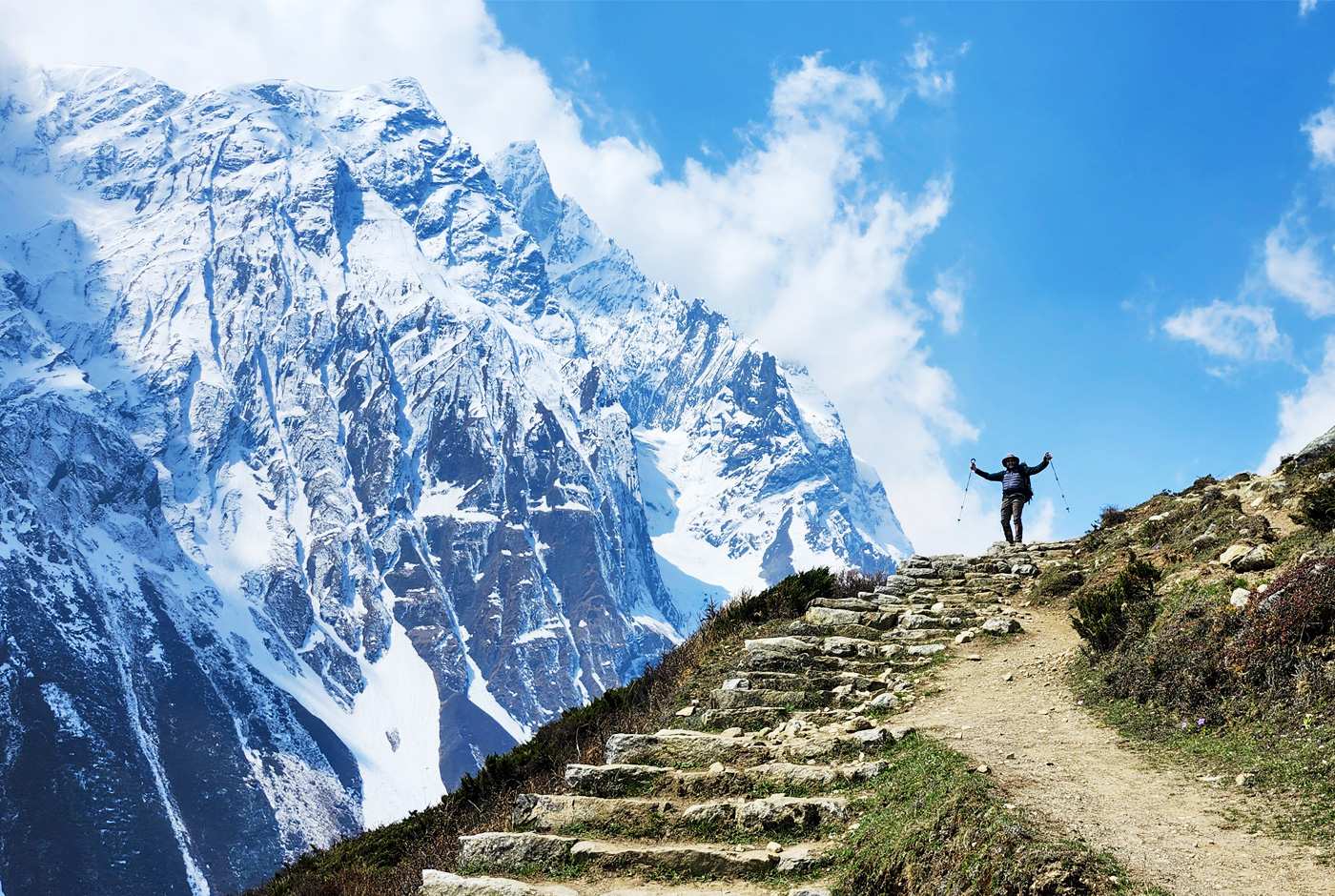
The Manaslu Circuit crosses Larkya La at approximately 5,106 meters. A winter trek around a valley at 3,000 to 4,000 meters is one thing. Crossing a 5,000-meter pass during a period of heavy snowfall, freezing temperatures and limited accommodation is another.
Winter conditions can heavily affect:
- Larkya La passability
- Snow depth
- Accommodation availability
- Water availability
- Trail navigation
- Rescue logistics
- Acclimatization
- Daily walking hours
Therefore, the emergence of winter as a viable option for some Nepal treks should not be interpreted as a recommendation to move every high-pass trek into January or February. Furthermore, lower-altitude trail infrastructure remains vulnerable to extreme weather; for instance, severe flooding recently swept away the crucial suspension bridge below Namrung, physically severing the trekking route.
Rain-Shadow Regions Change the September Equation
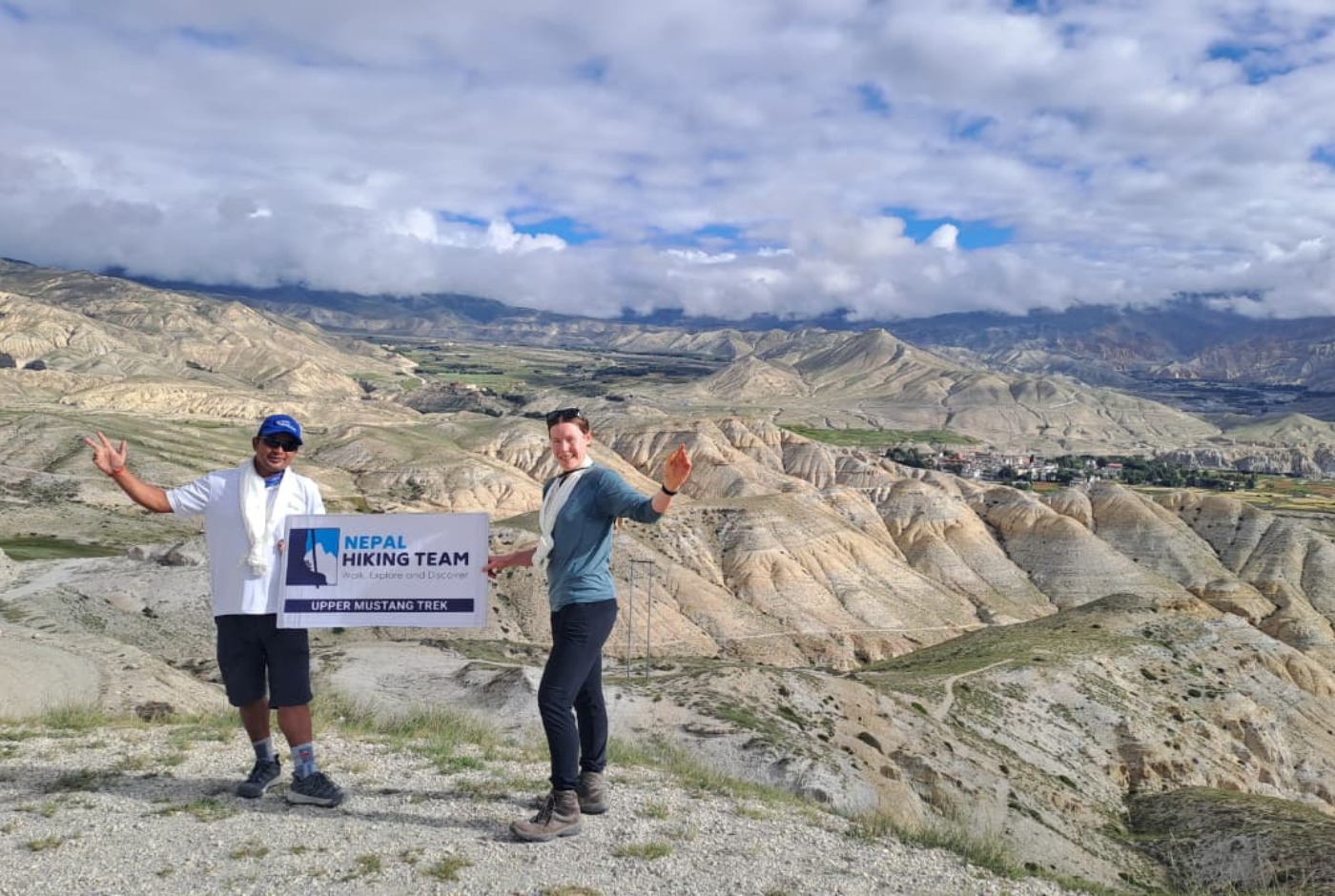
Nepal's trans-Himalayan regions provide an important counterexample. Upper Mustang and parts of Dolpo lie north of the main Himalayan barriers and receive considerably less monsoon precipitation than the southern slopes.
For these specialized rain-shadow treks, flexibility and local knowledge are paramount. Reviews of Upper Mustang treks organized by the Nepal Hiking Team highlight the advantage of operators who willingly modify existing itineraries such as routing up to Lo-Manthang via Dhakmar and returning through Yara. This flexibility allows trekkers to maximize their experience while adapting to the unique environmental conditions and local logistics of the trans-Himalayan region.
Upper Mustang is also a restricted trekking region, requiring a special trekking permit. The Nepal Tourism Board confirms that restricted areas require permits issued through the relevant government system.
Why Winter Trekking Depends More on Elevation Than the Month
Winter conditions vary dramatically with altitude.
Kathmandu and Pokhara experience very different winter conditions from Namche Bazaar, Kyanjin Gompa, Everest Base Camp or Larkya La. Temperature generally decreases as elevation increases, meaning that a winter itinerary cannot be evaluated simply by looking at the month.
A valley trek at approximately 3,000 to 4,000 meters may remain practical for experienced trekkers with appropriate equipment, while a 5,000-meter pass may face deep snow, freezing temperatures and closure.
This distinction is particularly important for Manaslu, Annapurna Circuit, Everest Three Passes and other high-pass routes.
What About December, January and February?
Winter does not suddenly become a replacement for autumn. Instead, it creates a different trekking experience.
-
Advantages: Lower precipitation, often clear mountain visibility, fewer crowds, and a strong contrast between snowy mountains and dry valleys.
-
Challenges: Sub-zero nighttime temperatures, snow at higher elevations, frozen water sources, reduced accommodation availability, and potential pass closures. Notably, local weather observations indicate that the snowfall timeline is actively shifting; while December previously brought heavy snow, substantial snowfalls are now frequently delayed until late January, February, or even unseasonably late into March and April.
The New Way to Think About Nepal's Trekking Seasons
Instead of using one calendar for the entire country, a more useful model looks like this:
| Period | General condition | Routes that may work | Main concern |
|---|---|---|---|
| September | Monsoon transition can remain active | Rain-shadow routes, selected lower routes depending on conditions | Rain, landslides, poor visibility |
| Early October | Highly variable transition | Depends heavily on current conditions | Late monsoon rainfall |
| Mid-Oct to Nov | Classic post-monsoon period | Most major trekking regions | Crowds and availability |
| December | Cold but often dry | Selected lower/high-valley routes | Snow and freezing temperatures |
| January | Deep winter | Selected lower-altitude and valley treks | Cold, snow, closures |
| February | Winter transition | Selected routes | Snow and changing conditions |
| Mar to May | Spring trekking season | Most major routes | Snow at high elevations, later-season heat and haze |
What Trekkers Should Check Before Leaving
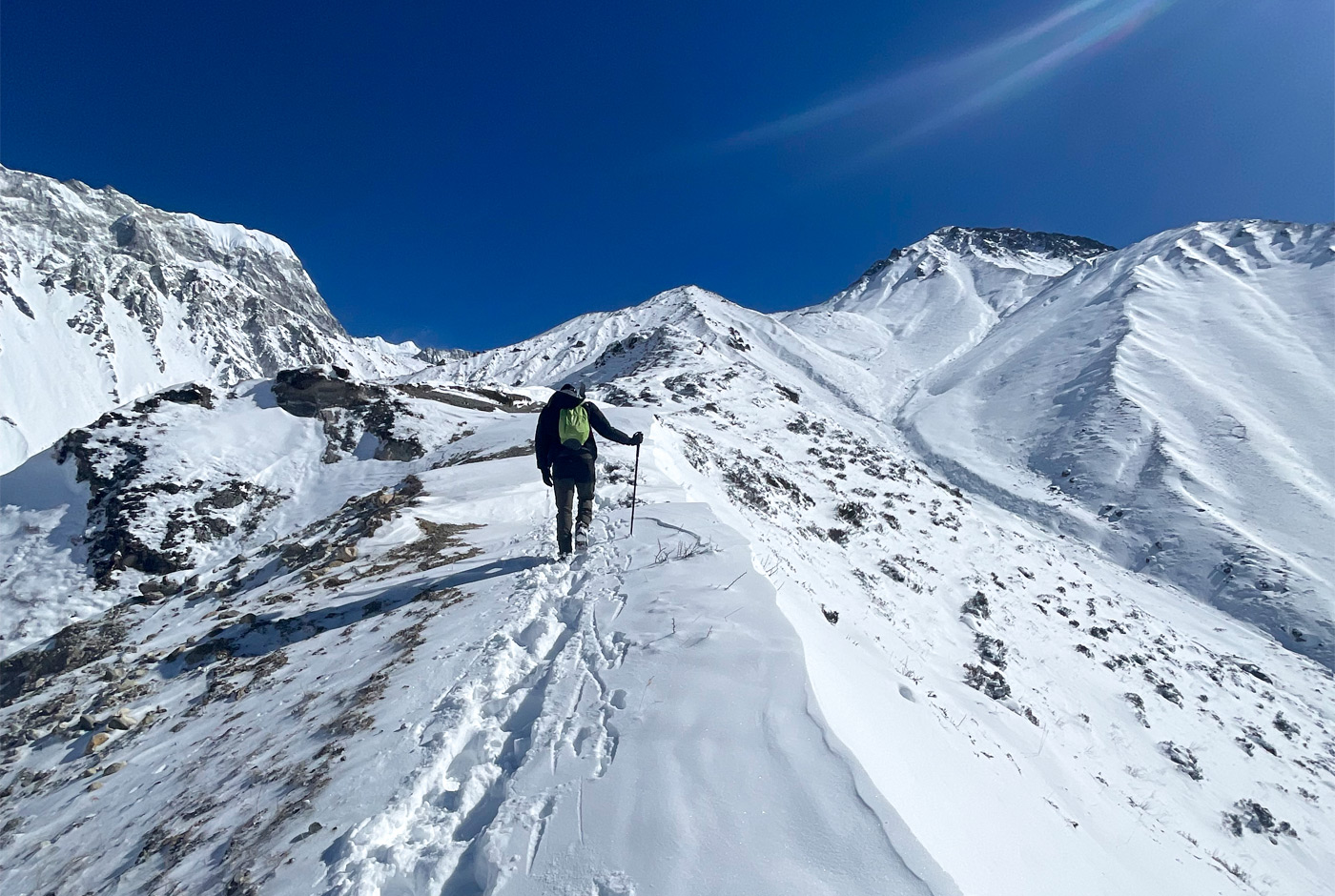
The most important change in trekking planning is moving away from calendar-only decision-making. Before departure, check:
-
Monsoon withdrawal and rainfall: Check DHM's official climate reports. Organizations like NASA POWER, NOAA, and ECMWF/ERA5 can also provide high-resolution monitoring and weather APIs for planning.
-
Current trail conditions: A historical climate average cannot tell you whether a bridge was damaged last week. This is why working with a deeply connected local operator matters. Recent reviewers have praised the Nepal Hiking Team for providing daily briefings on terrain conditions and conducting regular health checks.
-
High-pass conditions: For Manaslu, Three Passes, and Thorong La, current snow conditions matter more than the monthly calendar.
-
Flight conditions: A trekking itinerary involving Lukla should always include reasonable schedule flexibility. Changing weather patterns and lingering clouds directly cause high uncertainty and frequent flight cancellations in and out of Lukla.
-
Current government information: The Nepal Tourism Board provides current trekking information and identifies routes subject to professional support and TIMS requirements.
-
Emergency and insurance planning: High-altitude trekking should be planned around the possibility of medical evacuation and itinerary changes.
Is September a Good Month to Trek in Nepal?
Yes, September is a good month to trek in Nepal, especially from the middle to the end of the month when the summer monsoon rains start to clear.
It can be, but it should not be treated as universally reliable.
September 2024 demonstrated how severe late-month rainfall can become. DHM recorded national precipitation at 170.1% of normal, with a daily total of 410 mm at Daman on September 28.
At the same time, rain-shadow regions can experience very different conditions.
The more useful question is therefore:
What route are you taking, where is it located, and what are the current weather and trail conditions?
Is Mid-October Better Than September for Trekking in Nepal?
Mid-October can offer more established post-monsoon conditions than the earlier part of the autumn transition, but it should not be treated as a universal guarantee.
September can still provide good trekking conditions, while early October can vary considerably depending on the timing of monsoon withdrawal.
By mid-October, the post-monsoon pattern is generally more established across many major trekking regions. This makes mid-October through November an important planning window for trekkers seeking the classic dry-season conditions.
Is October Still the Best Month for Trekking?
October remains one of the most important trekking months in Nepal, especially in the Himalayas, offering stable post-monsoon weather, clear blue skies, and comfortable daytime temperatures.
The difference is that early October and mid-to-late October should not automatically be treated as identical.
If the monsoon withdrawal is delayed, the first part of October can still experience rainfall and unstable conditions.
Once the post-monsoon pattern becomes established, conditions generally become much more favorable.
For many trekkers, mid-October through November remains the core autumn planning window, subject to current weather and route-specific conditions.
Can You Trek Nepal in Winter?
Yes, you can trek in Nepal during the winter months (December through February).
But, on selected routes. Winter is particularly relevant for trekkers who want fewer people and are comfortable with cold-weather conditions.
While peak tourist seasons fall in autumn and spring, winter can reward prepared travelers with clear skies, crisp air, and quieter trails.
Because it is the off-season, you can often find lower demand for domestic flights, lodging, and trekking services. However, trekking in winter requires managing freezing temperatures at night and choosing your route carefully, as high-altitude passes are often affected by heavy snow.
However, winter suitability depends heavily on altitude.
A valley trek around 3,000 to 4,000 meters is not equivalent to a 5,000-meter pass crossing.
That distinction should remain central to winter trekking decisions.
Does Climate Change Mean Nepal's Trekking Season Now Runs Until February?
Not in the sense of a scientifically established new national trekking calendar.
The evidence supports something more useful:
Nepal's trekking seasons are becoming more variable, and route-specific weather conditions are becoming increasingly important.
Recent DHM records show delayed monsoon withdrawal in multiple years, while the 2024 rainfall disaster demonstrates that extreme precipitation can occur very close to the traditional autumn trekking season.
At the same time, climate change is affecting the Himalayan cryosphere, including glaciers, snow and permafrost.
The practical consequence for trekkers is not to replace "September-November" with another rigid formula.
It is to stop treating the Himalayan trekking calendar as fixed.
The Bottom Line
Nepal's traditional trekking seasons have not disappeared. Autumn remains a major trekking period. Spring remains important. September can still produce good trekking days, and winter can still produce difficult conditions.
What has changed is the confidence with which a calendar alone can describe conditions.
Recent DHM observations show delayed monsoon withdrawal in years such as 2025 and exceptional September rainfall in 2024. Meanwhile, ICIMOD's research documents rapid changes across the Himalayan cryosphere, including warming at higher elevations, glacier loss, permafrost thaw, declining snow cover and changing snowfall patterns.
For trekkers, the lesson is straightforward: Do not choose a Himalayan trek from the calendar alone. Choose the route first, understand its elevation and hazards, then check the current weather, trail and pass conditions before departure.
For lower and moderate-altitude routes, the period from mid-October through November can provide excellent post-monsoon conditions, while selected routes remain possible during December, January and February for well-prepared trekkers. For high-pass routes, winter requires a separate assessment.
And for September, the right question is not whether the month is automatically safe or unsafe. It is whether the monsoon has actually withdrawn, whether the route has recovered from rainfall, and what the current mountain conditions say.
Post a Comment