16 Days
Check Our Risk-Free Booking Policy View Details

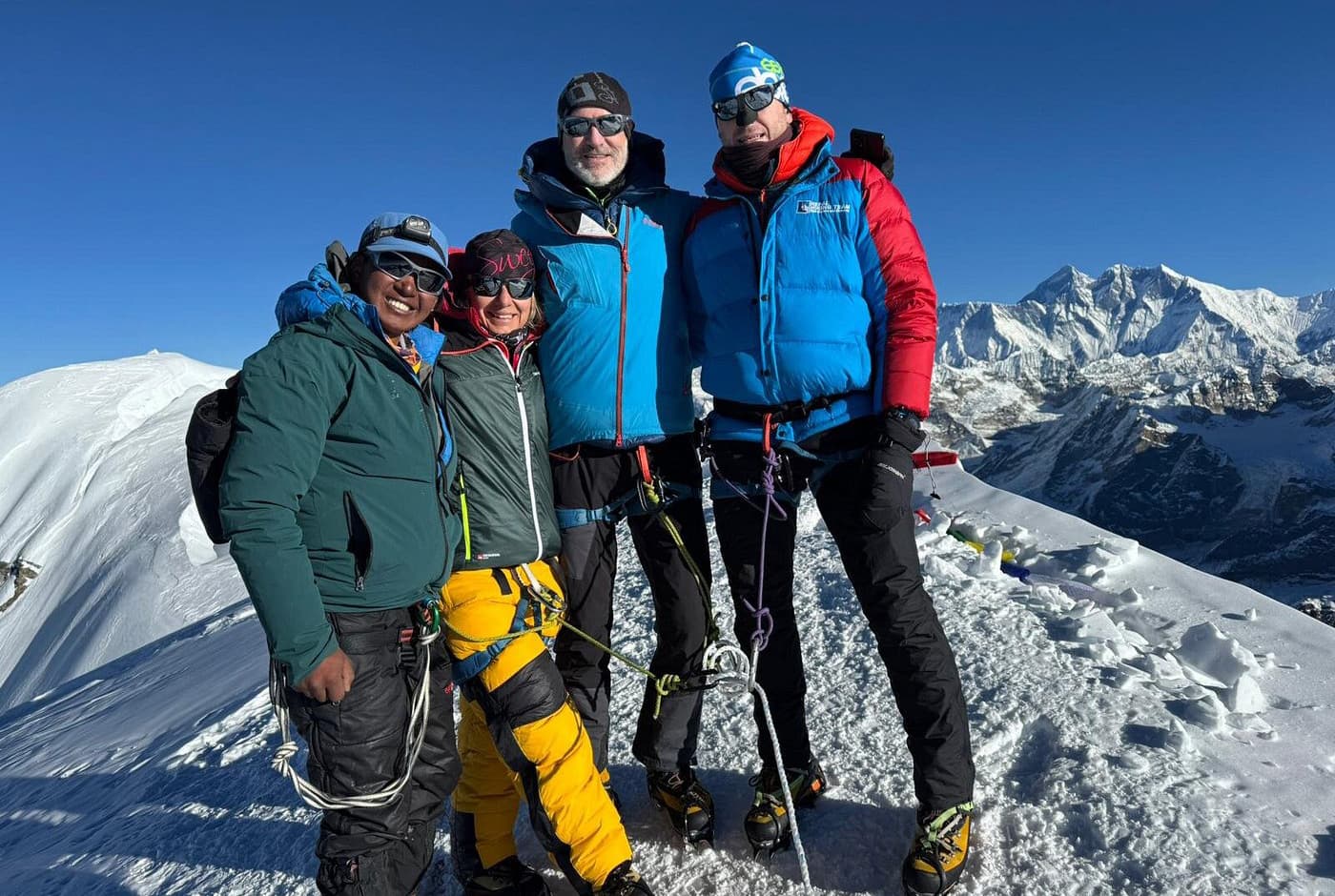
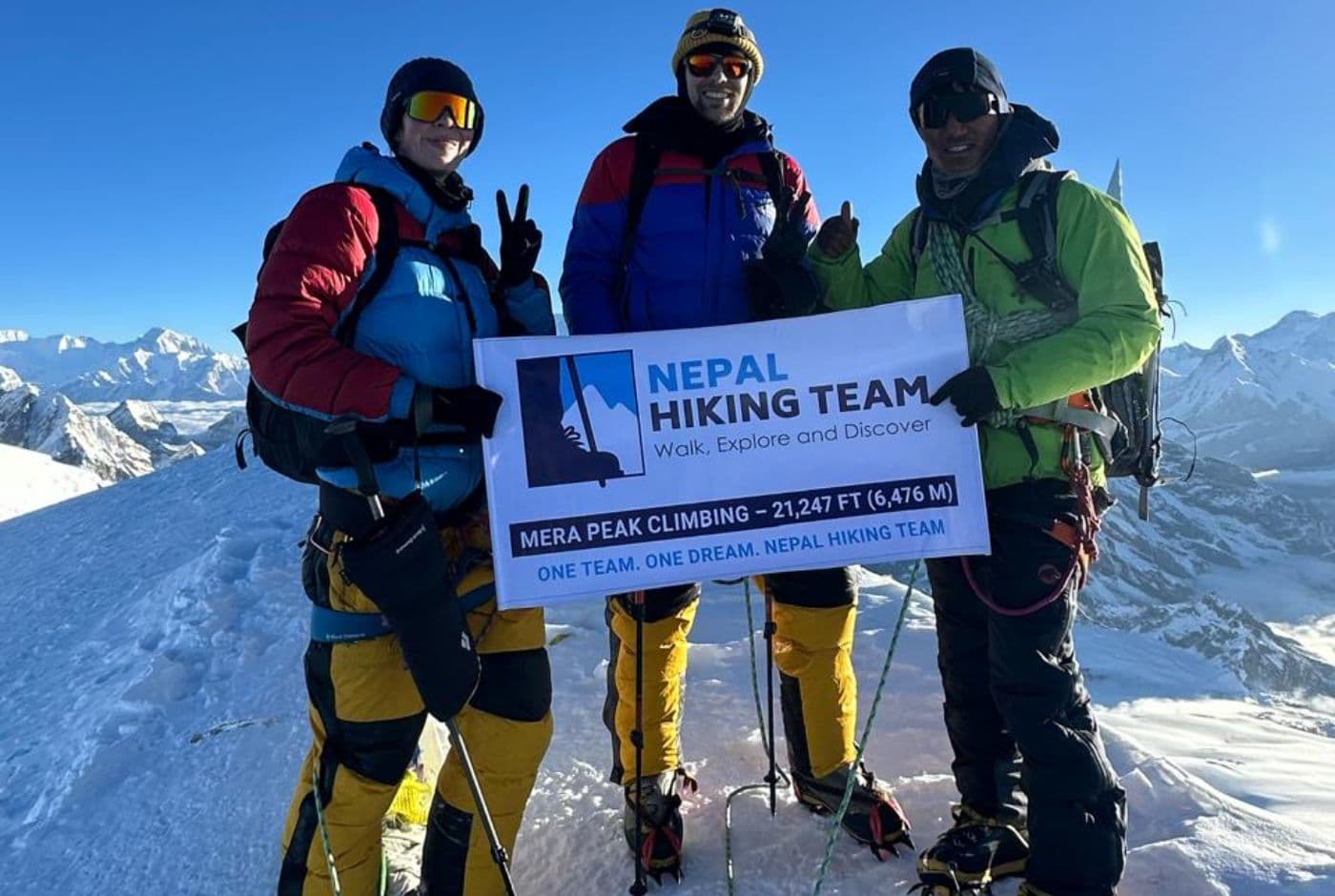
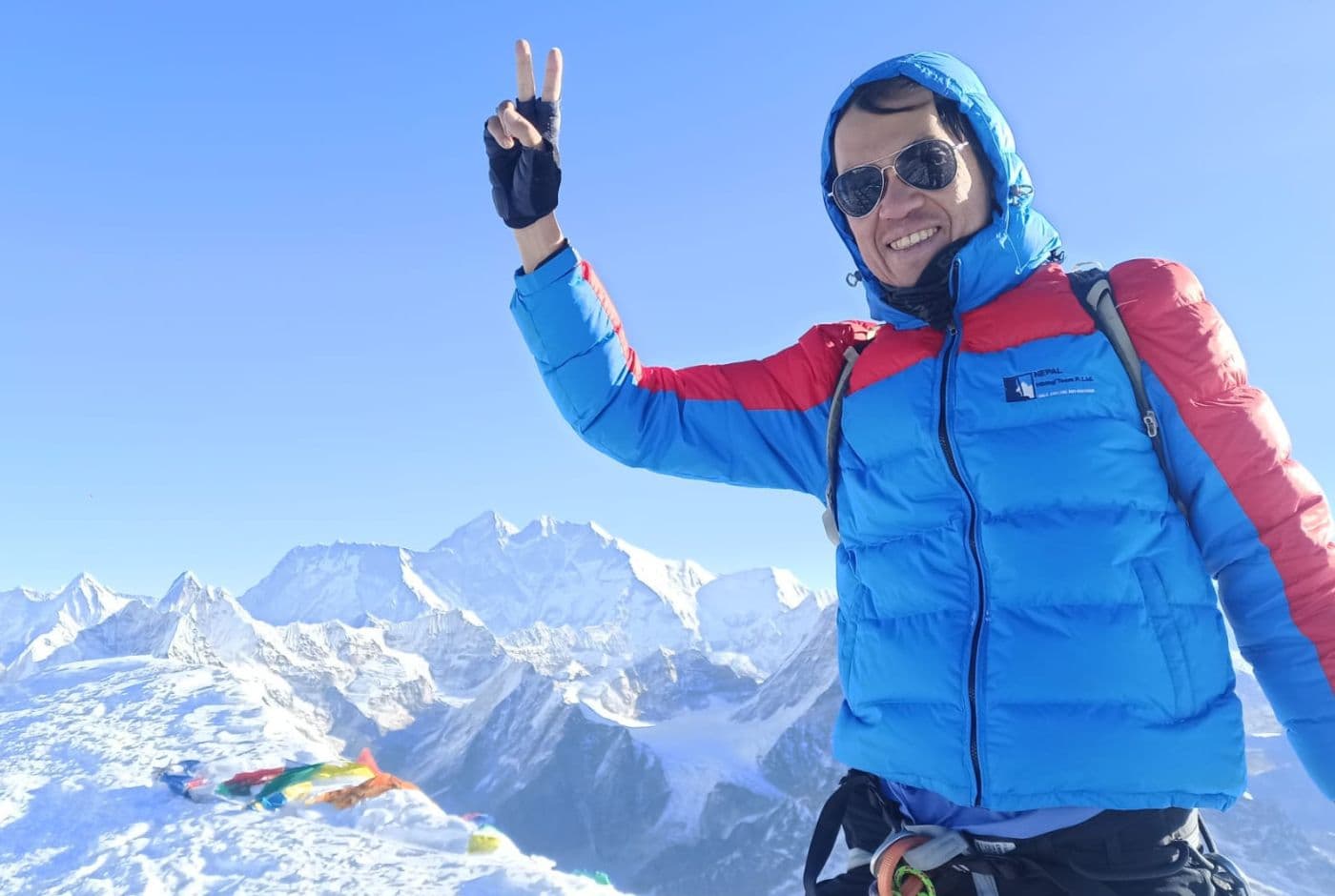
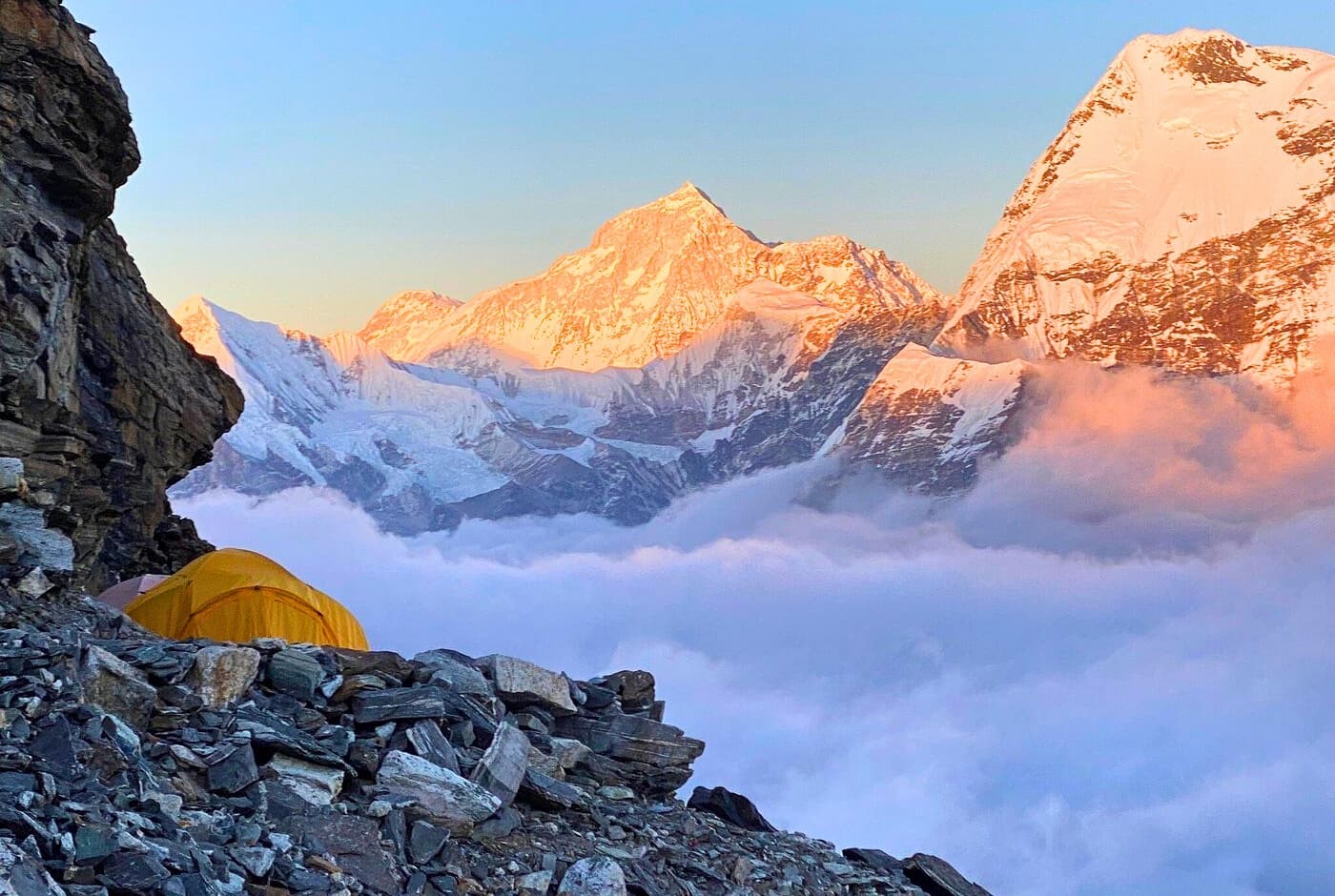
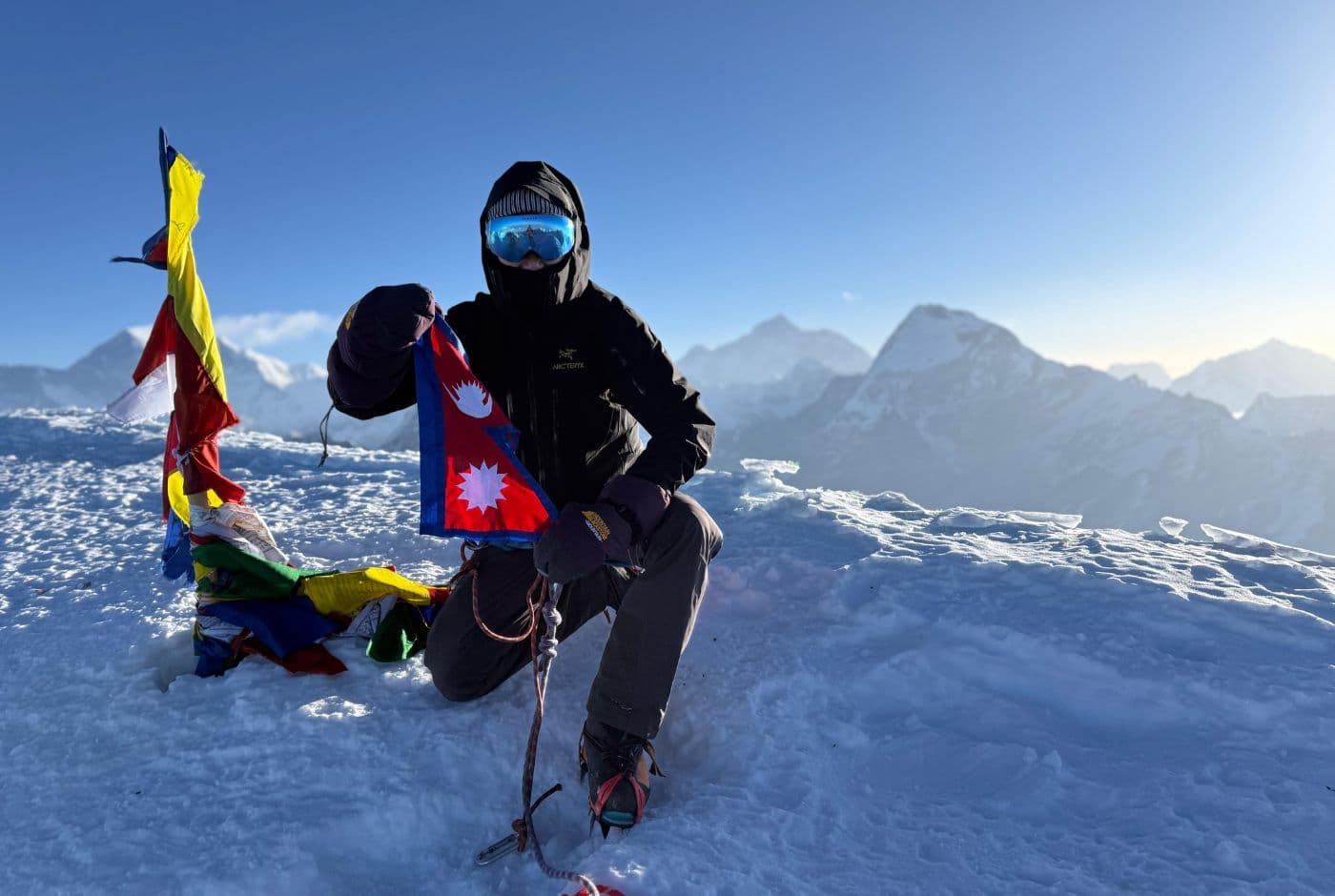
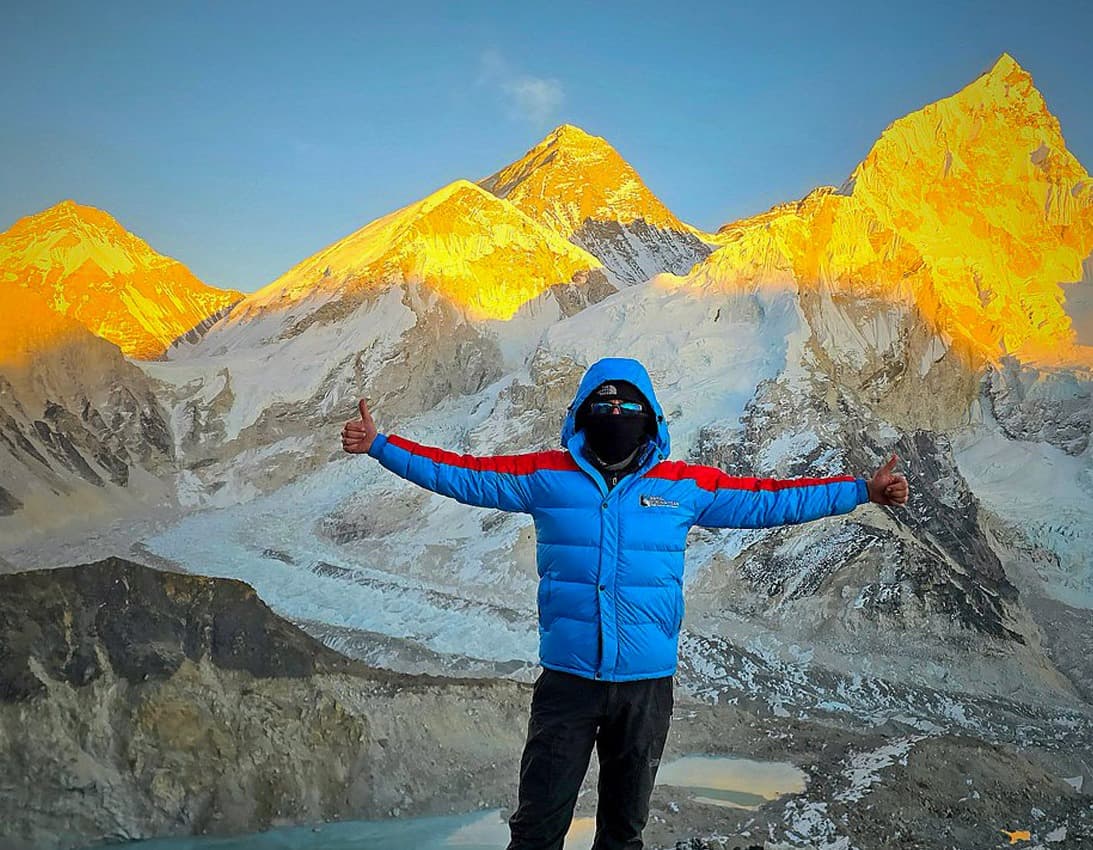
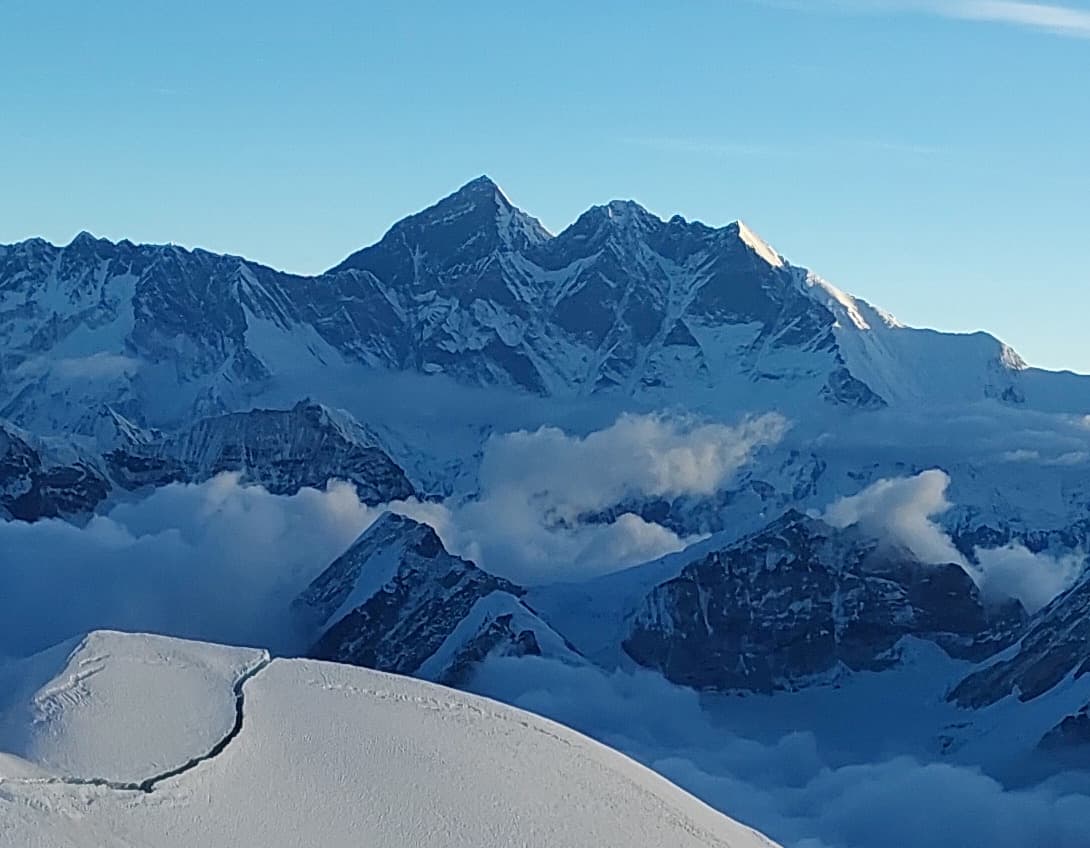
Mera Peak Climbing with Heli Return is a high-altitude climbing expedition in Nepal’s Khumbu region, designed for fit trekkers who want to summit the country’s highest trekking peak with a shorter return route. Mera Peak rises to 6,476 meters and offers one of the finest summit panoramas in the Himalayas, with views of Everest, Lhotse, Makalu, Cho Oyu, Kanchenjunga, and surrounding snow peaks on clear days.
The climb is considered straightforward compared with more technical Himalayan peaks, but it is still a serious expedition. You will trek through remote valleys, sleep at high altitude, cross glacier terrain, and make a demanding summit push from High Camp. Previous climbing experience is helpful, although strong fitness, sound preparation, and good acclimatization are more important for this route.
This itinerary follows a quieter approach through Phaplu, Khari Khola, Panggom, Ramailo Danda, Chhatra Khola, Kothe, Thaknak, and Khare before reaching Mera High Camp. After the summit, the helicopter return from Khare to Lukla removes the long walk back through the same valley. It is a practical choice for climbers with limited time who still want a complete Mera Peak climbing experience.
Nepal Hiking Team runs this expedition with experienced guides, climbing support, porter service, included permits, meals on the route, group climbing equipment, and a clear safety-first approach. The package is best suited for well-prepared trekkers who are ready for altitude, cold conditions, basic mountain accommodation, and the physical effort required to climb above 6,000 meters.
The Mera Peak Climbing with Heli Return expedition begins with your arrival in Kathmandu. After airport pickup and hotel transfer, the second day is reserved for trip briefing, gear checking, permit preparation, and final climbing arrangements. This preparation day is important because personal climbing gear must be checked before leaving the city.
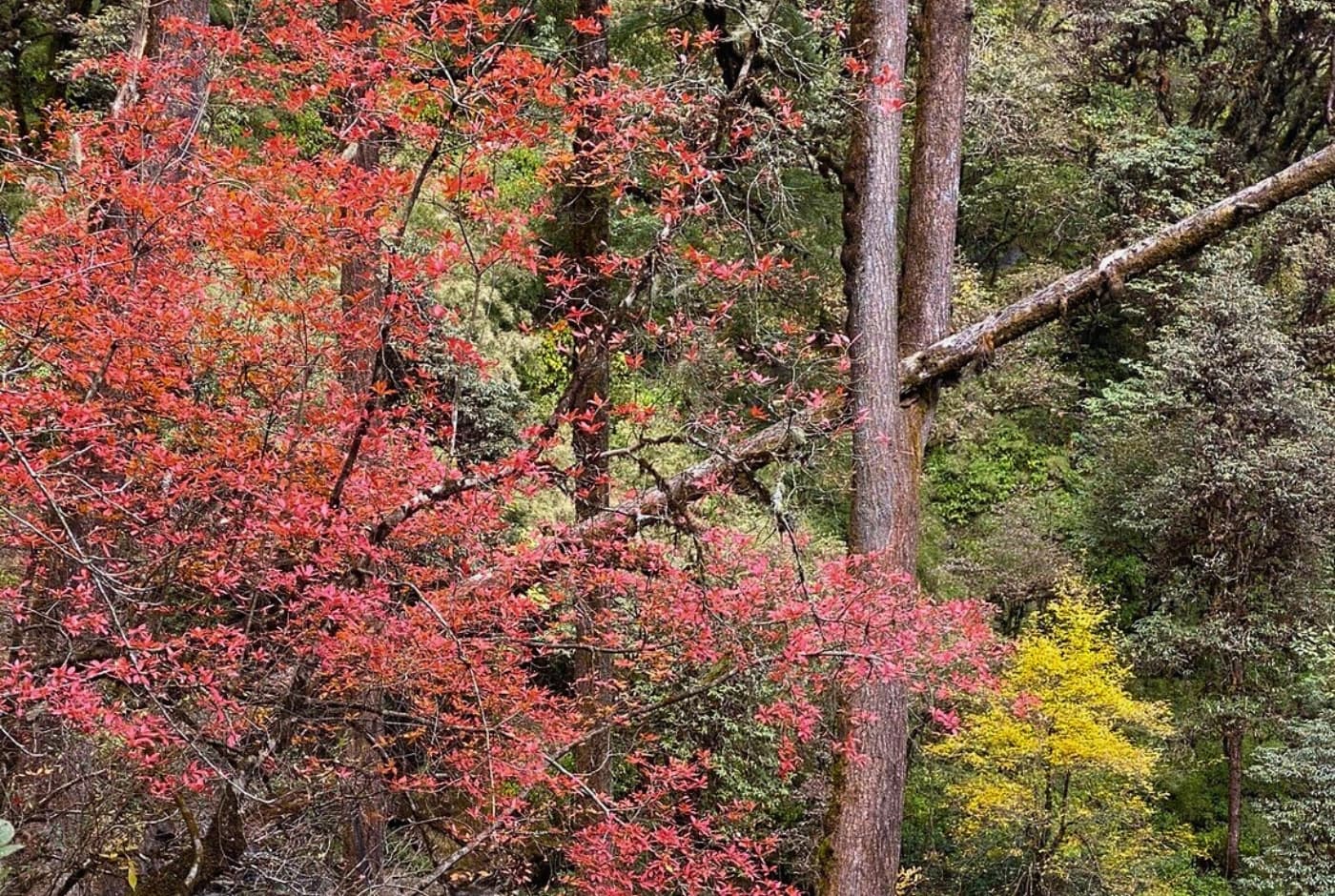
The journey starts with a private drive from Kathmandu to Phaplu, followed by the approach toward Khari Khola and Panggom. From there, the trail continues through Ramailo Danda and Chhatra Khola before entering the remote Hinku Valley. As the route gains elevation, the landscape changes from forested hillsides to alpine terrain, glacial valleys, and open mountain slopes.
The trek continues through Kothe and Thaknak before reaching Khare at 5,045 meters. Khare is the main preparation point before the climb. A full day is kept here for acclimatization and pre-climb training, allowing the climbing leader to review equipment use, rope techniques, crampon movement, and summit-day procedures.
From Khare, the route climbs toward Mera High Camp at around 5,780 meters. This is one of the most demanding sections of the expedition, with steep terrain, rock, snow, and glacier conditions depending on the season. The summit push normally begins before dawn, reaching Mera Peak at 6,476 meters before descending back to Khare the same day.
After the summit section, the helicopter transfer takes you from Khare to Lukla. You stay overnight in Lukla before flying back to Kathmandu or Manthali, depending on the seasonal flight system. This structure shortens the return journey while keeping the main climbing experience complete.
Mera Peak is not highly technical, but it is physically demanding. The climb requires strong endurance, steady uphill walking ability, and comfort in cold, remote, high-altitude conditions. Previous experience above 4,000 or 5,000 meters is strongly recommended, as altitude affects sleep, appetite, breathing, pace, and recovery.
We recommend starting your training at least four to five months before the expedition. Focus on long uphill walks, stair climbing, running, cycling, swimming, and strength training for your legs, core, and back. Weekend hikes with a loaded daypack are especially useful because they prepare your body for consecutive walking days on mountain terrain.
A practical fitness goal is to walk for several hours at a steady pace while carrying a small daypack. Summit day is much harder than a normal trekking day, so training should build both stamina and mental patience. If you have heart, lung, blood pressure, or previous altitude-related concerns, speak with your doctor before confirming the climb.
Climbers should also prepare the right personal gear. Mountaineering boots, crampons, harness, helmet, ice axe, ascender, glacier glasses, warm gloves, waterproof layers, and strong insulation are essential for summit day. Some items can be rented in Kathmandu, but arriving early is recommended for proper size checks and adjustments.
If you want a longer and slower version of this climb, the standard Mera Peak Climbing itinerary is a better option. It follows the full return route on foot instead of using the helicopter transfer from Khare to Lukla. This gives more time in the Hinku Valley and allows a gradual descent after the summit.
If you are interested in a different Himalayan climbing objective, Island Peak Climbing is another popular option in the Everest region. It is more technical than Mera Peak in sections and suits climbers who want a stronger climbing element after gaining trekking experience in Nepal.
For trekkers who want high mountain scenery without a climbing summit, the Everest Base Camp Trek, Annapurna Circuit Trek, or Upper Mustang Trek may be more suitable. These routes offer strong cultural and landscape experiences without the glacier travel, climbing equipment, and summit-day demands of Mera Peak.
Our airport representative will welcome you and explain the program further. There are no planned activities for the day, so check into the hotel.
Enjoy your overnight stay at the hotel.
The day is dedicated to preparing for the upcoming trek and climb, including a briefing on the itinerary, weather conditions, safety protocols, and the necessary climbing gear. This is a crucial time to ensure all your trekking and climbing gear is in good working order and that you have everything you need for the expedition.
You'll receive information about the logistics of the expedition, including transportation, porters, and the support team you'll have on the trek.
Overnight at the hotel, breakfast included.
The drive from Kathmandu to Phaplu is a rugged 7-8 hour journey through the mountains, primarily on dirt roads and narrow, winding paths. Expect a slow pace, as the average speed is around 30-40 km/hrs. While the distance is relatively short, the road conditions make it a longer trip.
Overnight stay at a guesthouse at Phalpu. Breakfast, lunch, and dinner included.
The drive from Kathmandu to Khari Khola takes approximately 4-5 hours. You'll likely be taking a scenic route through the mountains, offering glimpses of the surrounding landscapes. Be prepared for some bumpy roads as you ascend towards the valley.
From Khari Khola, the trek to Panggom takes about 3-4 hours. On today’s trip, we will also likely get to be in the awe-striking presence of the Dudhkoshi Valley. We will then continue our trek to Panggom Village, whose settlers are dependent on farming and trading. The journey is extremely rich in natural beauty, and the prudence of nature is made even more gorgeous by the Himalayan environment.
Overnight stay in a guesthouse at Panggom. Breakfast, lunch, and dinner are included.
We begin our trek after breakfast. After trekking out of Panggom, we will cross the Panggom La Pass, ascending on a steady path. Turning north, we will cross the Peseng Kharka Khola first, then, after walking for some time, reach the Peeng Kharka Danda. Further on out, we will cross the Ningsow Khola before reaching the Ningsow Village.
From Ningsow, the trail takes us climbing first, then descending for a while, and climbing some more to reach Ramailo Danda. It is an arduous journey, but the natural beauty and the Himalayan ambiance more than make up for the ups and downs. From here, we can get extraordinary views of Mera Peak and the Salpa.
Overnight stay at a guesthouse in Ramailo Danda. Breakfast, lunch, and dinner are included.
Today, we will ascend and descend on our trail further on and enter the Makalu Barun National Park. It is the eighth national park in the Himalayas of Nepal and was established in 1992 as an eastern extension of the Sagarmatha National Park.
The protected area of the Makalu Barun National Park is a habitat for a wide diversity of faunal species. Our trail from here to Chhatra Khola is called the “Pasang Lhamu” trail. On the way, if we are lucky, we might even come across the elusive Red Panda.
Overnight stay in Chhatra Khola. Breakfast, lunch, and dinner are included.
Walking towards the north on the main trail to Mera Peak, we will find ourselves alongside a trail next to the Majang Khola. From here, we shall merge with another trail that moves alongside the Hinku Khola.
Our trail moves straight ahead towards Tashing Ongma, which has seasonal tea shops daintily lining the main trail street. Continuing our trek, we will cross the bridge over the Sanu Khola before reaching Kothe.
Overnight at the Guesthouse in Kothe. Breakfast, lunch, and dinner are included.
We will trek along the ridge of the Hinku Khola under the shadow of the Mera Peak. Stopping for luncheon at Gondishung- the summer herders' settlement in the west bank of the Hinku Drangka- we shall trek further beyond Gondishung, passing the 200-year-old Lungsumgba Gompa, where we can find “Mera Peak” scripted in the rock along with its route to reach the mountain. A short walk takes us to Thaknak, which is a summer grazing area with primitive lodges and shops.
Overnight in Thaknak. Breakfast, lunch, and dinner included.
Leaving Thaknak, we shall follow the lateral moraine of Dig Glacier to Dig Kharka, from where spectacular views of the Charpate Himal adorn the trip. The trail climbs through moraines to the snout of the Hinku Nup and the Shar glaciers, from where it further branches out more steeply to Khare.
As we move, we can see the northern face of Mera Peak, the sight is truly fascinating and unlike anything you have ever experienced! After lunch, we can hike in and around Khare.
Overnight at Khare. Breakfast, lunch, and dinner are included.
We have a separate day set aside solely for acclimatization and basic training just to prepare ourselves better for the climb to Mera Peak.
Our climbing leader will help us polish our basic climbing techniques and demonstrate the best ways to use our climbing gear, like the ice axe, harness, ascender, climbing boots, and crampons. The training will also include learning the best climbing technique with the rope.
Overnight in Khare. Breakfast, lunch, and dinner are included.
Walking through a boulder-strewn course on a steep trail, we will make our way to the Mera Peak Base Camp. From here, we shall continue further through the Mera La Pass to reach the Mera High Camp. Our path runs along a rocky trail, which can be hazardous if it has recently snowed, as there are a number of crevasses.
Making our way to the top of the rock band, which is marked by a large cairn, we will set up a high camp as we enjoy excellent views of Mount Everest, Makalu, Cho Oyu, the south face of Lhotse, Nuptse, Chamlang, and Baruntse.
Overnight at Mera High Camp. Breakfast, lunch, and dinner are included.
This is the most important day of the expedition. We wake up around 3:00 am for an early breakfast and begin climbing at approximately 4:00 am.
The first section is cold and dark, but we soon warm up as we move steadily across the glacier. The route gradually leads us higher toward the summit ridge. As dawn breaks, the first sunlight touches the surrounding Himalayan peaks, creating a beautiful golden glow across the mountains.
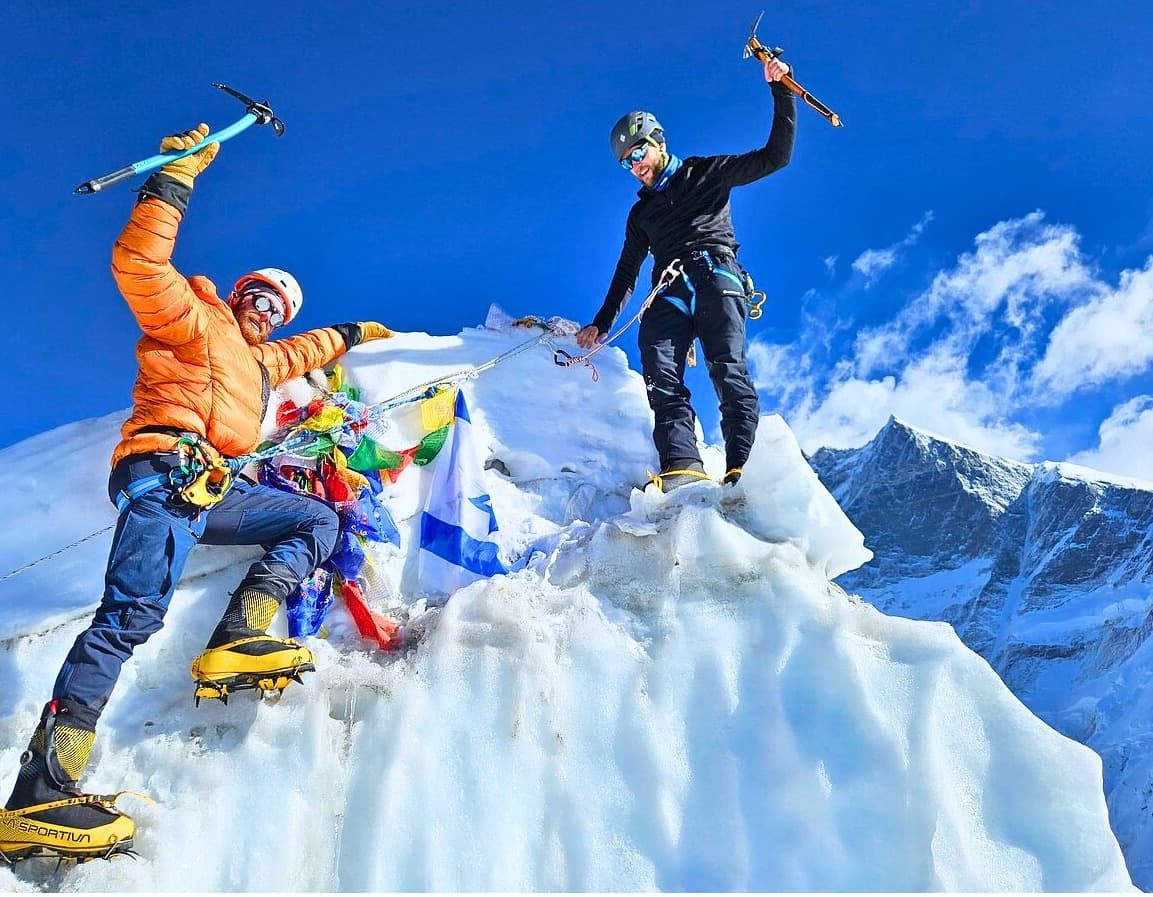
The climb is generally non-technical, though the altitude makes every step demanding. Near the final summit cone, the slope becomes steeper. If required, our climbing leader may fix a rope for extra safety and support.
From the summit of Mera Peak, we enjoy breathtaking views of Mount Everest, Lhotse, Cho Oyu, Makalu, Kangchenjunga, Nuptse, Chamlang, Baruntse, and many other Himalayan giants.
After celebrating our summit success and taking photographs, we carefully descend back to Khare. We reach Khare by lunchtime or early afternoon, then spend the rest of the day resting after the long climb.
After breakfast, we prepare for the helicopter shuttle from Khare to Lukla. This scenic flight saves several days of walking and offers one final aerial view of the remote Hinku Valley and surrounding Himalayan landscapes.
Upon arrival in Lukla, we check into our guesthouse and enjoy a relaxed day. The rest of the time can be spent resting, celebrating the successful expedition, or exploring the small mountain town.
Please note that helicopter flights depend on weather and mountain conditions. In case of poor visibility or unsafe flying conditions, the flight may be delayed until conditions improve.
Overnight stay in Lukla.
Returning to Kathmandu from Lukla by flight is generally straightforward, especially during the shoulder and off-seasons. However, during peak seasons, particularly the spring and autumn, Lukla flights may be diverted to Ramechhap due to high demand and potential weather-related delays. Expect a shorter, scenic flight, but be prepared for potential delays.
Overnight in Kathmandu.
After climbing Mera Peak, a buffer or leisure day in Kathmandu allows for acclimatization, potential flight delays, or requires an additional day for the climbing and a chance to relax after a challenging climb.
You can rest in your hotel, with the rest of the day free for activities like exploring Kathmandu's historical sites(we provide day tours in Kathmandu at an additional price), shopping in Thamel, or visiting the Garden of Dreams. This day is also crucial for recovering from the altitude and physical exertion of the trek.
Overnight at the hotel, breakfast included.
Approximately 3 hours before the scheduled flight, a representative from the Nepal Hiking Team will take you to the airport.
Mera Peak Climbing with Heli Return reaches 6,476 meters, so strong fitness and careful preparation are essential. The route includes remote trekking, glacier travel, a night at High Camp, and a long summit day in cold conditions. Previous high-altitude trekking experience is strongly recommended before joining this climb.
The heli return included in this package is from Khare to Lukla after the summit section. It does not fly directly from Khare to Kathmandu. After reaching Lukla by helicopter, you spend the night there and take the return flight to Kathmandu or Manthali the following day, depending on the seasonal flight system.
This itinerary begins with a private drive from Kathmandu to Phaplu instead of an outbound flight to Lukla. The road journey gives the route a gradual start and avoids depending on Lukla flights at the beginning of the expedition. After Phaplu, the route continues through Khari Khola, Panggom, Ramailo Danda, Chhatra Khola, Kothe, Thaknak, and Khare.
Helicopter flights and Lukla flights depend on weather, visibility, wind, and aviation safety decisions. Delays are possible in the mountains, especially during changing weather conditions. We include a Kathmandu buffer day to reduce the risk of missed international flights after the climb.
The standard itinerary includes an acclimatization and pre-climb training day at Khare before moving to High Camp. However, Mera Peak summit conditions depend on weather, snow, wind, route condition, and personal acclimatization. Climbers who want better flexibility may add an extra summit buffer day before confirming the trip.
All climbers must have travel insurance that covers high-altitude trekking, peak climbing, emergency medical care, hospital treatment, and helicopter evacuation up to at least 6,476 meters. Standard travel insurance may not cover this altitude, so you should confirm the climbing and rescue coverage directly with your insurance provider before arrival.
We provide group climbing equipment such as ropes, ice screws, snow bars, and related expedition safety gear. Personal climbing gear, including mountaineering boots, crampons, harness, helmet, ice axe, ascender, gloves, glacier glasses, and summit clothing, must be brought from home or rented in Kathmandu before departure.
The Mera Peak route passes through remote areas with simple lodge facilities. Rooms are usually twin-sharing, bathrooms are shared, and heating is limited. At Mera High Camp, accommodation is in tents. The conditions are colder and more basic than the main Everest Base Camp trail, so realistic expectations are important.
Meals during the trek and climb are included, but menu choices become limited as the route gains altitude. Common meals include dal bhat, noodles, soup, rice, potatoes, porridge, eggs, and basic pasta dishes. We recommend bringing personal snacks, energy bars, electrolytes, and easy-to-eat food for summit day.
We arrange the required Mera Peak climbing permit and trekking documents needed for this route according to current regulations. Permit rules and fees can change, so our team checks the latest requirements before processing your documents. Please bring passport copies and passport-sized photos if requested for permit processing.
You should start training at least four to five months before the expedition. Focus on long uphill walks, stair climbing, running, cycling, strength training, and weekend hikes with a loaded daypack. The summit day is physically demanding, so endurance and mental readiness matter as much as walking ability.
Safety comes before the summit. Your climbing leader will assess weather, route conditions, group strength, and altitude symptoms before making summit decisions. If the conditions are unsafe or a climber shows serious altitude symptoms, the team may turn back or descend without continuing toward the summit.
Read our genuine feedback from past travelers with Nepal Hiking Team sourced from TripAdvisor, Google, Facebook, and Trustpilot.
I recently summitted Mera Peak with Nepal Hiking Team. It was an absolute incredible experience. Everything was very well organized. My guide (Sanjay) was the best guide I have ever had. I would not have made it to the peak without Sanjay's help. Thanks a mil, and I would highly recommend this team.
– Paul (from Bermuda)
I just completed trekking in Nepal together with another solo traveler. The service of Nepal Hiking Team was exemplary from the start till the end. Nothing beats word-of-mouth good reviews.
Mr. Ganga has been very responsive to queries from Day 1 and was physically present even on the last day to officially close the loop for the package tour.
Our guide Bibek was very patient and sincere as he led us through the trek. He resolved issues with his heart and people skills and gave assurance whenever plans suddenly changed.
He ensured things were changed for the better. Our porter, Rajendran, was also good and always arrived ahead of time to ensure our rooms were confirmed.
- Guided by Bibek Dhamala
Are you craving adventure? Looking for raw and untouched wilderness? Longing for breathtaking panoramic views of the world’s tallest peaks? If so, then you need to try Mera Peak (Sagarmatha zone, Nepal) with Nepal Hiking Team (NHT) might be just what you need. In November 2023, I just did that.
Never heard of Mera Peak? It’s one of the highest treks achievable with conventional gear and a solid trekking experience. If you enjoy off-the-grid, far from crowded trails and into the well-beaten path, and can handle ever-changing conditions with minimal infrastructure, Mera Peak is worth considering. However, I strongly recommend all of you do it with the highly experienced NHT team.
The trek was expertly organized by Ganga Raj Thapa, the CEO of NHT, marking my second time trekking with them. My guide, Ganga Tamang, was outstanding—seasoned, resourceful, and always prepared. With unpredictable trail conditions, we often had to take alternative routes, sometimes arriving at villages after sunset. Ganga was by my side the whole way, ensuring my safety at all times. Truly first-class.
I also want to give a special and sincere thanks to my highly dedicated porter, (Sonam Sherpa), whose strength and good spirit made every challenge manageable. Calling him a “human dynamo” doesn’t do him justice; it is an understatement—he’s a real-life superhero. Carrying my pack through high altitudes and dangerous paths without a single complaint, always with a smile. He’s destined to become a superb guide in the future. Always in good humor.
Having said all that, I must remind you that climbing to Mera Peak can be challenging. It demands all- stamina, determination, as well as adaptability. The trail can be unpredictable (highly erratic), with sudden temperature changes and long stretches between villages. If you encounter delays or fatigue, reaching the next village can be a real challenge. When I went (back in Nov), it was clear the paths hadn’t been well maintained, likely since before Covid. This adds adventure, on the one hand, but on the other hand, involves somewhat treacherous situations.
I want to express my gratitude to Nepal Hiking Team for their professionalism, expertise, and camaraderie. I look forward to my next adventure with NHT!

The journey to conquer Mera Peak in the majestic Himalayas with the Nepal Hiking Team was an experience beyond compare. We made it to the summit of Mera Peak and had an awesome journey.
Our three-week trek to Mera Peak was well-organized. The Nepal Hiking Team planned everything from transportation and accommodations to meals and permits, leaving us free to immerse ourselves fully in the breathtaking scenery and exhilarating challenge ahead. Thanks a lot to Ganga, Sanjay, and Dipak, who supported us during the trek and provided a wonderful experience.
We run the Mera Peak Climbing with Heli Return as a private, safety-focused expedition for climbers who want a shorter return after the summit. Our team arranges the climbing permit, trekking permits, guide, climbing leader, porter support, meals on the route, accommodation, return flight from Lukla, and helicopter transfer from Khare to Lukla.
The main difference is the helicopter return from Khare to Lukla after the summit. This removes the long return trek from Khare to Lukla and helps reduce fatigue after summit day. It is ideal for fit climbers with limited time who still want to complete the climb properly.
This package is arranged as a private expedition. Your guide, climbing leader, porter, and logistics are assigned to your group only. This gives the team better control over pace, acclimatization, rest stops, and summit decisions.
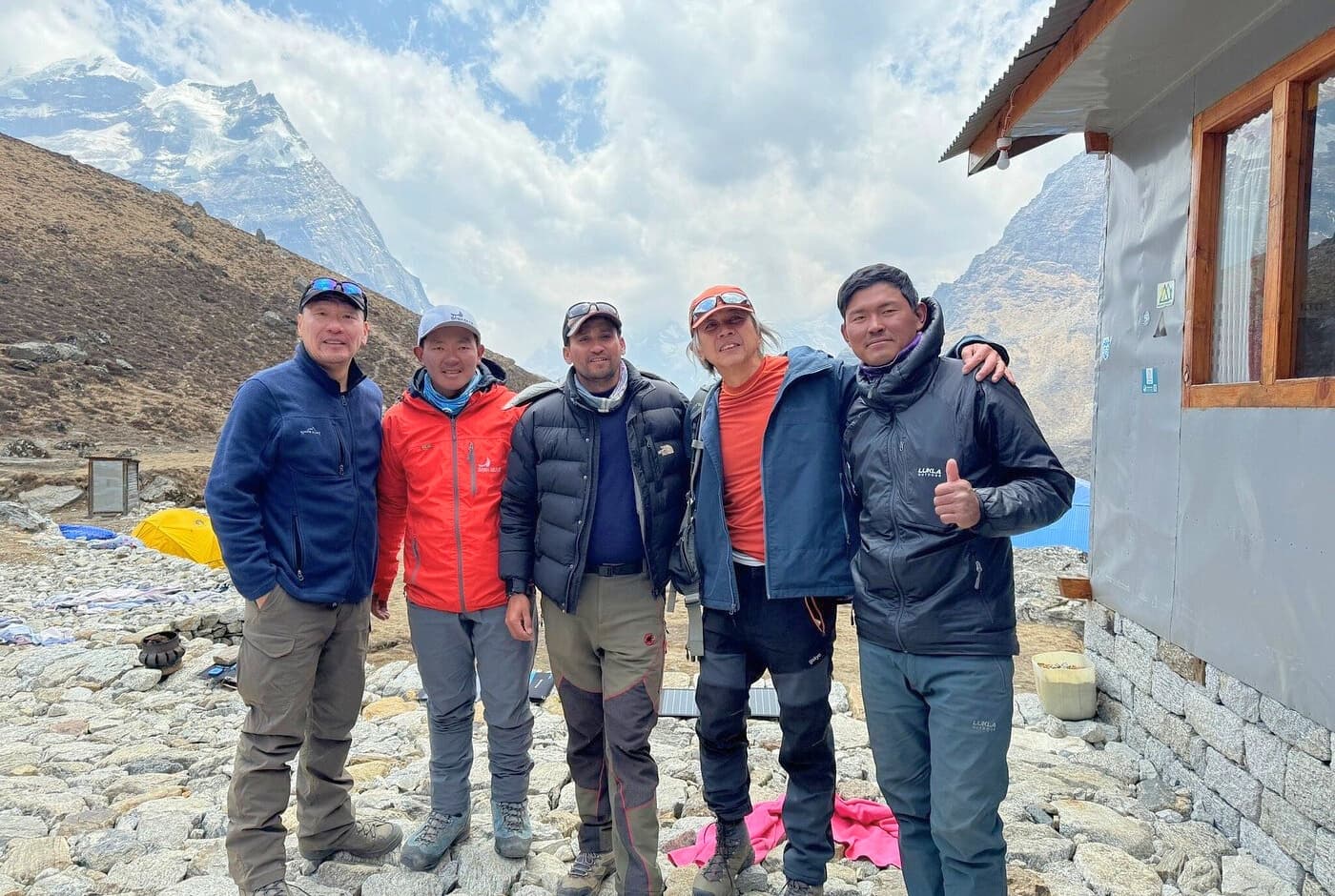
We assign licensed guides and experienced climbing leaders familiar with high-altitude trekking and peak climbing in Nepal. They assist with route management, safety checks, acclimatization, climbing practice, and summit-day decisions. Their role is to support your climb while keeping safety as the first priority.
Our airport representative will meet you at Tribhuvan International Airport and transfer you to your hotel in Kathmandu. There are no scheduled activities on arrival day, so you can rest, recover from your international flight, and prepare for the expedition briefing the next day.
Yes, you need a Nepal tourist visa. Most travelers can obtain it on arrival at Tribhuvan International Airport. Please bring your passport, visa fee, and completed online visa form if possible. The Nepal visa fee is not included in the package cost.
Please bring your valid passport, travel insurance details, passport copies, and passport-sized photos for permit processing if required. Nepal Hiking Team arranges the Mera Peak climbing permit, Makalu-Barun National Park entry permit, and required trekking documents according to current regulations.
We recommend arriving at least one day before the official trip start if your schedule allows. This gives you extra time for rest, gear checking, and any last-minute rental or purchase in Kathmandu before the expedition begins.
You can book directly through Nepal Hiking Team by website inquiry, email, phone, or WhatsApp. Once your date and group size are confirmed, we will guide you through the booking form, deposit payment, and trip confirmation process.
A deposit of 20 percent of the entire trip cost is required to confirm your booking. The deposit allows us to reserve your trip arrangements, including permits, accommodation, guide, climbing leader, porter support, and helicopter logistics. The remaining balance can be paid before or upon arrival, based on the booking terms.
Yes, the price usually decreases when the private group size increases. This is because some logistics, guide support, and climbing arrangements can be shared within the same private group. Please check the current package price on the trip page before booking.
Personal expenses such as Nepal visa fee, international flights, travel insurance, personal climbing gear, drinks, snacks, Wi-Fi, hot showers, laundry, extra hotel nights, and tips are not included. You should also carry some Nepalese rupees for personal purchases on the route.
The journey starts with a private drive from Kathmandu to Phaplu. After the summit, the helicopter transfers you from Khare to Lukla. You spend the night in Lukla and then fly back to Kathmandu or Manthali, depending on the seasonal flight system.
Yes, the helicopter transfer from Khare to Lukla is included in this package. It is important to understand that the helicopter return is from Khare to Lukla, not directly from Khare to Kathmandu.
The drive to Phaplu gives the expedition a gradual overland approach before entering the Mera Peak route. It also avoids relying on Lukla flights at the beginning of the trip, which can be affected by weather and airport congestion during peak seasons.
Mera Peak Climbing with Heli Return is a challenging high-altitude expedition. The climb reaches 6,476 meters and includes remote trekking, glacier travel, cold nights, basic lodges, tented high camp, and a long summit day. Strong fitness and mental preparation are essential.
Previous climbing experience is helpful but not always required. Mera Peak is considered a suitable first Himalayan climbing peak for fit trekkers, but previous high-altitude trekking experience is strongly recommended. The route still involves glacier travel, fixed rope practice, crampon use, and extreme altitude.
This package is best suited for fit trekkers with previous altitude experience, limited travel time, and a clear interest in reaching a Himalayan summit. It is also suitable for climbers who prefer to avoid the long return trek after summit day.
A longer itinerary is better for climbers who want extra acclimatization, a summit contingency day, or a slower return after the climb. If you are new to high altitude or want a more relaxed schedule, the standard Mera Peak Climbing package may be a better choice.
Safety is managed through gradual acclimatization, experienced guide support, a pre-climb training day at Khare, regular health observation, and careful summit-day decision-making. Our team carries a first aid kit and stays in contact with the Kathmandu office for emergency coordination.
Mera Peak reaches 6,476 meters, where altitude sickness is a serious risk. Acute Mountain Sickness, HAPE, and HACE can occur at extreme altitude. Your guide and climbing leader will monitor symptoms and may advise descent if your condition becomes unsafe.
Yes, travel insurance is required for this expedition. Your policy must cover high-altitude trekking and climbing, emergency medical care, helicopter rescue, evacuation, trip cancellation, and personal accident coverage. Please confirm that your policy covers climbing up to at least 6,476 meters.
Summit success depends on weather, route condition, acclimatization, and your health on the day. If conditions are unsafe, the climbing leader will stop the attempt. Safety comes before the summit, and descent will be arranged if altitude illness or exhaustion becomes a concern.
We provide group climbing equipment required for the expedition, such as ropes, ice screws, snow bars, and related support equipment. We also provide a sleeping bag, down jacket, duffel bag, trekking map, T-shirt, and achievement certificate as part of the package.
You need your own personal climbing gear, including mountaineering boots, crampons, harness, helmet, ice axe, ascender, carabiners, gloves, glacier glasses, warm layers, waterproof shell, and summit-day insulation. These items can often be rented or purchased in Kathmandu before departure.
Start training at least four to five months before the expedition. Focus on long hikes, uphill walking, stair climbing, running, cycling, swimming, and strength training. You should be comfortable walking for several hours on consecutive days while carrying a daypack.
Yes, summit day requires warm, windproof, and layered clothing. You need a strong insulation system, warm gloves, liner gloves, thermal layers, waterproof outerwear, warm socks, headwear, and eye protection. Temperatures can be very cold at High Camp and on the summit route.
The package includes hotel accommodation in Kathmandu, guesthouse accommodation during the trekking section, a guesthouse in Lukla, and tented camp at Mera High Camp. Accommodation on the trekking route is basic and usually arranged on a twin-sharing basis.
Lodges on the Mera Peak route are simple and remote. Rooms are basic, bathrooms are usually shared, and heating is limited to the dining area where available. The route is less developed than the main Everest Base Camp trail, so expectations should be realistic.
Mera High Camp is a tented camp at high altitude. Conditions are cold, windy, and physically demanding. You will sleep in tents before the summit attempt, and the team will prepare basic meals and hot drinks in camp conditions.
Wi-Fi is available at some lower lodges for an extra cost, but it becomes unreliable as you move higher. Mobile signal is also limited along the route. You should inform family and friends that communication may be irregular during the expedition.
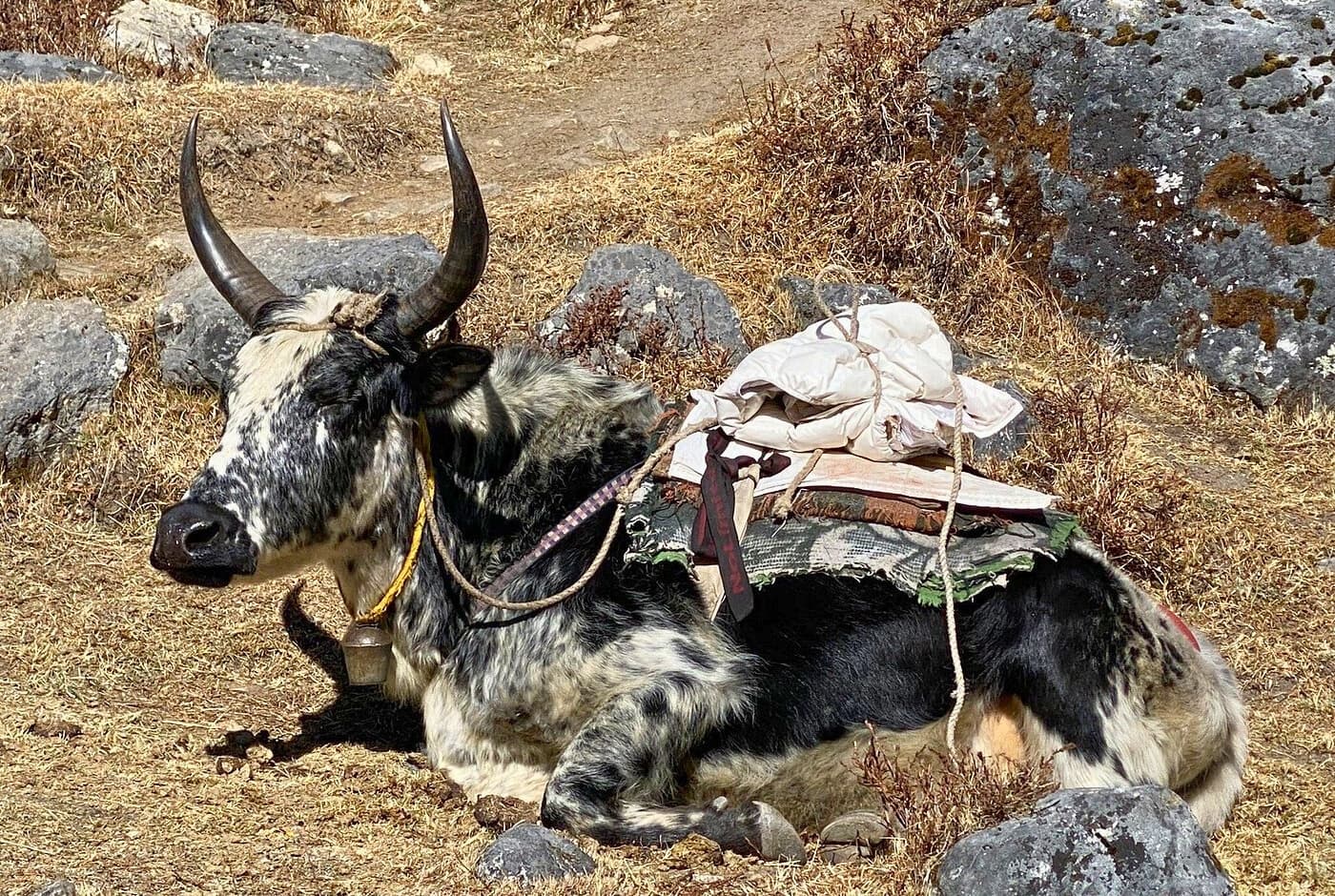
Meals usually include dal bhat, soups, noodles, rice, potatoes, eggs, porridge, pasta, and other basic trekking foods. Food choices become simpler at higher elevations because supplies are carried into remote areas by porters or pack animals.
Yes, personal snacks are useful, especially for summit day. Energy bars, nuts, chocolate, electrolyte tablets, and easy-to-eat high-calorie snacks can help when appetite drops at altitude. These personal snack items are not included in the package.
Yes, the itinerary can be customized because this is a private expedition. You can add extra acclimatization days, include a summit contingency day, adjust Kathmandu hotel nights, or choose a longer Mera Peak route if you prefer a slower schedule.
Yes, adding a summit buffer day is possible and often recommended for climbers who want better flexibility. Weather, snow conditions, wind, and health can affect summit timing, so an extra day gives the climbing leader another option if conditions are not suitable.
If you want a slower schedule, you can consider the standard Mera Peak Climbing package. It follows the full return trek instead of using the helicopter from Khare to Lukla. This option gives extra time on the route and a more gradual descent after the summit.
Most climbers should budget separately for visa fees, insurance, personal gear, drinks, snacks, Wi-Fi, hot showers, extra meals in Kathmandu, and staff tips. The final amount depends on your personal spending style, gear needs, and any extra hotel nights or services.